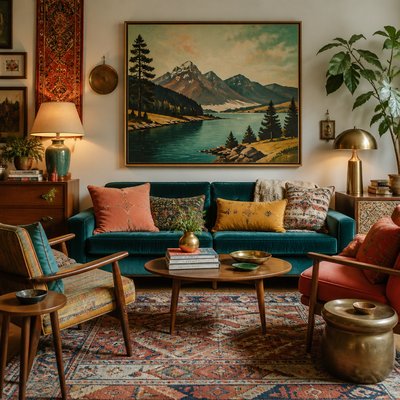
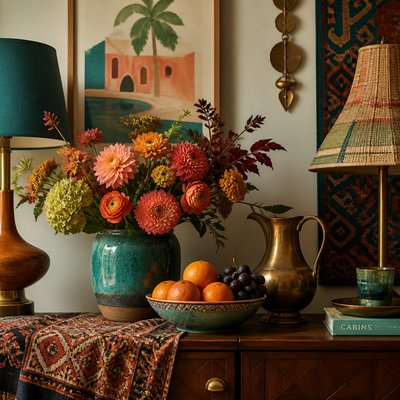
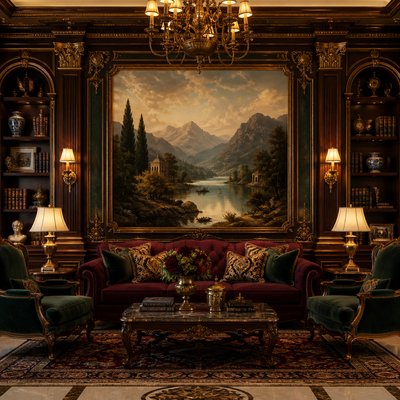
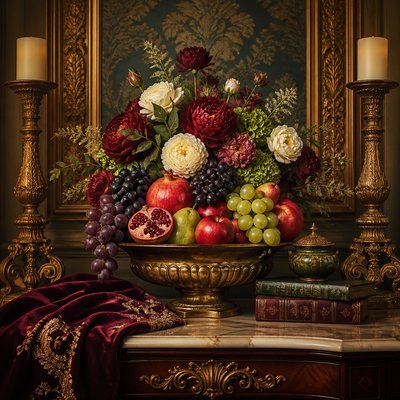
Rustic Cabin Interior Design
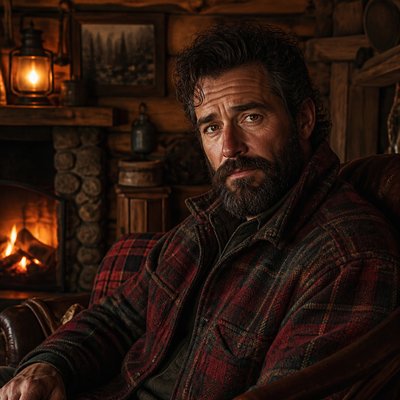
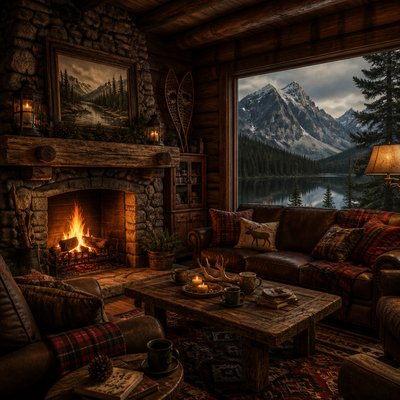
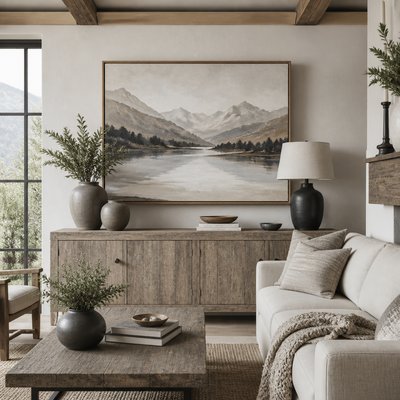
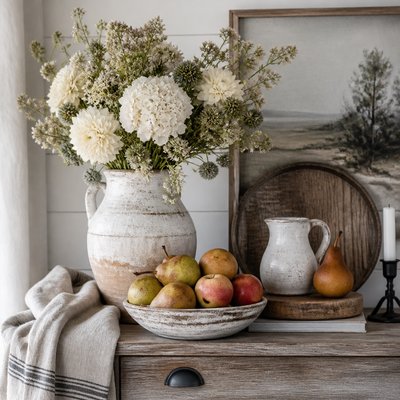
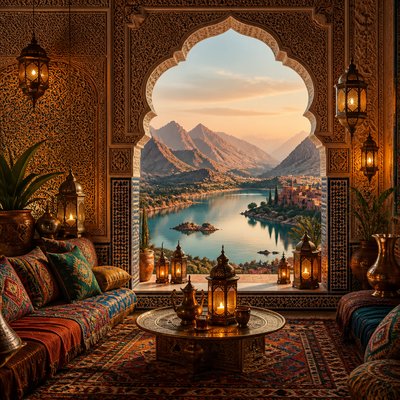
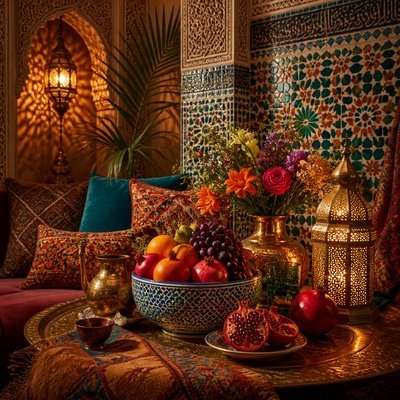
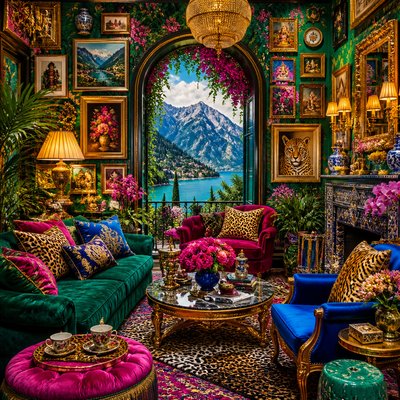
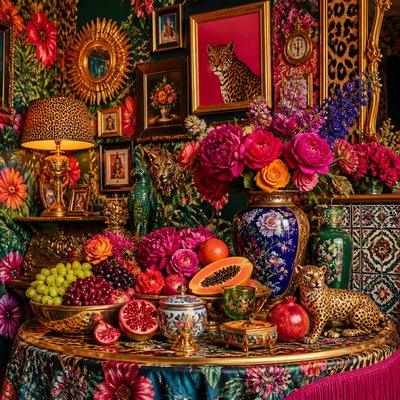
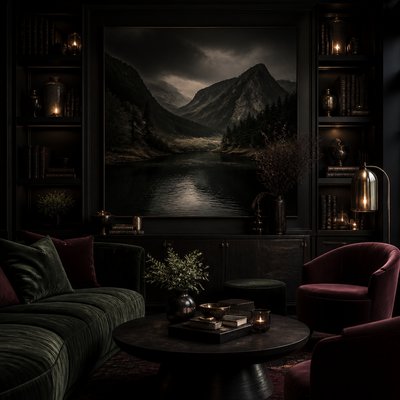
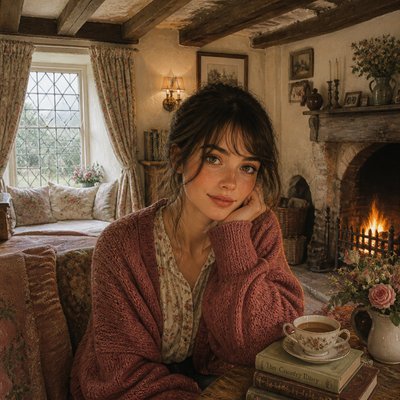
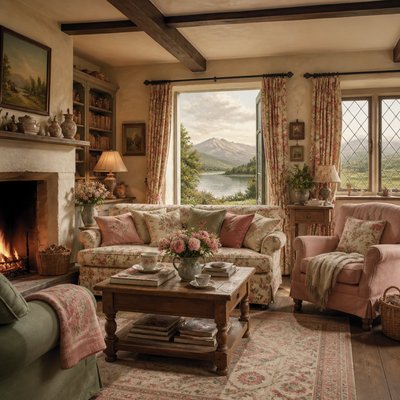
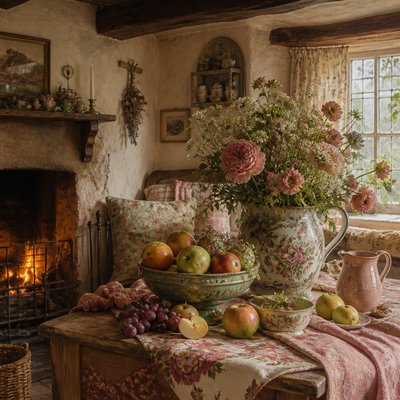
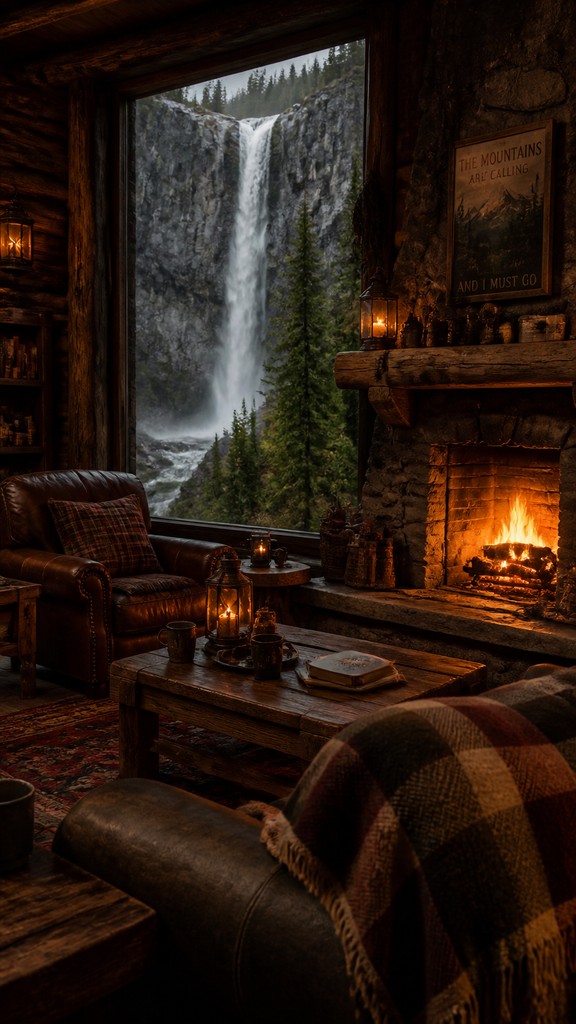
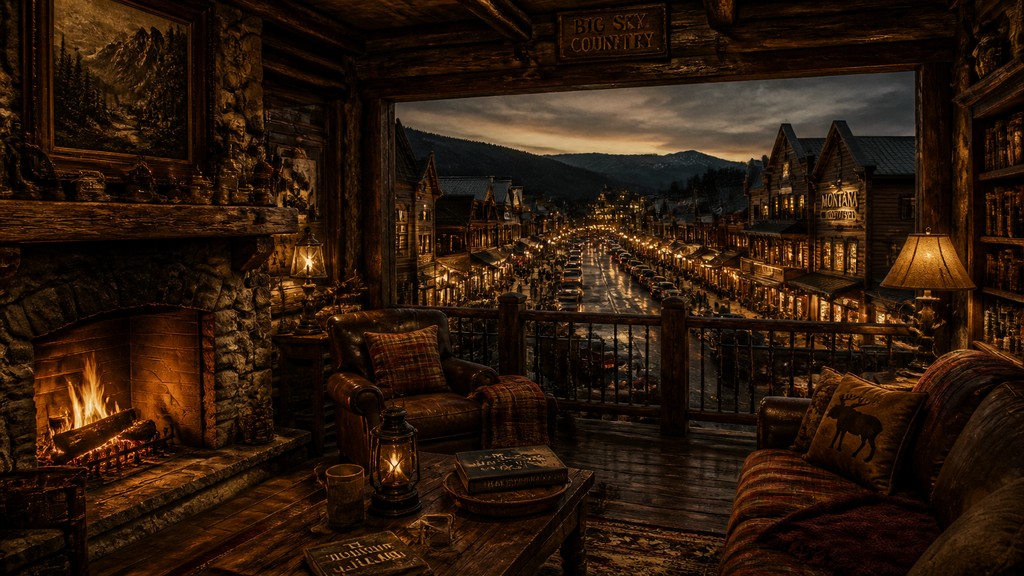
Rustic cabin interior design blends log walls, stone hearths, plaid textiles, and amber firelight for cozy mountain-lodge warmth.
Instantly rendered in Rustic Cabin Interior Design — or transform a photo
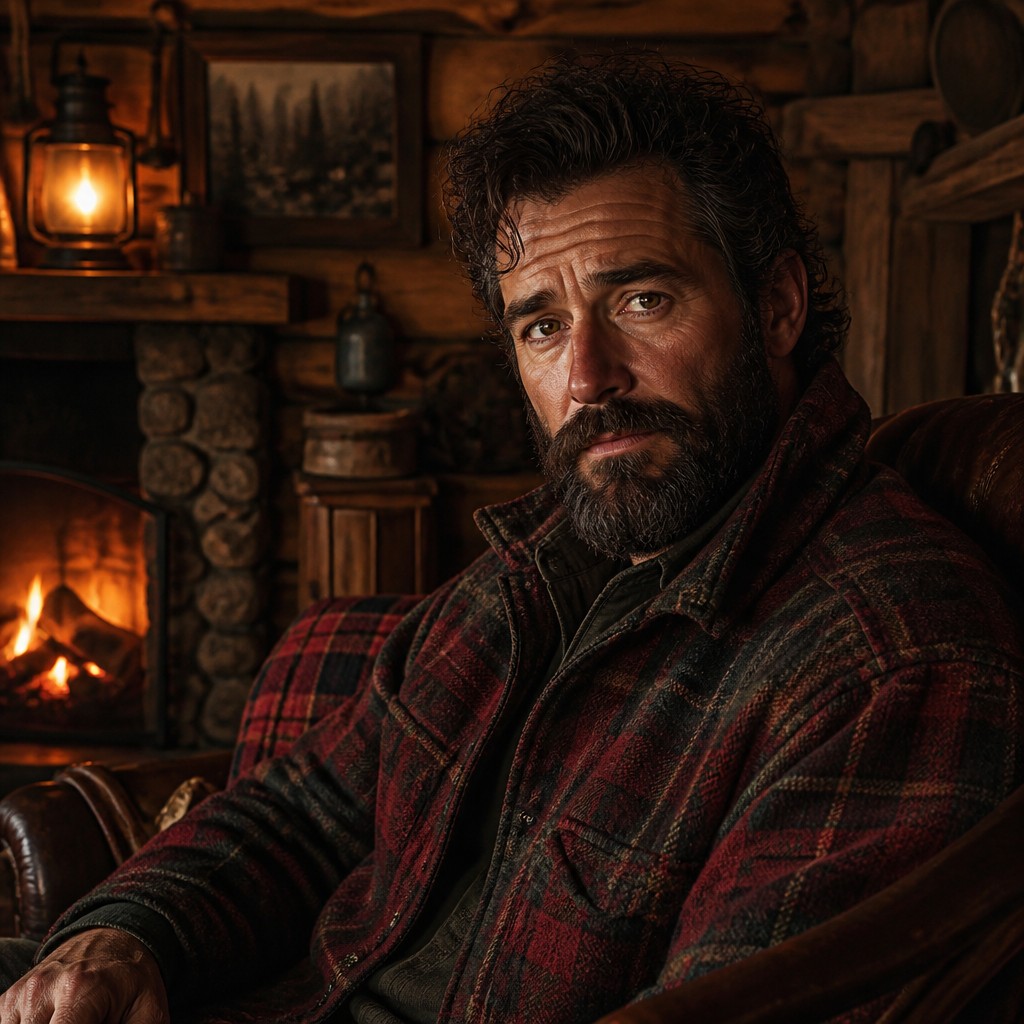
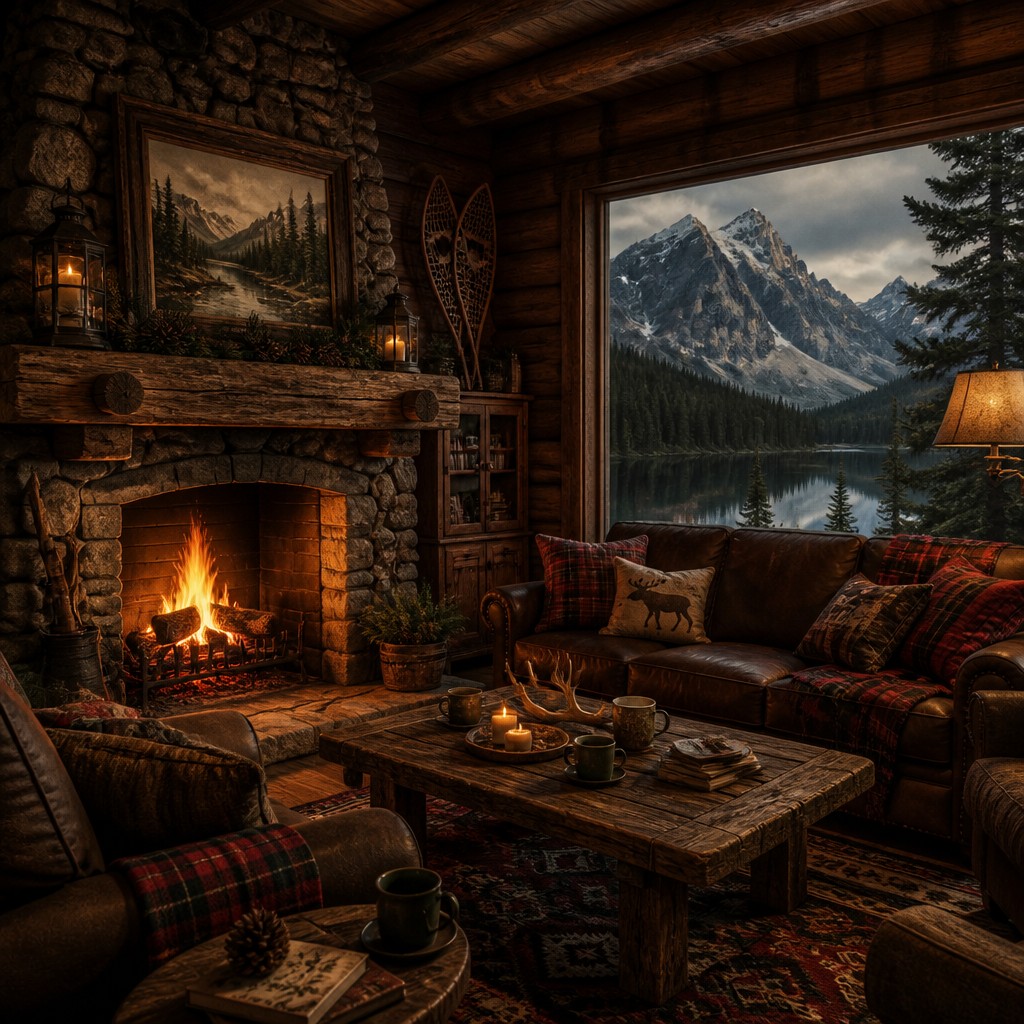
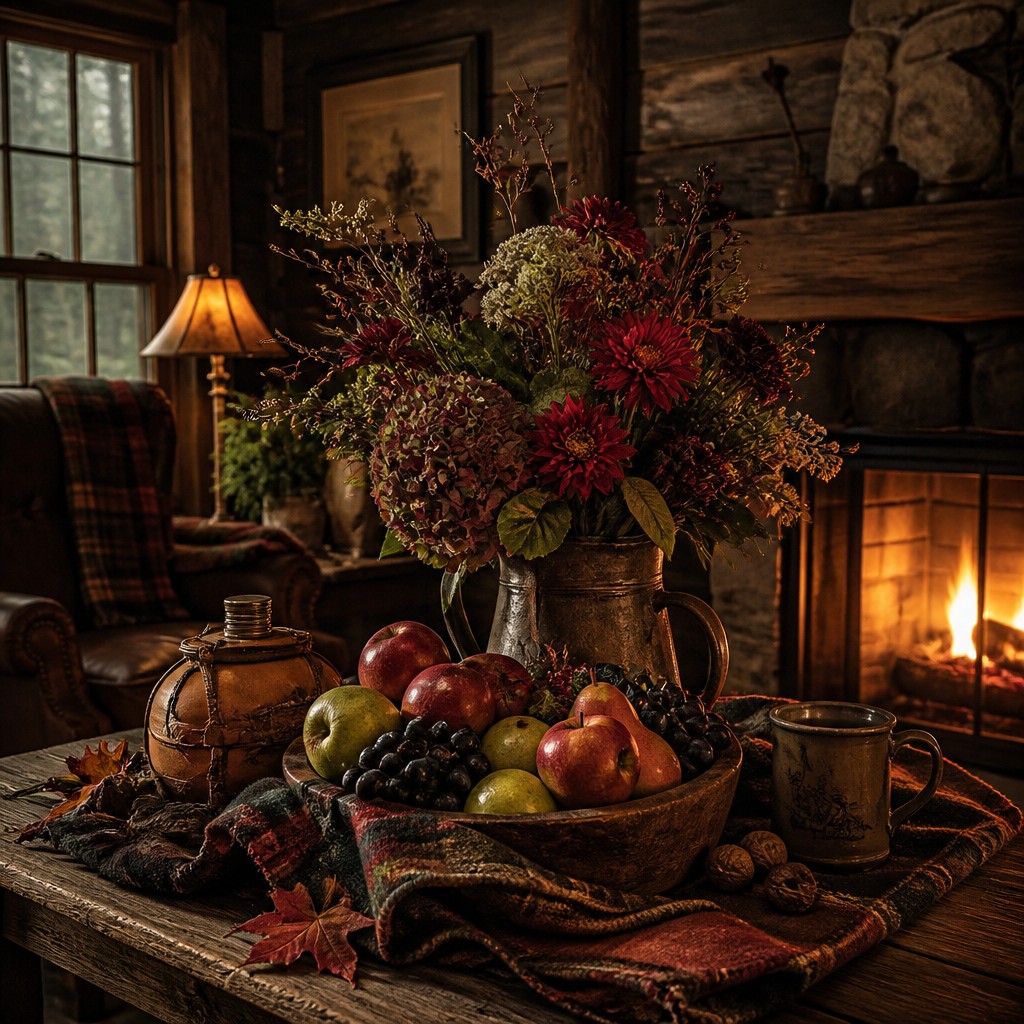
Rustic Cabin Interior Design Gallery
Tap any artwork to explore it
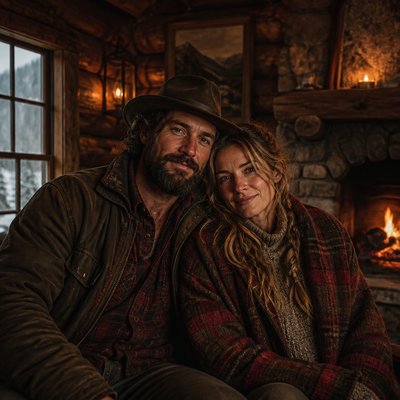
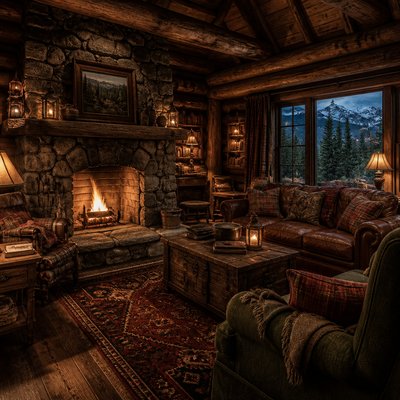
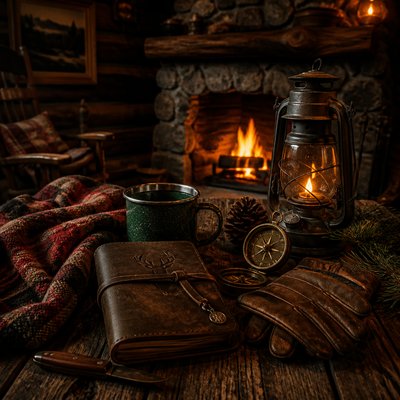
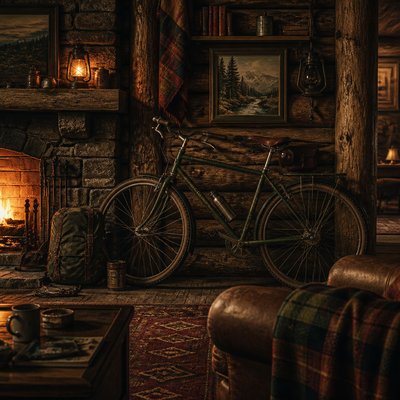
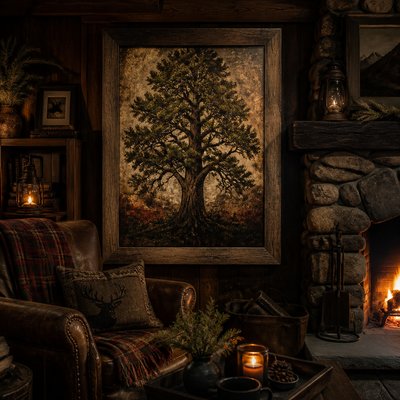
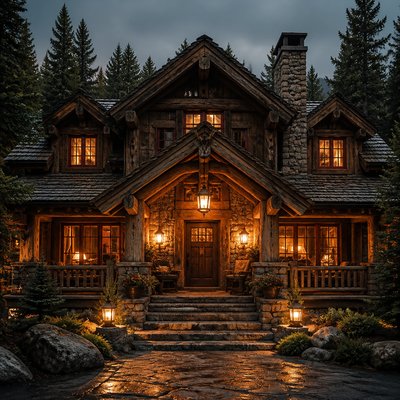
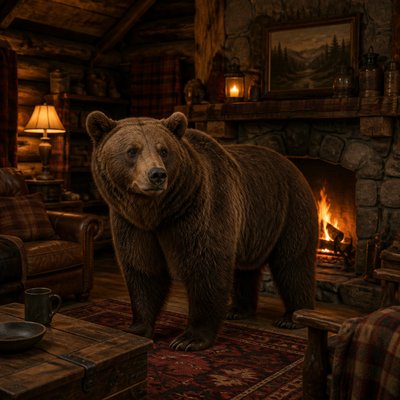
What is Rustic Cabin Interior Design?
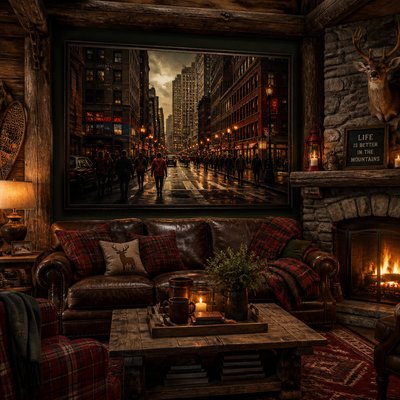
Rustic cabin interior design is a warm, materially expressive interior style built around timber, stone, wool, leather, and firelight. It evokes the atmosphere of a mountain lodge or woodland retreat: enclosed, sheltering, and tactile, with an emphasis on visible construction, natural surfaces, and a lived-in sense of comfort.
Its visual identity comes from the contrast between rugged structure and soft domestic layers. Rough-hewn logs, raw stone fireplaces, iron hardware, plaid blankets, weathered furniture, and amber illumination create a room that feels both practical and intimate. The style looks the way it does because it draws on vernacular shelter, frontier cabins, alpine lodges, and the broader tradition of using natural materials to signal warmth, permanence, and closeness to the landscape.
Try It On Your Photos
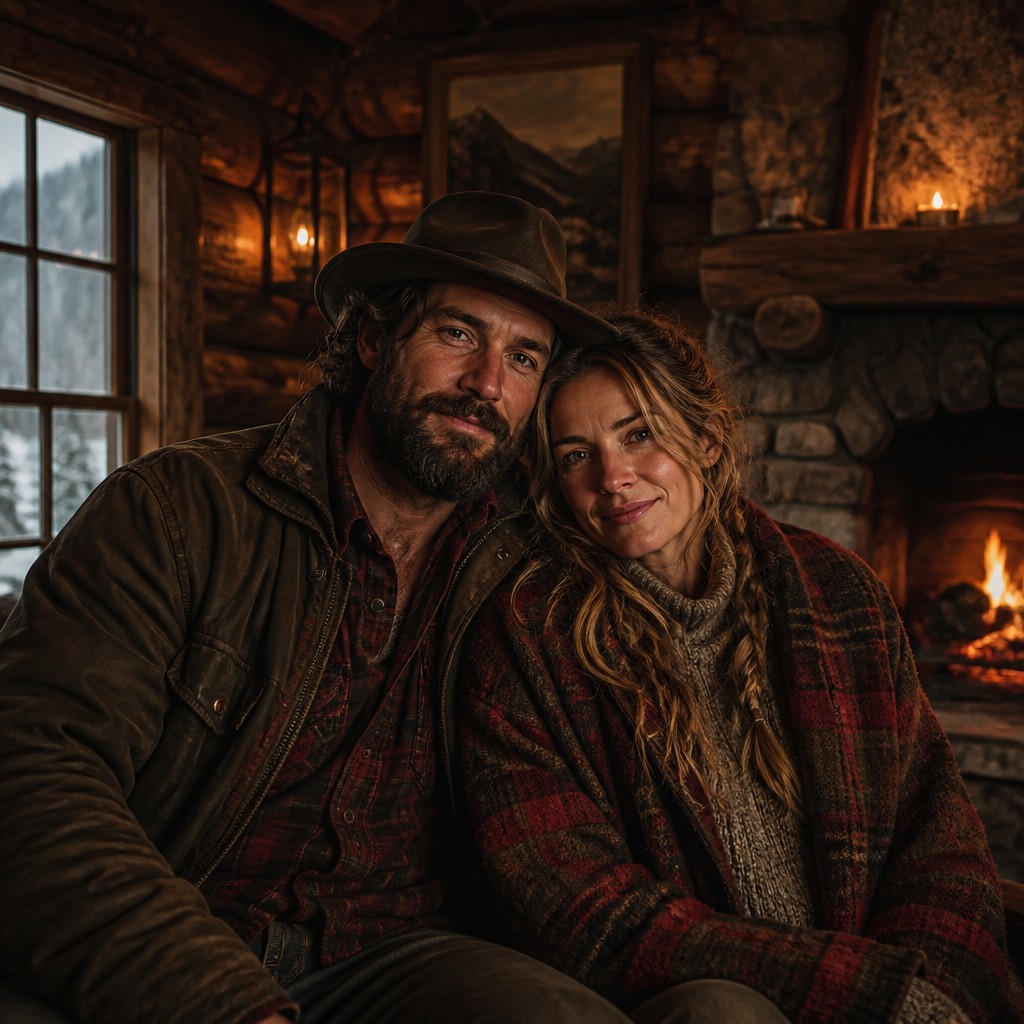
Upload any photo and convert it into Rustic Cabin Interior Design — drag the sliders to compare before and after.


What Defines Rustic Cabin Interior Design
The signature details, up close
Heavy natural materials
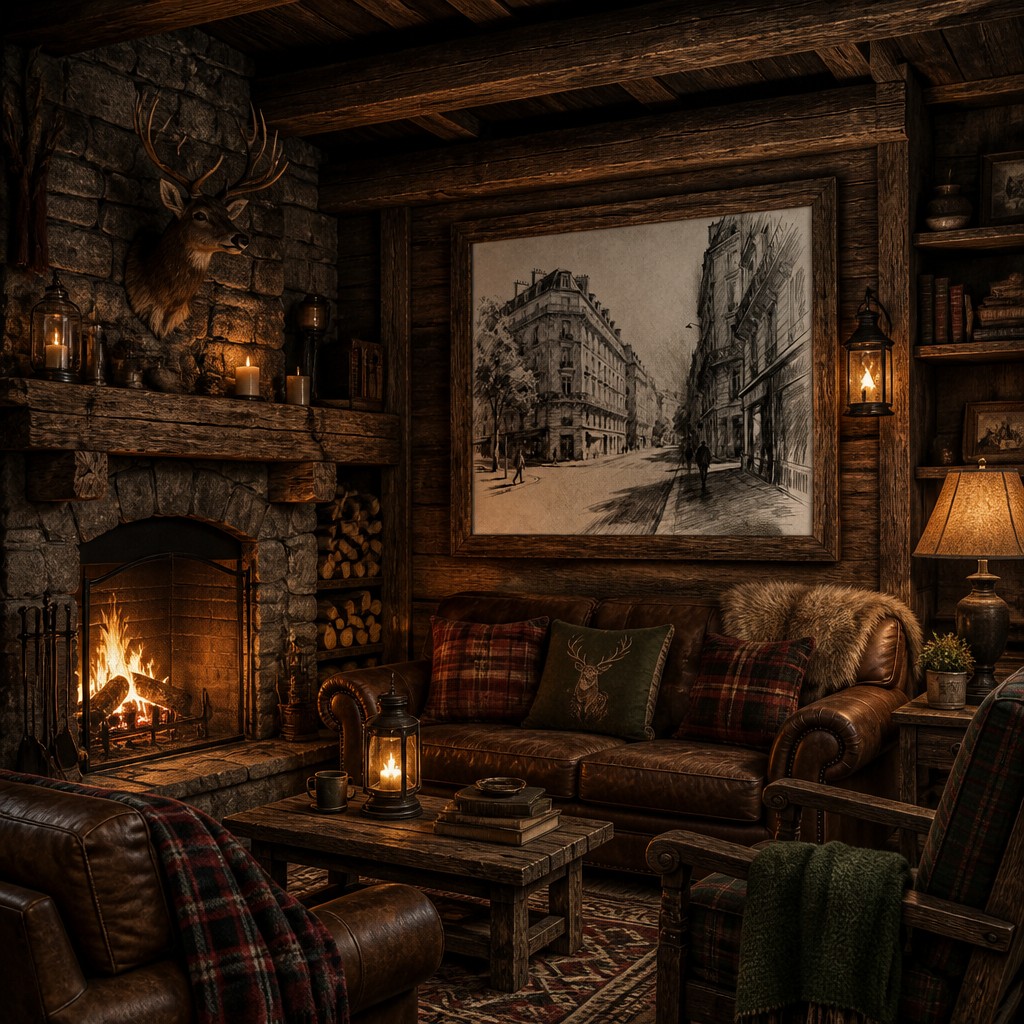
Log walls, timber beams, and stone fireplaces are central. Surfaces usually show grain, knots, chisel marks, or rough texture rather than polished perfection.
Warm low-key lighting
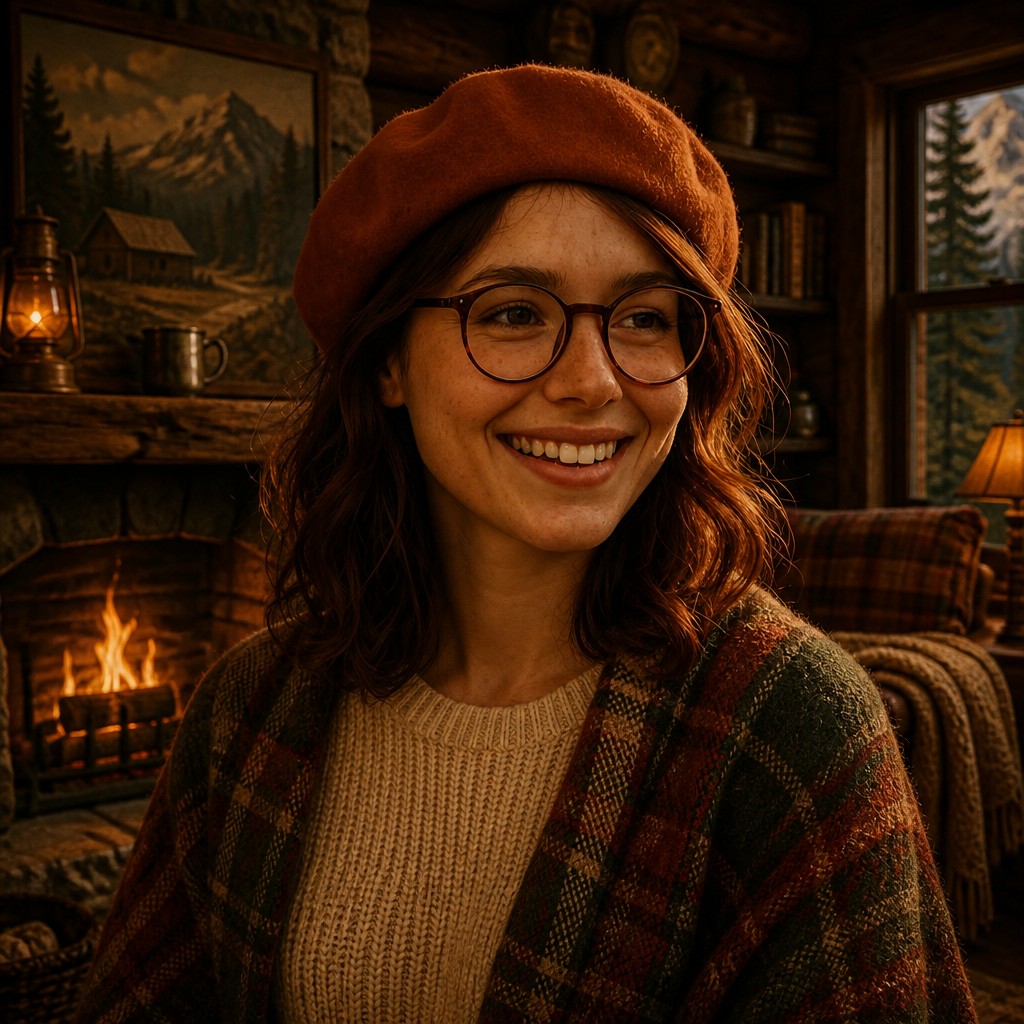
The atmosphere depends on amber firelight, lantern glow, and soft shaded lamps. Light is typically subdued, with flickering highlights and deep shadows that make the room feel enclosed.
Earth-toned palette
Color tends toward timber brown, forest green, rust red, smoke grey, and muted cream. Bright or cool hues are usually restrained so the natural materials stay visually dominant.
Soft, durable textiles
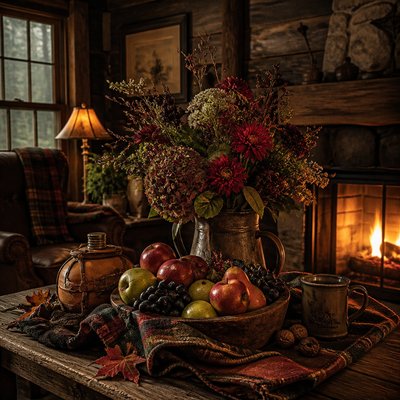
Plaid wool, knit throws, fur-like accents, and thick upholstery soften the hard surfaces. These textiles add pattern, warmth, and a sense of seasonal comfort.
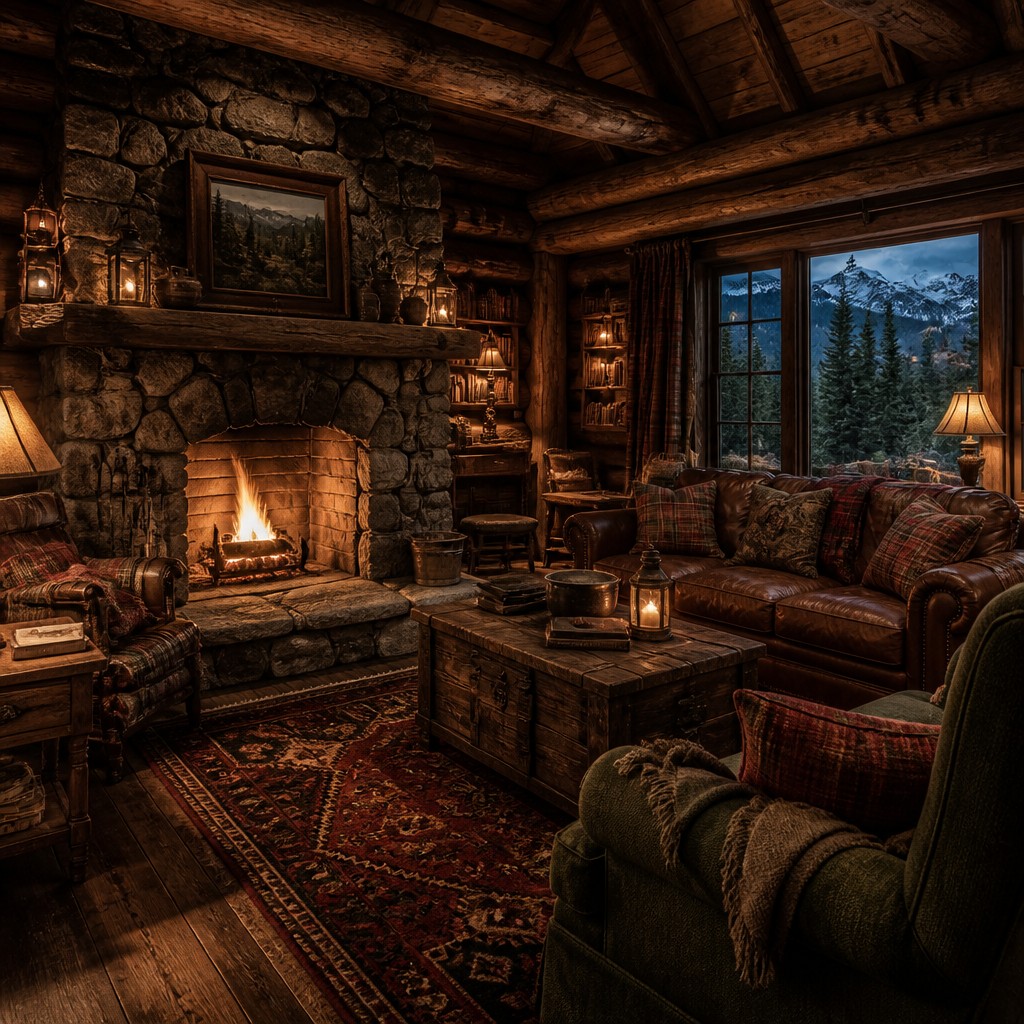
Weathered, practical furnishings
Furniture often feels handcrafted or antique, with sturdy silhouettes, visible joinery, and worn leather. The look favors usefulness and age over sleekness.
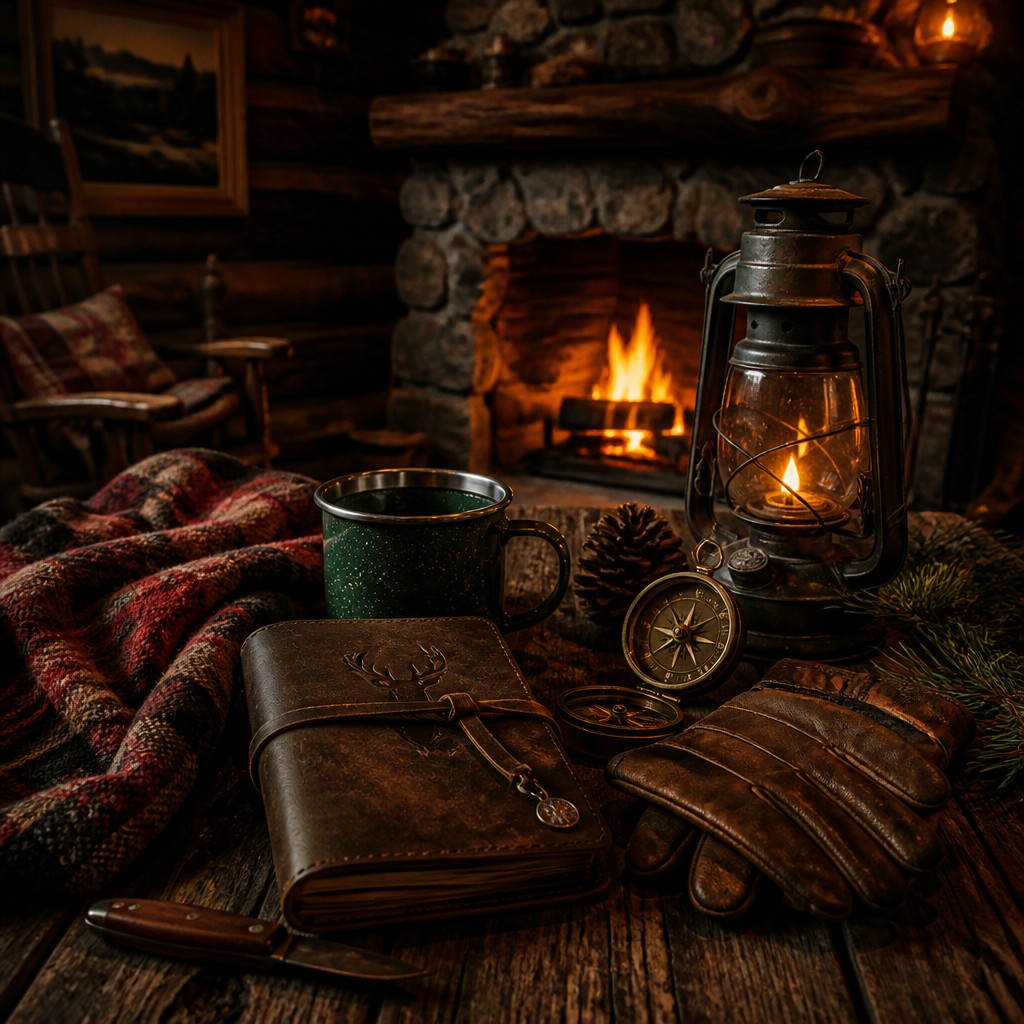
Fireplace-centered composition
The hearth is often the visual and emotional anchor of the interior. Seating, rugs, and decorative objects usually cluster around it to reinforce a communal, gathering-oriented layout.
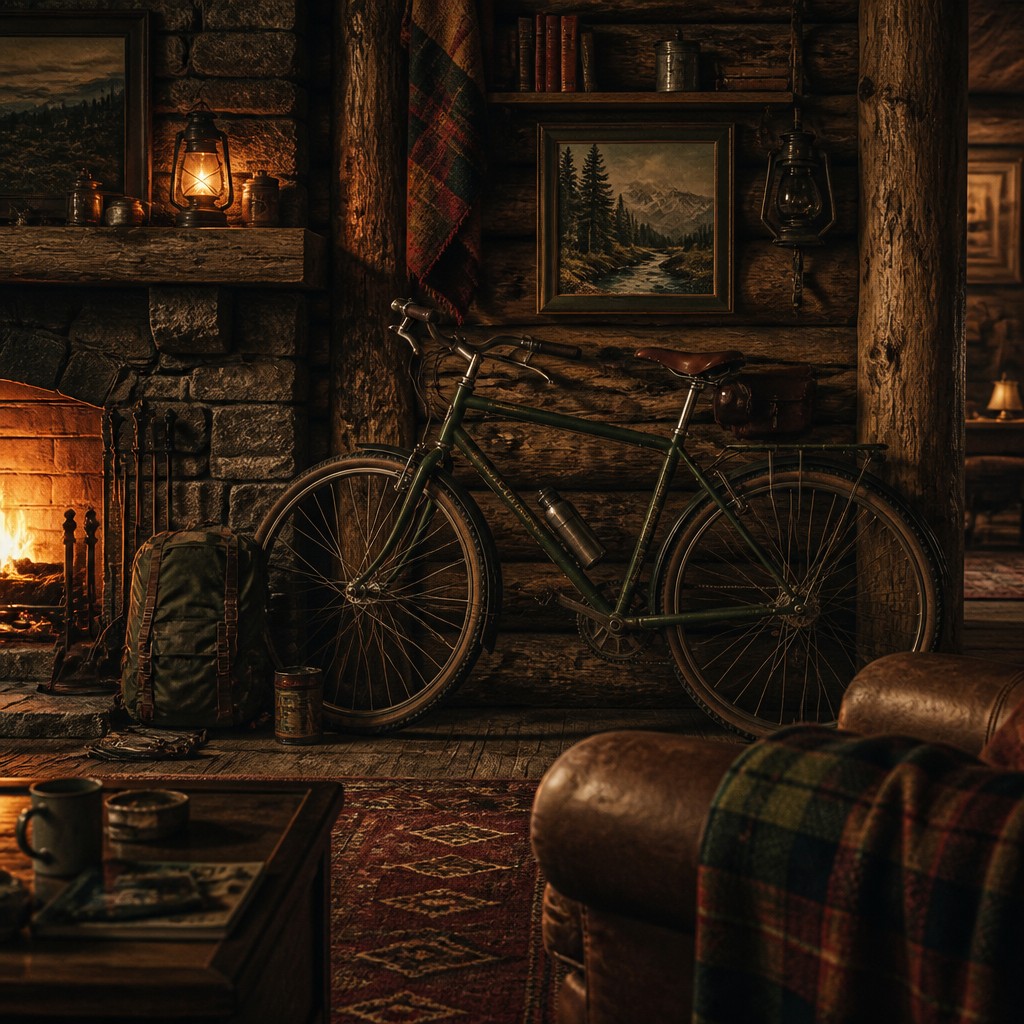
Cozy enclosure
Rooms in this style feel dense, layered, and protected from the outside world. The overall effect is intimate rather than airy, with an emphasis on shelter and quiet warmth.
Try It
Create Videos in Rustic Cabin Interior Design
Styles aren't just for stills — describe a scene or animate an image and get a short video rendered in Rustic Cabin Interior Design. Press play to see this pond come to life.
Make a VideoRustic Cabin Interior Design Prompt Ideas
Start from an idea — each one opens the generator with the style ready to go. See all 40 Rustic Cabin Interior Design prompts →
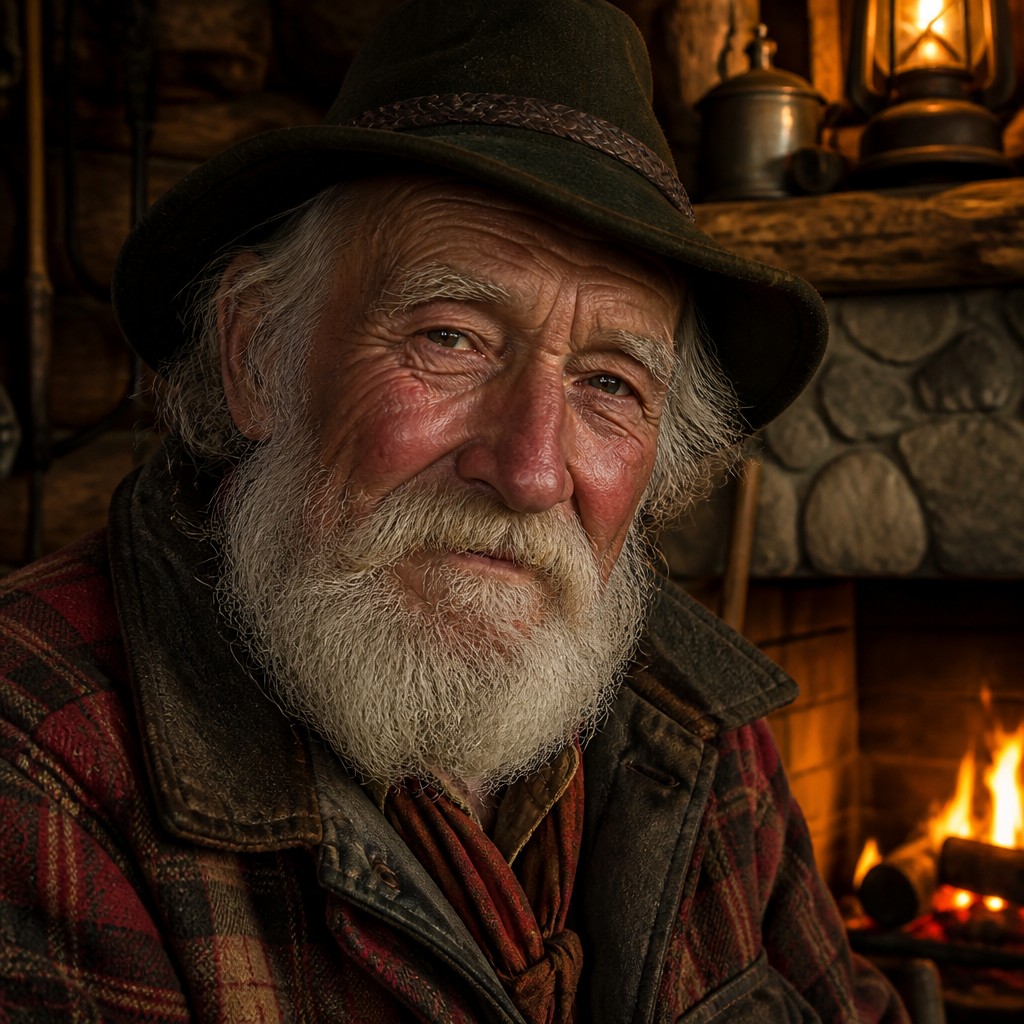
“close-up portrait of an elderly person with expressive weathered features”
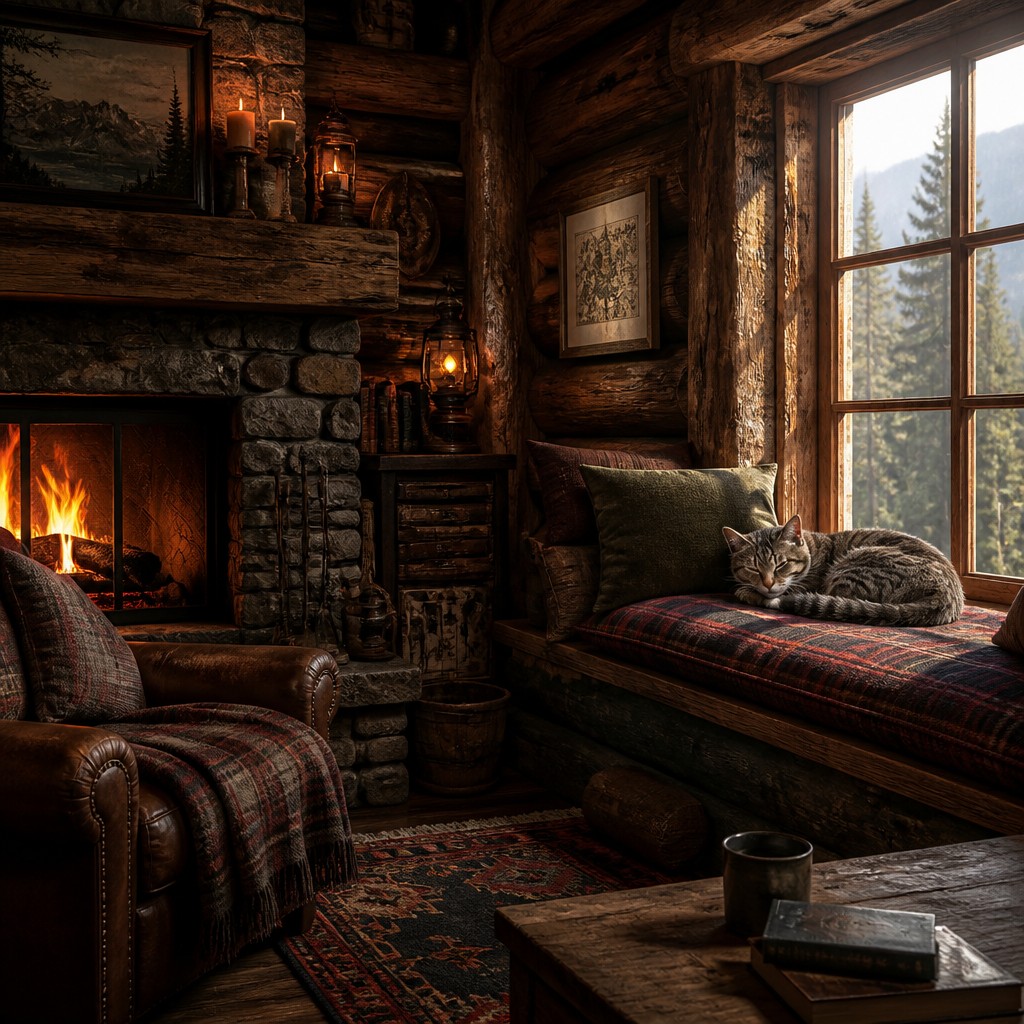
“a cat lounging in a sunlit window”
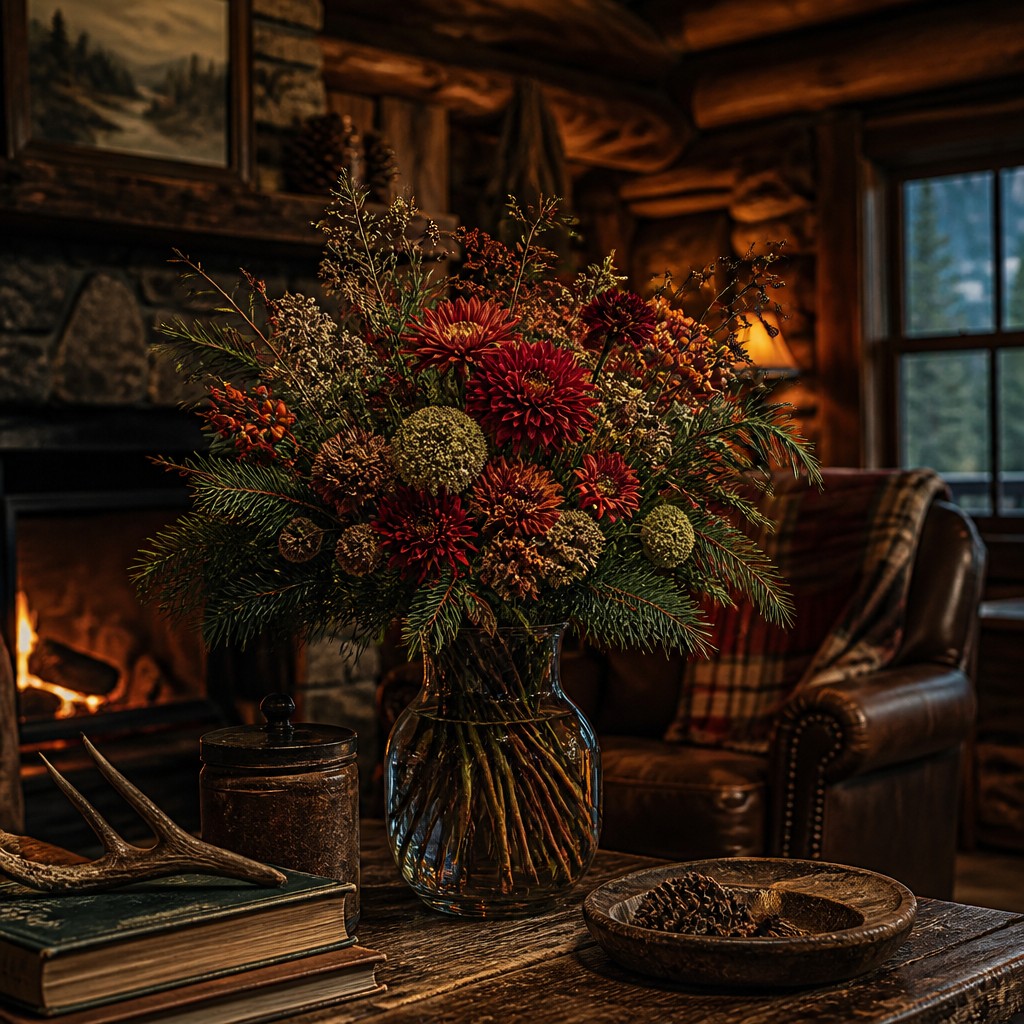
“bouquet of flowers in a glass vase”
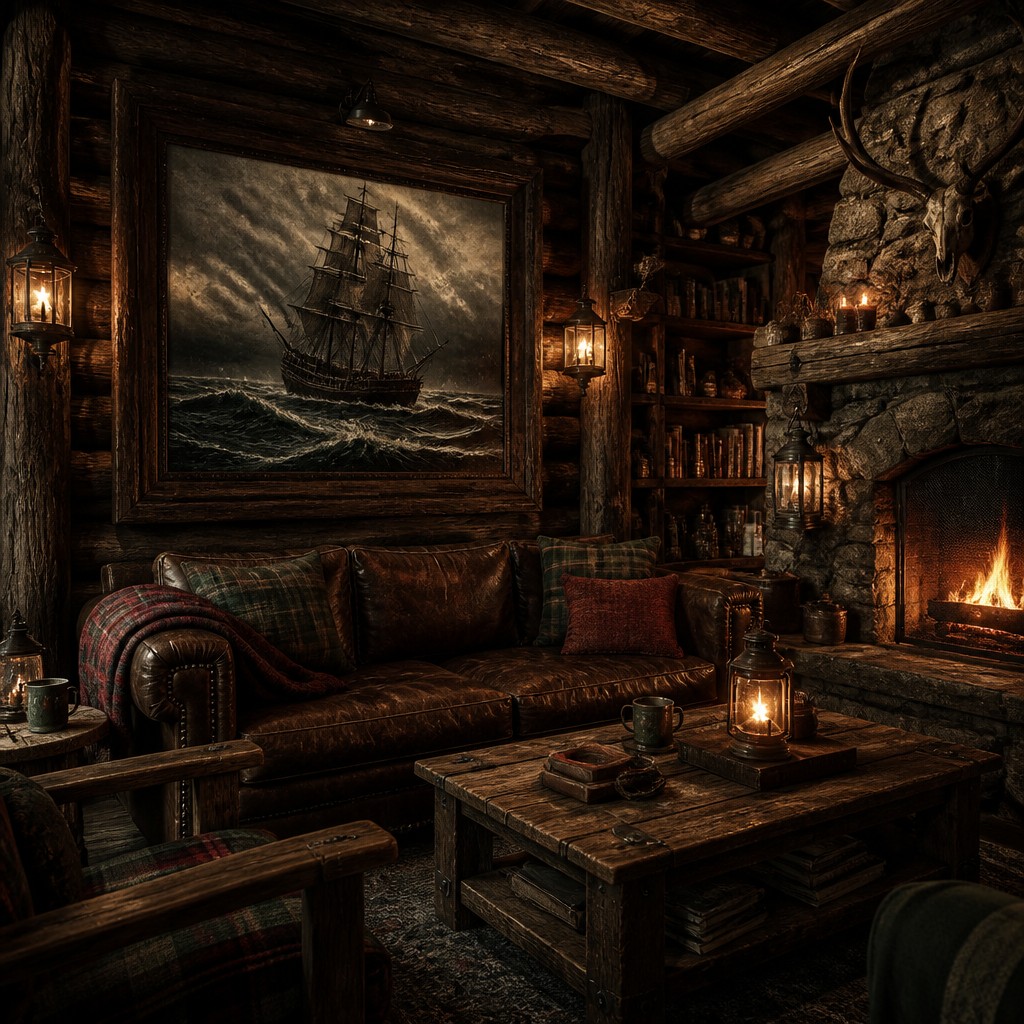
“sailing ship on a stormy sea”
How to Create Rustic Cabin Interior Design Art
Master the craft step by step — or skip straight to creating. Read the full guide →
- 1
Start with a structural base of timber and stone
In traditional work, establish walls, beams, or framing with strong wood grain and add a stone hearth or accent wall for contrast. In digital or AI-based creation, specify rough-hewn logs, raw stone textures, and visible craftsmanship so the materials read immediately.
- 2
Build the palette around warmth and shadow
Use deep browns, muted greens, rust reds, and smoke greys, then let amber highlights from fire or lamps define the scene. Avoid high-contrast modern whites or saturated contemporary colors unless you want a deliberate hybrid.
- 3
Layer textiles for softness and pattern
Add plaid wool blankets, heavy curtains, knit cushions, and aged rugs to break up the hard surfaces. Small repeated patterns help the room feel lived-in without becoming visually busy.
- 4
Choose furniture with weight and wear
Favor sturdy chairs, thick tables, leather seating, and handmade storage pieces with slightly imperfect edges. In image prompts, words like weathered, handcrafted, and worn-in help keep the furnishings grounded in the style.
- 5
Use low, directional lighting to shape mood
Firelight, lanterns, and shaded lamps should create pools of warm illumination and soft shadow falloff. If rendering digitally, reduce fill light so the room retains its intimate, sheltered character.
- 6
Compose for enclosure and lived-in comfort
Whether painting, photographing, or generating an image, arrange objects close together and avoid too much open negative space. Mentioning a hearth, cabin nook, mountain lodge, or cozy reading corner can strongly anchor the style.
The Story
History & Origins of Rustic Cabin Interior Design
Rustic cabin interior design is not a single historical movement but a modern interior aesthetic rooted in vernacular building traditions of log cabins, alpine chalets, hunting lodges, and rural homes in forested or mountainous regions. Its core forms developed from practical construction: stacked logs, stone hearths, handwoven textiles, and durable furnishings made to withstand cold climates and heavy use. Over time, these utilitarian interiors were romanticized as symbols of retreat, self-sufficiency, and connection to nature.
In the twentieth century, resort architecture, park lodges, and vacation homes helped popularize the look beyond its original regional contexts. Later “rustic chic” and lodge-inspired interiors refined the palette and furnishings while preserving the handmade, weathered character. Today the style appears both in authentic cabin settings and in contemporary interiors that borrow its material language to create an atmosphere of warmth, nostalgia, and shelter.
Influences: Rustic cabin interior design draws from vernacular log construction, alpine chalet interiors, hunting lodge decor, and the broader Arts and Crafts preference for honest materials and visible craftsmanship. It also overlaps with country and farmhouse interiors, though it is typically darker, denser, and more firelit. In fine art terms, its mood can recall the material sensitivity of the Arts and Crafts movement associated with William Morris and the hand-built emphasis later continued in rustic revival design, rather than a single canonical painterly school.
Frequently Asked Questions
What defines rustic cabin interior design?
The style is defined by natural materials, especially wood and stone, plus a warm, enclosed atmosphere. Firelight, plaid textiles, leather, and weathered surfaces are the quickest visual signals. It aims to feel sheltering, practical, and closely tied to the landscape.
How is it different from farmhouse interior design?
Farmhouse interiors tend to be lighter, more open, and often painted in whites or pale neutrals. Rustic cabin design is darker and more immersive, with heavier logs, stone, and a stronger emphasis on firelit coziness. It usually feels more mountainous or woodland than agricultural.
How is it different from modern rustic or rustic chic?
Modern rustic and rustic chic usually clean up the materials with smoother lines, lighter palettes, or contemporary furnishings. Rustic cabin interiors keep the rough-hewn, denser, and more lodge-like character intact. The goal is comfort through texture and warmth rather than refinement through contrast.
What rooms work best in this style?
Living rooms, dens, bedrooms, kitchens, and dining areas are the most natural fits because they benefit from a sense of shelter and gathering. Fireplaces, exposed beams, and layered textiles help the style read clearly. It can also work well in cabins, vacation homes, and hospitality spaces such as lodges.
How do I make an image look authentic in this style?
Focus on material realism: rough wood grain, stone texture, wool weave, and worn leather should all be clearly visible. Keep the lighting low and warm, and avoid adding too many sleek modern surfaces. Small details like a lantern, stacked firewood, or a plaid throw can anchor the image.
Can this style be used in contemporary homes?
Yes, but it usually works best as a selective interior theme rather than an all-over treatment. A contemporary home can borrow cabin elements such as a stone fireplace, timber accents, or wool textiles while keeping the rest of the architecture simpler. That creates warmth without making the room feel overly thematic.
Create your first Rustic Cabin Interior Design artwork
Describe anything — or upload a photo — and see it in Rustic Cabin Interior Design in seconds.
Related Styles
Discover similar art styles