Mughal Jewelry Design
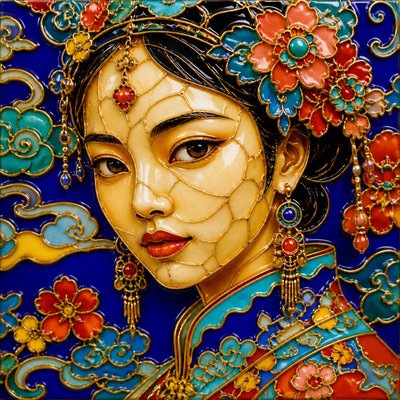
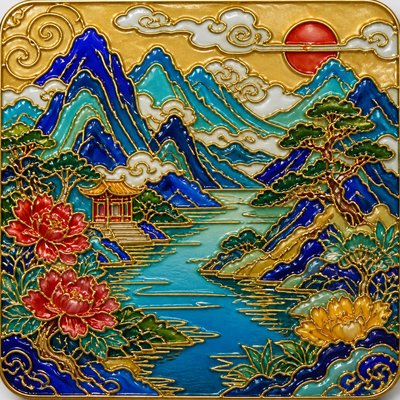
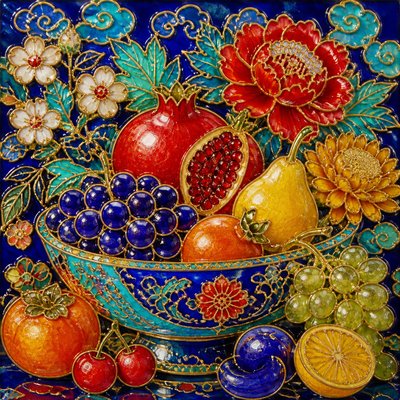
Kundan, polki, emeralds and meenakari enamel in regal Indian court jewelry with floral symmetry and dense gem mosaics.
Instantly rendered in Mughal Jewelry Design — or transform a photo
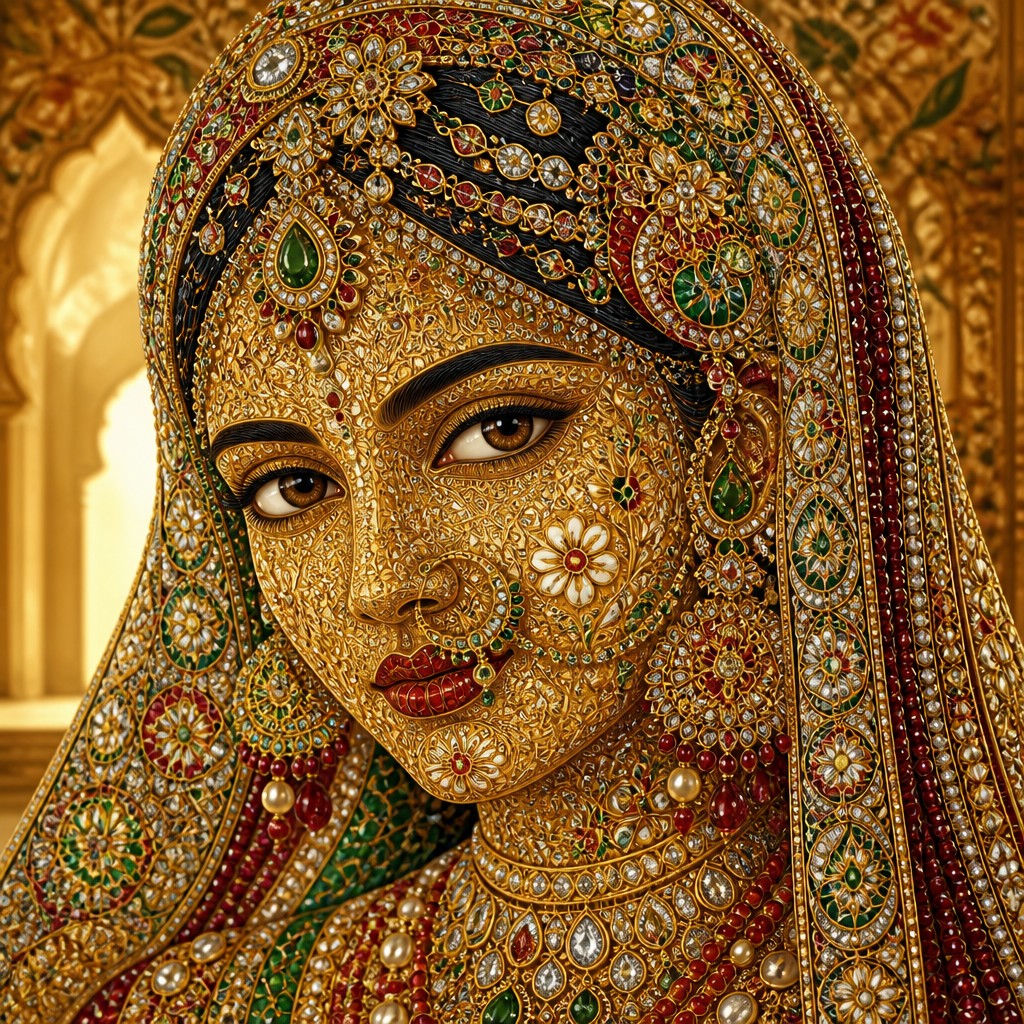
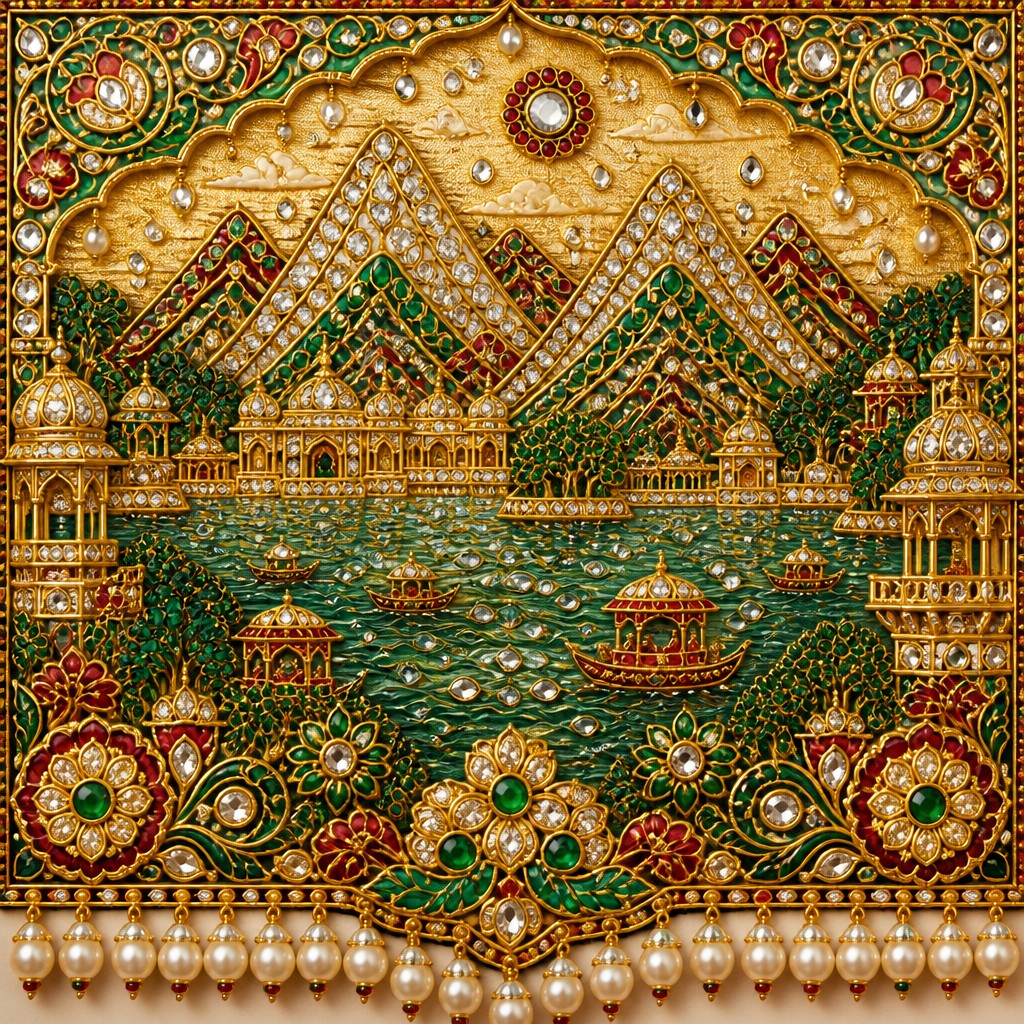
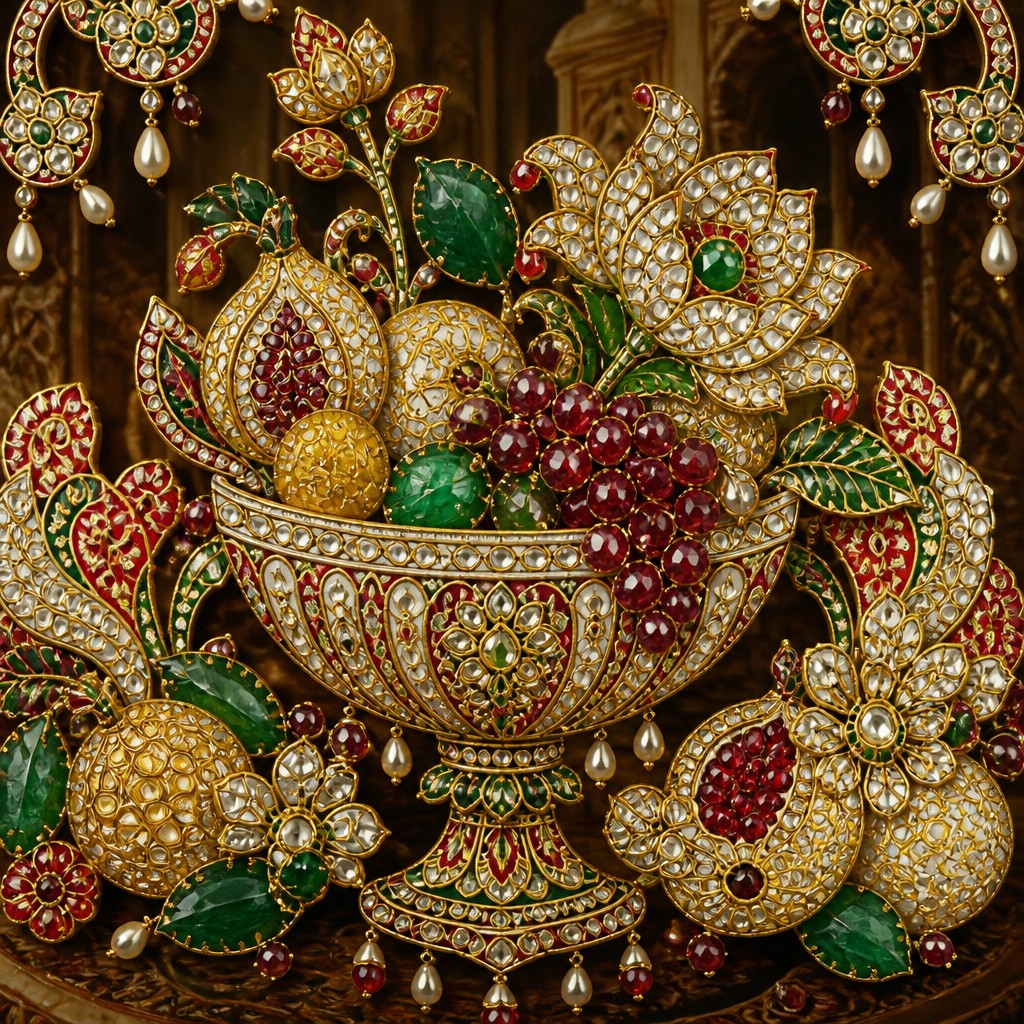
Mughal Jewelry Design Gallery
Tap any artwork to explore it
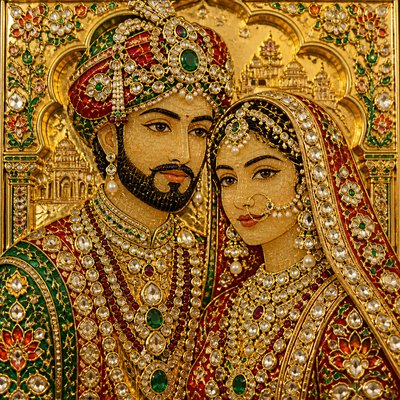
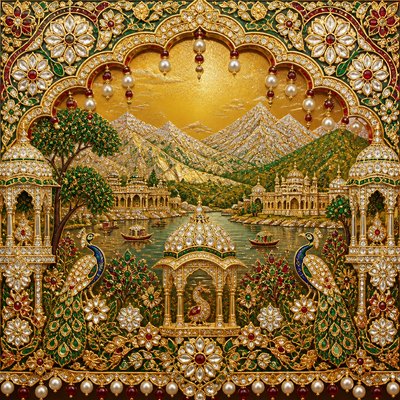
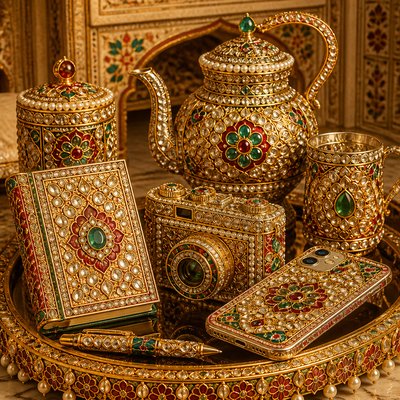
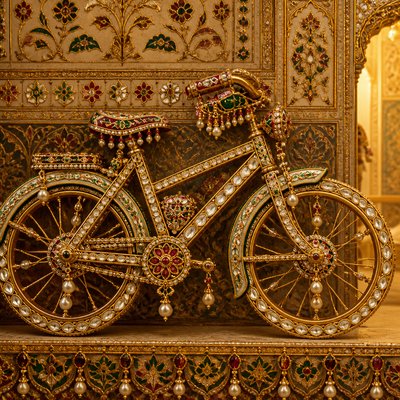
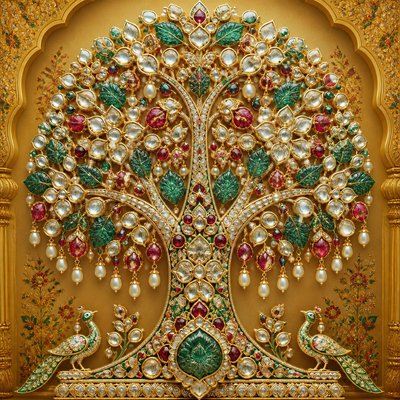
What is Mughal Jewelry Design?
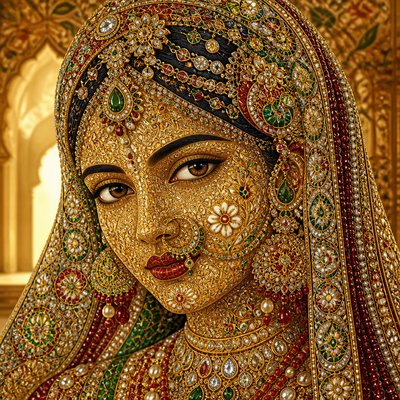
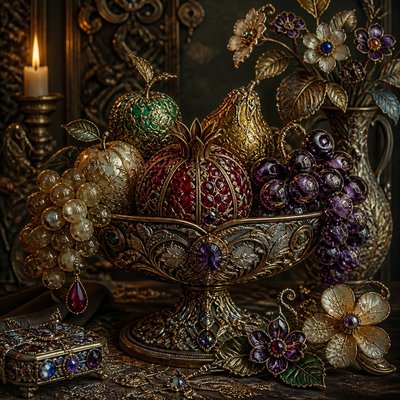
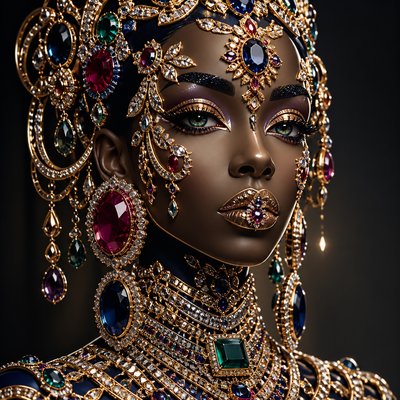
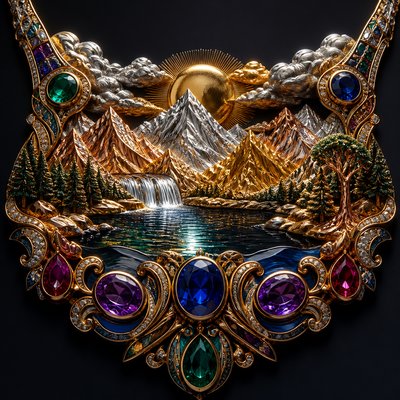
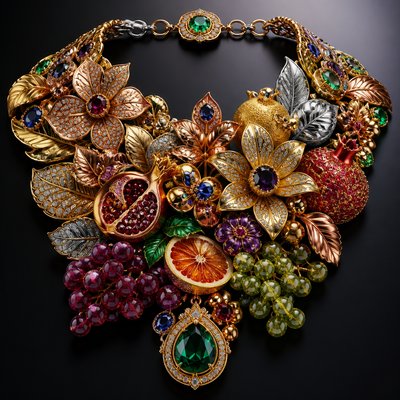
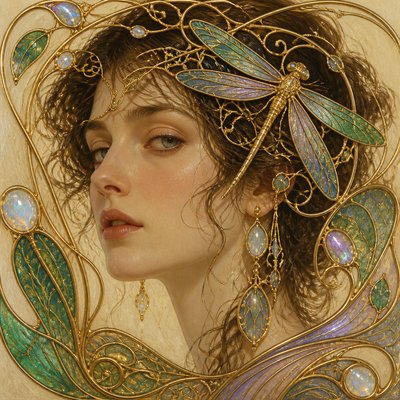
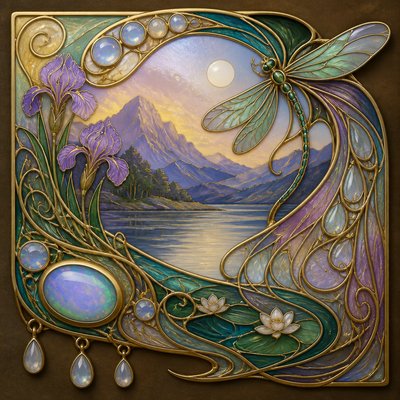
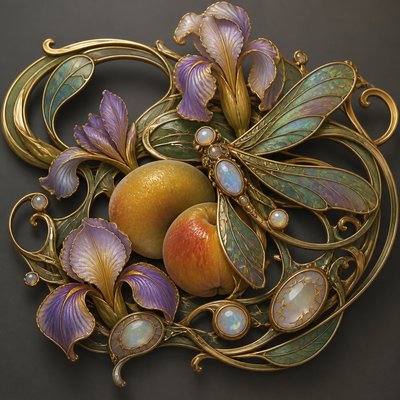
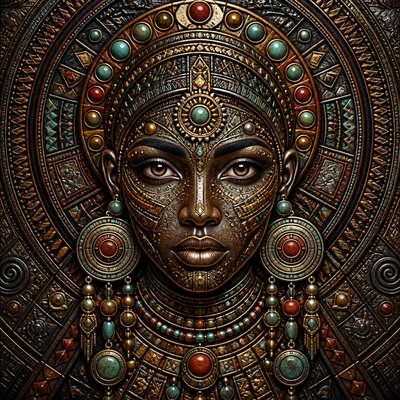
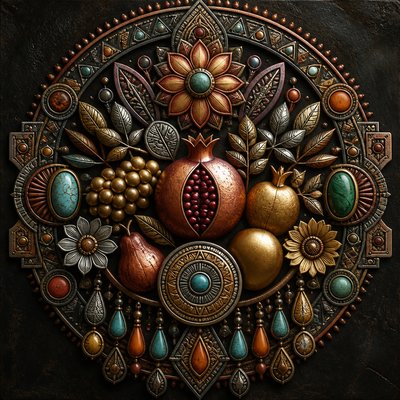
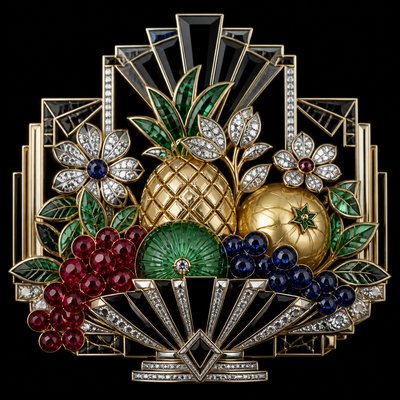
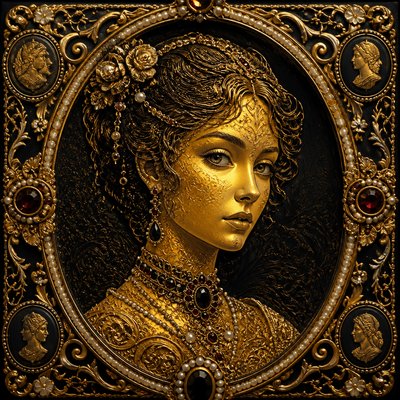
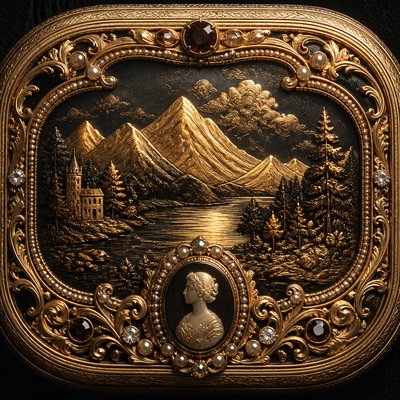
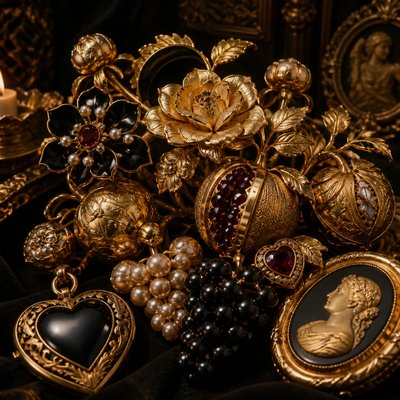
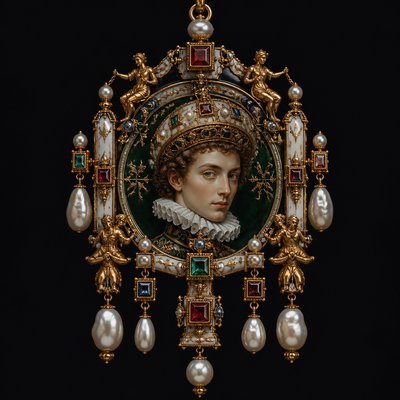
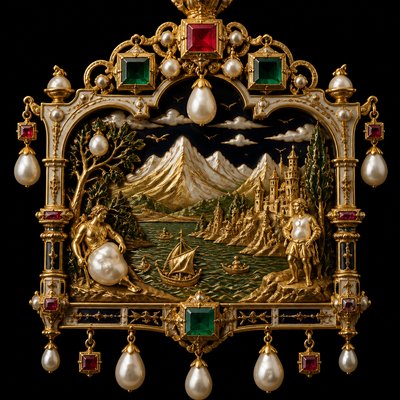
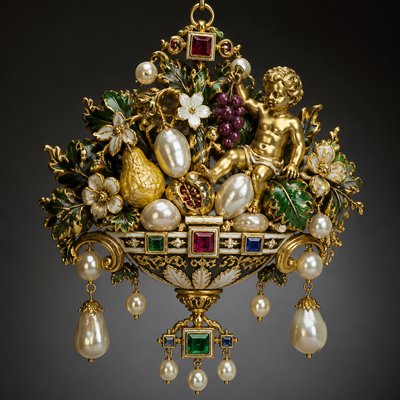
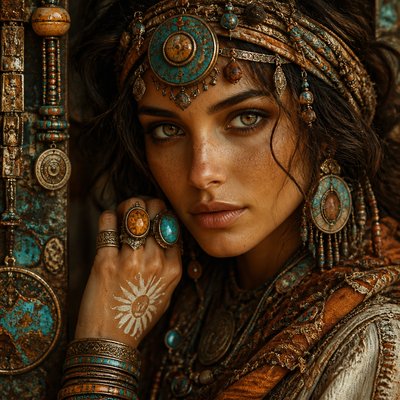
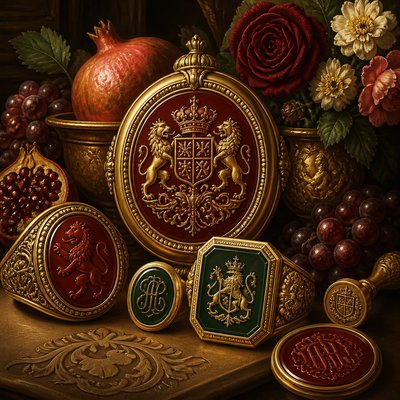
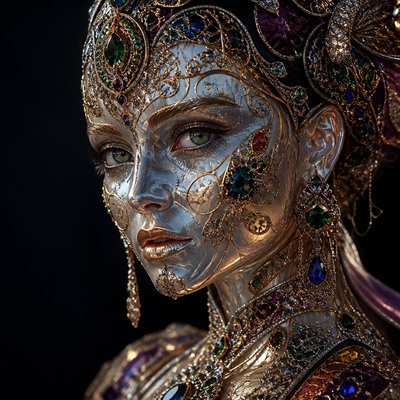
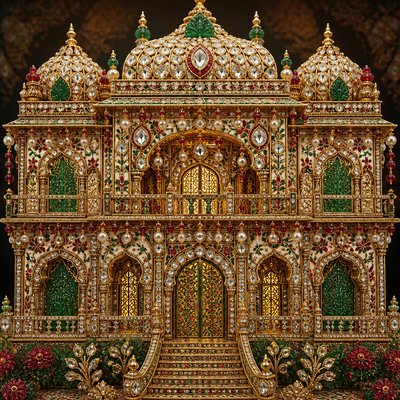
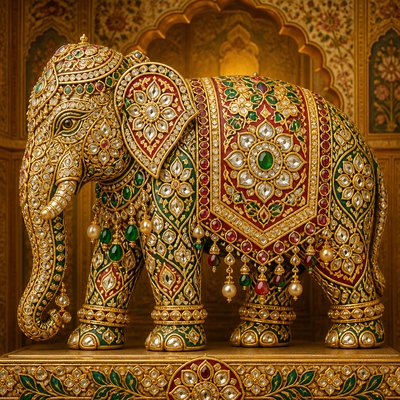
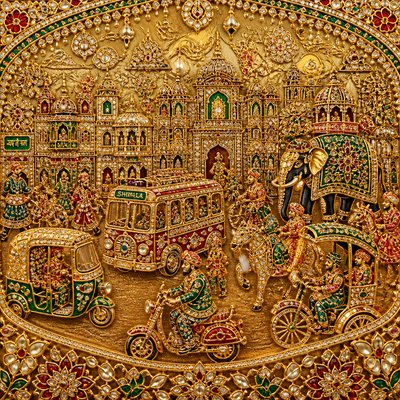
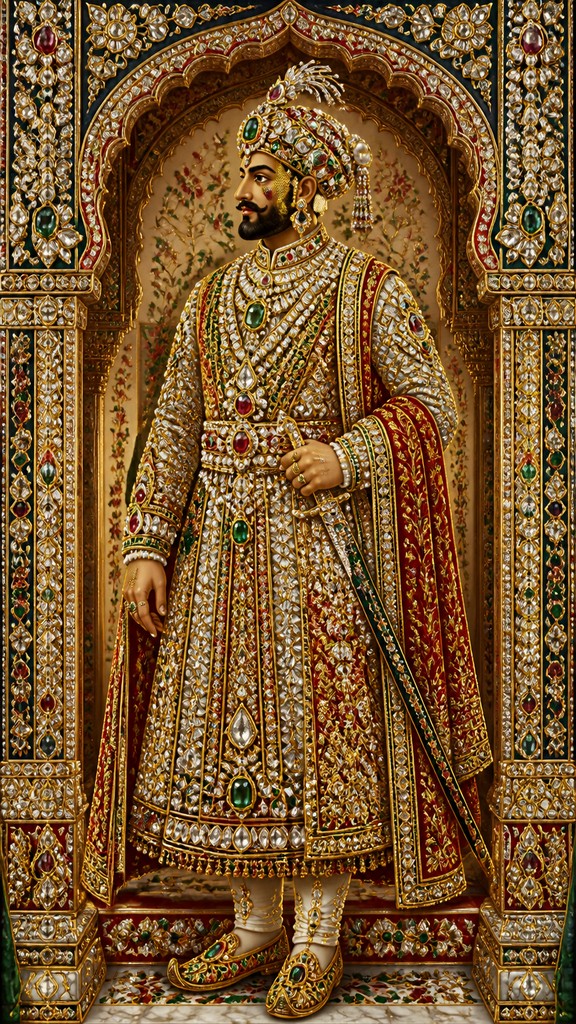
Mughal Jewelry Design is the visual language of imperial South Asian court adornment: layered gold settings, uncut polki diamonds, carved emeralds, ruby beads, pearl drops, and enamelled surfaces arranged with formal balance and lavish density. It evokes the prestige objects of Mughal and later princely courts, where jewelry functioned not only as ornament but as a visible sign of rank, wealth, ceremonial power, and refined taste.
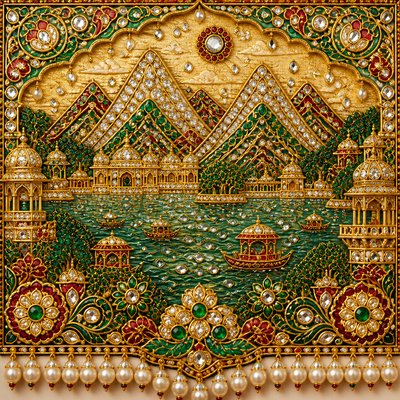
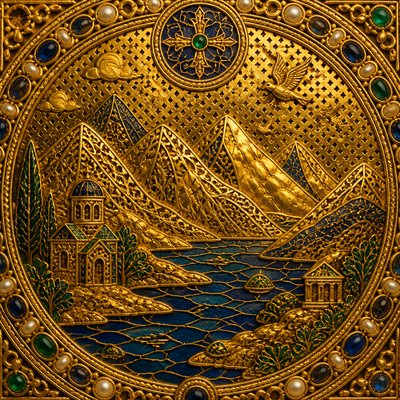
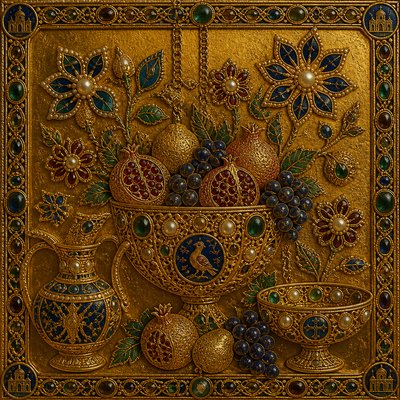
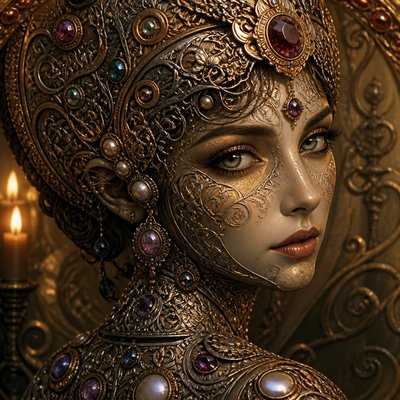
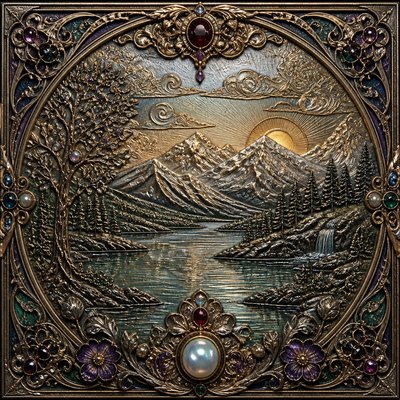
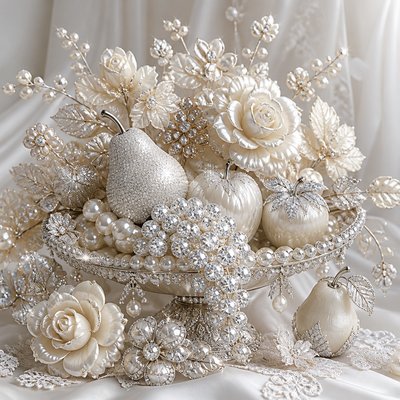
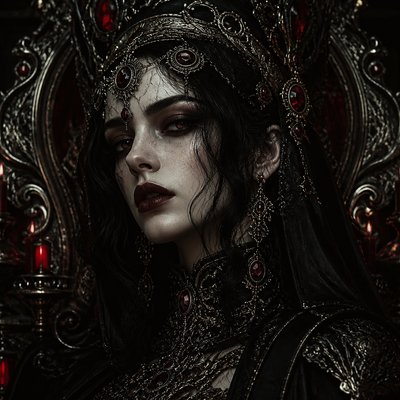
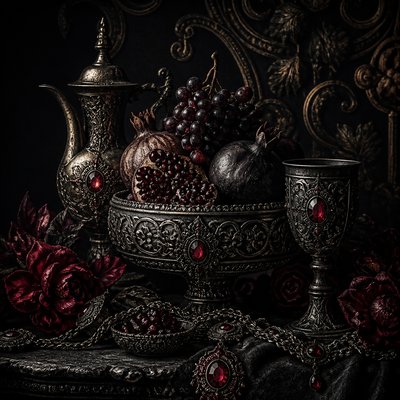
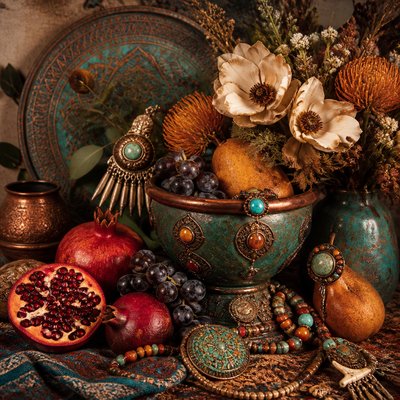
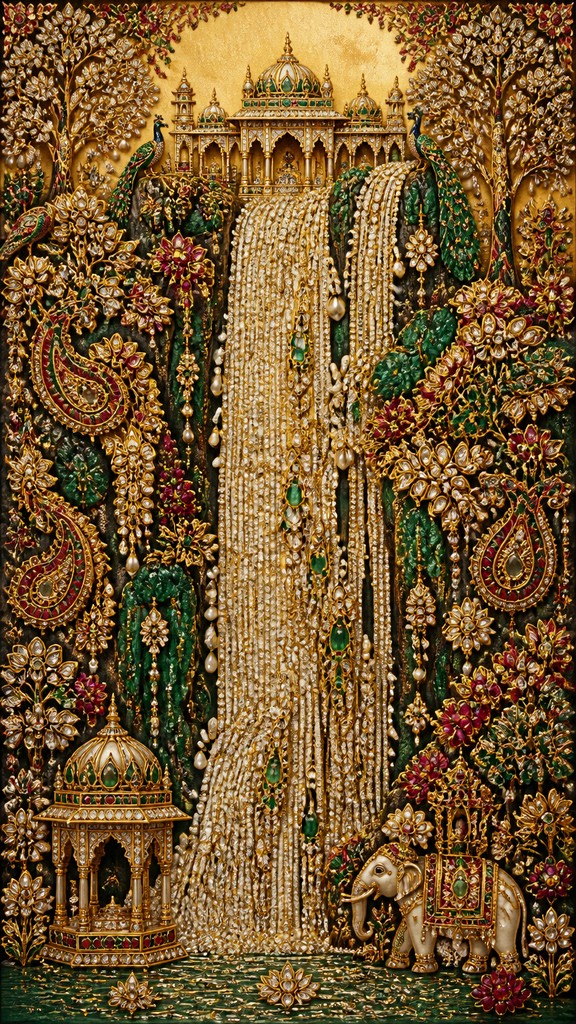
The style is distinguished by its compact, jewel-saturated look. Motifs often include floral sprays, paisleys, arabesques, and symmetrical medallions, all built around kundan setting and vivid meenakari enamel in red, green, white, and sometimes blue. Its appearance reflects the materials and techniques of court workshops: reflective gold foil, translucent gemstones, and hand-worked enamel create a rich interplay of shine, color, and surface detail that feels both architectural and textile-like.
Try It On Your Photos
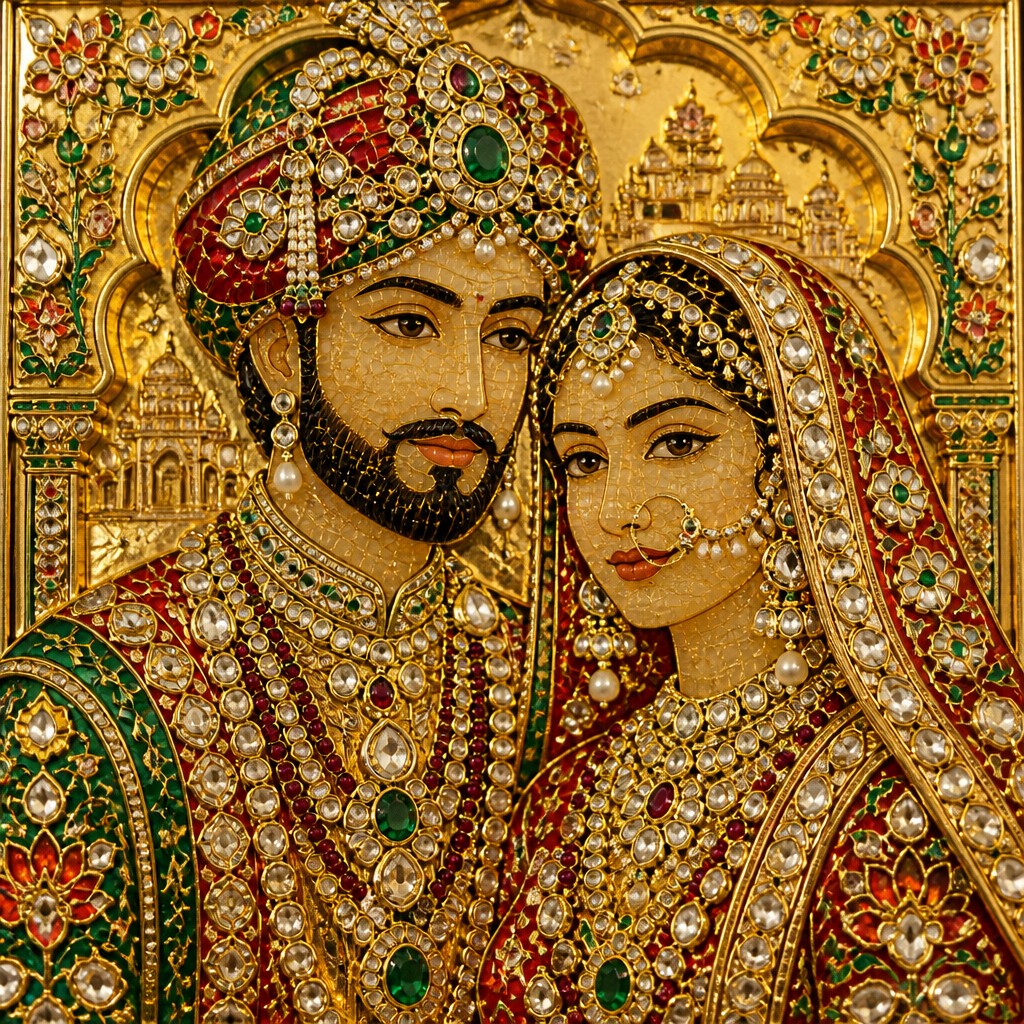
Upload any photo and convert it into Mughal Jewelry Design — drag the sliders to compare before and after.
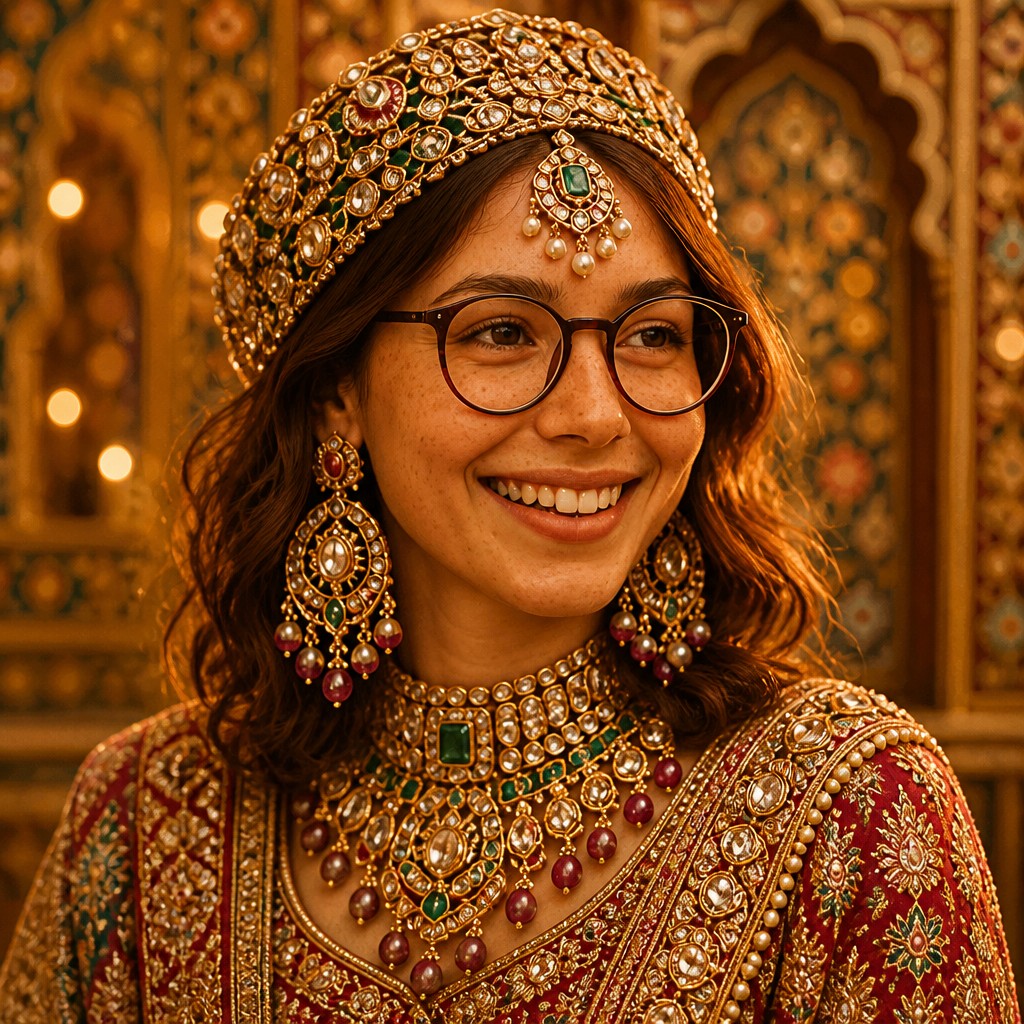

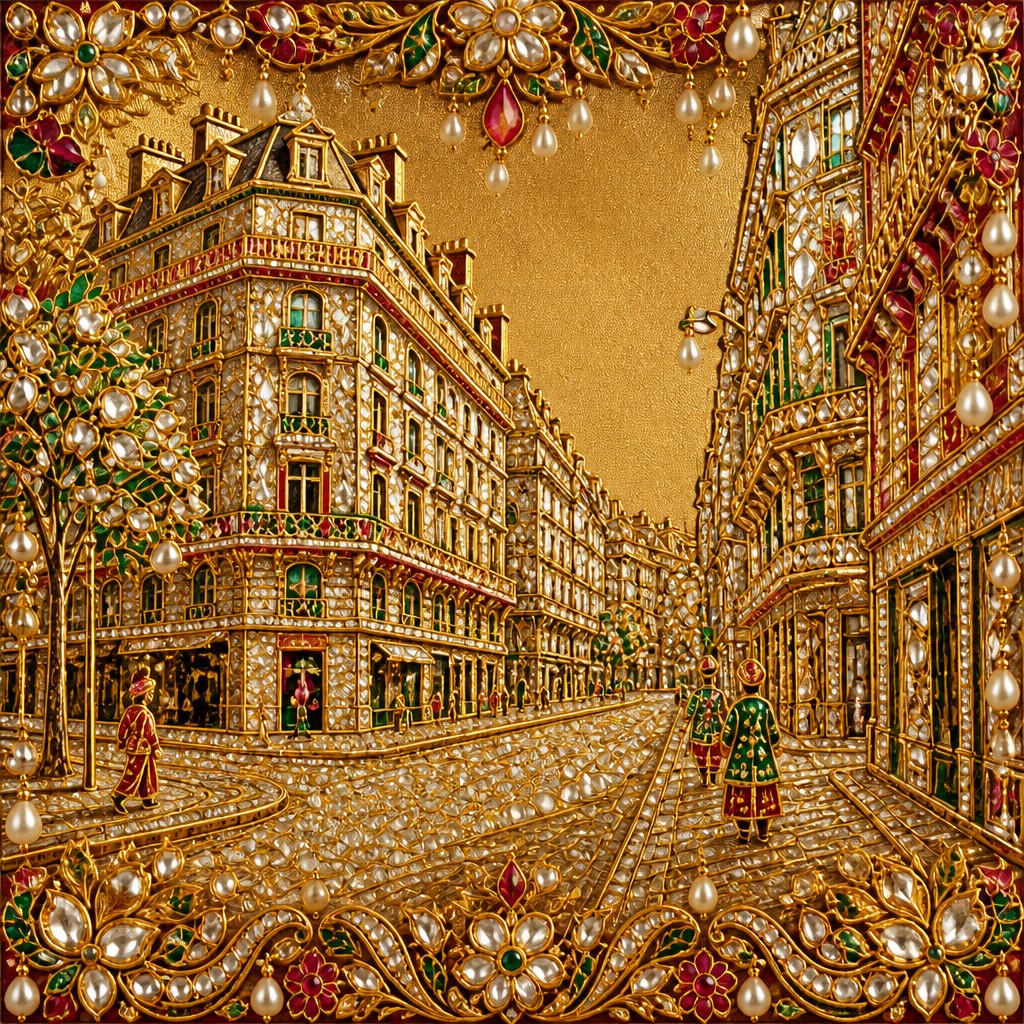

What Defines Mughal Jewelry Design
The signature details, up close
Kundan and polki construction
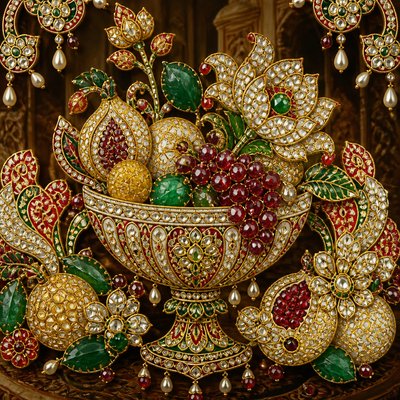
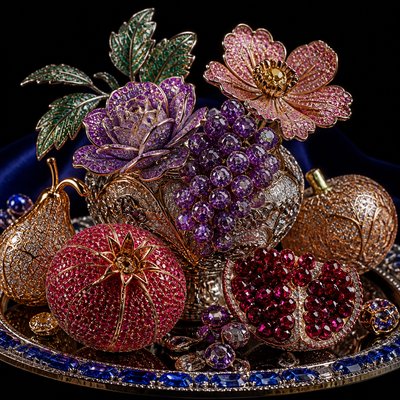
Jewelry is usually imagined with uncut or lightly cut diamonds set in gold foil, creating a soft, reflective brilliance rather than faceted sparkle. The settings often appear closely packed and highly crafted, with a continuous metallic glow.
Carved gemstones
Emeralds, rubies, and other stones are frequently shown as carved beads, cabochons, or leaf-shaped elements. Their role is structural as well as decorative, adding color blocks and botanical form to the composition.
Meenakari enamel
Enamel work in red, green, white, and sometimes blue appears on the reverse or visible surfaces, often with crisp, painterly floral detailing. It introduces saturated color contrasts against gold and gemstones.
Floral and paisley symmetry
Designs rely on bilateral balance, medallions, vine scrolls, lotus petals, and paisley-derived curves. The ornament usually feels organized and ceremonial rather than freeform.
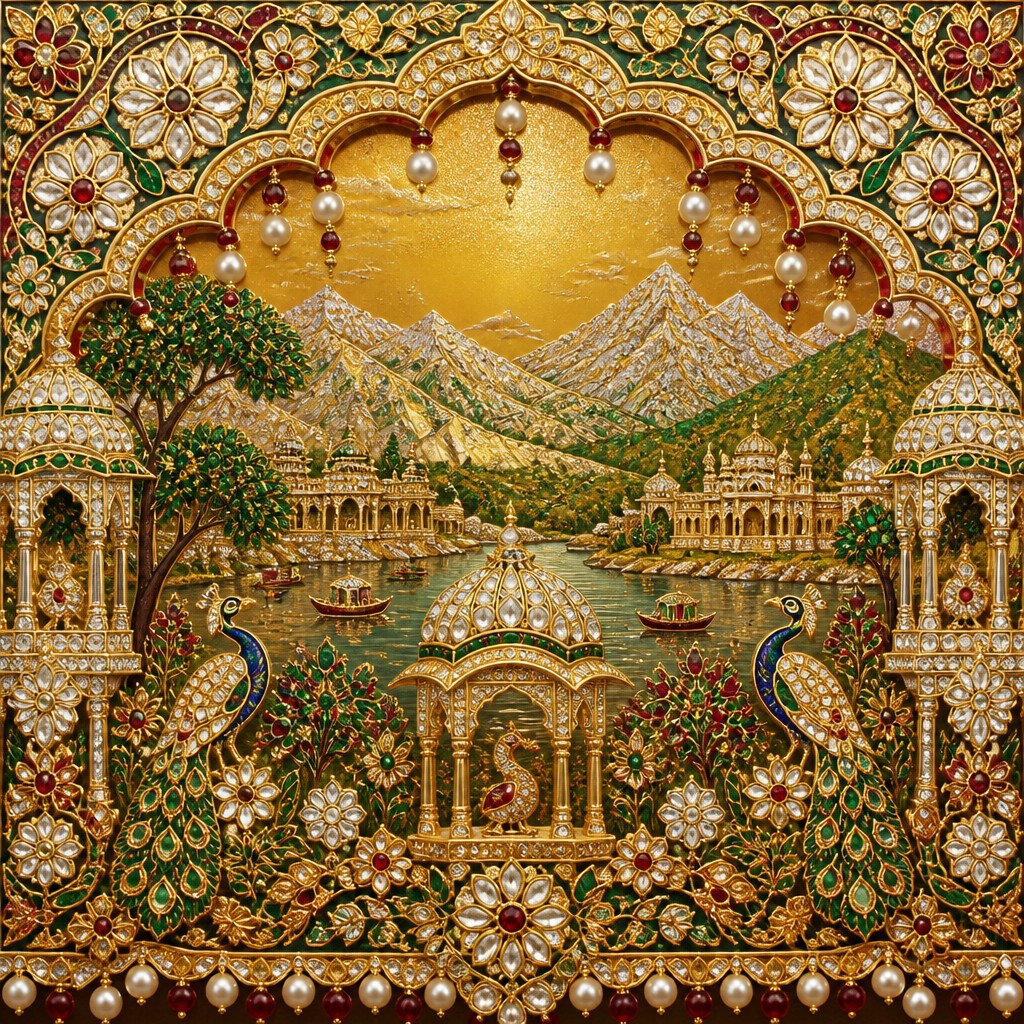
Dense gem mosaic
Surfaces are crowded with repeating stones, beads, pearls, and settings, producing a layered, treasure-like effect. Negative space is minimal, and the overall impression is of concentrated opulence.
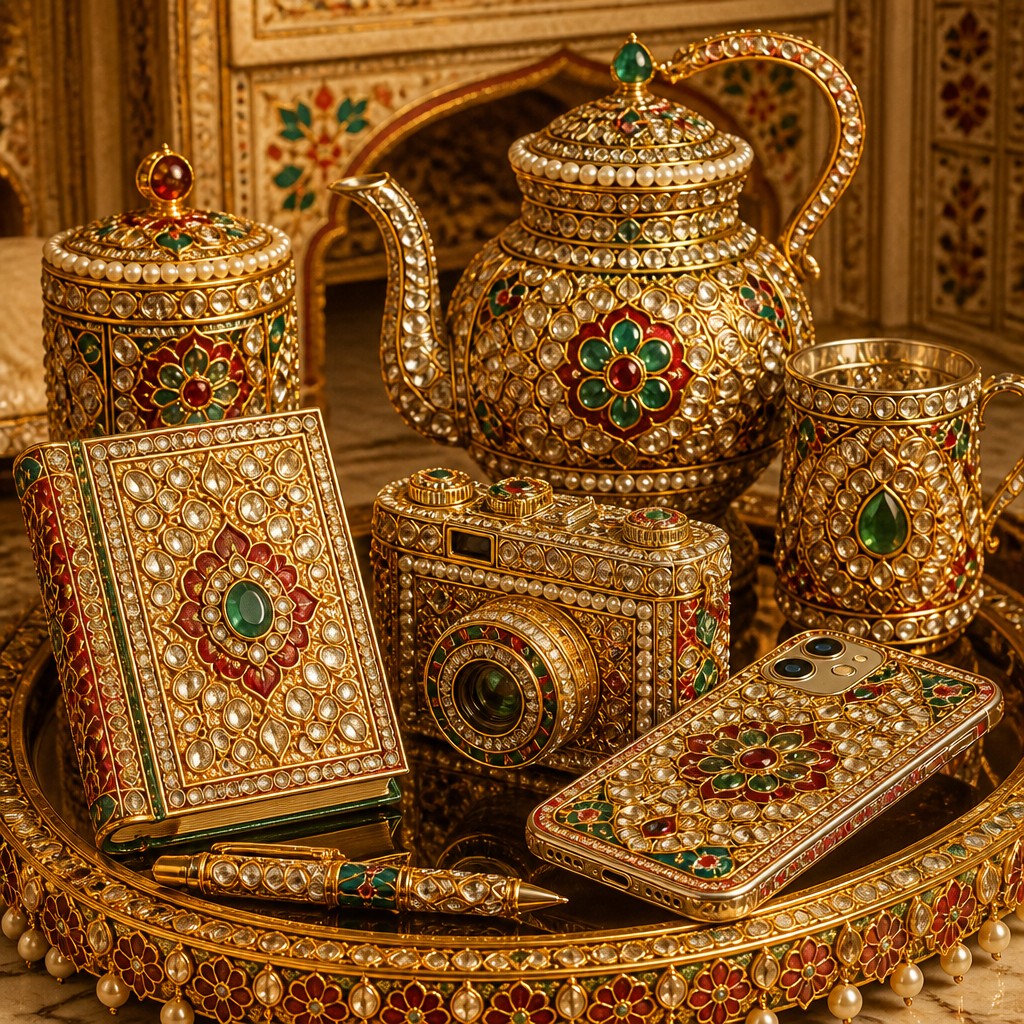
Pearls and hanging ornaments
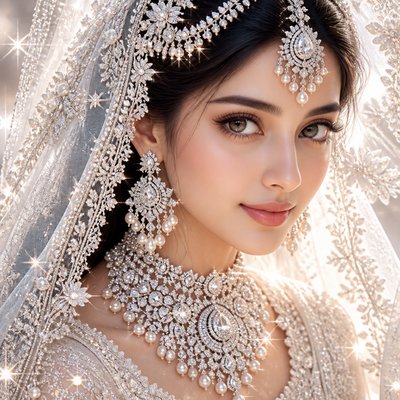
Pearl drops, pendants, and fringe elements are common, especially in necklaces, earrings, and bridal ornaments. These moving details soften the hardness of stone and metal.
Try It
Create Videos in Mughal Jewelry Design
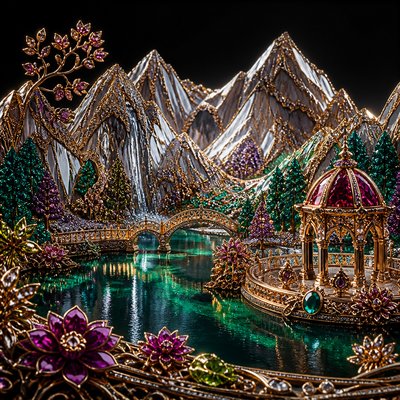
Styles aren't just for stills — describe a scene or animate an image and get a short video rendered in Mughal Jewelry Design. Press play to see this pond come to life.
Make a VideoMughal Jewelry Design Prompt Ideas
Start from an idea — each one opens the generator with the style ready to go. See all 40 Mughal Jewelry Design prompts →
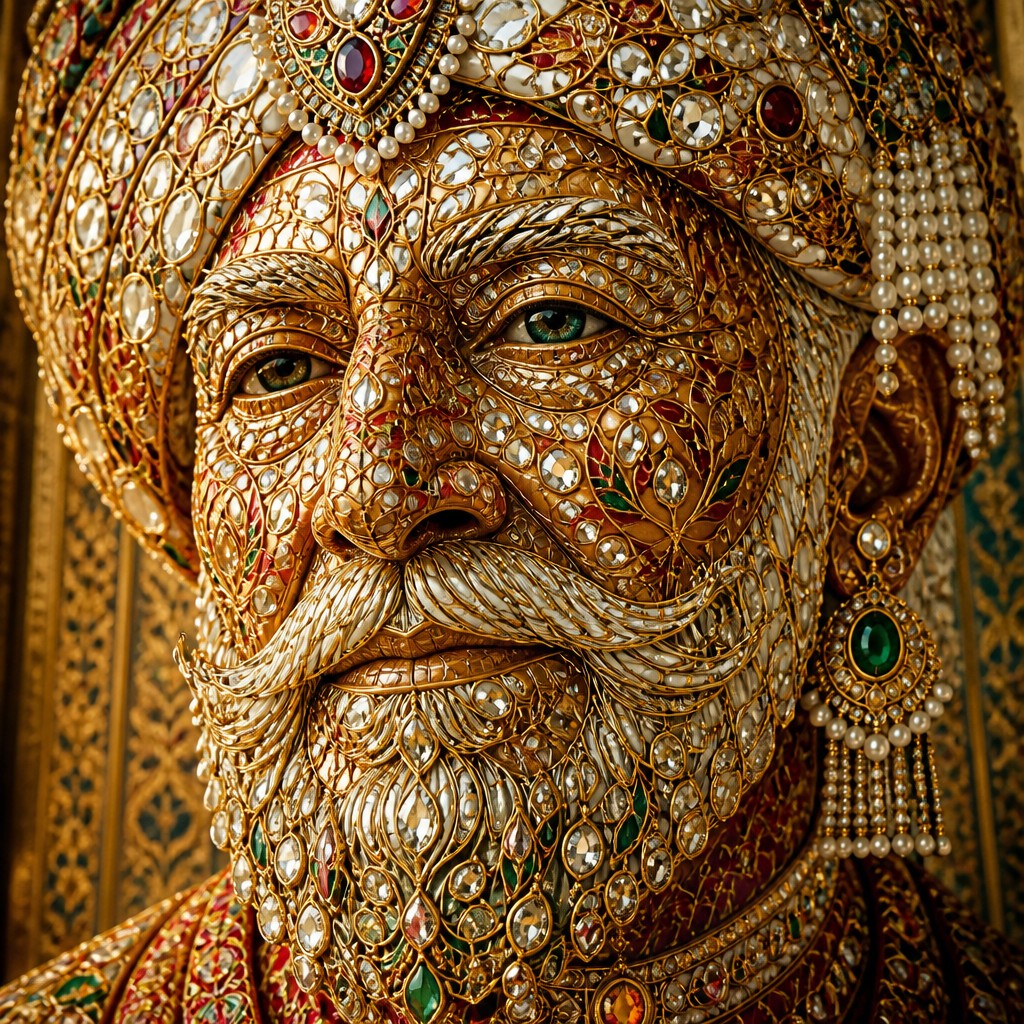
“close-up portrait of an elderly person with expressive weathered features”
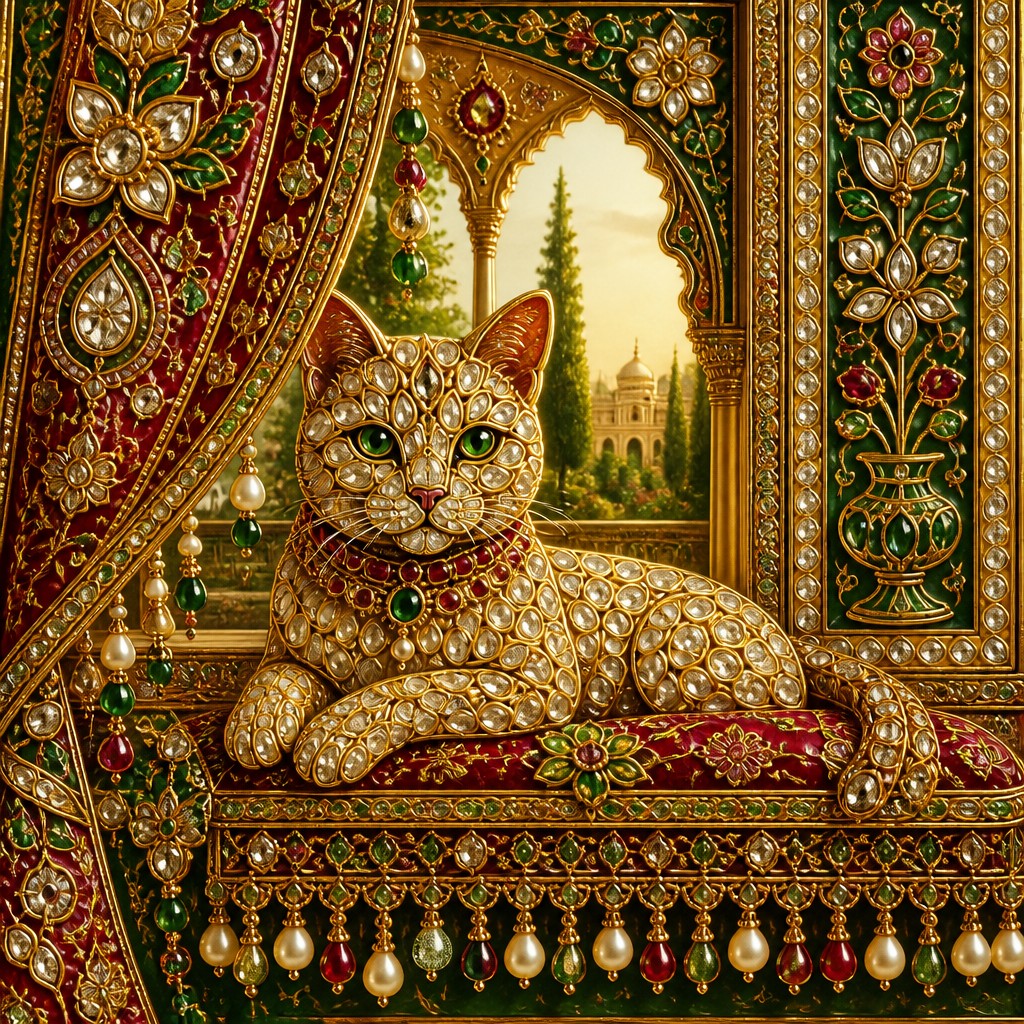
“a cat lounging in a sunlit window”
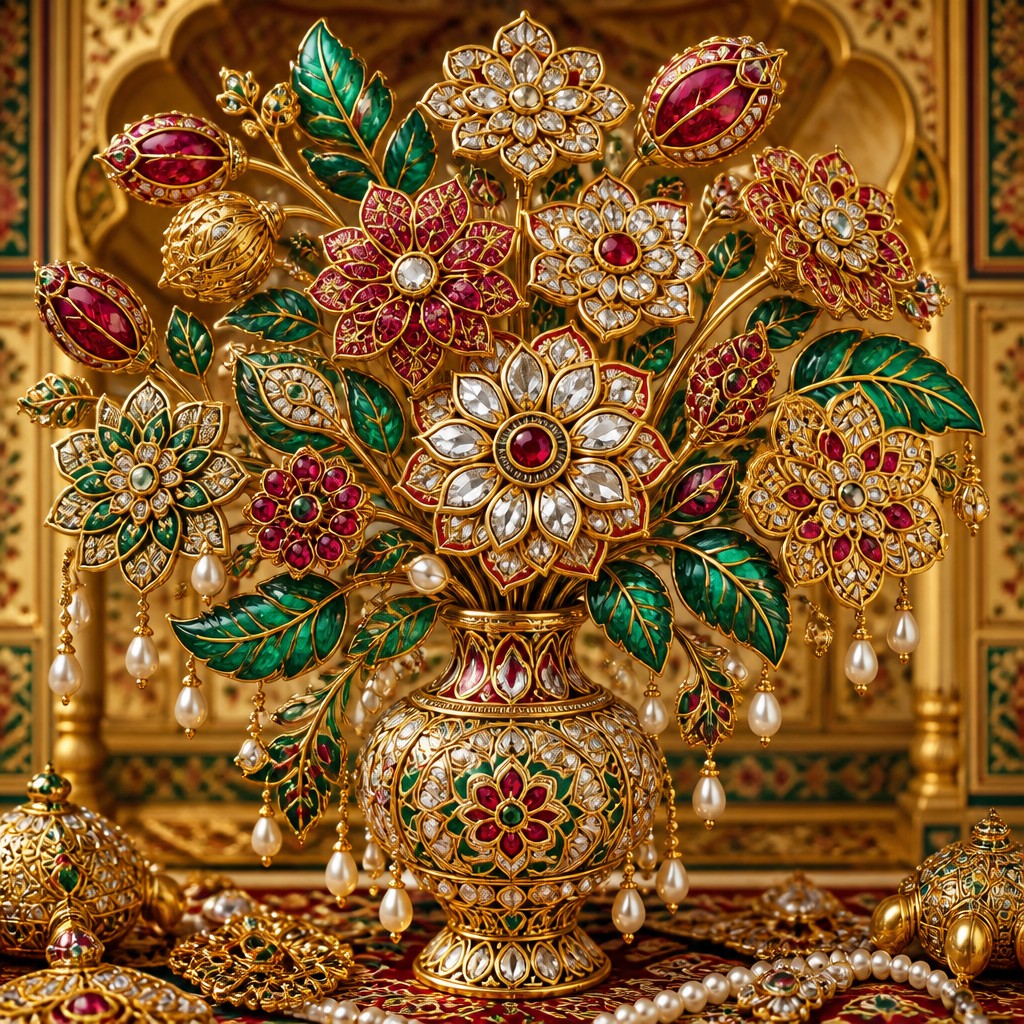
“bouquet of flowers in a glass vase”
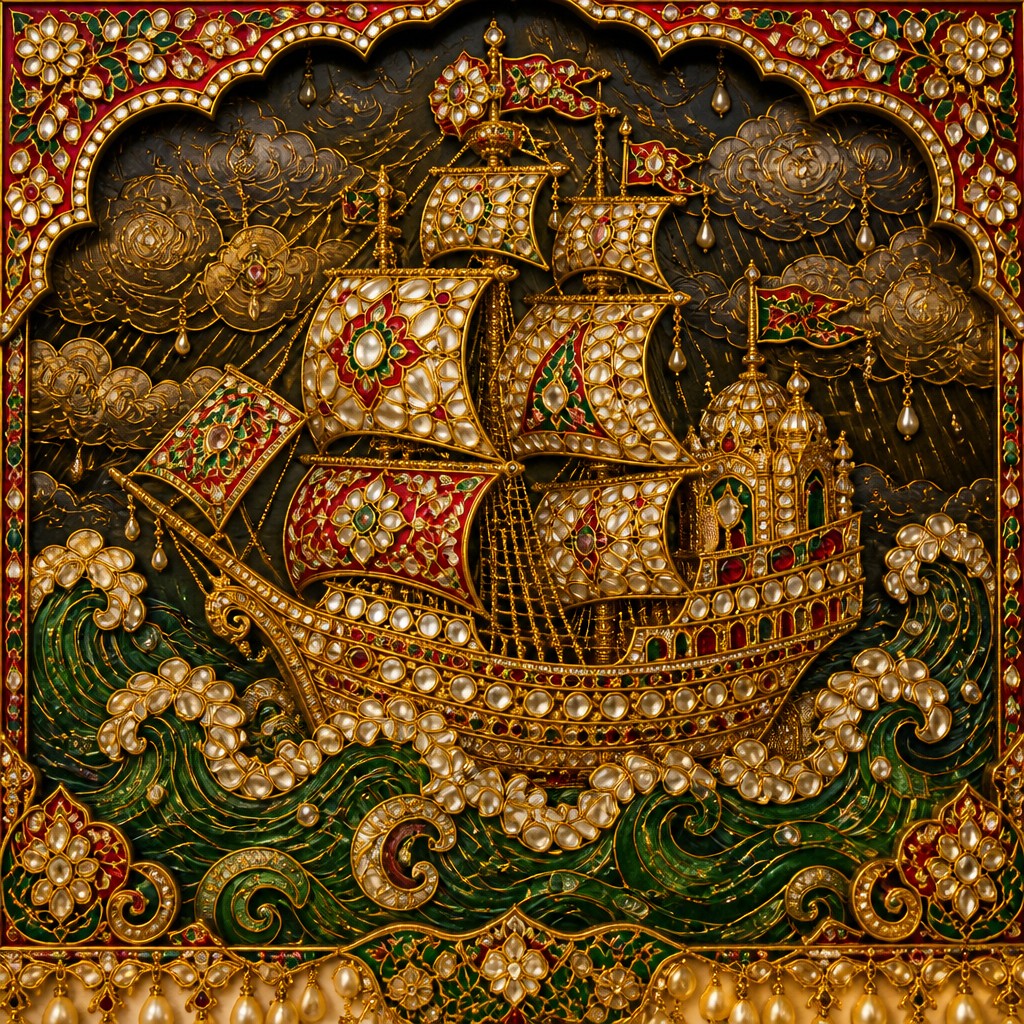
“sailing ship on a stormy sea”
How to Create Mughal Jewelry Design Art
Master the craft step by step — or skip straight to creating. Read the full guide →
- 1
Build from a court-jewelry silhouette
Start with a strong central form such as a pendant, collar necklace, armlet, or head ornament, then build outward symmetrically. Keep the silhouette compact and ceremonial, with clear hierarchy between the centerpiece and secondary drops or borders.
- 2
Use reflective gold and stone contrast
Render gold as a warm, polished framework and place uncut diamonds or pale stones so they catch light softly rather than with sharp faceting. Combine opaque gemstones, translucent enamel, and pearl highlights to create layered material contrast.
- 3
Integrate floral ornament consistently
Anchor the design with repeated floral or paisley motifs rather than mixing unrelated patterns. The most convincing results use a coherent decorative grammar across the whole piece, as if it were made in one royal workshop.
- 4
Control color with enamel accents
Limit the palette to rich jewel tones and enamel reds, greens, and whites so the image feels historically grounded. Place color strategically in borders, petals, and reverse surfaces instead of spreading it evenly everywhere.
- 5
For digital or AI generation, specify material logic
Prompt for kundan-set uncut polki diamonds, carved emeralds, ruby beads, pearl drops, and meenakari enamel, plus warm palace light and dense gem mosaic composition. Emphasize symmetry, treasure-like density, and imperial Indian court jewelry to keep the result stylistically coherent.
The Story
History & Origins of Mughal Jewelry Design
This style belongs to the broader history of Mughal and post-Mughal jewelry traditions in South Asia, especially from the 16th century onward, when imperial courts in North India fostered highly specialized luxury crafts. Mughal workshop culture brought together Persianate design sensibilities, indigenous Indian ornament, and gem-setting techniques that valued uncut stones, symmetrical floral forms, and dense surface richness. Over time, these court aesthetics were continued and adapted in regional princely states such as Rajasthan, Gujarat, and Hyderabad.
The modern understanding of Mughal Jewelry Design is an aesthetic lineage rather than a single fixed historical movement. Its core references are traditional kundan and polki jewelry, meenakari enamel work, and gemstone carving practices associated with royal and ceremonial ornaments. Contemporary jewelers, costume designers, museum collections, and visual culture continue to draw from these traditions, keeping the vocabulary of imperial Indian jewelry active in fashion, decorative art, and image-making.
Influences: Mughal Jewelry Design draws from the ornament traditions of the Mughal Empire, Persianate court aesthetics, and regional South Asian jewelry workshops in Rajasthan, Gujarat, and Hyderabad. It is closely related to kundan and polki jewelry, meenakari enamel, and the broader decorative vocabulary of Islamic and Indian floral ornament, including lotus, vine, and arabesque forms. In visual terms it shares an emphasis on symmetry, precious materials, and meticulous surface patterning with court arts more generally, while remaining distinct from Western neoclassical jewelry by its denser color, softer gem cutting, and stronger enamel presence.
Frequently Asked Questions
What defines Mughal Jewelry Design?
It is defined by imperial South Asian court ornament: gold settings, uncut polki diamonds, carved gemstones, enamel decoration, and highly symmetrical floral design. The look is rich, compact, and ceremonial, with little empty space and a strong emphasis on precious materials.
How is it different from regular Indian jewelry?
The term usually refers to a more courtly, historically inspired aesthetic rather than everyday adornment. It tends to feature heavier goldwork, more formal symmetry, finer enamel detail, and a stronger association with Mughal and princely luxury.
What is kundan, and how does it relate to this style?
Kundan is a traditional setting method in which gemstones are fixed with highly refined gold foil and support material, creating a luminous, handcrafted look. In this style, kundan gives the jewelry its characteristic soft brilliance and rich gold framing.
What is meenakari enamel?
Meenakari is the decorative application of colored enamel, often on the back or recessed areas of jewelry, and sometimes visible on the front. It is important to this style because it adds saturated red, green, and white accents that complement the gold and stones.
Where is this style used today?
It appears in bridal jewelry, ceremonial fashion, luxury accessories, costume design, museum-inspired illustration, and decorative imagery for cultural and historical subjects. Contemporary jewelers also adapt it for modern pieces while retaining the traditional material vocabulary.
How can I make an image in this style?
Use a subject with a clear jewelry form, then describe uncut diamonds, carved emeralds, ruby beads, pearl drops, floral symmetry, and enamel accents. Whether working by hand or digitally, the key is to prioritize dense ornament, warm gold, and courtly balance rather than minimalist simplicity.
Create your first Mughal Jewelry Design artwork
Describe anything — or upload a photo — and see it in Mughal Jewelry Design in seconds.
Related Styles
Discover similar art styles