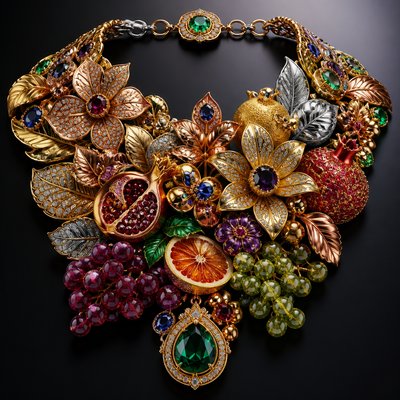
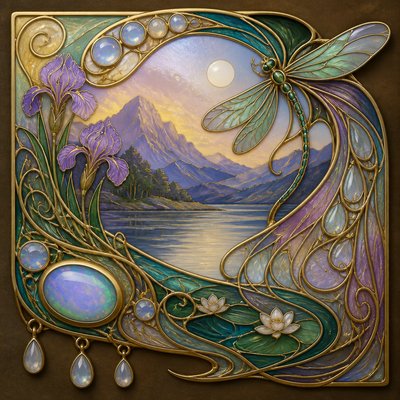
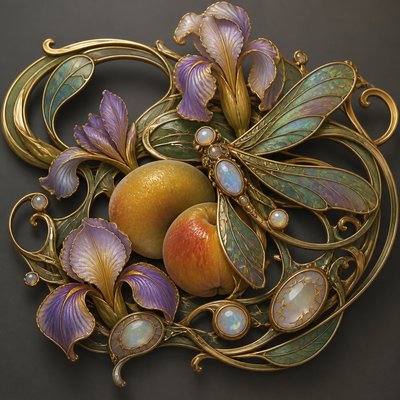
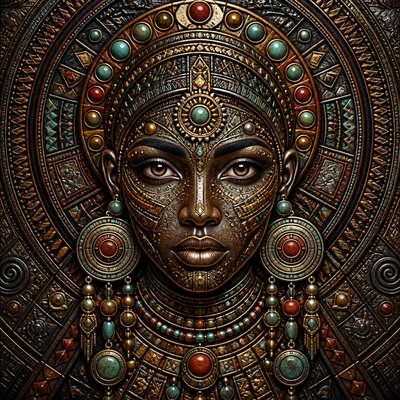
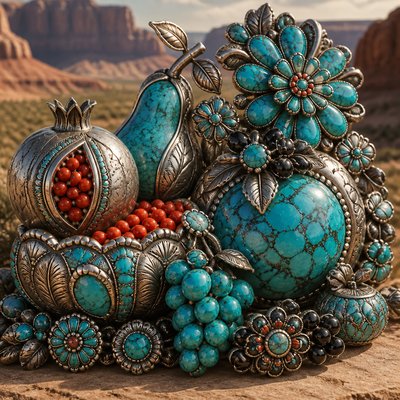
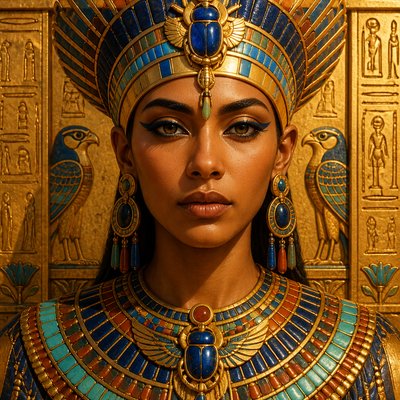
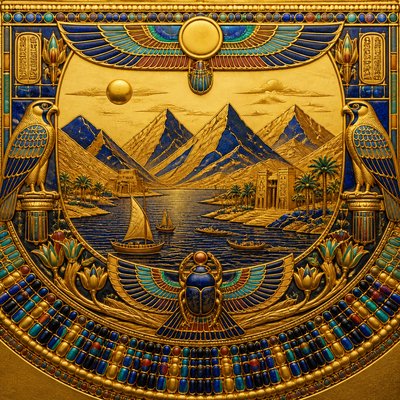
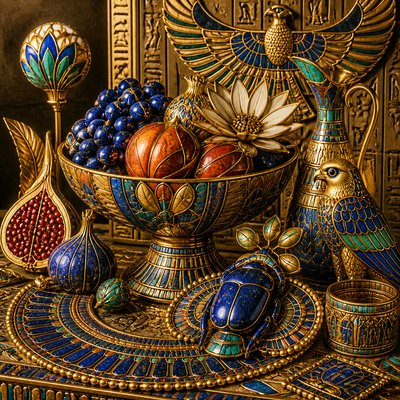
Signet & Heraldic Jewelry Design
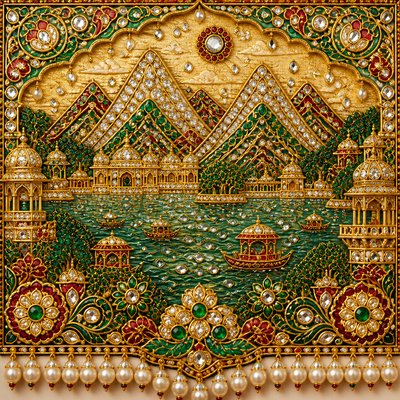
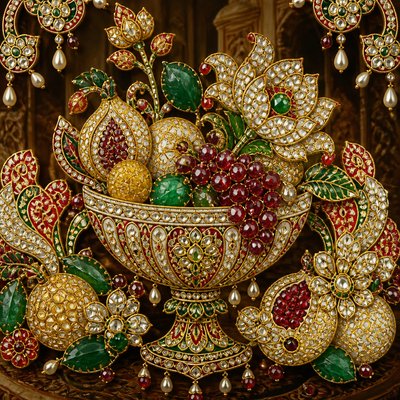
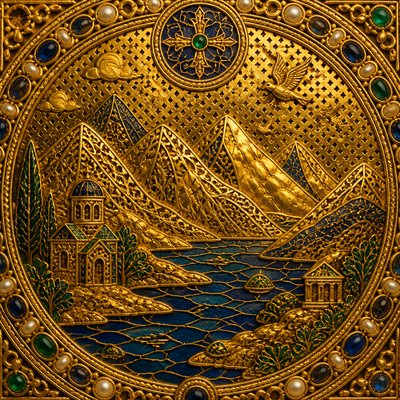
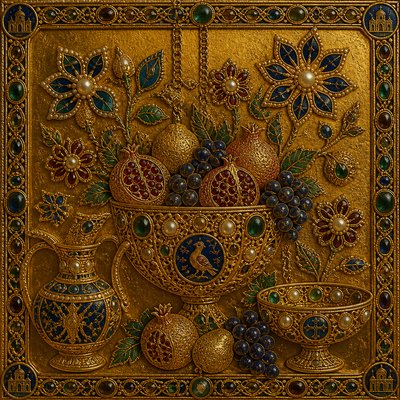
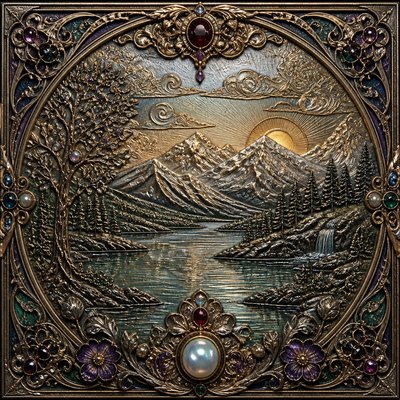
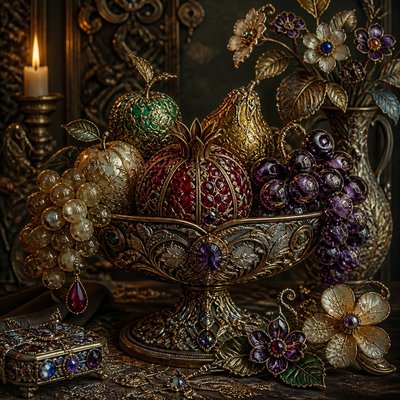
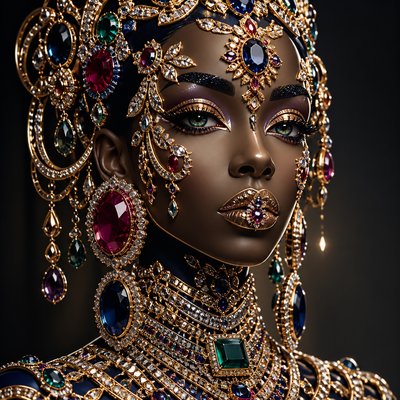
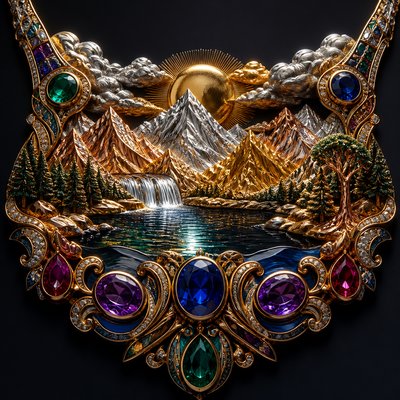
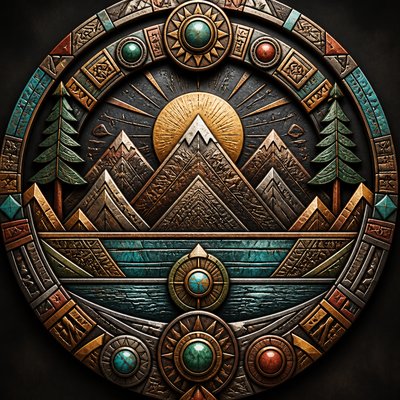
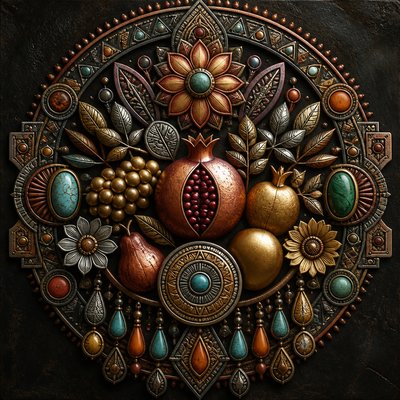
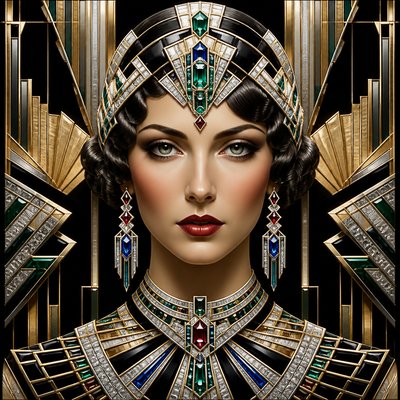
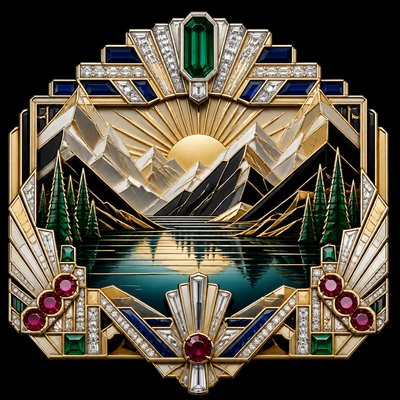
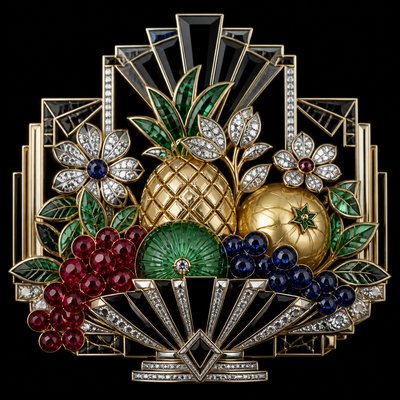
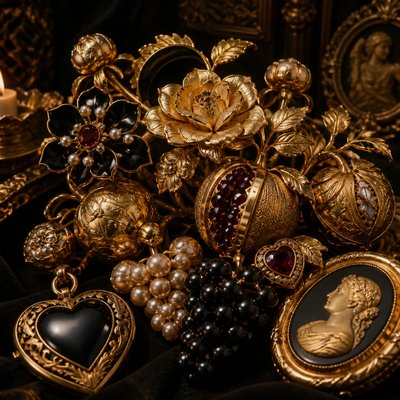
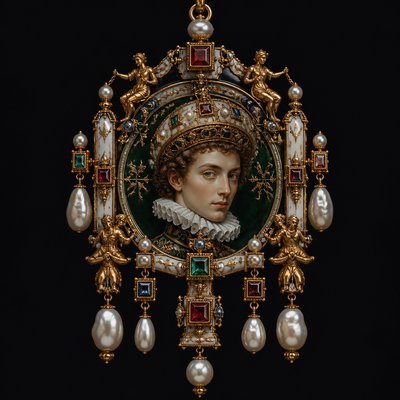
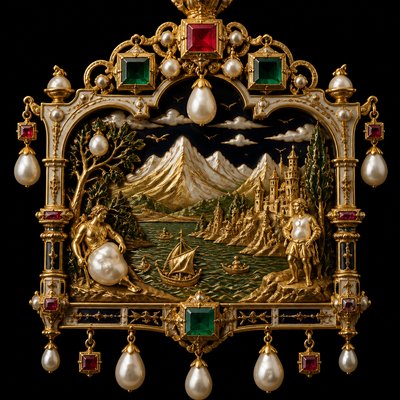
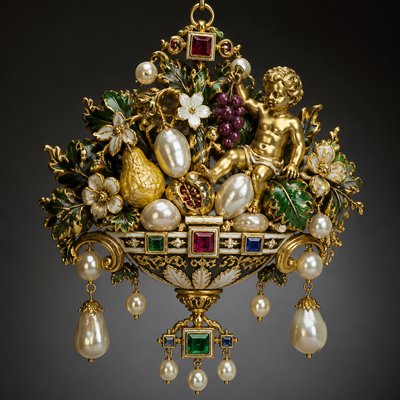
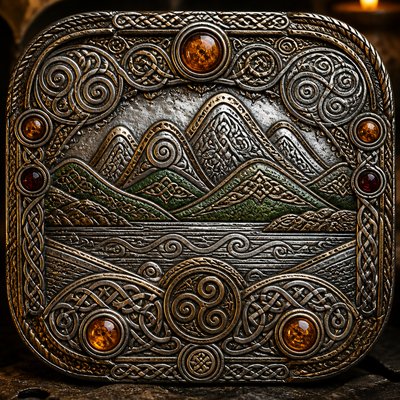
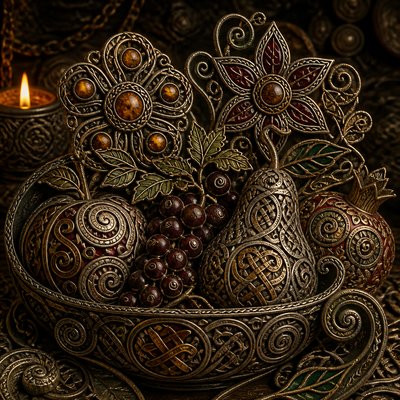
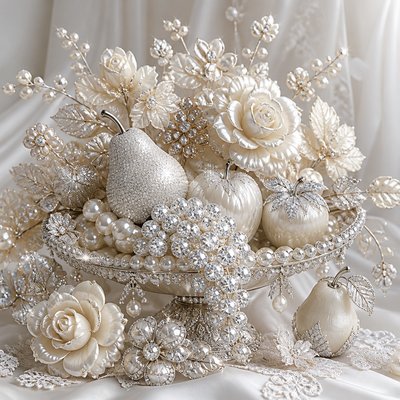
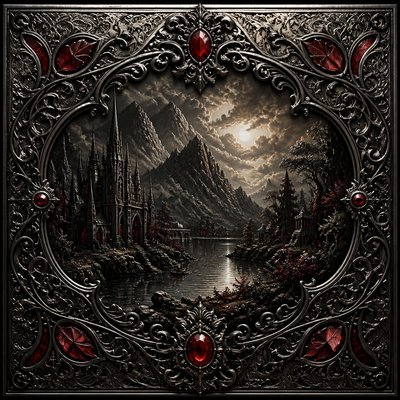
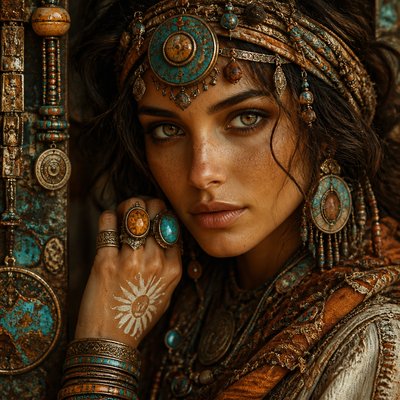
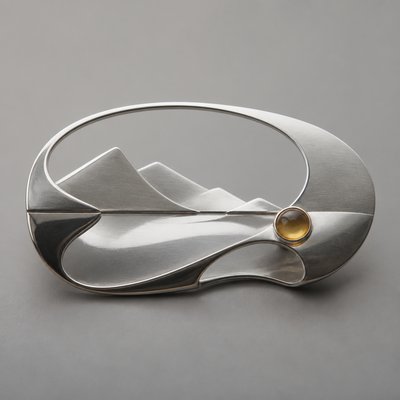
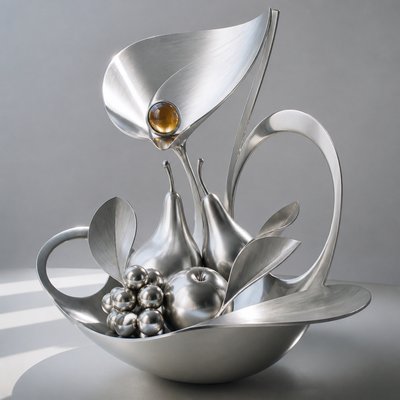
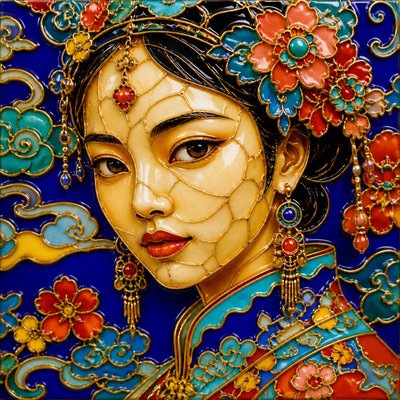
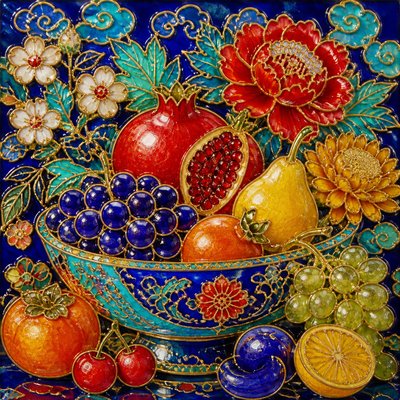
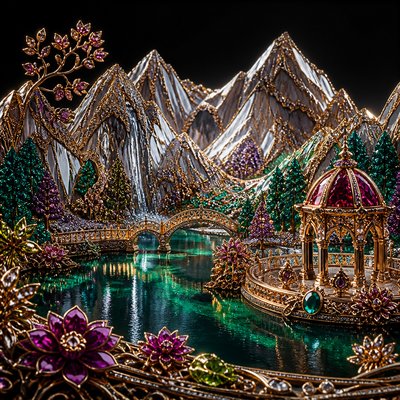
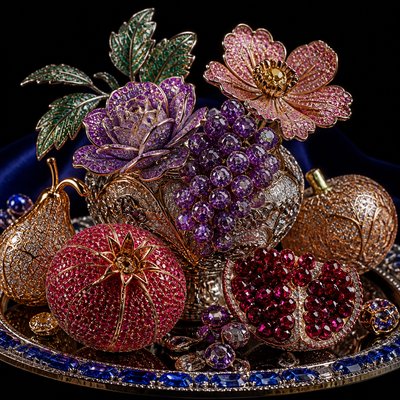
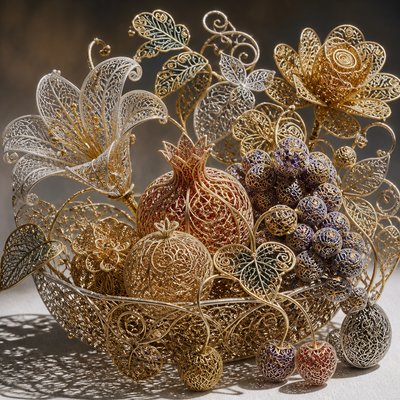
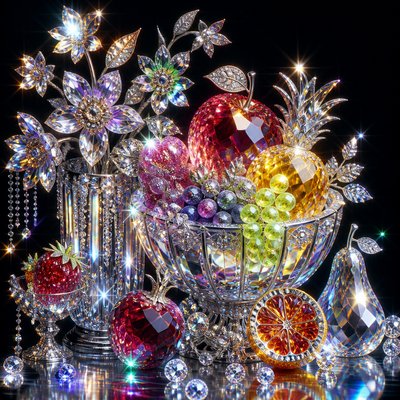
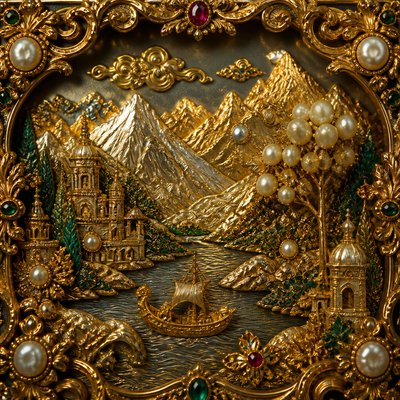
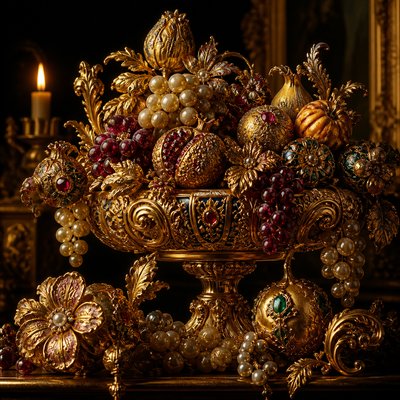
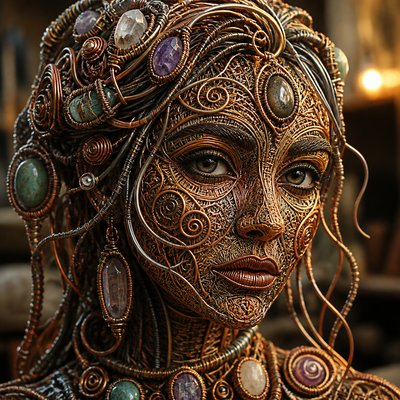
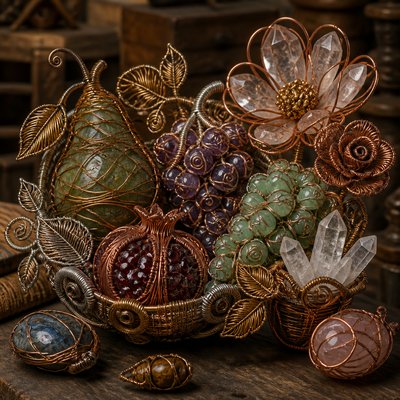
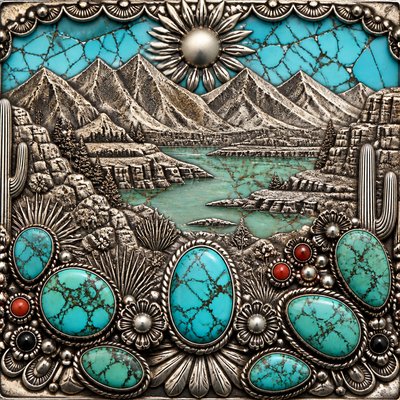
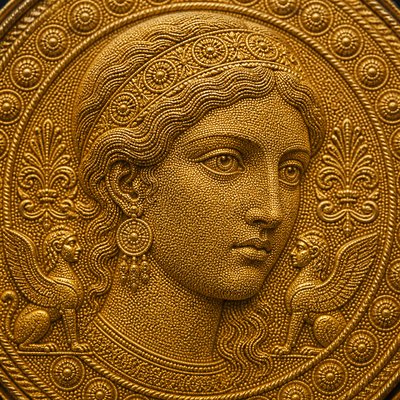
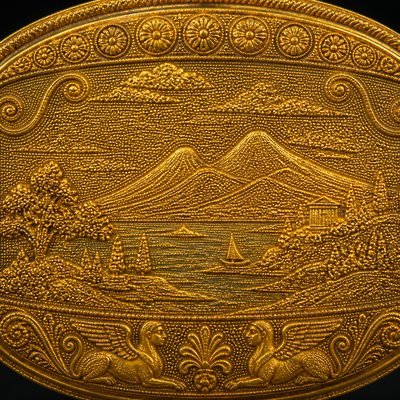
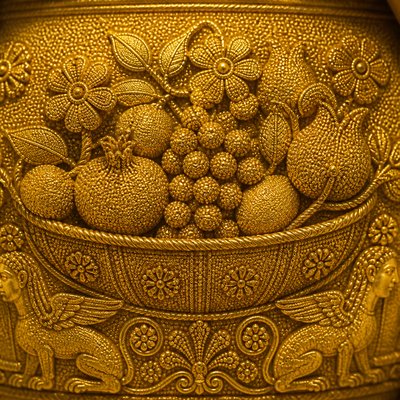
Engraved crests, intaglio stones, and polished gold in a sober heraldic jewelry style of ancestral authority.
Instantly rendered in Signet & Heraldic Jewelry Design — or transform a photo
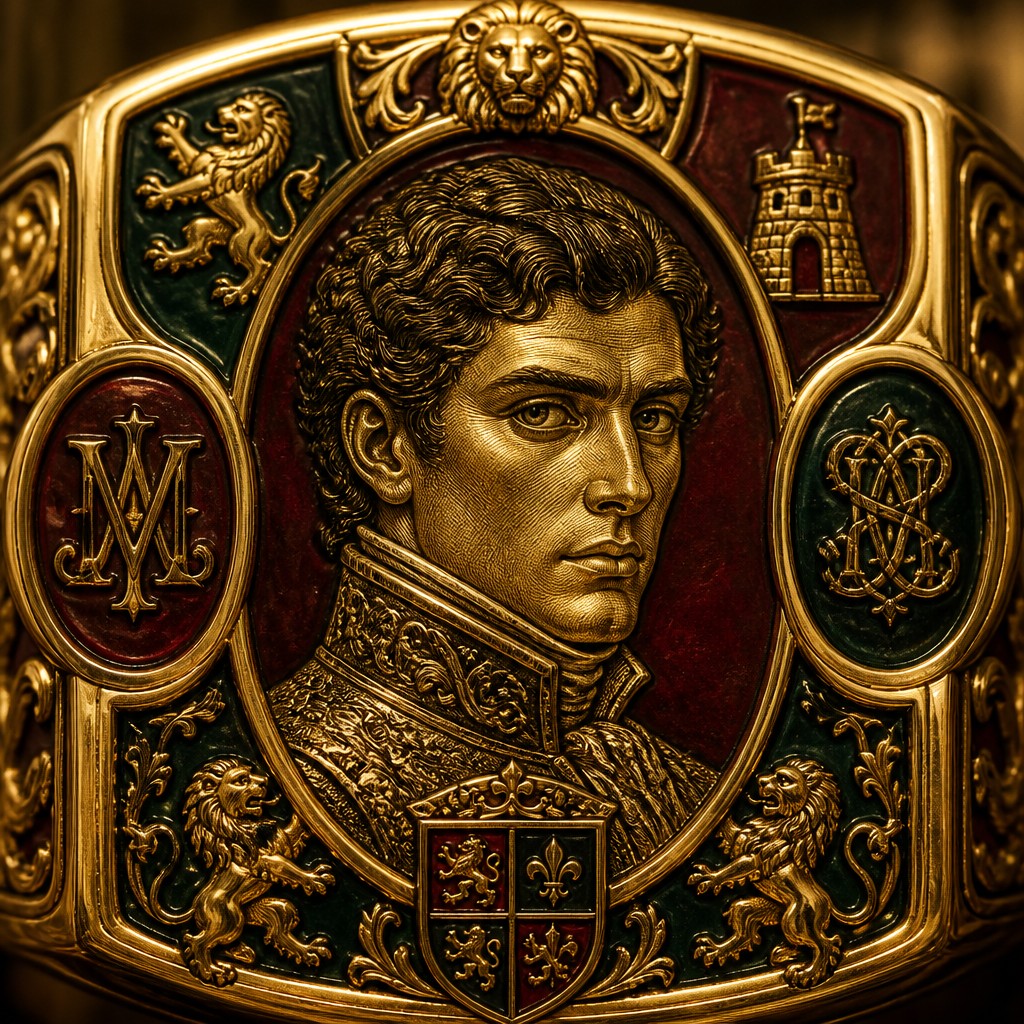
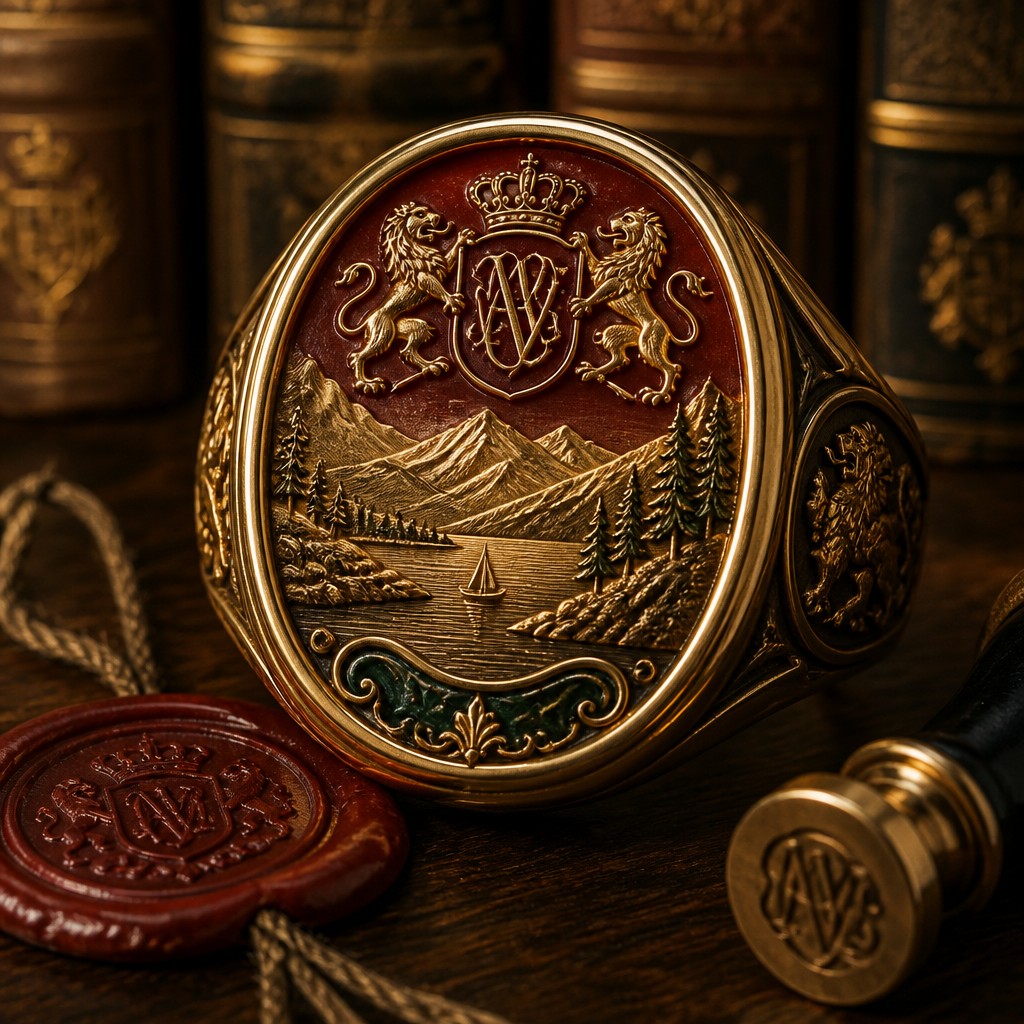
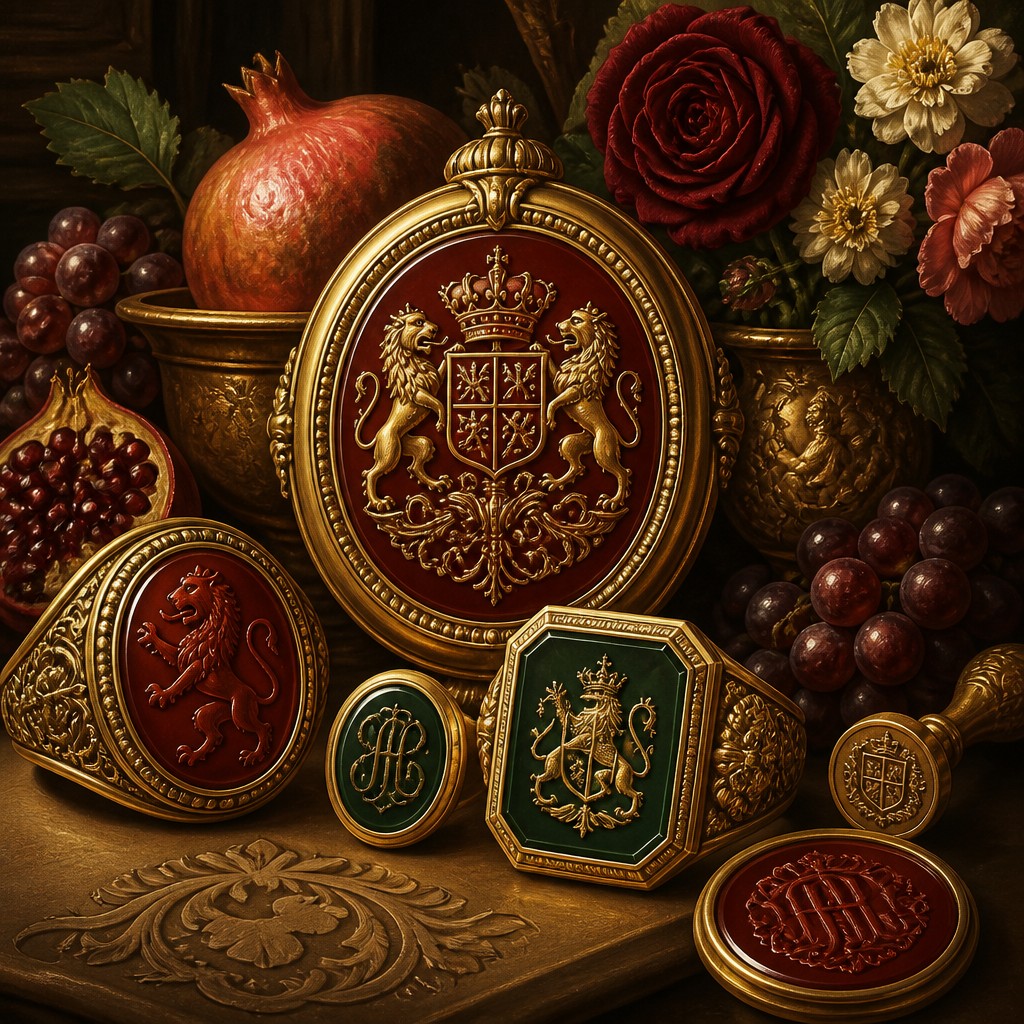
Signet & Heraldic Jewelry Design Gallery
Tap any artwork to explore it
What is Signet & Heraldic Jewelry Design?
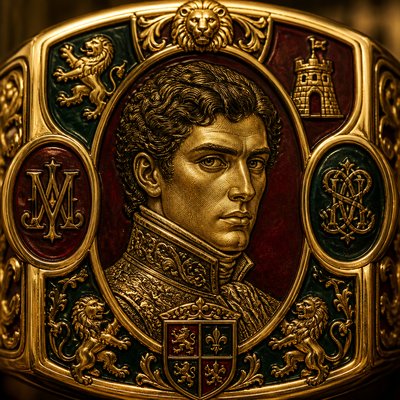
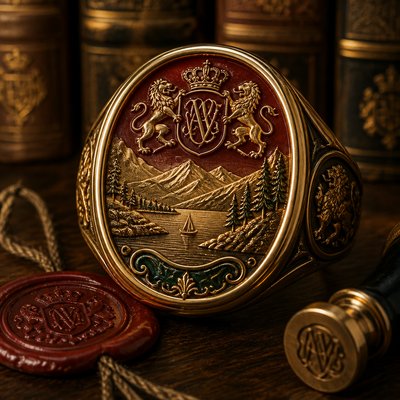
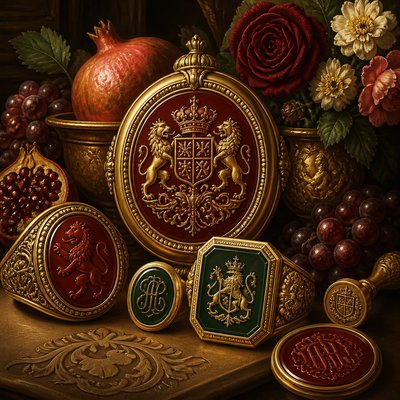
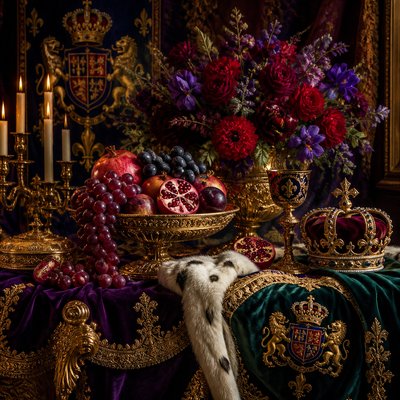
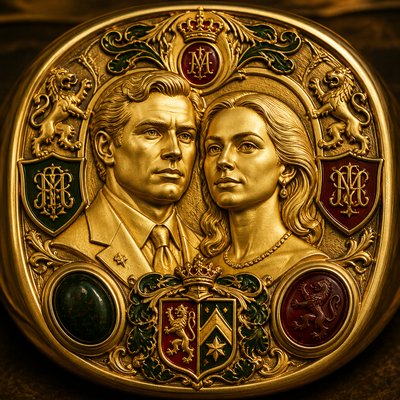
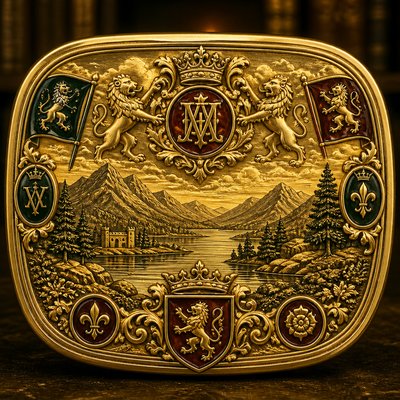
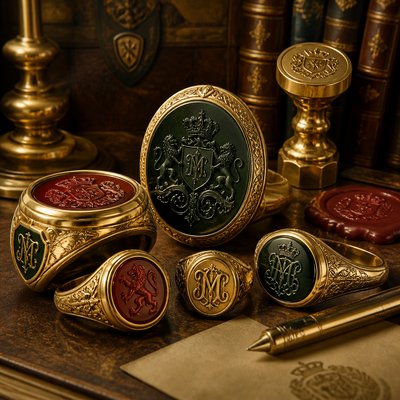
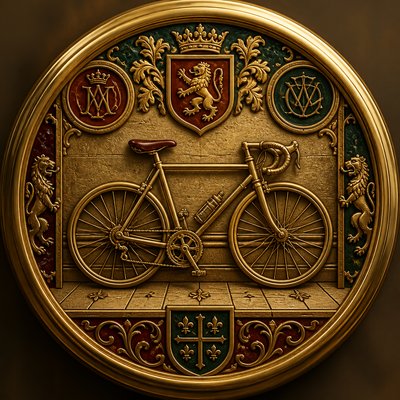
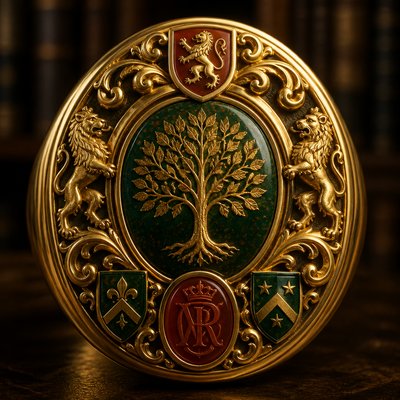
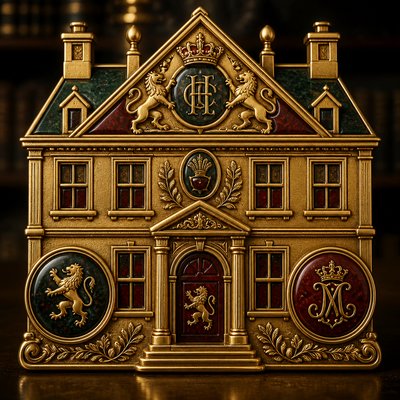
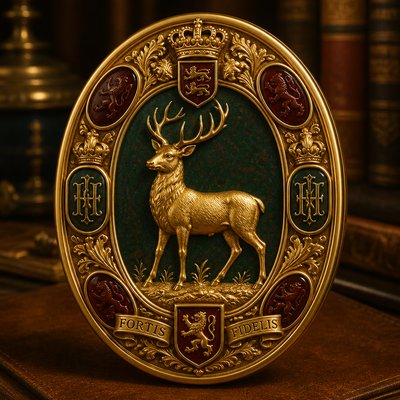
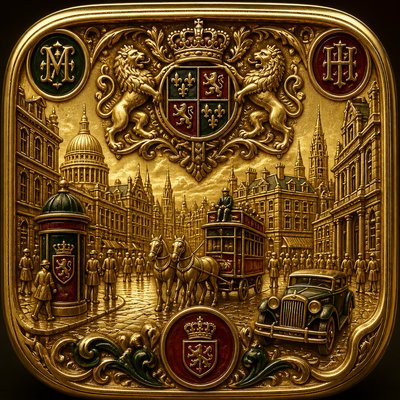
Signet & heraldic jewelry design is a visual language built around authority, lineage, and compact emblematic form. It centers on signet rings, coat-of-arms motifs, monograms, shields, lions, crowns, and intaglio stones such as bloodstone, carnelian, and onyx, all rendered with weighty precious-metal surfaces and crisp carved relief. The look is immediately legible as ceremonial rather than decorative: objects appear made to seal, proclaim, and endure.
Its identity comes from the meeting of jewelry craft and heraldic symbolism. Thick polished gold, dark enamel, and deep engraving create strong value contrasts, while symmetrical layouts and seal-like compositions give the work a formal, inherited character. The style often feels quiet and austere rather than ornate, because its power depends on compressed symbols, heirloom materials, and the visual vocabulary of dynasties, guilds, and family crests.
Try It On Your Photos
Upload any photo and convert it into Signet & Heraldic Jewelry Design — drag the sliders to compare before and after.



What Defines Signet & Heraldic Jewelry Design
The signature details, up close
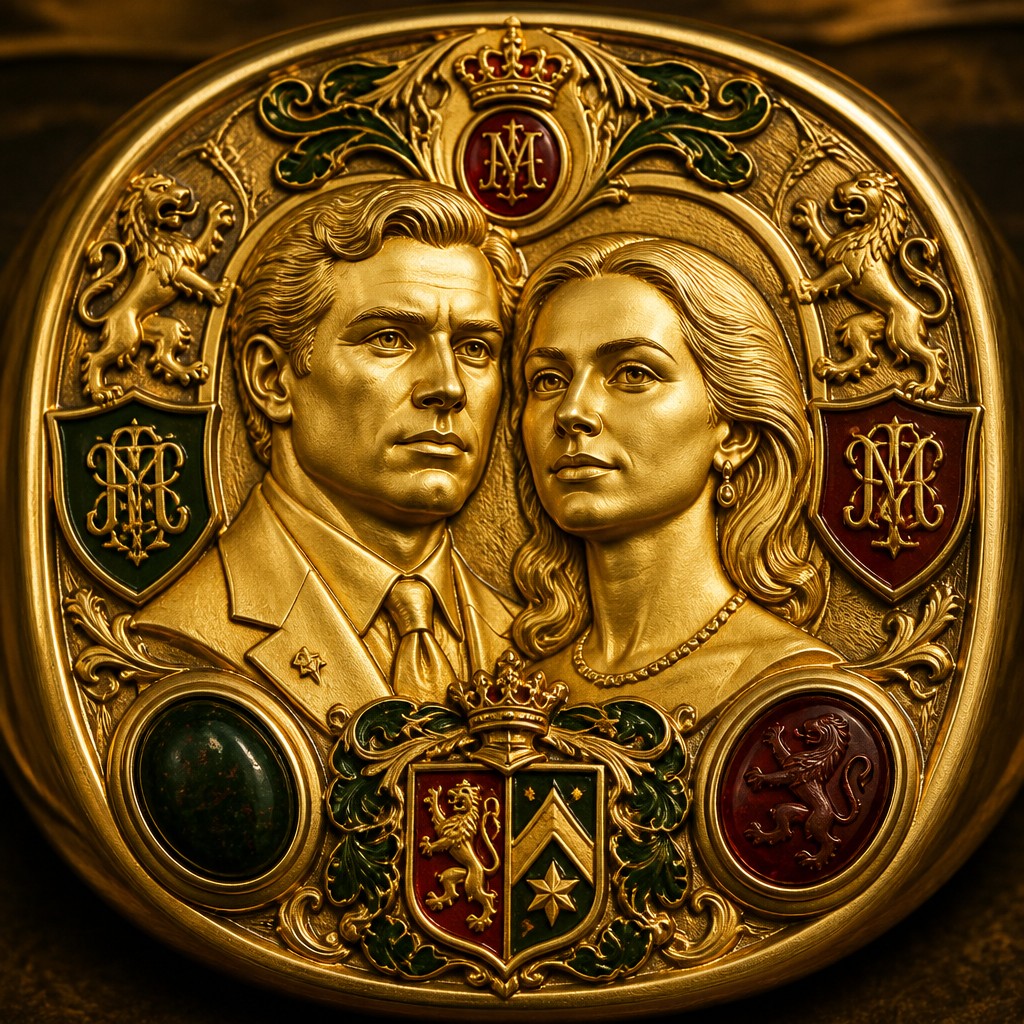
Engraved dynastic motifs
Shields, crests, crowns, lions, eagles, and monograms are carved deeply into the surface, usually with crisp edges and symmetrical organization. The imagery is compact and emblematic, designed to read like an inherited seal.
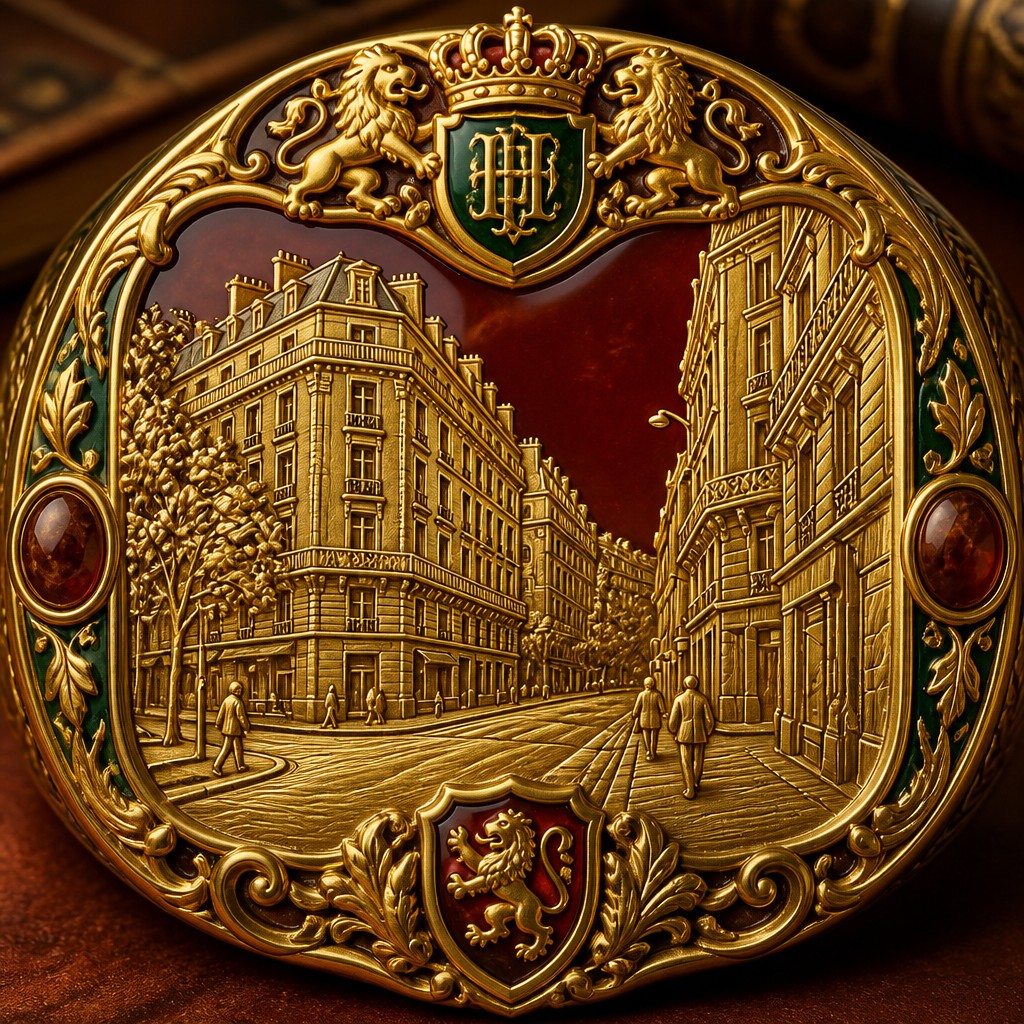
Heavy polished goldwork
Forms are thick, weighty, and highly finished, with mirror-like highlights on yellow gold or antique gold surfaces. Even small objects appear substantial, as if cast and burnished rather than lightly fabricated.
Intaglio stones
Bloodstone, carnelian, onyx, and similar dark gemstones are cut with recesses rather than raised ornament. The carved image sits below the surface, reinforcing the seal-like and archival quality of the design.
Heraldic symmetry
Designs are often centered, balanced, and formally arranged, with mirrored flourishes and disciplined spacing. This gives the work a sense of authority, order, and ceremonial restraint.
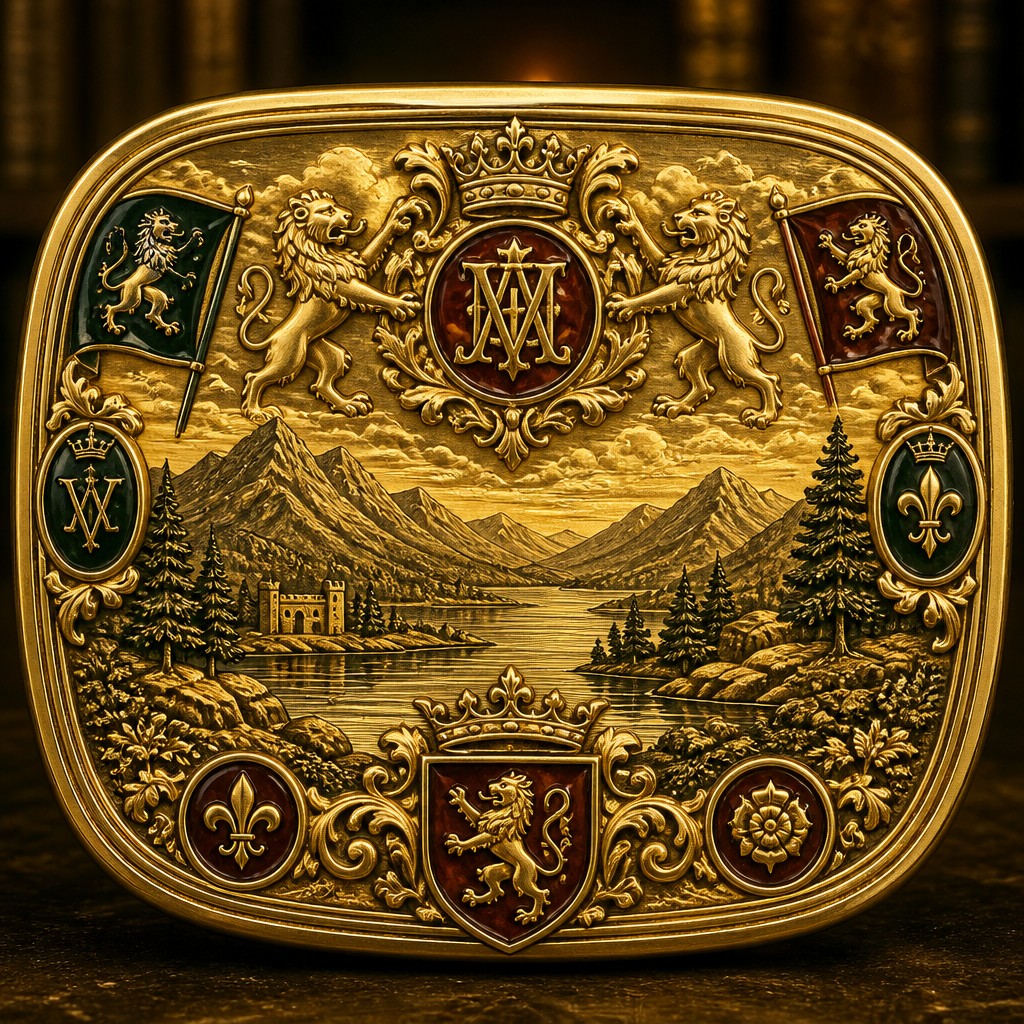
Wax-seal solidity
Contours feel stamped, pressed, or impressed, as though the object could leave an official mark. Relief tends to be shallow-to-moderate but sharply defined, emphasizing function as much as decoration.
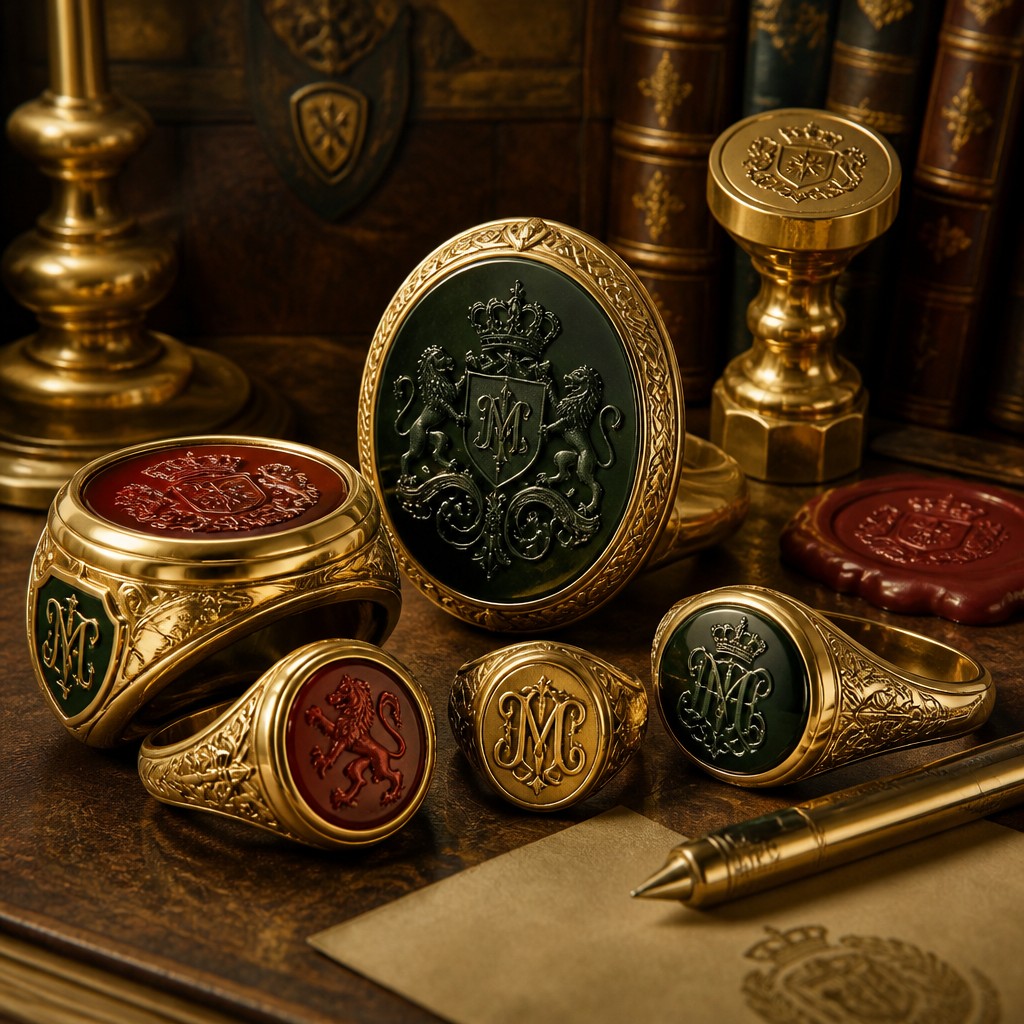
Dark enamel accents
Oxblood red, forest green, black, and deep burgundy enamel are used sparingly to enrich the gold without softening its formality. These accents introduce courtly color while preserving the sober tone.
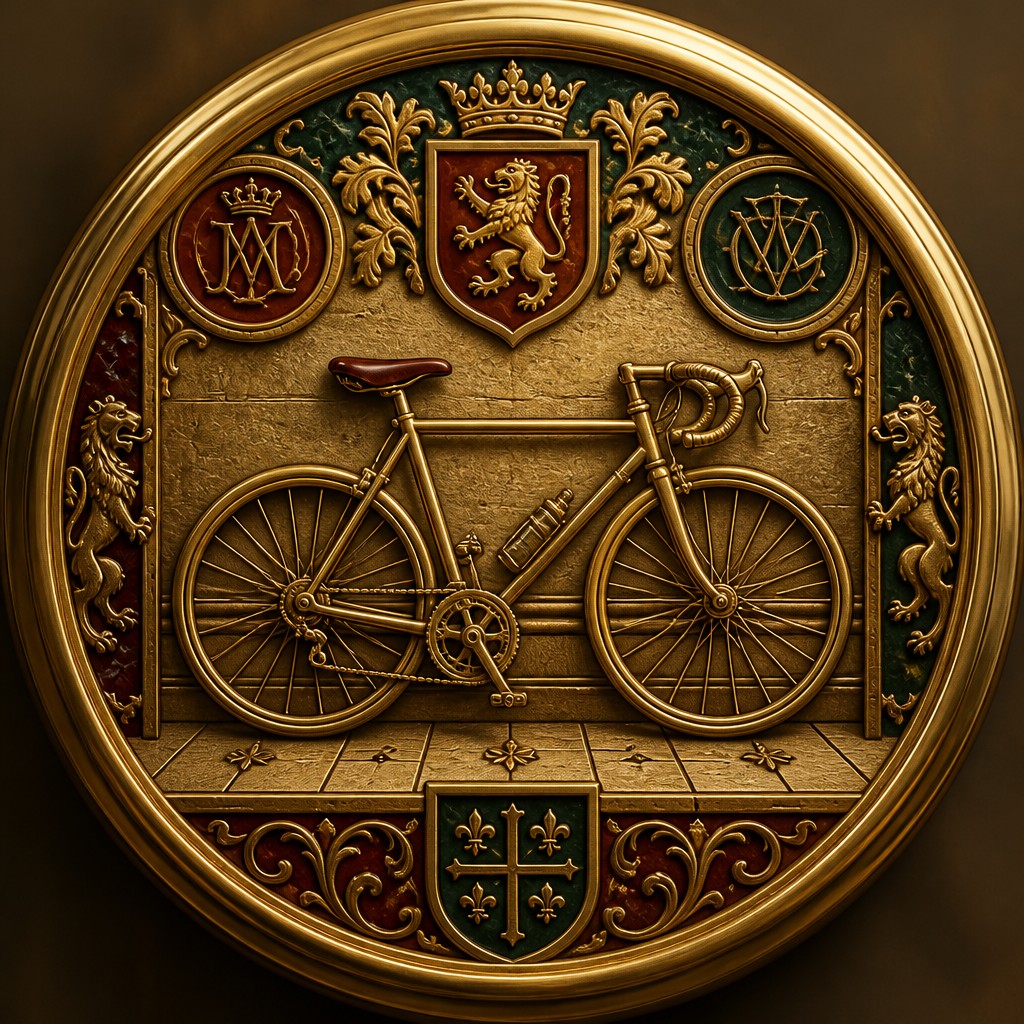
Austere ancestral mood
The overall effect is inherited, ceremonial, and quietly authoritative rather than romantic or flamboyant. Objects look like heirlooms, legal emblems, or private tokens of lineage.
Try It
Create Videos in Signet & Heraldic Jewelry Design
Styles aren't just for stills — describe a scene or animate an image and get a short video rendered in Signet & Heraldic Jewelry Design. Press play to see this pond come to life.
Make a VideoSignet & Heraldic Jewelry Design Prompt Ideas
Start from an idea — each one opens the generator with the style ready to go. See all 40 Signet & Heraldic Jewelry Design prompts →
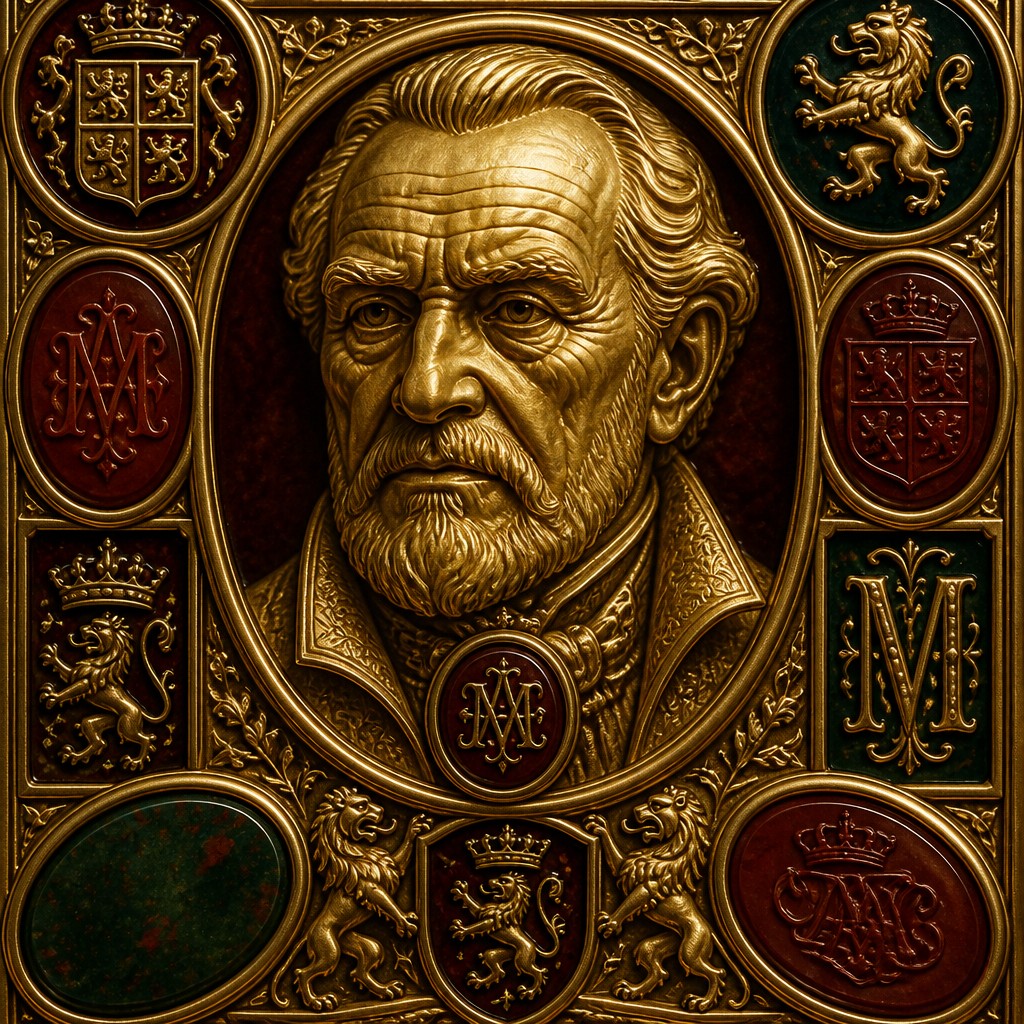
“close-up portrait of an elderly person with expressive weathered features”
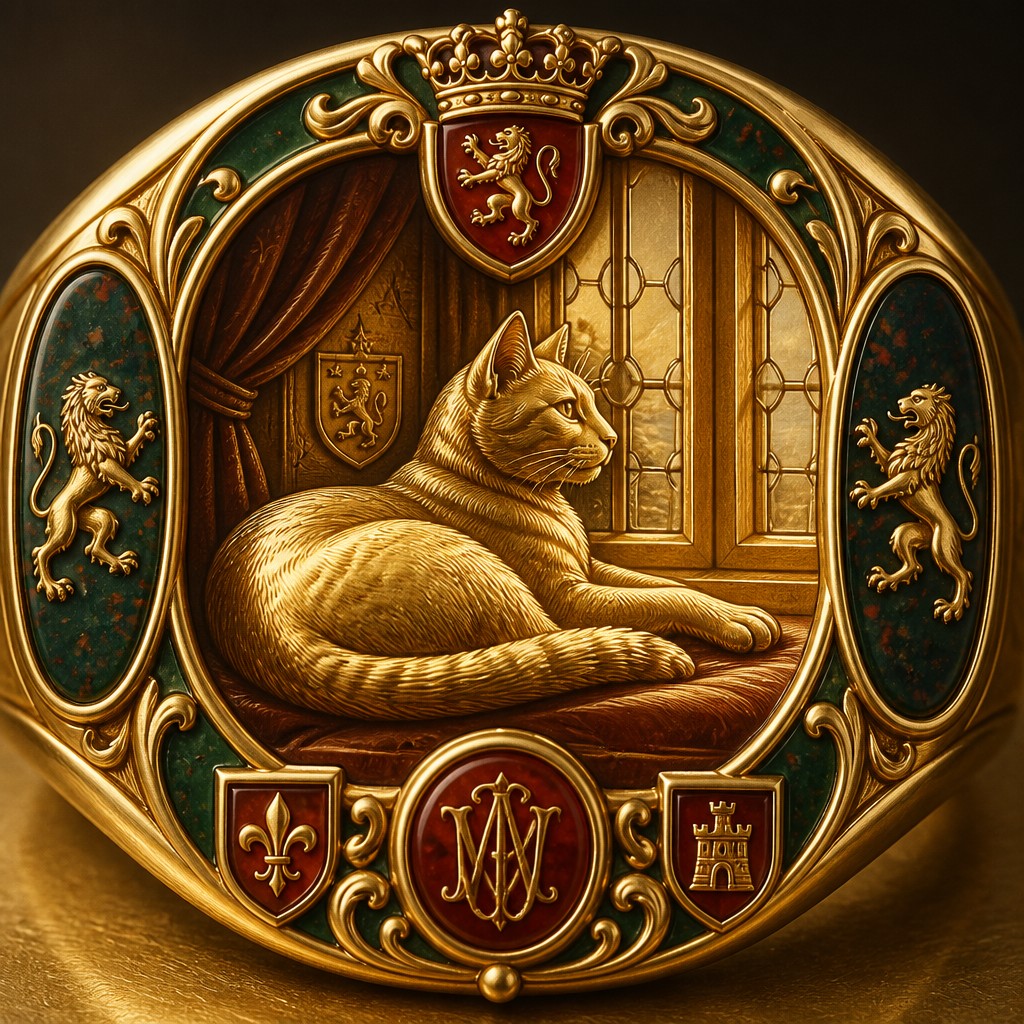
“a cat lounging in a sunlit window”
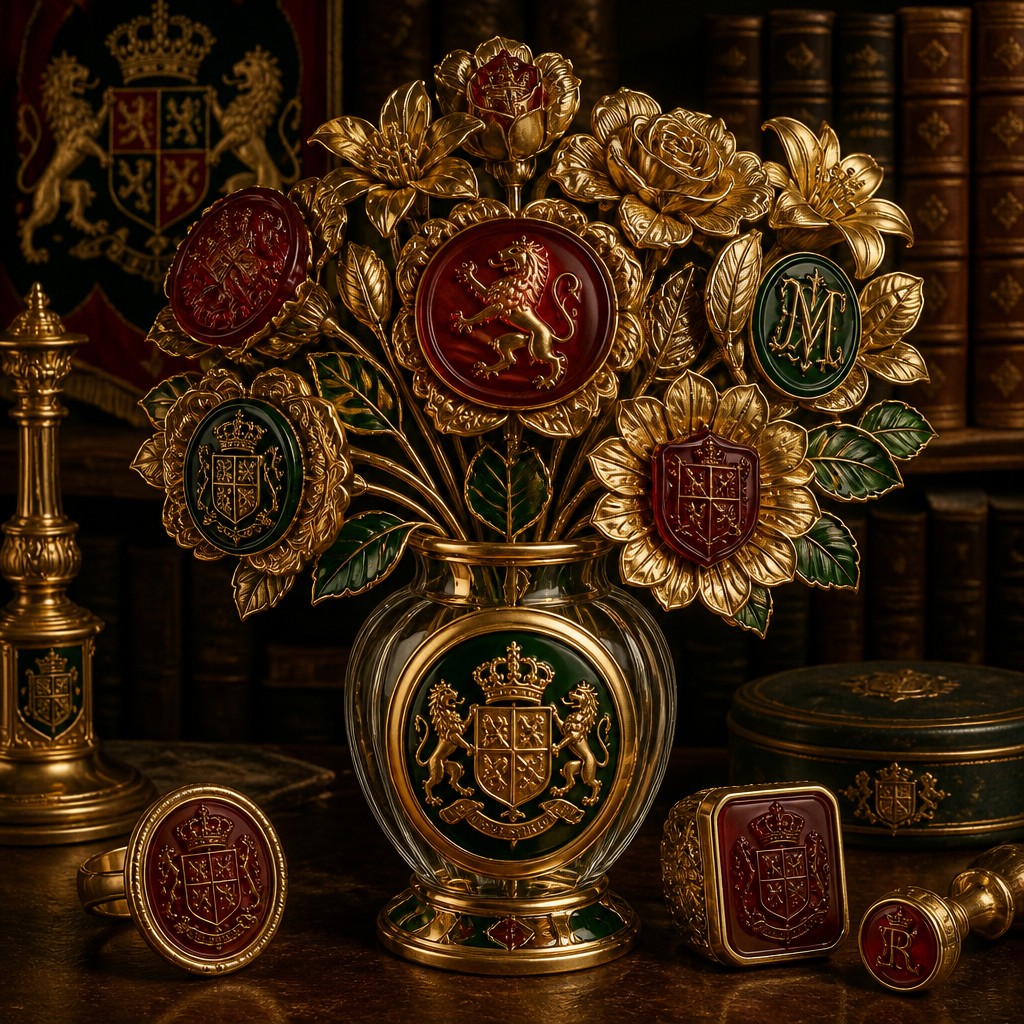
“bouquet of flowers in a glass vase”
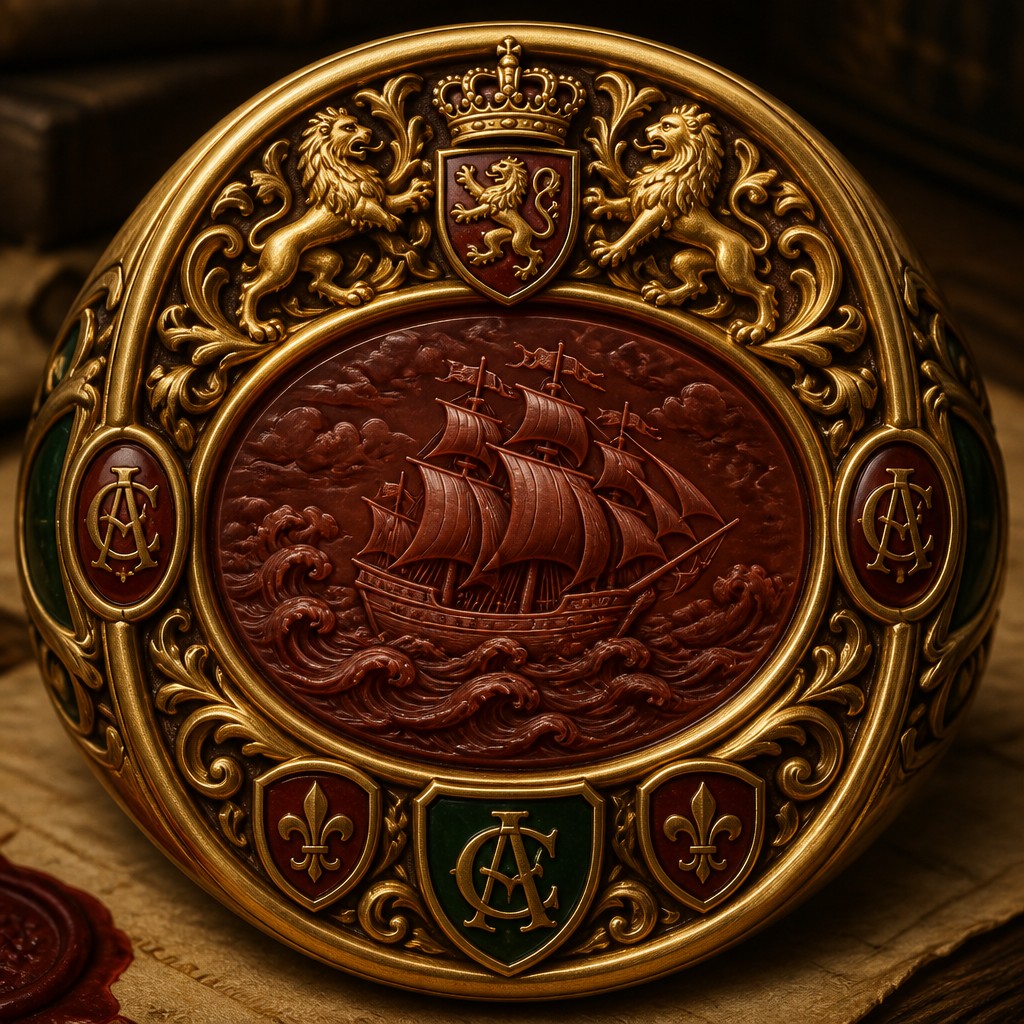
“sailing ship on a stormy sea”
How to Create Signet & Heraldic Jewelry Design Art
Master the craft step by step — or skip straight to creating. Read the full guide →
- 1
Build a seal-first composition
Start with a central crest, monogram, or family-style emblem and organize everything around symmetry. In traditional drawing or digital design, keep the silhouette bold and legible so the piece reads instantly at small size.
- 2
Use relief and recession deliberately
For metalwork or illustration, separate raised gold elements from recessed engraving and intaglio cuttings. Strong edge contrast is essential: the design should look carved, stamped, or chased rather than merely drawn on top.
- 3
Choose a restrained material palette
Favor yellow gold, deep red stone, dark green or oxblood enamel, and occasional black enamel or oxidized recesses. Limit bright color so the visual weight stays on metal sheen, gemstone depth, and formal symbolism.
- 4
Emphasize finish and lighting
Render polished highlights, soft reflections, and burnished surfaces under warm directional light. A tabletop, archival, or library-like setting reinforces the feeling of heirloom authority and historical context.
- 5
Translate motifs into concise symbols
Replace narrative detail with heraldic shorthand: a lion becomes a charged emblem, a wreath becomes a border device, and a monogram becomes a compact identity mark. This style works best when every element feels selected for heraldic meaning.
- 6
When generating digitally, specify materials and carving
Use prompts that mention engraved goldwork, intaglio stones, polished yellow gold, mirror-reversed relief, and wax-seal solidity. Add the subject in the center and describe the lighting and enamel accents so the output stays formal and object-like.
The Story
History & Origins of Signet & Heraldic Jewelry Design
This style is not a single historical movement but an aesthetic lineage rooted in European heraldry, Renaissance and Baroque goldsmithing, and the long tradition of signet rings and wax seals used to authenticate documents. Intaglio gemstones were especially important in antiquity and again in later revival periods, when carved stones and engraved metalwork became associated with learning, status, and continuity of family identity.
In modern design, the look draws on Victorian and Edwardian revival jewelry, museum display culture, and contemporary luxury branding that borrows from heraldic motifs. Its visual grammar also overlaps with academic seal design and monogram design, where clarity, symmetry, and symbolic compression matter as much as ornament. In digital and illustrative contexts, the style is often reconstructed by emphasizing polished metal, deep engraving, and a restrained palette of gold, oxblood, green, and dark stone tones.
Influences: This aesthetic draws from European heraldry, Renaissance and Baroque goldsmithing, signet-ring traditions, and the revival jewelry of the nineteenth and early twentieth centuries. It also relates to monogram design, seal engraving, and luxury decorative arts in which precision, symbolism, and material richness are more important than naturalism. The closest historical touchstones are not single named artists but workshop traditions of court goldsmiths and gem engravers across antiquity, the Renaissance, and later revival periods.

Frequently Asked Questions
What defines signet & heraldic jewelry design?
It is defined by engraved crests, monograms, shields, and intaglio stones set in heavy polished metal, usually gold. The style emphasizes authority, lineage, and seal-like clarity rather than delicate ornamental flourish.
Is this the same as Victorian jewelry?
Not exactly. Victorian jewelry can include many looks, from sentimental lockets to black mourning pieces, while this style is specifically rooted in heraldic symbolism, signet forms, and formal emblematic design. It can, however, overlap with Victorian revival pieces that use coats of arms or engraved family motifs.
What materials are most associated with this style?
Yellow gold is the most characteristic metal, often paired with bloodstone, carnelian, onyx, or enamel in oxblood and deep green. These materials create the hard contrast between polished brilliance and carved depth that gives the style its authority.
How is an intaglio different from a cameo?
An intaglio is carved into the surface so the image sits below the plane, which makes it suitable for seals and signets. A cameo is carved in relief, with the image raised above the background, and it reads more as a decorative portrait or cameo ornament than an authentication device.
Where is this style used today?
It appears in fine jewelry, heritage branding, luxury packaging, crest-inspired identity systems, and decorative illustration. Designers use it when they want to suggest legacy, institution, family identity, or formal ceremony.
How can I make art in this style without making actual jewelry?
Focus on object language: show a ring face, pendant, or medallion as a centered emblem with carved relief and gemstone depth. Even in illustration or 3D work, the key is to simulate metal craftsmanship, heraldic composition, and a restrained, heirloom mood.

Create your first Signet & Heraldic Jewelry Design artwork
Describe anything — or upload a photo — and see it in Signet & Heraldic Jewelry Design in seconds.
Related Styles
Discover similar art styles