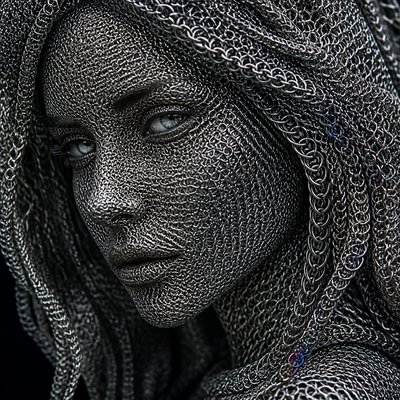
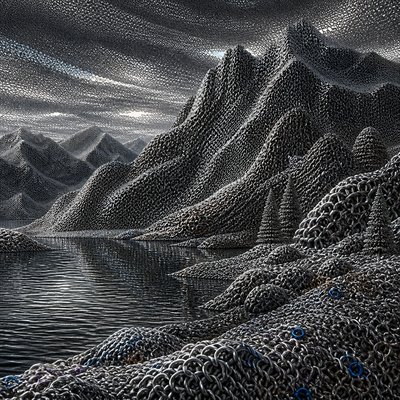
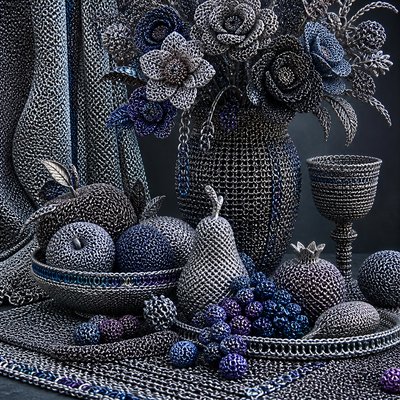
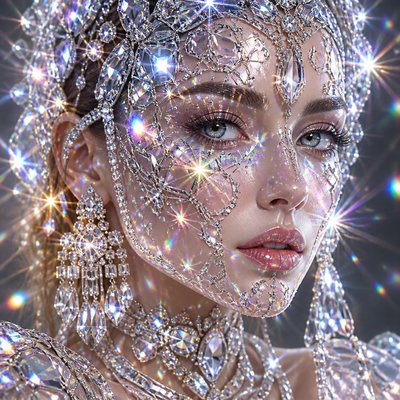
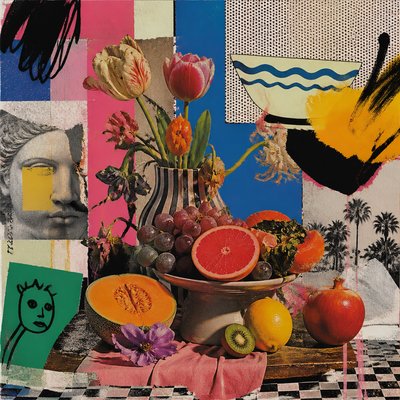
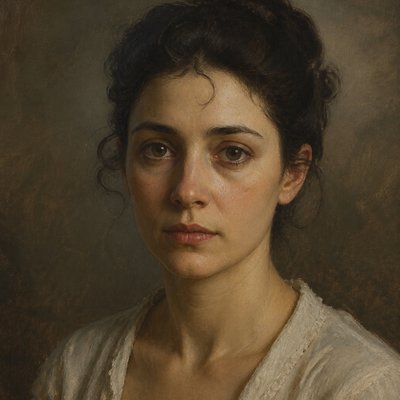
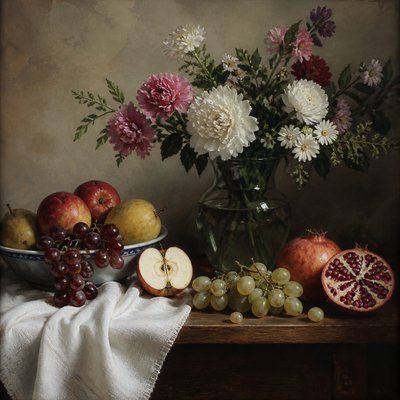
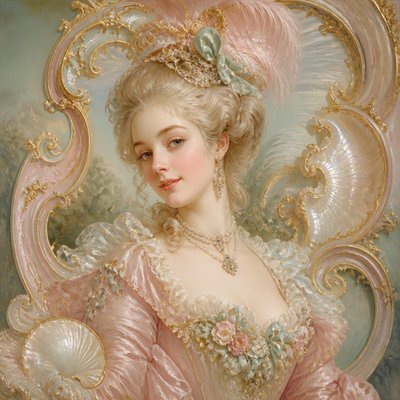
Etruscan Granulation Jewelry Style
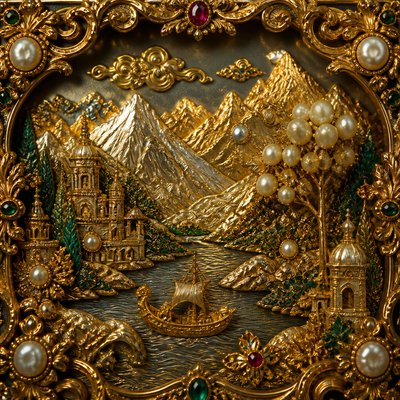
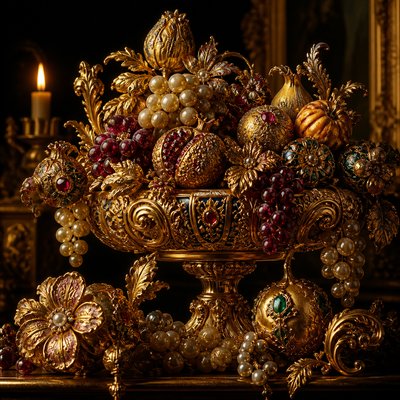
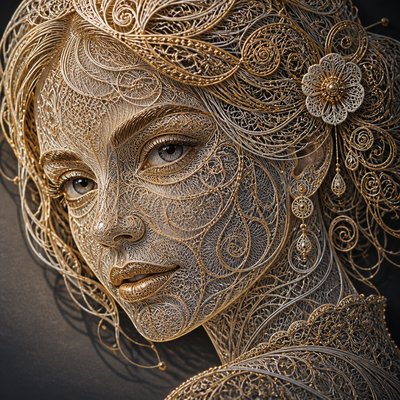
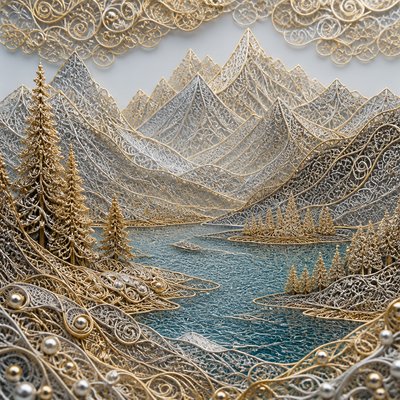
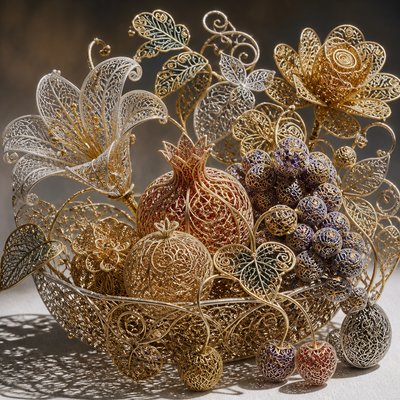
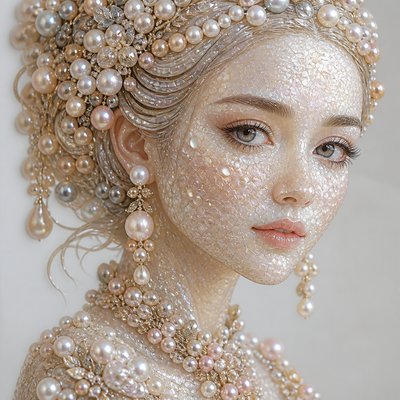
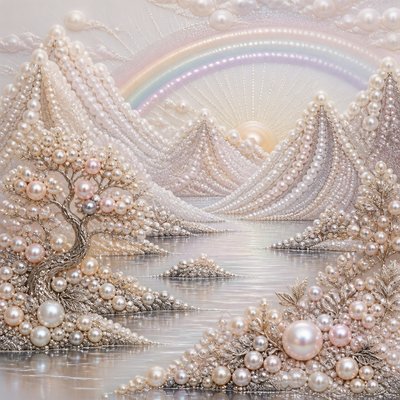
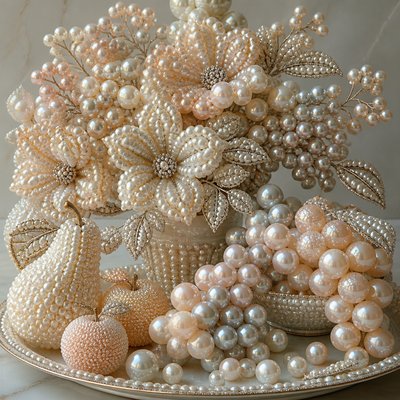
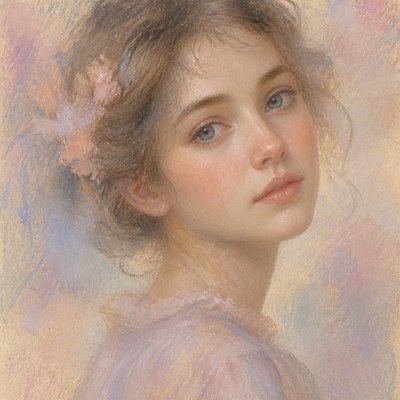
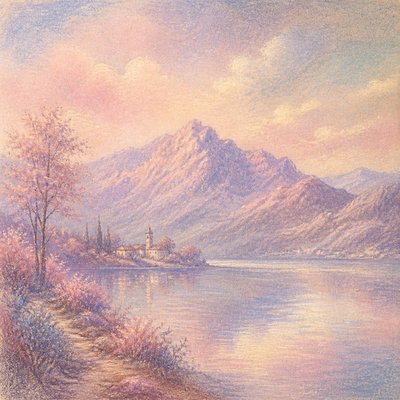
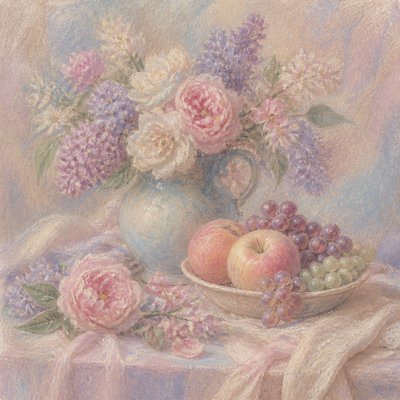
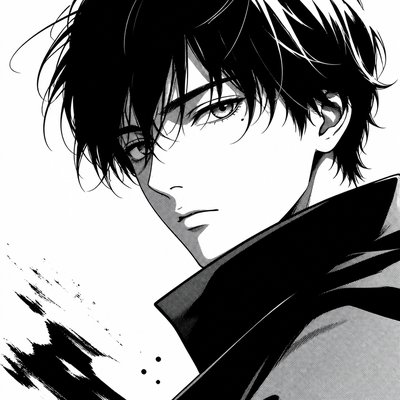
Ancient gold jewelry with microscopic granulation, rope filigree, rosettes, and repoussé motifs from the Etruscan tradition.
Instantly rendered in Etruscan Granulation Jewelry — or transform a photo
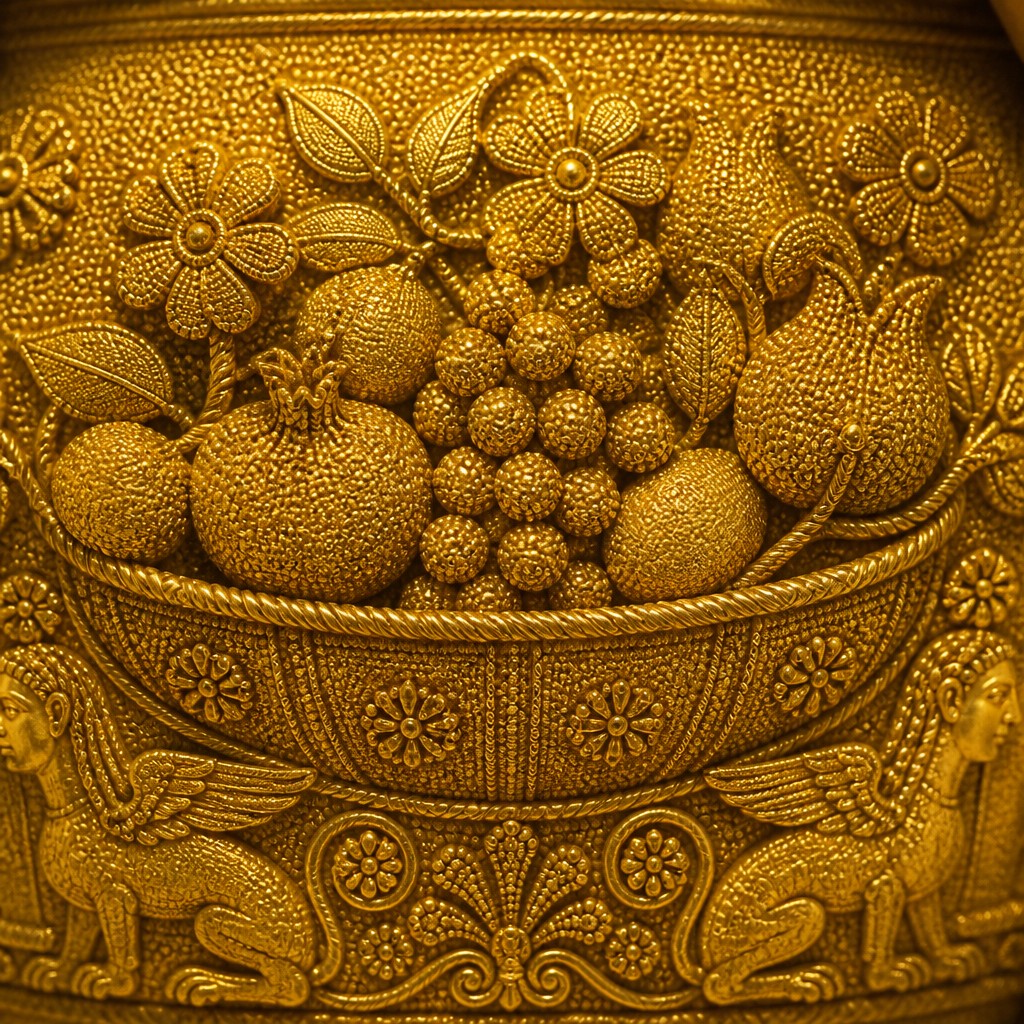
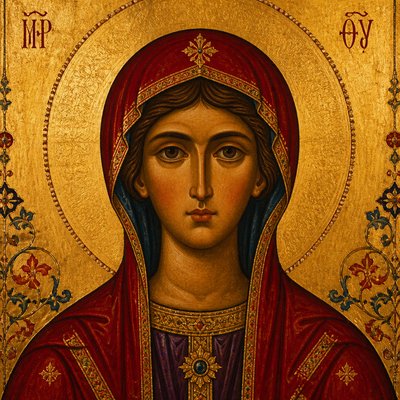
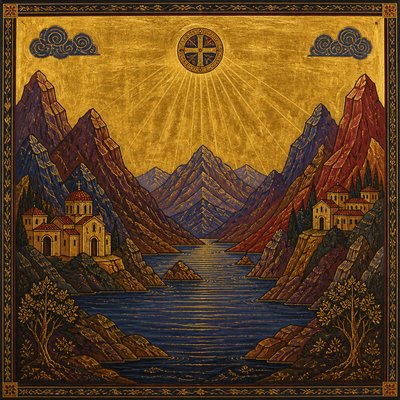
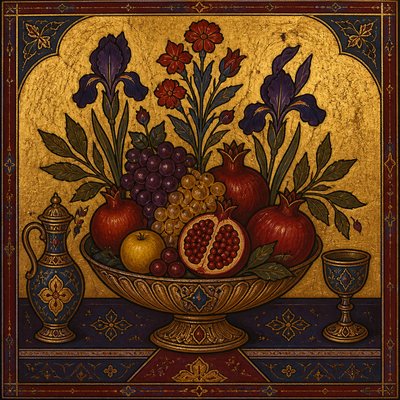
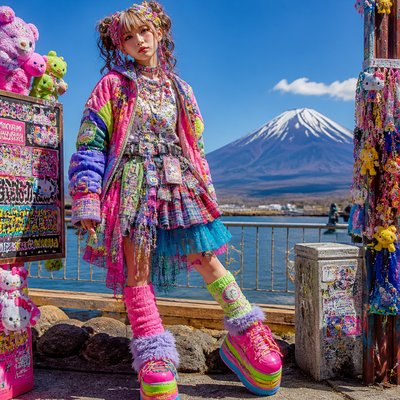
Etruscan Granulation Jewelry Gallery
Tap any artwork to explore it
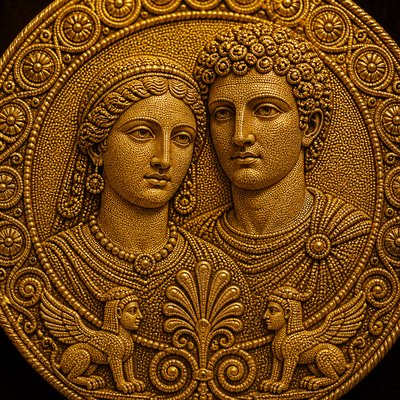
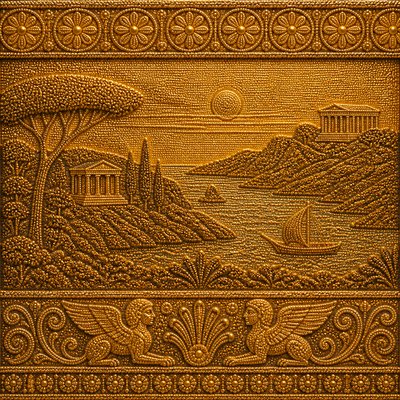
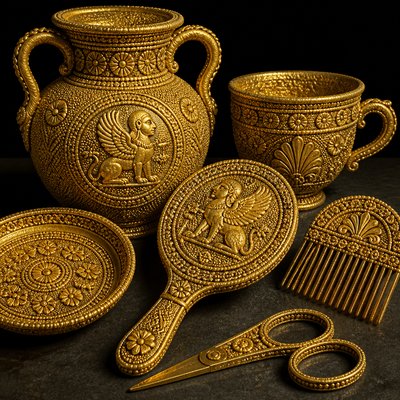
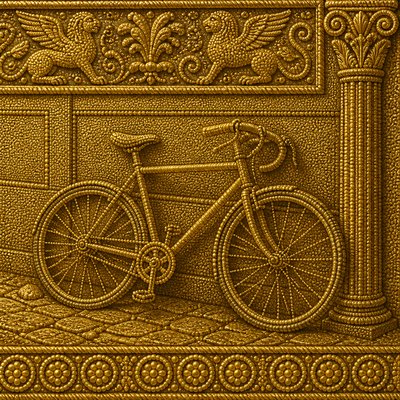
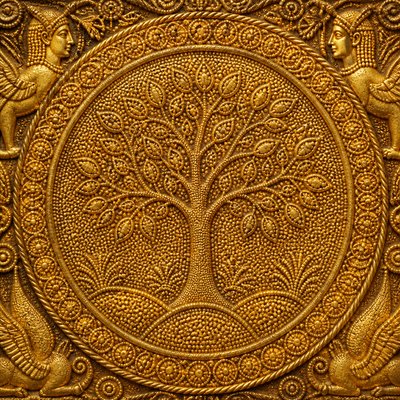
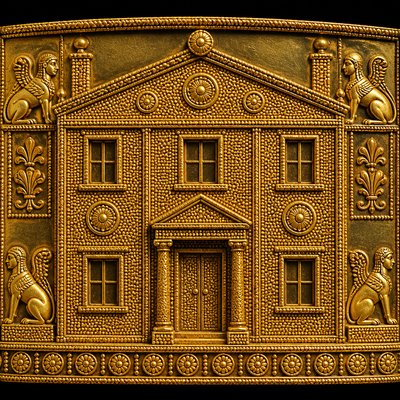
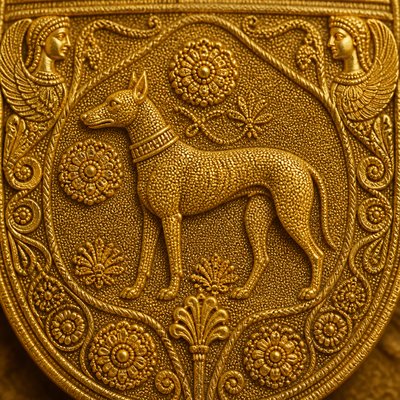
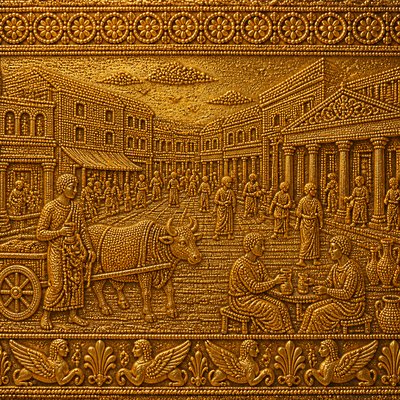
What is Etruscan Granulation Jewelry Style?
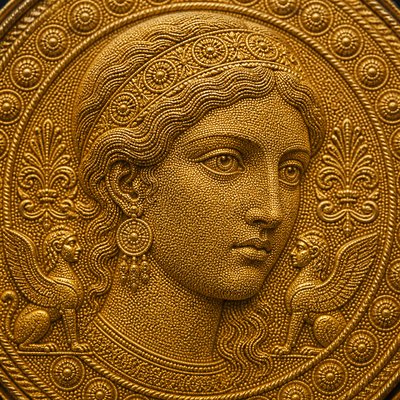
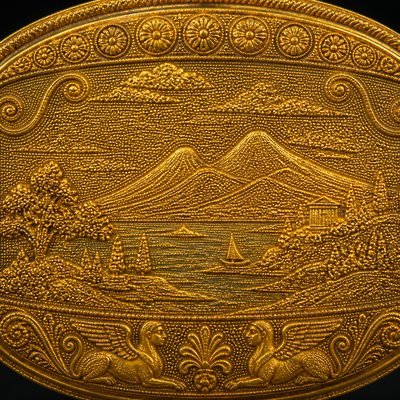
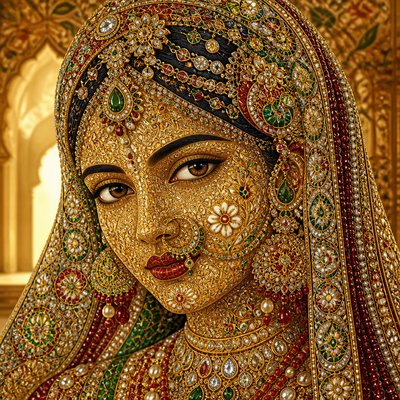
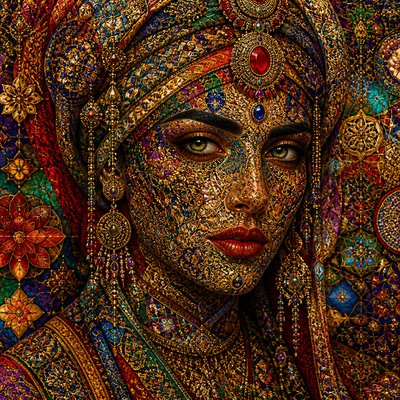
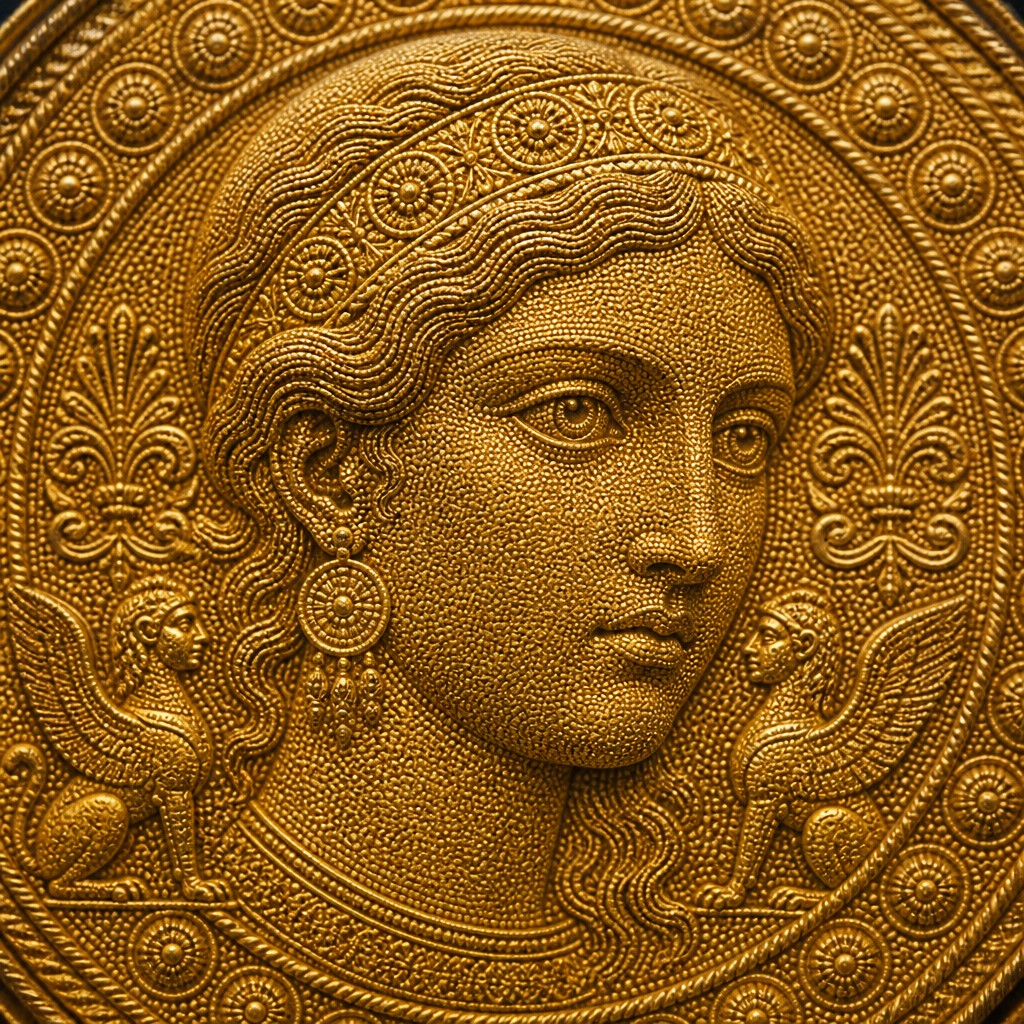
Etruscan granulation jewelry style refers to the visual language of ancient Etruscan goldwork, especially pieces distinguished by dense fields of tiny fused gold beads. Its hallmark is a surface that reads almost like glittering sand: minute spheres arranged into borders, rosettes, geometric panels, and figural accents on warm high-karat gold. The effect is refined rather than flashy, combining technical precision with an understated, archaic luminosity.
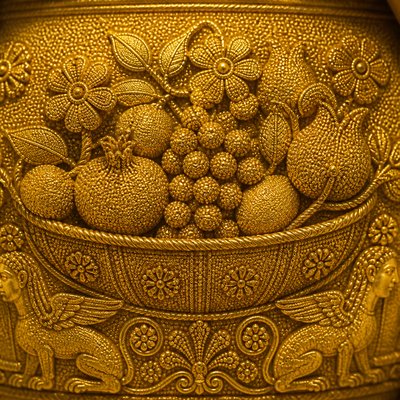
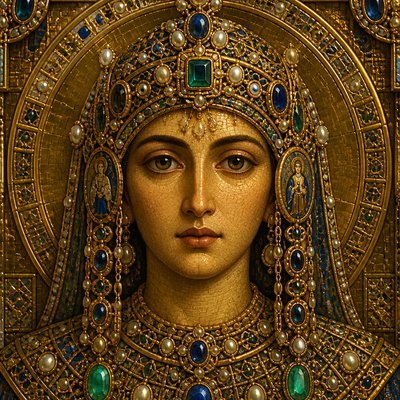
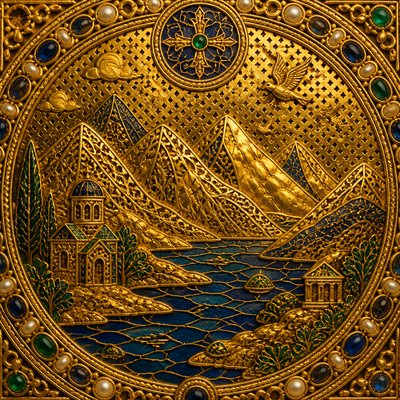
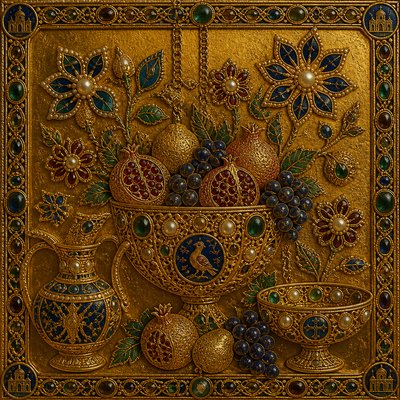
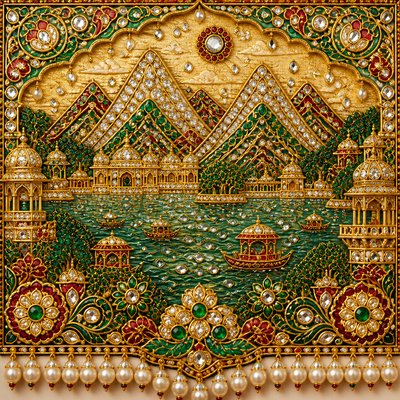
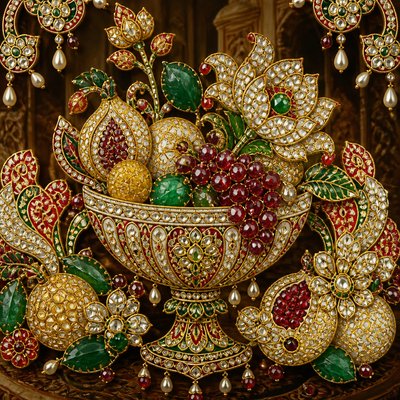
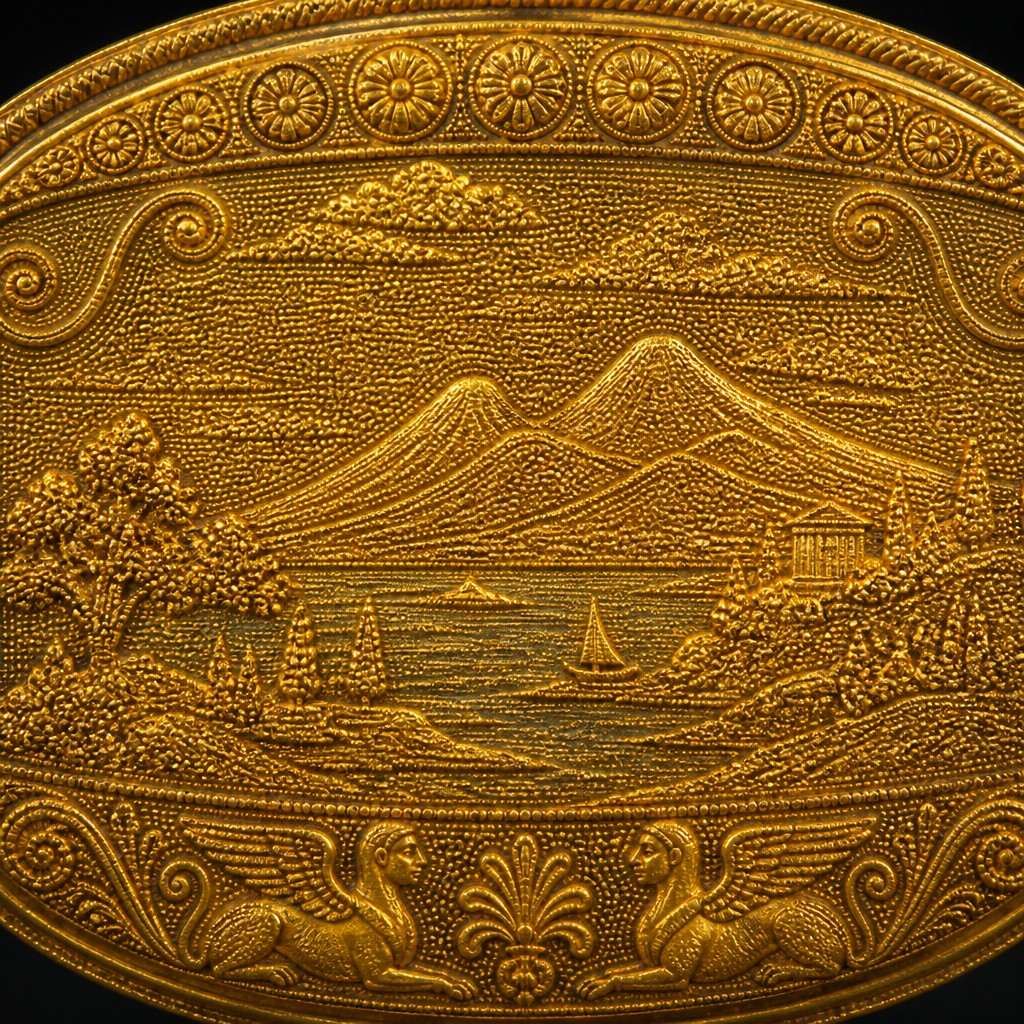
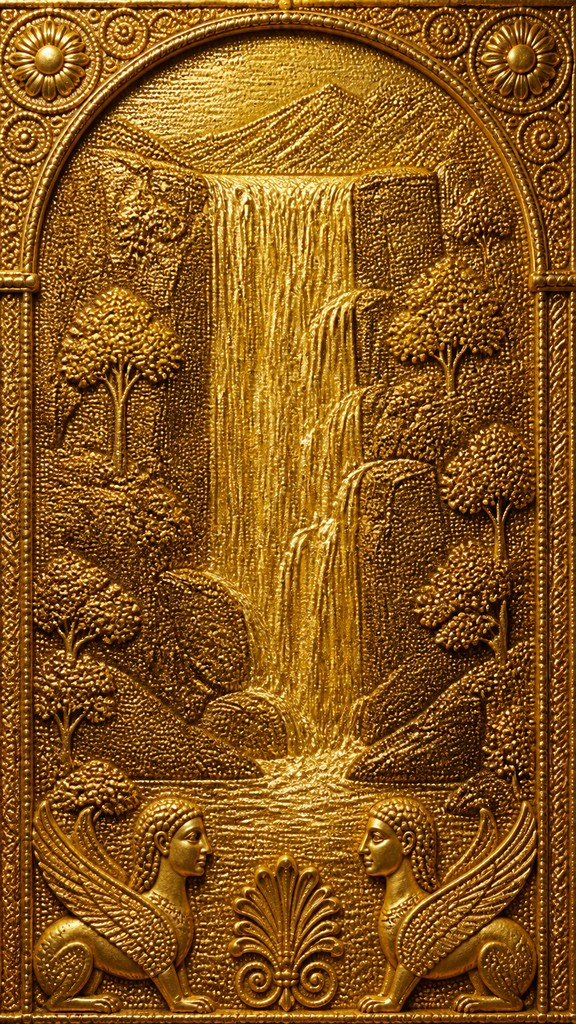
This style is defined by microscopic control of metal. Granulation is often paired with twisted rope borders, filigree, stamped ornaments, and repoussé motifs such as sphinxes, palmettes, lions, and floral abstractions. The visual result is tactile and architectural: a jewelry surface built from repeating points and lines that catch raking light and produce a shimmering, bead-like texture. In contemporary image-making, the style translates into ornate gold surfaces, antique Mediterranean ornament, and a strong emphasis on handcrafted detail.
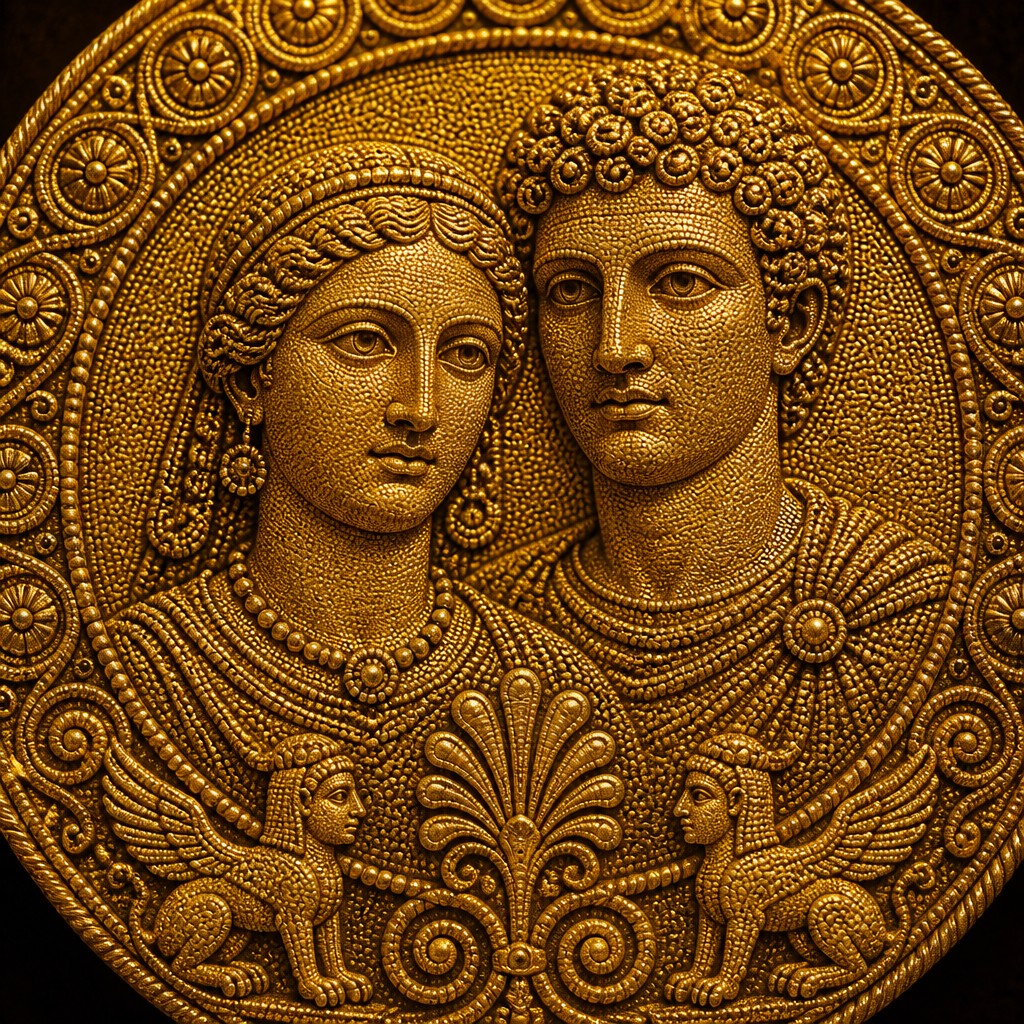
Try It On Your Photos
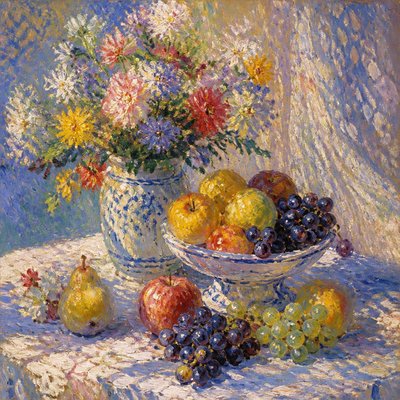
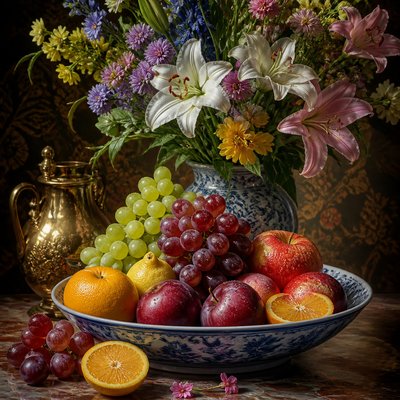
Upload any photo and convert it into Etruscan Granulation Jewelry Style — drag the sliders to compare before and after.
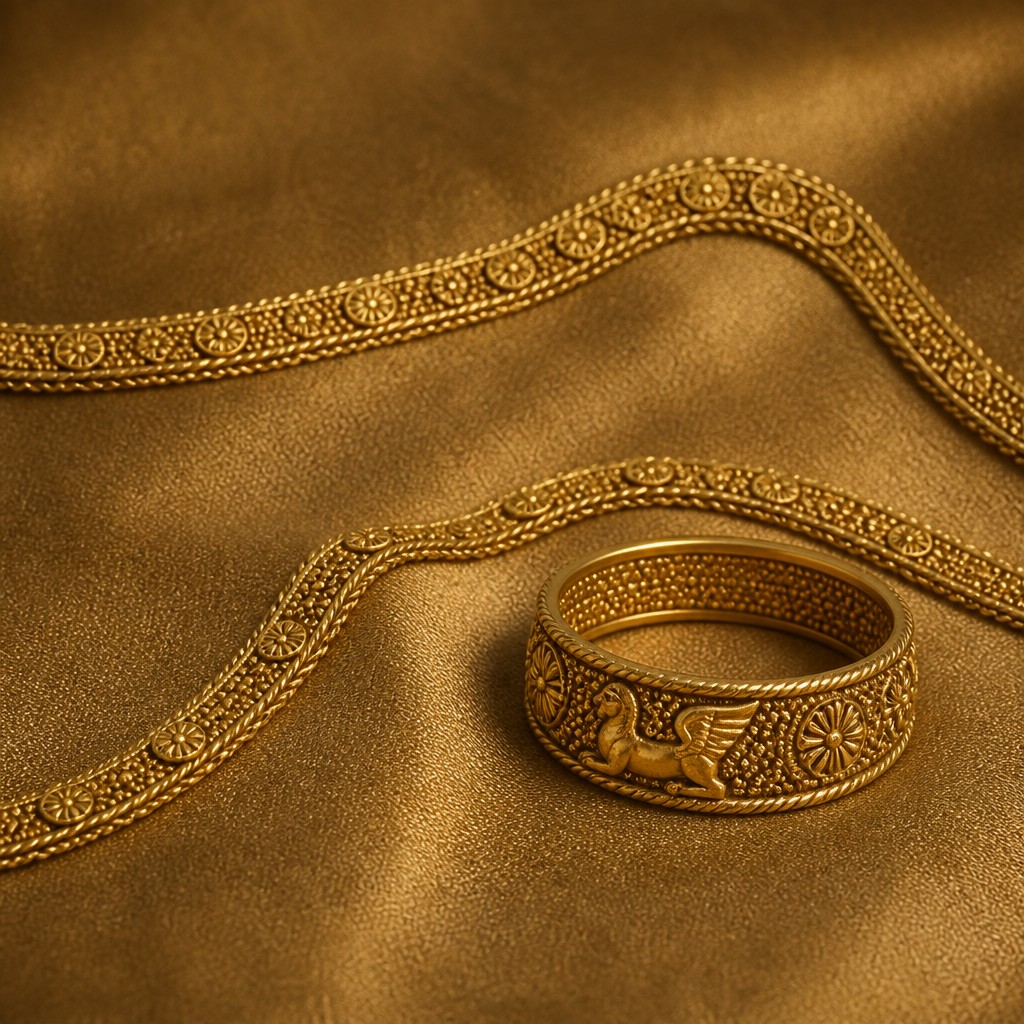
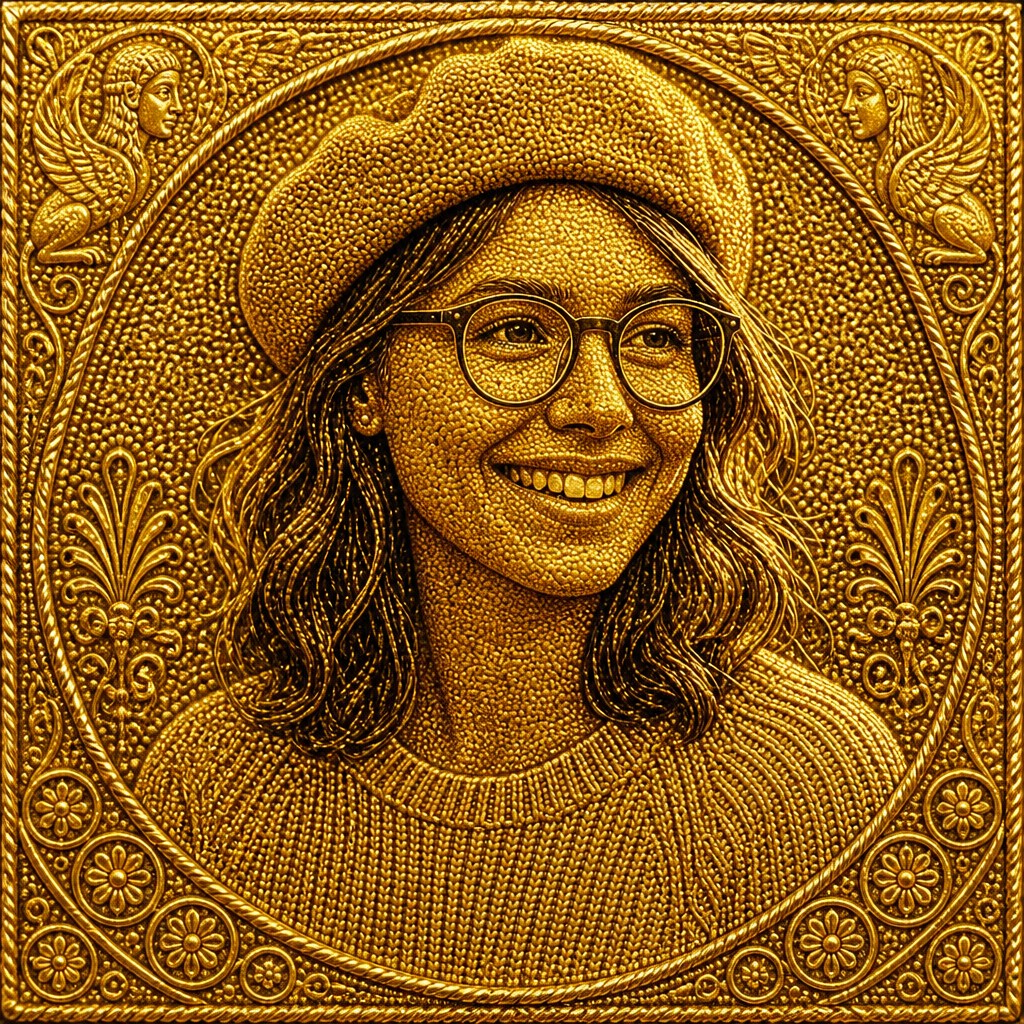

What Defines Etruscan Granulation Jewelry Style
The signature details, up close
Microscopic gold granulation
The defining feature is a surface covered with thousands of tiny fused gold spheres. These granules create a granular shimmer that resembles sand, pollen, or a metallic fabric.
Warm high-karat gold
The look depends on rich, warm gold tones rather than bright chrome-like highlights. The color suggests age, softness, and ancient luxury.
Geometric and rosette patterning
Granules are often organized into bands, borders, triangles, and rosettes. Repetition and symmetry are central to the visual identity.
Rope filigree and edge detailing
Twisted wire borders and delicate filigree often frame the granulated fields. These edges give the work a finished, architectural contour.
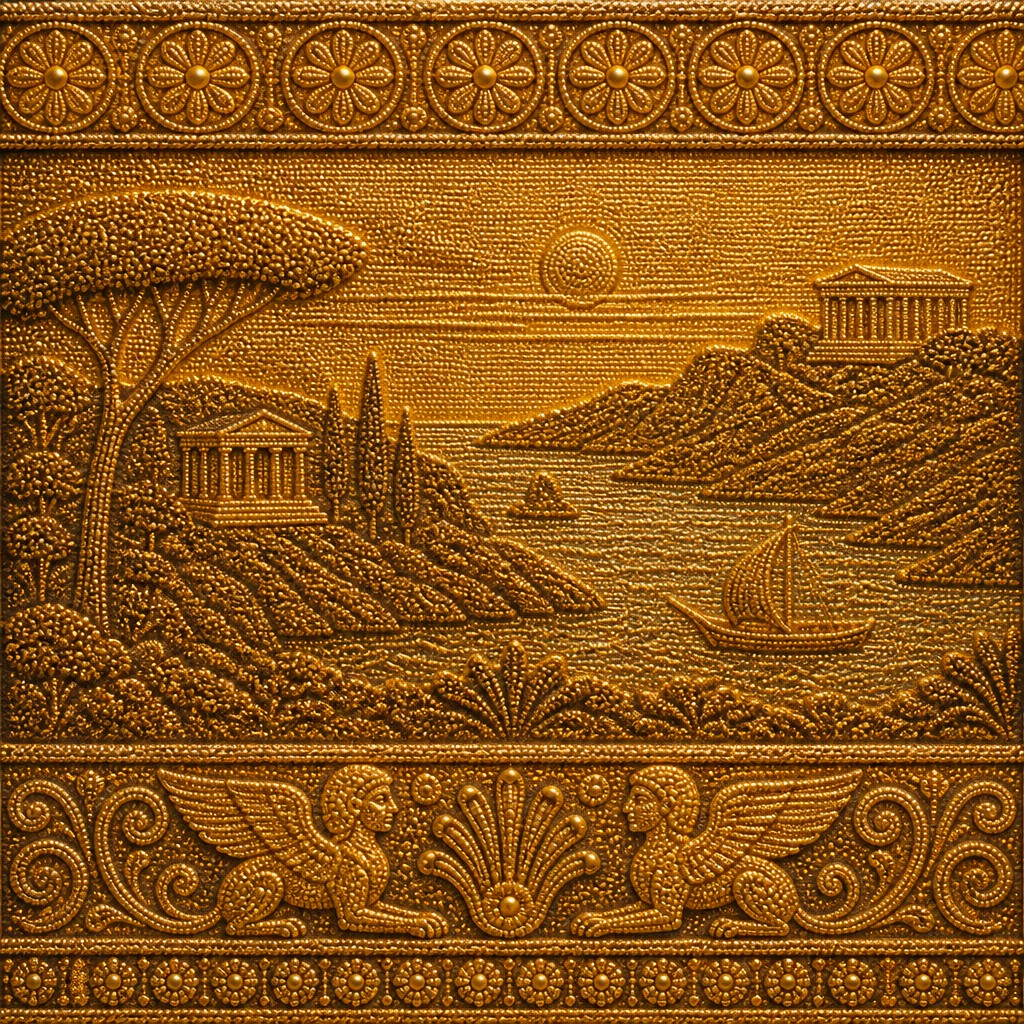
Repoussé and stamped ornament
Many pieces combine granulation with raised metal motifs, including sphinxes, palmettes, petals, and lions. The mix of flat texture and relief adds depth.
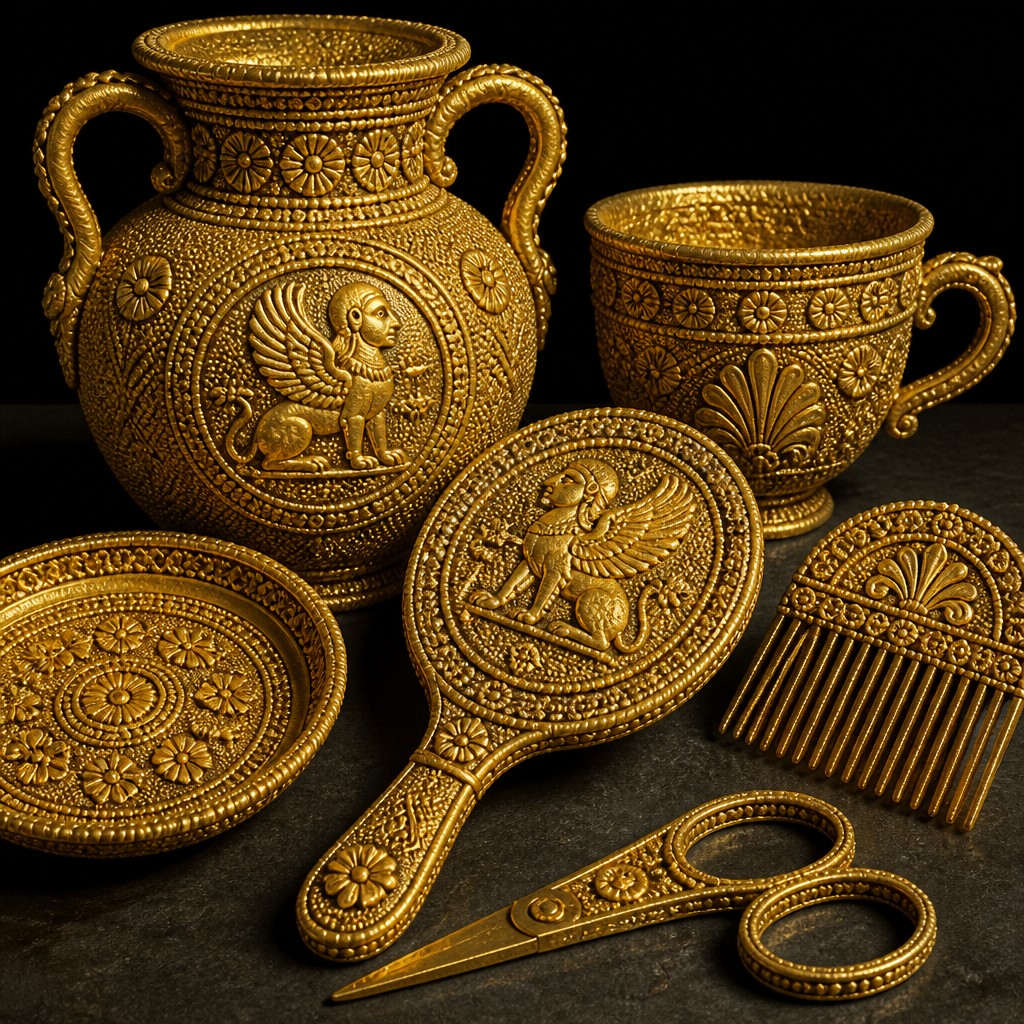
Archaic Mediterranean refinement
The style feels ancient, ceremonial, and courtly rather than lush or baroque. Its beauty comes from restraint, repetition, and technical mastery.
Try It
Create Videos in Etruscan Granulation Jewelry Style
Styles aren't just for stills — describe a scene or animate an image and get a short video rendered in Etruscan Granulation Jewelry. Press play to see this pond come to life.
Make a VideoEtruscan Granulation Jewelry Prompt Ideas
Start from an idea — each one opens the generator with the style ready to go. See all 40 Etruscan Granulation Jewelry prompts →
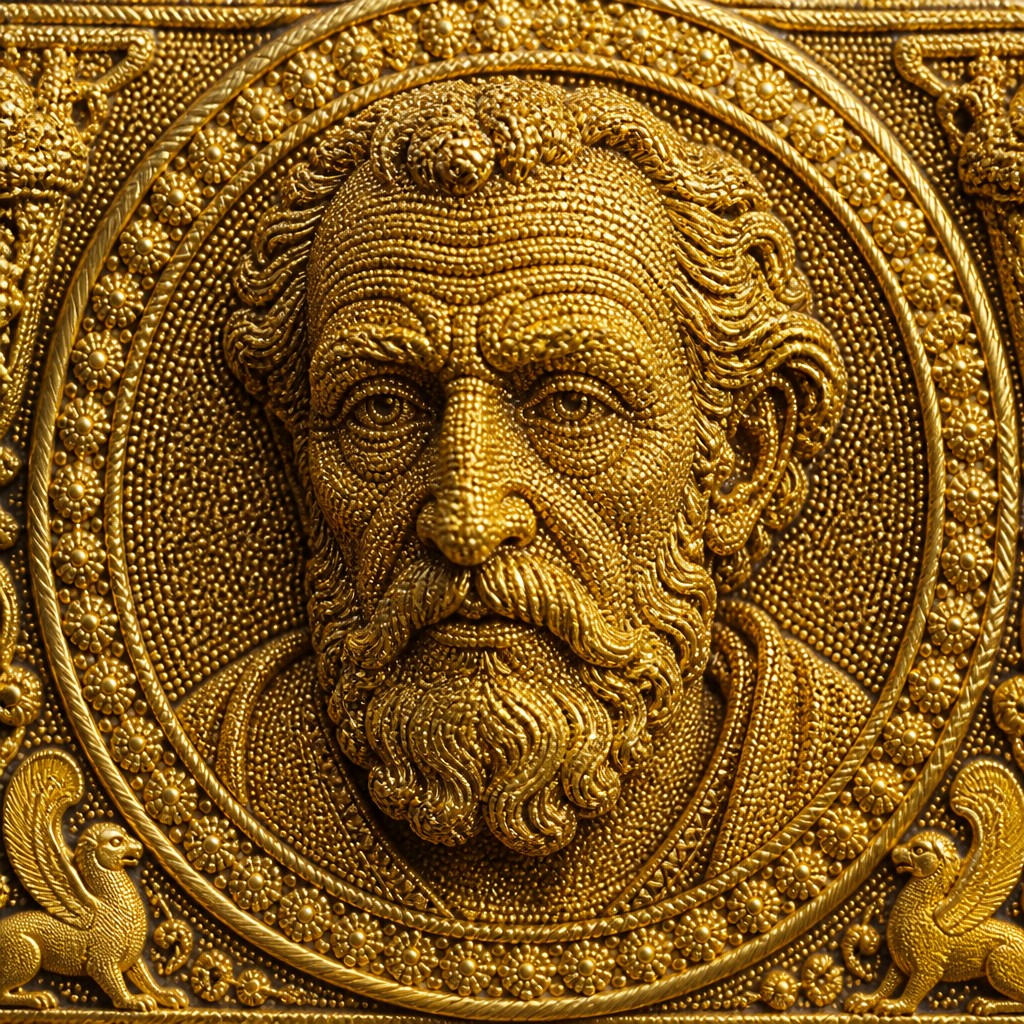
“close-up portrait of an elderly person with expressive weathered features”
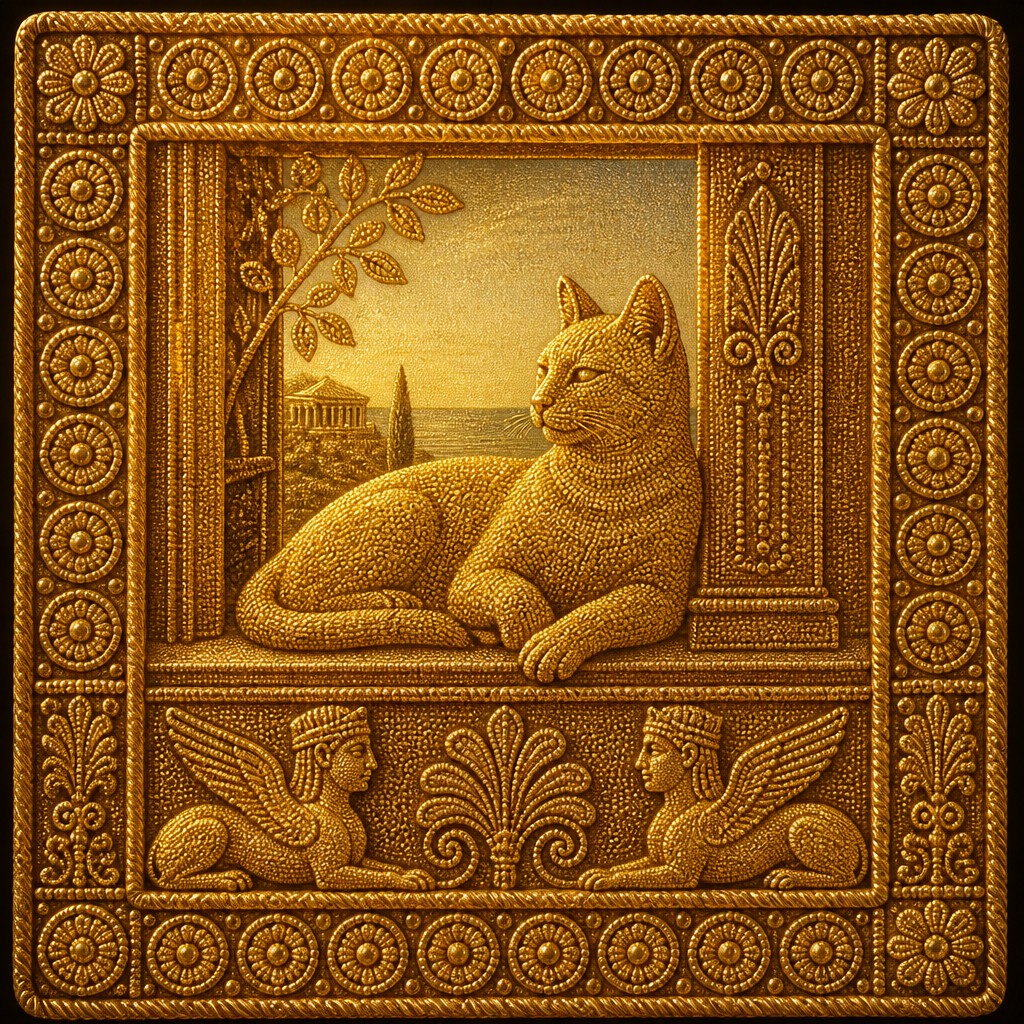
“a cat lounging in a sunlit window”
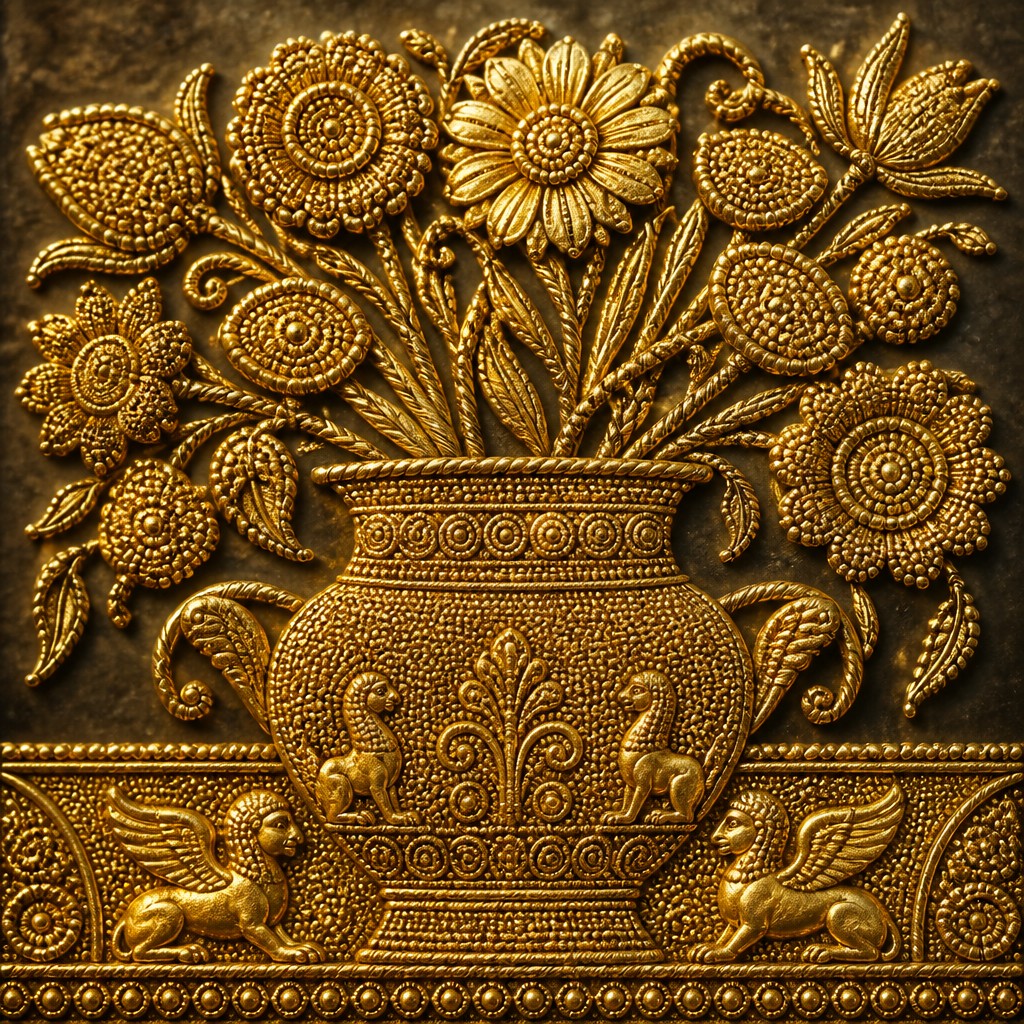
“bouquet of flowers in a glass vase”
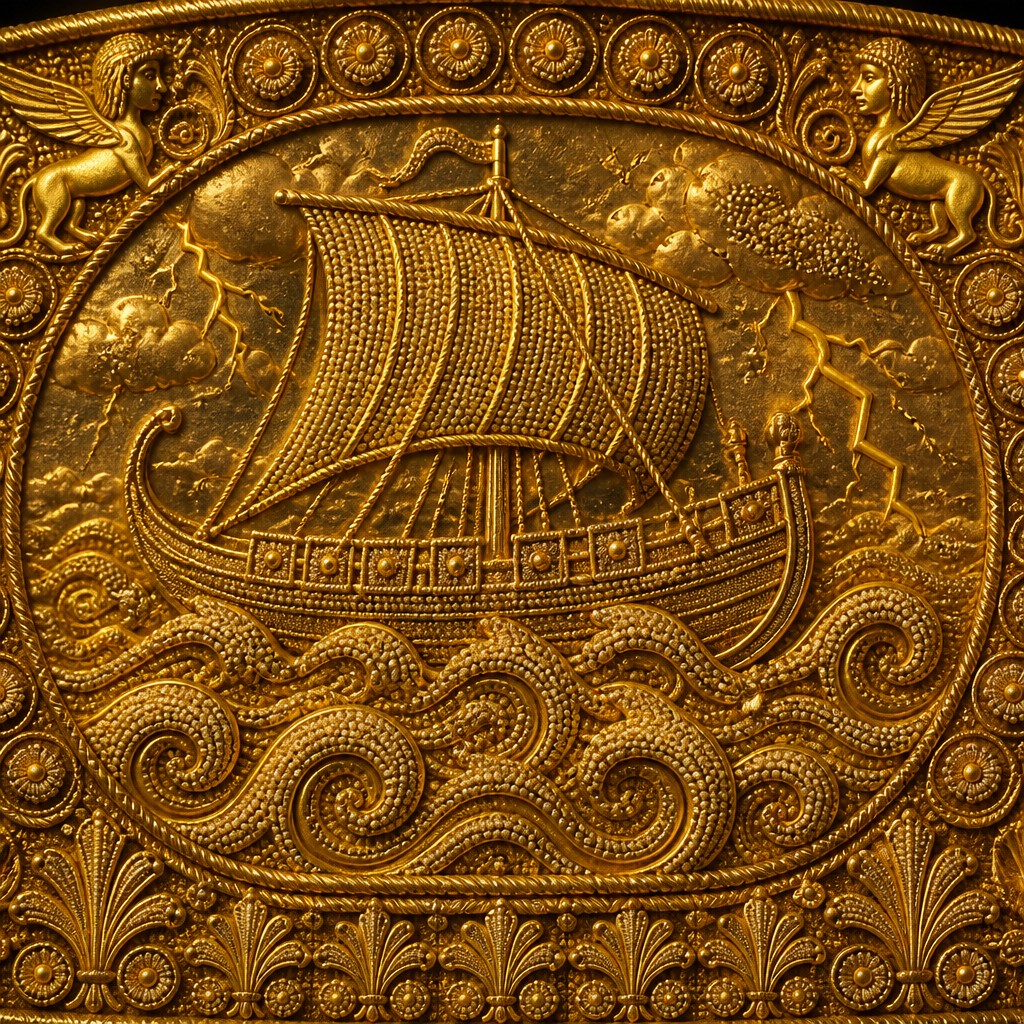
“sailing ship on a stormy sea”
How to Create Etruscan Granulation Jewelry Art
Master the craft step by step — or skip straight to creating. Read the full guide →
- 1
Build texture first, then form
For traditional work, plan the silhouette and major motifs before adding granulation. The style depends on disciplined placement: small repeated beads should reinforce borders, medallions, and field divisions rather than obscure them.
- 2
Use warm metal and fine contrast
Choose a gold tone that reads rich and antique, with soft highlights rather than mirror polish. In digital work, emphasize raking light and micro-contrast so the beaded surface reads clearly at both close and distant viewing.
- 3
Pair granulation with supporting ornament
Combine tiny bead fields with twisted wire edges, rosettes, and small relief motifs to capture the historical look. Without these supporting elements, the image may feel generic rather than specifically Etruscan-inspired.
- 4
Keep motifs ancient and geometric
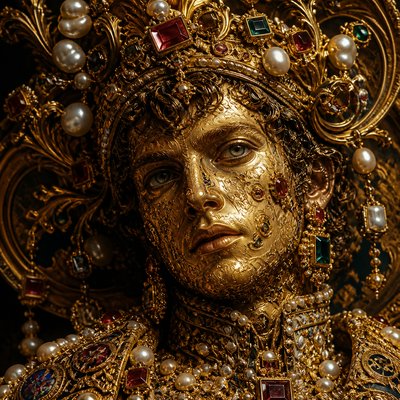
Use Mediterranean archaic forms such as palmettes, sphinxes, lotus-like flowers, and repeating borders. Avoid modern gemstone settings or heavy Victorian clutter if you want the historical aesthetic.
- 5
Prompt for micro-detail and antique metallurgy
In text-to-image prompts, describe fused gold micro-beads, granular surfaces, repoussé relief, and warm high-karat gold. Add terms like 'museum artifact,' 'archaeological jewelry,' or 'archaic Mediterranean ornament' to steer the result toward authentic visual cues.
- 6
Preserve legibility in image transformation
When converting a photo, simplify busy textures so the gold granulation can read as a unified surface. High-contrast edges and clear light direction help the style wrap convincingly around the original subject.
The Story
History & Origins of Etruscan Granulation Jewelry
Etruscan granulation belongs to the goldsmithing traditions of Etruria in ancient Italy, flourishing especially during the Orientalizing and Archaic periods, roughly the 7th to 5th centuries BCE. Etruscan workshops were renowned for extraordinarily fine granulation, a technique in which tiny gold spheres were soldered to a gold surface to form patterns without visibly melting the beads. Their craftsmanship likely developed through contact with eastern Mediterranean, Near Eastern, and Greek metalworking traditions, while becoming distinctive in its delicacy and density.
The style persists today as a reference point for historical jewelry design because it represents one of the highest achievements in ancient metalworking. Modern jewelers and historians study Etruscan granulation for its technical mystery, especially the ability to fuse beads with minimal evidence of solder. In contemporary design, the aesthetic lineage remains tied to archaic luxury, museum jewelry, revivalist goldwork, and ornamental forms that emphasize texture, repetition, and handmade precision rather than polished minimalism.
Influences: This style draws from ancient Etruscan metalwork and the broader eastern Mediterranean ornamental tradition, including Greek, Phoenician, and Near Eastern goldsmithing. Its visual logic also resonates with later revivalist jewelry and museum-inspired historicism, but canonical associations remain primarily archaeological rather than tied to named modern artists. The appeal lies in the fusion of textile-like texture, sacred ornament, and technically exact goldsmithing.
Frequently Asked Questions
What defines Etruscan granulation jewelry style?
It is defined by tiny gold beads fused into patterns on a gold surface. The beads are arranged into borders, rosettes, and textured fields that shimmer like sand under light.
Is this an actual historical style?
Yes. It comes from ancient Etruscan goldsmithing, especially from the 7th to 5th centuries BCE. The modern phrase refers to the visual look and technique rather than a single unified school.
How is it different from filigree jewelry?
Filigree uses thin wires, loops, and lace-like metalwork, while granulation uses tiny spheres. Many ancient pieces combine both, but granulation is the more distinctive and labor-intensive surface treatment.
Why does the surface look like sand or fabric?
The appearance comes from thousands of minute gold spheres packed together and fused onto the base metal. That repeated micro-structure creates a soft, shimmering texture instead of a smooth reflective one.
Can this style be used for non-jewelry subjects?
Yes. In image-making it can be applied to portraits, objects, armor, icons, or decorative surfaces by translating the same gold micro-texture and archaic ornament into the subject. The key is preserving the jewelry-like precision and warm metal finish.
What should I ask for when creating this style?
Request warm gold, microscopic bead texture, geometric granulation, rope borders, and archaic Mediterranean motifs. If possible, specify soft raking light so the surface shimmer is visible.

Create your first Etruscan Granulation Jewelry artwork
Describe anything — or upload a photo — and see it in Etruscan Granulation Jewelry Style in seconds.
Related Styles
Discover similar art styles