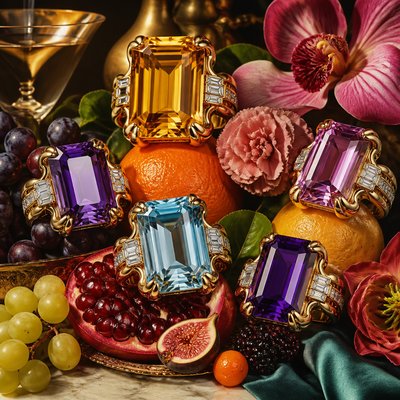
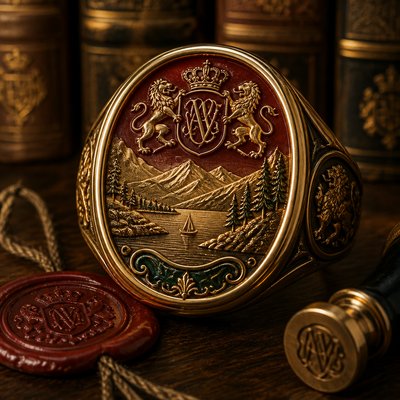
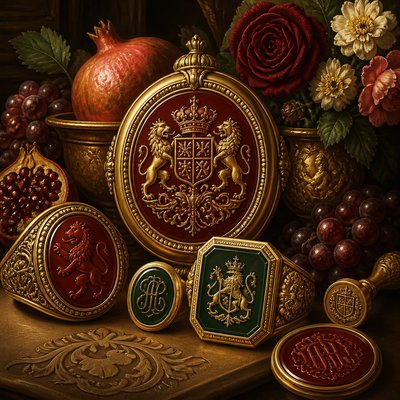
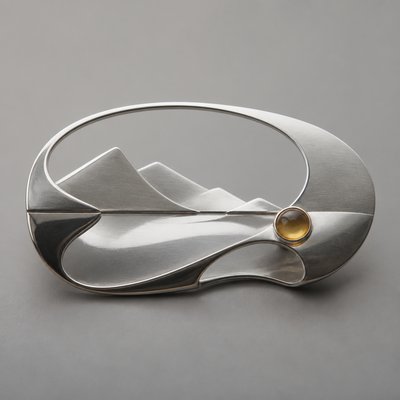
Filigree Jewelry Style
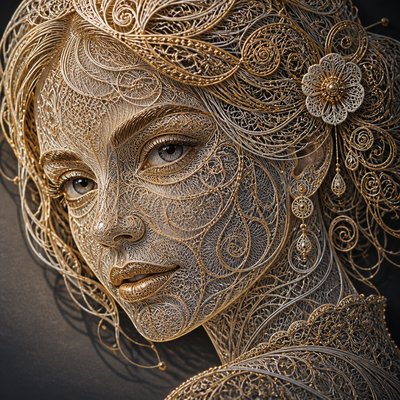
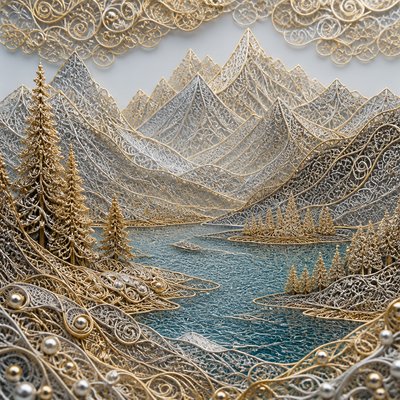
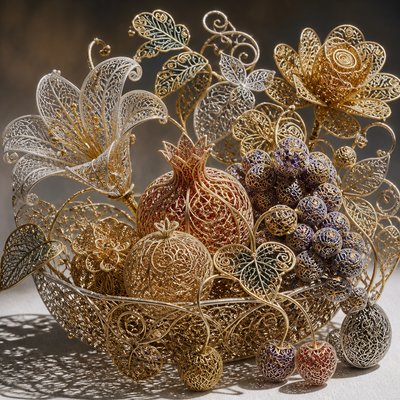
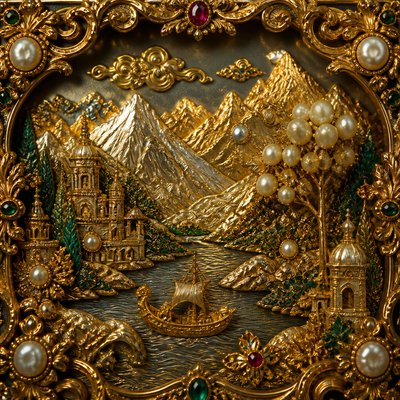
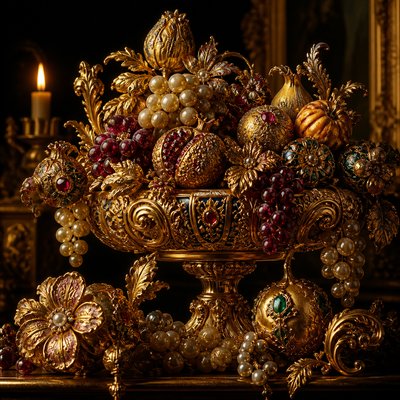
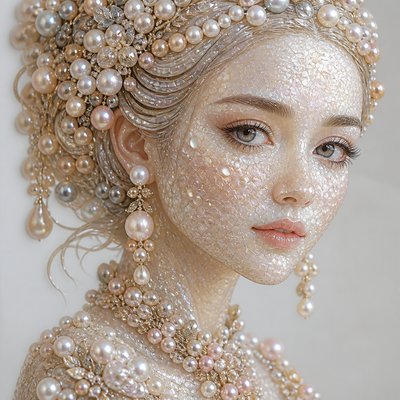
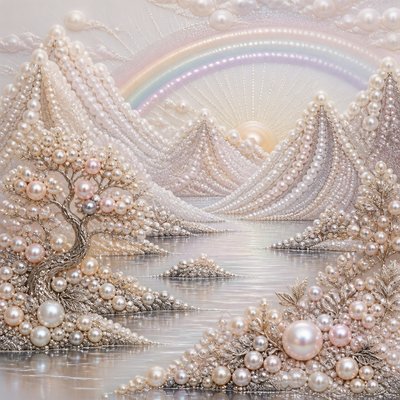
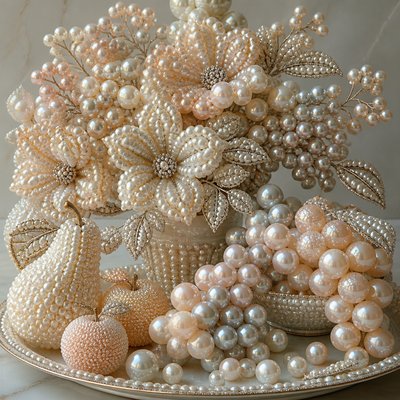
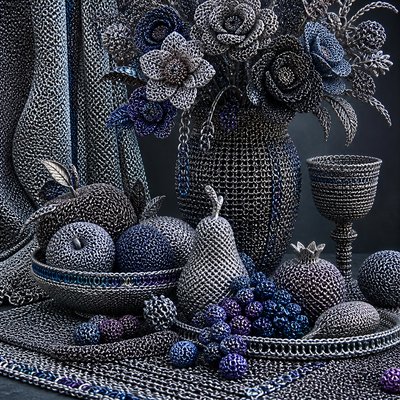
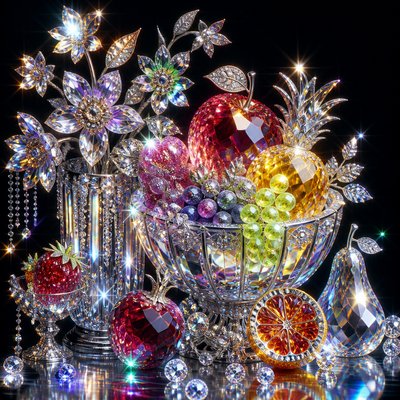
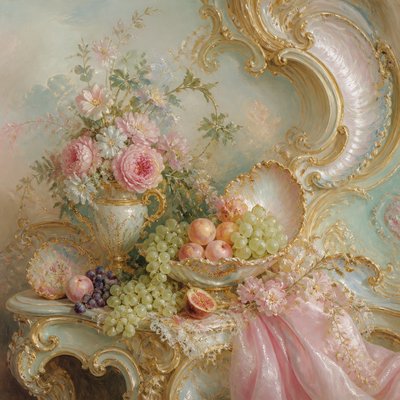
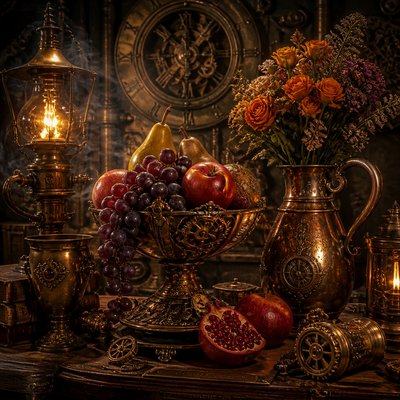
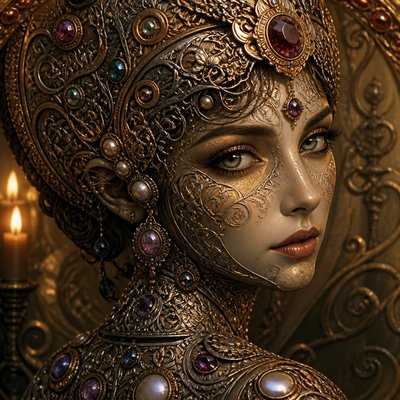
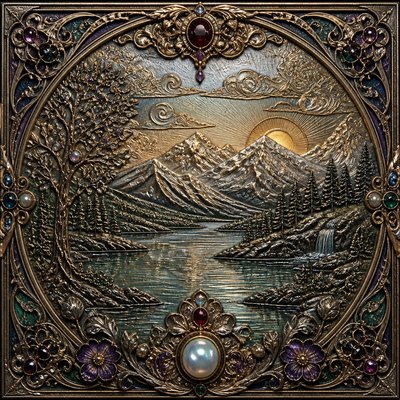
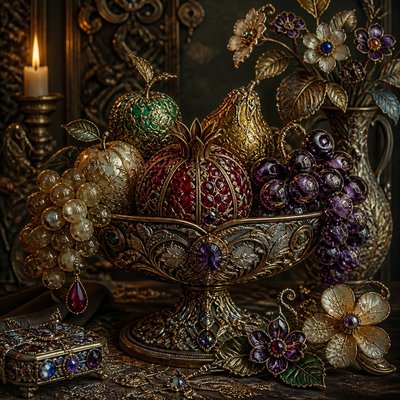
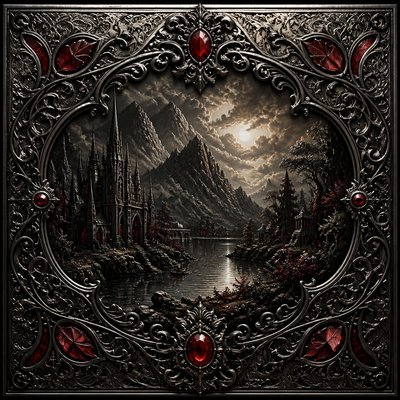
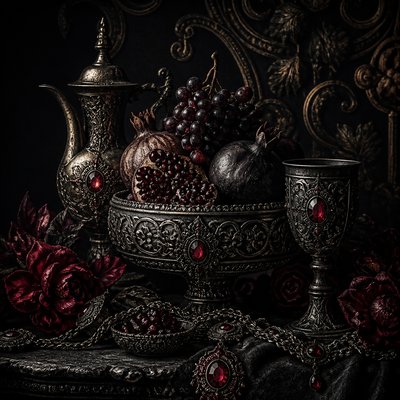
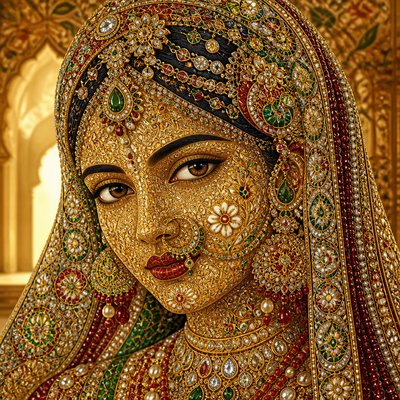
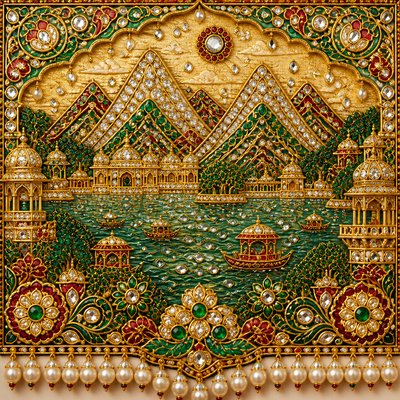
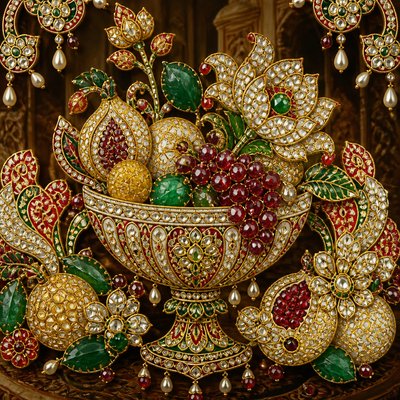
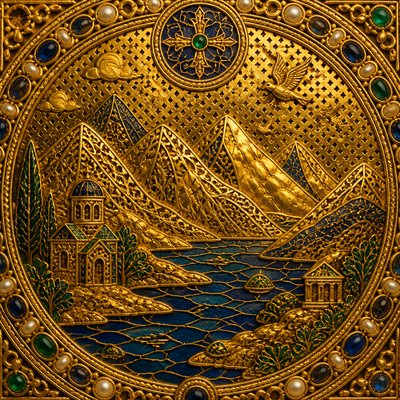
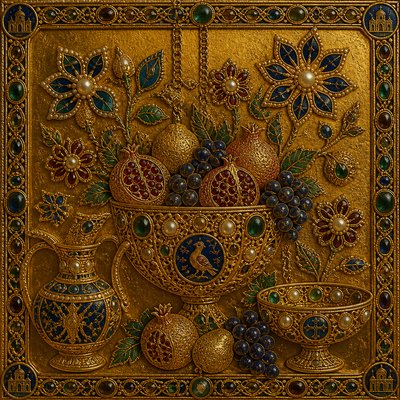
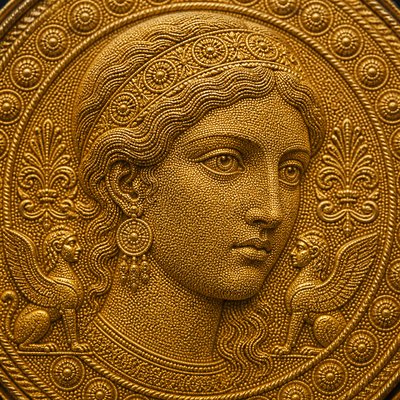
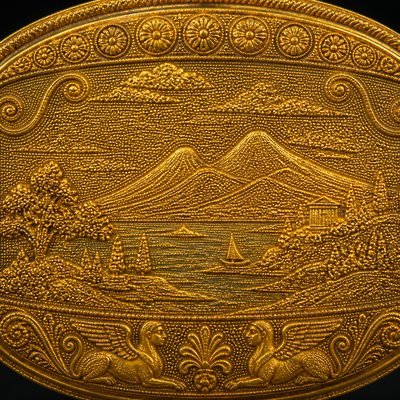
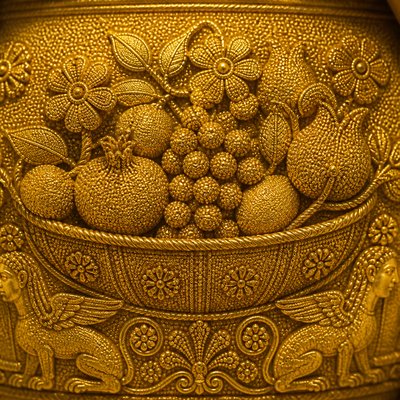
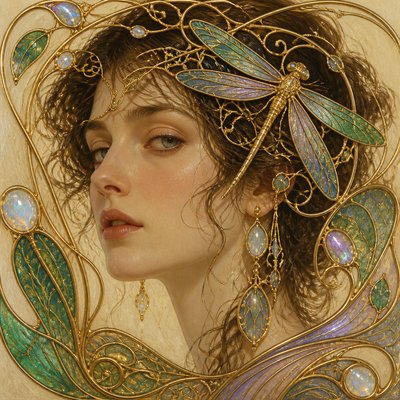
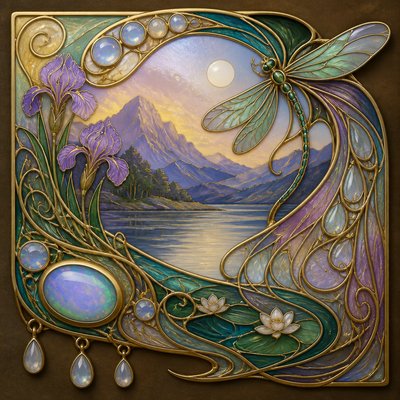
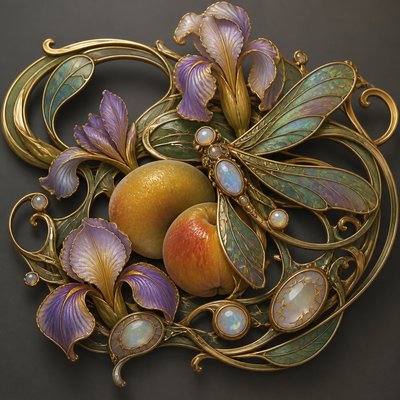
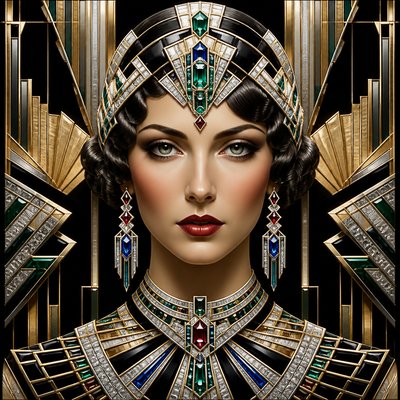
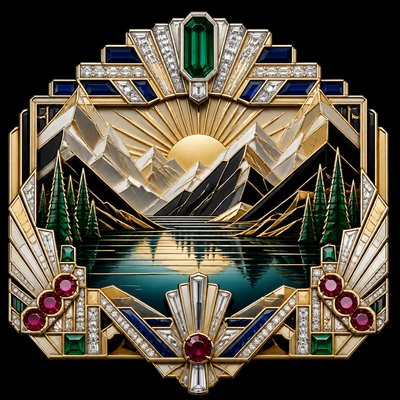
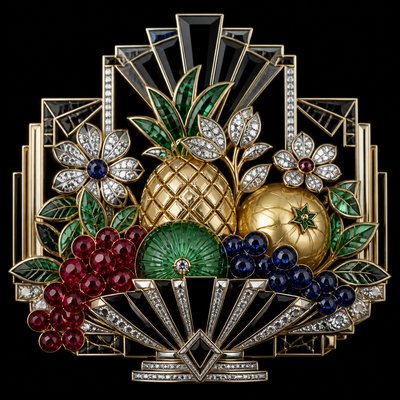
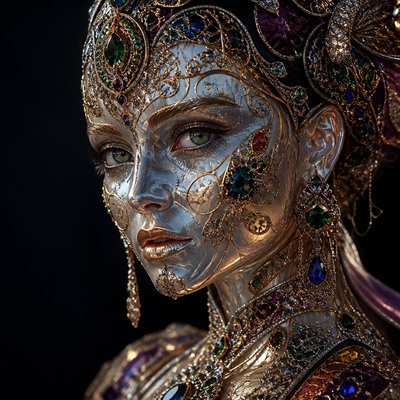
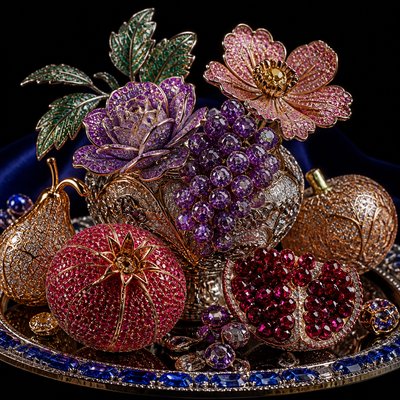
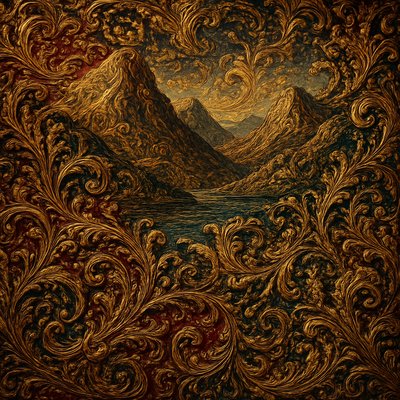
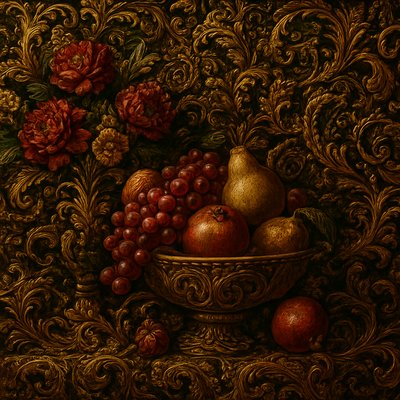
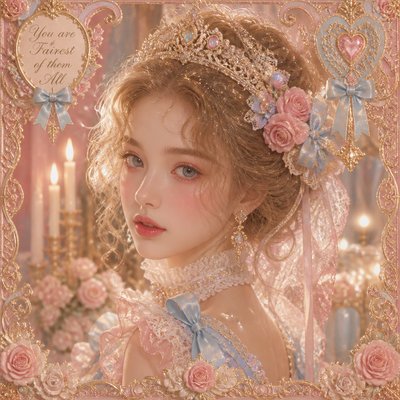
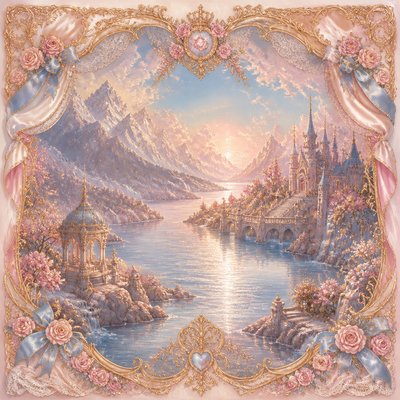
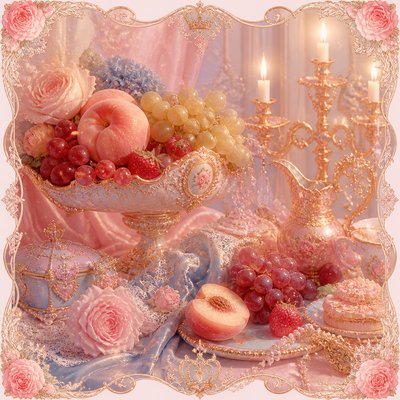
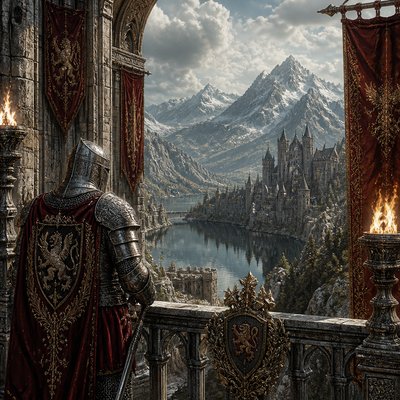
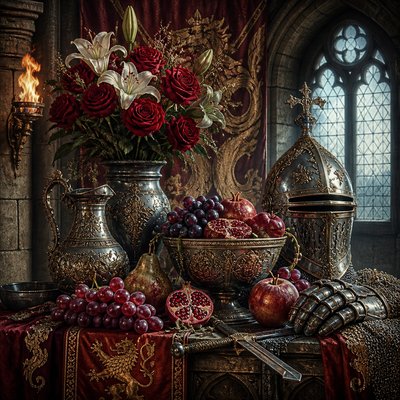
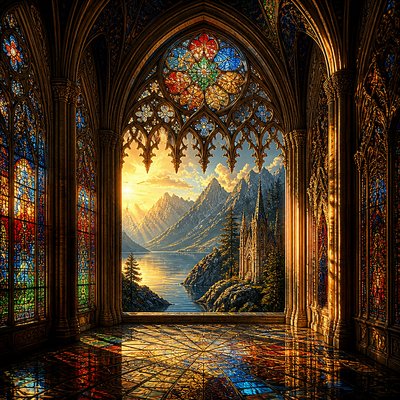
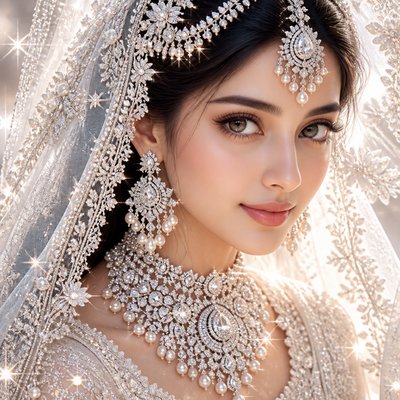
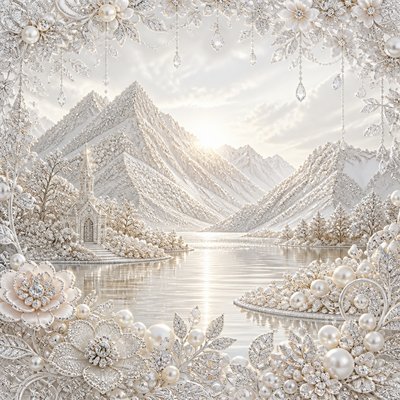
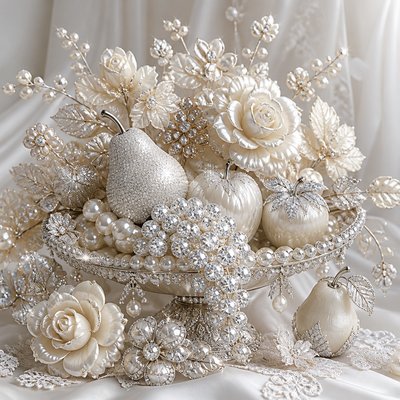
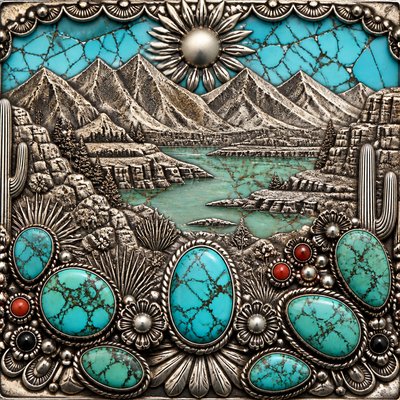
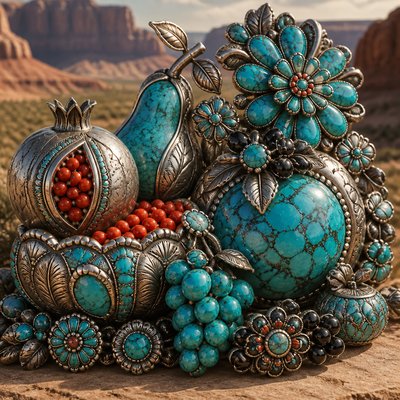
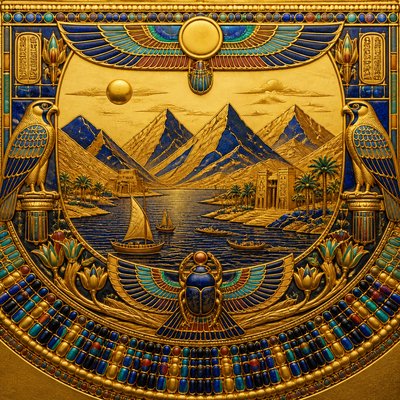
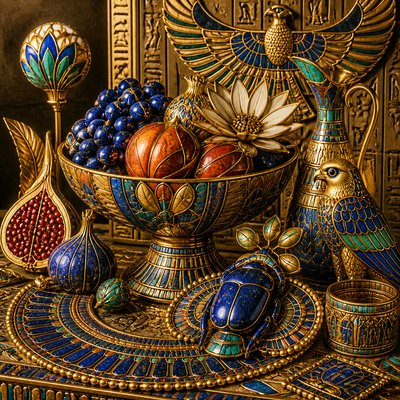
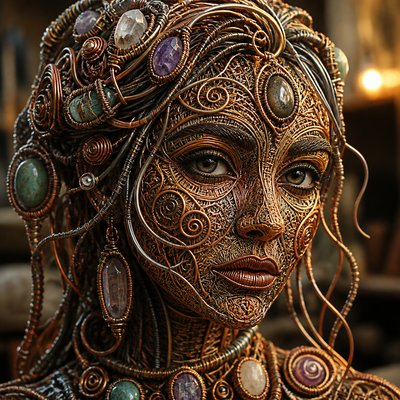
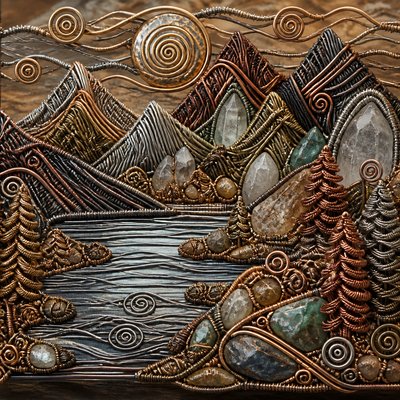
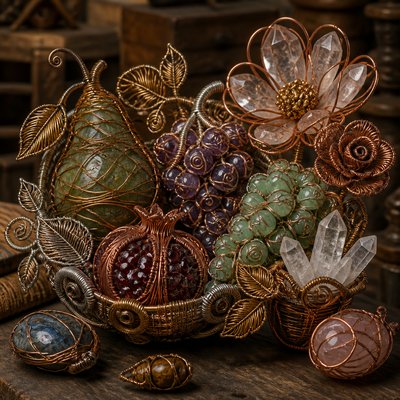
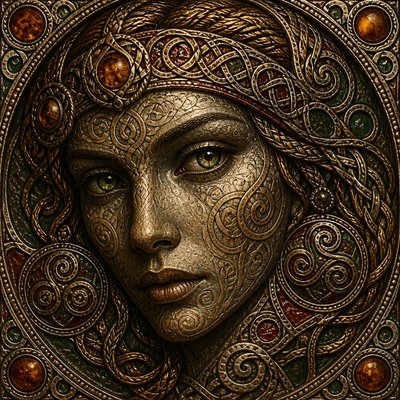
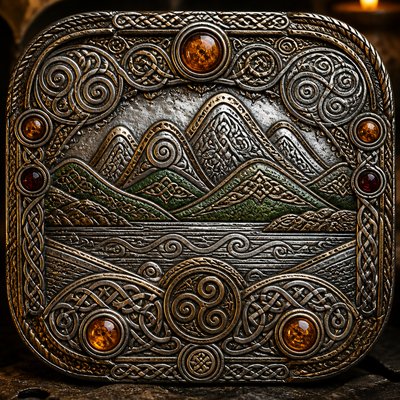
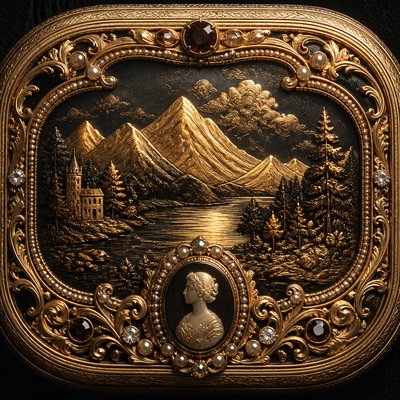
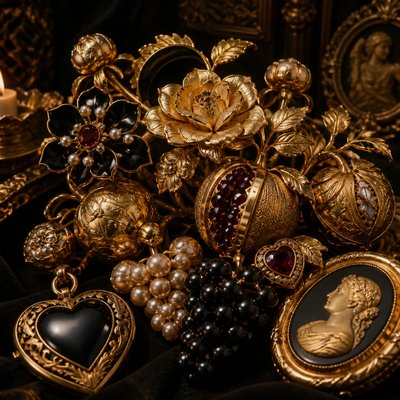
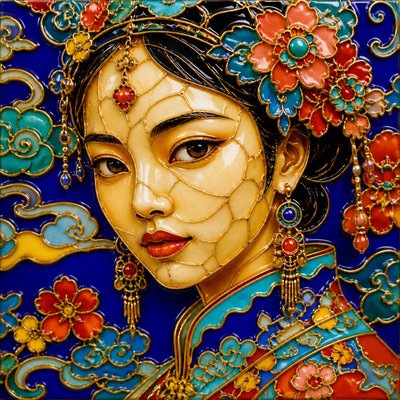
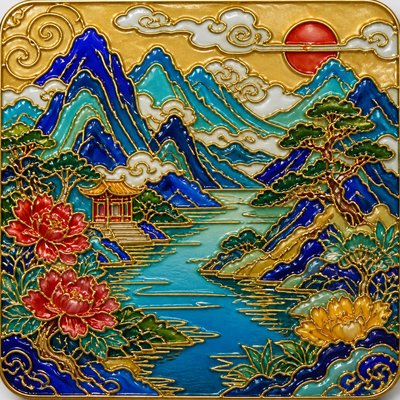
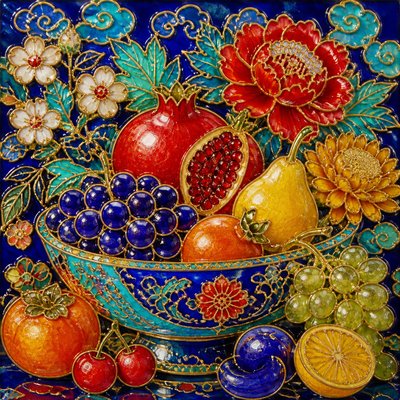
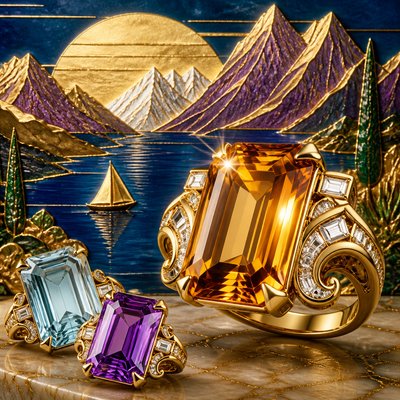
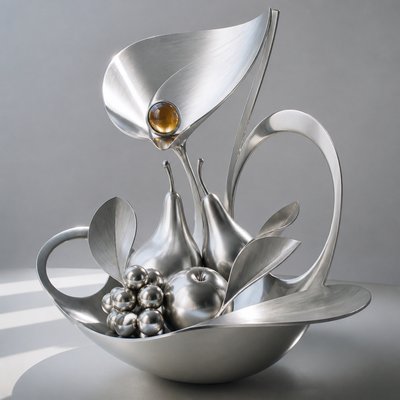
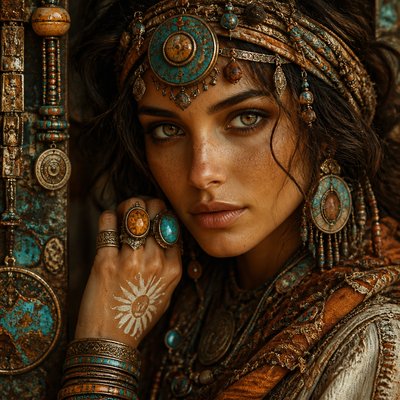
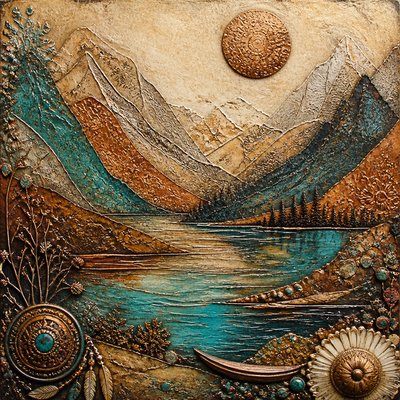
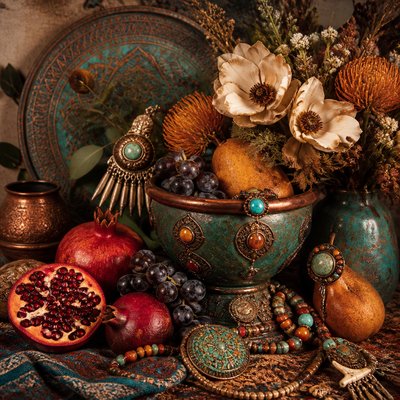
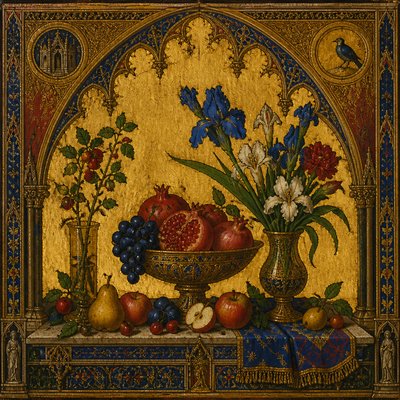
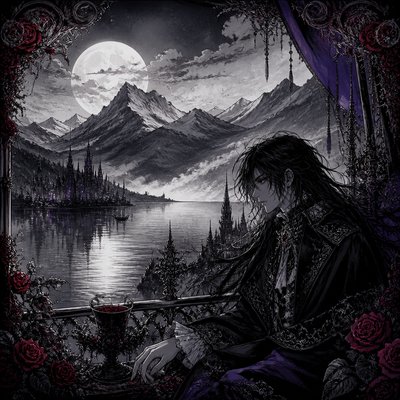
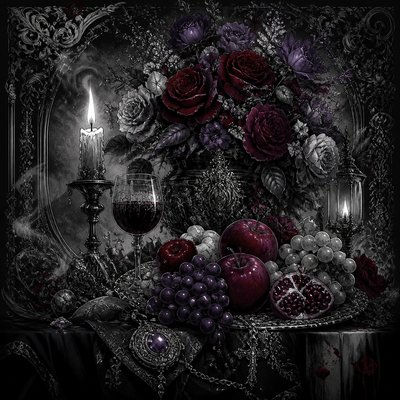
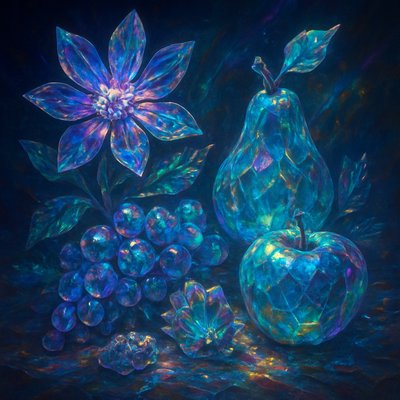
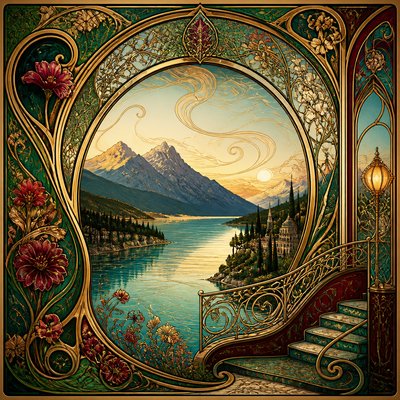
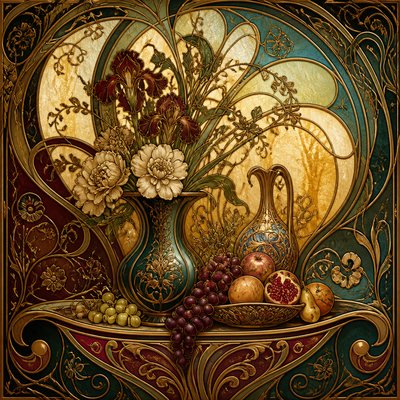
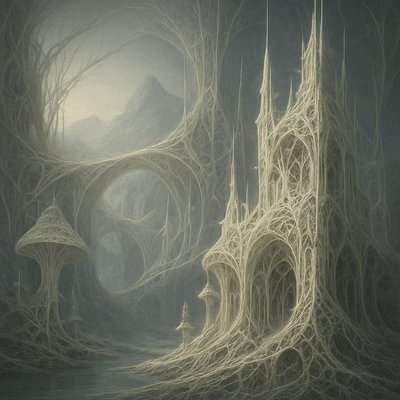
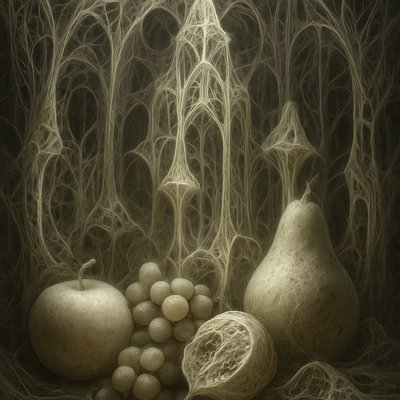
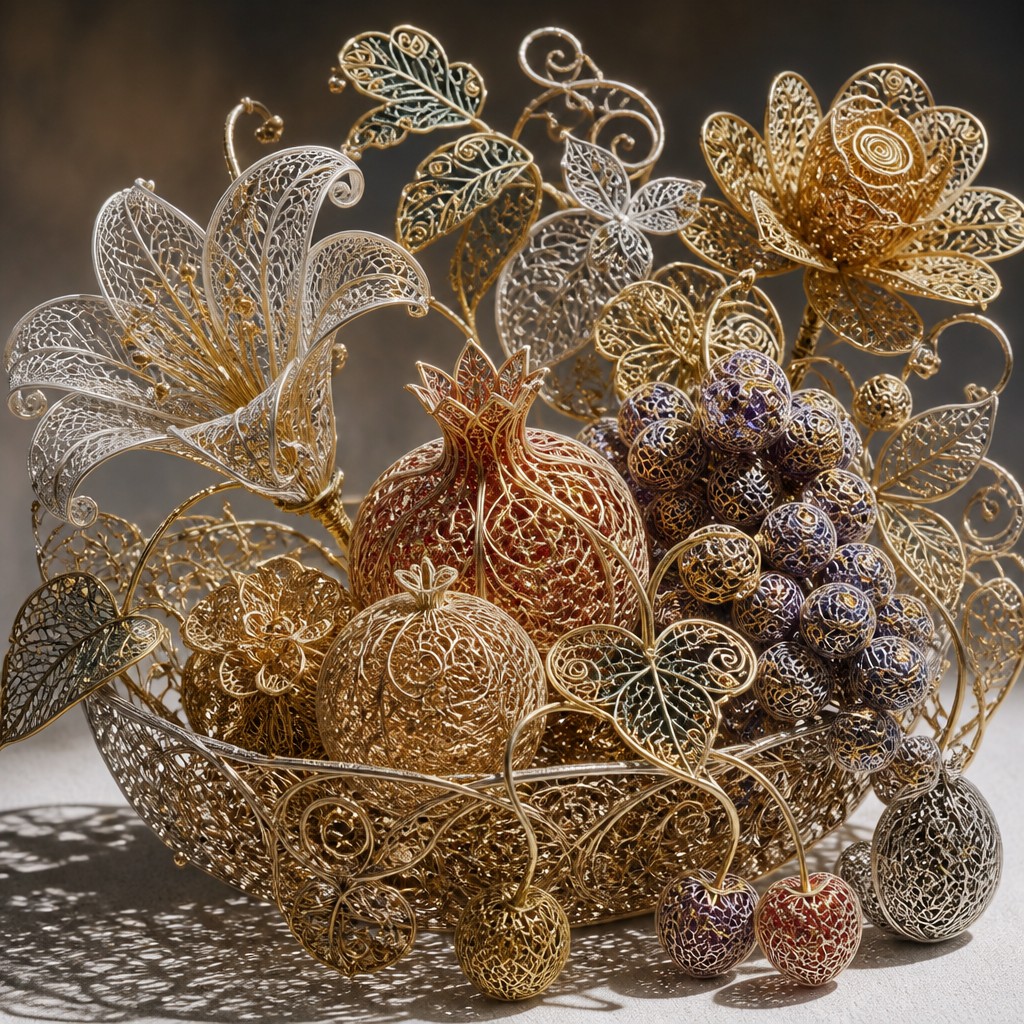
Airy lacework of twisted precious wire, with scrolls, rosettes, and openwork detail inspired by fine jewelry filigree.
Instantly rendered in Filigree Jewelry — or transform a photo
Filigree Jewelry Gallery
Tap any artwork to explore it
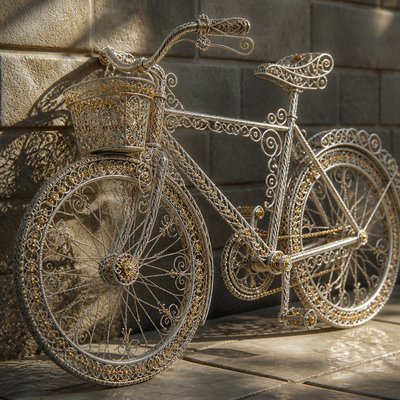

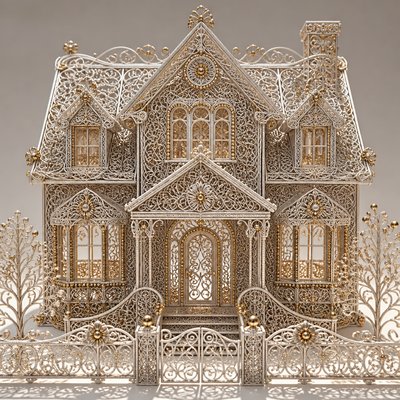
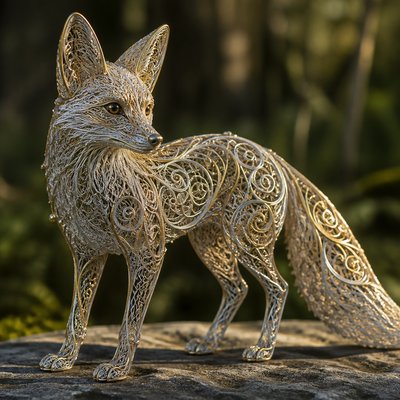
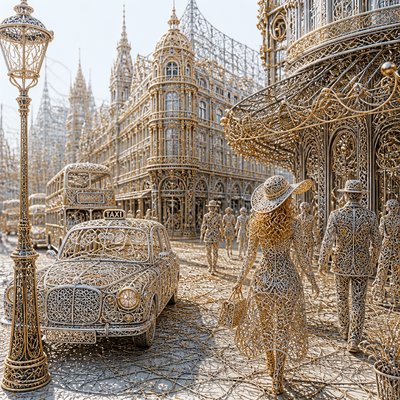
What is Filigree Jewelry Style?
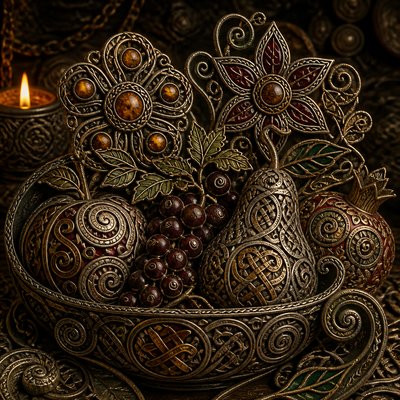
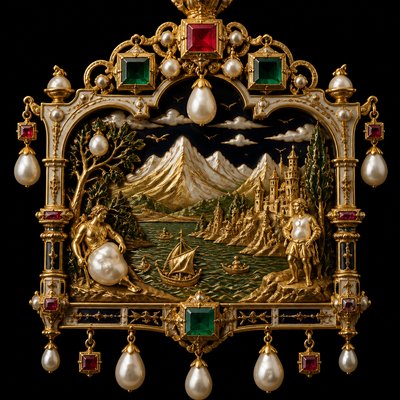
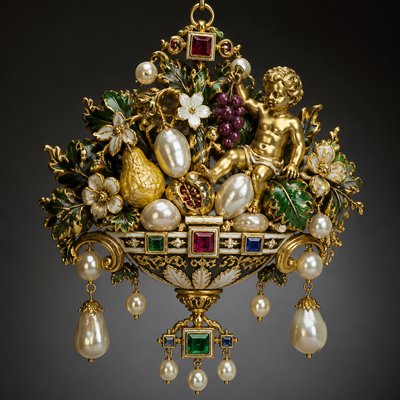
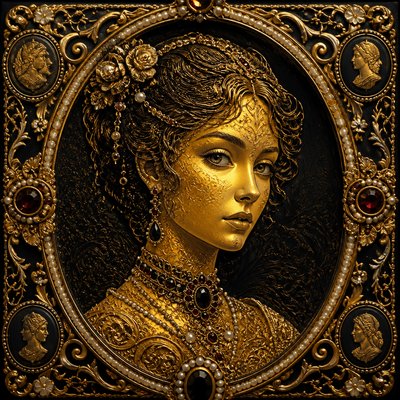
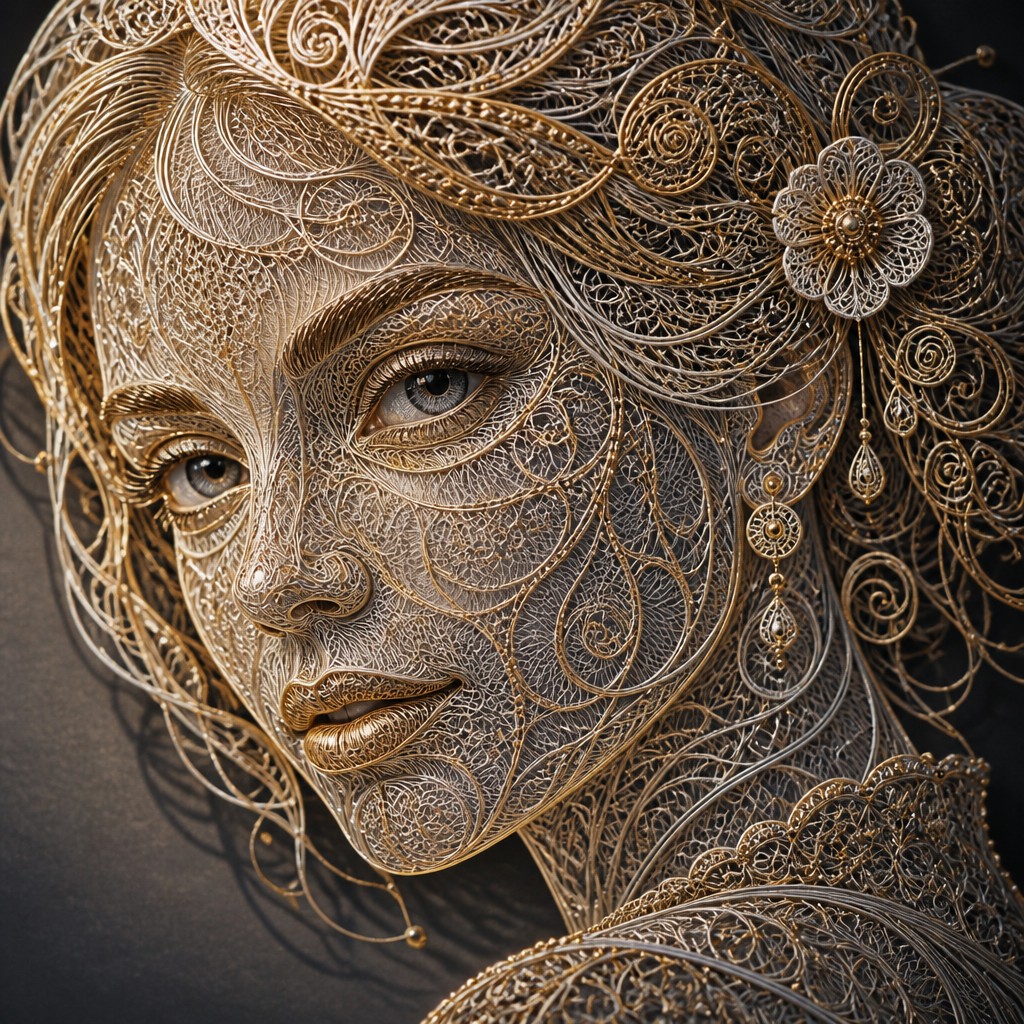
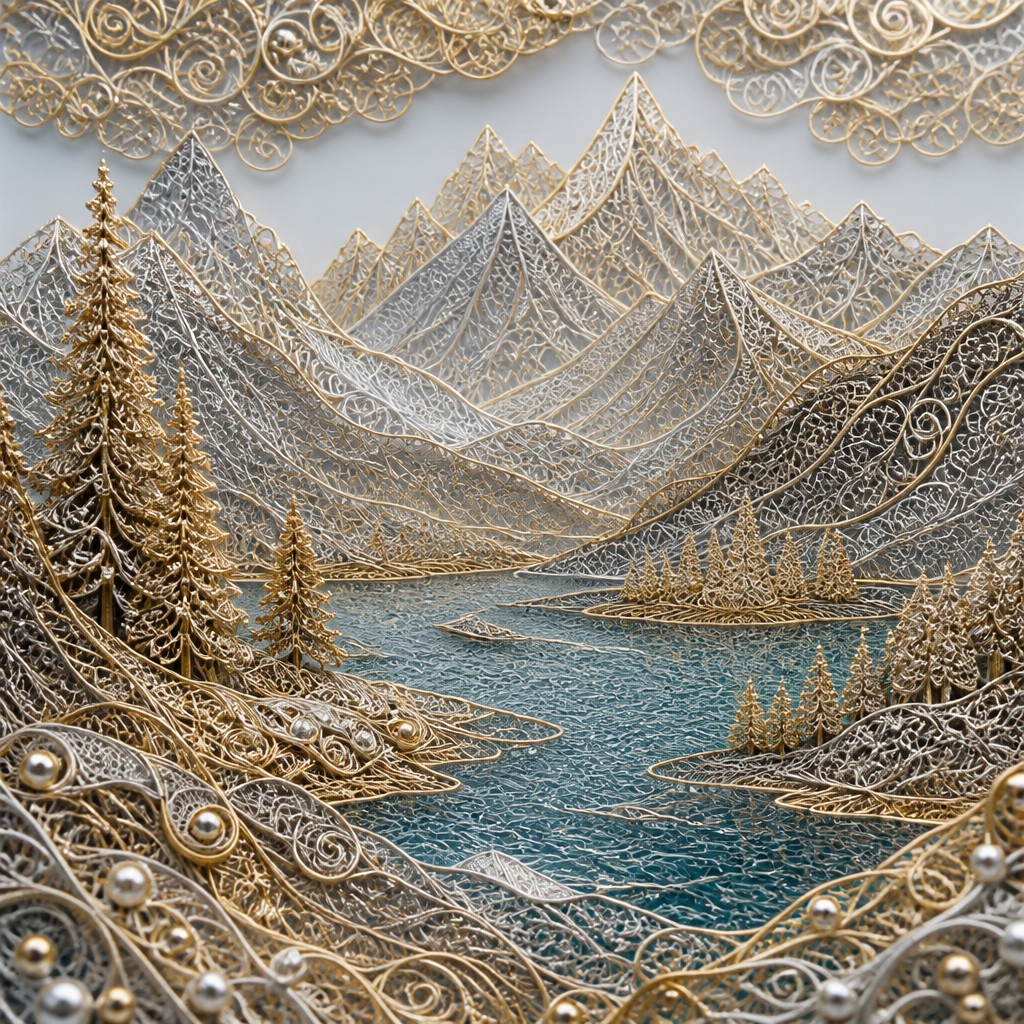
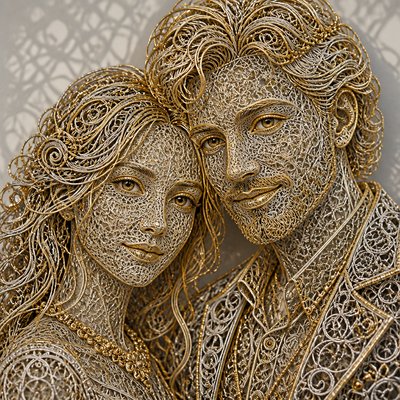
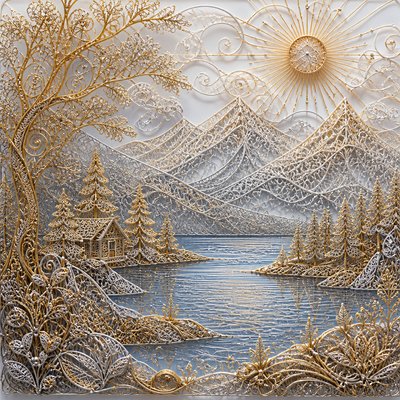
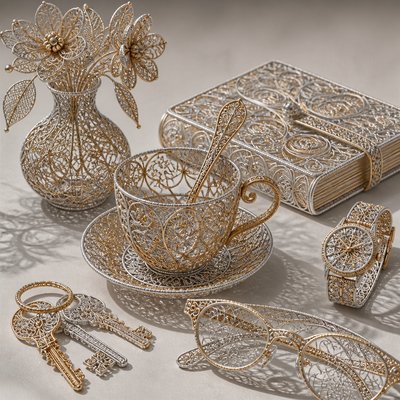
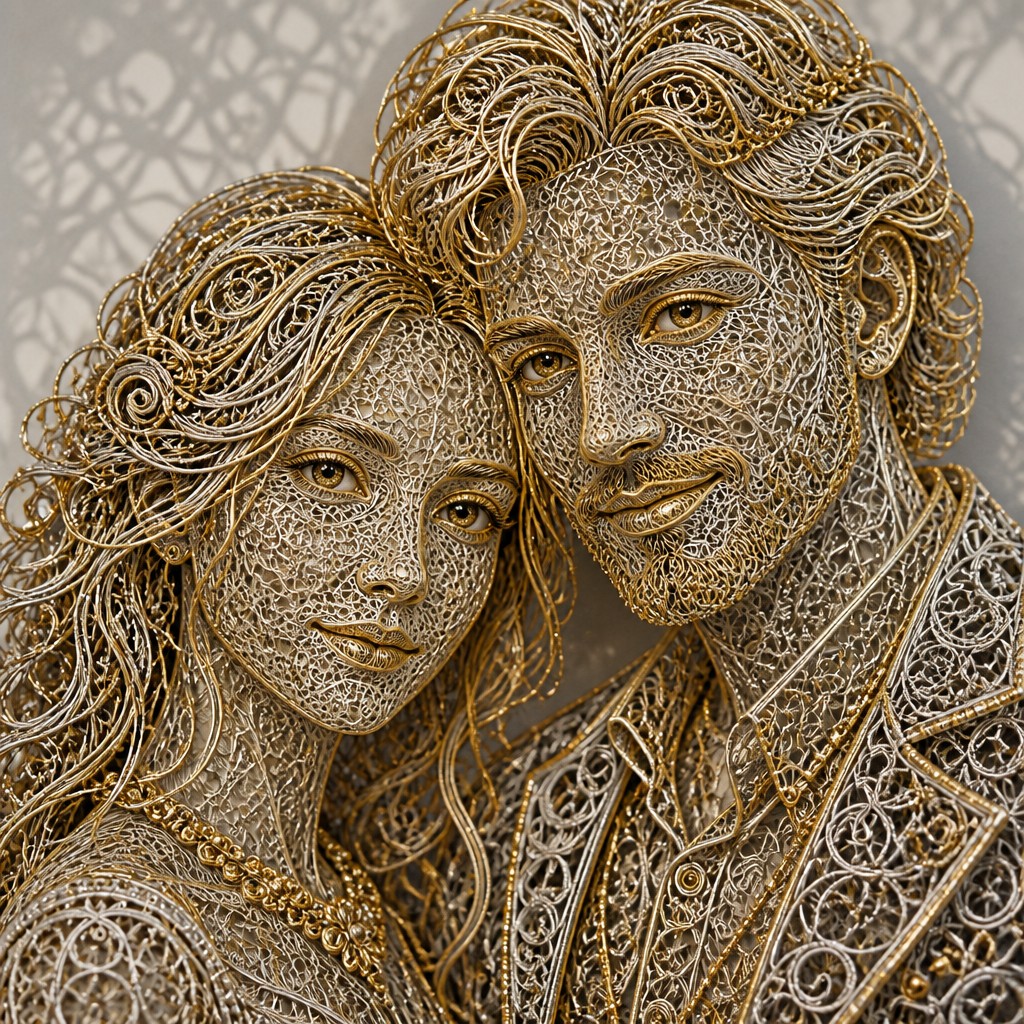
Filigree jewelry style is defined by airy, lace-like construction made from thin twisted wires of gold, silver, or similarly lustrous metal. Instead of relying on solid mass, the form is built from open scrolls, rosettes, loops, and woven meshes that leave large areas of negative space. The result is intricate but light in appearance, with delicacy coming from structure rather than surface ornament alone.
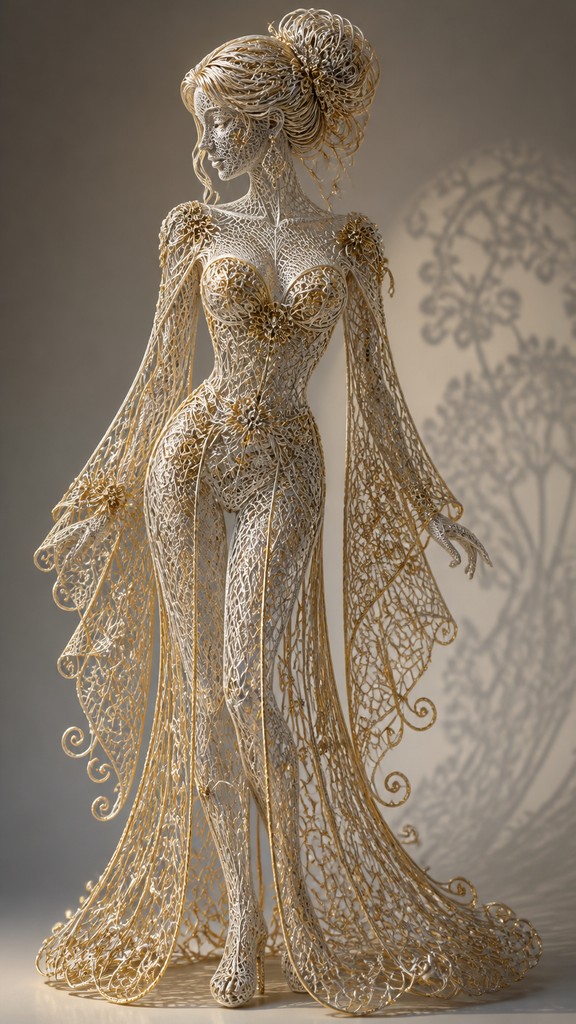
Visually, the style feels ornamental, handcrafted, and precise. Tiny granulation beads, curling tendrils, and symmetrical arabesques create a sense of patient labor and fine balance, while the openwork allows light to pass through and cast intricate shadows. In image-making, this aesthetic often transforms any subject into a refined metal lattice, preserving the outline of the original form while rebuilding it as a delicate piece of imagined jewelry.
Try It On Your Photos
Upload any photo and convert it into Filigree Jewelry Style — drag the sliders to compare before and after.


What Defines Filigree Jewelry Style
The signature details, up close
Openwork structure
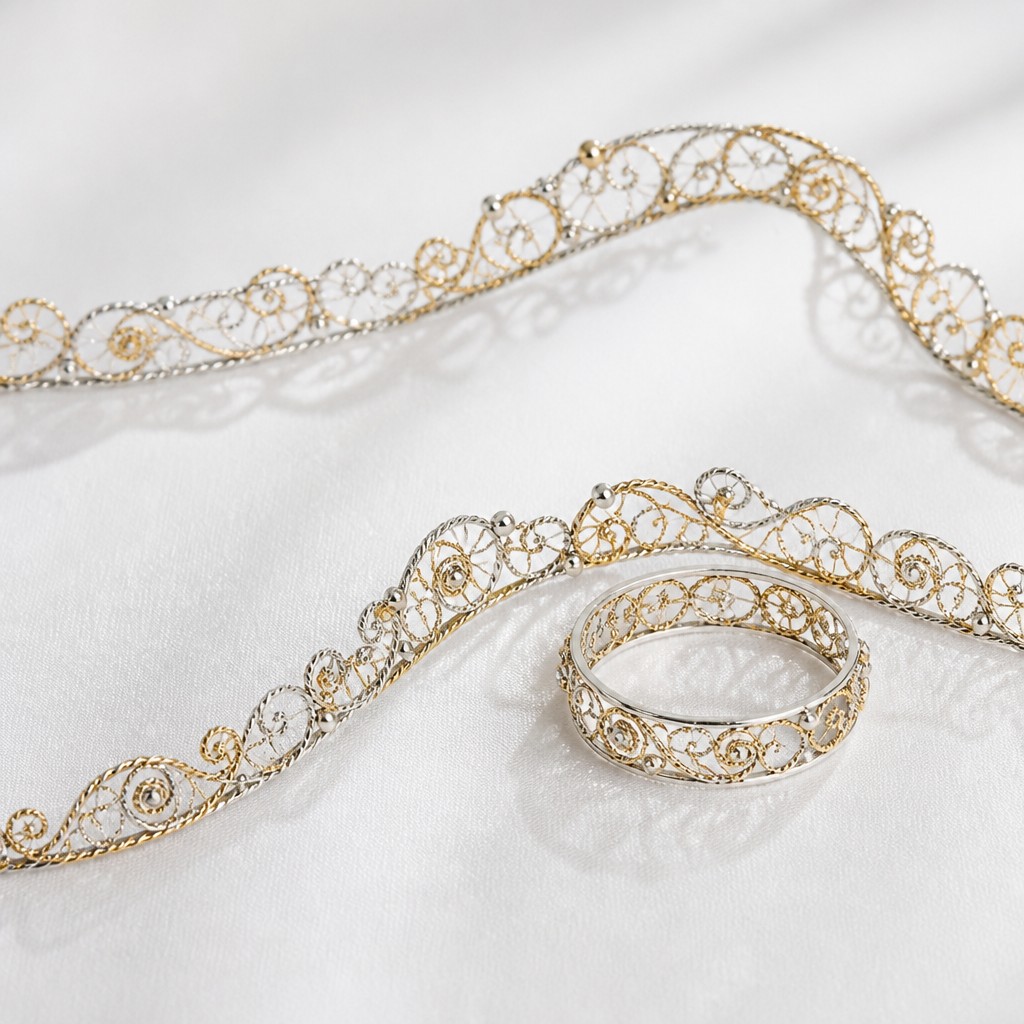
Forms are built with empty space as a major design element. The subject appears suspended in a lace-like network rather than filled in as a solid mass.
Twisted wire contours
Edges and internal lines are often rendered as thin, coiled metal threads. These wires define shape while keeping the overall look delicate and airy.
Scrolls and arabesques
Curving S-shapes, spirals, and floral tendrils dominate the ornament. These motifs give the design a rhythmic, flowing quality.
Granulation and bead accents
Tiny soldered beads or droplet-like nodes punctuate seams and intersections. They add texture, highlight craftsmanship, and prevent the wirework from feeling visually flat.
Symmetry and balance
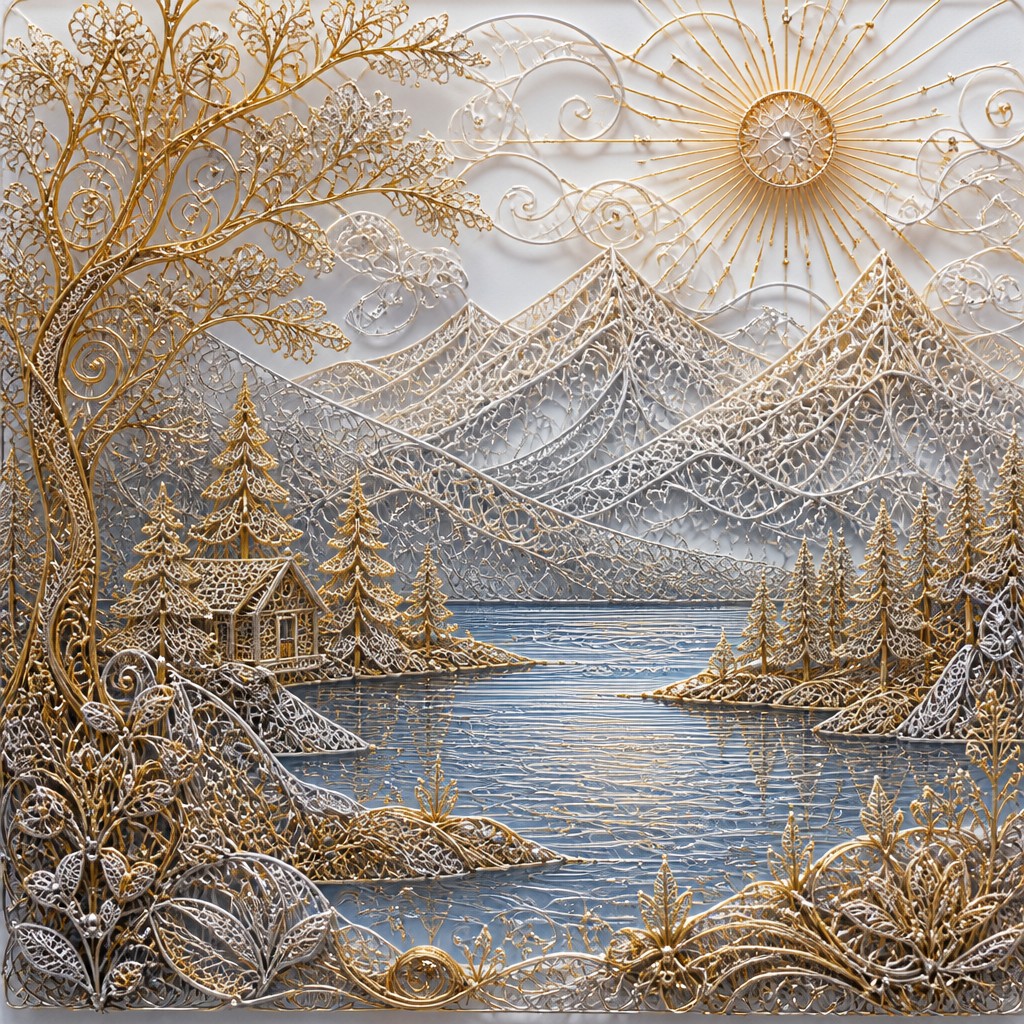
Many filigree designs rely on mirrored or radial organization, especially in earrings, pendants, medallions, and crowns. This gives the style a formal, jewel-like clarity.
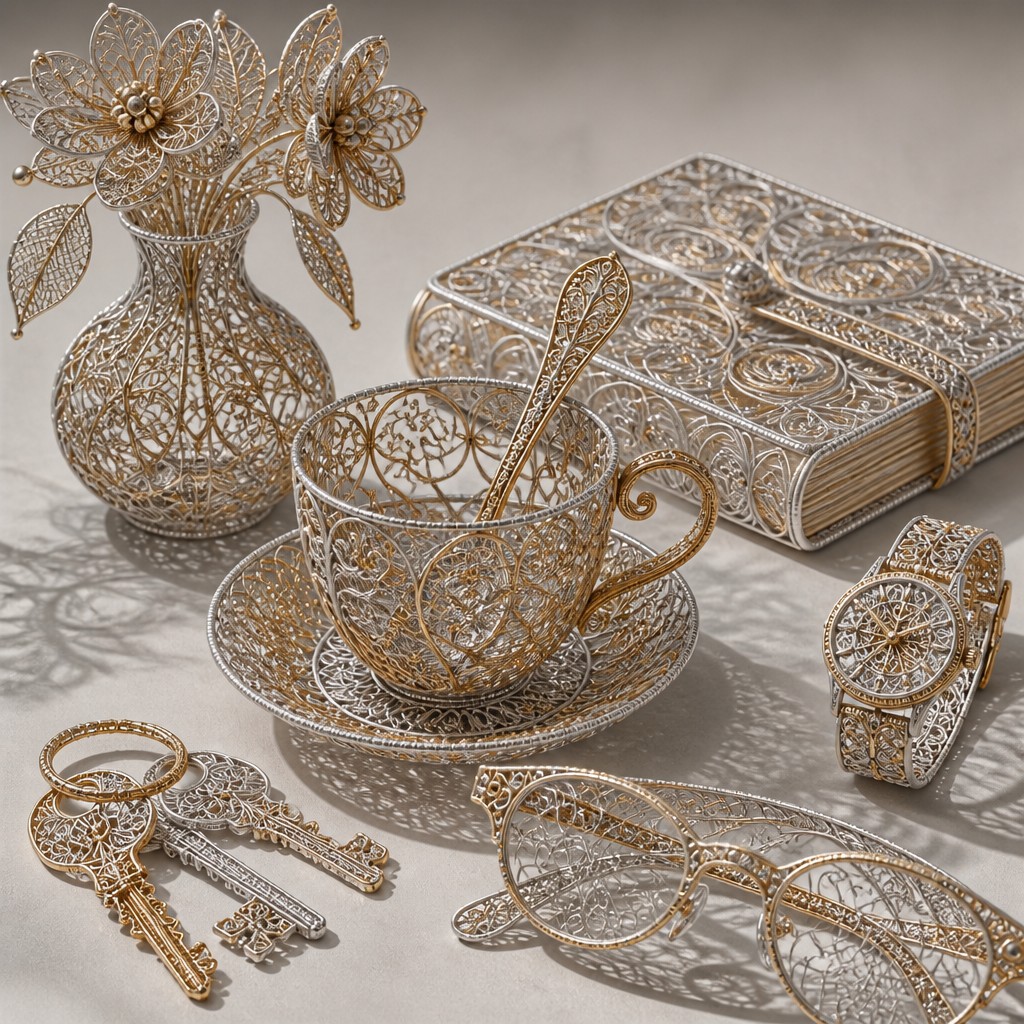
Metallic luminosity
The look depends on fine highlights and reflective edges on silver or gold surfaces. Light catches the narrow curves and makes the structure shimmer.
Try It
Create Videos in Filigree Jewelry Style
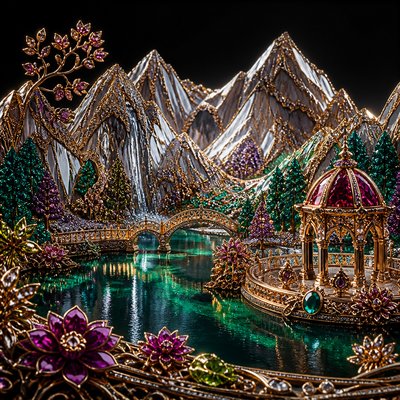
Styles aren't just for stills — describe a scene or animate an image and get a short video rendered in Filigree Jewelry. Press play to see this pond come to life.
Make a VideoFiligree Jewelry Prompt Ideas
Start from an idea — each one opens the generator with the style ready to go. See all 40 Filigree Jewelry prompts →
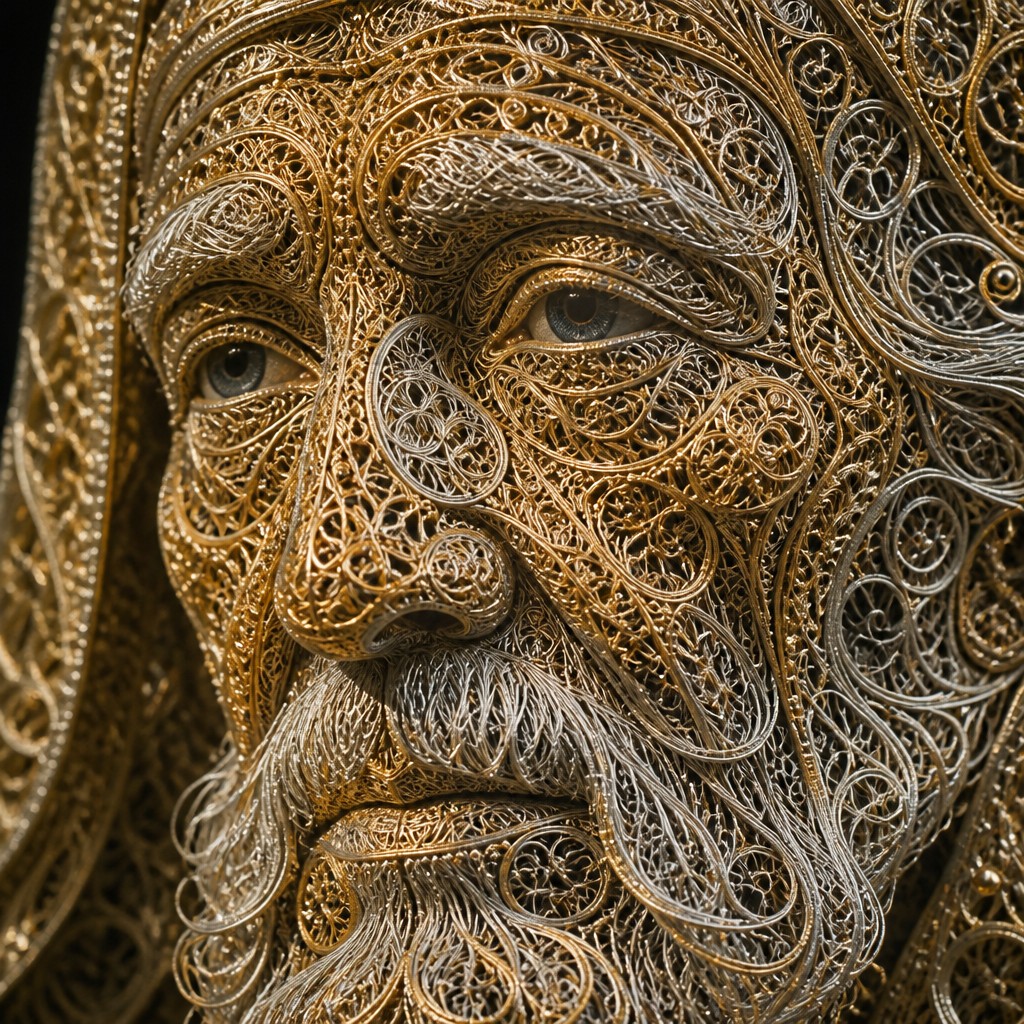
“close-up portrait of an elderly person with expressive weathered features”
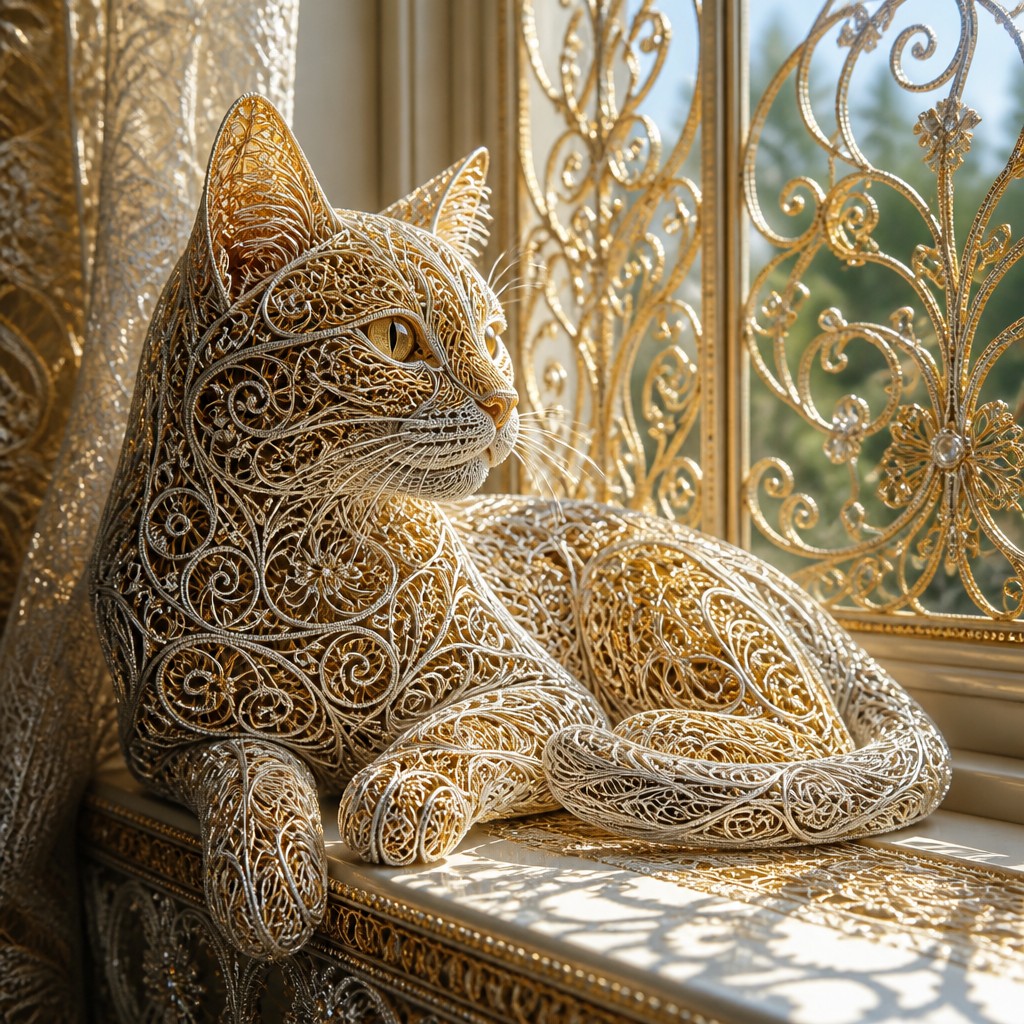
“a cat lounging in a sunlit window”
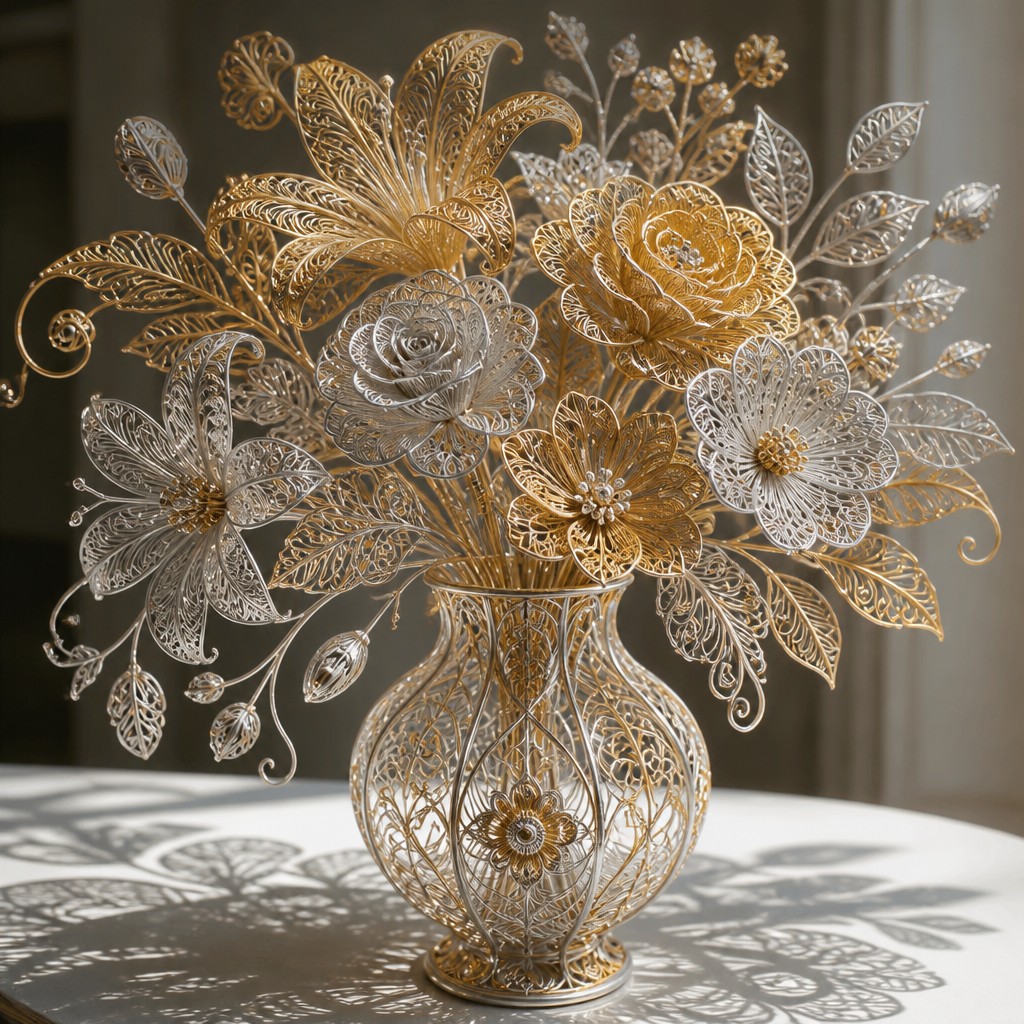
“bouquet of flowers in a glass vase”
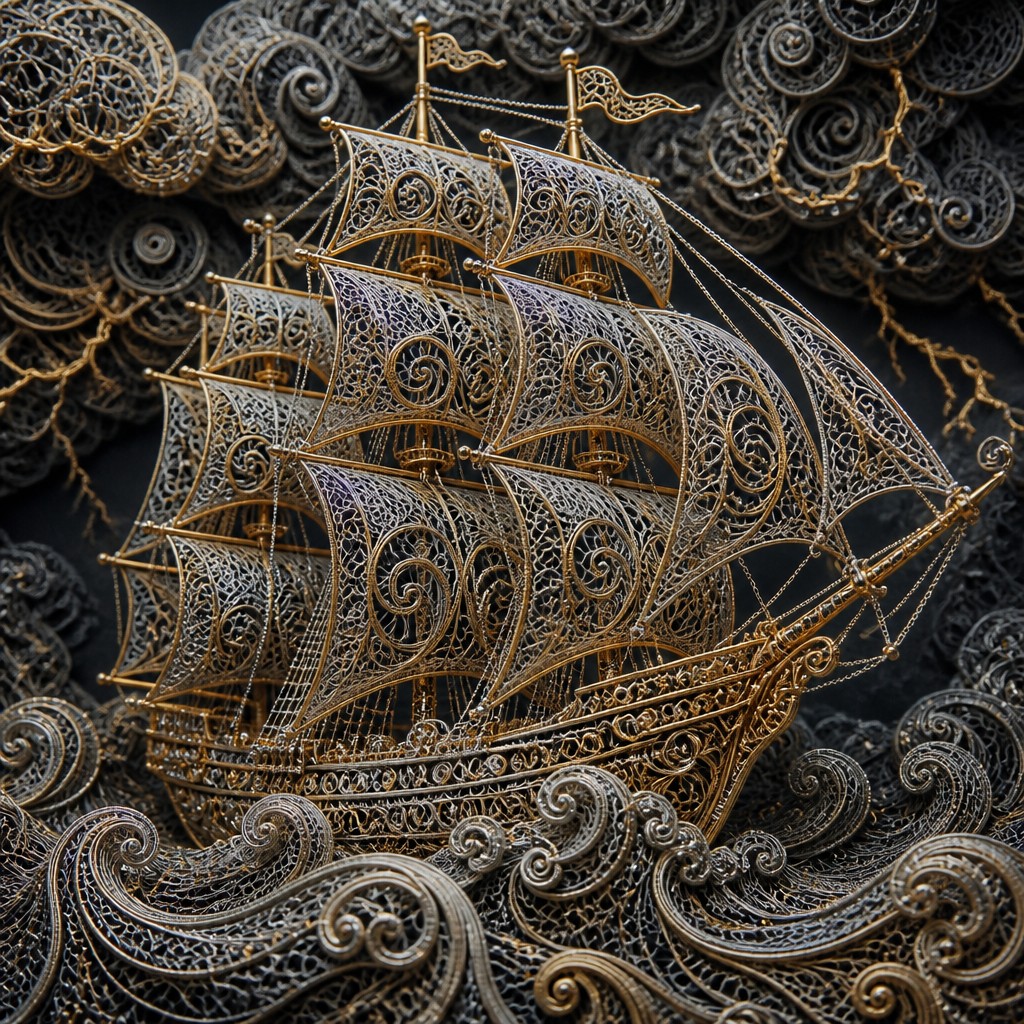
“sailing ship on a stormy sea”
How to Create Filigree Jewelry Art
Master the craft step by step — or skip straight to creating. Read the full guide →
- 1
Design the silhouette first
Start with a clear outer shape, then rebuild it using negative space, thin wires, and nested curves. In traditional jewelry terms, think like a goldsmith planning a pendant or brooch rather than like a painter filling a surface.
- 2
Use wirework logic
Translate major contours into looping strands, then fill interior areas with smaller spirals, leaves, and rosettes. Keep the structure believable as fabricated metal by showing joints, crossings, and consistent wire thickness.
- 3
Add granulation and seam detail
Place tiny bead-like nodes at intersections and along edges to suggest soldered craftsmanship. These accents help the piece read as precious metalwork instead of simple line art.
- 4
Control contrast and light
Use bright highlights on wire edges and dark gaps behind the openwork to emphasize depth. Whether working in paint, vector art, or 3D rendering, strong separation between metal and void is essential.
- 5
Blend with the subject in a prompt
When generating imagery, describe the subject and then specify that every contour is reconstructed as twisted precious wire, scrolls, rosettes, and mesh. Include material cues such as silver, gold, granulation beads, and webbed shadows for stronger results.
The Story
History & Origins of Filigree Jewelry
Filigree is not a single modern art movement but a long-lived jewelry-making technique with deep roots in antiquity. Variants of wirework and openwork ornament appear in ancient Mediterranean, Near Eastern, South Asian, and East Asian metalworking traditions, where goldsmiths used fine wire, soldered loops, and granulation to create decorative surfaces that were both intricate and lightweight. Over centuries, filigree became associated with elite adornment, devotional objects, ceremonial ornaments, and regional craft traditions across Europe, the Middle East, India, and Latin America.
The contemporary visual idea of a “filigree jewelry style” draws from this craft lineage as well as from Art Nouveau’s flowing ornament, historic metalwork, and the broader decorative arts. In digital and illustrative contexts, the style often recomposes contemporary subjects through the logic of jewelry construction: contours become wire, volumes become open lattice, and details are translated into beadwork, coils, and filigreed arabesques. This makes it less a single historical style than an aesthetic synthesis of traditional goldsmithing principles and decorative design.
Influences: This style draws most directly from historic metalworking traditions of filigree and granulation, as well as from broader decorative arts in which ornament is built from scrolling line and open pattern. It also relates to Art Nouveau’s organic curves and to Islamic geometric and vegetal ornament, though those traditions use different materials and compositional principles. In the context of fine art and design, the sensibility overlaps with the ornamental precision seen in jewelry, metalcraft, manuscript illumination, and decorative architecture, but its canonical basis remains the craft of the goldsmith rather than any single painting school.
Frequently Asked Questions
What defines filigree jewelry style?
Its defining feature is fine wirework arranged into open, lace-like ornament. Instead of solid surfaces, you see scrolls, rosettes, loops, and airy negative space that make the form look light and intricate.
Is filigree a historical art movement?
No. Filigree is a metalworking technique and decorative aesthetic with a very long history rather than a single named movement. It appears in many cultures and periods, especially in jewelry, ceremonial objects, and ornamental craft.
How is filigree different from lace or engraving?
Lace is typically textile-based, while filigree is metallic and structural. Engraving cuts lines into a surface, but filigree builds form from wire and open space, so it reads more like constructed ornament than drawn decoration.
What materials look best in this style?
Gold and silver are the most characteristic because their reflective surfaces highlight the narrow curves and edges. Bronze, platinum, and pearl accents can also work, but the look depends on a convincing metallic sheen and fine craftsmanship.
Where is filigree style commonly used?
It is common in jewelry, pendants, earrings, brooches, crowns, and ornamental ceremonial objects. In visual design and illustration, it also appears in fantasy art, emblem design, decorative typography, and stylized portraiture.
How do I make an image feel like filigree instead of just ornate?
Emphasize openwork, consistent thin wire, and visible construction logic. If the surface becomes too dense or painterly, the effect turns into general ornament; filigree needs legibility, lightness, and a sense of metal being carefully assembled.
Create your first Filigree Jewelry artwork
Describe anything — or upload a photo — and see it in Filigree Jewelry Style in seconds.
Related Styles
Discover similar art styles