Chainmail Jewelry Style
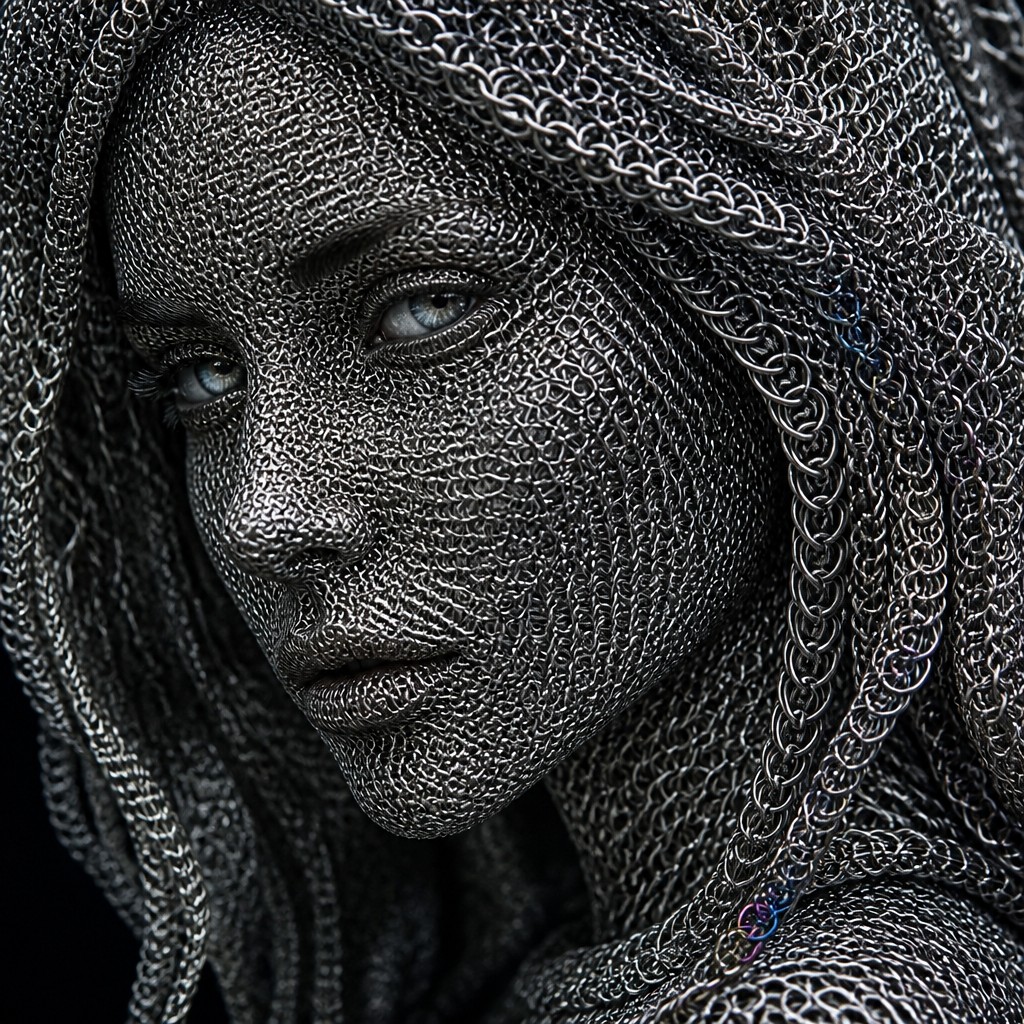
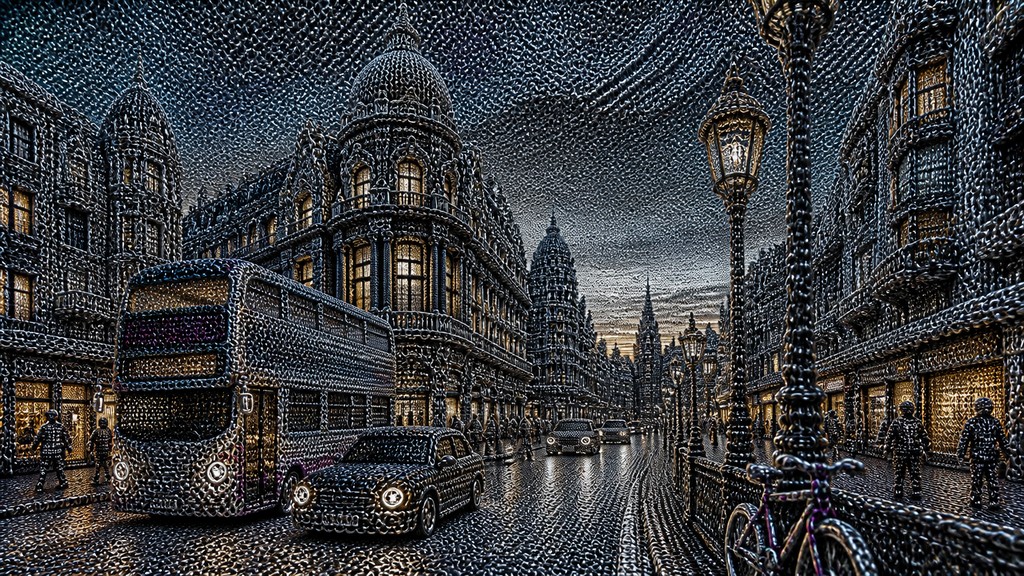
Liquid metallic mesh of interlocked rings: a cool, armored texture bridging medieval chainmail, jewelry, and industrial design.
Instantly rendered in Chainmail Jewelry — or transform a photo
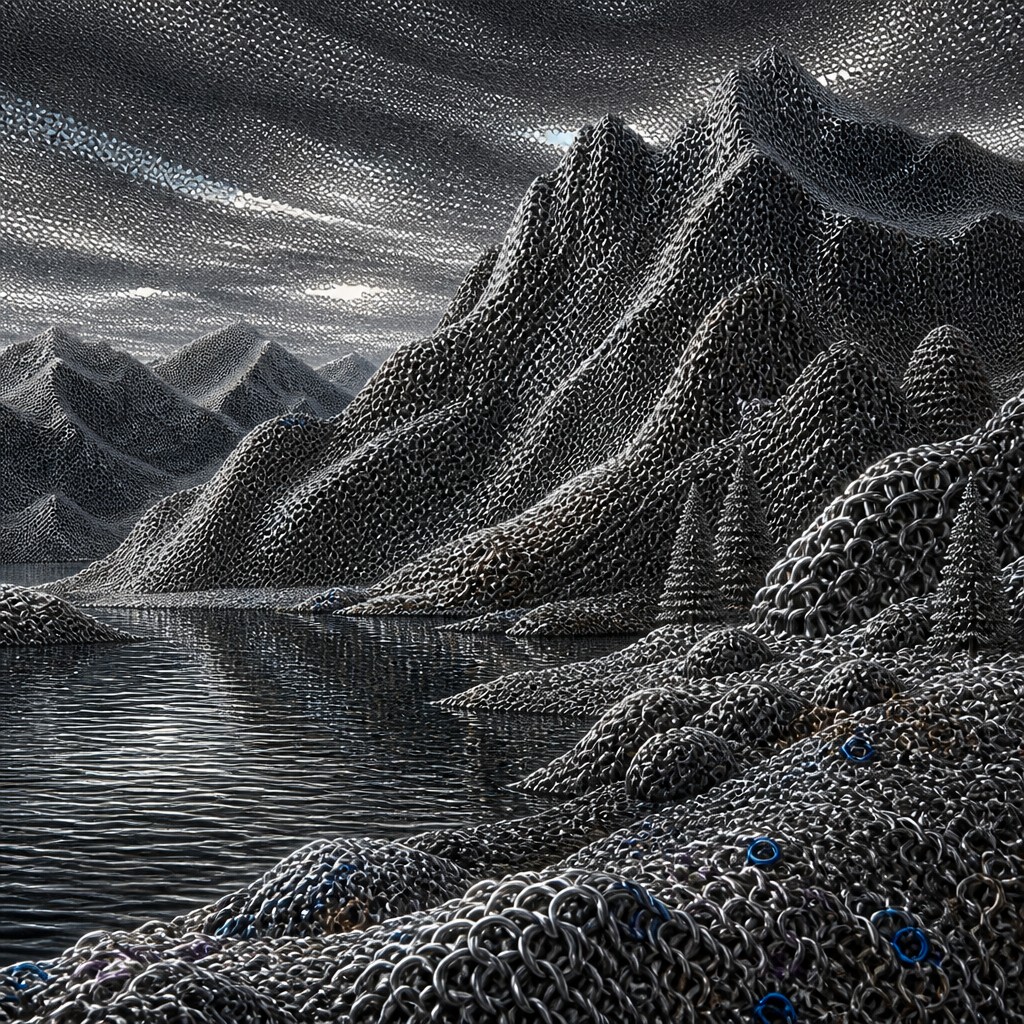
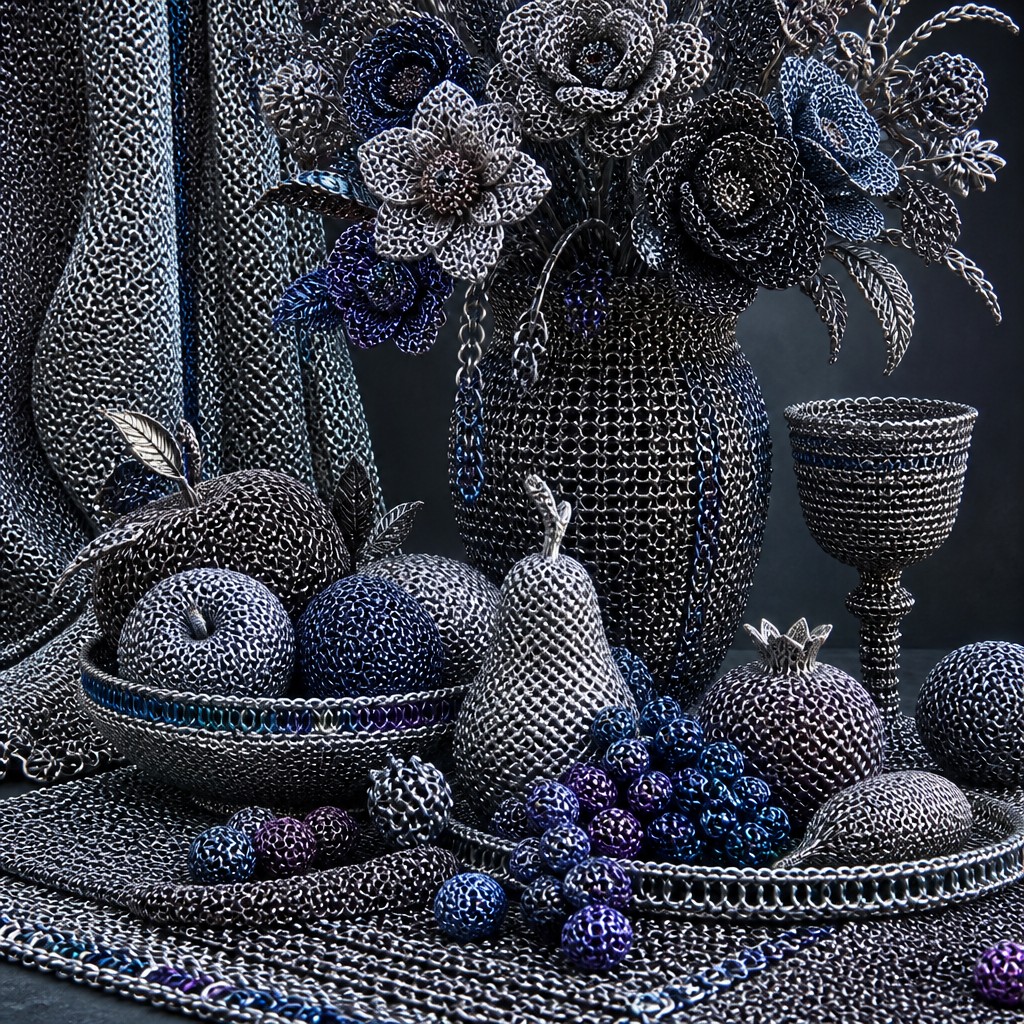
Chainmail Jewelry Gallery
Tap any artwork to explore it
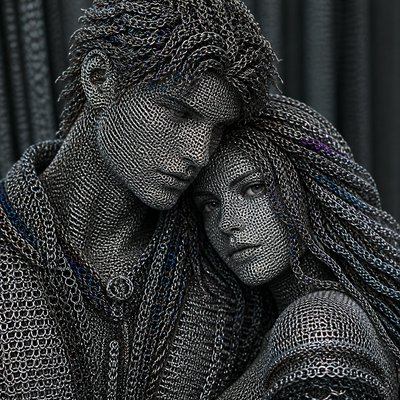

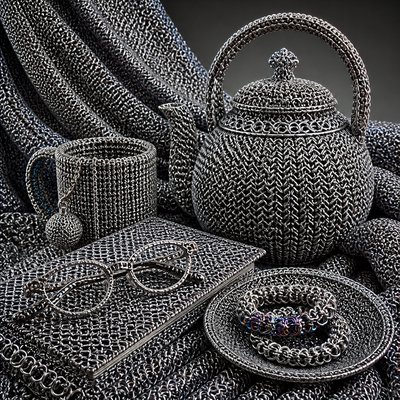
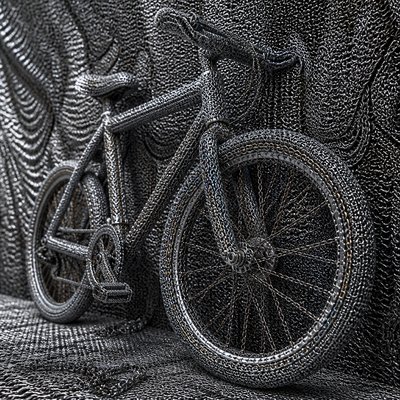


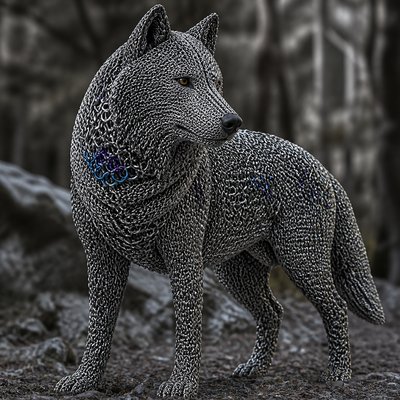
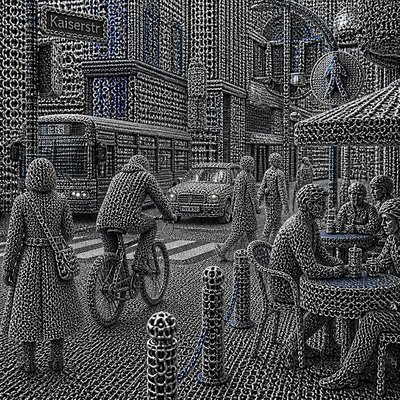
What is Chainmail Jewelry Style?
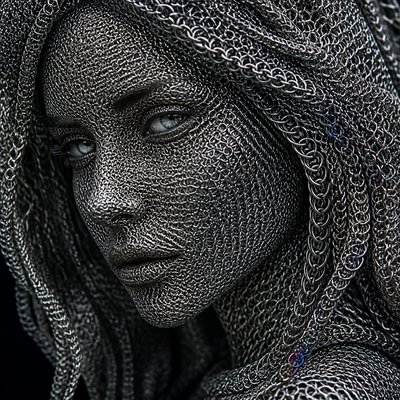
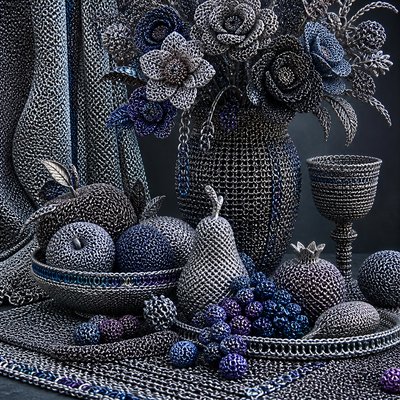
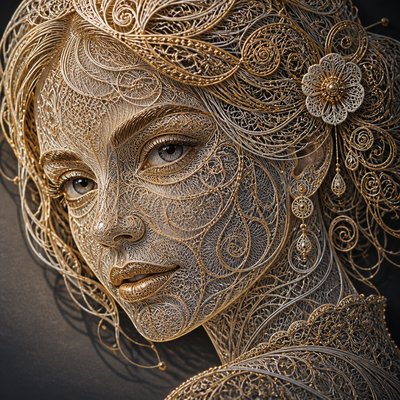
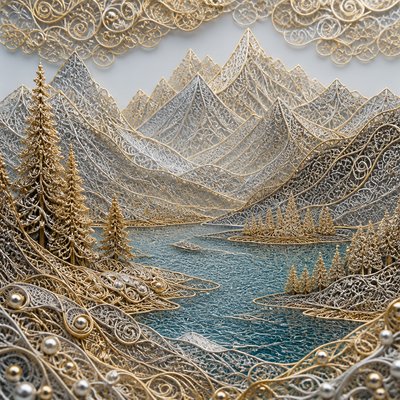
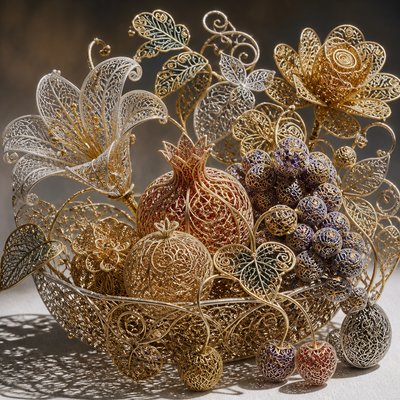
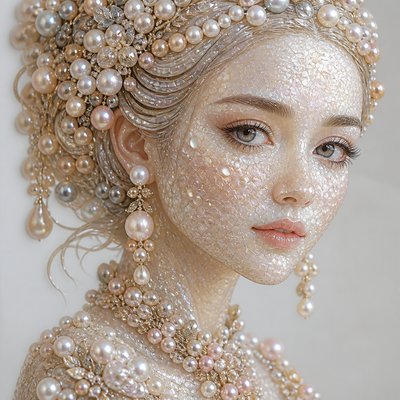
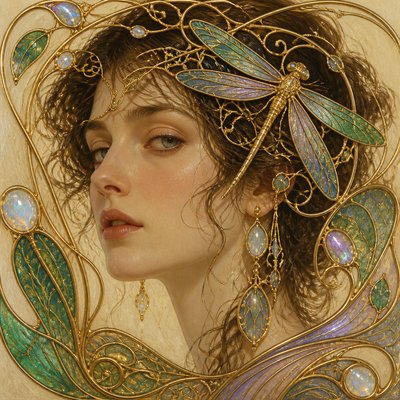
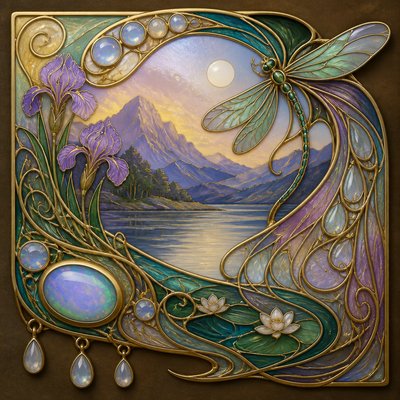
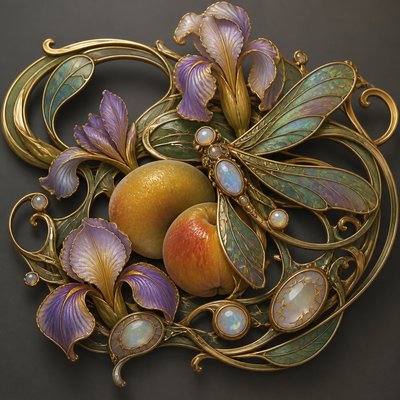
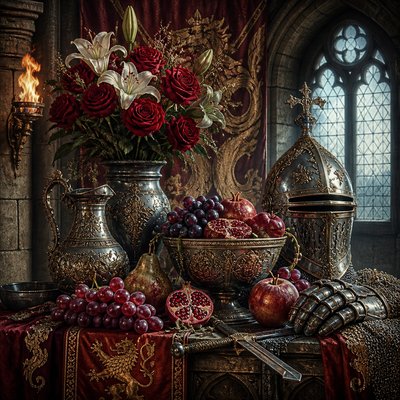
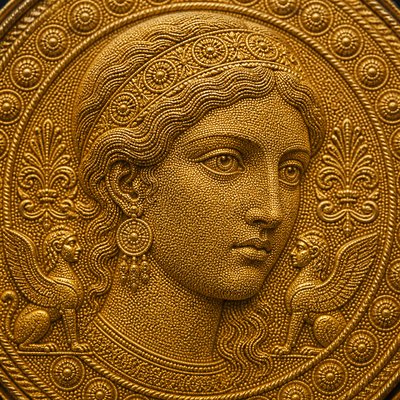
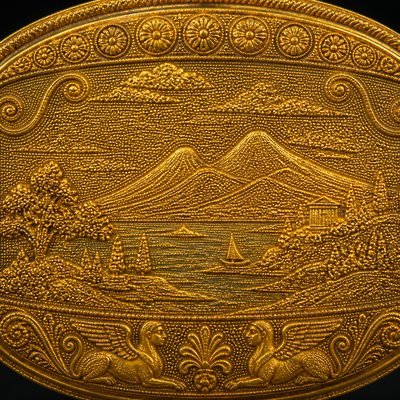
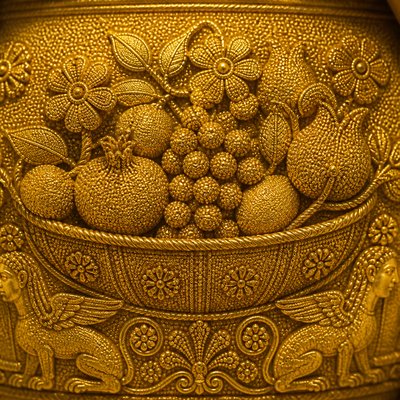
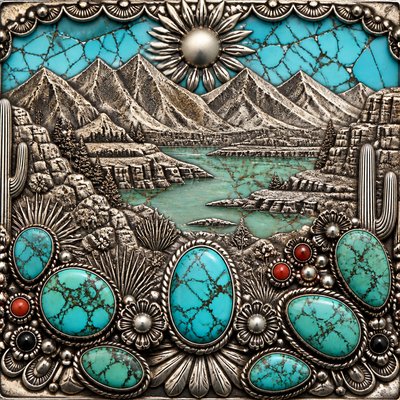
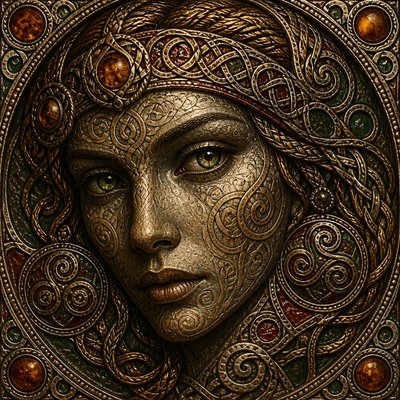
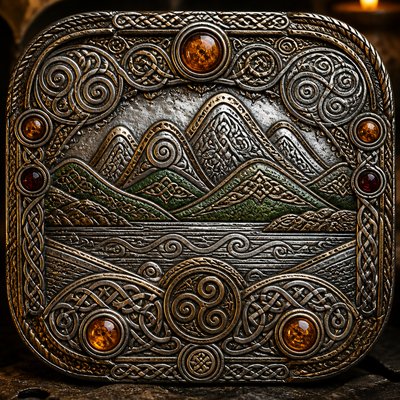
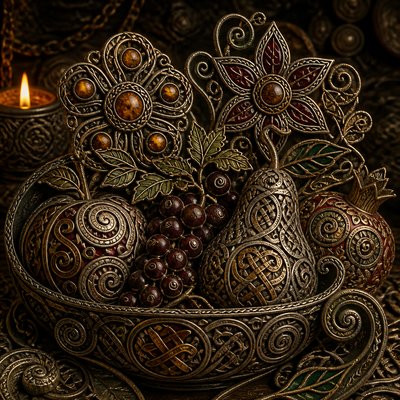
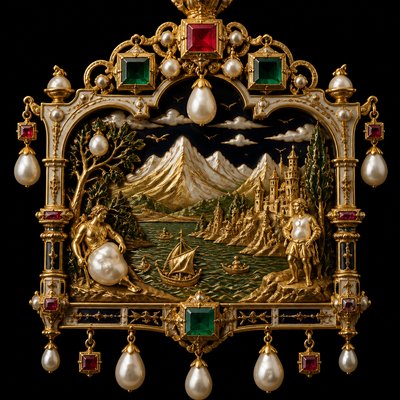
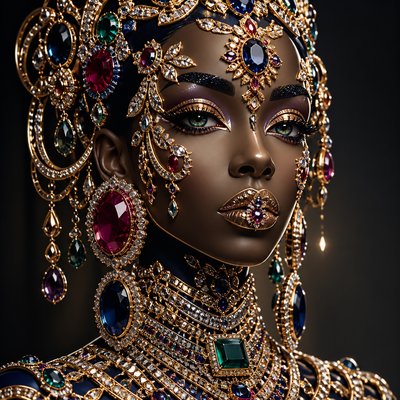
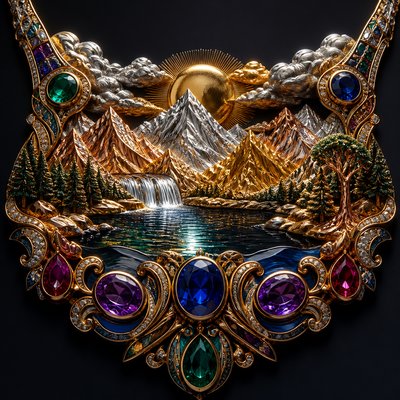
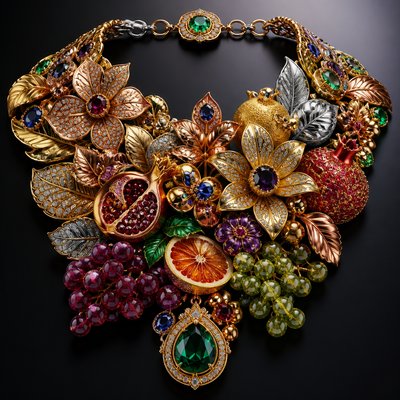
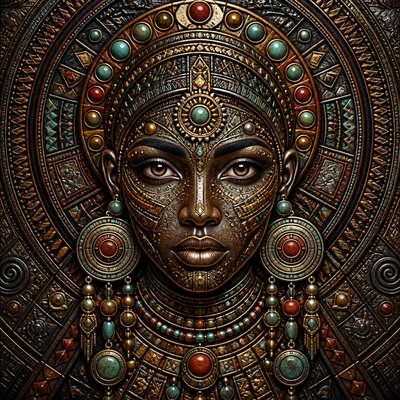
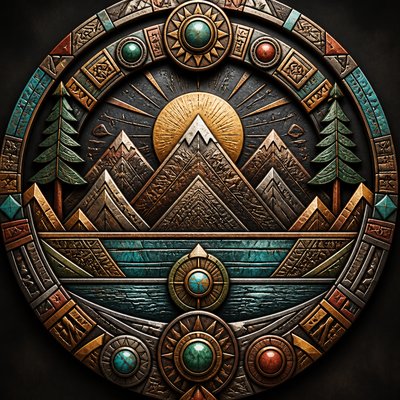
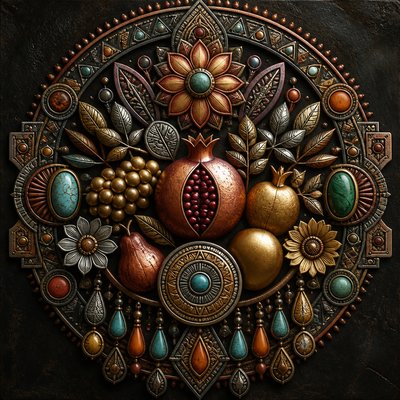
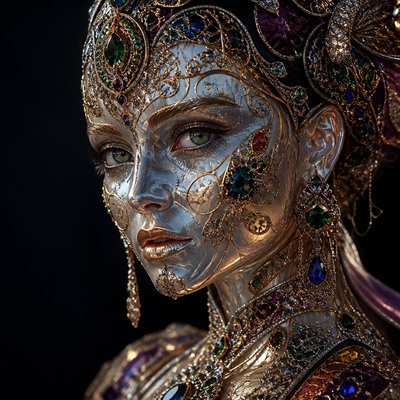
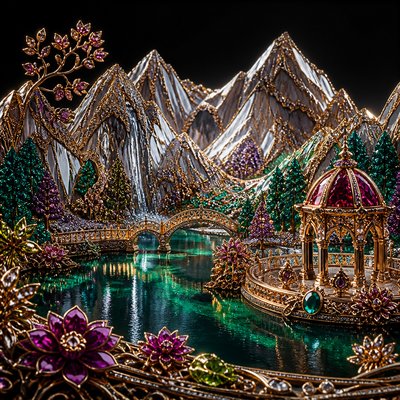
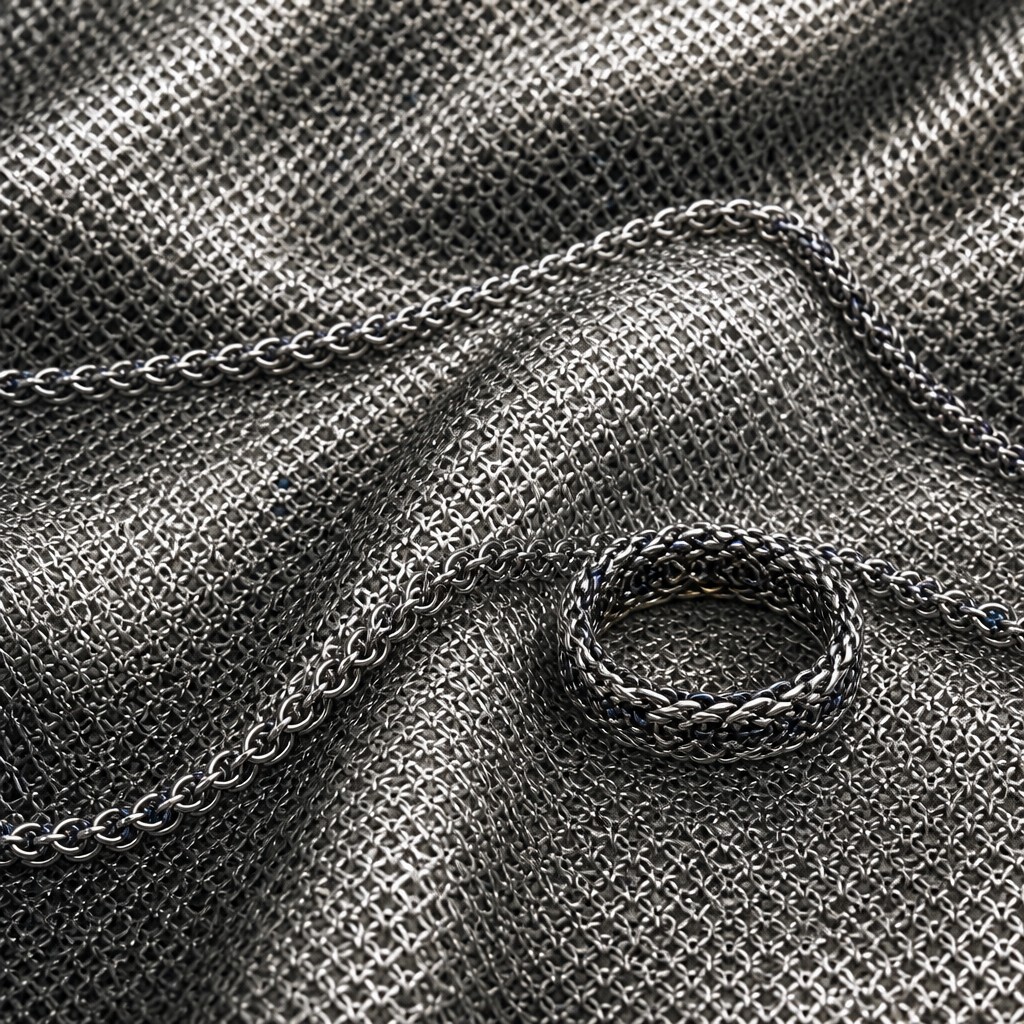
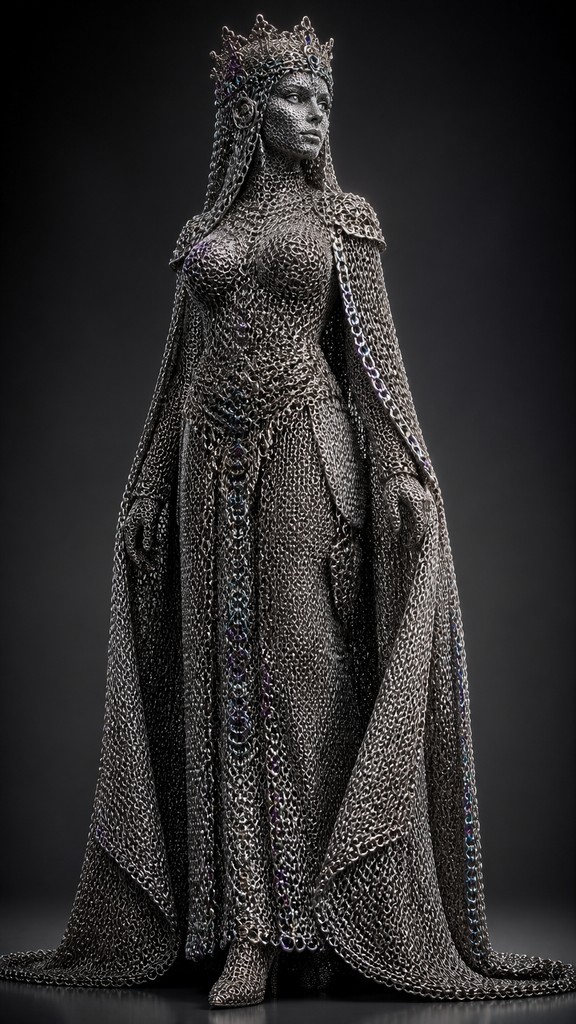
Chainmail jewelry style is a visual treatment in which subjects, objects, or surfaces are reconstructed as flowing meshes of interlocked metal rings. The result is a supple, fabric-like appearance made from stainless steel, silver, gunmetal, or mixed metallic links, with countless small circular highlights that shift across curves and folds. It sits between armor and ornament: structured like protection, but draped like cloth.
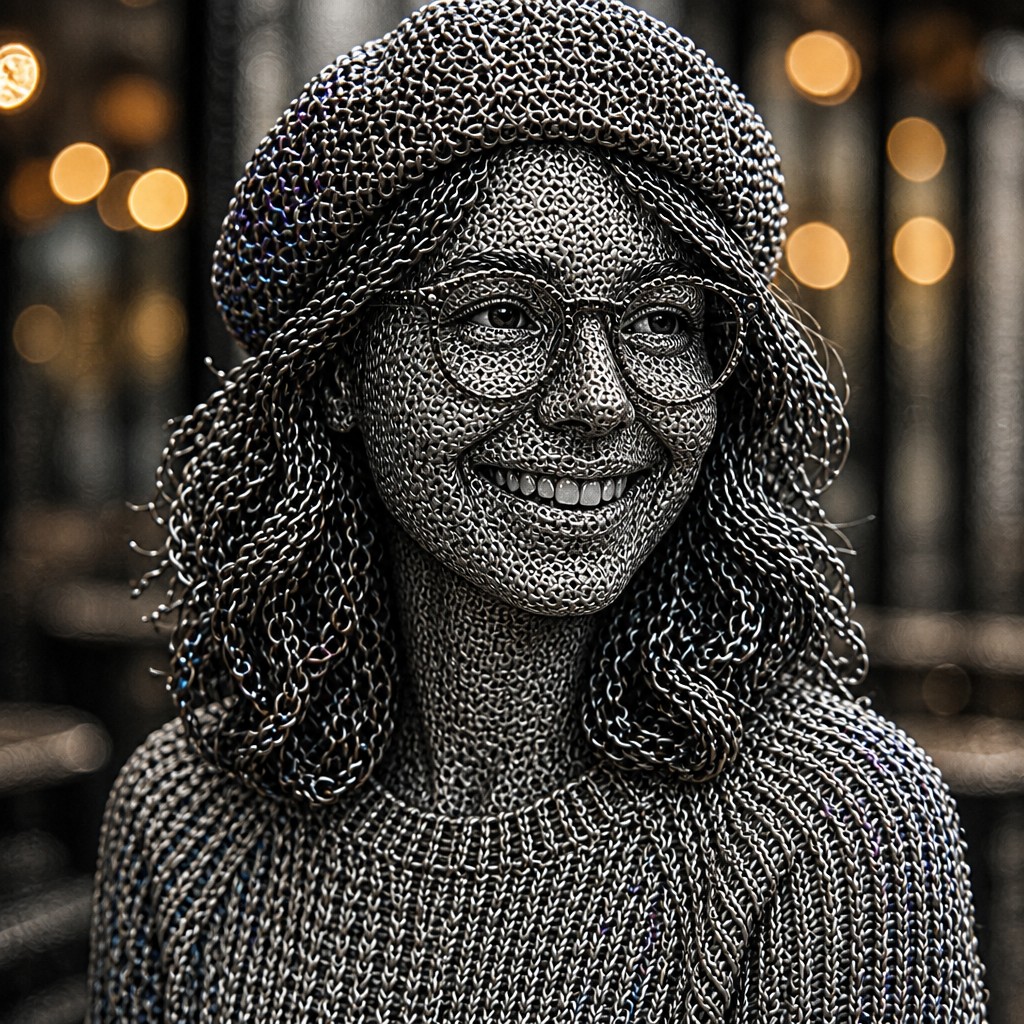
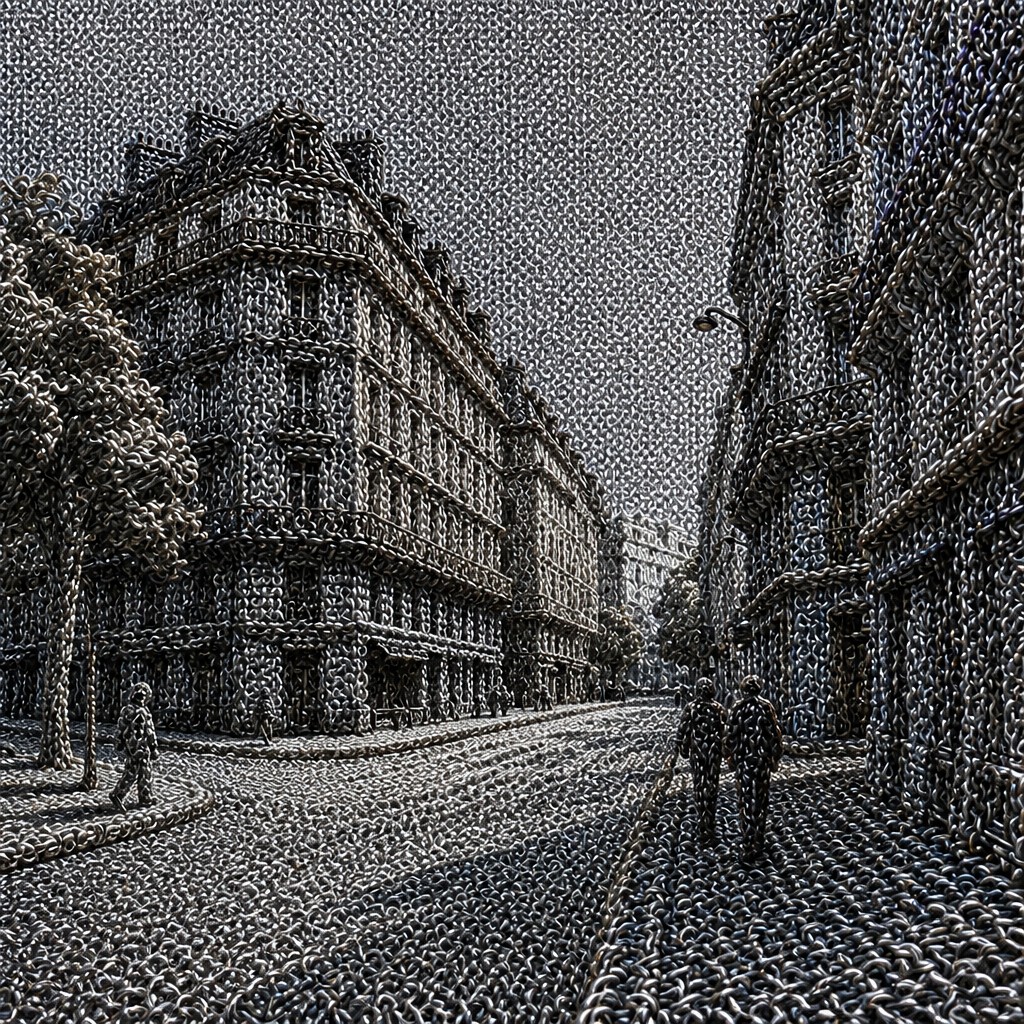
The style is defined by its tactile, rhythmic surface rather than by a specific subject matter. Faces, garments, animals, architecture, and abstract forms can all be translated into this mesh, producing a cool monochrome sheen with occasional colored accent rings. Its look comes from the visual logic of historical chain mail, chainmaille jewelry, and metallurgical craft, combined with contemporary digital renderings of reflective surfaces and dense pattern repetition.
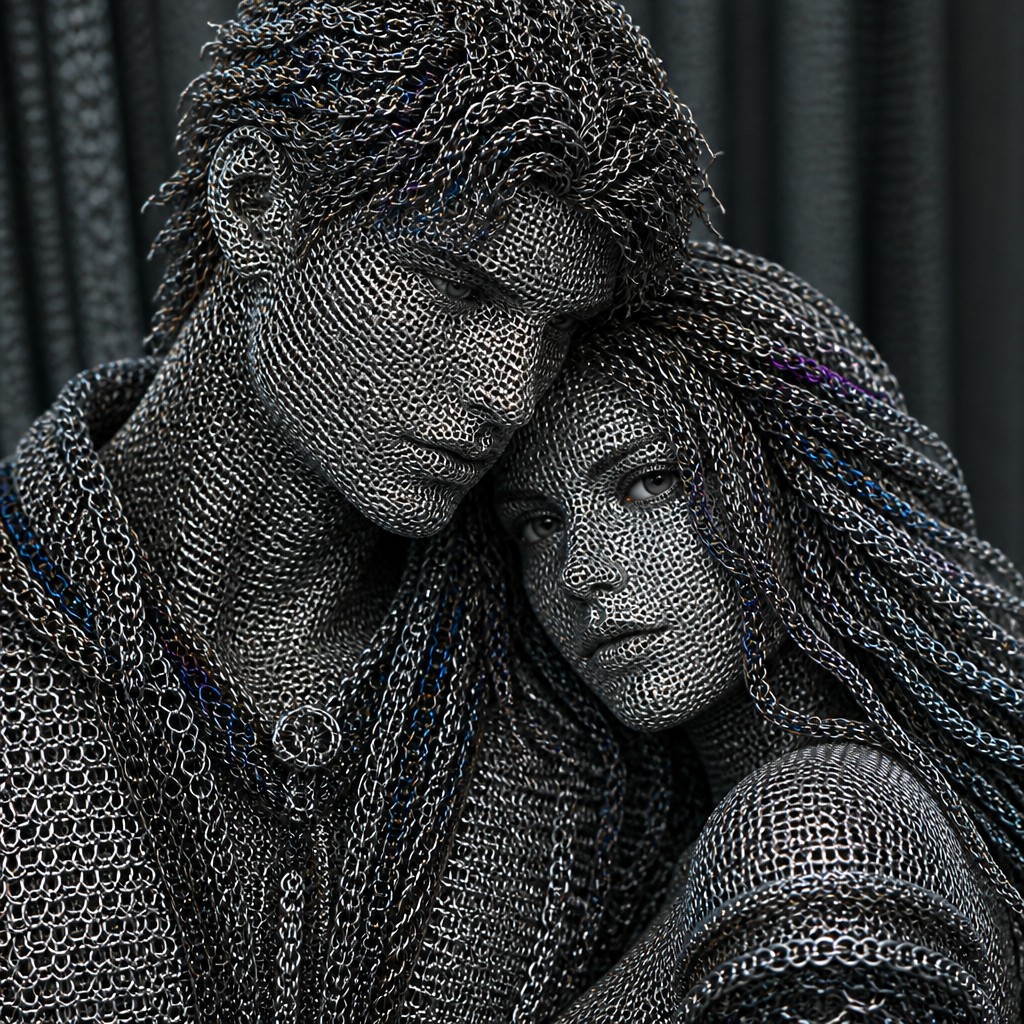
Try It On Your Photos
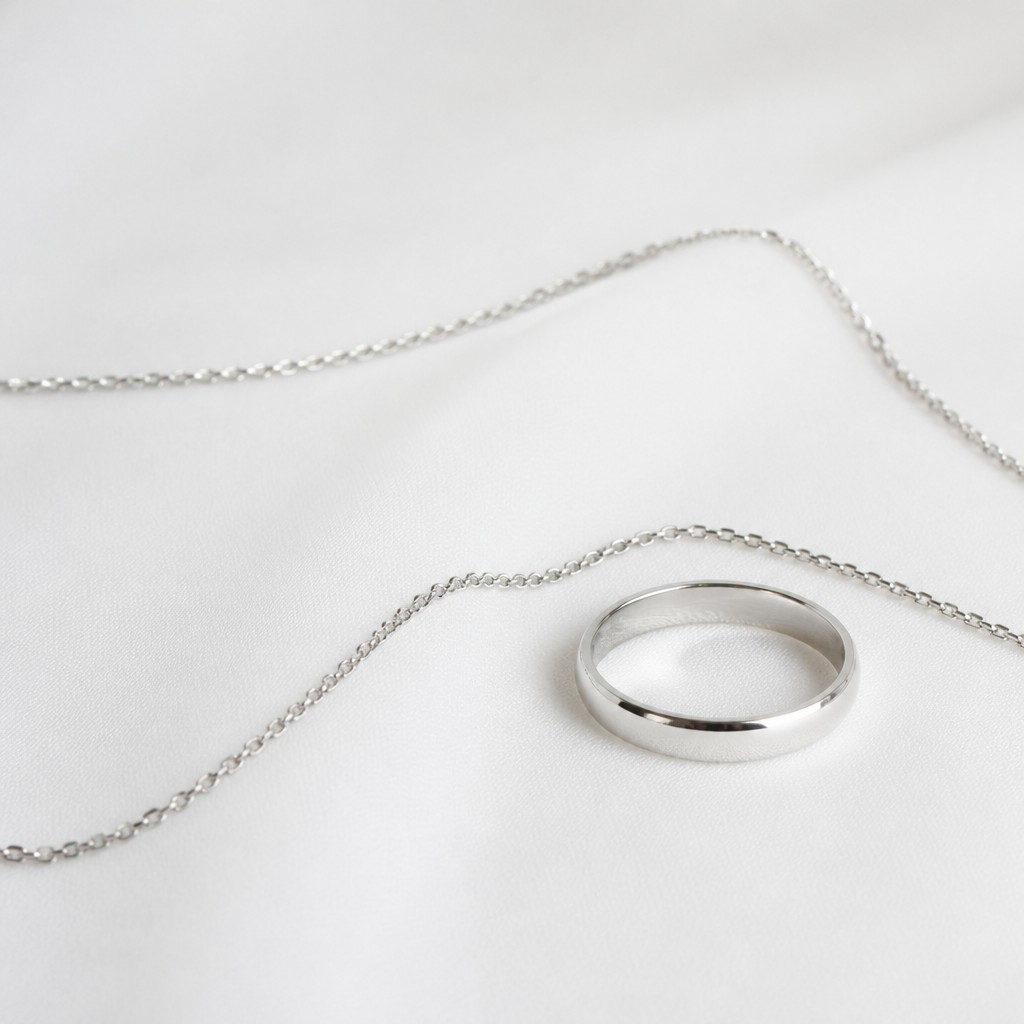
Upload any photo and convert it into Chainmail Jewelry Style — drag the sliders to compare before and after.


What Defines Chainmail Jewelry Style
The signature details, up close
Interlocked ring structure
The surface is built from many tiny rings linked in repeating patterns, often echoing European four-in-one or Byzantine weaves. This modular construction creates a dense, coherent texture across the entire image.
Liquid drape and flow
Despite being metal, the material behaves visually like cloth or water. It bends, folds, and cascades around forms, giving subjects a supple armored quality.
Cool metallic palette
The dominant colors are silver, steel, chrome, and gunmetal, with low saturation overall. Small anodized or iridescent accents may appear, but the effect remains predominantly monochrome and metallic.
Micro-specular sparkle
Countless tiny highlights flicker across the links as individual rings catch the light. These glints create the style’s signature shimmering, high-texture finish.
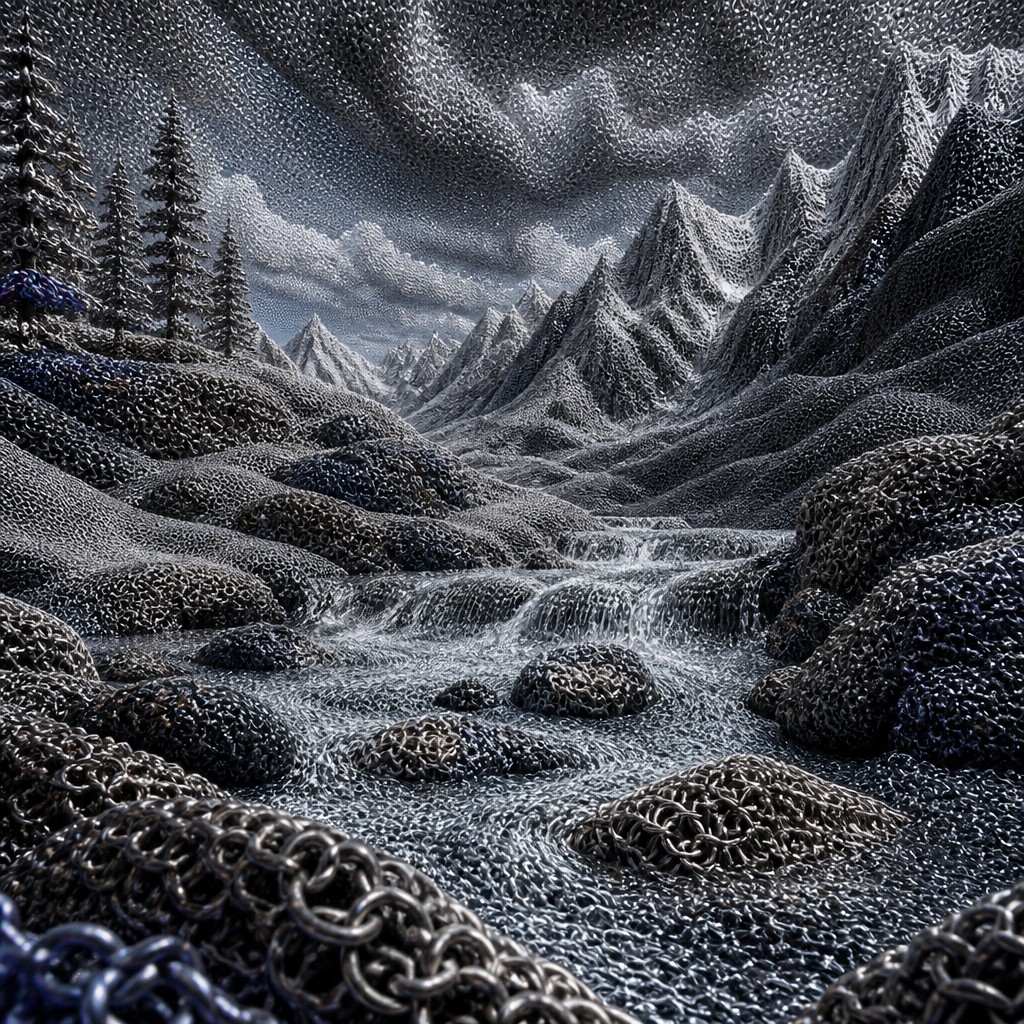
Armor-meets-jewelry mood
The aesthetic combines defensive medieval associations with ornamental craftsmanship. It feels protective, structured, and precise, yet also elegant and wearable.
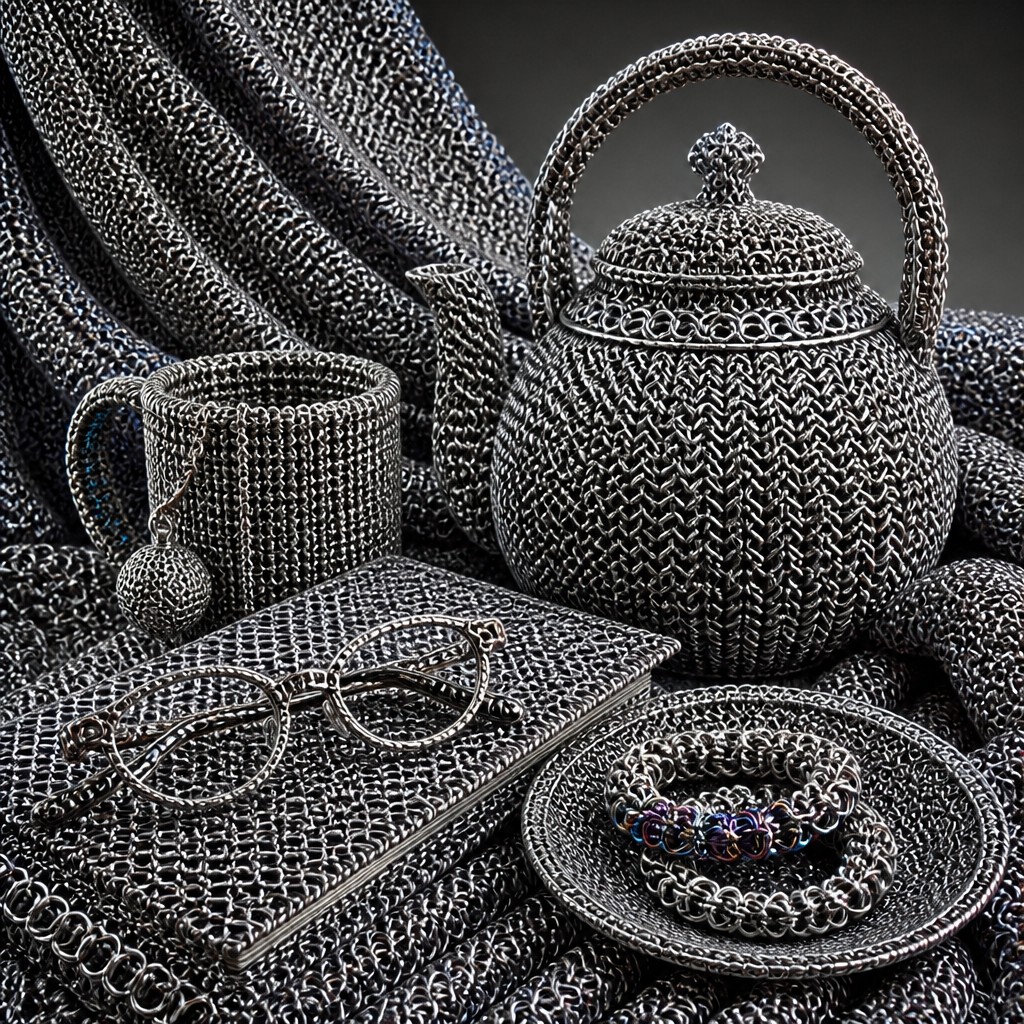
Dense tactile detail
The style depends on readable material information at close range: ring size, link density, and pattern transitions. The image should feel physically constructed rather than painted smooth.
Try It
Create Videos in Chainmail Jewelry Style
Styles aren't just for stills — describe a scene or animate an image and get a short video rendered in Chainmail Jewelry. Press play to see this pond come to life.
Make a VideoChainmail Jewelry Prompt Ideas
Start from an idea — each one opens the generator with the style ready to go. See all 40 Chainmail Jewelry prompts →
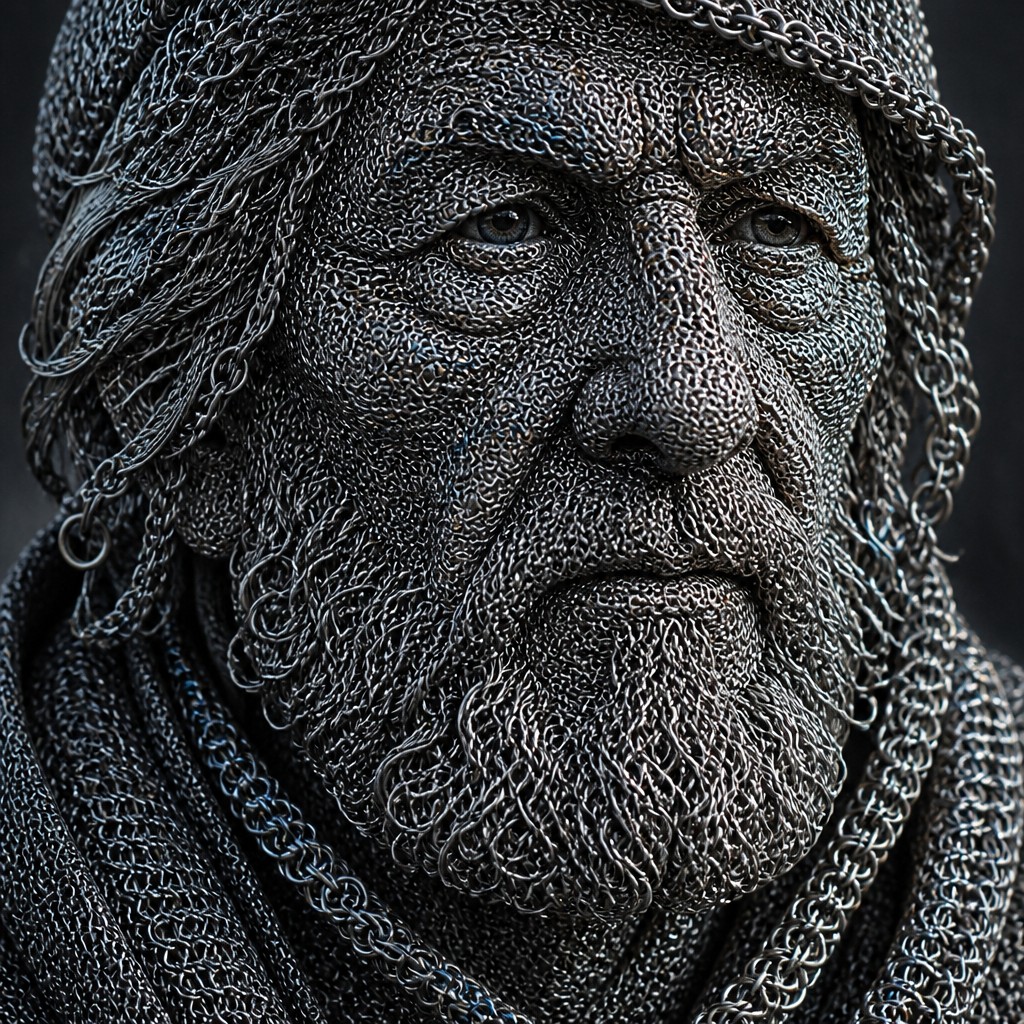
“close-up portrait of an elderly person with expressive weathered features”
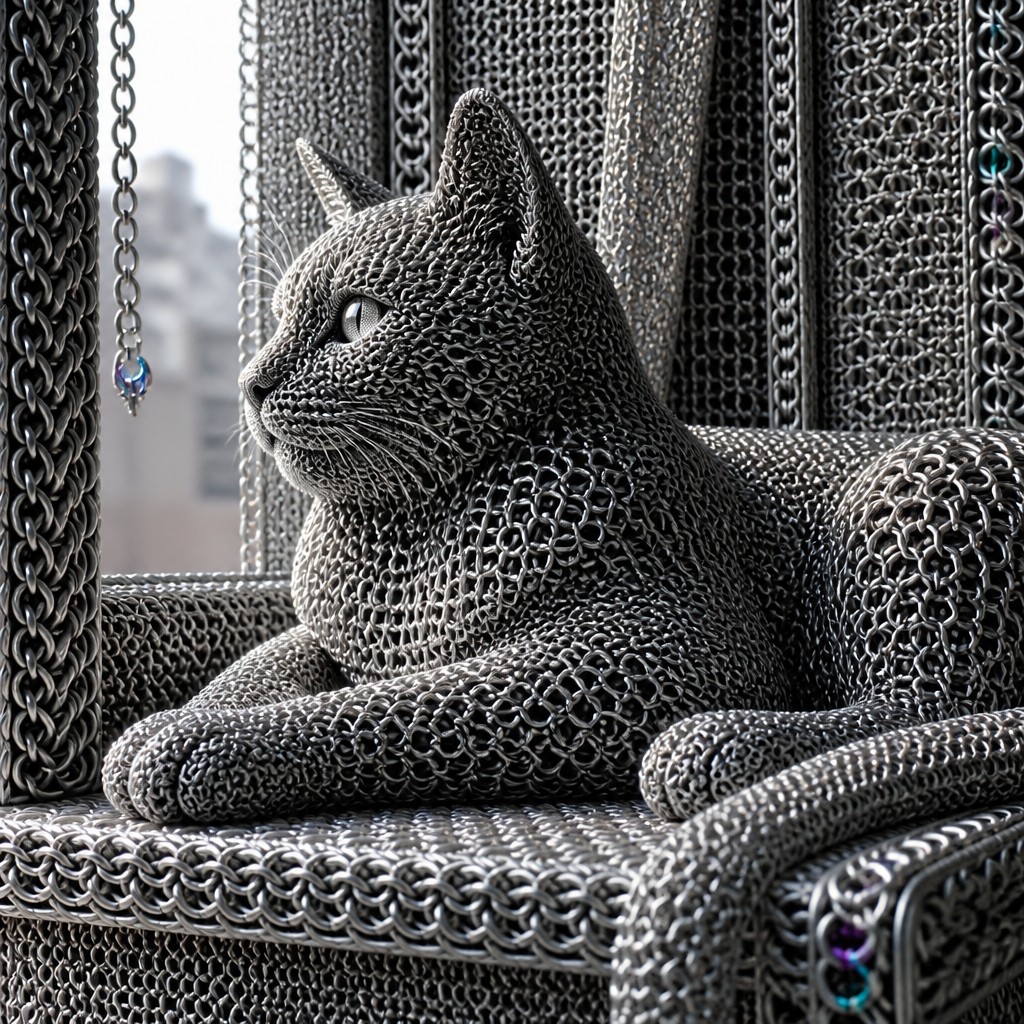
“a cat lounging in a sunlit window”
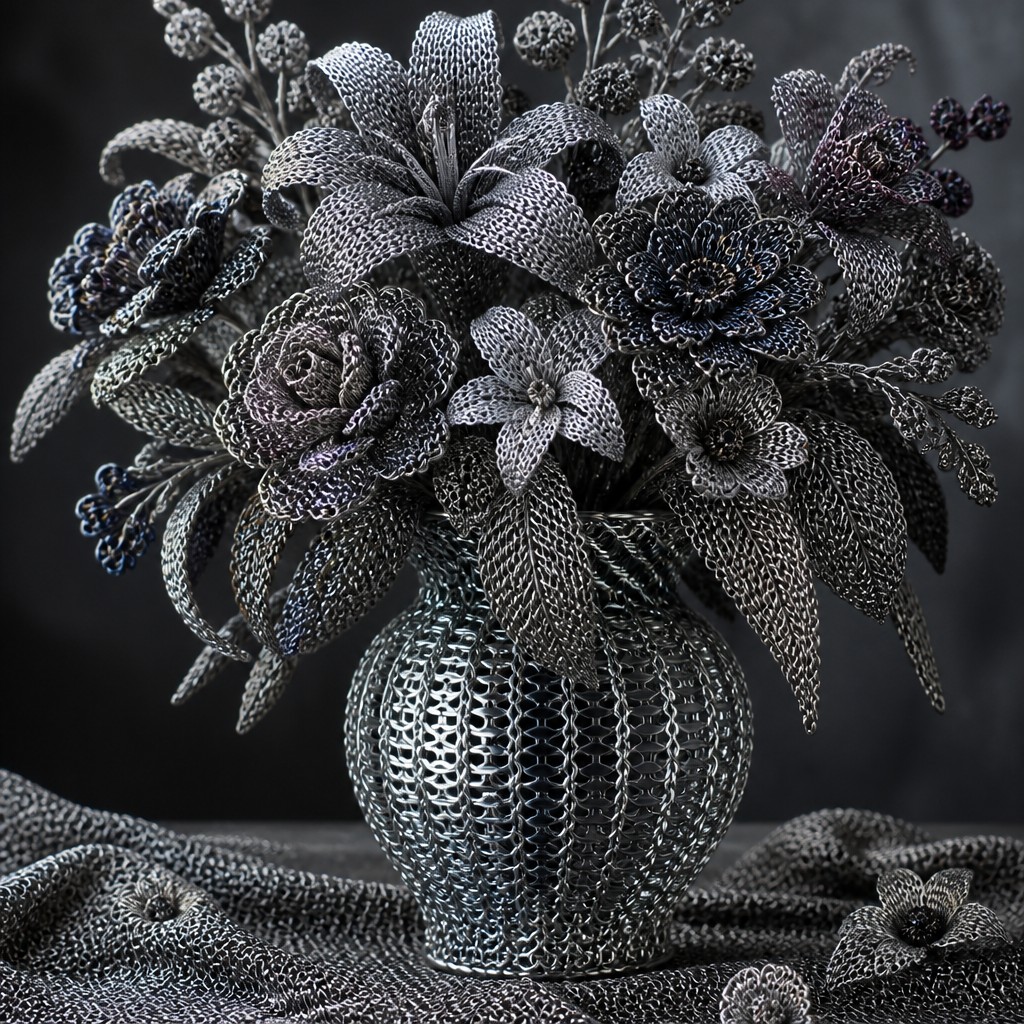
“bouquet of flowers in a glass vase”
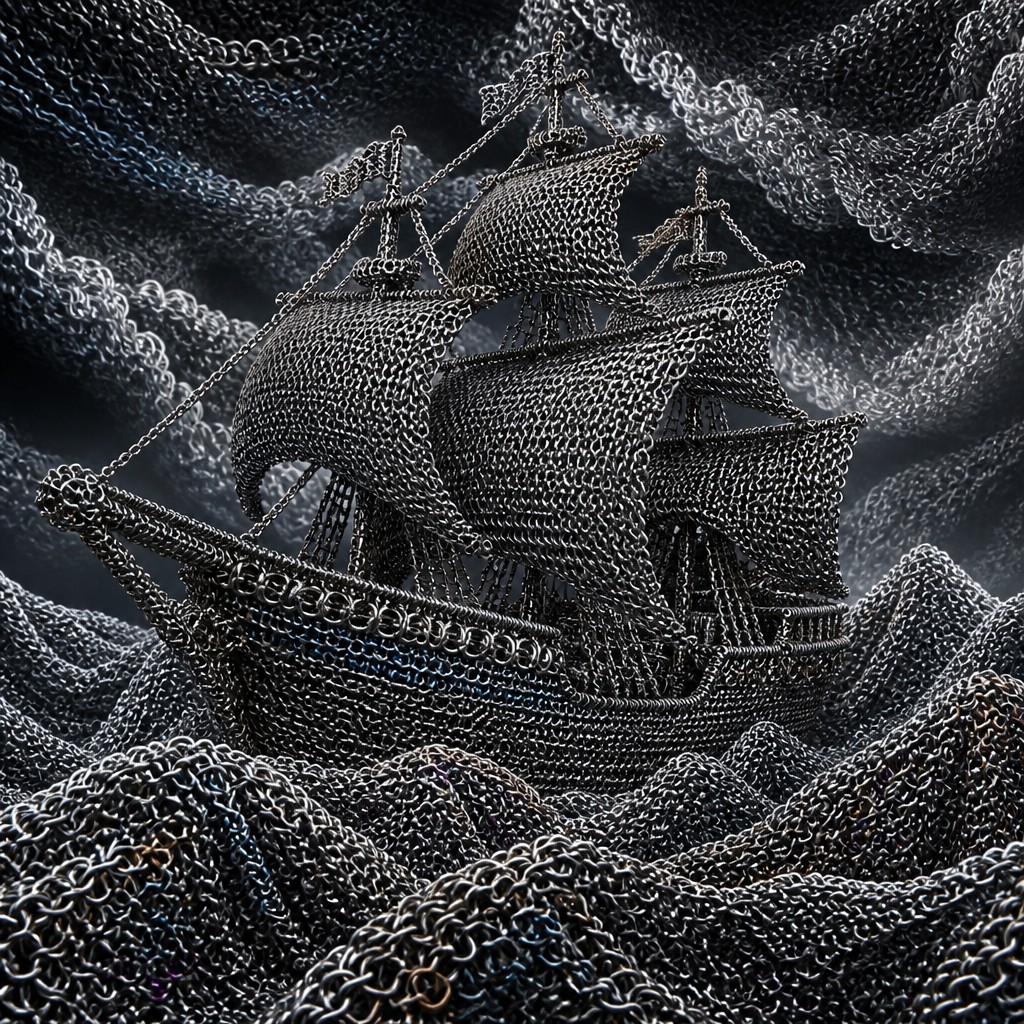
“sailing ship on a stormy sea”
How to Create Chainmail Jewelry Art
Master the craft step by step — or skip straight to creating. Read the full guide →
- 1
Build forms from linked modules
When working traditionally, start by mapping the subject into large masses and then replacing the surface with repeating ring units. Maintain the underlying anatomy or object silhouette so the mesh feels like a skin rather than a flat pattern.
- 2
Use metallic value contrast
Emphasize hard highlights, narrow midtones, and dark recesses between links. In digital work, layered specular reflections and subtle ambient occlusion help sell the depth of each interlock.
- 3
Preserve drape and gravity
Let the mesh sag, fold, and stretch as a real flexible metal fabric would. The most convincing results come from showing tension points, gathers, and directional flow instead of perfectly even coverage.
- 4
Vary weave density and link size
Subtle changes in ring scale, weave type, and spacing prevent the surface from becoming visually flat. Use denser weaves for structural areas and looser, more fluid sections for folds or motion.
- 5
Add restrained color accents
Optional anodized blue, gold, violet, or copper rings can provide focal interest without breaking the metallic identity. Keep these accents sparse so the overall monochrome industrial feel remains intact.
- 6
Prompt with material-first language
For text-based generation, describe the subject first and then specify that every surface is rebuilt as interlocked metal rings with liquid drape, cool metallic monochrome, and thousands of tiny glints. Mention weave types, ring materials, and the balance of medieval and industrial design for more accurate results.
The Story
History & Origins of Chainmail Jewelry
Chainmail jewelry style is not a historical art movement in the formal sense, but an aesthetic lineage drawn from medieval chain mail, decorative metalworking, and modern chainmaille jewelry. Medieval mail armor, made from interlinked rings, established the core visual language: modular repetition, flexible drape, and a shimmering surface that changes with movement and light. In jewelry and craft traditions, chainmaille developed as a technique for making bracelets, necklaces, and ornamental panels from similar ring structures, emphasizing pattern, density, and metallic finish.
In contemporary visual culture, the style also connects to industrial design, science fiction costuming, and digital material studies that emphasize the behavior of reflective metals. Its current popularity in image-making reflects interest in tactile textures that read as both ancient and futuristic. Rather than being tied to one school or period, it is best understood as a hybrid aesthetic: medieval in structure, jewelry-like in precision, and digital in its seamless, highly detailed execution.
Influences: Chainmail jewelry style draws most directly from medieval mail armor and from chainmaille jewelry techniques, which translate ring-link construction into decorative forms. Visually, it also relates to metalwork traditions, textile thinking, and industrial aesthetics, as well as science-fiction costume design. Its emphasis on structure, sheen, and controlled repetition can be compared to the material-focused sensibilities of ornamental craft, though it is not tied to a single historical movement or canonical artist.
Frequently Asked Questions
What defines chainmail jewelry style?
It is defined by a surface made from interlocked metal rings that reads like a flexible metallic fabric. The key visual cues are repeating ring structures, shimmering highlights, and a draped, armored texture.
Is this the same as chain mail armor?
It is related, but not identical. Chain mail armor is a historical protective garment, while chainmail jewelry style is a visual aesthetic that borrows the look and structure of linked rings for artistic or decorative purposes.
How is it different from chrome or metal art styles?
Chrome styles usually focus on smooth reflective surfaces, whereas chainmail jewelry style is patterned and modular. The ring-by-ring texture gives it a woven, textile-like quality rather than a polished single-surface finish.
What subjects work well in this style?
Almost any subject can work, especially figures, animals, garments, helmets, objects, and abstract forms. The style is especially effective when the subject benefits from a sense of motion, weight, or ornate protective surface.
Can I make this style by hand?
Yes. You can create it through chainmaille weaving, collage, drawing, or digital painting by building the form from repeated ring units and emphasizing metallic light. The main challenge is keeping the underlying form readable while preserving the woven texture.
Where is this style commonly used?
It appears in fashion concepts, fantasy and science-fiction imagery, jewelry-inspired artwork, costume design, and decorative digital illustration. It is often chosen for subjects that need to feel elegant, armored, futuristic, or medieval at the same time.
Create your first Chainmail Jewelry artwork
Describe anything — or upload a photo — and see it in Chainmail Jewelry Style in seconds.
Make Something with Chainmail Jewelry
Related Styles
Discover similar art styles