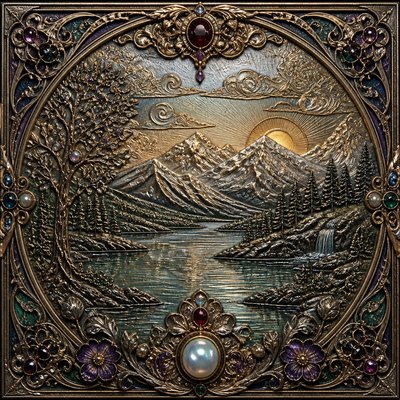
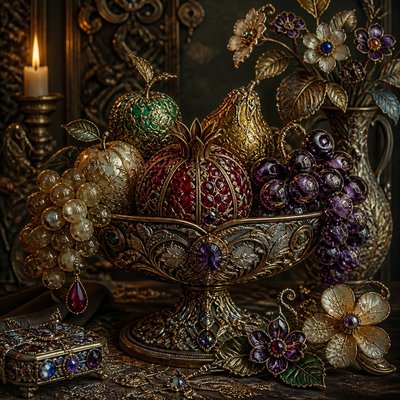
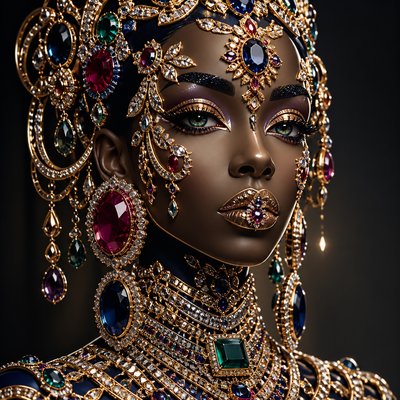
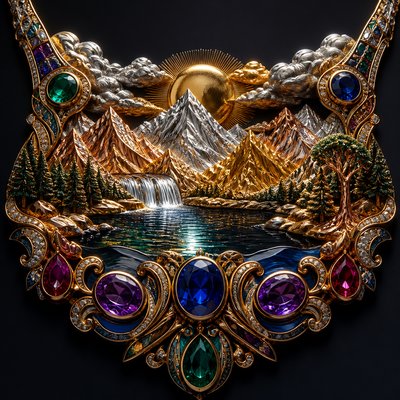
Bridal Jewelry Design
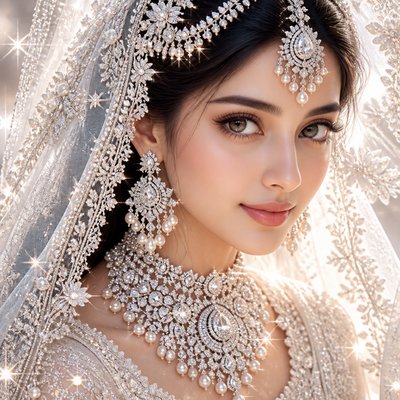
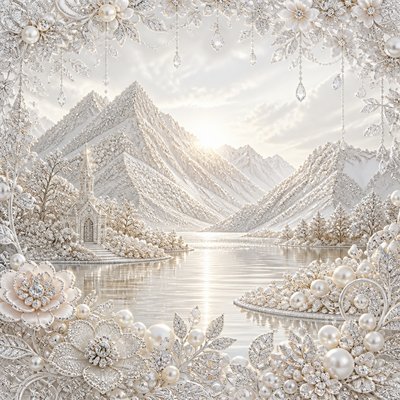
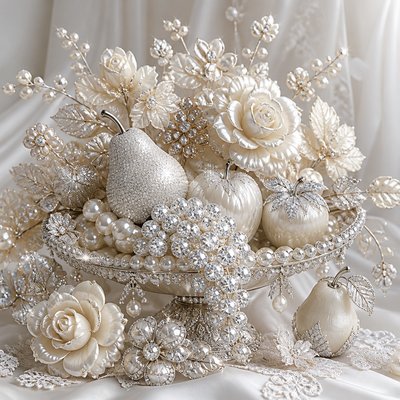
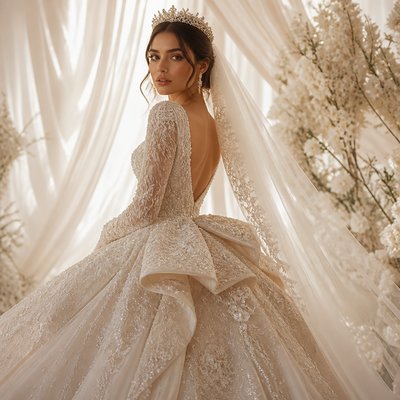
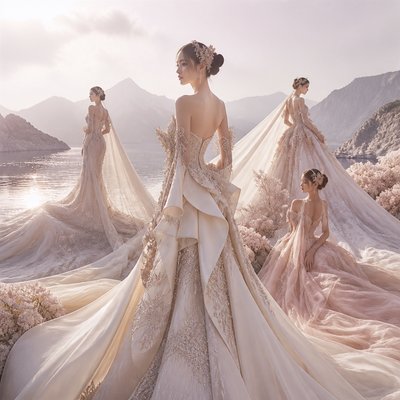
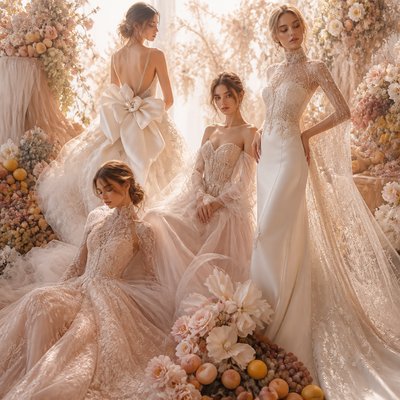
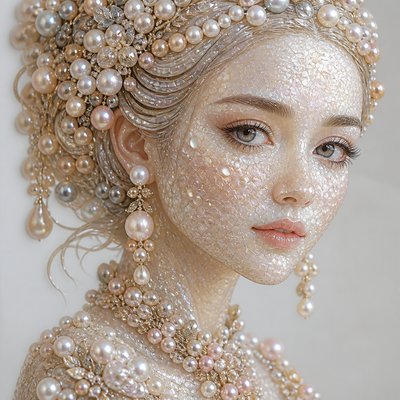
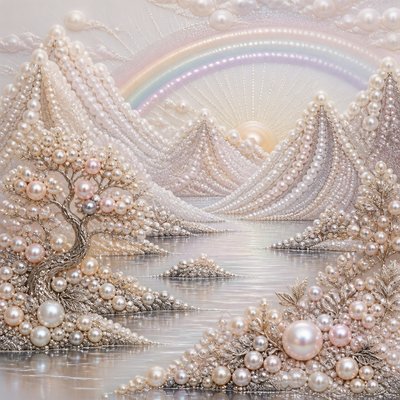
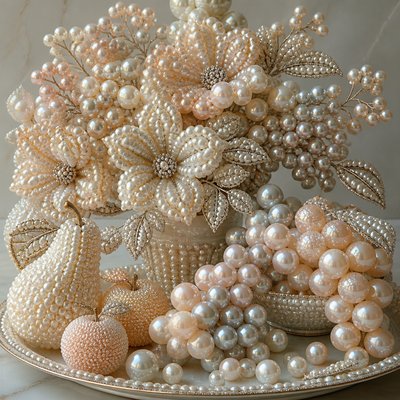
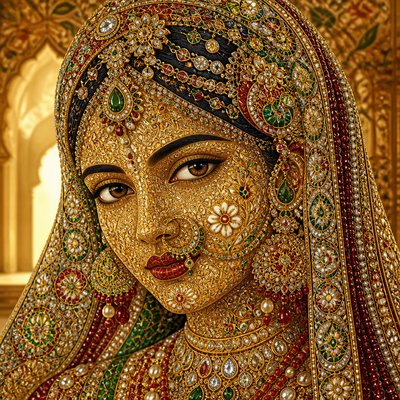
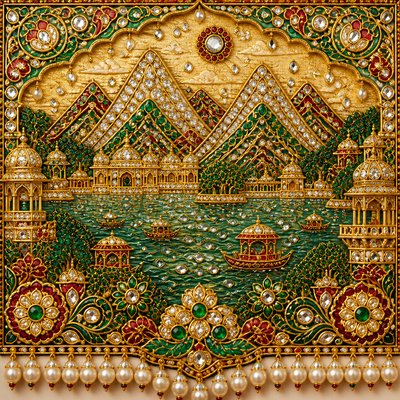
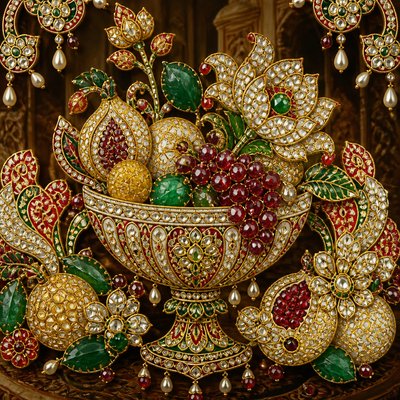
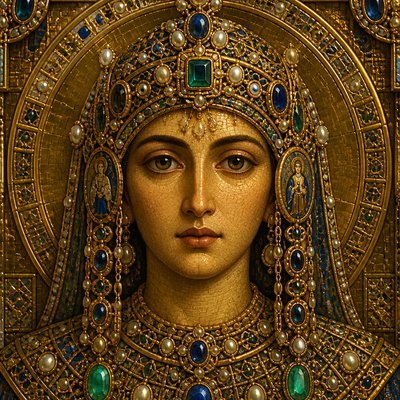
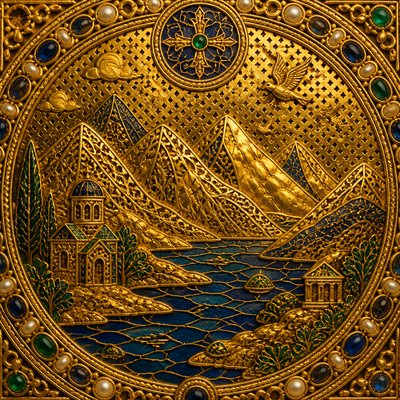
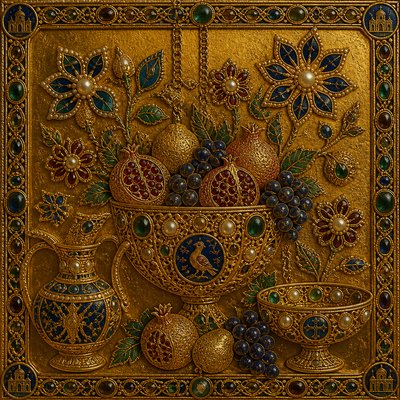
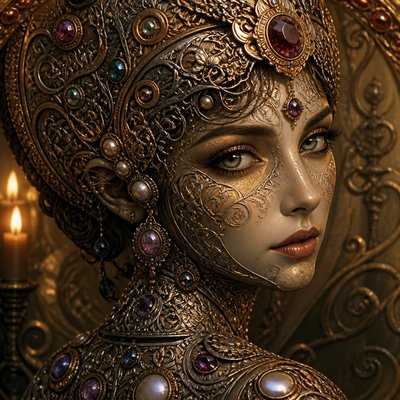
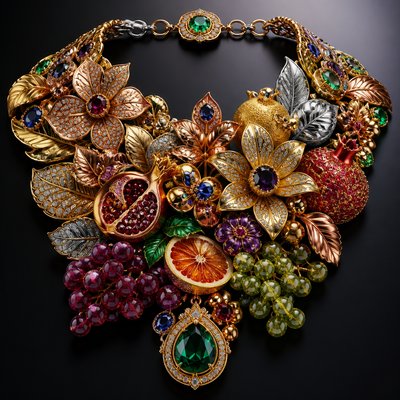
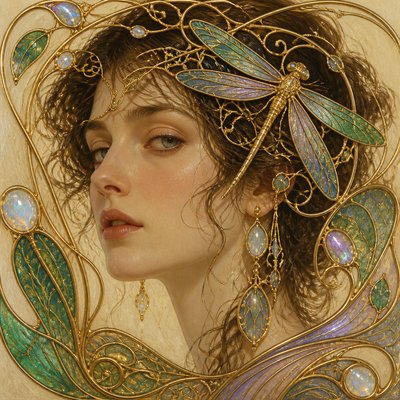
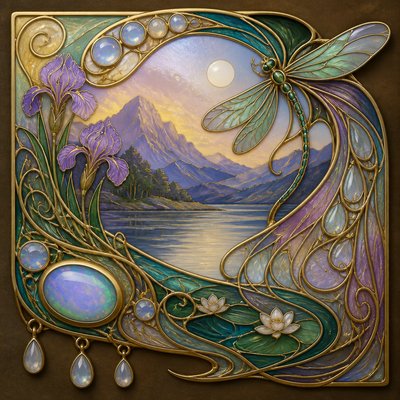
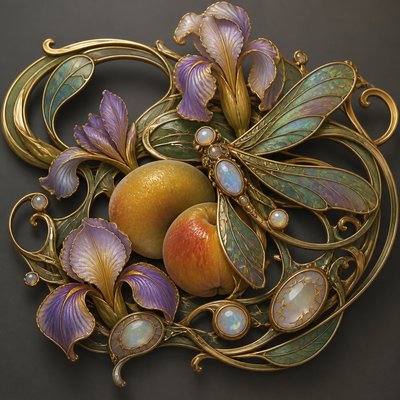
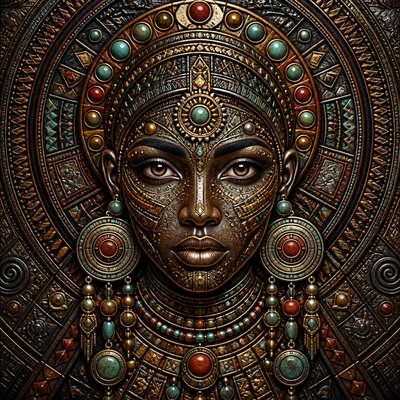
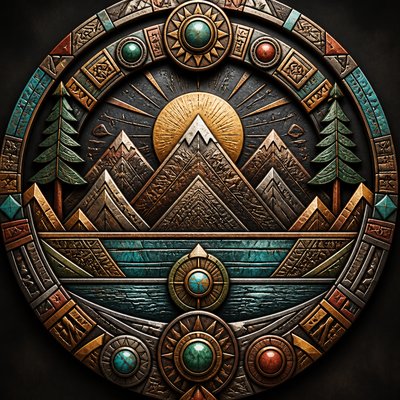
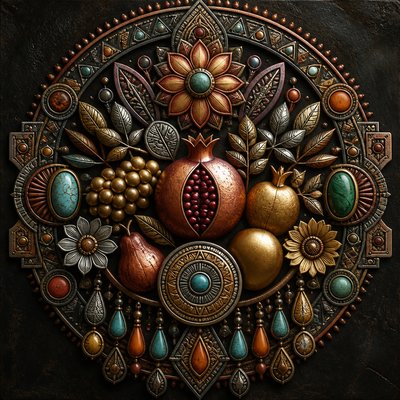
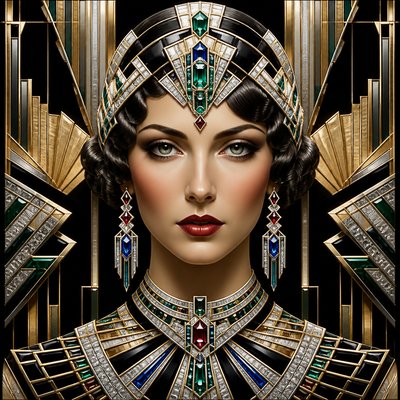
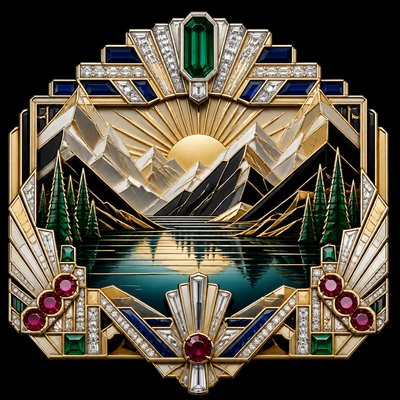
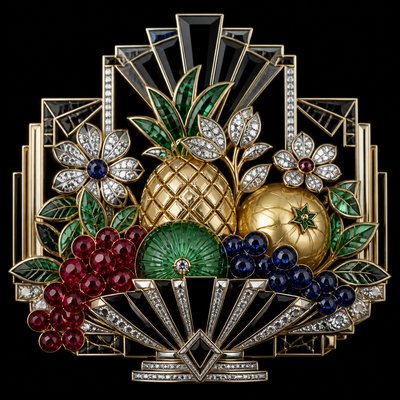
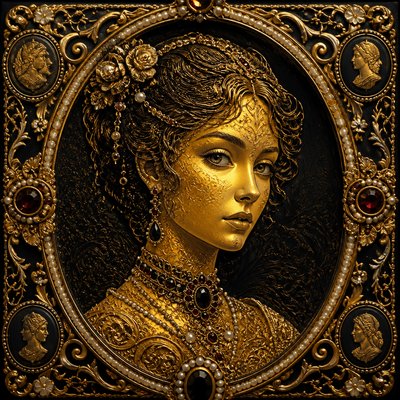
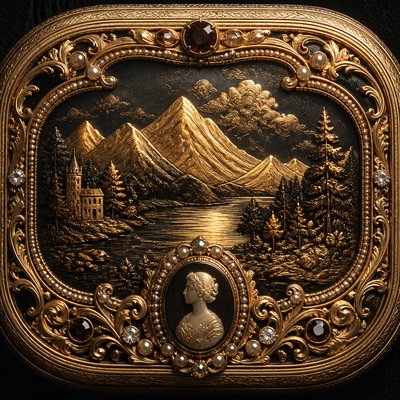
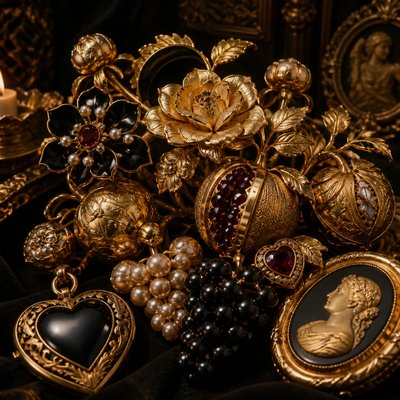
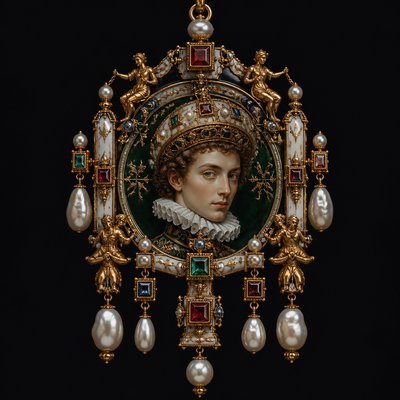
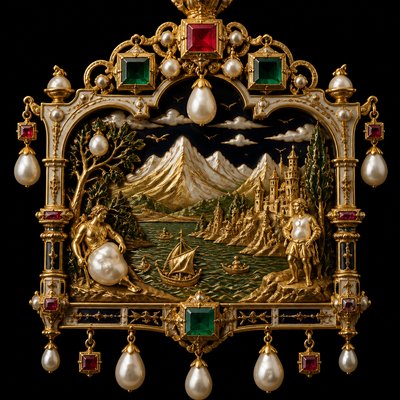
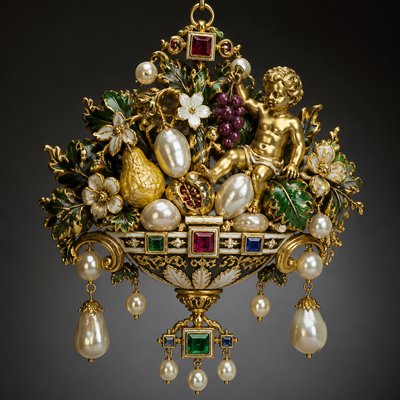
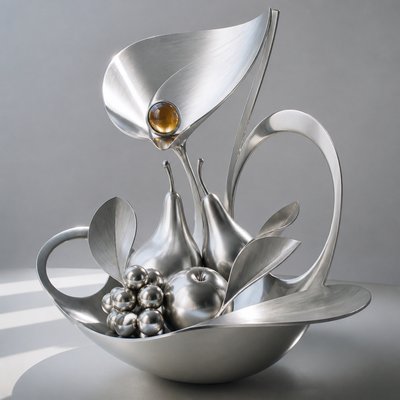
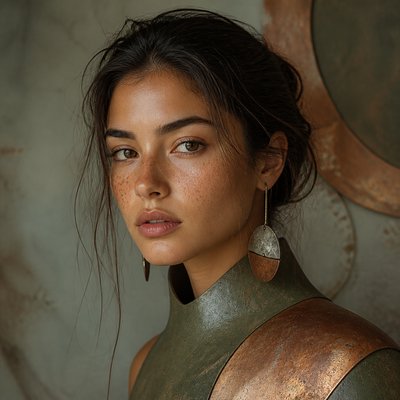
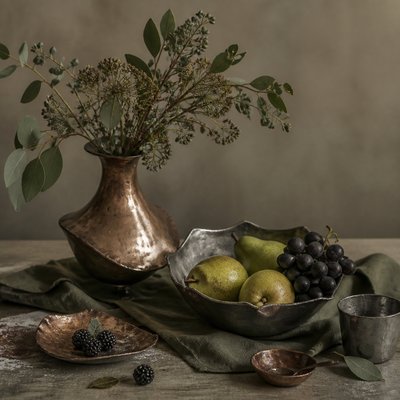
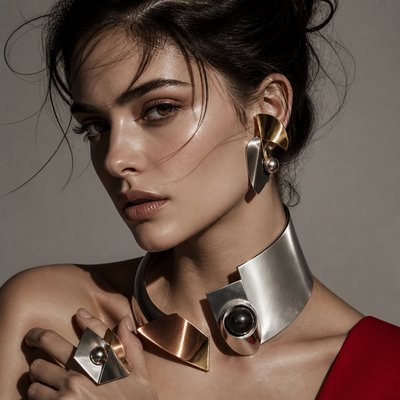
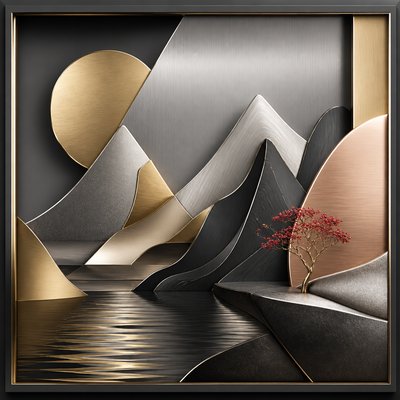
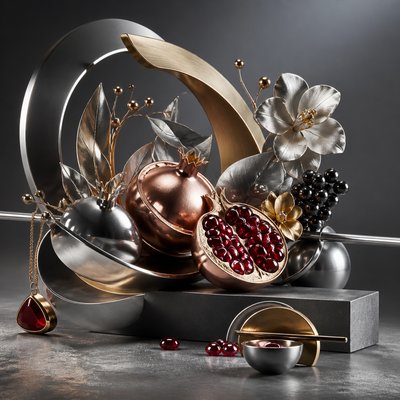
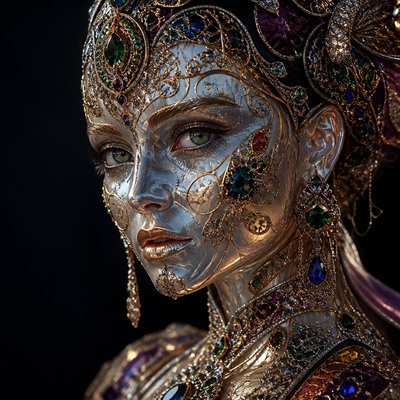
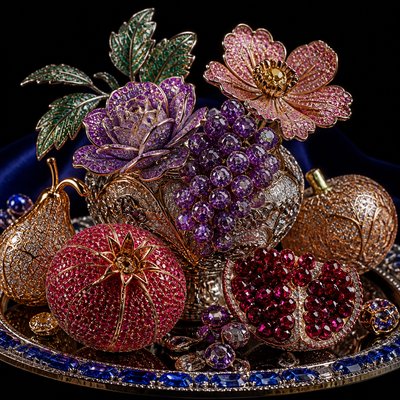
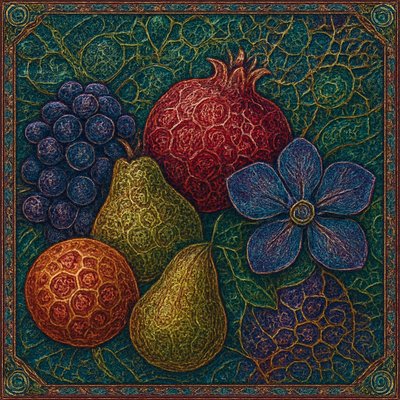
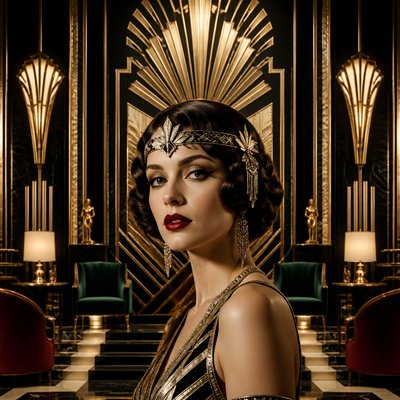
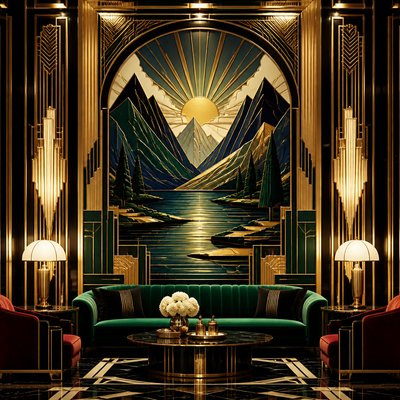
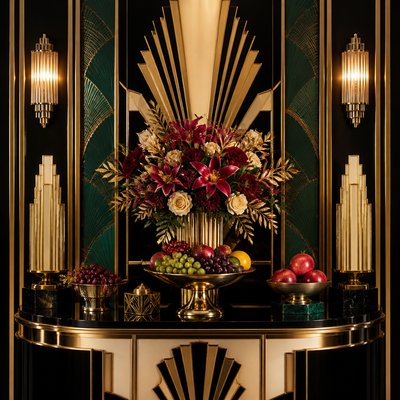
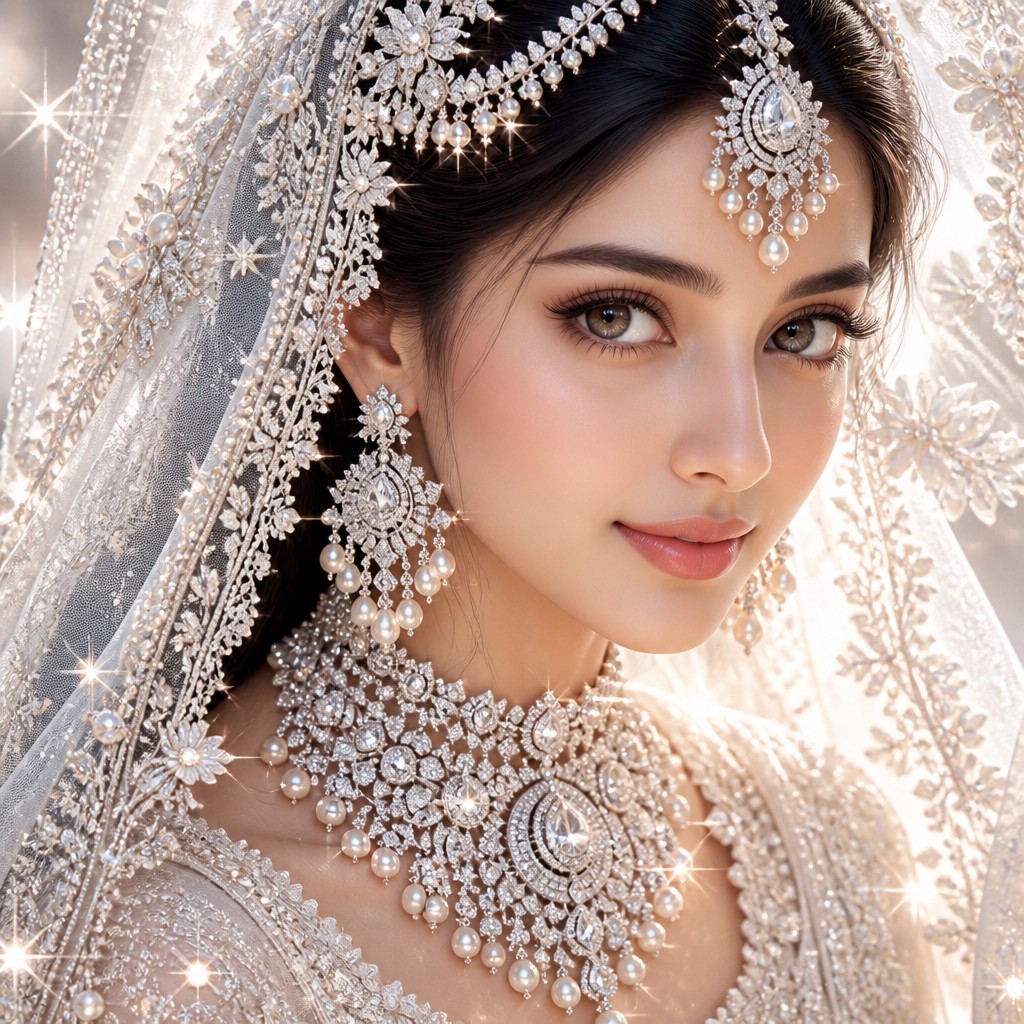
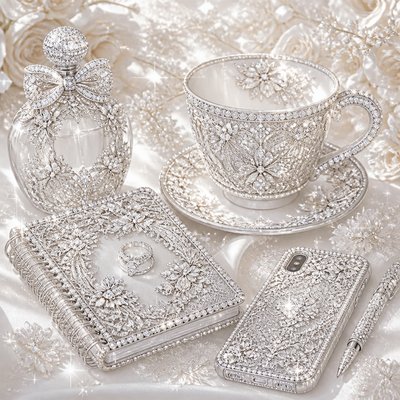
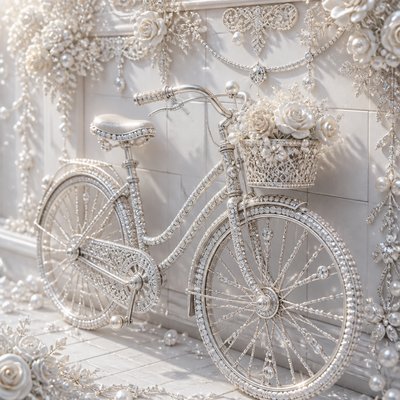
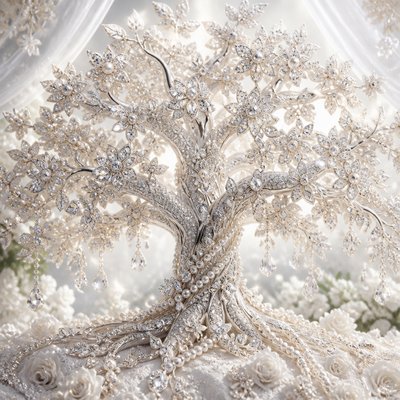
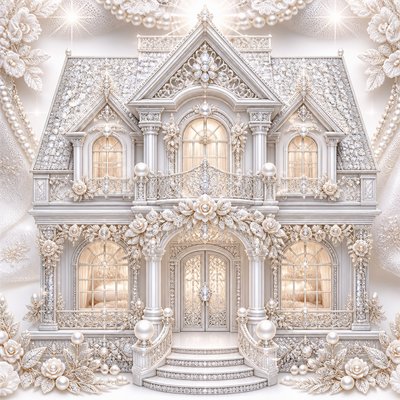
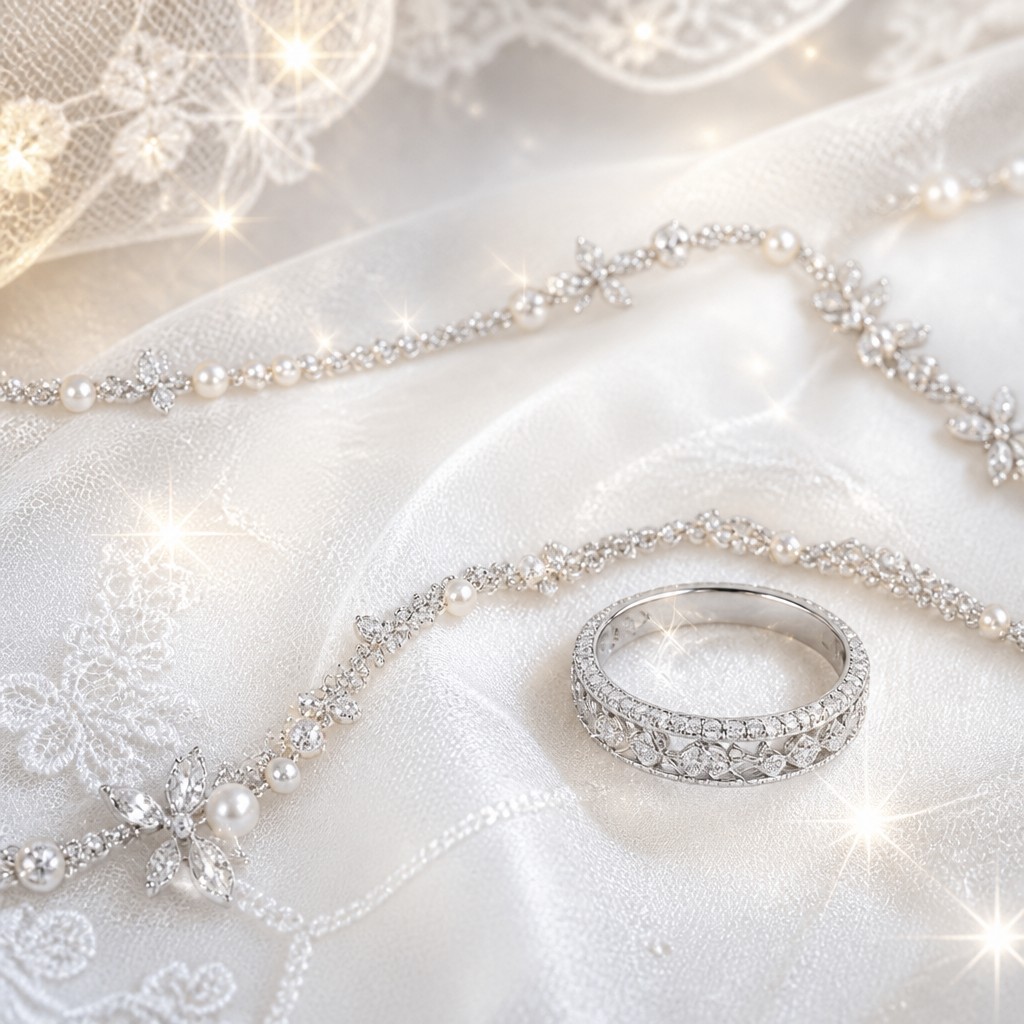
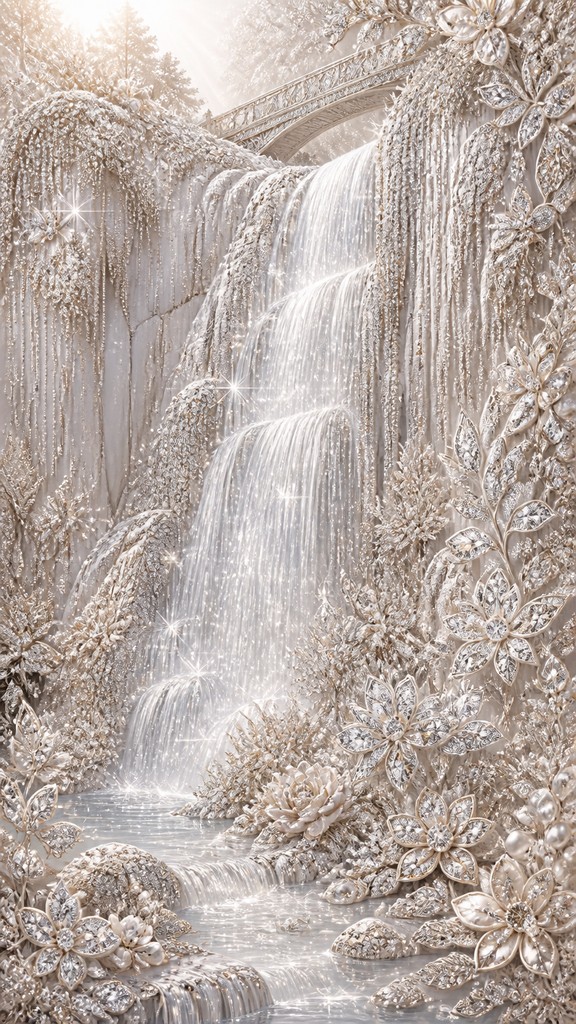
Platinum and diamond bridal jewelry in veiled light, with pearls, lace-like details, and romantic ceremonial radiance.
Instantly rendered in Bridal Jewelry Design — or transform a photo
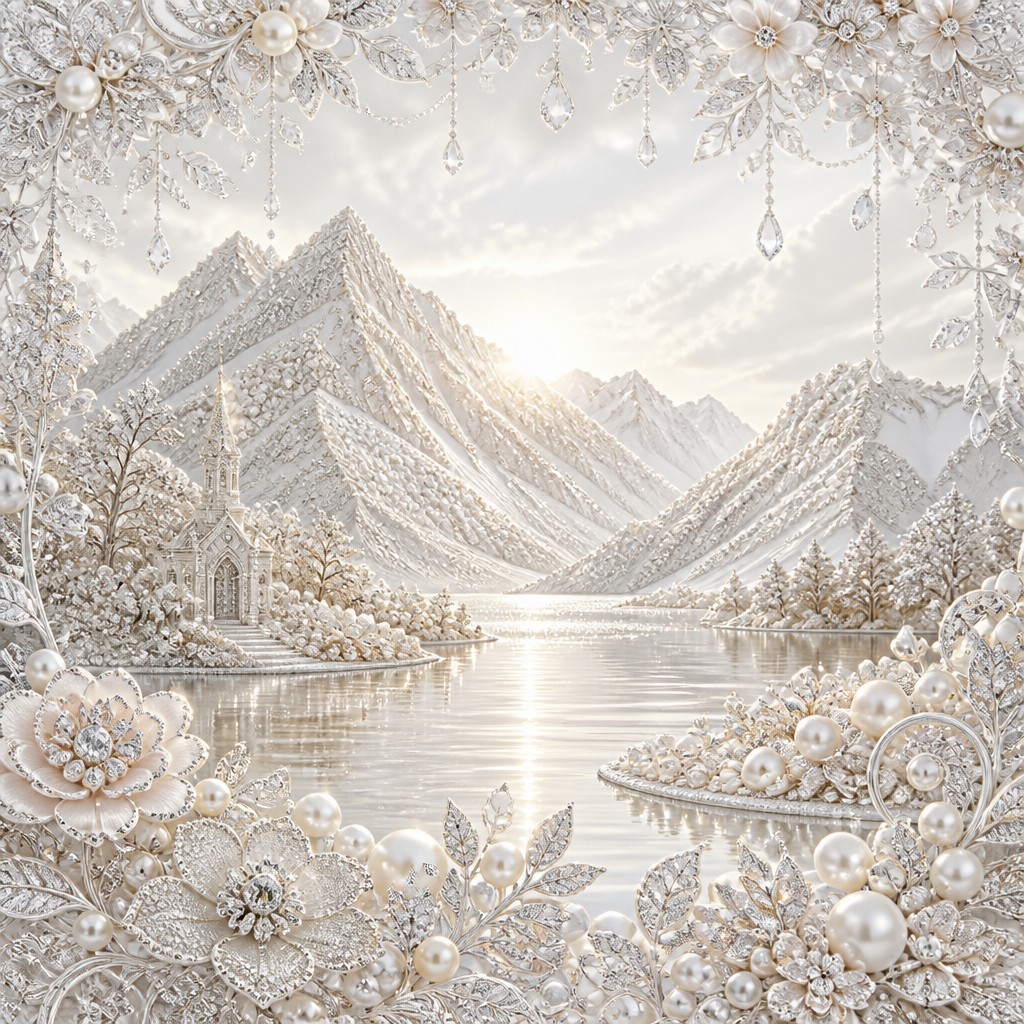
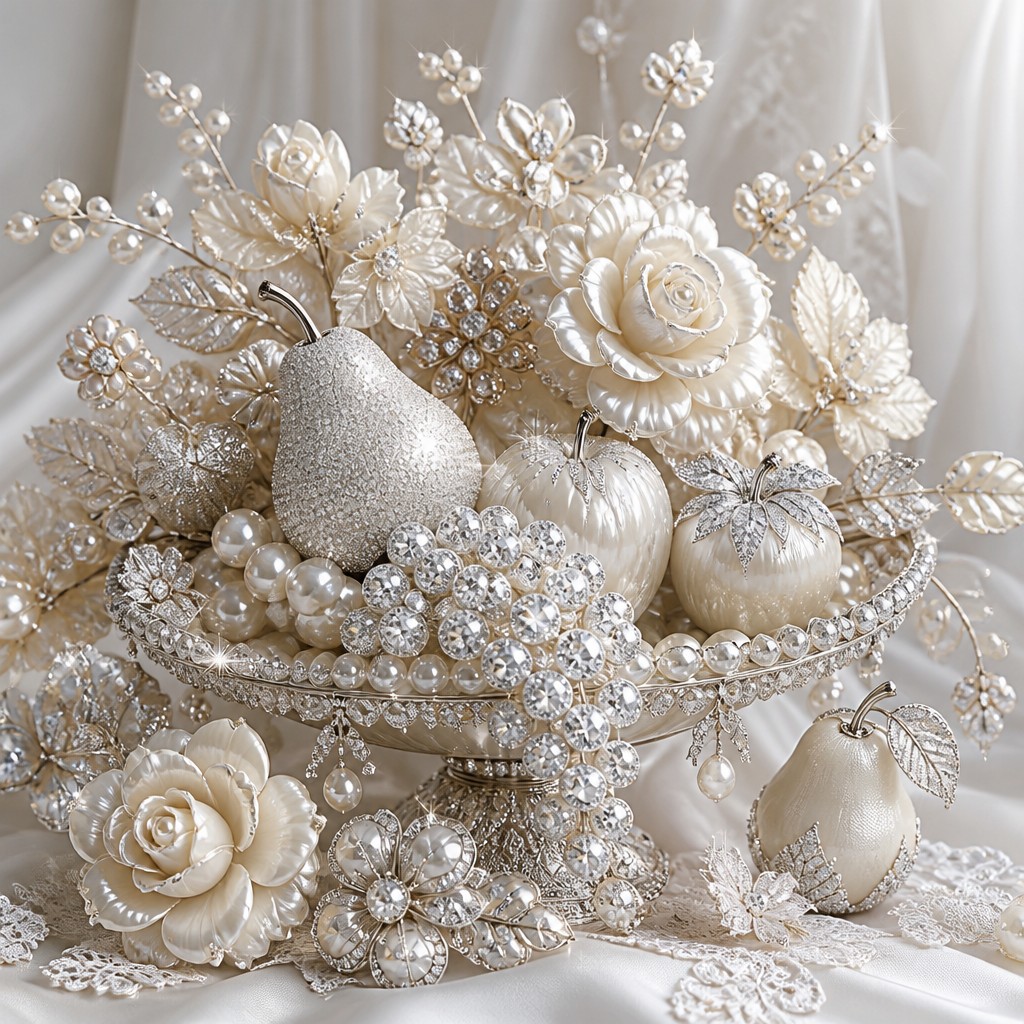
Bridal Jewelry Design Gallery
Tap any artwork to explore it
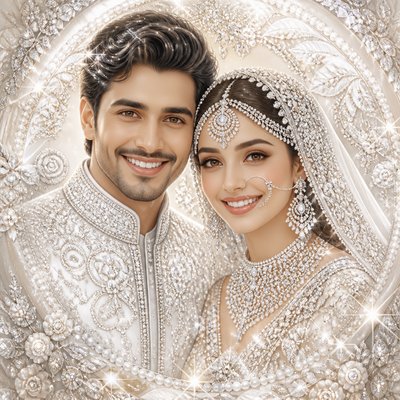
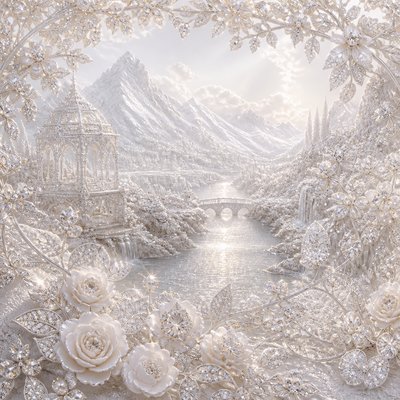
What is Bridal Jewelry Design?
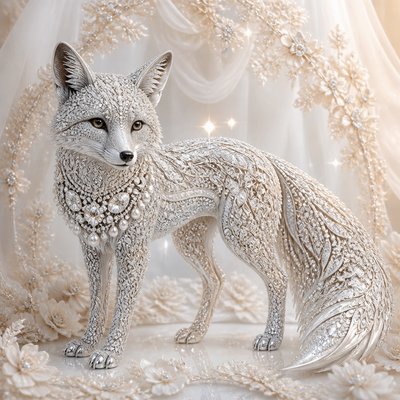
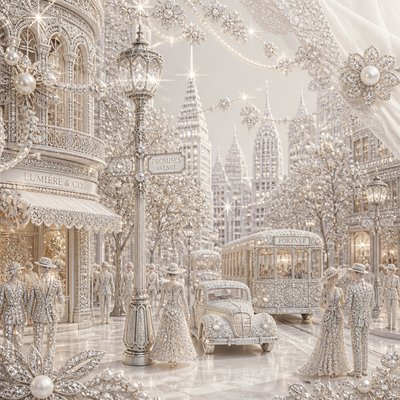
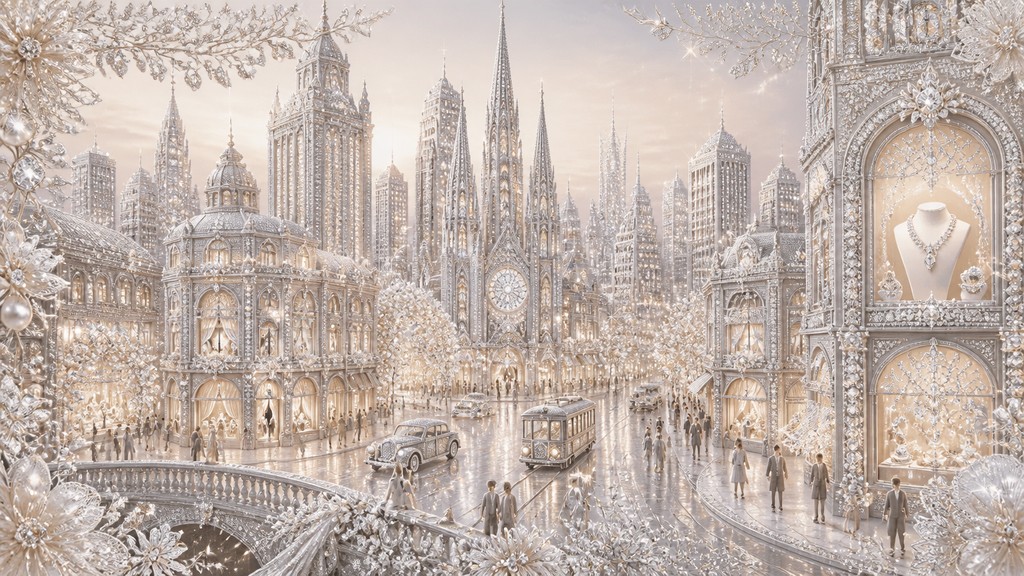
Bridal jewelry design is a refined decorative style centered on the visual language of wedding-day adornment: platinum or white gold, brilliant-cut diamonds, seed pearls, lace-like openwork, and softly luminous finishes. It presents jewelry as a symbol of ceremony, purity, promise, and celebration, often using floral garlands, halos, and delicate symmetry to evoke a bridal atmosphere.
The style’s look comes from a combination of fine jewelry craftsmanship and wedding iconography. Its surfaces are usually bright but not harsh, relying on veiled light, champagne-tinted whites, and pinpoint sparkle to create a clean ceremonial radiance. Compared with more ornate or colored jewelry traditions, bridal jewelry design emphasizes restraint, clarity, and a romantic balance between elegance and sentiment.
Try It On Your Photos
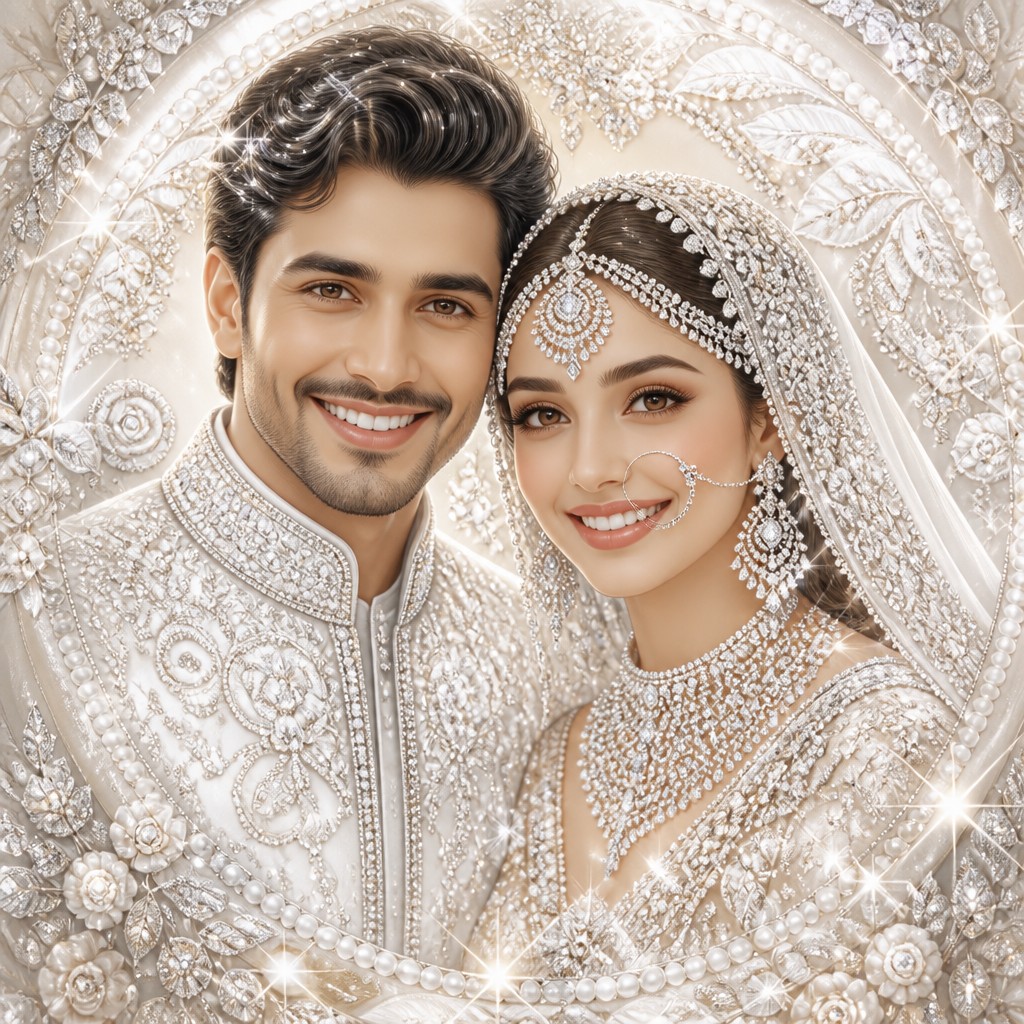
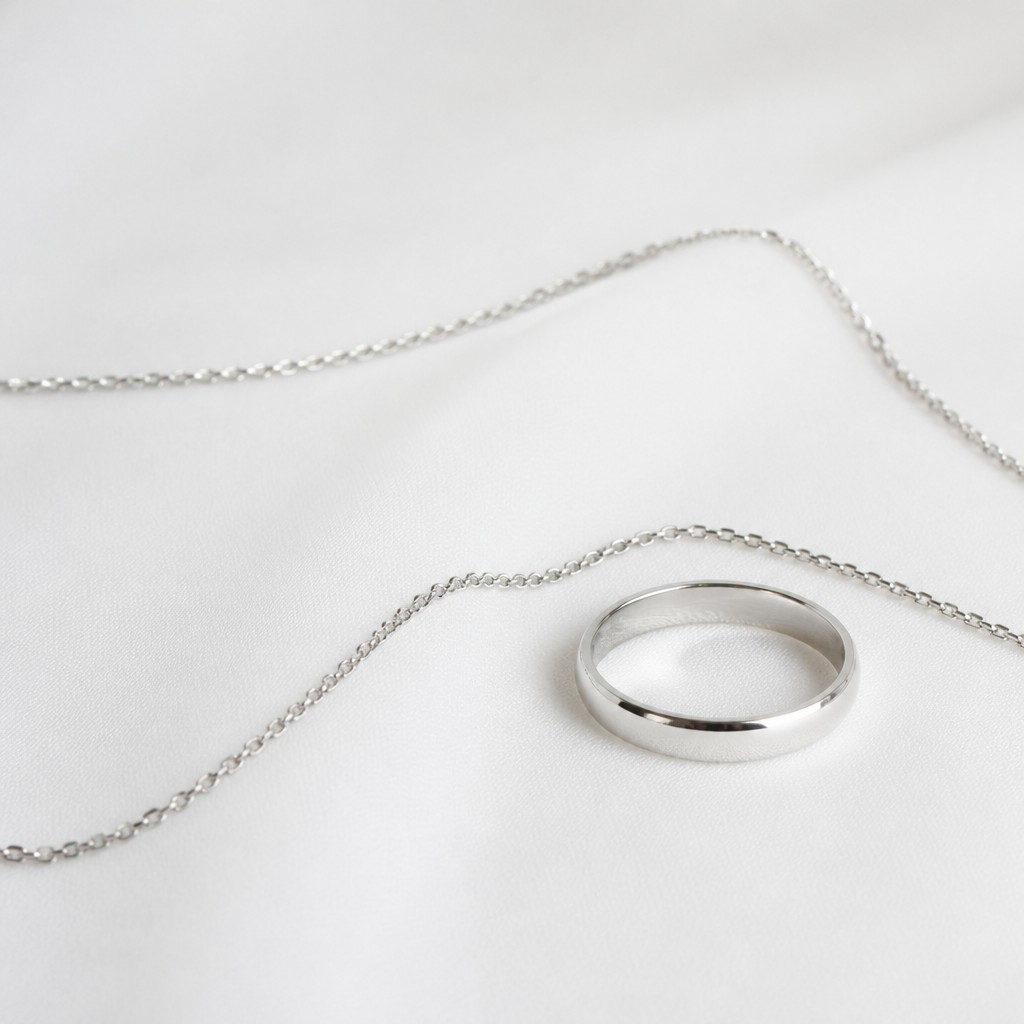
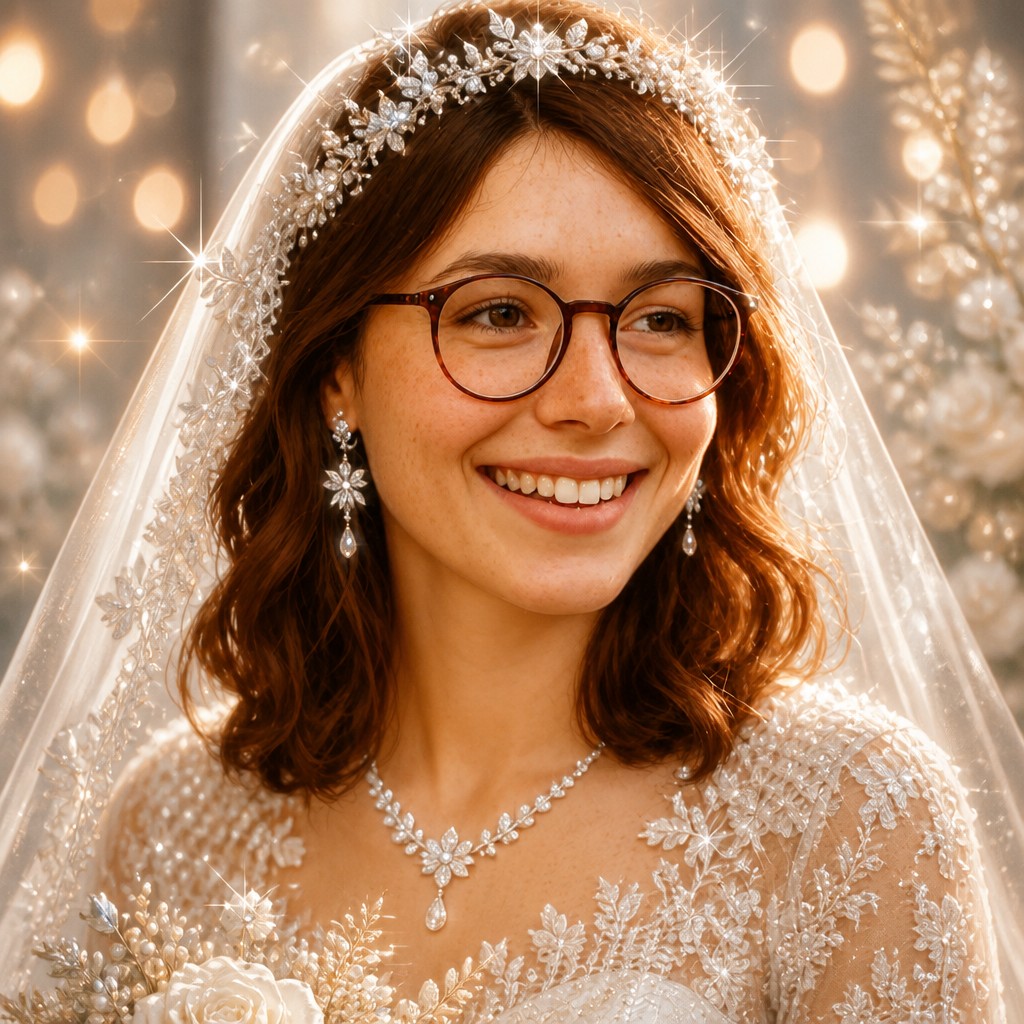
Upload any photo and convert it into Bridal Jewelry Design — drag the sliders to compare before and after.

What Defines Bridal Jewelry Design
The signature details, up close
Platinum and white-metal palette
The dominant materials are platinum, white gold, and occasionally silver-toned finishes, which keep the composition cool, pale, and ceremonial. These metals are used to support a clean bridal impression rather than a warm or heavily antiqued one.
Diamond brilliance and pavé surfaces
Brilliant-cut diamonds, pavé bands, halos, and closely set stones create a continuous shimmer across the design. The visual effect is one of concentrated sparkle rather than large isolated gems.
Pearls and soft luster
Seed pearls and cultured pearls introduce a quieter, satin-like glow that balances the harder flash of diamonds. Their rounded forms reinforce the style’s sense of delicacy and tradition.
Lace-inspired openwork
Filigree, pierced metal, and lace-like lattice structures make the jewelry feel airy and intricate. This openwork suggests bridal veils, lace trim, and fine textile craftsmanship translated into metal.
Floral and garland ornament
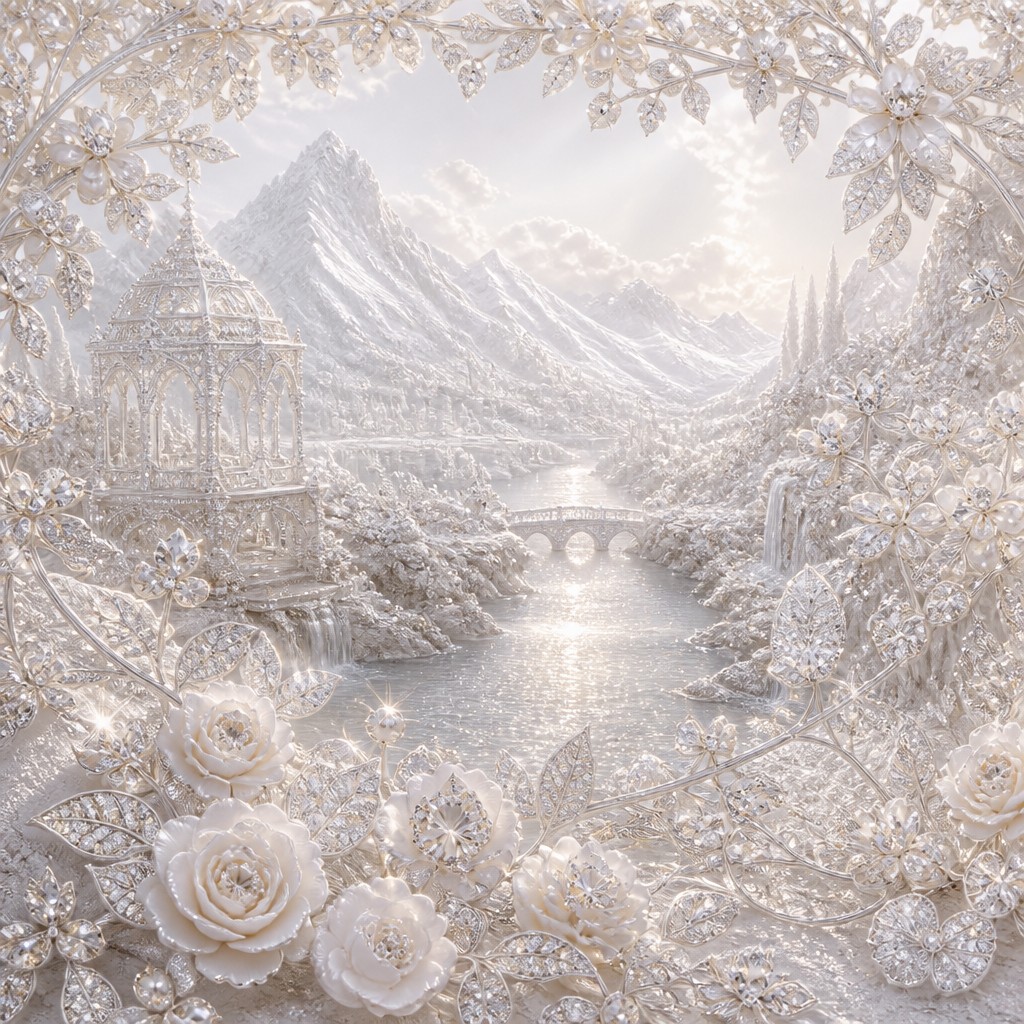
Blossoms, vine scrolls, wreaths, and garlands are recurring motifs because they connect directly to marriage, fertility, and seasonal celebration. These elements are usually stylized rather than naturalistic.
Veiled, luminous presentation
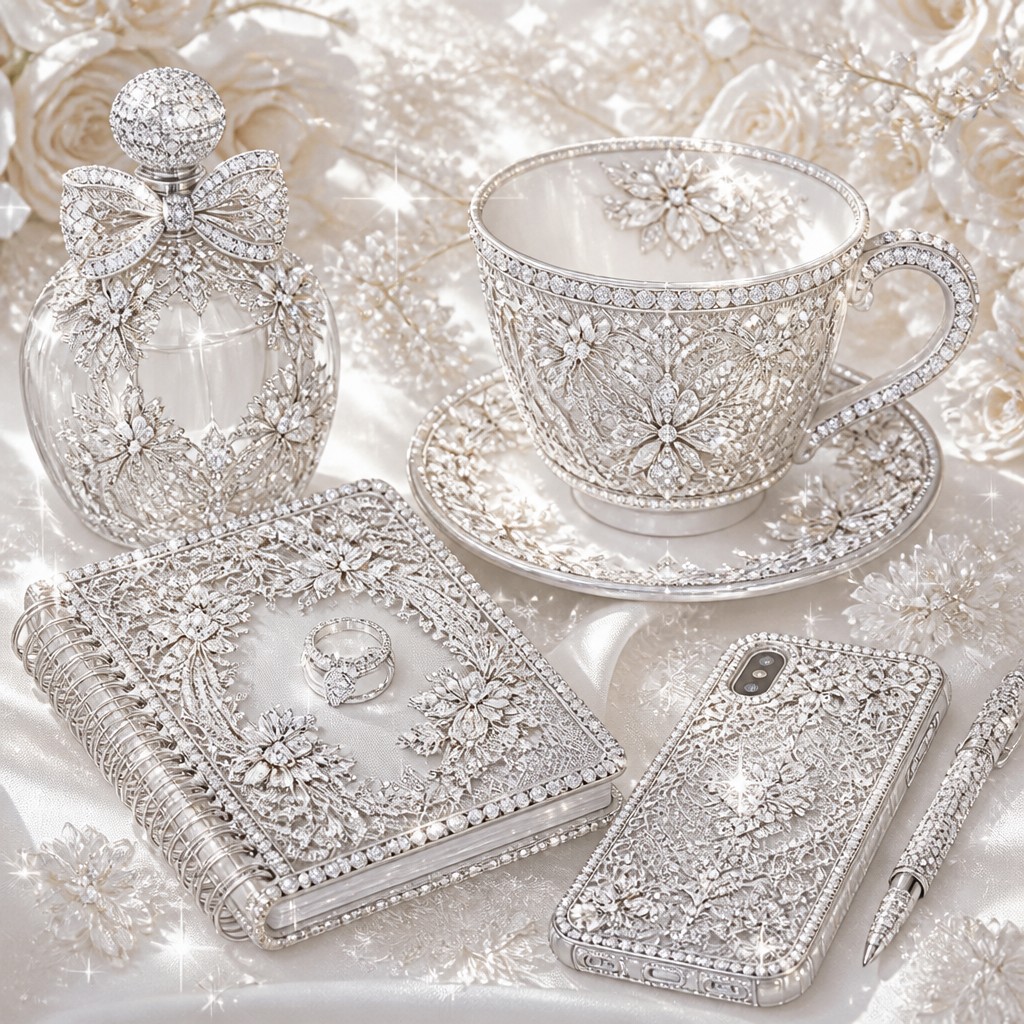
Lighting is soft, diffused, and pearly, with occasional star-like highlights to imitate gemstone sparkle. The overall effect avoids drama in favor of immaculate, glowing clarity.
Try It
Create Videos in Bridal Jewelry Design
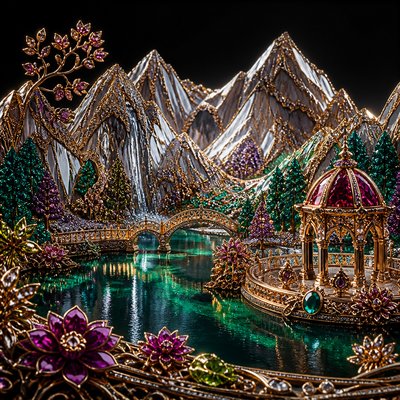
Styles aren't just for stills — describe a scene or animate an image and get a short video rendered in Bridal Jewelry Design. Press play to see this pond come to life.
Make a VideoBridal Jewelry Design Prompt Ideas
Start from an idea — each one opens the generator with the style ready to go. See all 40 Bridal Jewelry Design prompts →
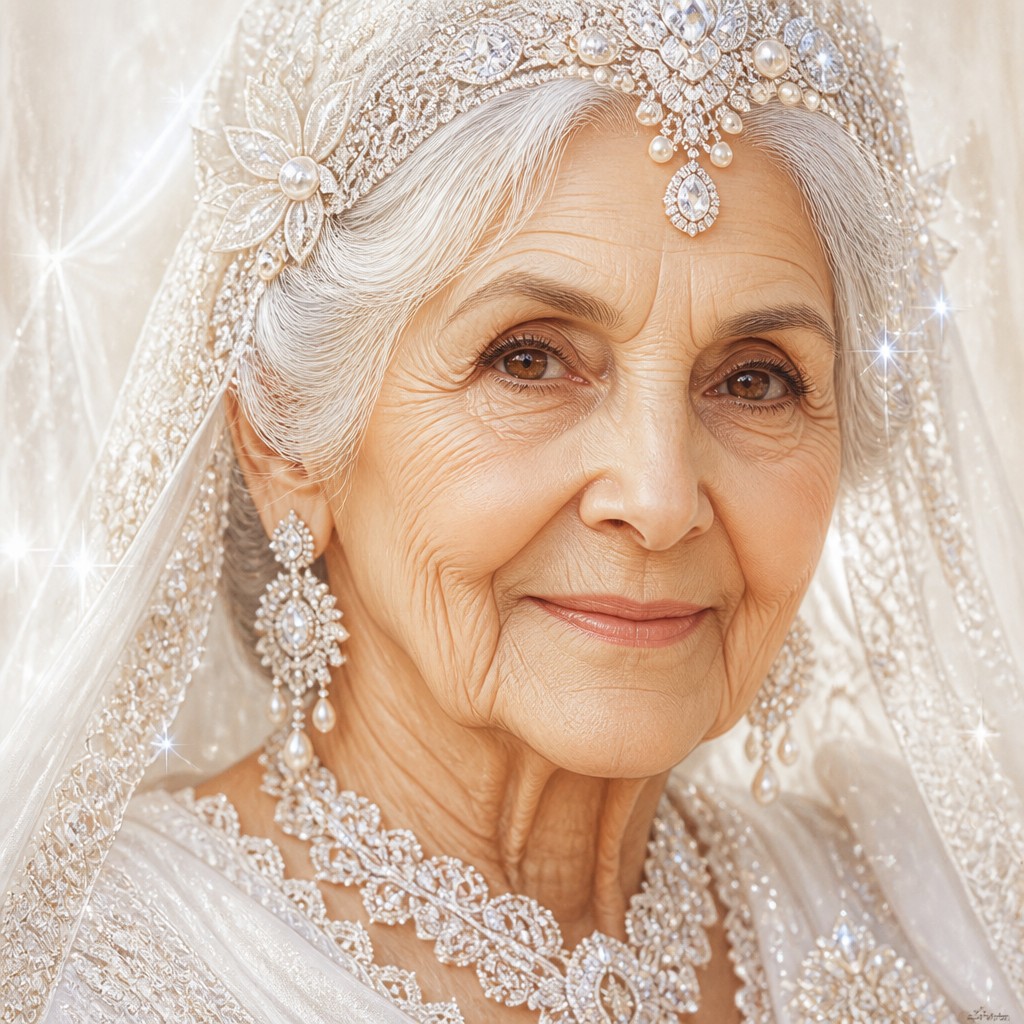
“close-up portrait of an elderly person with expressive weathered features”
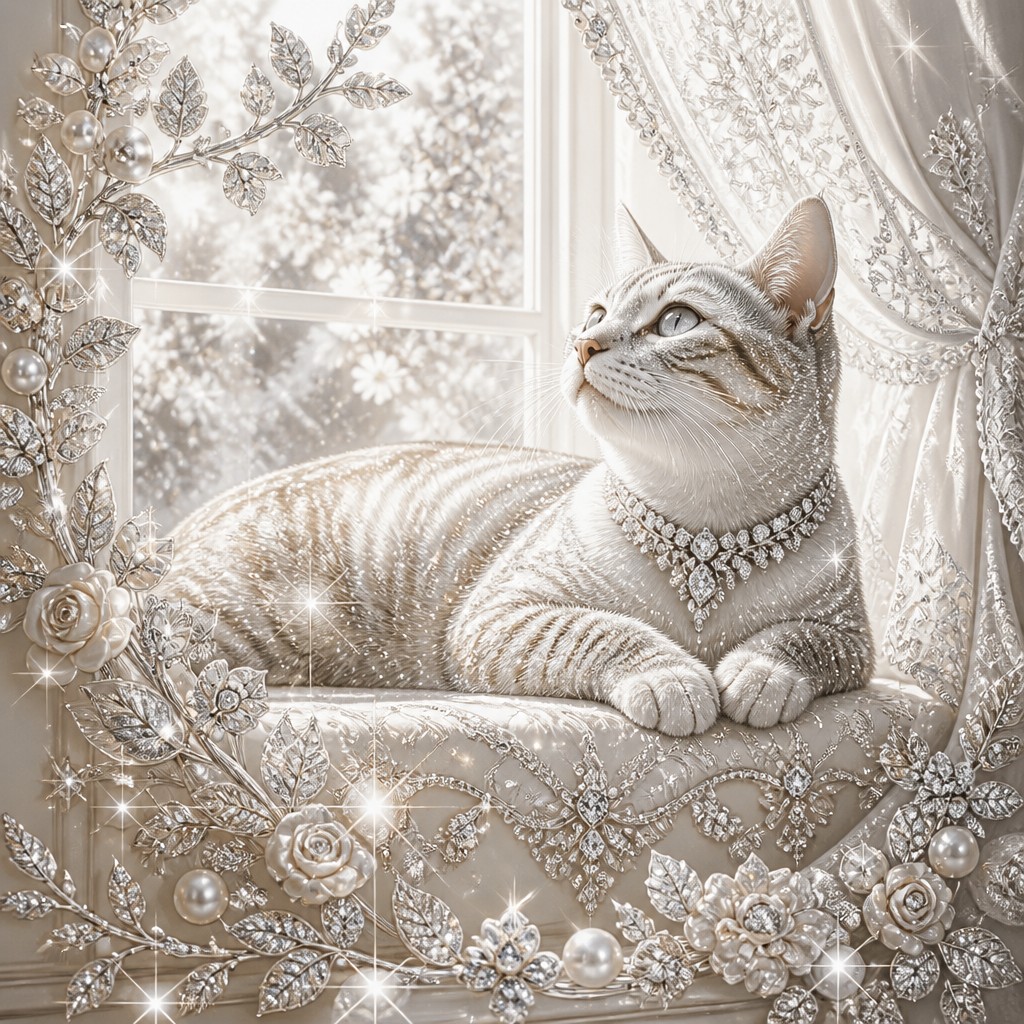
“a cat lounging in a sunlit window”
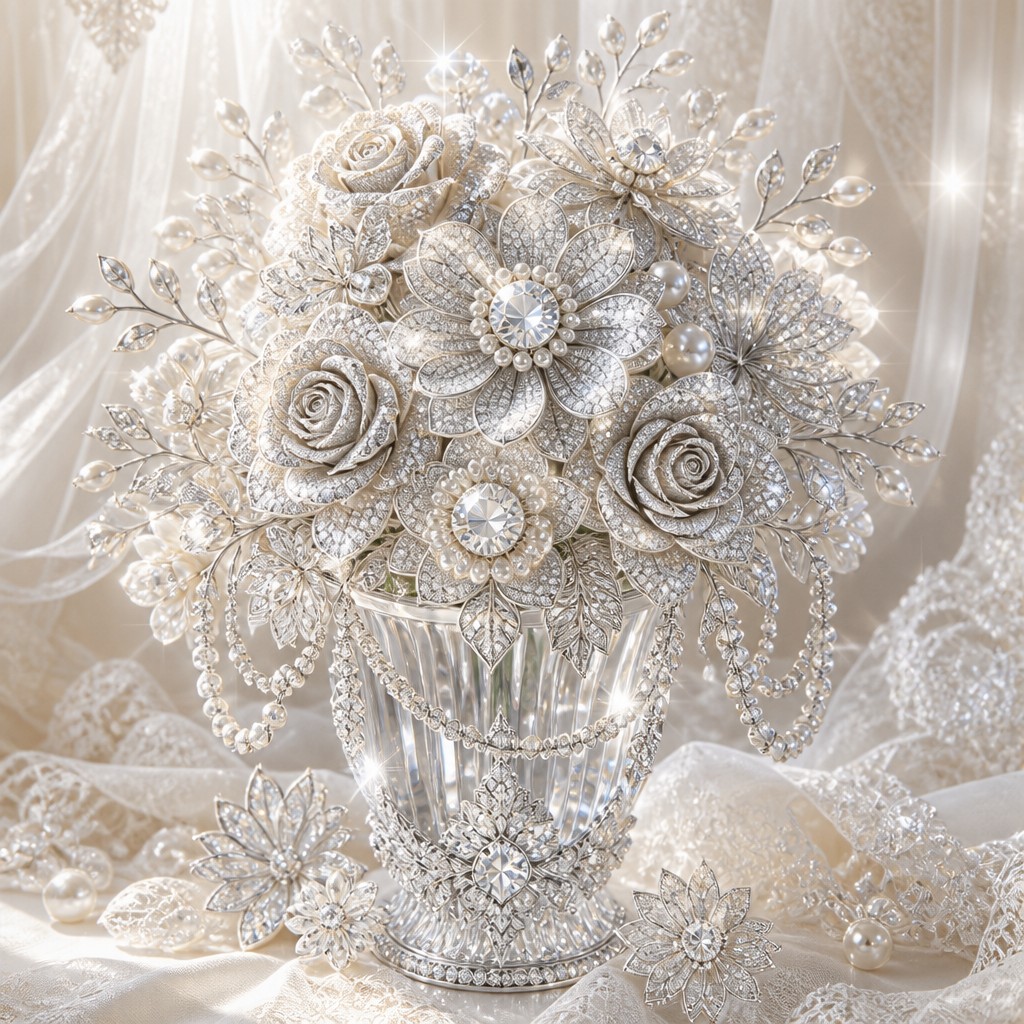
“bouquet of flowers in a glass vase”
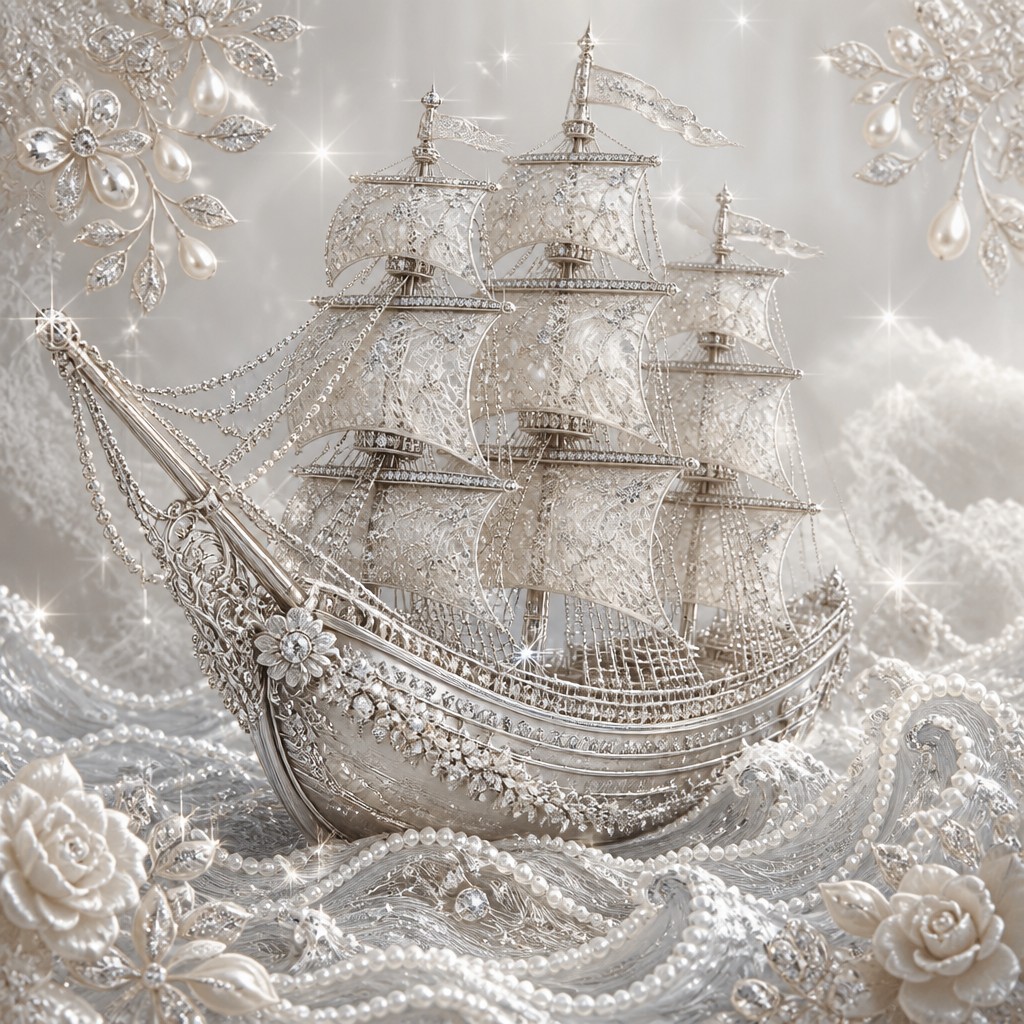
“sailing ship on a stormy sea”
How to Create Bridal Jewelry Design Art
Master the craft step by step — or skip straight to creating. Read the full guide →
- 1
Choose a bridal material palette
Build the design around platinum, white gold, diamonds, and pearls, then limit accents to champagne, ivory, or faint blush tones. In traditional rendering, keep tonal contrast delicate; in digital work, use clean specular highlights and controlled bloom rather than heavy glare.
- 2
Use lace and filigree structure
Shape metalwork with repeating open patterns, scallops, petals, and fine scrolls so the piece feels light and textile-like. For image generation, ask for lace-inspired openwork, pavé settings, halo details, and delicate symmetry to establish the style quickly.
- 3
Prioritize ceremonial composition
Present the jewelry as if it were worn or photographed for a wedding editorial: centered, balanced, and carefully lit. If you are creating a portrait or still life, keep backgrounds minimal and uncluttered so the ornament reads as the emotional focus.
- 4
Balance sparkle with softness
Bridal jewelry is bright, but it should not look harsh or metallic in a cold way. Use soft reflections, pearl sheen, and a restrained glow so the diamonds appear radiant while still feeling graceful and refined.
- 5
Add symbolic floral motifs
Incorporate roses, lilies, orange blossoms, vines, or garlands to strengthen the wedding association. When writing prompts, combine the subject with terms like 'pearls,' 'platinum,' 'floral halo,' 'openwork,' and 'veiled light' for more accurate results.

The Story
History & Origins of Bridal Jewelry Design
Bridal jewelry design is not a single historical movement but an aesthetic tradition shaped by European jewelry-making, nineteenth- and twentieth-century wedding customs, and the enduring popularity of diamonds and pearls in bridal wear. Its visual language draws especially from late Victorian and Edwardian jewelry, when platinum settings, filigree, garlands, bows, and airy openwork became associated with refined luxury and celebration.
Its modern form also reflects the influence of Art Nouveau floral motifs, Art Deco geometry, and contemporary high jewelry, which translated ceremonial ornament into cleaner lines, lighter structures, and more precise stone settings. In image-making, this style inherits from product photography and luxury editorial aesthetics, where controlled highlights, shallow contrast, and immaculate white backgrounds help jewelry appear luminous, precious, and formally presented.
Influences: This style draws most directly from late Victorian and Edwardian jewelry, when platinum settings, diamonds, pearls, garlands, and openwork became associated with formal elegance and bridal prestige. It also overlaps with Art Nouveau’s floral ornament, Art Deco’s precision and symmetry, and modern luxury product photography, which shape the clean presentation and luminous finish. Canonical jewelry and decorative influences include the broader design languages associated with René Lalique and Louis Comfort Tiffany, though bridal jewelry design as a contemporary visual style is best understood as a synthesis rather than a single historical school.
Frequently Asked Questions
What defines bridal jewelry design?
Bridal jewelry design is defined by white-toned precious metals, diamonds, pearls, and soft romantic ornament. The look is bright, delicate, and ceremonial, with an emphasis on purity, elegance, and wedding symbolism.
Is this the same as vintage jewelry style?
Not exactly. Vintage jewelry can include many eras, colors, and materials, while bridal jewelry design is narrower and more symbolic, focusing on wedding-day purity and radiance. It often borrows from vintage forms like Edwardian filigree or Art Deco symmetry, but it is not limited to one period.
What kinds of motifs appear in this style?
Common motifs include flowers, vines, garlands, bows, halos, lace patterns, and scalloped edges. These motifs are usually translated into fine metalwork and stone settings rather than painted or heavily embossed decoration.
How do I make an image look like this style?
Use a pale palette, soft lighting, and highly refined details such as pavé diamonds, seed pearls, and filigree. For digital or AI-assisted work, specify bridal jewelry, platinum, white gold, veiled light, and floral openwork to guide the image toward the correct aesthetic.
Where is bridal jewelry design commonly used?
It is common in engagement rings, wedding bands, tiaras, earrings, necklaces, brooches, and ceremonial accessories. The style is also used in editorial fashion imagery, luxury branding, and romantic still-life compositions.
How does it differ from minimalist jewelry design?
Minimalist jewelry design reduces ornament and uses very few visual elements, while bridal jewelry design remains decorative and symbolic. Even when restrained, bridal pieces usually keep sparkle, floral references, and a softly ornate finish.
Create your first Bridal Jewelry Design artwork
Describe anything — or upload a photo — and see it in Bridal Jewelry Design in seconds.
Related Styles
Discover similar art styles