Celtic Jewelry Design
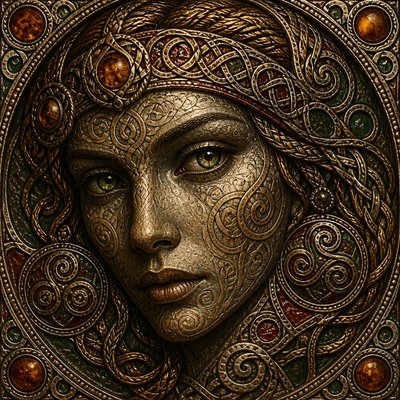
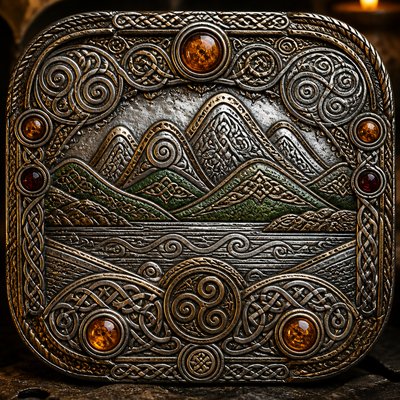
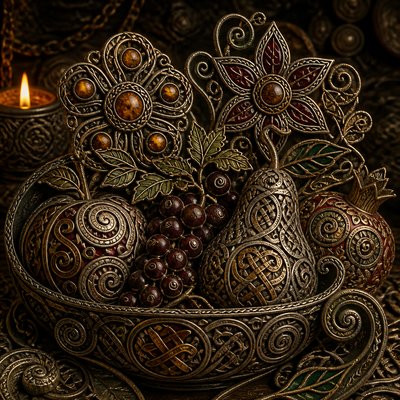
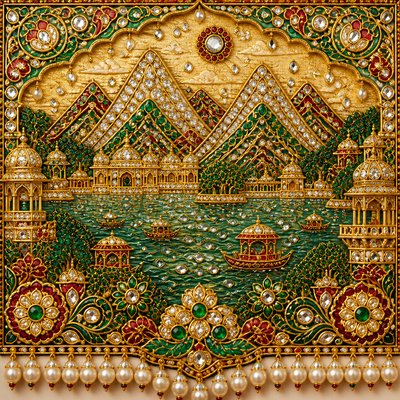
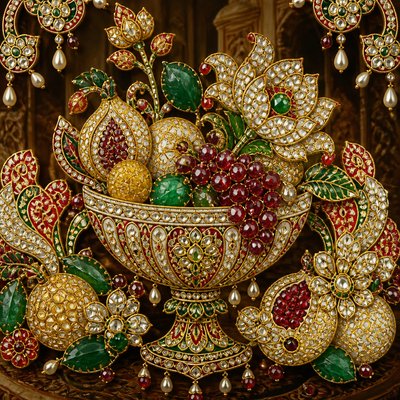
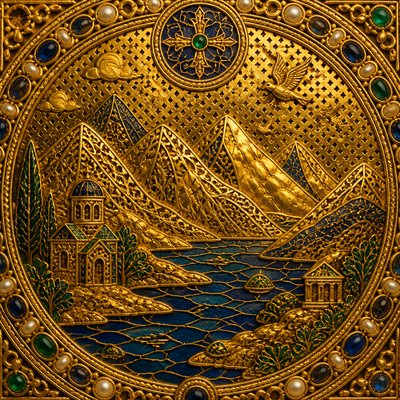
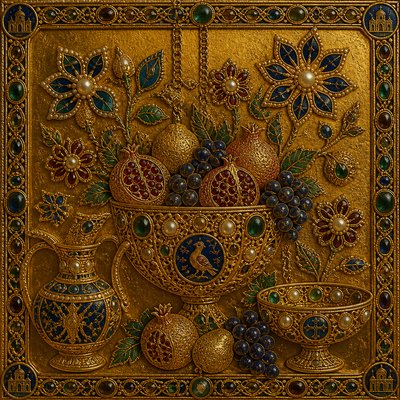
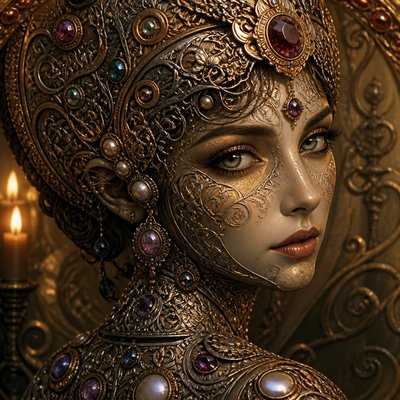
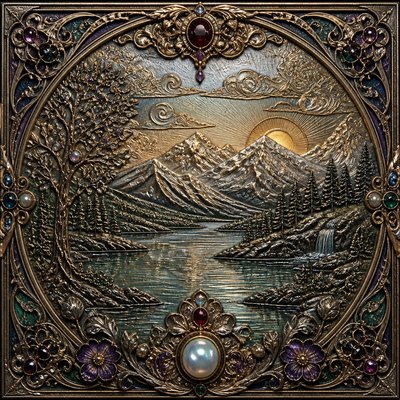
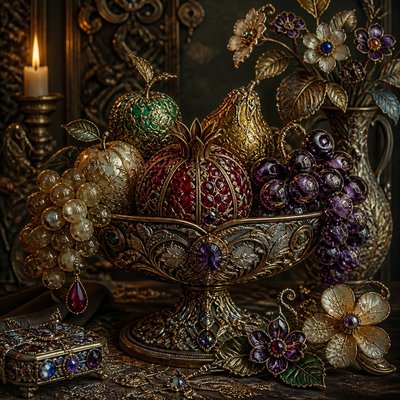
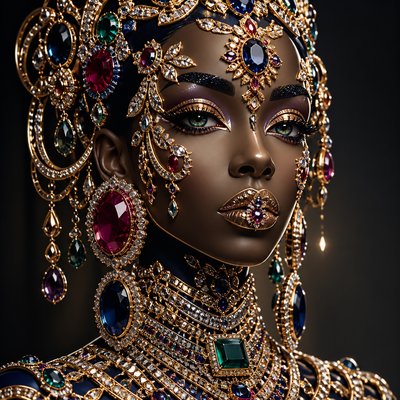
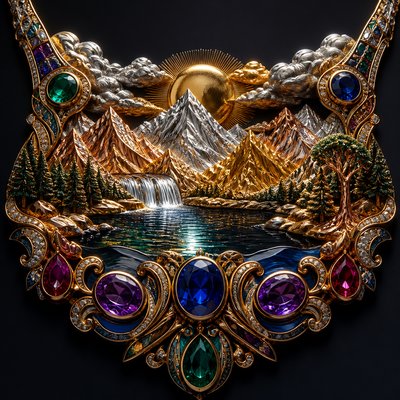
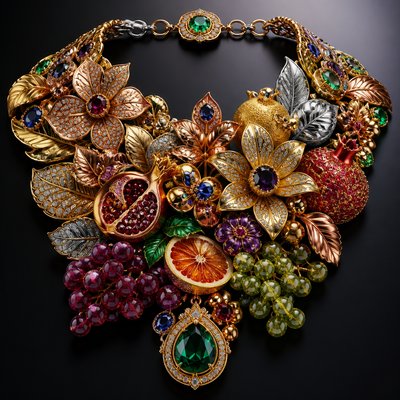
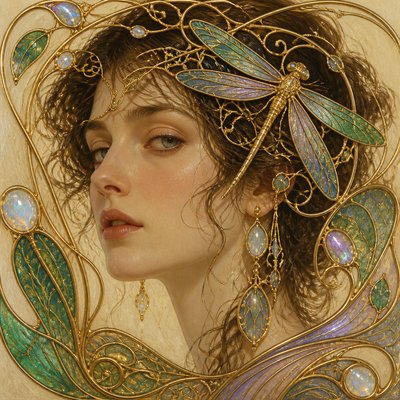
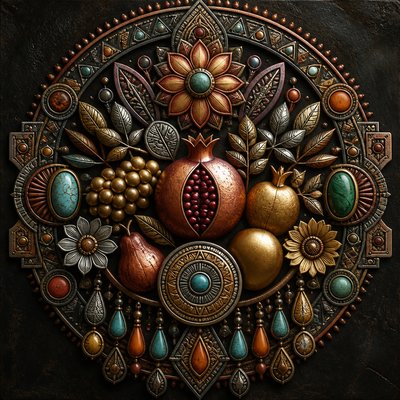
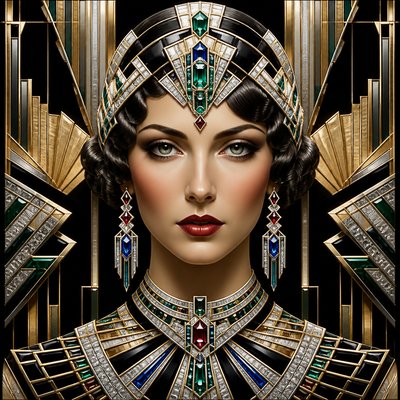
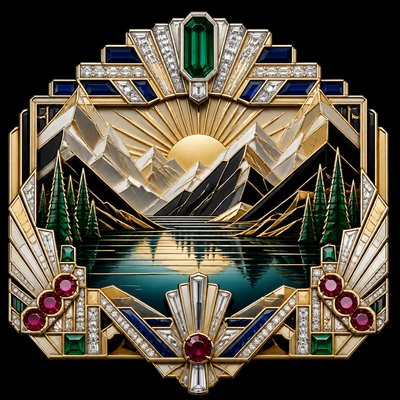
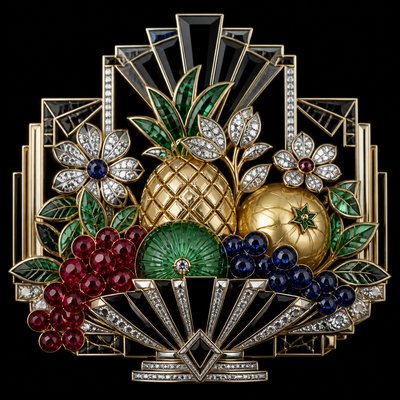
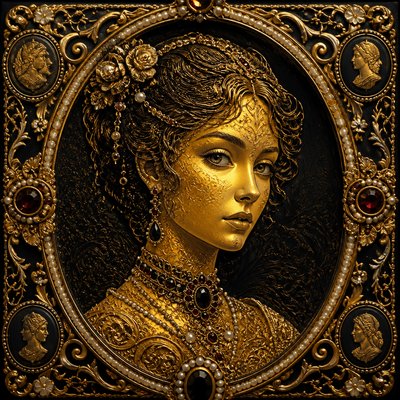
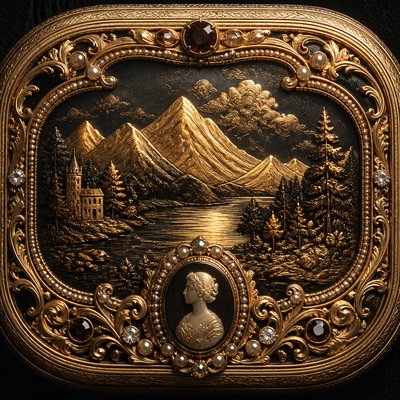
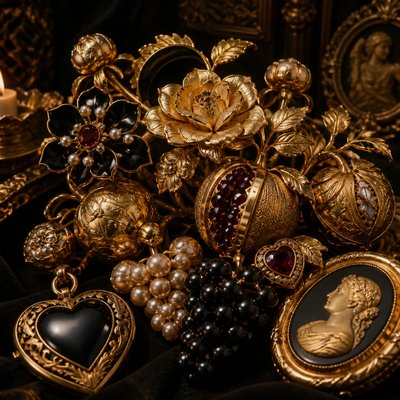
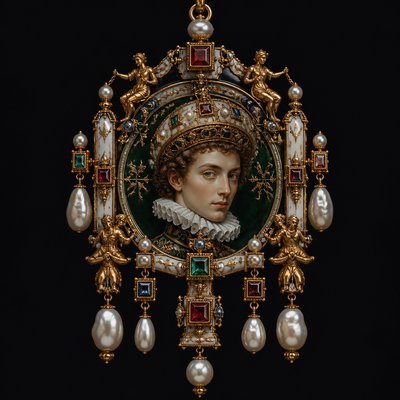
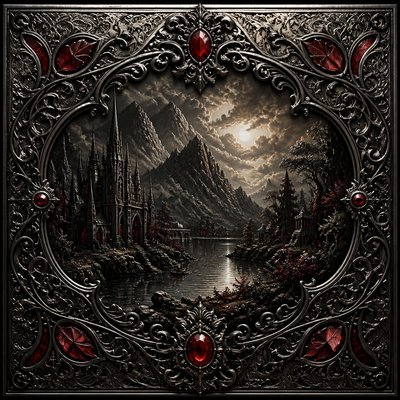
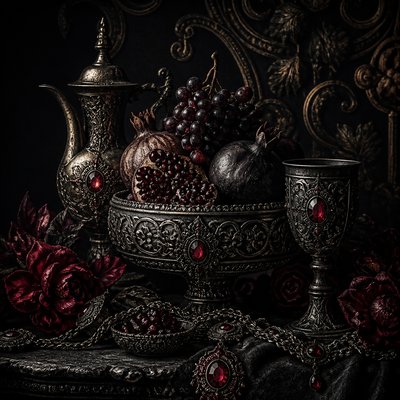
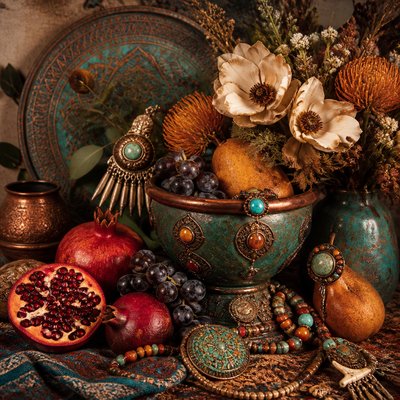
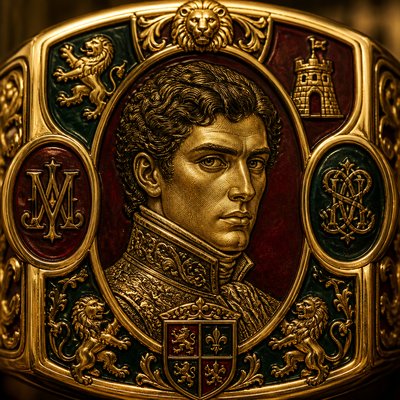
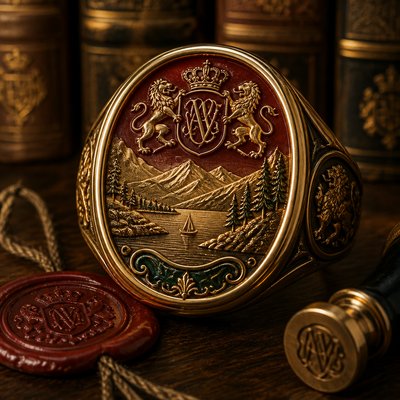
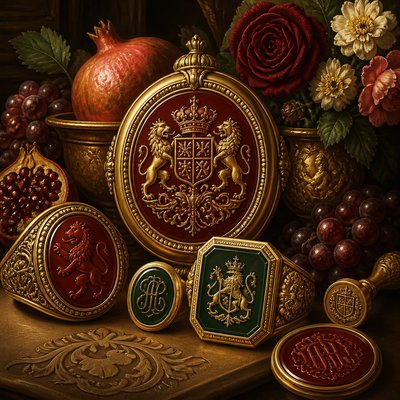
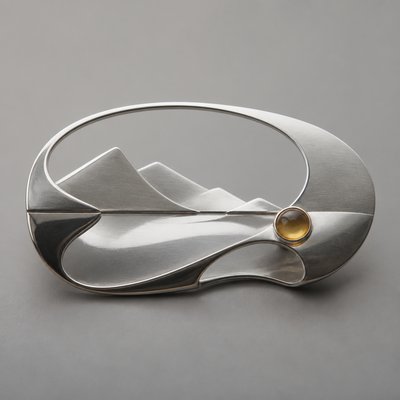
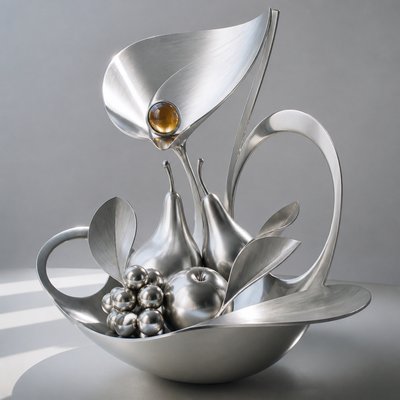
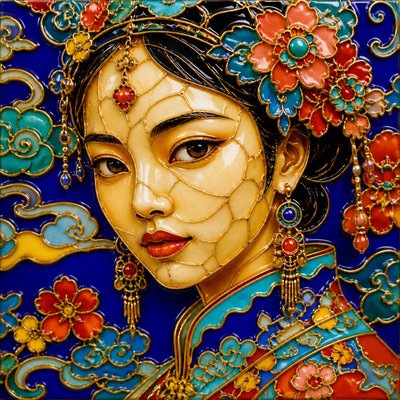
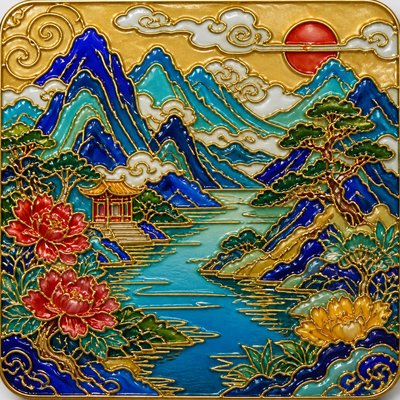
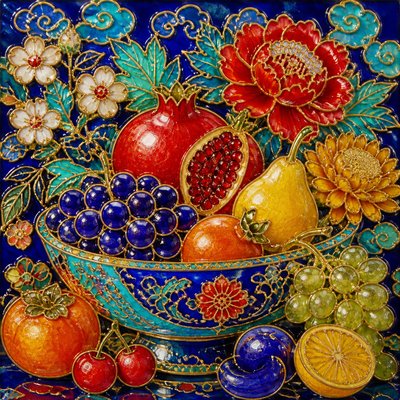
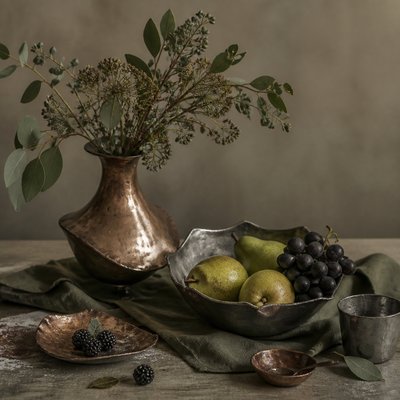
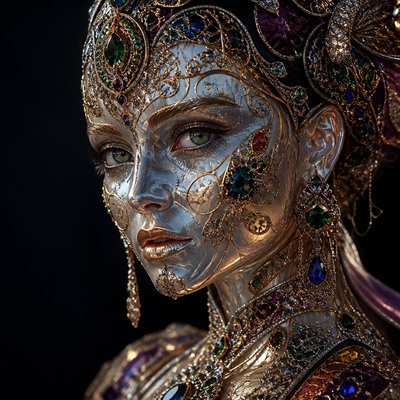
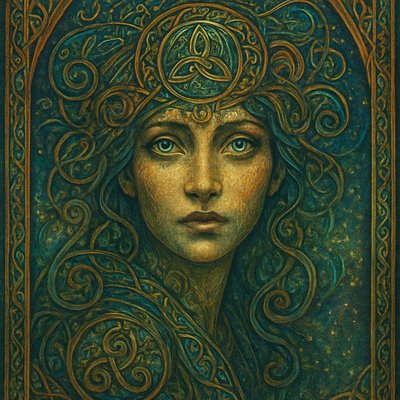
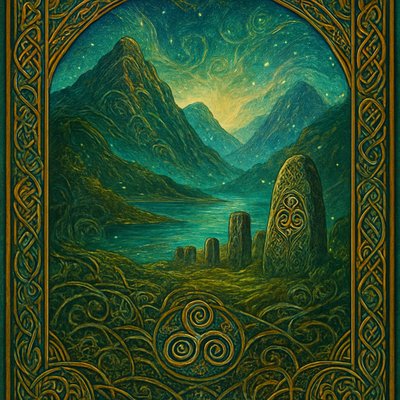
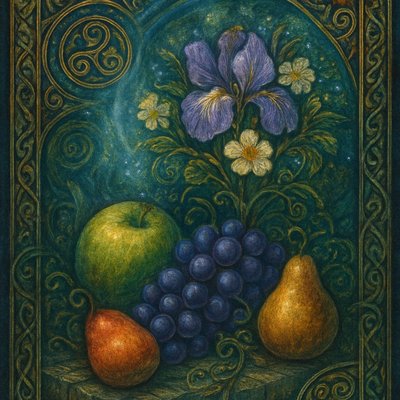
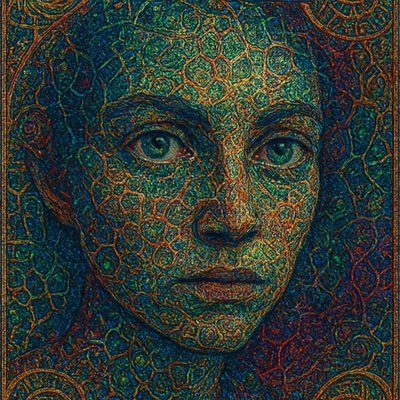
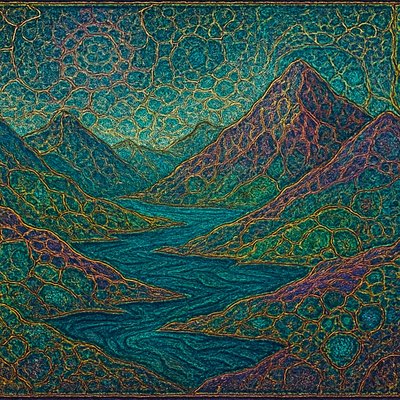
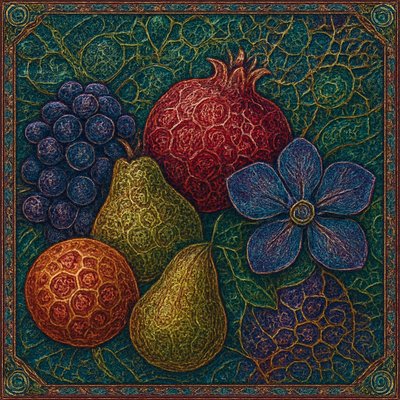
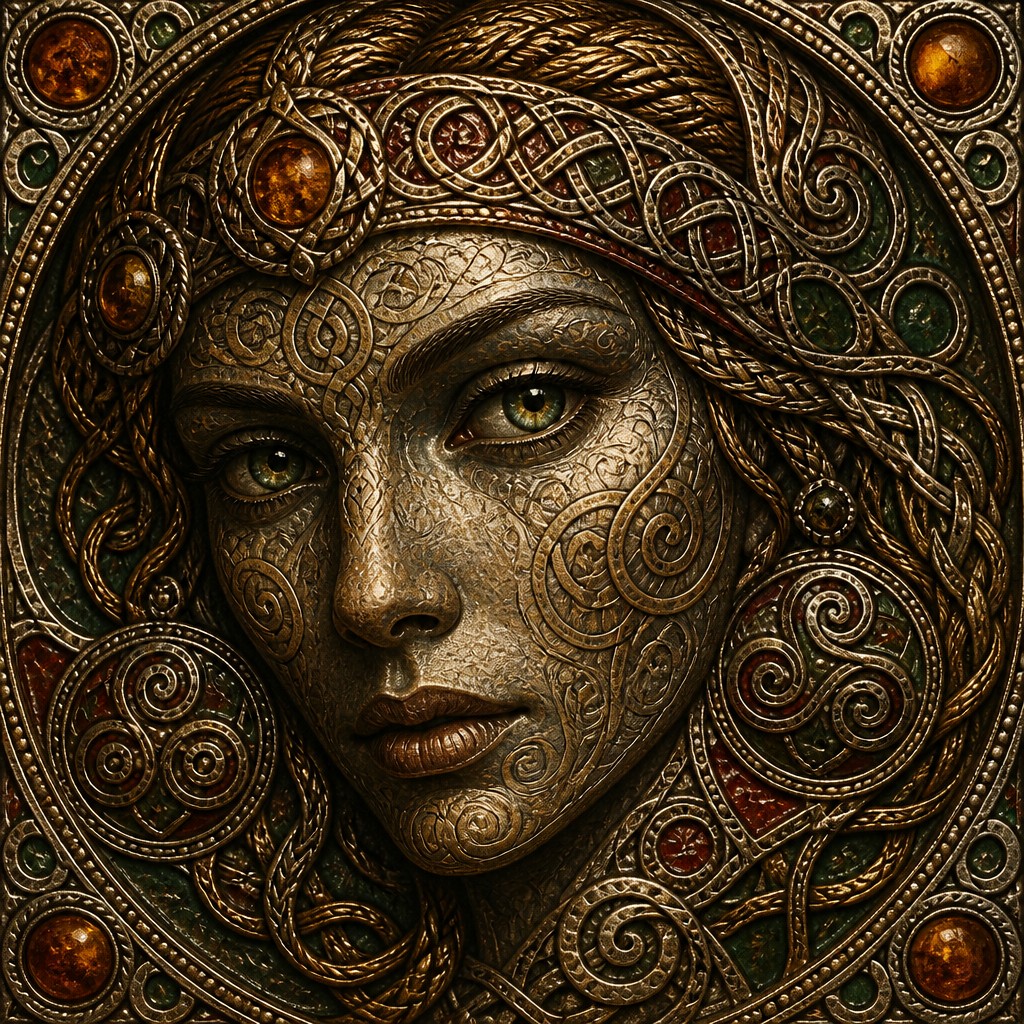
Celtic jewelry design features interlaced knotwork, spirals, bronze, silver, enamel, and cabochons in a mythic ancient-metalwork look.
Instantly rendered in Celtic Jewelry Design — or transform a photo
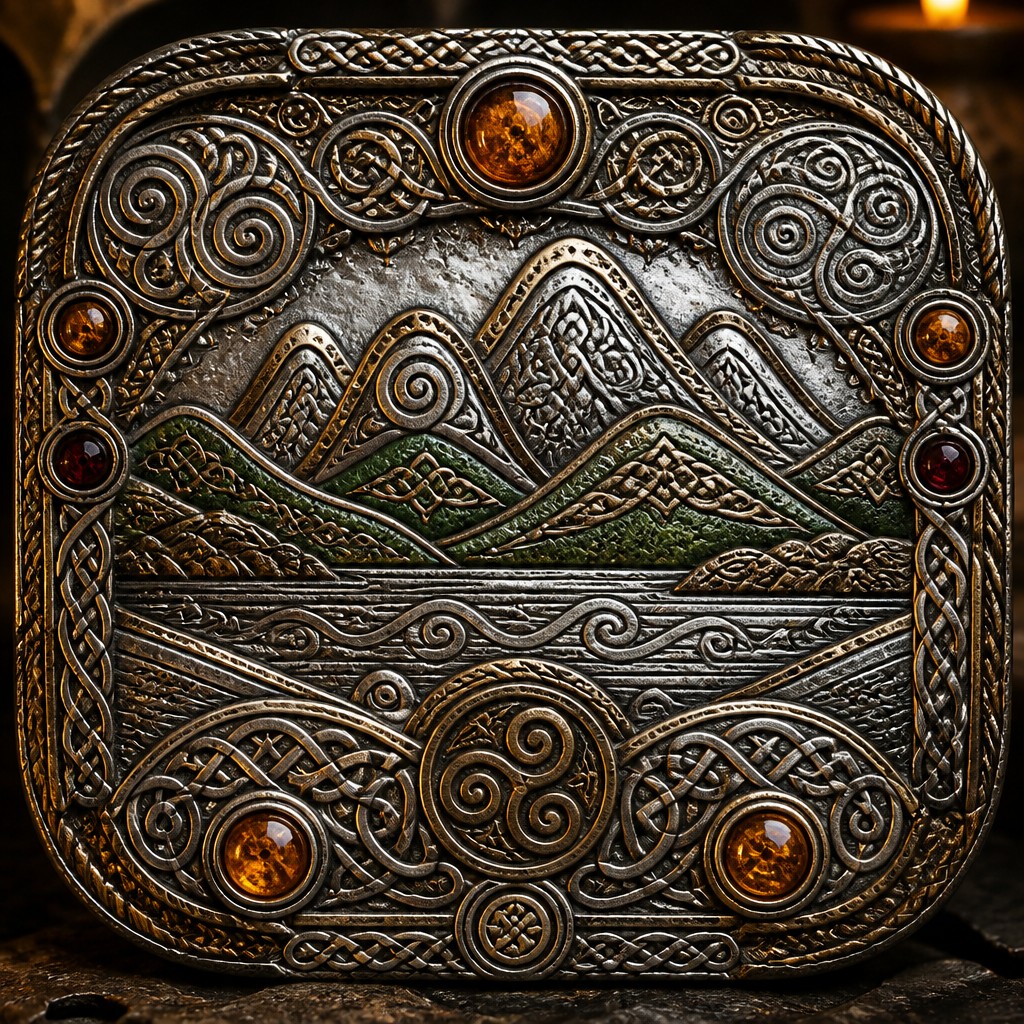
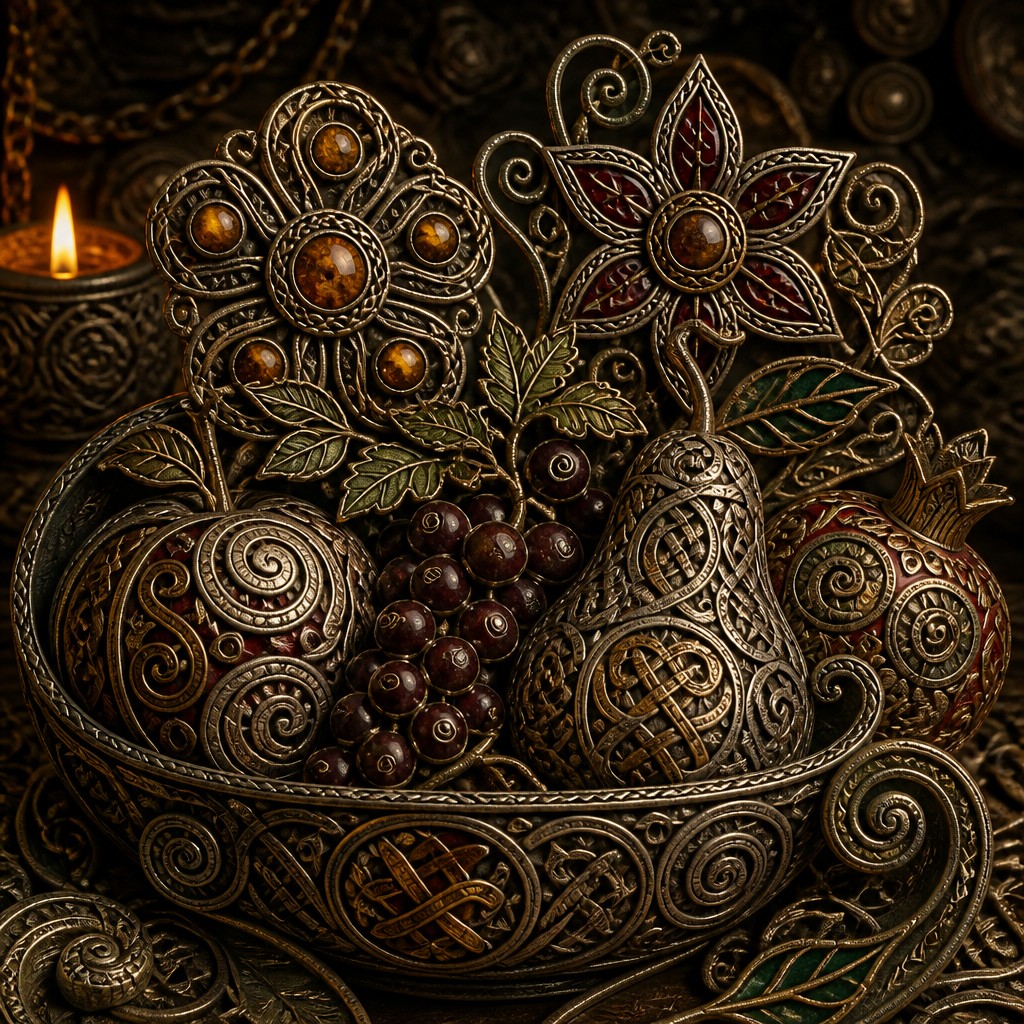
Celtic Jewelry Design Gallery
Tap any artwork to explore it
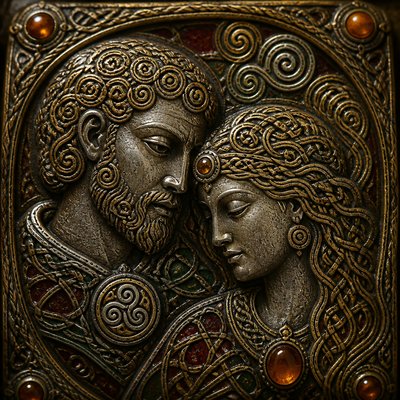
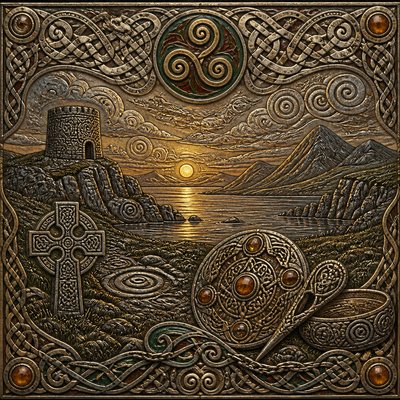
What is Celtic Jewelry Design?
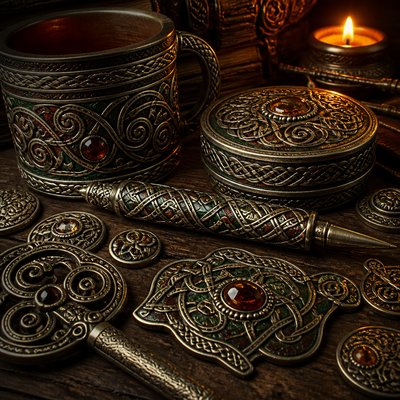
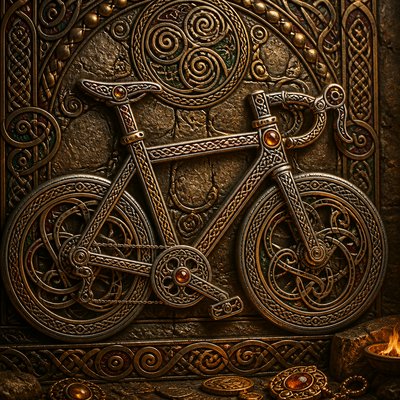
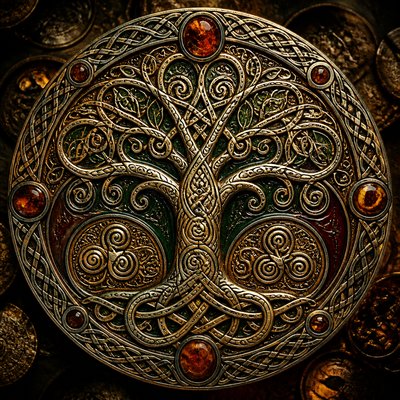
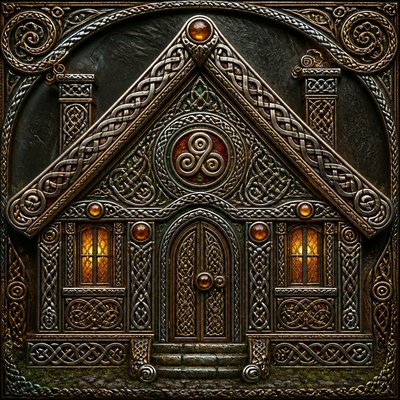
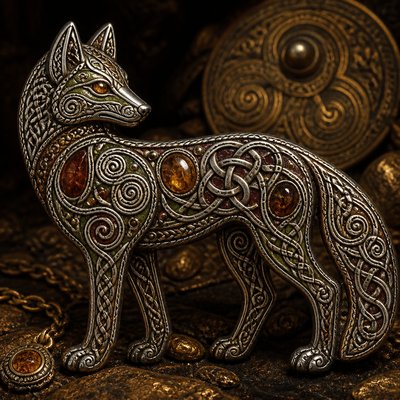
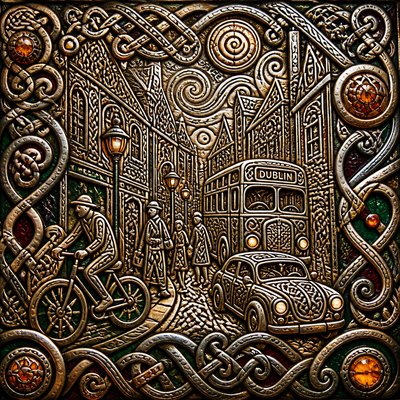
Celtic jewelry design is an ornamental style built from interlaced knotwork, spiral triskeles, braided borders, and balanced geometric patterning translated into metal. In modern usage, it usually refers to jewelry inspired by Insular art from early medieval Ireland and Britain, where metalworkers combined intricate linework with bronze, silver, gold, enamel, glass, and stone to create objects that feel both precise and ceremonial.
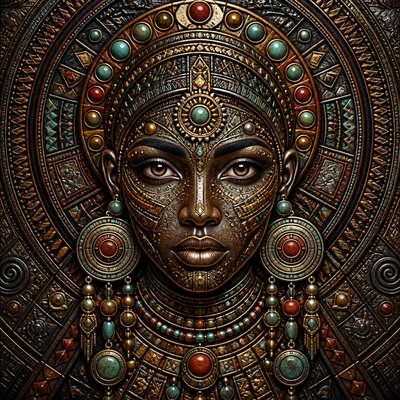
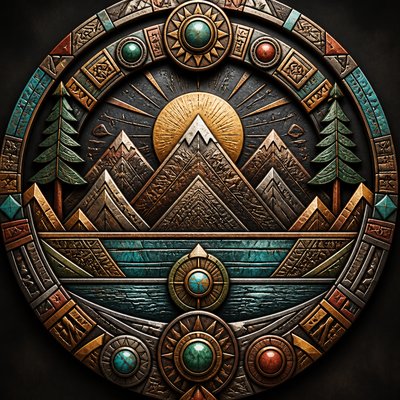
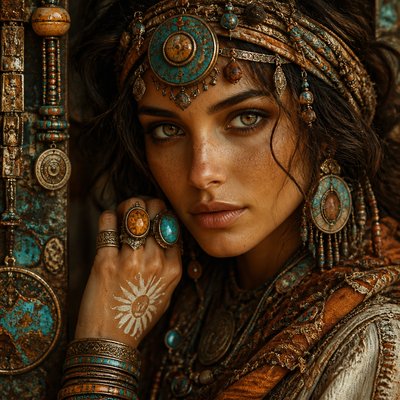
Its visual identity is defined by continuous looping forms, often with no visible beginning or end, and by a weathered, heirloom quality. Polished metal, hammered surfaces, and inset cabochons suggest age, treasure, and myth, while moss-green and red enamel accents echo the color relationships found in historic brooches, mounts, and reliquaries. The style looks the way it does because it comes from a metalworking tradition that valued technical control, symbolic pattern, and durable materials suited to portable prestige objects.
Try It On Your Photos
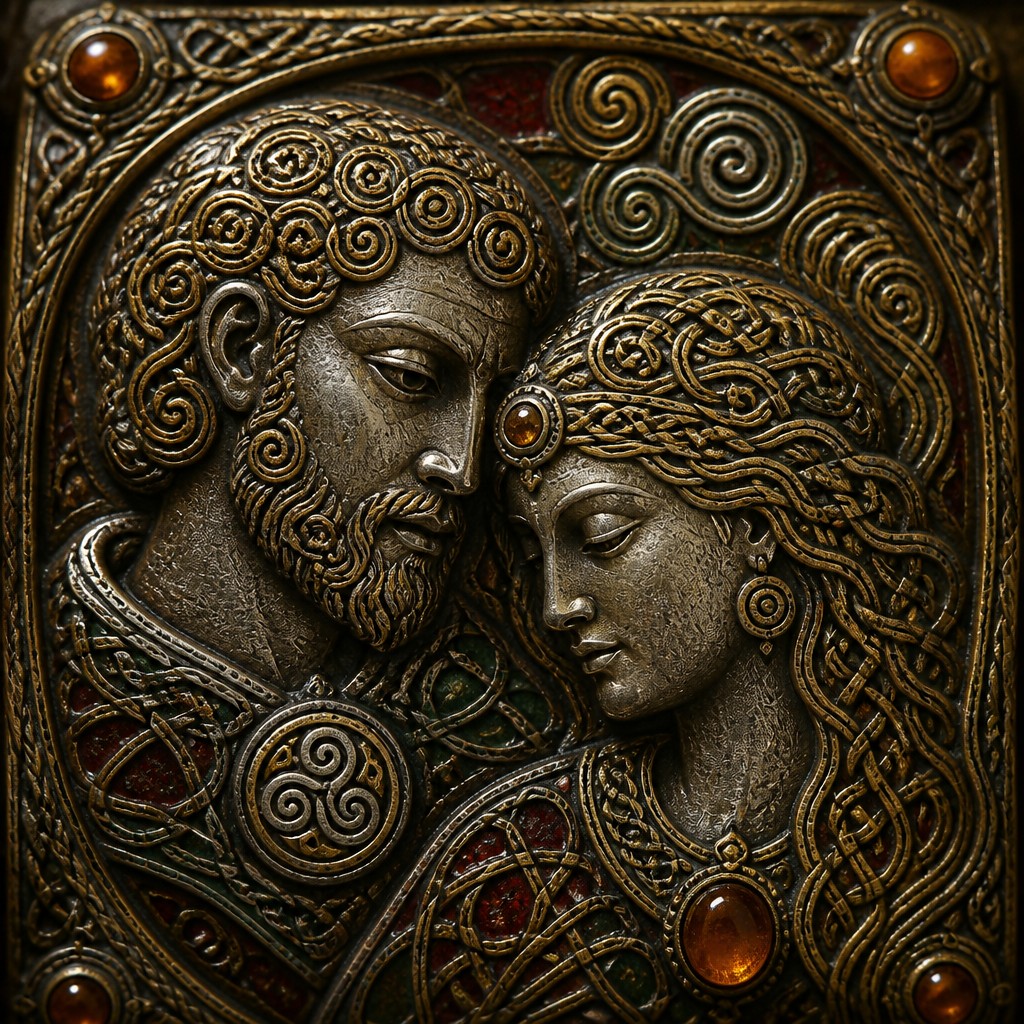
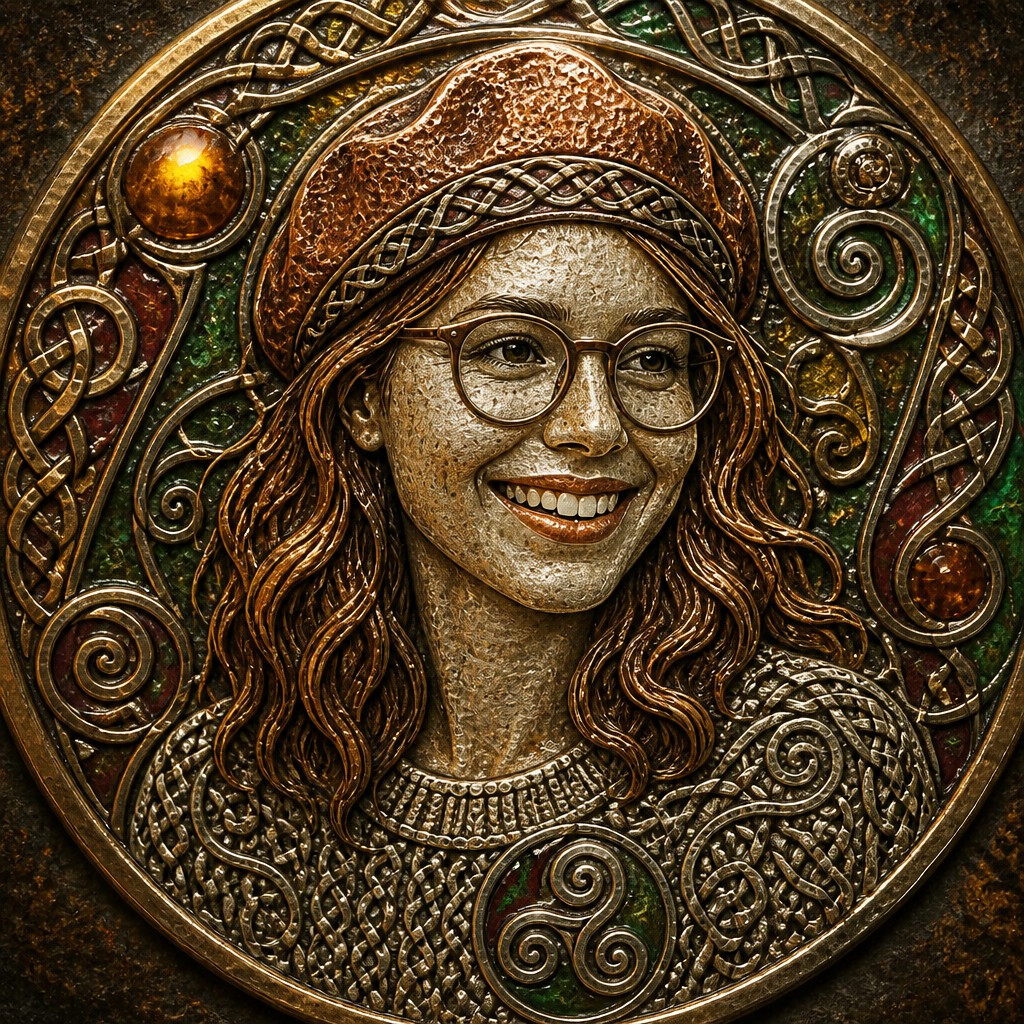
Upload any photo and convert it into Celtic Jewelry Design — drag the sliders to compare before and after.

What Defines Celtic Jewelry Design
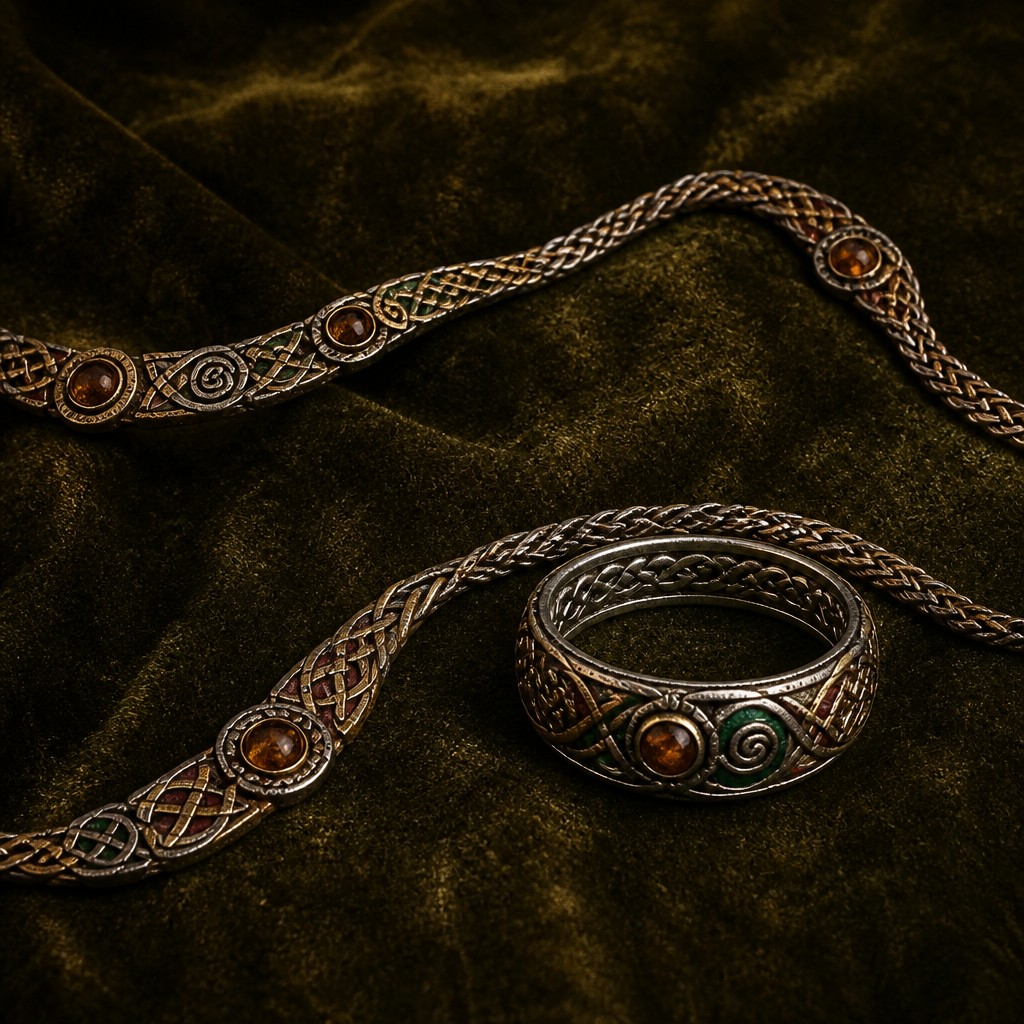
The signature details, up close
Interlaced knotwork
Endless braided lines weave over and under themselves in continuous loops. The pattern reads as structurally disciplined ornament rather than freehand decoration.
Spirals and triskele forms
Single, double, and triple spirals appear as central emblems or filling motifs. These forms create a sense of motion and cyclical balance.
Metallic palette
Silver, bronze, and gold-toned surfaces are the core materials, often with darkened recesses. The contrast between bright polish and oxidized shadow heightens the carved linework.
Enamel accents
Champlevé or cloisonné-style color fields in moss green, deep blue, or oxblood add saturated detail. Enamel is typically used sparingly to emphasize key compartments or borders.
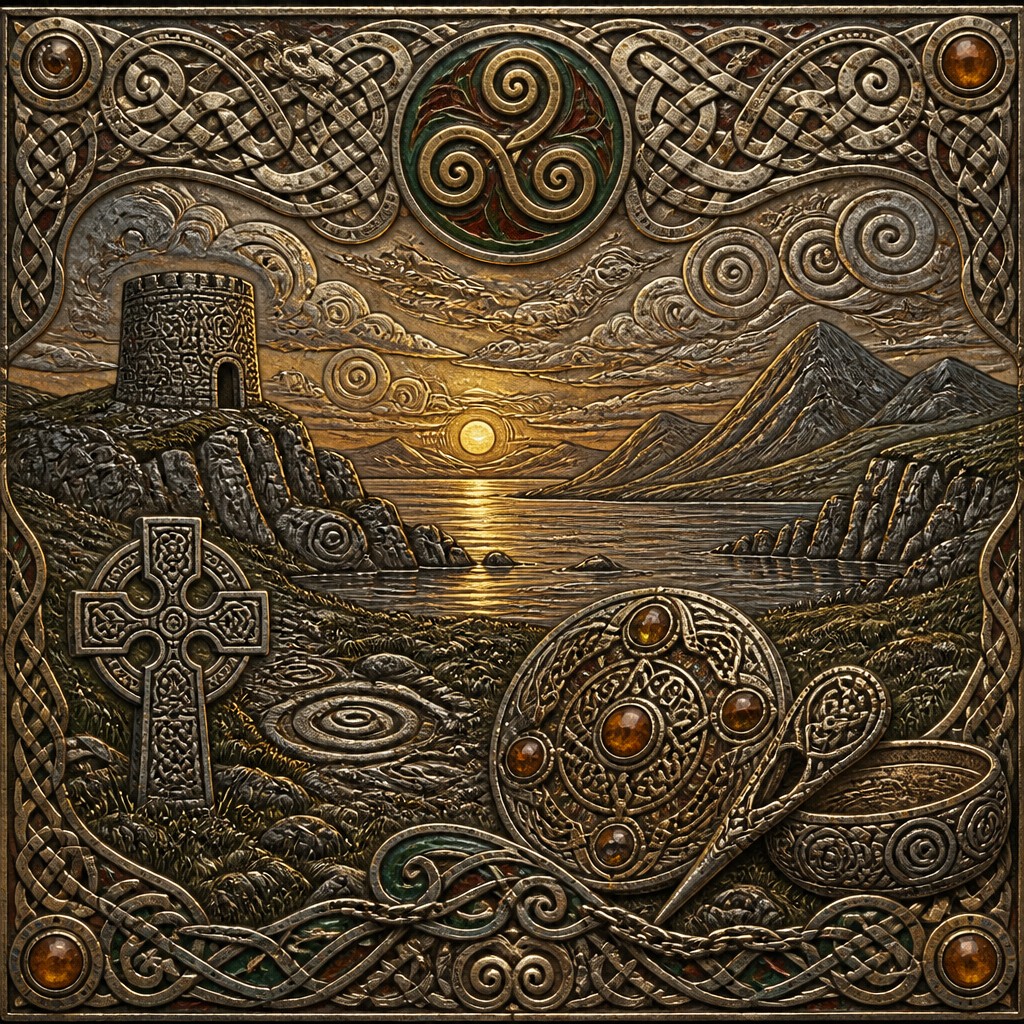
Gemstone cabochons
Rounded stones such as amber, garnet, or glass cabochons provide warm focal points. Their smooth domes reinforce the ancient, treasure-like character of the piece.
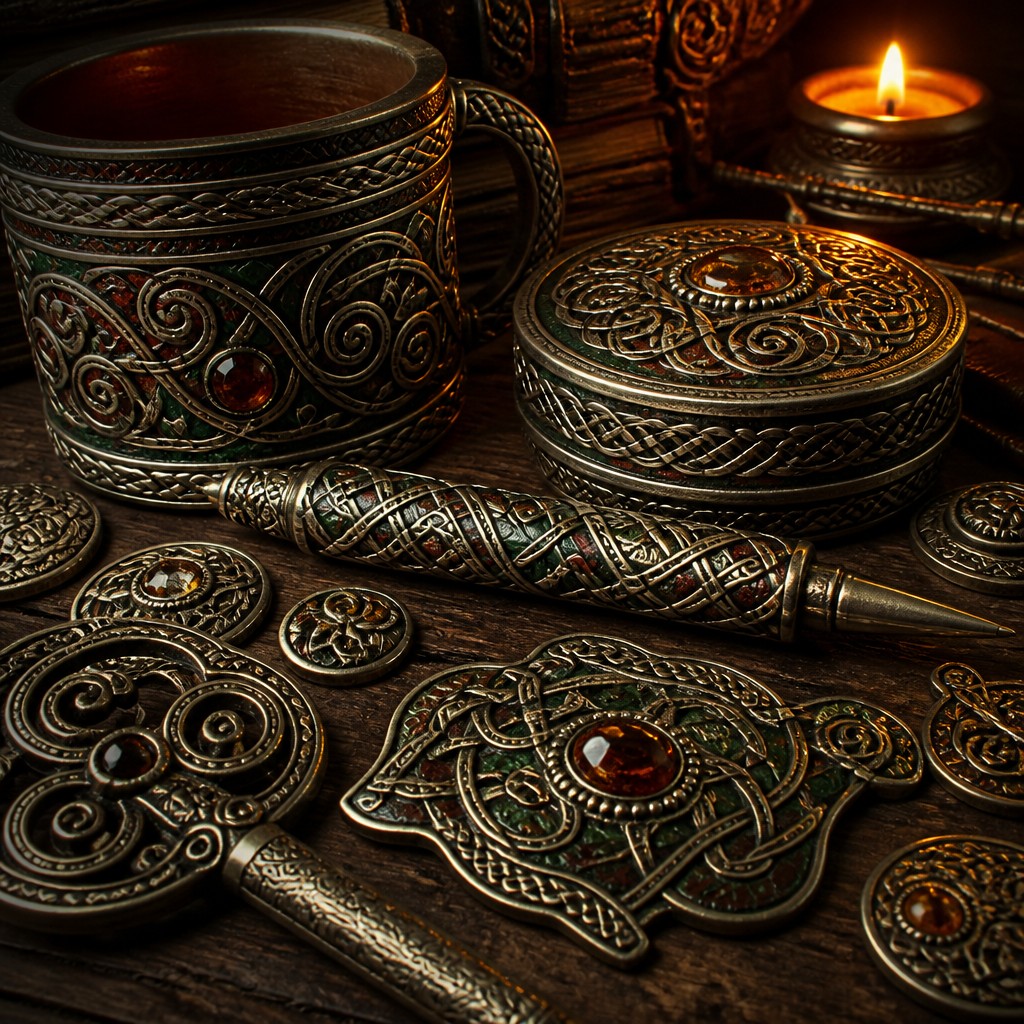
Hammered, aged surfaces
The metal often shows tool marks, chased edges, and subtle patina. These surfaces suggest handcraft, use, and age rather than machine-perfect finish.
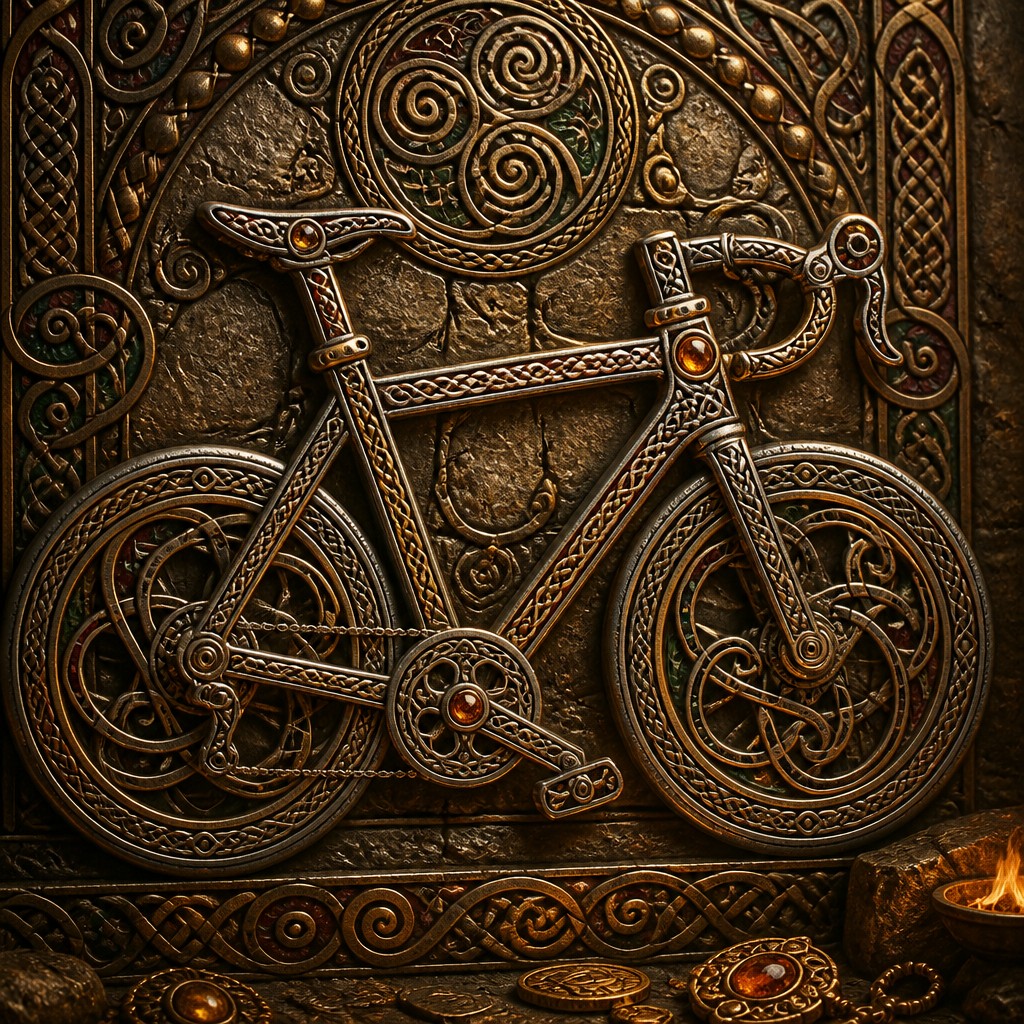
Symmetrical ceremonial structure
Many pieces are organized around medallions, brooch forms, pendants, or ring faces with strong bilateral or radial symmetry. The result feels emblematic and ritual rather than purely decorative.
Try It
Create Videos in Celtic Jewelry Design
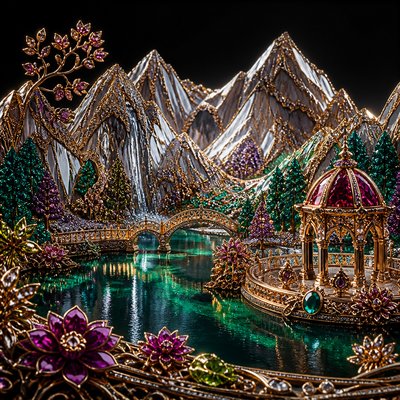
Styles aren't just for stills — describe a scene or animate an image and get a short video rendered in Celtic Jewelry Design. Press play to see this pond come to life.
Make a VideoCeltic Jewelry Design Prompt Ideas
Start from an idea — each one opens the generator with the style ready to go. See all 40 Celtic Jewelry Design prompts →
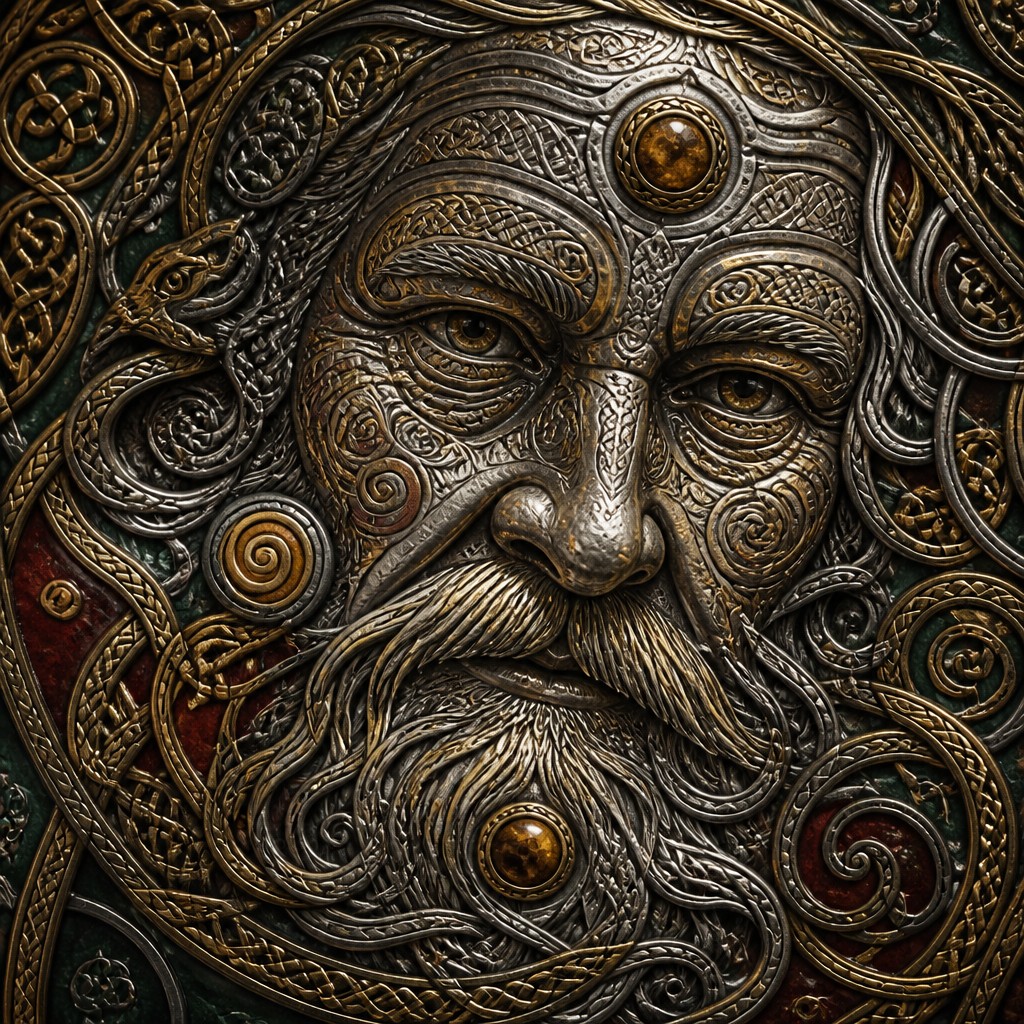
“close-up portrait of an elderly person with expressive weathered features”
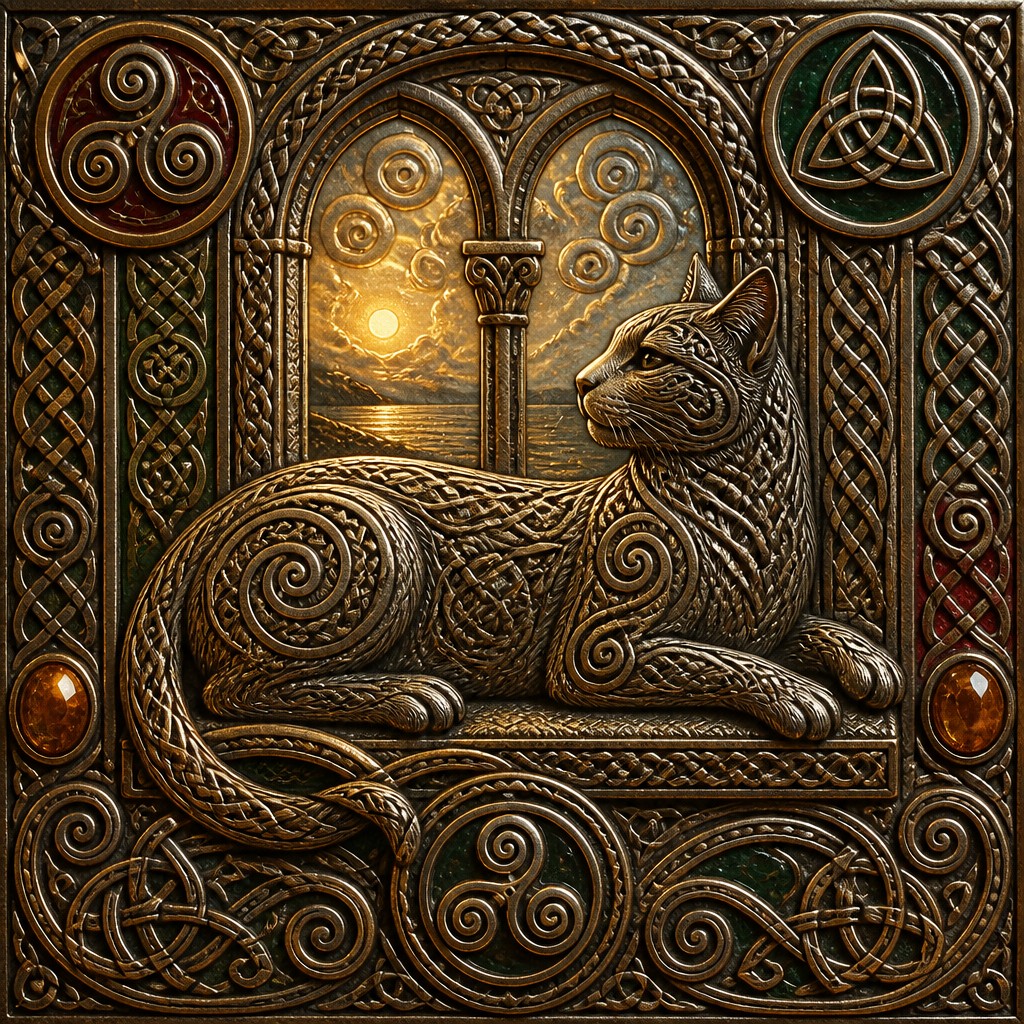
“a cat lounging in a sunlit window”
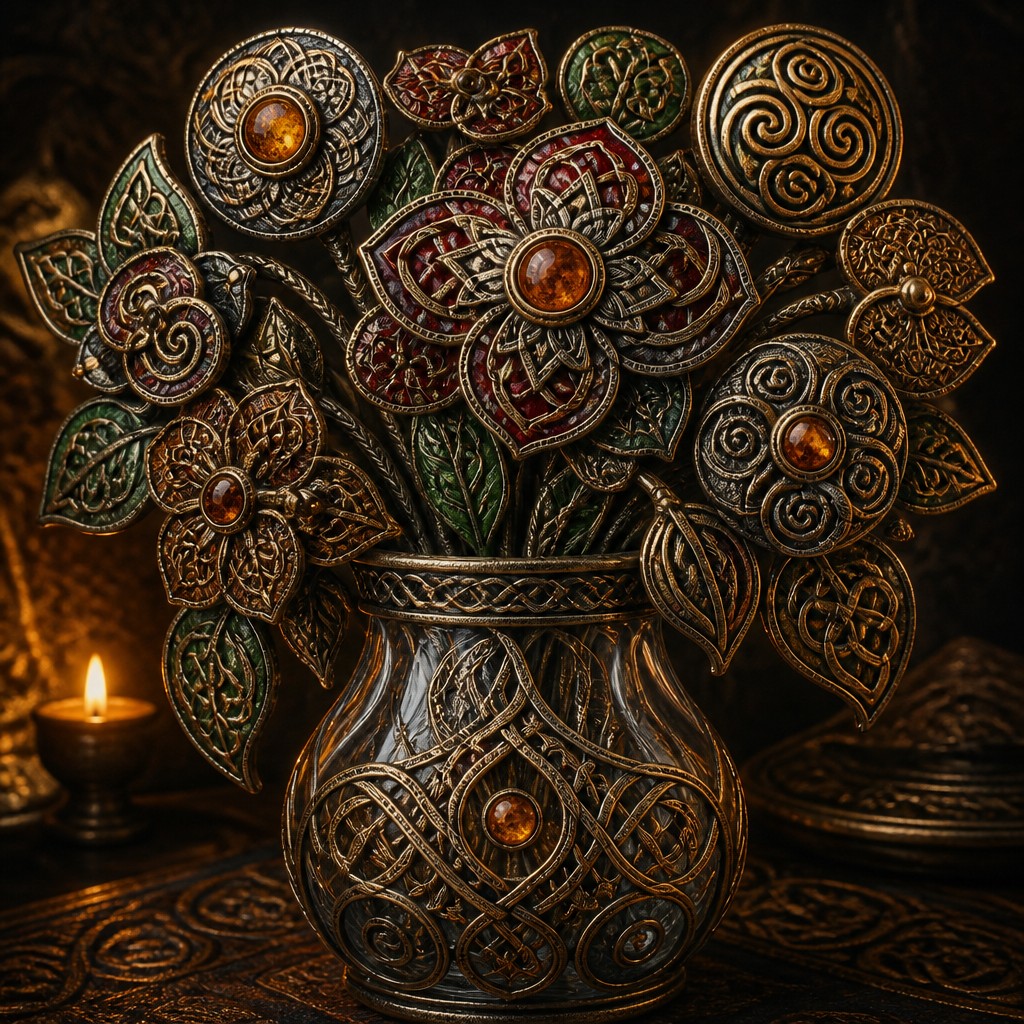
“bouquet of flowers in a glass vase”
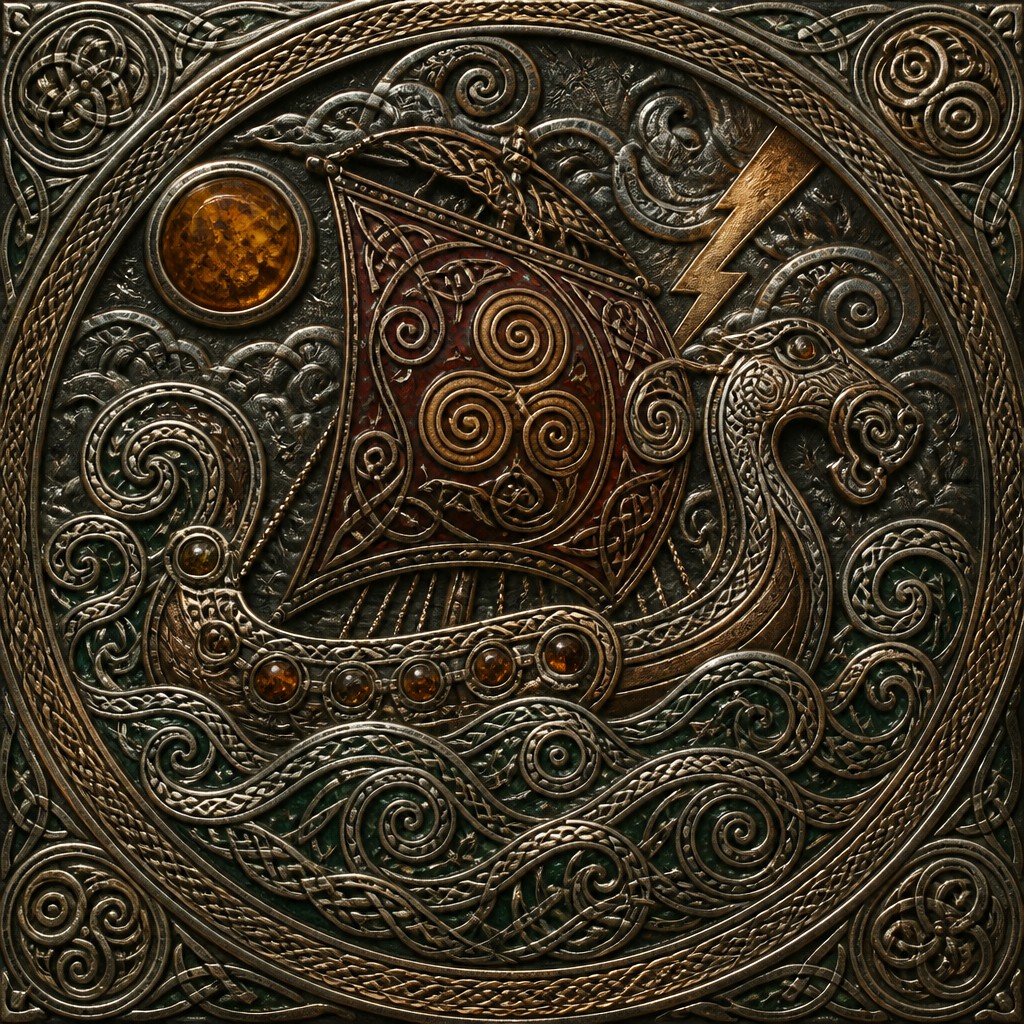
“sailing ship on a stormy sea”
How to Create Celtic Jewelry Design Art
Master the craft step by step — or skip straight to creating. Read the full guide →
- 1
Build from a clear silhouette
Start with a compact jewelry form such as a brooch, pendant, ring, torque, or buckle. Celtic ornament works best when the outer shape is simple and the intricacy is concentrated inside the frame.
- 2
Lay out the interlace before adding detail
Design the knotwork as a planned grid of over-under paths, then refine line weight and spacing. Consistency matters more than complexity; uneven crossings will break the illusion of continuous weaving.
- 3
Use material contrast deliberately
Pair bright metal edges with darker recessed lines, then add enamel or stones as limited color accents. In traditional media, chasing, repoussé, engraving, and patination can suggest the same layered depth.
- 4
Favor low, warm lighting in renderings
For digital art or prompt-based generation, specify firelit, museum-case, or candlelit illumination to bring out metal texture and amber highlights. The style depends heavily on specular highlights and shadowed recesses.
- 5
Reference historic metalwork vocabulary
When prompting, use terms like interlaced knotwork, spiral triskeles, braided wire border, champlevé enamel, bronze patina, and cabochon. These cues guide the model toward the correct ornamental language.
- 6
Preserve legibility over clutter
Keep major motifs readable at a glance even when the surface is dense with ornament. The most convincing pieces feel meticulously filled, not randomly crowded.

The Story
History & Origins of Celtic Jewelry Design
The style descends from the art of the Celtic world and, more specifically, from Insular art of the early medieval period, especially in Ireland and Britain from roughly the 7th to 12th centuries. Important historical contexts include high-status metalwork such as penannular brooches, shrine fittings, and ornamental weapon and book fittings, where knotwork, spirals, zoomorphic interlace, and enamel were used to display craftsmanship and status. It is not a single historical school with named founders, but a visual tradition shaped by regional metalworking practices and manuscript ornament, including the graphic logic seen in works like the Book of Kells.
In the 19th and 20th centuries, Celtic revival movements in Ireland, Scotland, Wales, and beyond renewed interest in these forms and adapted them for jewelry, book arts, and decorative design. Modern Celtic jewelry design therefore blends archaeological inspiration with later revival aesthetics: cleaner symmetry, standardized motifs such as the triquetra and triskele, and a romantic emphasis on ancient heritage, folklore, and handcrafted authenticity.
Influences: Celtic jewelry design draws primarily from Insular art, early medieval metalwork, and the broader Celtic revival, while also overlapping with manuscript ornament from works such as the Book of Kells. Its visual logic is related to the decorative continuity of migration-period interlace and to later antiquarian reinterpretations that emphasized heritage, symbolism, and handcraft. In the modern decorative arts, it often sits alongside revivalist motifs rather than following a single canonical artist tradition.

Frequently Asked Questions
What defines Celtic jewelry design?
It is defined by interlaced knotwork, spirals, braided borders, and metal surfaces that often use silver, bronze, enamel, and stones. The design usually feels continuous and symbolic, with looping forms that suggest infinity, cycles, or protection.
Is Celtic jewelry design the same as ancient Celtic art?
Not exactly. The style is inspired by ancient and early medieval Celtic and Insular metalwork, but many modern pieces are revival designs rather than direct historical reproductions. Contemporary work often simplifies or standardizes motifs like the triquetra or triskele.
What materials are typical in this style?
Historically and in revival work, the most common materials are silver, bronze, gold, enamel, amber, garnet, and glass. Aged finishes, patina, and hammered texture are especially important because they reinforce the handcrafted, archaeological feel.
How is it different from generic medieval jewelry?
Celtic jewelry design relies more heavily on continuous interlace, spiral geometry, and symbolic looped forms than many broader medieval styles. Generic medieval jewelry may emphasize heraldry, gemstones, or simple filigree without the same knot-based visual structure.
Can this style be used for modern jewelry?
Yes. It works well in pendants, rings, earrings, cuffs, brooches, and wedding bands, especially when the design preserves clear knotwork and balanced symmetry. Modern pieces often adapt historic motifs into cleaner, wearable forms.
How do I make a convincing image in this style?
Focus on a clear jewelry type, then add interlace, spirals, enamel, and aged metal texture. In digital or prompt-based work, specify material, lighting, and finish very clearly so the image reads as forged or carved rather than printed.
Create your first Celtic Jewelry Design artwork
Describe anything — or upload a photo — and see it in Celtic Jewelry Design in seconds.
Related Styles
Discover similar art styles