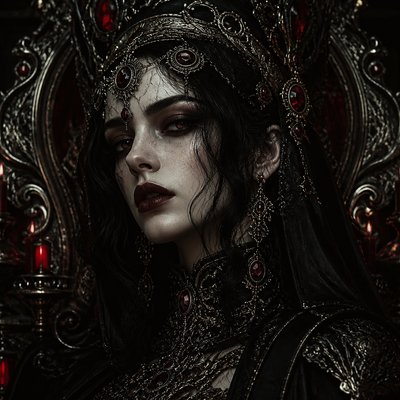
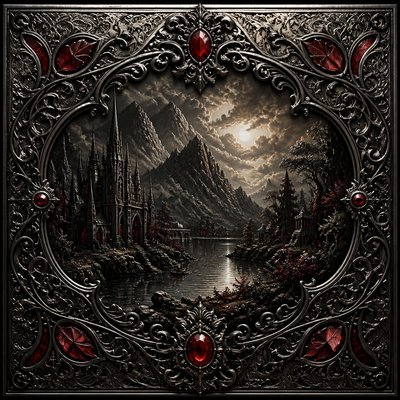
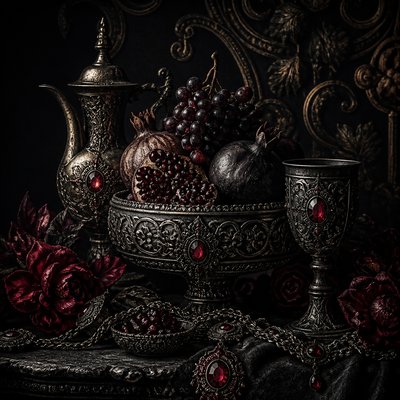
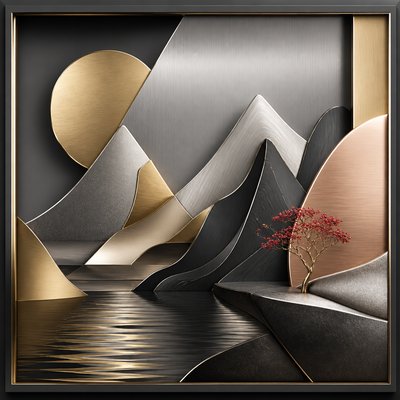
Enamel Cloisonné Jewelry Design
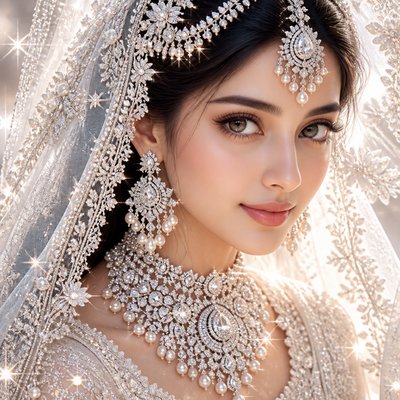
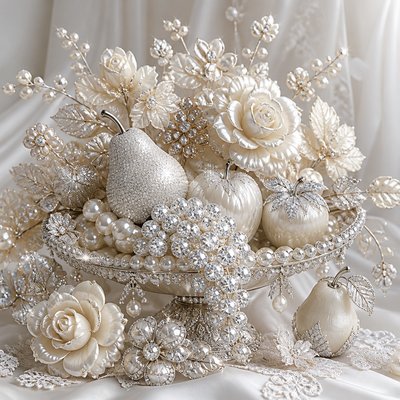
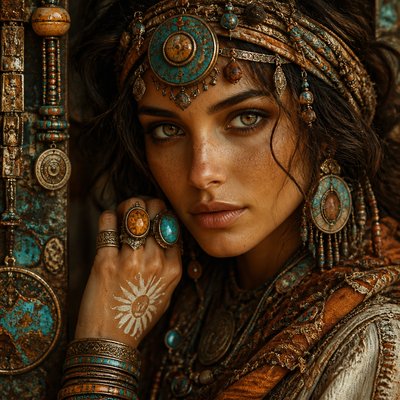
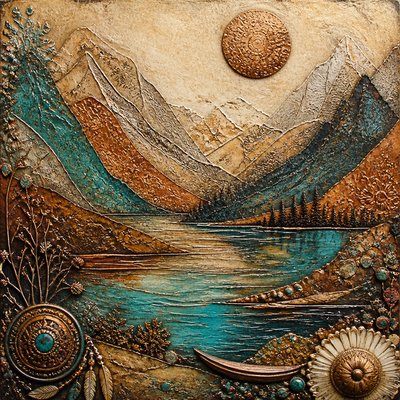
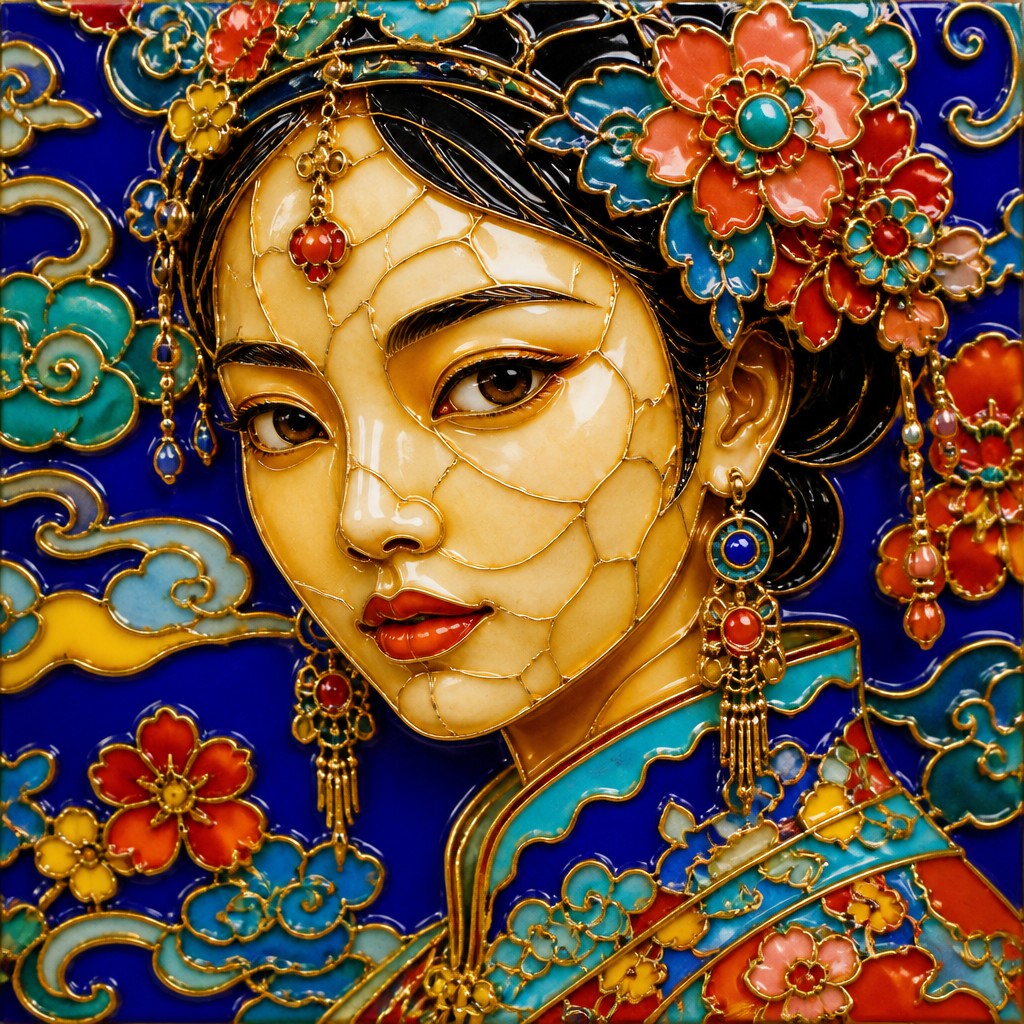
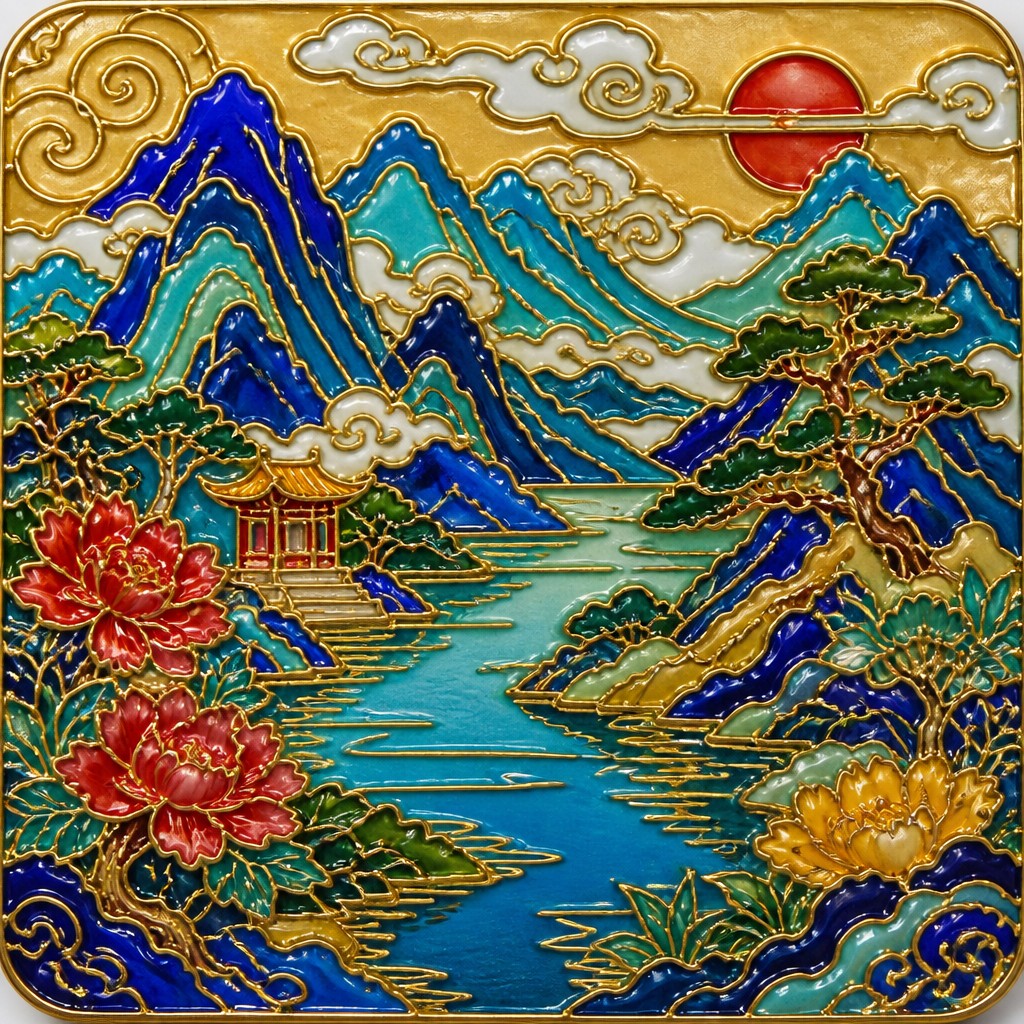
Jewel-bright enamel set in fine metal cells, with luminous color, glossy sheen, and ornamental miniature stained-glass detail.
Instantly rendered in Enamel Cloisonné Jewelry Design — or transform a photo
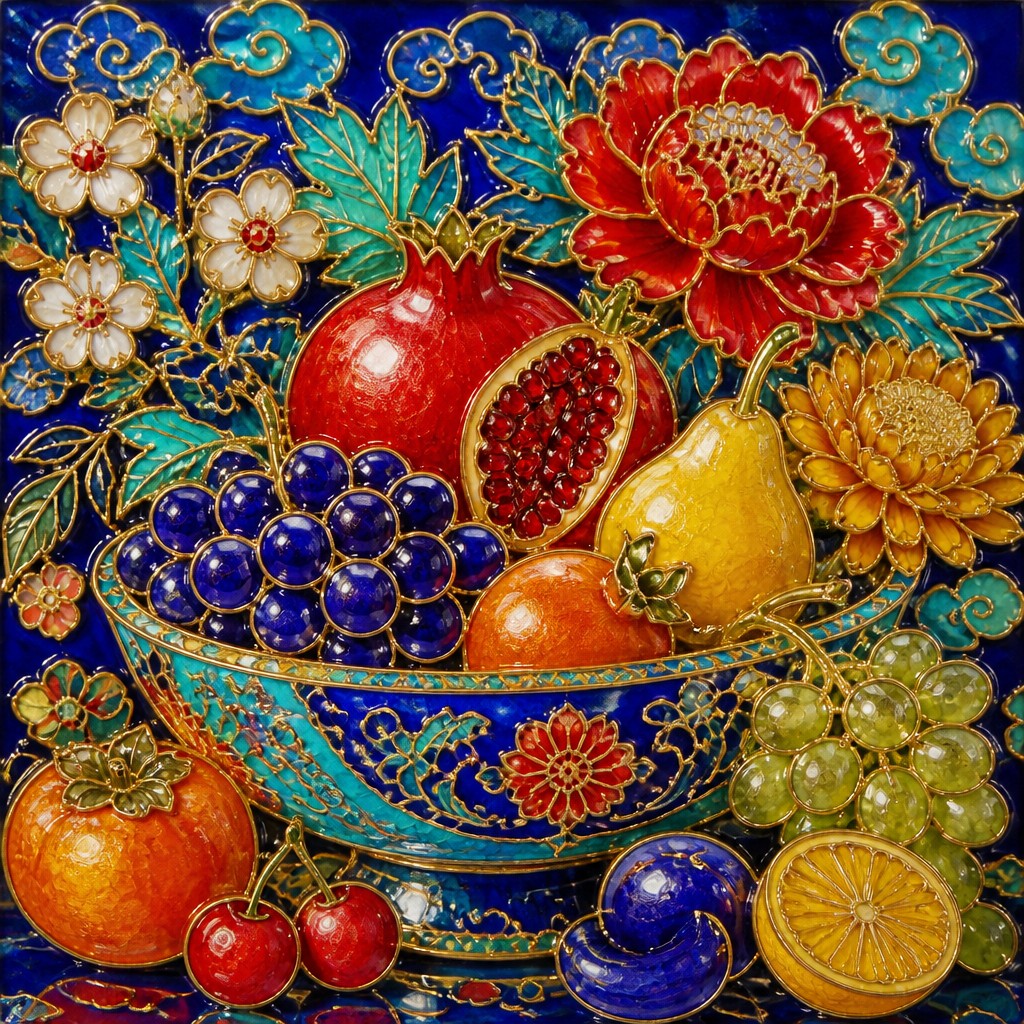
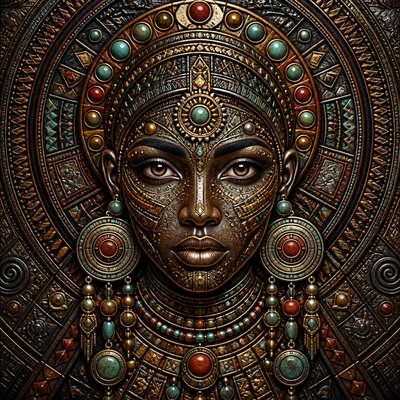
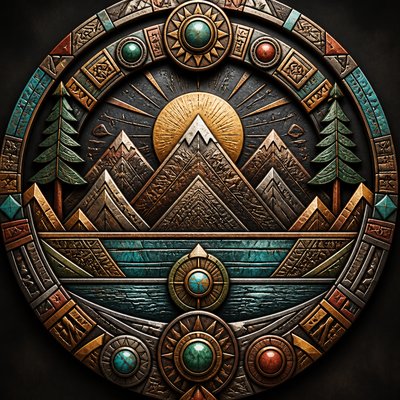
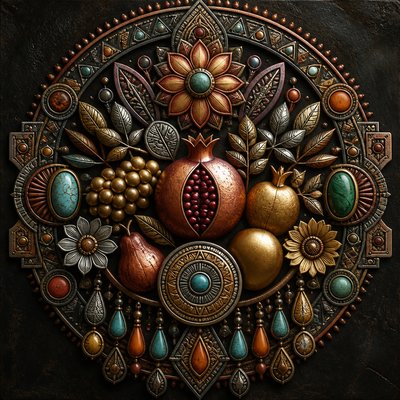
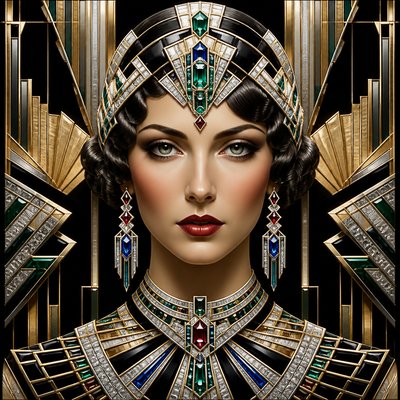
Enamel Cloisonné Jewelry Design Gallery
Tap any artwork to explore it
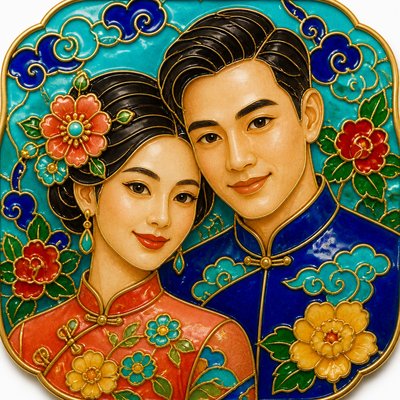

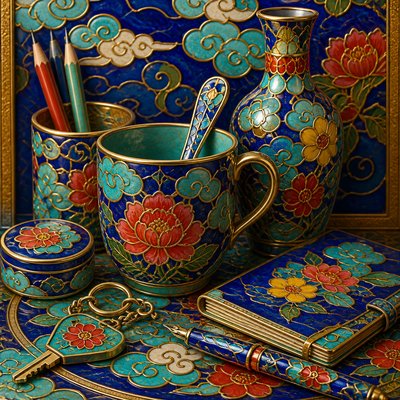
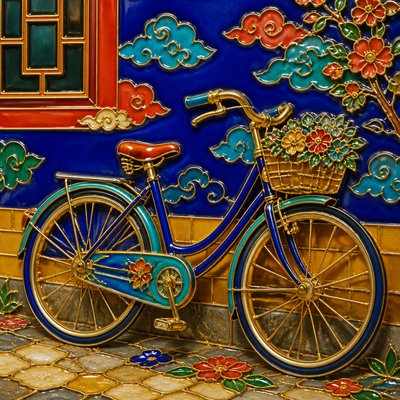
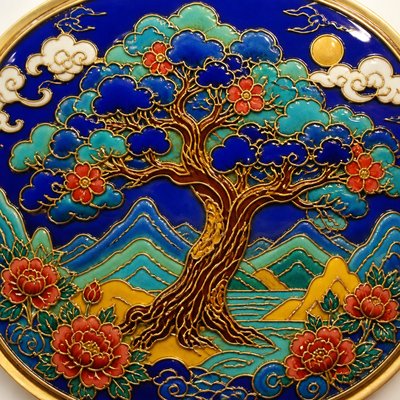

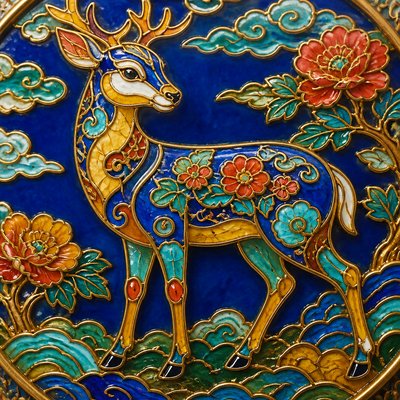
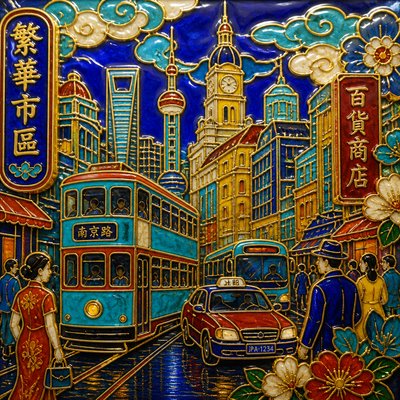
What is Enamel Cloisonné Jewelry Design?
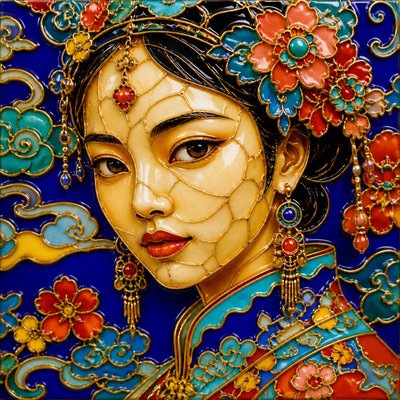
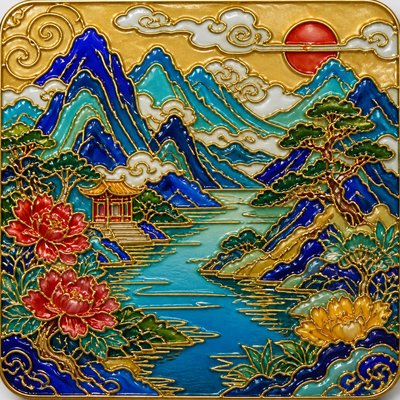
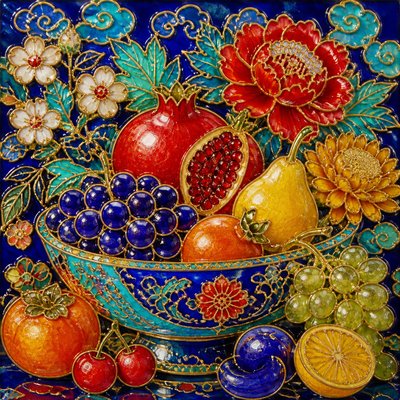
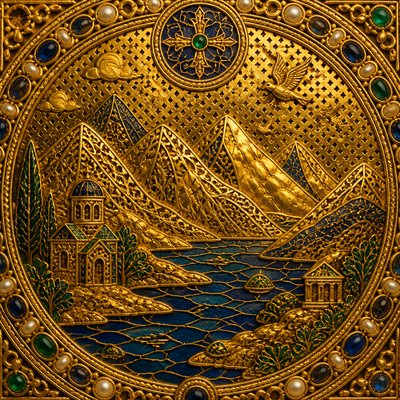
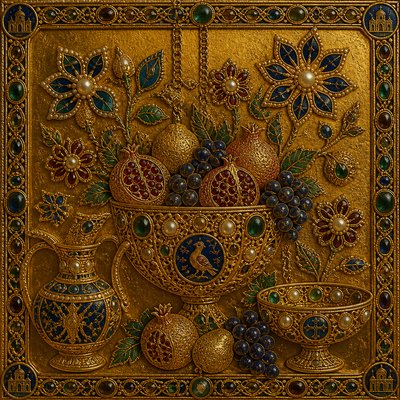
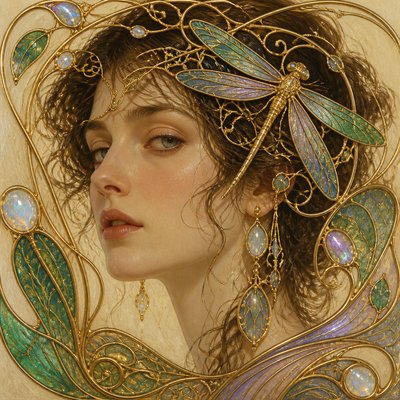
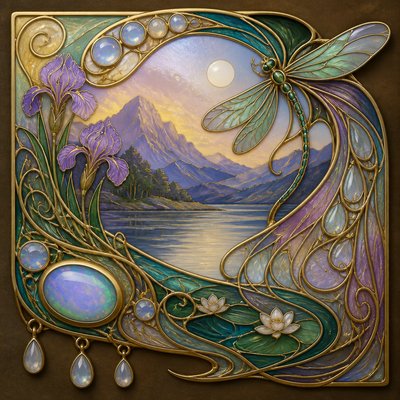
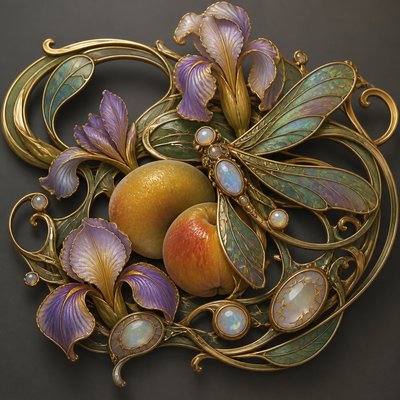
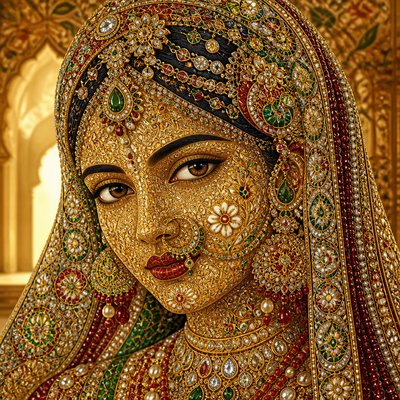
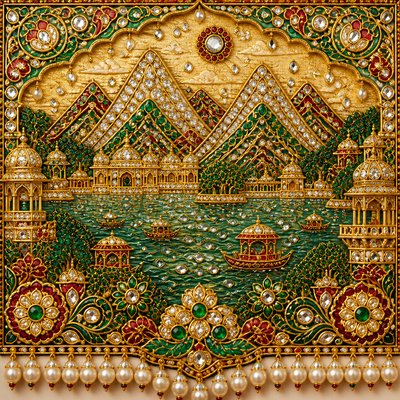
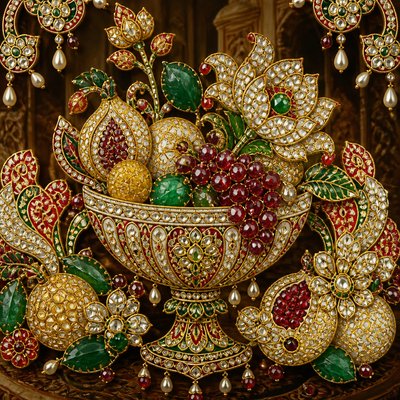
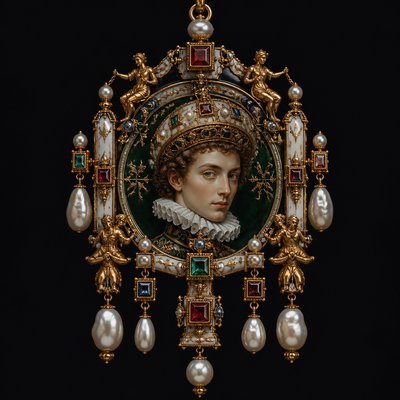
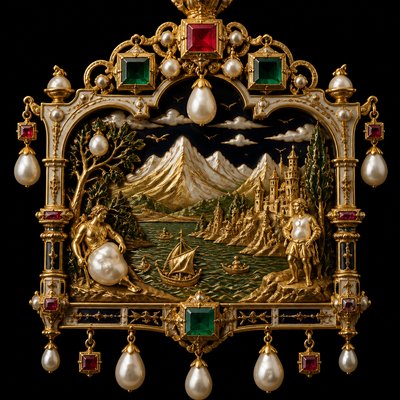
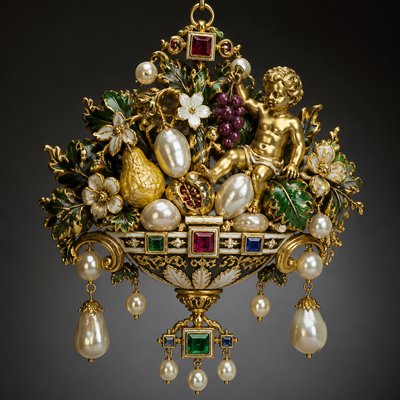
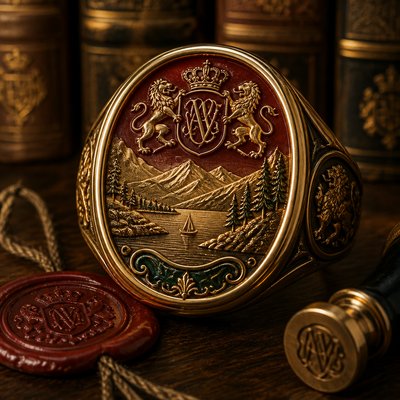
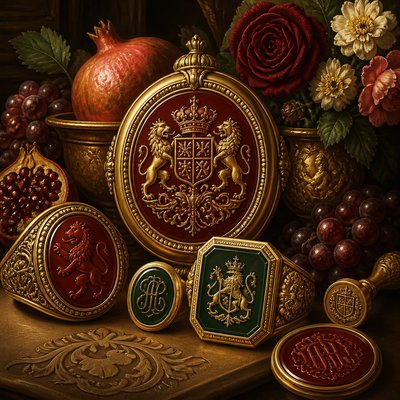
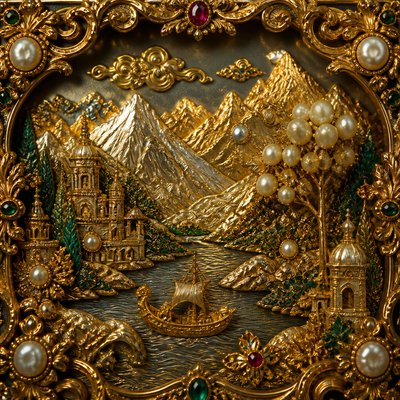
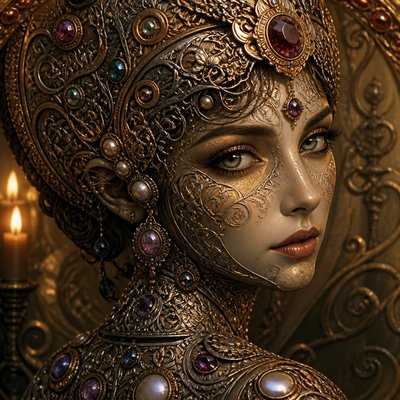
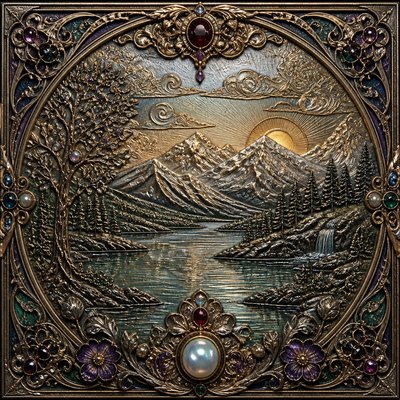
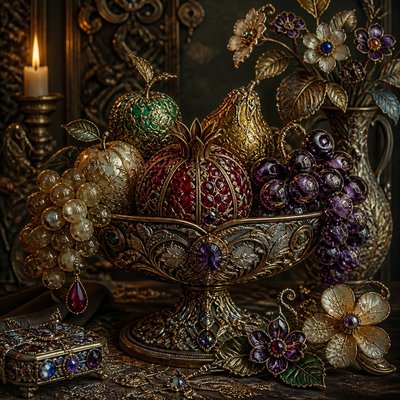
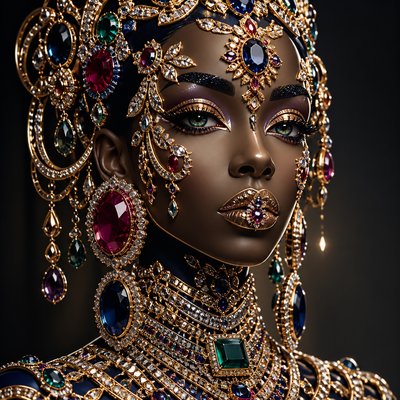
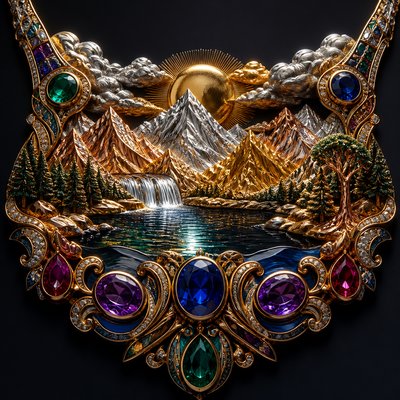
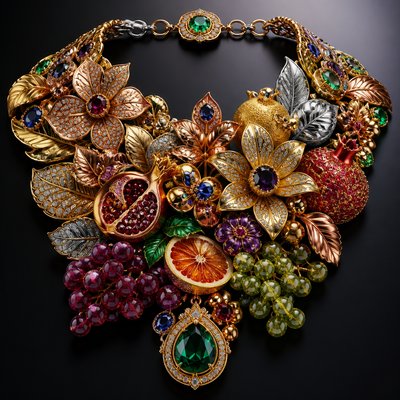
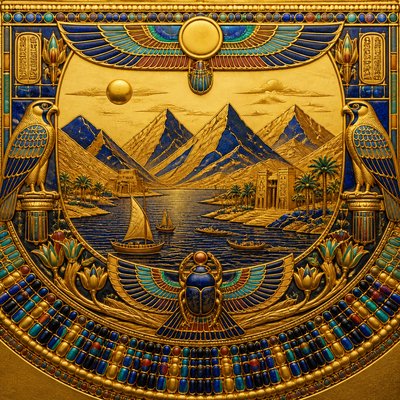
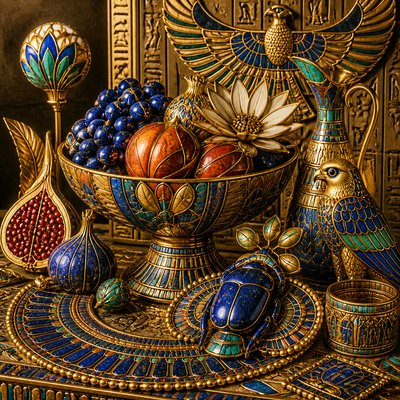
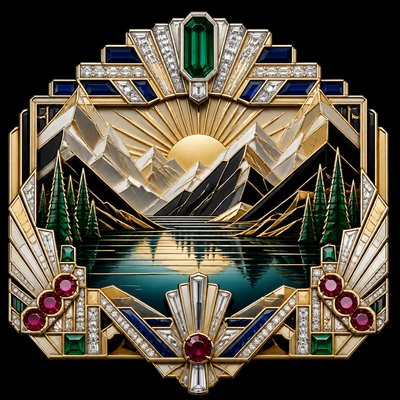
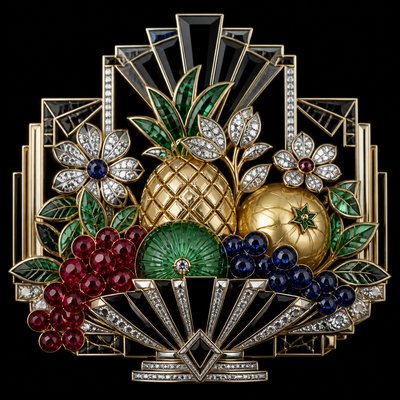
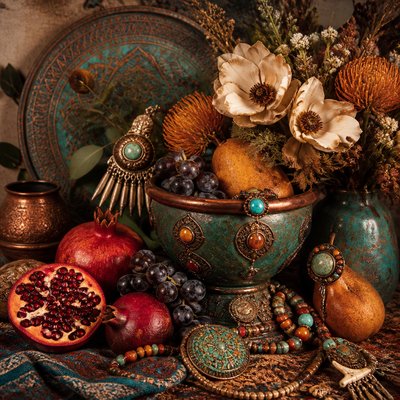
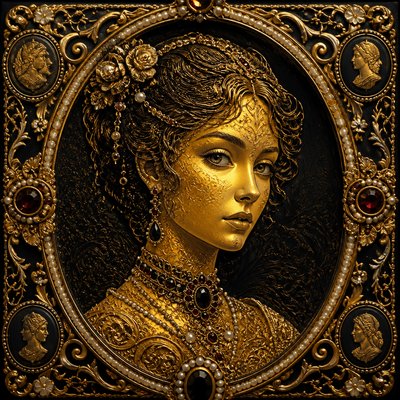
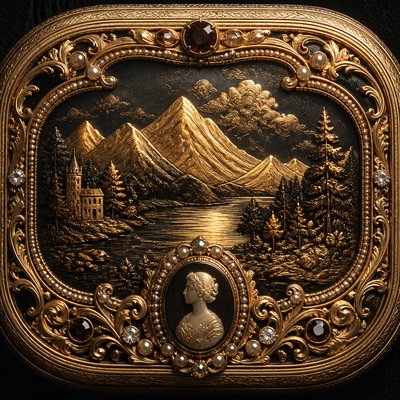
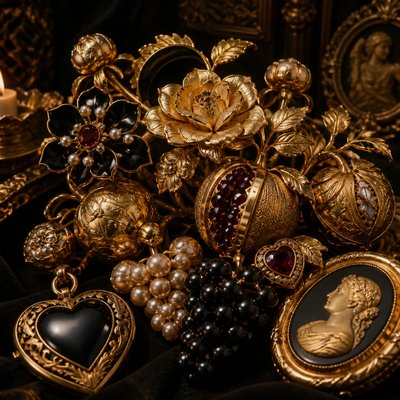
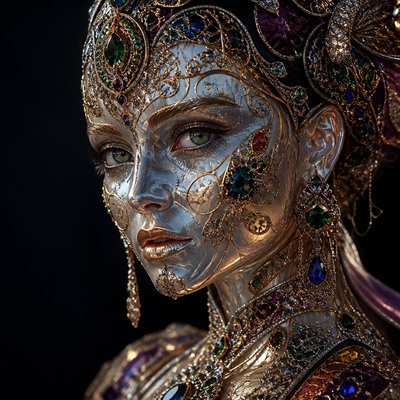
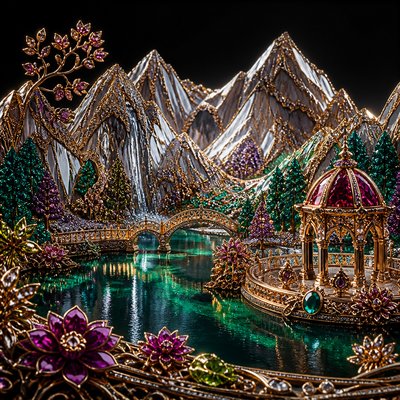
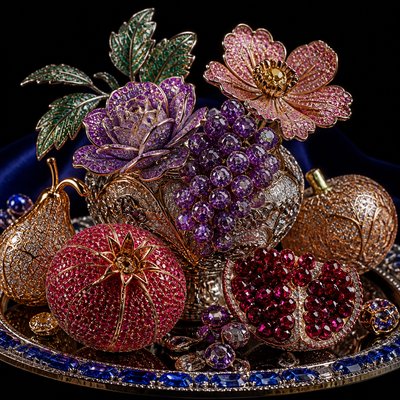
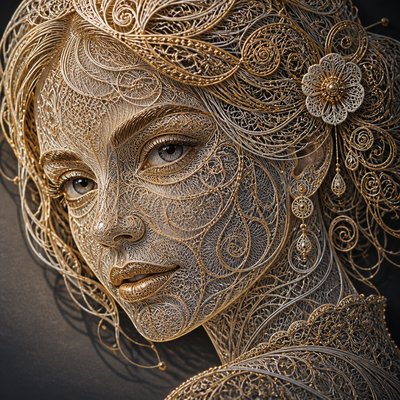
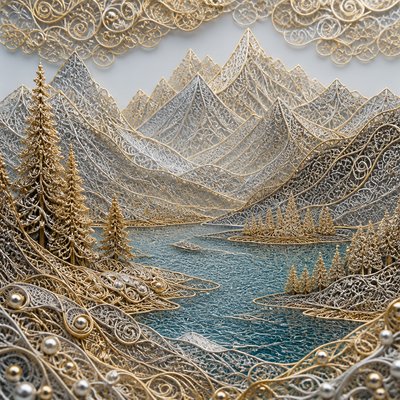
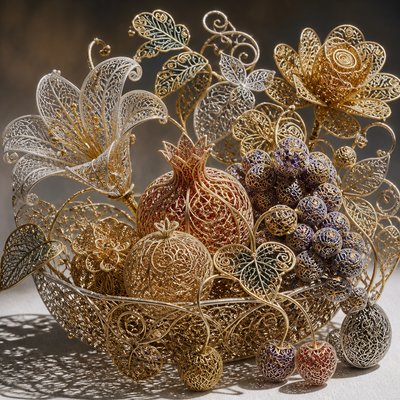
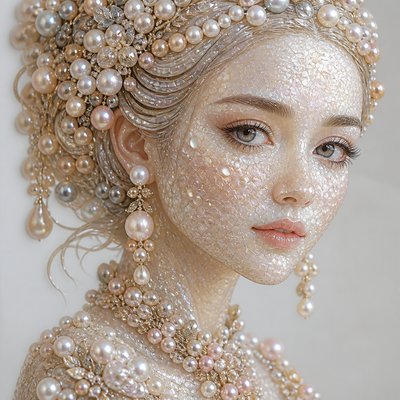
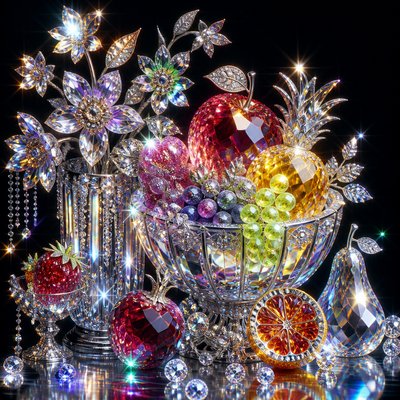
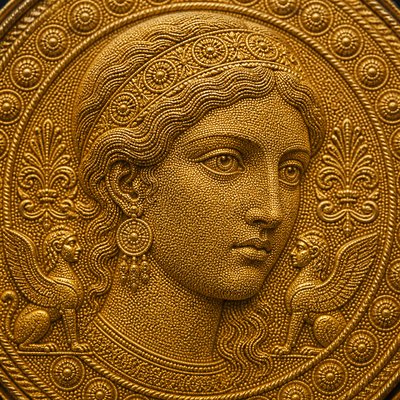
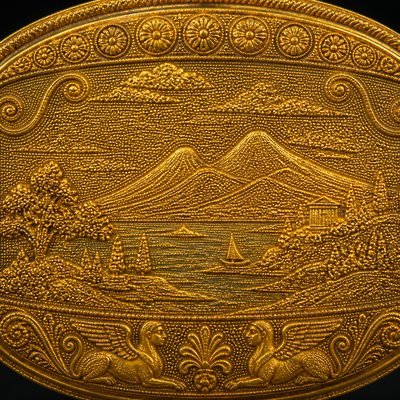
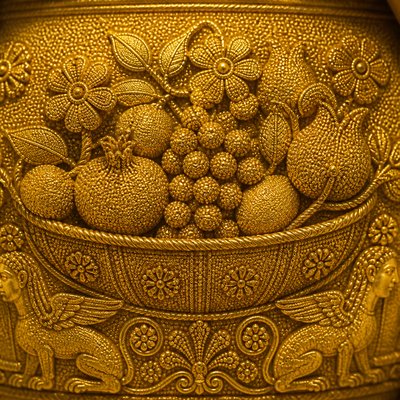
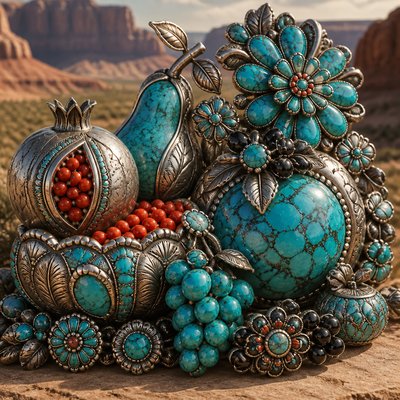
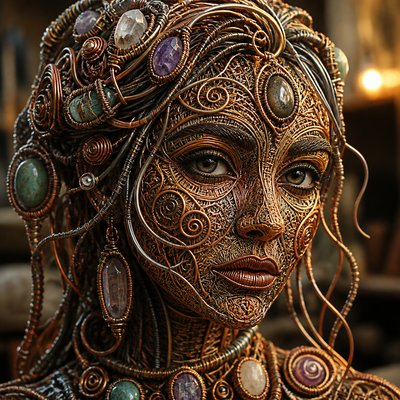
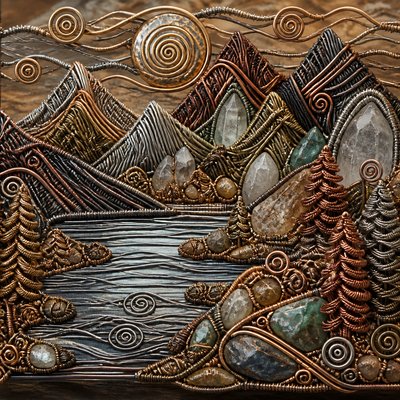
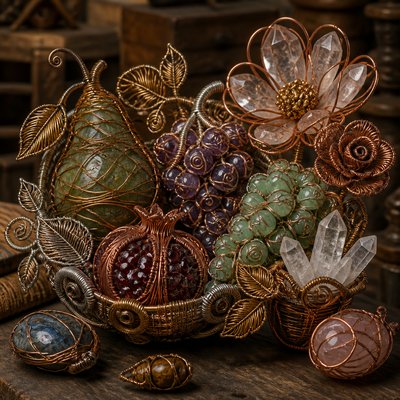
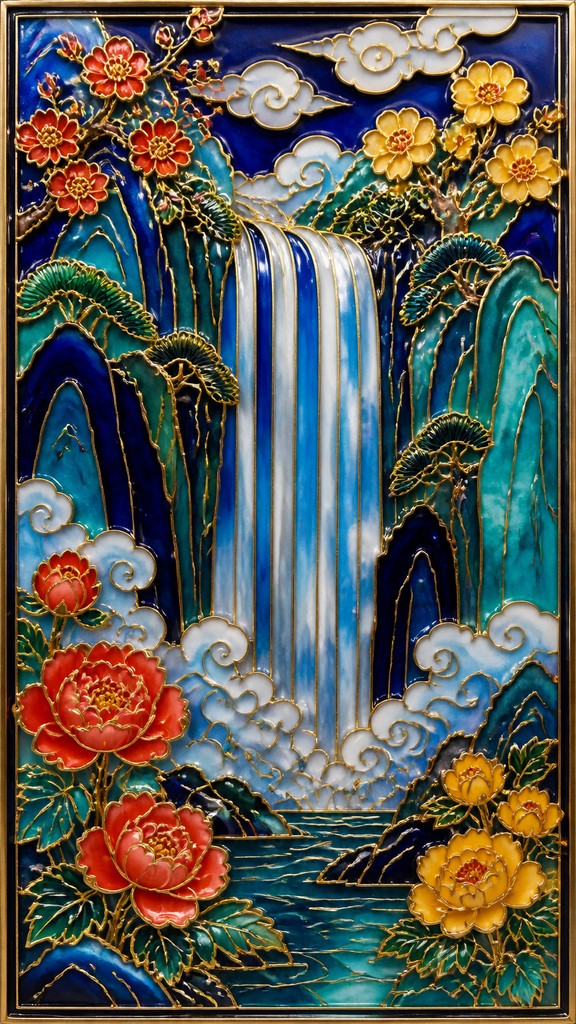
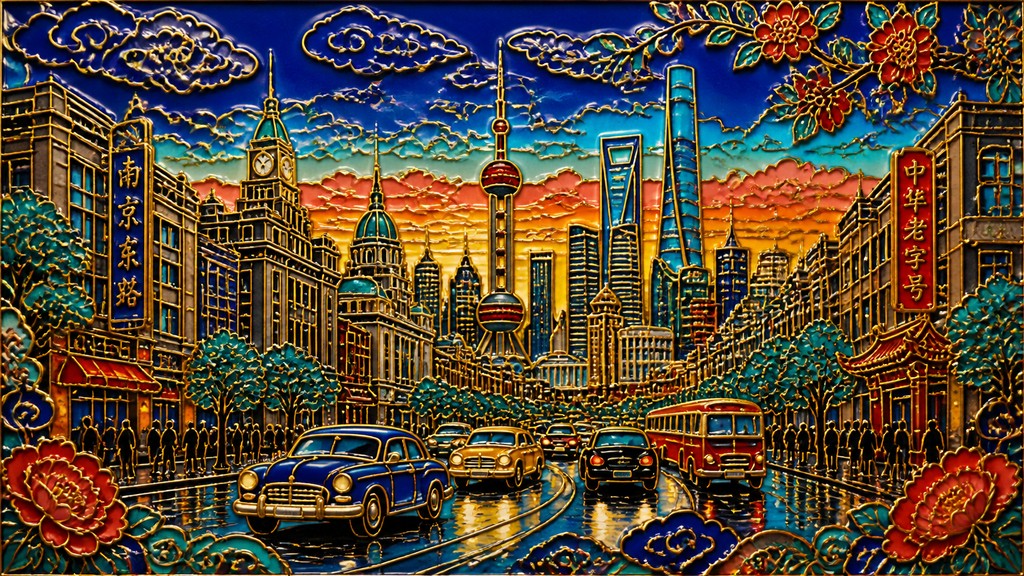
Enamel cloisonné jewelry design is a decorative metalworking style in which images or patterns are built from thin raised wires, usually gold or gilt metal, that form closed cells filled with colored vitreous enamel. After firing, the surface becomes smooth, glossy, and jewel-like, with each color area held in a crisp outline of metal. The result resembles miniature stained glass translated into precious metal and glass.
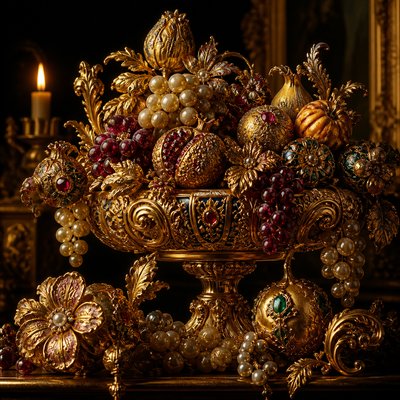
The style is visually defined by saturated color, tight contouring, and ornamental subject matter. Floral scrolls, clouds, blossoms, birds, and geometric bands are common because they lend themselves to small, segmented fields of color. The aesthetic depends on the contrast between brilliant enamel and reflective metal, producing a luxurious surface that feels both meticulously engineered and richly decorative.
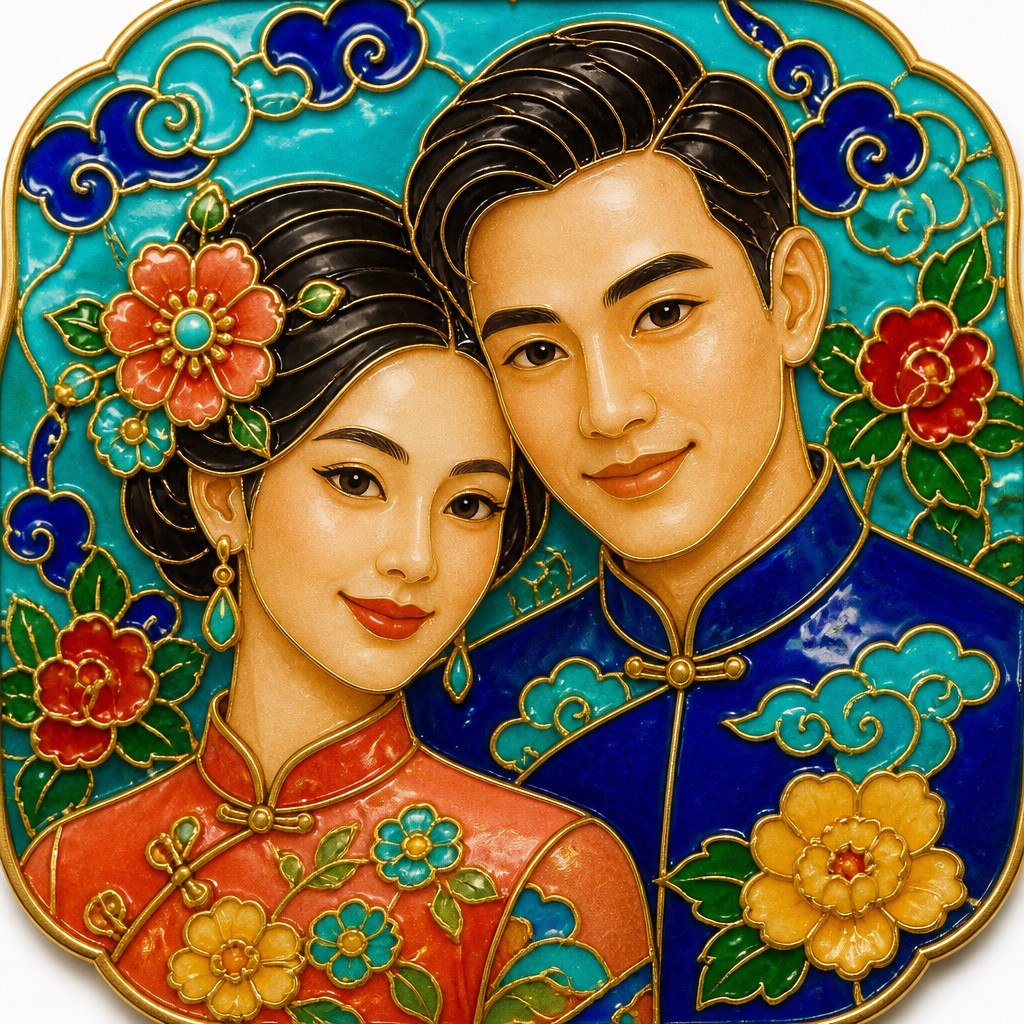
Try It On Your Photos
Upload any photo and convert it into Enamel Cloisonné Jewelry Design — drag the sliders to compare before and after.
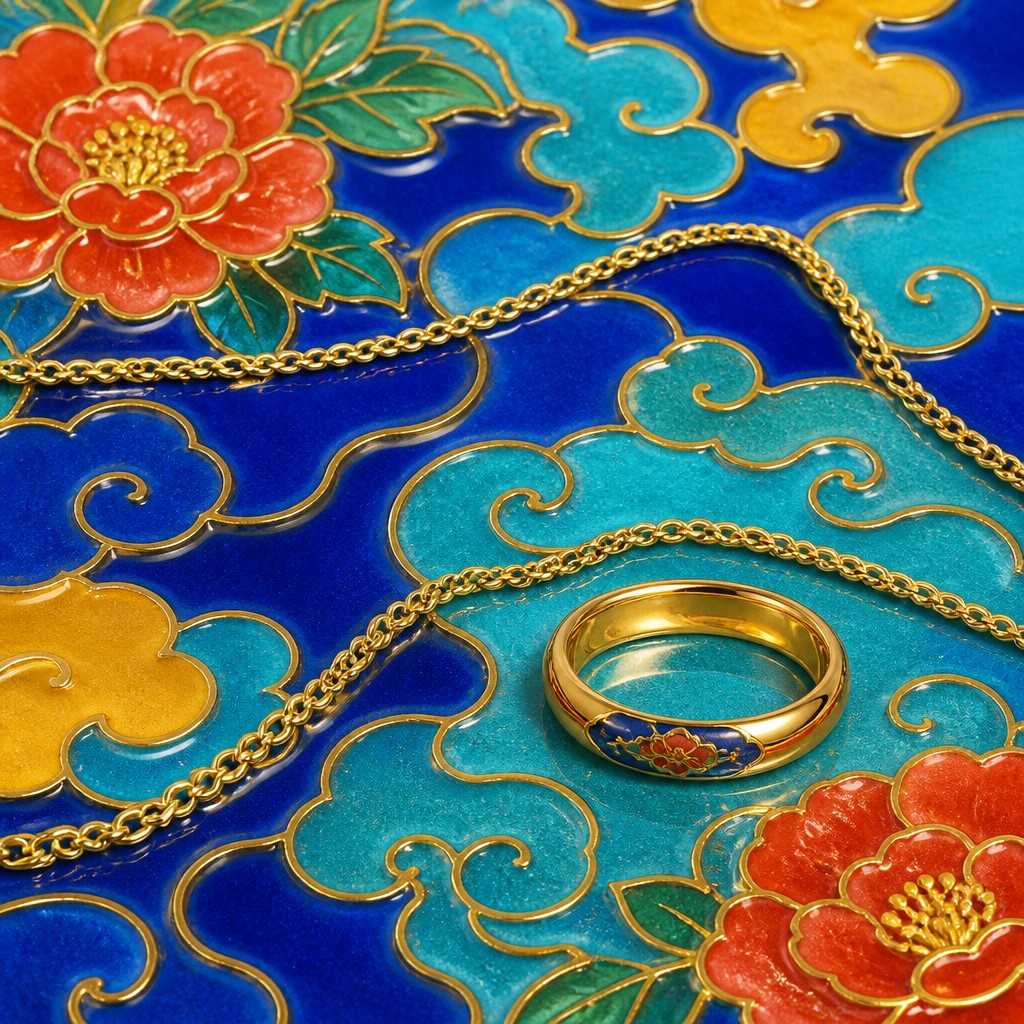
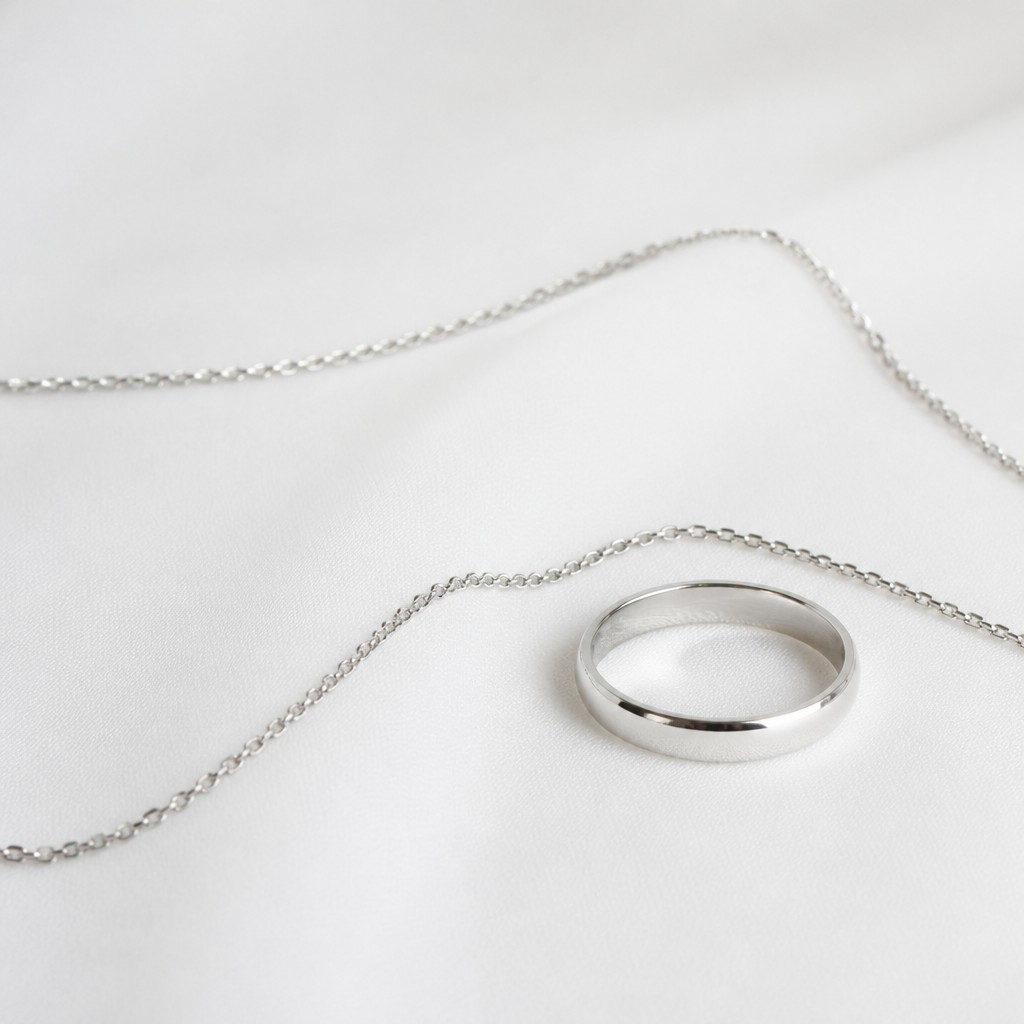


What Defines Enamel Cloisonné Jewelry Design
The signature details, up close
Wire-partitioned cells
The image or ornament is divided into enclosed compartments by fine metal wires or narrow metal walls. These boundaries are not merely structural; they define the drawing itself.
Vitreous, glassy color
Enamel appears as fused glass with a smooth, reflective finish. Colors are typically saturated and luminous, often including cobalt blue, turquoise, red, green, white, and yellow.
Metal outline emphasis
Gold, gilt, or brass-like outlines remain visible and central to the composition. The metal acts as both contour line and decorative accent, giving the design its crisp graphic clarity.
Miniature ornamental motifs
Common subjects include blossoms, vines, birds, butterflies, clouds, waves, and symmetrical scrollwork. These motifs suit the small-scale, segmented structure of cloisonné work.

High-polish surface
The finished object usually reads as glossy and reflective rather than matte. Light catches on the enamel and metal differently, creating a subtle sense of depth and luxury.
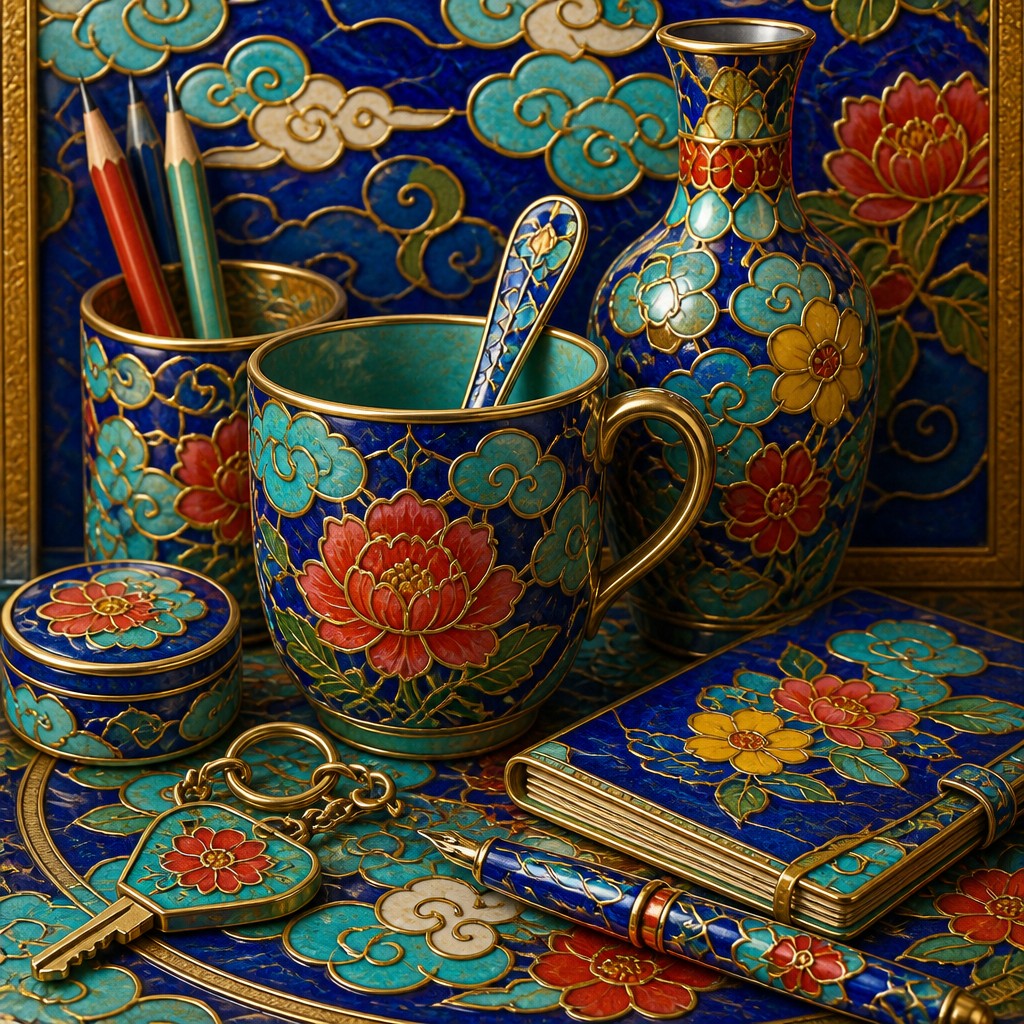
Precise decorative symmetry
Designs often use balanced arrangements and repeating patterns. Even when figurative, they tend to be stylized and ordered rather than loose or painterly.
Try It
Create Videos in Enamel Cloisonné Jewelry Design
Styles aren't just for stills — describe a scene or animate an image and get a short video rendered in Enamel Cloisonné Jewelry Design. Press play to see this pond come to life.
Make a VideoEnamel Cloisonné Jewelry Design Prompt Ideas
Start from an idea — each one opens the generator with the style ready to go. See all 40 Enamel Cloisonné Jewelry Design prompts →
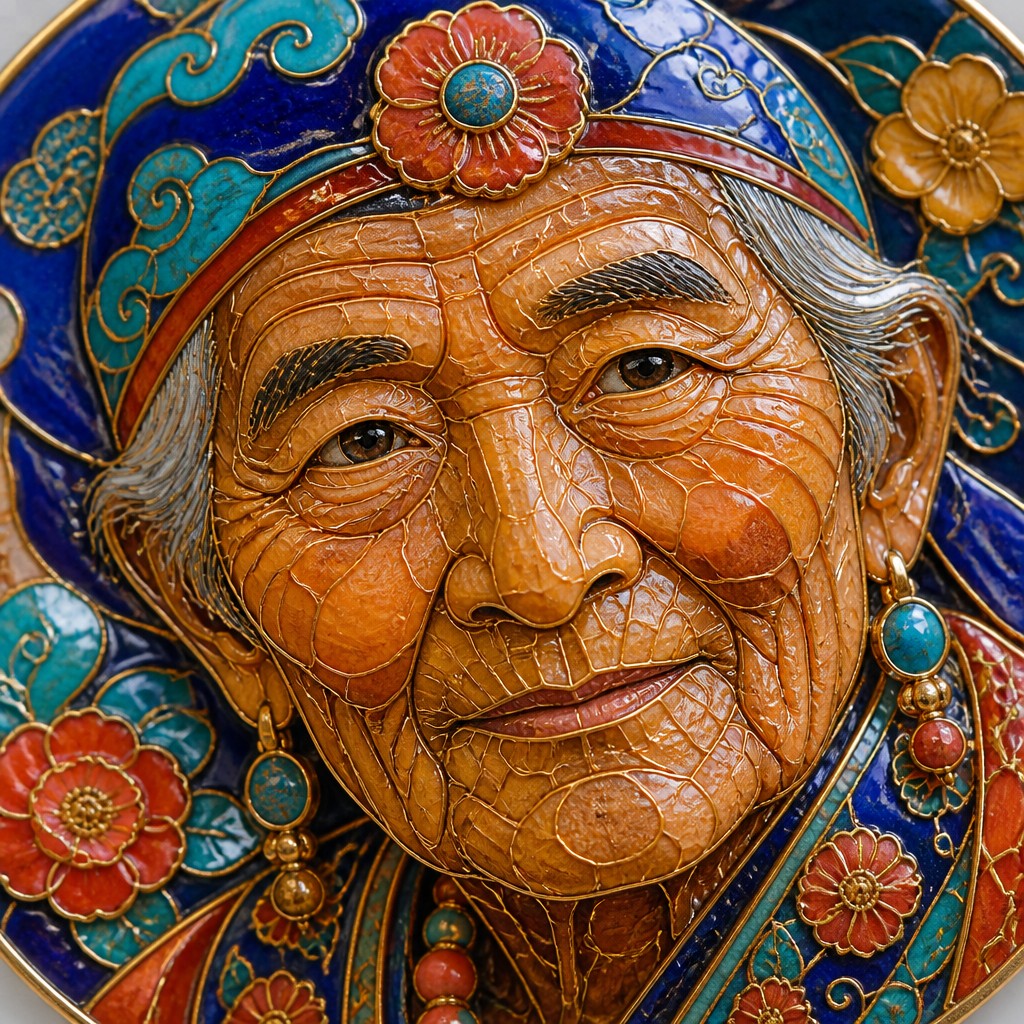
“close-up portrait of an elderly person with expressive weathered features”
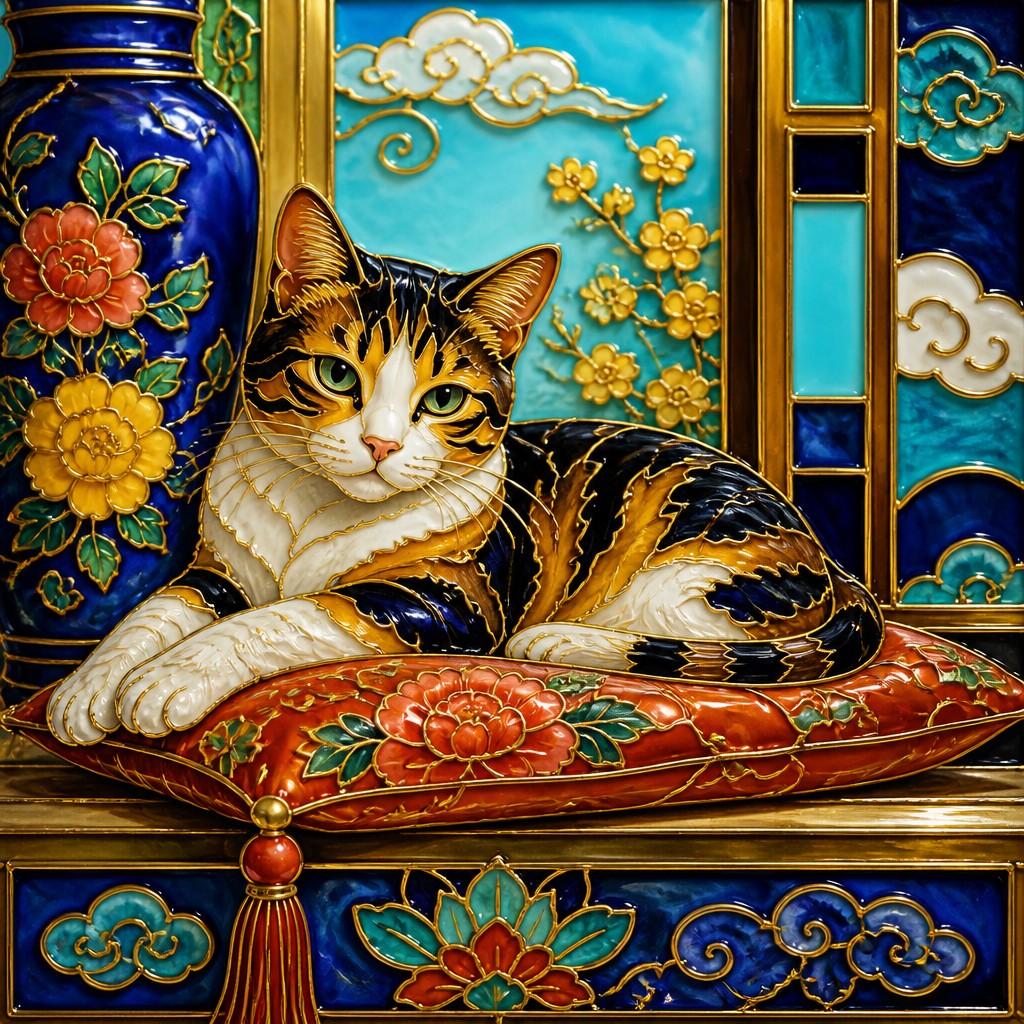
“a cat lounging in a sunlit window”
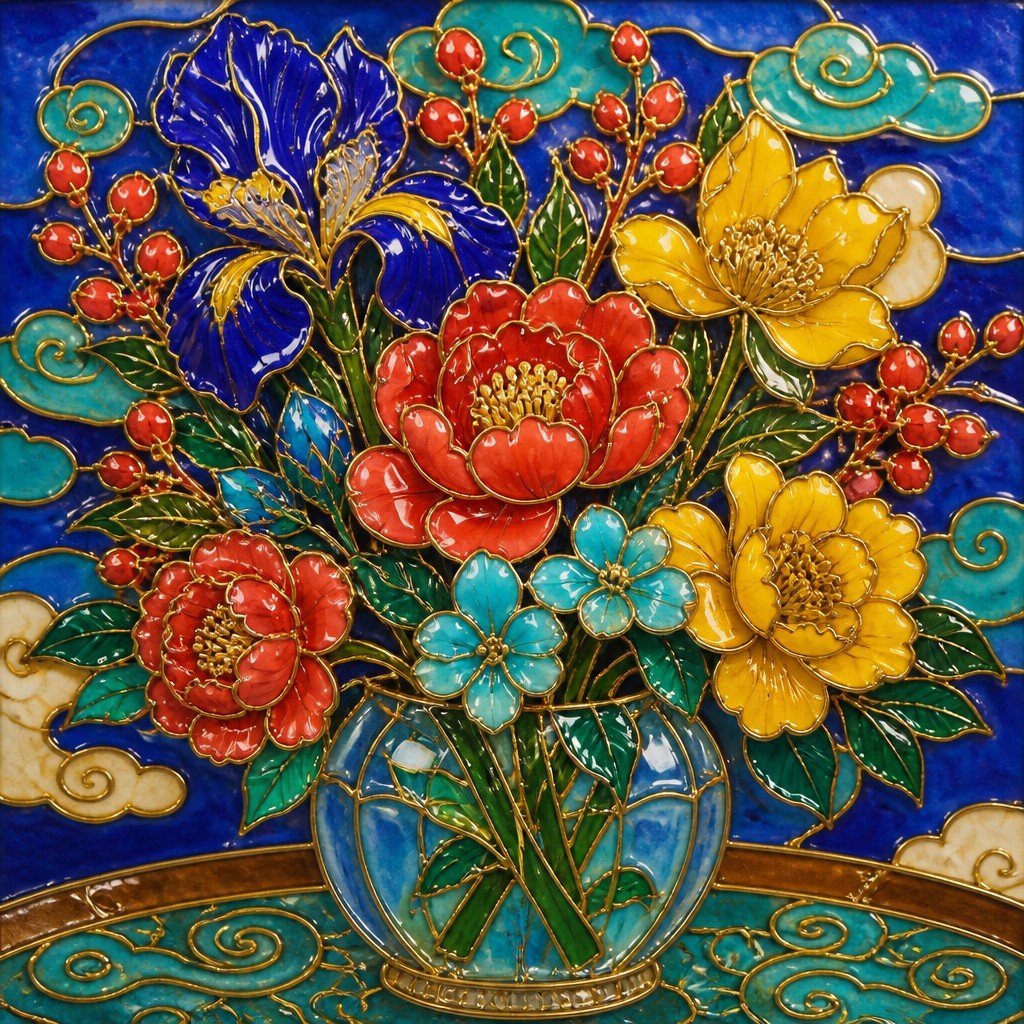
“bouquet of flowers in a glass vase”
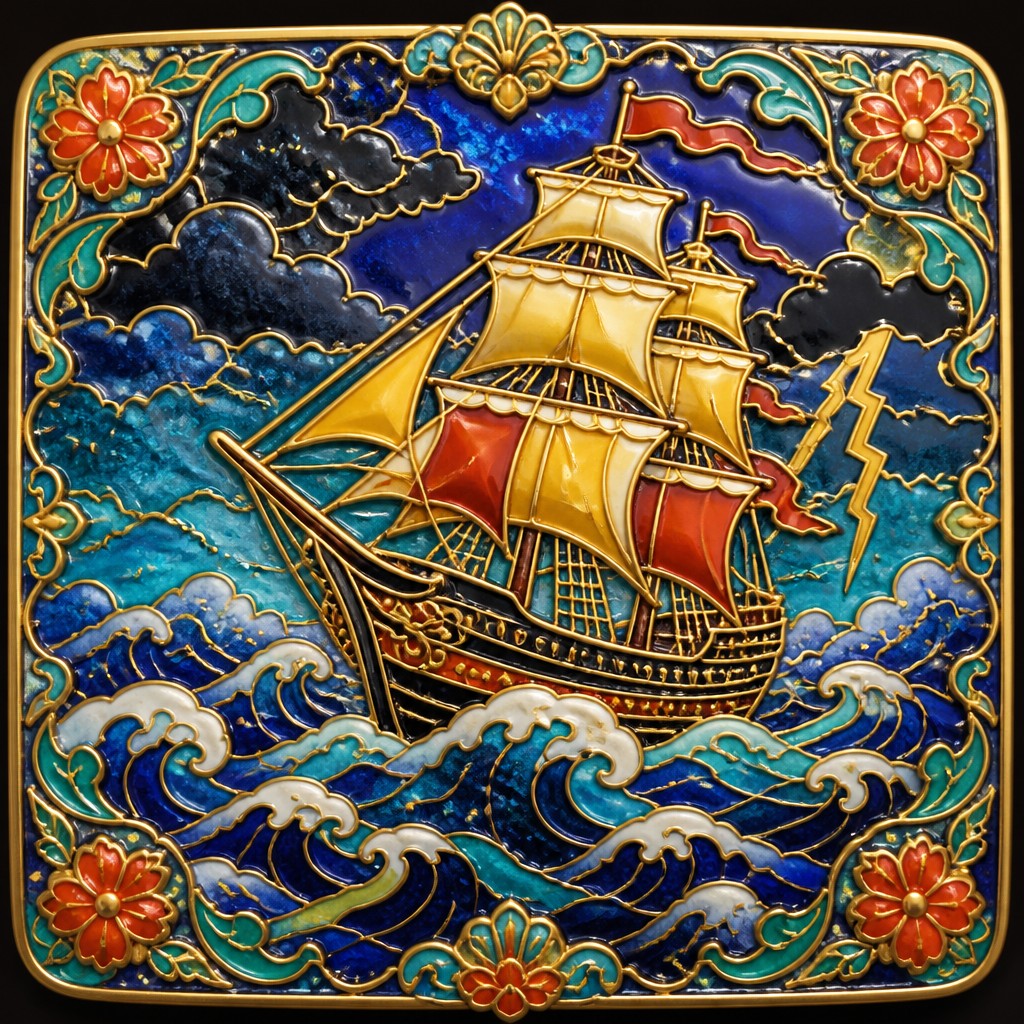
“sailing ship on a stormy sea”
How to Create Enamel Cloisonné Jewelry Design Art
Master the craft step by step — or skip straight to creating. Read the full guide →
- 1
Build the design from enclosed shapes
Start by planning the image as a network of small, closed compartments rather than open brushstrokes. Each region should be bounded by a clear line of metal, wire, or dark contour so the final design reads as segmented enamel.
- 2
Use a limited, jewel-like palette
Choose saturated colors that feel fused and transparent or semi-opaque, especially cobalt, turquoise, coral red, emerald, white, and imperial yellow. Keep the palette tight so the contrast between color fields and metal outlines remains the focal point.
- 3
Emphasize gloss and fired sheen
Render the surface as smooth and kiln-fired, with soft specular highlights and no painterly texture. In digital work, avoid heavy grain; in traditional media, finish with layers that imitate polished glass and reflective metal.
- 4
Favor ornamental subjects and symmetry
Floral sprays, cloud bands, birds, and medallion layouts translate especially well because they naturally break into compact shapes. Compose with symmetry, repeating borders, and central motifs to echo historical cloisonné design.
- 5
In prompt-based generation, specify metal cells and enamel
Describe the subject first, then add that it is rendered in enamel cloisonné jewelry design with fine gold wire cells, vitreous enamel, glossy fused surfaces, and ornamental motifs. If using image-to-image, preserve the main silhouette but let the surface become segmented, luminous, and jewelry-like.
The Story
History & Origins of Enamel Cloisonné Jewelry Design
Cloisonné has ancient roots in the broader history of enameling and metal ornament, with important traditions in the Mediterranean, Byzantium, Persia, China, Japan, and later Europe. The method of separating enamel colors with wire partitions became especially prominent in Chinese decorative arts, where cloisonné objects were made for imperial and courtly use and prized for their saturated color and technical precision. In jewelry, the same principle was adapted to smaller wearable forms such as pendants, brooches, lockets, and rings.
Its modern visual lineage also connects to the Arts and Crafts movement, which revived respect for handmade ornament and visible craftsmanship, and to later decorative design traditions that valued luminous surface patterning. Contemporary cloisonné-inspired work often blends historical motifs with streamlined forms, but the essential language remains the same: metal partitions, fired enamel, and a polished, miniature pictorial surface.
Influences: This style draws from the long tradition of cloisonné enameling in Chinese, Byzantine, Persian, and European decorative arts, as well as from broader metalwork traditions that value contour, color segmentation, and luminous surface ornament. Its emphasis on handmade precision and visible structure aligns it with the Arts and Crafts movement, while its compact, patterned imagery also overlaps with Japanese decorative design and other courtly ornamental traditions. In modern visual culture, it is often associated with jewelry, objets d’art, and luxury handicraft rather than easel painting.
Frequently Asked Questions
What defines enamel cloisonné jewelry design?
It is defined by colored enamel separated into cells by fine metal lines or walls. The technique produces a glossy, jewel-like surface with crisp outlines and ornamental detail. The look is both structural and decorative, with the wire partitions becoming part of the image.
How is cloisonné different from stained glass?
Both use compartmentalized color fields, but cloisonné is a metal-and-enamel medium rather than glass panels joined by lead. Cloisonné surfaces are smaller, smoother, and more object-like, often appearing on jewelry or decorative objects. Stained glass is typically large-scale and translucent when lit from behind.
What subjects work best in this style?
Floral motifs, birds, butterflies, clouds, waves, and mythic creatures work especially well because they can be broken into enclosed shapes. Symmetrical designs and repeating ornament also suit the technique. Highly realistic textures are less characteristic than stylized, graphic forms.
What materials are traditionally used?
Traditional cloisonné uses a metal base, thin wire or metal strips for the cloisons, and vitreous enamel powders that are fired in a kiln. Gold is prized for fine work, though gilt or other metals may be used depending on the object. The finished piece is often polished to bring out the shine.
How can I make digital art that looks like cloisonné?
Design the image as a set of small, closed color fields outlined in metallic lines. Add glossy enamel highlights, saturated jewel tones, and symmetrical ornament. The surface should feel fused and polished, not painted with loose strokes.
Where is this style commonly used today?
It is common in jewelry, decorative panels, luxury accessories, and collectible design objects. Designers also borrow its look for illustrations, packaging, and fantasy imagery when they want a precious, handcrafted appearance. Its visual language works especially well at small scale.
Create your first Enamel Cloisonné Jewelry Design artwork
Describe anything — or upload a photo — and see it in Enamel Cloisonné Jewelry Design in seconds.
Related Styles
Discover similar art styles