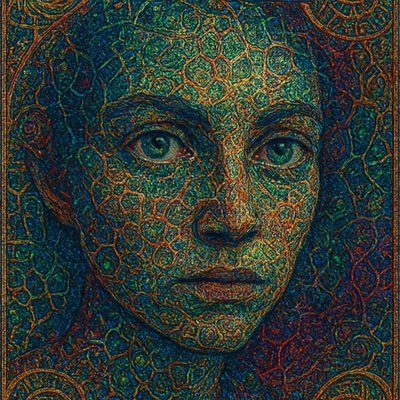
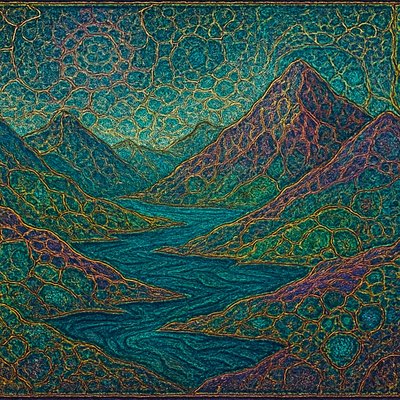
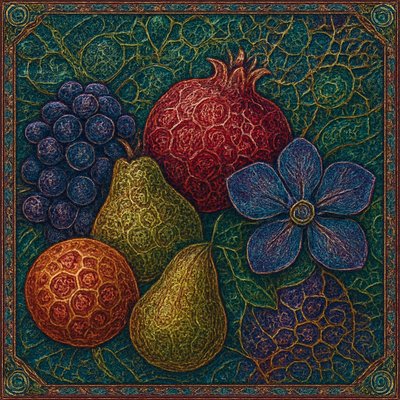
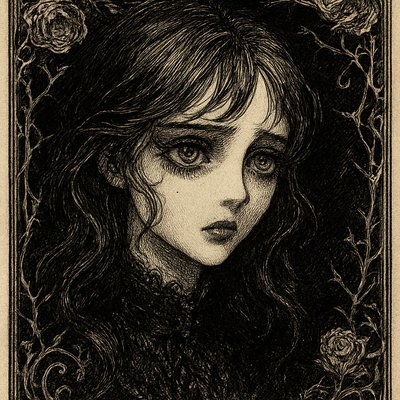
Victorian Jewelry Design
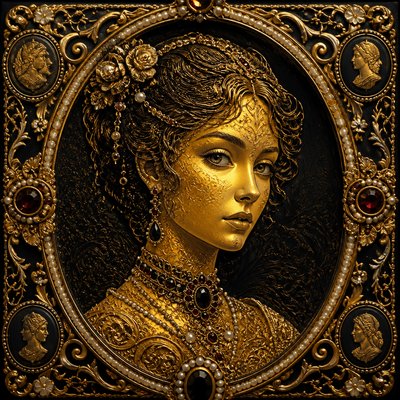
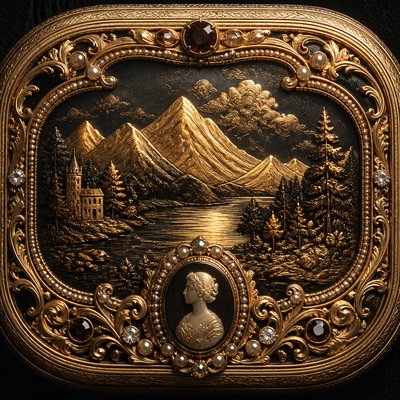
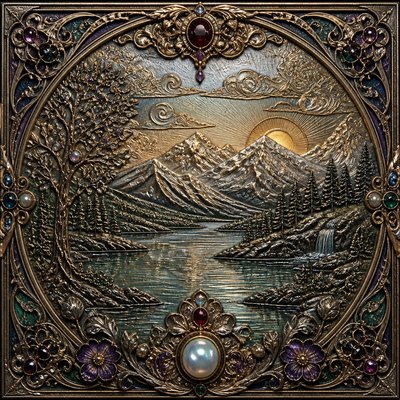
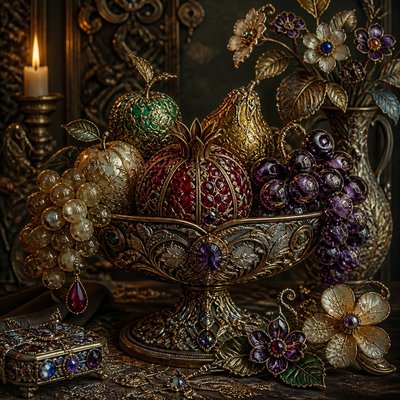
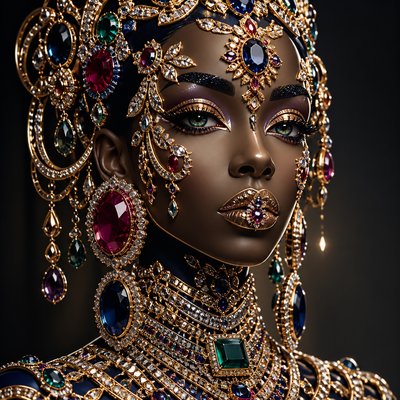
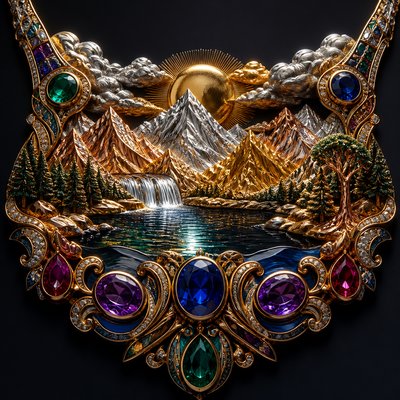
Ornate 19th-century jewelry design with goldwork, cameos, garnets, seed pearls, mourning details, and heirloom romance.
Instantly rendered in Victorian Jewelry Design — or transform a photo
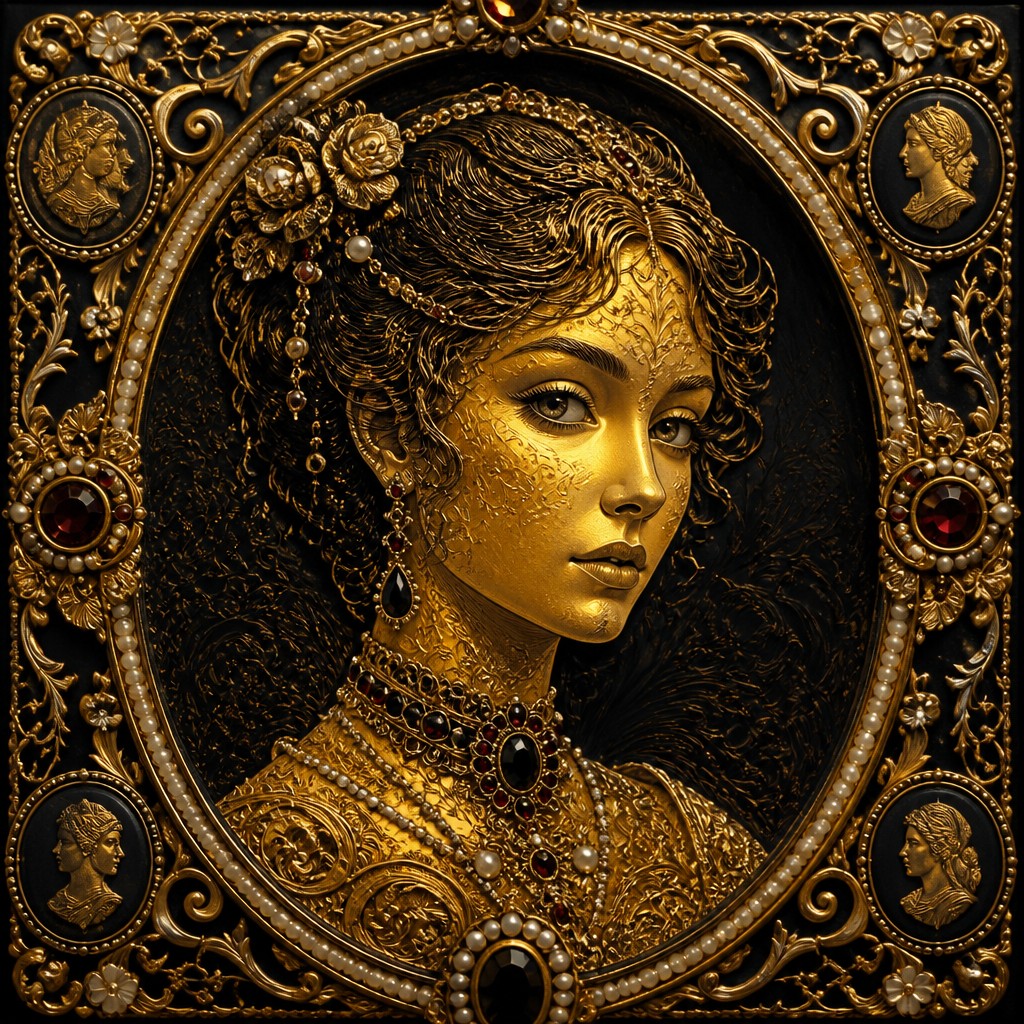
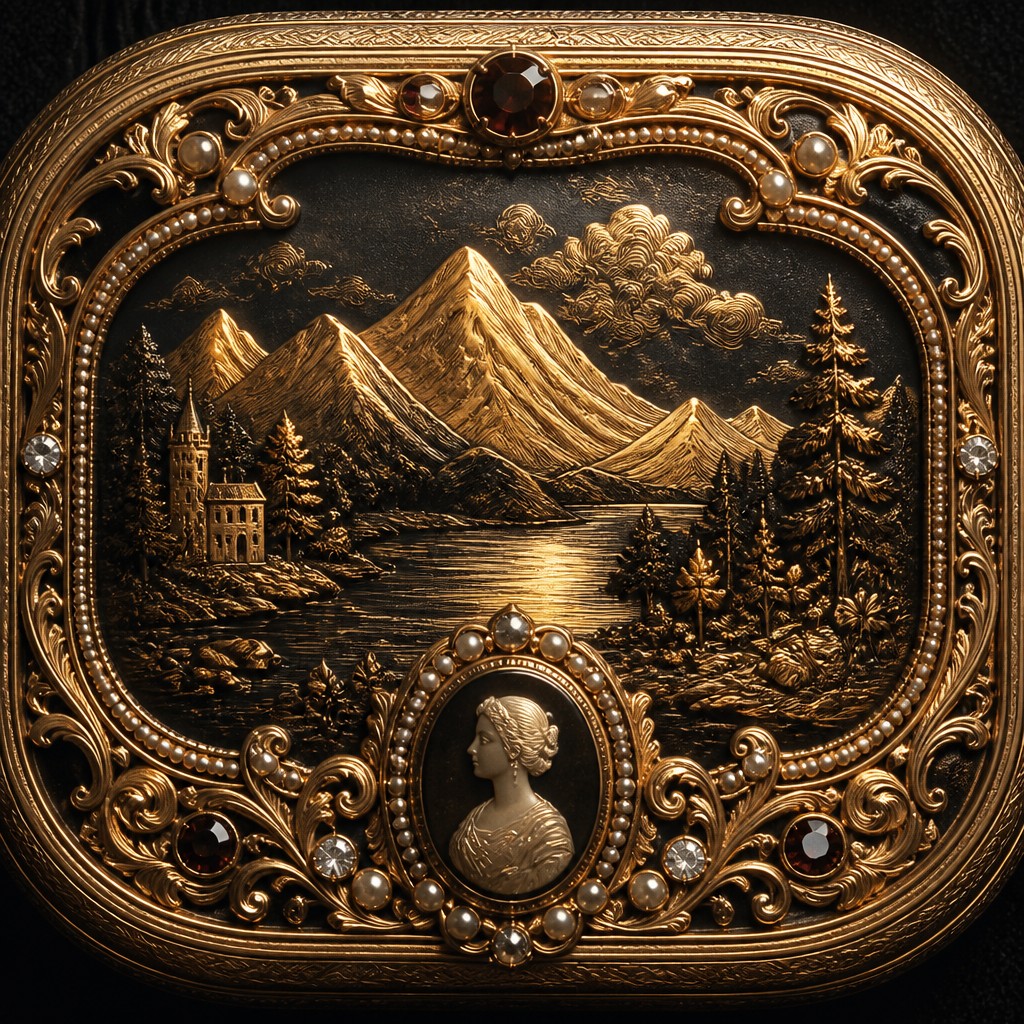
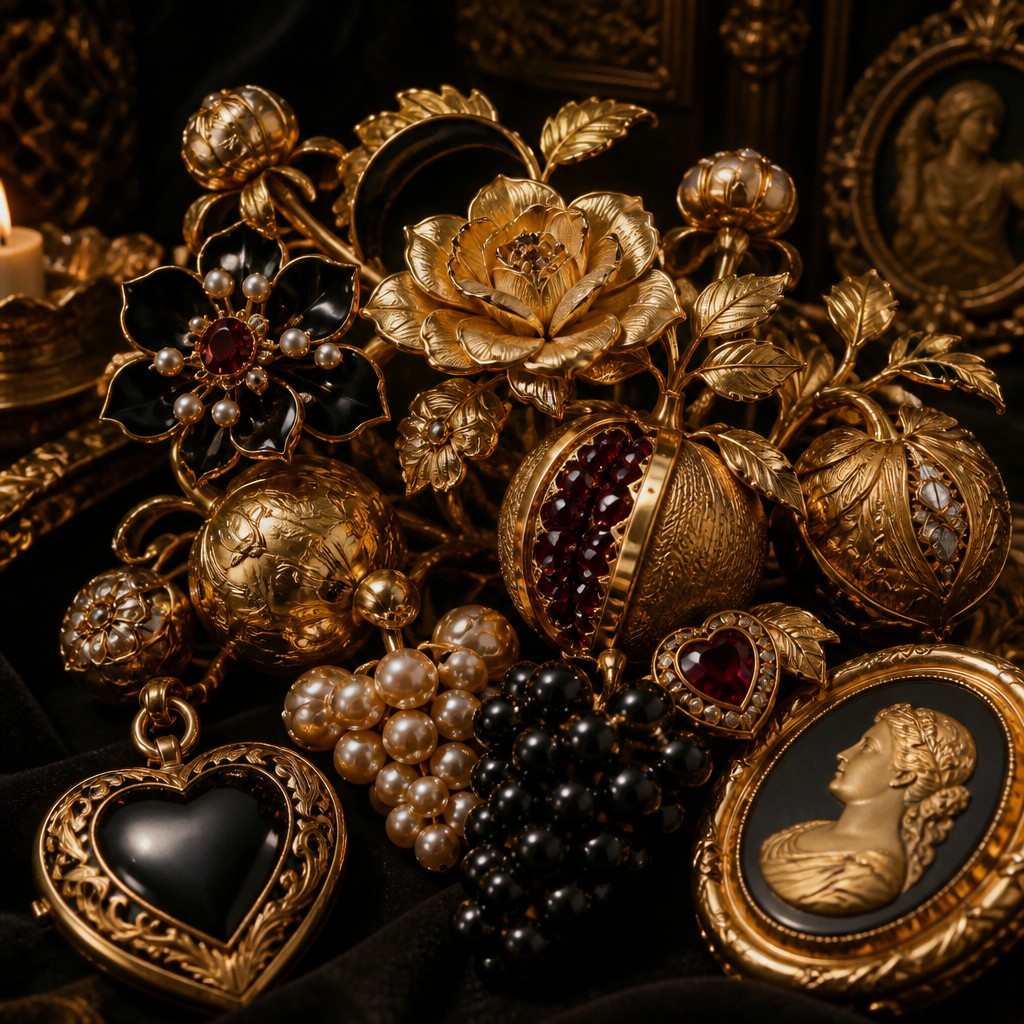
Victorian Jewelry Design Gallery
Tap any artwork to explore it
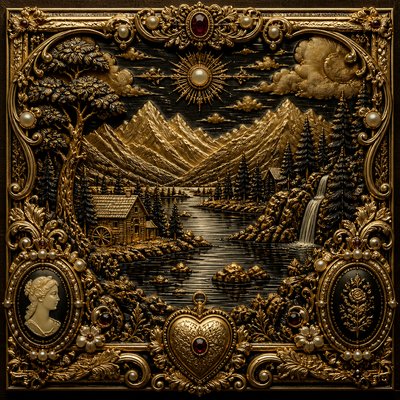
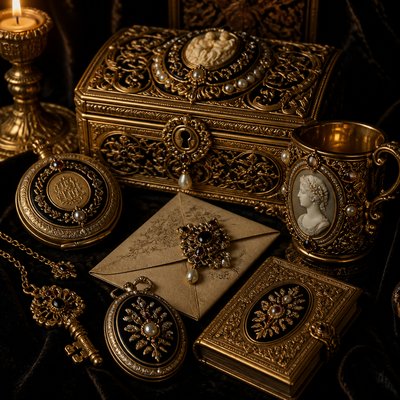
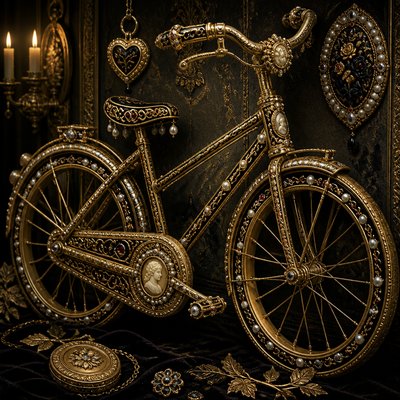
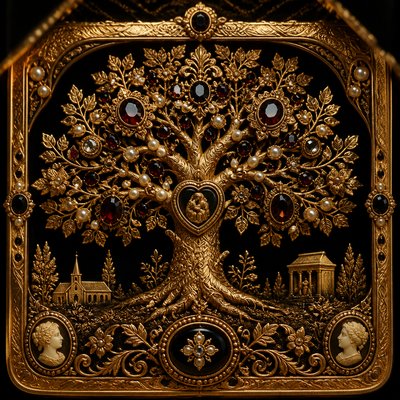
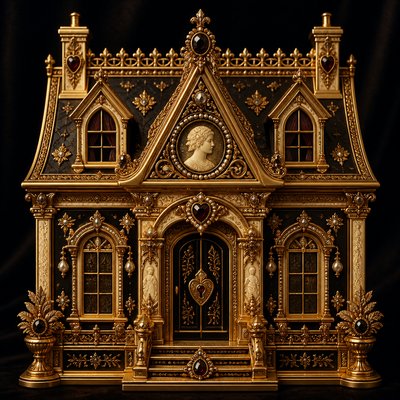
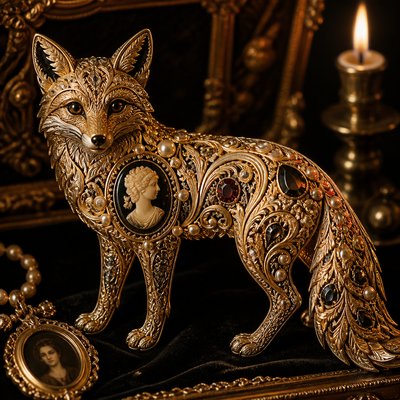
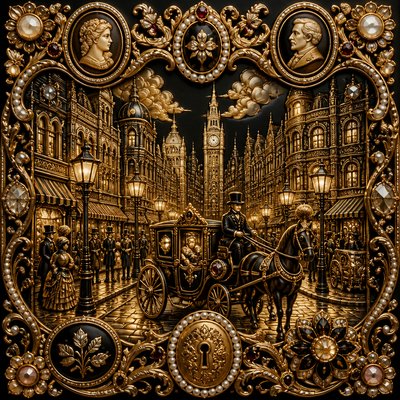
What is Victorian Jewelry Design?
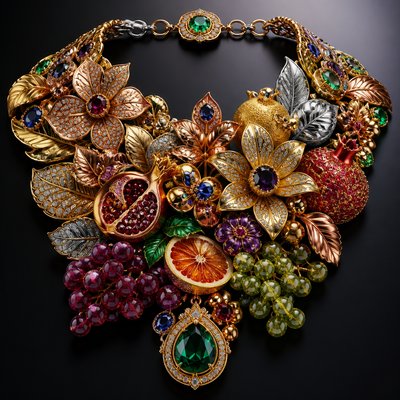
Victorian Jewelry Design refers to the ornate decorative language of 19th-century British and European jewelry, especially the pieces associated with the reign of Queen Victoria (1837–1901). It is defined by richly worked gold, sentimental symbolism, gemstone clusters, engraved surfaces, cameos, lockets, and mourning ornaments. The style ranges from early Victorian naturalism and romantic revivalism to later heavy, gem-laden forms, but it consistently emphasizes intimacy, memory, and wearable treasure.
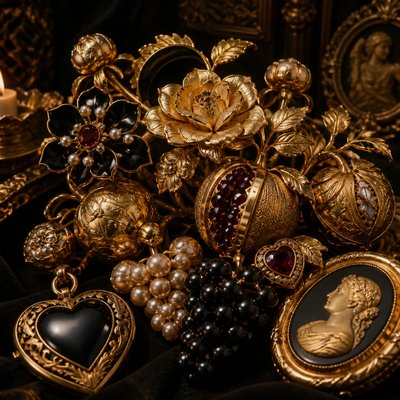
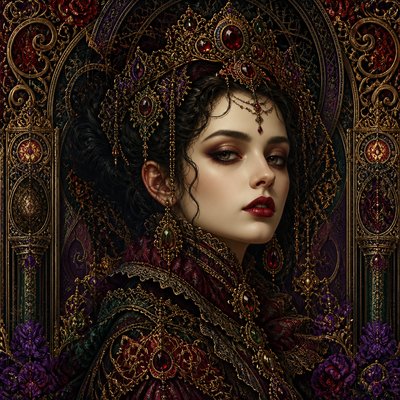
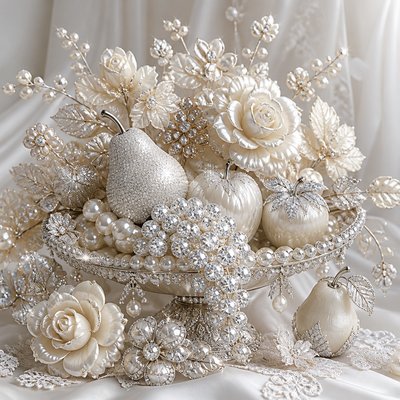
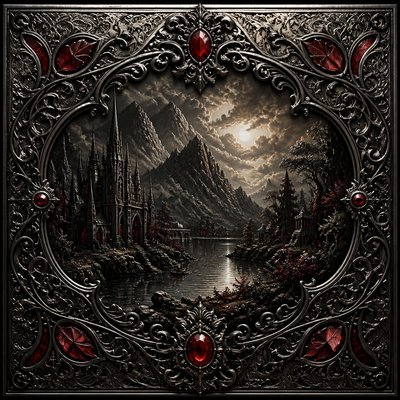
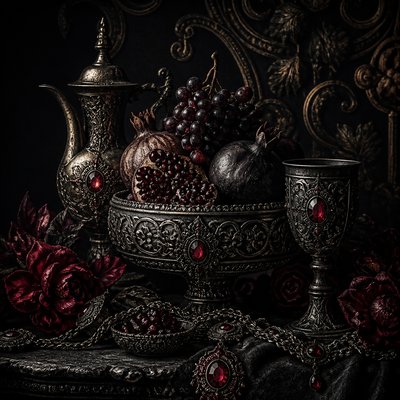
Its visual identity comes from the period’s fascination with sentiment, status, and craftsmanship. Jewelry was often made to commemorate love, death, family, and social occasion, so the objects tend to feel personal as well as luxurious. In visual terms this means warm yellow or rose gold, black enamel or jet, seed pearls, garnets, rose-cut diamonds, scrollwork, repoussé relief, and dangling or clustered compositions that catch candlelight. The result is a style that reads as heirloom, keepsake, and ceremonial object all at once.
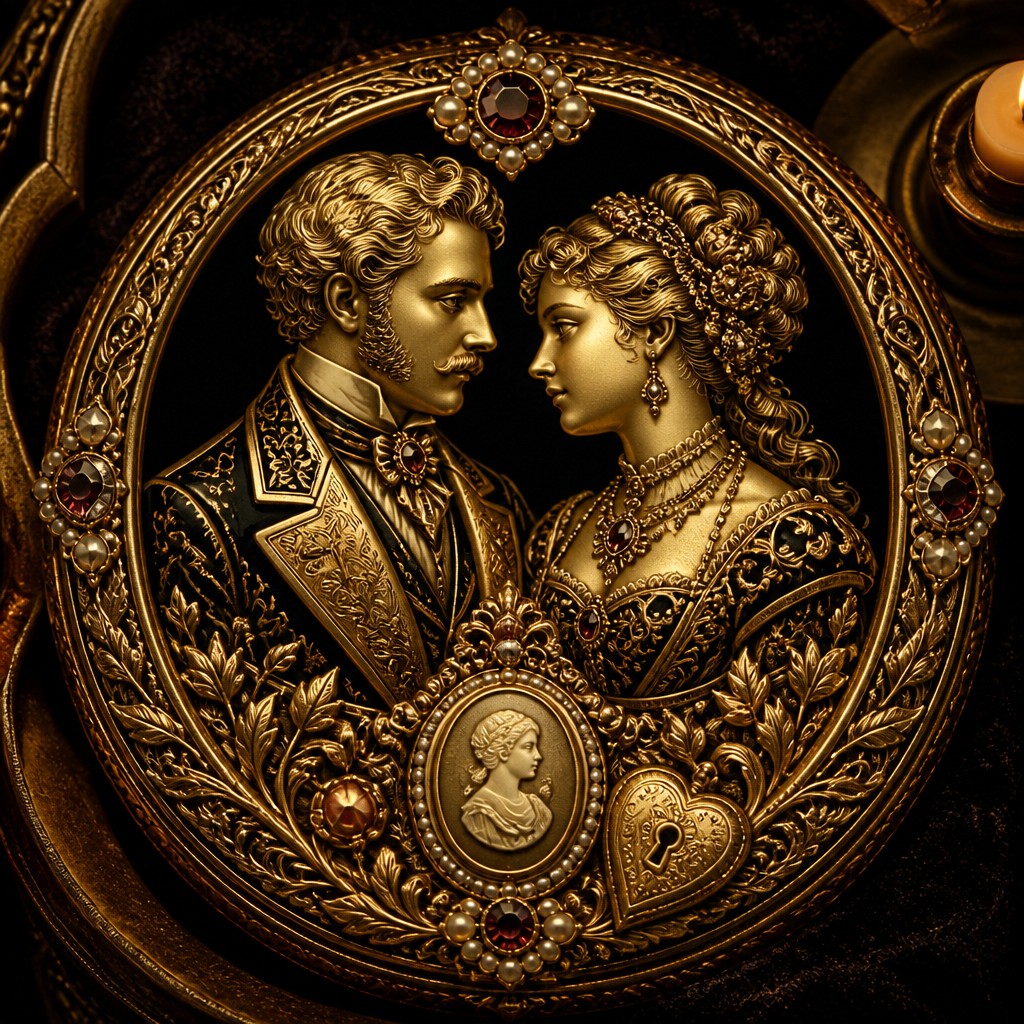
Try It On Your Photos
Upload any photo and convert it into Victorian Jewelry Design — drag the sliders to compare before and after.


What Defines Victorian Jewelry Design
The signature details, up close
Ornate goldsmithing
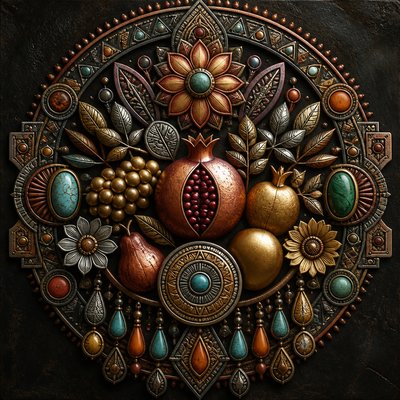
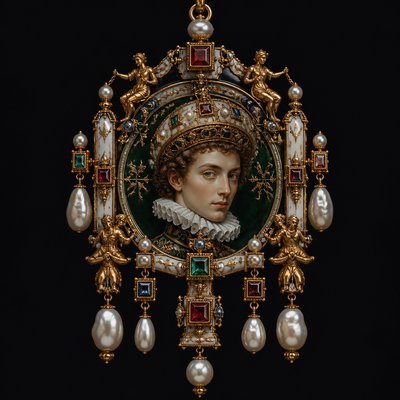
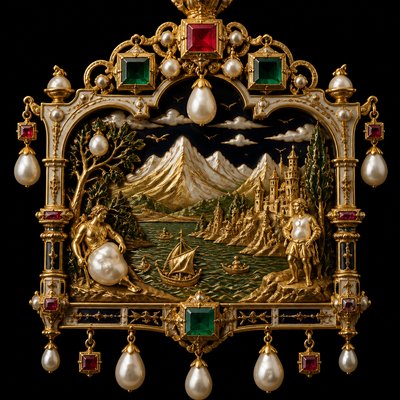
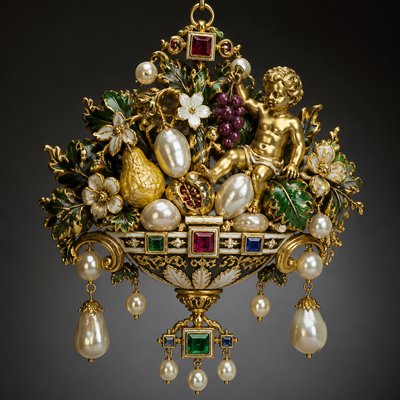
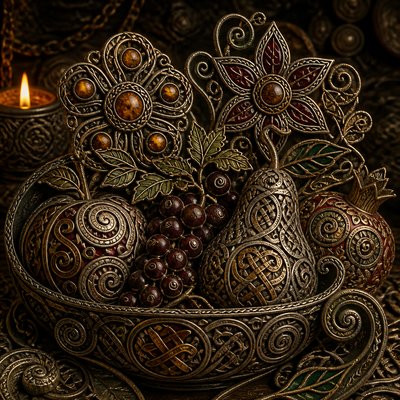
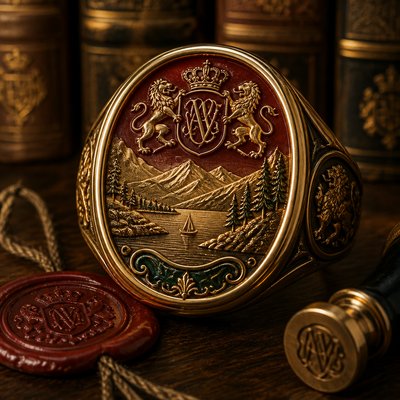
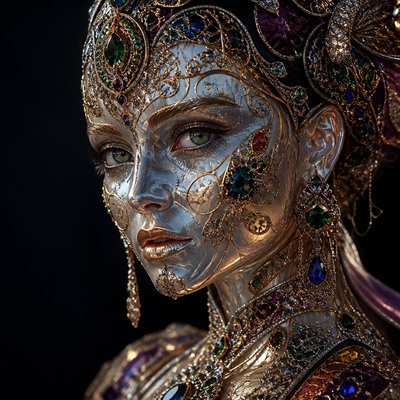
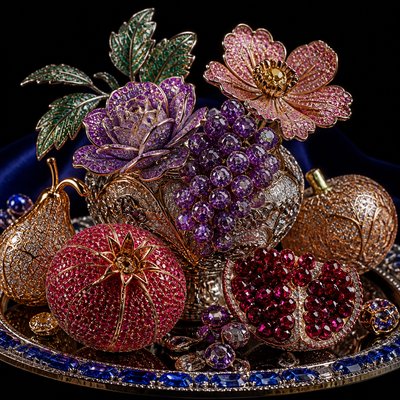
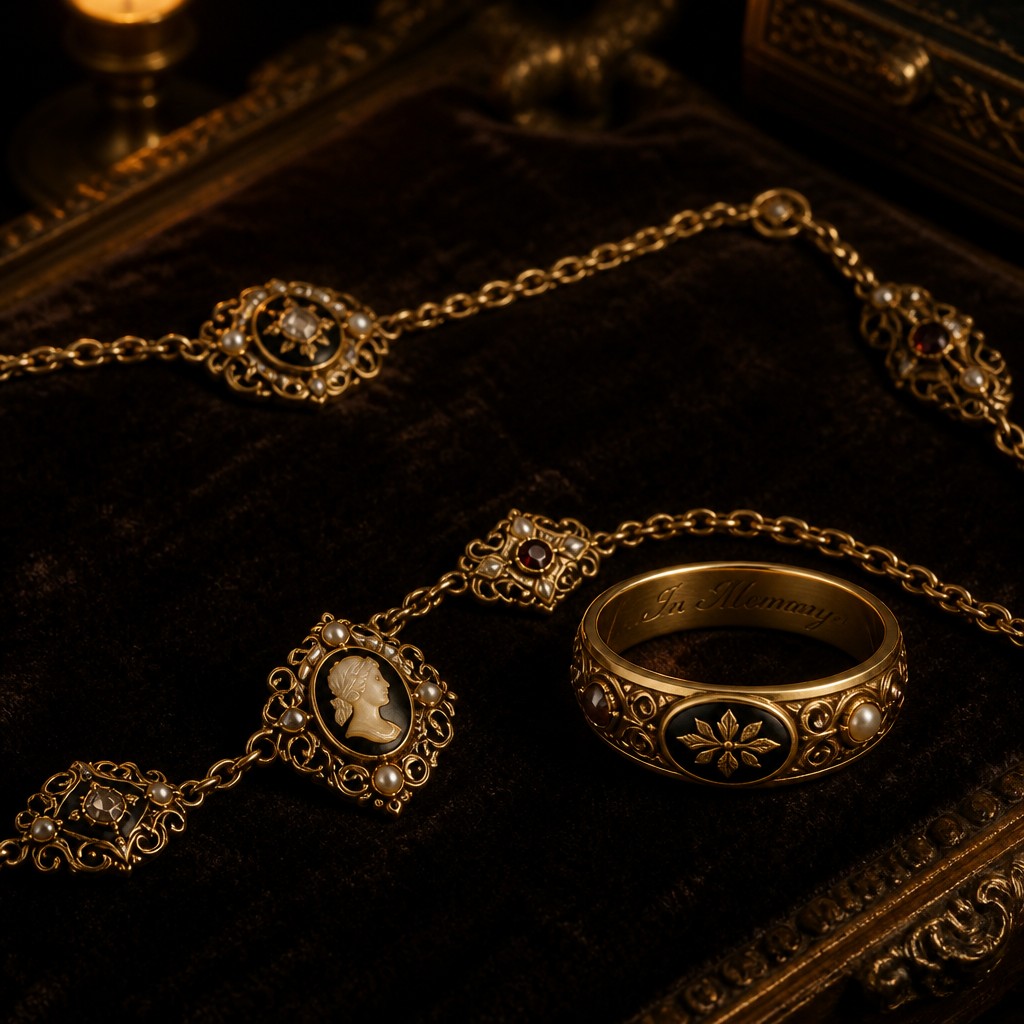
The metalwork is usually elaborate, with engraved borders, scrolls, filigree-like detail, repoussé relief, and layered settings. Warm yellow or rose gold gives the jewelry its characteristic antique glow.
Sentimental symbols
Hearts, knots, flowers, serpents, anchors, crosses, wreaths, and clasped hands commonly appear as motifs. These symbols often communicate love, remembrance, fidelity, or mourning.
Cameos and relief portraits
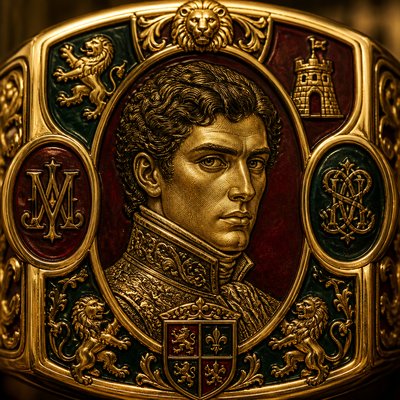
Cameos are a defining feature, especially in brooches, pendants, and rings. Their raised profiles and classical reliefs add a sculptural, heirloom quality.
Mourning materials
Black accents such as jet, onyx, enamel, and darkened metal are frequent, especially in memorial jewelry. These materials create a strong contrast against gold and pearls.
Pearls and rose-cut stones
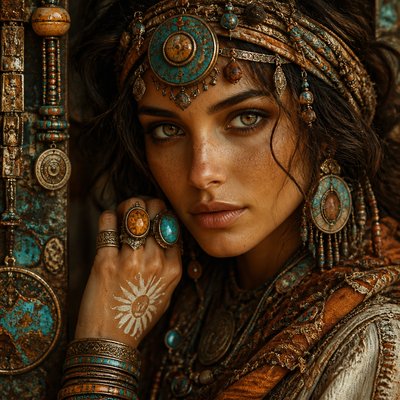
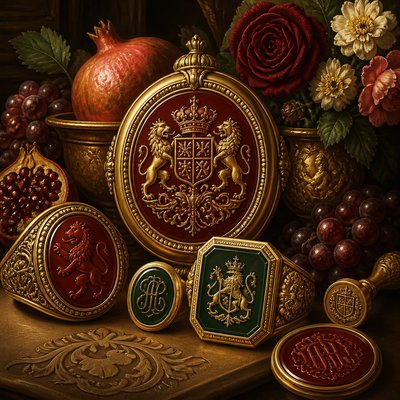
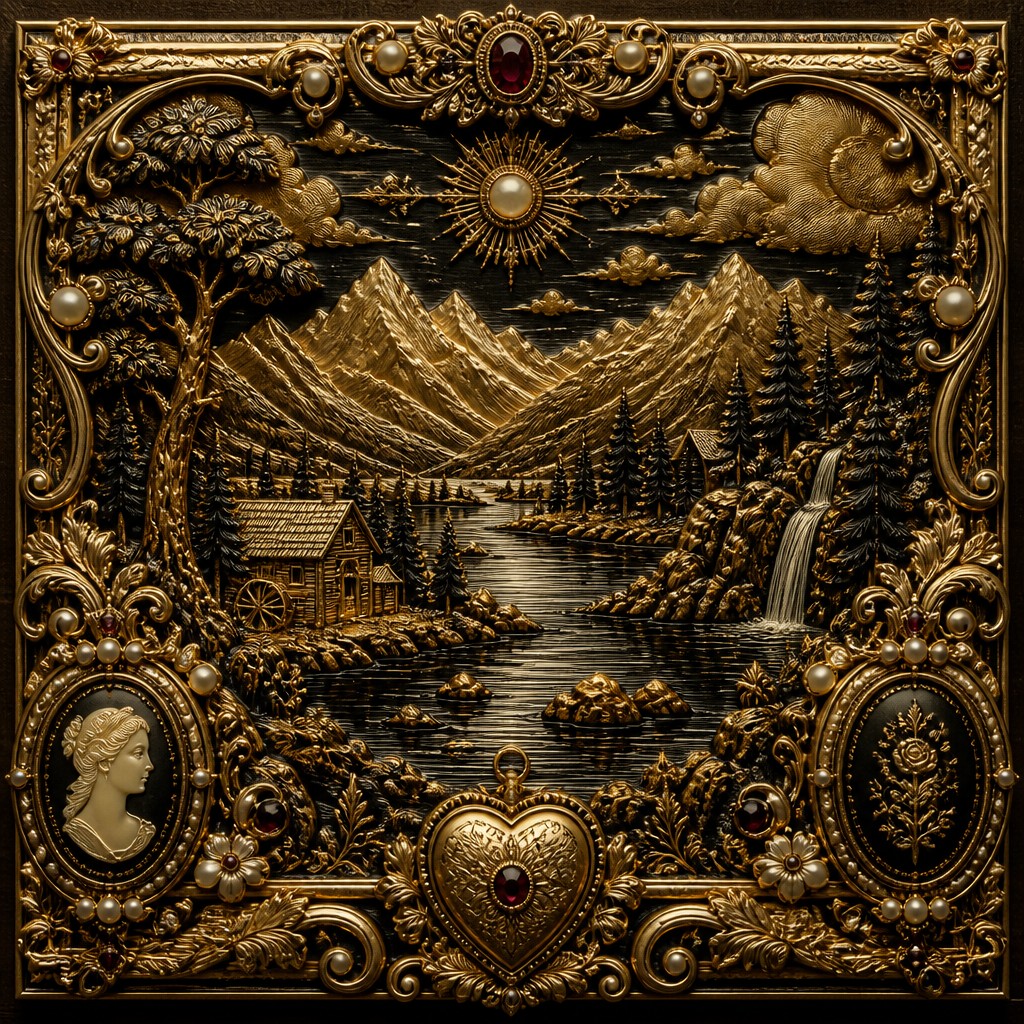
Seed pearls, rose-cut diamonds, garnets, turquoise, and pearls are common gemstone choices. They are often arranged in clusters, halos, or delicate borders rather than modern high-sparkle settings.
Compact, wearable ornament
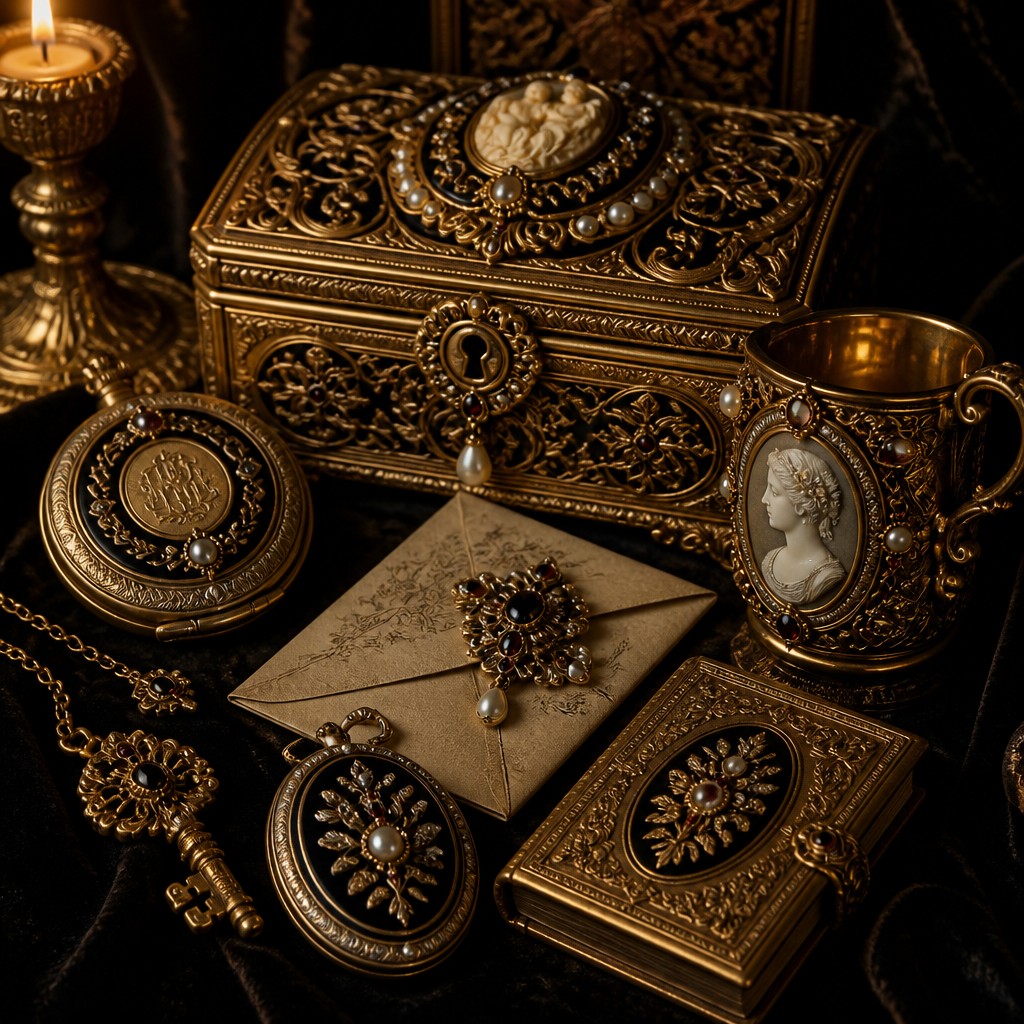
The forms are usually small to medium in scale but densely decorated. Even tiny objects like lockets and earrings are treated as miniature showcases of craftsmanship.
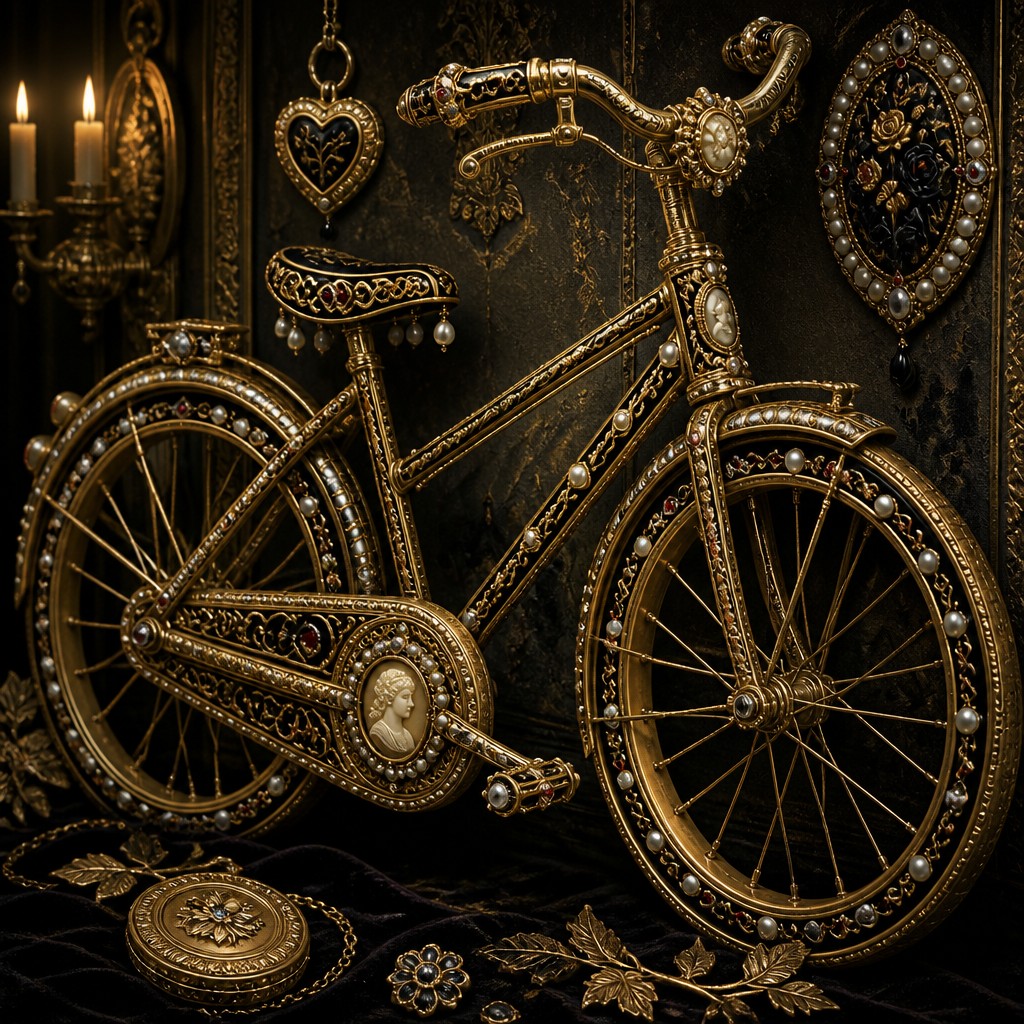
Keepsake atmosphere
Victorian jewelry often feels intimate and memorial, as if it belonged in a velvet-lined box or family archive. The mood is romantic, private, and slightly melancholy.
Try It
Create Videos in Victorian Jewelry Design
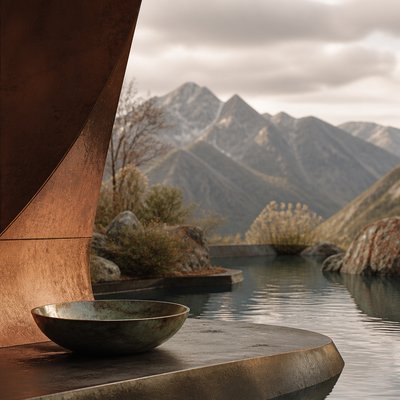
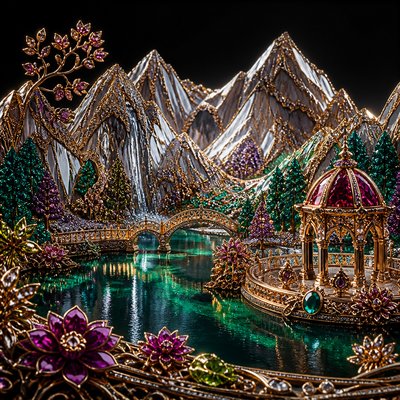
Styles aren't just for stills — describe a scene or animate an image and get a short video rendered in Victorian Jewelry Design. Press play to see this pond come to life.
Make a VideoVictorian Jewelry Design Prompt Ideas
Start from an idea — each one opens the generator with the style ready to go. See all 40 Victorian Jewelry Design prompts →
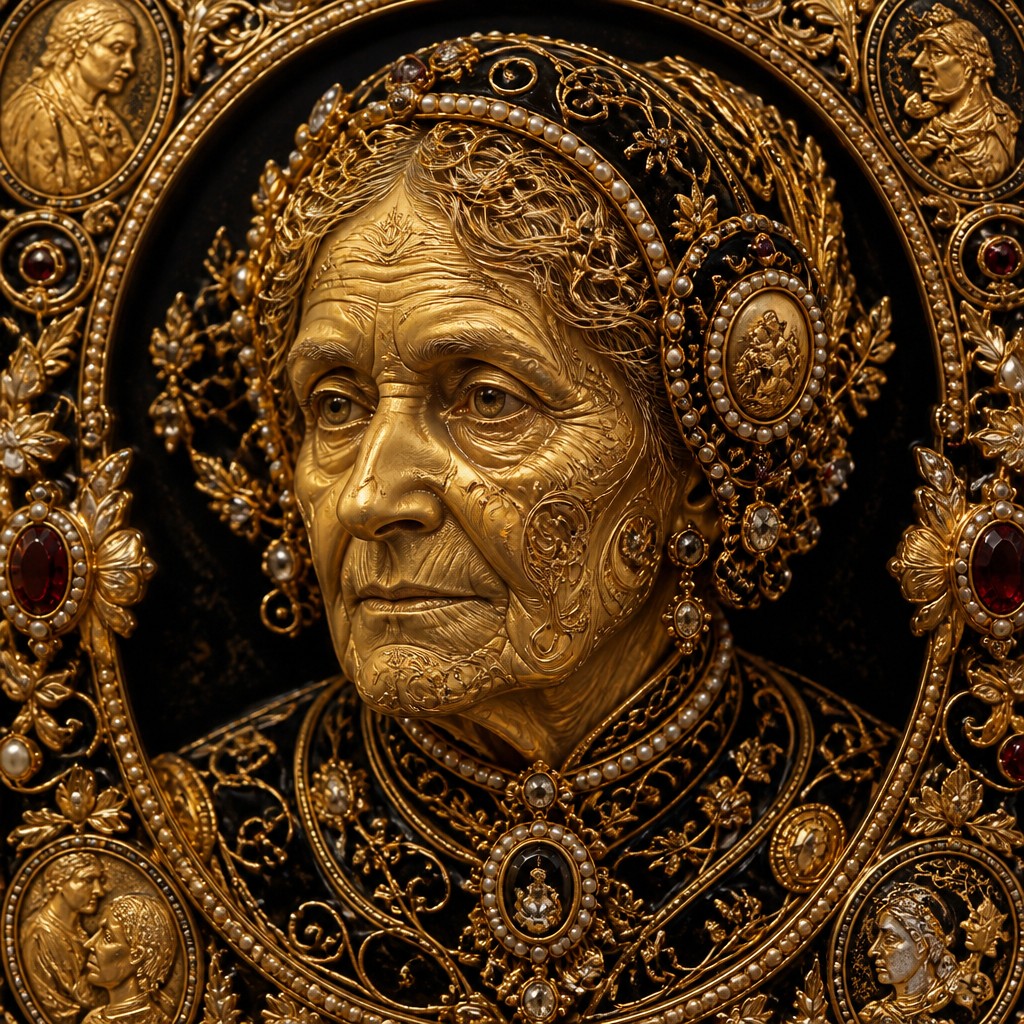
“close-up portrait of an elderly person with expressive weathered features”
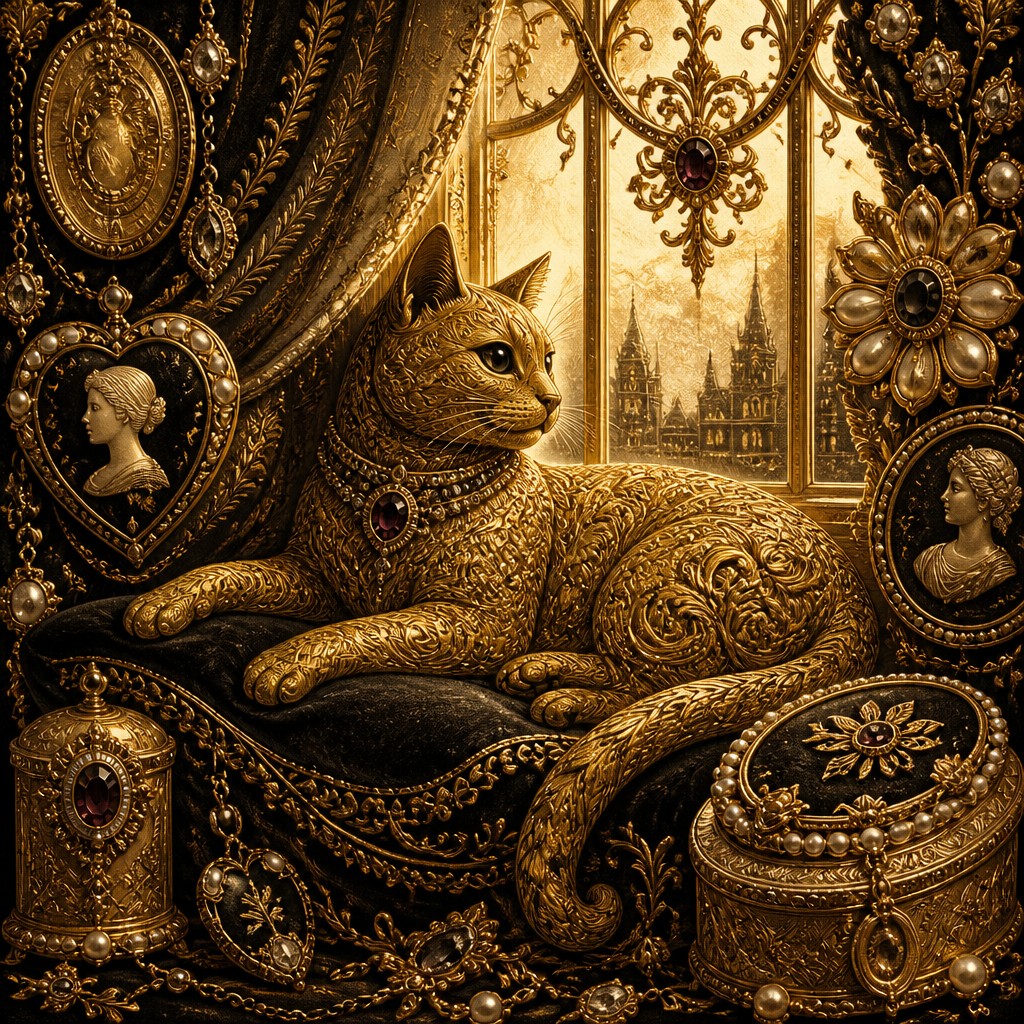
“a cat lounging in a sunlit window”
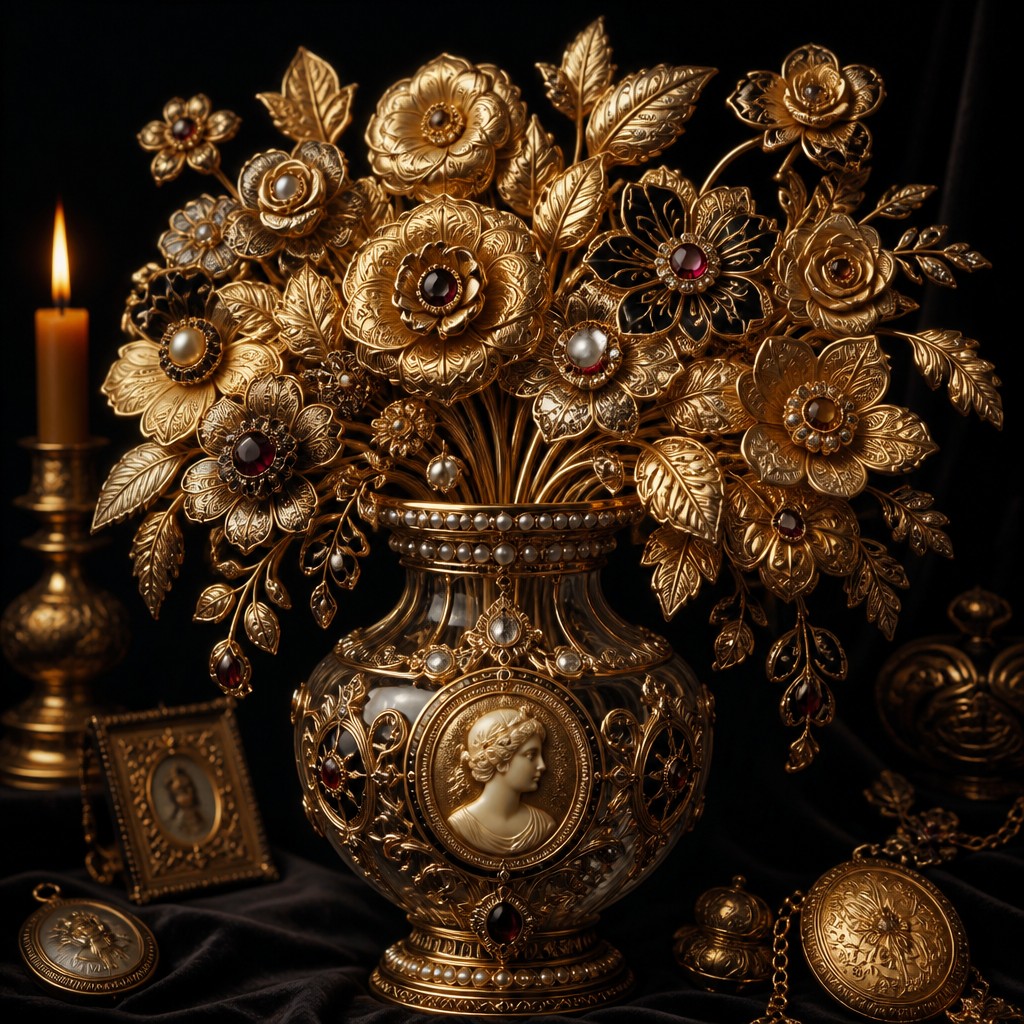
“bouquet of flowers in a glass vase”
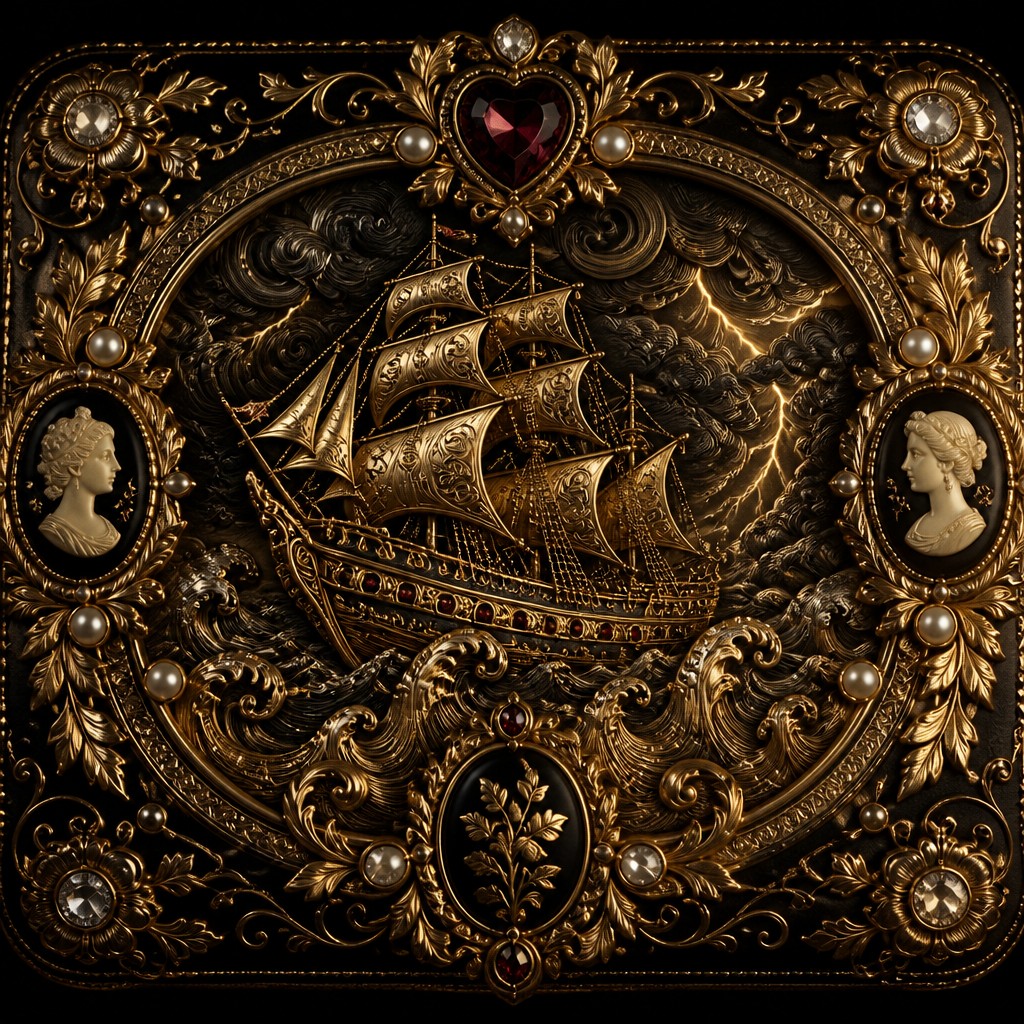
“sailing ship on a stormy sea”
How to Create Victorian Jewelry Design Art
Master the craft step by step — or skip straight to creating. Read the full guide →
- 1
Use antique jewelry structure
Build the composition around a classic Victorian form such as a brooch, pendant, locket, ring, bracelet, or earrings. Keep the silhouette elegant and symmetrical, then add layered detail with bead borders, scrolls, and engraved metal.
- 2
Choose historically plausible materials
Favor yellow gold, rose gold, seed pearls, garnets, jet, onyx, enamel, and rose-cut diamonds. If you are drawing or painting by hand, suggest material quality through warm highlights, dark recesses, and small reflective accents rather than broad modern shine.
- 3
Emphasize sentimental motifs
Include symbolic imagery that fits the Victorian language of affection and mourning: cameos, flowers, hearts, bows, wreaths, hairwork, initials, or lockets. These motifs make the object feel period-accurate and emotionally grounded.
- 4
Control the lighting and finish
Render the metal with soft candlelit glints and deep velvet-like shadows to evoke antique display conditions. In digital or AI-based generation, specify burnished gold, dark background, and close-up product-style framing to preserve the jewelry’s small-scale intricacy.
- 5
Balance delicacy with density
Victorian pieces often look richly packed but still refined. Avoid empty space inside the object; instead, distribute ornament in borders, clusters, and layered surface decoration so the design feels handmade and treasured.
- 6
Prompt with period specifics
When generating images, name the object type, materials, and mood together, such as 'antique oval locket with seed pearls and black enamel, velvet background, candlelit gold sheen.' That combination produces a stronger historical result than vague terms like 'old-fashioned jewelry.'
The Story
History & Origins of Victorian Jewelry Design
Victorian Jewelry Design developed in Britain and spread through Europe and America during the 19th century. It absorbed influences from Neoclassicism, the Gothic Revival, Rococo revival, and later the broader historicist taste of the Victorian era. Early Victorian pieces often favored romantic motifs such as flowers, hearts, serpents, knots, and natural forms, while mid- and late-century jewelry increasingly included richer gemstone settings, black enamel, jet, and memorial pieces shaped by mourning customs after Prince Albert’s death in 1861.
The style is best understood as a historical jewelry tradition rather than a single unified movement. Its development reflects advances in goldsmithing, industrial production, gem cutting, and the growing Victorian market for sentimental accessories. Cameos, lockets, brooches, hair jewelry, and parures became especially important, because they allowed wearers to display memory, affection, piety, and social identity in miniature form.
Influences: Victorian Jewelry Design draws from several real 19th-century traditions, including Neoclassicism, the Gothic Revival, Rococo revival, and mourning jewelry customs. It also reflects the period’s broader interest in historicism and craftsmanship, as well as the popular taste for cameos, hairwork, and symbolic ornament. In its refined metalwork and decorative richness, it can be compared with the jewelry produced by major 19th-century houses and designers such as Carlo Giuliano, although the style itself is broader than any single maker or workshop.

Frequently Asked Questions
What defines Victorian Jewelry Design?
It is defined by ornate 19th-century metalwork, sentimental symbolism, and a preference for warm gold, pearls, garnets, cameos, and mourning details. The style often feels intimate and heirloom-like rather than sleek or minimal. Its design language is dense, romantic, and strongly tied to memory and personal meaning.
How is it different from Edwardian jewelry?
Victorian jewelry tends to be heavier, darker, and more symbolically loaded, with more visible sentiment and mourning motifs. Edwardian jewelry, by contrast, usually appears lighter, airier, and more lace-like, with extensive platinum and diamond work. Victorian pieces often use richer color contrasts and more compact ornament.
What materials are most associated with this style?
Yellow gold, rose gold, seed pearls, garnets, jet, onyx, enamel, and rose-cut diamonds are especially characteristic. Cameos, lockets, and hair jewelry are also strongly associated with the period. The material palette is usually warm, dark, and softly reflective rather than bright and modern.
Why does Victorian jewelry often look sentimental or mournful?
Victorian culture placed strong value on memory, domestic affection, and public expressions of grief. Jewelry became a way to preserve initials, hair, portraits, and symbolic references to love or loss. That is why many pieces feel like wearable keepsakes or memorial objects.
Can this style be used for fantasy or modern characters?
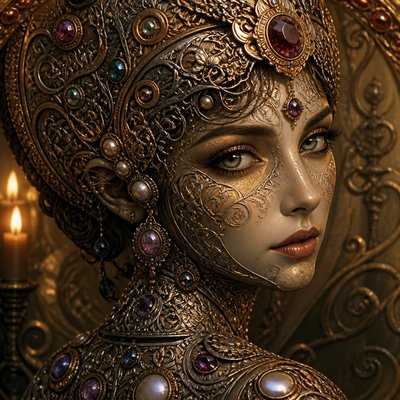
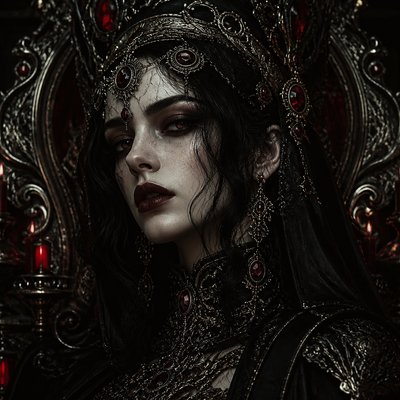
Yes, because its visual vocabulary is immediately recognizable and emotionally evocative. It works well for fantasy regalia, gothic characters, historical portraits, and luxury accessories with an antique feel. To keep it convincing, preserve the Victorian material palette and ornamental density.
How do I make an image look authentically Victorian instead of just generic vintage?
Focus on historically plausible object types, such as brooches, lockets, cameo pendants, and mourning rings. Use period materials and motifs, and avoid modern gemstone cuts, clean minimal settings, or overly symmetrical contemporary fashion styling. Small details like engraved gold, seed pearls, and black enamel make a major difference.
Create your first Victorian Jewelry Design artwork
Describe anything — or upload a photo — and see it in Victorian Jewelry Design in seconds.
Related Styles
Discover similar art styles