Moroccan Interior Design
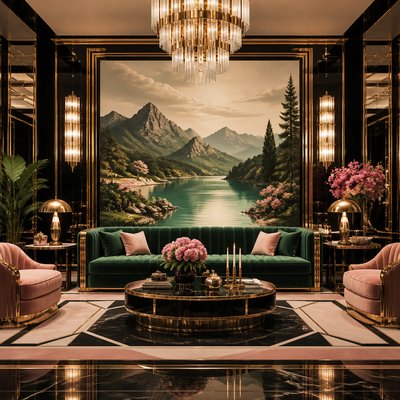
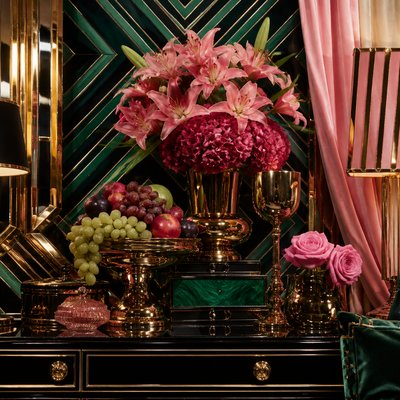
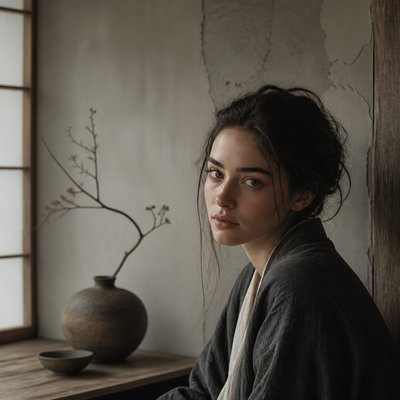
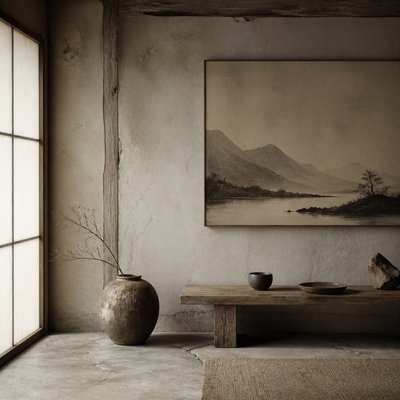
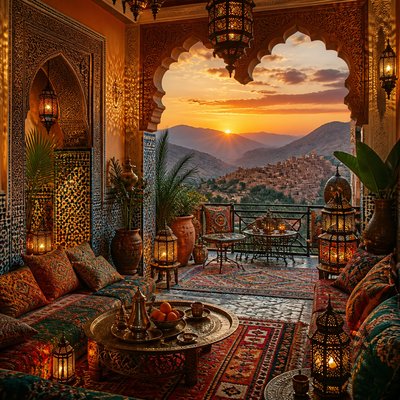
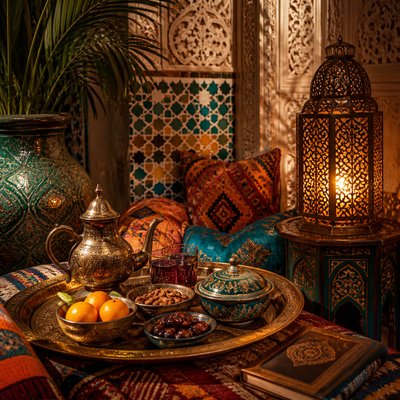
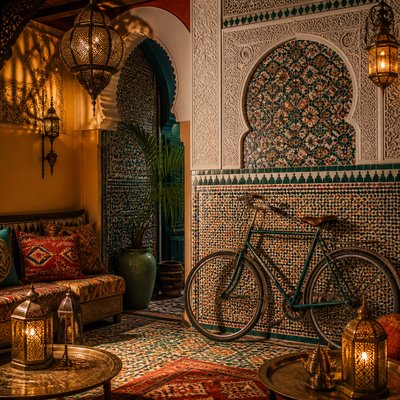
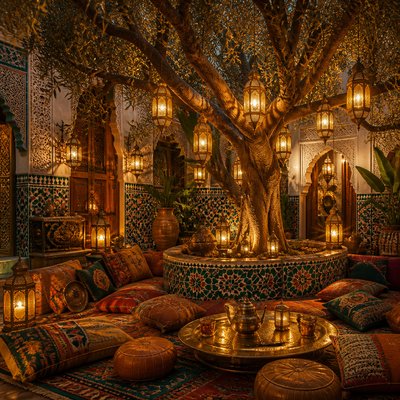
Zellige tile, brass lanterns, kilims, and jewel tones define this Moroccan-inspired interior style.
Instantly rendered in Moroccan Interior Design — or transform a photo
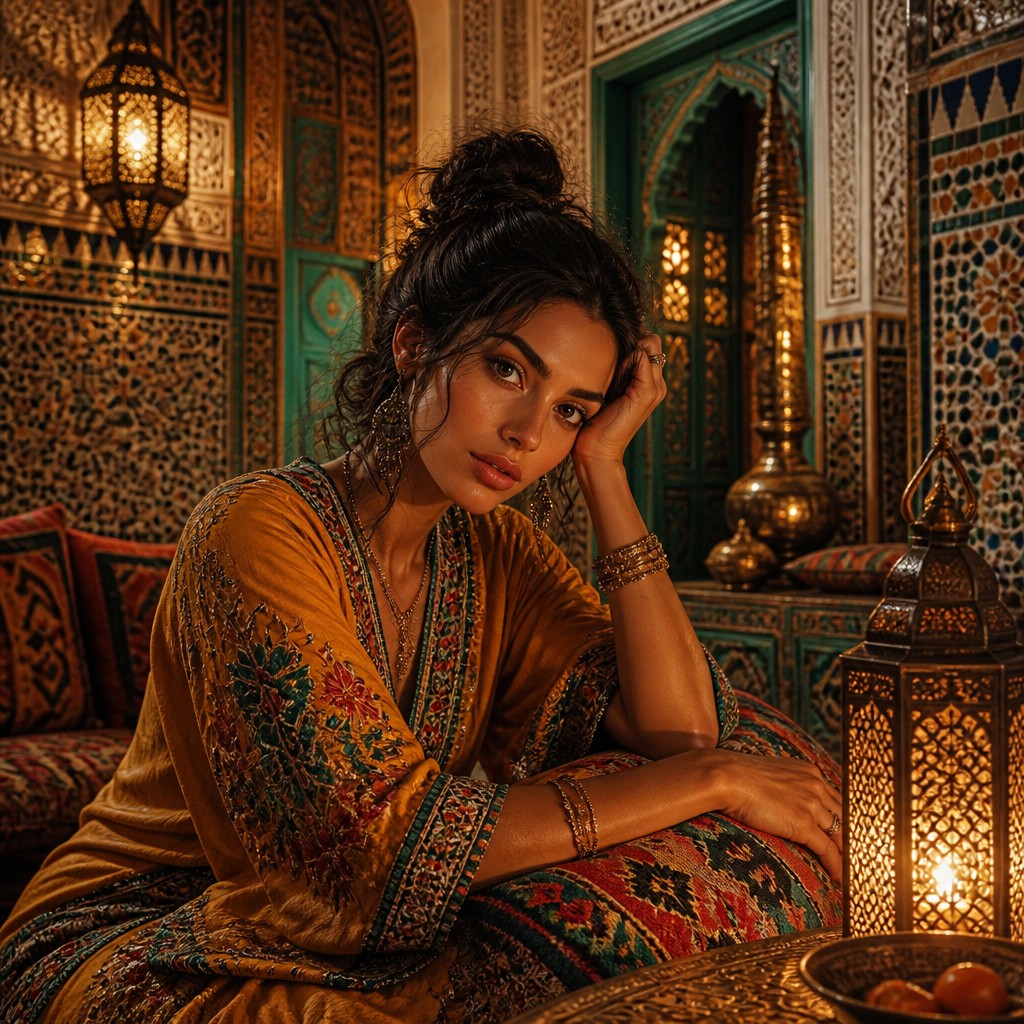
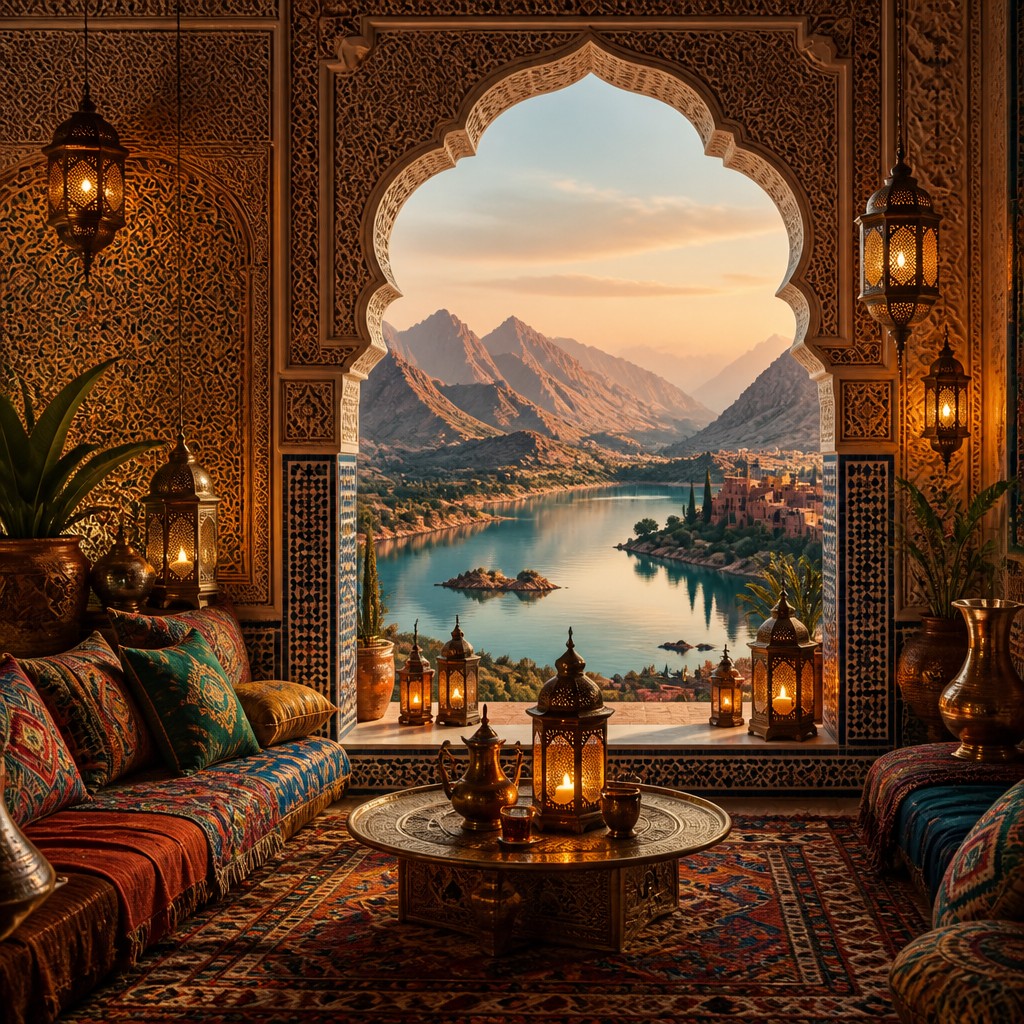
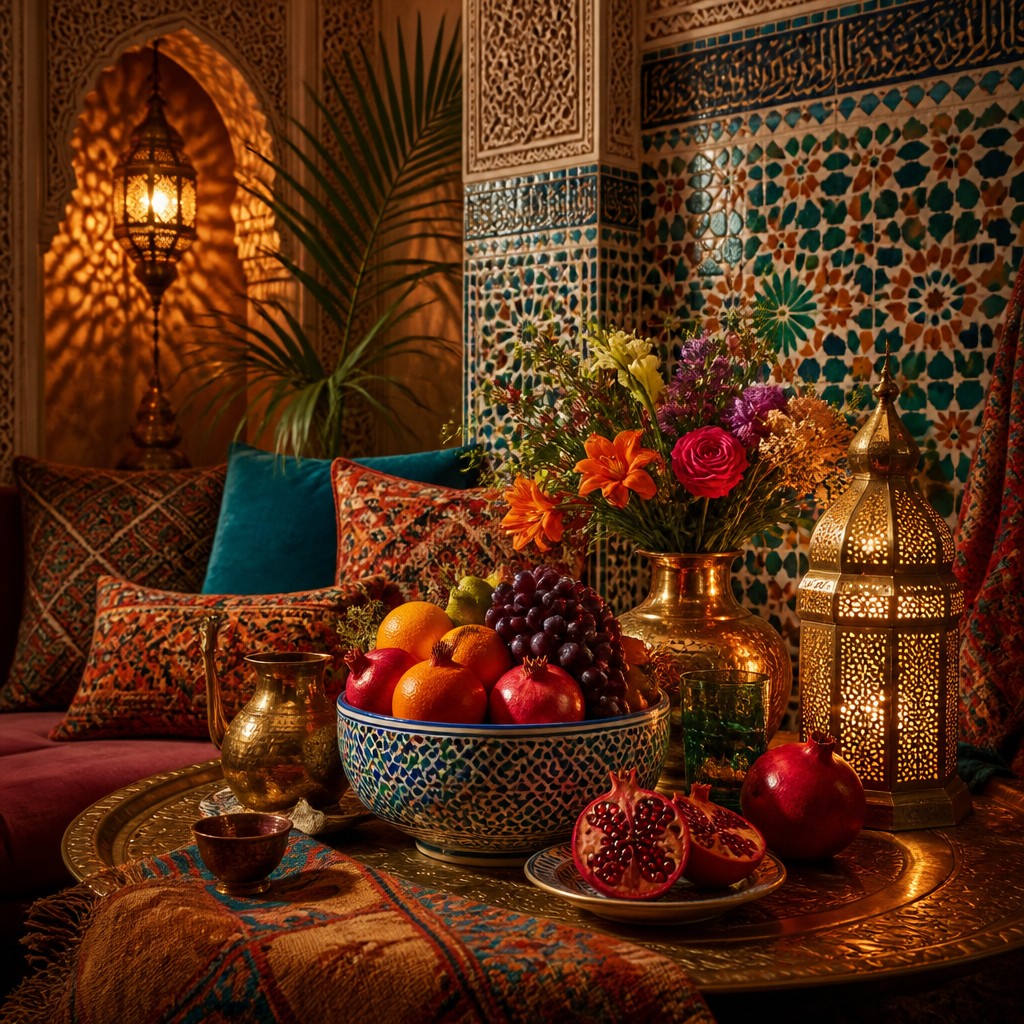
Moroccan Interior Design Gallery
Tap any artwork to explore it
What is Moroccan Interior Design?
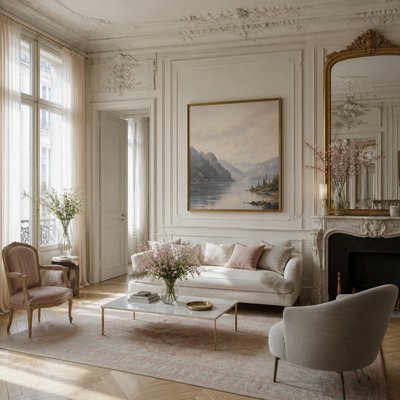
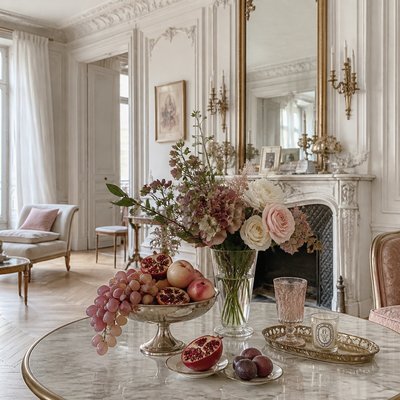
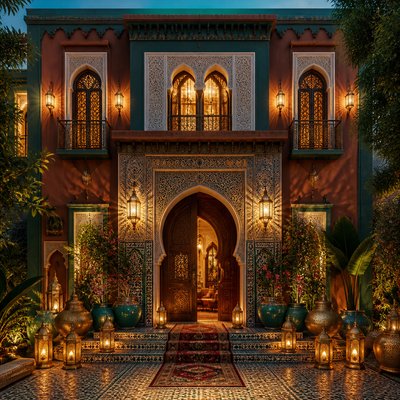
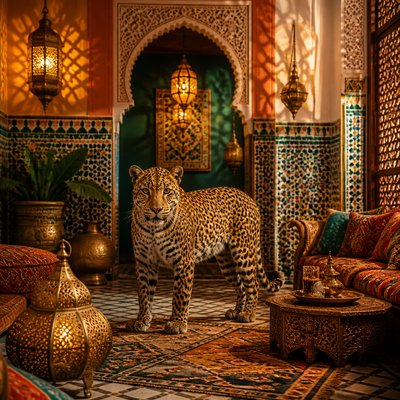
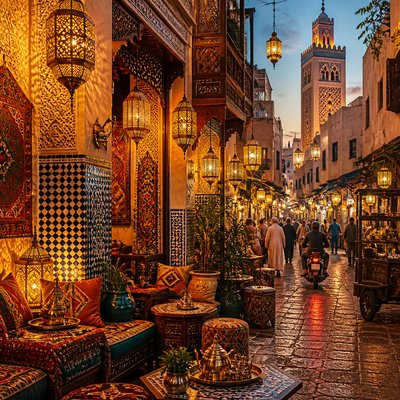
Moroccan Interior Design is an interior aesthetic shaped by the domestic architecture, craft traditions, and decorative arts of Morocco, especially the riad and courtyard house. It is recognized by dense ornament, cool tile surfaces balanced by warm textiles and metalwork, and an atmosphere built around filtered light, color layering, and tactile richness.
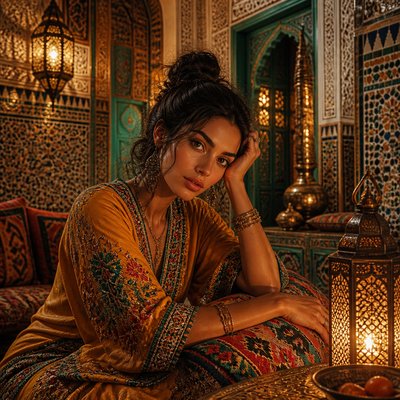
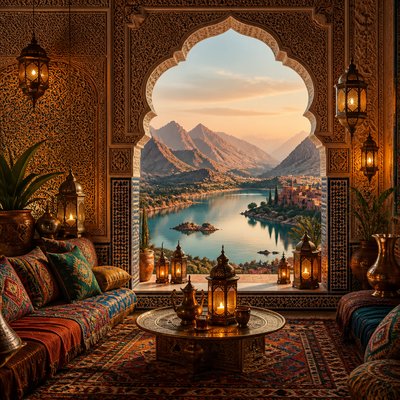
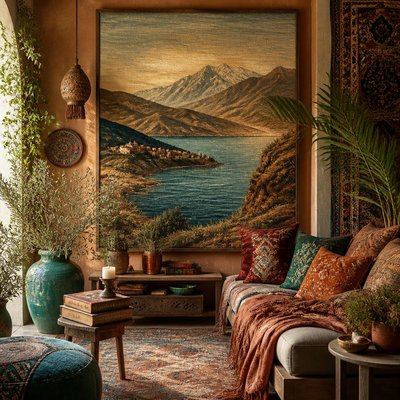
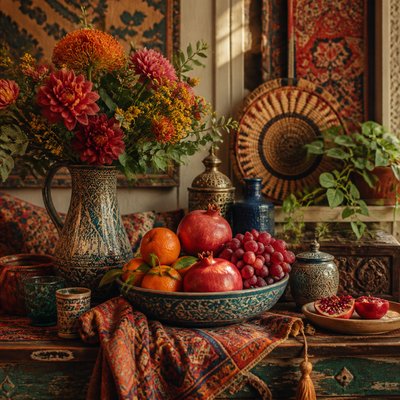
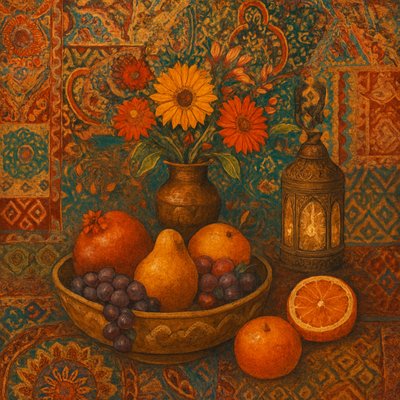
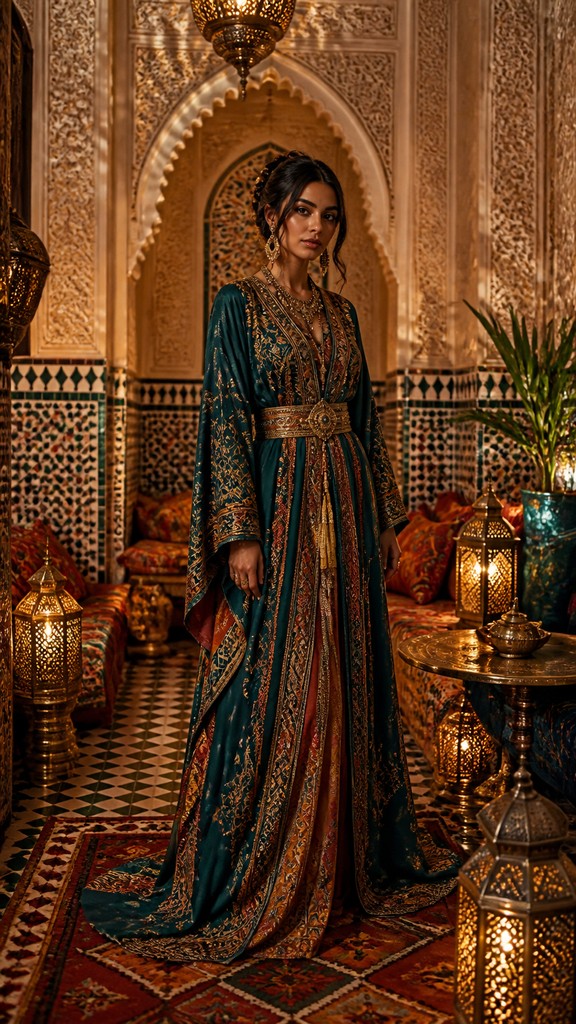
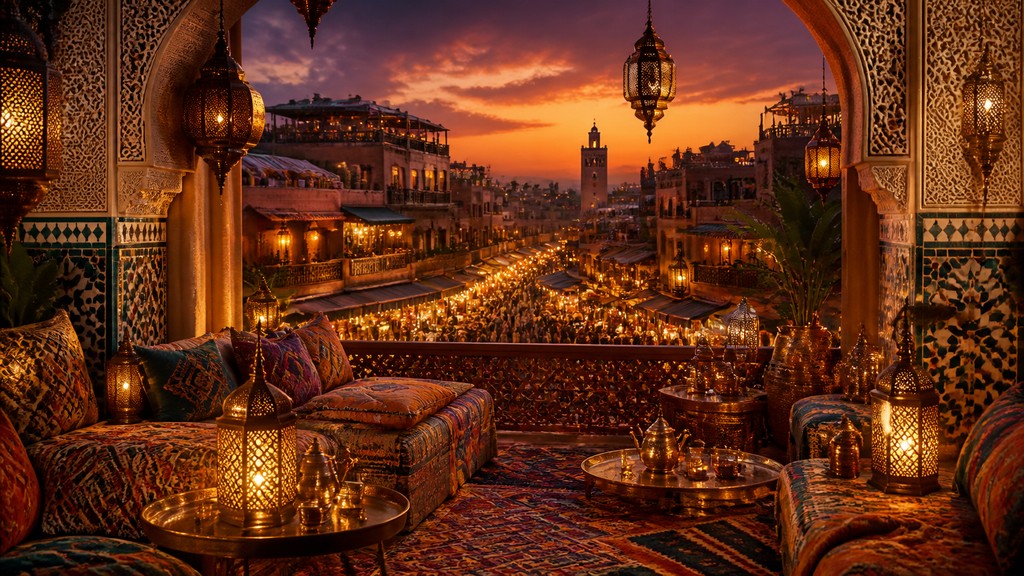
The style typically combines zellige mosaic tile, carved plaster, cedar wood, hammered brass, and woven rugs or kilims in a palette of saffron, terracotta, teal, indigo, and jewel-like accents. Its visual identity comes from the interaction of pattern and light: pierced lanterns cast intricate shadows, tiled walls create geometric rhythm, and low seating with cushions and textiles gives the space a relaxed, enveloping feel.
Try It On Your Photos
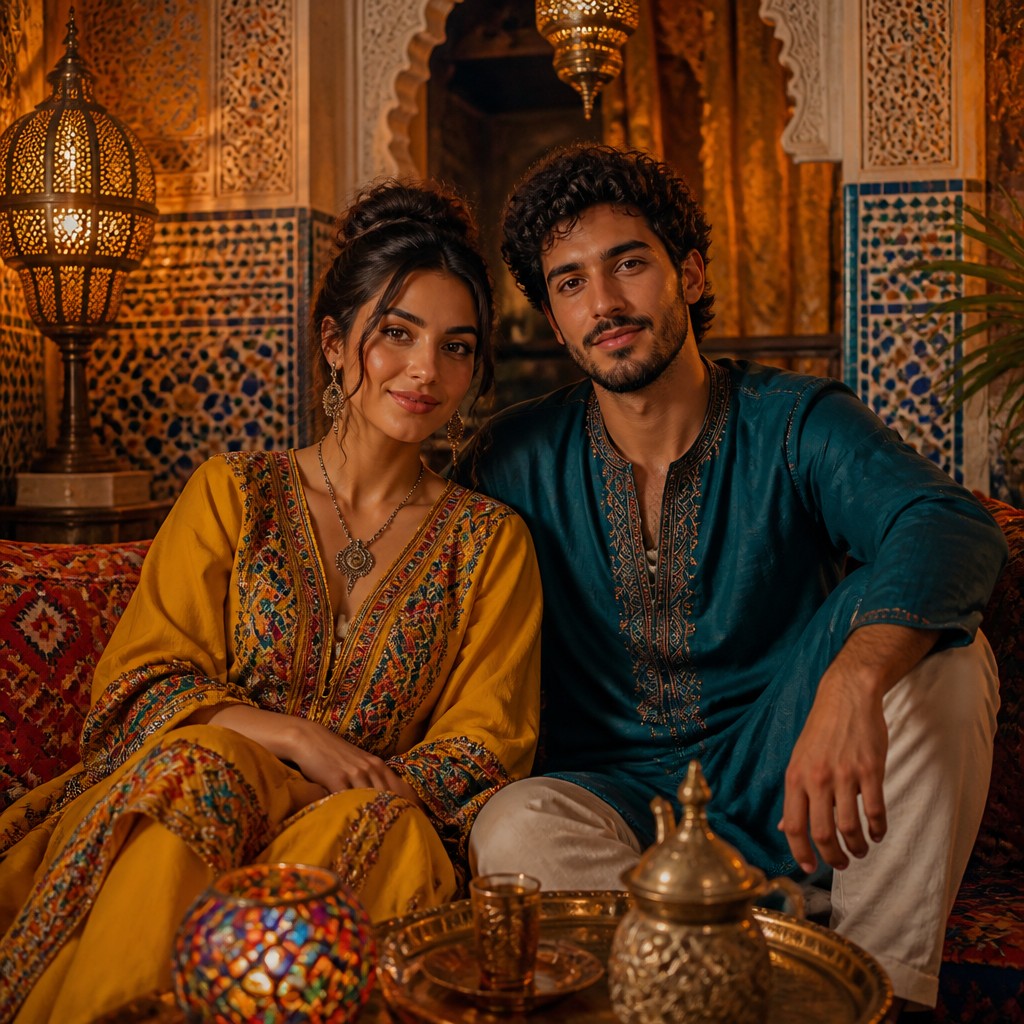
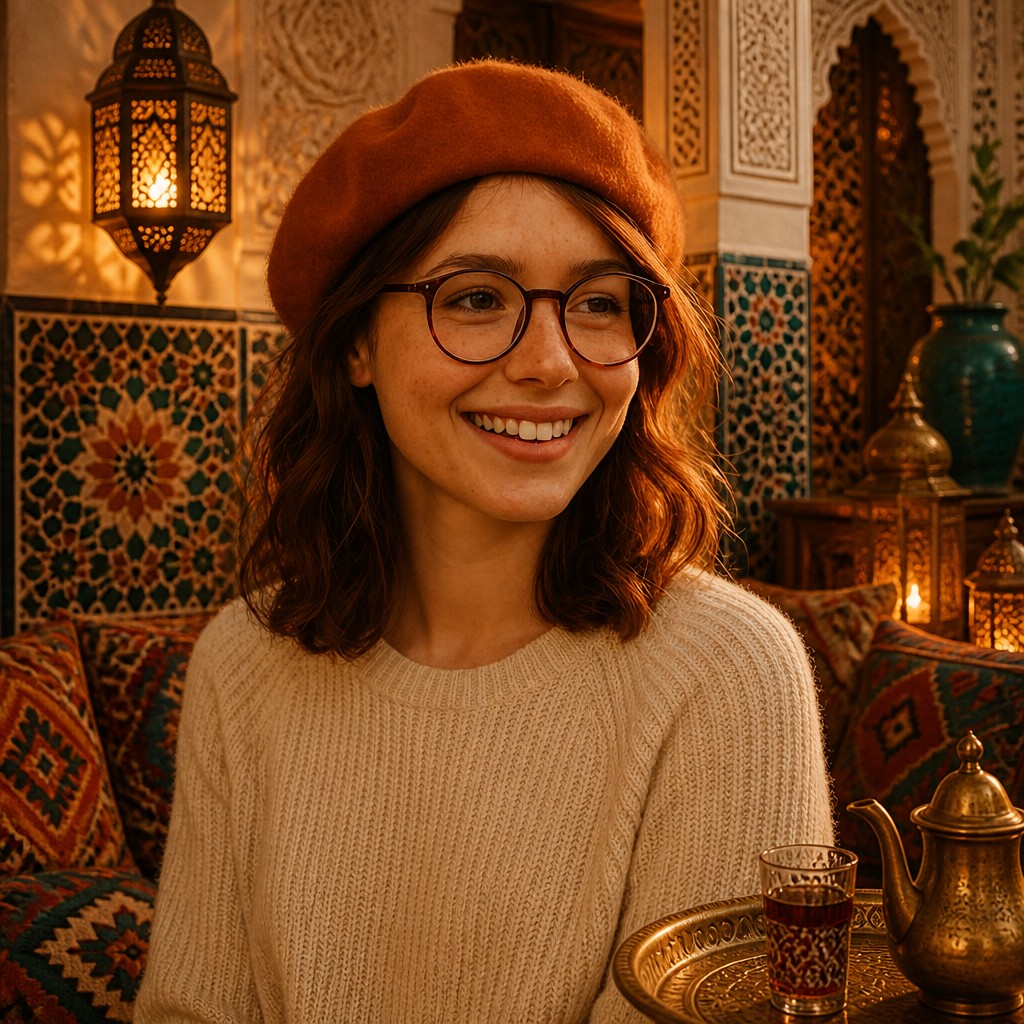
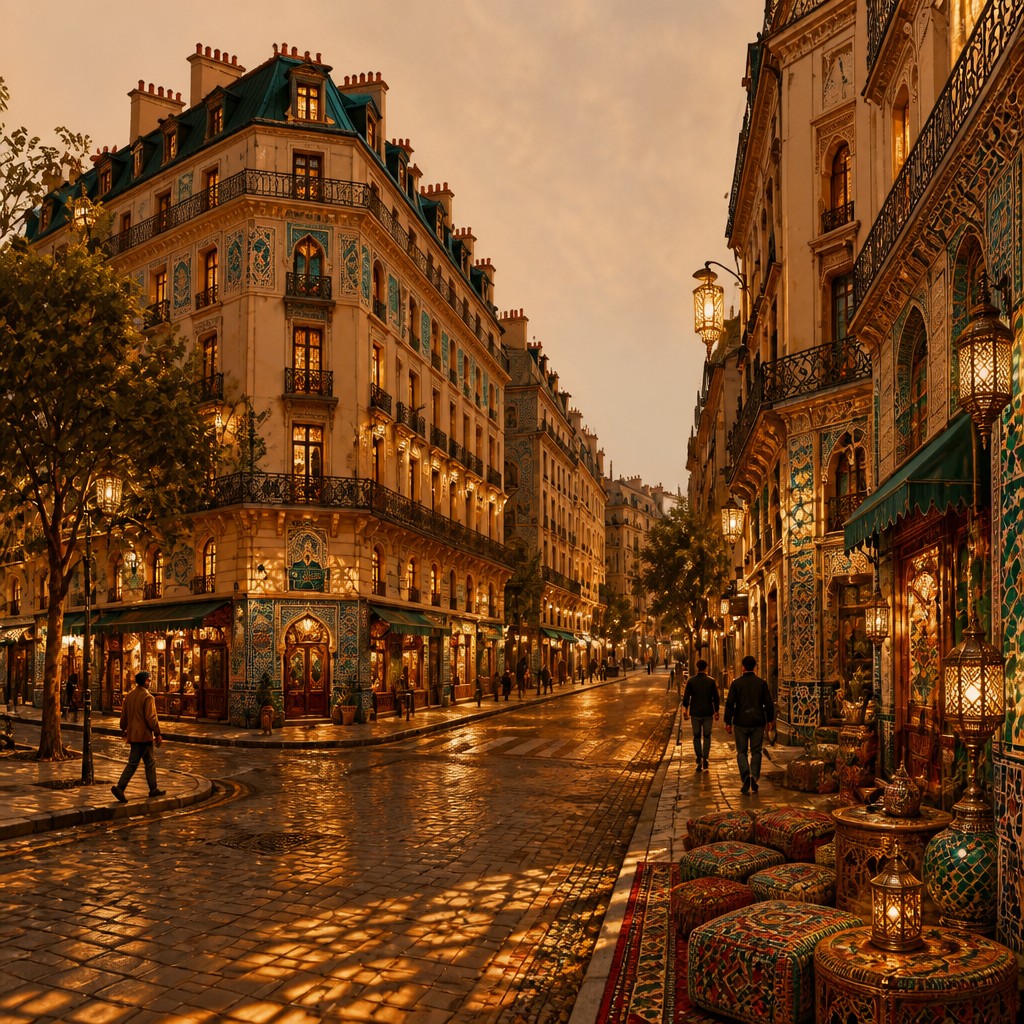
Upload any photo and convert it into Moroccan Interior Design — drag the sliders to compare before and after.


What Defines Moroccan Interior Design
The signature details, up close
Zellige tilework
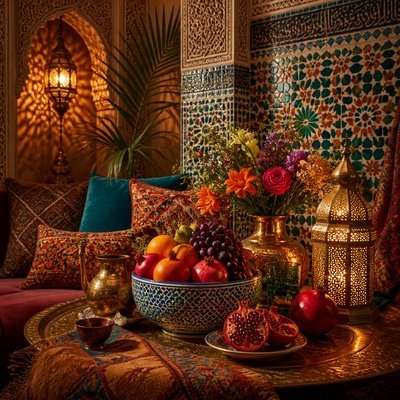
Hand-cut glazed tiles arranged into geometric mosaics are one of the most recognizable elements. The surface is slightly irregular, creating a lively, handmade shimmer rather than a perfectly uniform finish.
Carved plaster and stucco ornament
Walls, arches, and cornices often feature intricate vegetal or geometric reliefs. This relief work adds depth and shadow, making the architecture feel richly articulated even in small spaces.
Brass and metal lanterns
Pierced lanterns and hammered trays introduce reflective warmth and patterned light. Their cutouts produce ornate shadow maps that animate the room after dusk.
Layered textiles and kilims
Rugs, cushions, throws, and tent-like fabrics soften the hard surfaces and add color density. Woven patterns often provide contrast to the tile geometry with stripes, diamonds, and tribal motifs.
Low, relaxed seating
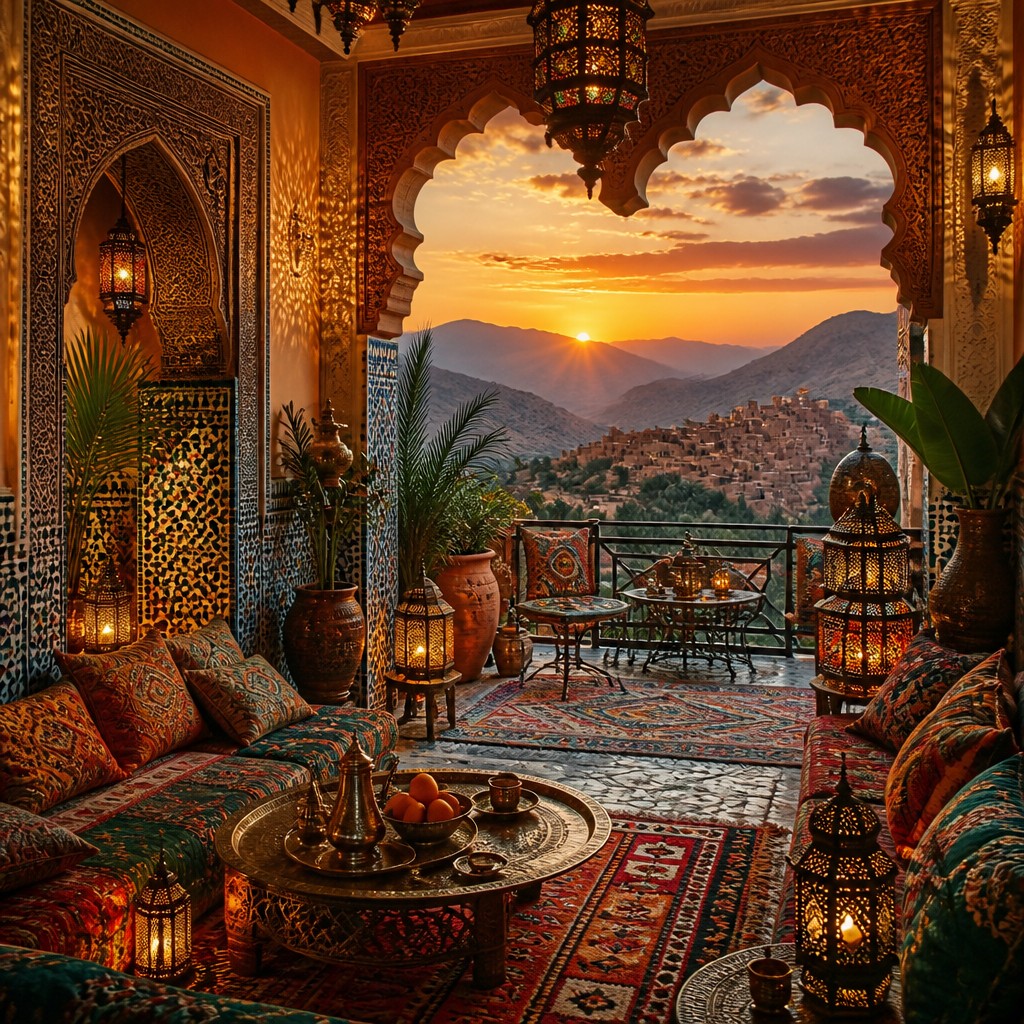
Sofas, daybeds, poufs, and floor cushions encourage a lounging arrangement rather than a formal upright layout. This contributes to the style’s intimate and hospitality-centered atmosphere.
Jewel-toned, warm palette
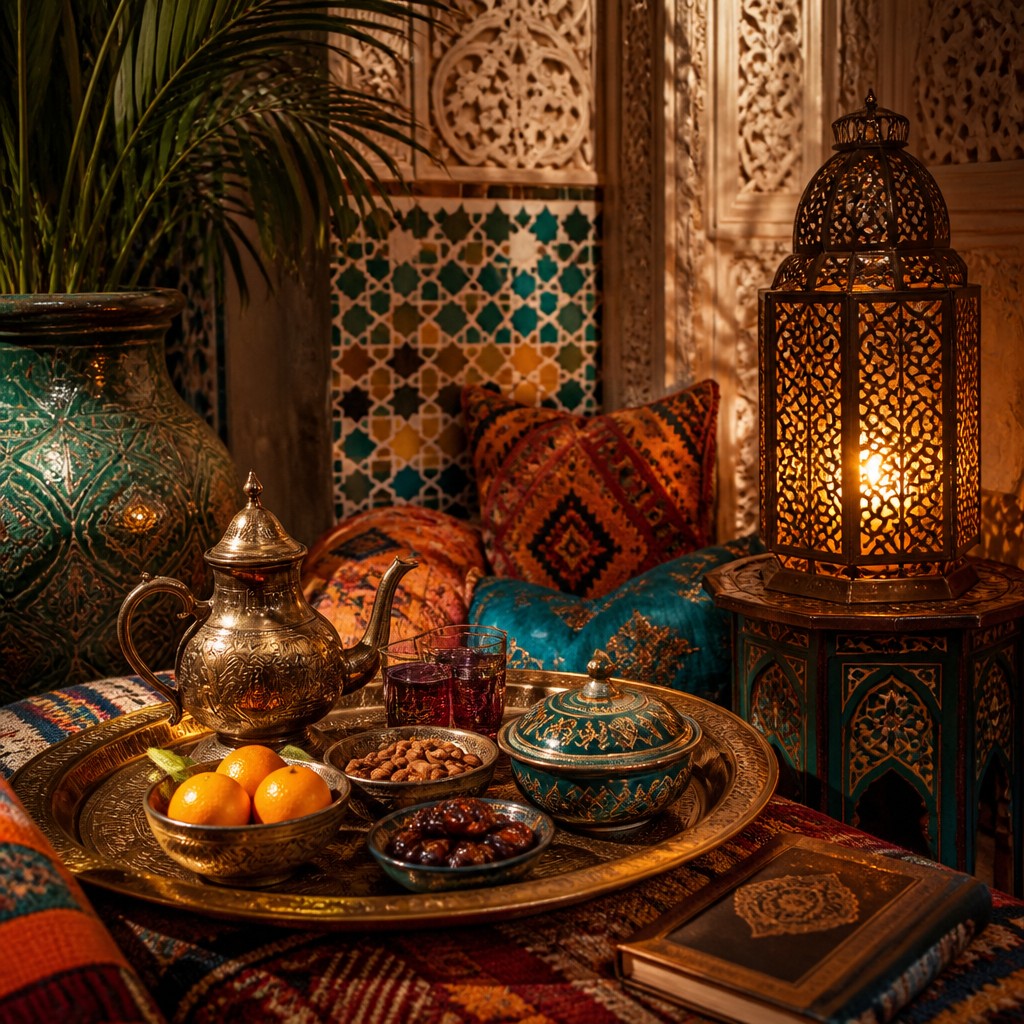
Saffron, terracotta, teal, lapis, emerald, and deep red are commonly paired with cream and sand tones. The result is saturated but grounded, with cool and warm hues balancing each other.
Try It
Create Videos in Moroccan Interior Design
Styles aren't just for stills — describe a scene or animate an image and get a short video rendered in Moroccan Interior Design. Press play to see this pond come to life.
Make a VideoMoroccan Interior Design Prompt Ideas
Start from an idea — each one opens the generator with the style ready to go. See all 40 Moroccan Interior Design prompts →
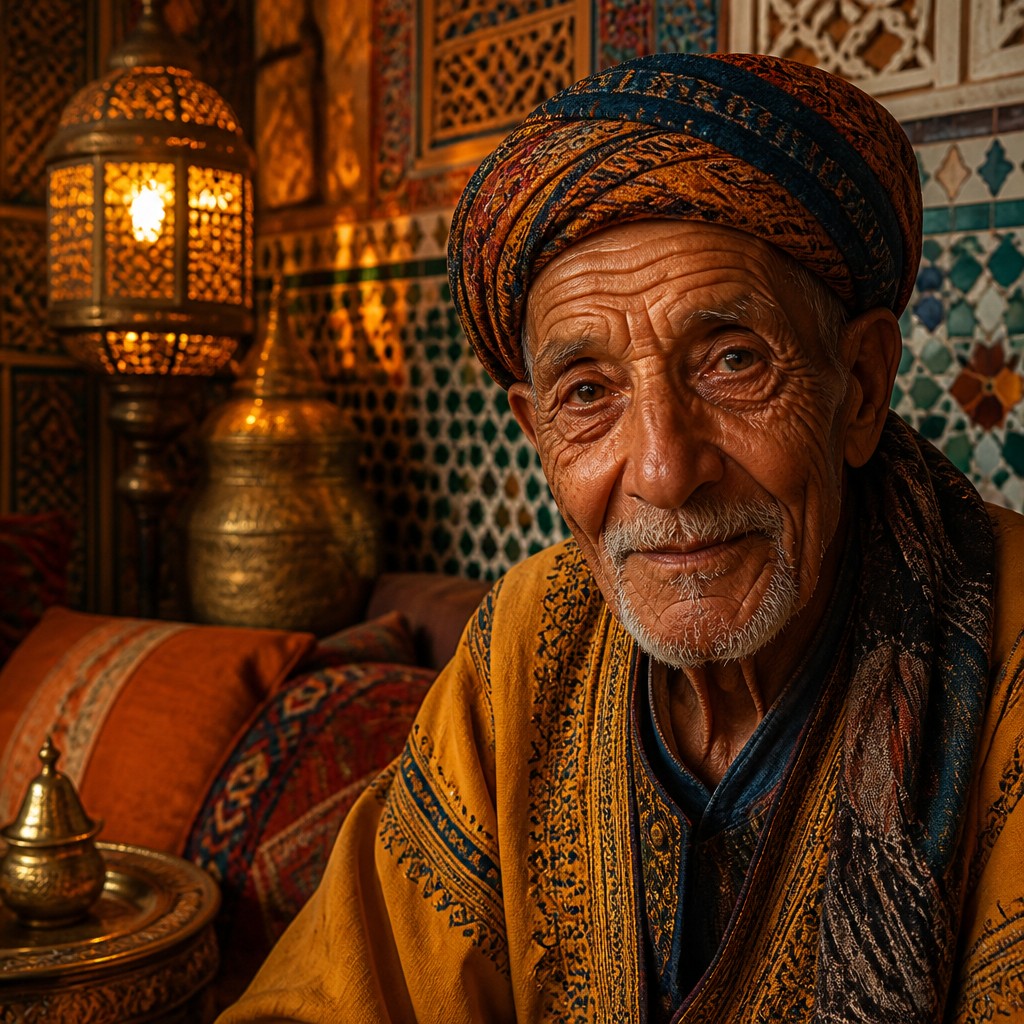
“close-up portrait of an elderly person with expressive weathered features”
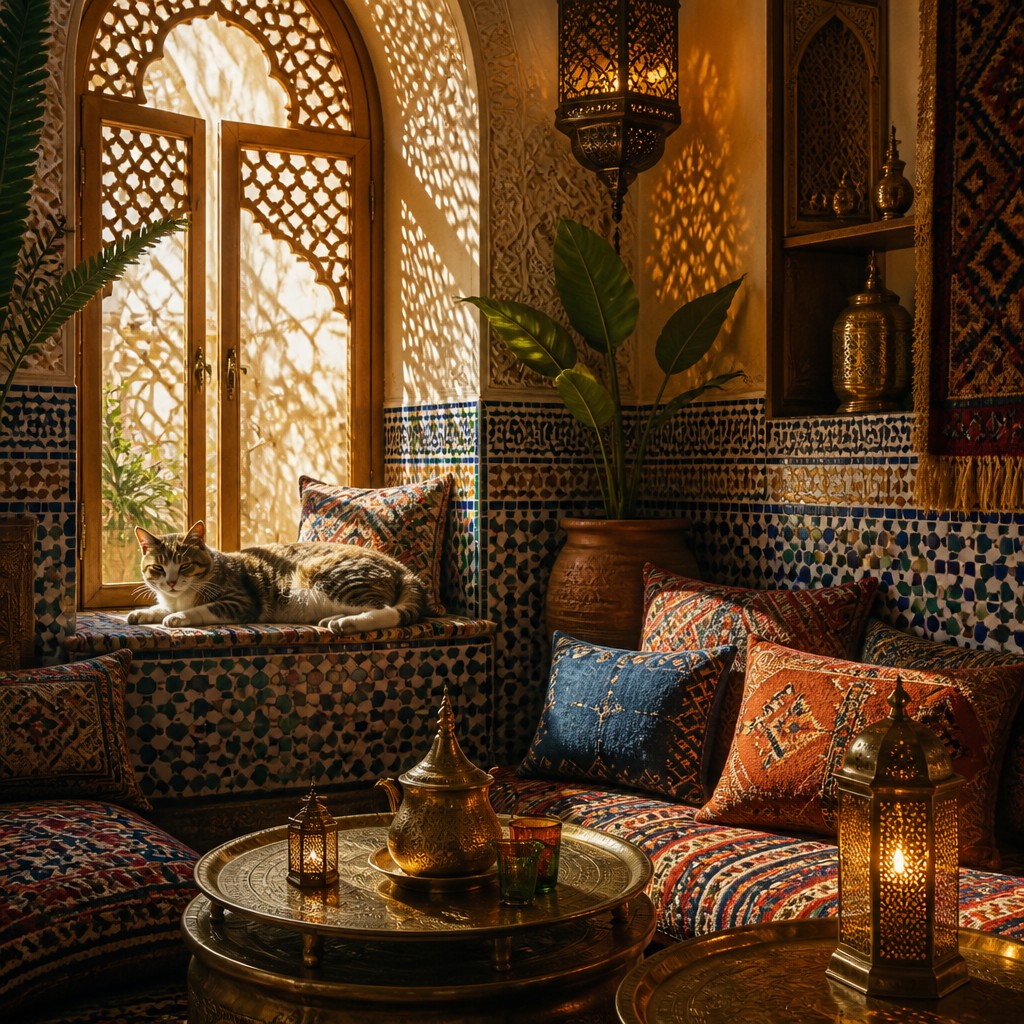
“a cat lounging in a sunlit window”
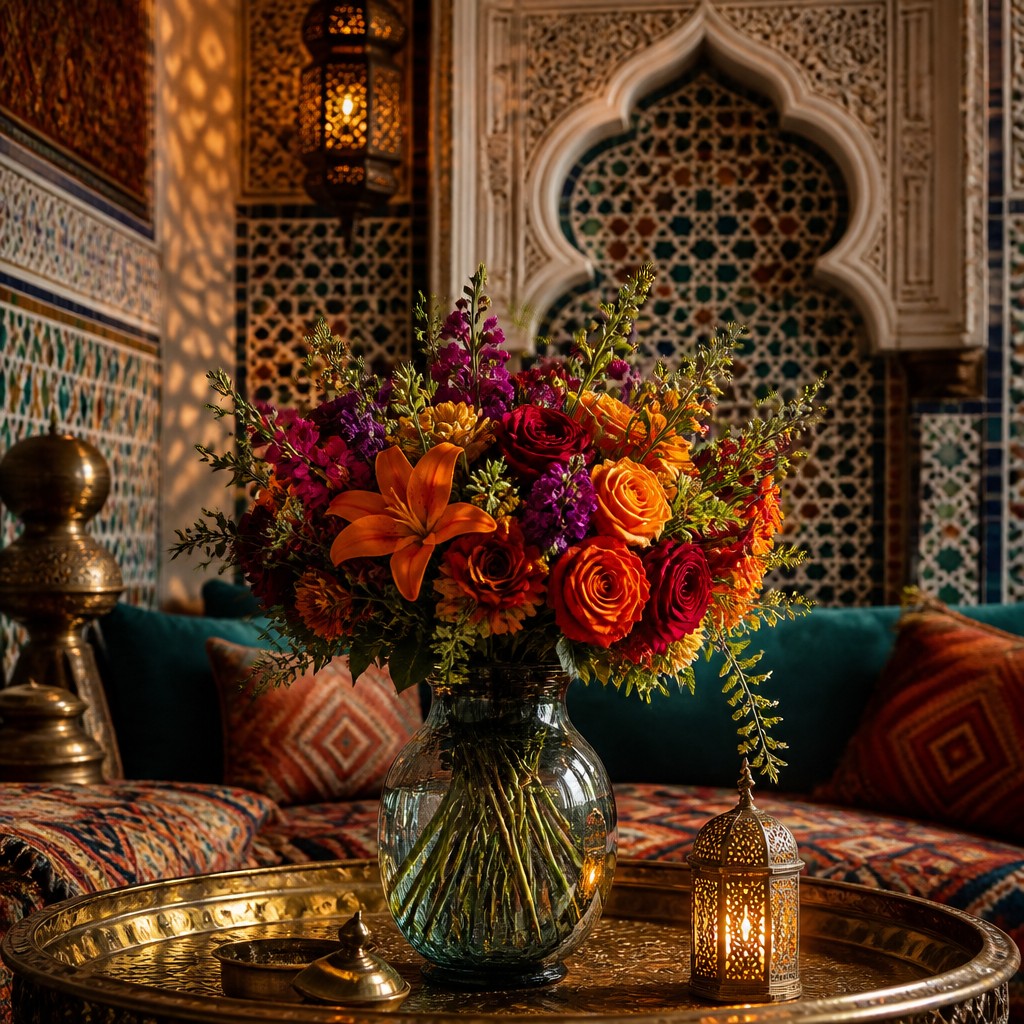
“bouquet of flowers in a glass vase”
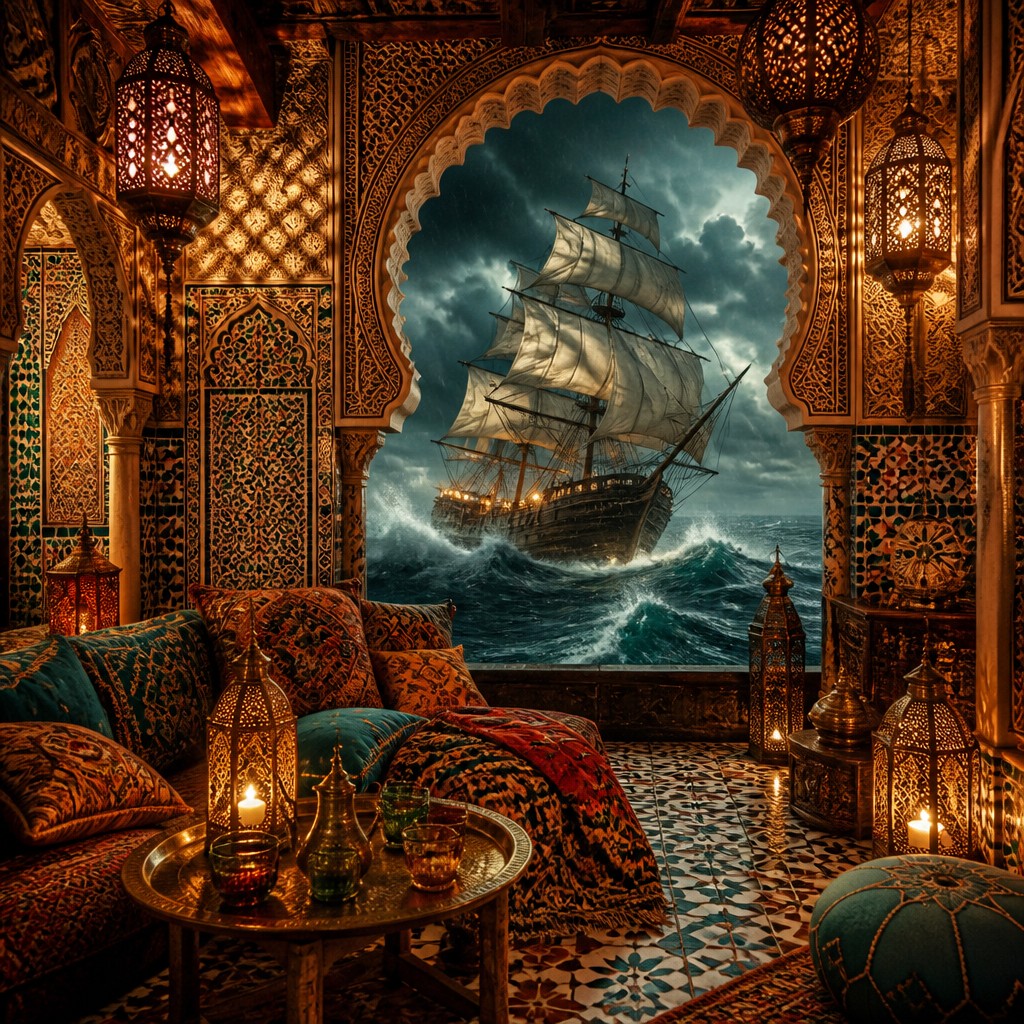
“sailing ship on a stormy sea”
How to Create Moroccan Interior Design Art
Master the craft step by step — or skip straight to creating. Read the full guide →
- 1
Build the room around a patterned shell
Start with one dominant geometric surface, such as a tiled wall, floor border, or fountain surround, then add quieter walls and furnishings around it. In a digital workflow, use layered textures and repeated motifs to preserve the handmade irregularity of zellige and plaster.
- 2
Use warm-cool contrast deliberately
Pair cool surfaces like teal tile or pale plaster with warm materials such as brass, cedar, terracotta, and wool. This contrast is central to the style and helps the room feel luminous rather than visually heavy.
- 3
Design for shadow and reflection
Choose perforated lanterns, reflective metalwork, and window light that creates patterned shadows across walls and textiles. In image generation, specify lantern-lit atmosphere, ornate shadows, and softly glowing surfaces to capture the room’s nighttime mood.
- 4
Layer textiles without overcrowding the plan
Use rugs, cushions, and draped fabric to add softness, but keep furniture proportions low and grounded so the room remains legible. In a photo transformation, preserving the original room geometry while adding patterned textiles usually yields more convincing results.
- 5
Mix craft surfaces with restraint
The style depends on the coexistence of many handmade materials, but each should still read clearly: tile, plaster, metal, wood, and woven cloth. Prompting for dense ornament, handcrafted richness, and a lantern-lit atmosphere helps prevent the image from becoming generic boho decor.
The Story
History & Origins of Moroccan Interior Design
Moroccan interior design is not a single historical movement but a living design tradition formed over centuries through Islamic art, Amazigh (Berber) craft, Andalusi influence, and trans-Saharan trade. Its geometric tilework, carved plaster, and screened light reflect the broader visual culture of North Africa and the western Islamic world, where surface pattern, calligraphy, and architectural ornament were central design languages.
In the modern period, the style has been widely adapted in hotels, riads, restaurants, and residential interiors, often simplified or hybridized for contemporary use. Outside Morocco, it has also influenced global interior design through the popularity of zellige tile, lantern lighting, low lounge arrangements, and layered textile schemes, sometimes detached from their original regional and cultural context.
Influences: This aesthetic draws from Moroccan domestic architecture, Islamic geometric ornament, Amazigh weaving and craft traditions, Andalusi decorative vocabulary, and the broader artisanal culture of North Africa. In modern design, it has often been associated with the work of decorators and architects inspired by regional craft rather than with a single canonical artist; for the historical visual language, the most important reference points are the built environments and object traditions themselves rather than named individual makers.

Frequently Asked Questions
What defines Moroccan interior design?
It is defined by patterned surfaces, handcrafted materials, warm color, and a layered, intimate atmosphere. Zellige tile, carved plaster, brass lanterns, kilims, and low seating are among the most recognizable elements.
Is Moroccan interior design the same as boho style?
No. Boho may borrow some Moroccan objects or colors, but Moroccan interior design has a stronger architectural and craft basis, especially in tilework, plaster ornament, and lantern lighting. Boho is broader and often more eclectic, while Moroccan interiors are more structurally patterned and materially specific.
Where is Moroccan interior design used today?
It appears in homes, riads, boutique hotels, restaurants, spas, and hospitality spaces around the world. Designers often adapt it for accent walls, tiled bathrooms, lounge areas, and courtyards where texture and mood matter.
How do I make a room look Moroccan without overdoing it?
Choose a few strong anchors: one patterned tile area, one lantern or metal lighting element, and one or two woven textiles. Keep the rest of the room simpler so the ornament reads as intentional rather than cluttered.
What colors are most associated with this style?
Common colors include saffron, terracotta, deep teal, cobalt, indigo, emerald, cream, and sand. The palette usually balances saturated jewel tones with earthy neutrals and metallic highlights.
Can this style work in a modern home?
Yes. It adapts well when simplified into a few signature elements such as zellige backsplash tile, a carved wood or plaster feature, and brass lighting. The key is maintaining material authenticity and avoiding overly generic pattern overload.
Create your first Moroccan Interior Design artwork
Describe anything — or upload a photo — and see it in Moroccan Interior Design in seconds.
Related Styles
Discover similar art styles