Shabby Chic Interior Design
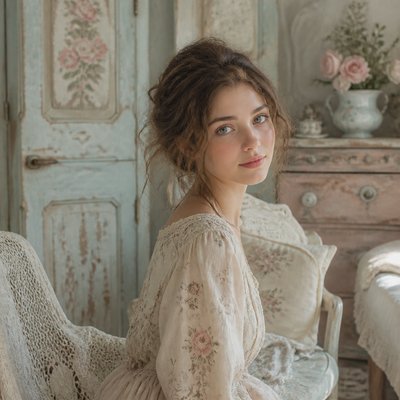
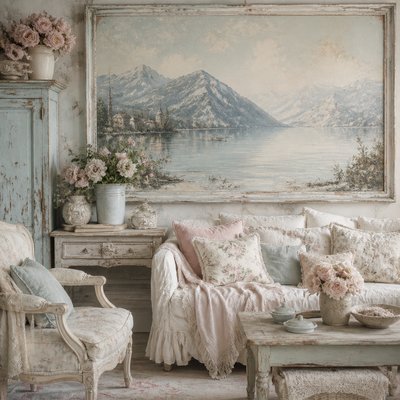
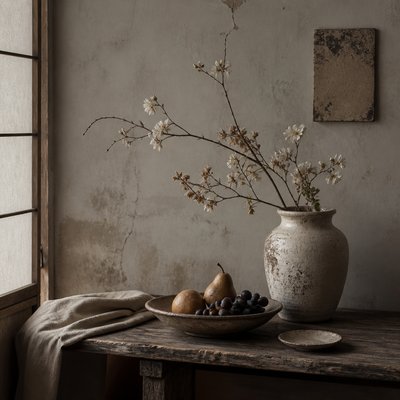
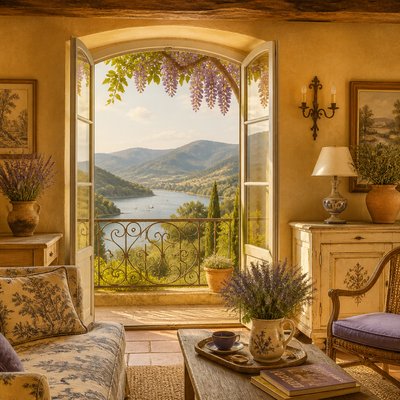
Faded romantic interiors with pastel distressing, lace, linen, chipped paint, and soft vintage warmth.
Instantly rendered in Shabby Chic Interior Design — or transform a photo
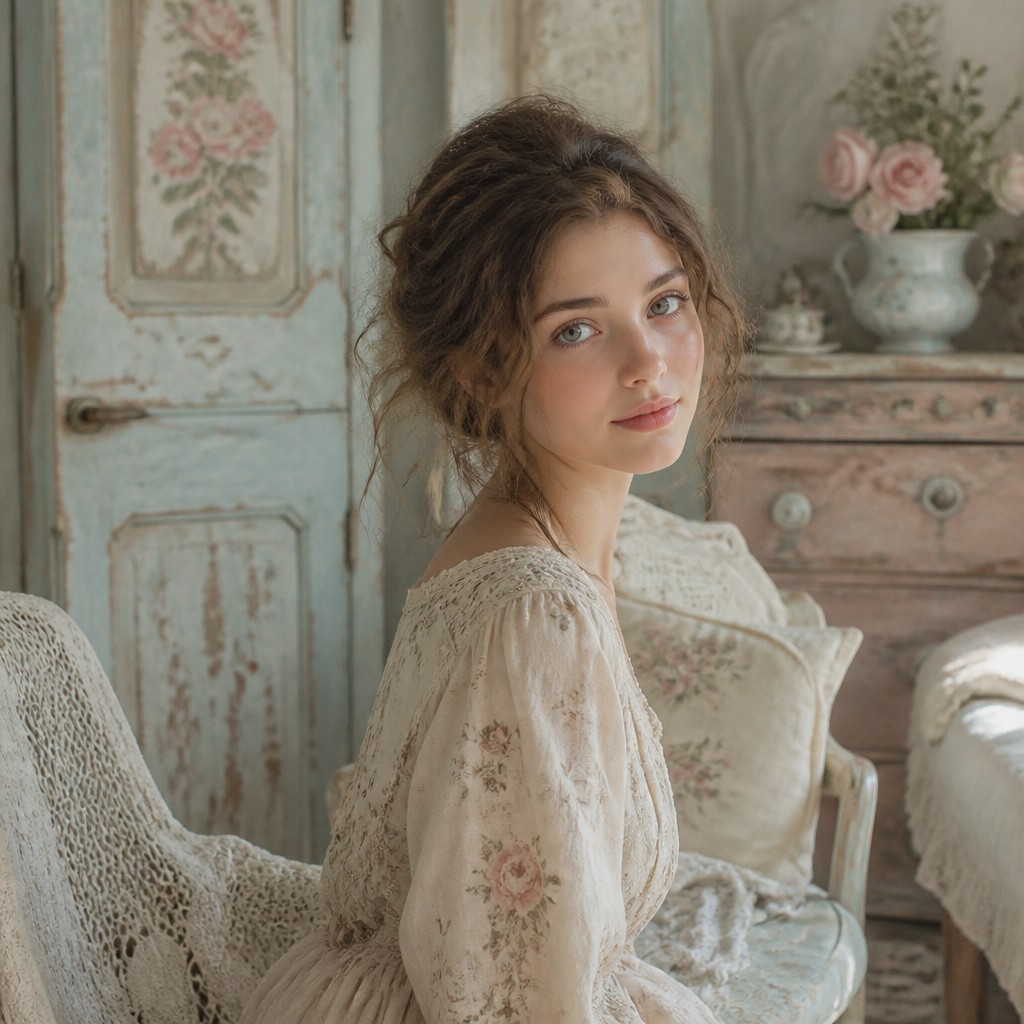
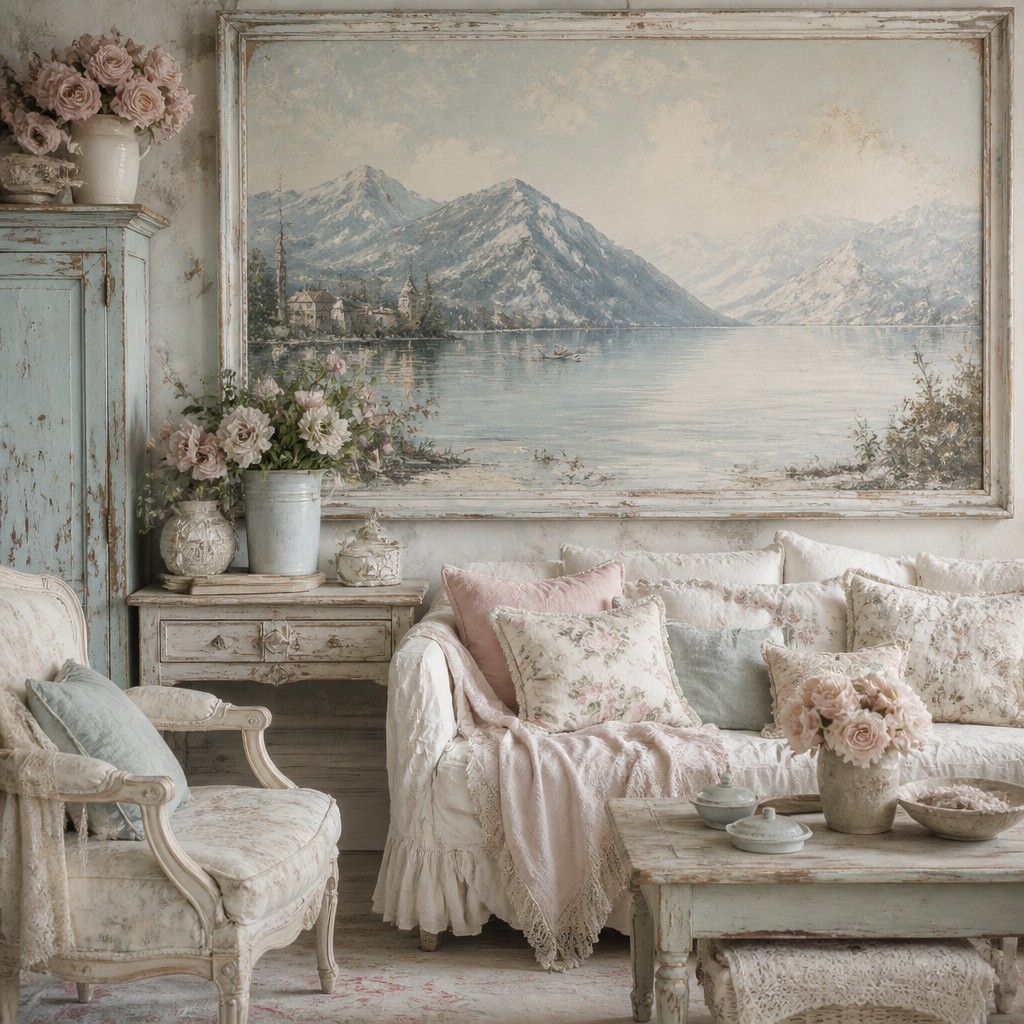
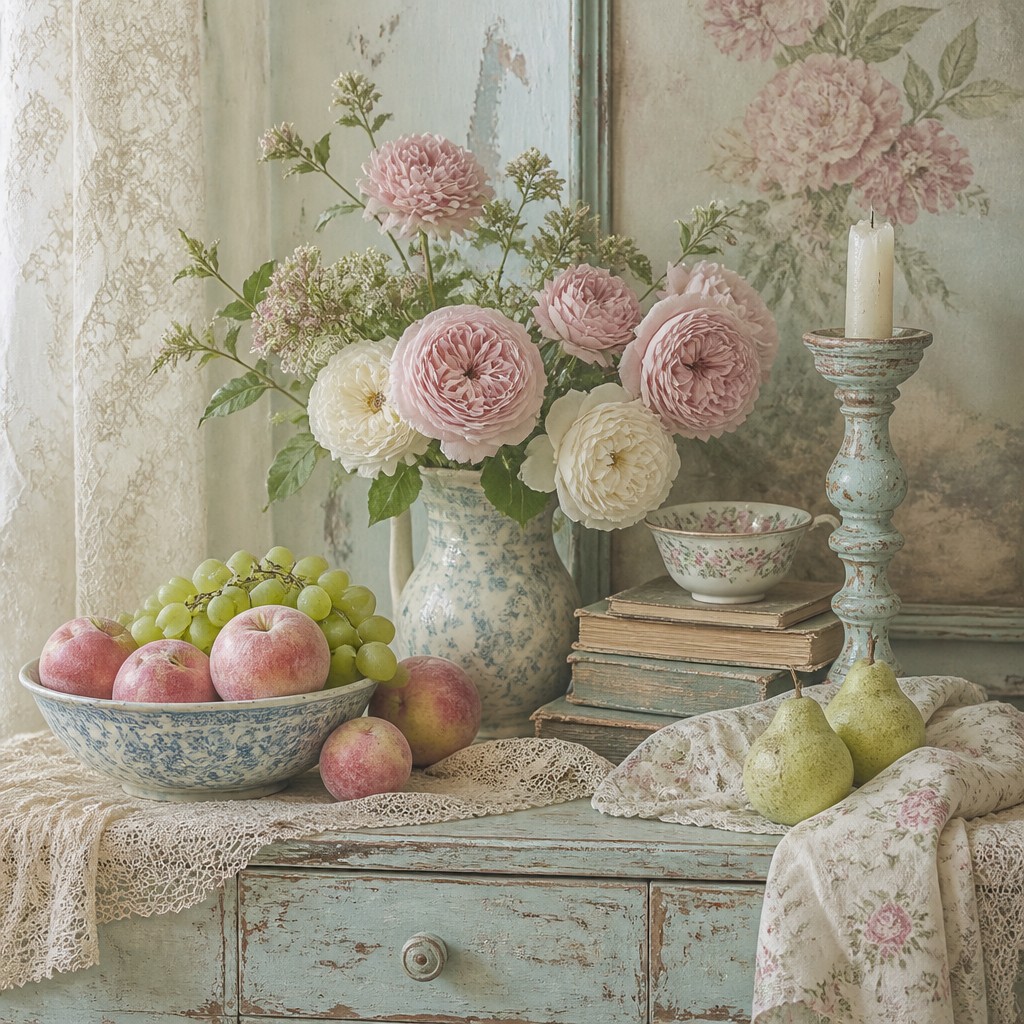
Shabby Chic Interior Design Gallery
Tap any artwork to explore it
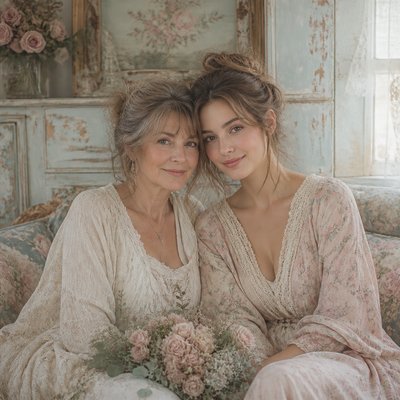
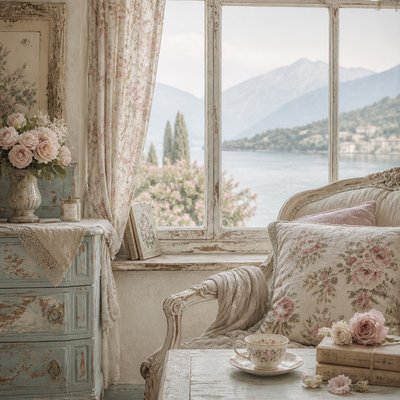
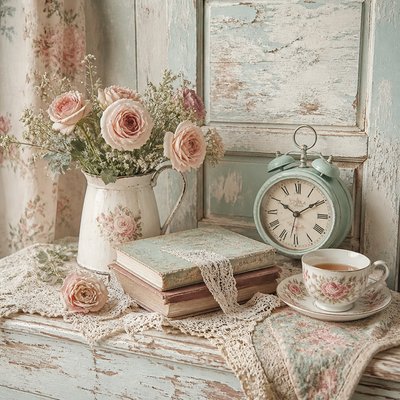
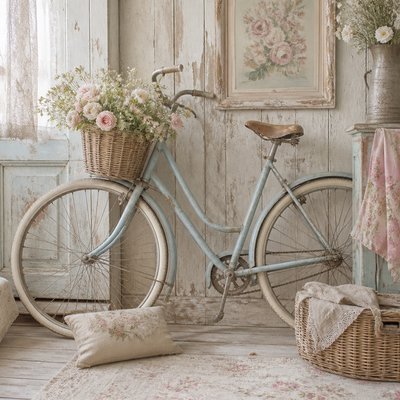
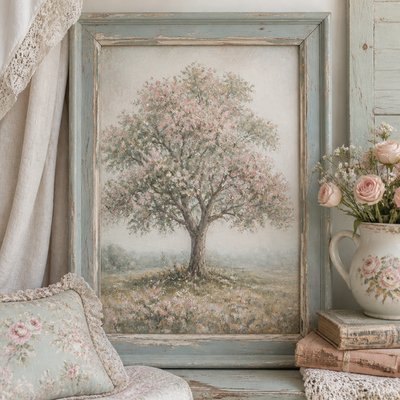
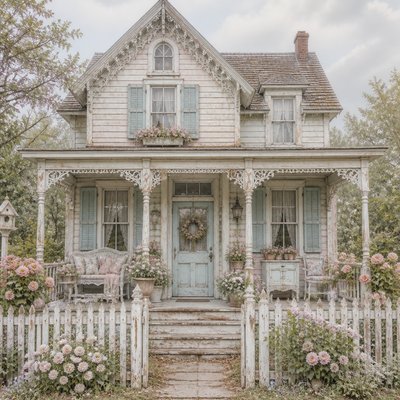
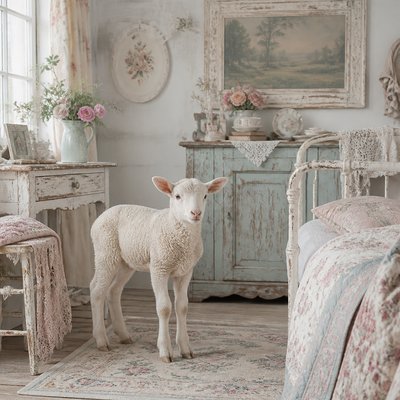
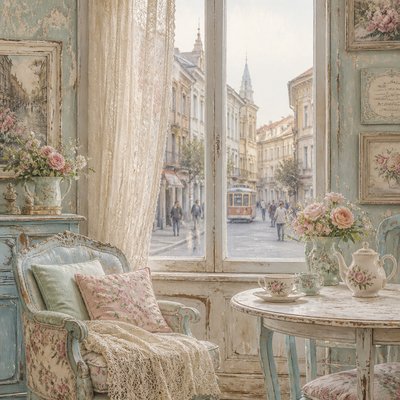
What is Shabby Chic Interior Design?
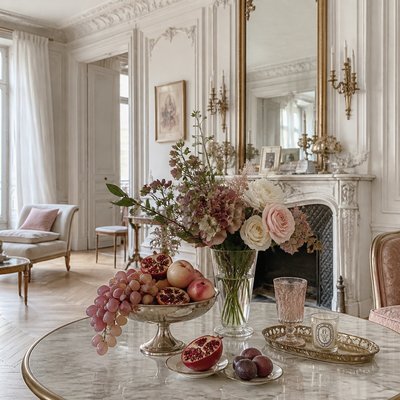
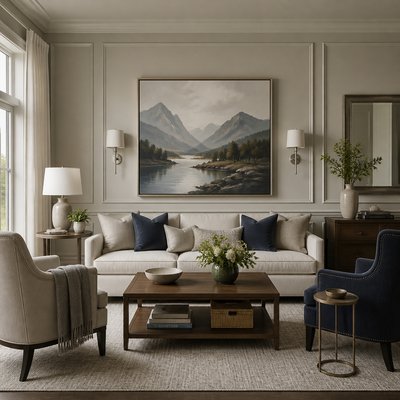
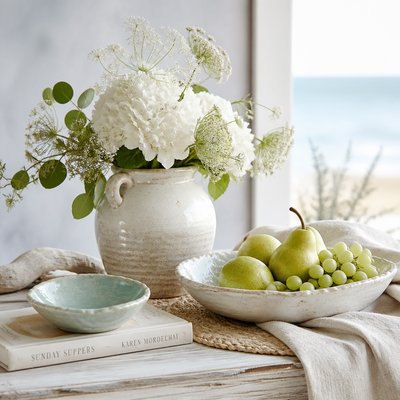
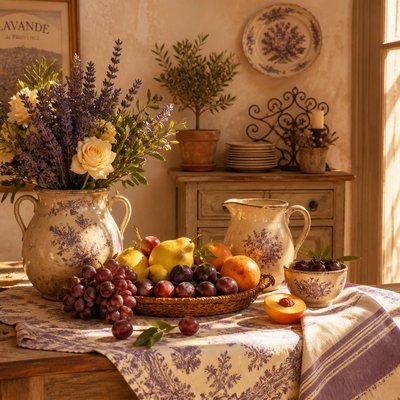
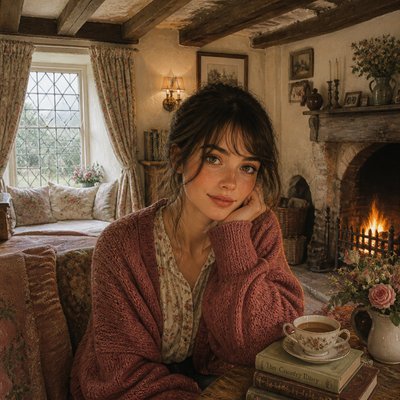
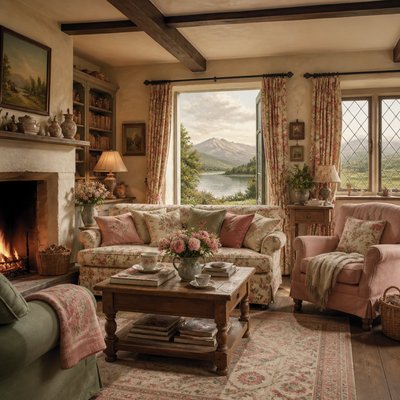
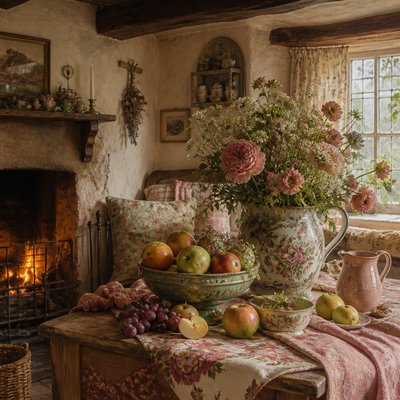
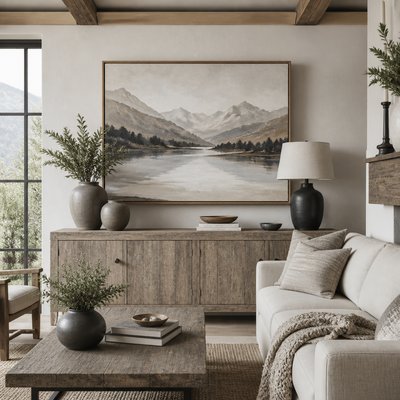
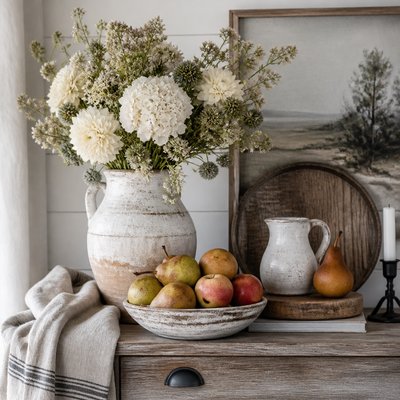
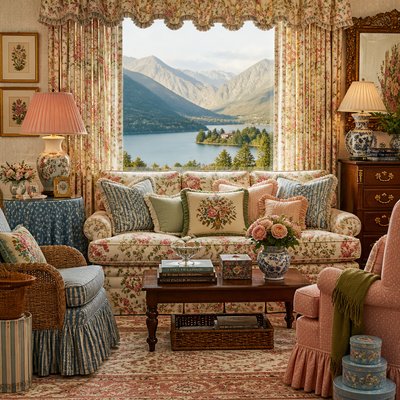
Shabby chic interior design is a decorative style built around softness, age, and the visible trace of use. Its look is defined by pale romantic colors, distressed painted furniture, worn natural fabrics, and a preference for objects that feel collected over time rather than newly matched. The result is an interior that feels tender, lived-in, and gently weathered rather than polished or pristine.
The style often combines antique white, dusty pastels, faded florals, lace, linen, and chipped paint surfaces with abundant daylight and a light, airy atmosphere. It creates emotional warmth through patina: the slight unevenness of paint, frayed textile edges, and handmade or inherited furnishings all suggest domestic history. Shabby chic looks the way it does because it borrows from old cottages, vintage country interiors, and the romantic reuse of older furniture and fabrics.
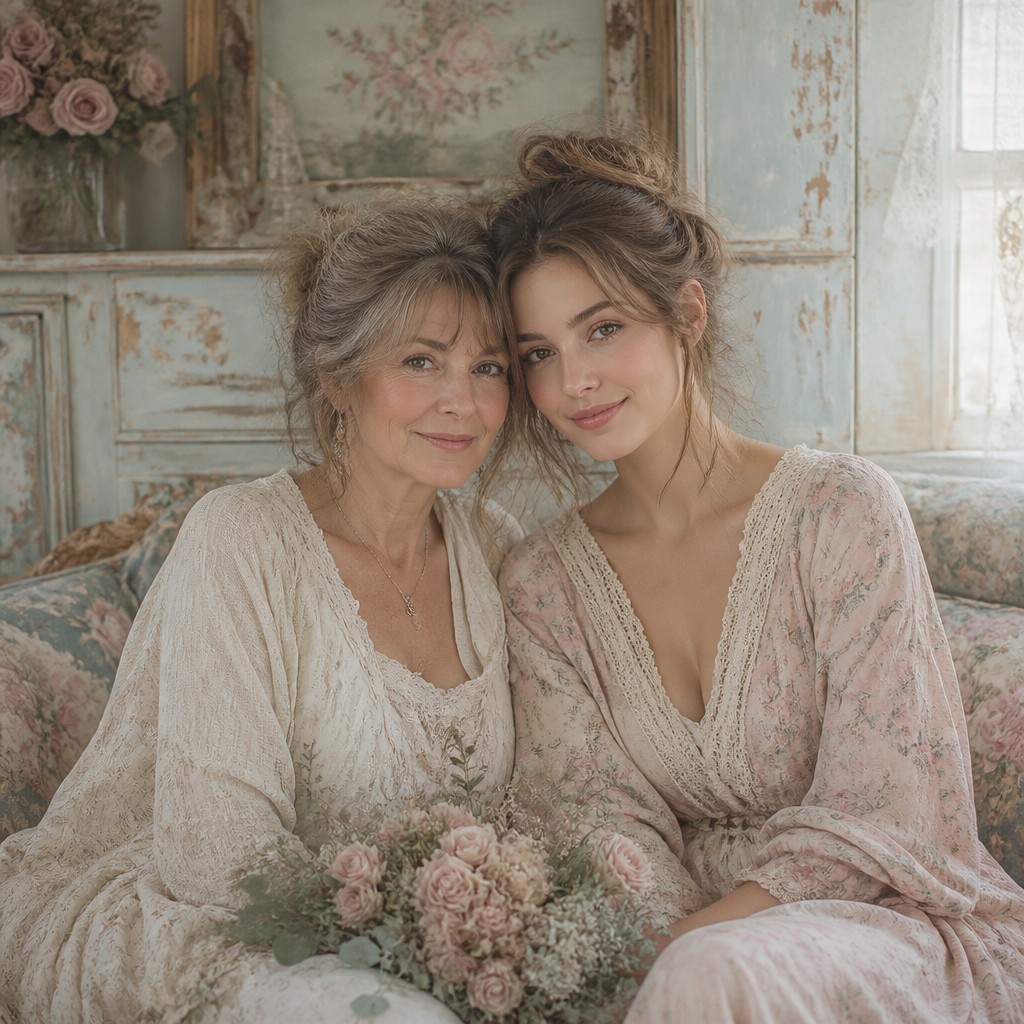
Try It On Your Photos
Upload any photo and convert it into Shabby Chic Interior Design — drag the sliders to compare before and after.
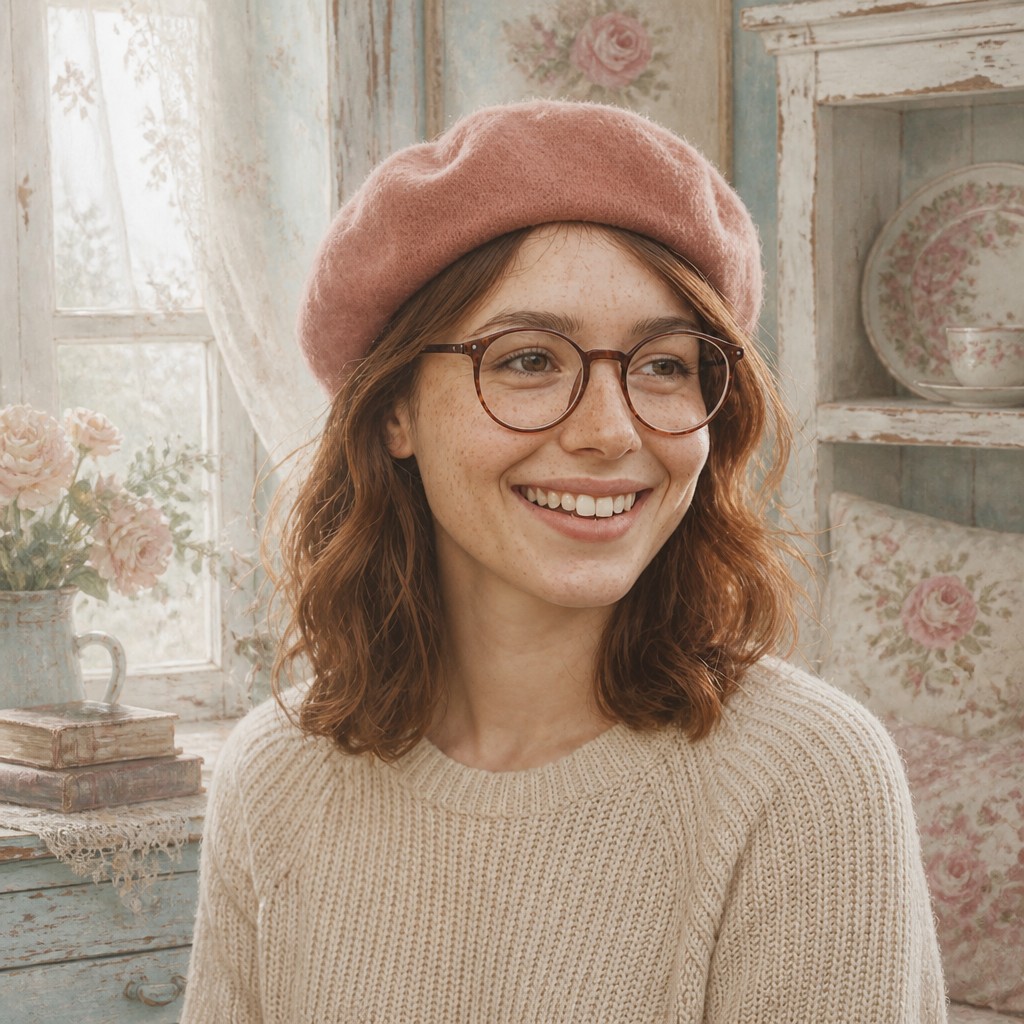

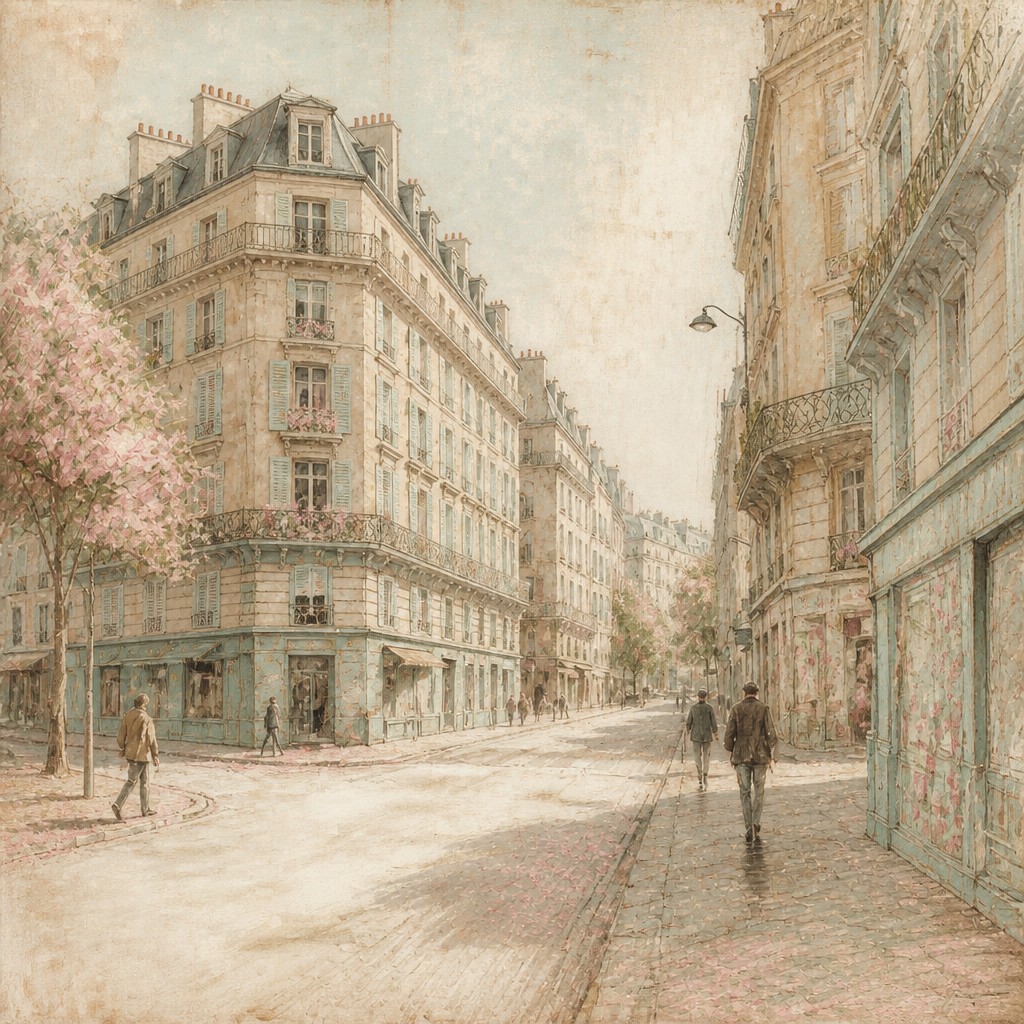

What Defines Shabby Chic Interior Design
The signature details, up close
Distressed painted wood
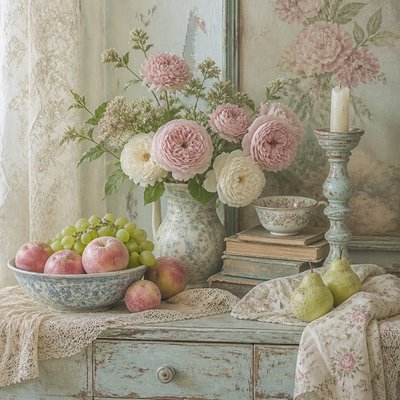
Furniture and trim often show chipped pastel paint, rubbed edges, and layered finishes that suggest long use. The wear is usually deliberate and decorative rather than the result of neglect.
Soft romantic palette
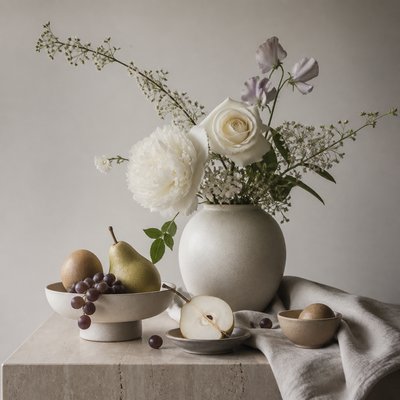
The color range typically centers on antique white, cream, powder blue, dusty rose, pale gray, and sage. These hues are muted enough to feel aged and airy rather than bright or modern.
Natural vintage textiles
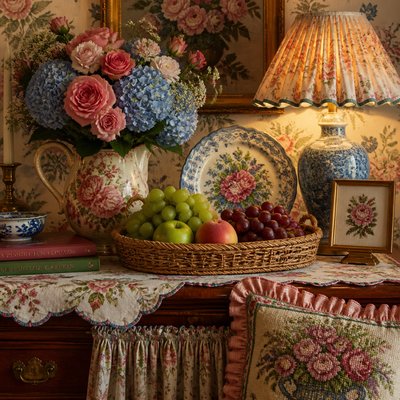
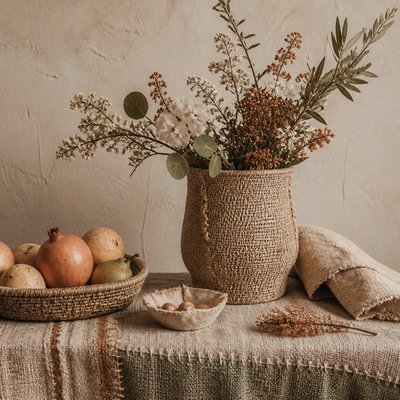
Linen, cotton, lace, muslin, and worn florals are common, often in slipcovers, curtains, cushions, and bed linens. Textures are important because they add softness and a sense of domestic familiarity.
Collected, mismatched furnishing
Rooms often combine antique chairs, painted tables, vintage mirrors, and thrifted accessories instead of coordinated sets. The style values accumulated character and charming irregularity.
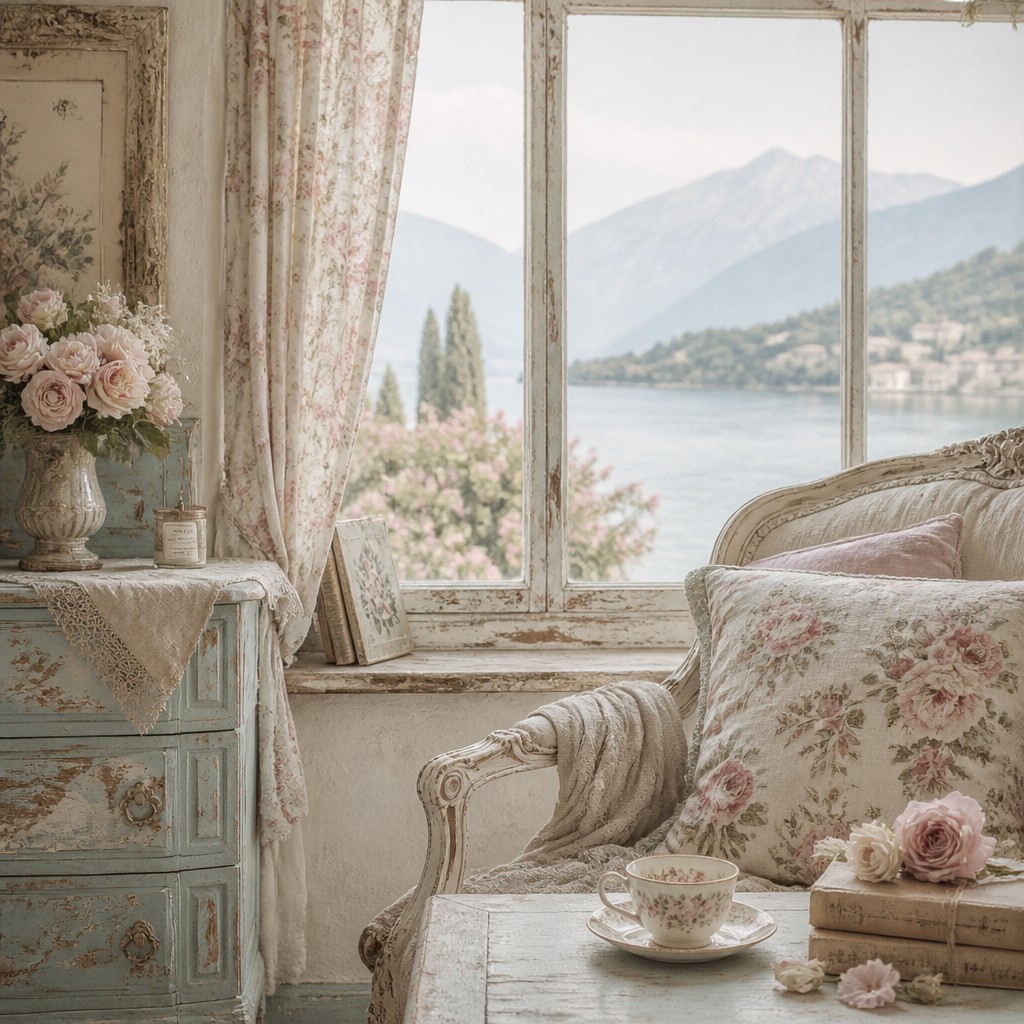
Faded floral and cottage motifs
Chintz, rose patterns, toile-like florals, and other traditional domestic prints reinforce the romantic, old-fashioned mood. These motifs usually appear worn, washed-out, or lightly faded.
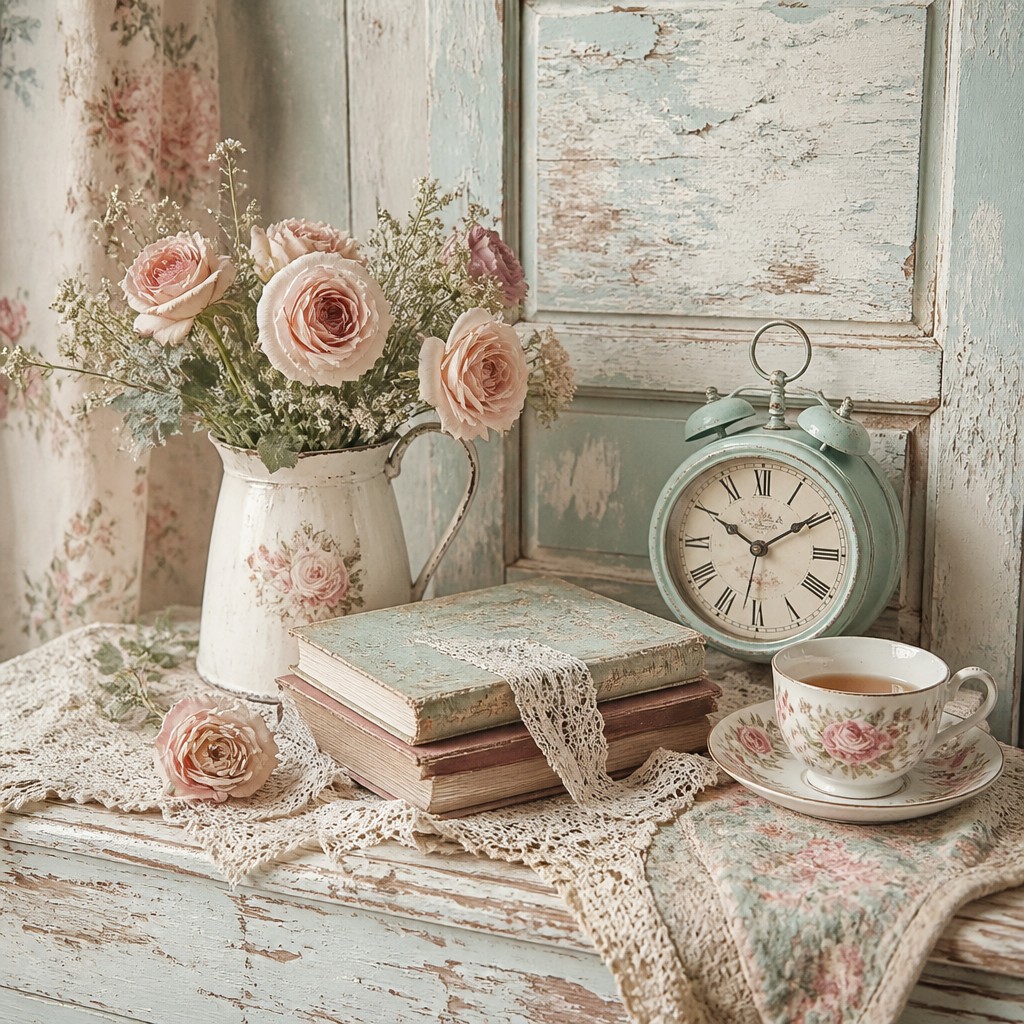
Airy daylight and soft haze
Interiors are usually shown in gentle natural light with diffused shadows and a pale, powdery atmosphere. This lighting makes the surfaces feel soft, quiet, and nostalgic.
Try It
Create Videos in Shabby Chic Interior Design
Styles aren't just for stills — describe a scene or animate an image and get a short video rendered in Shabby Chic Interior Design. Press play to see this pond come to life.
Make a VideoShabby Chic Interior Design Prompt Ideas
Start from an idea — each one opens the generator with the style ready to go. See all 40 Shabby Chic Interior Design prompts →
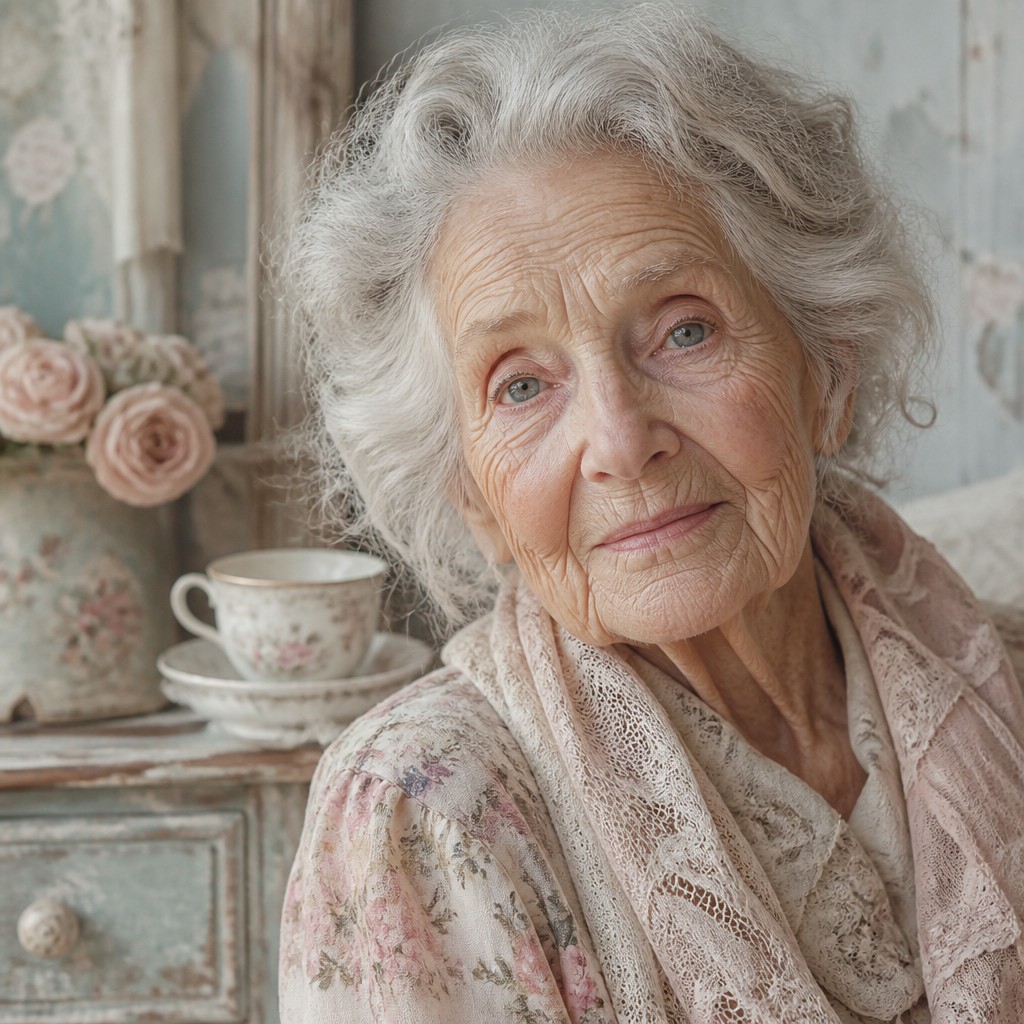
“close-up portrait of an elderly person with expressive weathered features”
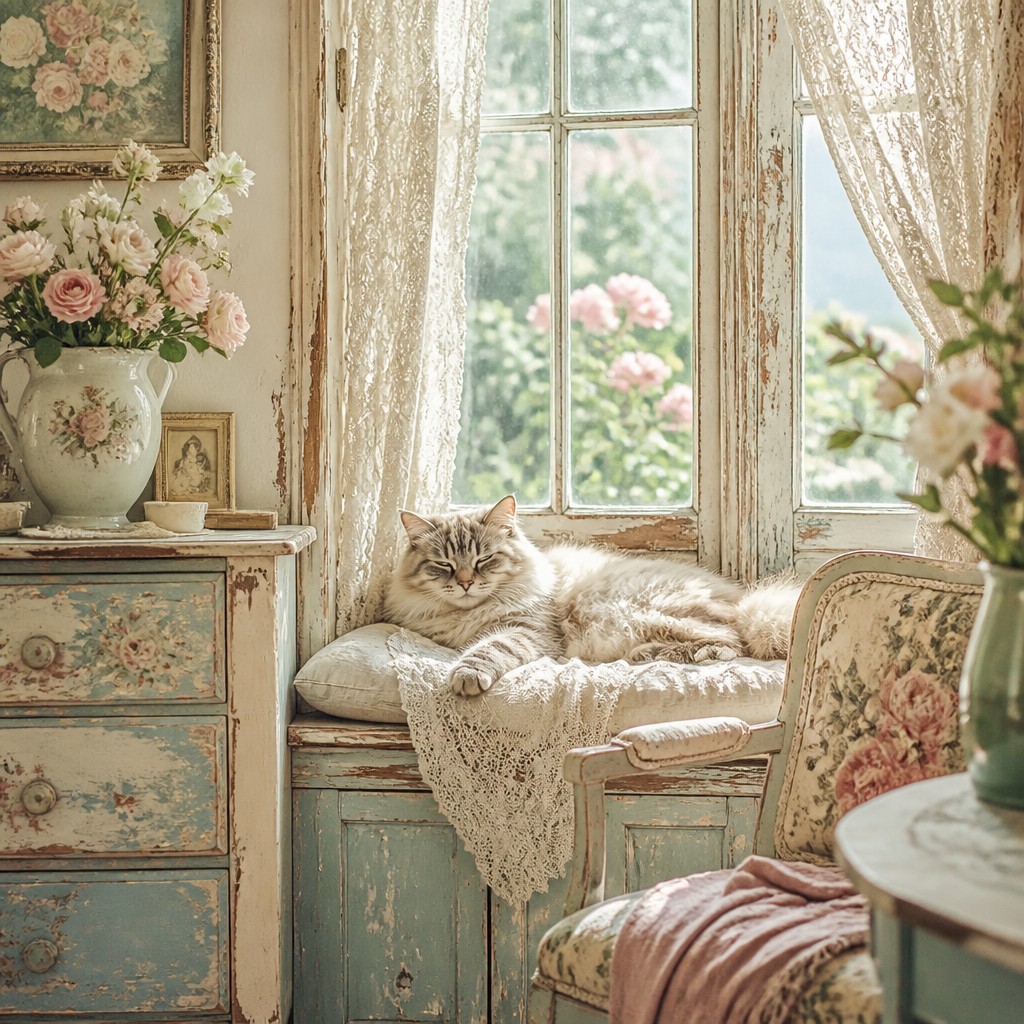
“a cat lounging in a sunlit window”
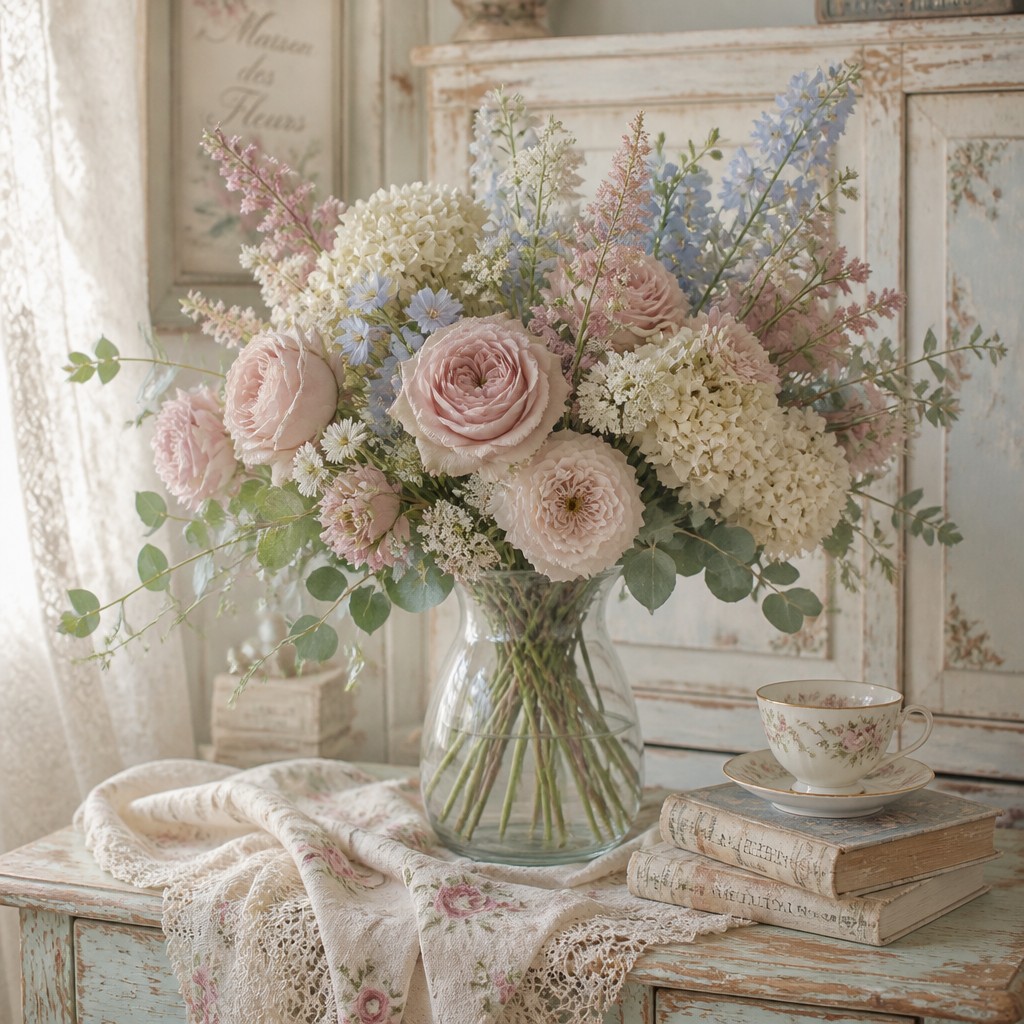
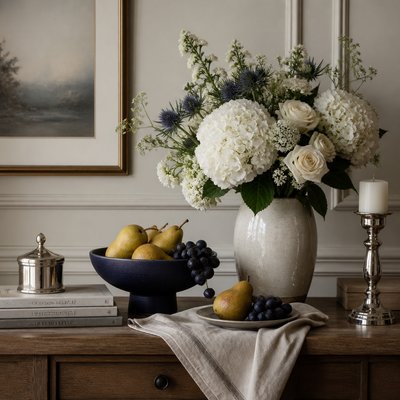
“bouquet of flowers in a glass vase”
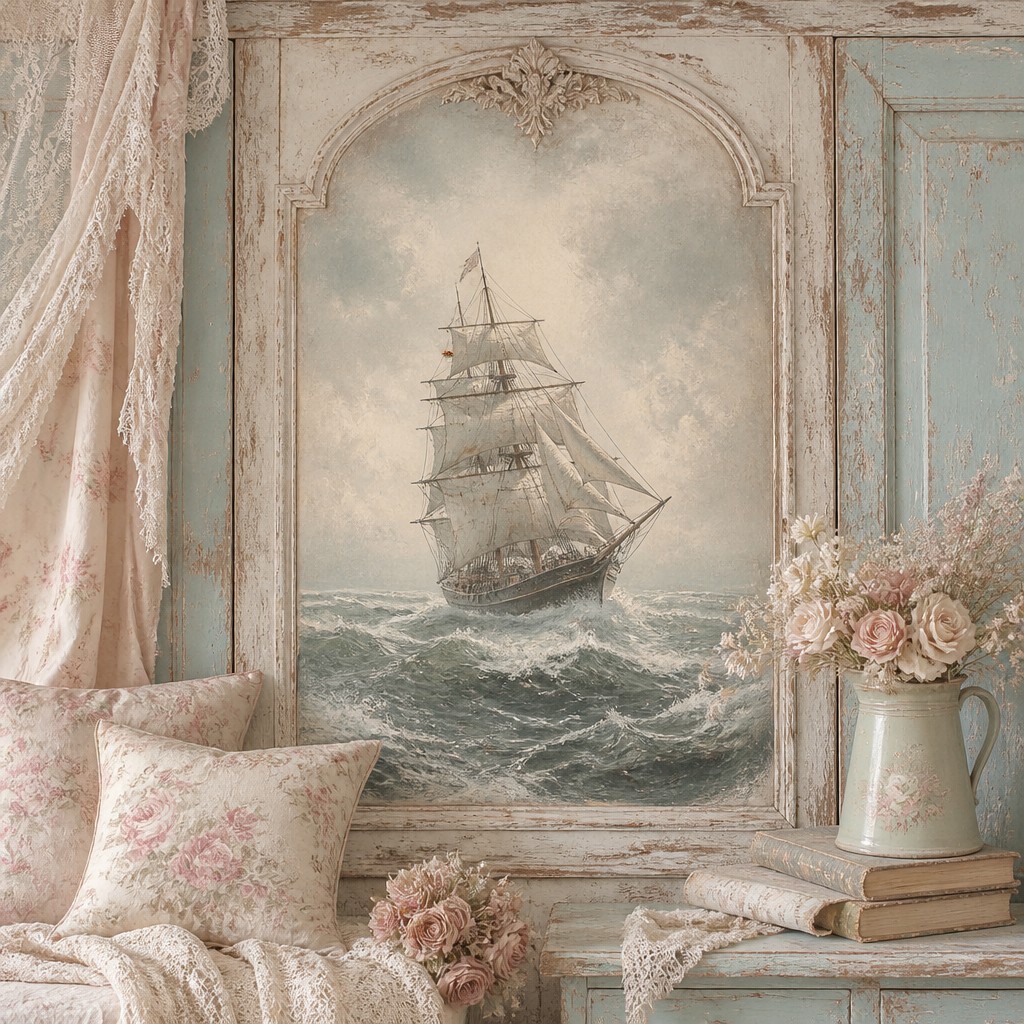
“sailing ship on a stormy sea”
How to Create Shabby Chic Interior Design Art
Master the craft step by step — or skip straight to creating. Read the full guide →
- 1
Use a faded palette
Start with off-whites and muted pastels, then reduce saturation so the colors feel sun-washed and timeworn. Avoid sharp contrast; this style depends on a soft, low-contrast mood.
- 2
Build believable wear
In traditional work, add chipped edges, rubbed paint, and slight fabric fraying where objects would naturally be handled. In digital painting or photo transformation, keep the damage subtle and layered so the scene feels curated rather than artificially distressed.
- 3
Prioritize texture over gloss
Linen weave, lace detail, painted wood grain, and matte surfaces should be clearly visible. Reduce reflective finishes and modern hard edges so the room feels soft and tactile.
- 4
Mix old pieces intentionally
Combine vintage furniture, floral textiles, and simple decorative objects without making the room symmetrical or overly matched. The charm comes from a collected composition that feels assembled over time.
- 5
Use gentle daylight and shallow shadows
Window light, haze, and pale ambient illumination help reinforce the style’s quiet romanticism. In prompts, specify diffused daylight, soft shadows, and a delicate patina for the most recognizable result.
- 6
Prompt with age, softness, and domestic detail
For generation, describe the interior as faded, airy, romantic, and worn, with specific materials such as lace curtains, linen slipcovers, distressed white wood, and floral upholstery. Subjects like a bedroom corner, reading nook, vanity, or cottage kitchen work especially well.

The Story
History & Origins of Shabby Chic Interior Design
Shabby chic is a late 20th-century interior aesthetic that emerged in Britain and the United States, especially during the 1980s and 1990s, when designers and home decorators began intentionally reusing, repainting, and softening old furniture and textiles. It grew out of broader trends in vintage collecting, cottage decoration, and the revival of romantic domestic interiors, rather than from a single formal design movement.
Its lineage draws from English country style, French provincial interiors, Victorian domestic ornament, and the practical tradition of making do with inherited or secondhand furnishings. What distinguishes shabby chic from ordinary “used” interiors is that wear is curated as part of the visual language: chipped paint, faded upholstery, and mismatched pieces are not accidental flaws but central aesthetic features.
Influences: Shabby chic draws on English country decorating, French provincial interiors, Victorian domestic ornament, and the broader vintage-and-cottage revival that favors inherited, repurposed, or flea-market furniture. It also overlaps with romantic country style and some aspects of farmhouse decor, but it is more focused on softness, pale color, and decorative wear than on utility. Unlike formal historical art movements, it is best understood as a late-20th-century interior aesthetic assembled from older domestic traditions rather than from a single canonical school.
Frequently Asked Questions
What defines shabby chic interior design?
Shabby chic is defined by soft romantic color, distressed painted furniture, vintage textiles, and an intentionally worn, time-softened look. The style treats age and imperfection as part of the beauty of the room. It usually feels airy, feminine, and nostalgic rather than formal or ornate.
How is shabby chic different from farmhouse style?
Farmhouse style is usually cleaner, simpler, and more utility-driven, with stronger ties to rustic function. Shabby chic is more decorative and romantic, with more lace, floral fabric, pastel paint, and visible softness. It often looks lighter and more delicate than farmhouse interiors.
How is shabby chic different from vintage or cottage style?
Vintage style is a broad category that can include many periods and moods, while shabby chic specifically emphasizes faded, distressed, and romantic elements. Cottage style may share the same cozy domestic feel, but shabby chic is more likely to use chipped paint, pastel tones, and soft floral textiles. In short, shabby chic is a more curated and more visibly weathered variation of those traditions.
What materials are most associated with this style?
Linen, cotton, lace, chipped painted wood, wicker, and faded floral upholstery are the most recognizable materials. Matte finishes and natural textures matter more than polished surfaces. Anything that suggests age, softness, or hand-me-down domestic use fits the style well.
Can shabby chic work in modern interiors?
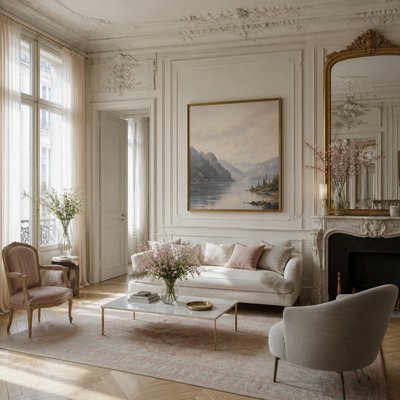
Yes, but it usually works best as a mixed style rather than a fully immersive one. A modern room can borrow shabby chic details such as a distressed mirror, a floral linen chair, or a painted vintage dresser without losing its contemporary structure. The key is to keep the palette soft and the additions visually cohesive.
How do you create shabby chic imagery from a prompt or reference photo?
Describe the room or object clearly, then specify the materials and surface qualities: faded pastel colors, chipped paint, lace, linen, floral chintz, and gentle daylight. If transforming a photo, preserve the original composition but soften contrast, mute saturation, and add timeworn texture. The most convincing results are subtle rather than heavily aged.

Create your first Shabby Chic Interior Design artwork
Describe anything — or upload a photo — and see it in Shabby Chic Interior Design in seconds.
Related Styles
Discover similar art styles