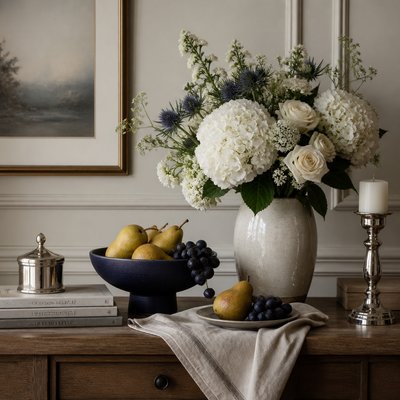
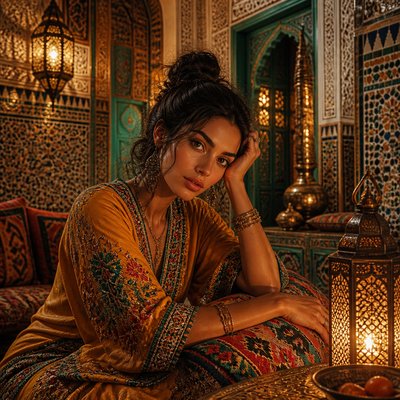
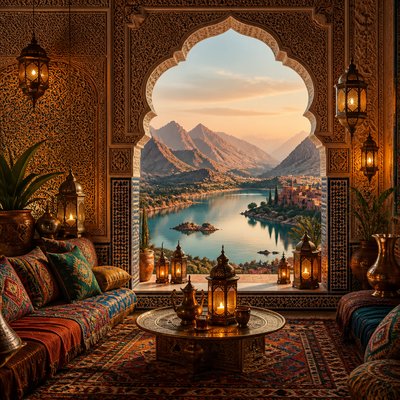
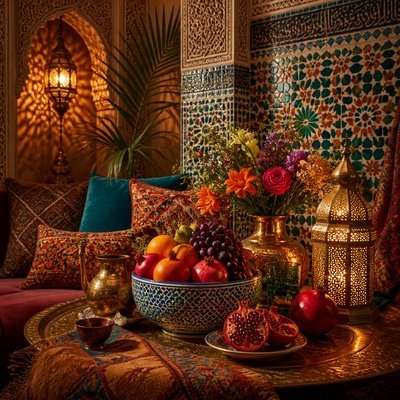
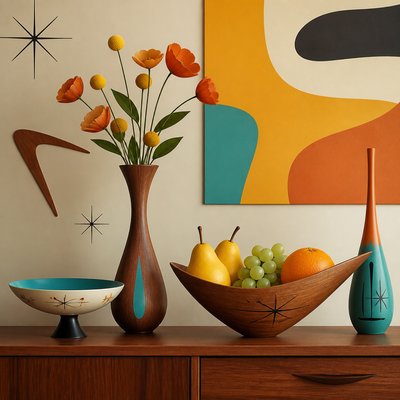
Eclectic Interior Design
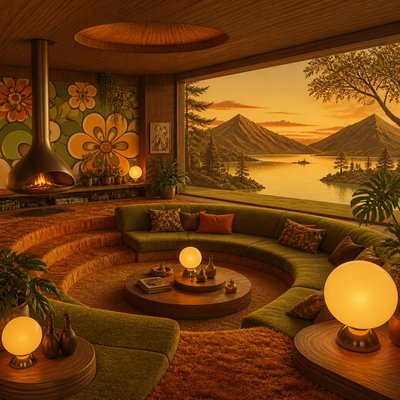
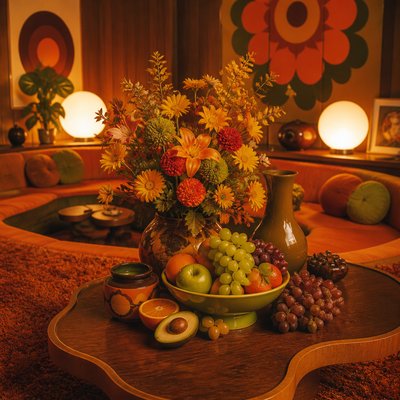
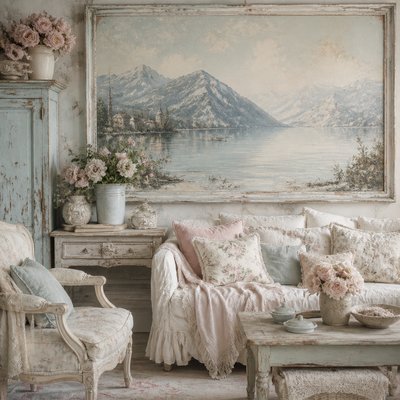
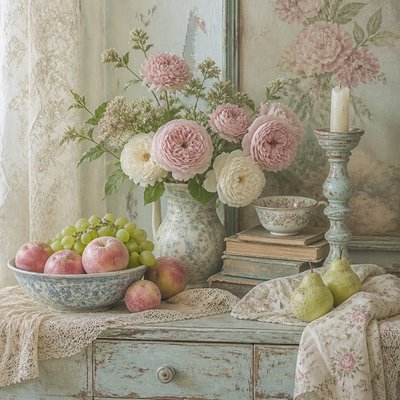
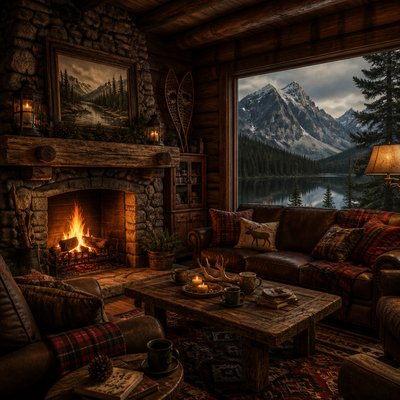
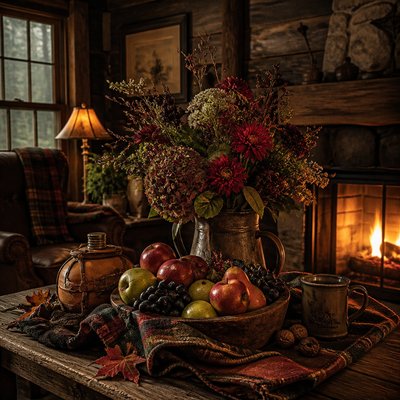
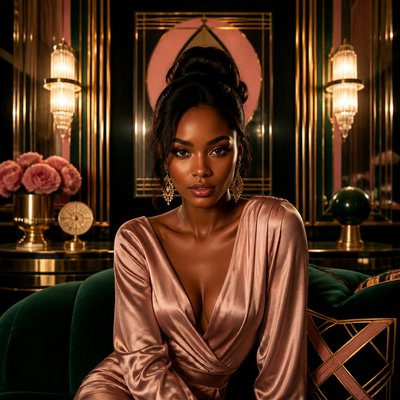
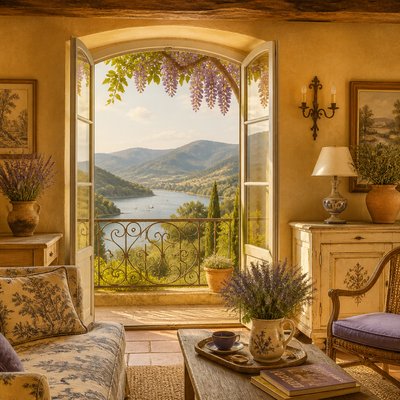
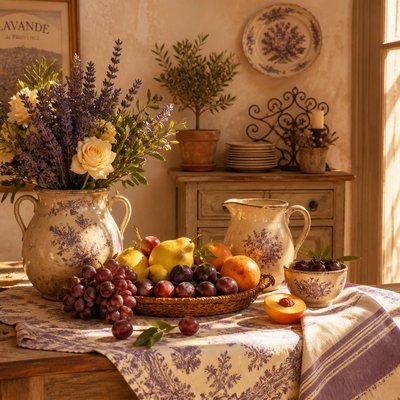
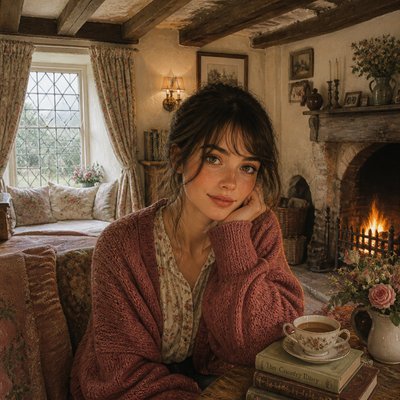
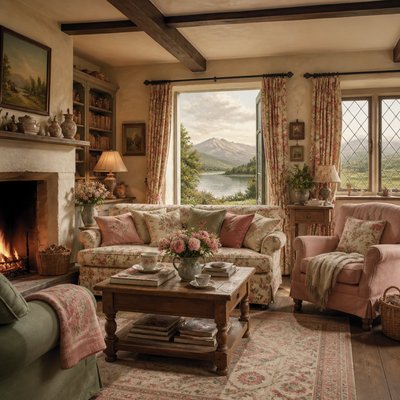
Layered interiors with mixed eras, global textiles, warm lighting, and a curated, collected sense of color and character.
Instantly rendered in Eclectic Interior Design — or transform a photo

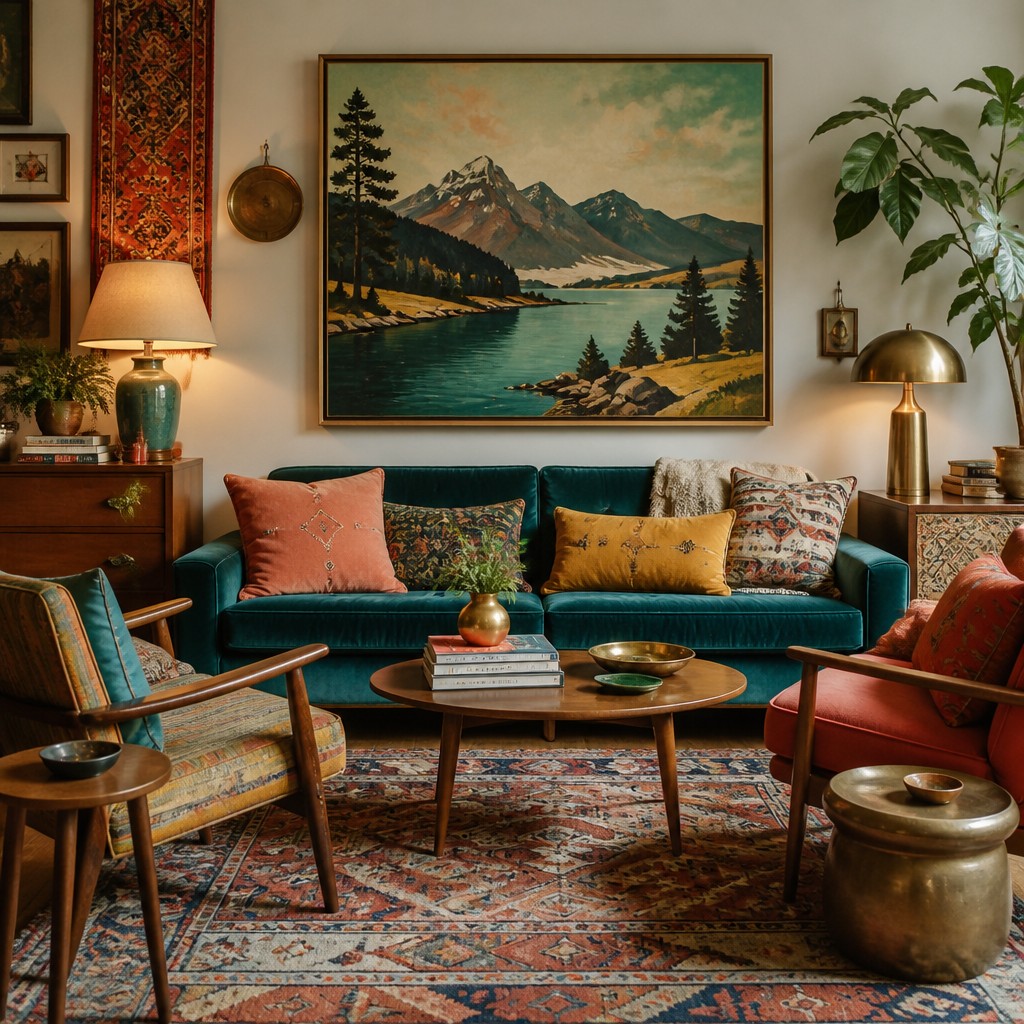
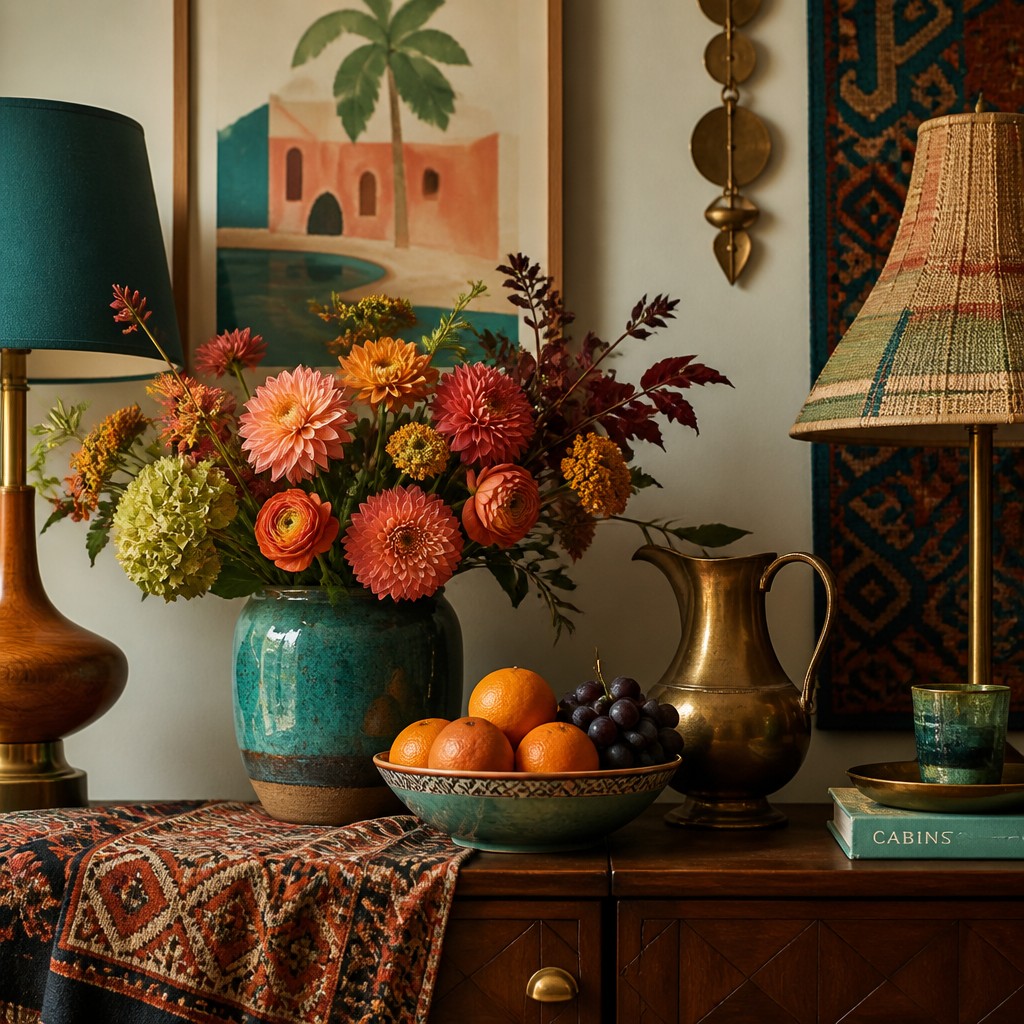
Eclectic Interior Design Gallery
Tap any artwork to explore it

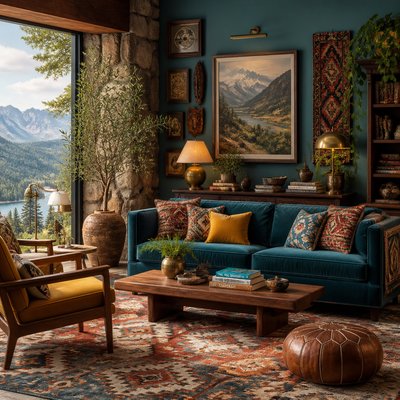
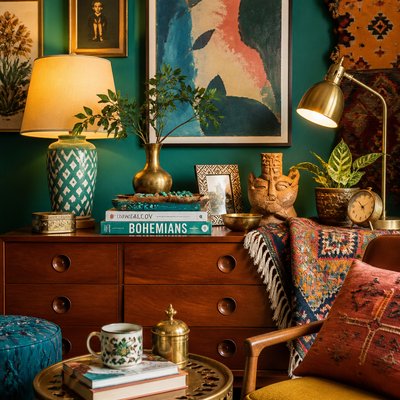
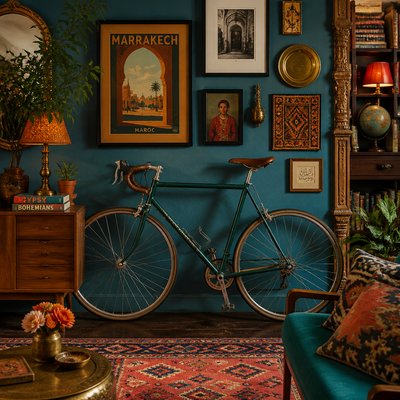
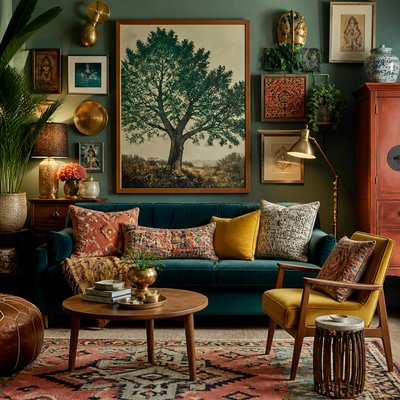
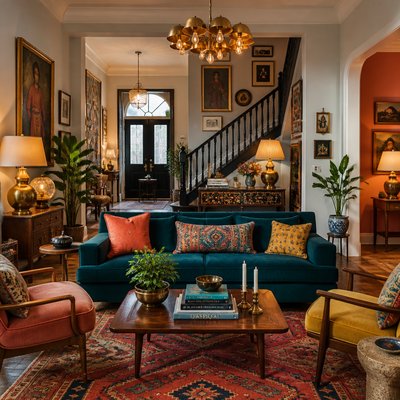
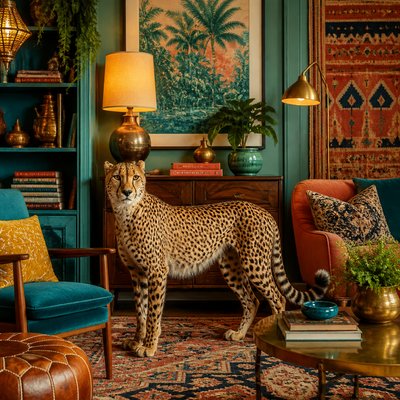
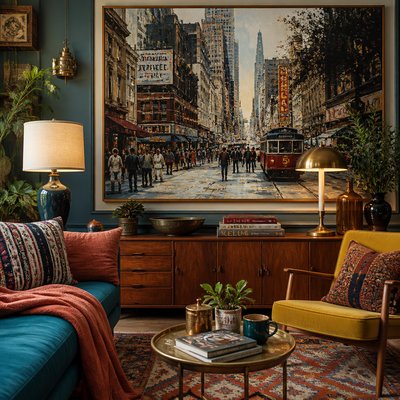
What is Eclectic Interior Design?
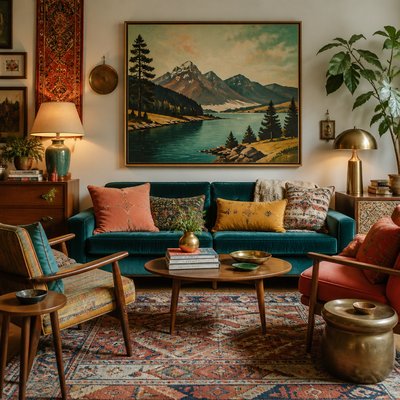
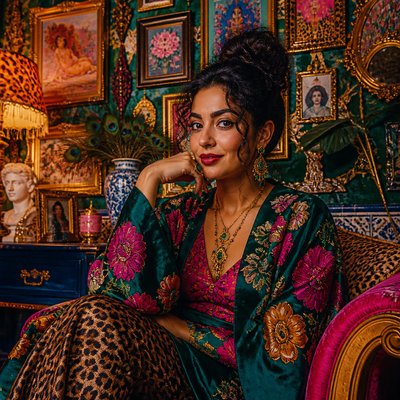
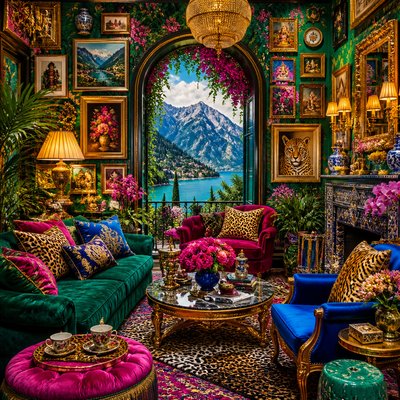
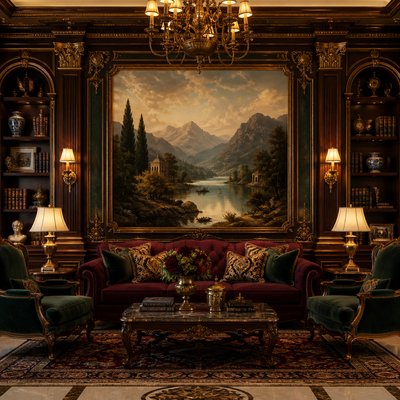
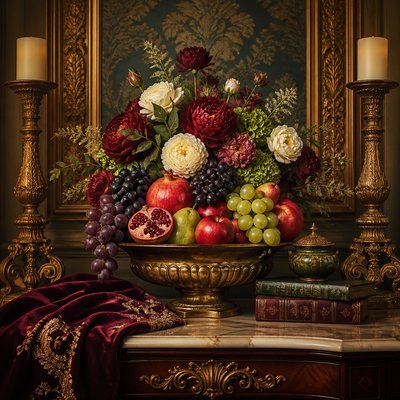
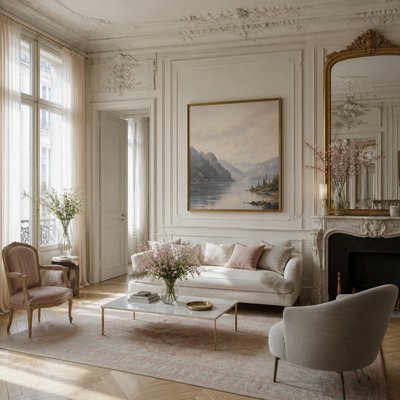
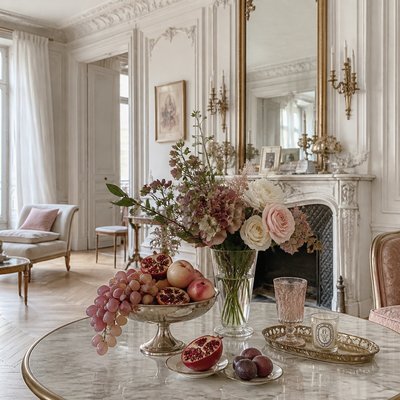
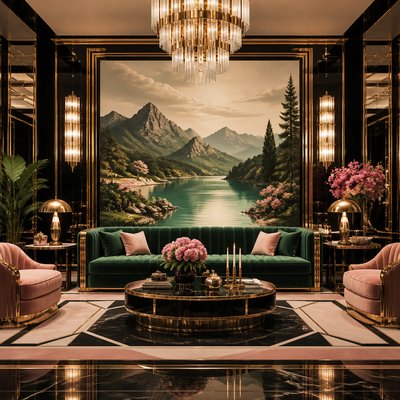
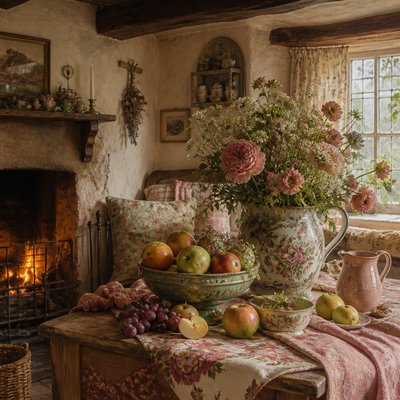
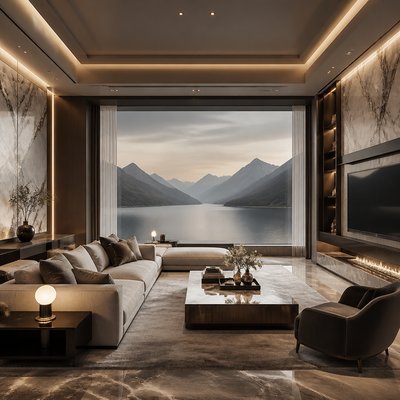
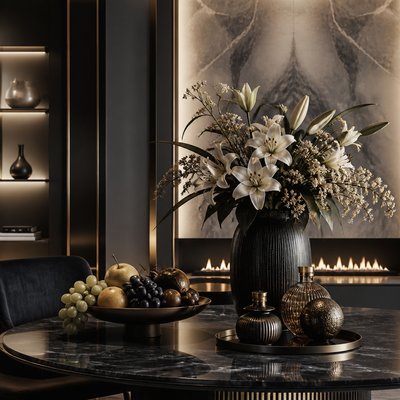
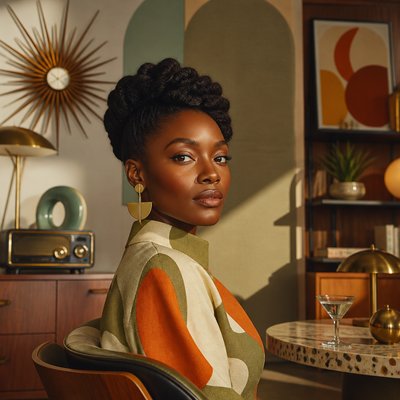
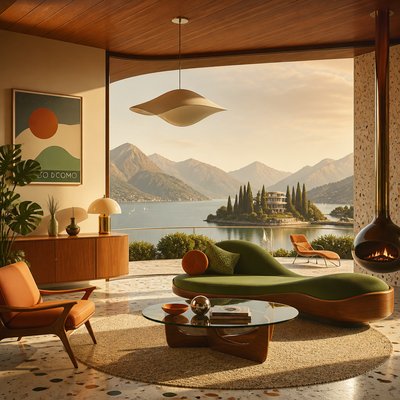
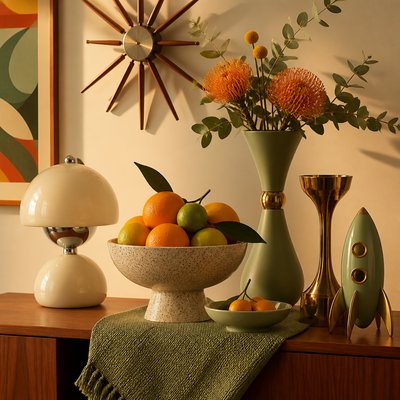
Eclectic interior design is a layered decorative approach that combines furniture, textiles, artwork, and objects from different periods, regions, and design languages into a single coherent room. Rather than matching sets, it relies on careful contrast: a mid-century chair beside a traditional rug, vintage brass next to painted wood, or modern lighting paired with antique accessories. The result is not random accumulation, but a deliberately assembled interior with visible personality and a sense of lived-in history.
Its visual identity depends on balance, repetition, and restraint within abundance. Color often acts as the connecting thread, with recurring tones carried across pillows, wall art, ceramics, and upholstery to unify otherwise varied elements. The style looks the way it does because it is built from collecting, travel, memory, and personal taste; it values the appearance of discovery and the presence of objects that seem to have been gathered over time rather than purchased as a coordinated set.

Try It On Your Photos
Upload any photo and convert it into Eclectic Interior Design — drag the sliders to compare before and after.
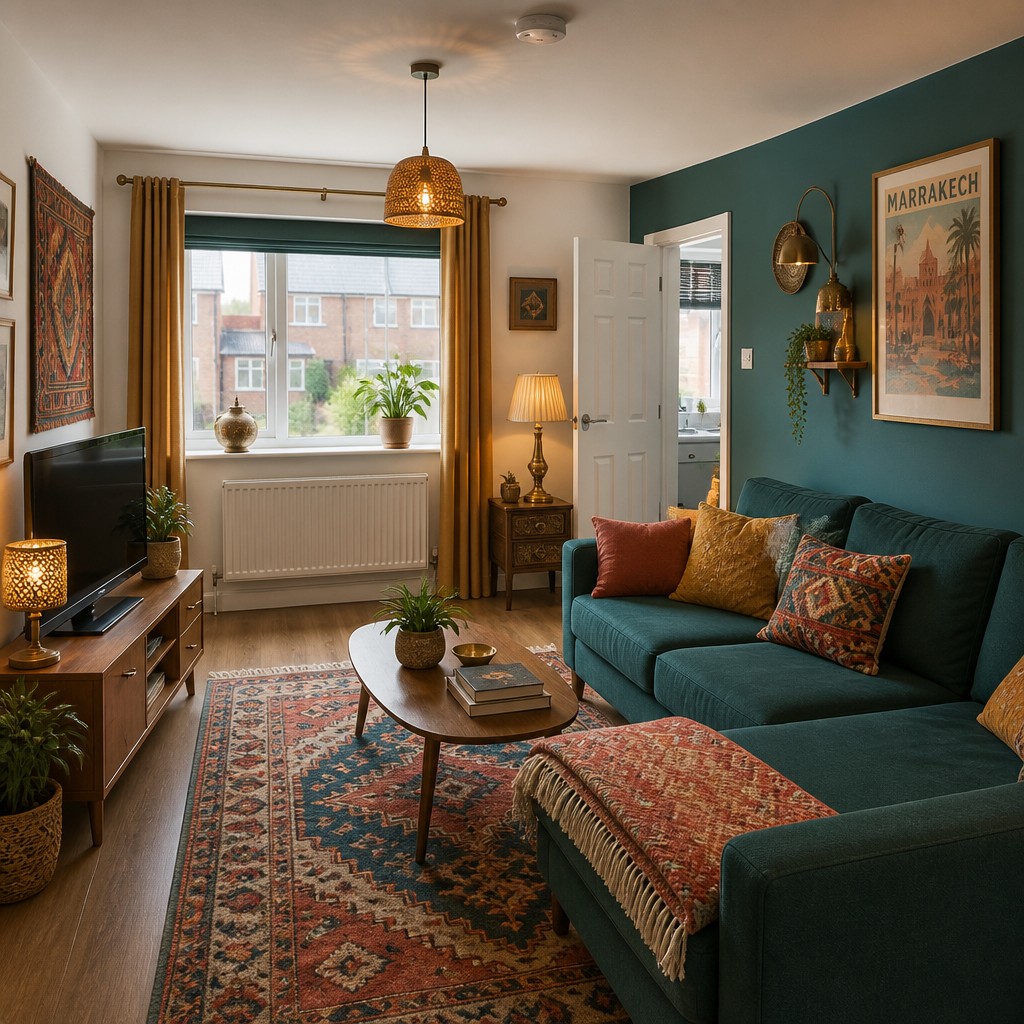
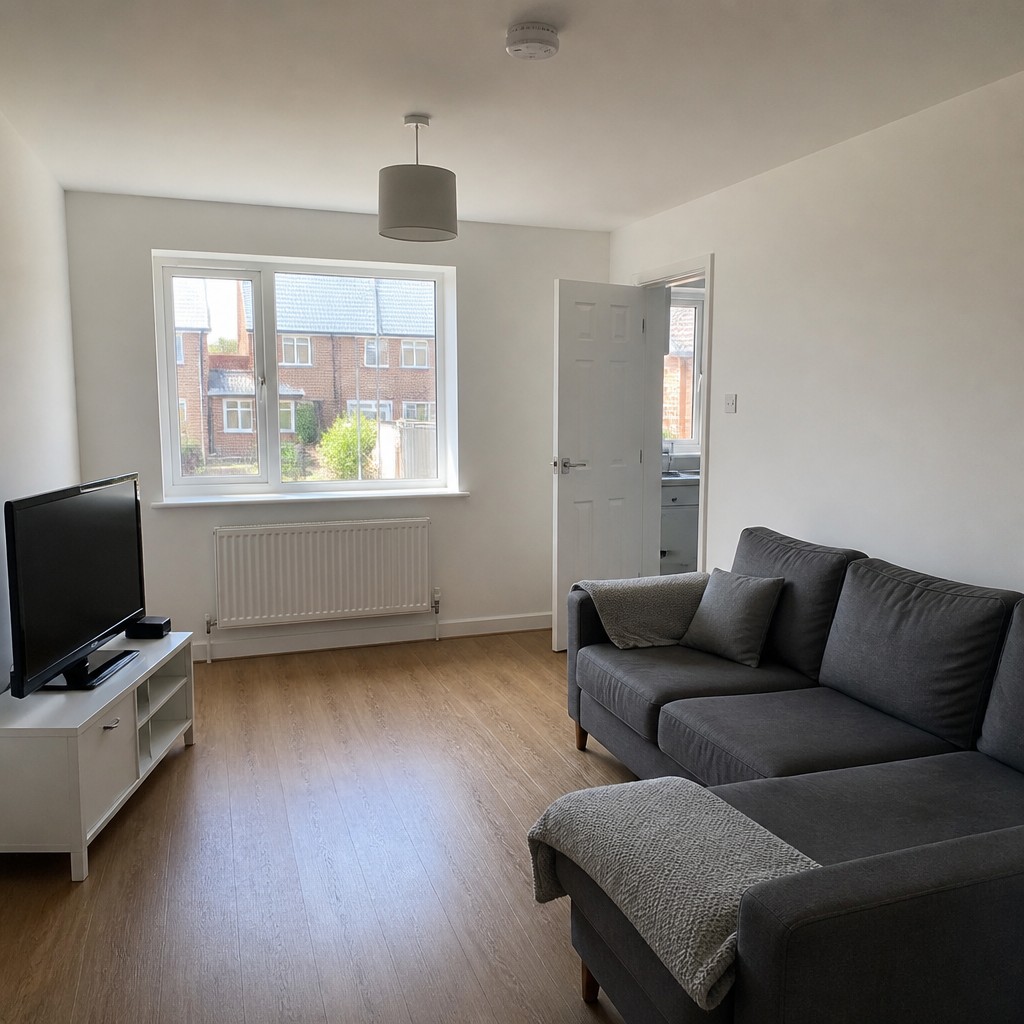
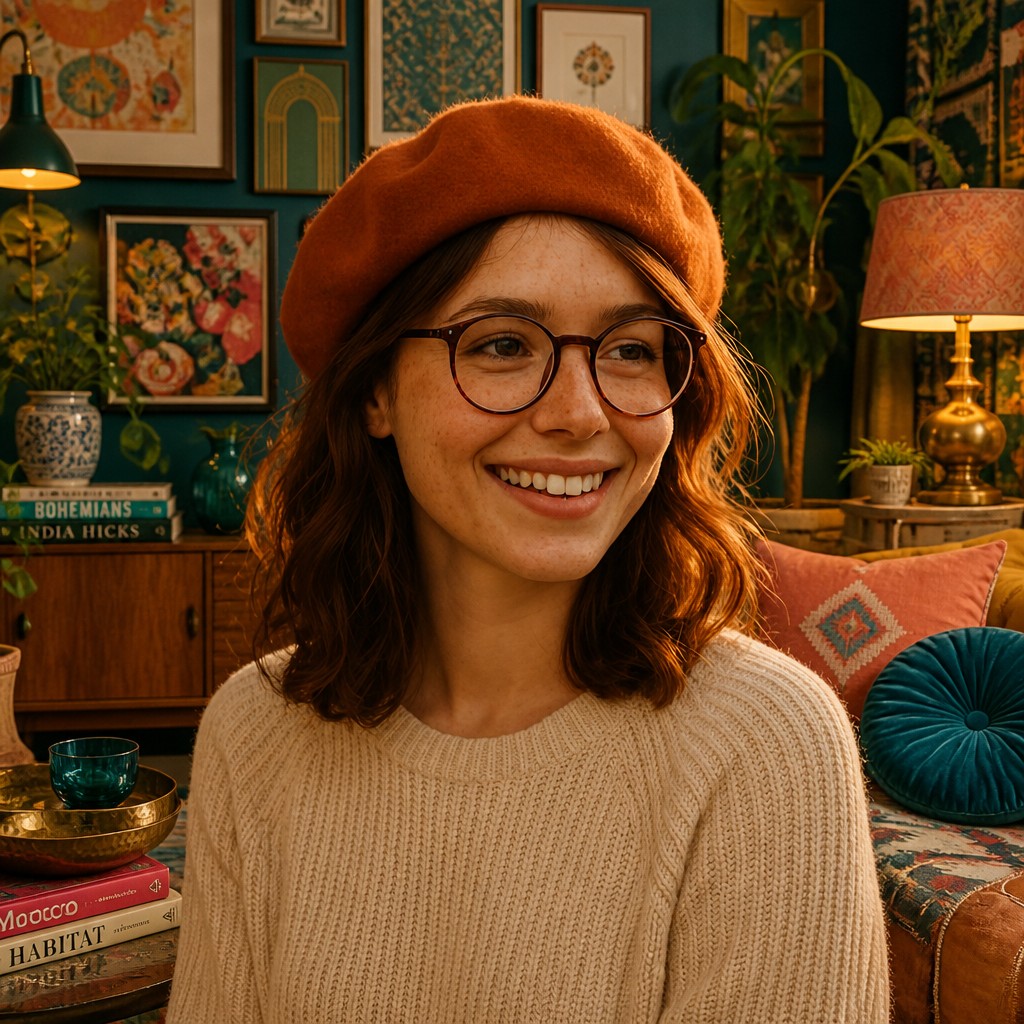

What Defines Eclectic Interior Design
The signature details, up close
Mixed-era furnishings
Rooms often pair pieces from different design periods, such as mid-century seating, antique case goods, and contemporary accessories. The contrast creates visual tension while preventing the space from feeling themed or static.
Global textiles and pattern layering
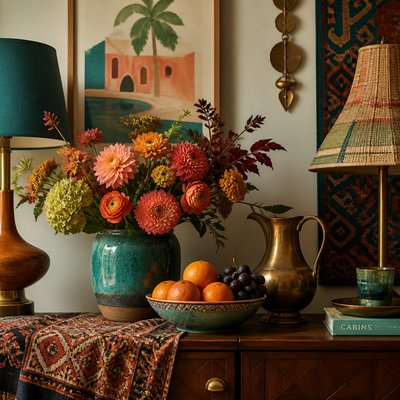
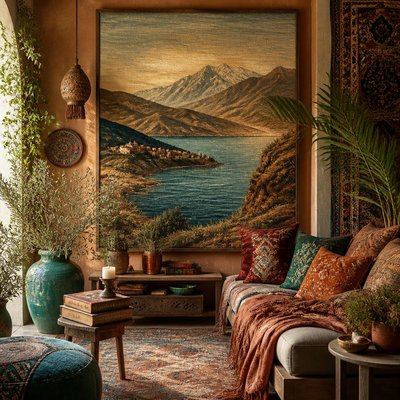
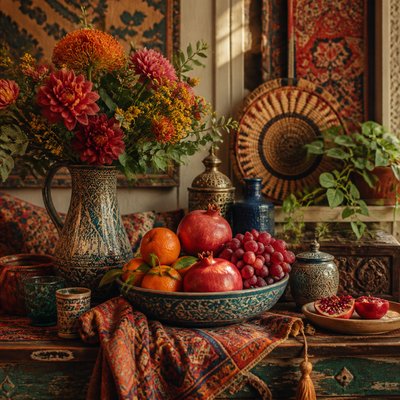
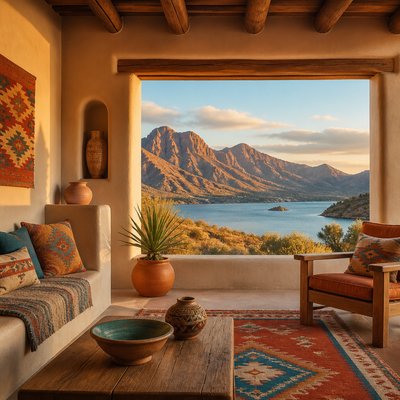
Rugs, cushions, throws, and curtains may draw from textile traditions across regions, producing rich pattern overlap. These layers give the room texture and a sense of collected history.
Color as a unifying device
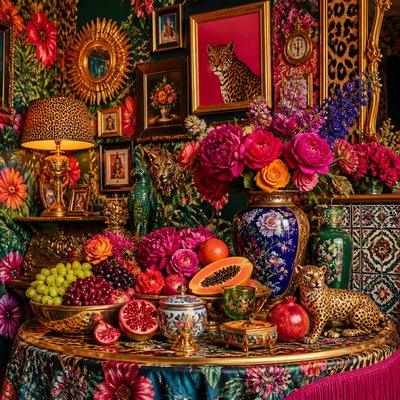
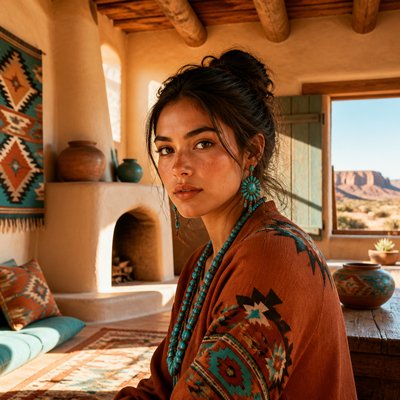
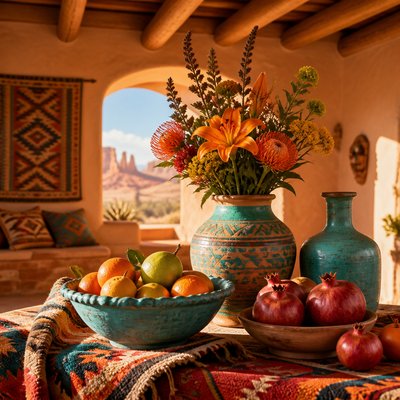
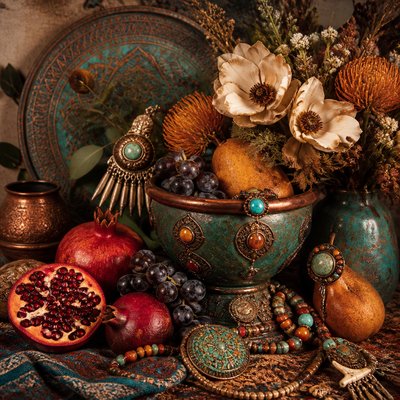
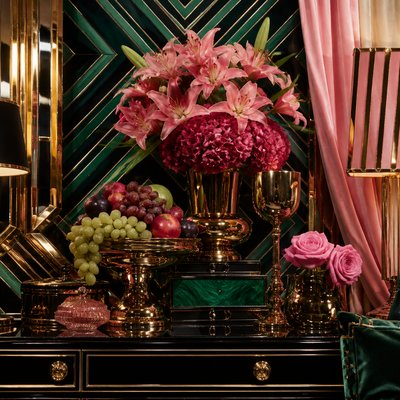
Teal, mustard, coral, rust, deep blue, and warm neutrals are often repeated across the room. Recurrent color ties disparate objects together and keeps the arrangement cohesive.
Vintage and artisanal materials
Brass, carved wood, rattan, ceramic, linen, and aged leather are common because they add tactile depth and visible wear. These materials support the style’s emphasis on character over perfection.
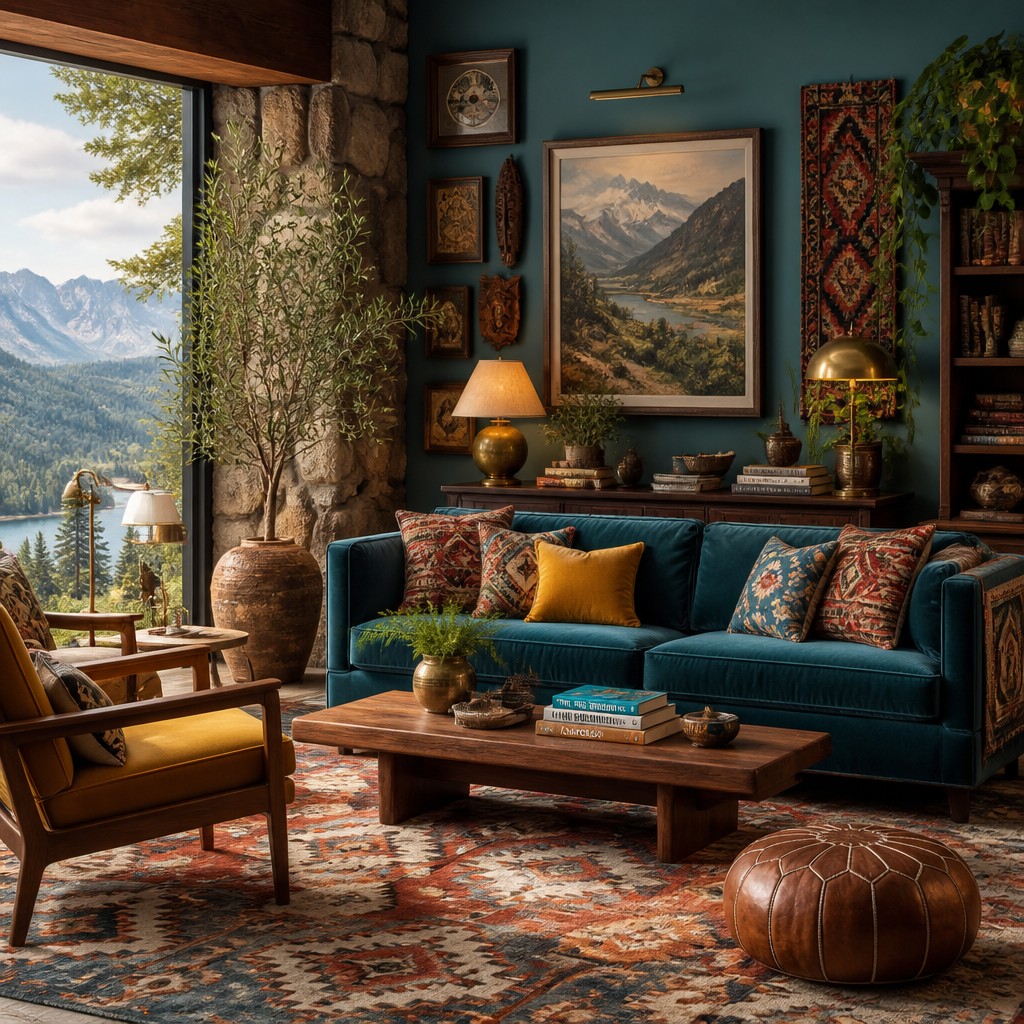
Curated asymmetry
Objects are usually arranged in a way that feels balanced without being mirrored or overly formal. A room may appear casually assembled, but the distribution of scale, height, and color is carefully controlled.
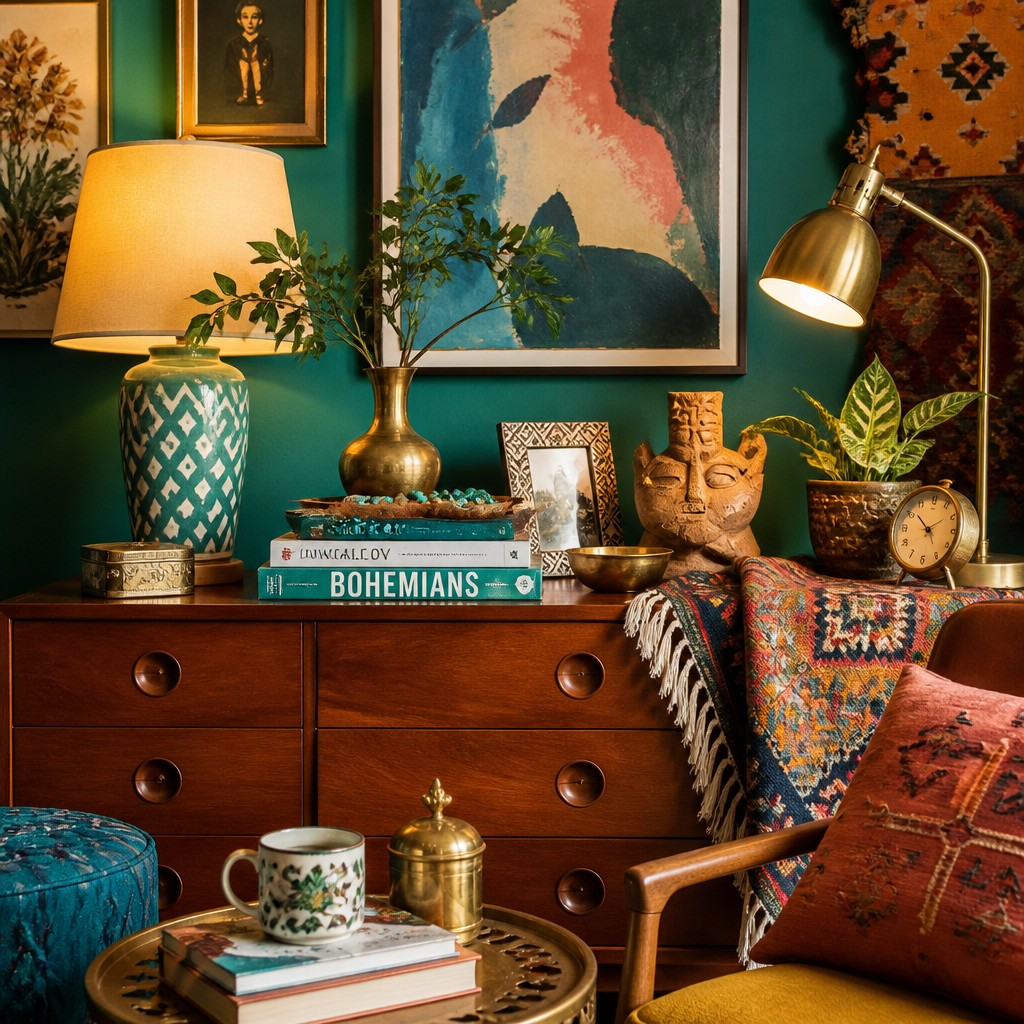
Warm, varied lighting
Multiple light sources, especially table lamps and sconces with different shades or bases, create a layered glow. This soft lighting enhances texture and makes the room feel intimate and inhabited.
Try It
Create Videos in Eclectic Interior Design
Styles aren't just for stills — describe a scene or animate an image and get a short video rendered in Eclectic Interior Design. Press play to see this pond come to life.
Make a VideoEclectic Interior Design Prompt Ideas
Start from an idea — each one opens the generator with the style ready to go. See all 40 Eclectic Interior Design prompts →

“close-up portrait of an elderly person with expressive weathered features”
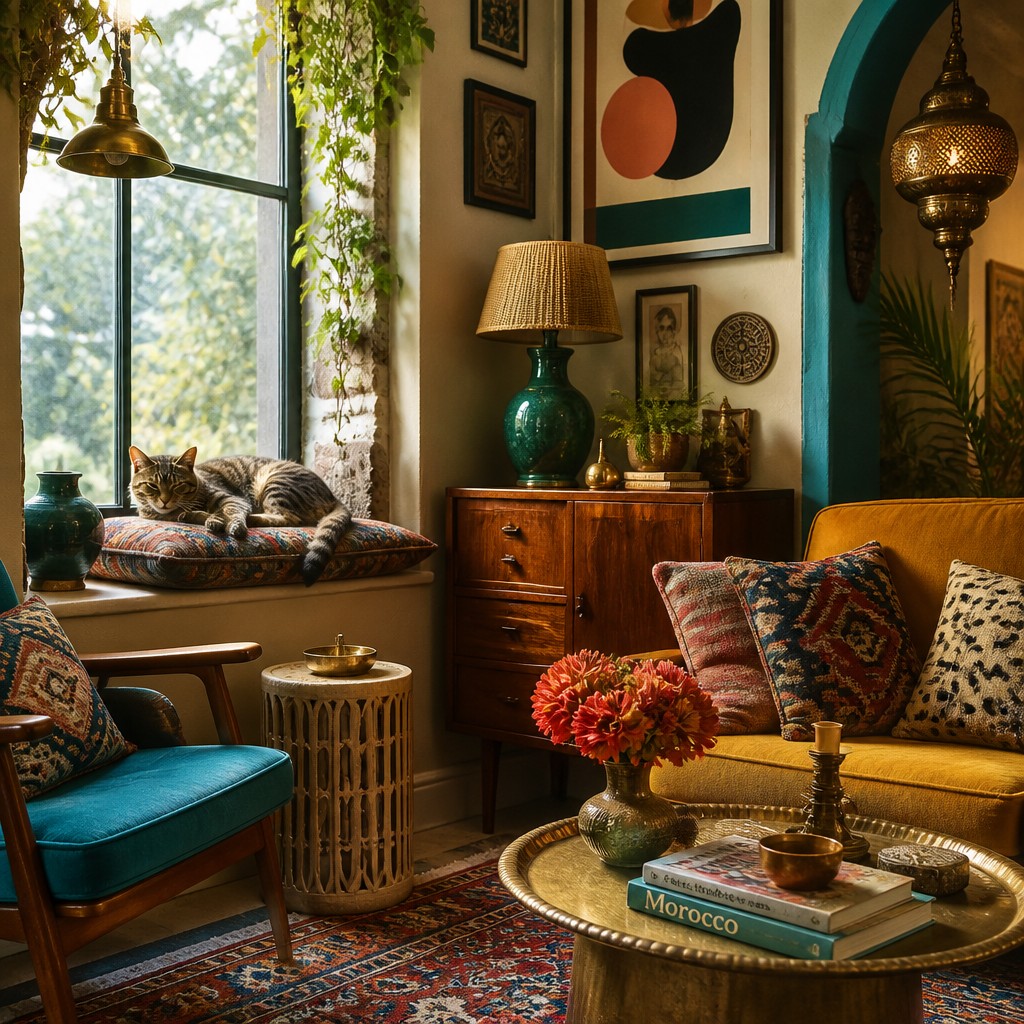
“a cat lounging in a sunlit window”
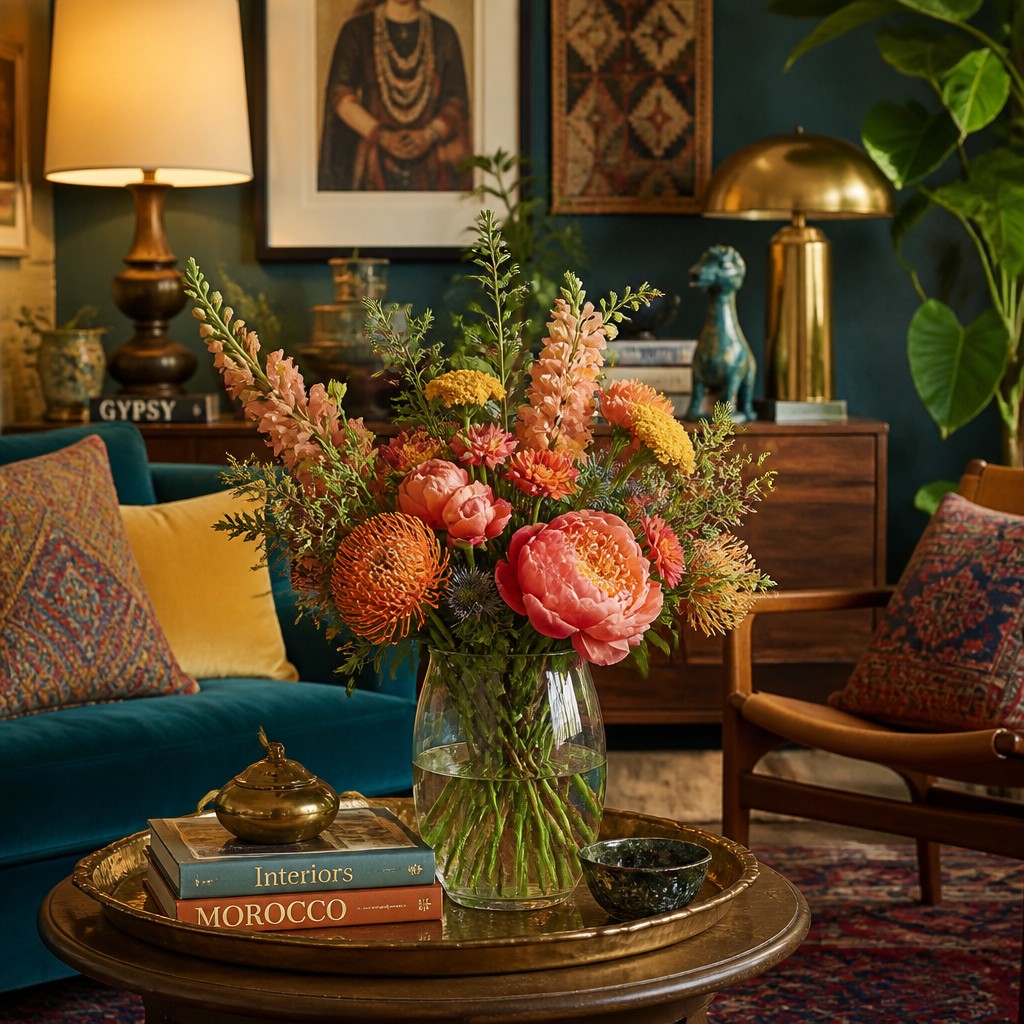
“bouquet of flowers in a glass vase”
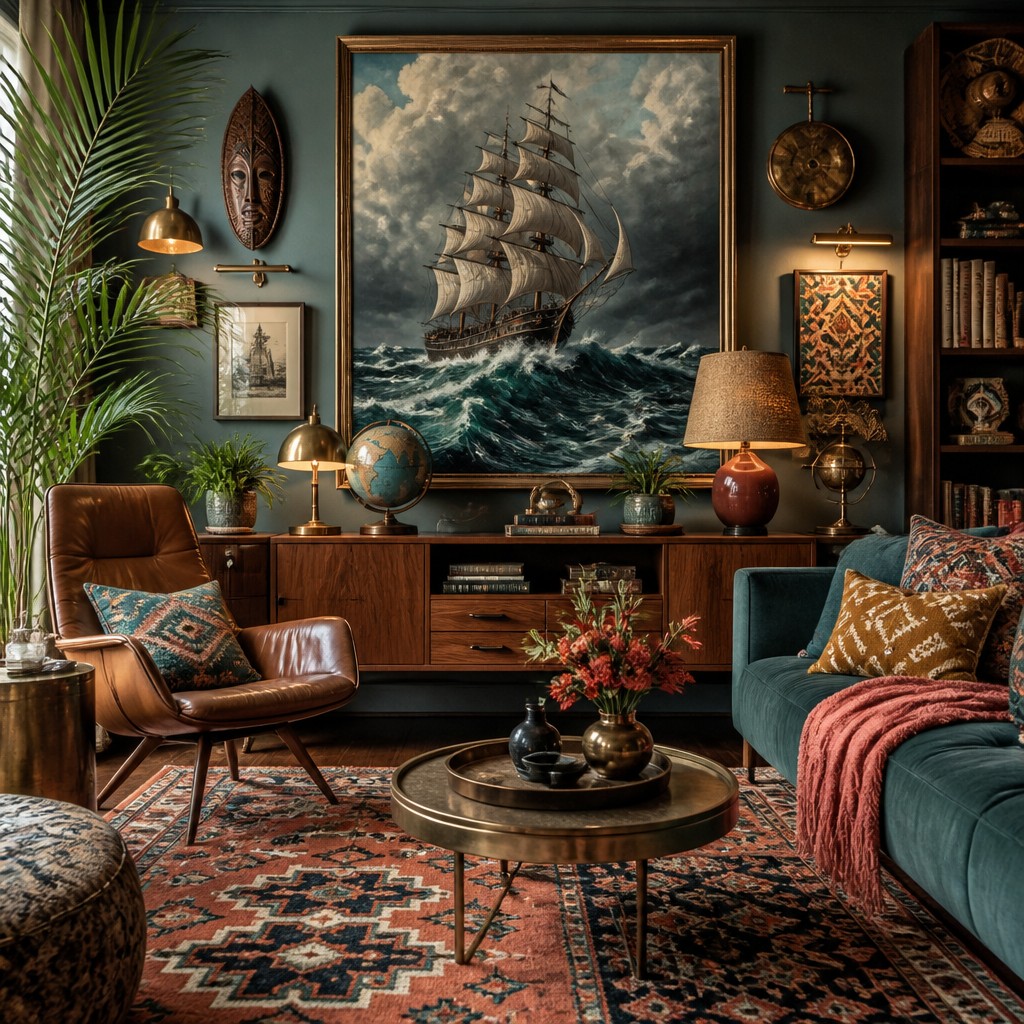
“sailing ship on a stormy sea”
How to Create Eclectic Interior Design Art
Master the craft step by step — or skip straight to creating. Read the full guide →
- 1
Start with one unifying thread
Choose a small color palette, a repeated material, or a recurring motif to prevent the room from becoming visually chaotic. In a digital or AI prompt, specify that the space should be unified by repeated tones such as teal, mustard, and warm neutrals.
- 2
Mix scales and eras intentionally
Combine large anchor pieces with smaller decorative objects from different periods so the room feels layered rather than crowded. When creating by hand, place the oldest or heaviest elements first, then add lighter accents around them.
- 3
Use textiles to connect the composition
Rugs, pillows, throws, and curtains are the easiest way to make mixed furnishings feel related. Repeat one or two colors across several textiles so the eye reads them as part of the same room.
- 4
Balance pattern with negative space
Eclectic interiors depend on contrast, but every surface should not compete for attention. Leave some visual breathing room on walls, shelves, and tabletops so the most interesting pieces remain legible.
- 5
Emphasize warmth and lived-in detail
Use soft shadows, varied lamp light, visible patina, and imperfect arrangement to make the space feel inhabited. In prompt-based generation, phrases like warm mixed lighting, curated clutter, vintage brass, and textural richness help produce the right atmosphere.
- 6
Curate, don’t randomize
The strongest eclectic rooms feel edited over time, not assembled indiscriminately. Whether styling physically or generating digitally, remove elements that repeat without purpose and keep only those that contribute to a coherent visual conversation.
The Story
History & Origins of Eclectic Interior Design
Eclectic interior design is less a single historical movement than a long-running decorative tendency that emerged wherever people mixed inherited furniture, imported goods, and new fashions. In European and American interiors of the 19th century, eclecticism was already visible in the blending of revival styles, Orientalist textiles, and historical references. In the 20th century, especially after mid-century modern design entered the mainstream, decorators increasingly combined modern pieces with antiques, folk objects, and global craft traditions.
The contemporary version draws from later 20th-century eclectic decorating, bohemian interiors, and globalized sourcing, along with the rise of interior styling as a form of self-expression. It also reflects the influence of travel culture, vintage markets, and the acceptance of mixed-period rooms in magazines and domestic photography. Today, the style is often associated with a curated, well-traveled sensibility rather than strict historical reproduction.
Influences: Eclectic interior design draws from 19th-century eclecticism, which freely combined historical revival styles, and from later bohemian and global-influenced decorating traditions. Its modern visual vocabulary also overlaps with mid-century modern furniture, Arts and Crafts attention to craftsmanship, and decorative approaches that value collected objects and textile richness. Unlike a single art movement with canonical painters, it is best understood as a design language shaped by many sources rather than by one school or manifesto.

Frequently Asked Questions
What defines eclectic interior design?
It is defined by the deliberate mixing of different styles, periods, and cultural references within one interior. The key is not sameness, but cohesion through repeated color, balanced composition, and careful editing.
Is eclectic design the same as bohemian design?
They overlap, but they are not identical. Bohemian interiors usually emphasize a freer, more informal, and often more textural approach, while eclectic design can be more structured and may combine a broader range of eras and formal design objects.
How do you keep an eclectic room from looking messy?
Use one or two unifying elements, such as a color palette, a repeated finish, or a consistent level of visual intensity. Also leave some open space so the room has rhythm and the most distinctive pieces can stand out.
What colors are common in eclectic interiors?
Deep teal, mustard, coral, rust, olive, and warm neutrals are common because they create richness without feeling disconnected. The exact palette can vary, but repeated color is one of the main tools for making varied objects feel intentional.
What kinds of furniture work well in this style?
Mid-century wood pieces, vintage brass accents, antique cabinets, woven chairs, and upholstered seating are all common. Pieces with strong silhouette and visible material character tend to work especially well because they can hold their own beside decorative layers.
Where is eclectic interior design used most often?
It is especially common in homes, boutique hospitality spaces, creative studios, and editorial interiors where individuality matters. The style is favored when a room is meant to feel personal, collected, and visually layered.
Create your first Eclectic Interior Design artwork
Describe anything — or upload a photo — and see it in Eclectic Interior Design in seconds.
Related Styles
Discover similar art styles