Transitional Interior Design
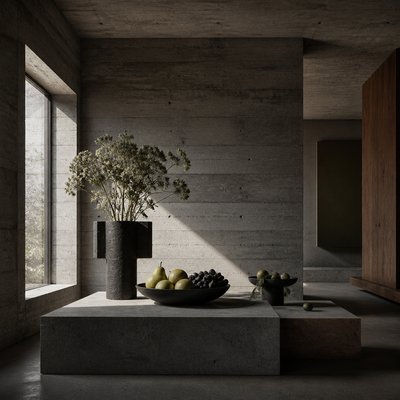
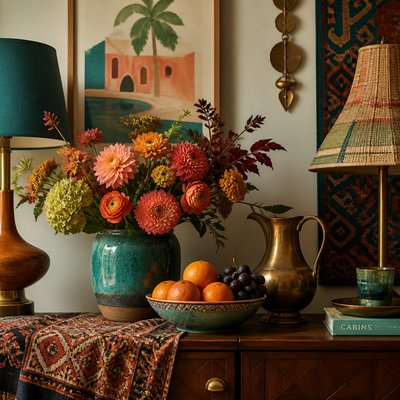
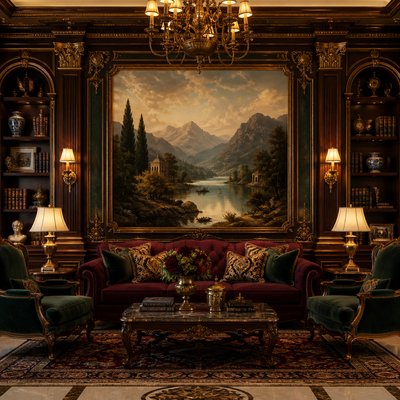
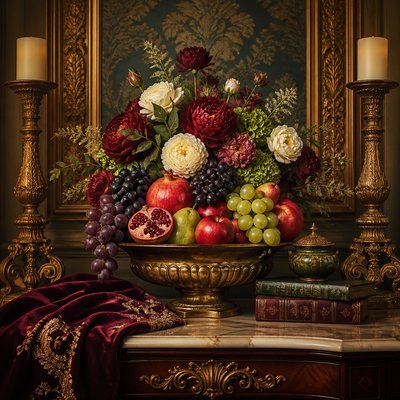
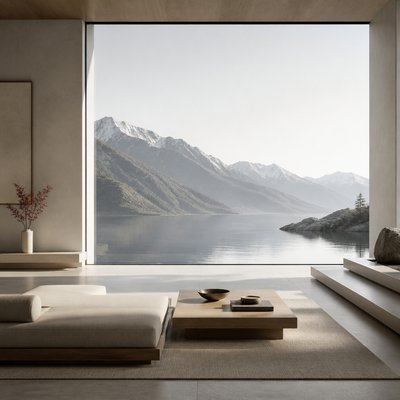
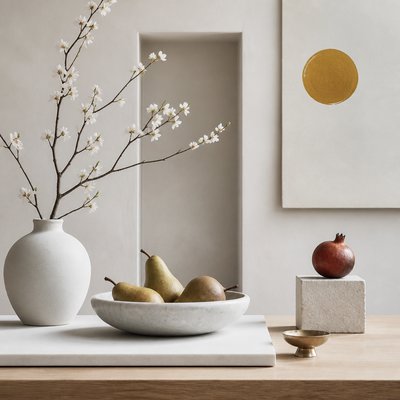
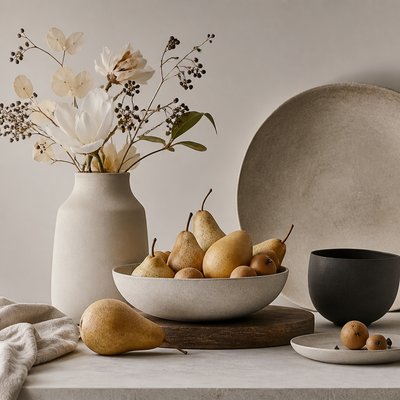
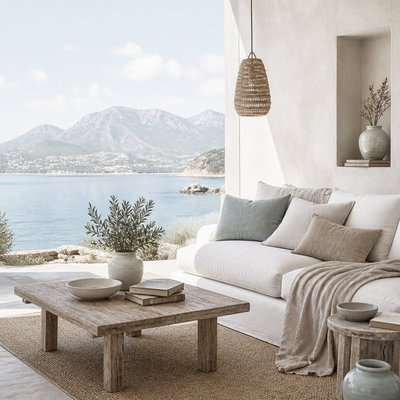
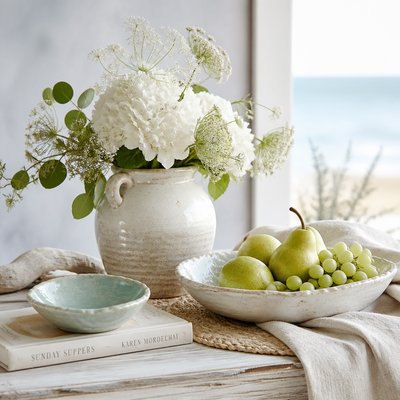
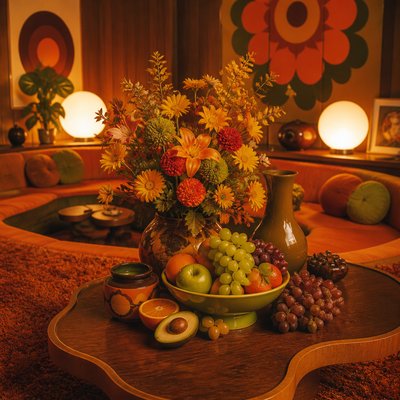
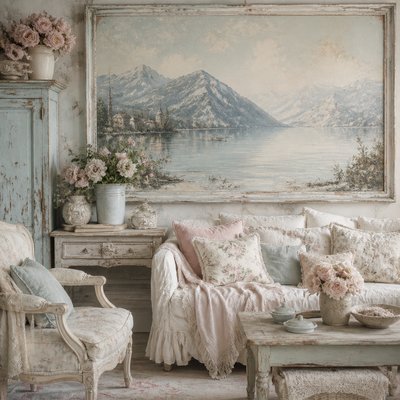
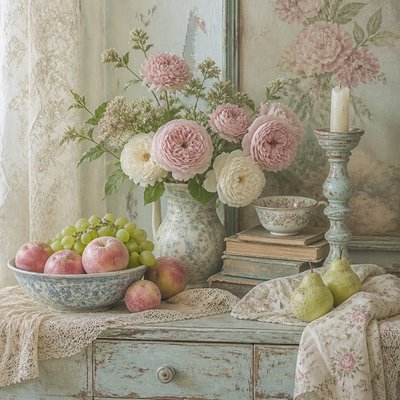
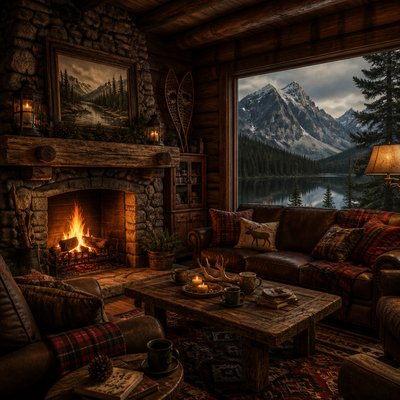
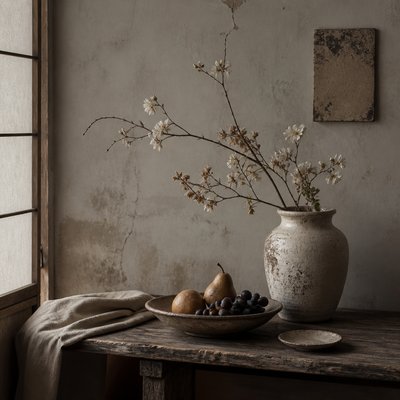
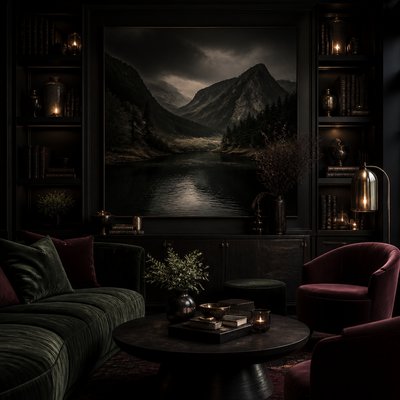
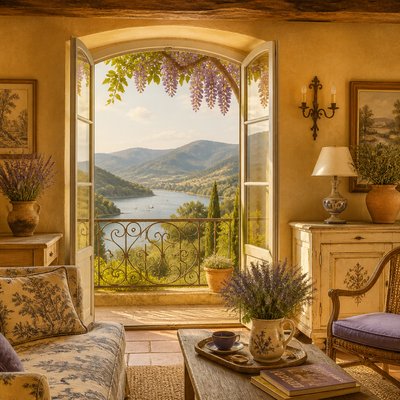
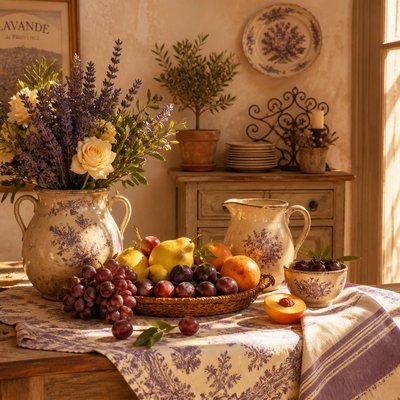
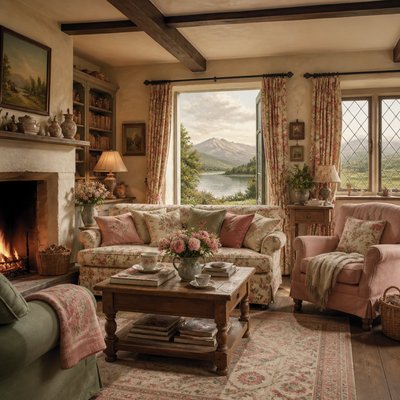
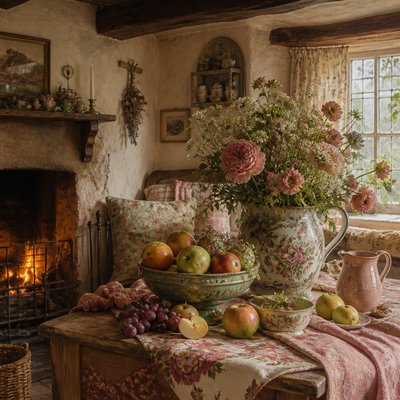
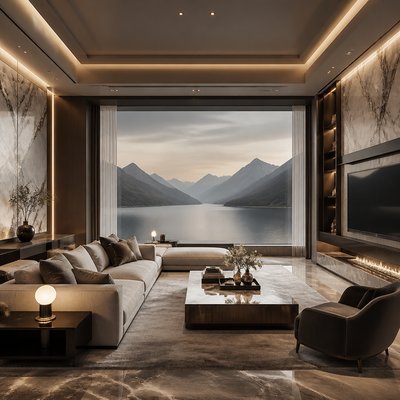
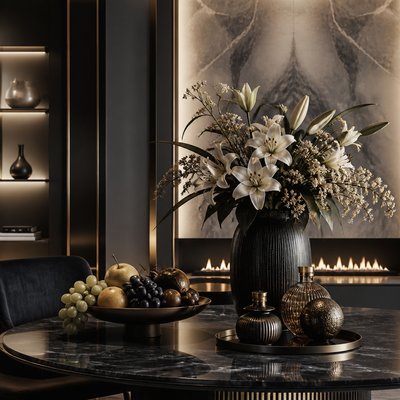
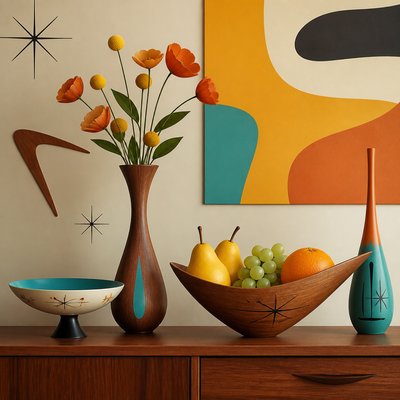
Transitional interior design blends classic mouldings, greige neutrals, clean lines and calm, timeless comfort.
Instantly rendered in Transitional Interior Design — or transform a photo
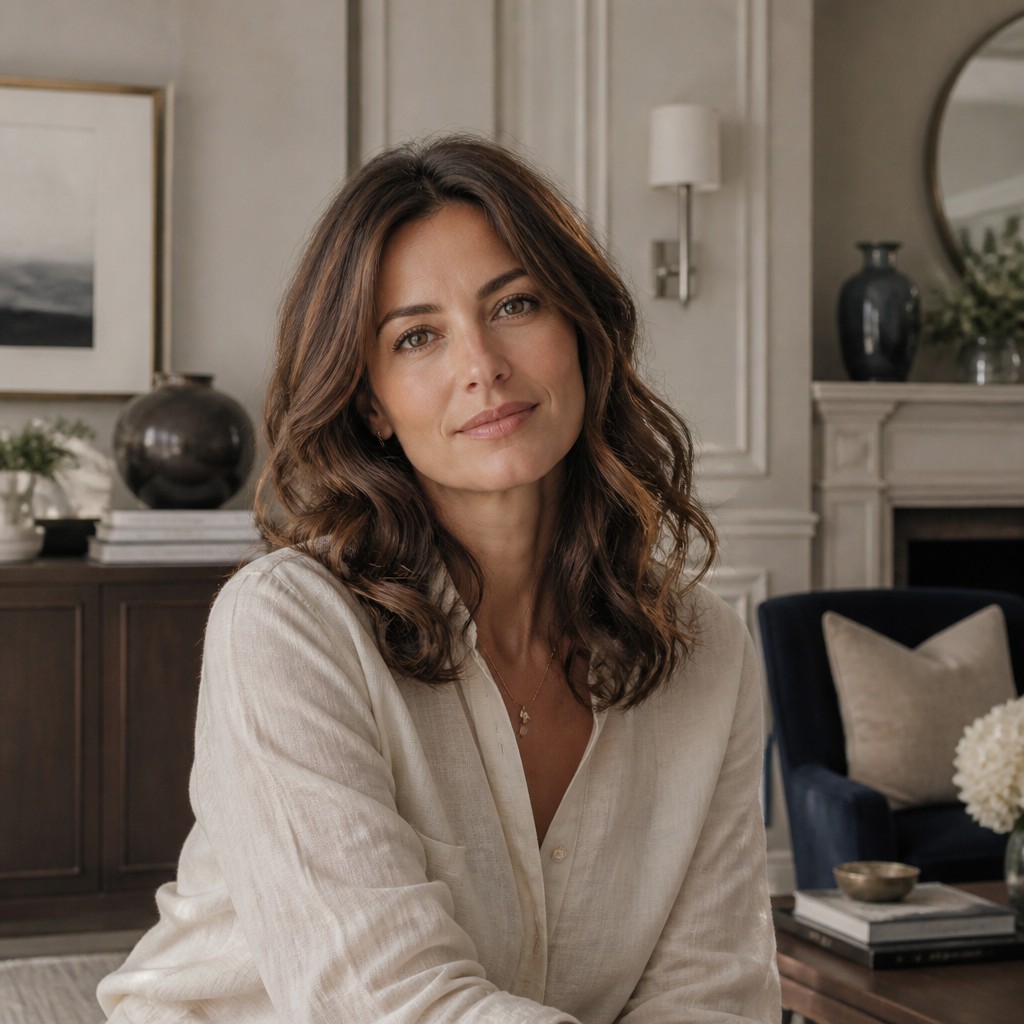
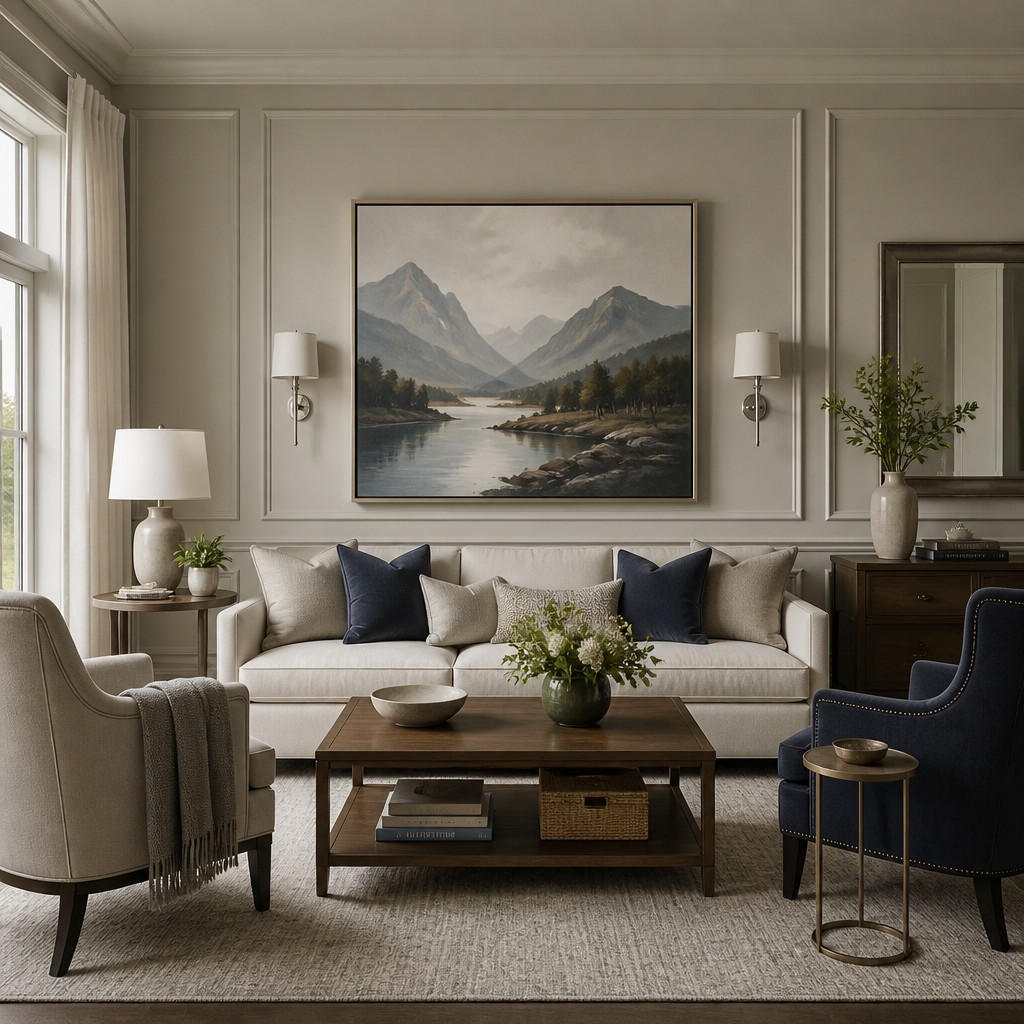
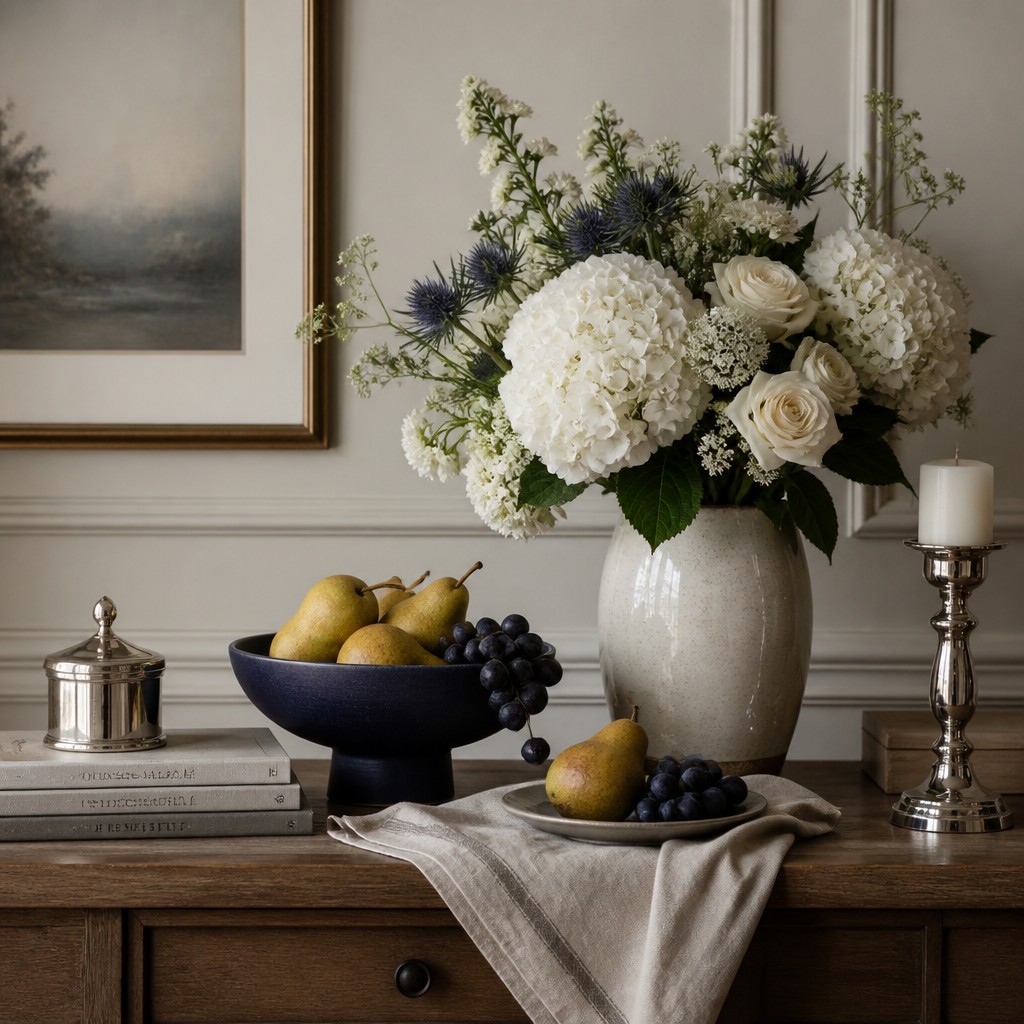
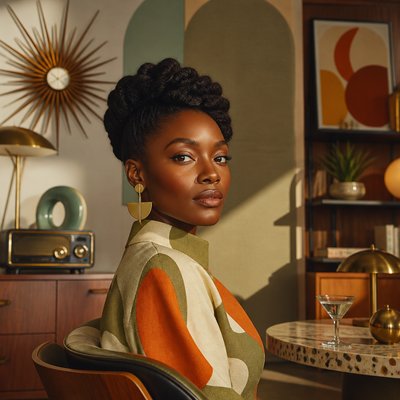
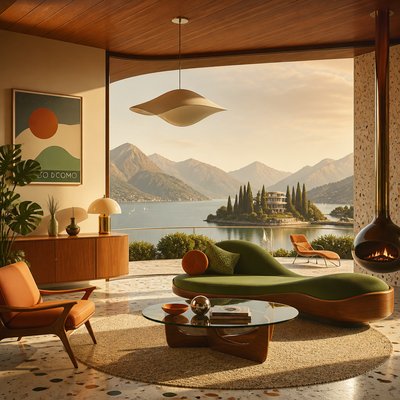
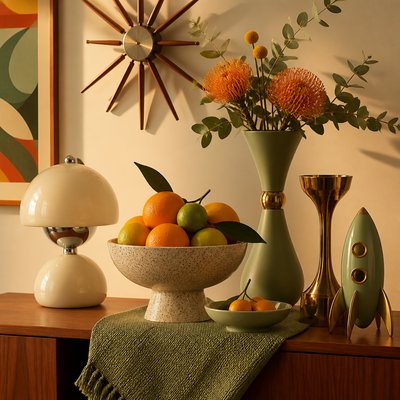
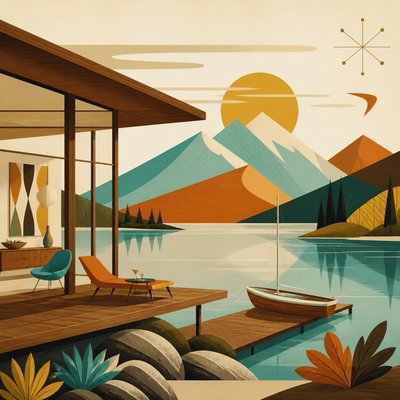
Transitional Interior Design Gallery
Tap any artwork to explore it

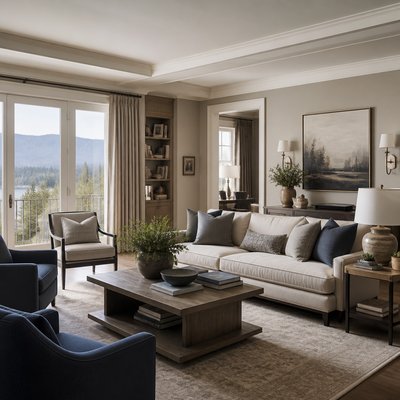
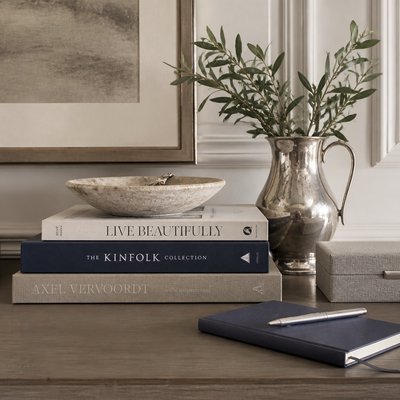
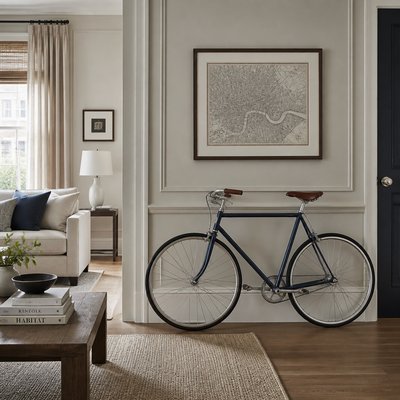
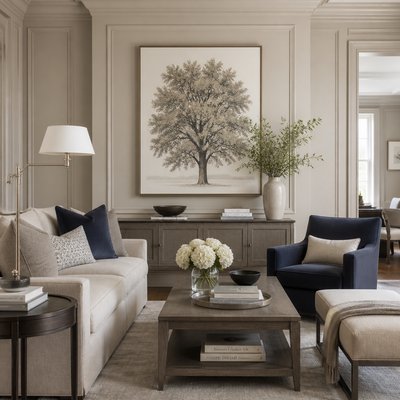
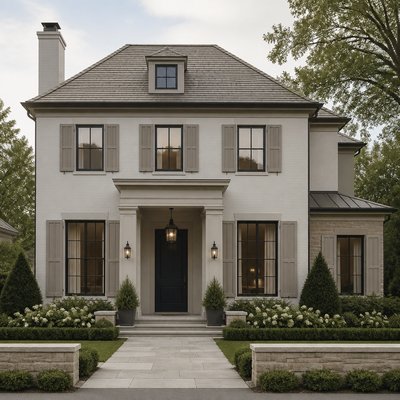
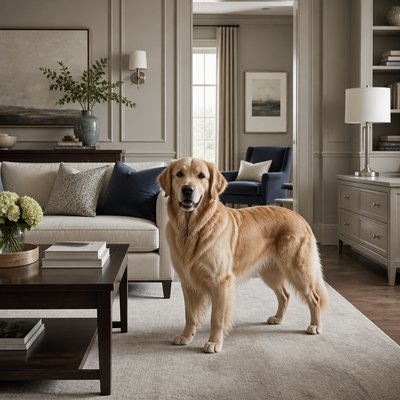
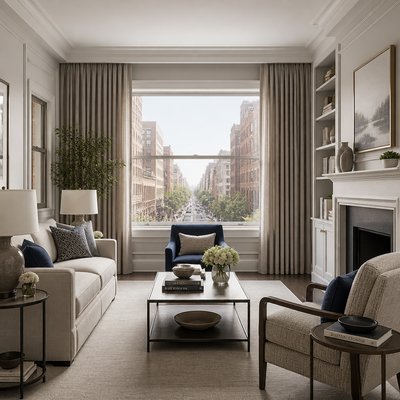
What is Transitional Interior Design?
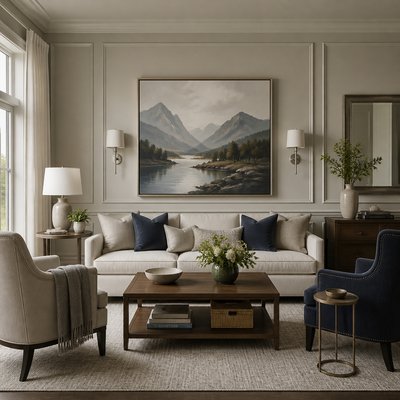
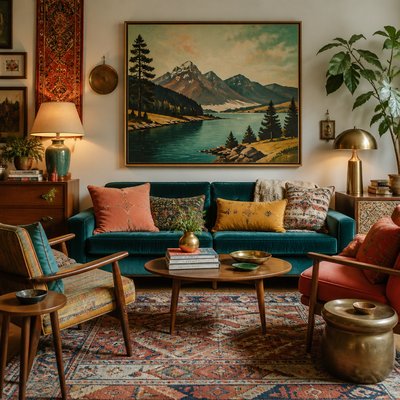
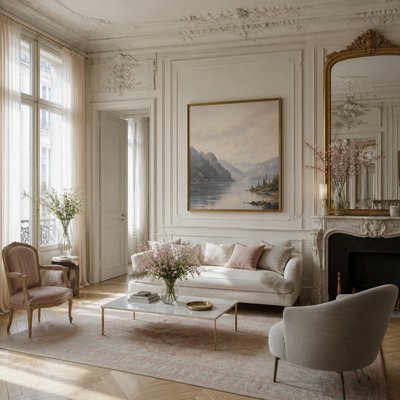
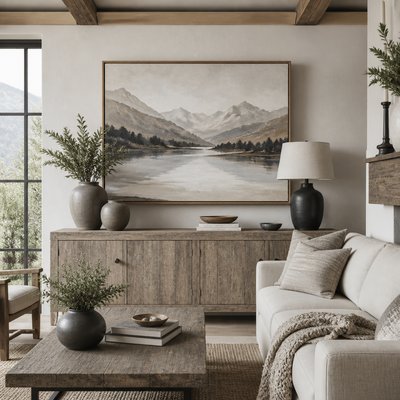
Transitional interior design is a balanced decorating style that bridges traditional and contemporary aesthetics. It combines the softness and familiarity of classic interiors with the clarity, restraint, and cleaner silhouettes of modern design. The result is a room that feels composed rather than ornate, refined rather than stark, and comfortable without looking casual.
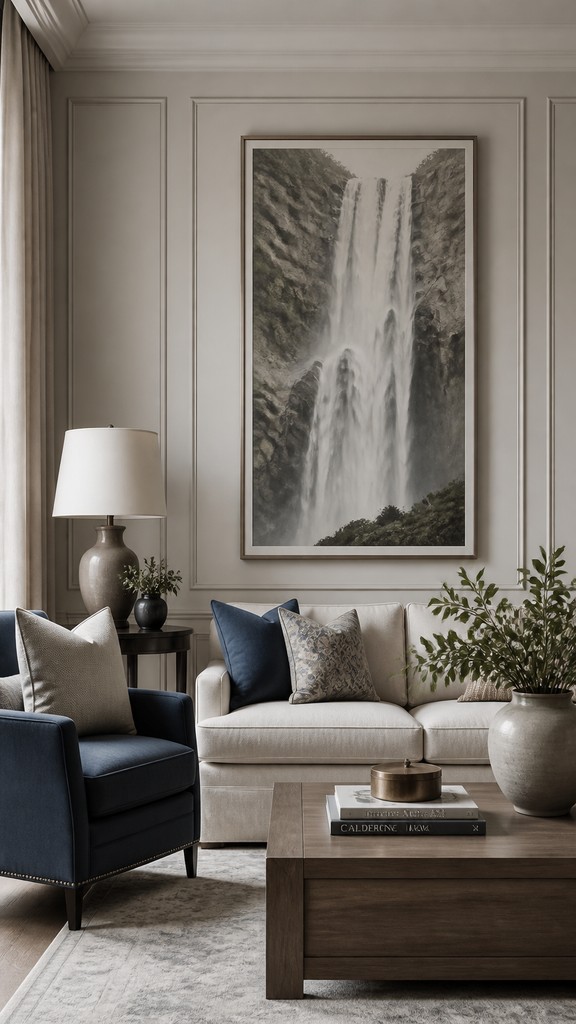
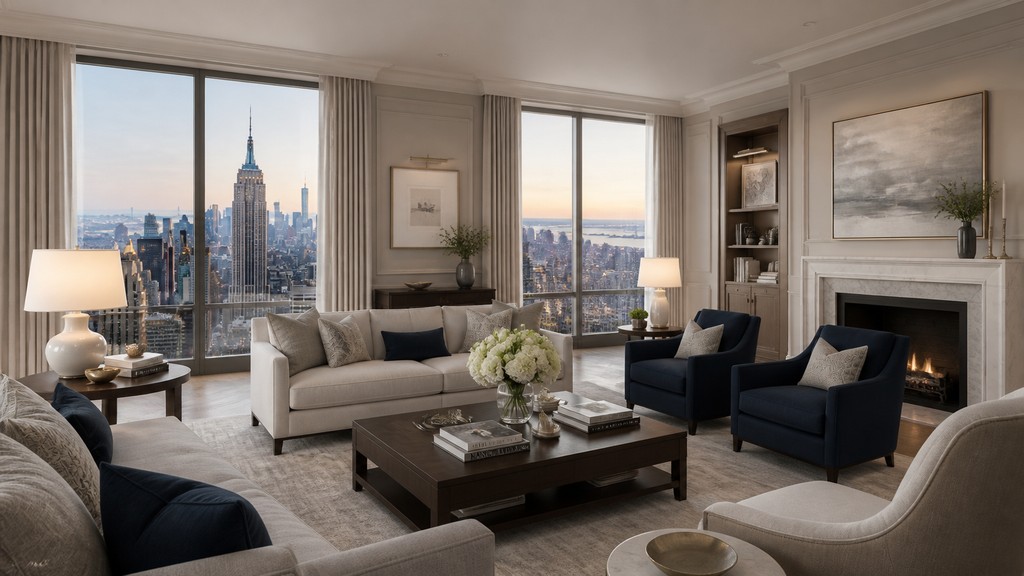
Its visual identity is built from neutral layers: greige, taupe, soft white, muted navy, warm wood, linen, and polished metal accents such as nickel or chrome. Traditional architectural details like mouldings, paneled walls, and symmetrical layouts are often paired with streamlined furniture, simple upholstery, and understated accessories. The style looks the way it does because it seeks visual calm through proportion, tonal harmony, and a deliberate reduction of decorative excess.
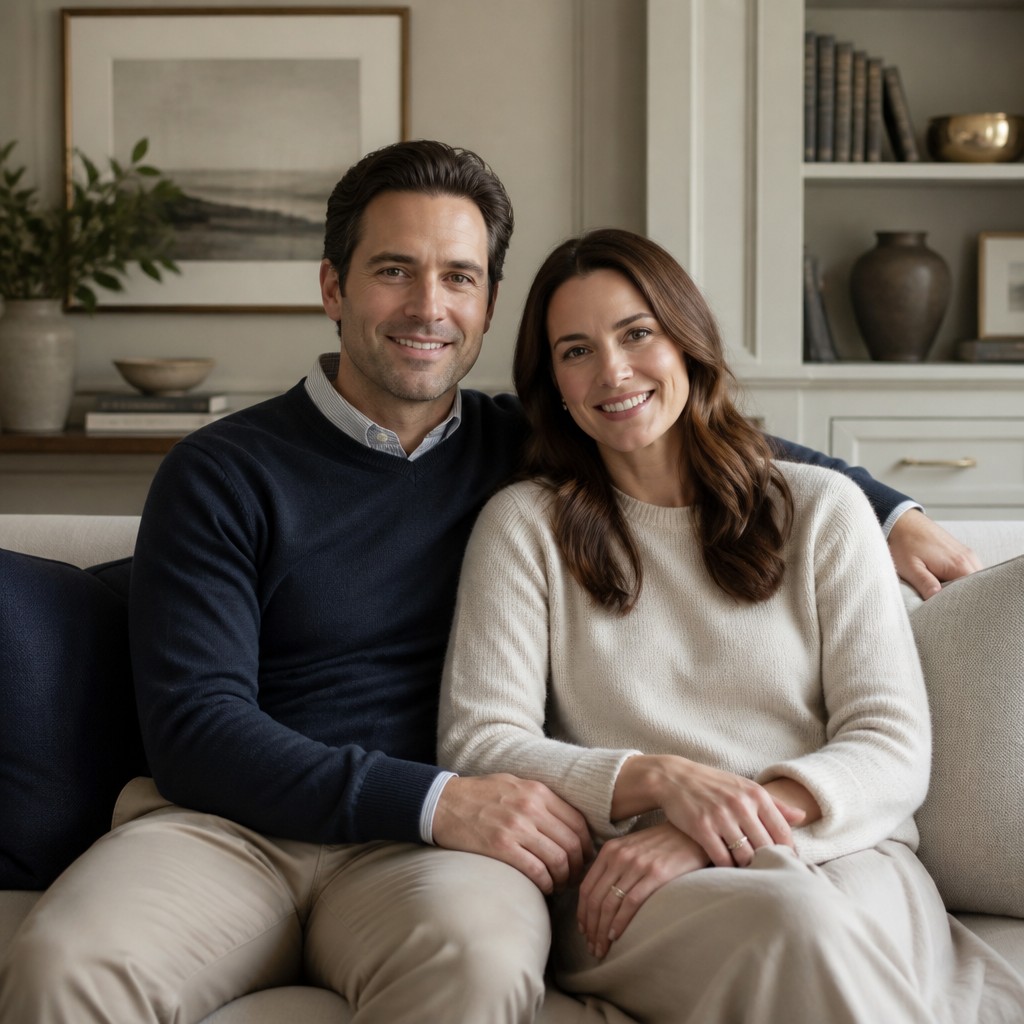
Try It On Your Photos
Upload any photo and convert it into Transitional Interior Design — drag the sliders to compare before and after.


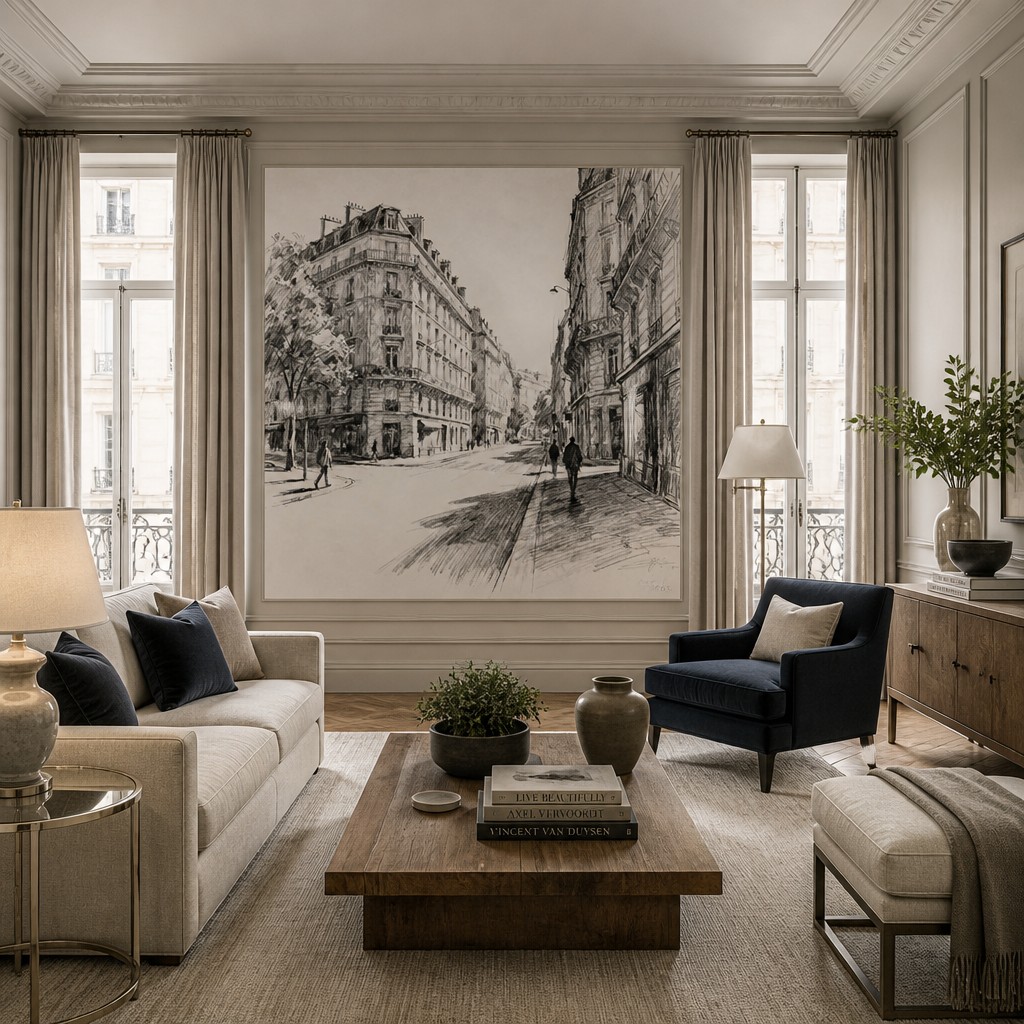

What Defines Transitional Interior Design
The signature details, up close
Neutral tonal palette
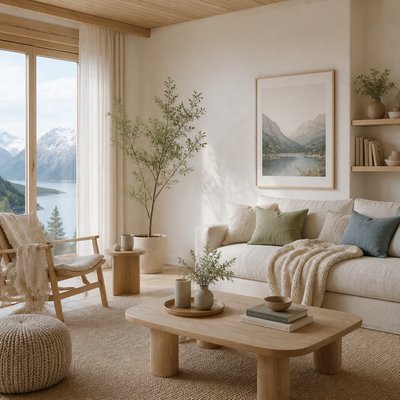
The color scheme typically centers on greige, beige, taupe, white, charcoal, and muted navy. These tones create a quiet backdrop that keeps the room cohesive and flexible.
Classic structure, simplified detail
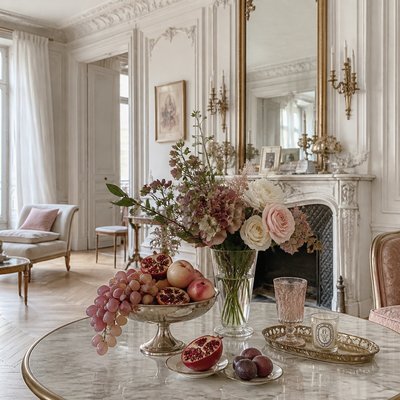
Rooms often include mouldings, paneling, balanced symmetry, and traditional proportions, but with reduced ornament. The architecture suggests heritage while the surfaces stay clean and uncluttered.
Tailored furniture silhouettes
Upholstery tends to be crisp, structured, and comfortable, with straight arms, rolled cushions, or modest curves. Pieces look polished without appearing fussy or overly decorative.
Layered natural materials
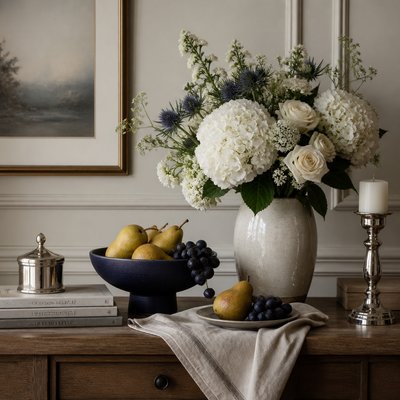
Linen, wool, warm woods, stone, and brushed metals are common. The material mix adds warmth and texture so the neutral palette does not feel flat.
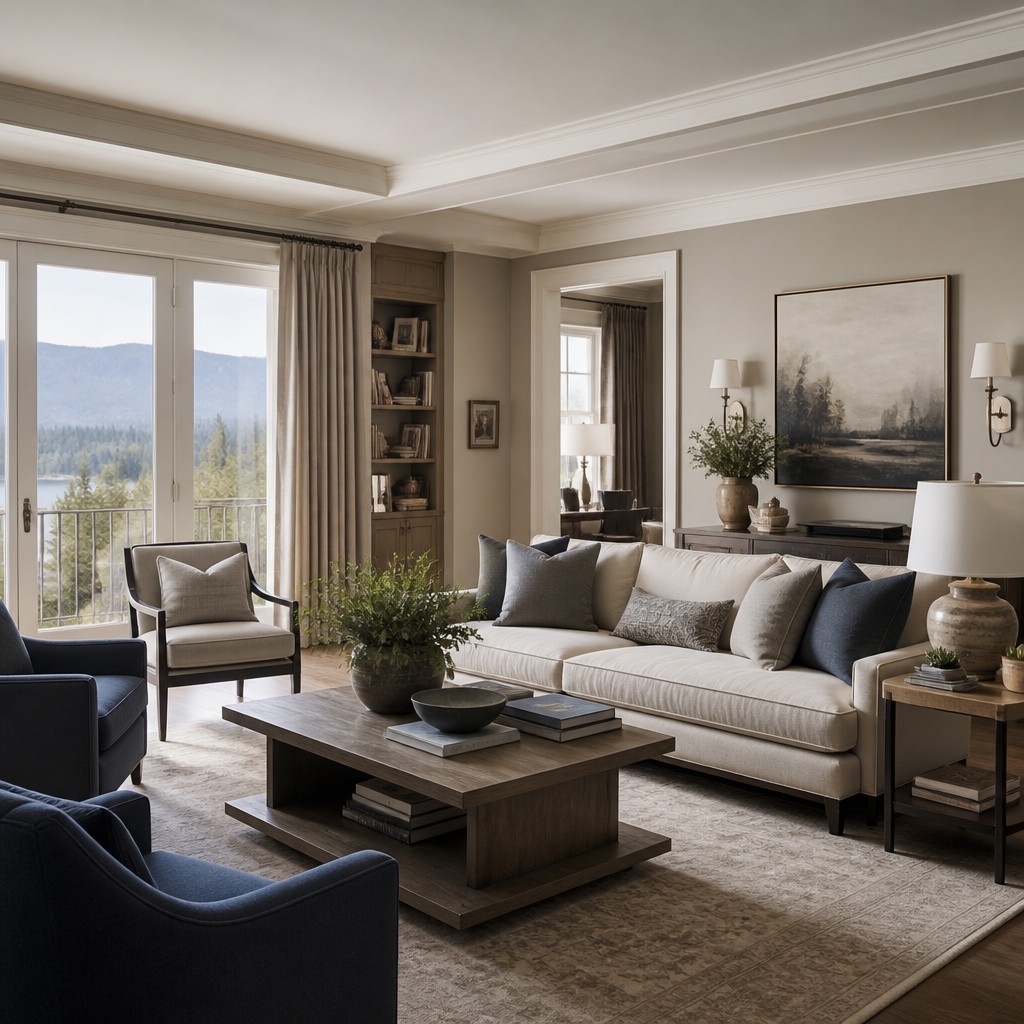
Calm, even lighting
Daylight is usually soft and diffused, often supplemented by discreet lamps and sconces. The lighting supports a serene atmosphere and emphasizes tonal nuance over dramatic contrast.
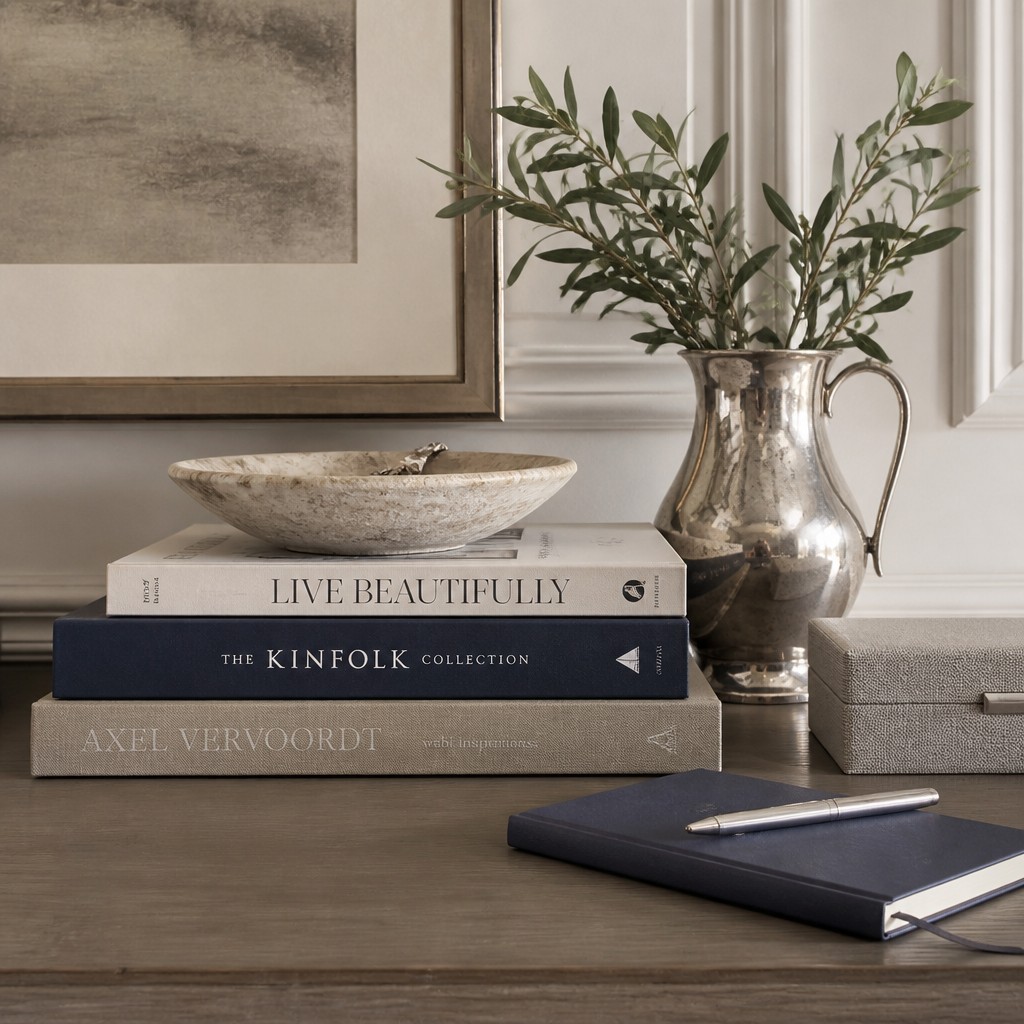
Understated accessories
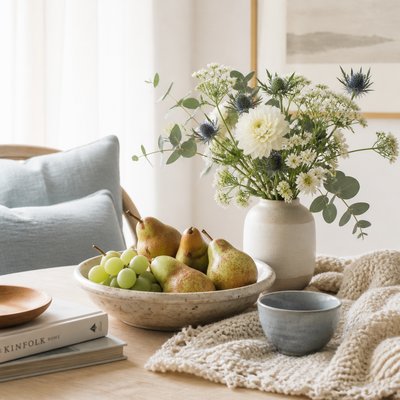
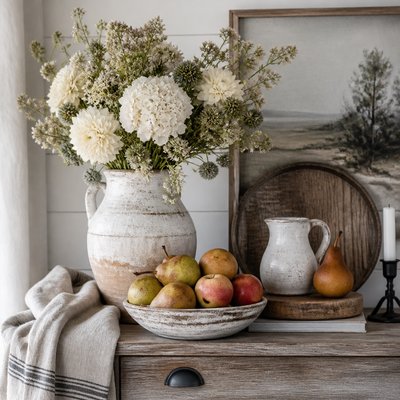
Decor is edited and intentional, often limited to simple ceramics, framed art, books, and a few sculptural objects. The overall effect is collected and livable rather than staged or ornate.
Try It
Create Videos in Transitional Interior Design
Styles aren't just for stills — describe a scene or animate an image and get a short video rendered in Transitional Interior Design. Press play to see this pond come to life.
Make a VideoTransitional Interior Design Prompt Ideas
Start from an idea — each one opens the generator with the style ready to go. See all 40 Transitional Interior Design prompts →
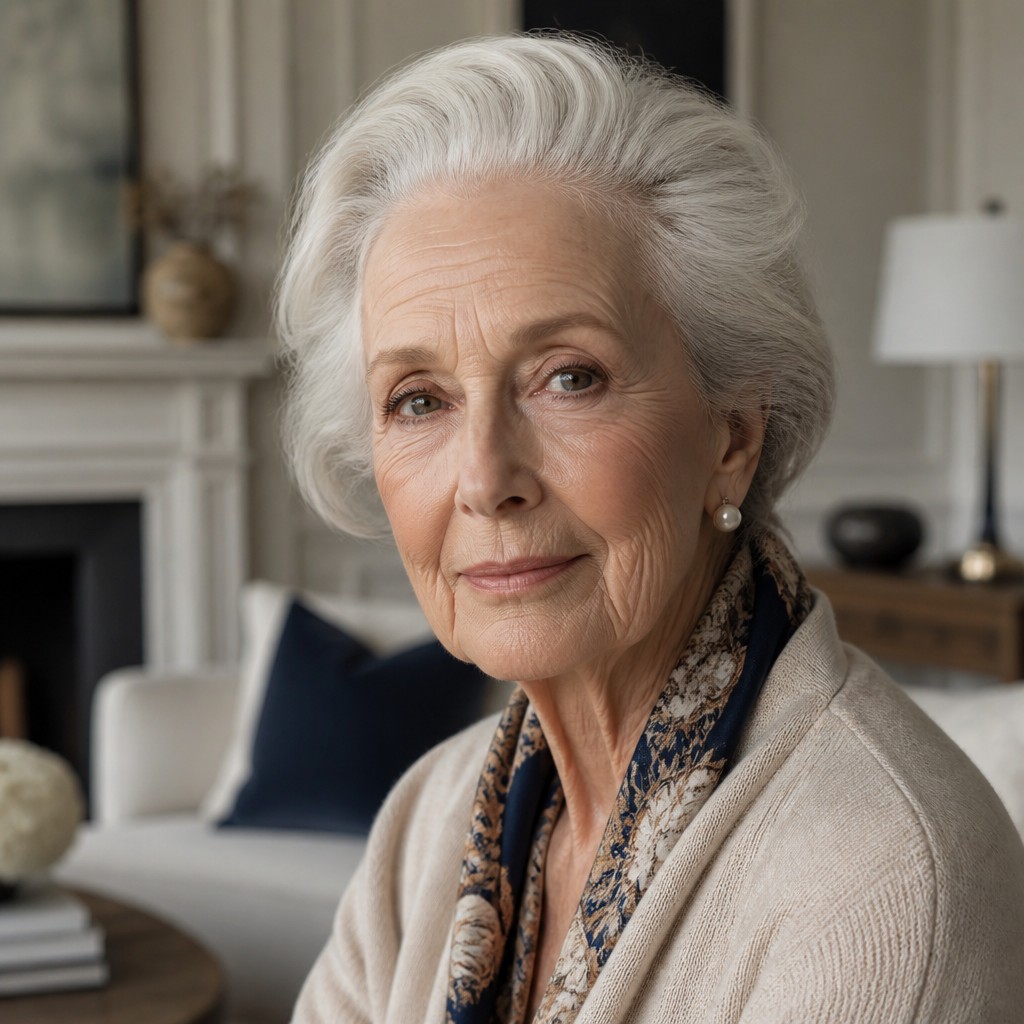
“close-up portrait of an elderly person with expressive weathered features”
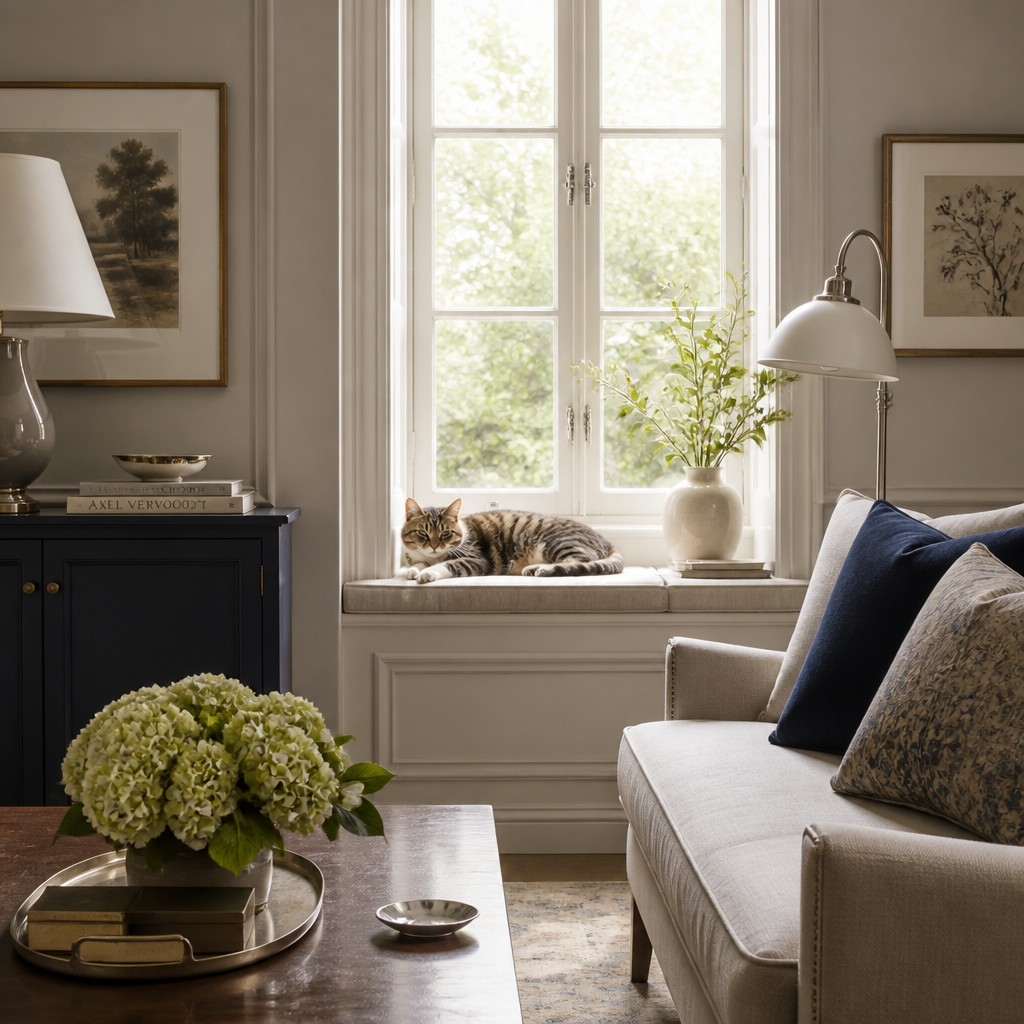
“a cat lounging in a sunlit window”
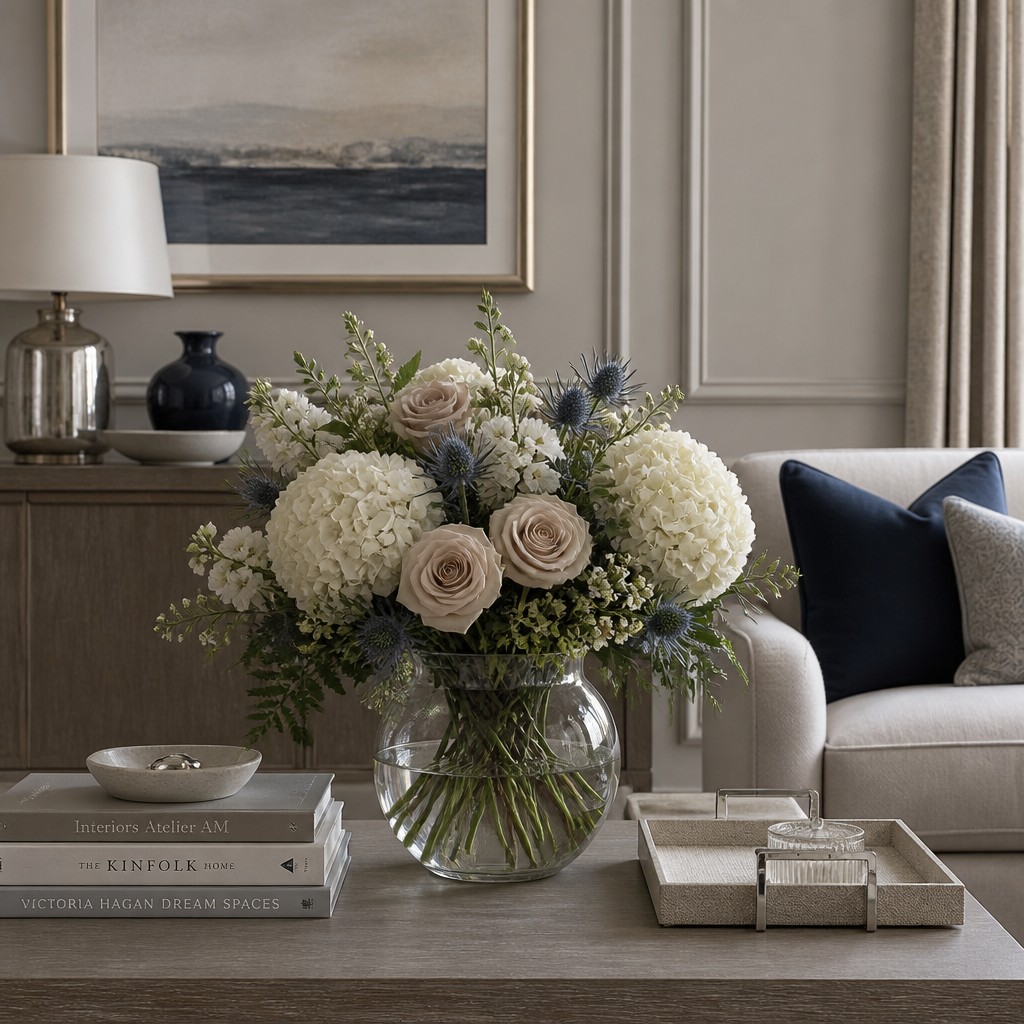
“bouquet of flowers in a glass vase”
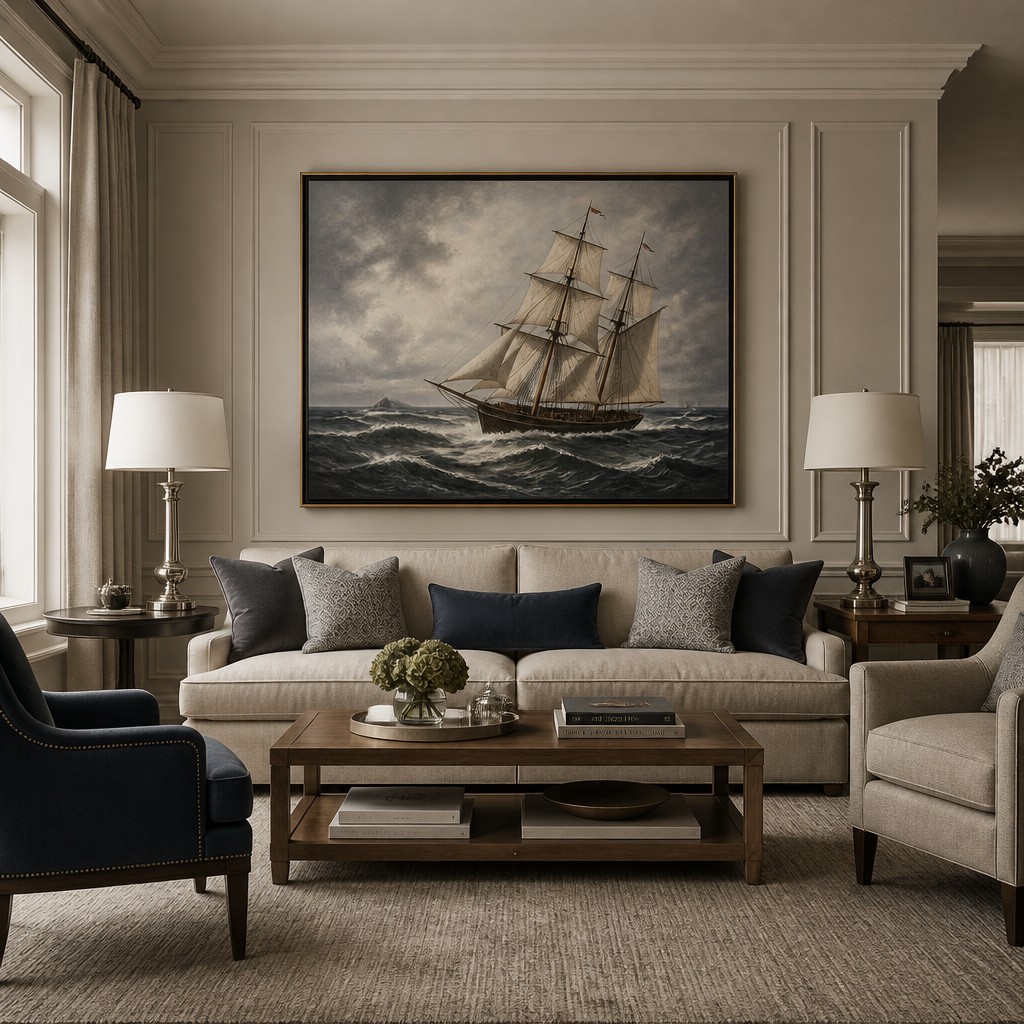
“sailing ship on a stormy sea”
How to Create Transitional Interior Design Art
Master the craft step by step — or skip straight to creating. Read the full guide →
- 1
Build from a neutral base
Start with a restrained palette of warm whites, greige, taupe, and muted accent colors. In traditional or digital work, keep saturation low and prioritize close values so the composition feels unified and calm.
- 2
Combine architectural tradition with modern simplicity
Use mouldings, paneling, classic trim, or symmetrical room layouts, then offset them with streamlined furniture and minimal ornament. This contrast is the core of the style, so avoid pushing either side too far.
- 3
Choose tailored materials and finishes
Select linen, boucle, oak, walnut, polished nickel, brass, and stone-like surfaces with subtle texture. In rendering or image editing, emphasize soft fabric detail and gentle sheen rather than high gloss or heavy patina.
- 4
Control the lighting and contrast
Use even, diffused light that reveals texture without harsh shadow. For prompt-based generation, specify natural daylight, soft window light, or calm ambient light to preserve the style’s quiet tonal harmony.
- 5
Edit for restraint
Remove visual clutter, excess pattern, and overly ornate accessories. Whether painting, staging, or generating images, keep the composition balanced and selective so the room reads as composed rather than busy.
The Story
History & Origins of Transitional Interior Design
Transitional interior design is a late 20th-century and early 21st-century style that emerged as a response to highly formal traditional interiors and colder forms of minimalism. Rather than representing a single historical movement, it reflects a design preference for balance: homeowners and designers wanted rooms that felt updated but still grounded in familiar domestic traditions. Its vocabulary draws from long-established Western interior traditions—especially neoclassical symmetry, tailored upholstery, and architectural moulding—while simplifying shapes and surface detail.
The style developed through residential design, showrooms, and shelter media as an adaptable middle ground for mixed tastes and open-plan living. It became especially popular in the 1990s and 2000s, when many interiors sought a softer, less rigid modernity. Because it is an adaptive style rather than a fixed historical school, transitional design continues to evolve, but its core idea remains the same: reconcile old and new through restraint, comfort, and coherence.
Influences: Transitional interior design draws from several established traditions without belonging to any one of them. Its classic side reflects neoclassical and tailored domestic interiors, while its cleaner surfaces borrow from modernism and contemporary minimalism. It also shares the tonal restraint and textural layering of Scandinavian-inspired interiors and the edited elegance common in upscale residential design. Unlike the ornate historic work of designers such as John Fowler or the radical simplicity associated with modernist figures like Ludwig Mies van der Rohe, transitional style deliberately occupies the space between them.
Frequently Asked Questions
What defines transitional interior design?
It is defined by the meeting of classic and modern elements in a calm, neutral setting. Think traditional mouldings or balanced room layouts paired with simplified furniture, soft textures, and limited ornament. The style aims for timelessness rather than trendiness.
How is transitional different from modern or contemporary design?
Modern and contemporary interiors often lean harder into minimalism, sharper geometry, or more experimental finishes. Transitional design keeps those clean lines but softens them with classic proportions, warmer materials, and a more familiar domestic feel. It is generally less stark than pure modern design.
How is transitional different from traditional design?
Traditional design usually includes more ornament, heavier detailing, richer patterns, and a stronger historical reference. Transitional interiors simplify that vocabulary, reducing visual weight and updating the material palette. The result feels lighter and more current while still grounded in tradition.
What colors are used in transitional interiors?
The most common colors are greige, taupe, ivory, soft white, beige, charcoal, and muted blues or greens. These colors support layering and help architectural details stand out without creating strong contrast. Bright accent colors are used sparingly, if at all.
What materials and finishes work best in this style?
Natural and tactile materials are central: linen, cotton, wool, wood, stone, ceramic, and brushed metal. Finishes should feel refined but not glossy or flashy. A mix of matte and softly reflective surfaces helps the room feel balanced and comfortable.
Where is transitional interior design commonly used?
It is especially common in living rooms, bedrooms, kitchens, and whole-home renovations because it suits many layouts and tastes. Designers often choose it for spaces that need to feel elegant, approachable, and durable over time. It also works well in homes that blend older architectural features with updated furnishings.
Create your first Transitional Interior Design artwork
Describe anything — or upload a photo — and see it in Transitional Interior Design in seconds.
Related Styles
Discover similar art styles