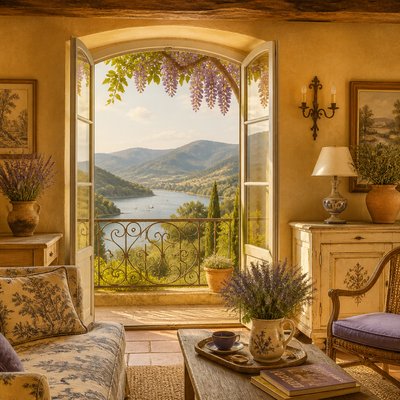
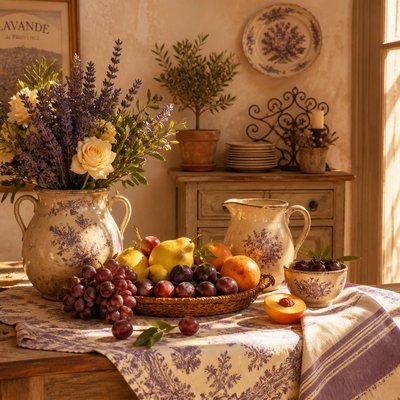
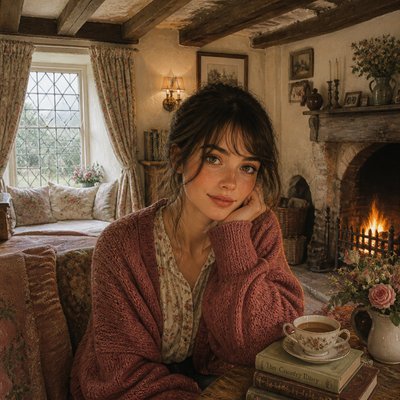
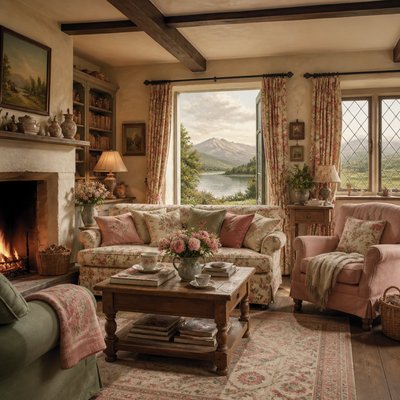
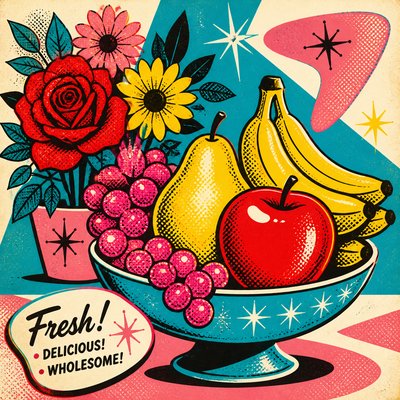
Retro 70s Interior Design
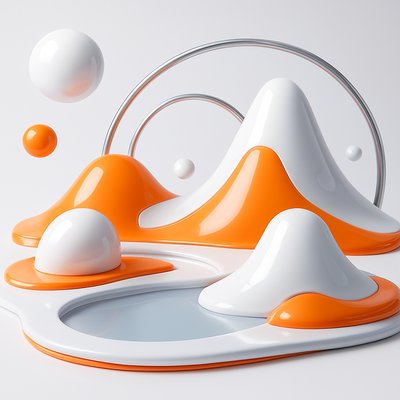
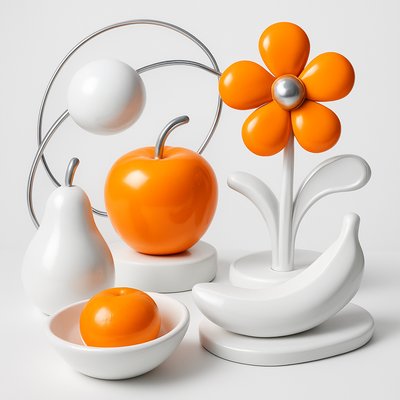
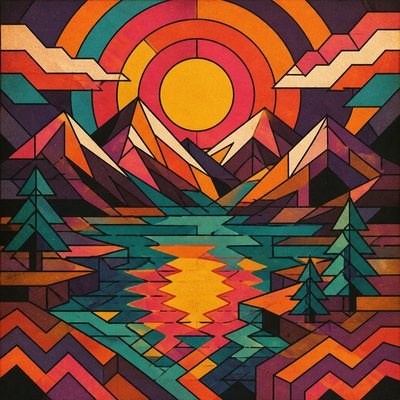
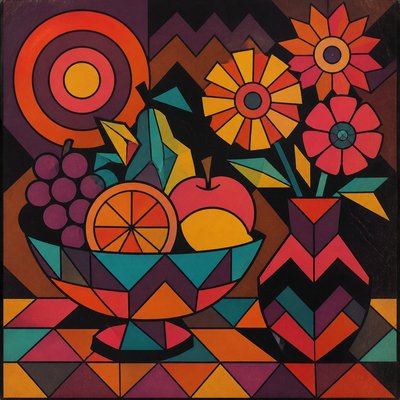
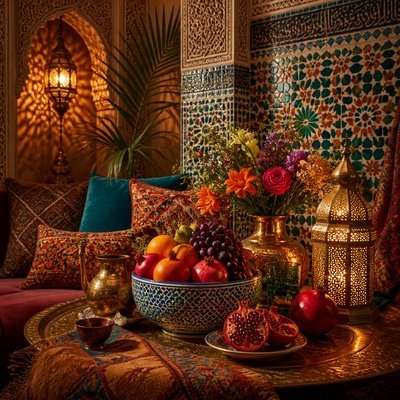
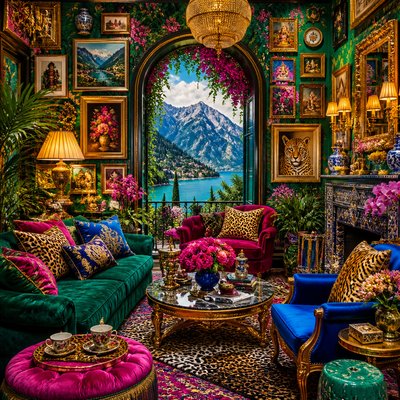
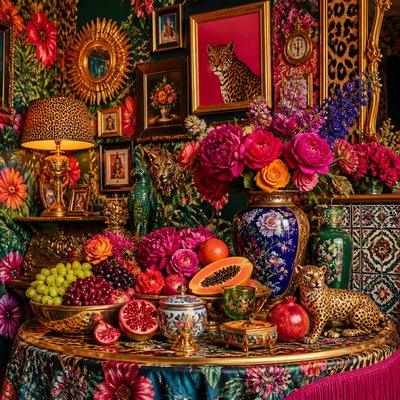
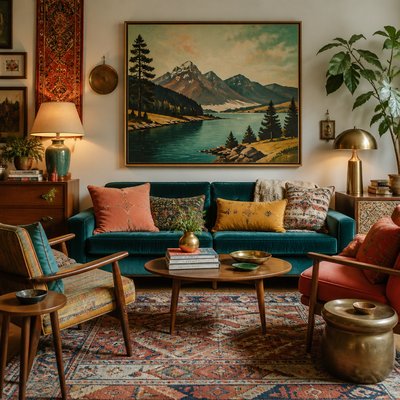
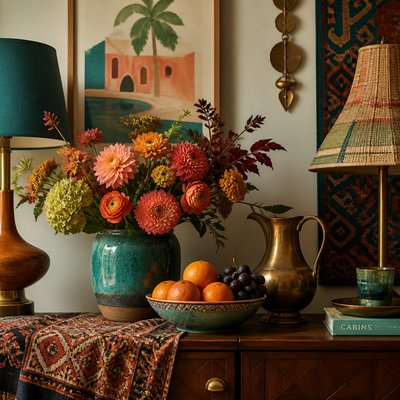
Burnt orange, shag, teak and amber glow define this 1970s-inspired interior style of curved forms, warm wood, and nostalgic comfort.
Instantly rendered in Retro 70s Interior Design — or transform a photo
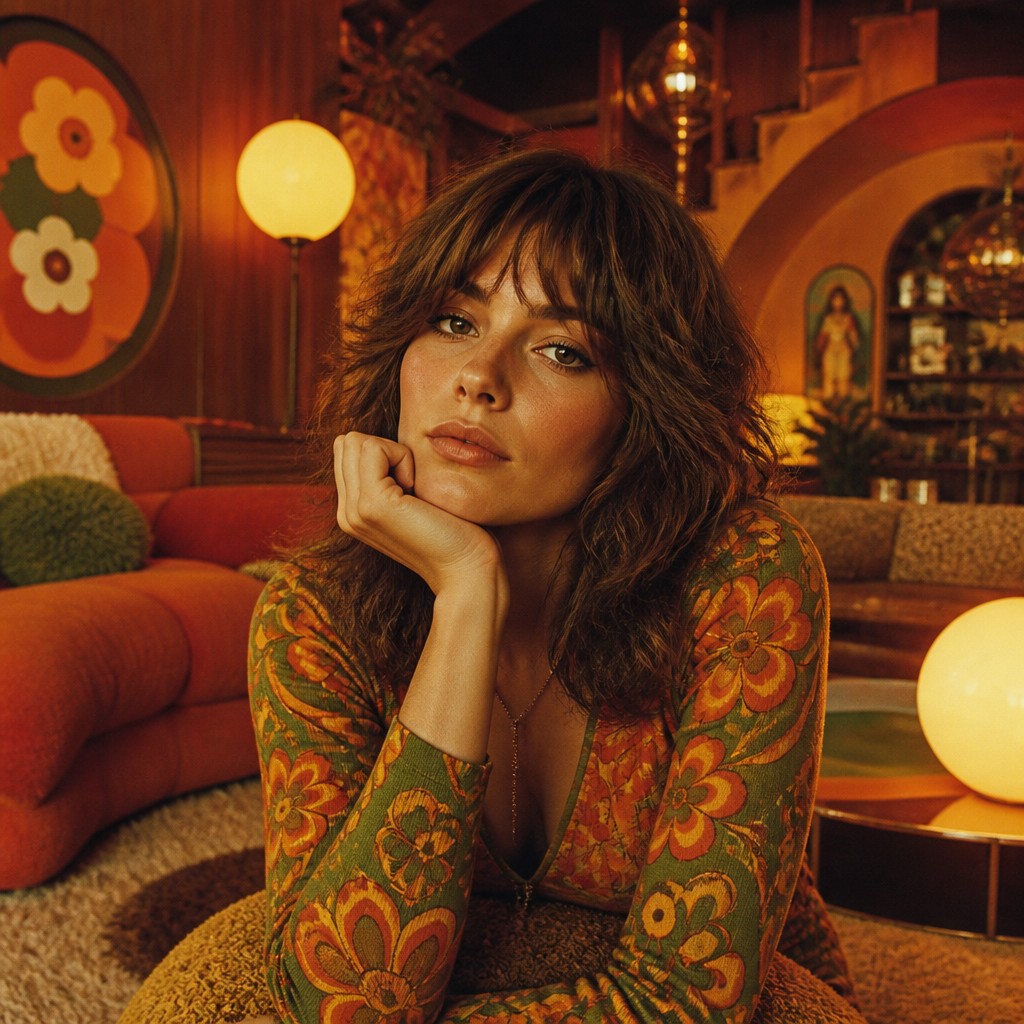
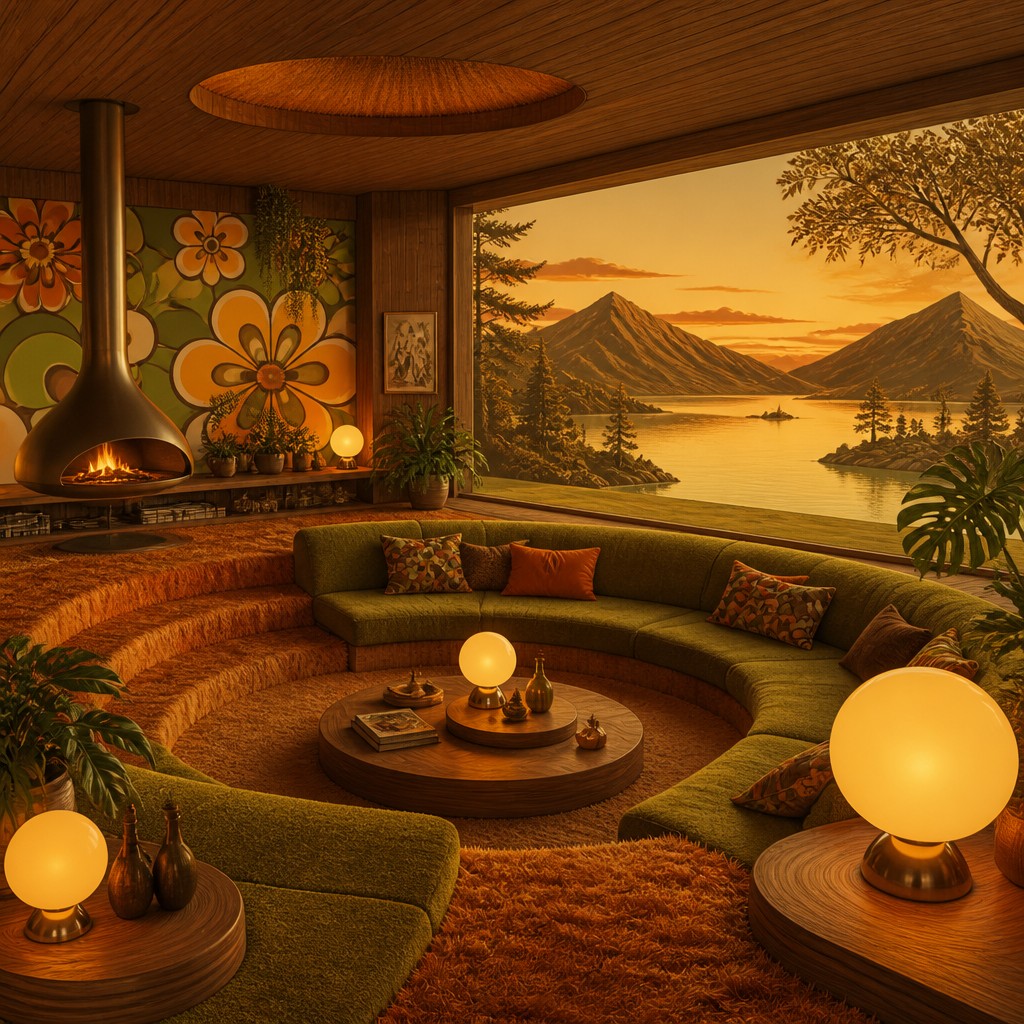
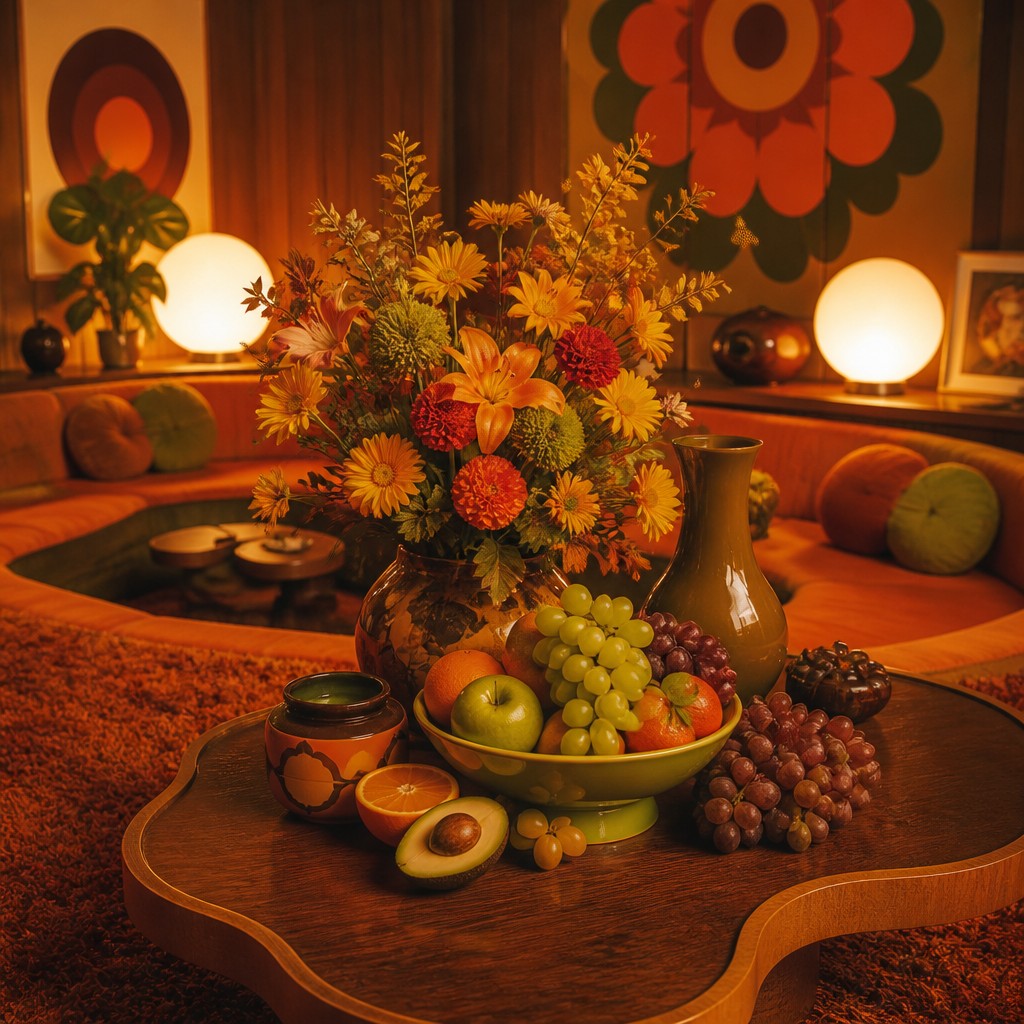
Retro 70s Interior Design Gallery
Tap any artwork to explore it
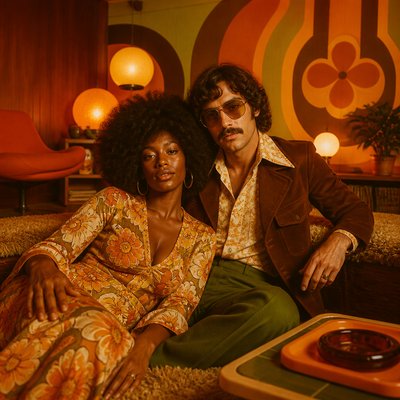
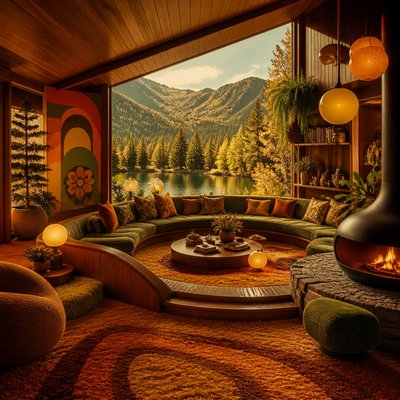
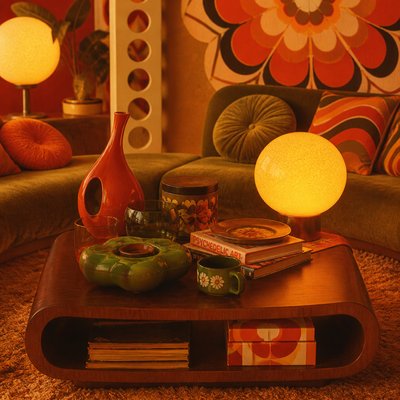
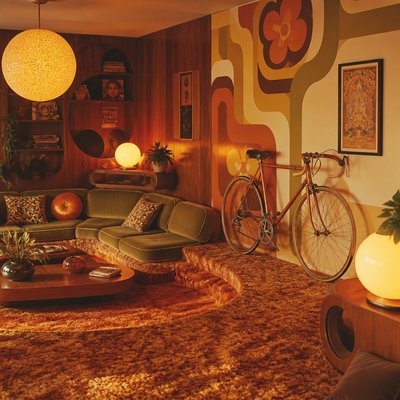
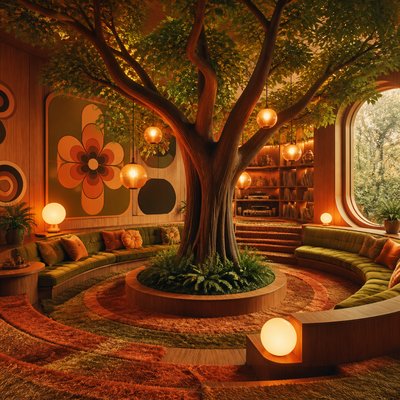
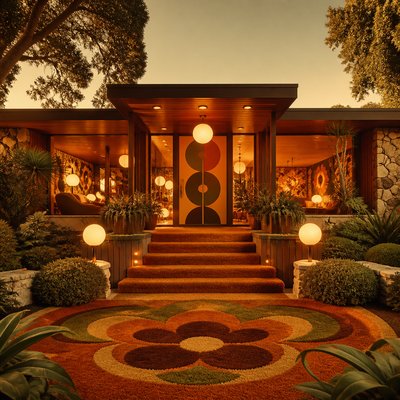
What is Retro 70s Interior Design?
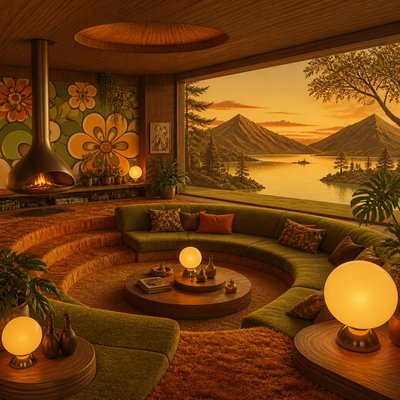
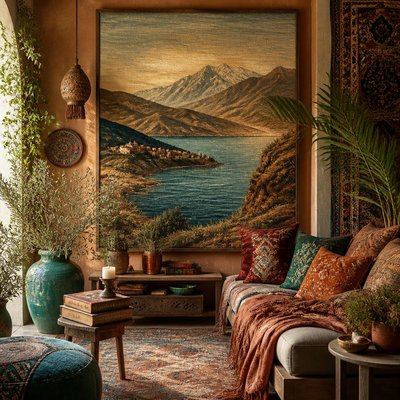
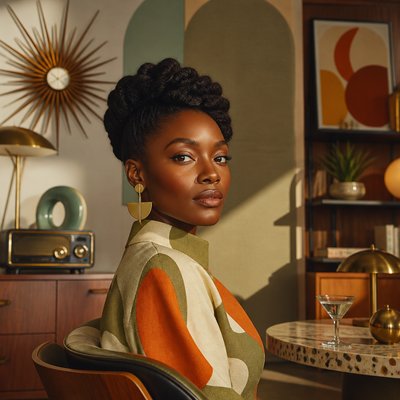
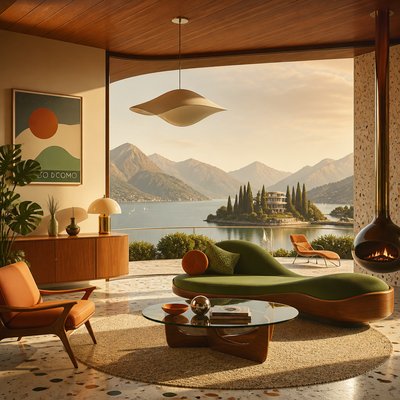
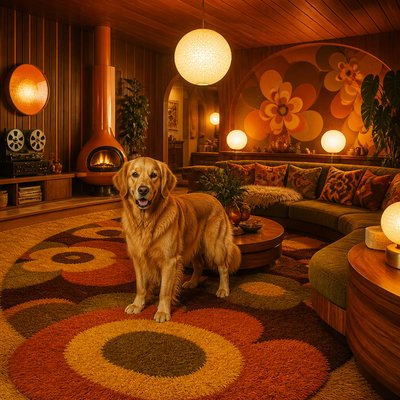
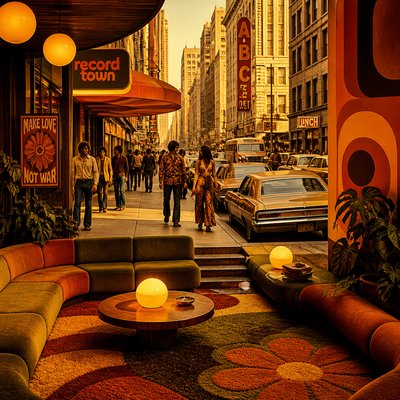
Retro 70s Interior Design is a late-20th-century domestic look defined by warm earth tones, tactile materials, and relaxed, low-slung furniture. Its core palette often includes burnt orange, avocado green, harvest gold, cocoa brown, and amber, supported by shag carpeting, teak veneers, velour upholstery, smoked glass, and globe lighting.
The style feels nostalgic because it combines comfort with softness and a distinctly informal social layout. Curved modular seating, sunken conversation pits, and bold geometric or floral patterns create a space that reads as casual, lived-in, and slightly futuristic by the standards of its era. The overall impression is one of cozy optimism: a room designed for lounging, conversation, and visual warmth rather than restraint or minimalism.
Try It On Your Photos
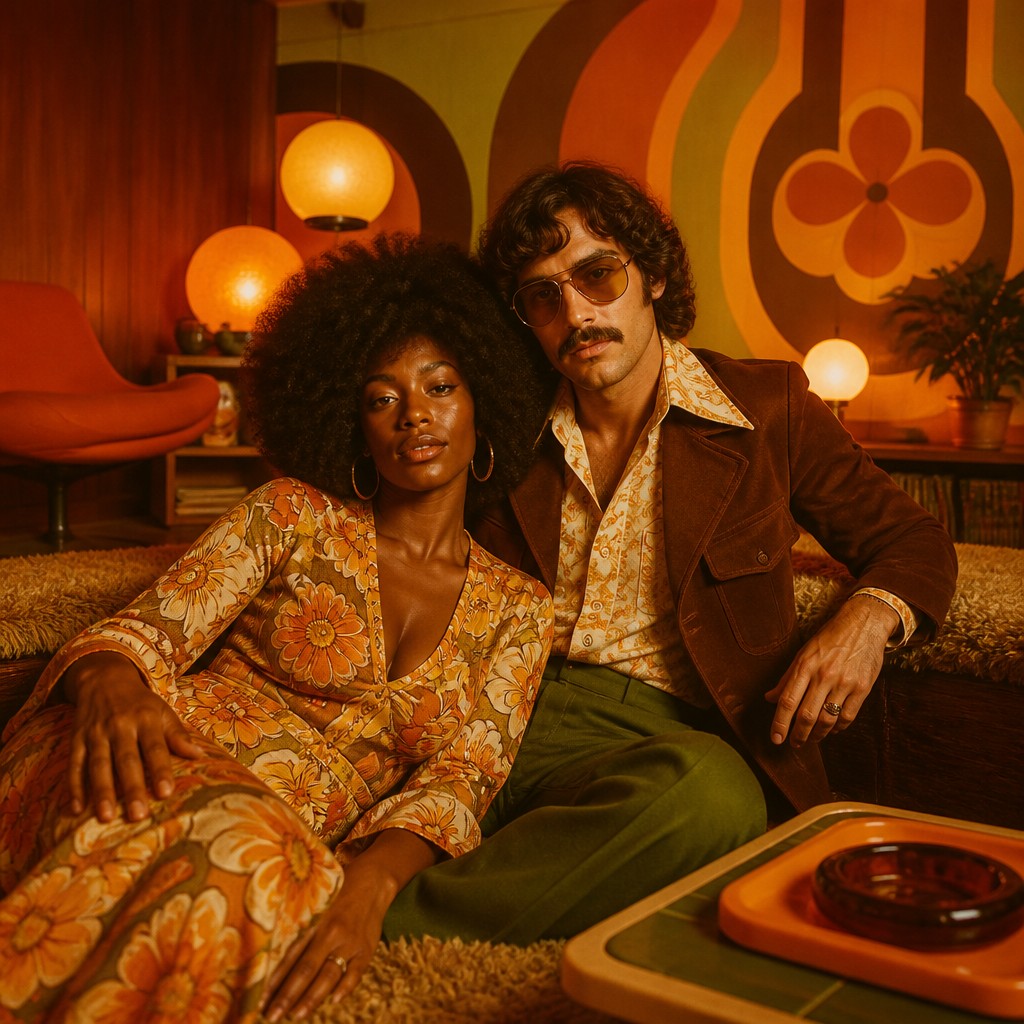
Upload any photo and convert it into Retro 70s Interior Design — drag the sliders to compare before and after.

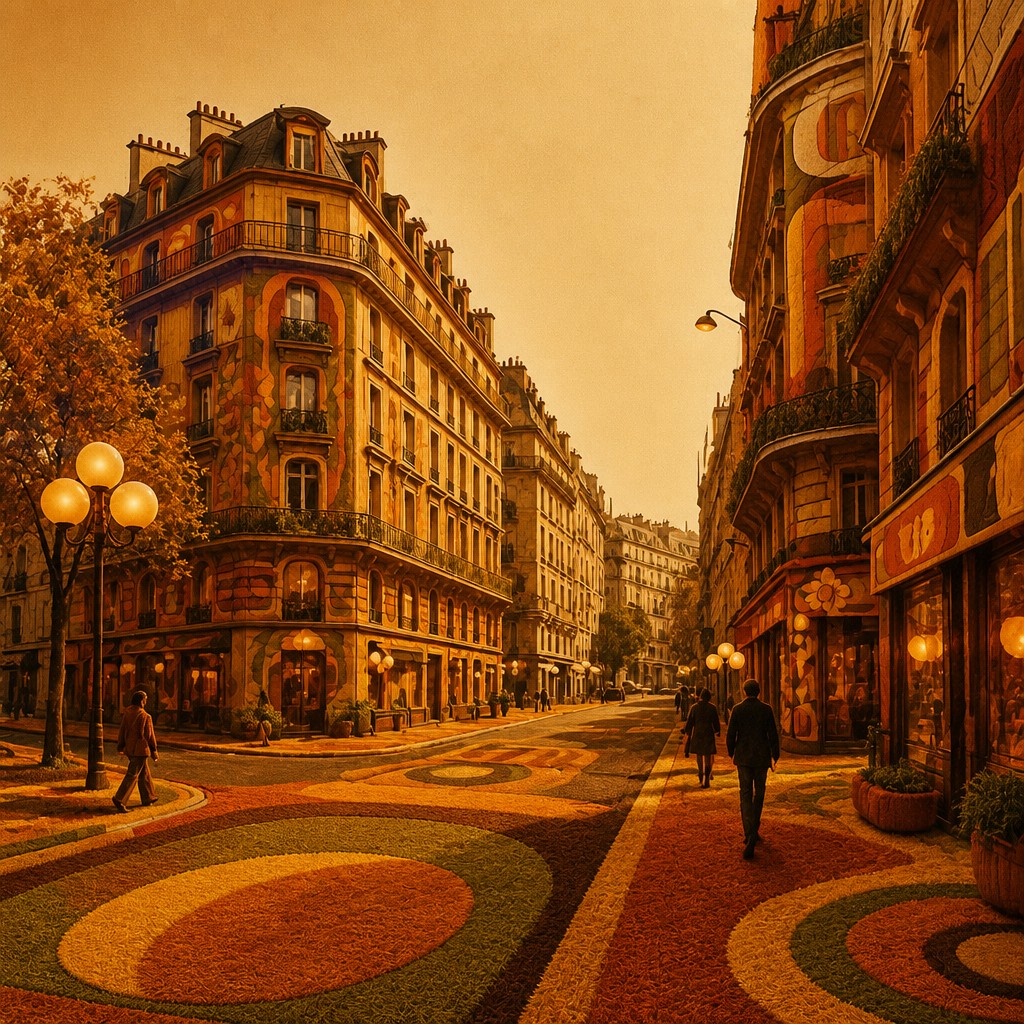

What Defines Retro 70s Interior Design
The signature details, up close
Earth-tone palette
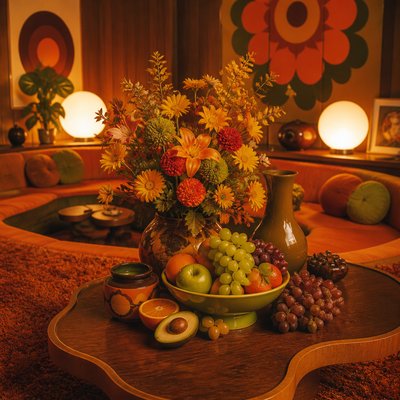
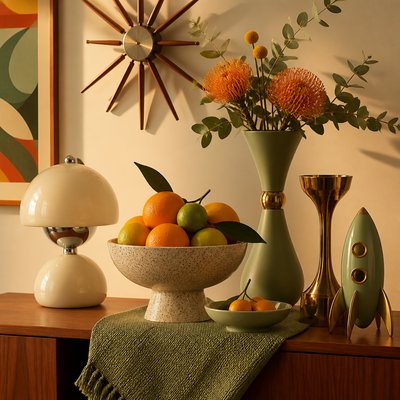
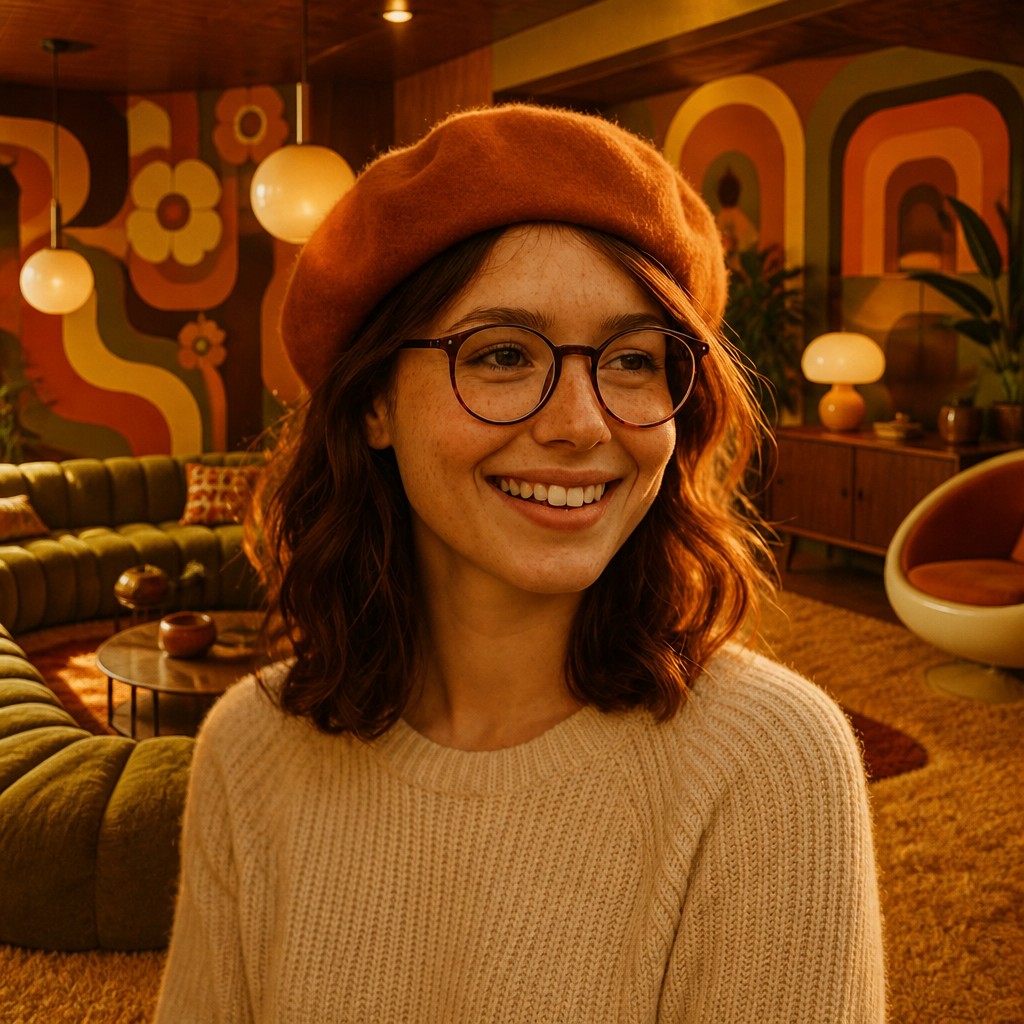
Burnt orange, avocado green, harvest gold, brown, and tan are the signature colors. These hues create the warm, slightly muted atmosphere that most people associate with 1970s interiors.
Shag and tactile surfaces
Long-pile carpet, nubby upholstery, velour, and textured wall treatments emphasize touch as much as appearance. The visual softness of these materials is central to the style’s cozy feel.
Teak and warm woods
Teak, walnut, and other medium-to-dark woods appear in furniture frames, cabinetry, and accent pieces. Visible wood grain reinforces the handcrafted, grounded quality of the room.
Curved and modular furniture
Low sofas, rounded chairs, and sectional seating with soft edges help define the look. These forms make rooms feel lounge-like and informal rather than rigid or architectural.
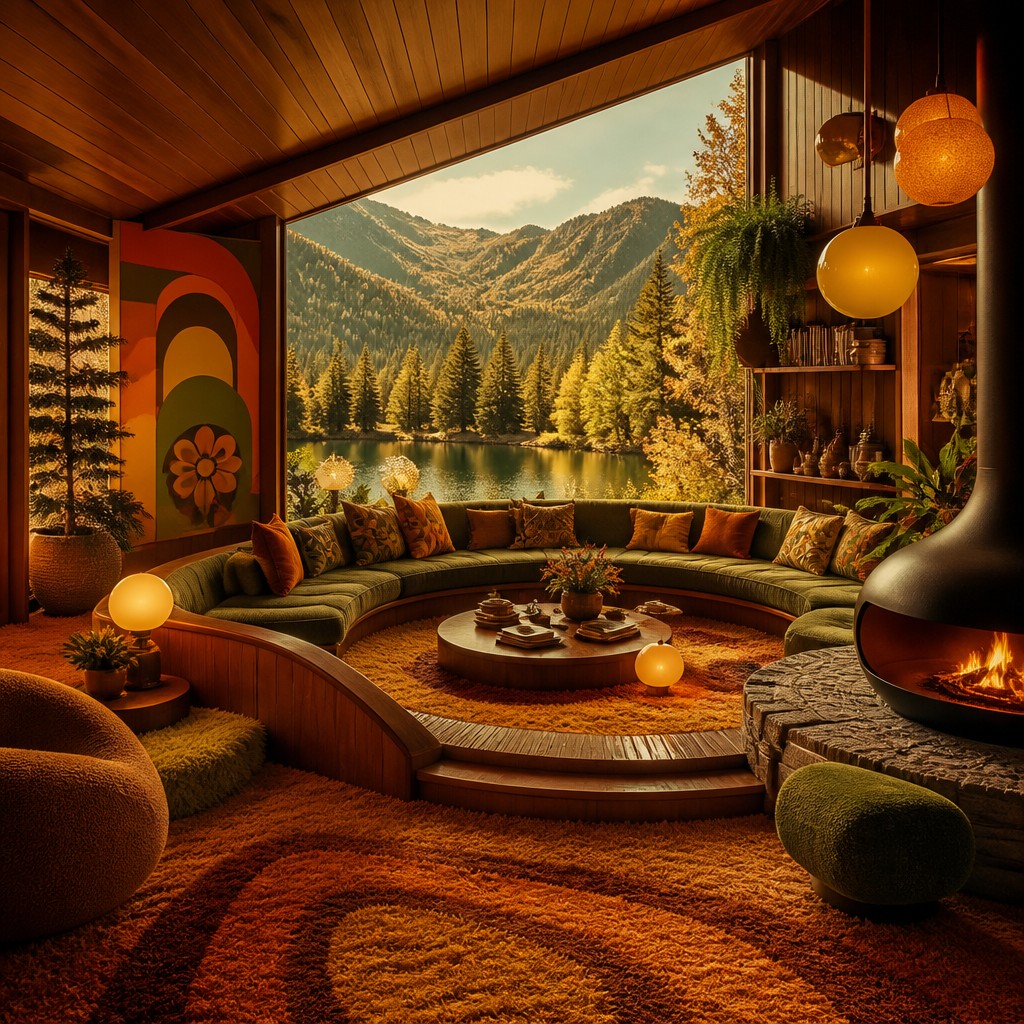
Amber and globe lighting
Globe lamps, pendant lights, and warm bulbs produce a soft amber cast. The lighting is part of the mood, flattening contrast and making colors feel richer and more nostalgic.
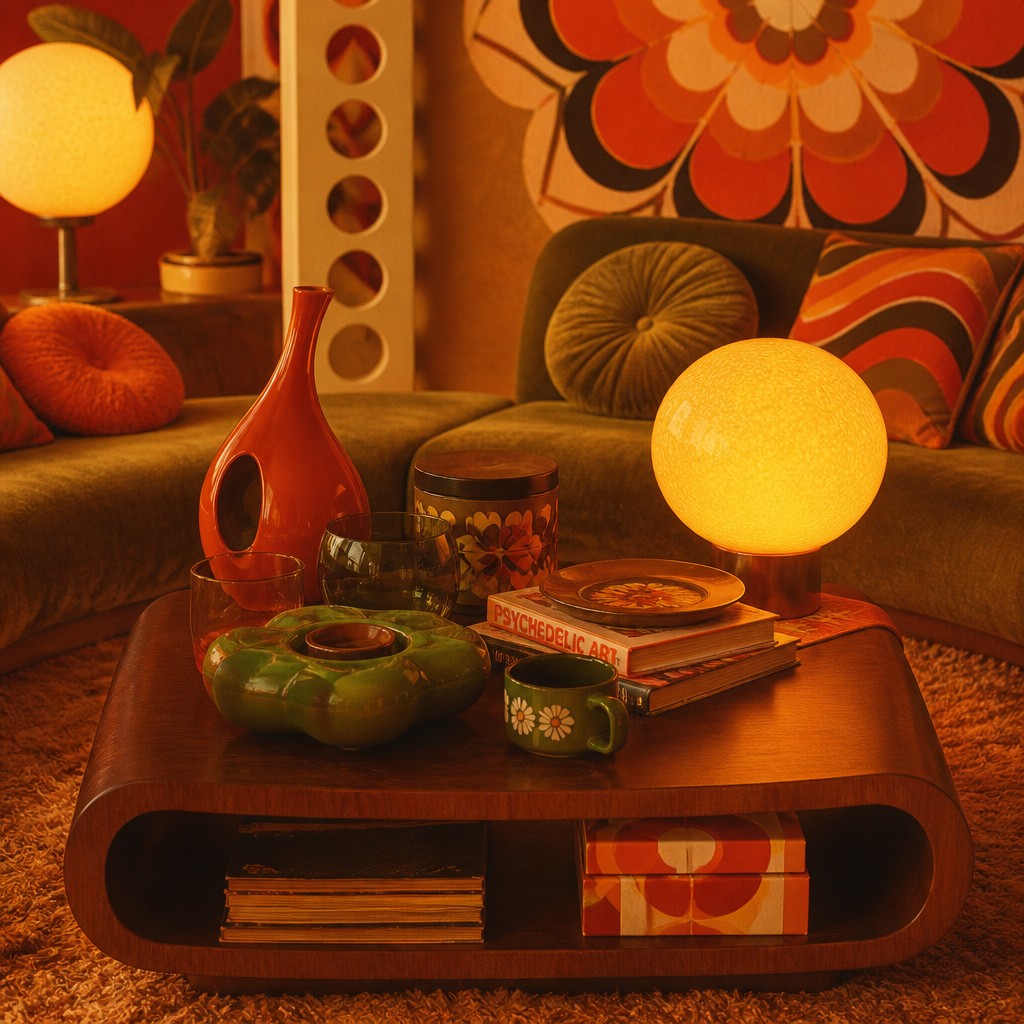
Graphic patterning
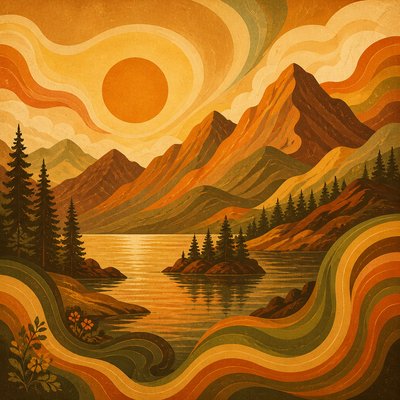
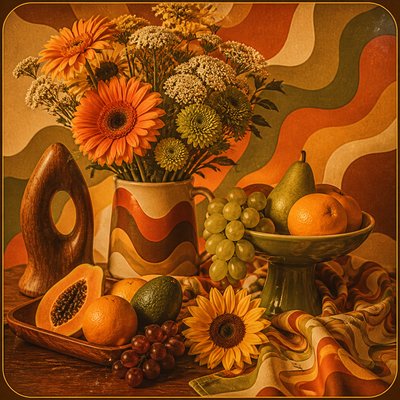
Large-scale florals, geometrics, and repetitive wall or textile motifs add visual energy. Pattern is often used boldly, but usually in a palette that stays within the era’s warm, earthy register.
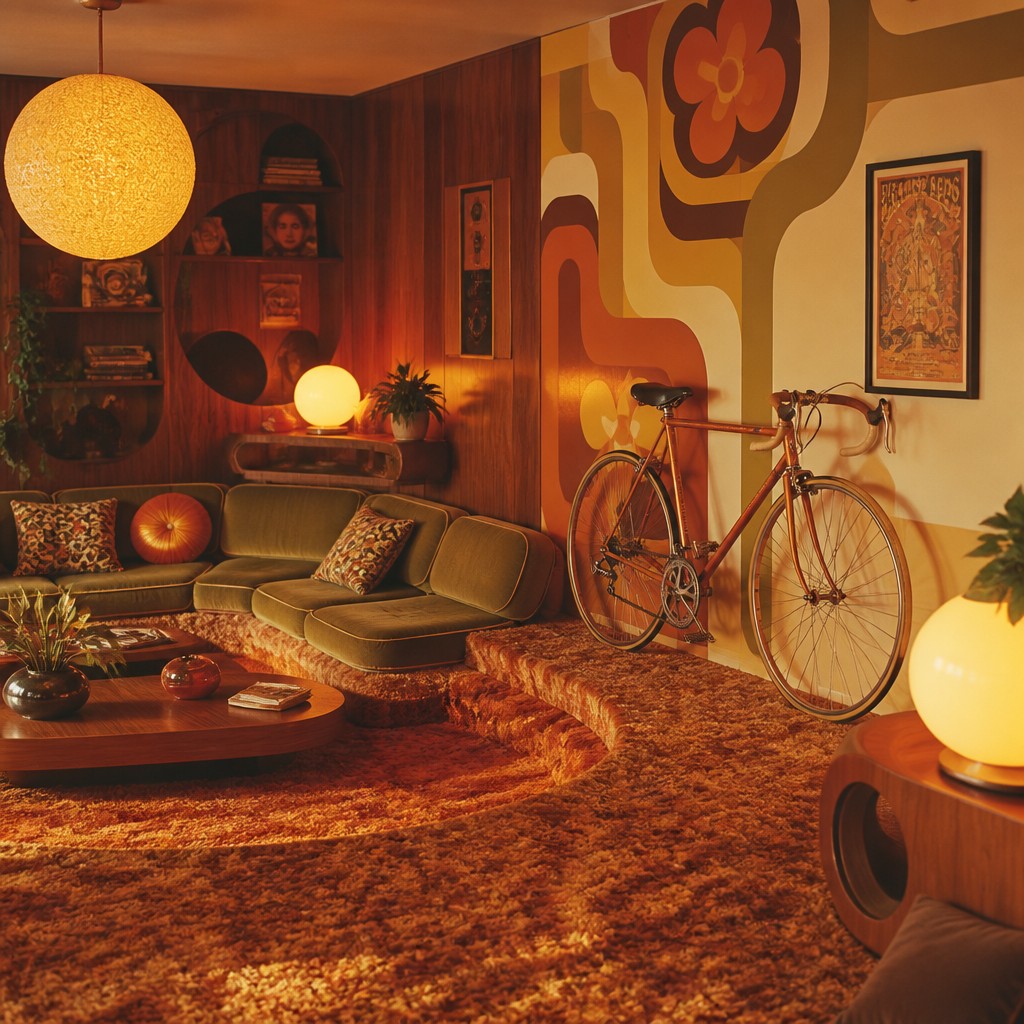
Sunken-lounge atmosphere
Conversation pits, platform changes, and relaxed seating arrangements suggest a social center for entertaining. Even when not literally present, the style often implies a sunk-in, intimate arrangement.
Try It
Create Videos in Retro 70s Interior Design
Styles aren't just for stills — describe a scene or animate an image and get a short video rendered in Retro 70s Interior Design. Press play to see this pond come to life.
Make a VideoRetro 70s Interior Design Prompt Ideas
Start from an idea — each one opens the generator with the style ready to go. See all 40 Retro 70s Interior Design prompts →

“close-up portrait of an elderly person with expressive weathered features”
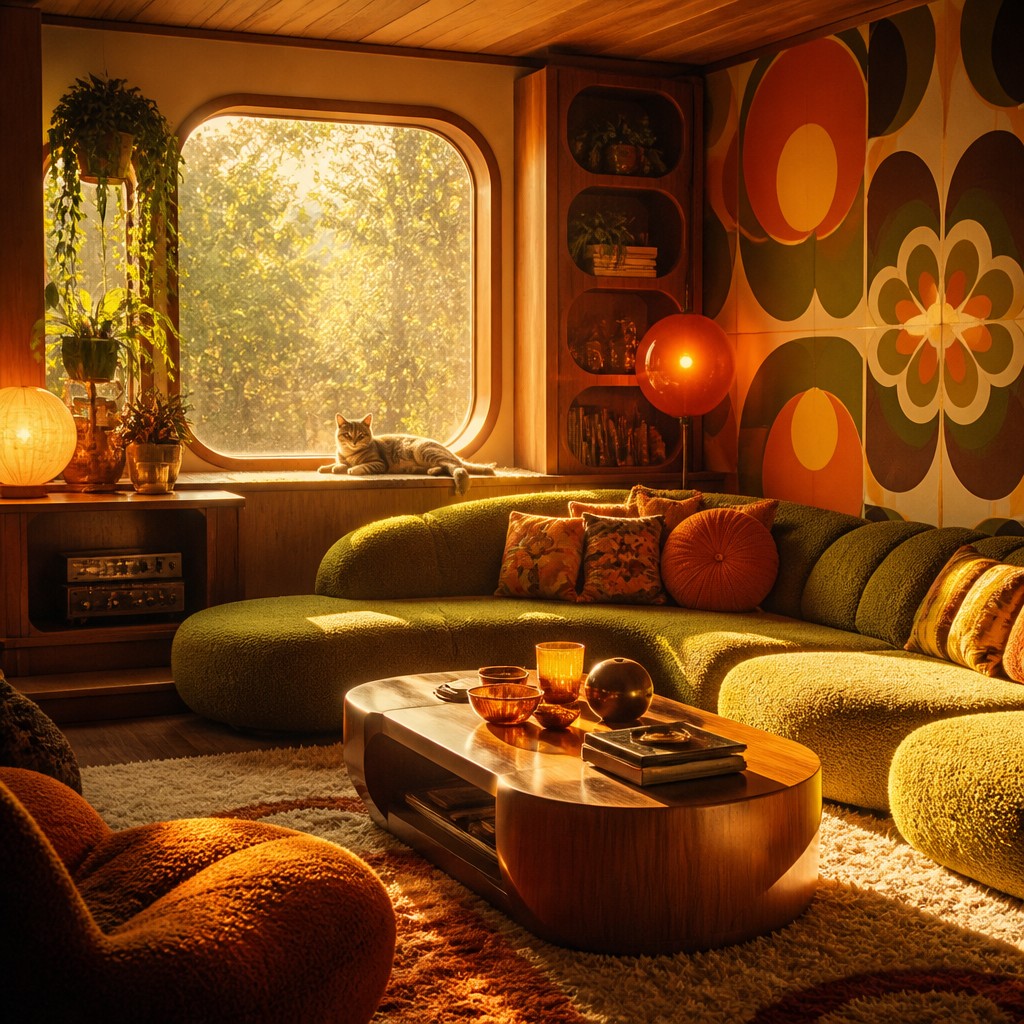
“a cat lounging in a sunlit window”
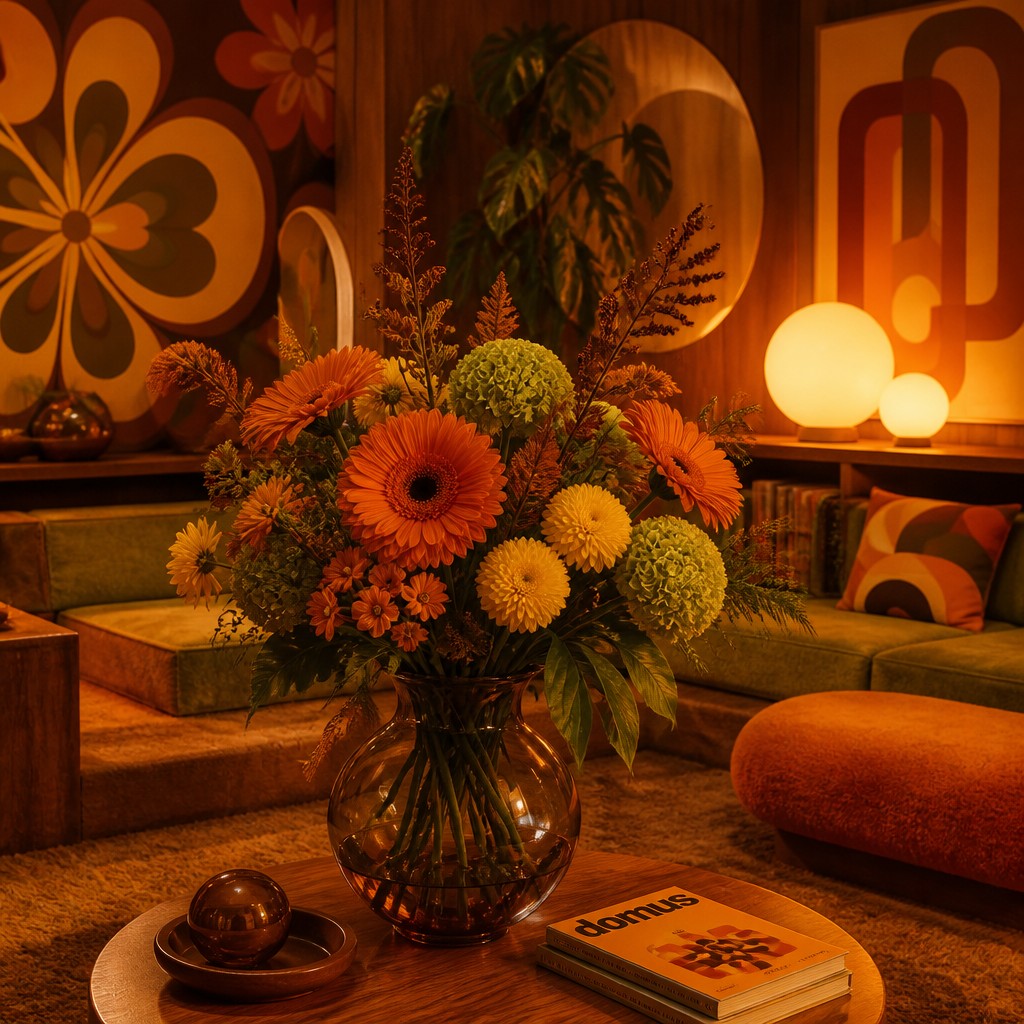
“bouquet of flowers in a glass vase”
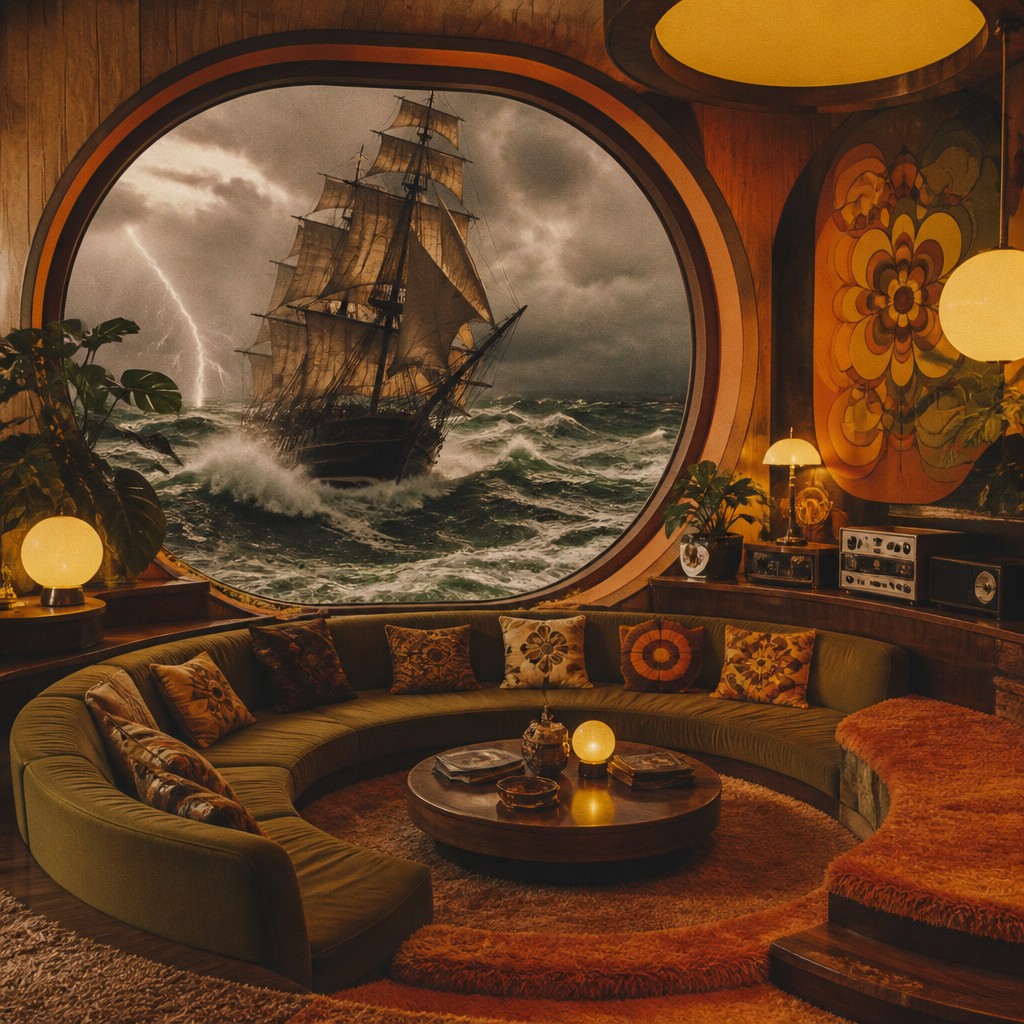
“sailing ship on a stormy sea”
How to Create Retro 70s Interior Design Art
Master the craft step by step — or skip straight to creating. Read the full guide →
- 1
Build the palette first
Start with a limited set of warm retro colors: orange, olive, gold, brown, cream, and amber. Keep saturation rich but slightly softened, as if filtered through film or indoor tungsten lighting.
- 2
Use period-appropriate materials
In drawings or digital renders, show shag texture, teak grain, velour, ceramic, smoked glass, and brushed metal. Material realism matters because the style is defined as much by finish as by shape.
- 3
Favor rounded, low geometry
Choose low sofas, modular seating, circular tables, and softly curved lamps or shelving. Avoid sharp minimal lines unless you are intentionally mixing in later design influences.
- 4
Compose for warmth and density
Fill the frame with layered furnishings, patterned textiles, and a clear lived-in arrangement. The room should feel intimate and social, with lighting that creates a soft amber haze.
- 5
Reference the decade carefully in prompts
When generating images, describe the room with specific objects and materials rather than only saying '70s.' Include details such as shag carpet, teak credenza, globe pendant, sunken lounge, and avocado upholstery for stronger results.
- 6
Balance nostalgia with clarity
For modern digital work, preserve the 1970s mood while keeping forms readable and composition coherent. Too much clutter can obscure the design; too little can lose the period identity.
The Story
History & Origins of Retro 70s Interior Design
Retro 70s interior design is not a single formal movement but a recognizable interior aesthetic that emerged from the broader design culture of the 1970s. It drew from mid-century modern furniture, Space Age forms, postwar consumer abundance, and the era’s preference for earthy color palettes and tactile finishes. Mass-produced materials such as laminate, synthetic textiles, and molded seating made the look widely accessible, while open-plan living encouraged social, informal room arrangements.
Its lineage also reflects the decade’s embrace of pattern and personality in domestic space. Psychedelic graphics from the late 1960s, Scandinavian and American modern design, and the warmer side of modernism all fed into the look. Today, the style is often revived as a nostalgic reference to the 1970s rather than a strict historical reconstruction, with designers selectively combining period cues such as shag, teak, smoked glass, and amber lighting.
Influences: This style draws from mid-century modern design, Space Age interiors, and the broader material culture of the 1970s, especially its earth-tone palettes and informal lounge planning. It also overlaps with late-1960s psychedelic graphics and patterned textile design, as well as the warmer, softer side of Scandinavian and American modernism. In historical terms, it sits between the clean lines of postwar modernism and the more eclectic, expressive domestic interiors that followed.

Frequently Asked Questions
What defines Retro 70s Interior Design?
It is defined by warm earth tones, shaggy textures, teak wood, rounded furniture, and soft amber lighting. The look is relaxed and tactile, with an emphasis on comfort, pattern, and lounge-like social spaces.
Is this the same as mid-century modern?
Not exactly. Mid-century modern is generally cleaner, lighter, and more restrained, while 70s interiors are warmer, heavier, and more textural. They can overlap in furniture forms, but the 1970s version usually has bolder color and a more casual atmosphere.
What colors are most associated with this style?
Burnt orange, avocado green, mustard or harvest gold, chocolate brown, tan, and cream are the most recognizable colors. These tones work best when combined in soft, layered combinations rather than in high-contrast schemes.
What materials should I use to make it feel authentic?
Teak or walnut wood, shag carpet, velour, corduroy, smoked glass, ceramic, brass, and textured wallpaper are all strongly associated with the look. The tactile quality of the materials is as important as the palette.
Where is this style commonly used?
It appears in living rooms, sunken lounges, dens, entertainment rooms, cafes, and hospitality spaces that want a nostalgic domestic feeling. It is also popular in branding, set design, and editorial imagery that references the 1970s.
How do I keep it from looking like a costume set?
Anchor the room with believable furniture proportions and real materials, then limit the number of novelty objects. A few strong period cues are usually more effective than trying to include every 1970s stereotype at once.

Create your first Retro 70s Interior Design artwork
Describe anything — or upload a photo — and see it in Retro 70s Interior Design in seconds.
Related Styles
Discover similar art styles