Wire-Wrapped Jewelry Style
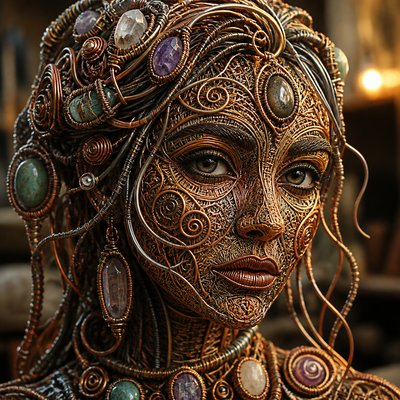
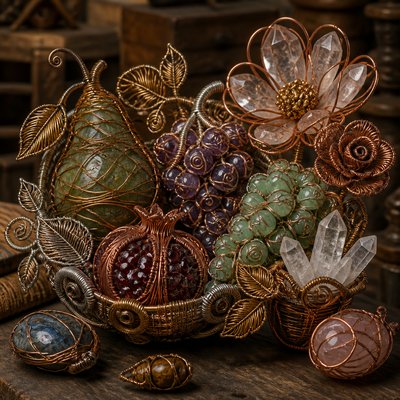
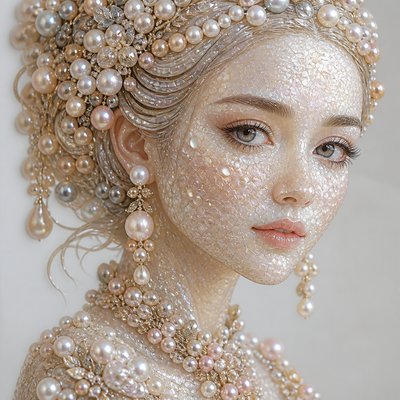
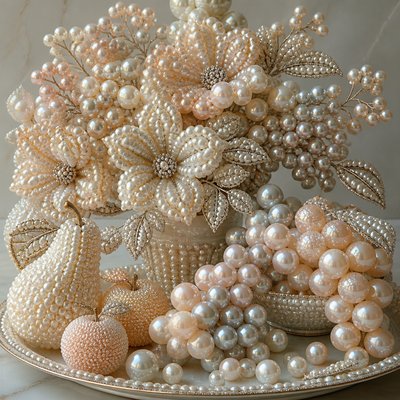
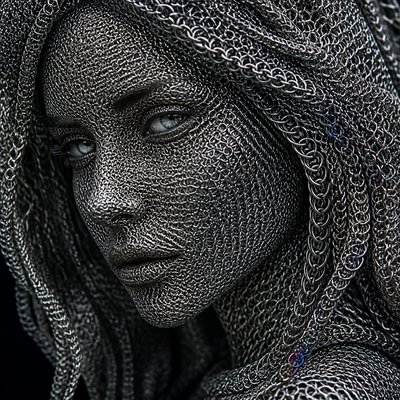
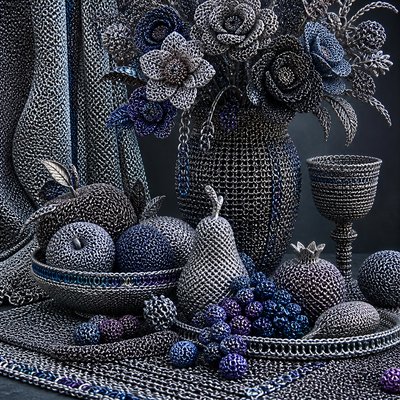
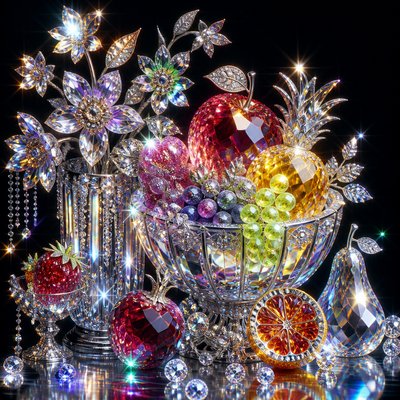
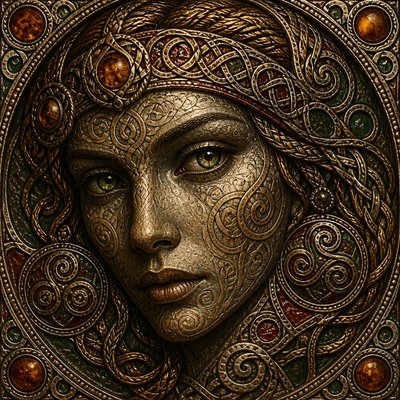
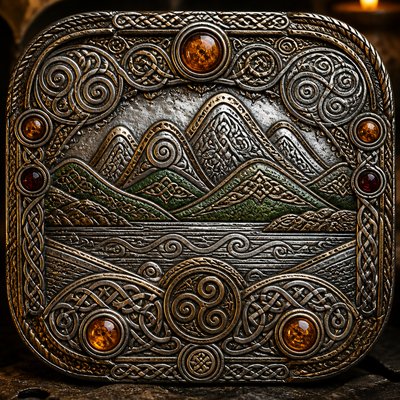
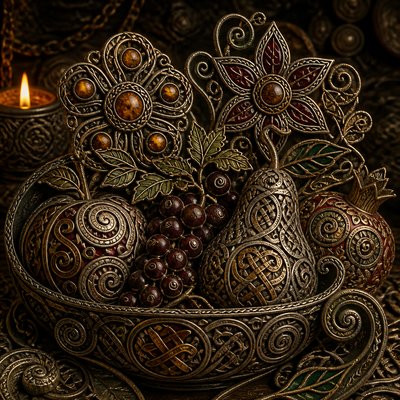
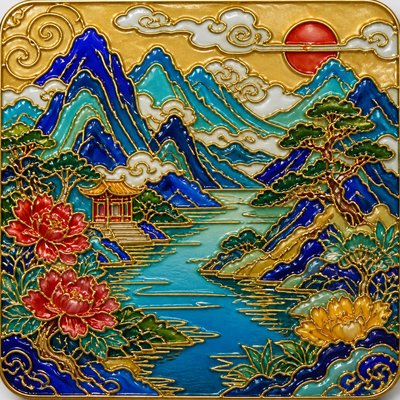
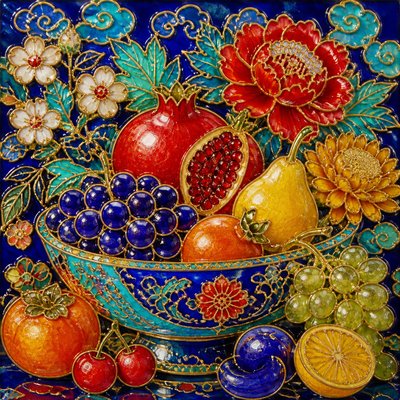
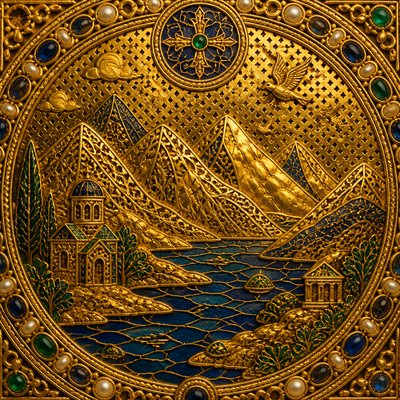
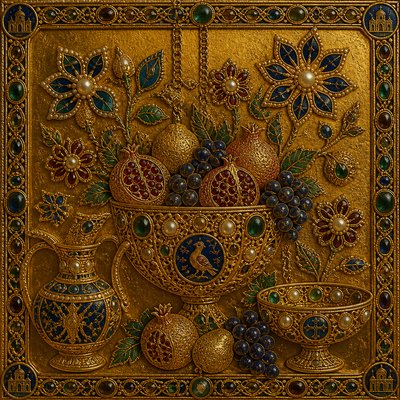
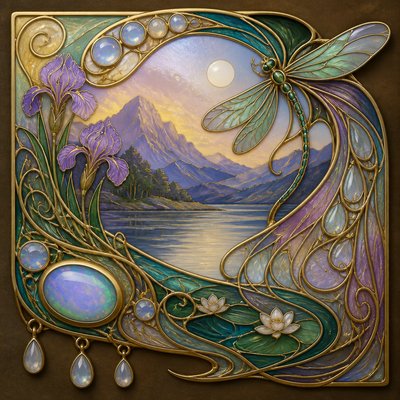
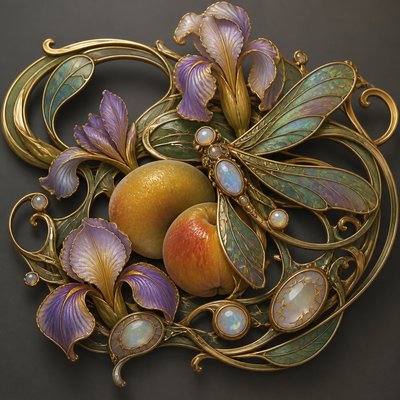
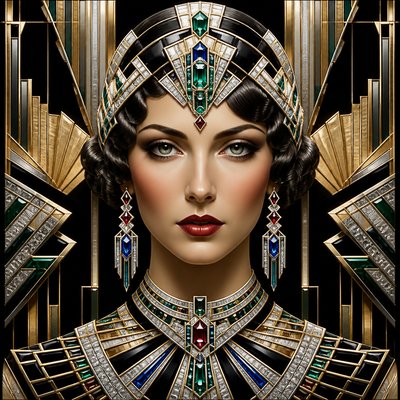
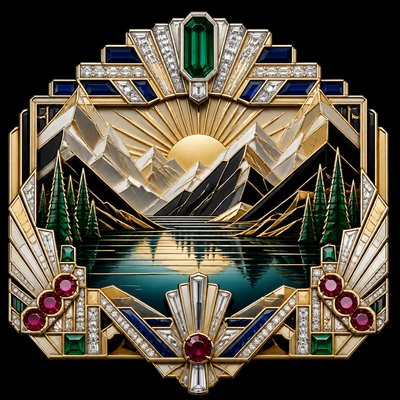
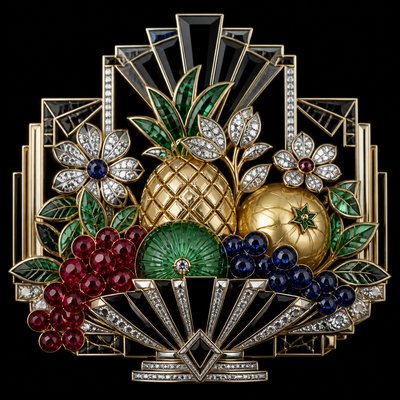
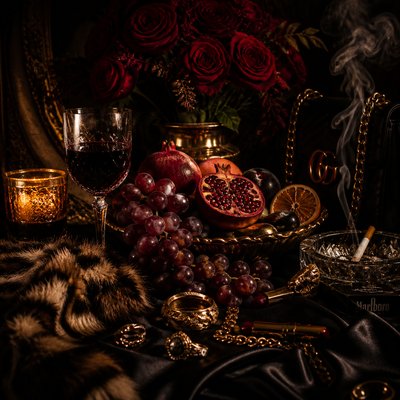
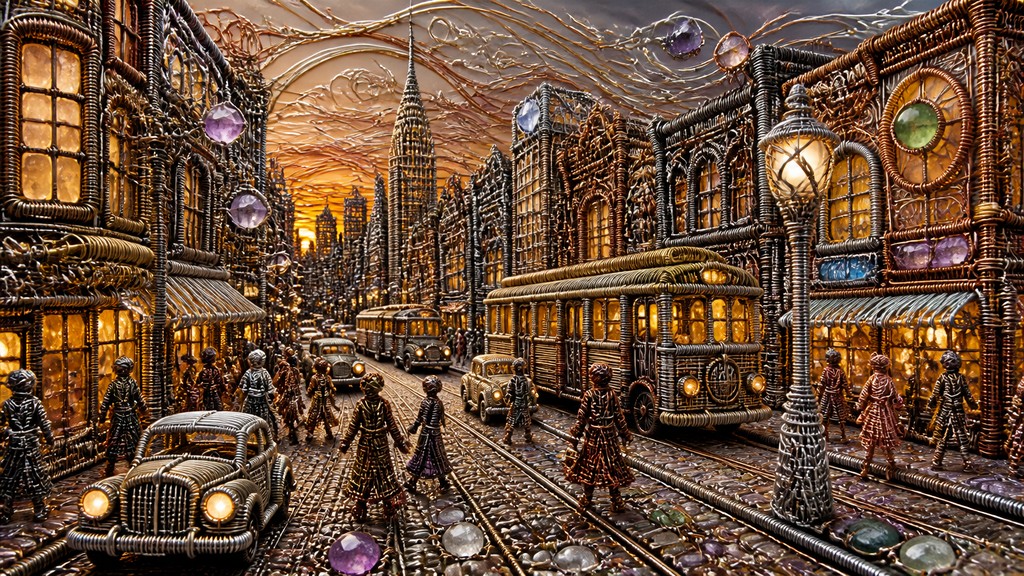
Coiled copper and silver jewelry around raw crystals, with handmade bohemian texture, hammered metal, and organic artisan detail.
Instantly rendered in Wire-Wrapped Jewelry — or transform a photo
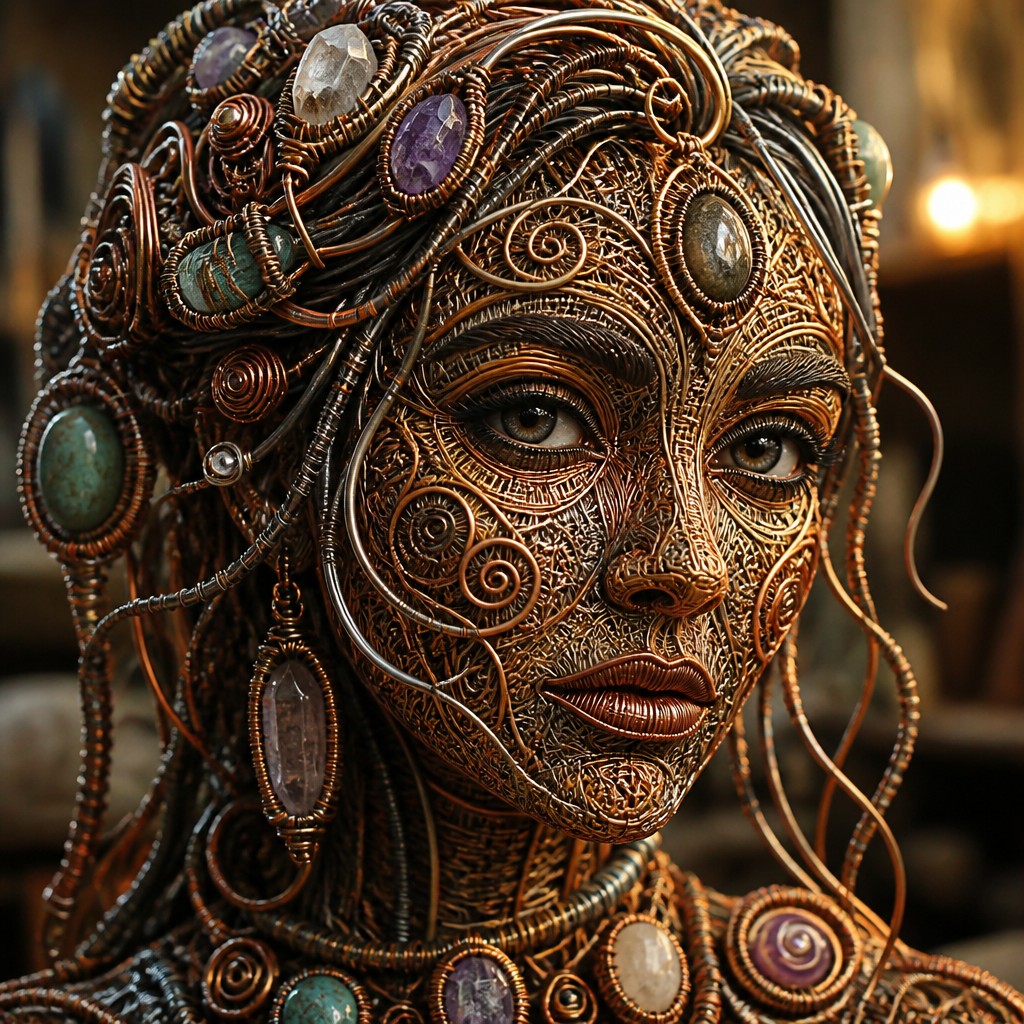
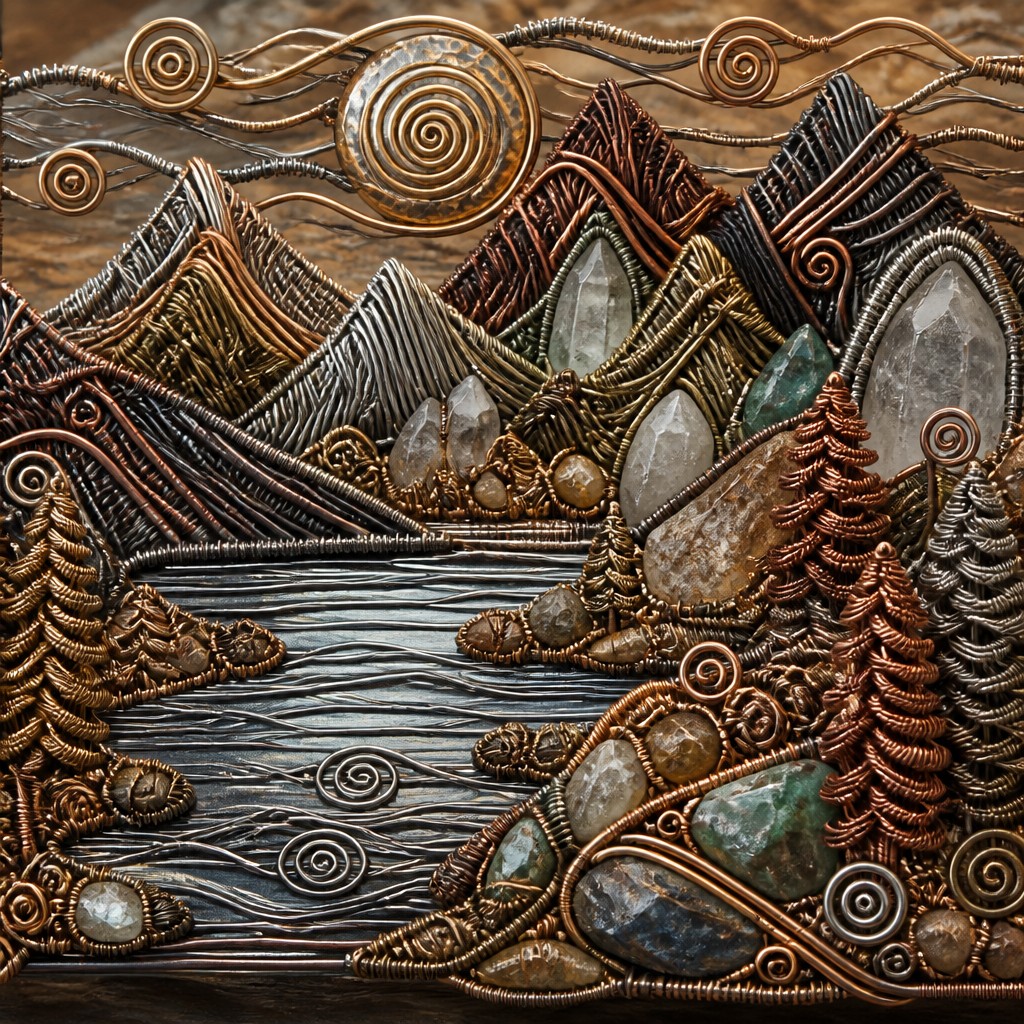
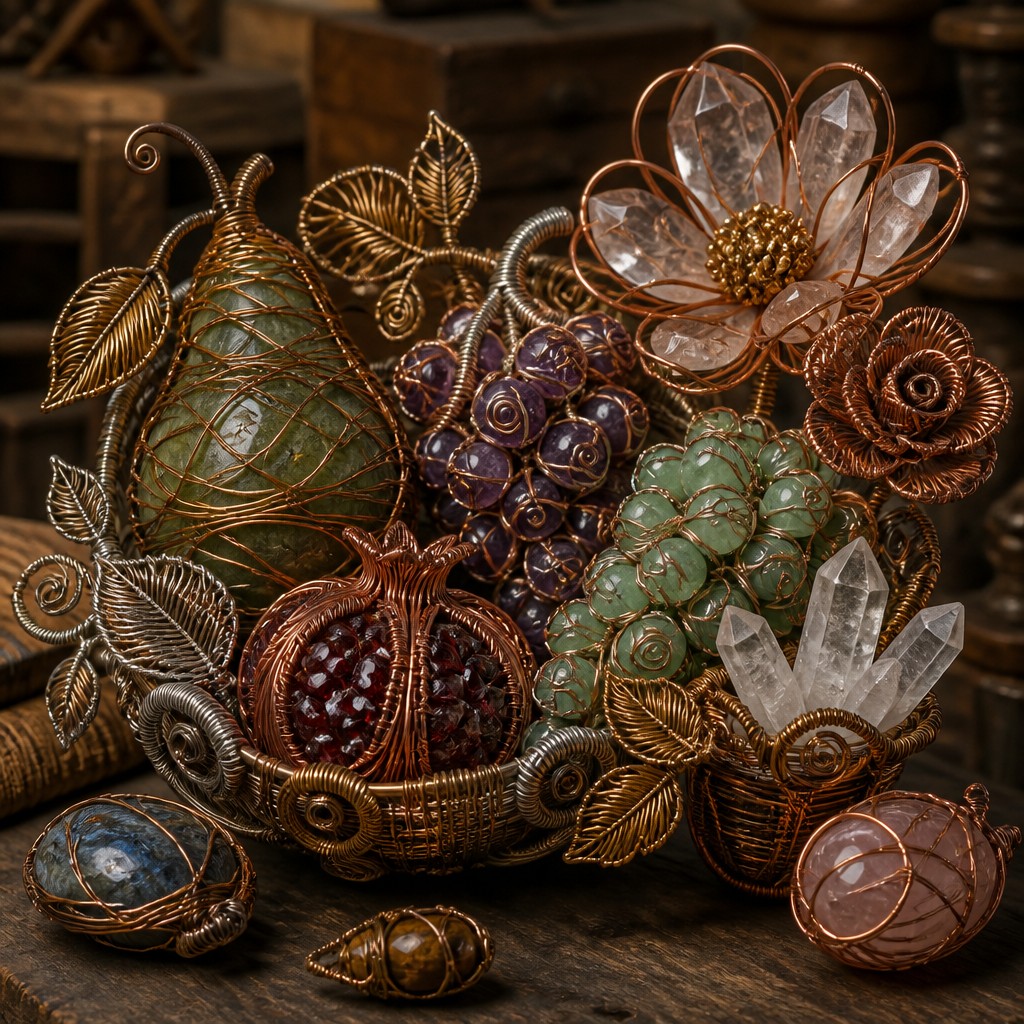
Wire-Wrapped Jewelry Gallery
Tap any artwork to explore it
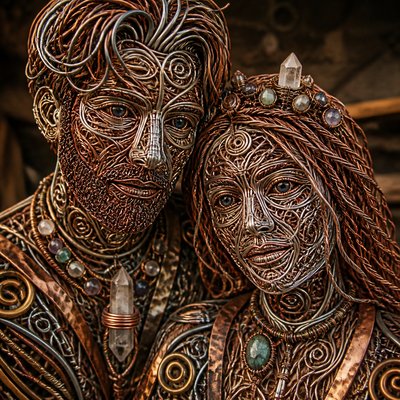
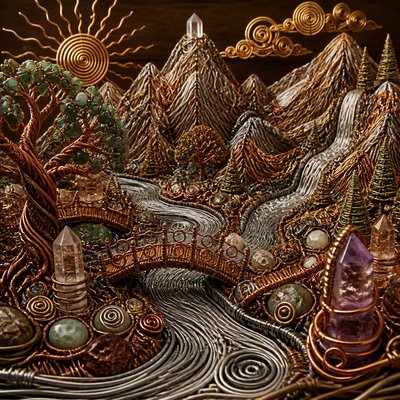
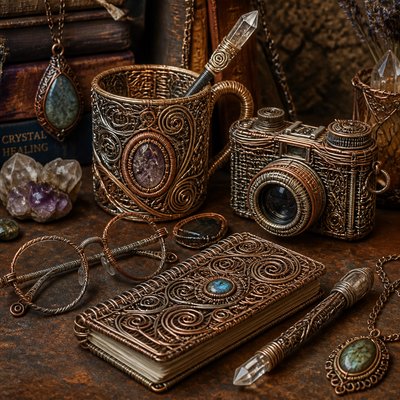
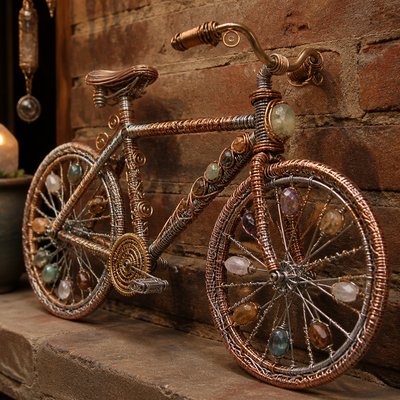
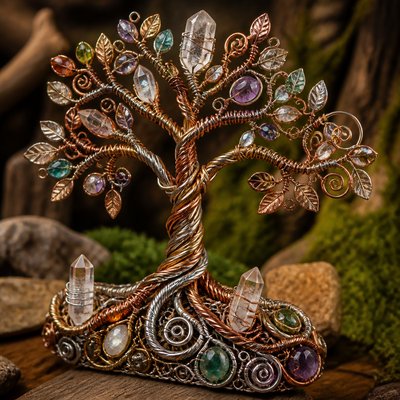
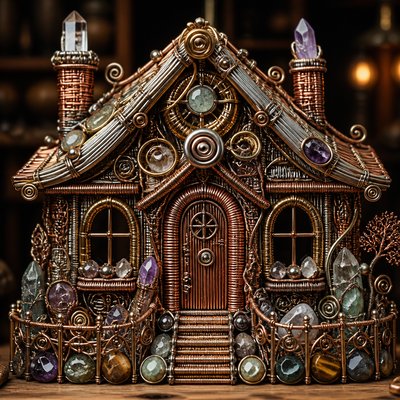
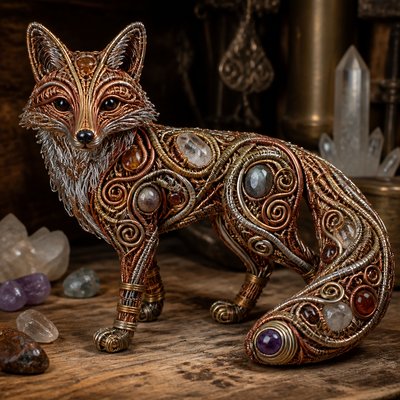
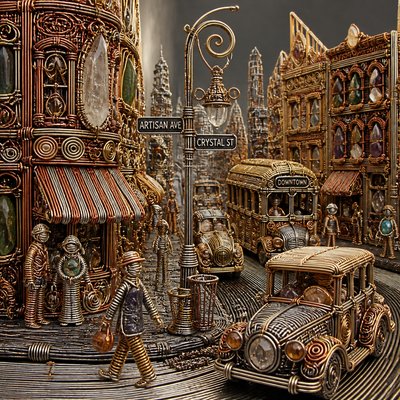
What is Wire-Wrapped Jewelry Style?
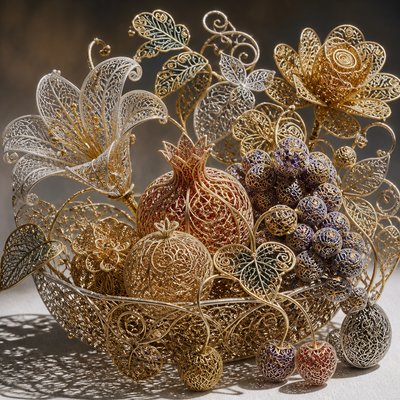
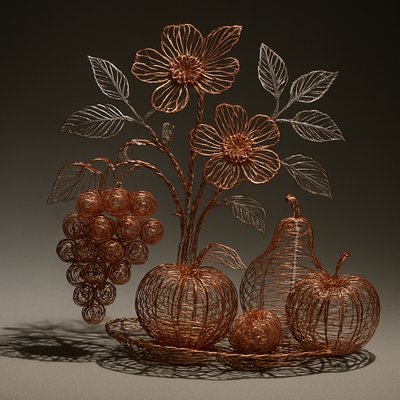
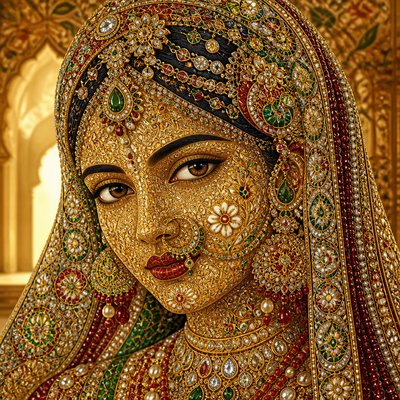
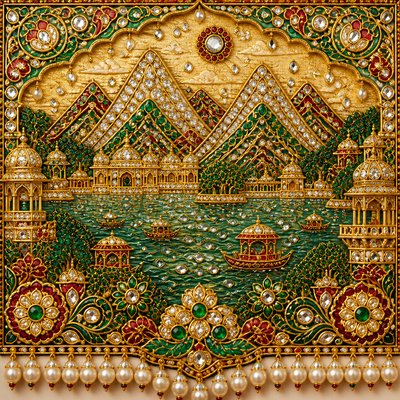
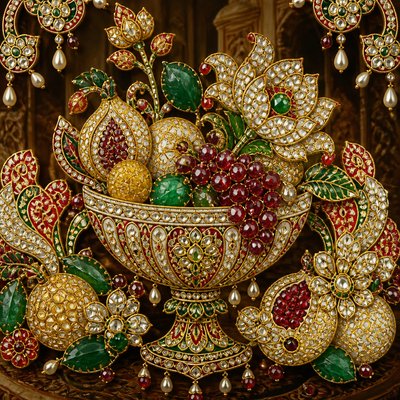
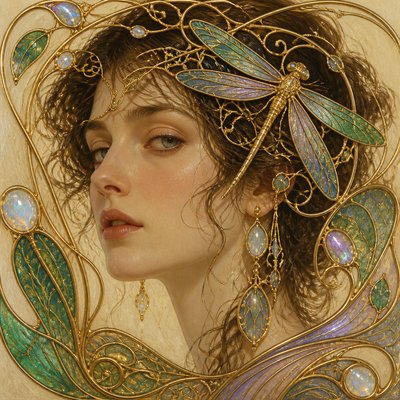
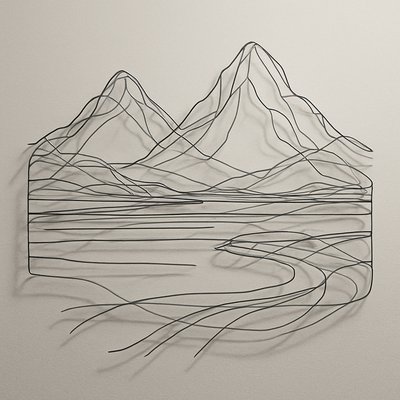
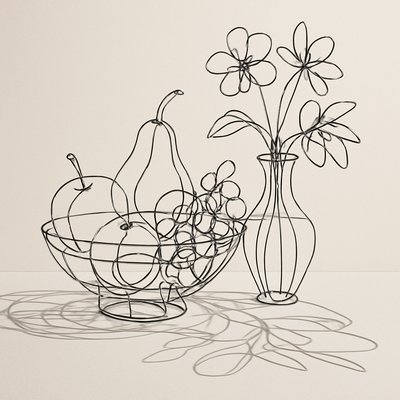
Wire-wrapped jewelry style is a handmade decorative approach in which metal wire is coiled, bent, braided, and tensioned around stones, crystals, beads, or found objects to create a visibly crafted surface. Its visual identity comes from the contrast between rigid mineral forms and supple metallic lines: the wire hugs edges, frames facets, and spirals into loops, cages, and knots that remain legible as construction rather than hidden assembly.
The style reads as organic and bohemian because it preserves the marks of making. Hammered wire flats, irregular coils, wrapped prongs, and asymmetrical balancing points give the object a tactile, human presence. Warm copper and brass tones often appear alongside silver, raw crystals, and tumbled stones, producing a handmade aesthetic that feels part adornment, part small sculpture, and part craft tradition.
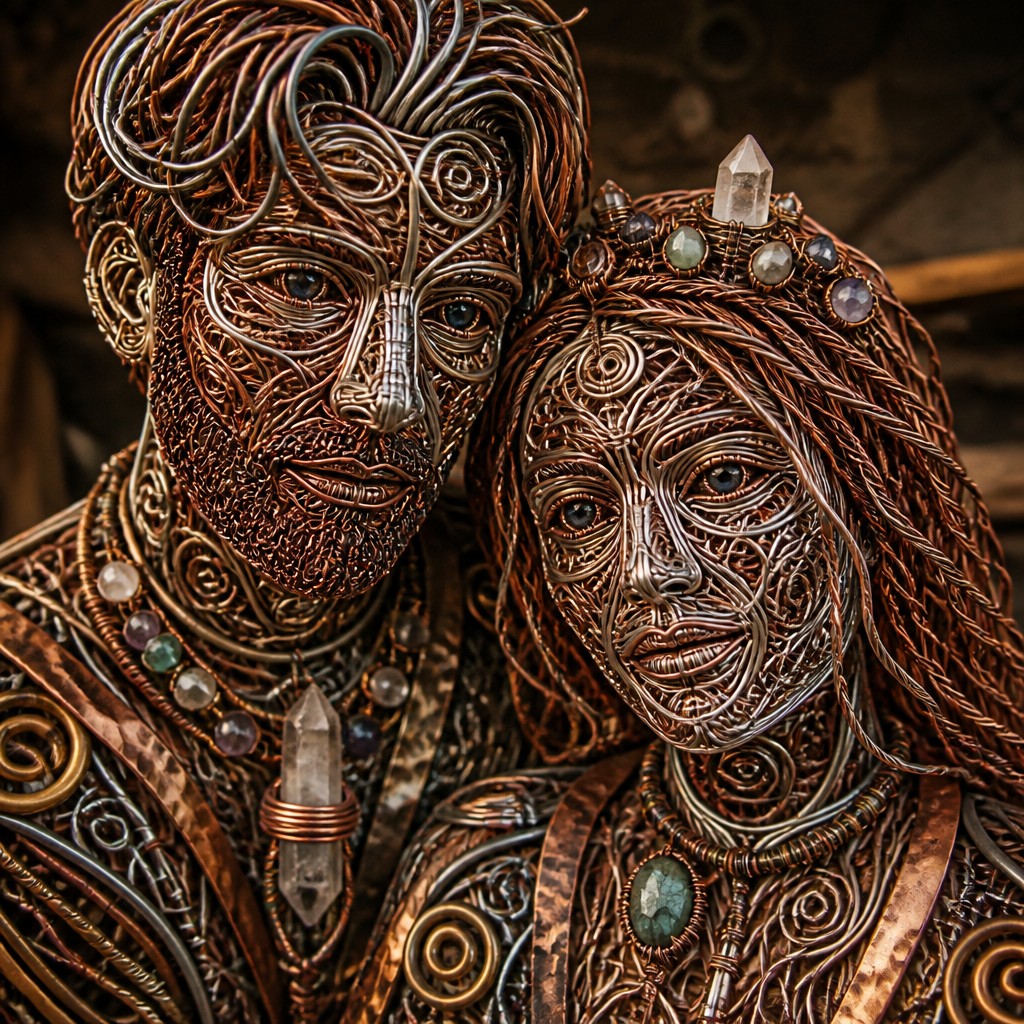
Try It On Your Photos
Upload any photo and convert it into Wire-Wrapped Jewelry Style — drag the sliders to compare before and after.
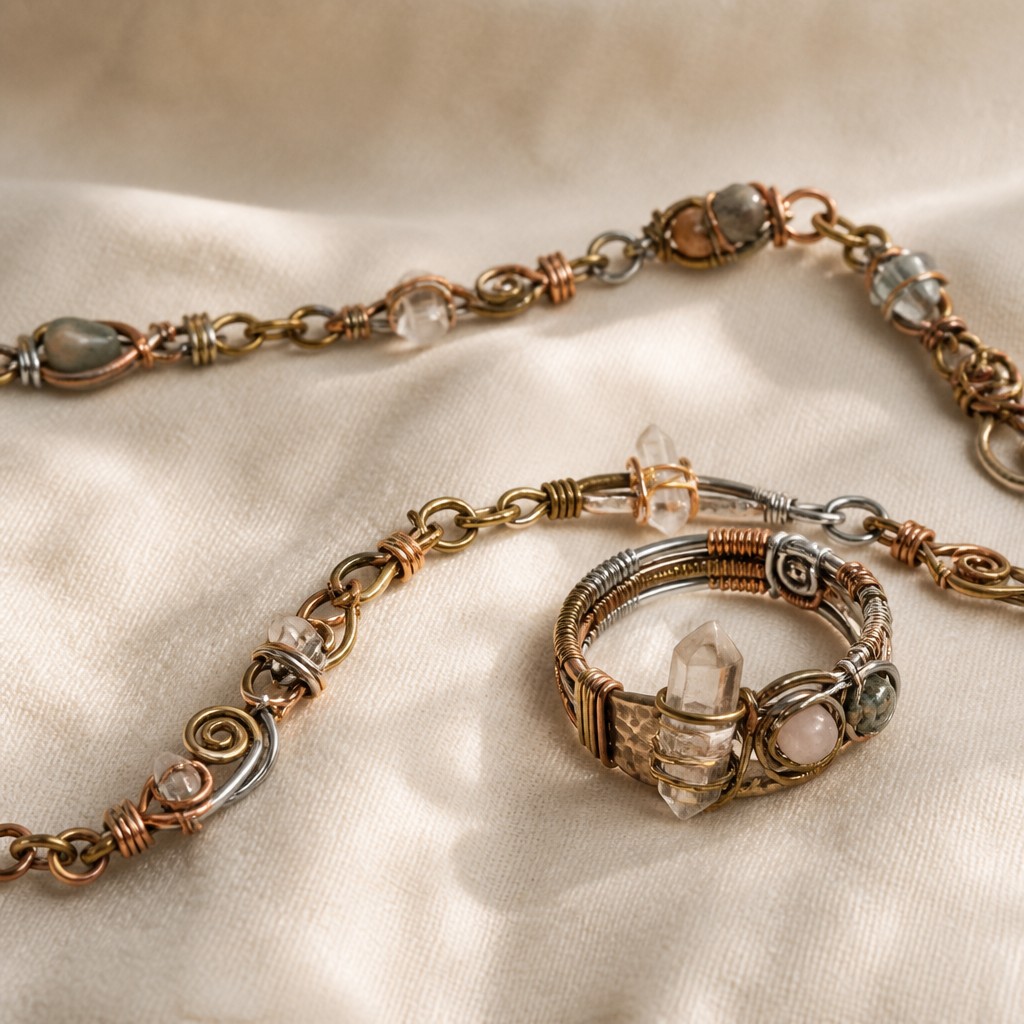
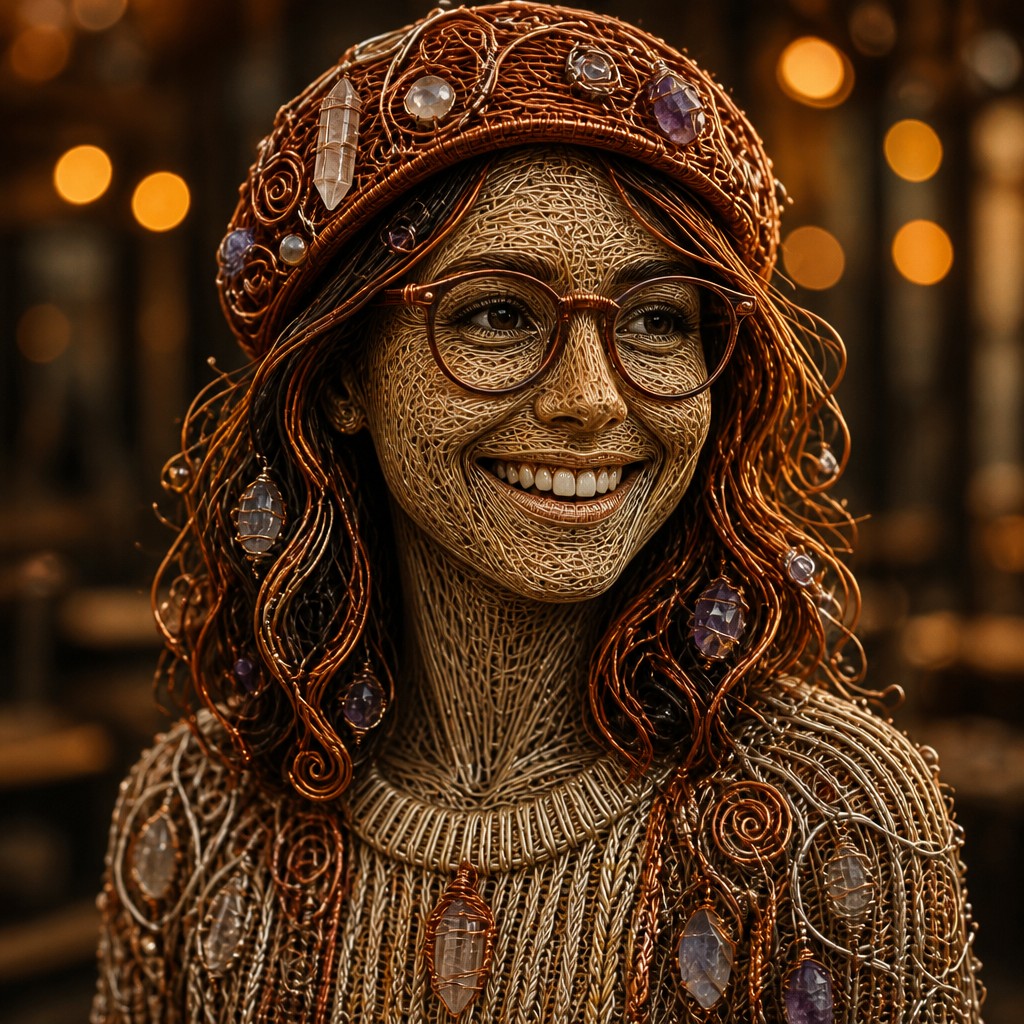

What Defines Wire-Wrapped Jewelry Style
The signature details, up close
Visible wire construction
The wrapping, looping, and coiling are meant to be seen. Structural decisions become decorative features, so the object often looks engineered by hand rather than polished into invisibility.
Organic asymmetry
Forms commonly follow the shape of the stone or crystal instead of enforcing perfect symmetry. This gives each piece a one-of-a-kind, gathered-from-nature feeling.
Mixed metal warmth
Copper, brass, bronze, and silver are often combined for contrast. The varied metal colors reinforce the earthy, workshop-made look.
Raw mineral focal points
Raw crystals, rough points, tumbled stones, and irregular cabochons are central to the style. Their natural geometry provides the anchor around which the wire is sculpted.
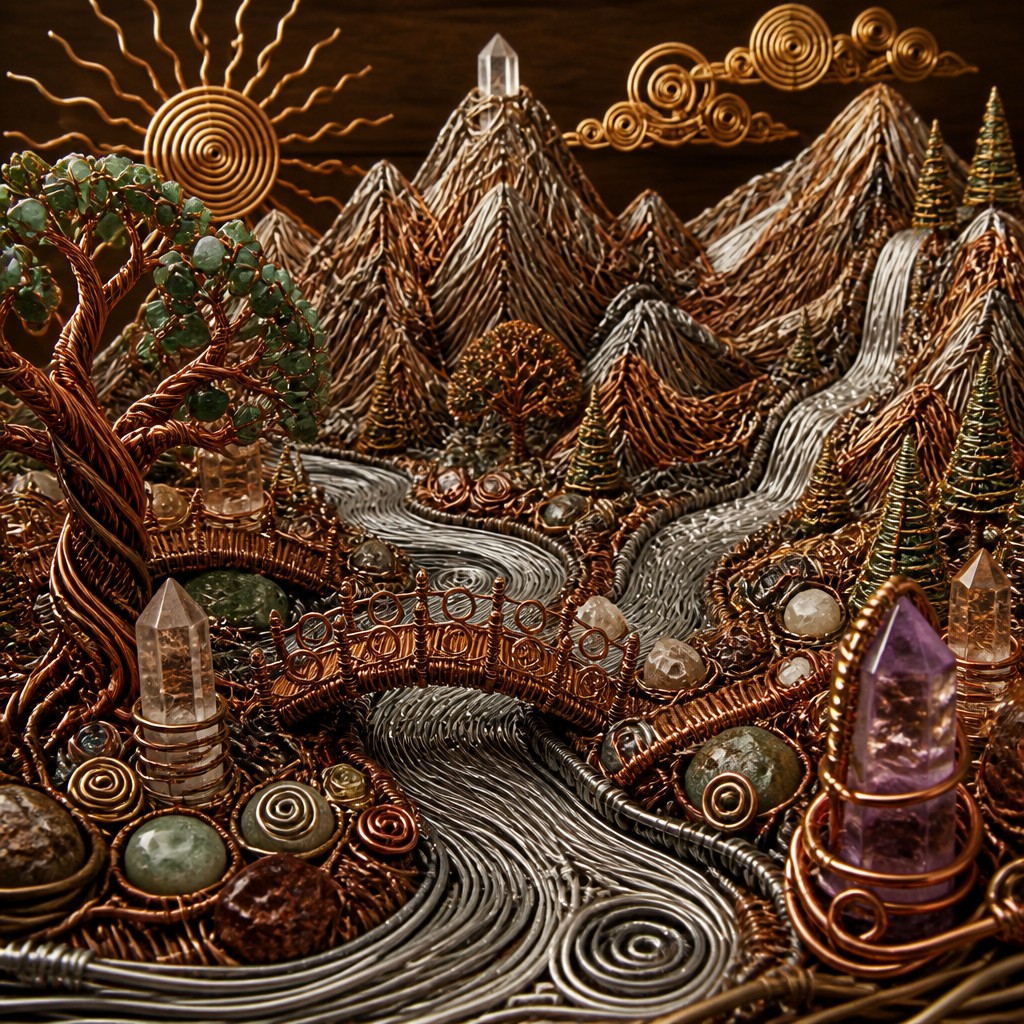
Coiled and hammered accents
Small spirals, flattened wire sections, and wrapped bridges add rhythm and texture. These details create a sense of patient handwork and dimensional surface interest.
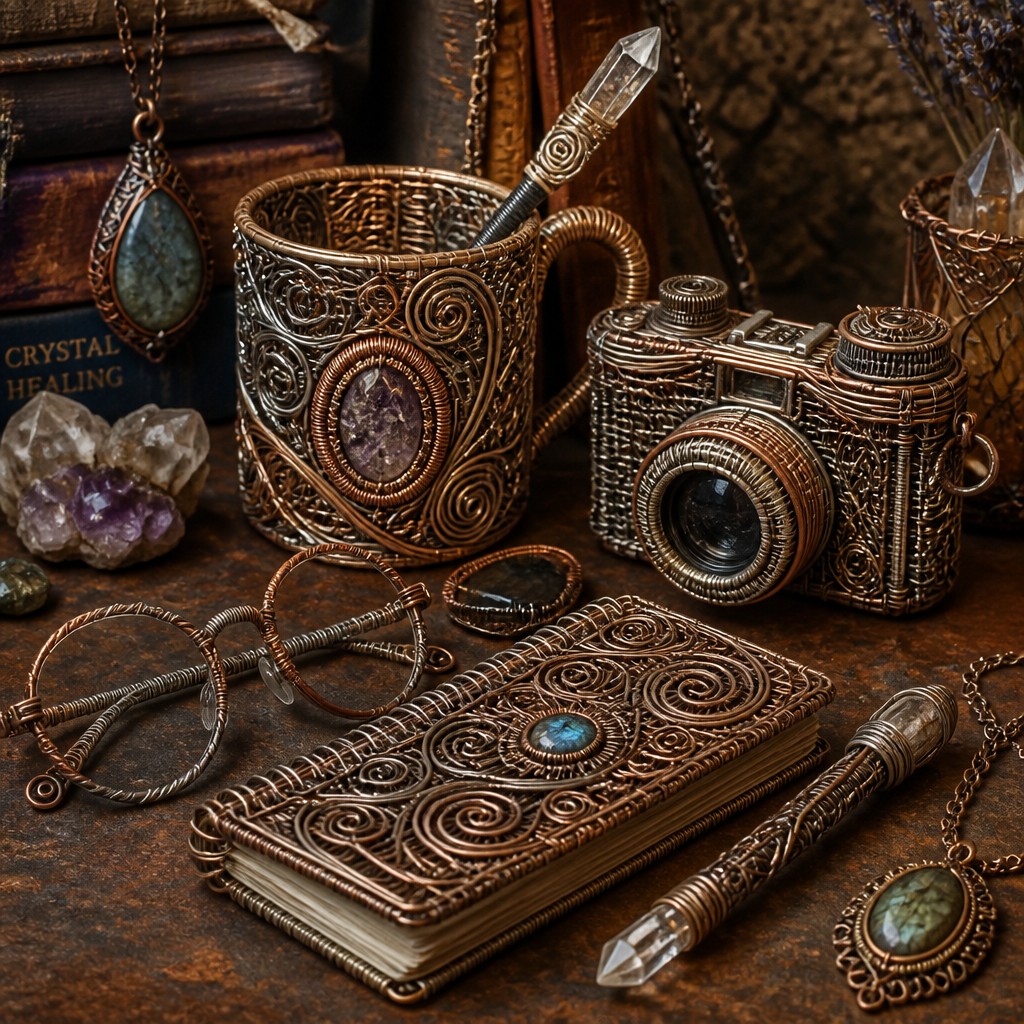
Bohemian craft texture
The finish is usually tactile rather than sleek, favoring patina, slight irregularity, and an artisanal feel. The overall impression is humble, earthy, and personal.
Try It
Create Videos in Wire-Wrapped Jewelry Style
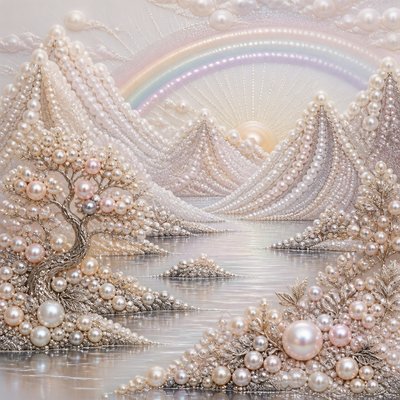
Styles aren't just for stills — describe a scene or animate an image and get a short video rendered in Wire-Wrapped Jewelry. Press play to see this pond come to life.
Make a VideoWire-Wrapped Jewelry Prompt Ideas
Start from an idea — each one opens the generator with the style ready to go. See all 40 Wire-Wrapped Jewelry prompts →
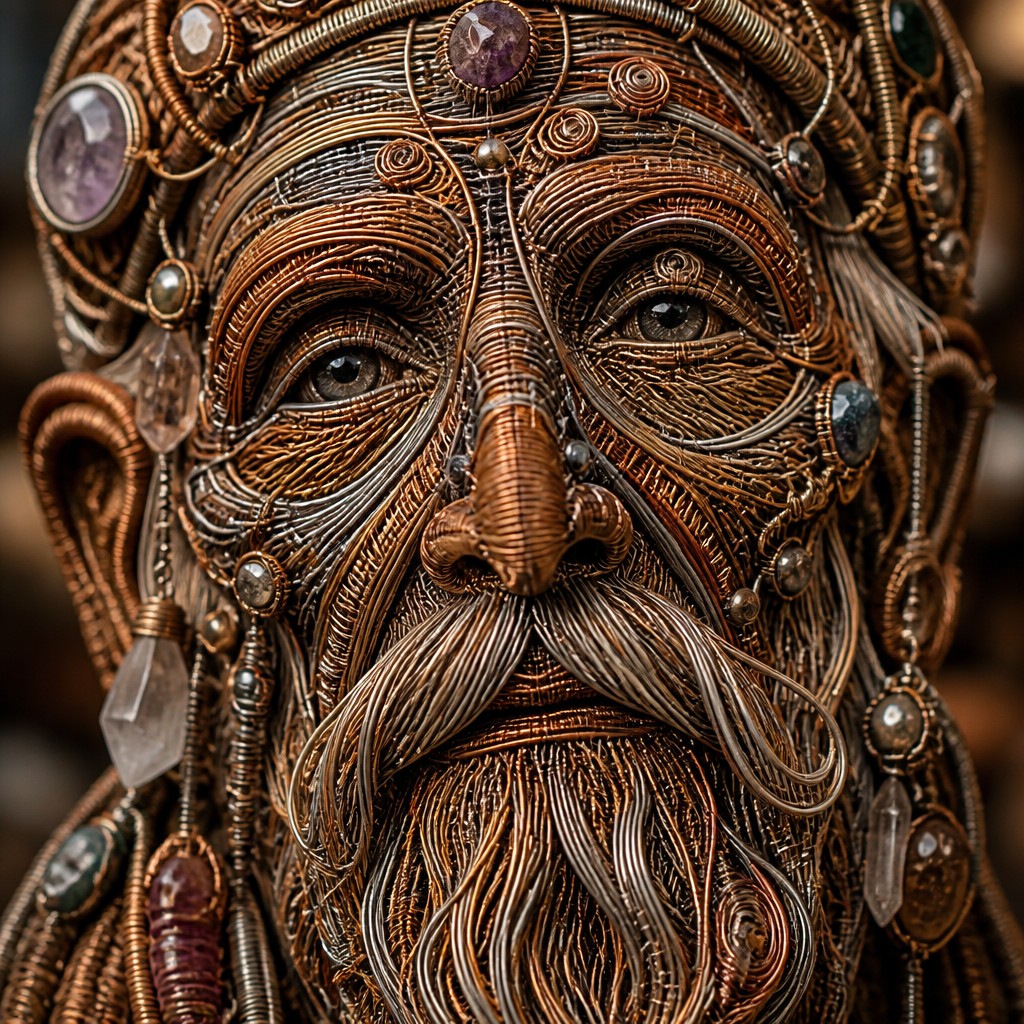
“close-up portrait of an elderly person with expressive weathered features”
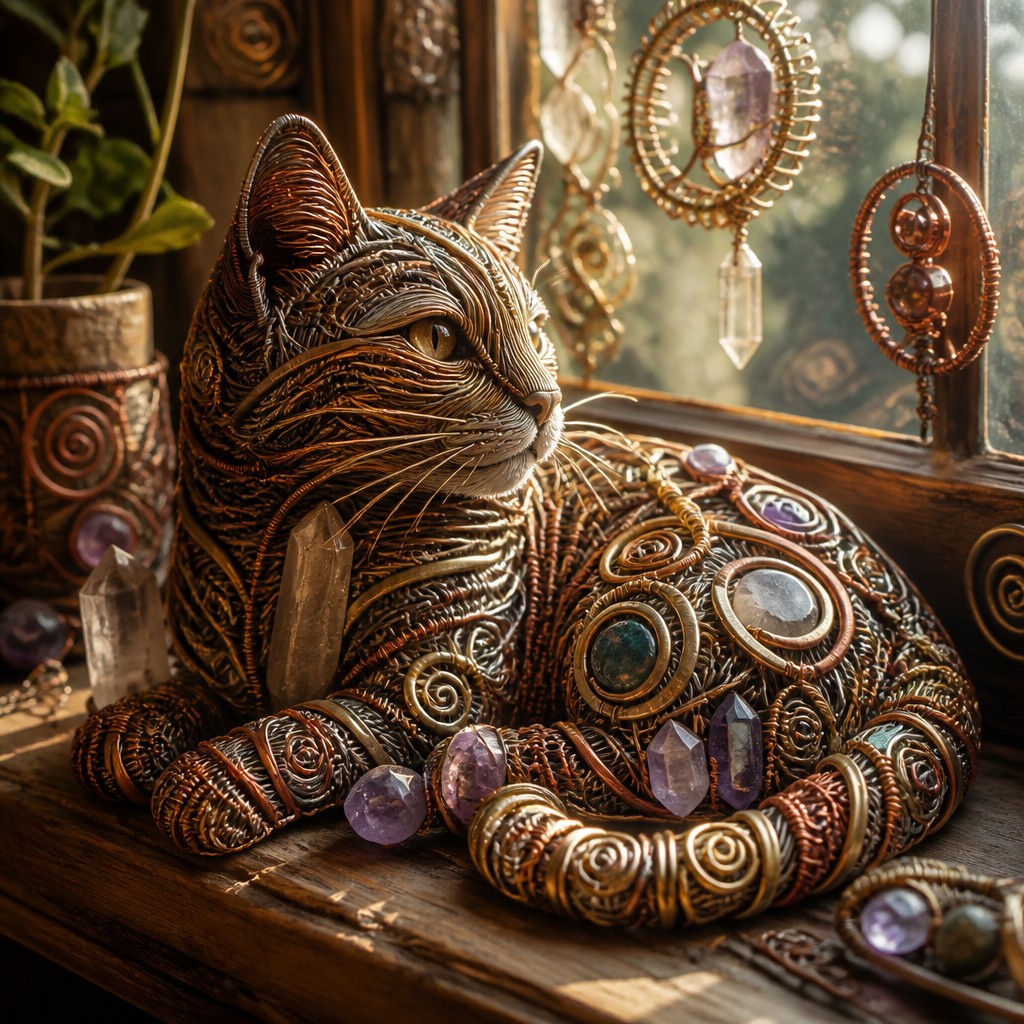
“a cat lounging in a sunlit window”
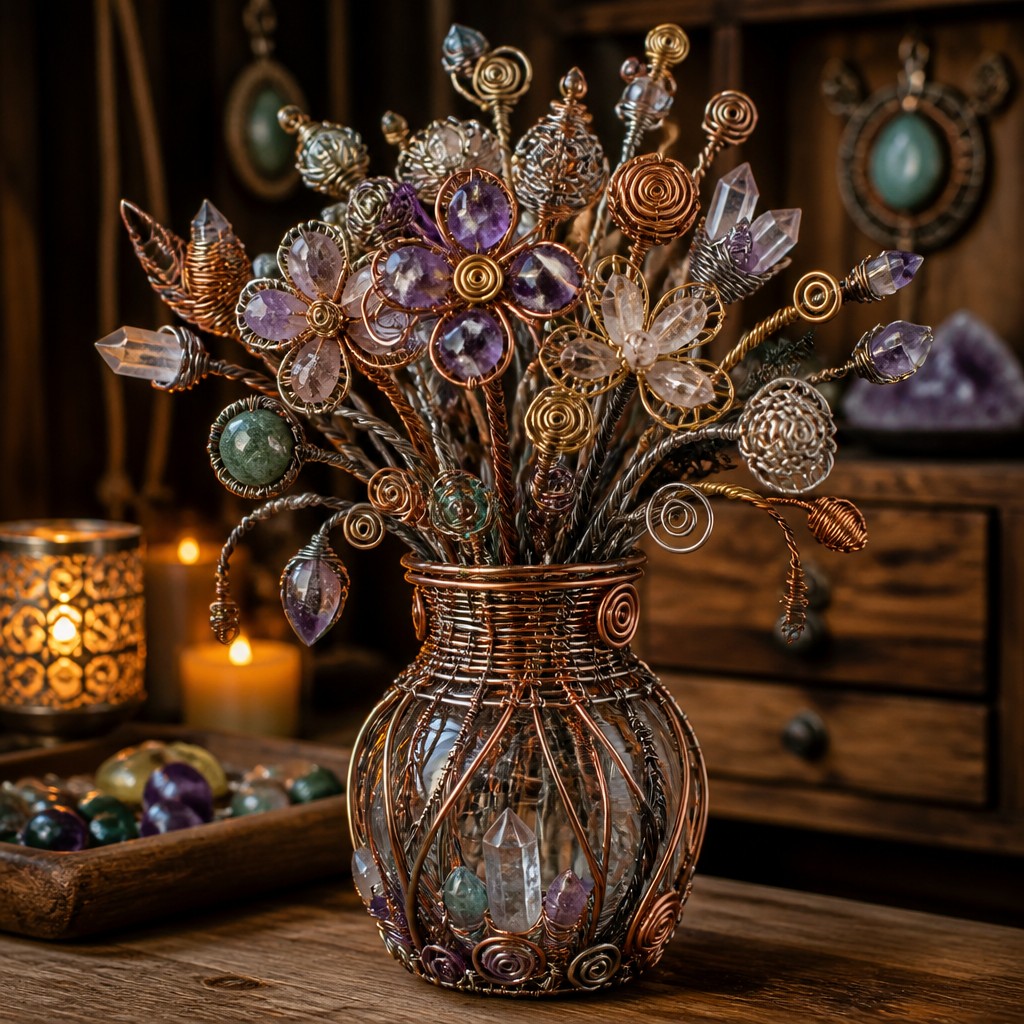
“bouquet of flowers in a glass vase”
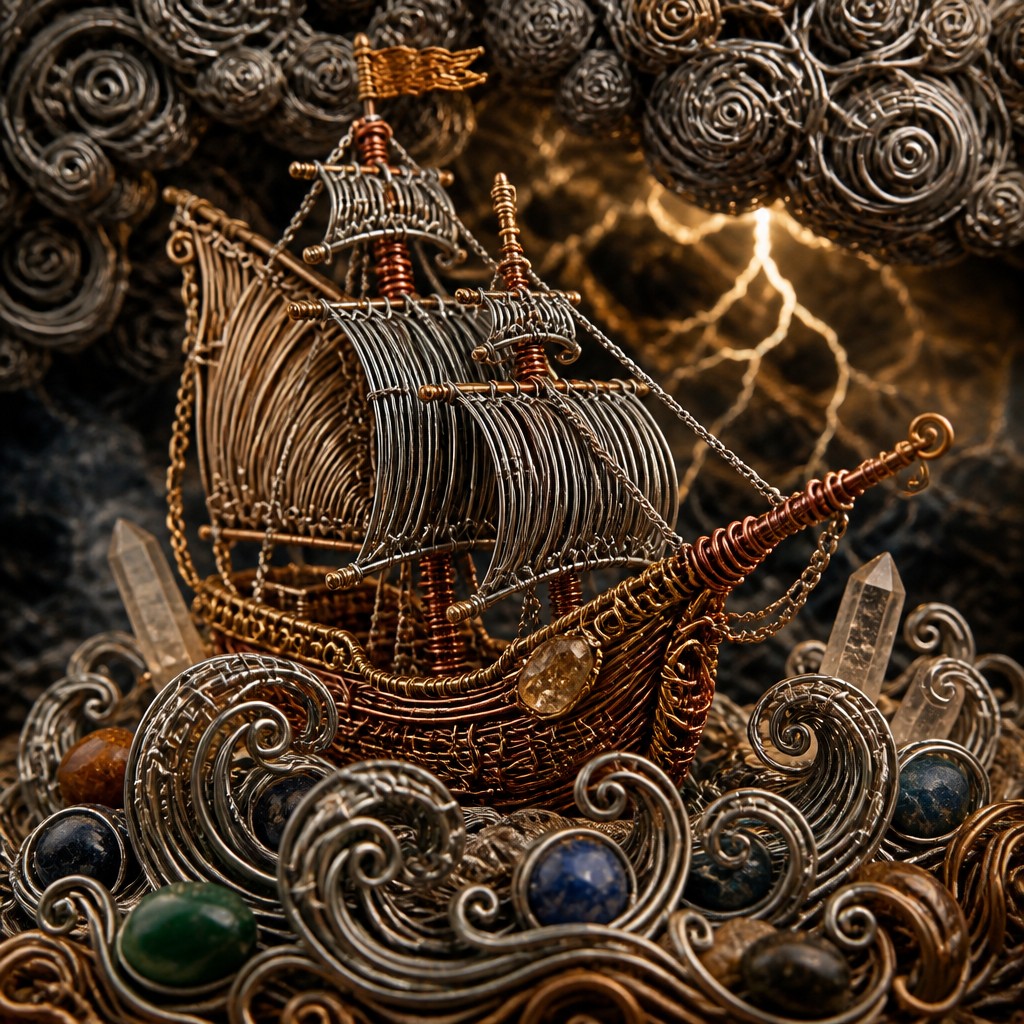
“sailing ship on a stormy sea”
How to Create Wire-Wrapped Jewelry Art
Master the craft step by step — or skip straight to creating. Read the full guide →
- 1
Choose a stone that suggests the wire path
In traditional jewelry making, start with a crystal, bead, or rough stone whose contours can guide the composition. Select wire gauges that can hold shape but still coil cleanly, then plan where structural wraps, bail points, and decorative spirals will sit.
- 2
Build with tension, not concealment
Wrap the wire so the joins, overlaps, and anchor points remain visible. Use wrapping, weaving, and twisting to create a stable cage or frame around the object, then add small hammered accents for contrast and surface sparkle.
- 3
Balance rough and refined surfaces
Combine raw mineral edges with controlled metalwork. A good piece usually contrasts natural irregularity with deliberate repetition in the wire, so the eye reads both spontaneity and discipline.
- 4
Use warm light and tactile rendering in digital work
For illustration or digital art, emphasize gleaming copper, silver highlights, and workshop lighting that catches the curves of the wire. Keep the forms dimensional and slightly imperfect so the handmade character remains convincing.
- 5
Prompt for material behavior, not just appearance
When using text-to-image generation, describe the subject plus the construction language: coiled wire, wrapped prongs, hammered flats, woven strands, raw crystal points, and visible handmade tension. Material specificity matters more than decorative adjectives.
- 6
Preserve scale and asymmetry in photo transformations
When transforming a real photo, keep the object’s proportions and asymmetrical quirks intact. Over-smoothing can erase the craft identity, while preserving scratches, patina, and small irregularities will make the result feel authentic.
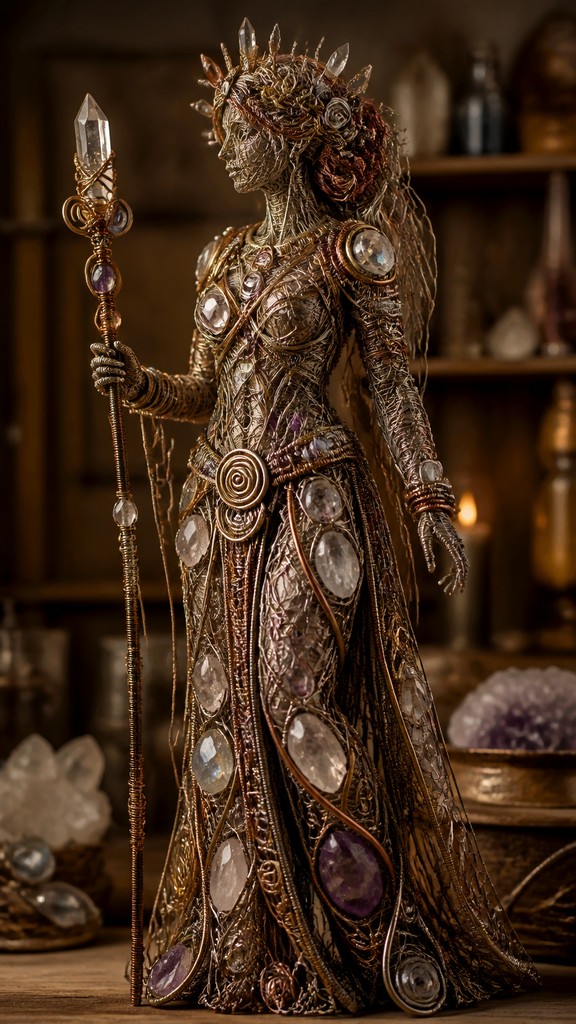
The Story
History & Origins of Wire-Wrapped Jewelry
Wire-wrapping has no single origin point; it emerges from longstanding metalworking traditions in which wire served as both structural support and ornament. Techniques related to coiling, binding, filigree, and cage settings appear across many cultures and periods in jewelry and decorative metalwork, while modern wire-wrapped jewelry developed as a popular independent craft in the twentieth century through studio artisans, beadwork communities, lapidary practice, and the broader handmade jewelry movement.
Its contemporary aesthetic lineage draws from several sources: traditional jewelry-making, artisanal craft revival, bohemian and New Age crystal culture, and the studio craft emphasis on visible process. In the late twentieth and early twenty-first centuries, wire-wrapped forms became especially associated with raw stones and organic materials, where the wire does not conceal the gem setting but becomes part of the visual composition. The result is a style that values improvisation, tactile precision, and the expressive honesty of handmade construction.
Influences: This style draws from traditional metalworking, beadwork, filigree, and handcrafted jewelry practices across many cultures, but its modern look is especially shaped by studio craft, bohemian adornment, and crystal-centered New Age aesthetics. Its appeal overlaps with the handmade sensibility of Arts and Crafts metalwork and the small-scale inventiveness of independent artisan jewelry, while remaining distinct from highly polished commercial settings. It is less about named fine-art movements than about a lineage of practical ornament in which the making process stays visible.
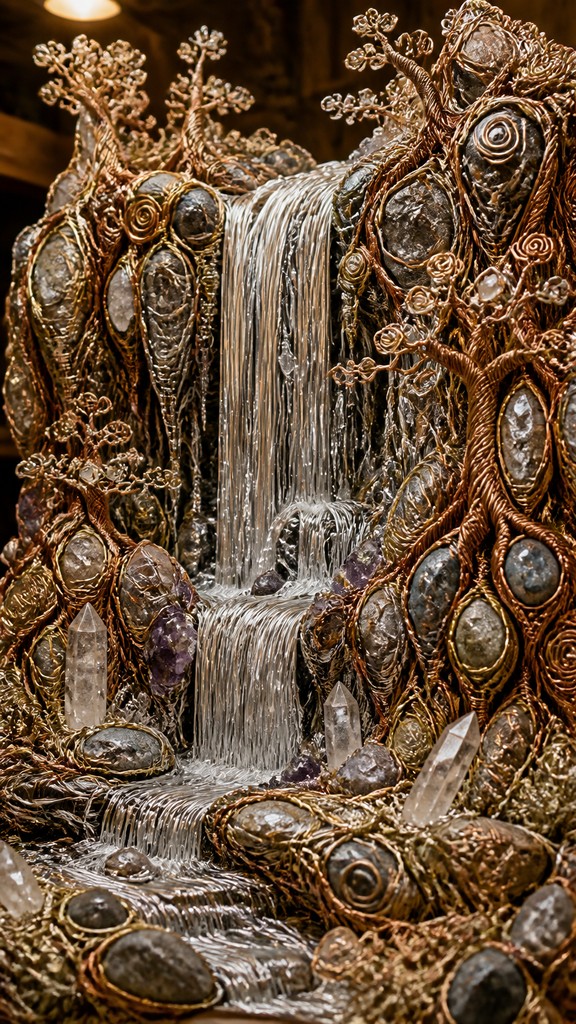
Frequently Asked Questions
What defines wire-wrapped jewelry style?
It is defined by visible metal wire that is bent, coiled, and woven around a stone, crystal, or other object. The wrapping is not hidden; it is the main aesthetic feature. The look is handmade, tactile, and often slightly asymmetrical.
Is wire-wrapped jewelry the same as filigree?
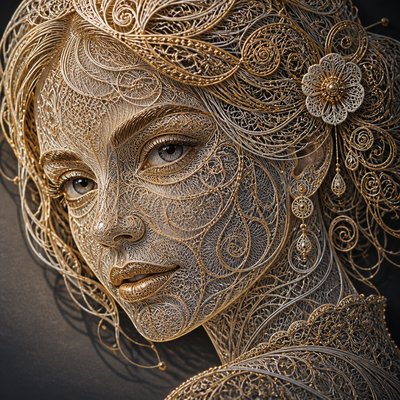
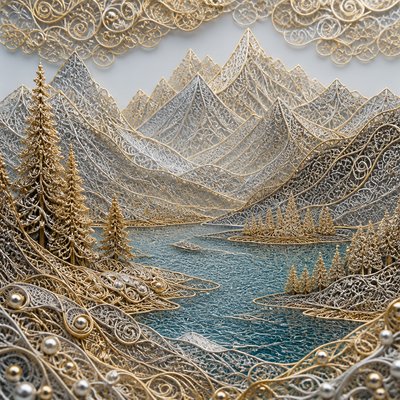
Not exactly. Filigree usually uses finer, more delicate wire to create lace-like ornament, often with a more refined or classical finish. Wire-wrapped jewelry is typically more structural and expressive, with heavier coils, tension wraps, and a stronger emphasis on holding stones in place.
What materials are most associated with this style?
Copper, silver, brass, and bronze are common, along with raw crystals, quartz points, tumbled stones, beads, and natural findings. Patina, hammered texture, and mixed-metal finishes are also strongly associated with the look.
Why does it look handmade rather than polished?
Because the construction is meant to remain visible. Small irregularities, looped wraps, and hand-shaped curves show the maker’s process, which gives the piece an organic and crafted character rather than a factory-made finish.
How can I make art or jewelry in this style?
Start by designing around a central stone or crystal and let its shape determine the wire path. Use wrapping, weaving, and coiling to secure the object, then add hammered details or spirals for ornament. In digital art, describe the metal type, stone shape, and the exact wrapping behavior to get a convincing result.
Where is this style commonly used?
It is most common in artisan jewelry such as pendants, rings, earrings, bracelets, and talismans. The same visual language also appears in fantasy accessory design, spiritual craft imagery, and product-style renderings of handcrafted objects.
Create your first Wire-Wrapped Jewelry artwork
Describe anything — or upload a photo — and see it in Wire-Wrapped Jewelry Style in seconds.
Related Styles
Discover similar art styles