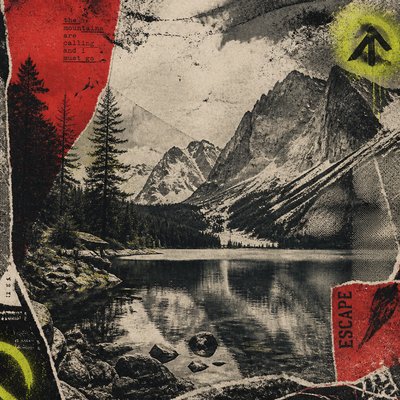
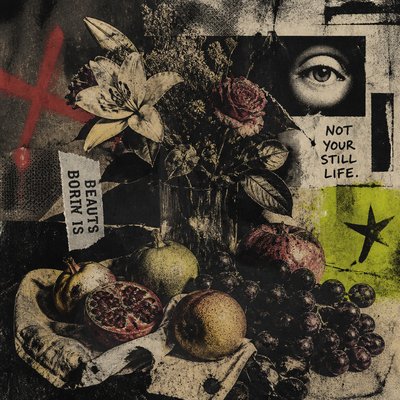
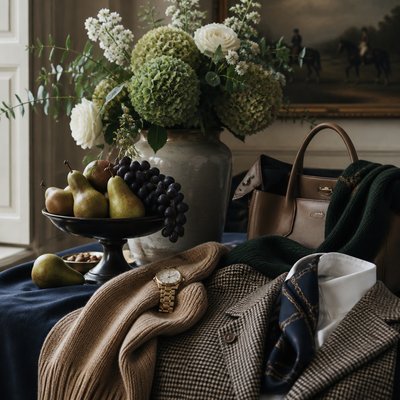
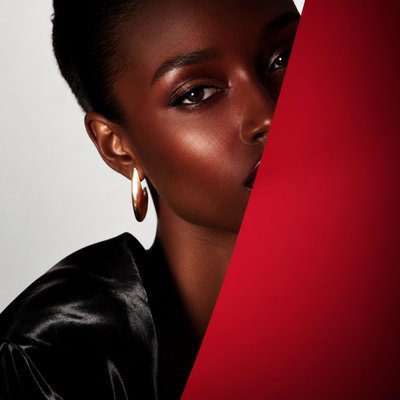
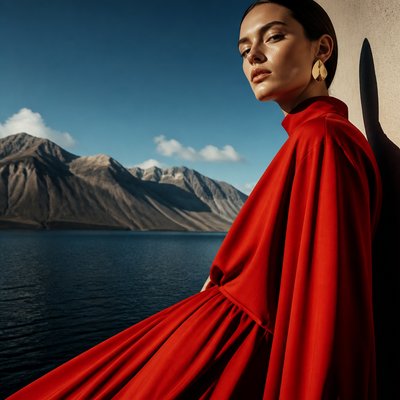
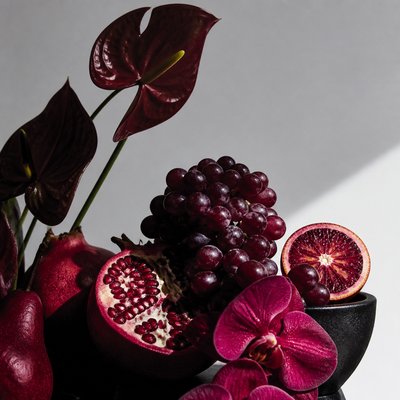
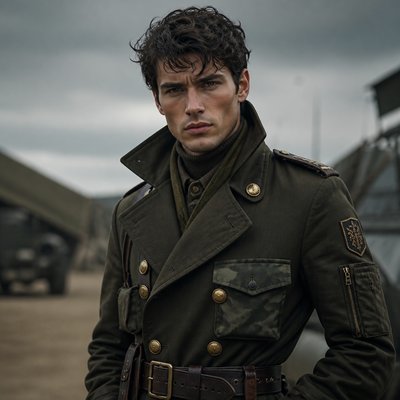
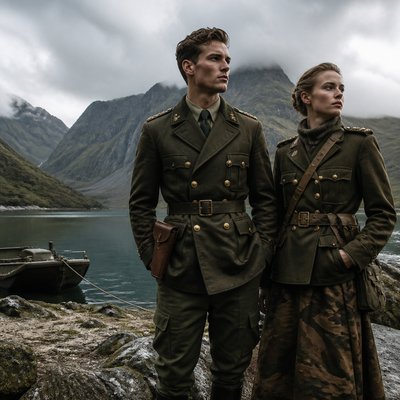
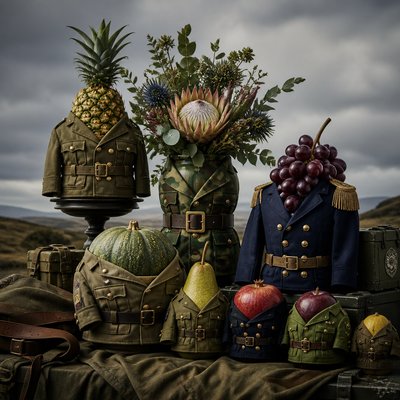
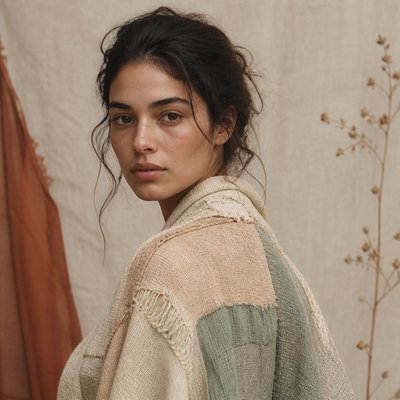
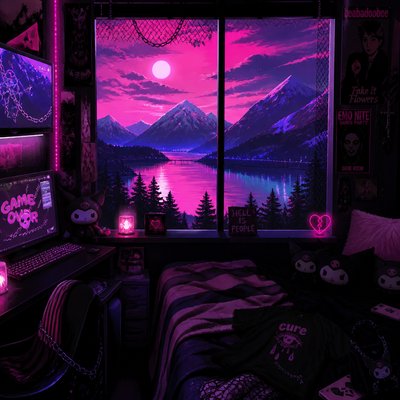
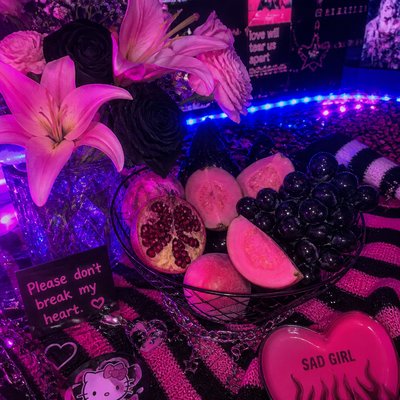
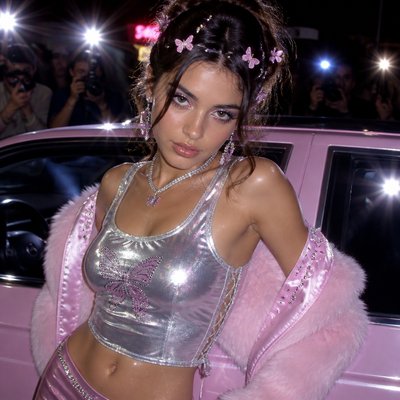
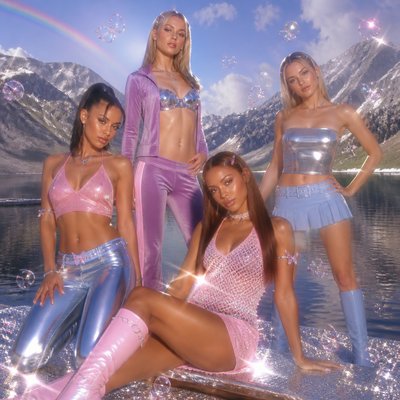
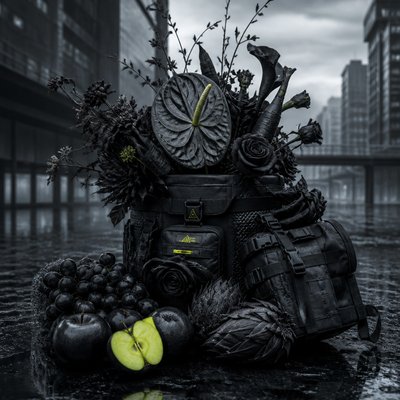
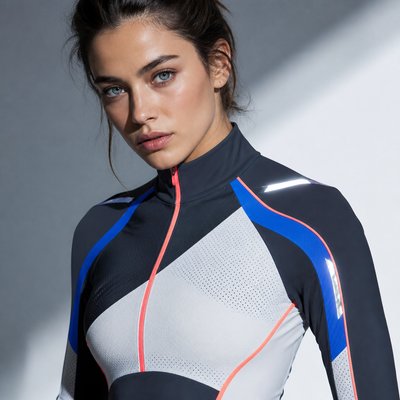
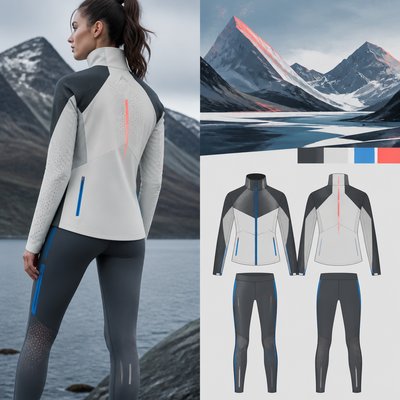
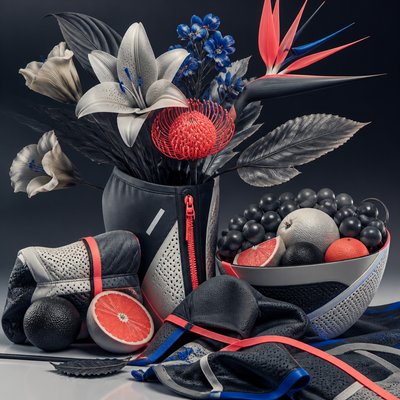
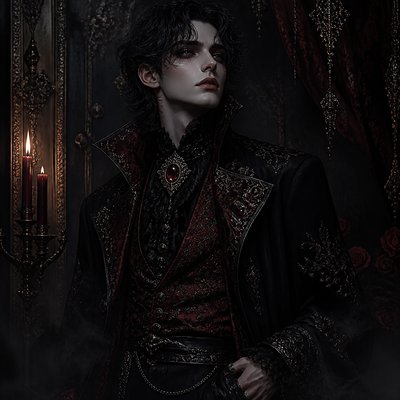
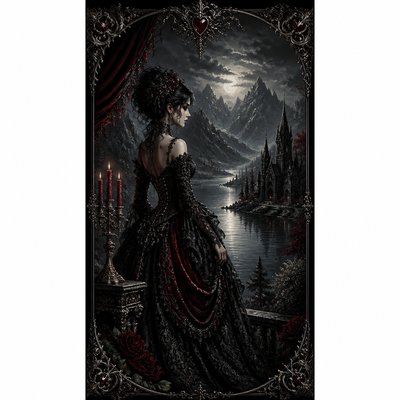
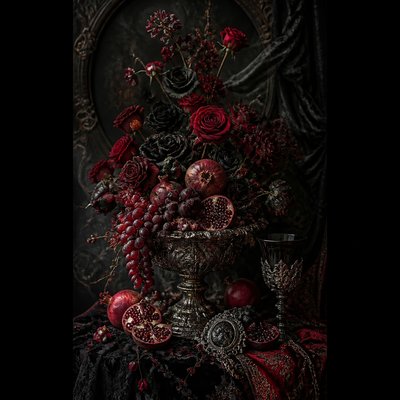
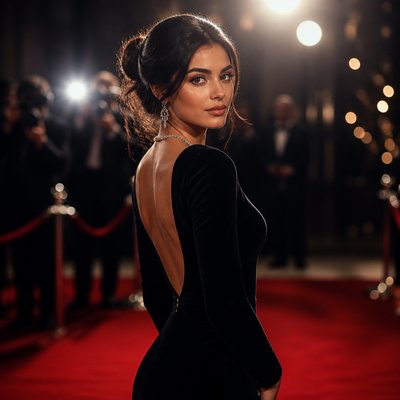
Grunge Fashion Style
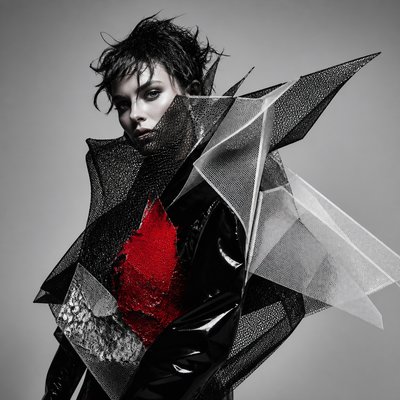
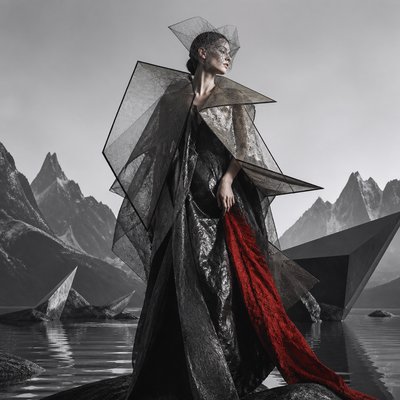
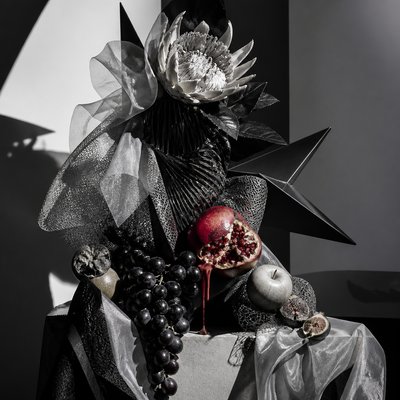
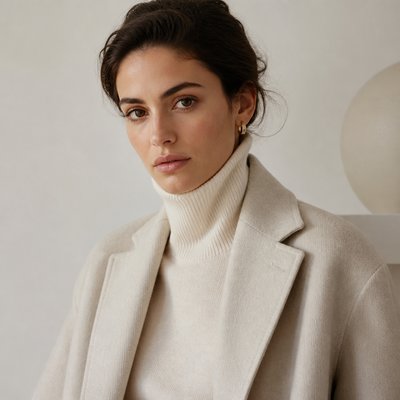
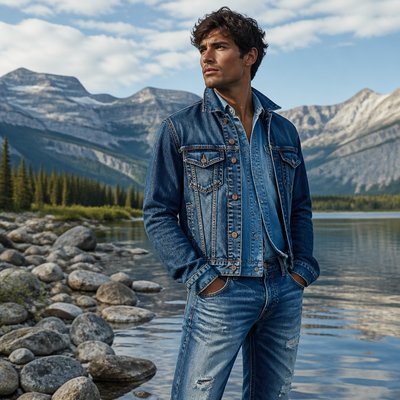
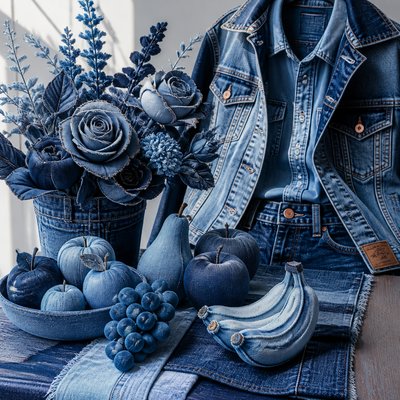
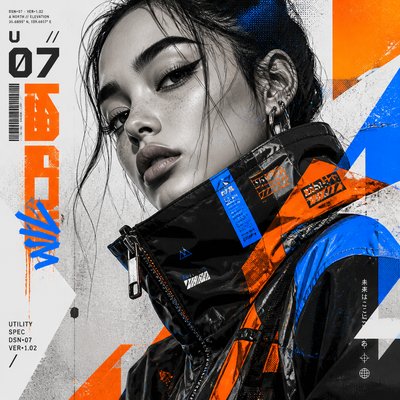
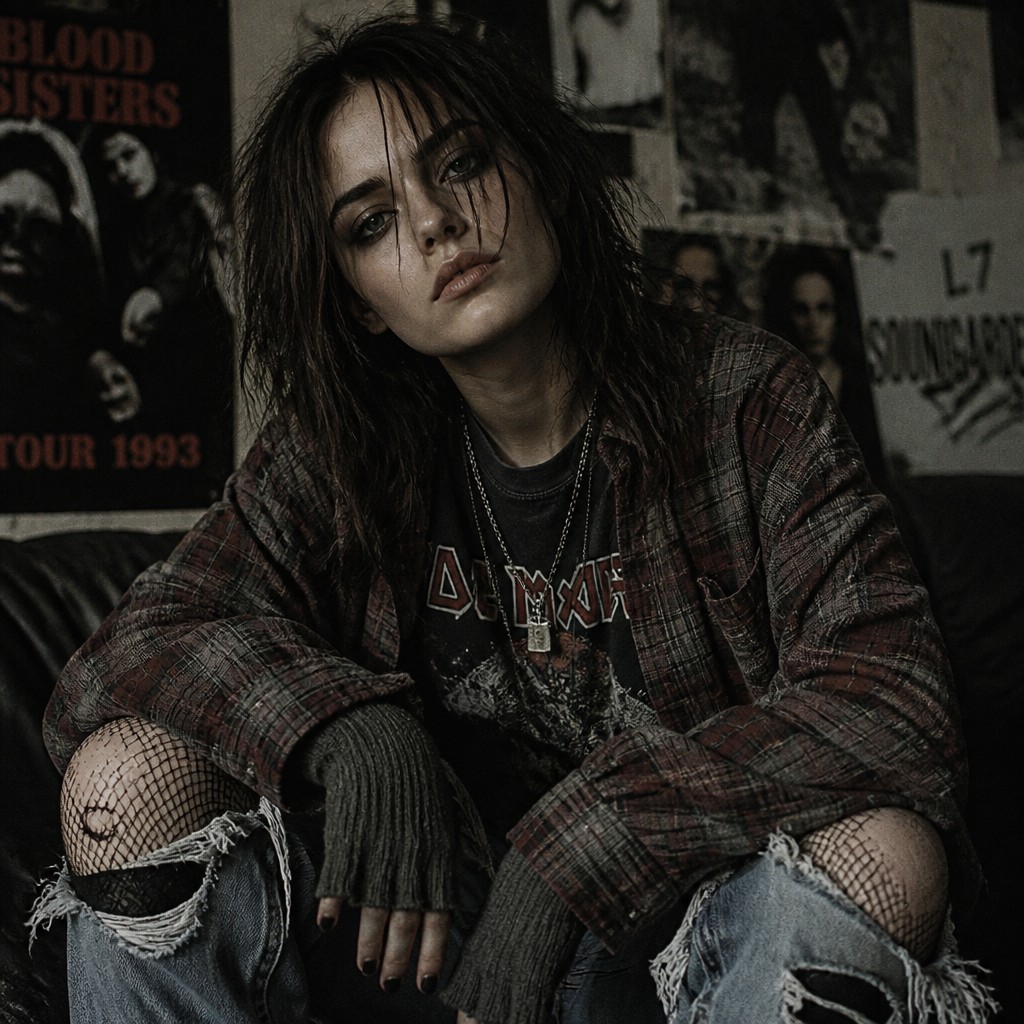
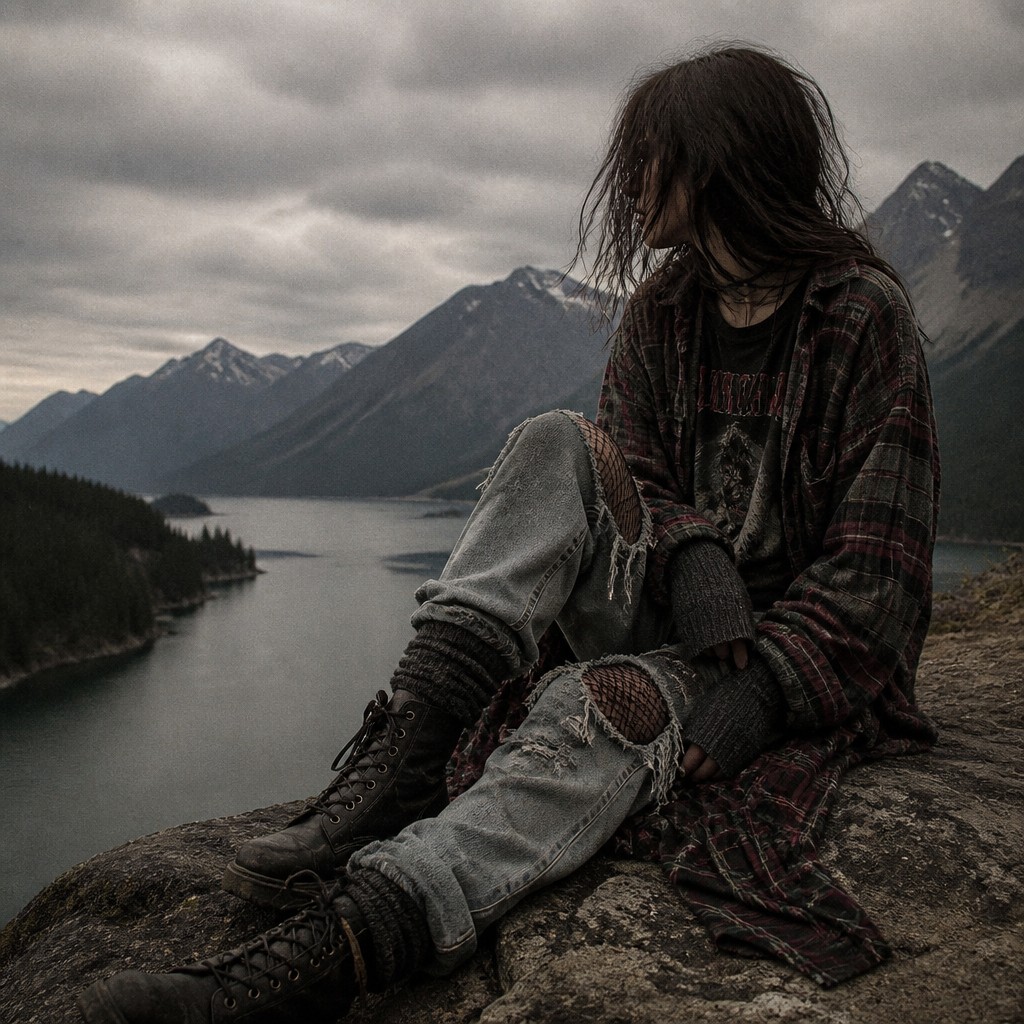
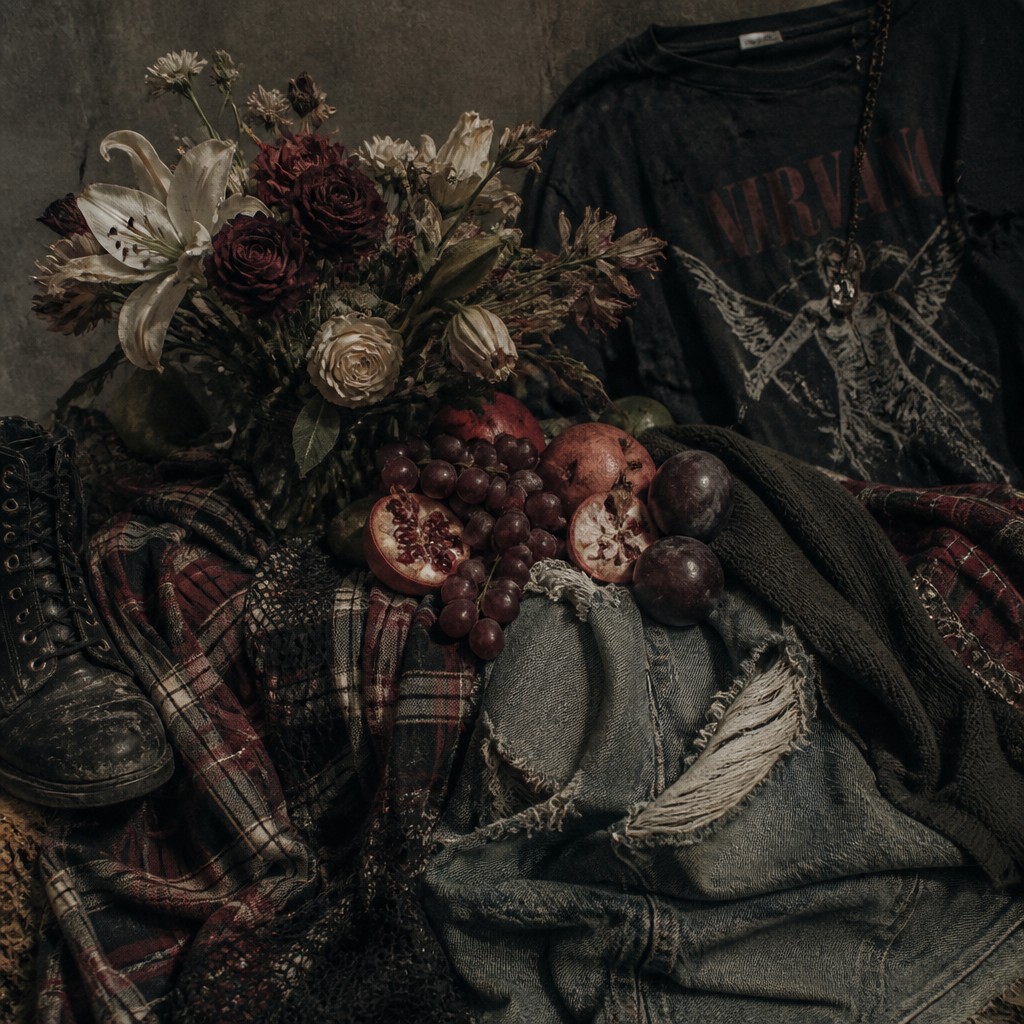
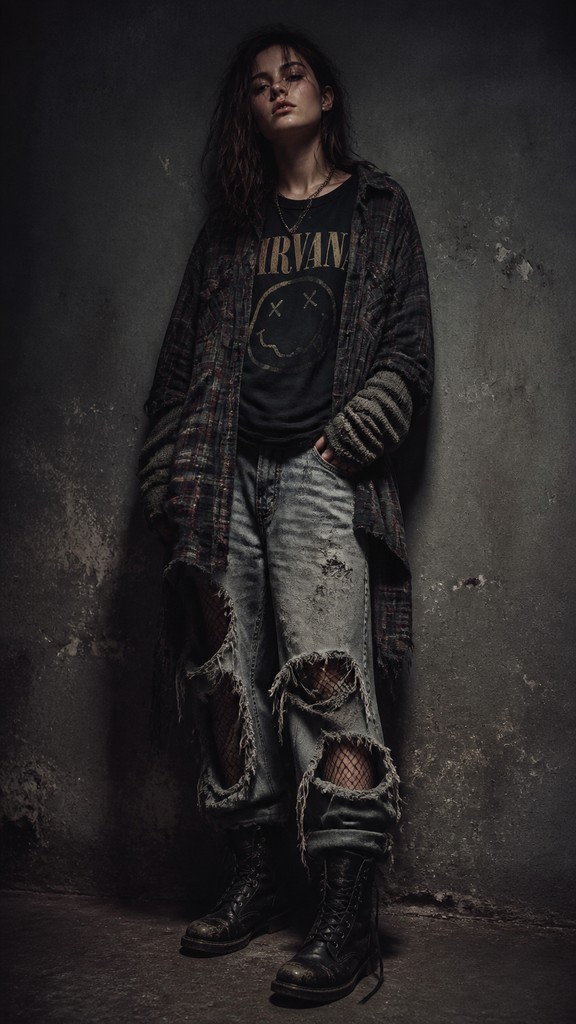
Ripped flannel, faded denim, and 90s alt-rock attitude define this grunge-inspired fashion style.
Instantly rendered in Grunge Fashion — or transform a photo
Grunge Fashion Gallery
Tap any artwork to explore it
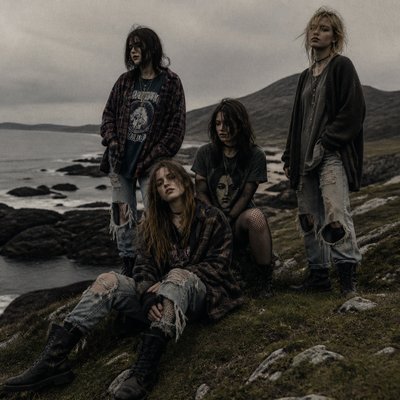
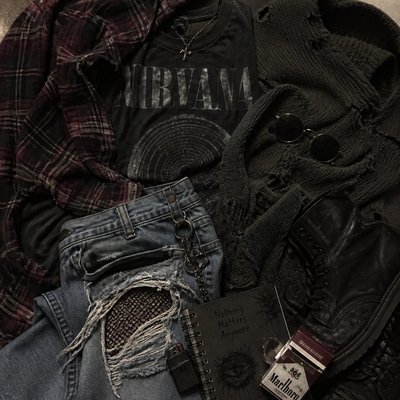
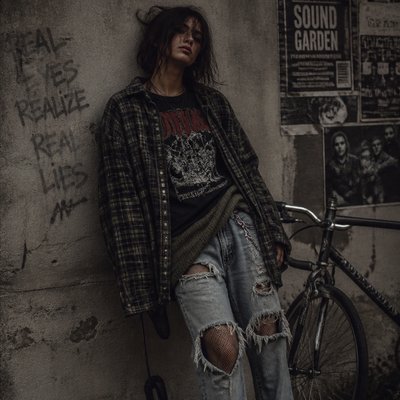
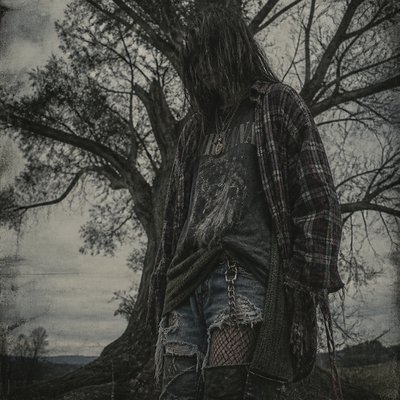
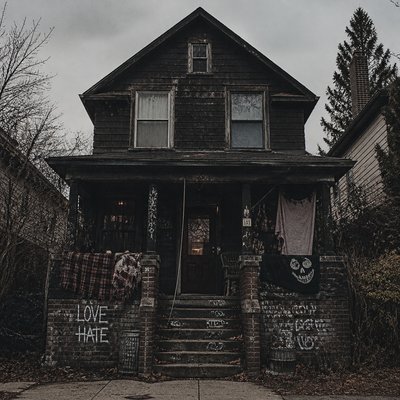
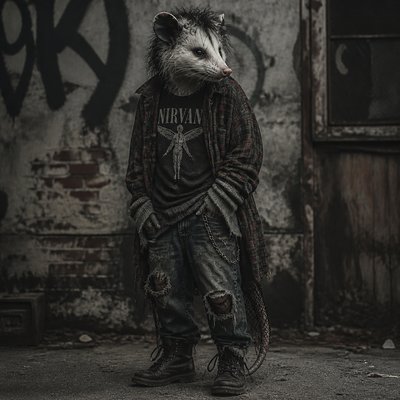
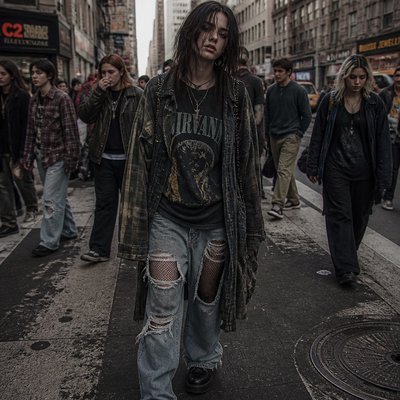
What is Grunge Fashion Style?
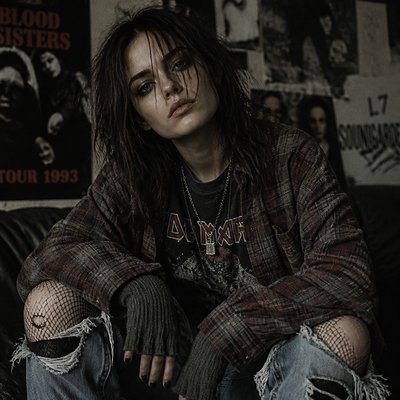
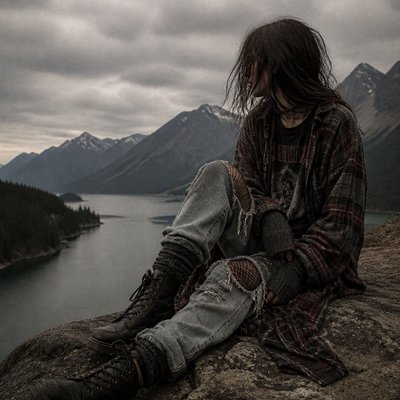
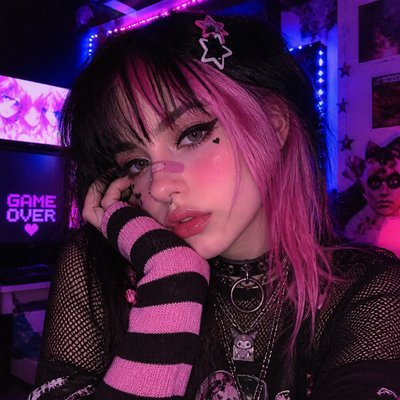
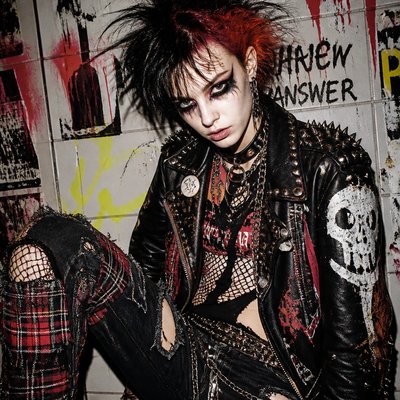
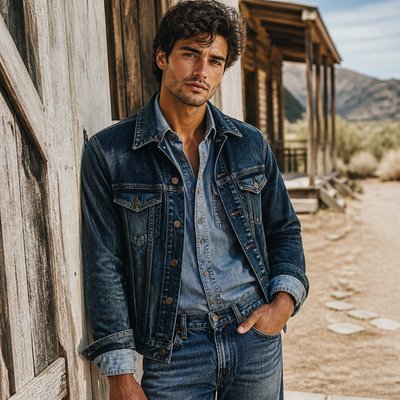
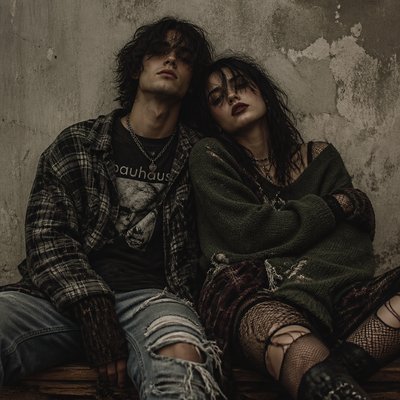
Grunge fashion is an anti-polish clothing style built from thrift-store layering, damaged textures, and a deliberately unkempt silhouette. It is defined by oversized flannel shirts, faded or ripped denim, slouchy knits, band tees, combat boots, and accessories that look worn rather than curated. The overall effect is casual, defiant, and slightly abrasive, with an emphasis on clothing that appears lived-in, improvised, and unconcerned with conventional notions of neatness.
The style reads as a visual rejection of excess, glamour, and overt sophistication. Its palette is typically subdued: charcoal, moss, oxblood, washed black, dirty grey, and muted earth tones. Hair, makeup, and posing often reinforce the mood—messy, face-framing, underdone, and emotionally detached. Grunge fashion looks the way it does because it emerged from a culture of thrift, music scenes, and anti-fashion attitude, turning practical layers and worn materials into a recognizable aesthetic language.
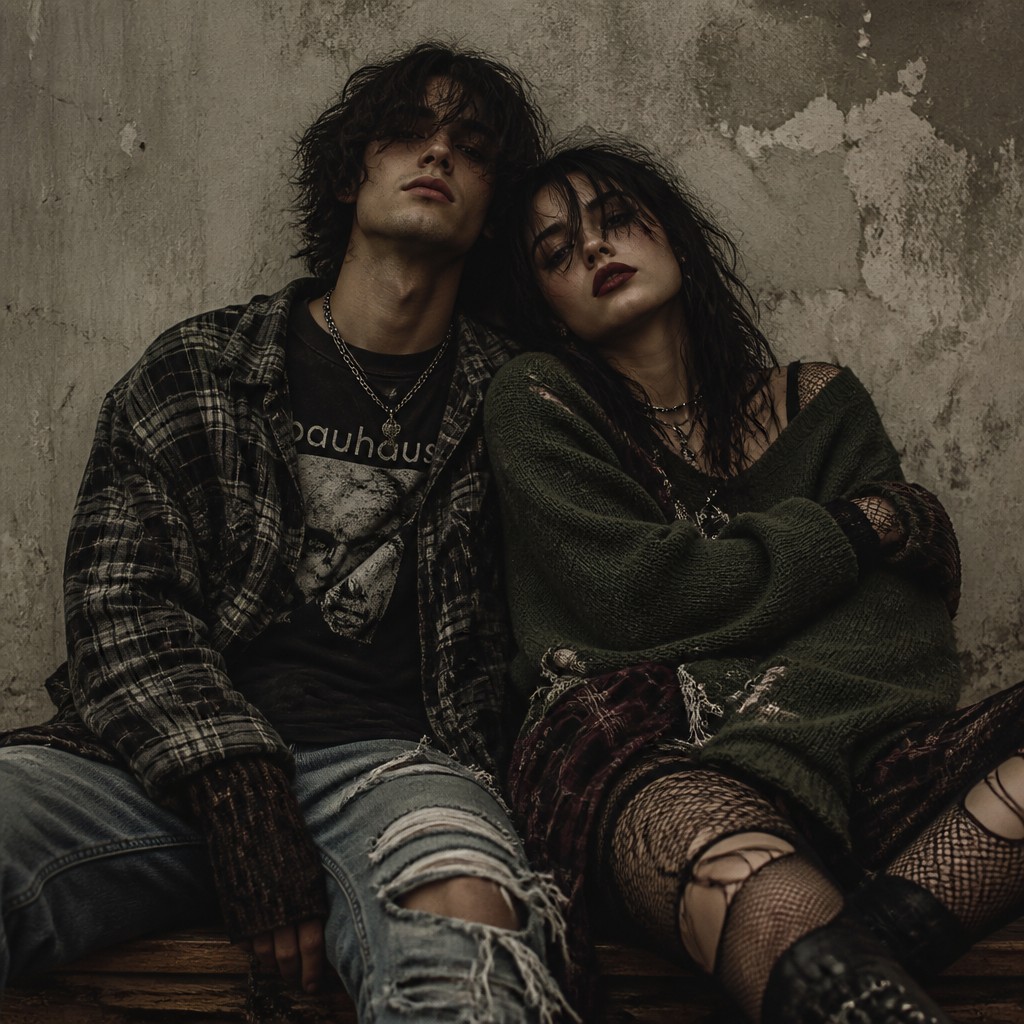
Try It On Your Photos
Upload any photo and convert it into Grunge Fashion Style — drag the sliders to compare before and after.
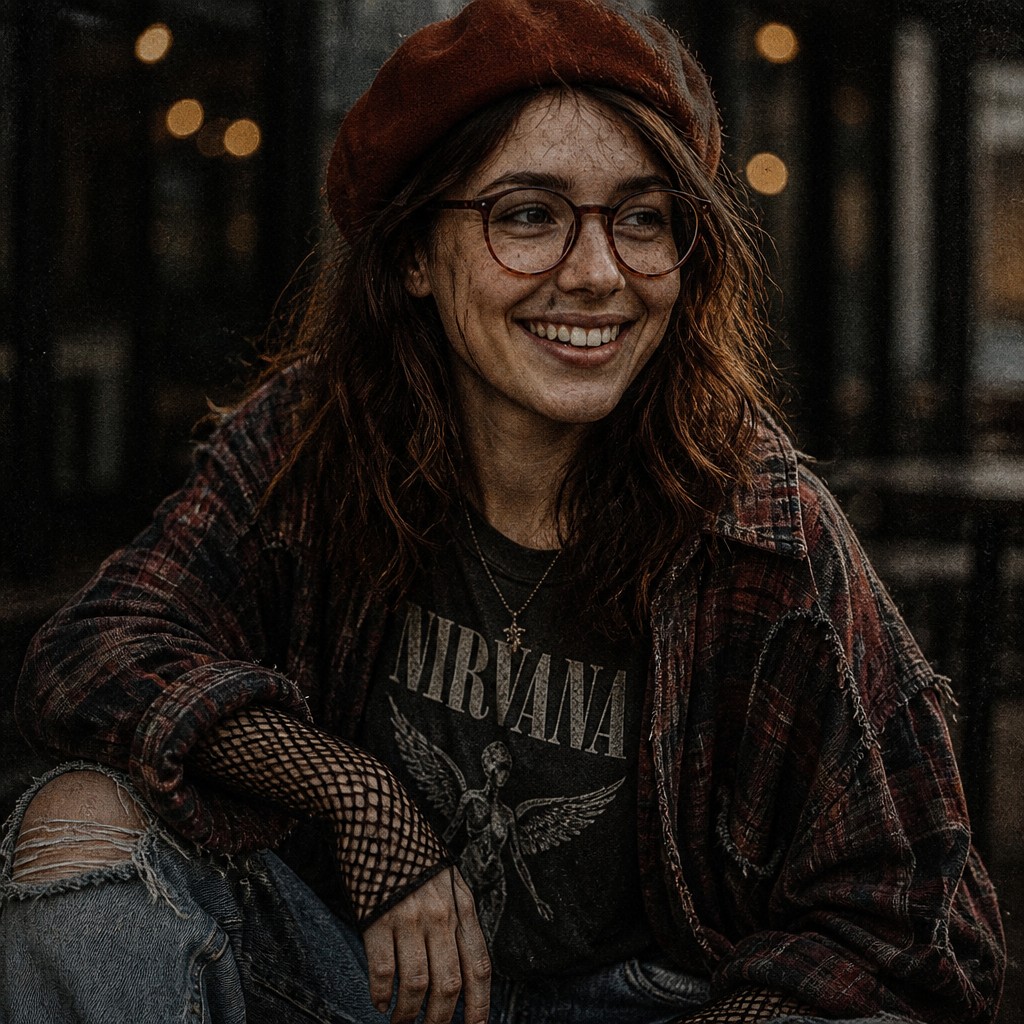

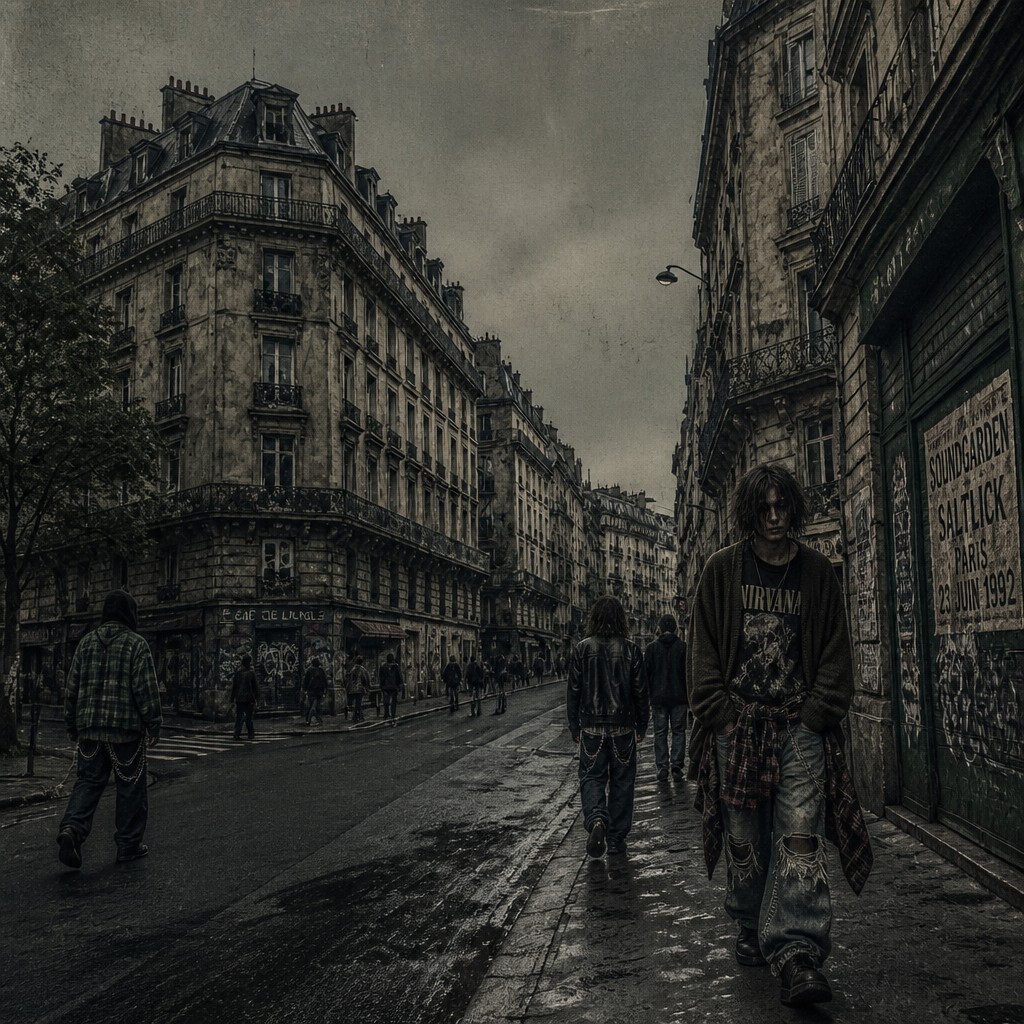

What Defines Grunge Fashion Style
The signature details, up close
Oversized layering
Grunge outfits are usually built from loose, slouchy layers rather than fitted separates. Flannel over tees, sweaters over dresses, and open shirts over tanks create an intentionally undone shape.
Distressed surfaces
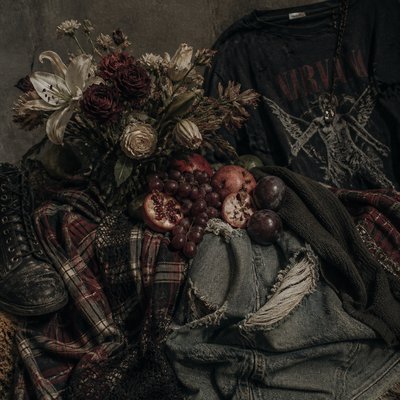
Rips, fraying, fading, pilling, and scuffed materials are central rather than accidental. The texture of wear signals authenticity and gives the style its rough-edged character.
Muted, dirty palette
The color range favors washed-out blacks, greys, brown greens, burgundies, and faded denim blues. Bright color is usually limited or dulled, making the palette feel weathered and subterranean.
Thrifted and utilitarian pieces
Workwear, army surplus, secondhand jackets, combat boots, and simple knitwear are common foundations. The style often looks assembled from found objects rather than bought as a complete outfit.
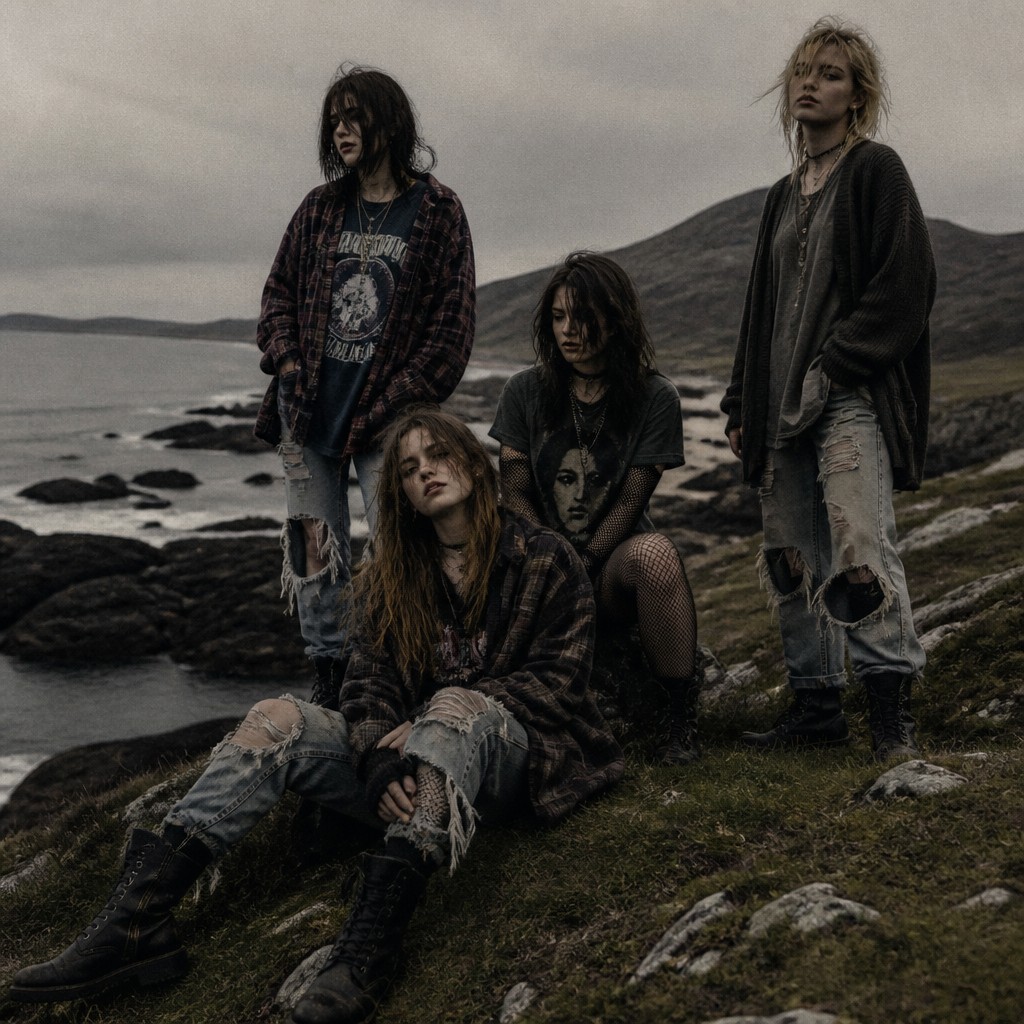
Music-scene symbolism
Band tees, reference graphics, and subcultural styling cues connect the look to alternative rock culture. Clothing communicates taste and allegiance without becoming overly coordinated.
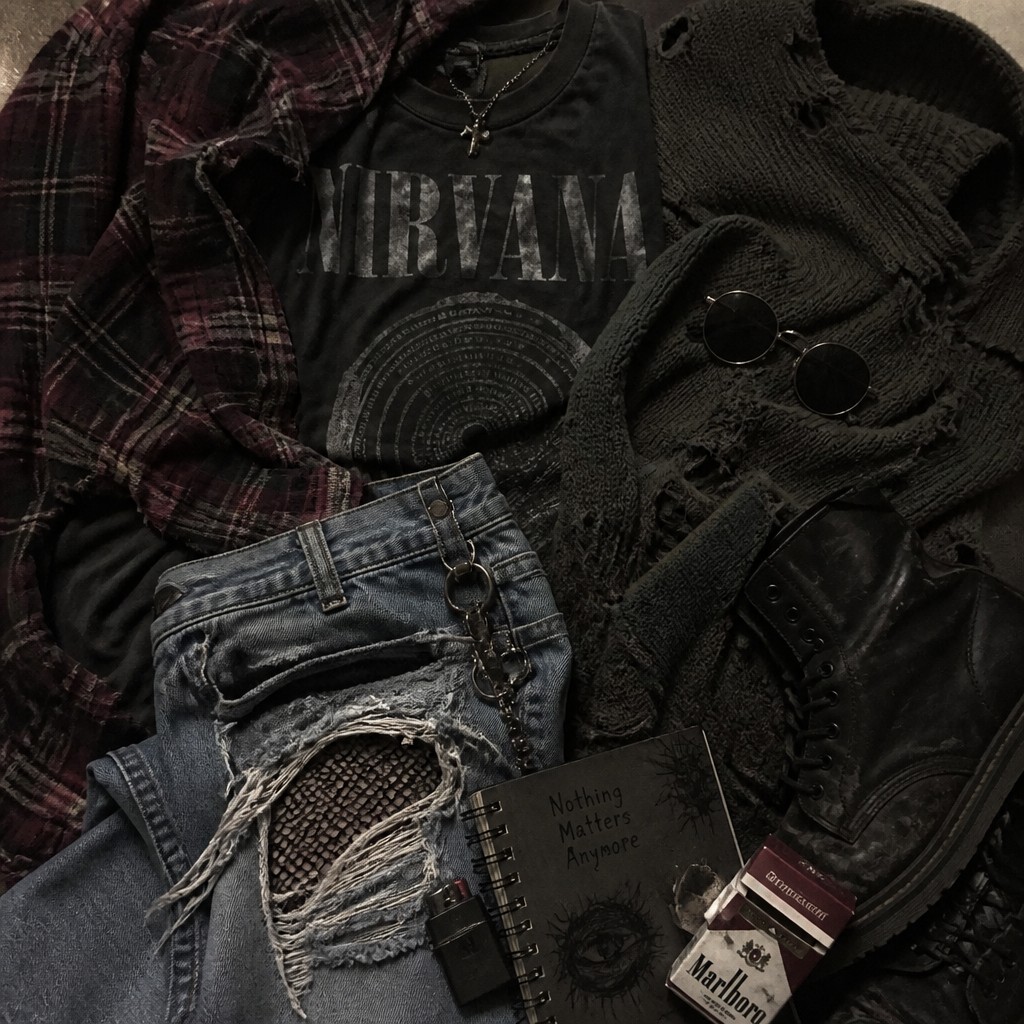
Unstyled grooming
Hair tends to be loose, messy, or face-covering, and makeup is minimal or smudged. The grooming reinforces a sense of indifference to conventional beauty rules.
Try It
Create Videos in Grunge Fashion Style
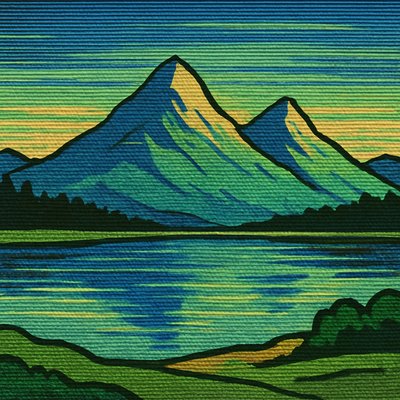
Styles aren't just for stills — describe a scene or animate an image and get a short video rendered in Grunge Fashion. Press play to see this pond come to life.
Make a VideoGrunge Fashion Prompt Ideas
Start from an idea — each one opens the generator with the style ready to go. See all 40 Grunge Fashion prompts →
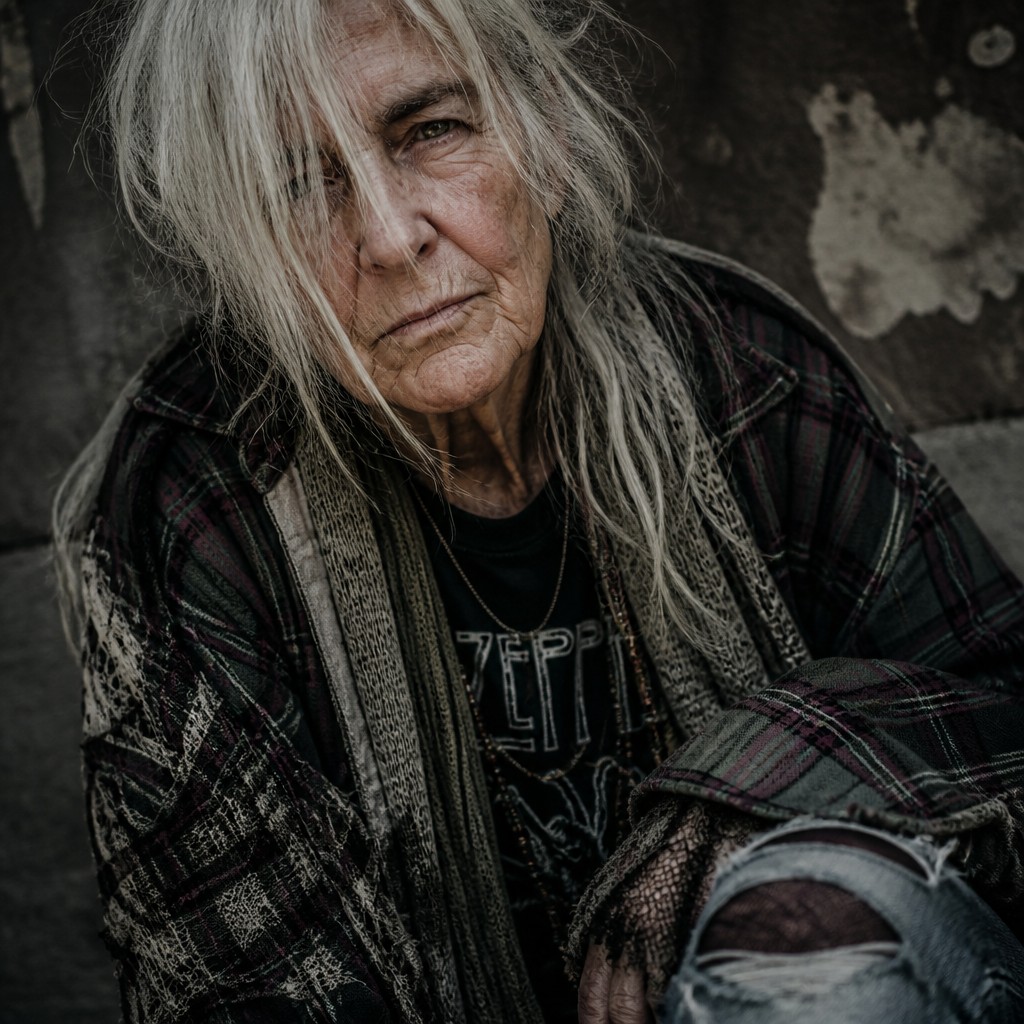
“close-up portrait of an elderly person with expressive weathered features”
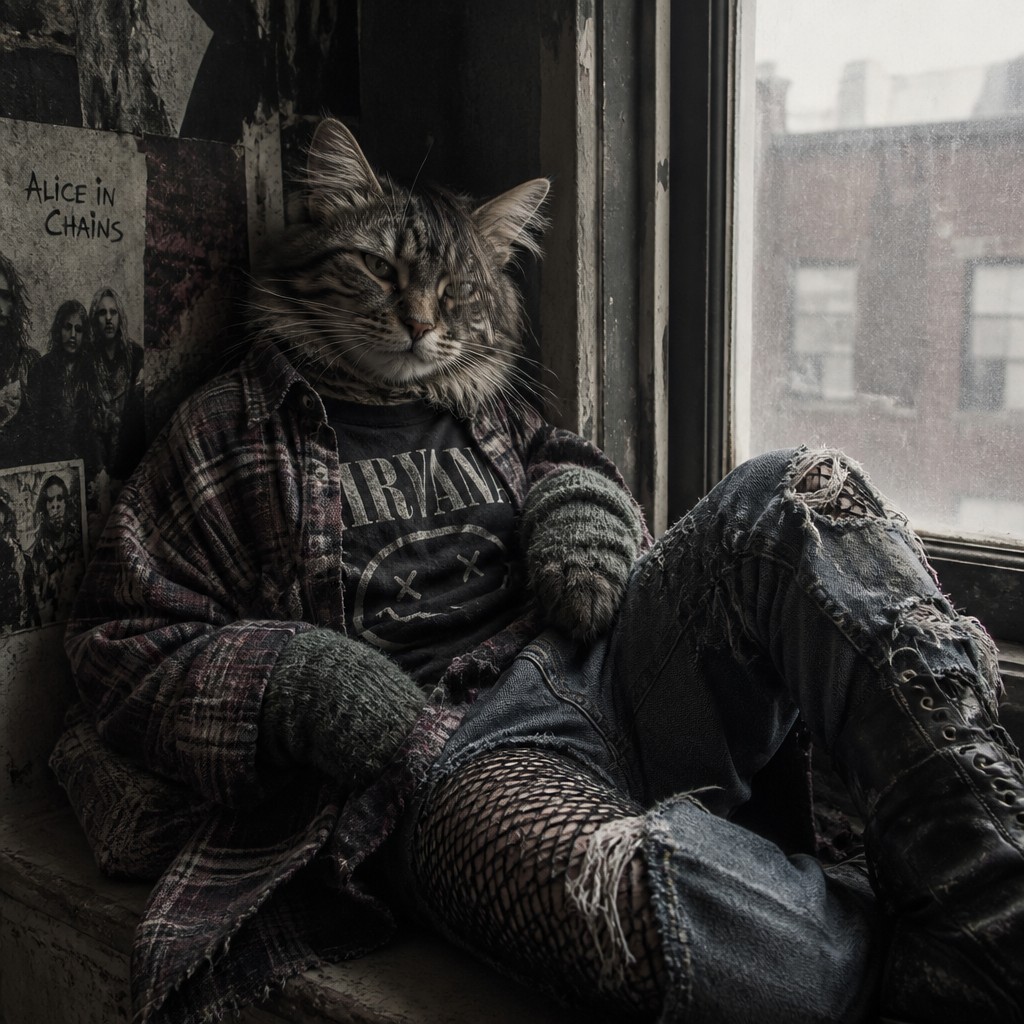
“a cat lounging in a sunlit window”
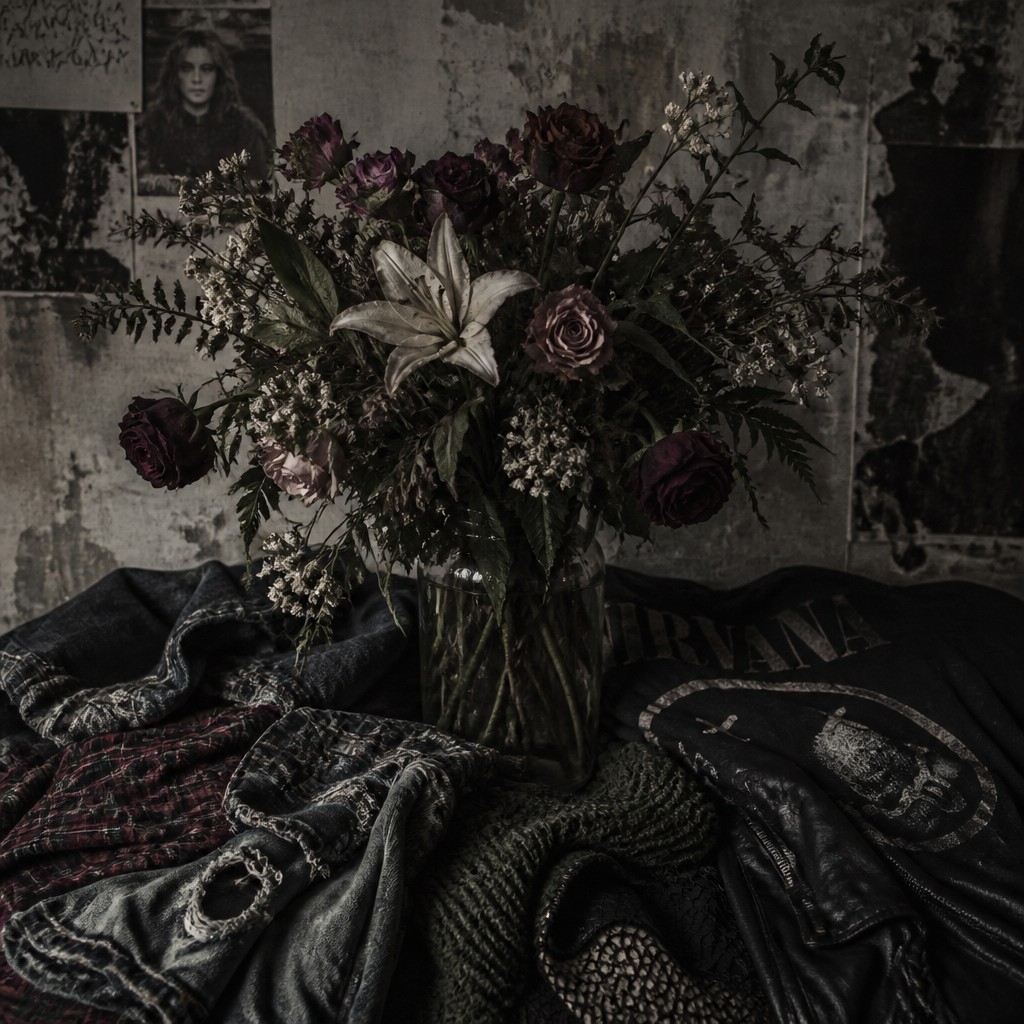
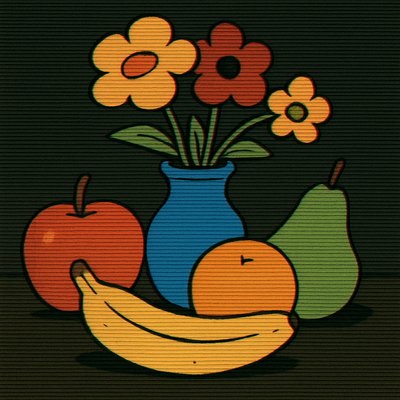
“bouquet of flowers in a glass vase”
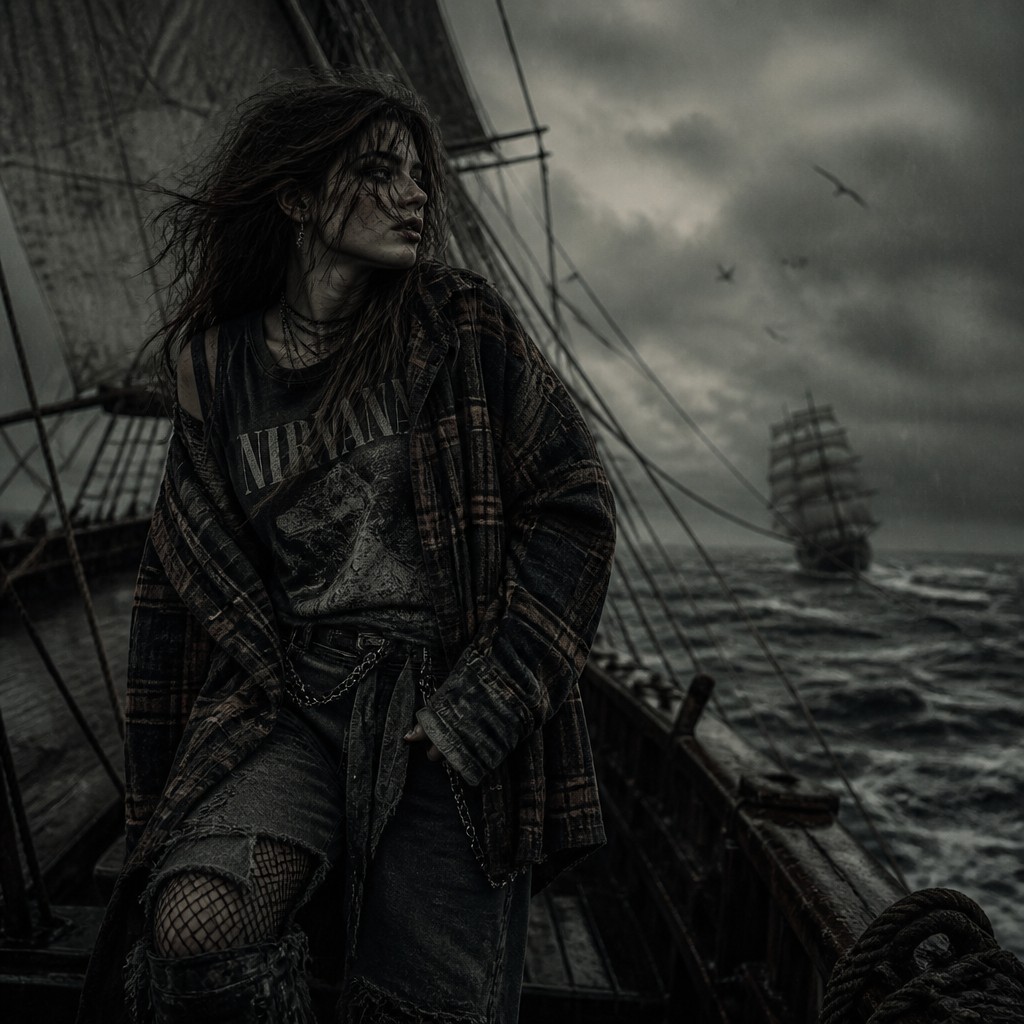
“sailing ship on a stormy sea”
How to Create Grunge Fashion Art
Master the craft step by step — or skip straight to creating. Read the full guide →
- 1
Start with a layered silhouette
Build the outfit from loose basics: a band tee, an open flannel, a faded hoodie, or a chunky knit. Keep proportions relaxed and slightly mismatched so the look feels accidental rather than tailored.
- 2
Use damage and wear as design elements
In traditional work, indicate frayed hems, broken-in denim, pilling, and worn seams with careful texture handling. In digital or AI prompts, explicitly request distressed fabrics, faded cotton, scuffed leather, and visible signs of age.
- 3
Restrict the palette
Limit the color range to muted neutrals and deep, desaturated accents. Subtle shifts in charcoal, olive, rust, and washed denim blue will do more for the style than strong contrast or bright saturation.
- 4
Emphasize attitude through pose and framing
Depict relaxed, slouched posture, downcast gaze, and loosely held gestures rather than posed elegance. In prompt-based generation, combine the clothing with language like 'nonchalant,' 'slouchy,' 'undone,' or 'rehearsal-room candid.'
- 5
Choose raw, low-gloss lighting
Use dim indoor light, grain, soft shadow, and a documentary feel to support the mood. Avoid beauty lighting, pristine studio surfaces, and overly glossy rendering unless you are intentionally creating a fashion-editorial contrast.
The Story
History & Origins of Grunge Fashion
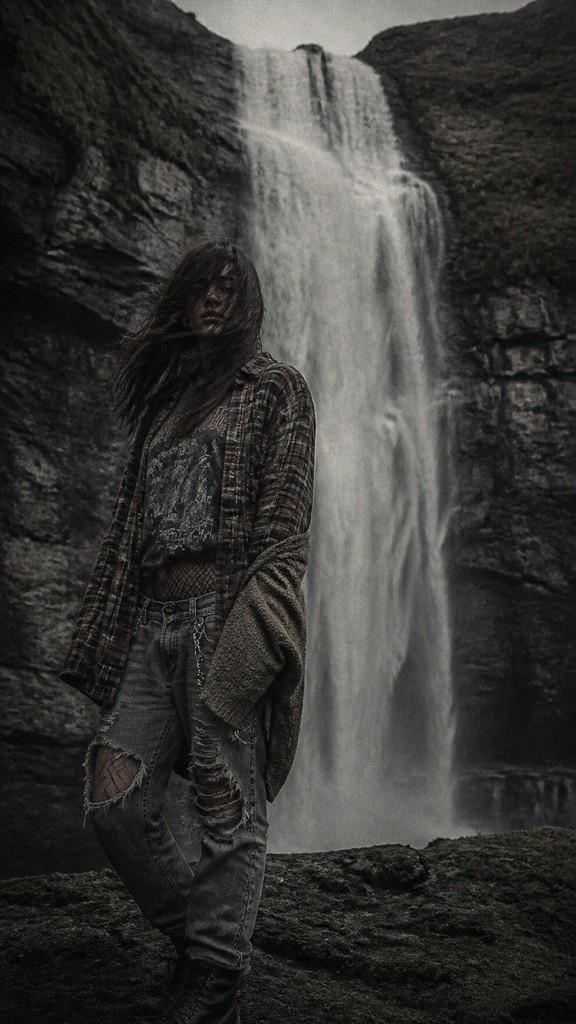
Grunge fashion grew from the late 1980s and early 1990s alternative rock scene, especially in the Pacific Northwest, where climate, thrift culture, and underground music all shaped everyday dress. The look became closely associated with grunge music and Seattle’s scene, then spread more widely through magazines, street style, and runway reinterpretations. It was not originally a formal fashion movement so much as a practical, low-cost way of dressing that later acquired stylistic coherence.
Its aesthetic lineage draws from punk’s anti-establishment clothing, secondhand and thrift-store dressing, workwear, heavy-metal casualness, and the broader 1990s rejection of glossy 1980s fashion. In later decades, designers and stylists repeatedly revived the look, often softening or refining it, but the core identity remains tied to wear, layering, and anti-pretty nonchalance rather than polished trend dressing.
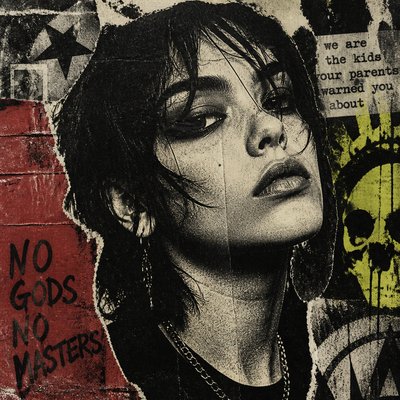
Influences: Grunge fashion draws most directly from punk’s anti-fashion ethos, thrift-store pragmatism, and the 1990s alternative-rock scene; it also overlaps with workwear and utilitarian street dress. Its visual language can be traced to the broader logic of anti-glamour rather than to one canonical art movement, though its images often borrow the candidness of documentary photography and the rough texture associated with low-fi subcultural print culture. In fashion history, it is most closely linked with the Seattle scene and with designers who later translated that looseness into runway form, while retaining the original emphasis on wear, layering, and anti-polish attitude.
Frequently Asked Questions
What defines grunge fashion?
Grunge fashion is defined by layered, oversized clothing, distressed fabrics, and a deliberately unpolished look. Flannel shirts, ripped denim, band tees, and worn boots are among its most recognizable elements. The style is as much about attitude and silhouette as it is about specific garments.
Is grunge the same as punk?
No, although they are related. Punk is usually more aggressive, graphic, and intentionally confrontational, while grunge is looser, more muted, and more rooted in everyday thrift and comfort. Grunge inherits punk’s anti-fashion spirit but expresses it in a more slouchy, worn, and understated way.
What colors are most associated with grunge?
The most common colors are black, charcoal, grey, olive, brown, burgundy, and faded denim blue. These tones are usually muted or washed out rather than saturated. The overall effect is weathered and subdued.
How do I make a grunge outfit look authentic?
Focus on layers, thrifted pieces, and signs of wear rather than buying matching items. A good grunge outfit often mixes textures—flannel, denim, knitwear, leather, and mesh—and avoids anything too pristine or tailored. Styling should look effortless, even if it is carefully arranged.
How is grunge fashion used in photography or illustration?
It is often used for portraits, editorial looks, band-inspired imagery, and character design that needs a raw, rebellious mood. Grainy light, candid posing, and rough textures help communicate the style quickly. In illustration, visible fabric wear and relaxed proportions are especially important.
Can grunge fashion be made modern?
Yes, but modern versions usually keep the core traits while cleaning up the silhouette or refining the materials. Contemporary grunge often appears in streetwear, high fashion, or nostalgic revival looks that reference the 1990s without copying it exactly. The key is preserving the lived-in, anti-polish character.

Create your first Grunge Fashion artwork
Describe anything — or upload a photo — and see it in Grunge Fashion Style in seconds.
Related Styles
Discover similar art styles