Techwear Fashion
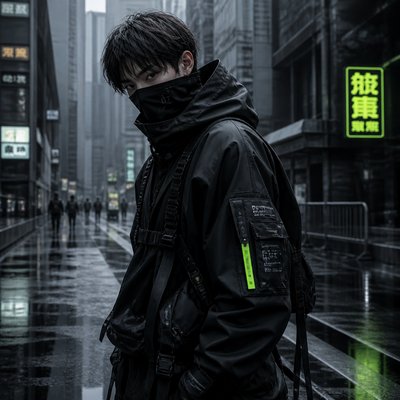
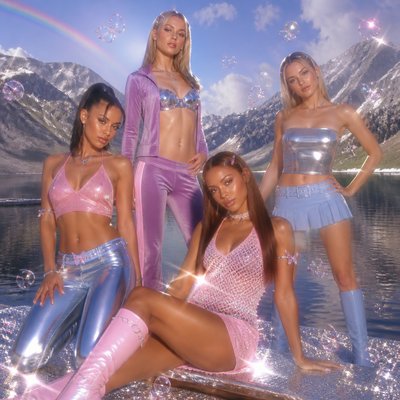
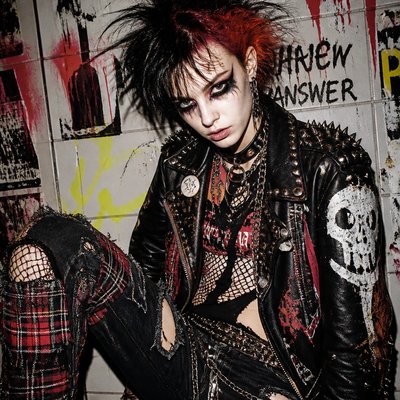
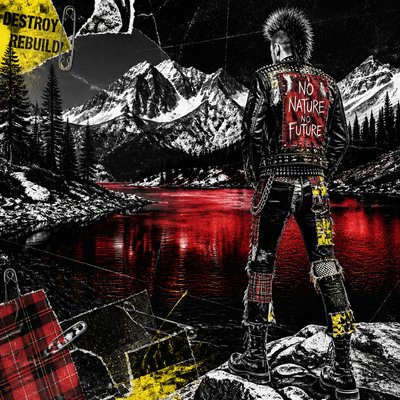
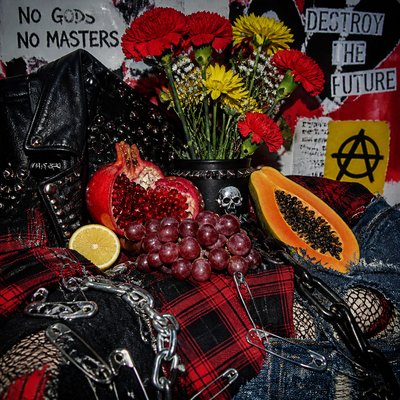
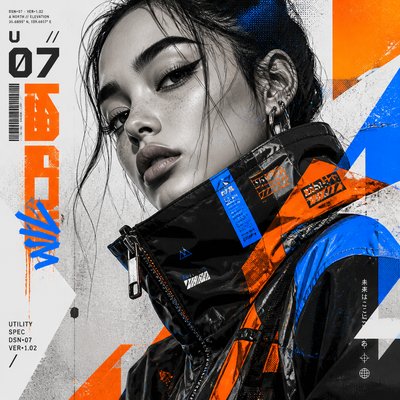
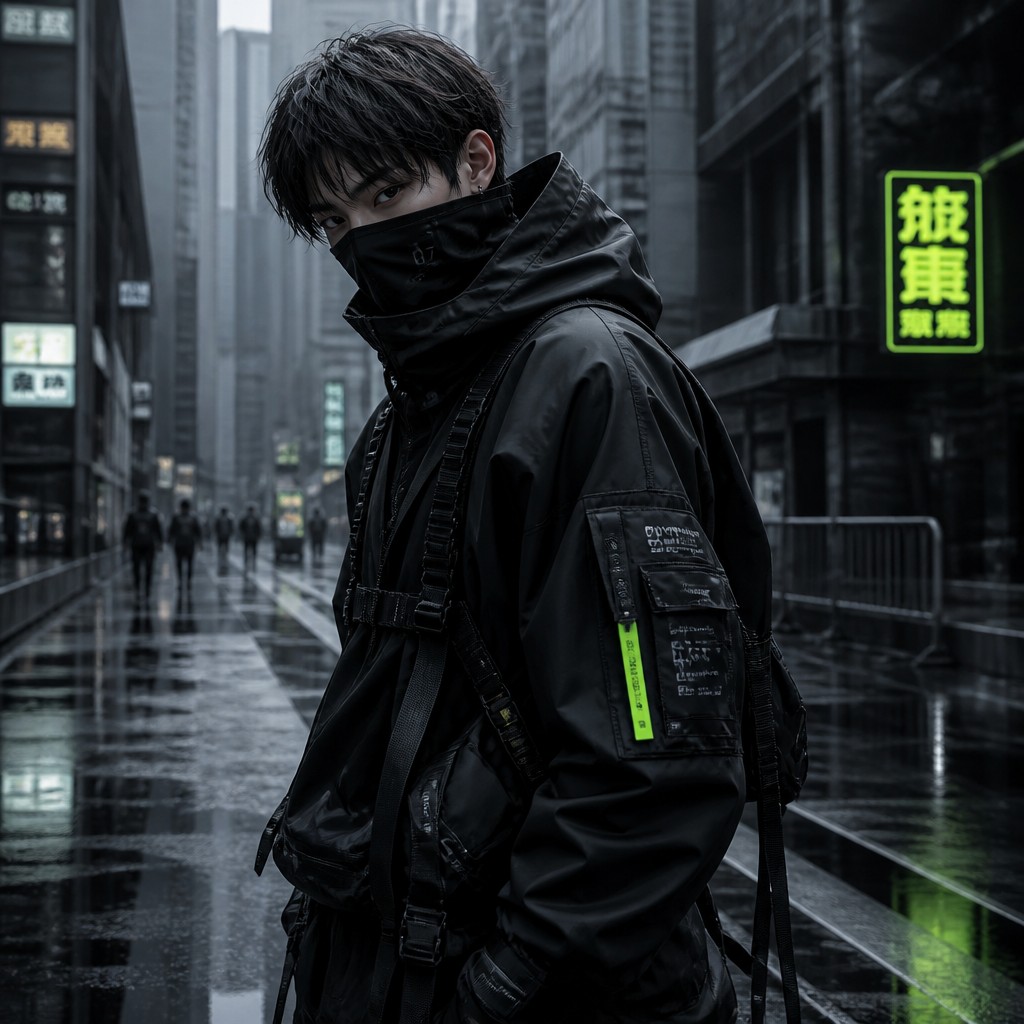
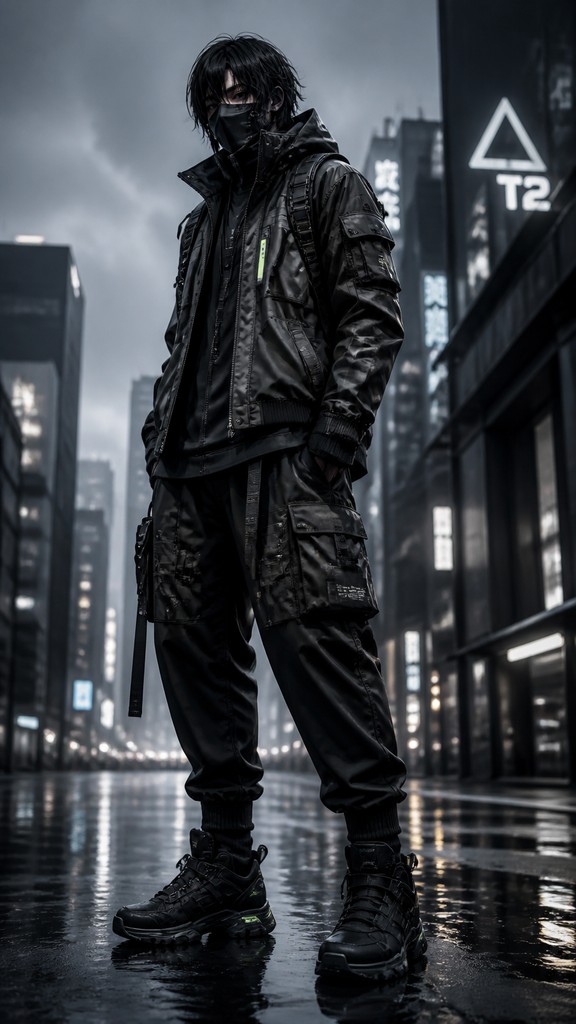
Matte black utility fashion with straps, shells, and neon accents—urban ninja styling built for rain, motion, and modern city life.
Instantly rendered in Techwear Fashion — or transform a photo
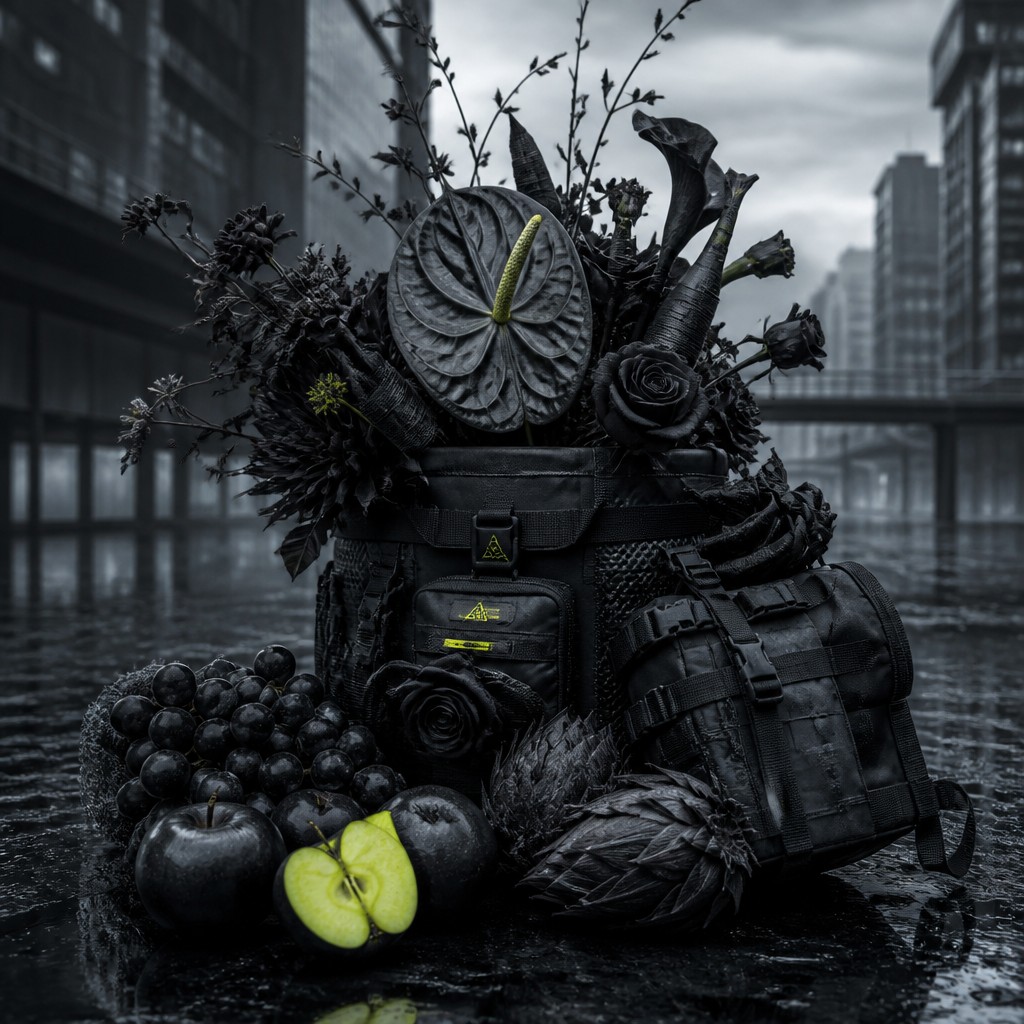
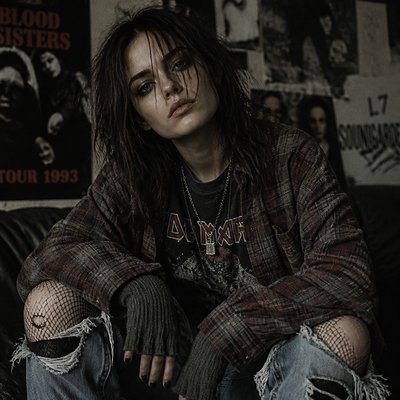
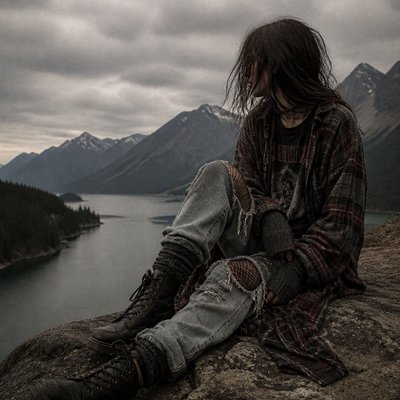
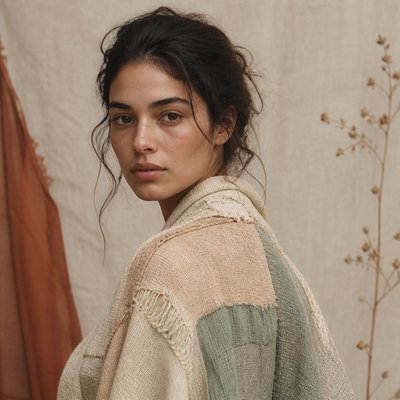
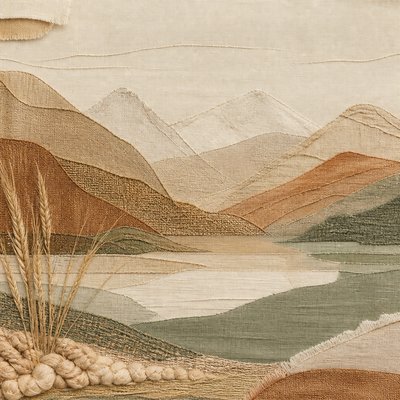
Techwear Fashion Gallery
Tap any artwork to explore it
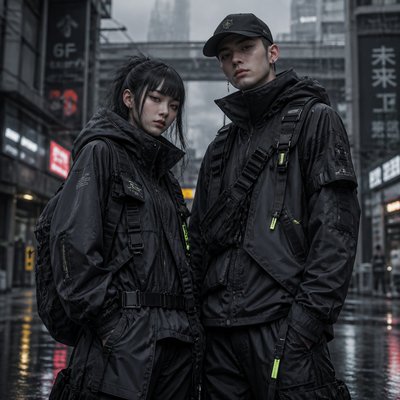
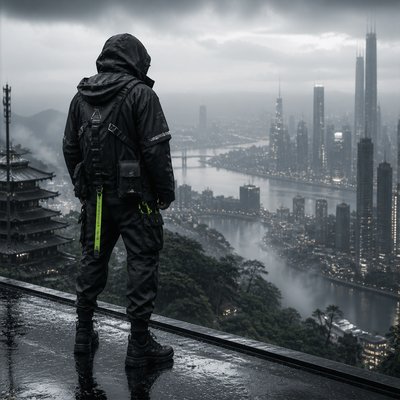
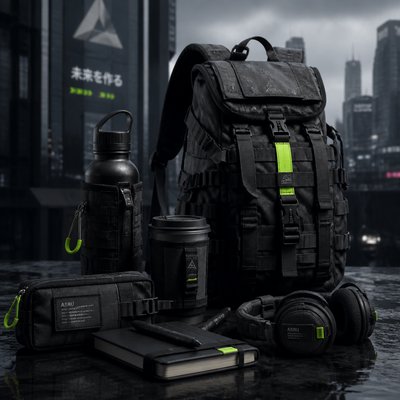
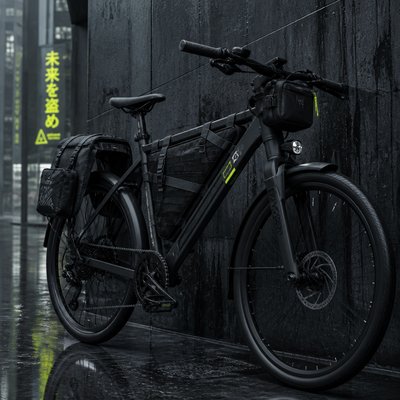
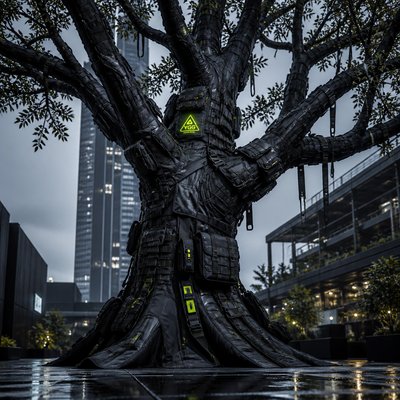
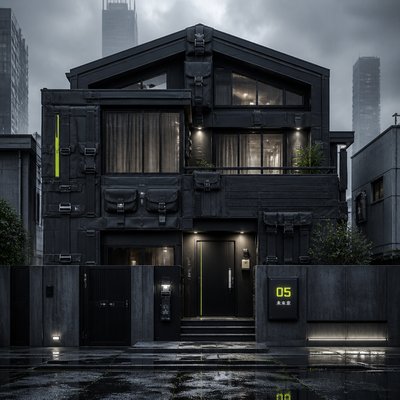
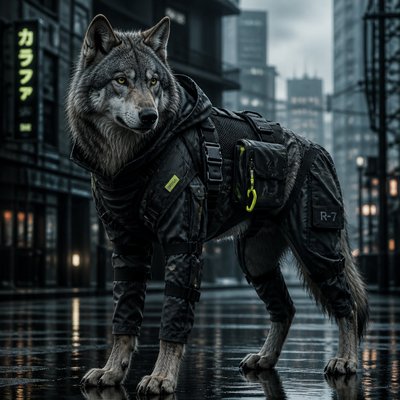
What is Techwear Fashion?
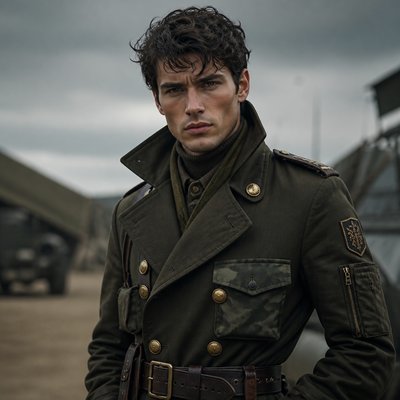
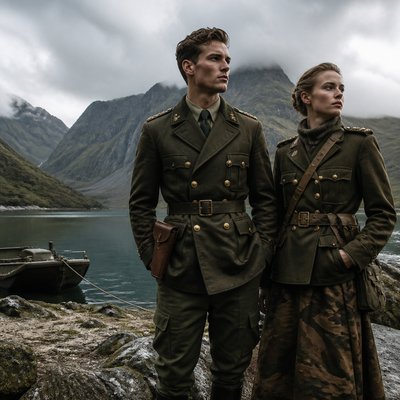
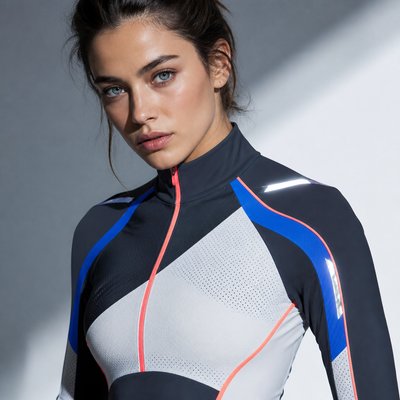
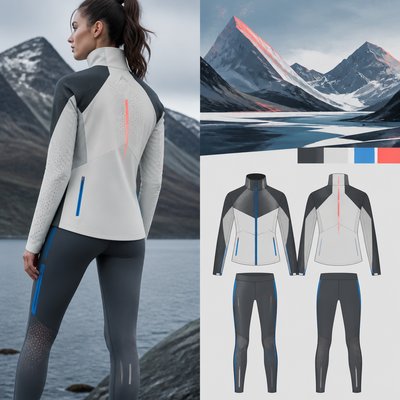
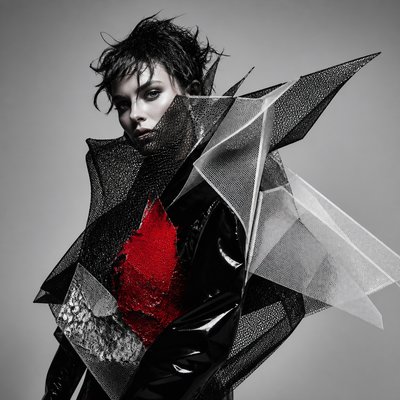
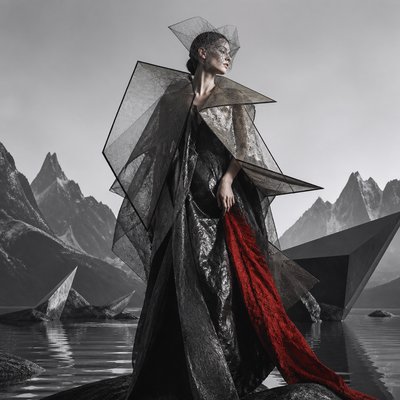
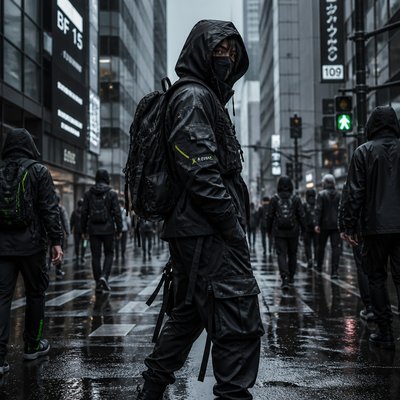
Techwear fashion is a contemporary utility-driven style built around performance materials, modular construction, and a restrained urban color palette. Its signature look combines matte black shells, articulated silhouettes, taped seams, cargo pockets, harness-like straps, and buckles, often finished with a single sharp accent of neon or reflective detail. The result is clothing that feels engineered rather than merely decorated.
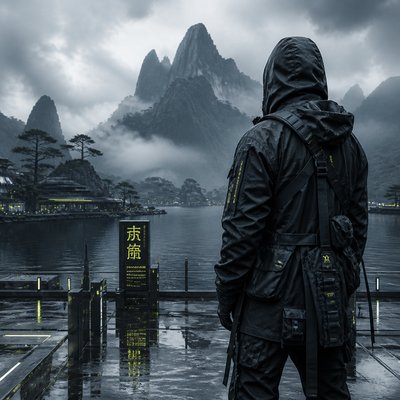
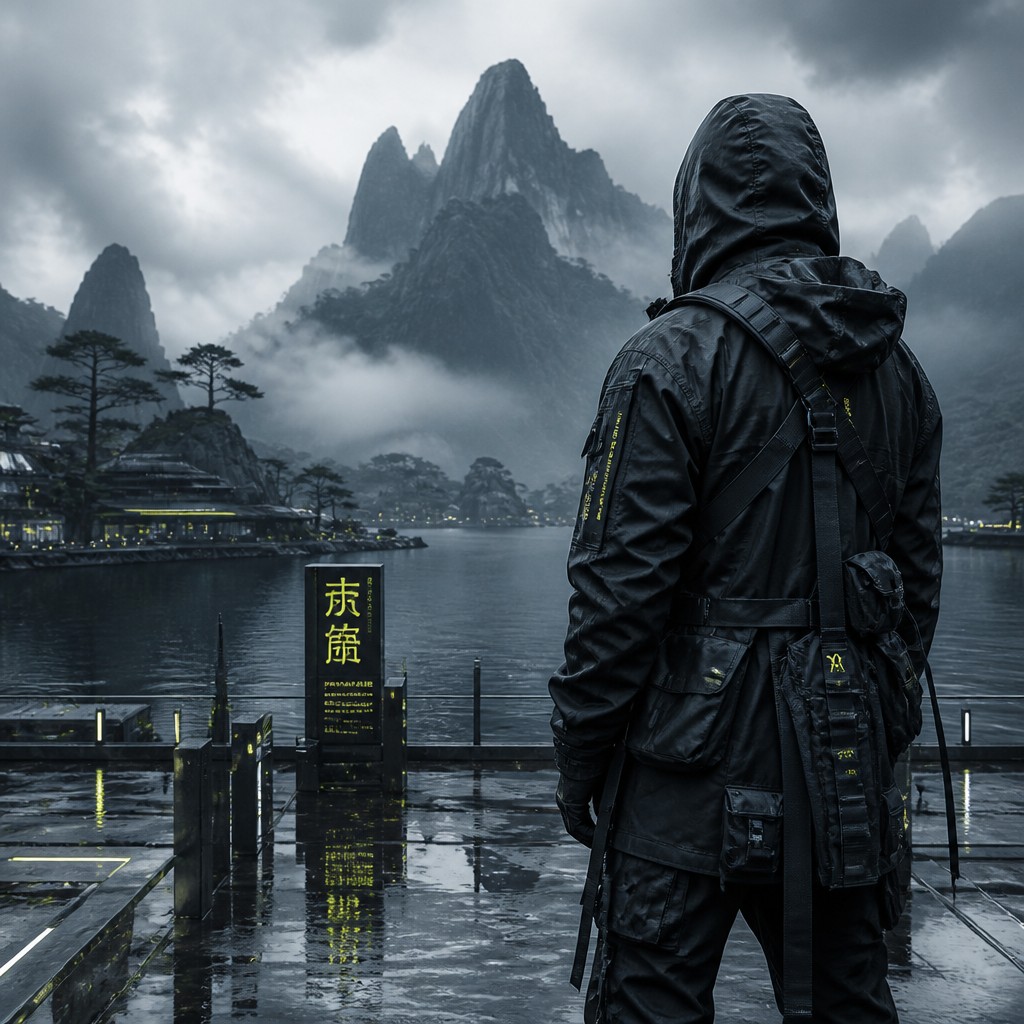
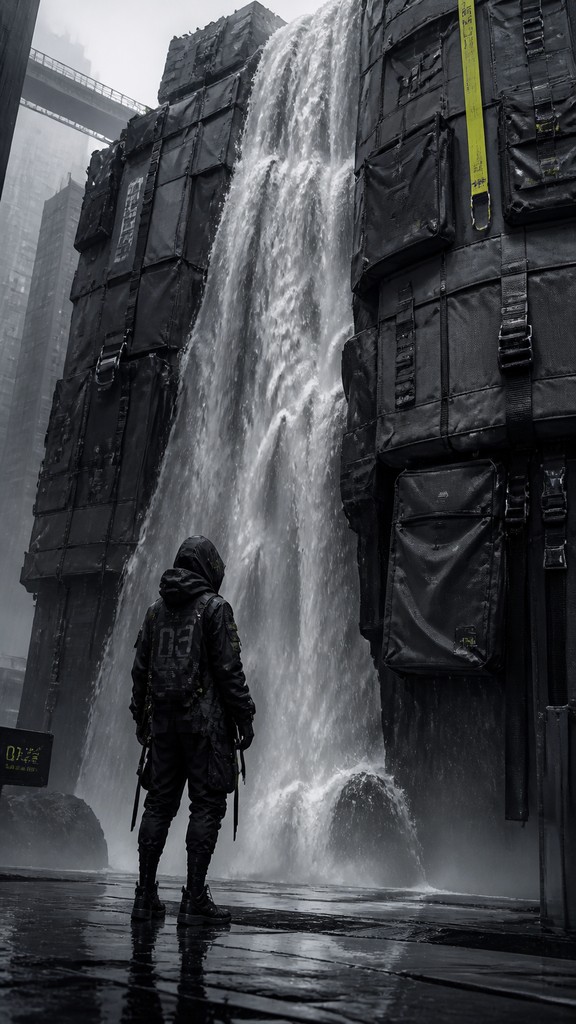
Visually, techwear draws its power from the tension between function and atmosphere. Garments are designed to suggest weather resistance, mobility, and concealment, while also evoking an urban-ninja or cyber-utility mood. In imagery, the style is frequently set in cool overcast light, on rain-slick streets, or against industrial architecture, where wet reflections, shadow, and layered textures emphasize its technical surfaces and streamlined severity.
Try It On Your Photos
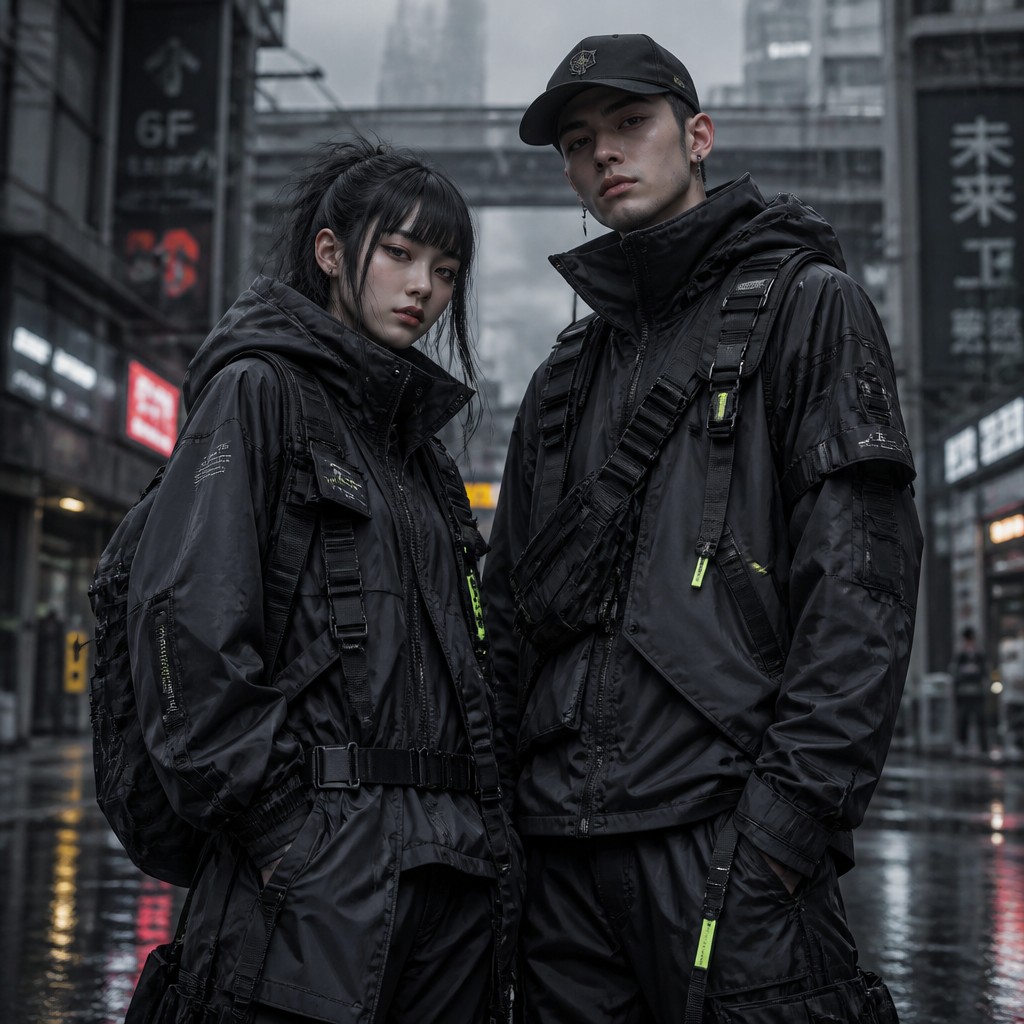
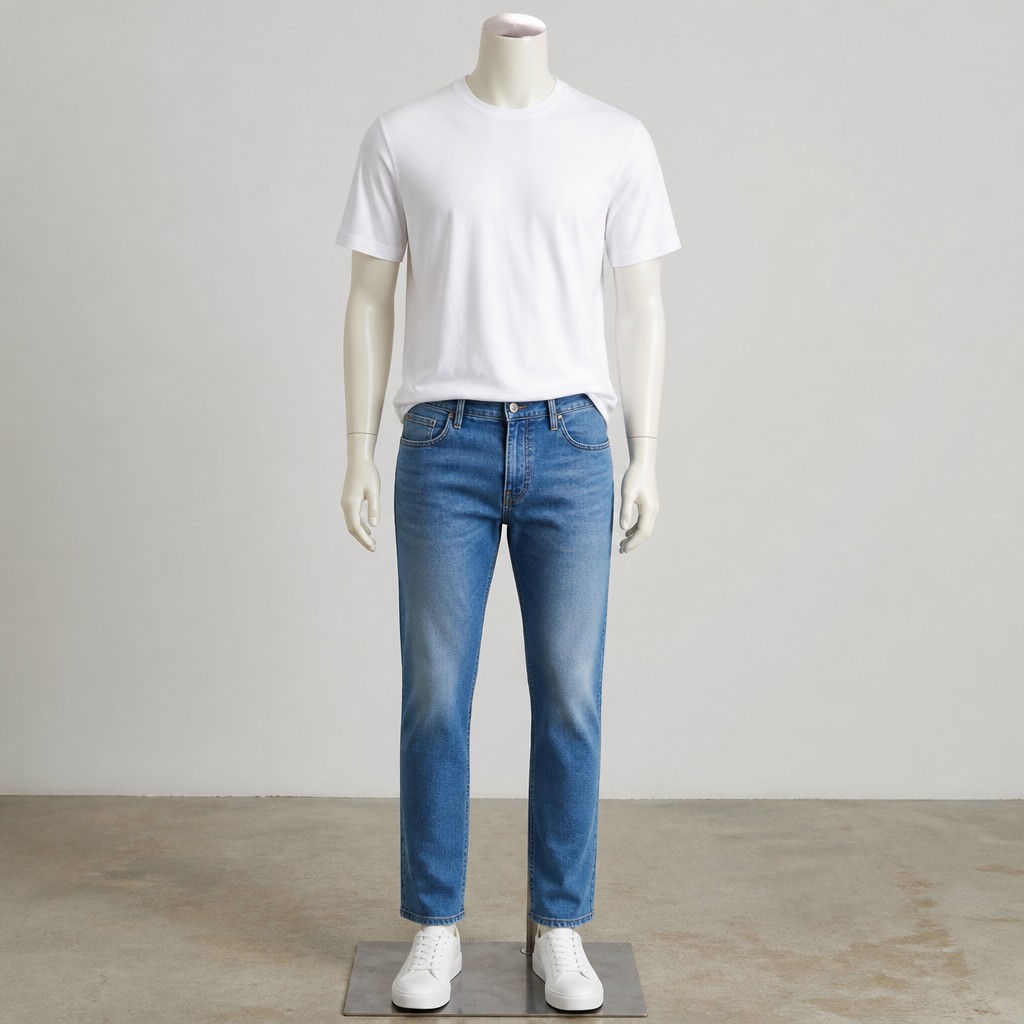
Upload any photo and convert it into Techwear Fashion — drag the sliders to compare before and after.
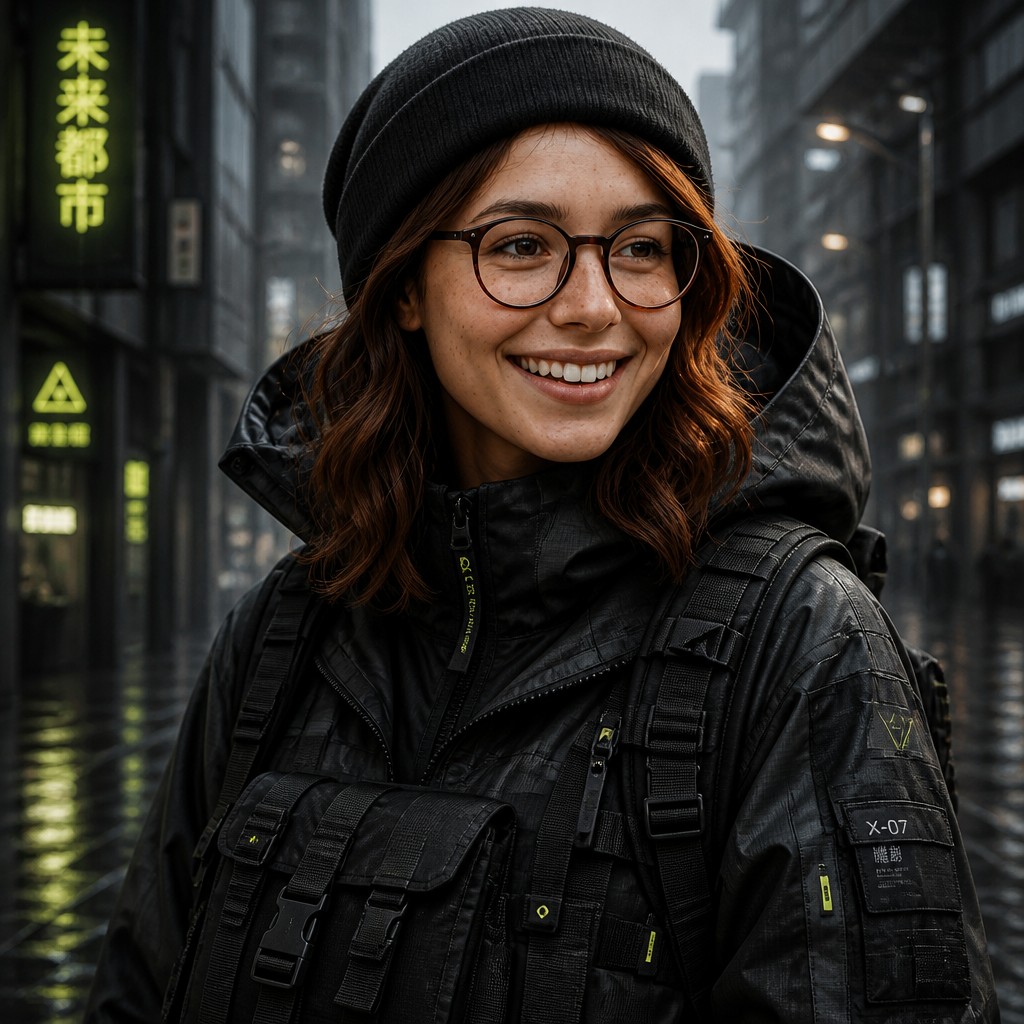

What Defines Techwear Fashion
The signature details, up close
Matte technical fabrics
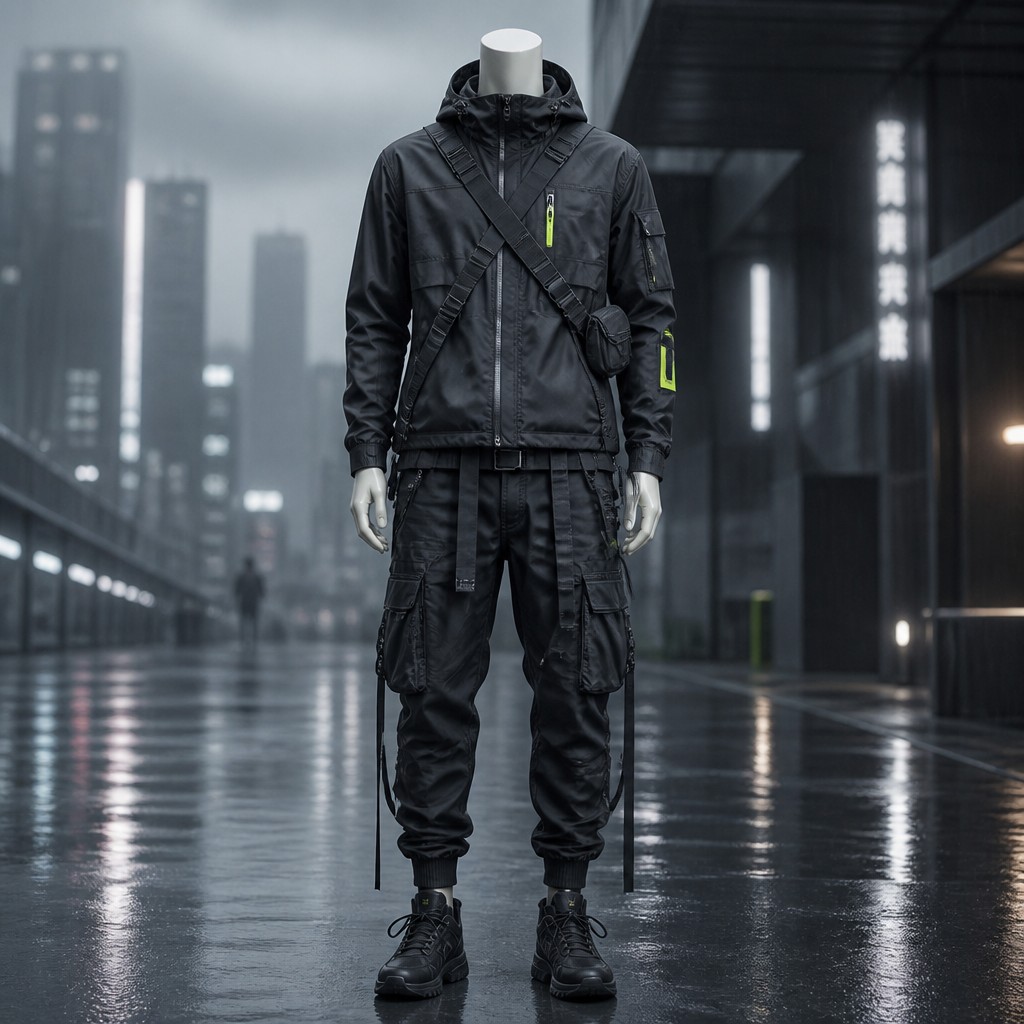
The style favors ripstop, nylon, shell cloth, and other performance textiles with low sheen and a dry, tactile surface. These materials help the clothing read as weatherproof and functional rather than glossy or luxurious.
Layered modular construction
Outfits often combine multiple panels, vests, hoods, inner layers, and asymmetrical wraps to create a complex silhouette. The layered structure suggests adaptability and equipment-like versatility.
Straps, buckles, and harness details
Visible webbing, clip hardware, cinching systems, and attachment points are core visual markers. They reinforce the impression that the clothing is designed to secure, adjust, and carry gear.
Cargo storage and utility pockets
Large pockets, compartments, flap closures, and concealed storage dominate the garment design. These details are both practical and symbolic, communicating readiness, movement, and self-sufficiency.
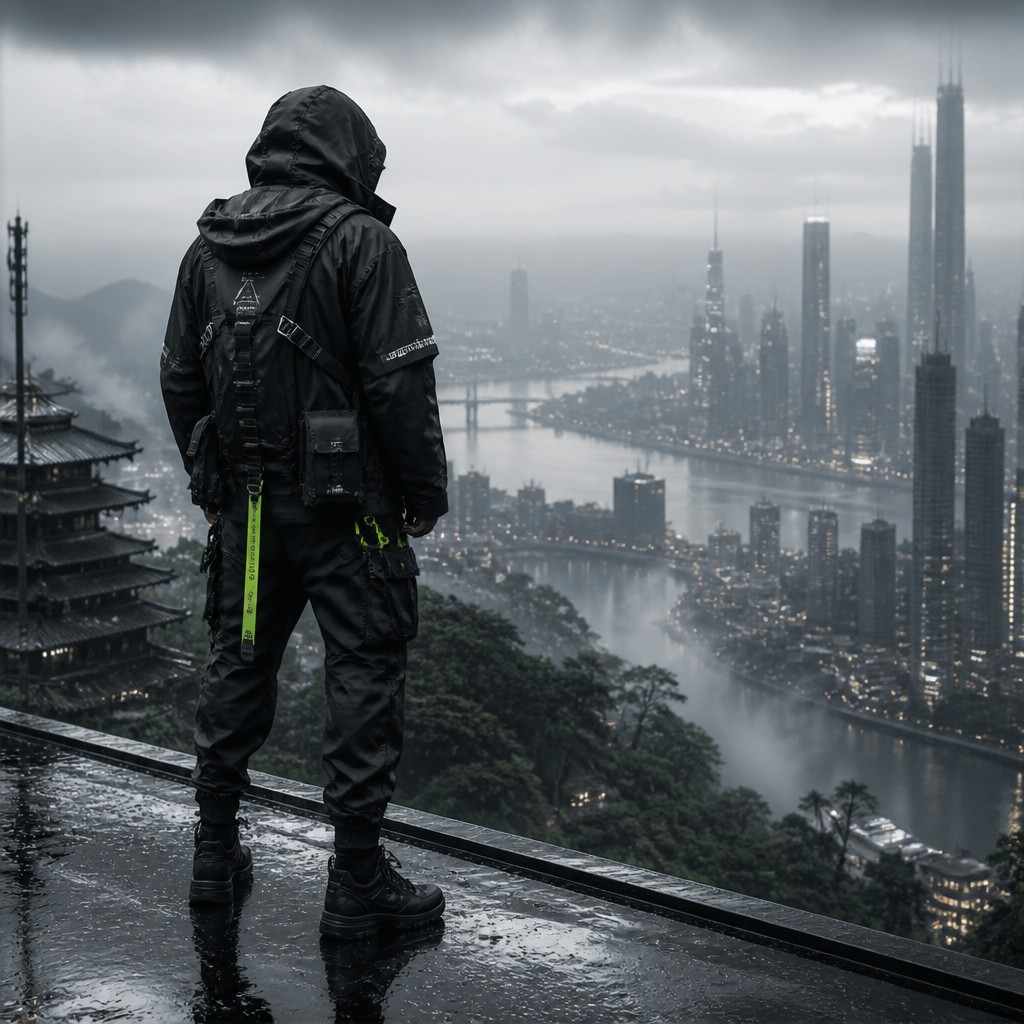
Near-monochrome palette
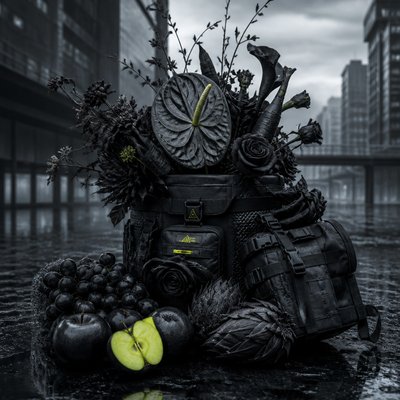
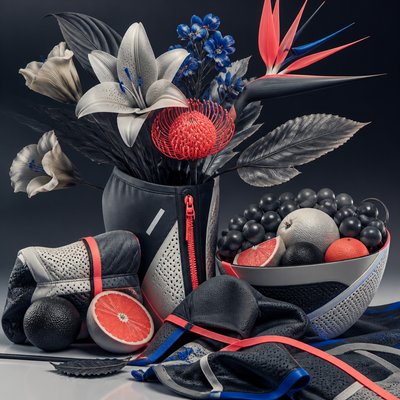
Black, graphite, charcoal, and asphalt grey are the dominant tones, with occasional white or muted metallic accents. A single neon or reflective highlight is often used to introduce contrast without breaking the austere palette.
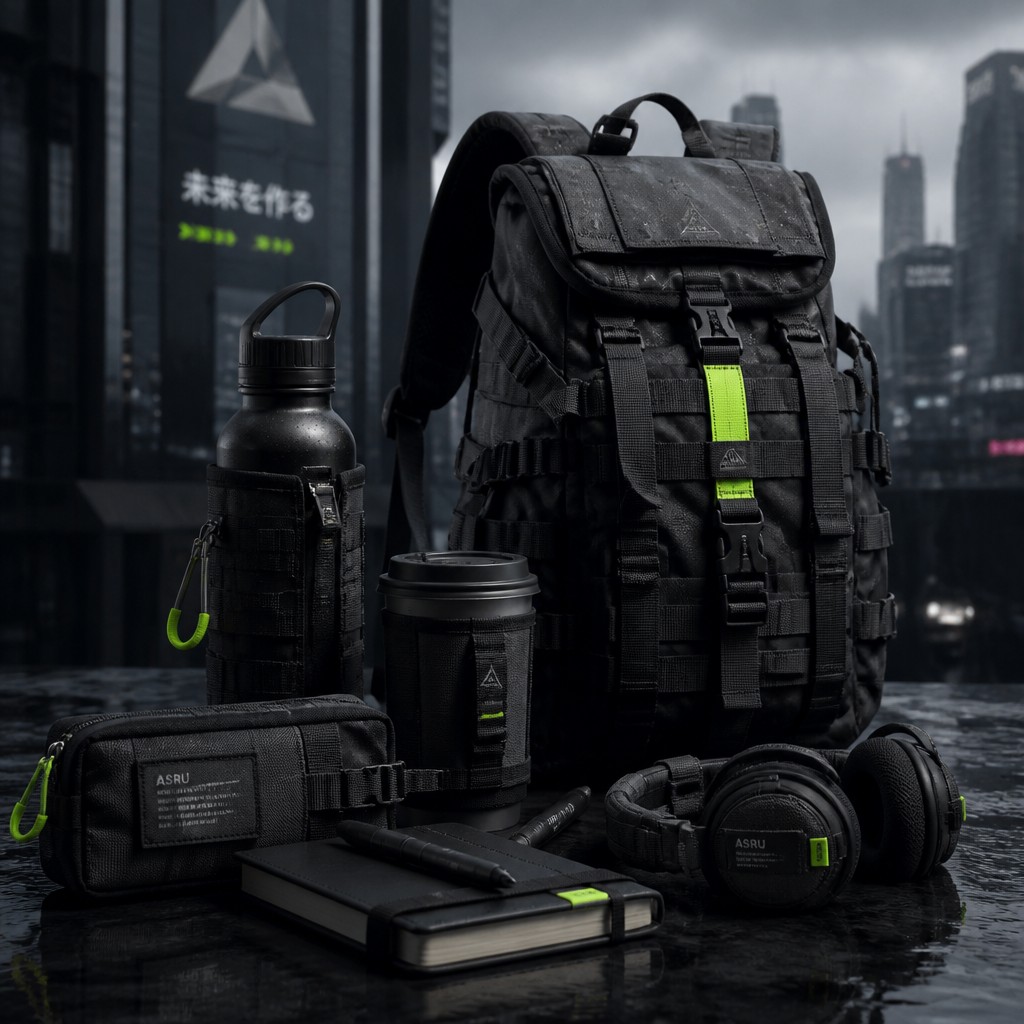
Urban-ninja silhouette
The overall shape tends to be slim, angular, and mobile, with an emphasis on concealment and agility. The look often borrows from stealth gear, martial imagery, and speculative city-dweller archetypes.
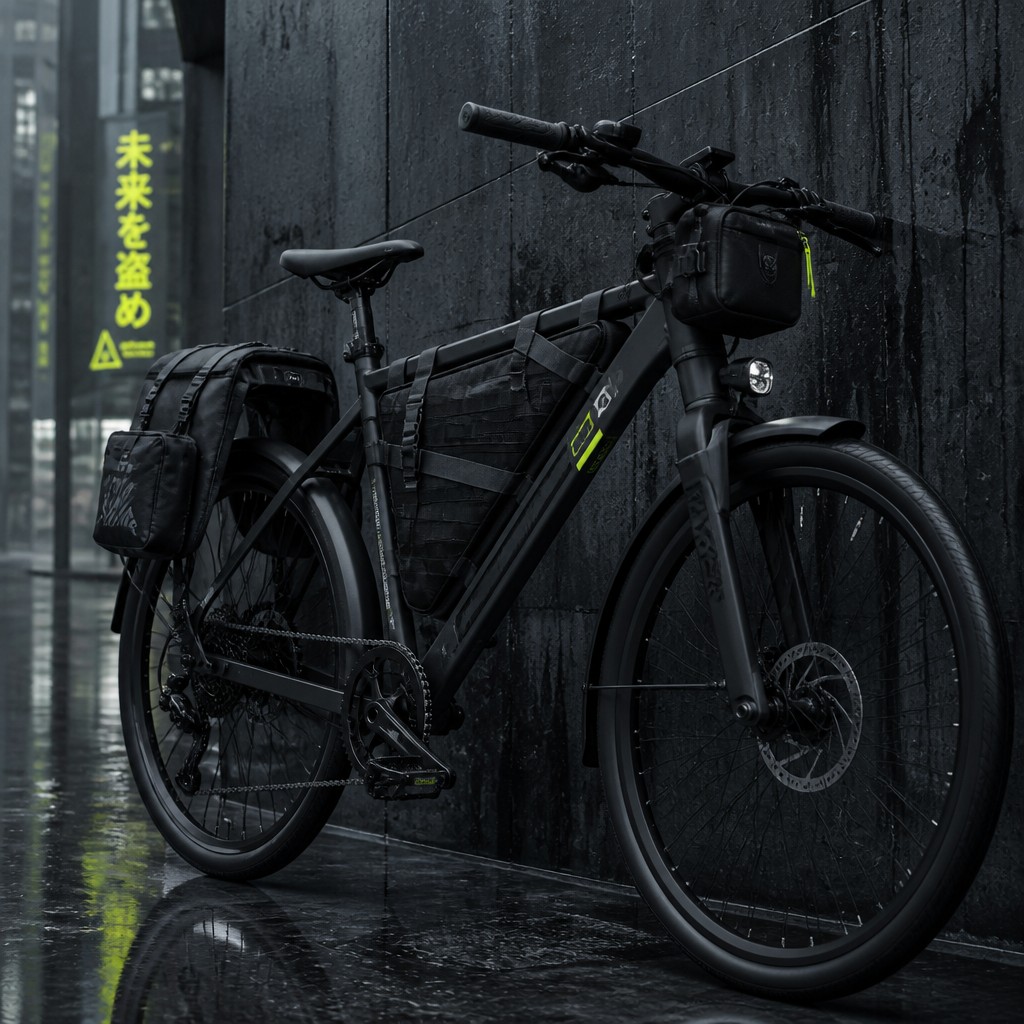
Rain-slick atmosphere
In illustrative and photographic treatments, wet pavement, reflected signage, mist, and low, cool lighting are common. These environmental cues enhance the material qualities of the clothing and strengthen the futuristic street mood.
Try It
Create Videos in Techwear Fashion
Styles aren't just for stills — describe a scene or animate an image and get a short video rendered in Techwear Fashion. Press play to see this pond come to life.
Make a VideoTechwear Fashion Prompt Ideas
Start from an idea — each one opens the generator with the style ready to go. See all 40 Techwear Fashion prompts →
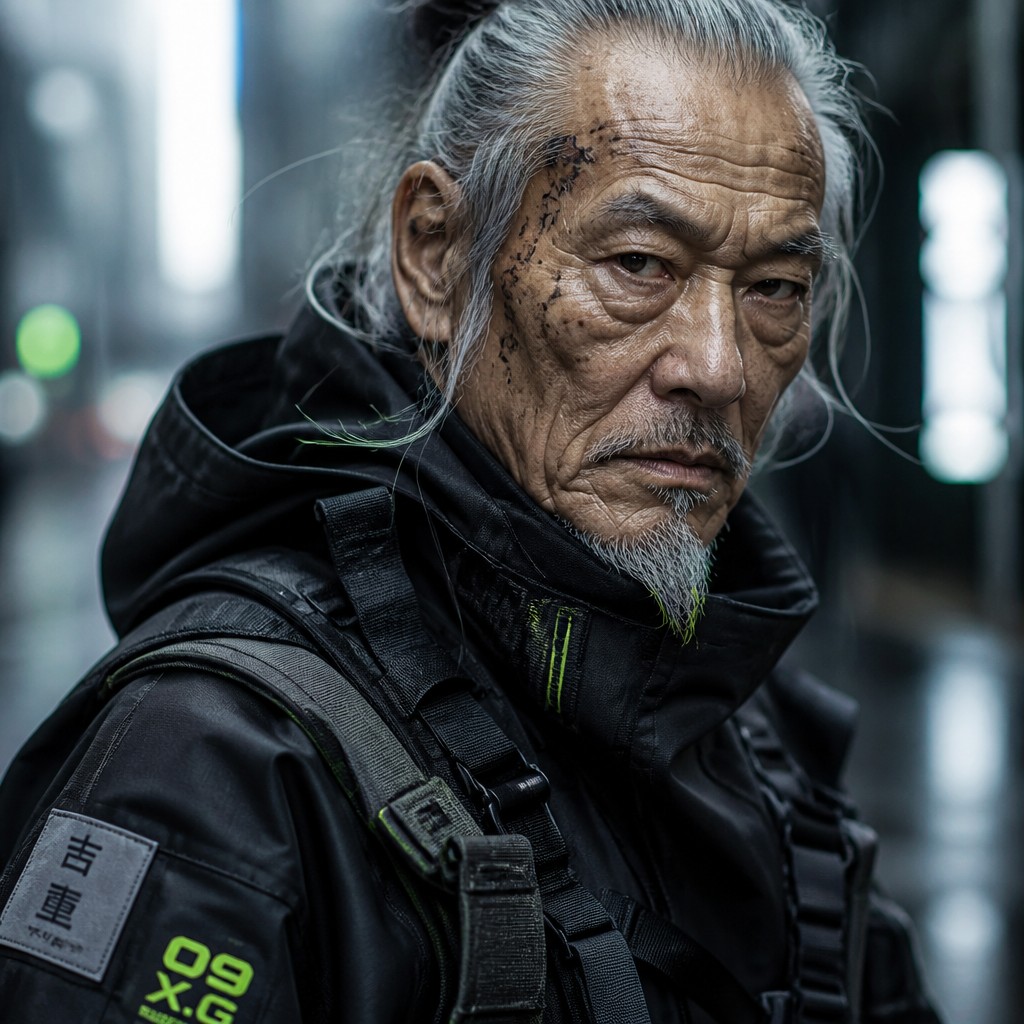
“close-up portrait of an elderly person with expressive weathered features”
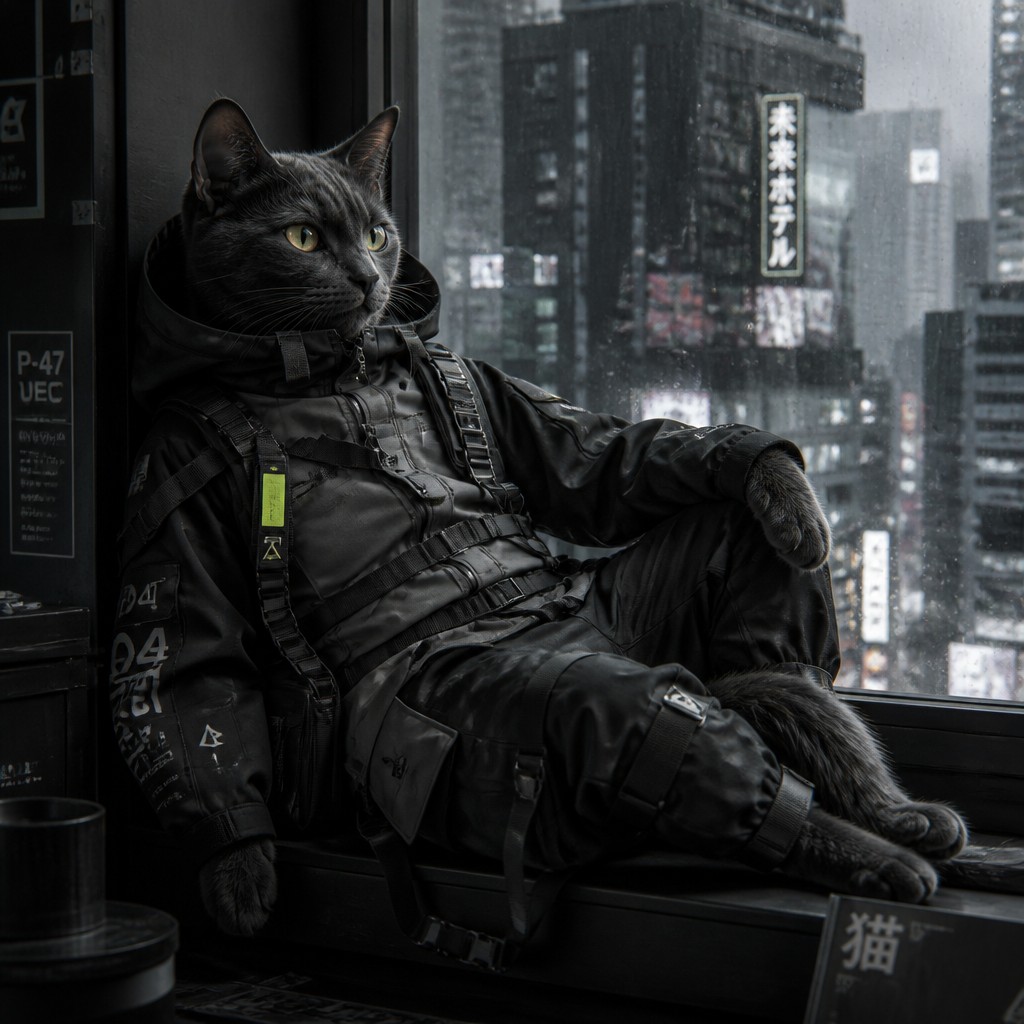
“a cat lounging in a sunlit window”
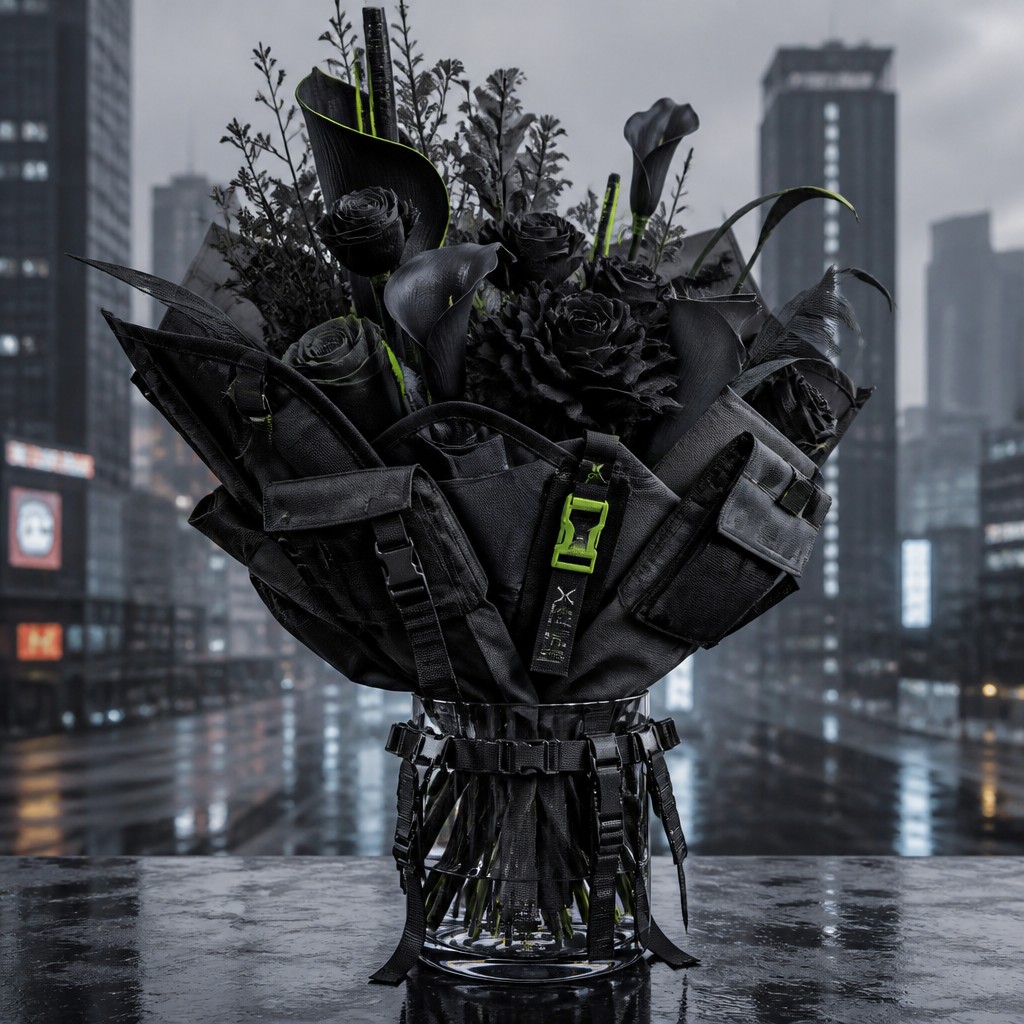
“bouquet of flowers in a glass vase”
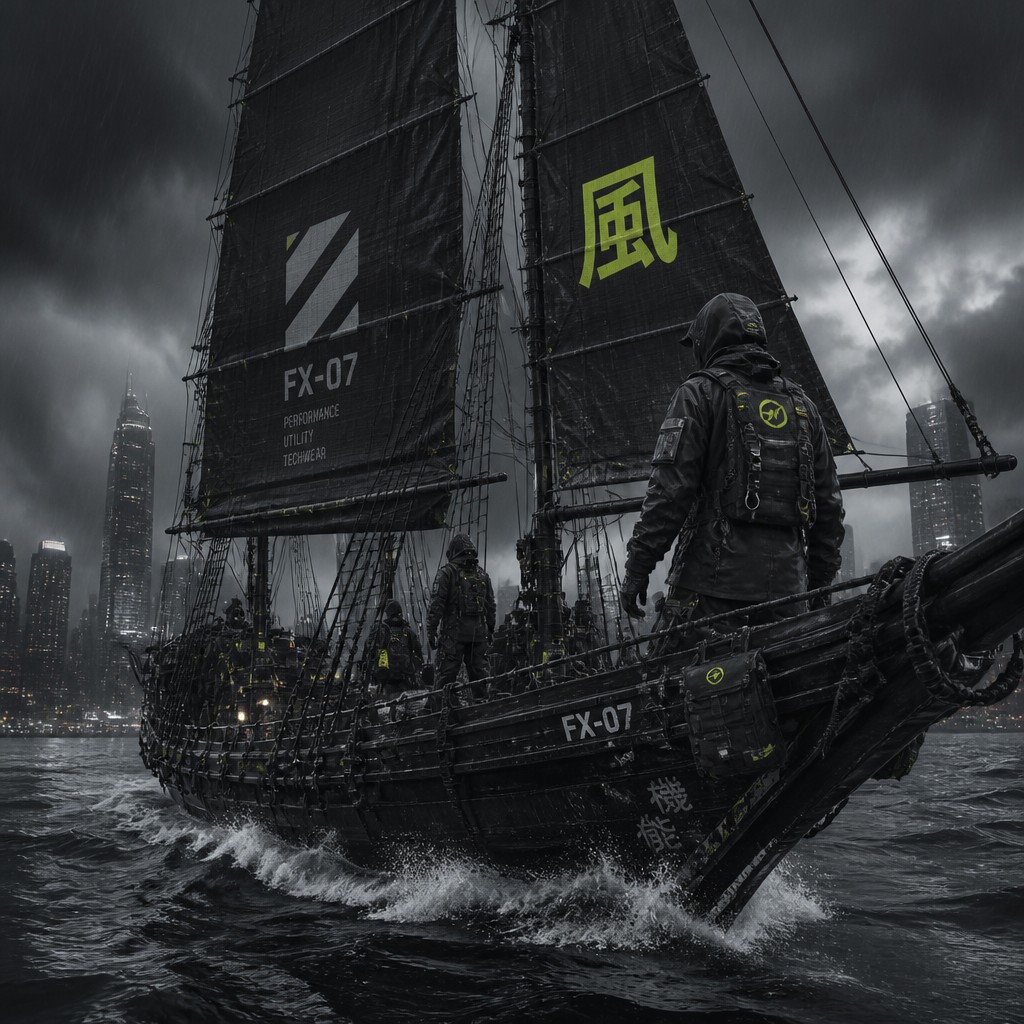
“sailing ship on a stormy sea”
How to Create Techwear Fashion Art
Master the craft step by step — or skip straight to creating. Read the full guide →
- 1
Build the outfit from function first
Start with a technical base layer, then add shell pieces, cargo modules, and visible closure systems as if designing equipment. In drawing or painting, make seams, panels, and attachment points logically consistent so the garment feels engineered.
- 2
Use a restrained value range
Keep most of the composition in black, dark grey, and muted charcoal, then reserve a small area for one accent color or reflective highlight. This keeps the image cohesive and prevents the outfit from losing its severe, utilitarian character.
- 3
Emphasize material contrast
Differentiate matte shell fabric, woven webbing, rubberized trim, mesh, and metal hardware through edge sharpness and texture. In digital work, use subtle specular highlights and low-contrast surface detail rather than glossy rendering.
- 4
Place the figure in a weathered city context
Rain-slick streets, concrete walls, transit platforms, and industrial backdrops help activate the style’s visual logic. For image prompts, include overcast lighting, wet reflections, and cinematic depth to make the technical clothing read clearly.
- 5
Prompt the silhouette and mood explicitly
For text-to-image generation, specify terms such as layered straps, waterproof shell, taped seams, cargo pockets, matte ripstop, and urban-ninja styling. Add environment cues like cool city night, drizzle, neon reflection, or fog to steer the composition toward the correct atmosphere.
The Story
History & Origins of Techwear Fashion
Techwear does not belong to a single historical art movement; it emerged from the intersection of performance outerwear, tactical apparel, streetwear, and speculative urban fashion. Its lineage includes mountaineering and military garments, where waterproof shells, modular pockets, and durable fabrics were developed for practical use, then reinterpreted in fashion through the late 20th and early 21st centuries.
The aesthetic was further shaped by Japanese fashion innovation, cyberpunk visual culture, and the rise of technical outdoor brands and avant-garde labels that treated clothing as a system of engineered components. Over time, techwear became a recognizable visual language in digital illustration, photography, anime, and concept design, where the emphasis shifted from pure utility to an evocative urban-futurist identity.
Influences: Techwear draws from outdoor performance clothing, military and tactical gear, and Japanese street fashion, while its mood is deeply indebted to cyberpunk and urban futurism. In visual terms it shares the dark, functional seriousness of minimalist avant-garde fashion and the speculative cityscapes of anime and concept art, but it is not a historic art movement with a fixed canon. Its related traditions include the engineering-minded approach of technical apparel design and the atmospheric worldbuilding common in science-fiction illustration.
Frequently Asked Questions
What defines techwear fashion?
Techwear is defined by performance-oriented materials, modular details, and a dark urban palette. Key features include waterproof shells, straps, buckles, cargo pockets, and silhouettes that suggest movement and weather resistance. The style often looks as if it were designed for a futuristic city environment.
How is techwear different from regular streetwear?
Streetwear is broader and often centers on logos, casual silhouettes, and trend-driven branding, while techwear emphasizes function, layering, and technical construction. Techwear also tends to be more restrained in color and more focused on materials such as shell fabric, ripstop, and mesh. The overall effect is more utilitarian and less graphic.
Is techwear the same as cyberpunk fashion?
They overlap, but they are not identical. Cyberpunk fashion usually comes from fiction and often includes more overt sci-fi cues, while techwear is rooted in real performance apparel and adapted urban utility. Techwear can look cyberpunk when styled with neon lighting, masks, and futuristic accessories.
What colors are most common in techwear?
Black, charcoal, graphite, and asphalt grey are the core colors of the style. Designers and artists often add a single accent such as neon green, orange, blue, or reflective silver to break up the monochrome base. Keeping the palette limited is one of the easiest ways to preserve the style’s identity.
How do I make an image look like techwear?
Use layered garments with visible straps, buckles, and pockets, then place the subject in a cool, urban environment with wet surfaces or overcast light. For digital art, pay close attention to seam placement, material texture, and silhouette geometry. For prompt-based generation, include terms like matte ripstop, waterproof shell, taped seams, and rain-slick city.
Where is techwear commonly used?
It appears in fashion photography, character design, editorial illustration, concept art, and speculative urban imagery. The style is also common in music visuals, esports branding, and online fashion subcultures. Its visual language works especially well wherever mobility, concealment, and a futuristic street mood are desired.

Create your first Techwear Fashion artwork
Describe anything — or upload a photo — and see it in Techwear Fashion in seconds.
Related Styles
Discover similar art styles