Formal Evening Wear Fashion
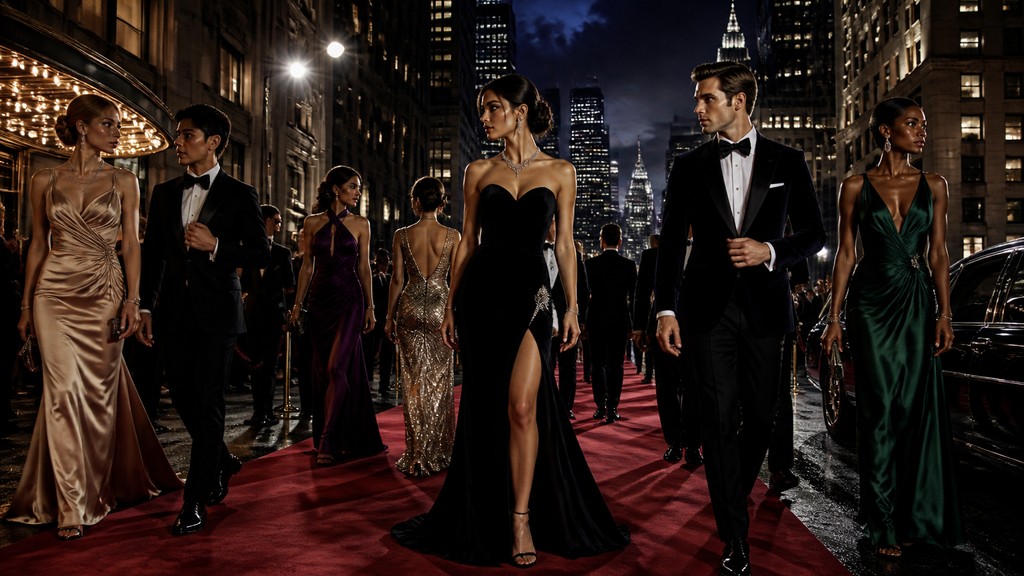
Floor-length satin, velvet and jewel tones with black-tie tailoring, red-carpet lighting and polished gala glamour.
Instantly rendered in Formal Evening Wear Fashion — or transform a photo
Formal Evening Wear Fashion Gallery
Tap any artwork to explore it
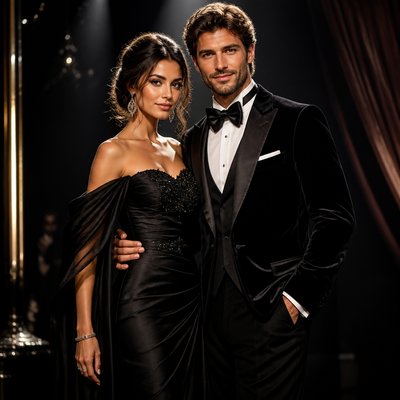
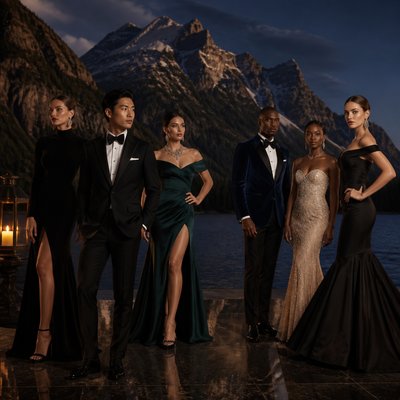
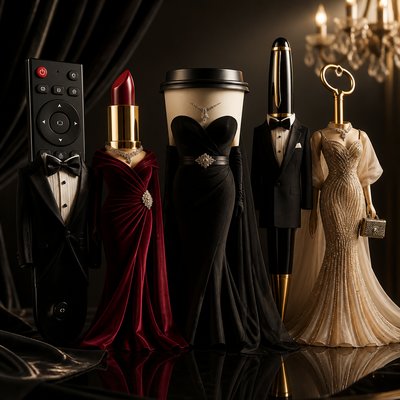
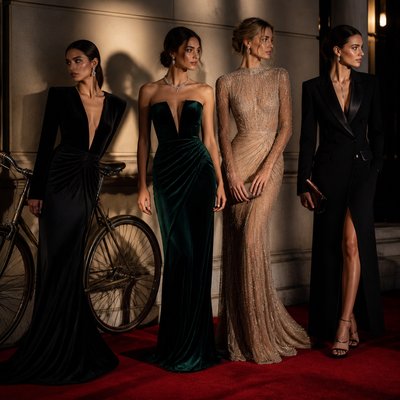
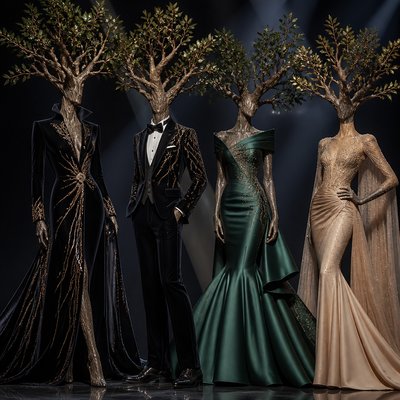
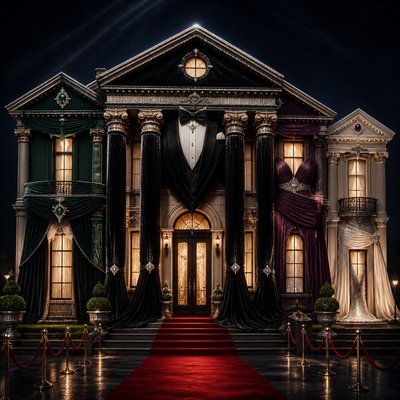
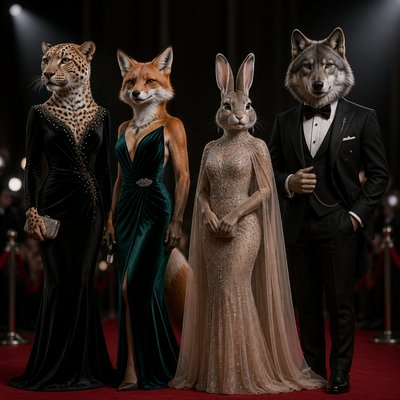
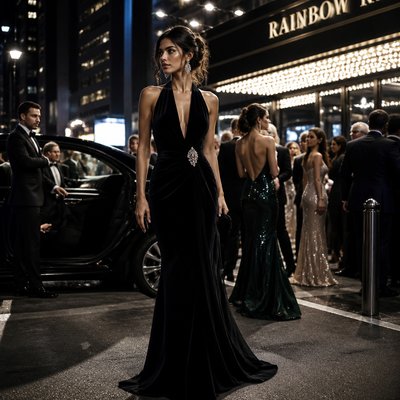
What is Formal Evening Wear Fashion?
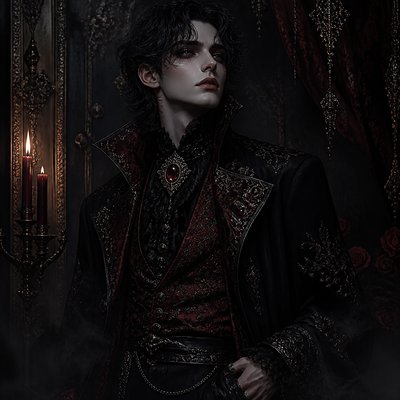
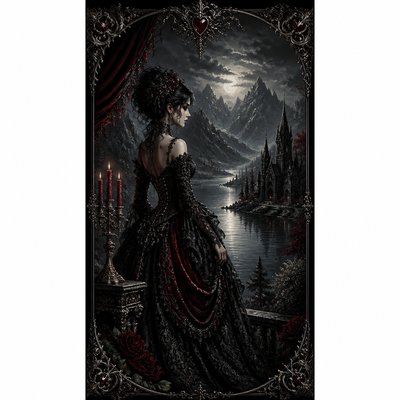
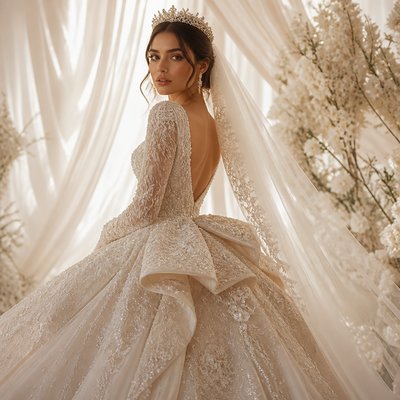
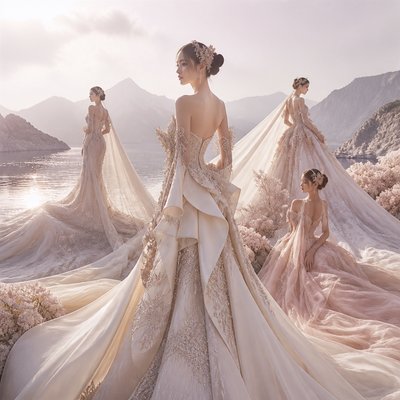
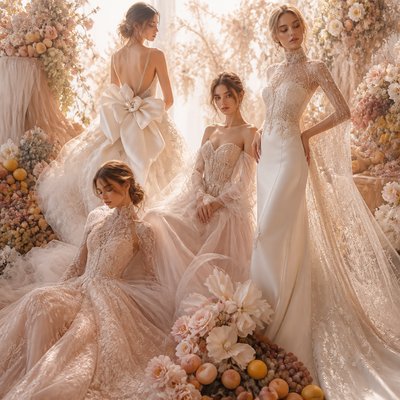
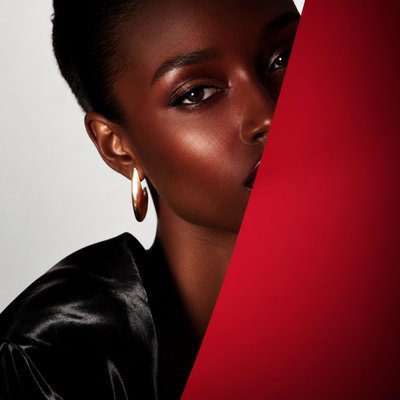
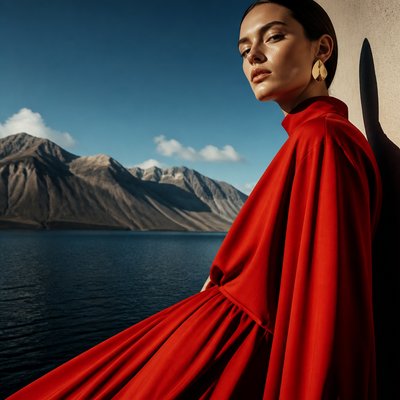
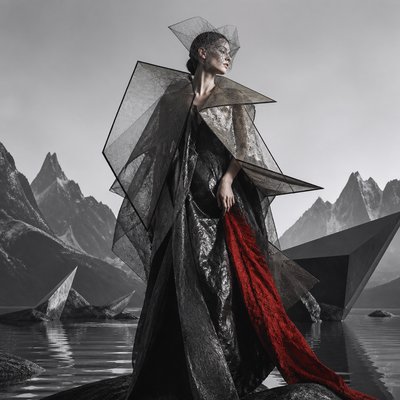
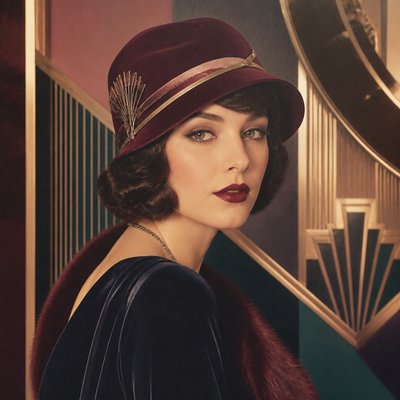
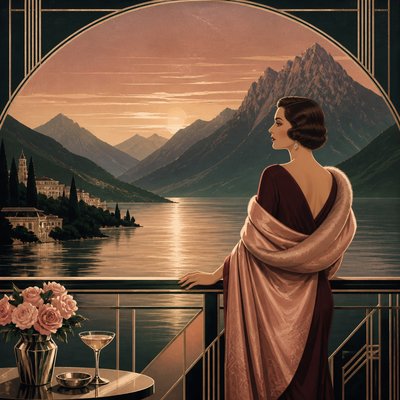
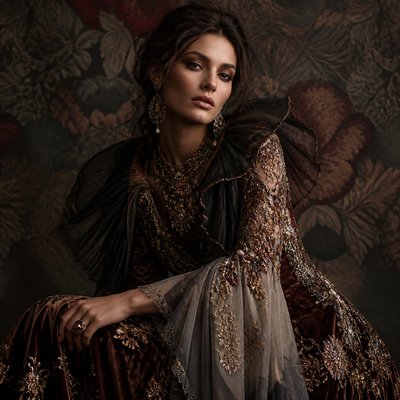
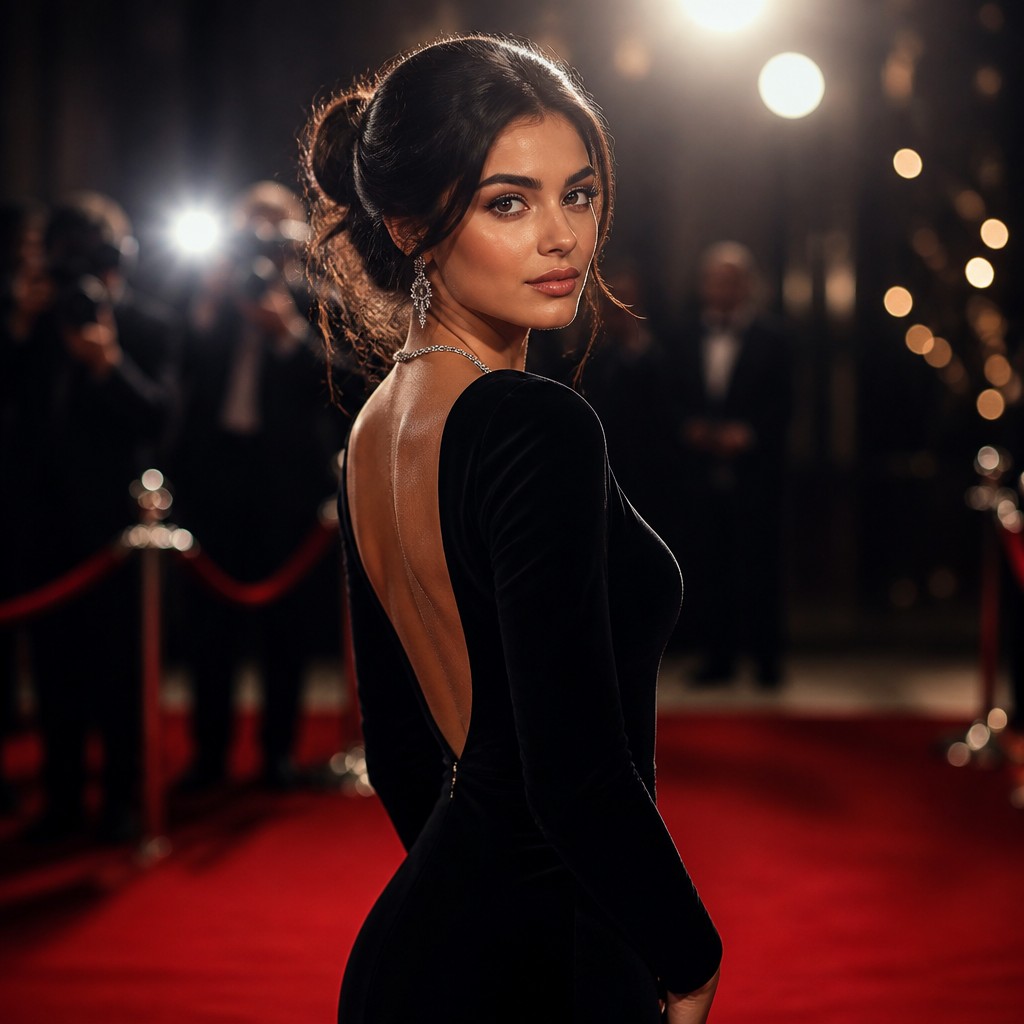
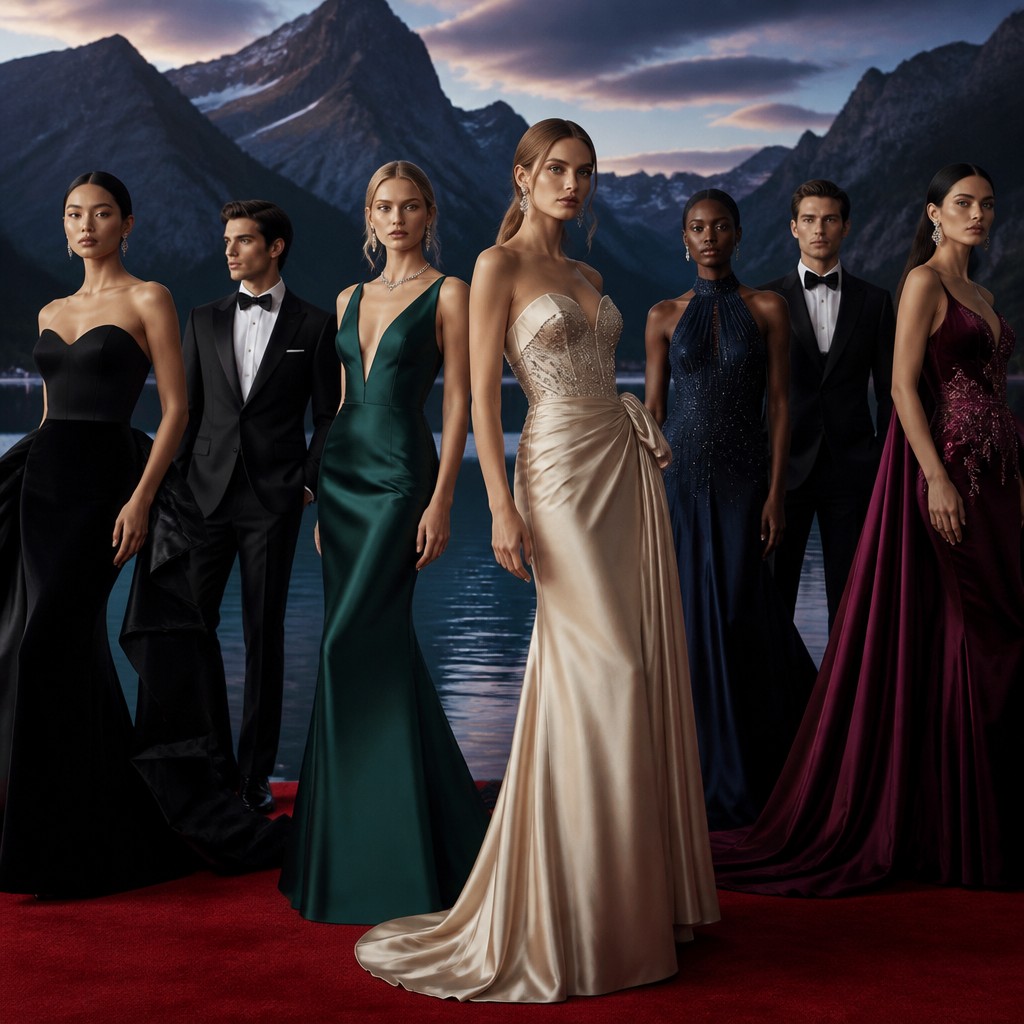
Formal evening wear fashion is a polished apparel aesthetic centered on black-tie dressing: floor-length gowns, tailored tuxedo-inspired silhouettes, and luxurious fabrics that catch light with a controlled sheen. Its visual identity is defined by satin, velvet, chiffon, beading, and structured draping, usually in midnight black, deep jewel tones, champagne, silver, and other metallic accents.
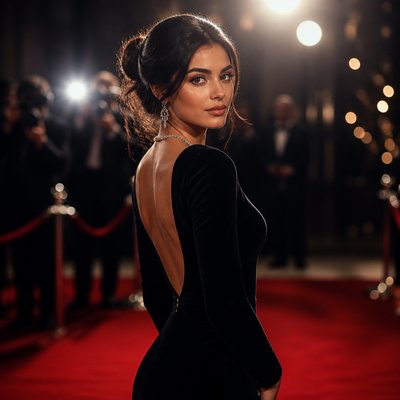
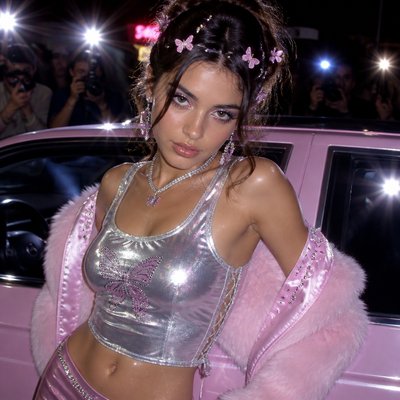
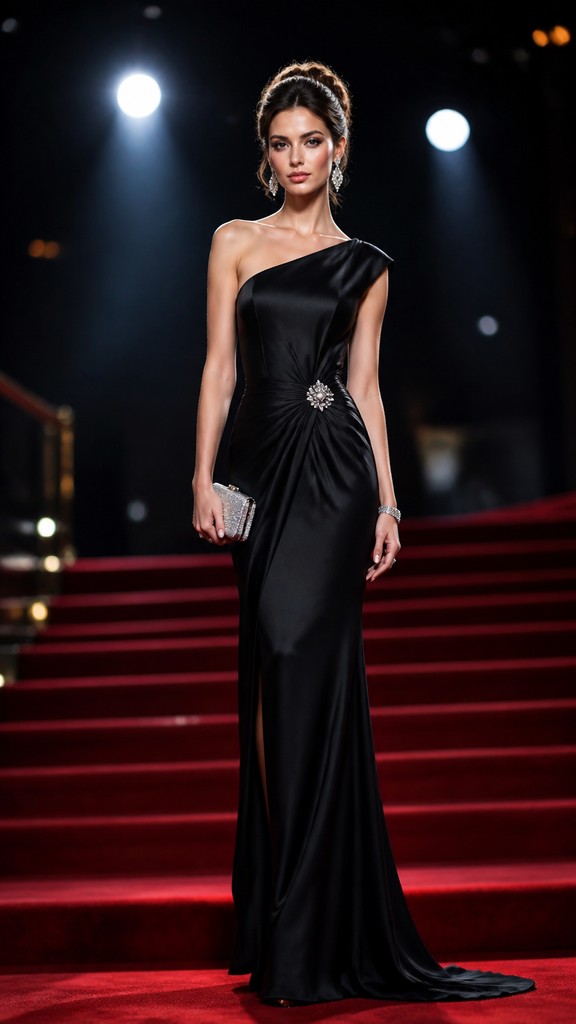
The style reads as glamorous because it is built around ceremony and visibility. Garments are designed to look refined under bright event lighting, so the silhouettes are clean and elongated while the surfaces provide sparkle, depth, and reflective contrast. In imagery, this creates a red-carpet effect: poised posture, elegant negative space, soft spotlight falloff, and a sense of cultivated formality rather than casual motion.
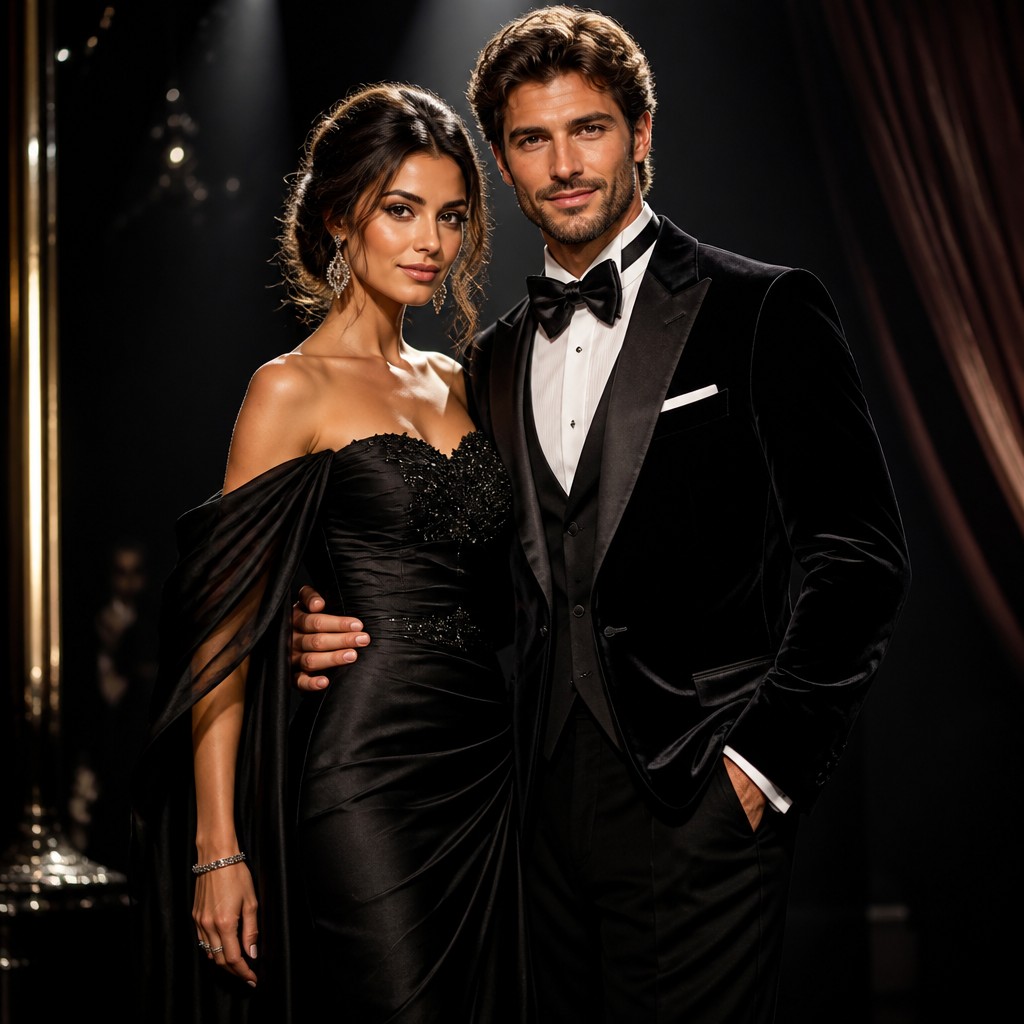
Try It On Your Photos
Upload any photo and convert it into Formal Evening Wear Fashion — drag the sliders to compare before and after.
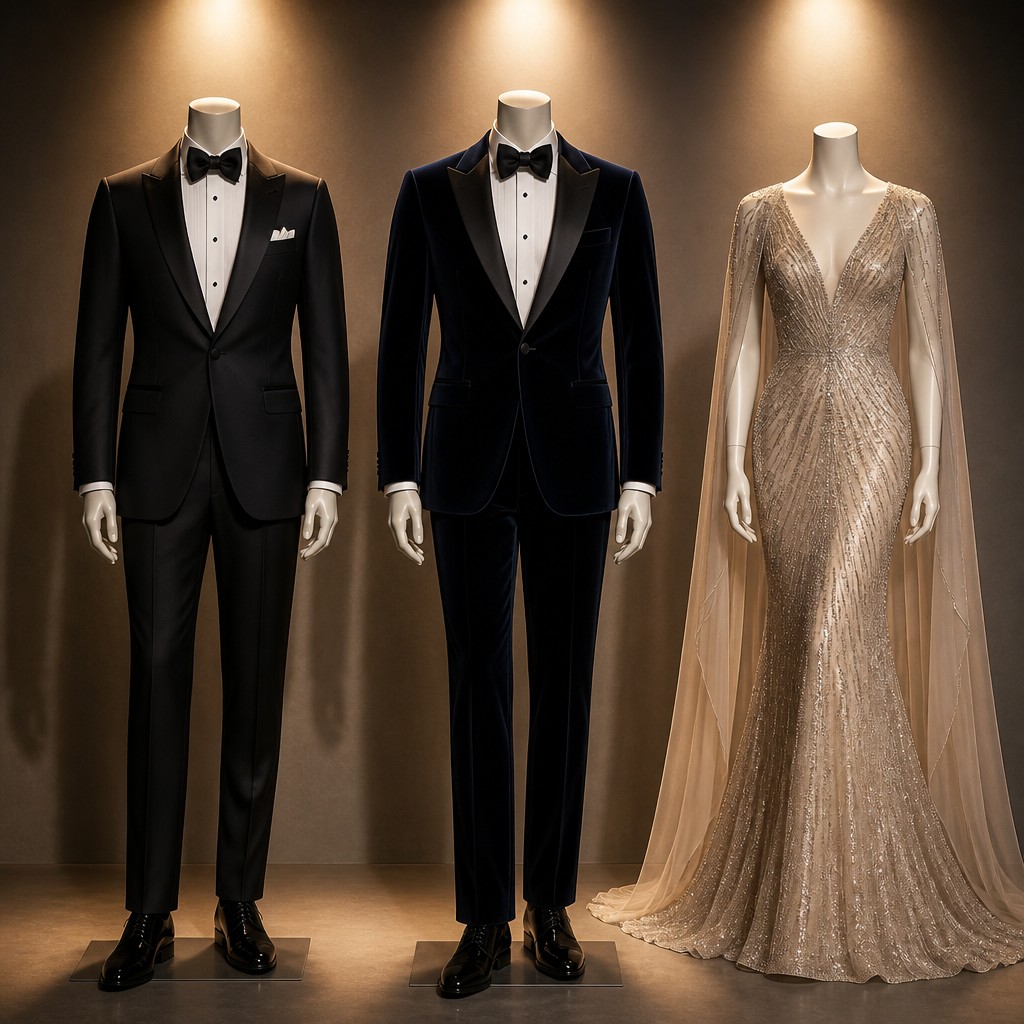
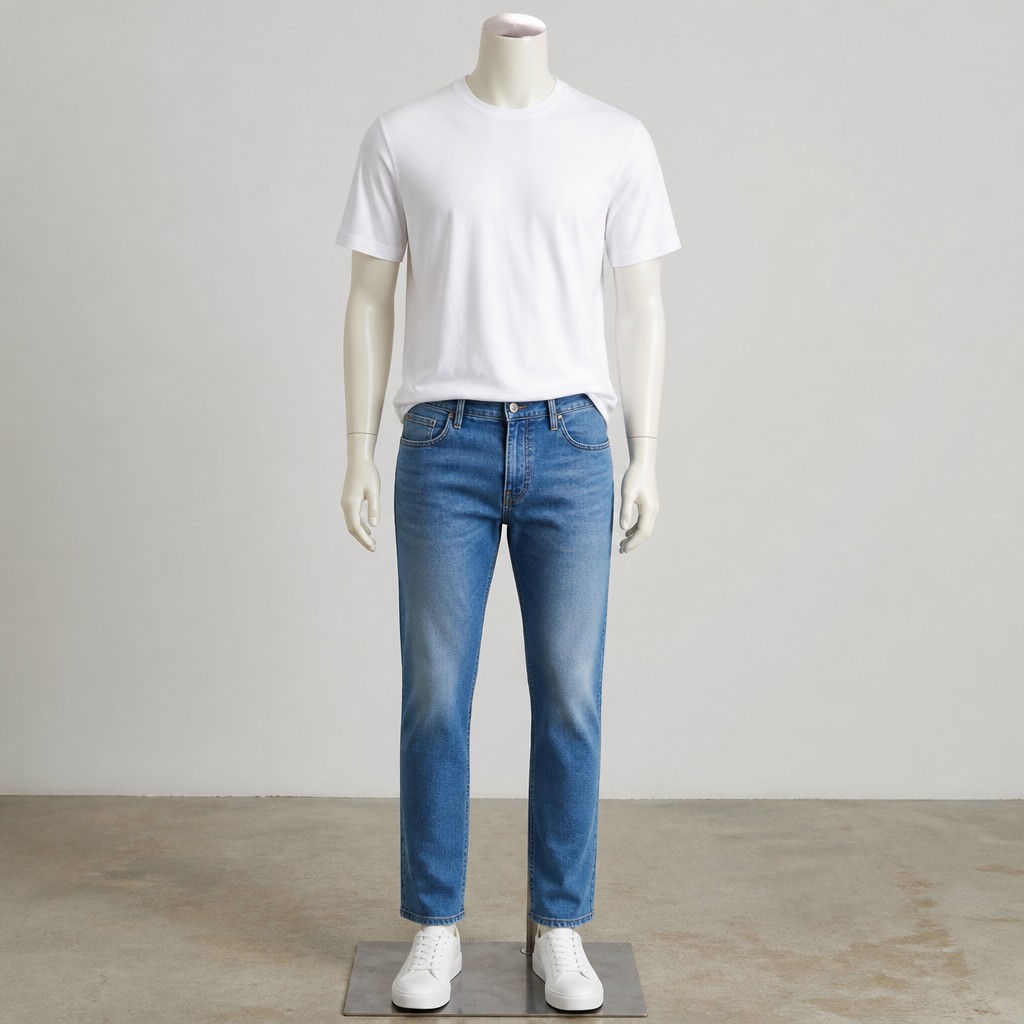
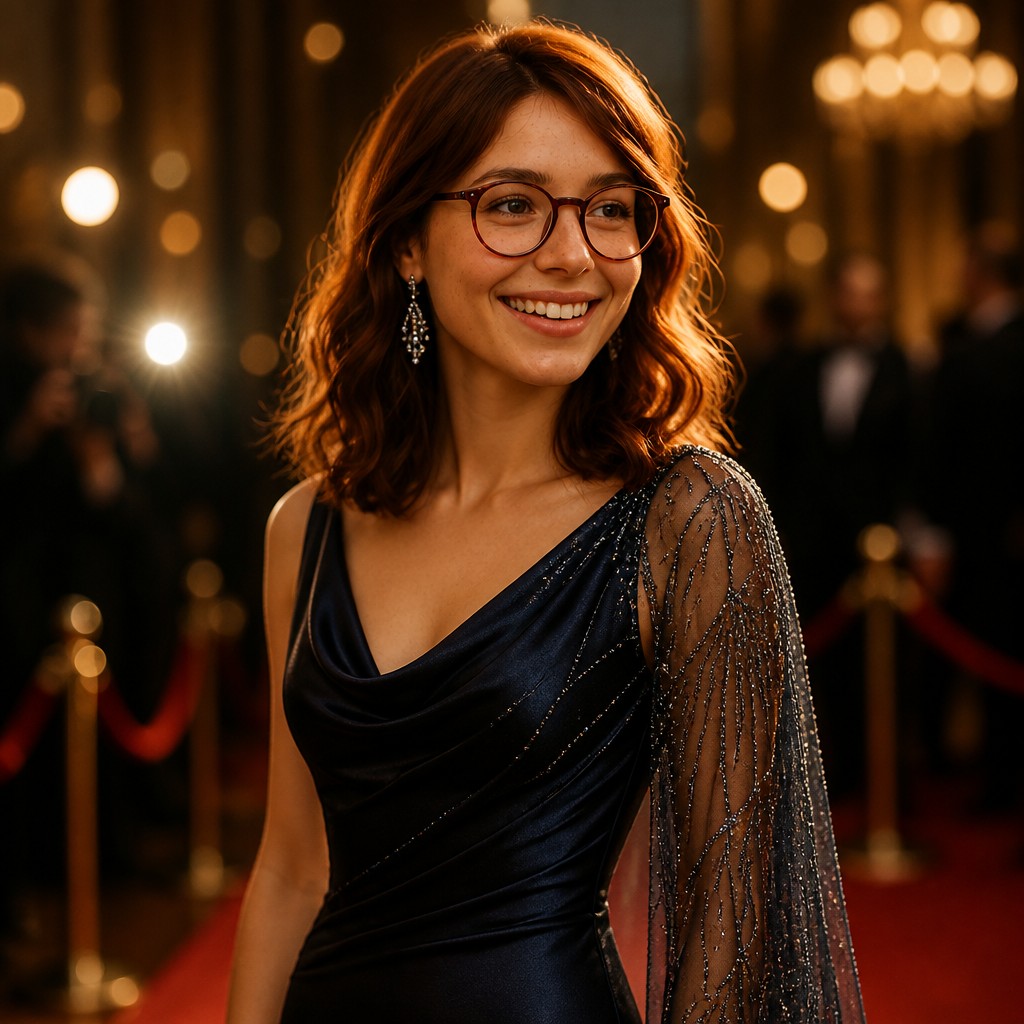

What Defines Formal Evening Wear Fashion
The signature details, up close
Floor-length silhouettes
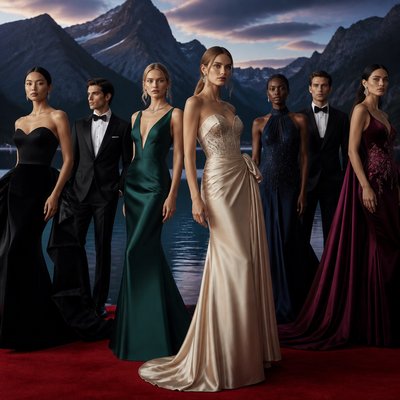
The most recognizable forms are column, A-line, and mermaid gowns, along with tuxedo-inspired evening tailoring. These shapes elongate the body and reinforce the formal, ceremonial character of the look.
Luxurious reflective fabrics
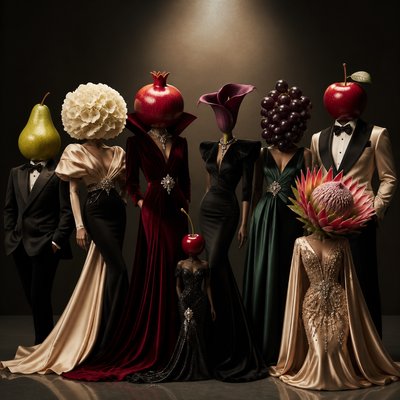
Duchess satin, velvet, silk chiffon, and heavily beaded textiles are central because they respond strongly to light. Their sheen and depth create the impression of richness even in restrained color palettes.
Jewel-tone and black-tie palette
Midnight black, emerald, sapphire, ruby, amethyst, champagne, and metallic silver or gold are common. The palette is typically saturated or luminous rather than bright, maintaining elegance and sophistication.
Tailored structure with soft drape
Evening wear often combines precise tailoring at the bodice, waist, or lapel with fluid skirts or trains. This contrast between structure and softness is a major part of the style's visual appeal.
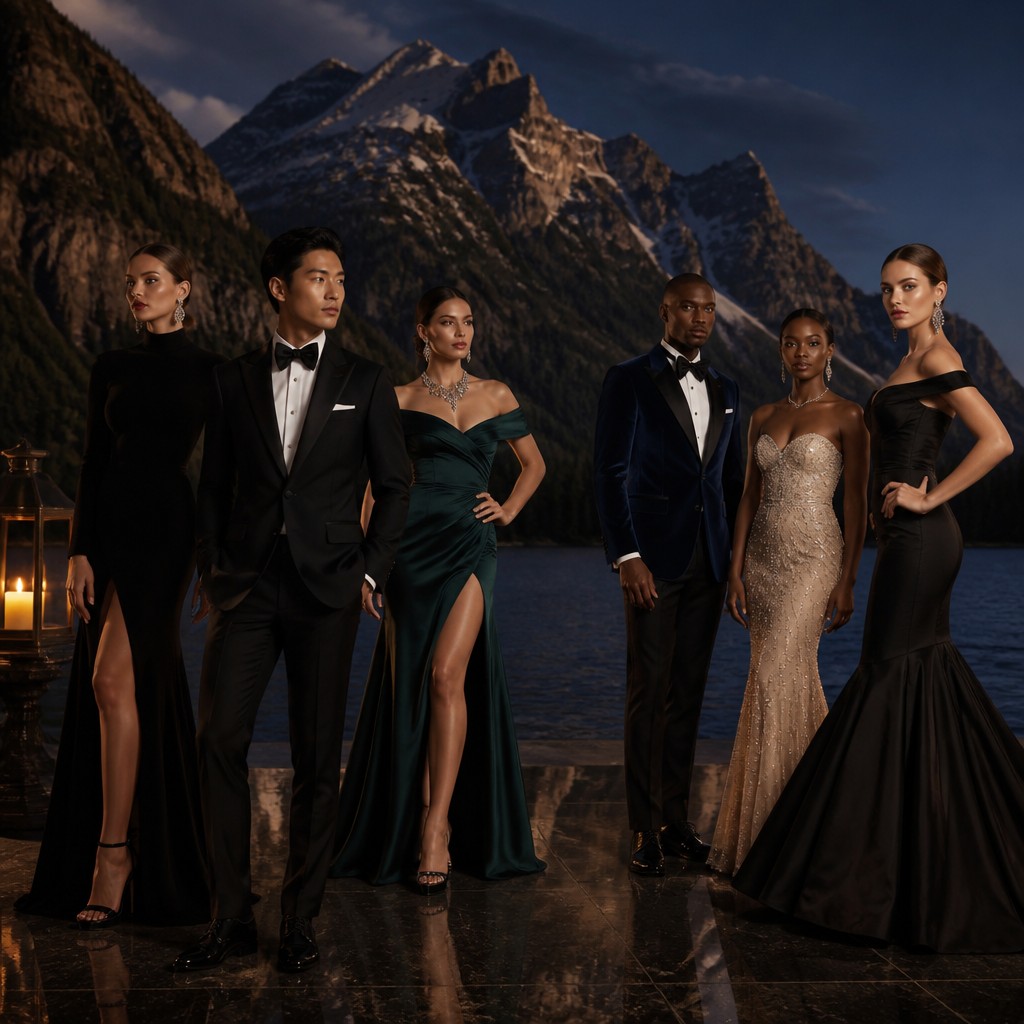
Beaded and metallic embellishment
Sequins, crystals, pearls, and embroidery appear as accent features rather than all-over decoration in many examples. The embellishment is meant to sparkle selectively under direct light.
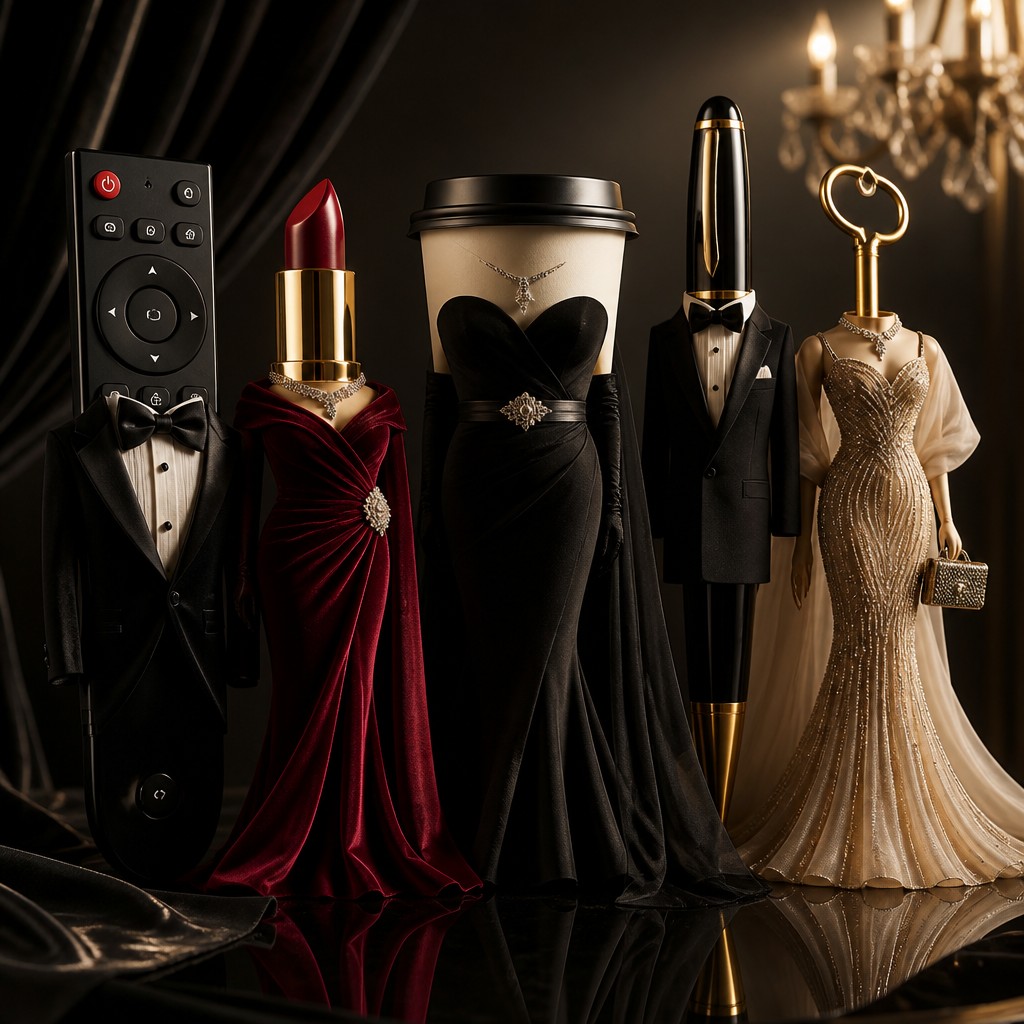
Glamorous event lighting
Spotlights, soft falloff, and high-contrast highlights are essential to the look. The lighting is usually designed to flatter contours, make fabric shimmer, and separate the subject from a dark background.
Try It
Create Videos in Formal Evening Wear Fashion
Styles aren't just for stills — describe a scene or animate an image and get a short video rendered in Formal Evening Wear Fashion. Press play to see this pond come to life.
Make a VideoFormal Evening Wear Fashion Prompt Ideas
Start from an idea — each one opens the generator with the style ready to go. See all 40 Formal Evening Wear Fashion prompts →
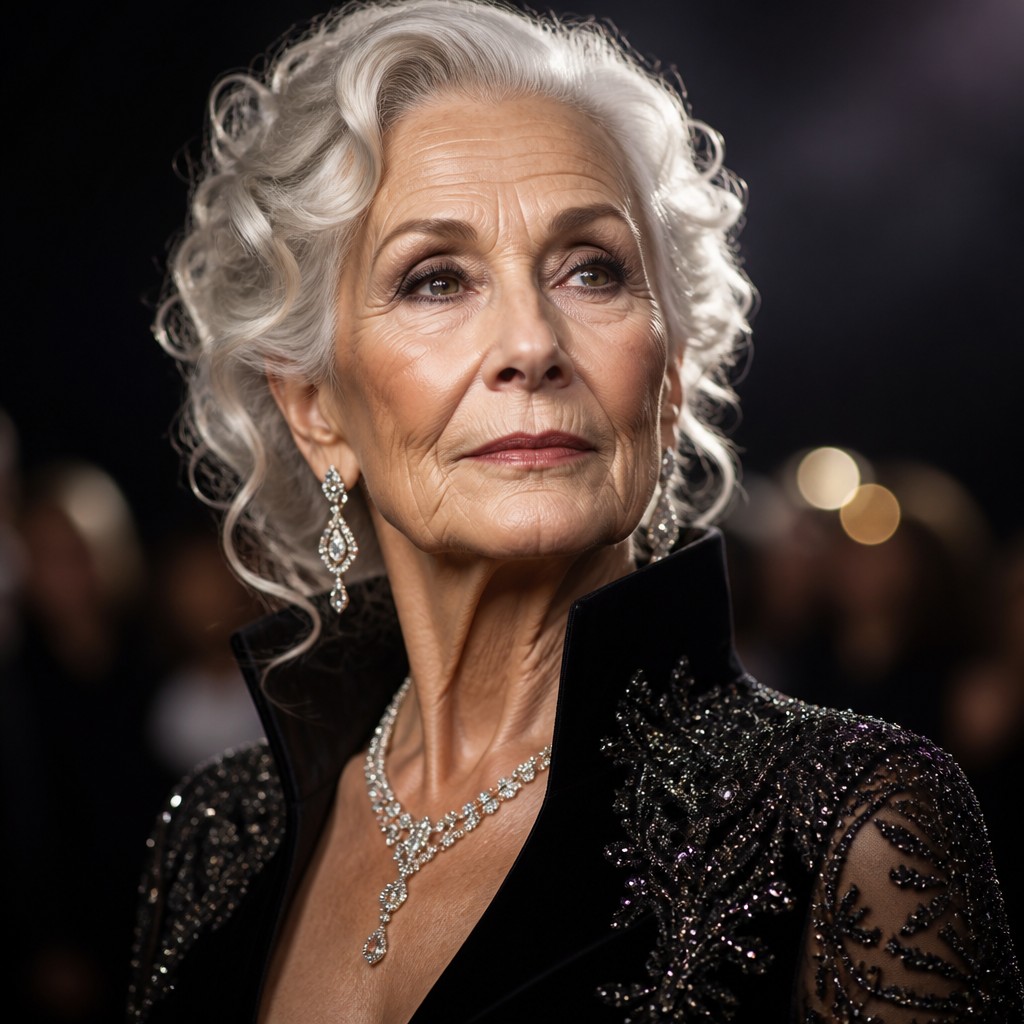
“close-up portrait of an elderly person with expressive weathered features”
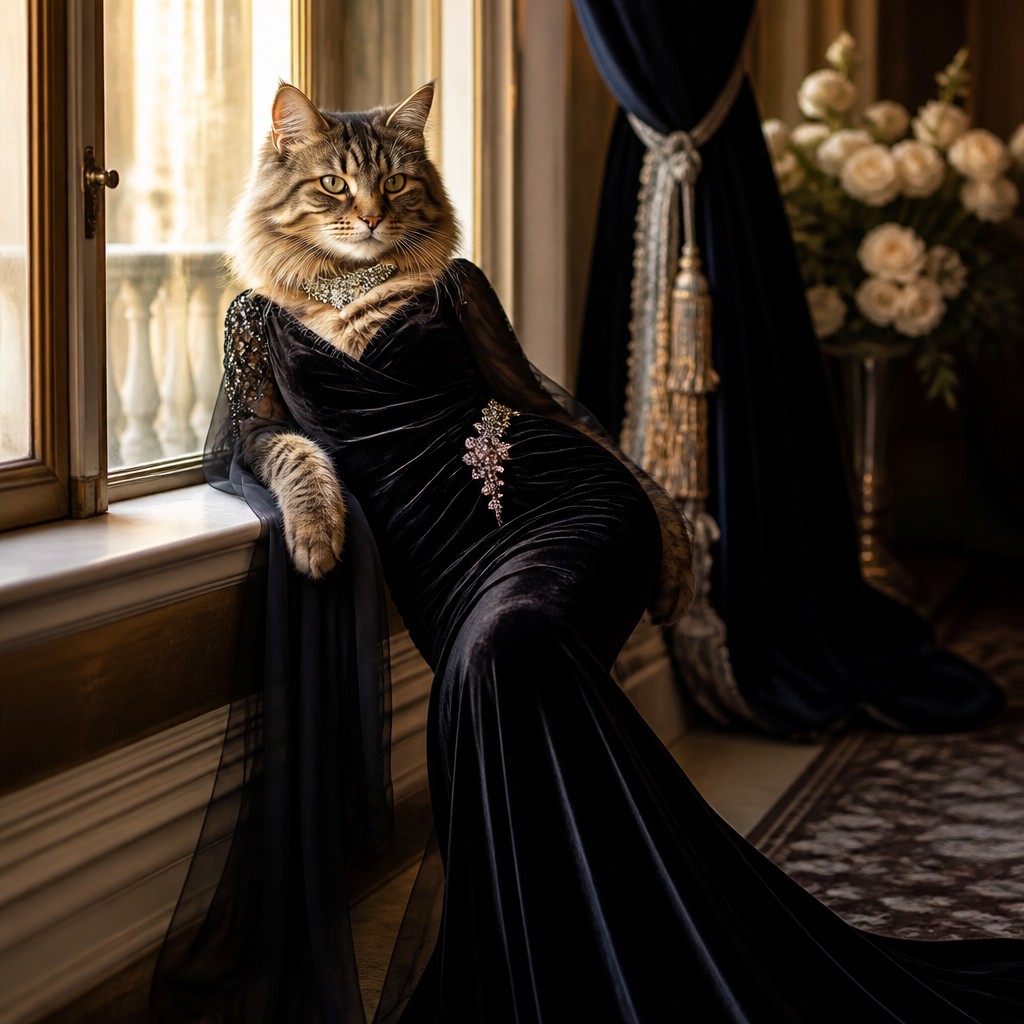
“a cat lounging in a sunlit window”
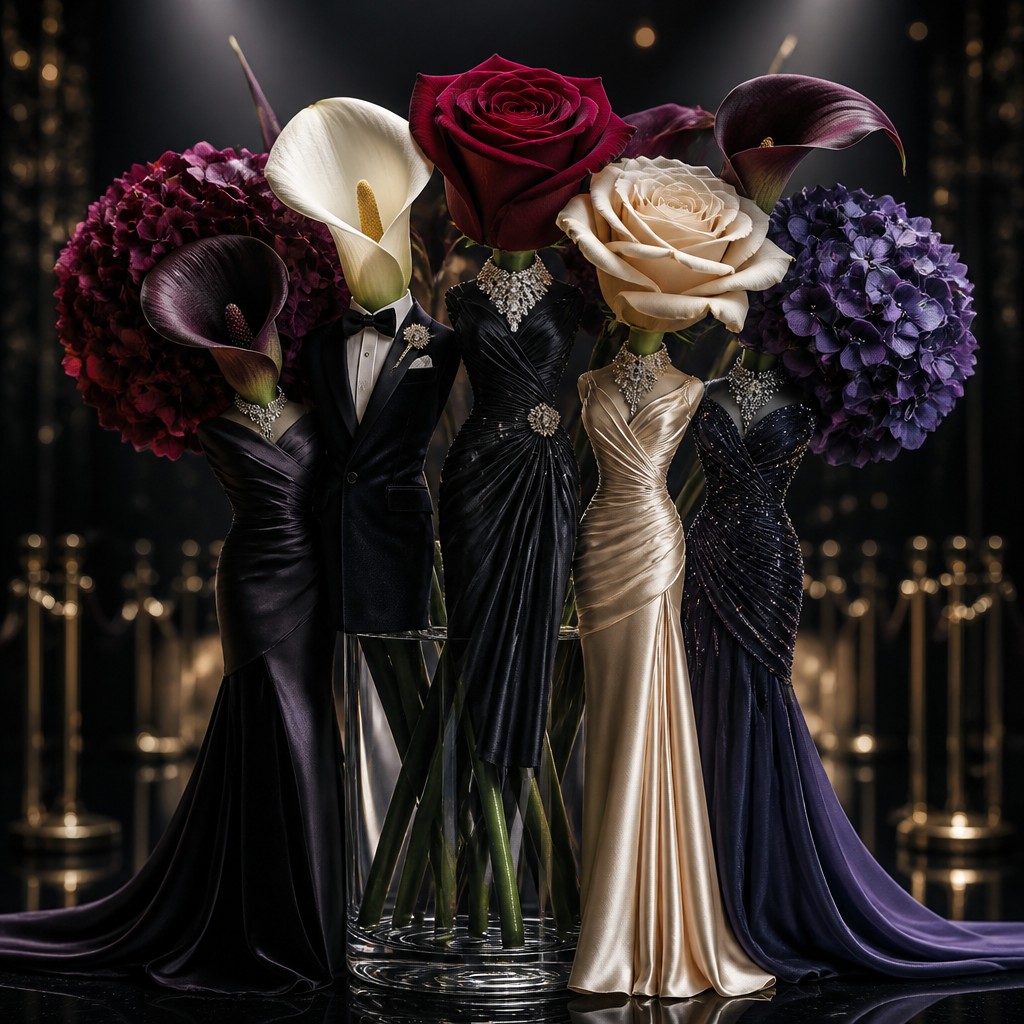
“bouquet of flowers in a glass vase”
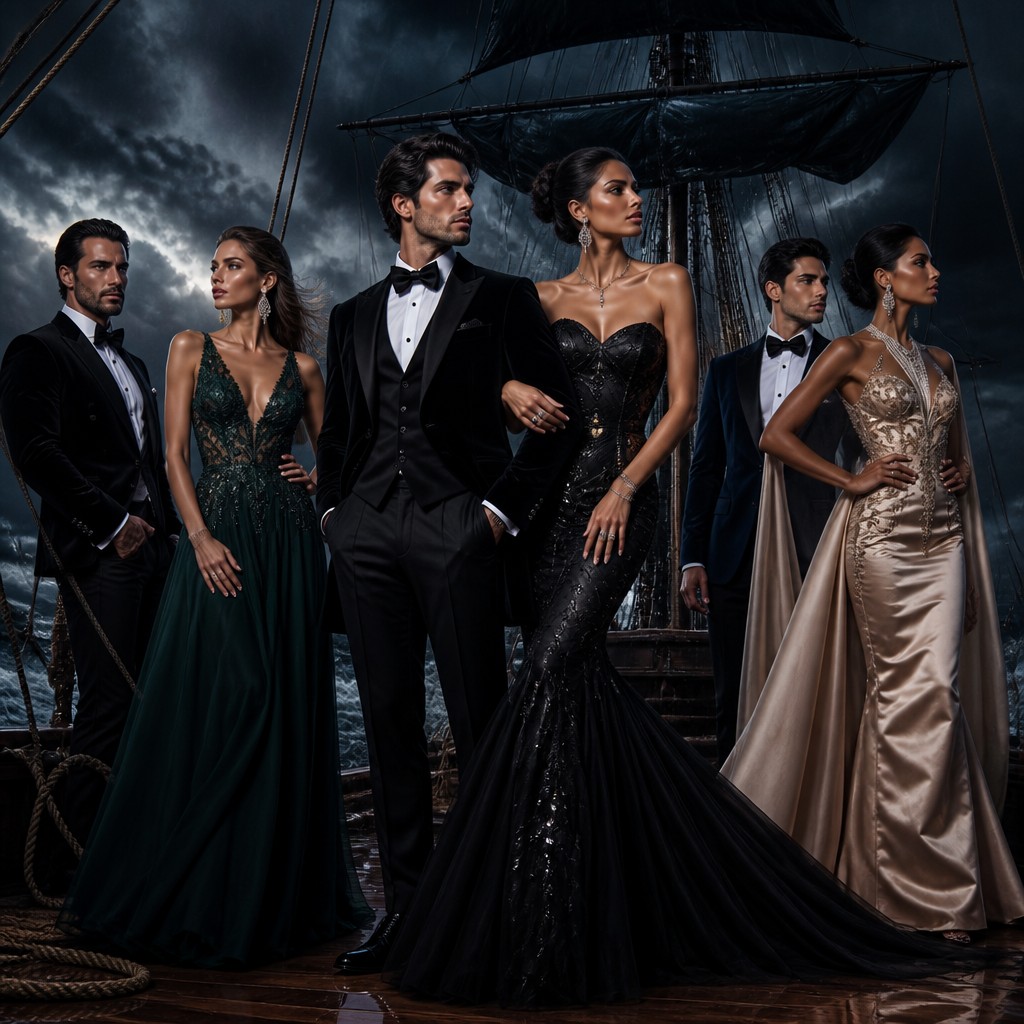
“sailing ship on a stormy sea”
How to Create Formal Evening Wear Fashion Art
Master the craft step by step — or skip straight to creating. Read the full guide →
- 1
Choose a formal silhouette first
Start with a black-tie form such as a column gown, mermaid gown, off-the-shoulder dress, or tailored tuxedo ensemble. Keep the lines clean and elongating, and let the silhouette communicate ceremony before adding ornament.
- 2
Build contrast with fabric selection
Use materials that behave differently under light: satin for shine, velvet for depth, chiffon for movement, and beading for sparkle. In painting or digital work, distinguish these surfaces by varying edge sharpness, highlight intensity, and reflected color.
- 3
Control the palette
Restrict the design to dark neutrals, jewel tones, and a few metallic accents so the image feels deliberate. A limited palette also makes the sheen of the fabric and the glow of the lighting more convincing.
- 4
Light like a red-carpet portrait
Use a key spotlight with soft falloff, plus subtle rim lighting or background separation to create glamour. Avoid flat illumination; the style depends on polished highlights, gentle shadows, and a sense of staged presentation.
- 5
Pose and compose for poise
Whether drawing, photographing, or generating, emphasize upright posture, graceful hand placement, and balanced negative space. Compose the figure as if it is being formally presented, not casually captured.
- 6
Write prompts with garment, fabric, and lighting specifics
For text-to-image work, name the exact garment type, fabric, color family, and lighting setup. Useful prompt elements include 'floor-length satin gown,' 'deep emerald velvet,' 'beaded bodice,' 'black-tie gala,' and 'dramatic spotlight with soft falloff.'
The Story
History & Origins of Formal Evening Wear Fashion
Formal evening wear has its roots in European court dress, 19th-century haute couture, and the codified etiquette of black-tie and white-tie dress. The modern evening gown and tuxedo silhouette developed alongside industrial textile production, couture tailoring, and social rituals such as opera attendance, debutante balls, gala dinners, and award ceremonies.
As a visual style, it also draws on fashion photography and celebrity portraiture from the 20th century onward, where lighting and pose became central to how evening wear was represented. The aesthetic lineage includes couture houses, red-carpet styling, and editorial portrait traditions that emphasize luxurious materials, elongated silhouettes, and dramatic but controlled glamour.
Influences: This aesthetic draws most directly from haute couture, black-tie fashion, and fashion photography, especially editorial and red-carpet portrait traditions. Its visual language is related to the refined elegance of couture tailoring associated with houses such as Christian Dior, Givenchy, and Yves Saint Laurent, while the spotlighted presentation owes much to celebrity and event photography rather than a single art movement.
Frequently Asked Questions
What defines formal evening wear fashion?
It is defined by black-tie silhouettes, luxurious fabrics, and a highly polished presentation. Floor-length gowns, tuxedo tailoring, and embellishment that catches light are the main visual cues. The overall effect should feel ceremonial, elegant, and composed.
How is it different from bridal fashion?
Bridal fashion usually centers on white, ivory, and wedding-specific symbolism, while formal evening wear is broader and often uses jewel tones, black, and metallics. Evening wear also tends to feel more tied to galas, awards, and red-carpet events than to a wedding context. The construction can overlap, but the palette and occasion are different.
How is it different from cocktail attire?
Cocktail attire is generally shorter, less ceremonial, and less formally structured. Formal evening wear usually means floor-length silhouettes, richer fabrics, and more dramatic styling. If cocktail wear is polished social dress, evening wear is the more elevated black-tie version.
What fabrics work best in this style?
Satin, velvet, silk chiffon, organza, tulle, and beaded textiles are especially effective because they read as luxurious and respond well to light. The key is to choose materials with visible surface behavior—shine, depth, transparency, or sparkle. Those qualities make the style feel expensive and formal.
How do I make an image look like red-carpet fashion?
Use dramatic but controlled lighting, a dark or neutral background, and a pose with clear poise. Emphasize clean silhouettes, elongated proportions, and selective sparkle rather than busy detail everywhere. In digital or AI work, include terms like 'spotlight,' 'gala,' 'soft falloff,' and specific fabric names.
Where is this style commonly used?
It appears in gala events, award ceremonies, fashion editorials, luxury advertising, and formal portraiture. It is also used in runway collections and cinematic styling when a character needs to look affluent, elegant, or socially elevated. The style is strongly associated with special occasions rather than everyday wear.
Create your first Formal Evening Wear Fashion artwork
Describe anything — or upload a photo — and see it in Formal Evening Wear Fashion in seconds.
Related Styles
Discover similar art styles