Festival Fashion Style
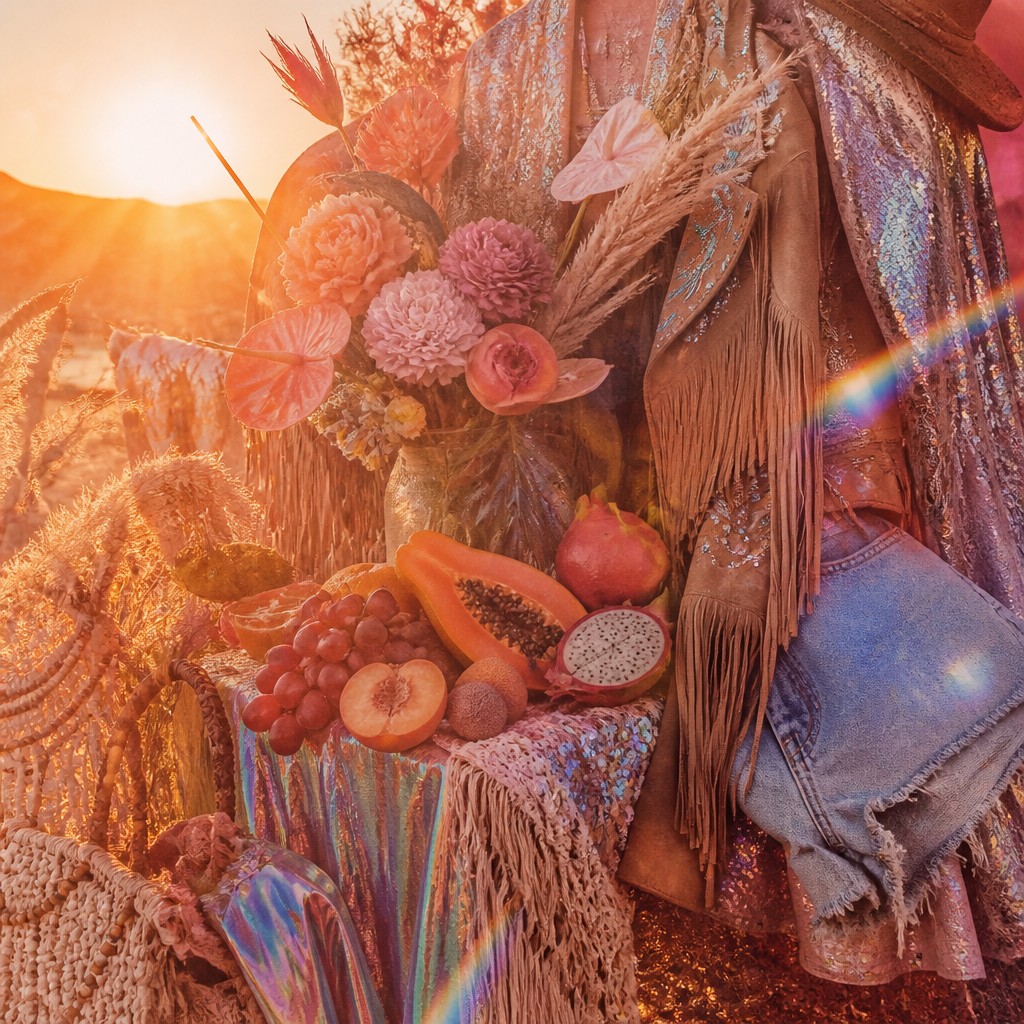
Fringe, sequins, and golden-hour dust: a free-spirited fashion aesthetic of festival silhouettes, glitter, and desert-toned glow.
Instantly rendered in Festival Fashion — or transform a photo
Festival Fashion Gallery
Tap any artwork to explore it
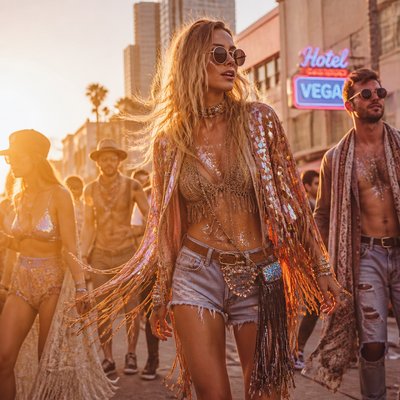
What is Festival Fashion Style?
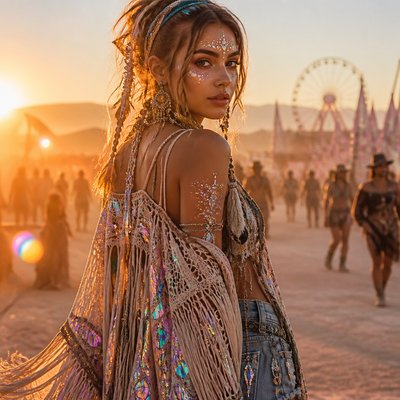
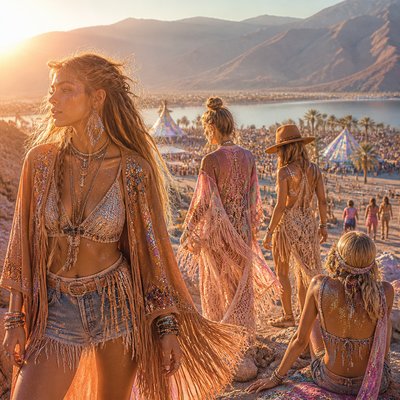
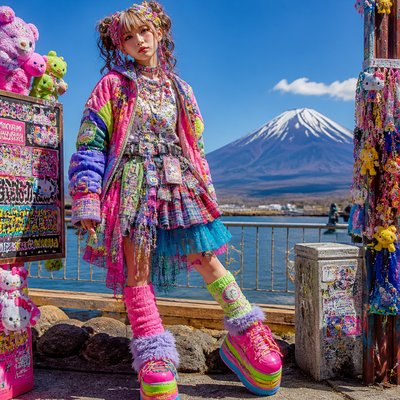
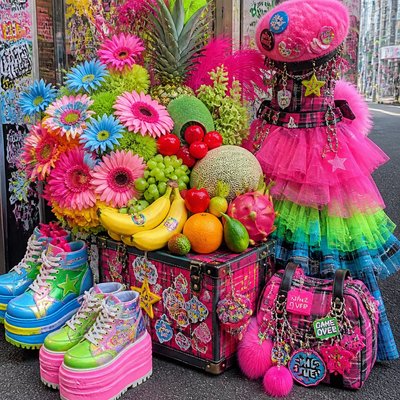
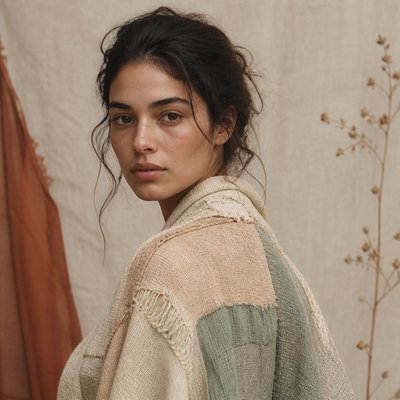
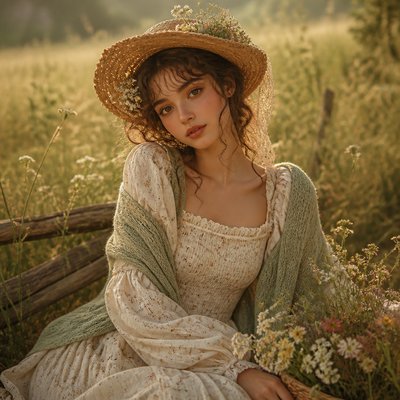
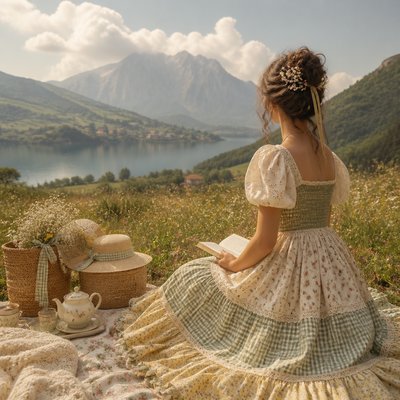
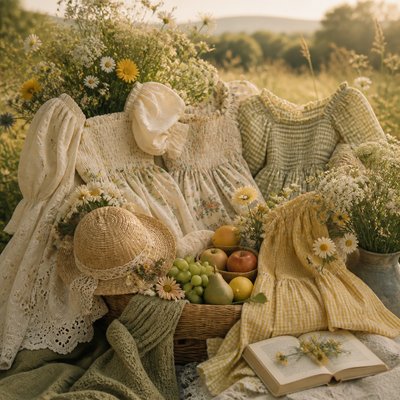
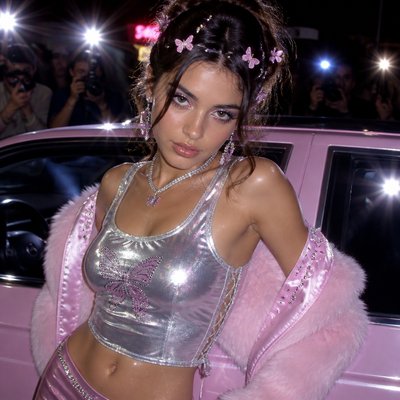
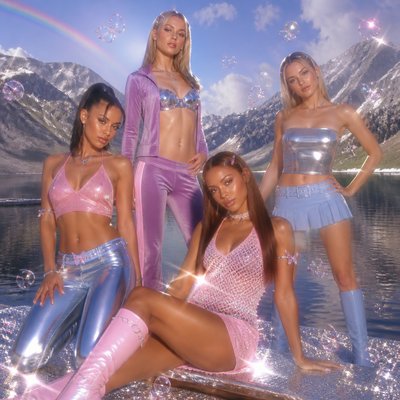
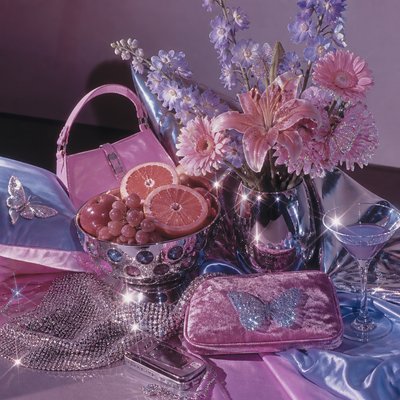
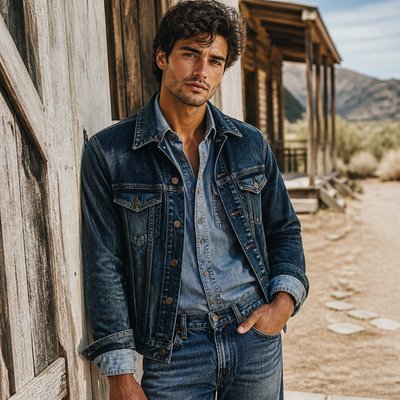
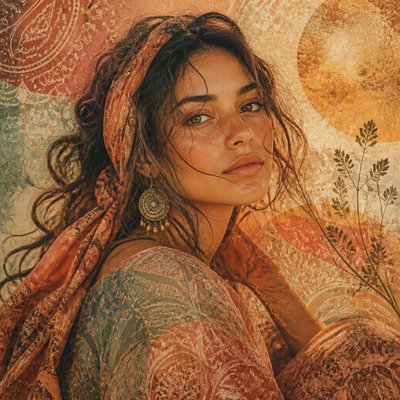
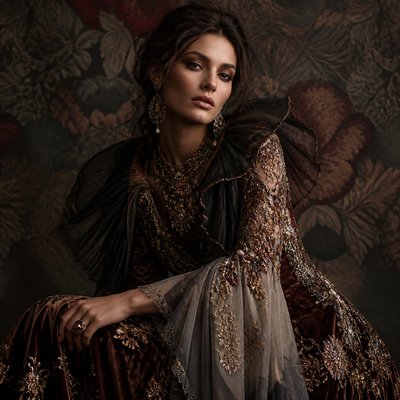
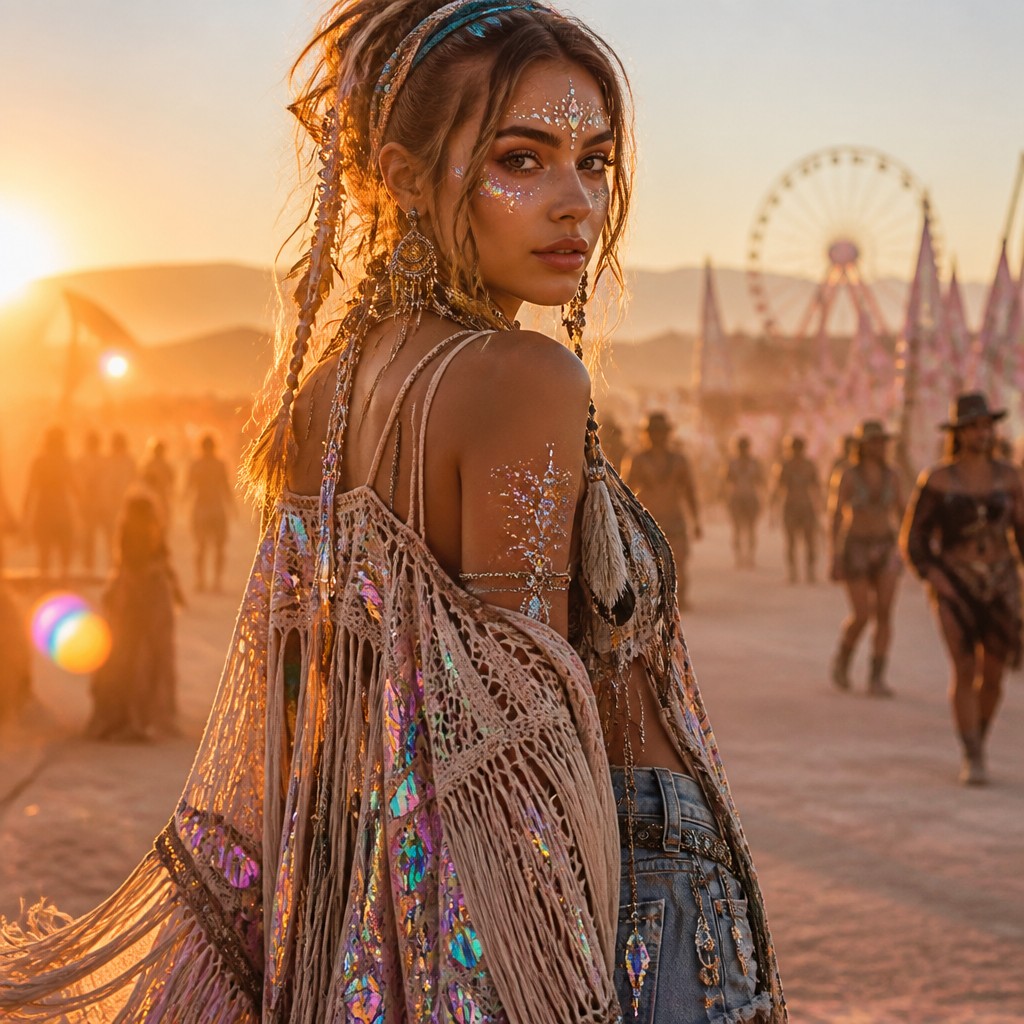
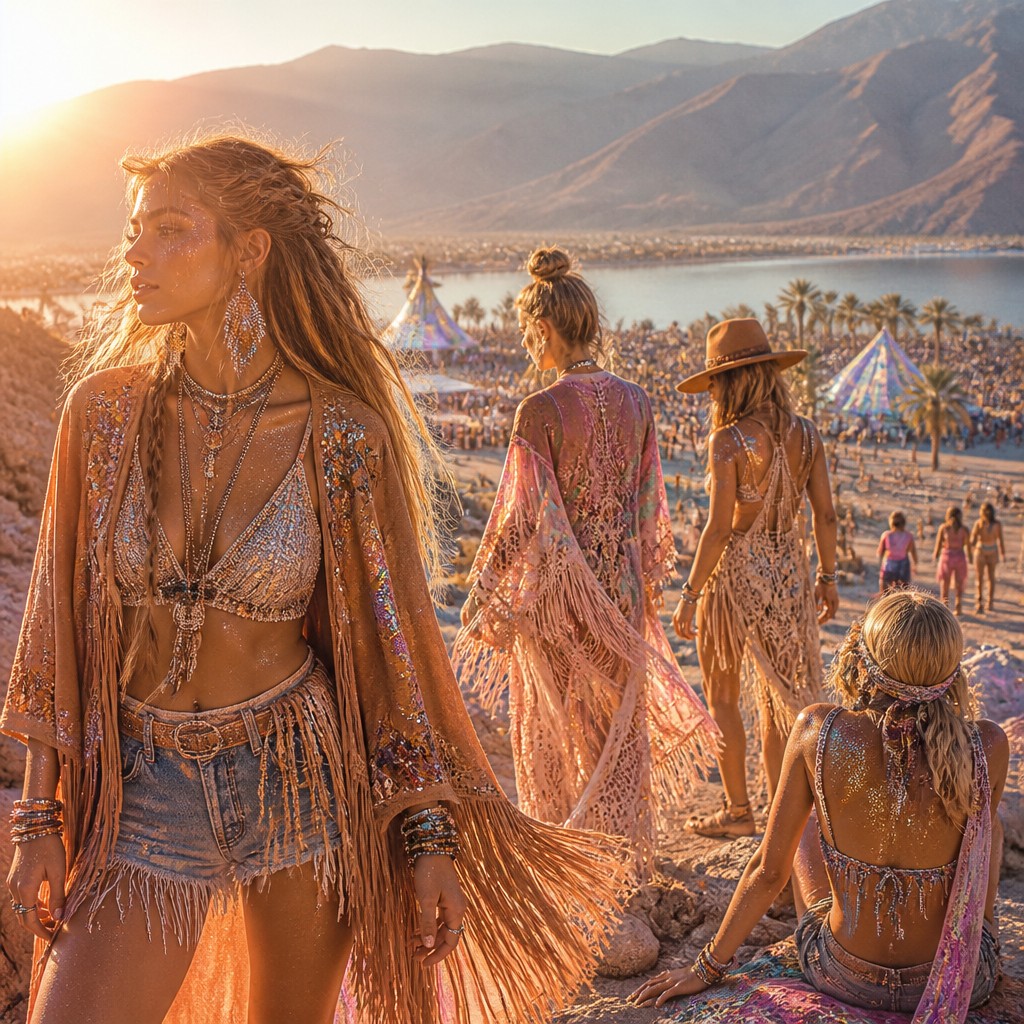
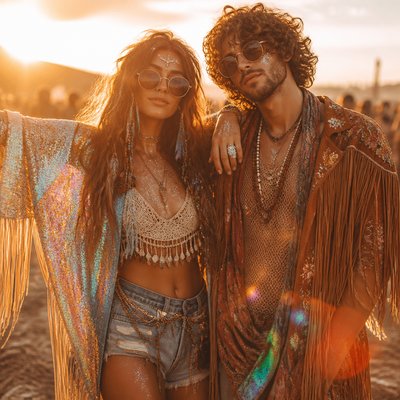
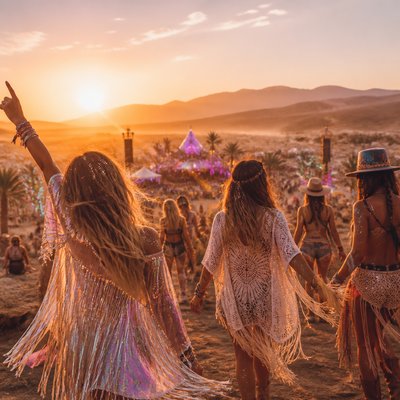
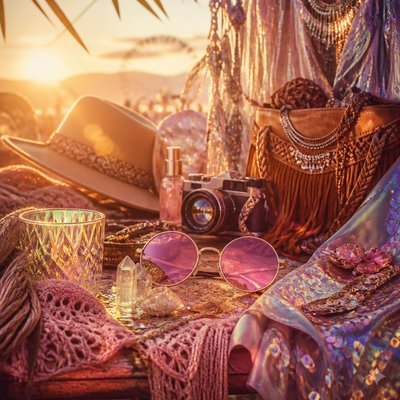
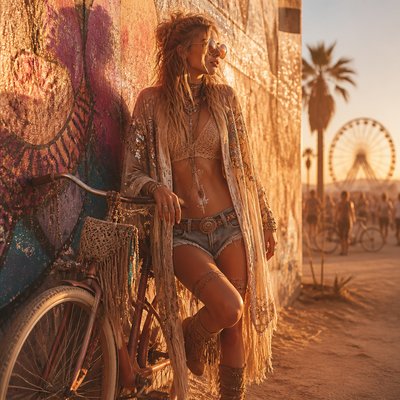
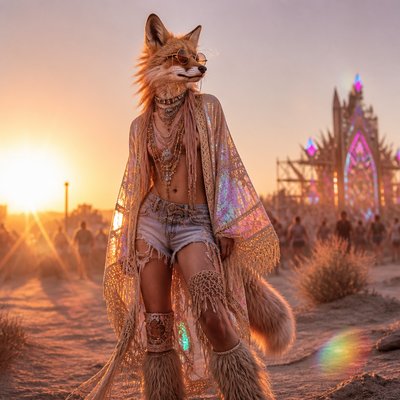
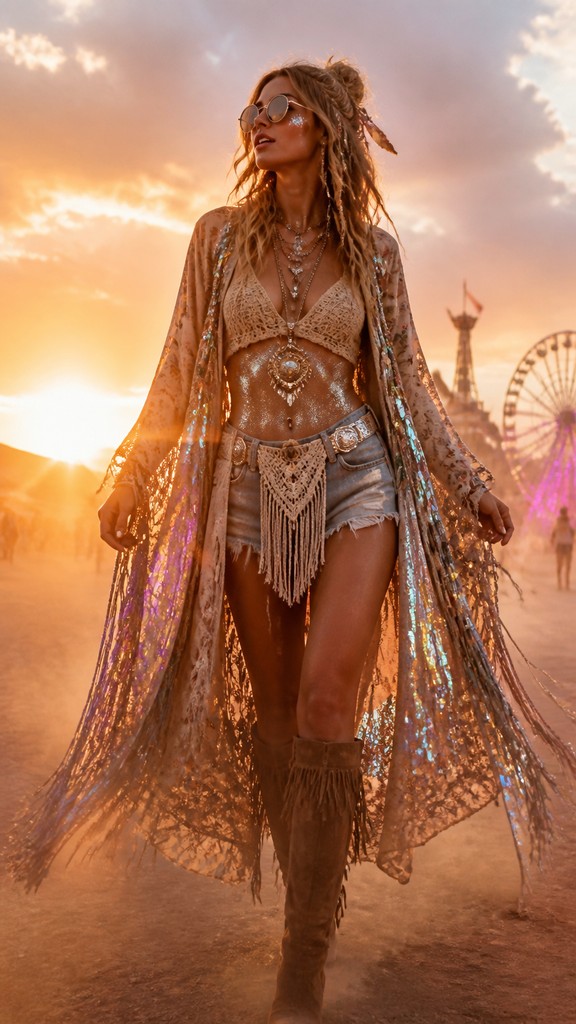
Festival fashion style is a contemporary fashion aesthetic built around freedom of movement, layered textures, and the visual drama of open-air events. It combines fringe, crochet, cutoff denim, flowing kimonos, suede, mesh, sequins, and beaded embellishment with sun-washed earth tones and flashes of holographic or neon color. The result is a look that feels informal but carefully composed, balancing bohemian softness with performance-ready sparkle.
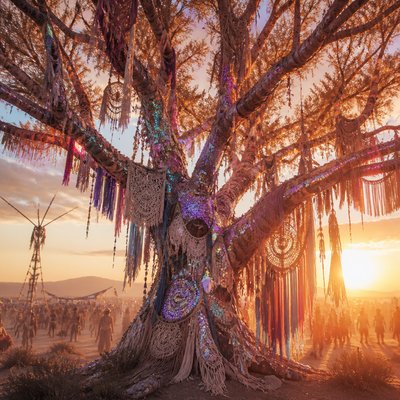
Its visual identity is strongly tied to golden-hour light, dust, lens flare, and skin glitter, which give the style a warm, airborne atmosphere. Garments are often styled to catch motion and reflect light, so the aesthetic reads as kinetic rather than static. Festival fashion looks the way it does because it is designed for outdoor music culture, where comfort, layering, self-expression, and visibility in crowd photography all matter at once.
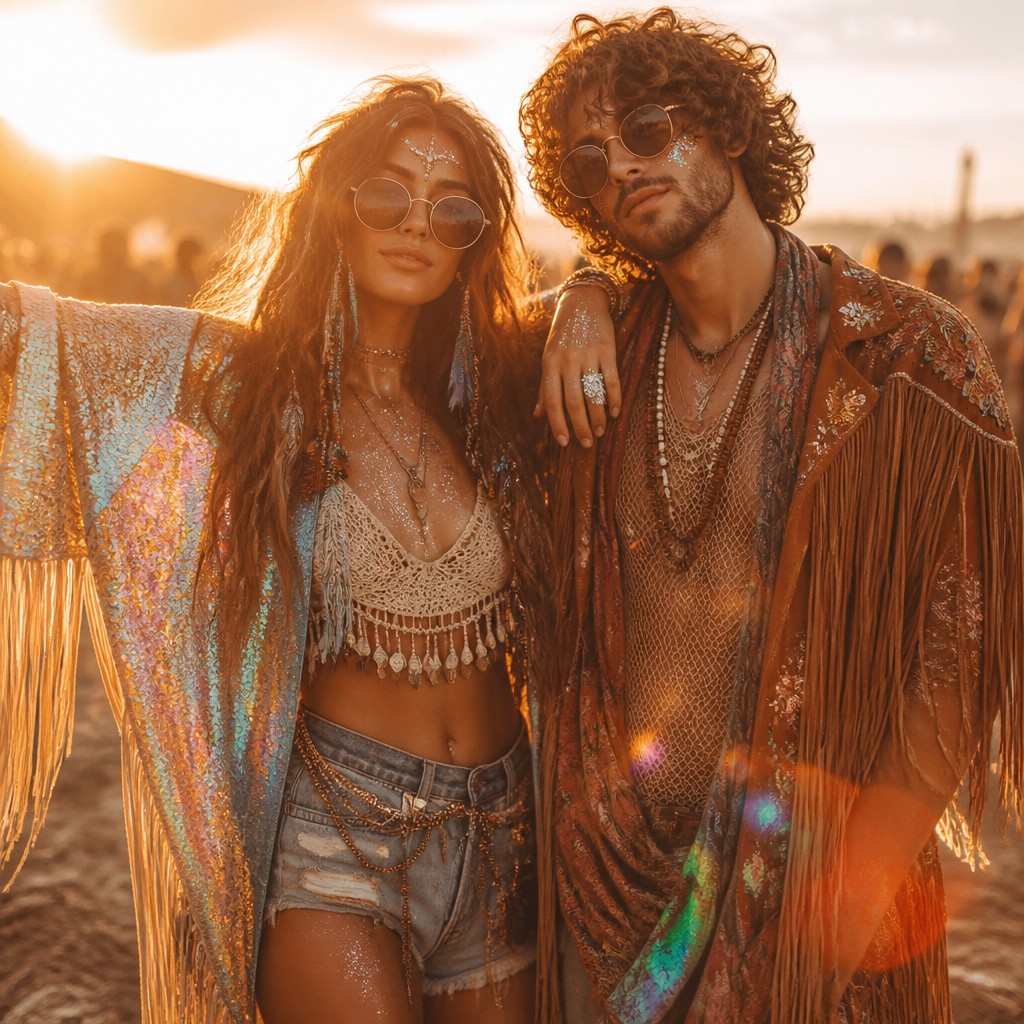
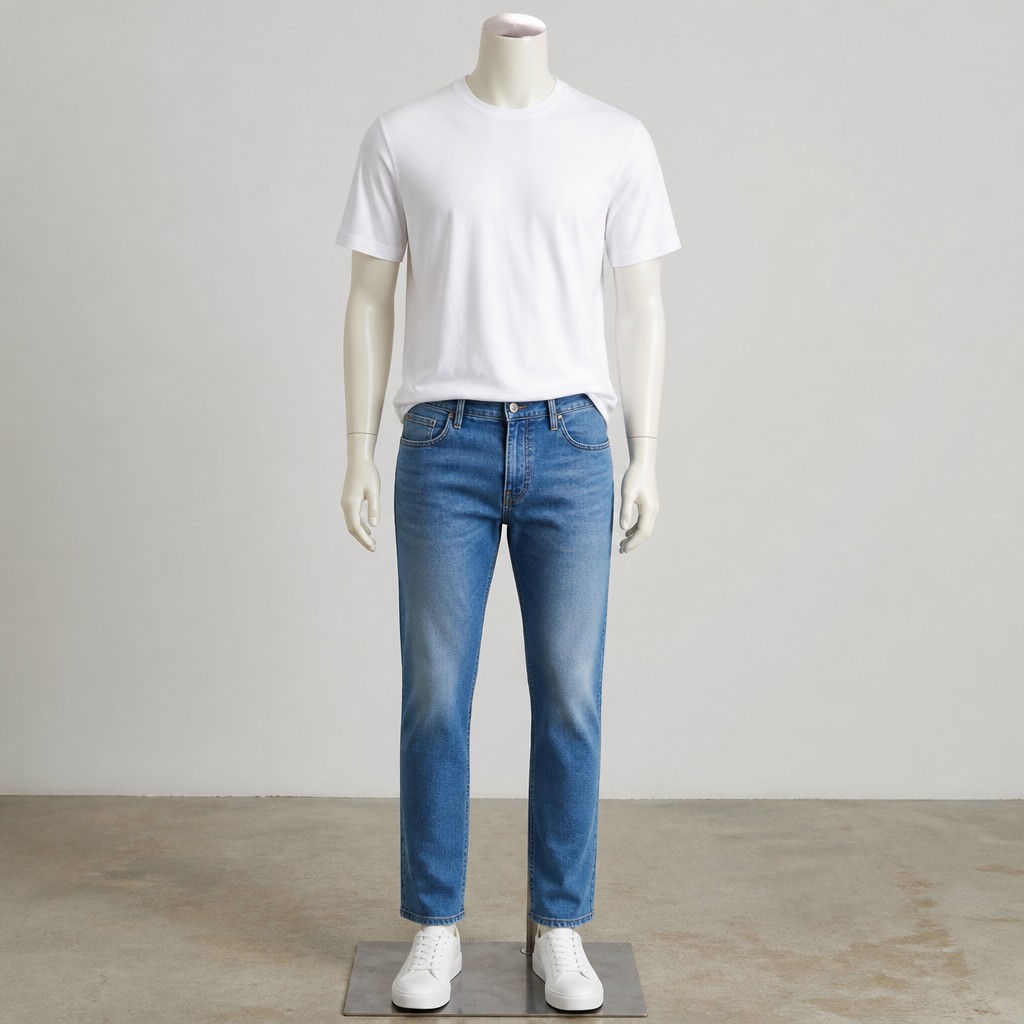
Try It On Your Photos
Upload any photo and convert it into Festival Fashion Style — drag the sliders to compare before and after.
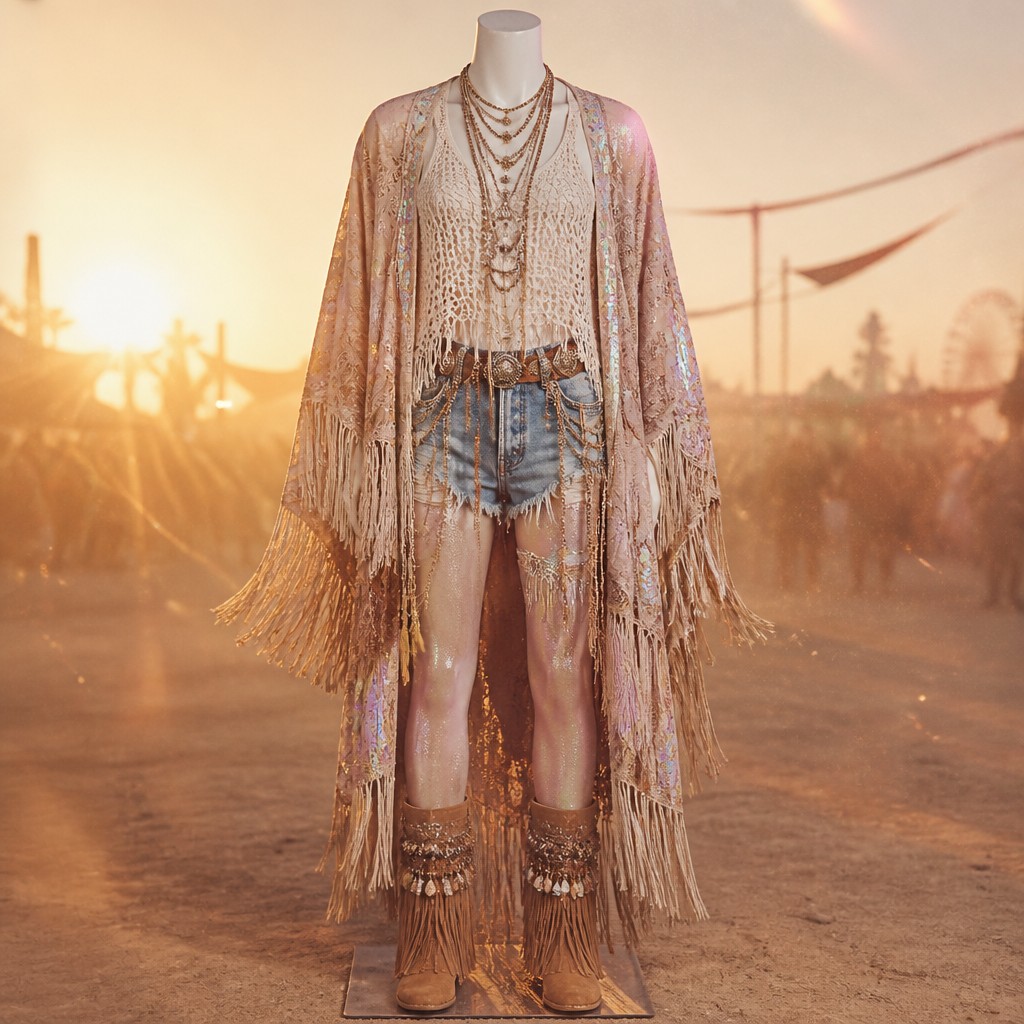
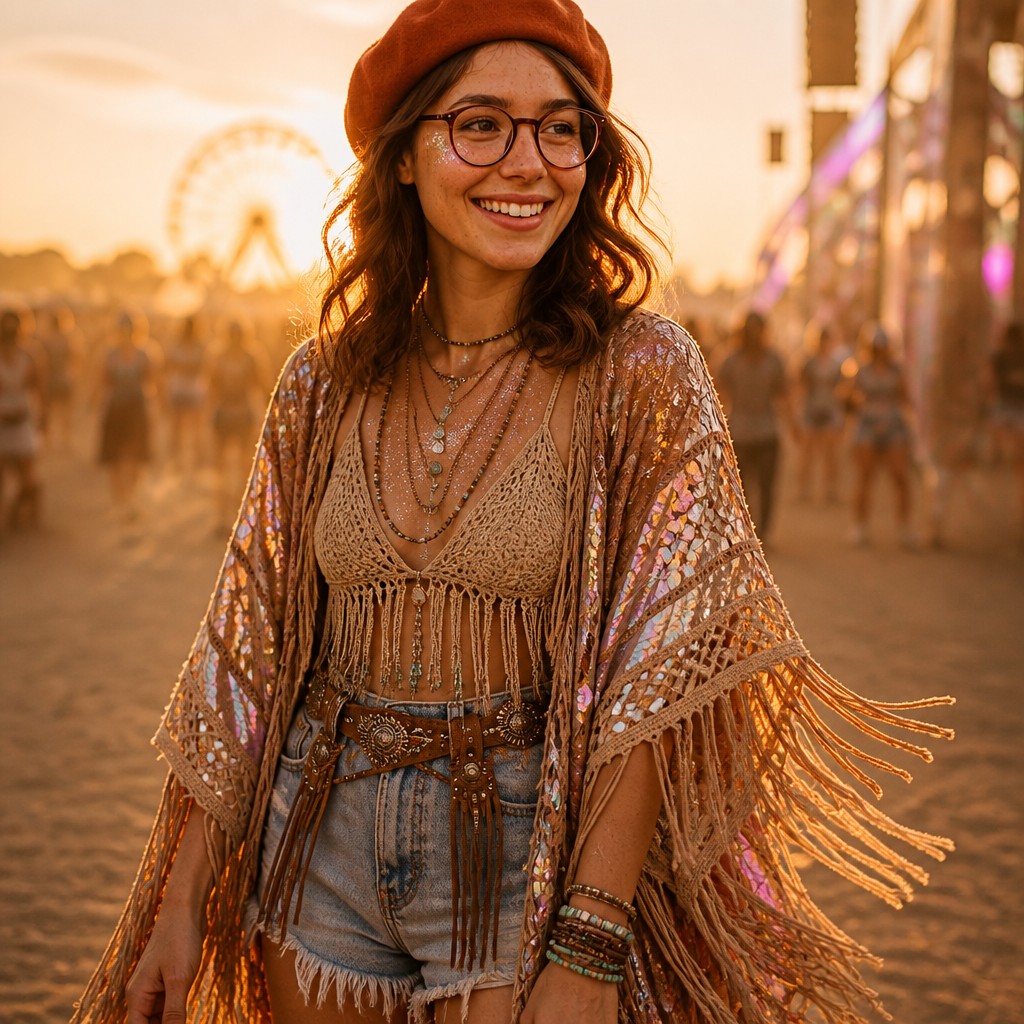

What Defines Festival Fashion Style
The signature details, up close
Layered, free-moving silhouettes
The core shapes are loose, draped, and adaptable: kimonos, open shirts, wraps, maxi skirts, shorts, and cropped tops worn in combination. Layers create motion and allow the outfit to shift with wind, dancing, and changing temperatures.
Fringe, crochet, and macramé texture
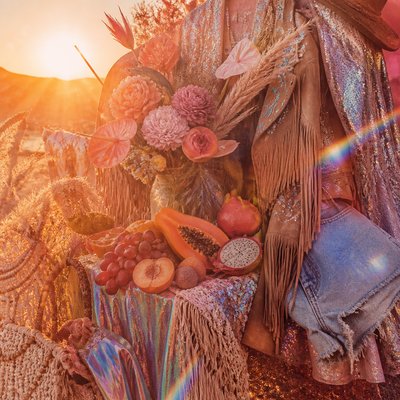
Handcrafted-looking surfaces are central, especially fringe hems, crocheted tops, woven bags, and beaded macramé. These details add tactile richness and a visibly artisanal quality.
Sun-baked earth tones with bright accents
The palette often starts with sand, tan, rust, terracotta, olive, and faded black, then adds iridescent foil, neon trim, or gemstone brights. This contrast gives the style its mixture of grounded and celebratory energy.
Sparkle and skin embellishment
Sequins, glitter makeup, body shimmer, rhinestones, and reflective fabrics are used to catch light. The body is treated as part of the composition, with styling extending beyond clothing to face, hair, and skin.
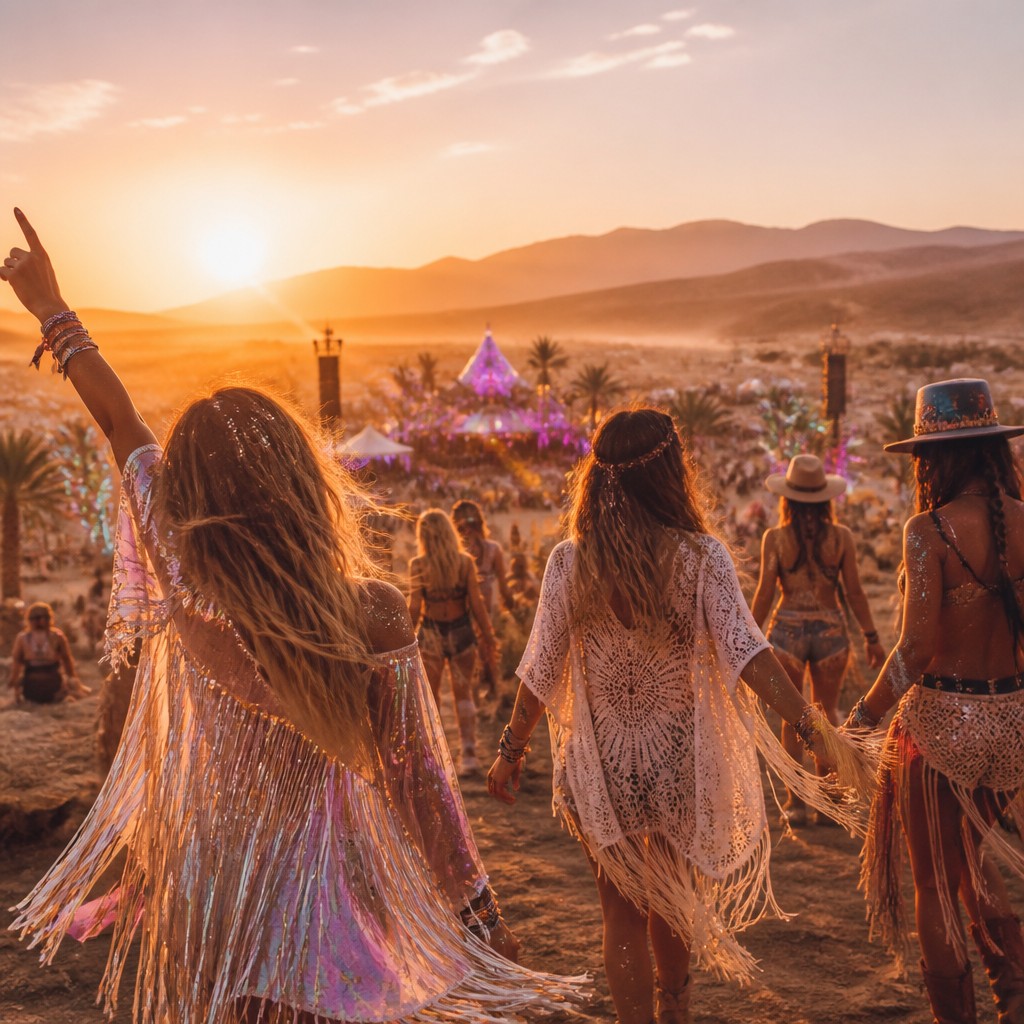
Bohemian-meets-performance styling
The look borrows from boho fashion but pushes it toward spectacle through bolder accessories and more deliberate styling. Wide hats, statement sunglasses, belts, boots, jewelry stacks, and harness-like details help anchor the outfit visually.
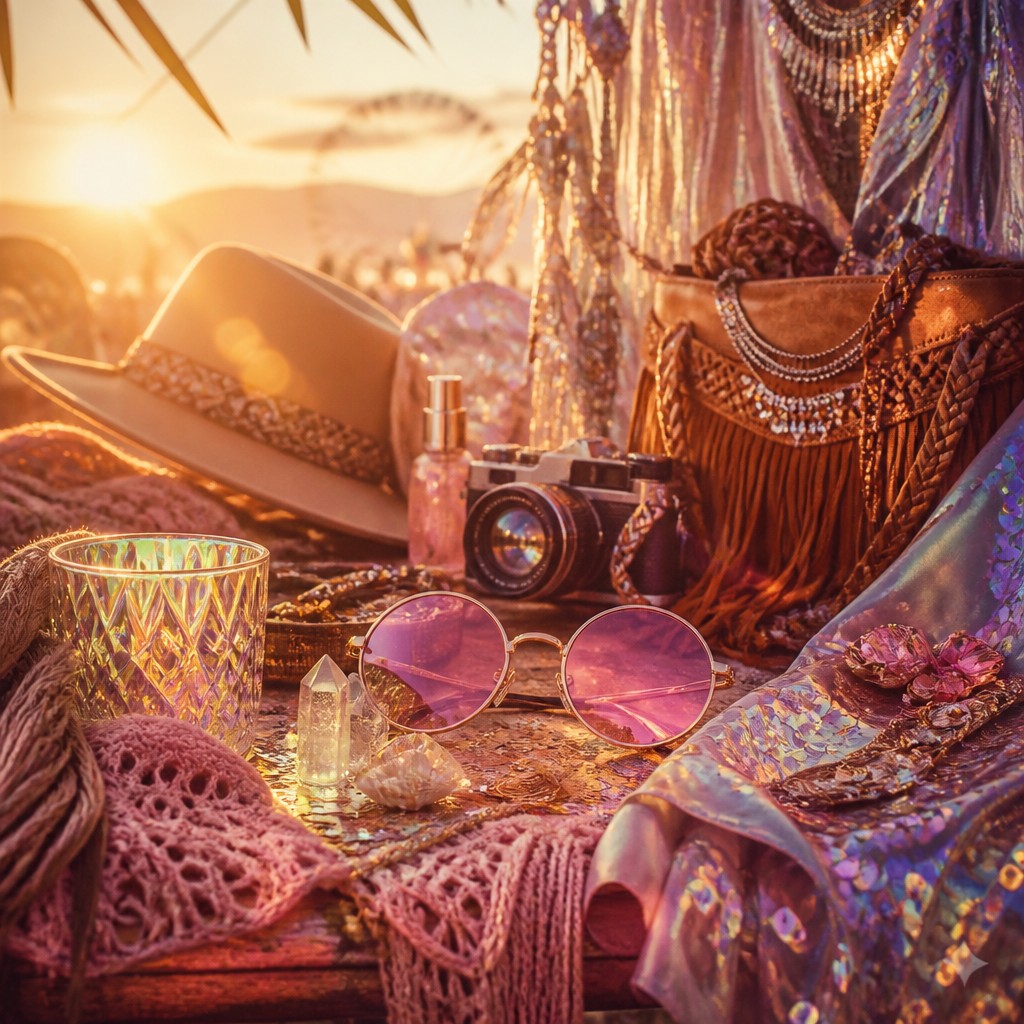
Golden-hour atmosphere
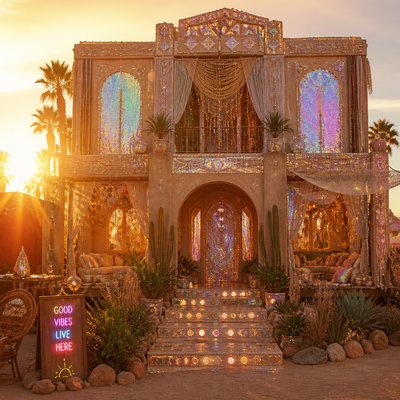
Images in this style often emphasize warm haze, backlight, lens flare, and dust suspended in the air. The environmental glow is as important as the clothing because it frames the outfit as part of an outdoor ritual.
Try It
Create Videos in Festival Fashion Style
Styles aren't just for stills — describe a scene or animate an image and get a short video rendered in Festival Fashion. Press play to see this pond come to life.
Make a VideoFestival Fashion Prompt Ideas
Start from an idea — each one opens the generator with the style ready to go. See all 40 Festival Fashion prompts →
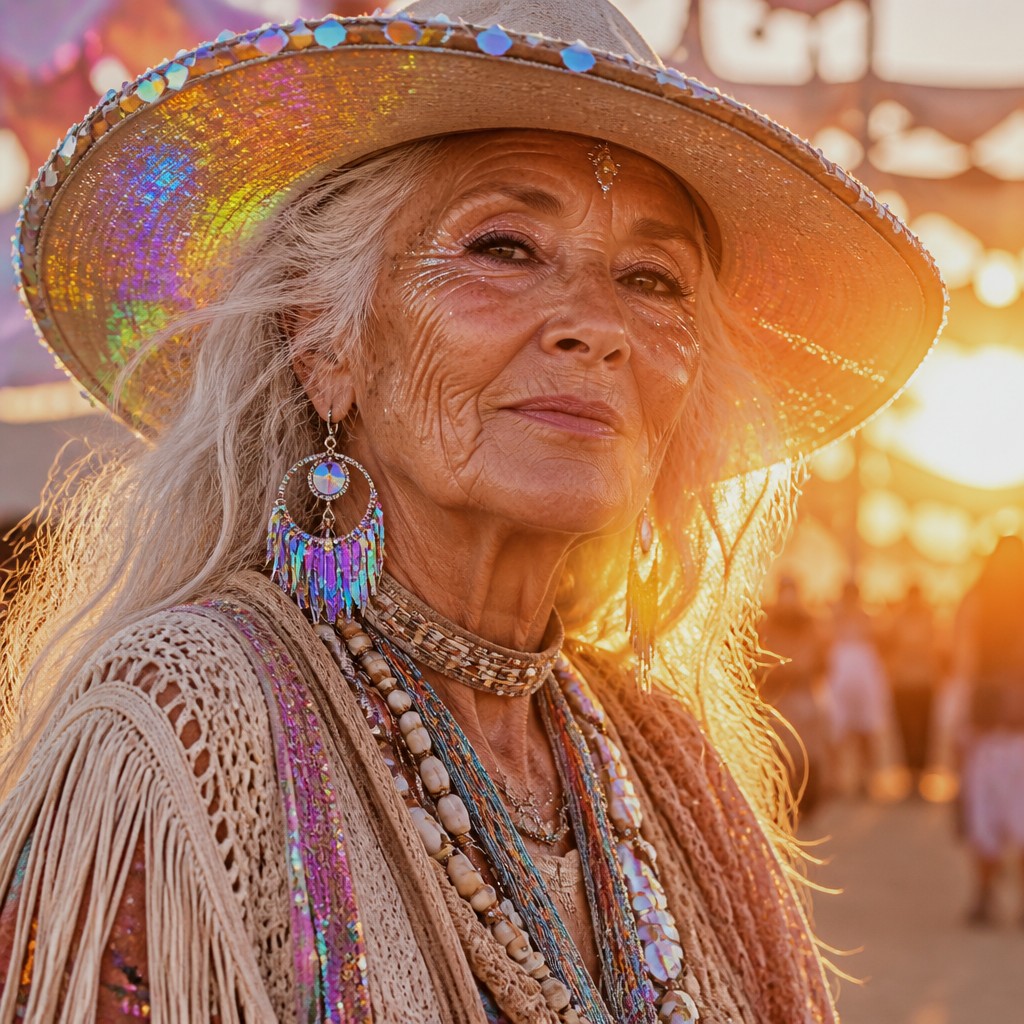
“close-up portrait of an elderly person with expressive weathered features”
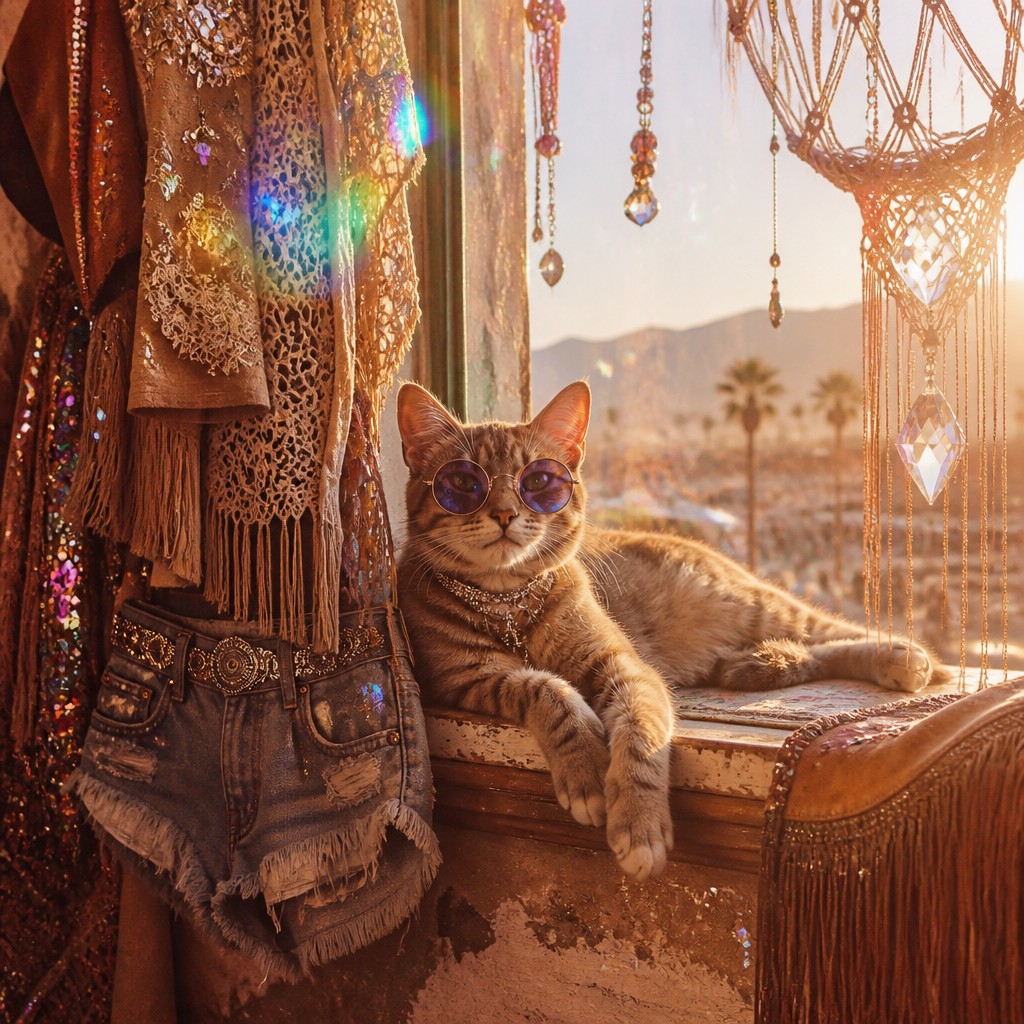
“a cat lounging in a sunlit window”
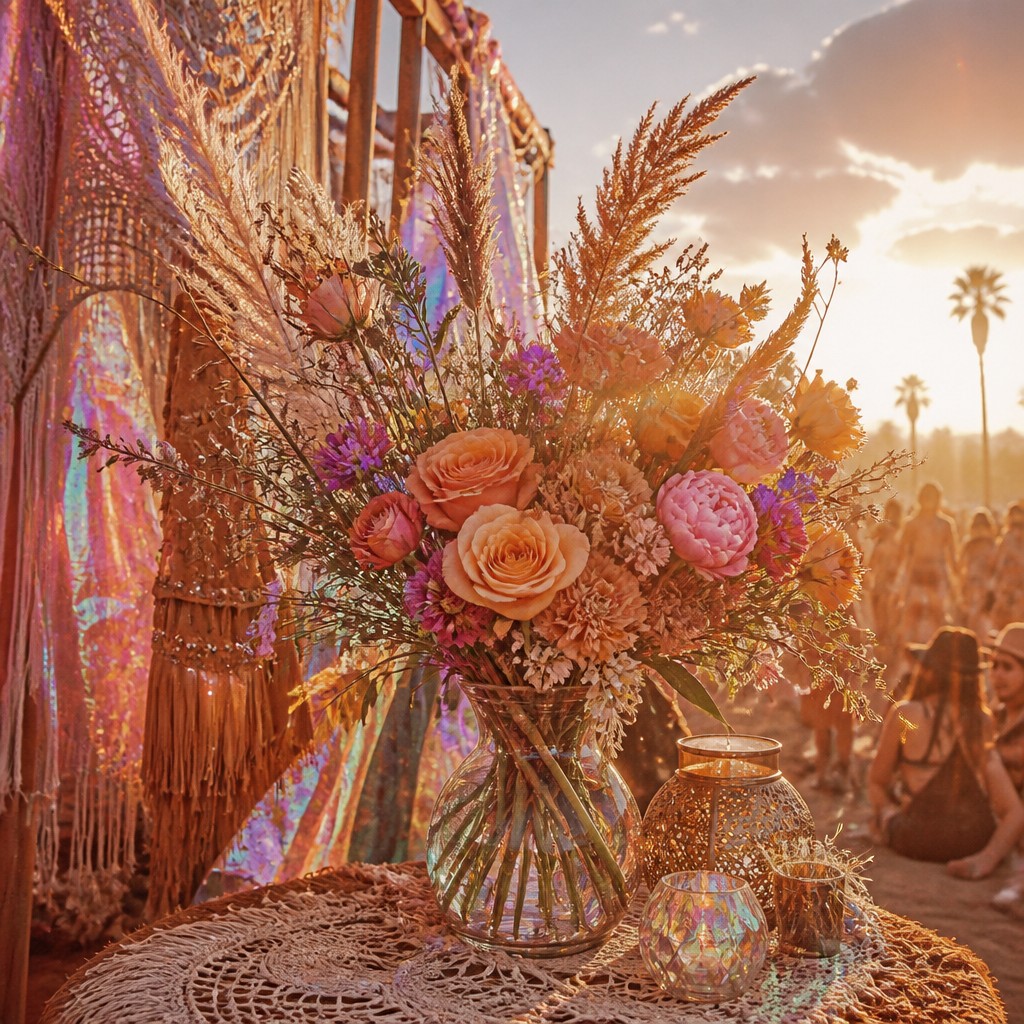
“bouquet of flowers in a glass vase”
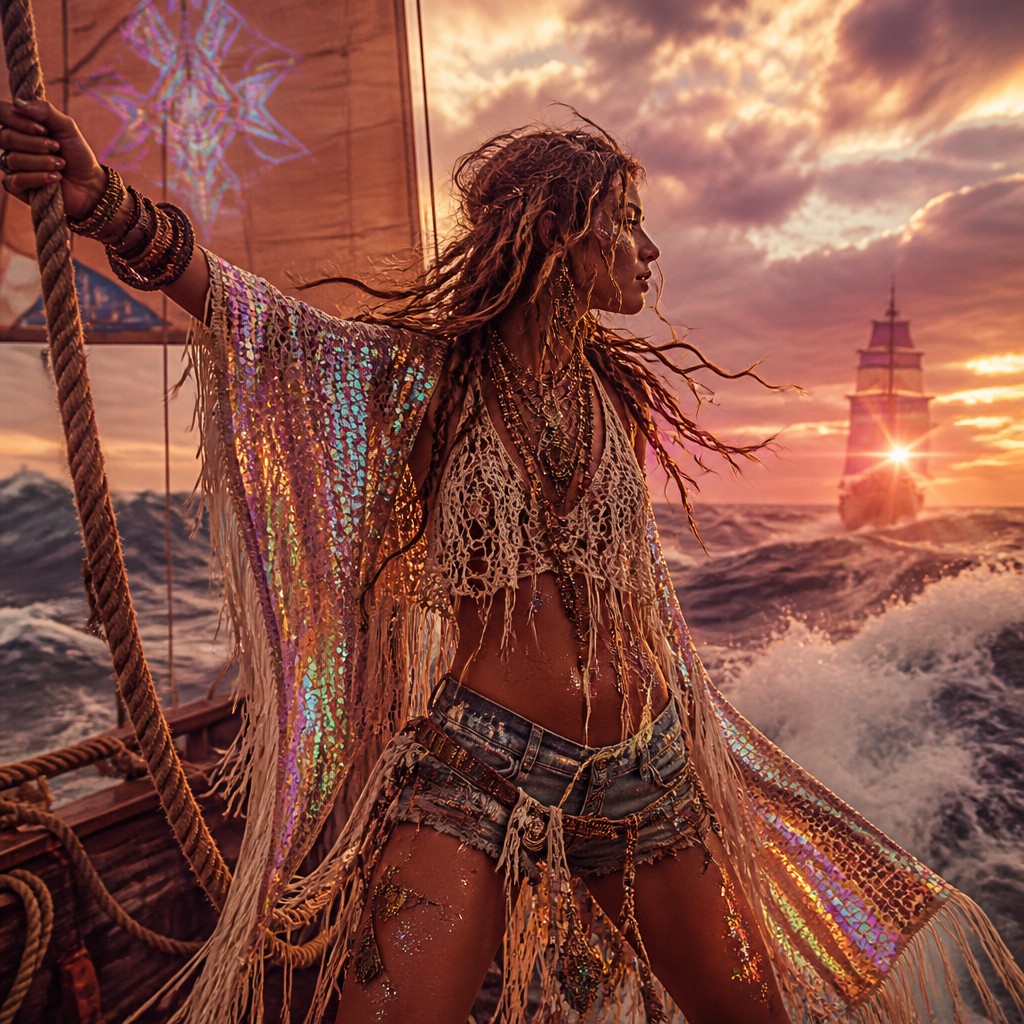
“sailing ship on a stormy sea”
How to Create Festival Fashion Art
Master the craft step by step — or skip straight to creating. Read the full guide →
- 1
Build the outfit in layers
Start with a simple base such as denim shorts, a fitted crop top, or a slip dress, then add an open kimono, vest, fringe jacket, or sheer overlay. Keep the silhouette relaxed enough to suggest movement rather than rigidity.
- 2
Mix matte natural materials with reflective finishes
Combine suede, cotton, crochet, and washed denim with sequins, metallic thread, glitter, or holographic accents. The tension between earthy textures and bright surfaces is what makes the style immediately readable.
- 3
Use warm, sunlit color grading
Whether drawing, photographing, or painting, favor dusty desert tones and amber light with a slight haze. Add controlled pops of neon or iridescence so the image feels festive without losing cohesion.
- 4
Emphasize accessories and body styling
Include layered necklaces, stacked rings, body chains, festival makeup, braided hair, and boots or sandals suited to outdoor terrain. In digital work, small reflective details help convey the style even at a glance.
- 5
Create motion and atmosphere in the scene
Pose the figure in mid-step, with hair, fringe, or fabric moving in the wind. Dust, flare, and shallow depth of field can reinforce the open-air festival setting in both traditional and digital image-making.
- 6
For prompt-based generation, describe texture and light first
Specify the subject, then add materials, layering, and environmental cues such as golden-hour dust, glitter on skin, and iridescent accents. Prompts that name fabrics, silhouettes, and lighting usually produce more convincing results than vague mood words alone.
The Story
History & Origins of Festival Fashion
Festival fashion is not a single historical movement but a contemporary aesthetic lineage that formed around late 20th- and early 21st-century music festivals, especially the crossover between bohemian dress, club culture, and desert-event imagery. Its wardrobe vocabulary draws from longstanding traditions of folk dress, hippie-era craft revival, Western wear, and performance clothing, then reframes them through modern styling for large-scale outdoor gatherings.
The style was shaped by the rise of photographed festival culture, social media, and the circulation of street-style images from events such as Coachella, Burning Man, and similar outdoor festivals. Over time, it absorbed elements from ravewear, glam rock, surf culture, and contemporary resort fashion, producing a hybrid look that values texture, shine, and layered improvisation over formal tailoring.
Influences: Festival fashion draws from bohemian dress, 1960s–70s countercultural style, Western and Southwestern wear, contemporary rave aesthetics, and performance-oriented street fashion. Its layered textiles and handmade details echo craft revival traditions, while its shine, body decoration, and event-driven excess align it with club culture and glam performance. In photographic terms, it is often presented through the conventions of editorial street style and lifestyle photography rather than through a single fine-art lineage.

Frequently Asked Questions
What defines festival fashion style?
Festival fashion is defined by layered, movement-friendly clothing, tactile materials, and decorative sparkle. Fringe, crochet, denim cutoffs, flowing outer layers, jewelry stacks, and glitter makeup are among its most recognizable elements. The style is also closely tied to warm outdoor light and a loose, celebratory attitude.
Is festival fashion the same as boho style?
No. Boho style is broader and often quieter, drawing on relaxed, artisanal, and vintage-inspired dressing. Festival fashion borrows from boho but adds more shimmer, bolder accessories, skin embellishment, and a stronger sense of spectacle suited to music events and photo-heavy settings.
What colors work best in this style?
Dusty neutrals such as tan, sand, rust, olive, and faded black are the foundation. These are often offset by metallic gold, silver, holographic sheen, or bright neon details. The contrast between earthy and reflective colors is one of the style’s key signatures.
How do I make festival fashion art or photos look authentic?
Focus on texture, layered silhouettes, and natural motion. Use warm light, dust, or flare to place the figure in an outdoor environment, and include small but specific details such as fringe, body shimmer, woven accessories, or reflective sunglasses. The style depends as much on atmosphere as on clothing.
Where is festival fashion commonly used?
It appears most often in music festival culture, editorial fashion photography, lifestyle branding, and summer event styling. It is also common in social media portraiture because it photographs well in golden-hour light and reads clearly at a glance.
How is it different from rave fashion?
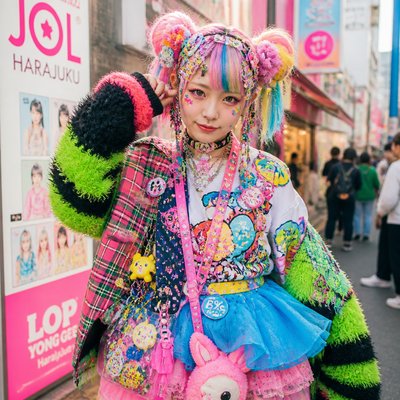
Rave fashion usually leans more toward synthetic fabrics, neon, clubwear, and futuristic or techno-coded styling. Festival fashion is generally softer and more bohemian, with more fringe, crochet, denim, suede, and desert tones, even when it includes glitter or holographic accents.

Create your first Festival Fashion artwork
Describe anything — or upload a photo — and see it in Festival Fashion Style in seconds.
Related Styles
Discover similar art styles