Cottagecore Fashion Style
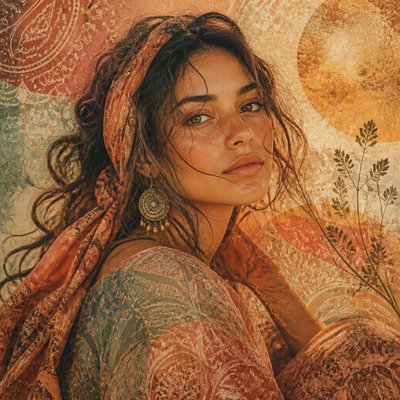
Puffed sleeves, prairie skirts, linen florals, and golden meadow light define this pastoral fashion aesthetic.
Instantly rendered in Cottagecore Fashion — or transform a photo
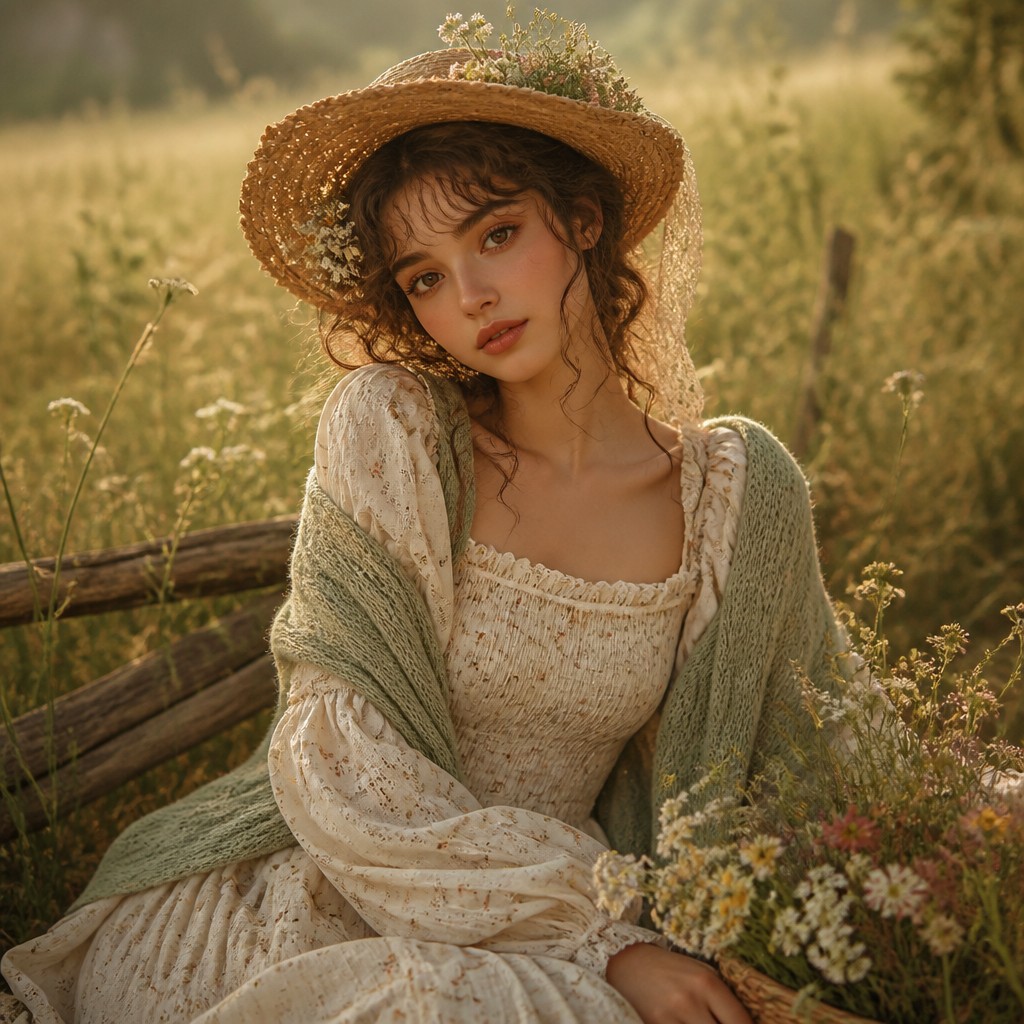
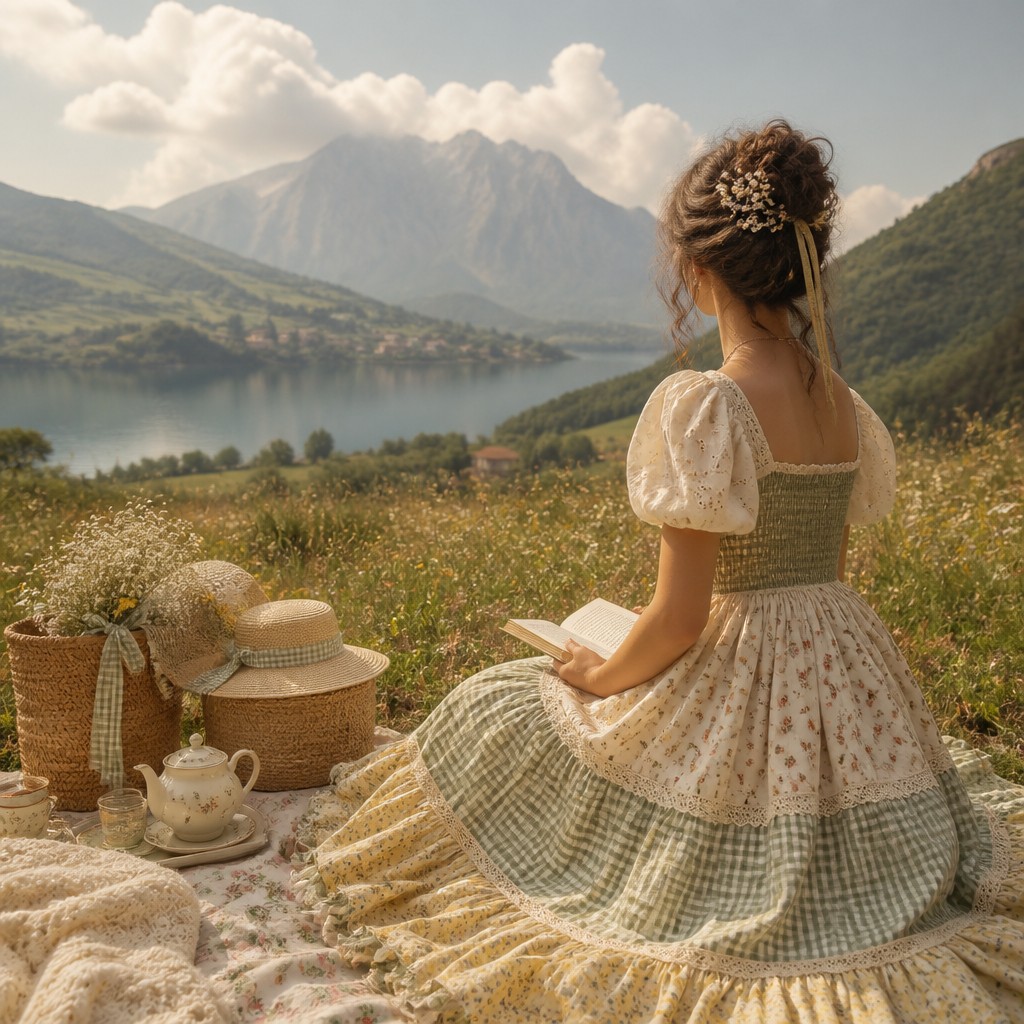
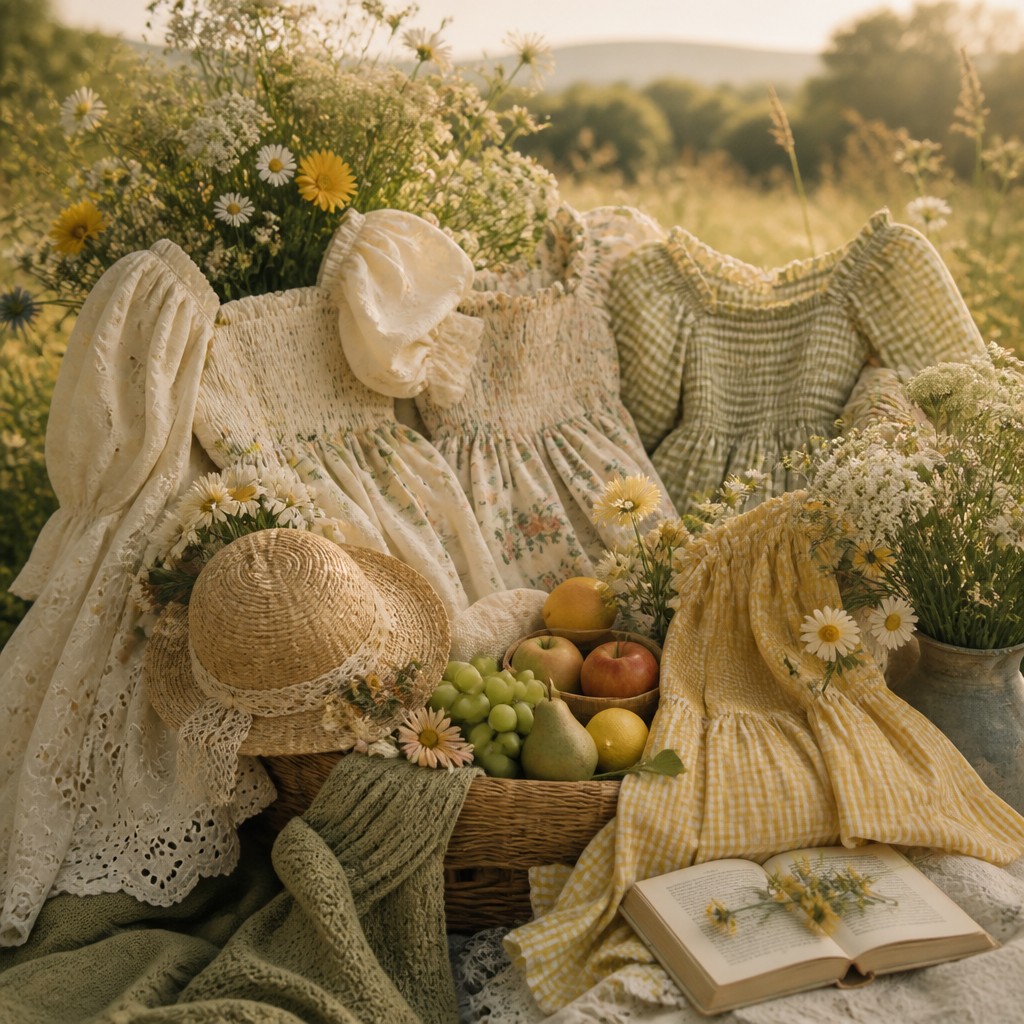
Cottagecore Fashion Gallery
Tap any artwork to explore it
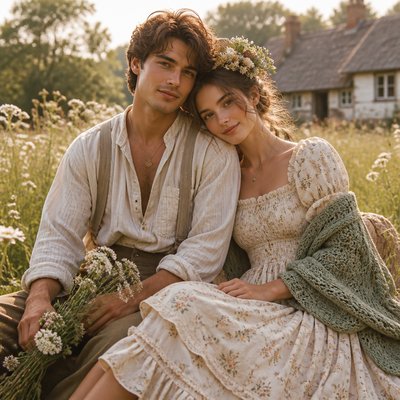
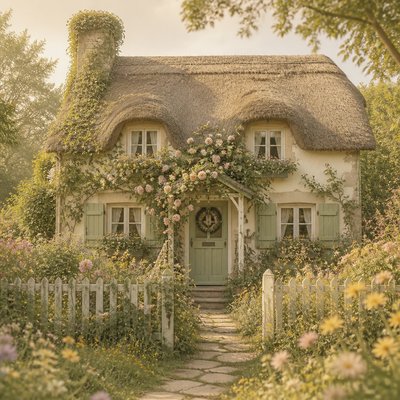
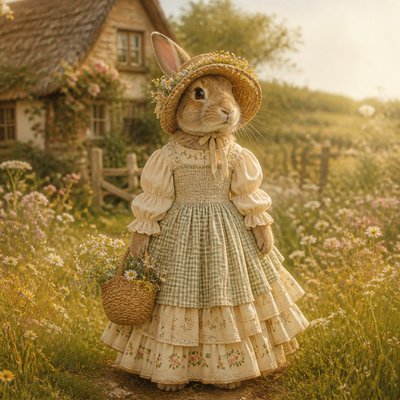
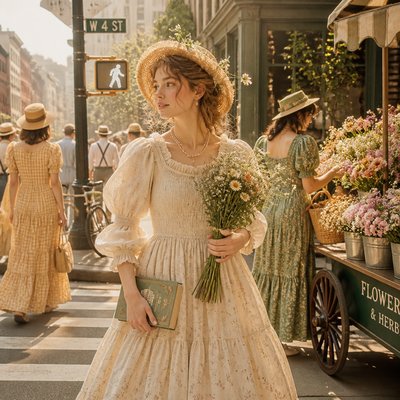
What is Cottagecore Fashion Style?
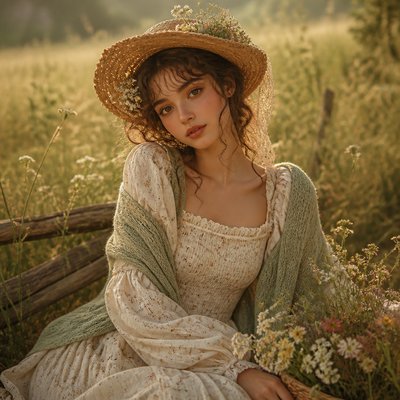
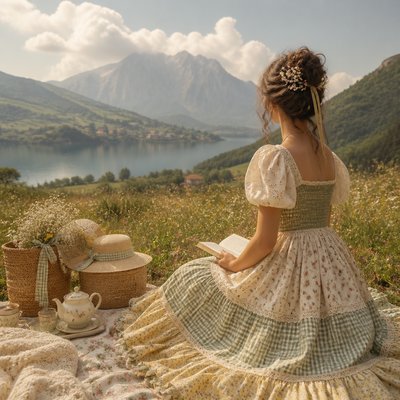
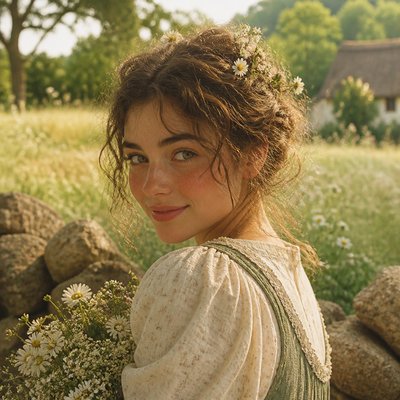
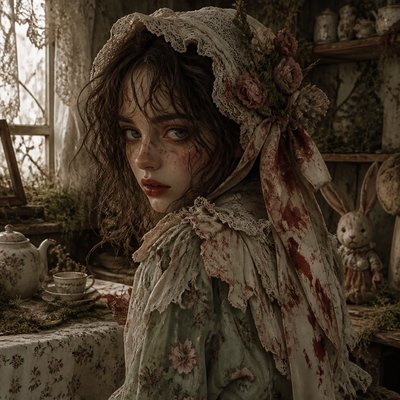
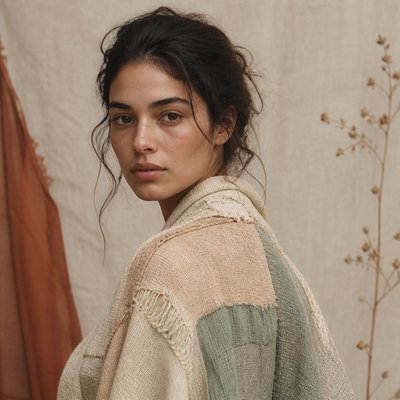
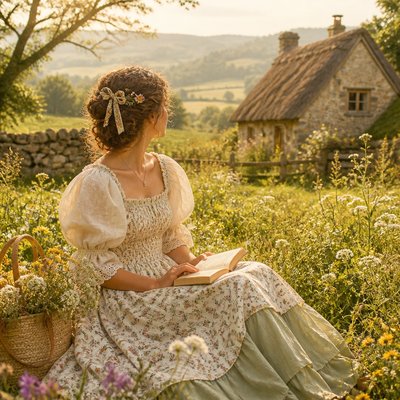
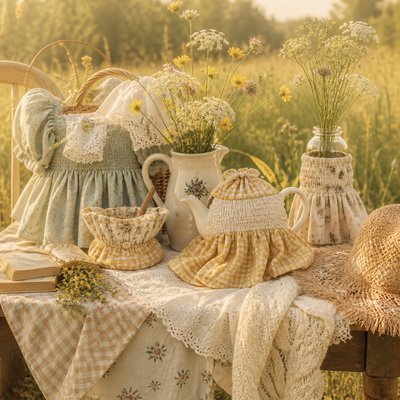
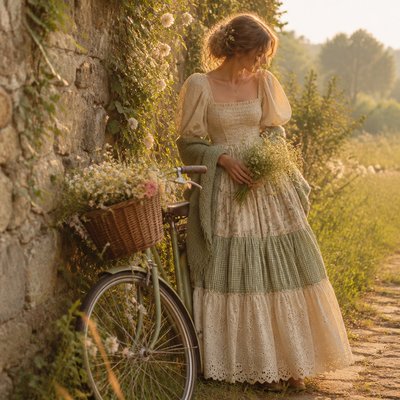
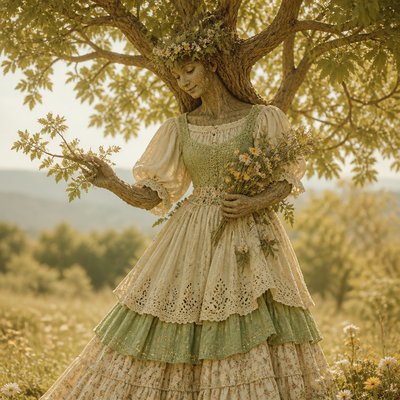
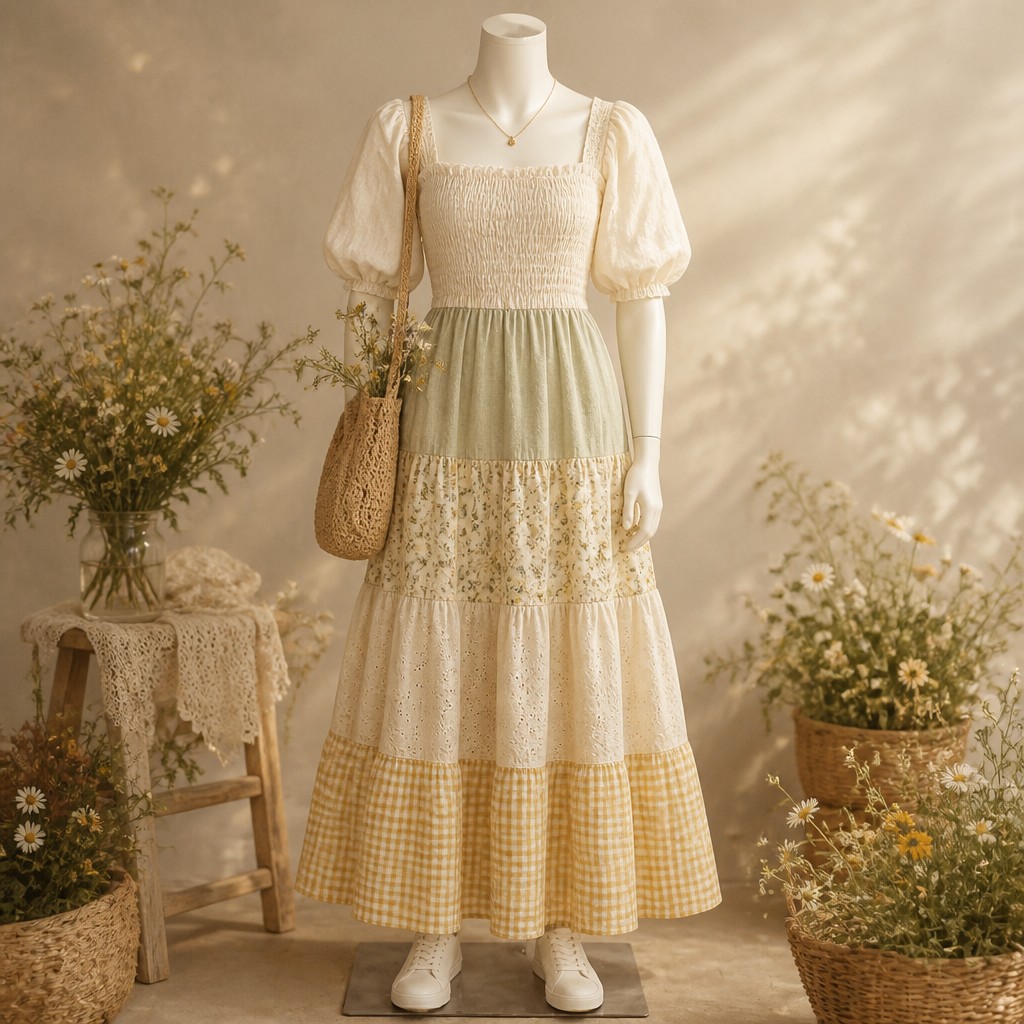
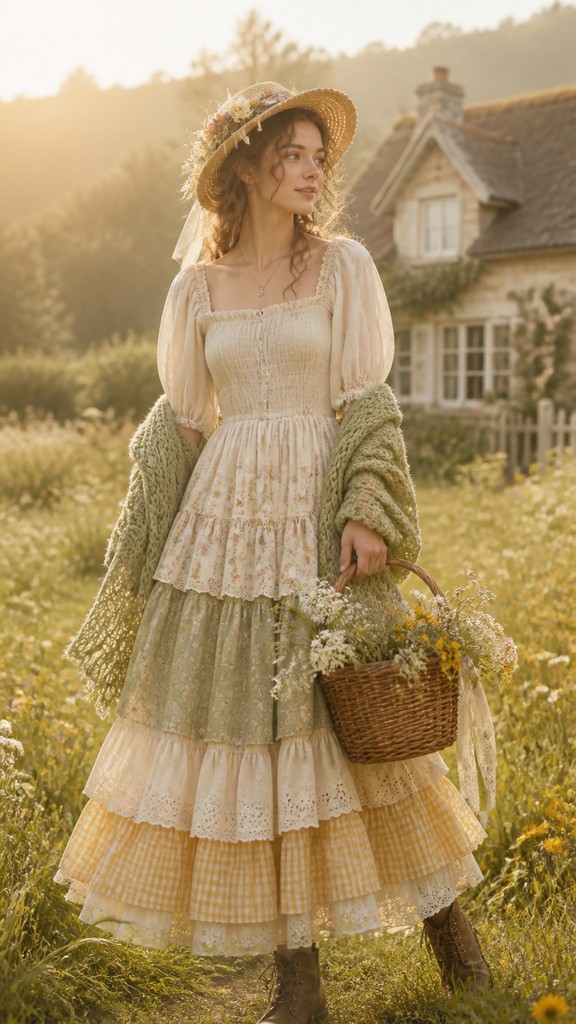
Cottagecore fashion style is a pastoral clothing aesthetic centered on softness, domestic romance, and an idealized rural life. It favors puffed sleeves, smocked or corseted bodices, tiered prairie skirts, apron dresses, cardigans, and natural textiles such as linen, cotton, eyelet lace, gingham, and hand-knit wool. The palette is usually gentle and sun-washed: cream, sage, butter yellow, faded rose, muted blue, and floral prints that look hand-tended rather than industrially bright.
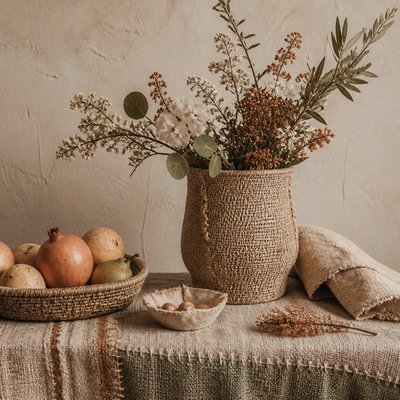
Its visual identity comes from a blend of historical dress references and modern nostalgia. The silhouettes often echo 18th- and 19th-century rural clothing, folk costume, and early Americana, but they are softened into something wearable, romantic, and contemporary. The look feels warm and storybook-like because it emphasizes tactile materials, handcrafted details, and meadow imagery, often staged in golden afternoon light or surrounded by flowers, baskets, ribbons, and wood-and-linen interiors.
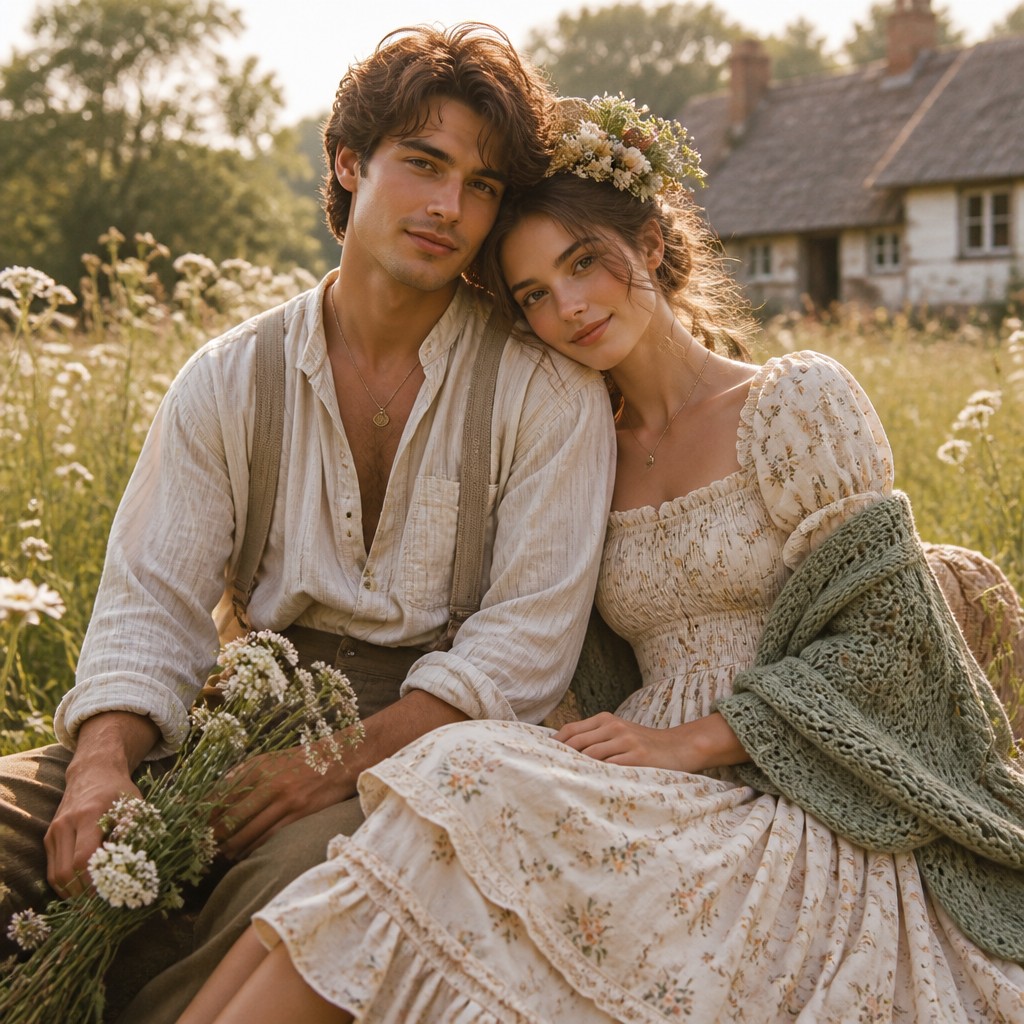
Try It On Your Photos
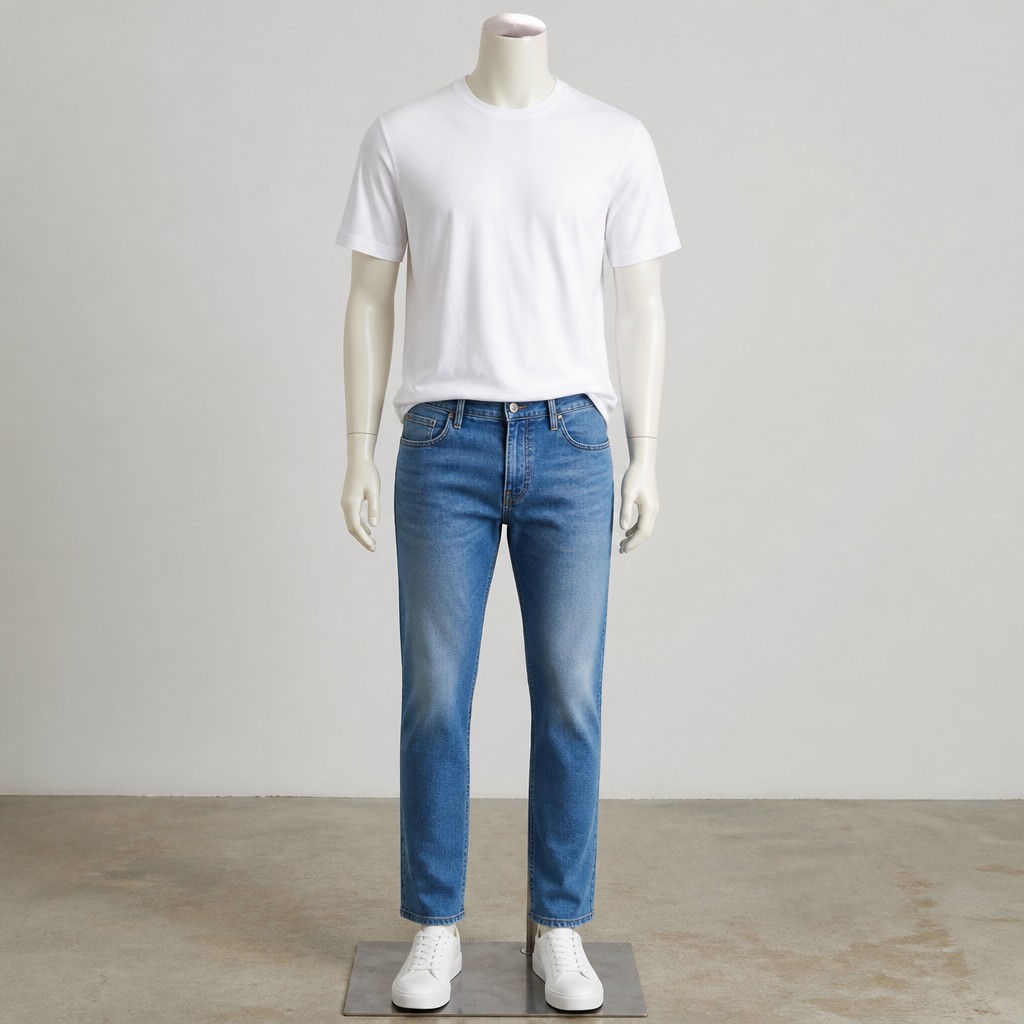
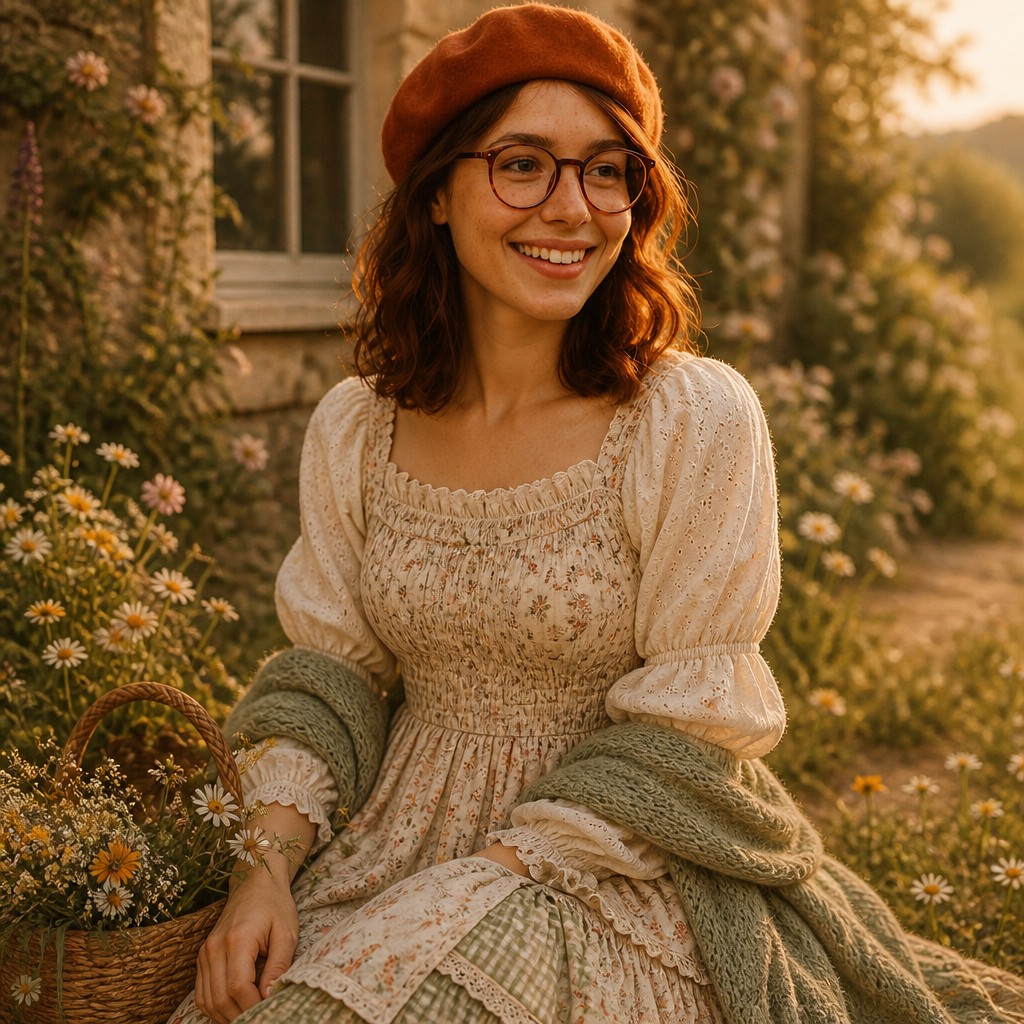
Upload any photo and convert it into Cottagecore Fashion Style — drag the sliders to compare before and after.

What Defines Cottagecore Fashion Style
The signature details, up close
Puffed and gathered silhouettes
Sleeves are often puffed, leg-of-mutton-inspired, or softly gathered at the shoulder and cuff. Bodices may be smocked, ruched, or lightly fitted to create a romantic shape without appearing rigid.
Prairie and tiered skirts
Skirts tend to be long, flowing, and layered, often with tiers, ruffles, or a full A-line shape. The movement of the fabric matters as much as the cut, giving the outfit a sense of ease and pastoral motion.
Natural and tactile fabrics
Linen, cotton, eyelet, voile, gingham, wool, and lace are central because they suggest handcraft and comfort. The texture should feel visible and lived-in rather than sleek or synthetic.
Soft, edible color palette
Cream, butter yellow, sage, oat, blush, and dusty floral tones dominate the palette. Colors are generally muted or sun-faded, avoiding high contrast or neon brightness.
Rural decorative details
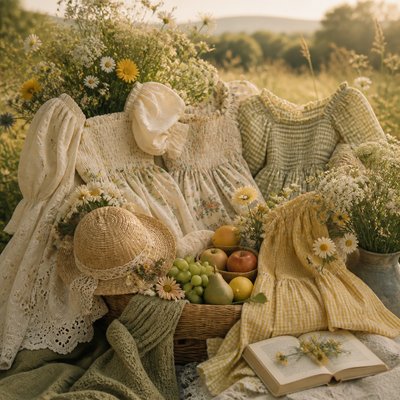
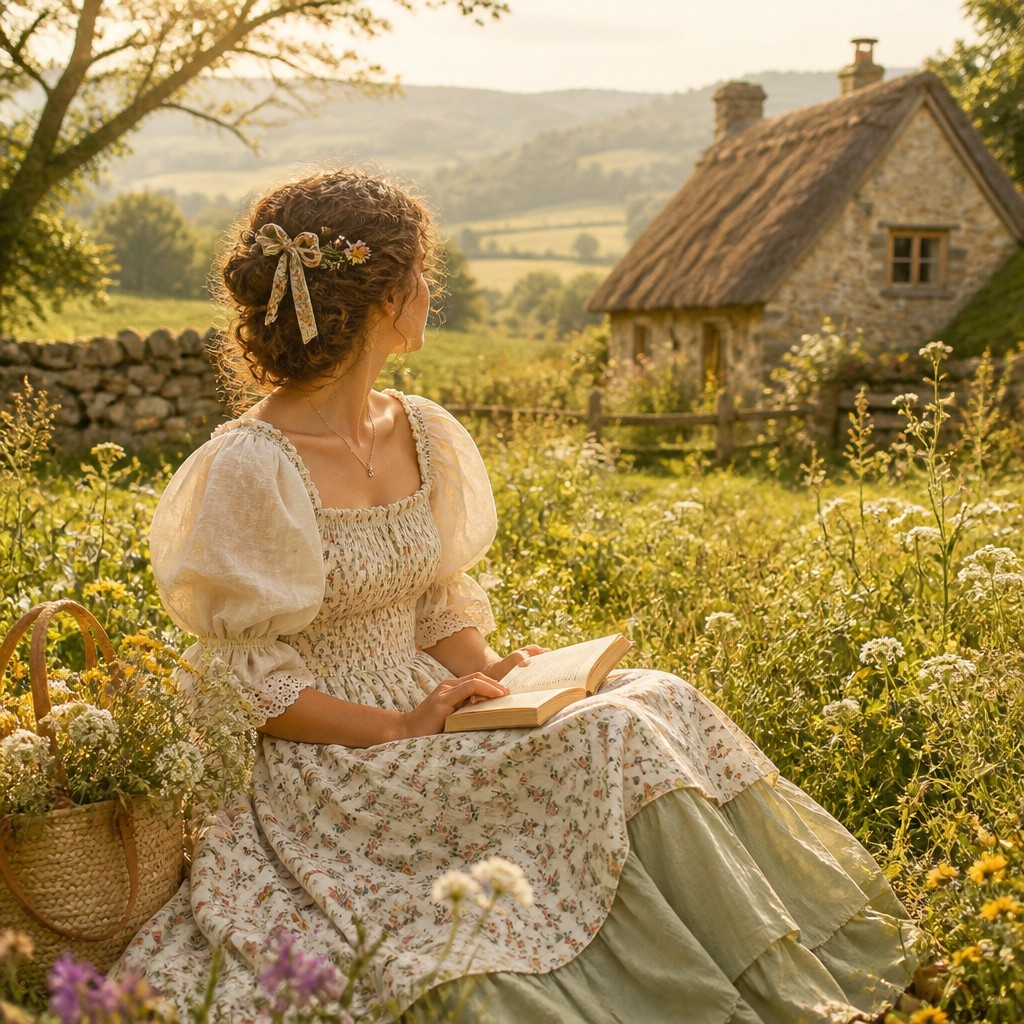
Ribbons, aprons, straw hats, baskets, embroidery, and wildflowers are common accents. These details reinforce the sense of domestic ritual, gardening, and outdoor leisure.
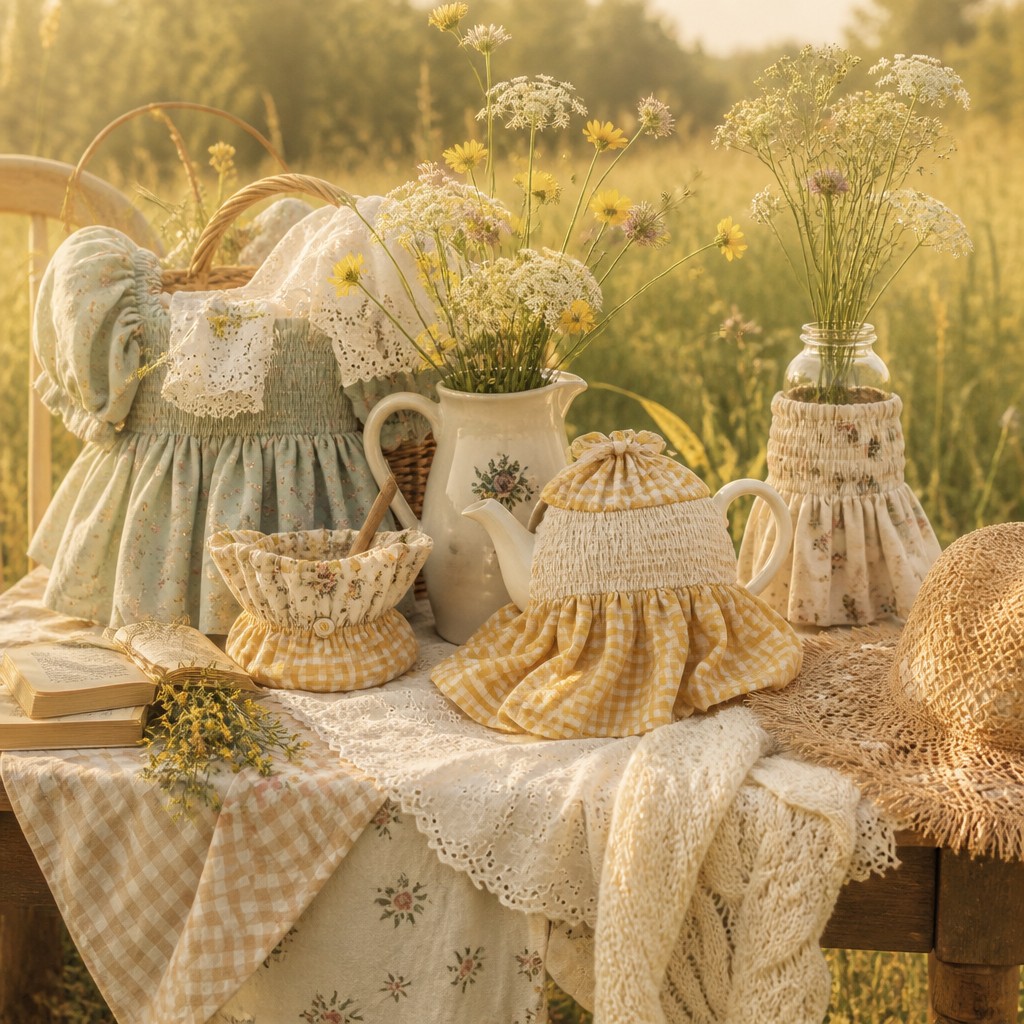
Storybook innocence
The style often carries a gentle, slightly nostalgic mood that resembles illustrated children's literature or pastoral fairy tales. Even when modernized, it aims for tenderness rather than glamour or edge.
Try It
Create Videos in Cottagecore Fashion Style
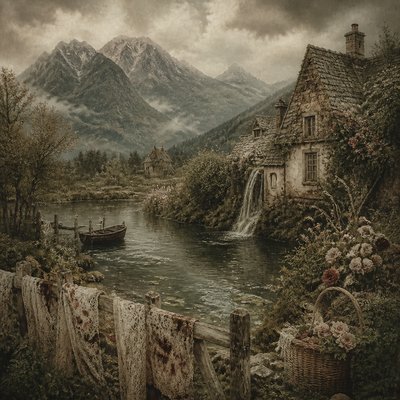
Styles aren't just for stills — describe a scene or animate an image and get a short video rendered in Cottagecore Fashion. Press play to see this pond come to life.
Make a VideoCottagecore Fashion Prompt Ideas
Start from an idea — each one opens the generator with the style ready to go. See all 40 Cottagecore Fashion prompts →
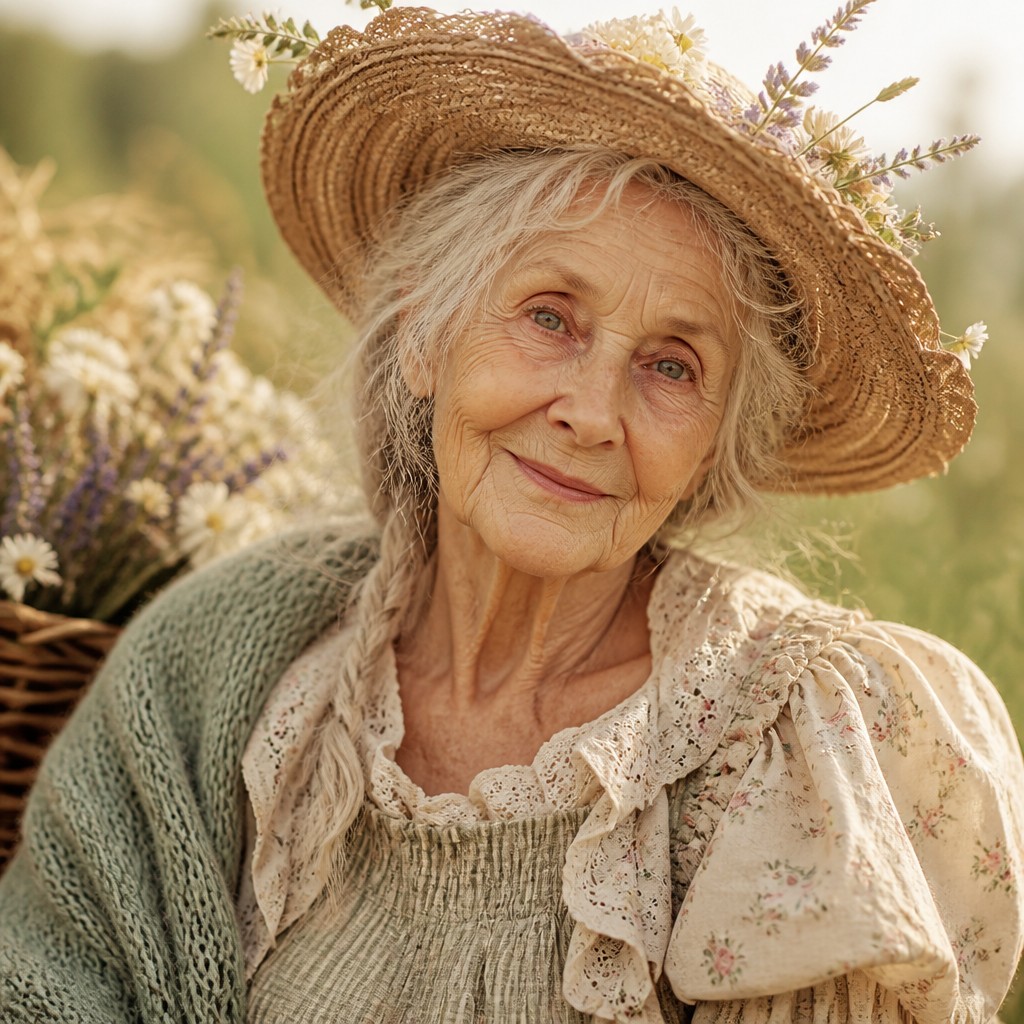
“close-up portrait of an elderly person with expressive weathered features”
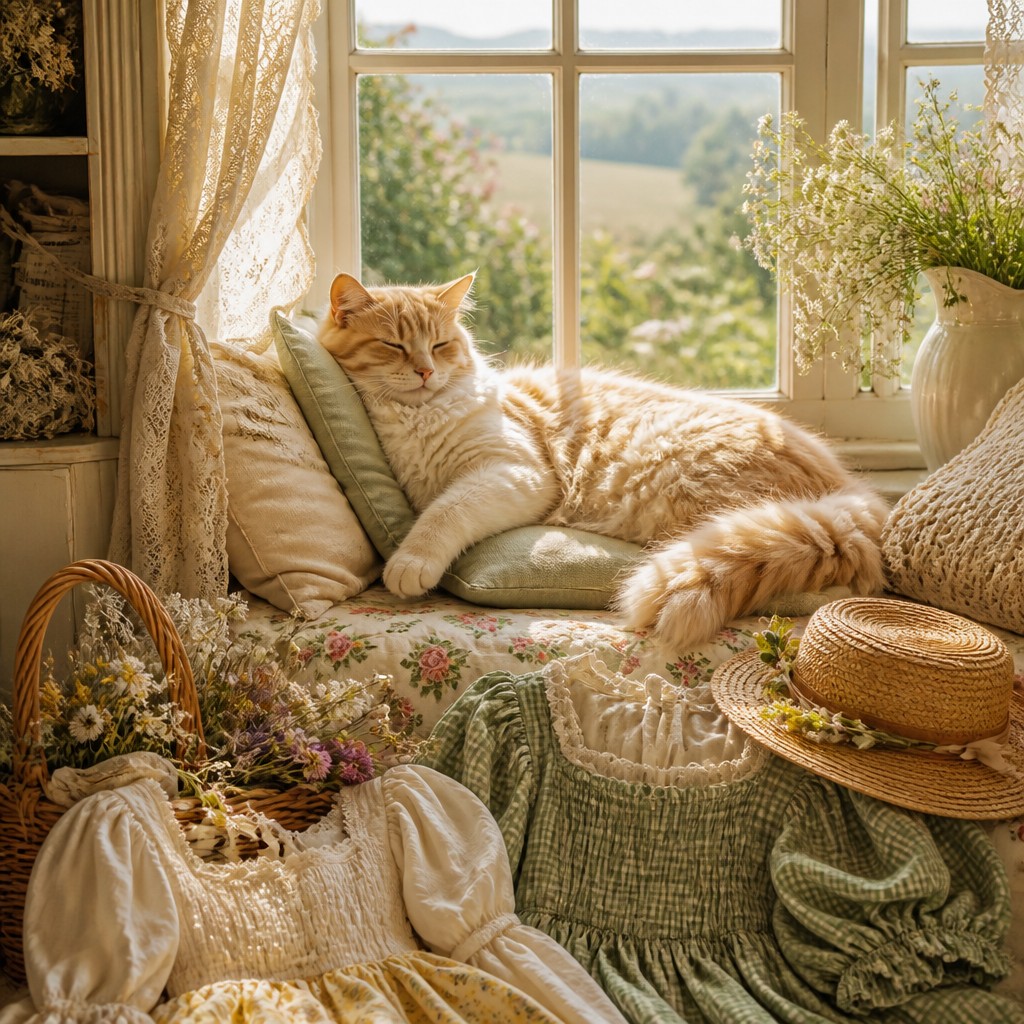
“a cat lounging in a sunlit window”
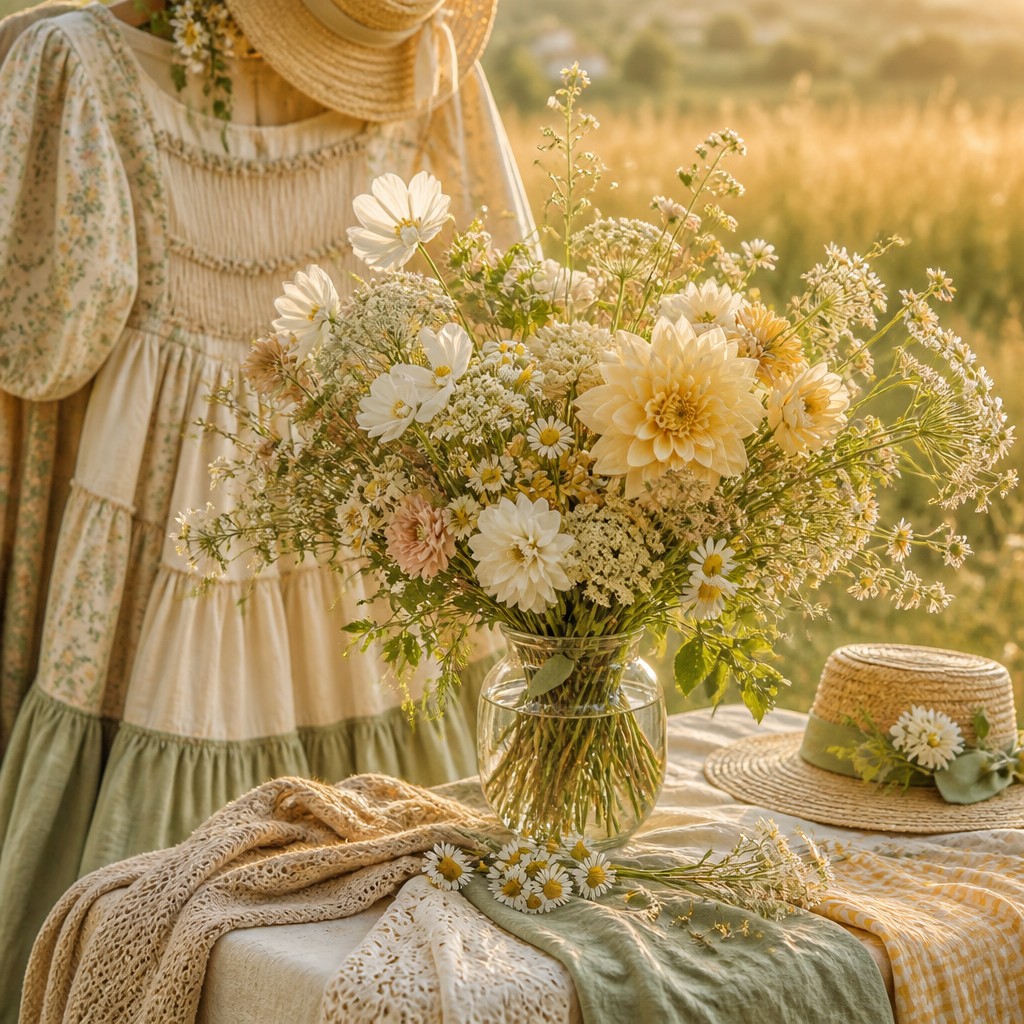
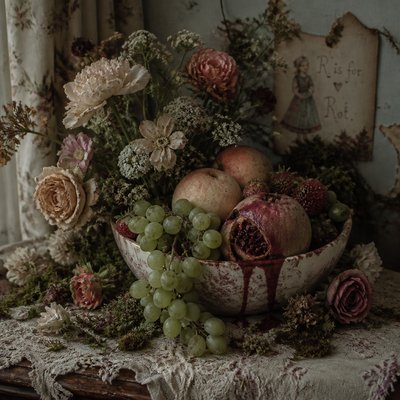
“bouquet of flowers in a glass vase”
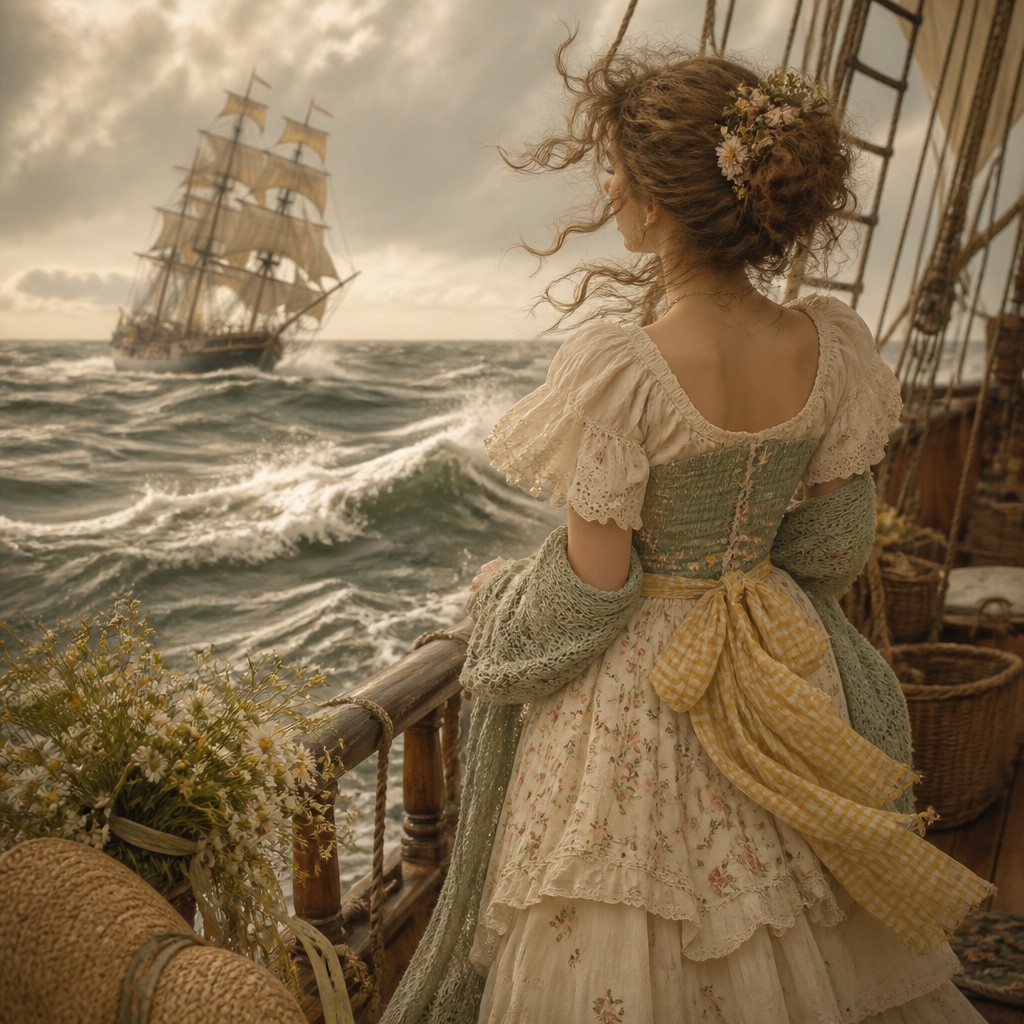
“sailing ship on a stormy sea”
How to Create Cottagecore Fashion Art
Master the craft step by step — or skip straight to creating. Read the full guide →
- 1
Build the silhouette first
Start with a puffed-sleeve blouse, smocked top, or dress with a fitted waist and tiered skirt. In illustration or photo styling, keep the shape airy and modestly voluminous so the clothing reads as soft and rural rather than formal or theatrical.
- 2
Choose fabrics that show texture
Use visible weave, lace trim, embroidery, and gentle wrinkles to suggest natural cloth. In digital work, add subtle fabric grain and avoid overly glossy shading; in photography, favor linen, cotton, and knit materials that catch light softly.
- 3
Limit the palette to warm neutrals and faded botanicals
Work with cream, sage, butter, wheat, dusty pink, and muted blue, then add floral prints sparingly. A restrained palette helps the image feel cohesive and keeps the atmosphere calm.
- 4
Stage the subject in pastoral light
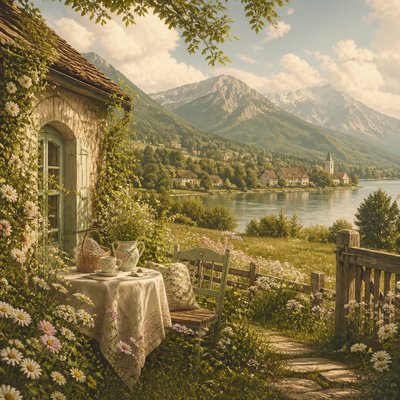
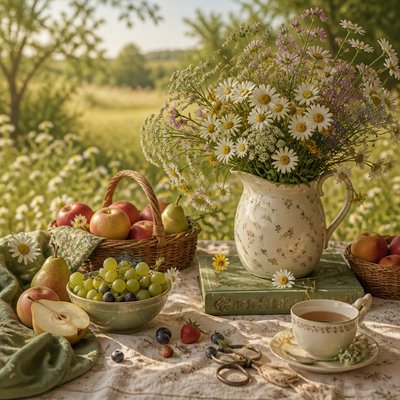
Golden-hour light, meadow haze, garden paths, cottage interiors, and fields of wildflowers are typical settings. Even a studio image can evoke the style by using warm directional light, soft shadows, and natural props like baskets or dried flowers.
- 5
Use a prompt that names materials, silhouettes, and mood
For text-to-image or transformation workflows, specify billowing sleeves, prairie skirt, linen, eyelet lace, gingham, wildflowers, and warm meadow light. Adding terms like tender, pastoral, hand-sewn, and sun-washed helps steer the result toward the correct emotional register.
The Story
History & Origins of Cottagecore Fashion
Cottagecore is a contemporary aesthetic rather than a historical fashion movement with a fixed origin date. It emerged online in the late 2010s and accelerated in popularity in the early 2020s, drawing from older visual traditions that idealize country living, self-sufficiency, gardening, baking, and handmade craft. In fashion, it borrows from prairie dress, romantic vintage dress, folk costume, and the long-running tendency to reinterpret rural clothing as a symbol of innocence and retreat.
Its lineage also includes literary and visual culture: pastoral painting, Romantic-era nature imagery, 1970s prairie fashion, and cottage decor photography all helped shape its look. Rather than citing a single canonical source, cottagecore fashion assembles familiar references into a modern lifestyle aesthetic, translating historical silhouettes and domestic textures into clothing that reads as gentle, nostalgic, and intentionally unhurried.
Influences: Cottagecore fashion draws from several older visual traditions rather than a single canonical movement. Its clothing echoes rural dress and folk costume, the romanticized countryside of 19th-century pastoral imagery, and the prairie revival of the 1970s; it also overlaps with vintage-inflected femininity seen in film and editorial fashion. In terms of mood, it is related to Romanticism’s love of nature and the domestic ideal, but it translates those ideas into a contemporary wardrobe built from linen, lace, gingham, and handmade-looking details.
Frequently Asked Questions
What defines cottagecore fashion?
It is defined by soft rural silhouettes, natural fabrics, and pastoral details such as puffed sleeves, tiered skirts, lace, gingham, and floral prints. The overall effect is handmade, romantic, and gently nostalgic rather than polished or urban.
Is cottagecore the same as prairie style?
They are closely related, but not identical. Prairie style usually refers more specifically to late-19th-century-inspired dresses with high necklines, long skirts, and historical references, while cottagecore is a broader lifestyle aesthetic that can include prairie elements plus aprons, knits, baskets, and cottage imagery.
What colors work best in this style?
Muted, natural colors work best: cream, sage, oat, butter yellow, dusty rose, soft blue, and earthy browns. Floral prints should look faded or hand-tended rather than bright and graphic.
How do I make a cottagecore outfit look authentic?
Focus on texture, silhouette, and restraint. Choose breathable fabrics, add one or two rural accessories, and keep the palette soft; an outfit can read as cottagecore without being costume-like if the details feel simple and lived-in.
What subjects are commonly shown in this style?
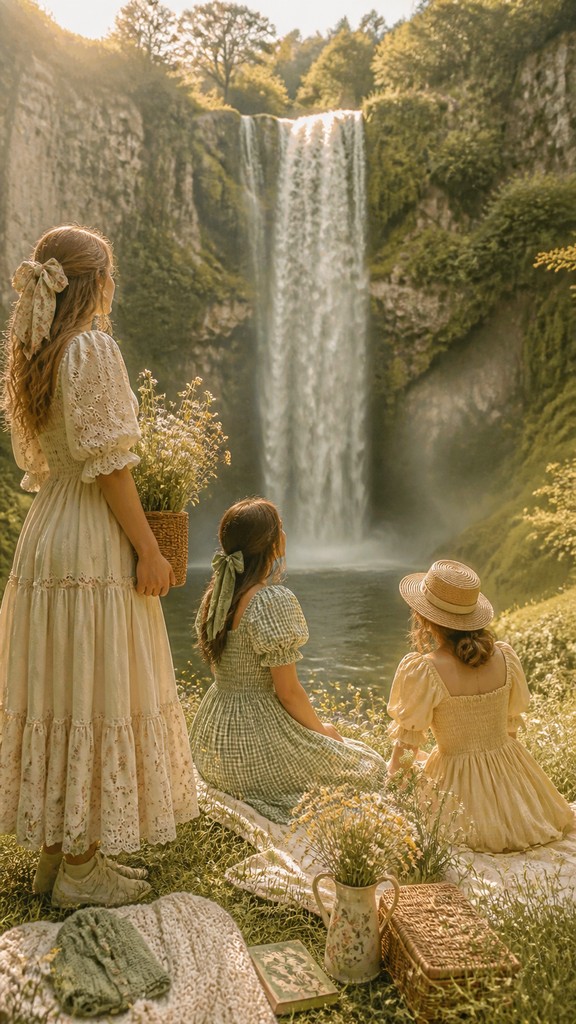
Common subjects include portraits in gardens or fields, picnics, baking, reading by windows, gardening, and everyday country routines. The style is especially strong when the clothing interacts with nature or domestic spaces.
Can cottagecore fashion be modern and wearable?
Yes. Many contemporary versions use the same visual vocabulary in updated cuts, such as puff-sleeve blouses with jeans, prairie-inspired dresses with boots, or linen sets with minimal accessories. The key is keeping the softness and natural texture while adapting the outfit to everyday use.

Create your first Cottagecore Fashion artwork
Describe anything — or upload a photo — and see it in Cottagecore Fashion Style in seconds.
Related Styles
Discover similar art styles