Punk Fashion Style
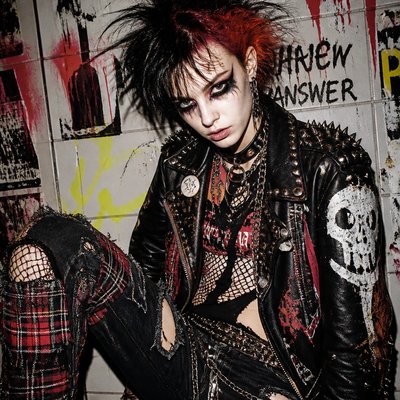
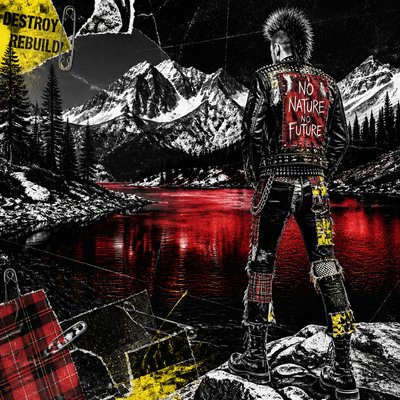
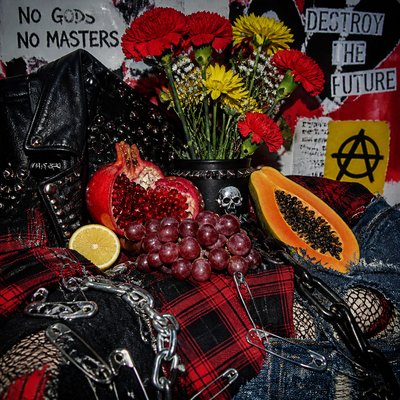
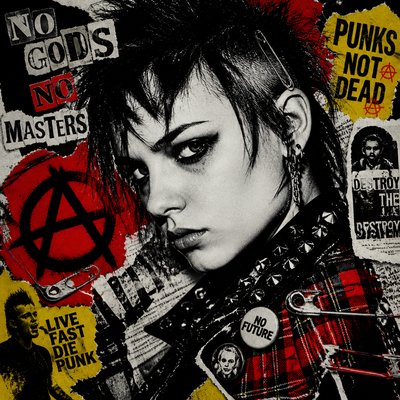
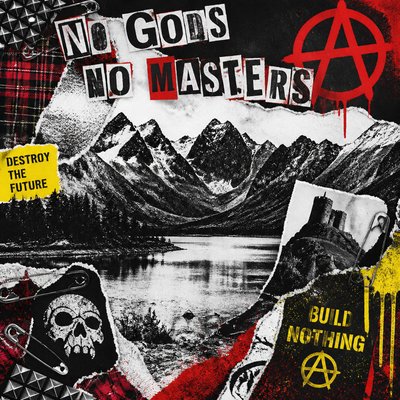
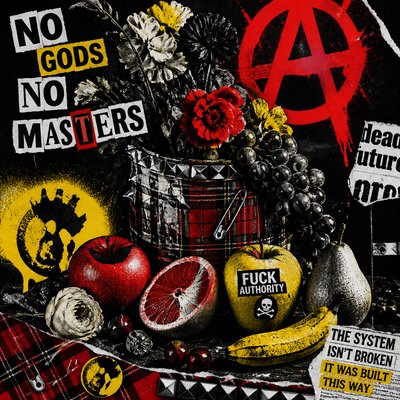
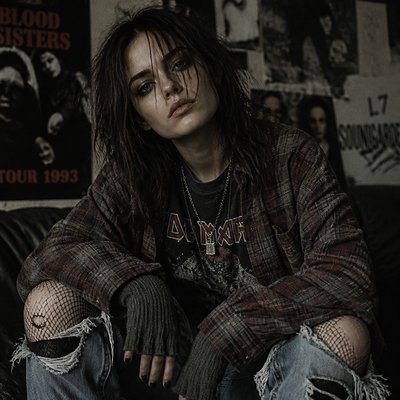
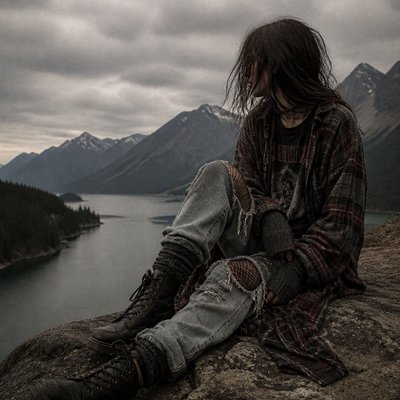
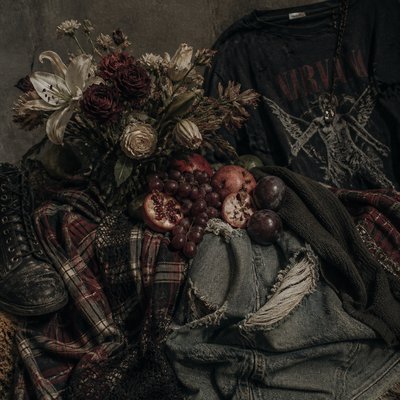
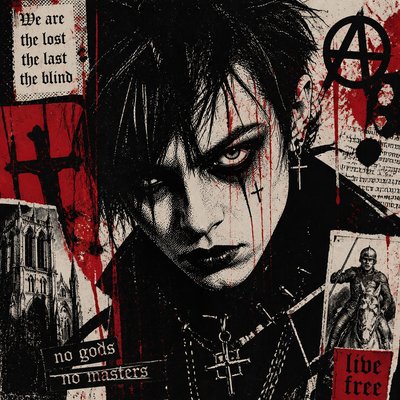
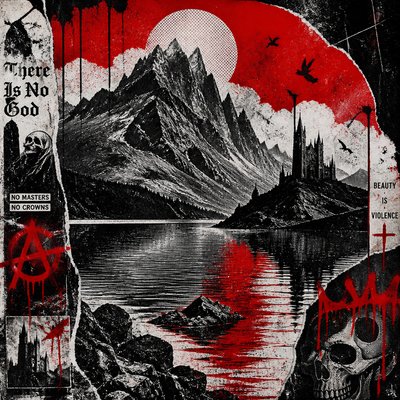
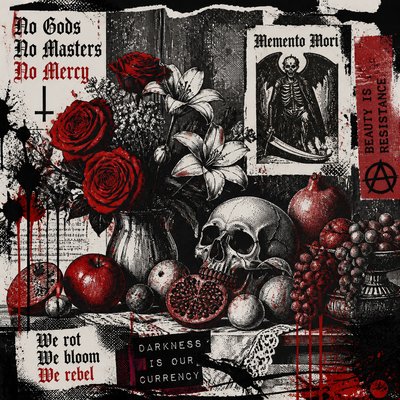
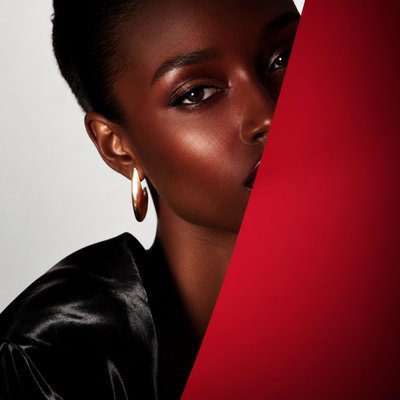
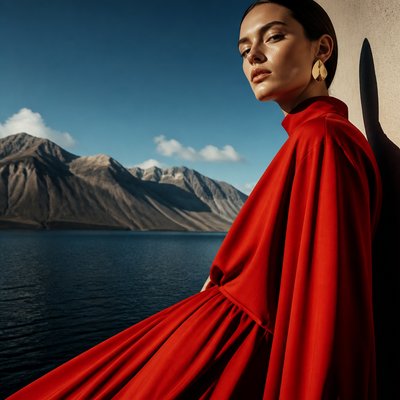
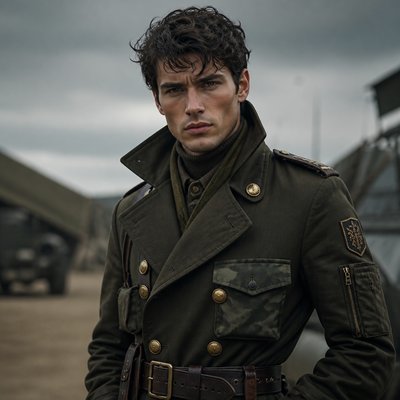
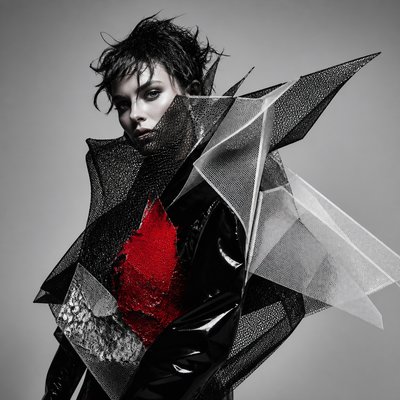
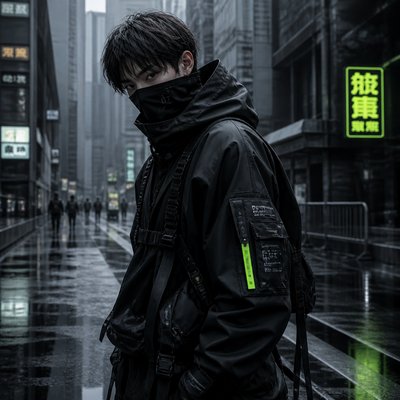
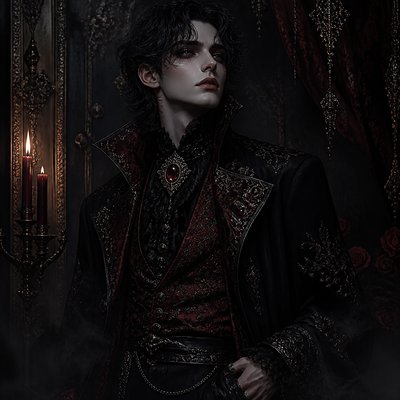
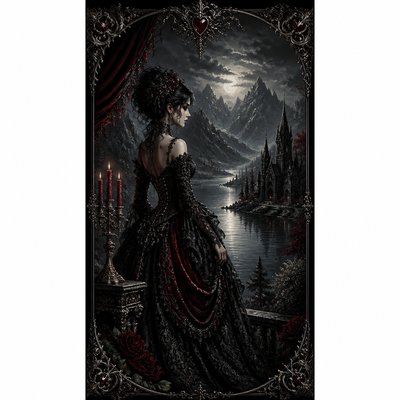
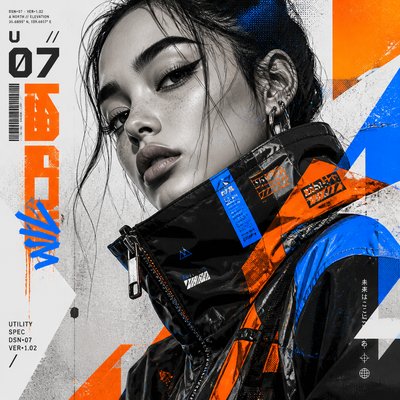
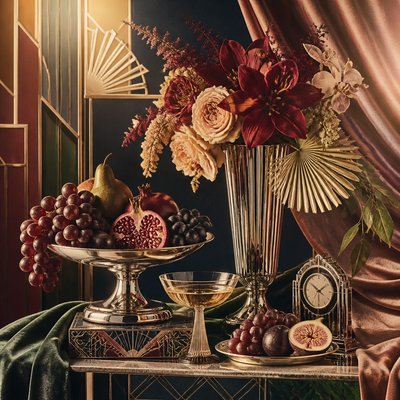
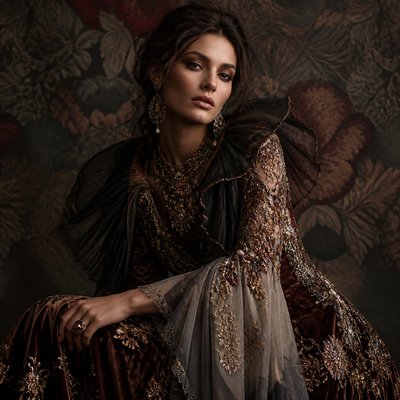
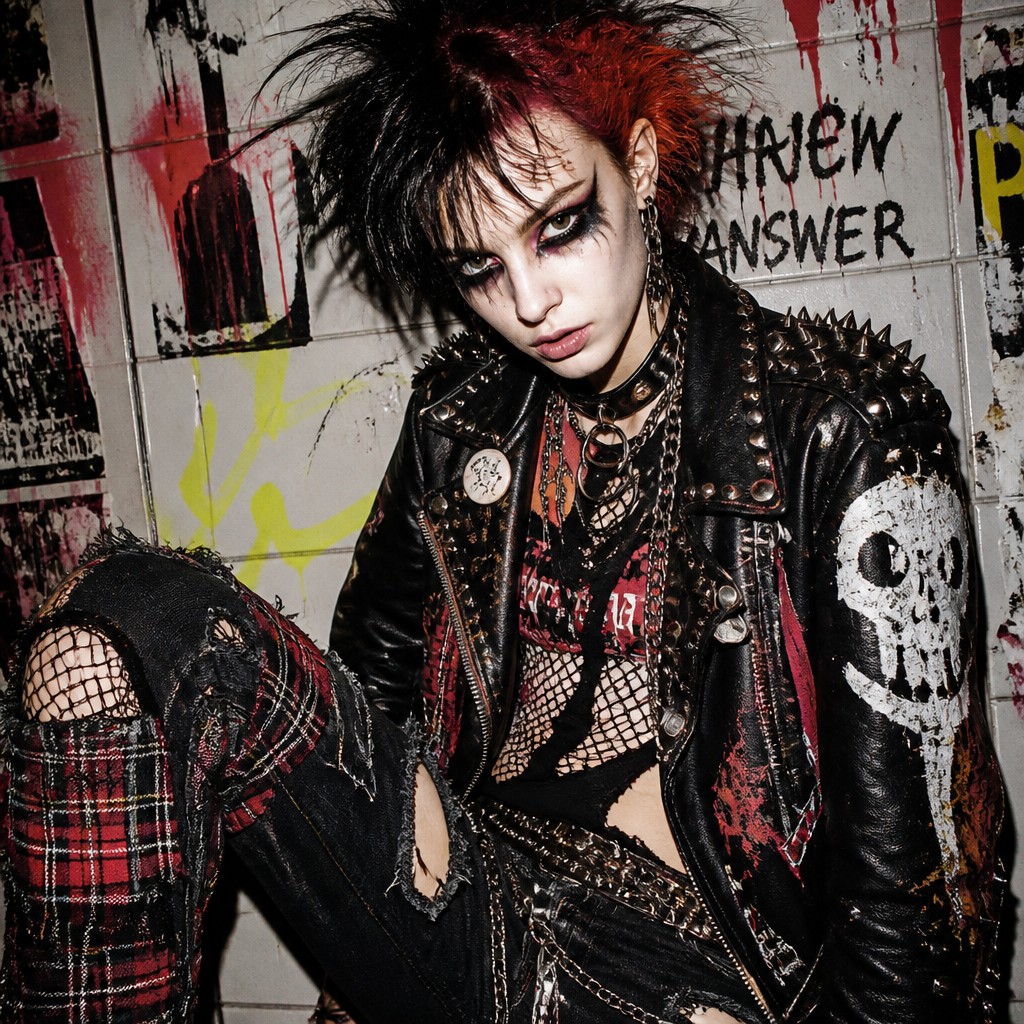
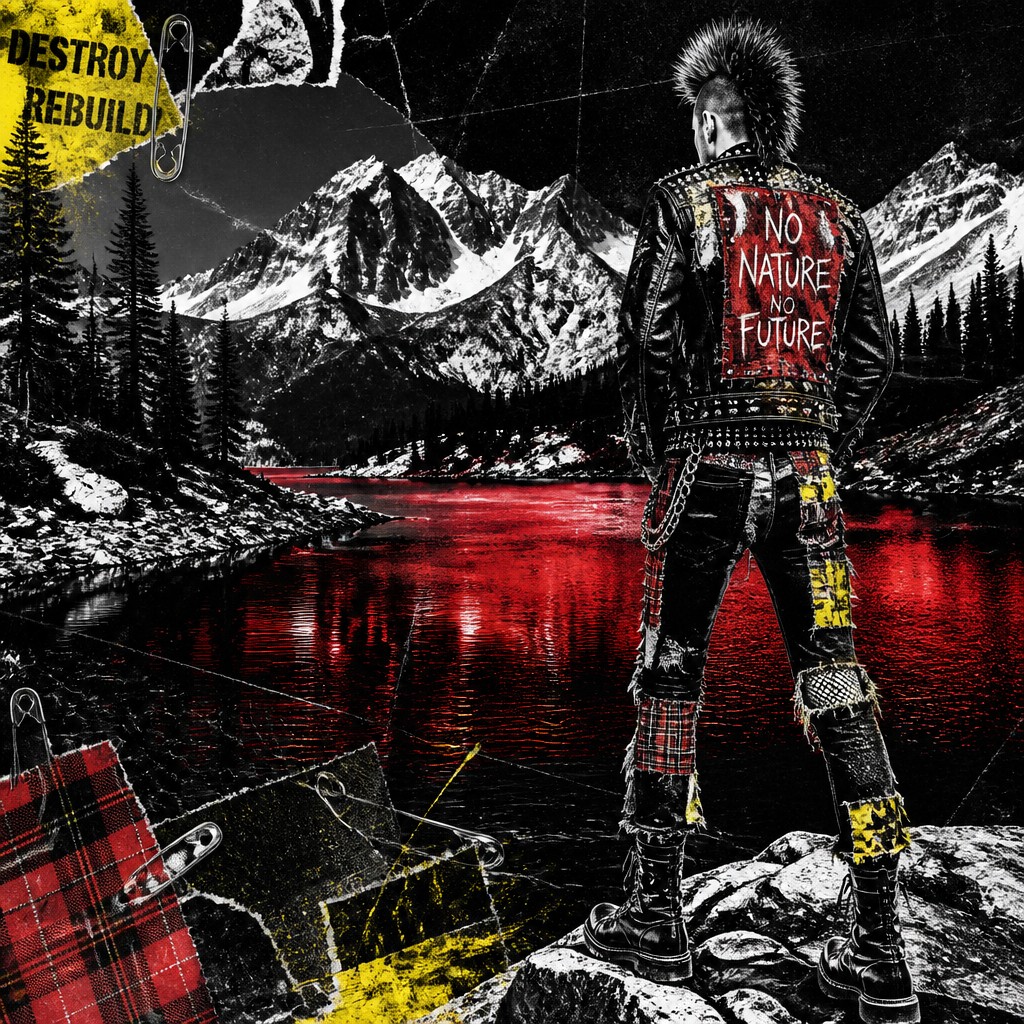
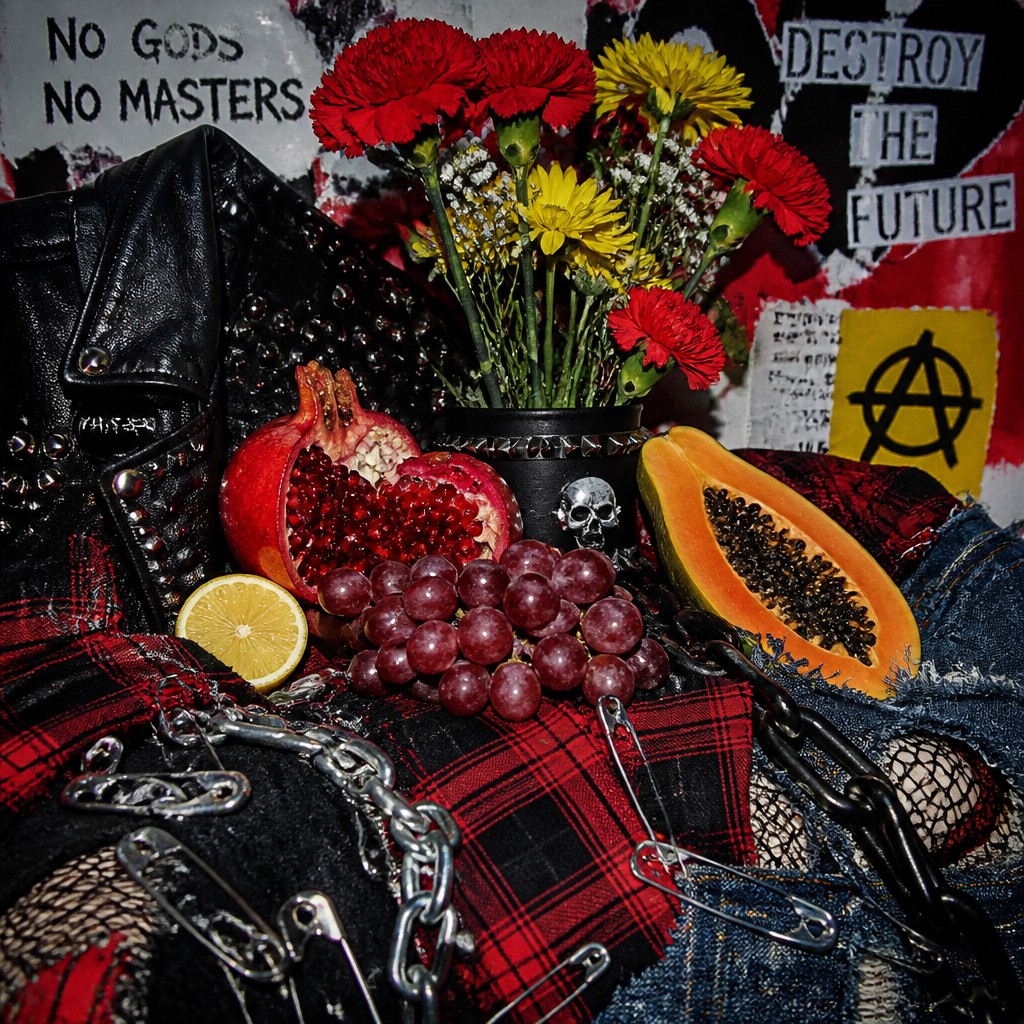
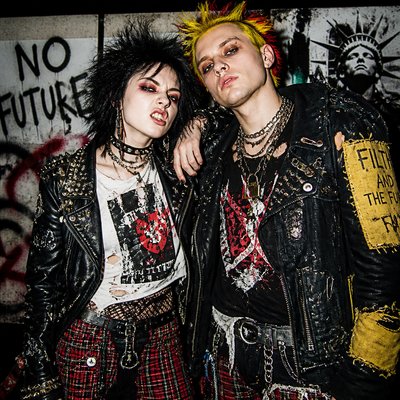
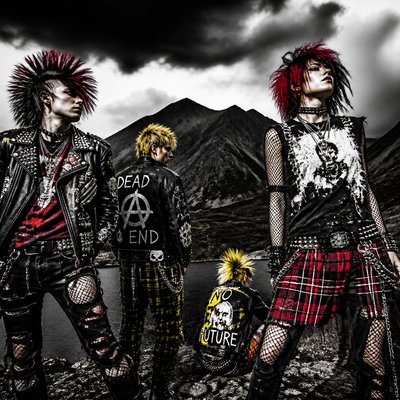
Studded leather, tartan, and safety pins define this rebellious black-and-red punk fashion aesthetic.
Instantly rendered in Punk Fashion — or transform a photo
Punk Fashion Gallery
Tap any artwork to explore it
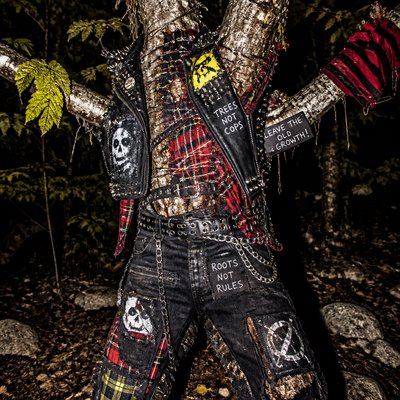
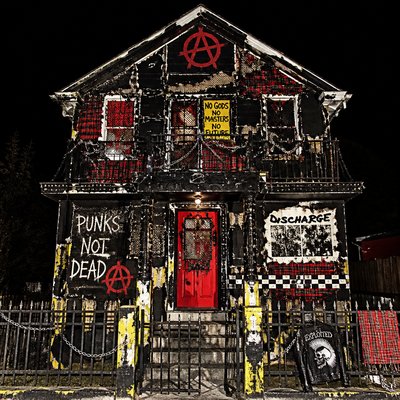
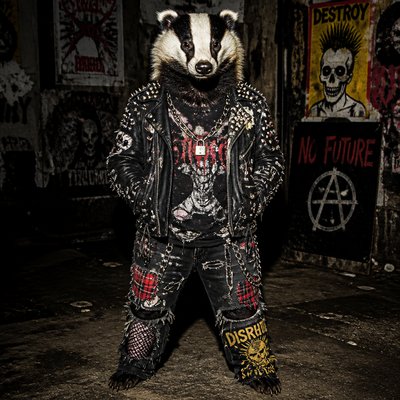
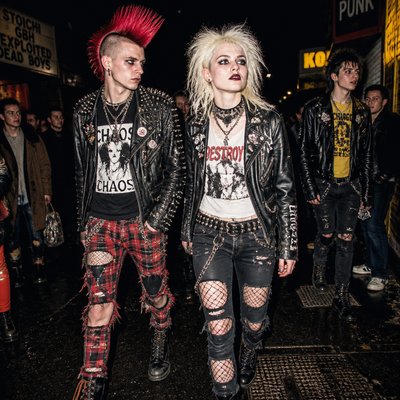
What is Punk Fashion Style?
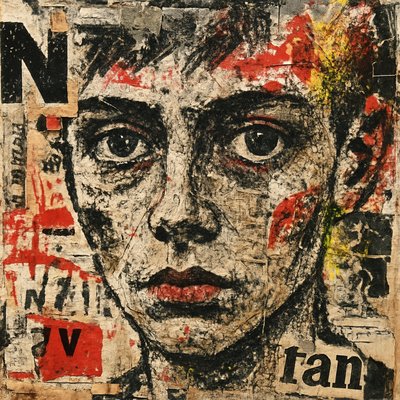
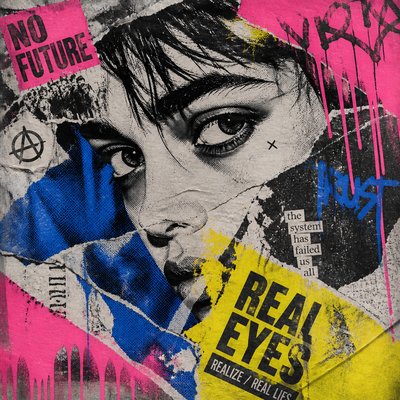
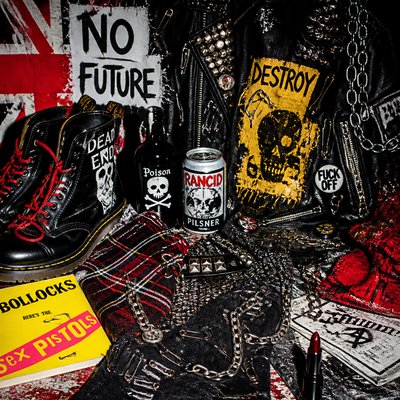
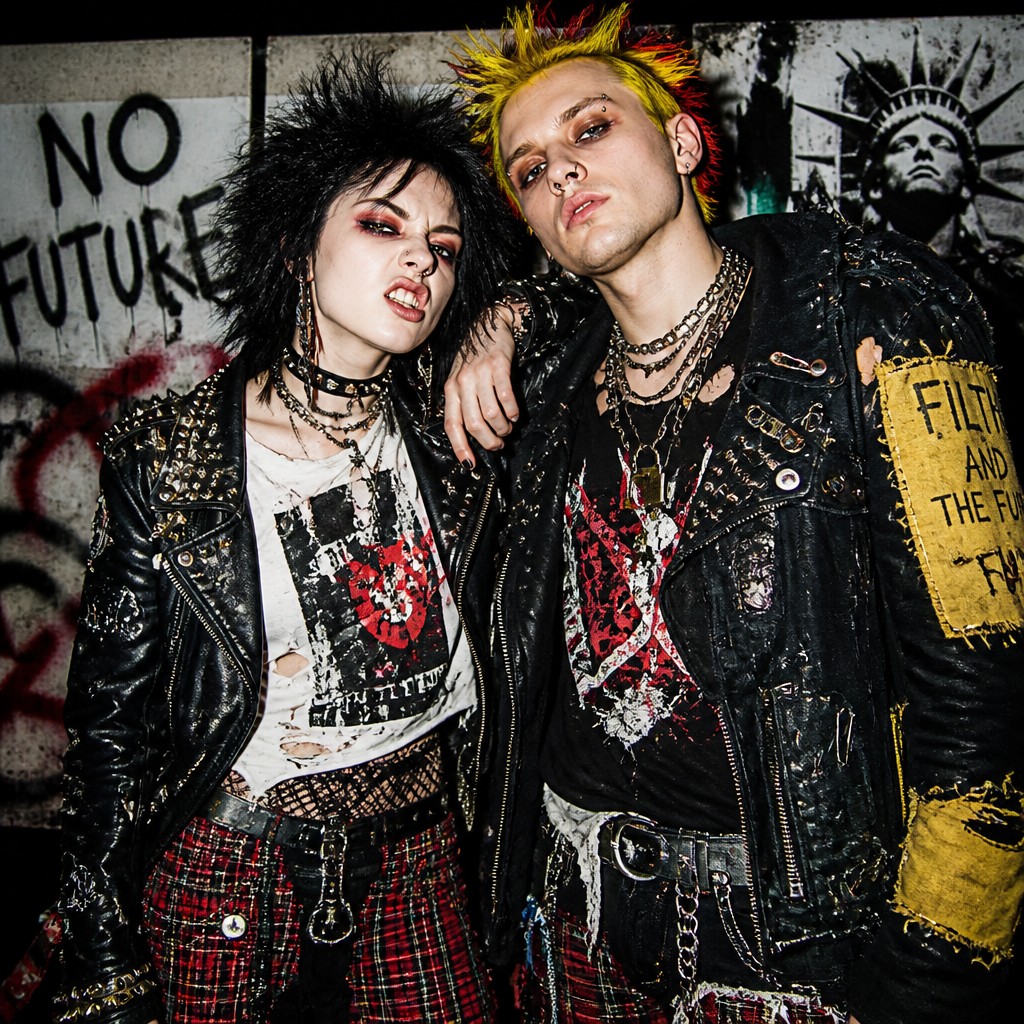
Punk fashion style is a visual language of deliberate abrasion: torn knitwear, studded leather, safety-pinned seams, tartan, fishnet, heavy boots, and a confrontational black palette cut with red, white, or acid yellow accents. It communicates refusal as much as clothing, using visible repair, mismatched layers, and cheap or repurposed materials to turn necessity into attitude.
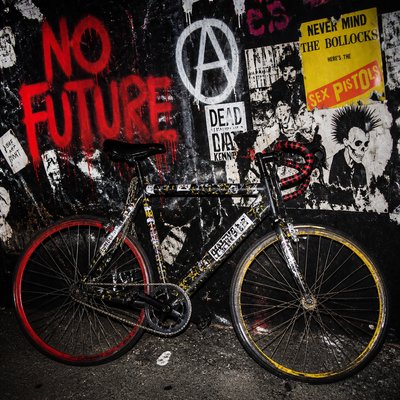
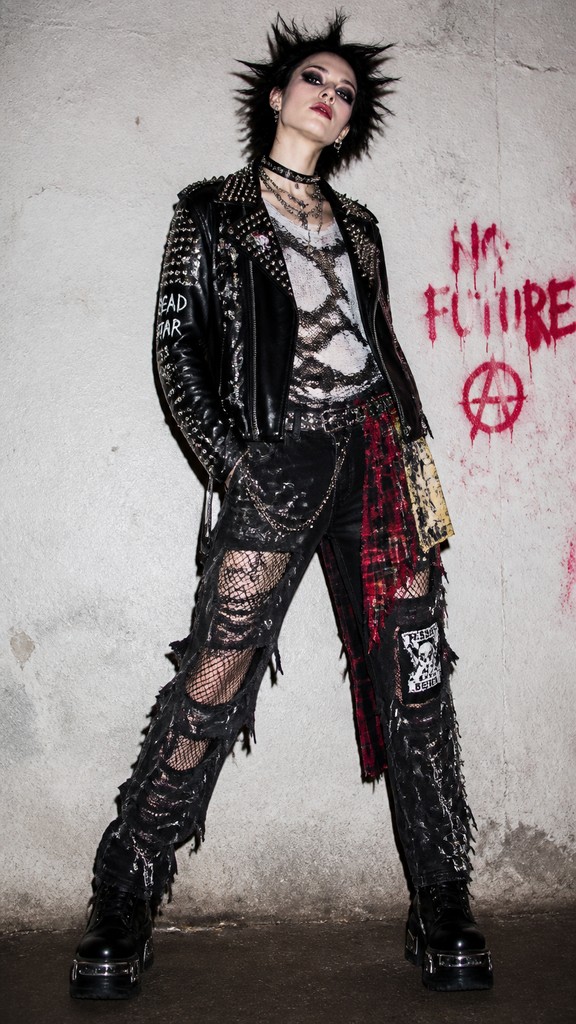
The style looks the way it does because it evolved from do-it-yourself subculture rather than luxury dress. Its surfaces are often rough, compressed, and high-contrast, with a sense of motion and disorder: ripped hems, chained accessories, deconstructed tailoring, and hand-altered garments that read as improvised armor. In imagery, direct flash, gritty texture, and stark silhouettes heighten the mood of defiance, making the body appear both protected and exposed.
Try It On Your Photos
Upload any photo and convert it into Punk Fashion Style — drag the sliders to compare before and after.


What Defines Punk Fashion Style
The signature details, up close
Deconstructed silhouettes
Garments are cut, layered, or worn in ways that disrupt conventional tailoring. Ripped trousers, asymmetric hems, and visibly altered jackets create a sense of refusal and instability.
Hardware and fastening
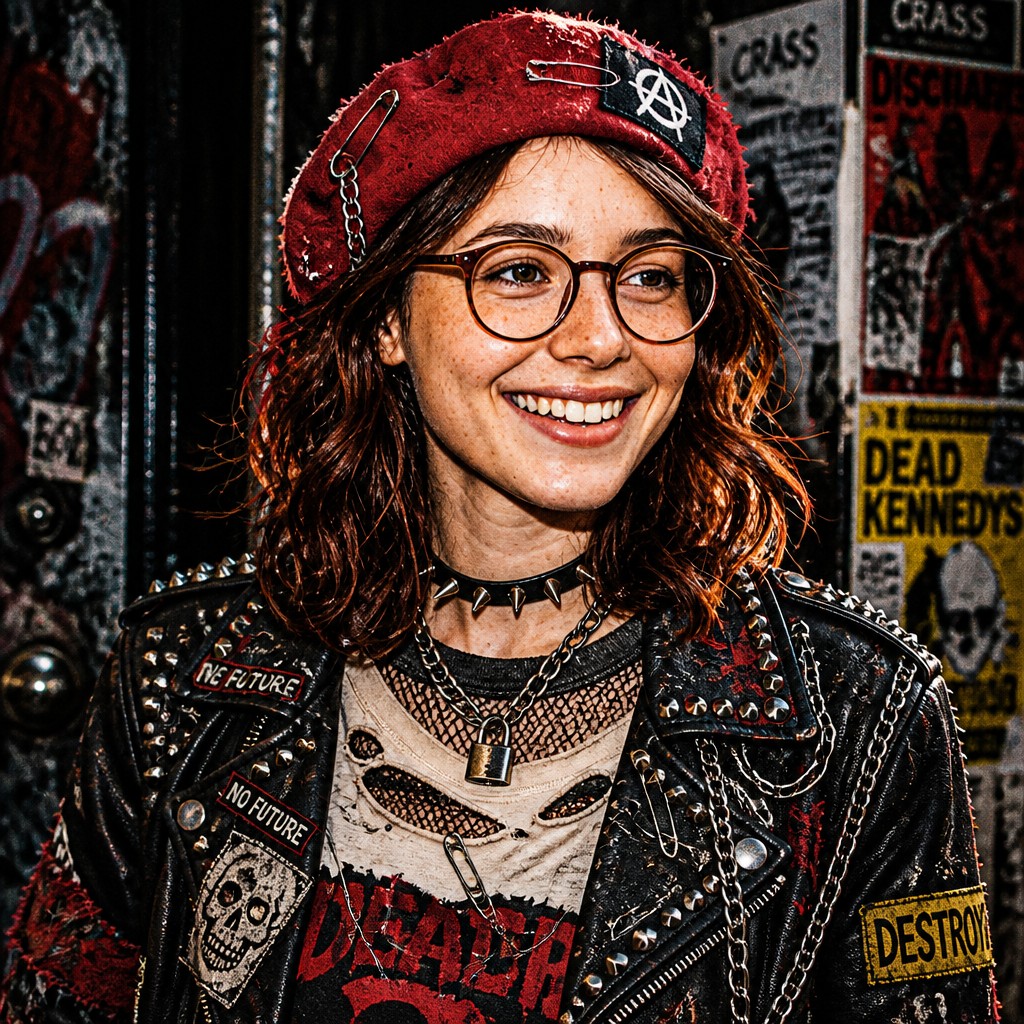
Studs, spikes, zippers, chains, buckles, and safety pins are central decorative devices. They function as both ornament and statement, turning utilitarian details into aggressive visual markers.
Tartan and check patterns
Tartan, plaid, and other school- or working-class-coded patterns often appear in skirts, trousers, scarves, or lining. They add sharp contrast and a distinctly British punk association.
Distressed textiles
Leather, denim, cotton, and mesh are often torn, frayed, patched, or faded. The wear-and-tear is intentional, signaling DIY customization rather than decay by accident.
High-contrast palette
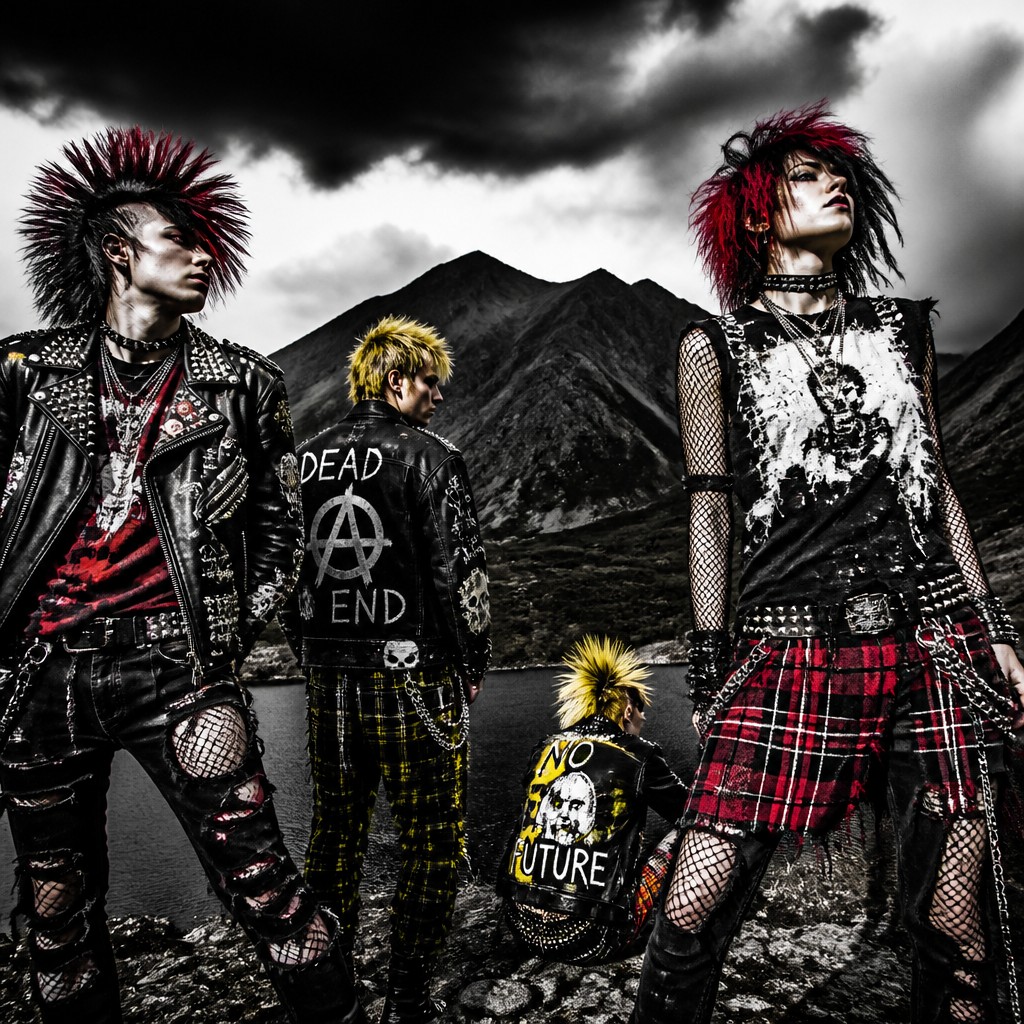
Black is the dominant base color, usually paired with blood red, bleach white, or acid yellow. This restricted palette intensifies the style’s visual impact and graphic clarity.
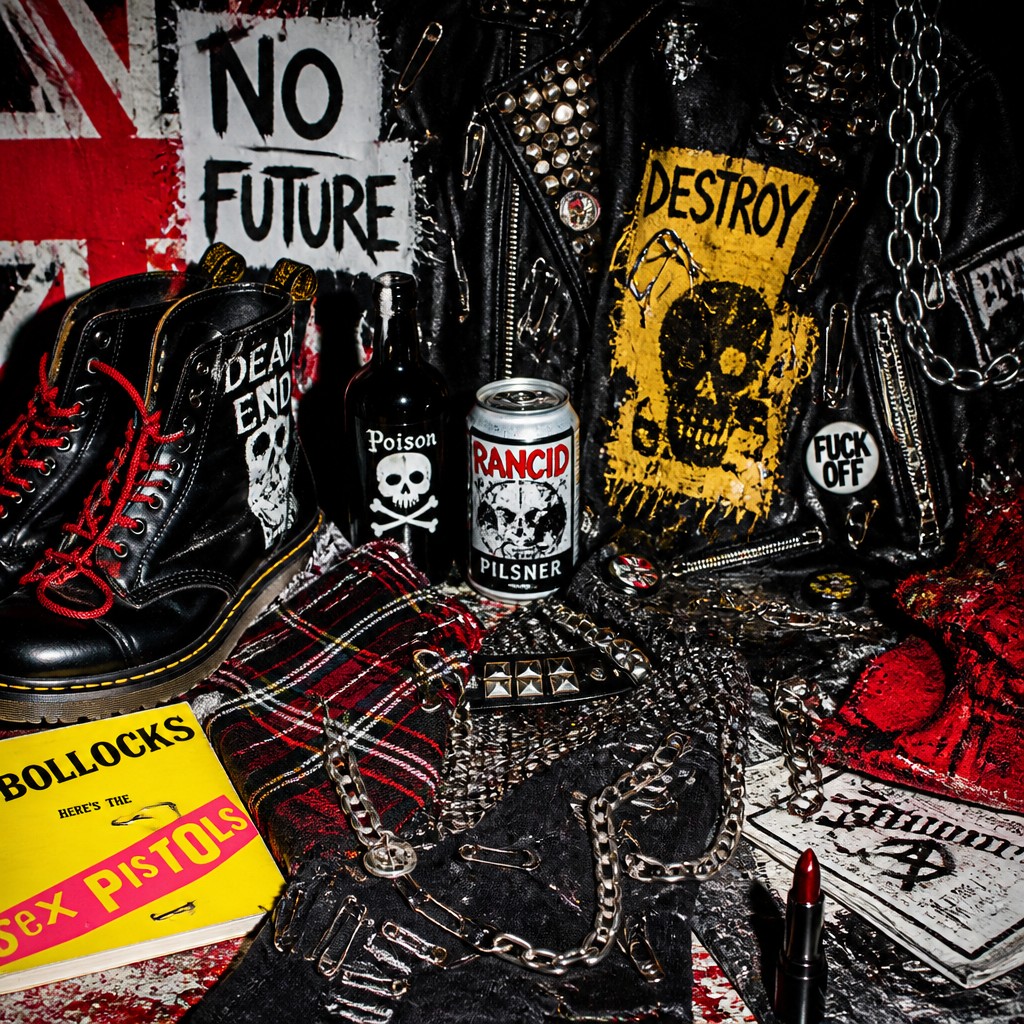
DIY styling energy
Hair, makeup, and accessories are treated as part of the outfit, often with bold eyeliner, dyed hair, heavy boots, badges, and hand-applied patches. The result feels immediate, personal, and socially confrontational.
Try It
Create Videos in Punk Fashion Style
Styles aren't just for stills — describe a scene or animate an image and get a short video rendered in Punk Fashion. Press play to see this pond come to life.
Make a VideoPunk Fashion Prompt Ideas
Start from an idea — each one opens the generator with the style ready to go. See all 40 Punk Fashion prompts →
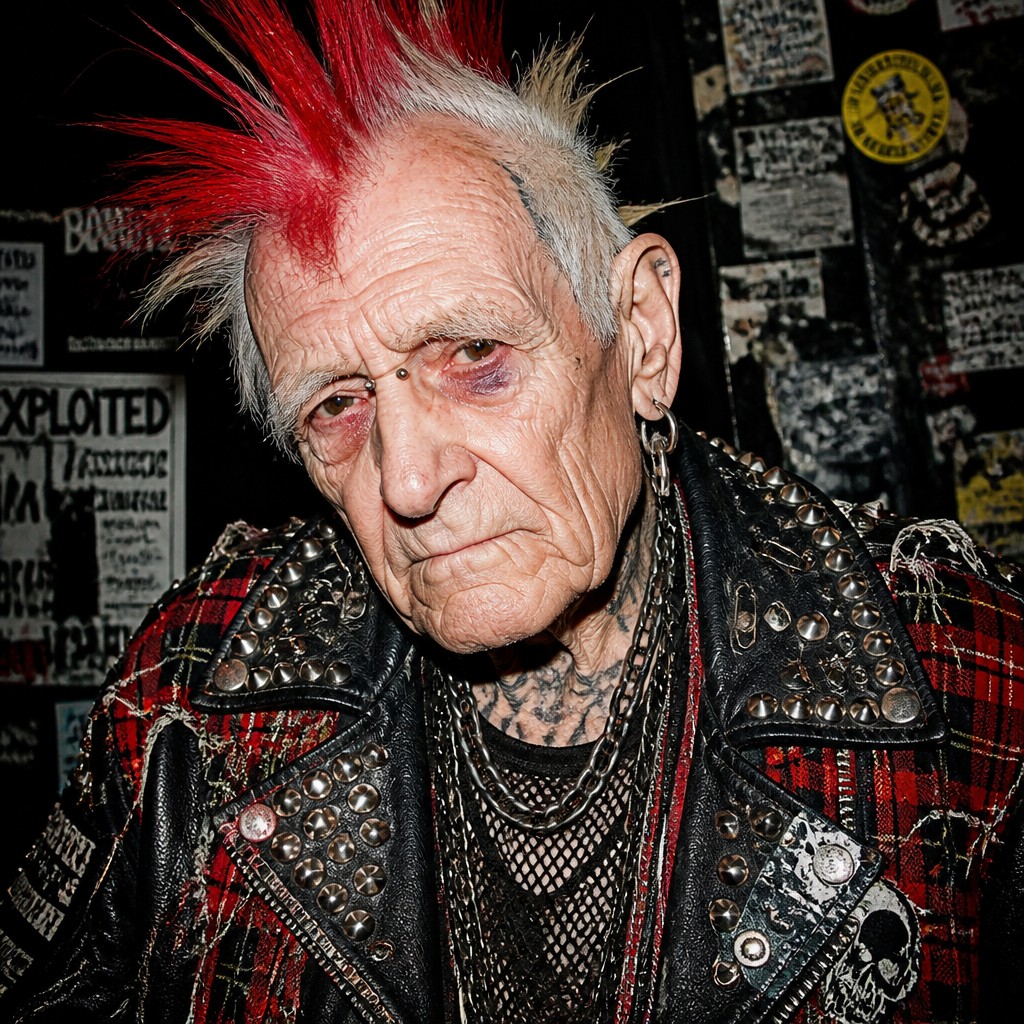
“close-up portrait of an elderly person with expressive weathered features”
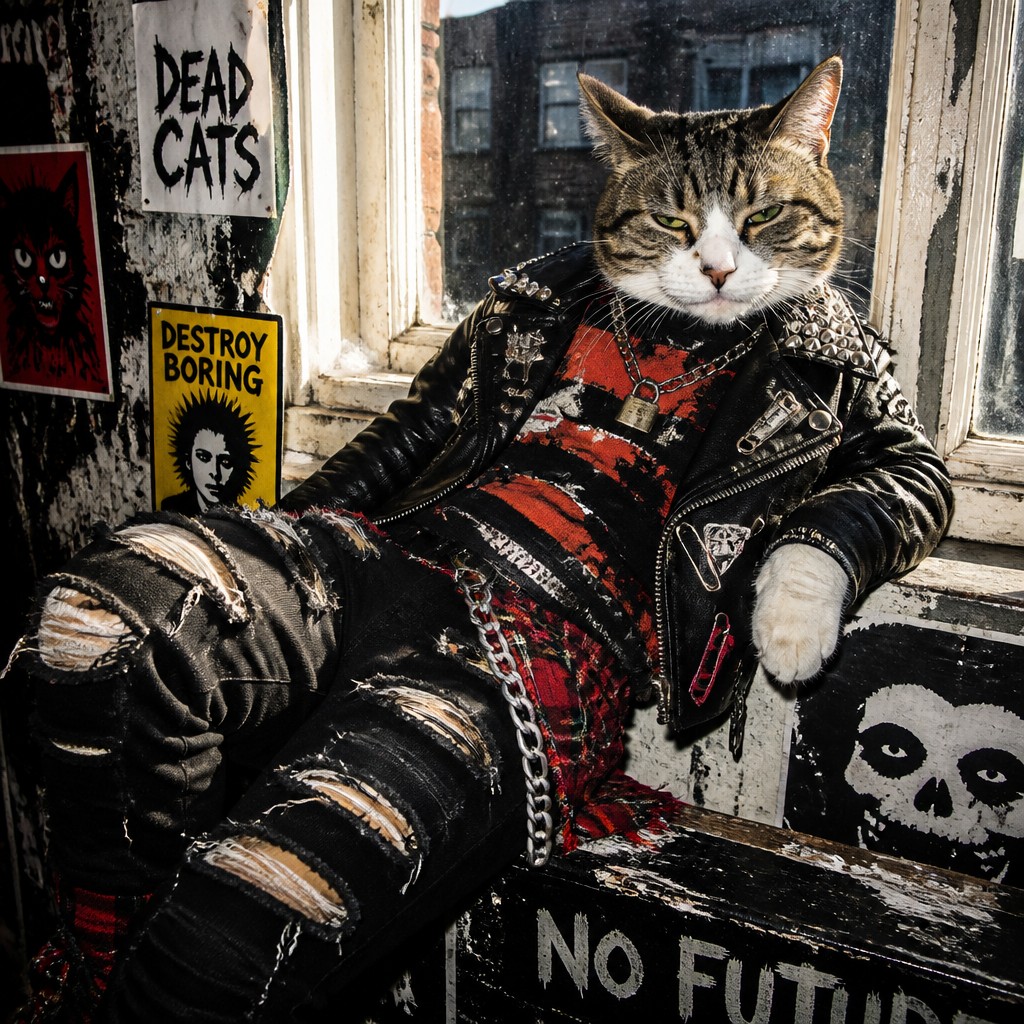
“a cat lounging in a sunlit window”
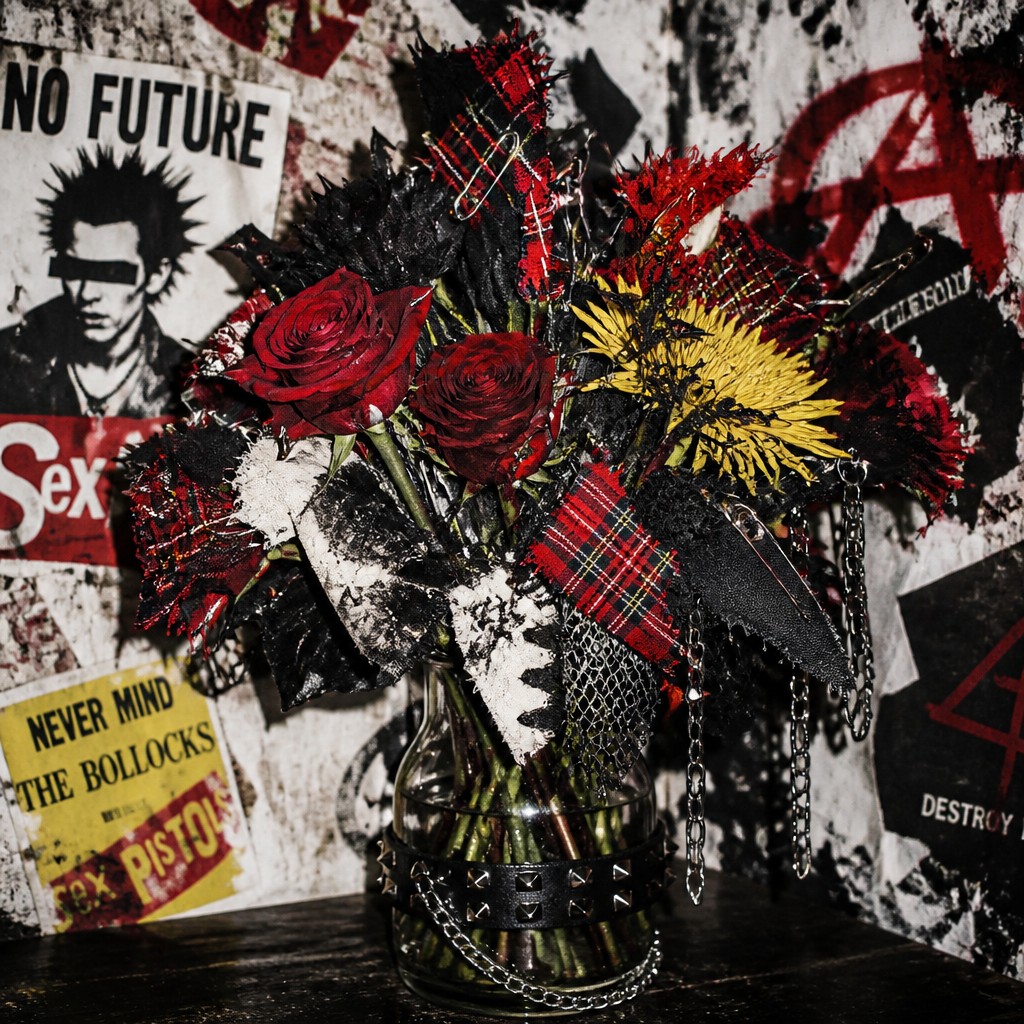
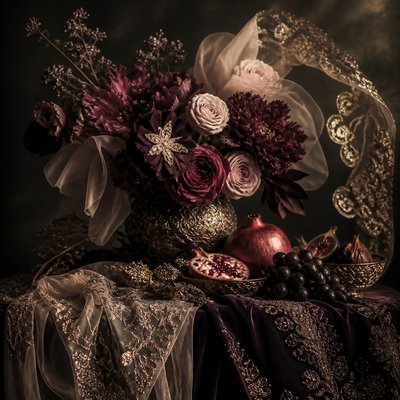
“bouquet of flowers in a glass vase”
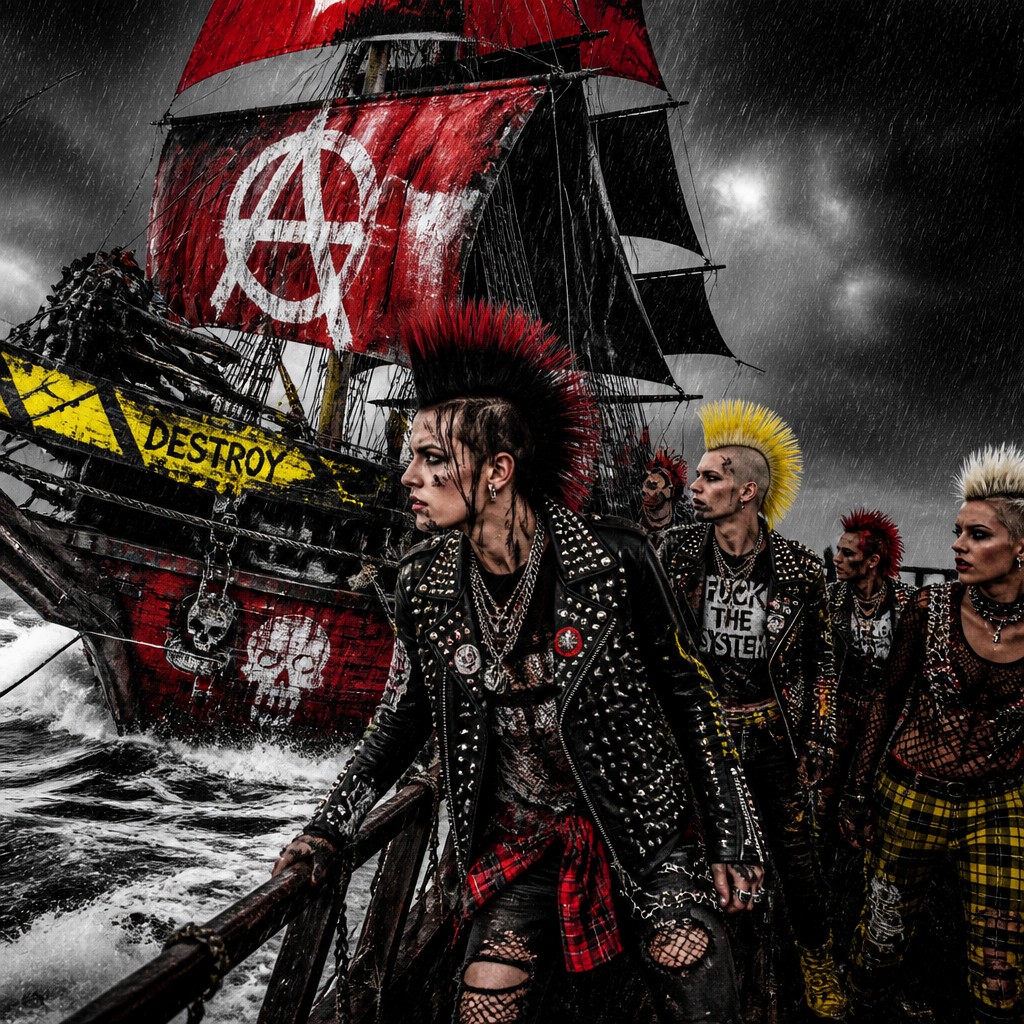
“sailing ship on a stormy sea”
How to Create Punk Fashion Art
Master the craft step by step — or skip straight to creating. Read the full guide →
- 1
Build from altered basics
Start with familiar garments such as a leather jacket, jeans, or a plain skirt, then distress, tear, patch, or reassemble them. In drawing or digital work, emphasize raw edges, visible seams, and asymmetry rather than polished fashion illustration lines.
- 2
Layer rough textures
Combine leather grain, denim weave, mesh, tartan, and metal hardware in the same composition. When painting or editing photos, use contrast in material rendering so the viewer can feel each surface distinctly.
- 3
Use a limited, aggressive palette
Anchor the image in black and add only a few hard accents such as red, white, yellow, or metallic silver. Strong value contrast helps the look read instantly, especially in low-key or flash-lit scenes.
- 4
Pose and light for confrontation
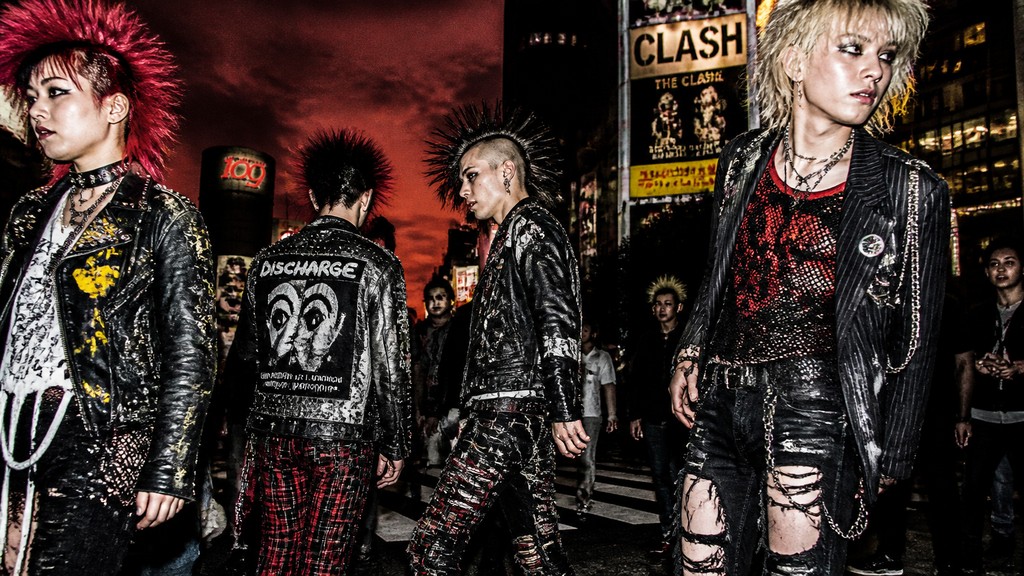
Choose direct, frontal poses, cropped framing, and harsh lighting that flattens glamour and sharpens texture. In photography or prompt-based generation, direct flash and gritty shadows help recreate the subculture’s street-documentary feel.
- 5
Make the styling visibly handmade
Include pins, patches, marker scrawl, taped repairs, badges, and mismatched elements so the outfit feels assembled rather than purchased as a set. For image generation, specify DIY details, deconstructed layers, and intentionally rough finish rather than sleek runway styling.
The Story
History & Origins of Punk Fashion
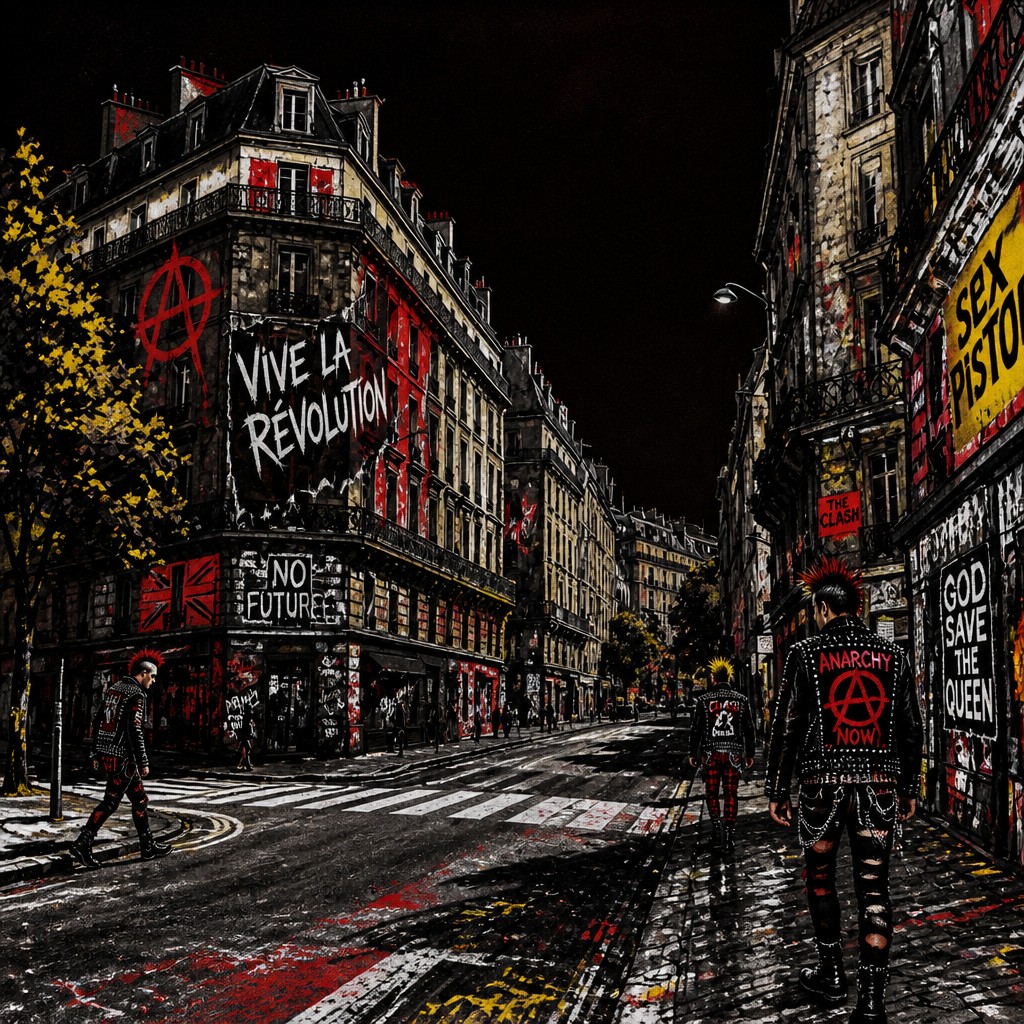
Punk fashion emerged in the mid-1970s alongside punk music scenes in New York, London, and other urban centers, where young people used dress to reject mainstream polish, commercial style, and social conformity. In Britain, designers and boutiques associated with the punk scene helped codify the look, especially by combining school-uniform tartans, bondage references, safety pins, and torn garments into a provocative street uniform.
Its aesthetic lineage draws from several sources: working-class clothing, 1950s rock-and-roll rebellion, glam rock theatricality, and anti-fashion strategies that foregrounded distress, improvisation, and taboo imagery. Over time, punk fashion diversified into hardcore punk, anarcho-punk, goth-punk, and later fashion revivals, but the core idea remained the same: clothing as visible dissent, made through alteration rather than refinement.
Influences: Punk fashion draws from the anti-fashion impulse of 1970s punk culture, British subcultural street style, glam rock’s theatrical excess, and earlier working-class dress codes such as tartan and utilitarian denim. Its visual aggression also overlaps with later subcultural styles like hardcore punk and goth, while in photography it is often associated with the candid, flash-lit immediacy of street portraiture rather than polished studio fashion. Among canonical designers and cultural figures tied to early punk fashion, Vivienne Westwood and Malcolm McLaren are the most directly associated with its codification in London.

Frequently Asked Questions
What defines punk fashion style?
Punk fashion is defined by deliberate disruption: ripped clothes, safety pins, studs, tartan, leather, chains, and a do-it-yourself approach to styling. The look values confrontation over elegance, so visible repairs, mismatched layers, and rough textures are part of the design. Black is usually the base color, with red, white, or yellow used for sharp accents.
Is punk fashion the same as goth?
No. Punk fashion is more overtly political, raw, and DIY, with stronger links to street rebellion and music subculture. Goth fashion tends to favor a darker, more romantic or theatrical mood, with more emphasis on lace, long silhouettes, and melancholic elegance. The two can overlap, but their visual priorities are different.
How do I make artwork in this style?
Use strong contrast, distressed materials, and visible hardware to build the look. In illustration or digital art, focus on torn edges, layered garments, and hand-altered details like pins, patches, or marker scrawl. In photography, harsh direct flash and gritty background settings help establish the mood.
What colors are most associated with punk fashion?
Black is the dominant color, often paired with blood red, bleach white, and acid yellow. Metallic silver from studs, chains, and zippers also plays an important role. Some punk variants use more color, but the classic image is stark and high-contrast.
What clothing items are most iconic in punk fashion?
Leather jackets, ripped jeans or drainpipe trousers, tartan skirts or trousers, fishnet stockings, band T-shirts, heavy boots, and safety-pinned tops are among the most recognizable items. Studded belts, chain accessories, and patched denim are also common. The important factor is not the item alone but how it is altered and worn.
Where is punk fashion used today?
It appears in music scenes, street fashion, editorial styling, costume design, and subculture-inspired photography. Designers also reference it in runway collections, usually by borrowing distress, hardware, tartan, or deconstructed tailoring. Even when softened for mainstream use, the style’s core idea remains visible: dress as protest.
Create your first Punk Fashion artwork
Describe anything — or upload a photo — and see it in Punk Fashion Style in seconds.
Related Styles
Discover similar art styles