Kawaii Fashion Style
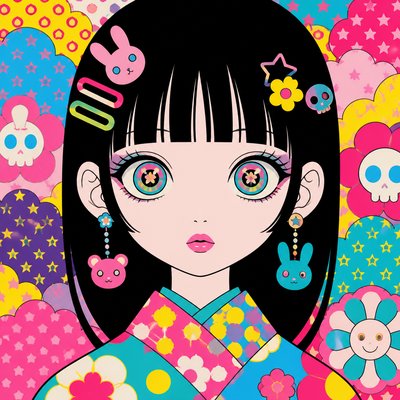
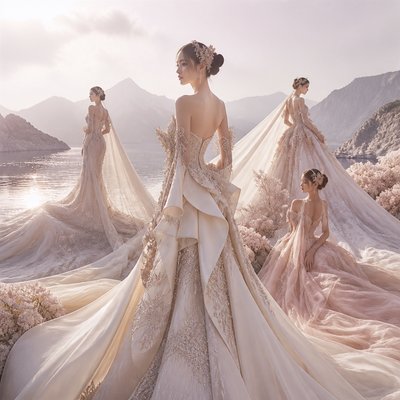
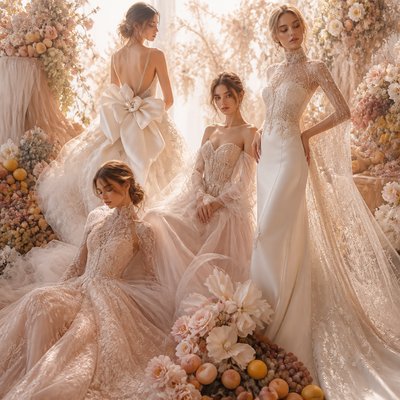
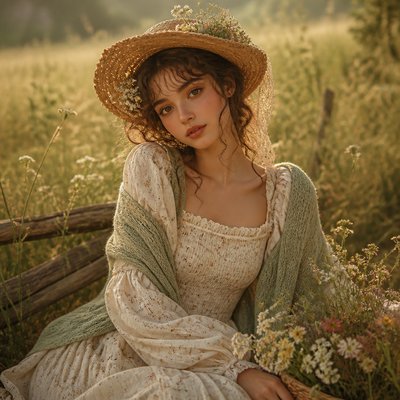
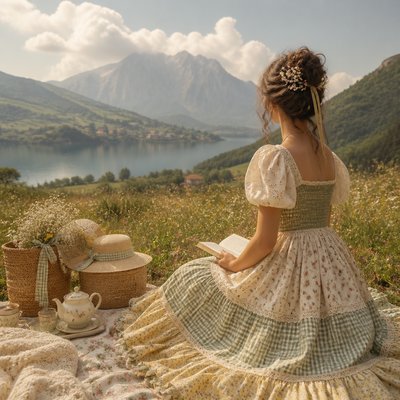
Pastel ruffles, bows, and candy-gloss layers define this cute fashion aesthetic of oversized silhouettes and toy-box sweetness.
Instantly rendered in Kawaii Fashion — or transform a photo
Kawaii Fashion Gallery
Tap any artwork to explore it
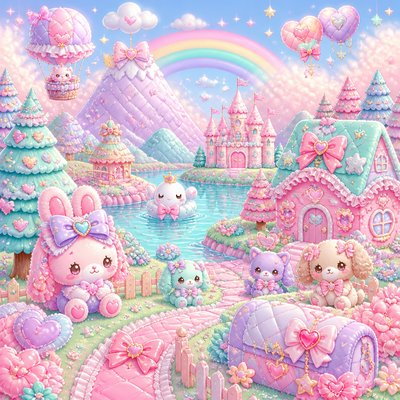
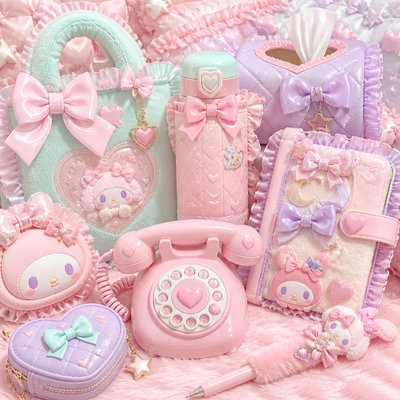
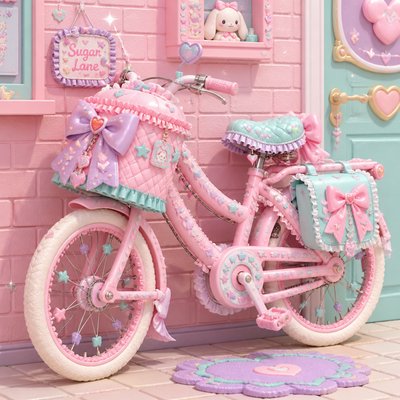
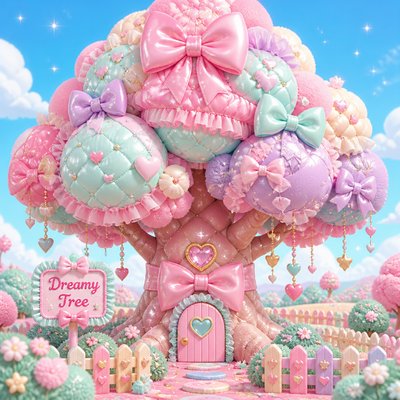
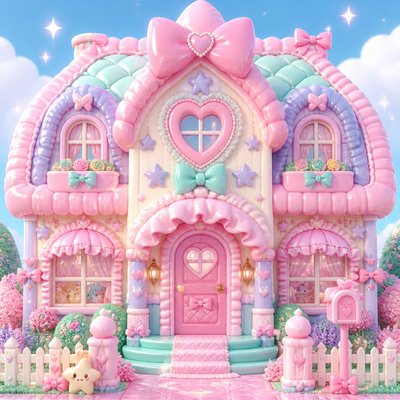
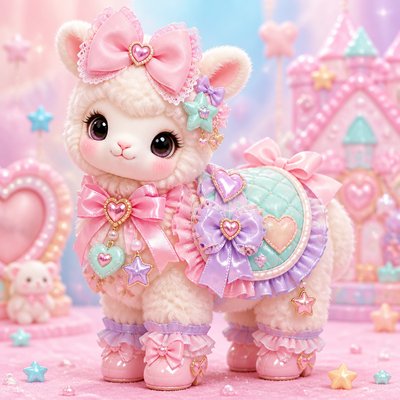
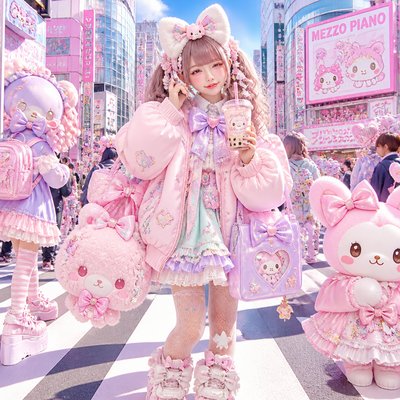
What is Kawaii Fashion Style?
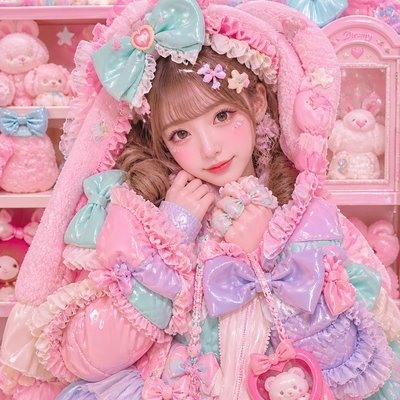
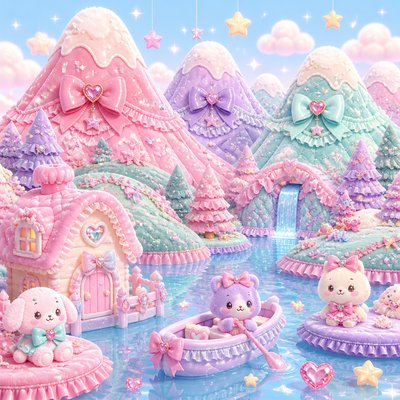
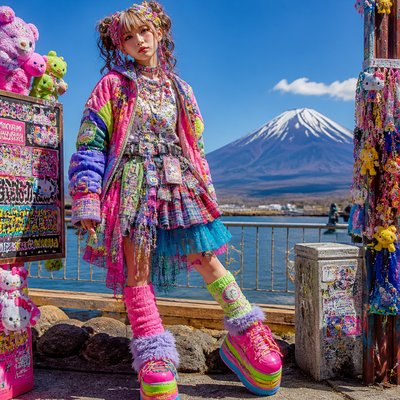
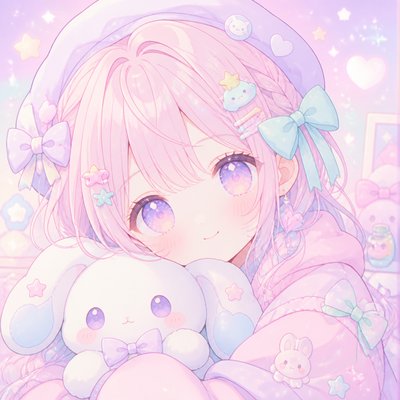
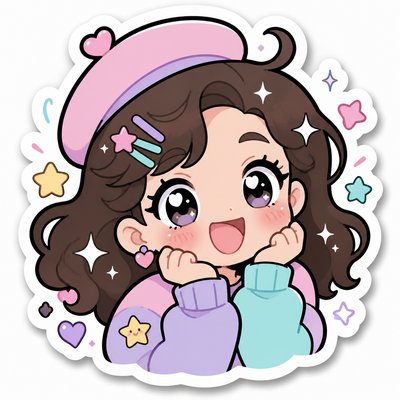
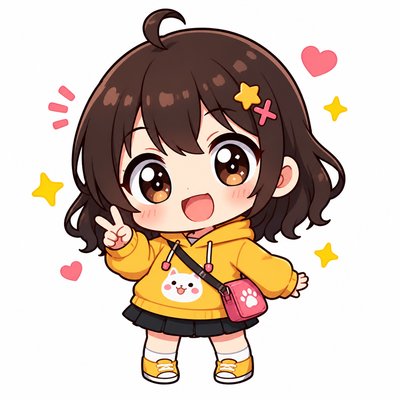
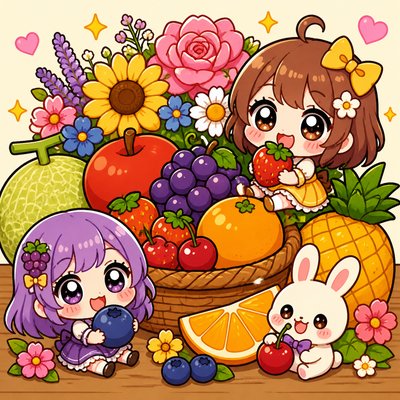
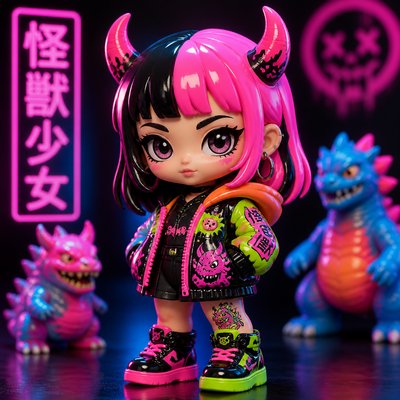
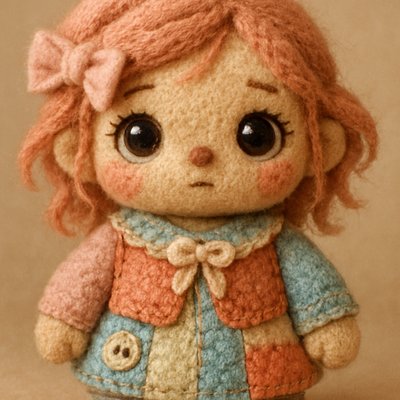
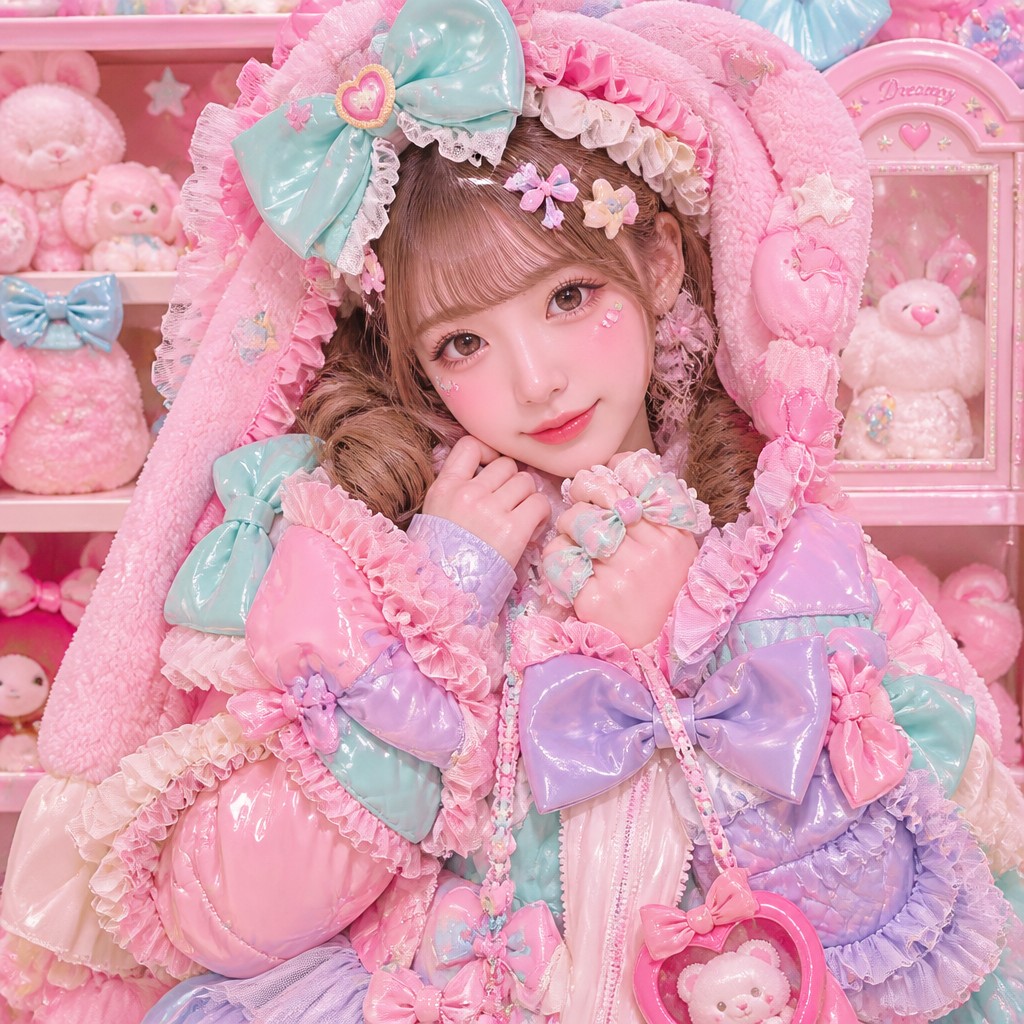
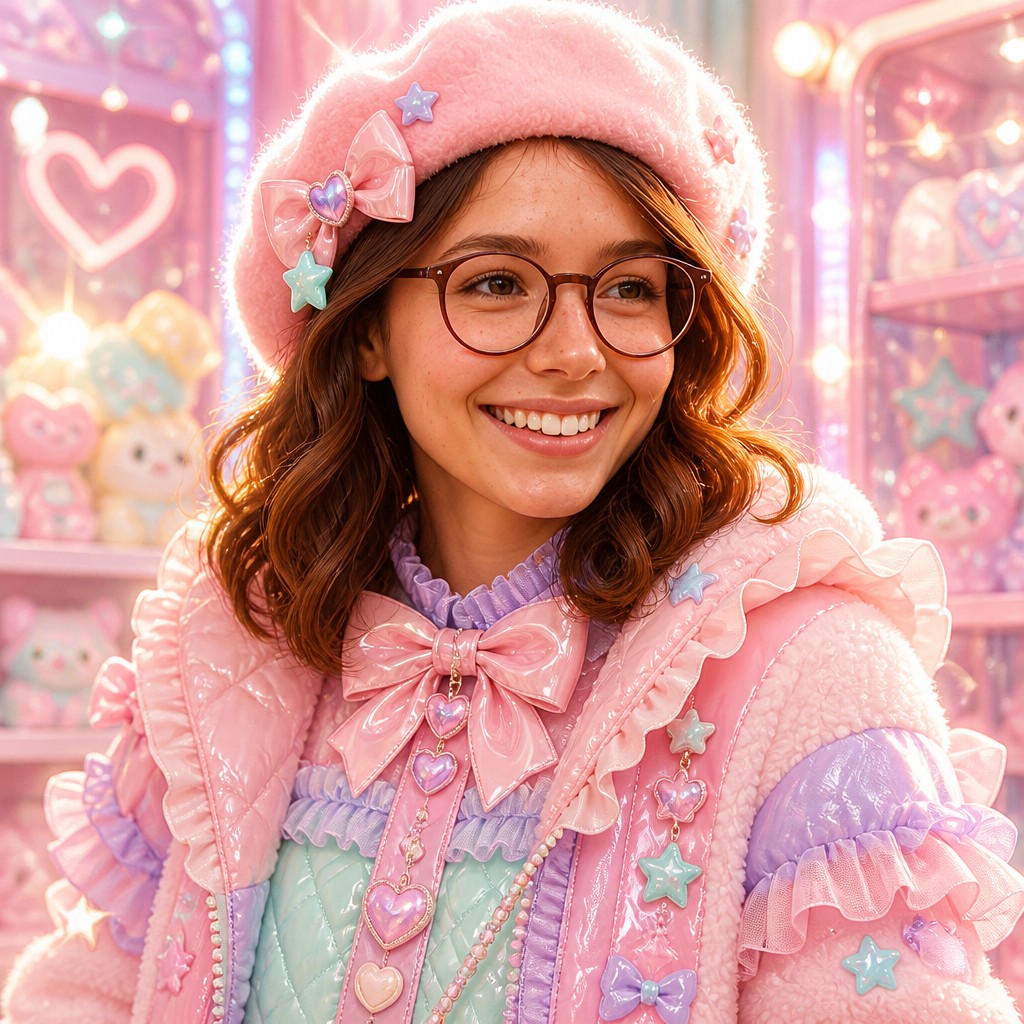
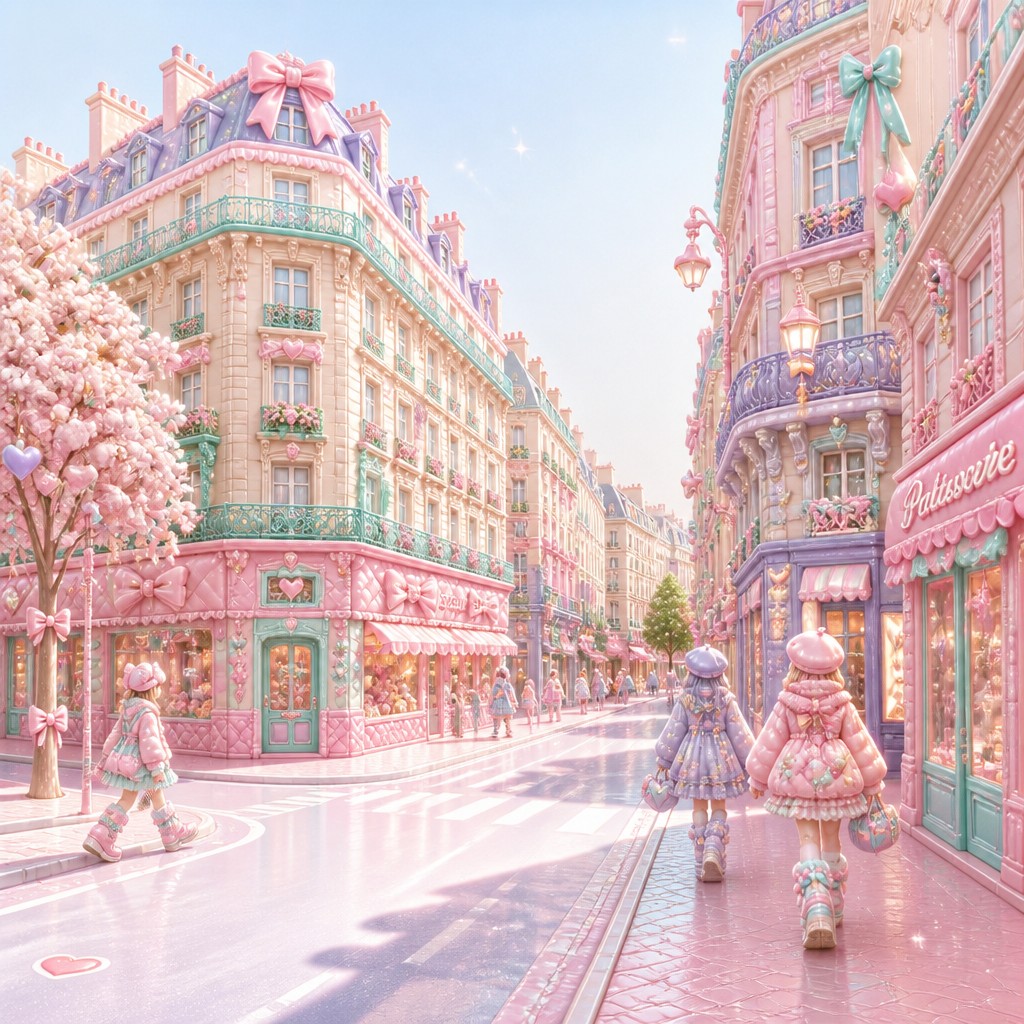
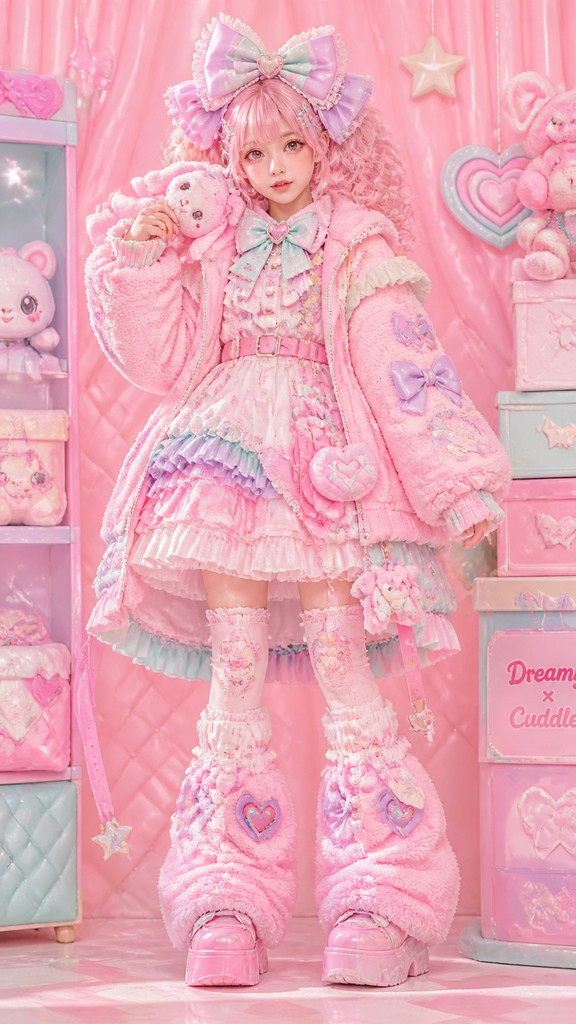
Kawaii Fashion Style is a cute-focused fashion aesthetic built around softness, sweetness, and decorative excess. It favors rounded oversized silhouettes, ruffles, bows, frills, plush textures, and a pastel palette of pink, mint, lavender, cream, and other confection-like tones. The result is an image language that feels toy-like, youthful, and deliberately endearing rather than sleek or seductive.
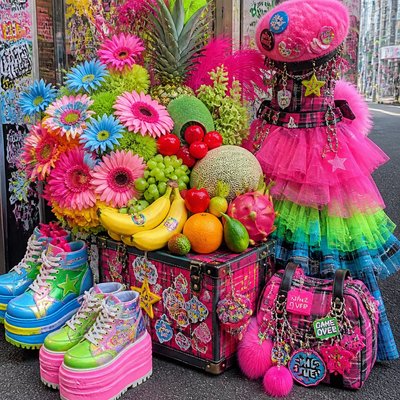
Its visual identity comes from combining elements of Japanese kawaii culture, lolita-adjacent layering, doll clothing, and pop-cute accessories. Garments often look tactile and ornamental: fleece, tulle, quilted cotton, patent vinyl, glossy trims, heart charms, and star motifs all reinforce a sense of softness and play. Bright, even lighting and sparkling highlights help the clothing read as polished and candy-coated, with form and texture doing most of the expressive work.
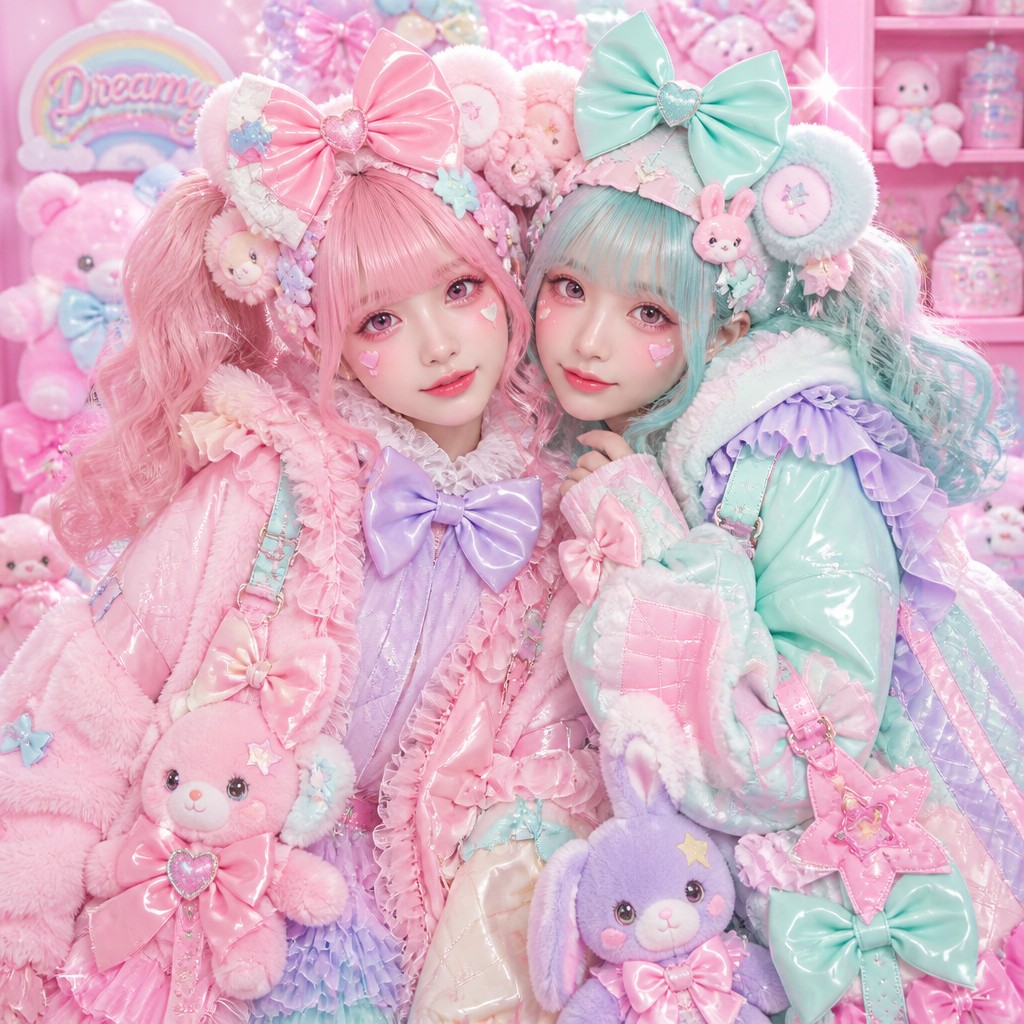
Try It On Your Photos
Upload any photo and convert it into Kawaii Fashion Style — drag the sliders to compare before and after.


What Defines Kawaii Fashion Style
The signature details, up close
Rounded, oversized silhouettes
Shapes tend to be soft and inflated rather than sharp or tailored. Sleeves, skirts, collars, and accessories often exaggerate volume to create a plush, huggable look.
Ruffles, bows, and layered trim
Decorative construction is central to the style. Multiple tiers, ribbon ties, frilled hems, and symmetrical bow placements make garments feel playful and carefully embellished.
Pastel candy palette
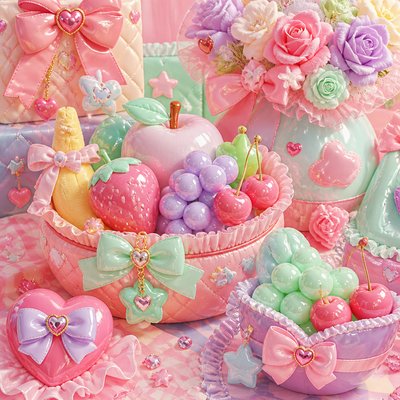
Bubblegum pink, mint, lavender, baby blue, and cream are common, often supported by white highlights. The palette suggests confectionery and toy packaging rather than naturalistic color.
Glossy and plush materials
Fleece, tulle, quilted cotton, satin, and patent vinyl are typical because they read as soft or shiny. Surface contrast between matte fluff and candy-like gloss gives the style much of its charm.
Charm-driven ornament
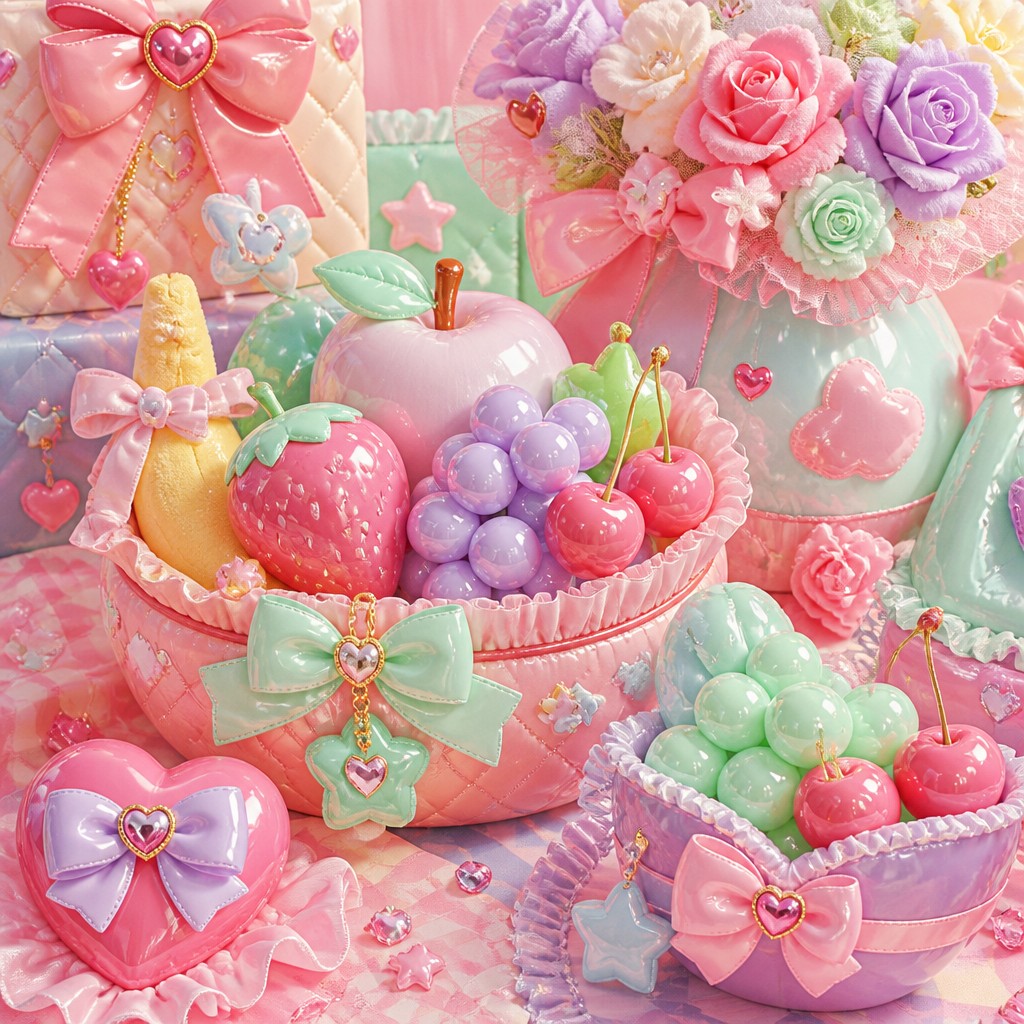
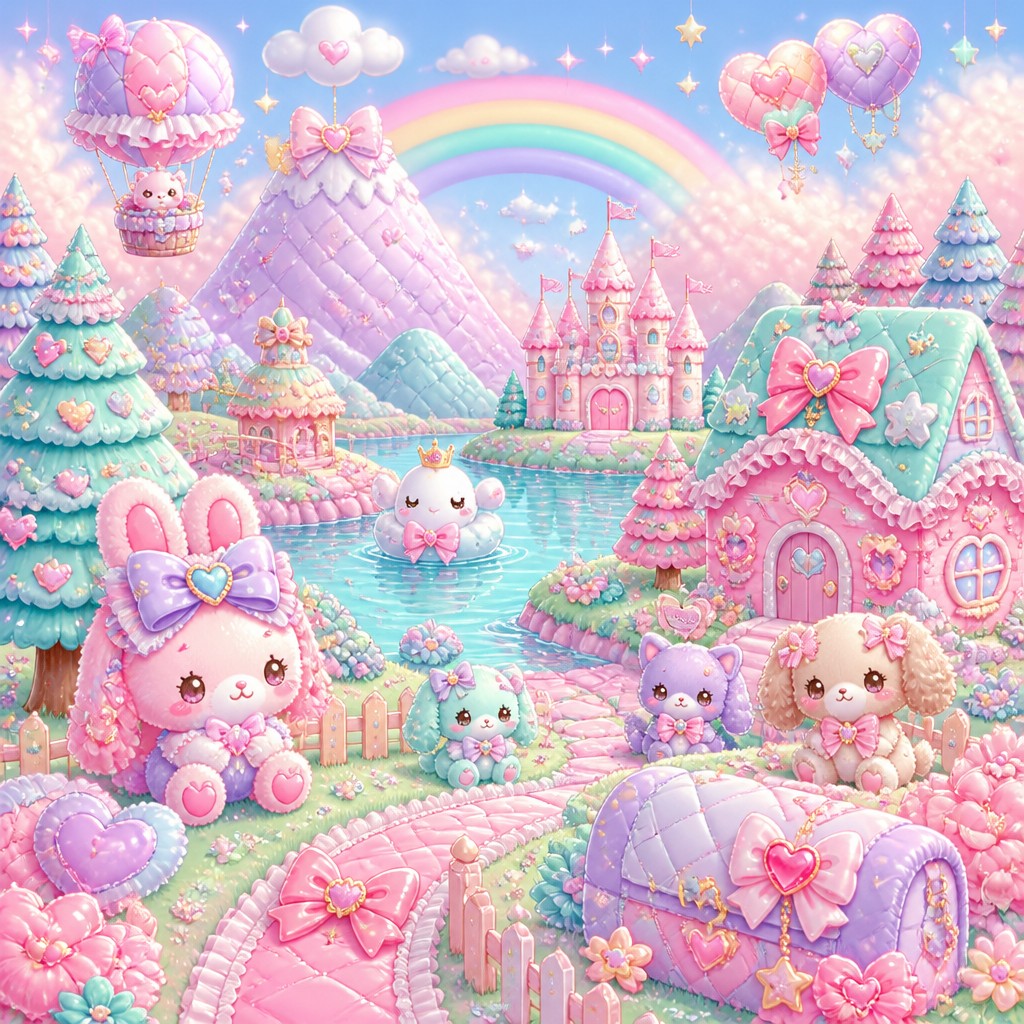
Hearts, stars, pearls, animal motifs, lace, and small dangling charms are used as visual punctuation. These details create the feeling of a collectible accessory set rather than minimal clothing.
Toy-box presentation
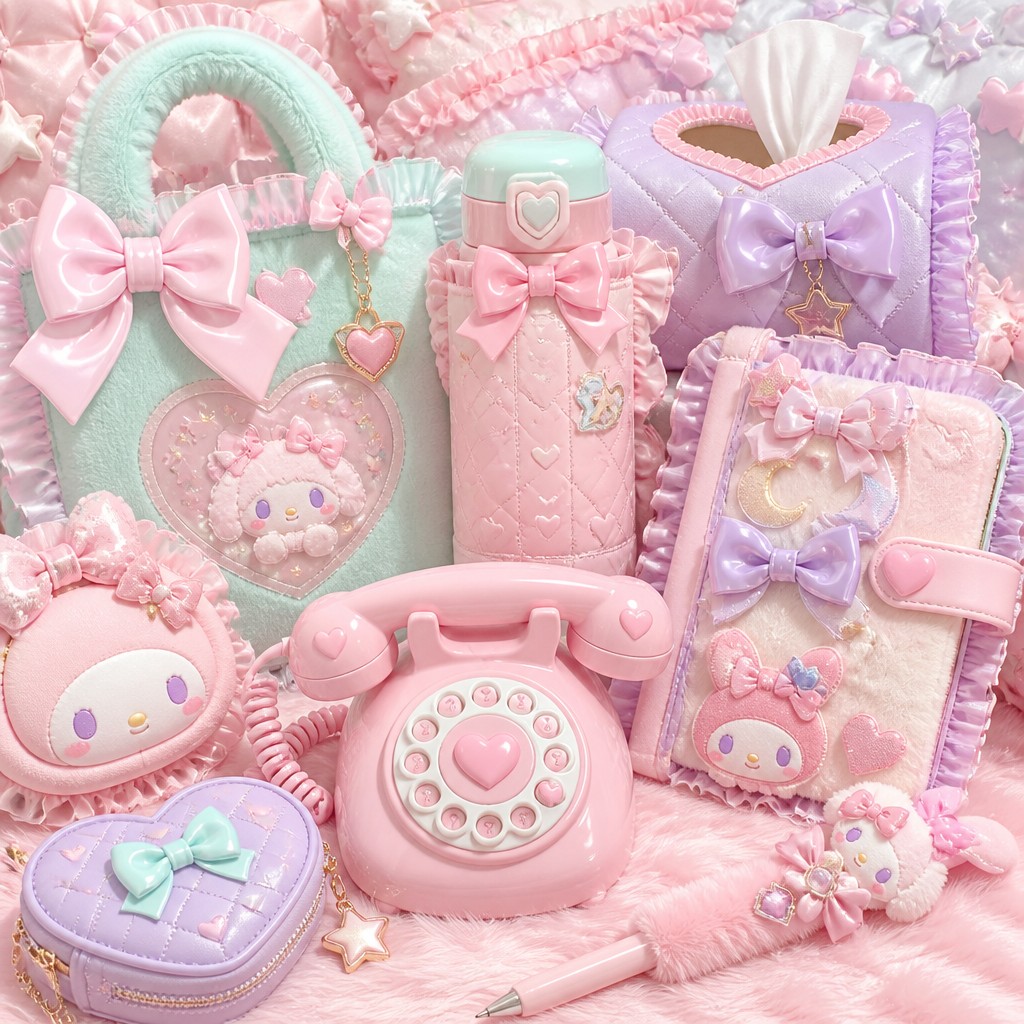
The overall look is bright, evenly lit, and highly legible, with sparkling highlights and clean edges. Even when the outfit is elaborate, the composition usually aims for immediate readability and maximum cuteness.
Try It
Create Videos in Kawaii Fashion Style
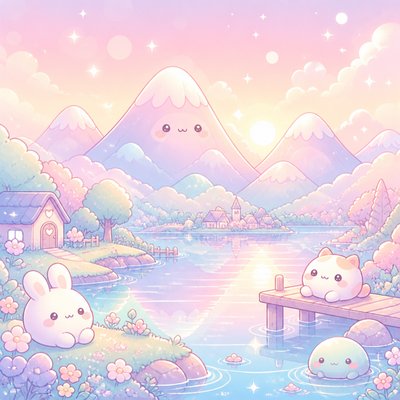
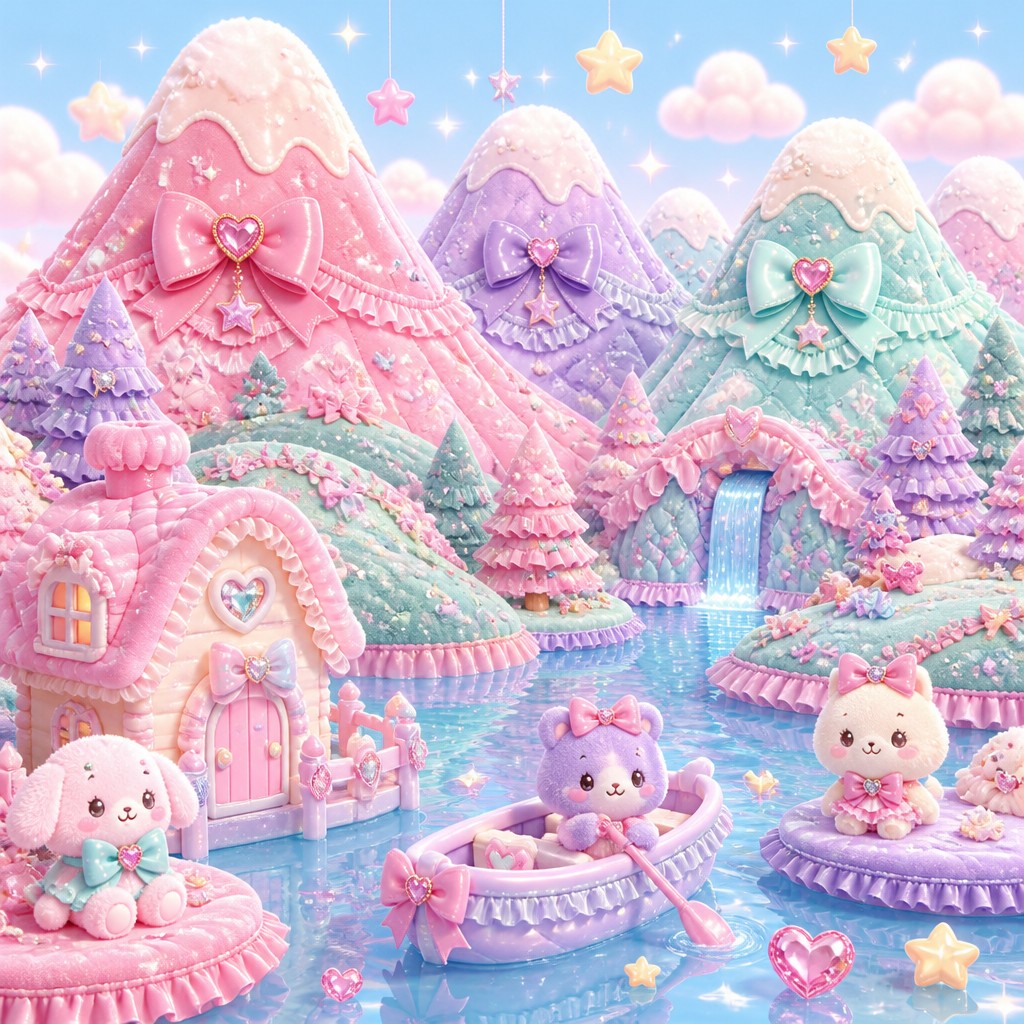
Styles aren't just for stills — describe a scene or animate an image and get a short video rendered in Kawaii Fashion. Press play to see this pond come to life.
Make a VideoKawaii Fashion Prompt Ideas
Start from an idea — each one opens the generator with the style ready to go. See all 40 Kawaii Fashion prompts →
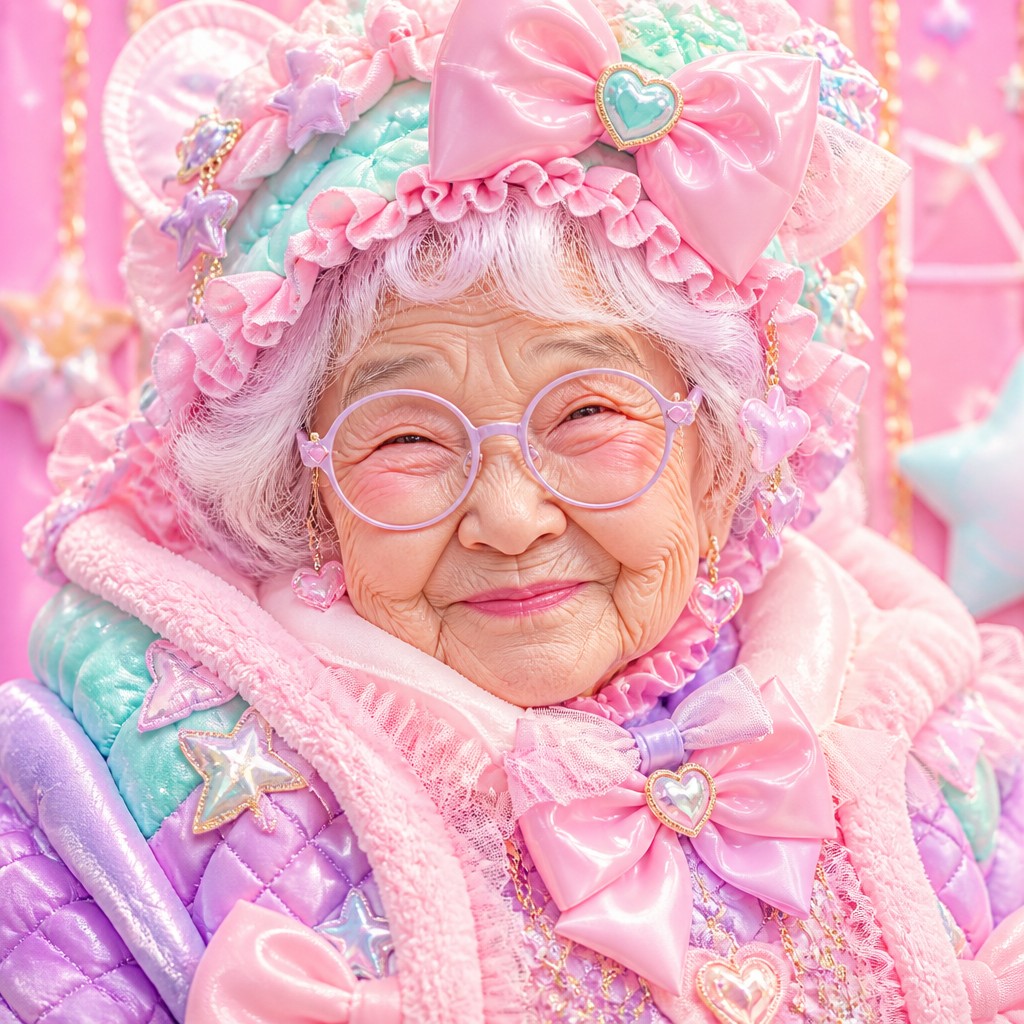
“close-up portrait of an elderly person with expressive weathered features”
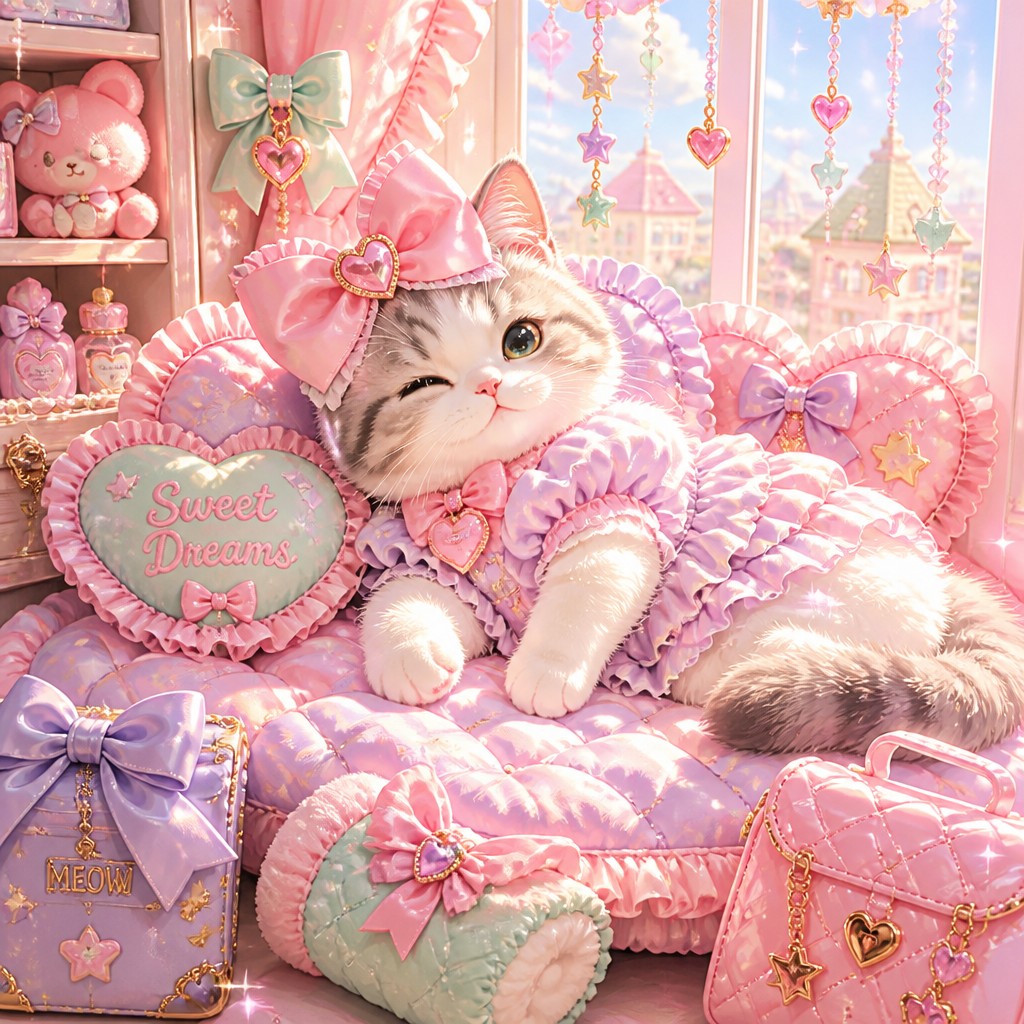
“a cat lounging in a sunlit window”
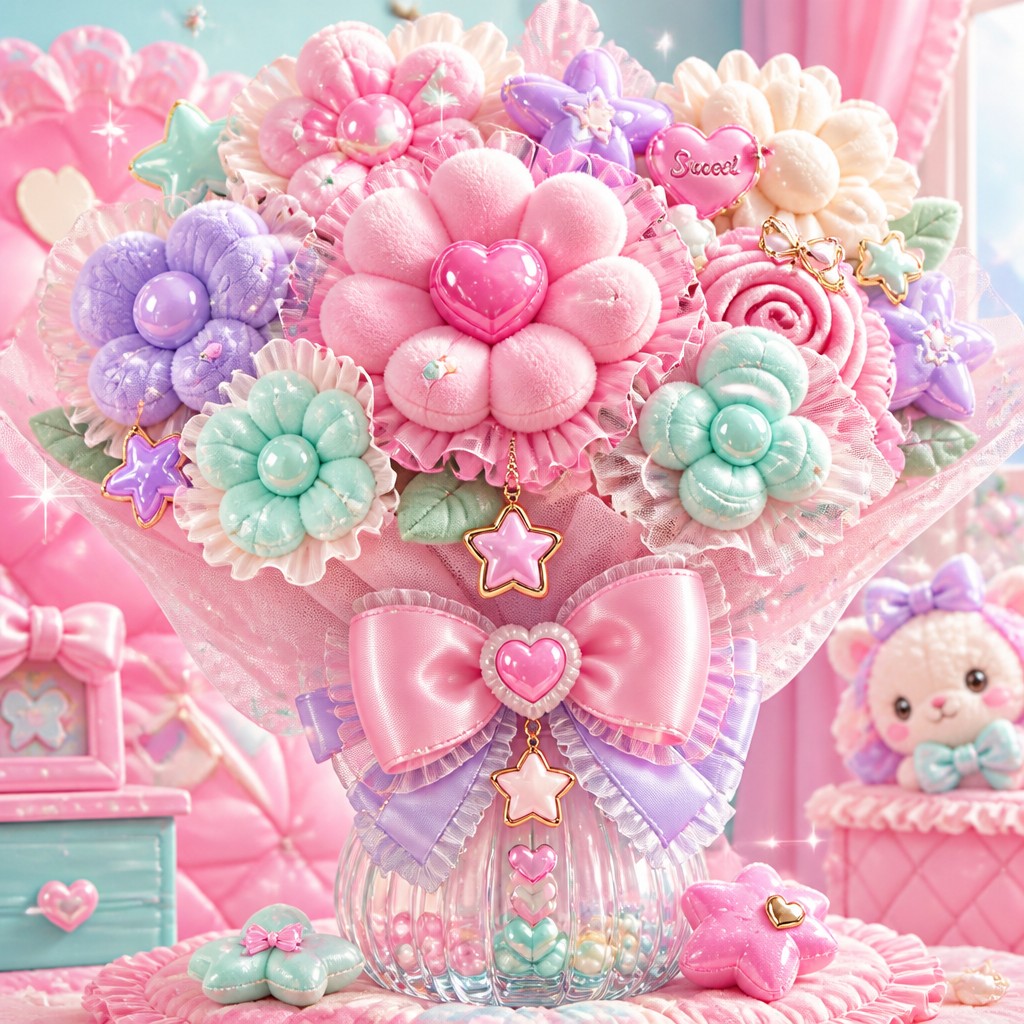
“bouquet of flowers in a glass vase”
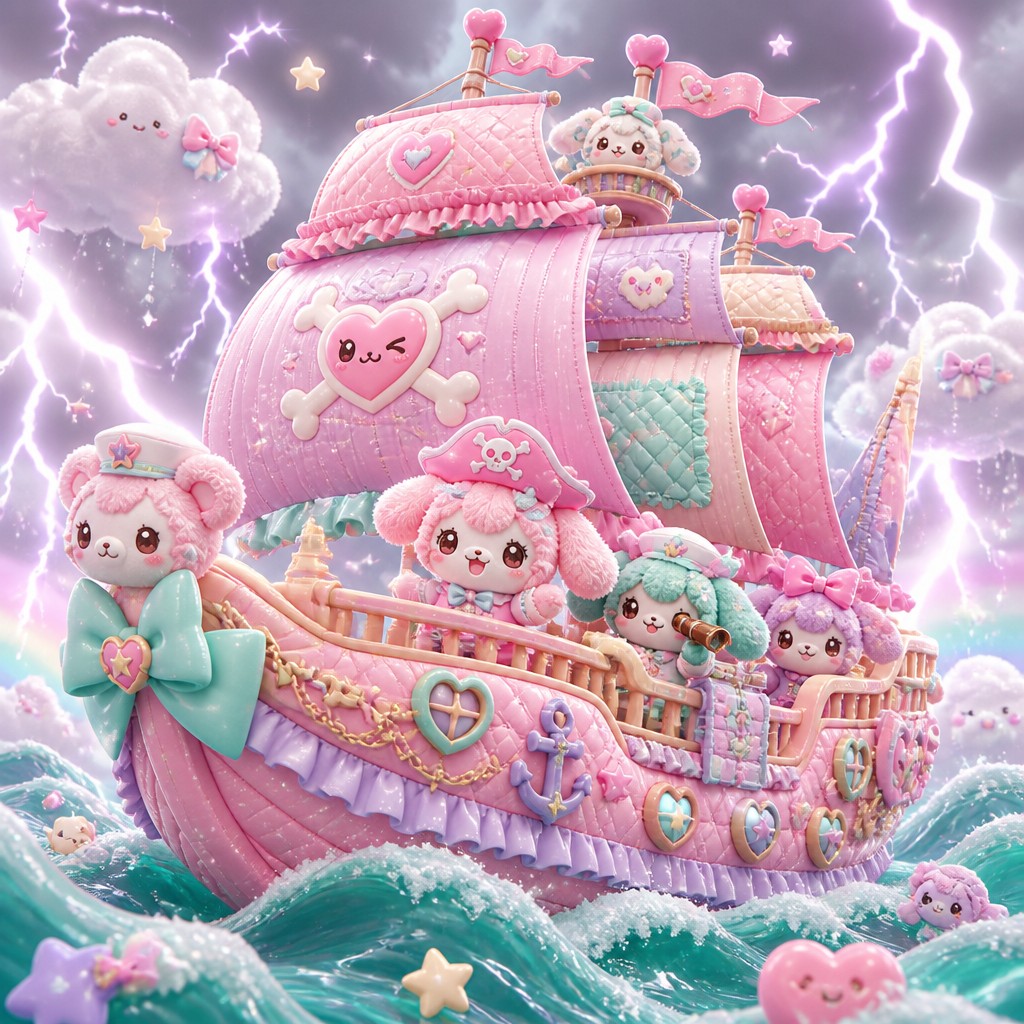
“sailing ship on a stormy sea”
How to Create Kawaii Fashion Art
Master the craft step by step — or skip straight to creating. Read the full guide →
- 1
Build the silhouette first
Start with a rounded base shape: puff sleeves, a full skirt, soft socks, oversized collars, or a boxy cardigan. In fashion illustration or character design, exaggerate proportion slightly so the clothing looks plush rather than fitted.
- 2
Layer decorative elements deliberately
Add bows, ruffles, lace, and charm accents in balanced clusters rather than scattering them randomly. Repeating a motif, such as stars or hearts, helps the outfit feel cohesive and collectible.
- 3
Use material contrast
Combine matte and glossy surfaces to keep the image lively: tulle over cotton, satin ribbon over fleece, or vinyl accessories against soft fabric. In digital painting, emphasize crisp specular highlights and gentle gradients to mimic candy-like sheen.
- 4
Keep the palette restrained but sweet
Limit the main colors to a small pastel set with white or cream as a stabilizer. If you add a darker accent, use it sparingly so the overall impression remains airy and cute.
- 5
Photograph or render with even, bright light
Avoid harsh shadow drama; the style depends on clarity, texture, and cheerful presentation. For prompt-based generation, specify rounded oversized silhouettes, pastel ruffles, bows, plush materials, sparkling highlights, and bright even lighting.
- 6
Translate the idea into different media
In traditional media, use soft gradients, clean linework, and careful pattern detail to keep forms readable. In digital or AI-assisted workflows, prompt for specific fabrics, accessories, and color terms so the output does not drift into generic pastel fashion.
The Story
History & Origins of Kawaii Fashion
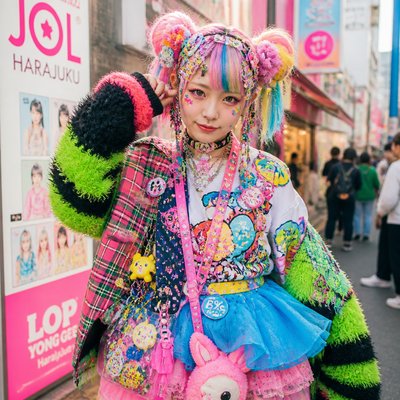
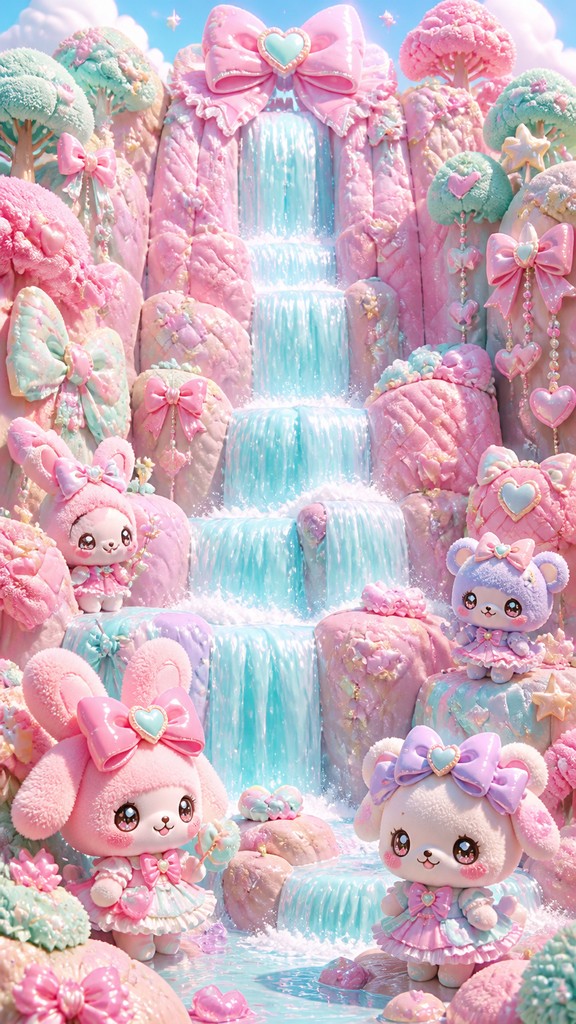
Kawaii fashion emerged from Japanese kawaii culture, which developed broadly in the late 20th century around cute handwriting, character goods, idol culture, and youth fashion. While not a single historical movement in the art-historical sense, it draws from distinct Japanese street and subcultural dress traditions, especially late-20th-century boutique fashion, lolita fashion, decora, fairy kei, and related styles that used layered clothing and playful accessories to create highly individualized looks.
Its broader lineage also includes Western doll fashion, children’s wear, rococo ornament, and postwar pop culture’s fascination with bright consumer goods and mascots. In contemporary visual culture, the style has expanded through illustration, social media fashion photography, character design, and digital art, where exaggerated cuteness, pastel rendering, and glossy material effects are used to intensify its toy-box appeal.
Influences: This aesthetic draws from Japanese kawaii culture, lolita fashion, decora, fairy kei, and the broader visual language of character goods and idol styling. It also overlaps with Western doll imagery, children’s clothing design, and ornamental traditions associated with rococo excess, though it is not a direct revival of any single historical style. In illustration and fashion photography, its clarity and decorative emphasis can also be compared to pop-cute branding and consumer design culture.
Frequently Asked Questions
What defines Kawaii Fashion Style?
It is defined by exaggerated cuteness: rounded silhouettes, bows, ruffles, pastel colors, and plush or glossy materials. The style prioritizes softness, charm, and ornament over realism or sleek minimalism.
How is it different from lolita fashion?
Lolita fashion is a more specific subculture with its own historical codes, silhouettes, and etiquette, often emphasizing modest Victorian- and Rococo-inspired dress. Kawaii Fashion Style is broader and more flexible, borrowing from lolita-adjacent layering but also from fairy kei, decora, and general cute fashion aesthetics.
Is Kawaii Fashion Style always pink?
No, but pastel pink is one of its most recognizable colors. Mint, lavender, baby blue, cream, and soft yellow are also common, usually arranged to keep the overall impression light and candy-like.
What fabrics and textures fit this style best?
Soft and tactile materials like fleece, cotton, tulle, satin, lace, and quilted fabrics work especially well. Glossy accents such as patent vinyl, pearls, and shiny ribbons add contrast and make the look feel more toy-like.
Where is this style used?
It appears in street fashion, editorial fashion photography, character design, illustration, cosplay, and decorative product imagery. It is especially effective wherever the goal is to communicate sweetness, youthfulness, and playful personality.
How do I make an image in this style without it looking cluttered?
Choose one or two dominant motifs, such as bows and hearts, and repeat them with restraint. Keep the palette limited and let the silhouette do most of the work, so the decoration feels intentional rather than noisy.
Create your first Kawaii Fashion artwork
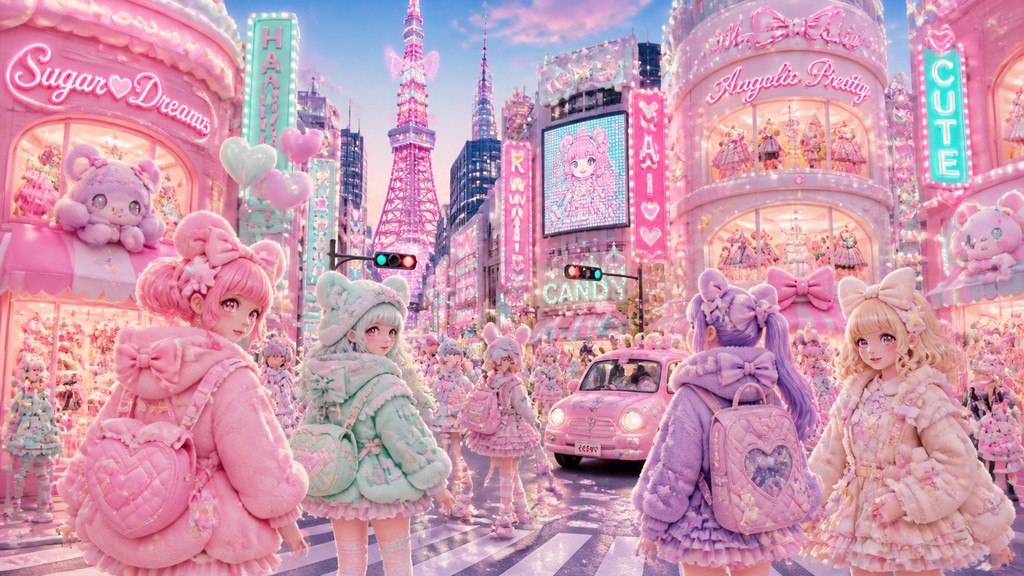
Describe anything — or upload a photo — and see it in Kawaii Fashion Style in seconds.
Related Styles
Discover similar art styles