Bridal Couture Fashion Design
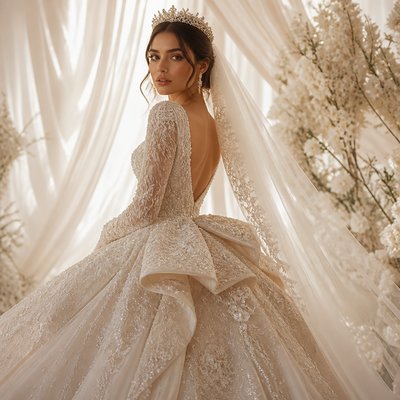
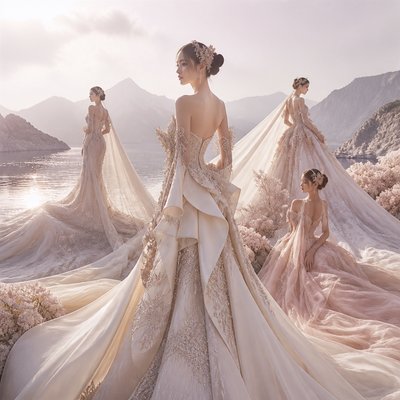
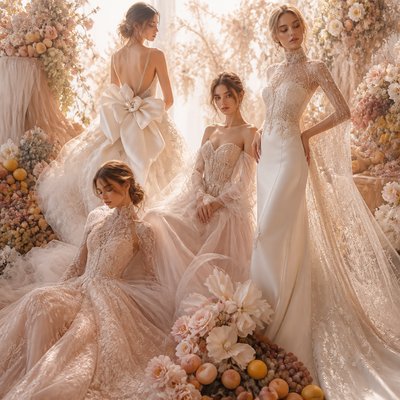
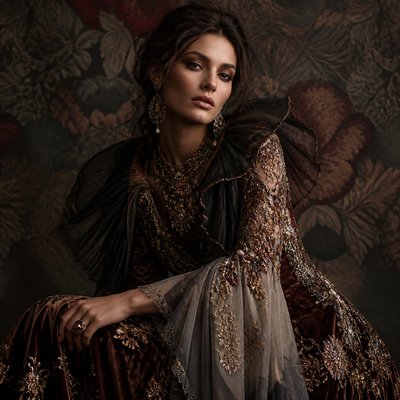
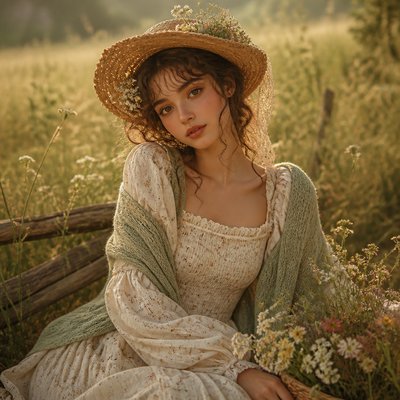
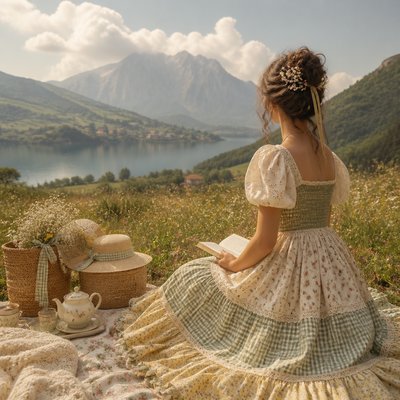
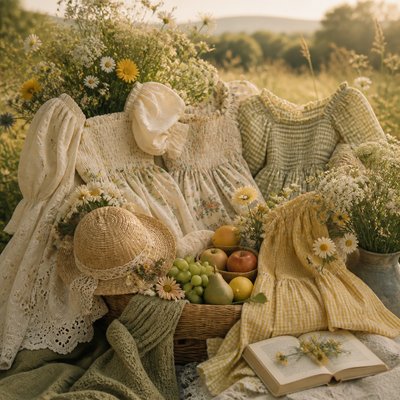
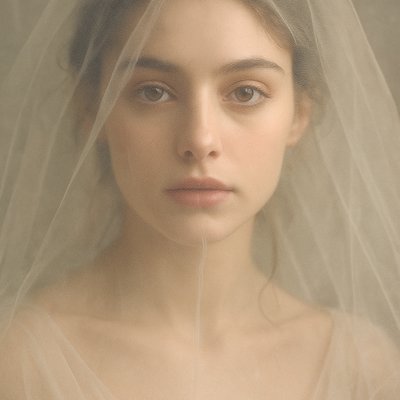
Ivory lace, silk, and sweeping trains define this luminous bridal fashion aesthetic of romance, ceremony, and couture elegance.
Instantly rendered in Bridal Couture Fashion Design — or transform a photo
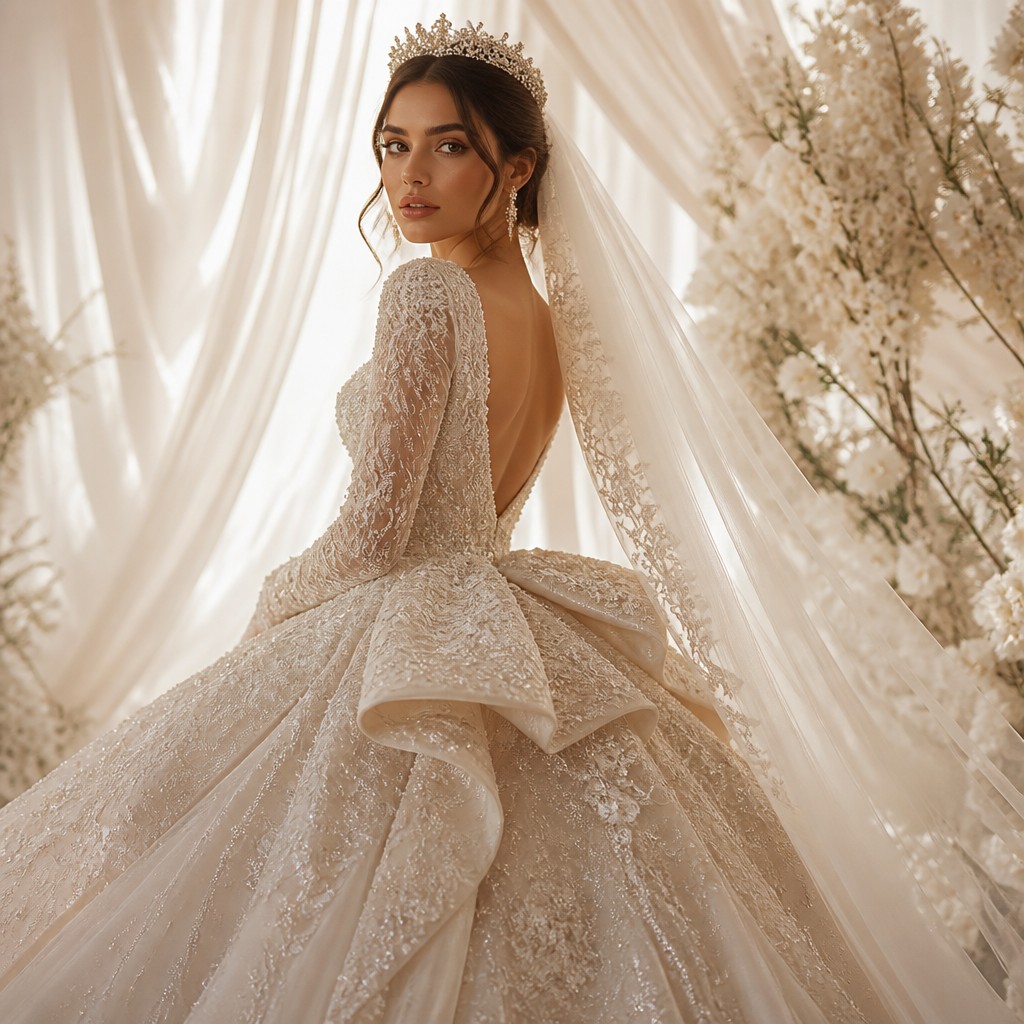
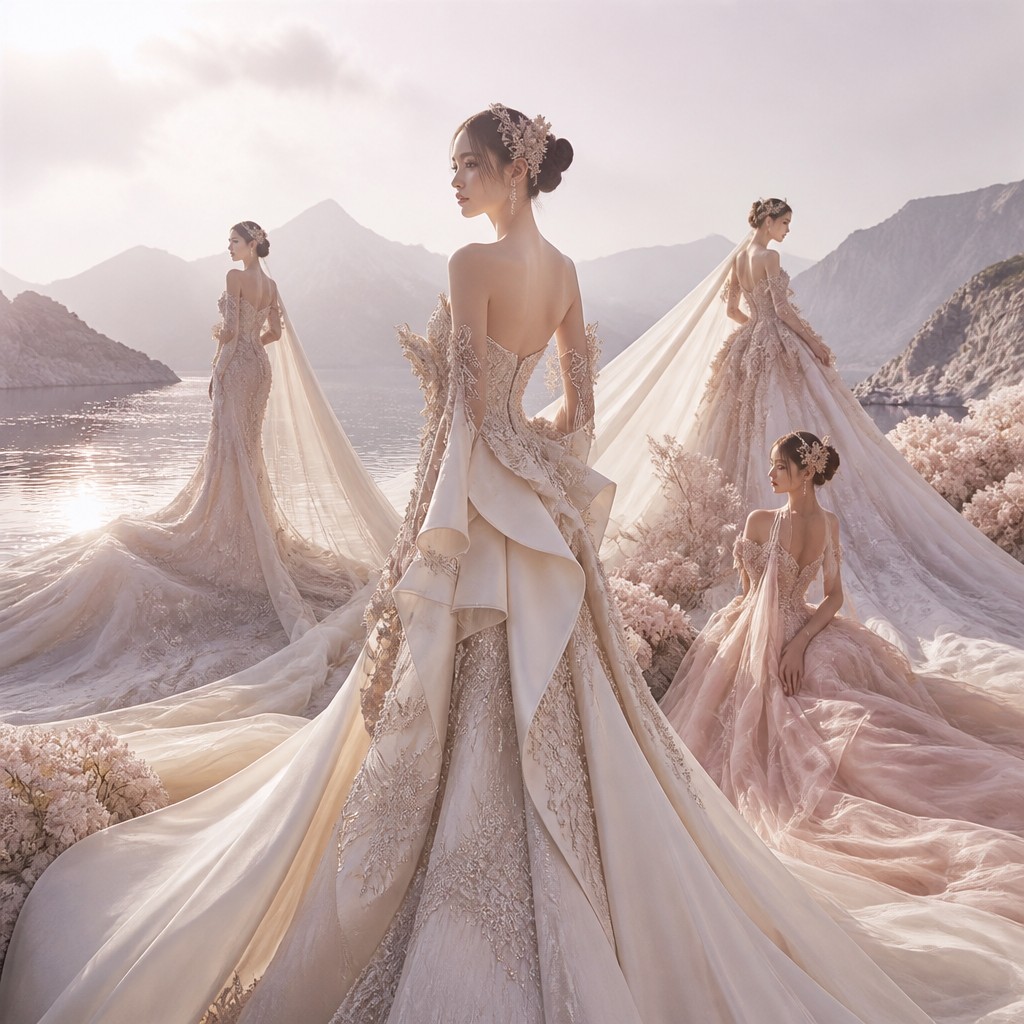
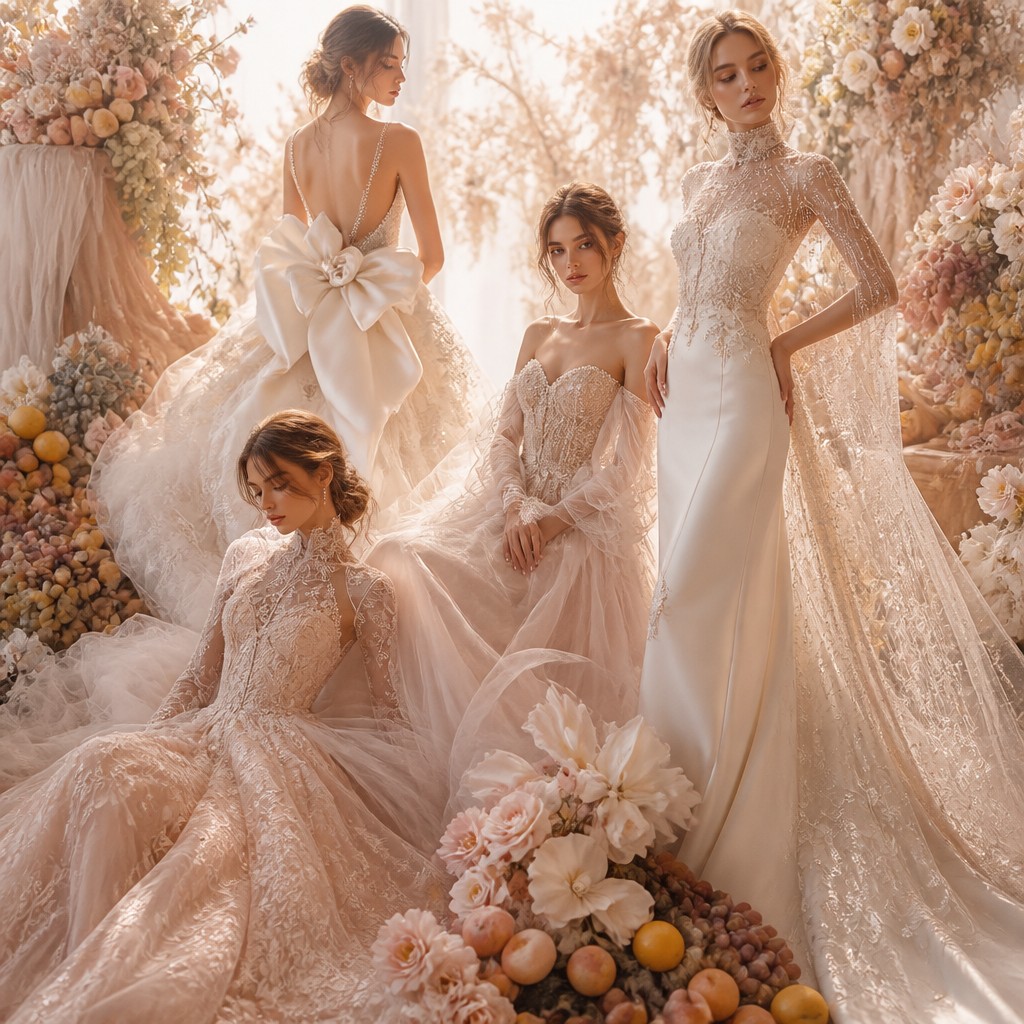
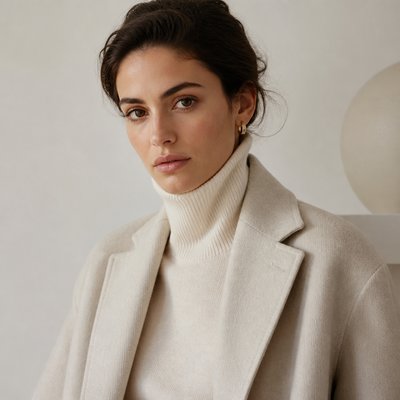
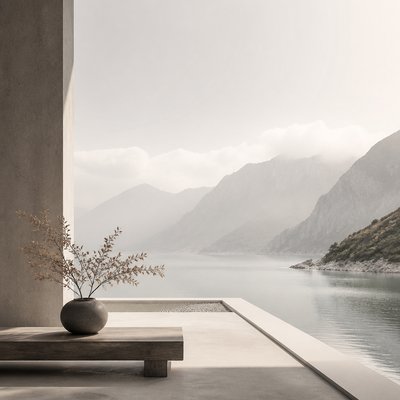
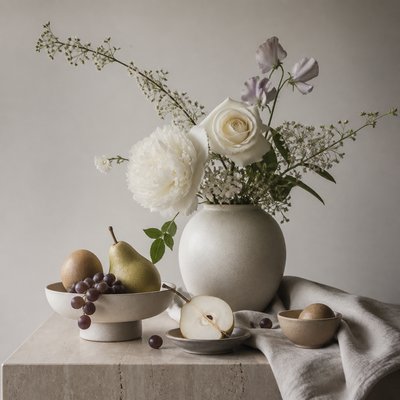
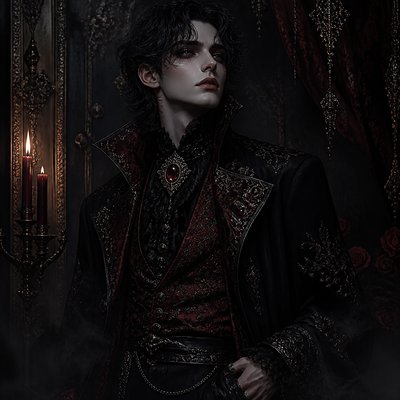
Bridal Couture Fashion Design Gallery
Tap any artwork to explore it
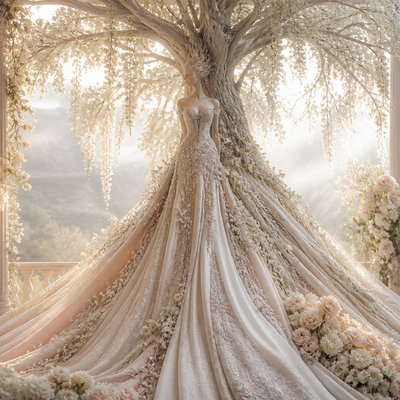
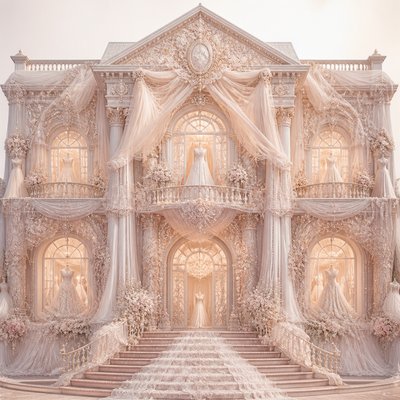
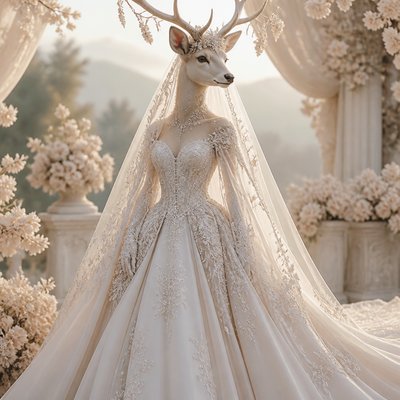
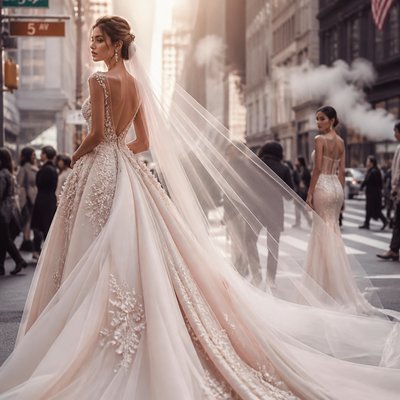
What is Bridal Couture Fashion Design?
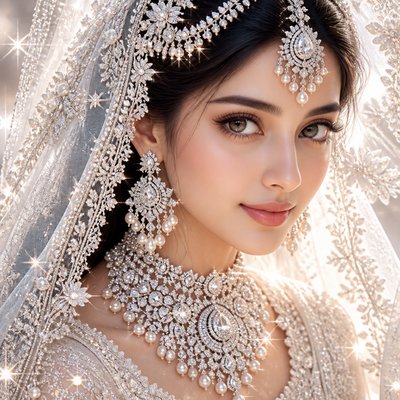
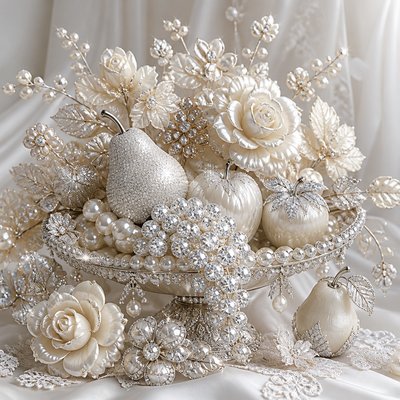
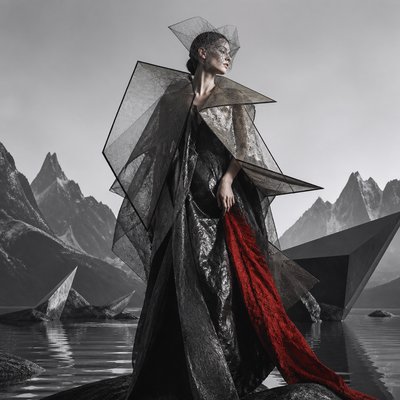
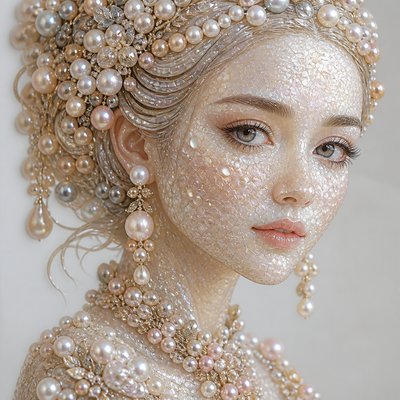
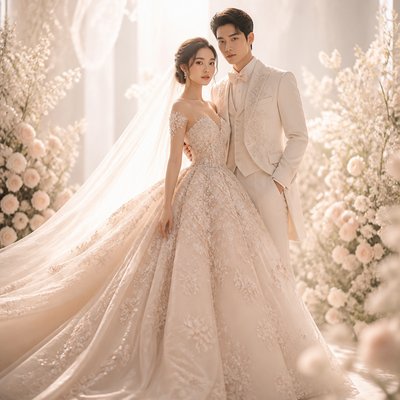
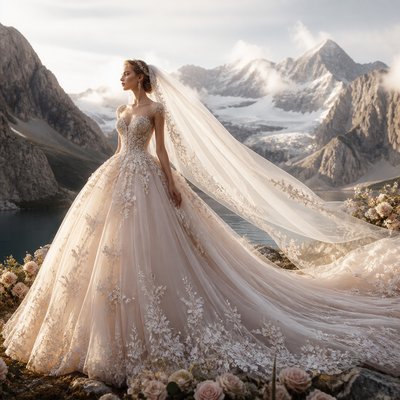
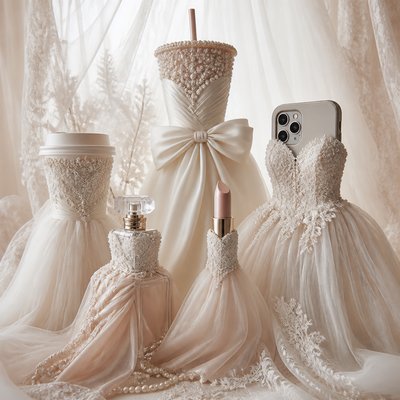
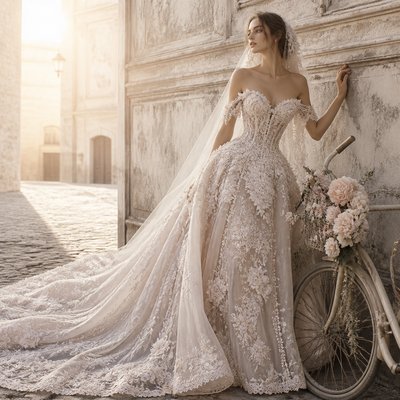
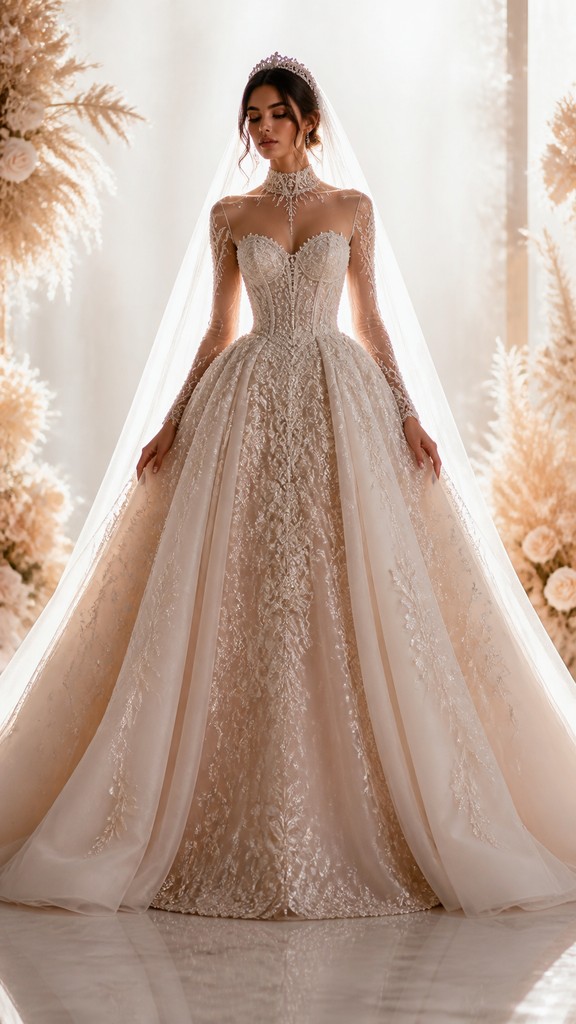
Bridal Couture Fashion Design is a fashion aesthetic centered on ceremonial wedding dressmaking at its most refined: sculpted bodices, sweeping trains, precision tailoring, and fabrics that catch light with a soft, luminous sheen. It typically uses a restrained palette of ivory, white, blush, and champagne, allowing structure, texture, and silhouette to carry the visual emphasis.
The style looks the way it does because it is built from couture garment traditions rather than casual fashion. Fine lace, silk mikado, tulle, pearl embroidery, and veil-like layering create a sense of delicacy and occasion, while architectural silhouettes such as ballgowns and column gowns give the form a formal, statuesque presence. The overall effect is romantic, ceremonial, and composed around the idea of once-in-a-lifetime dress.
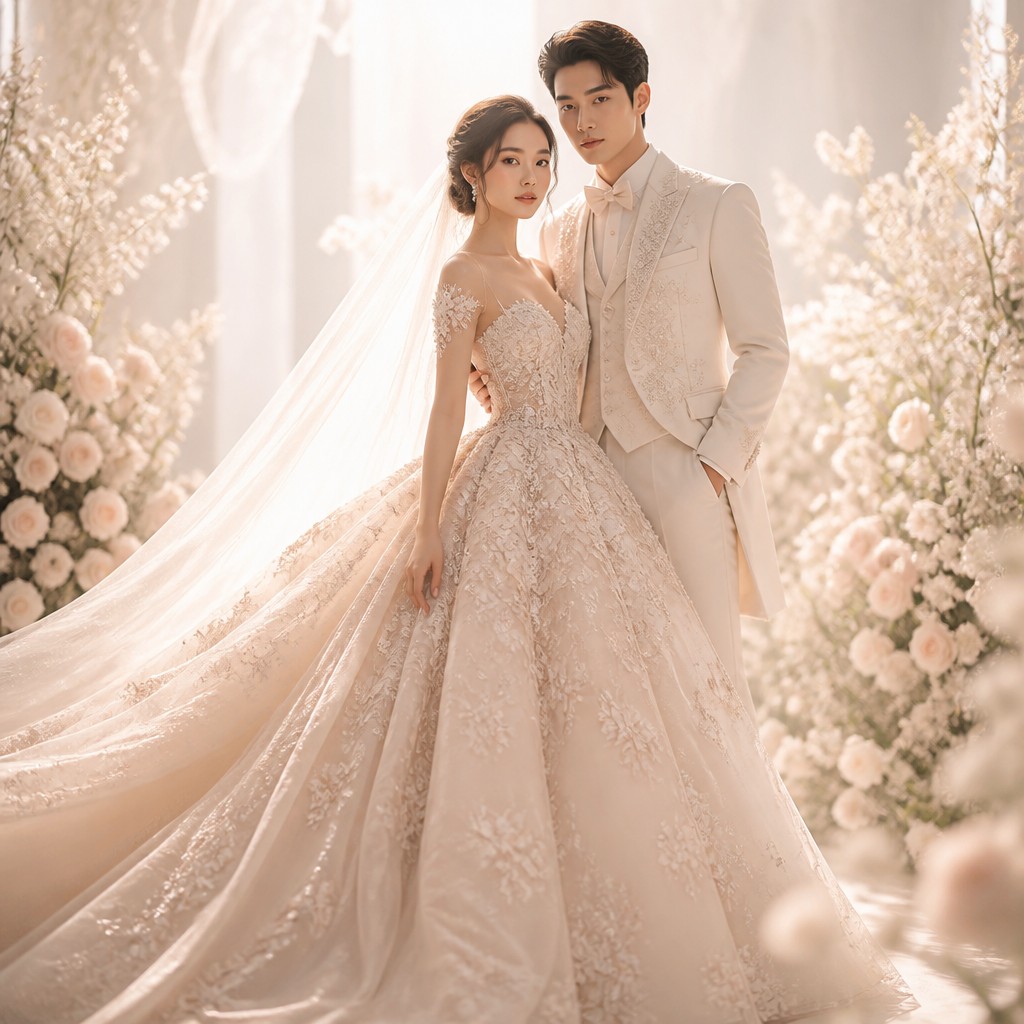
Try It On Your Photos
Upload any photo and convert it into Bridal Couture Fashion Design — drag the sliders to compare before and after.
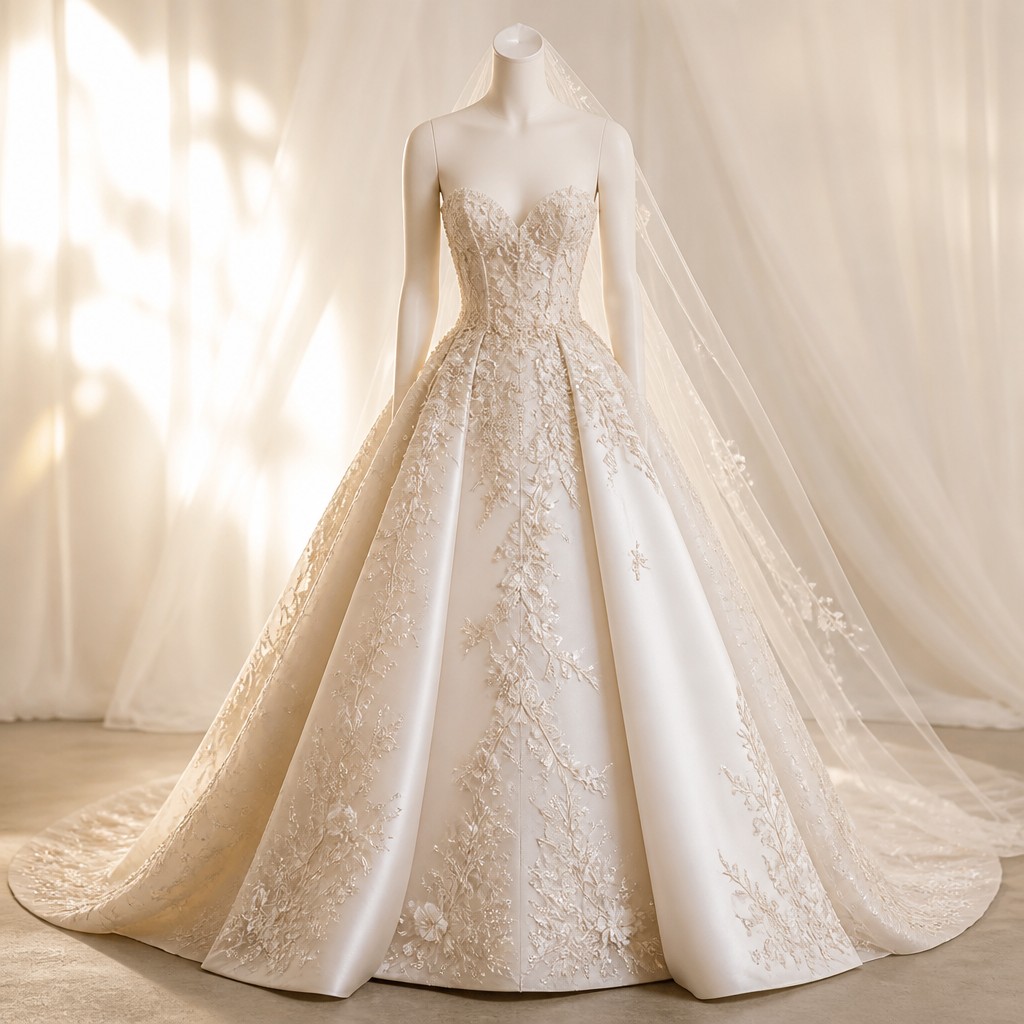
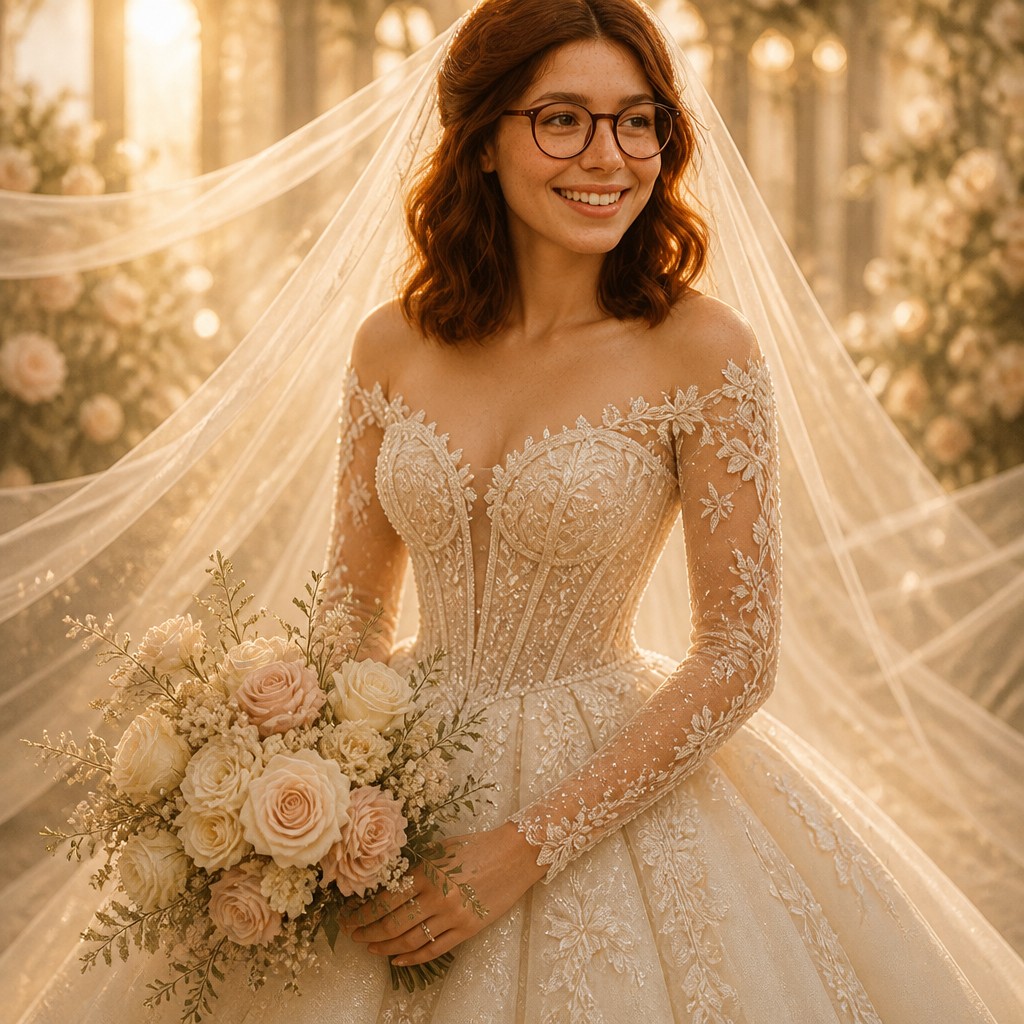

What Defines Bridal Couture Fashion Design
The signature details, up close
Ceremonial silhouettes
The style favors strong formal shapes such as voluminous ballgowns, A-line dresses, and sleek column gowns. These silhouettes signal ritual, elegance, and a carefully staged entrance.
Luminous pale palette
Ivory, white, blush, and soft champagne dominate the color range. The limited palette shifts attention to texture, seamwork, and light rather than high color contrast.
Couture fabric handling
Silk mikado, satin, organza, tulle, and fine lace are commonly used or represented. Their weight, translucency, and sheen create visual richness even in restrained color schemes.
Handcrafted surface detail
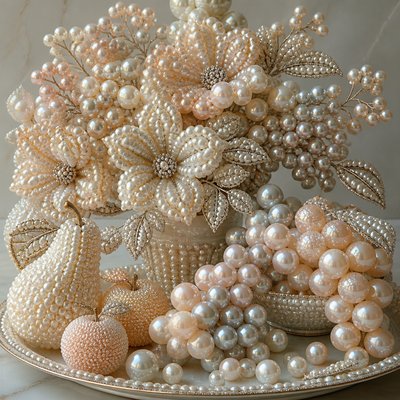
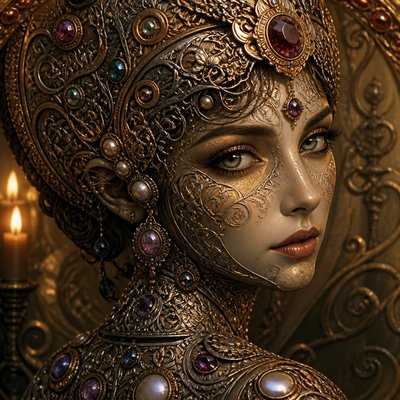
Pearl embroidery, beadwork, floral appliqué, and lace edging add close-view ornament. These details often appear concentrated at the bodice, waist, hem, or veil.
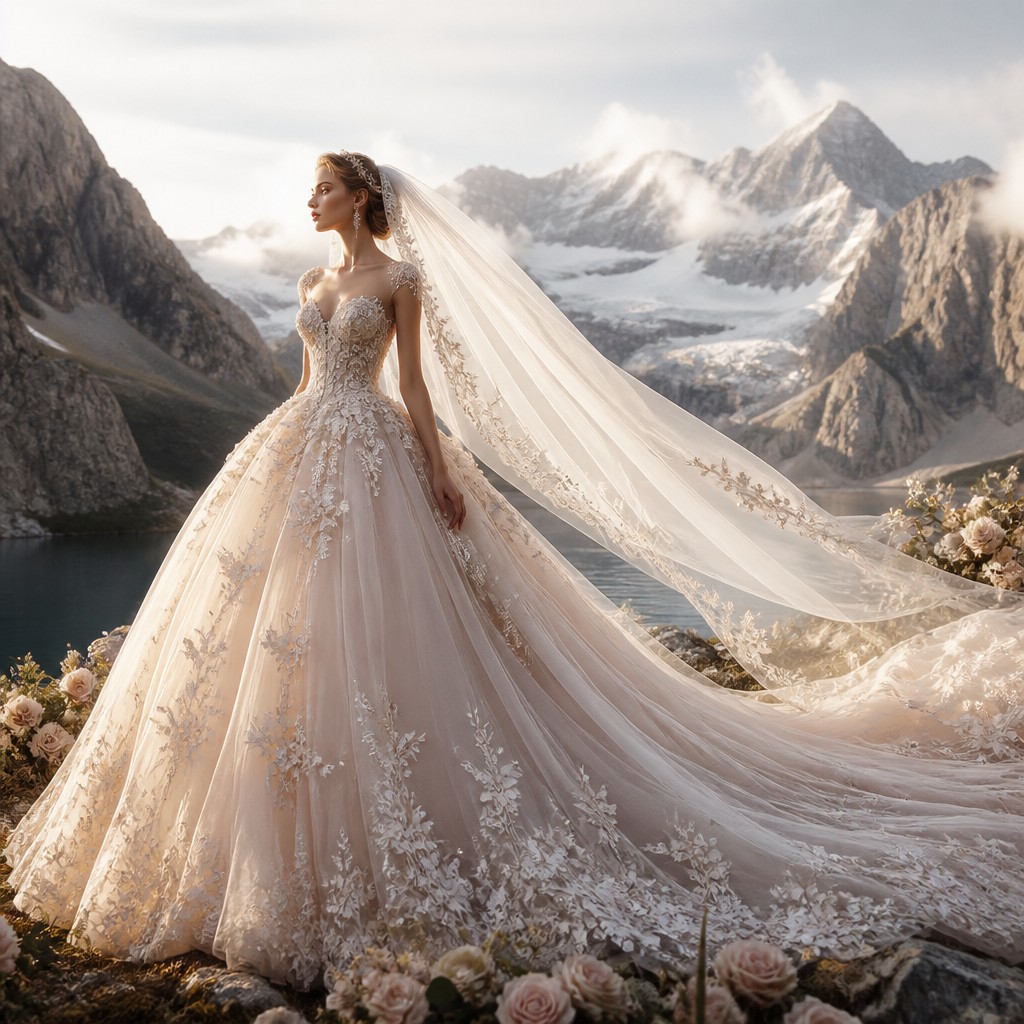
Structured bodices
Boning, corsetry, and precise seam placement shape the upper body into a formal, fitted form. This structure is a key contrast to the softness of skirts, tulle, and veils.
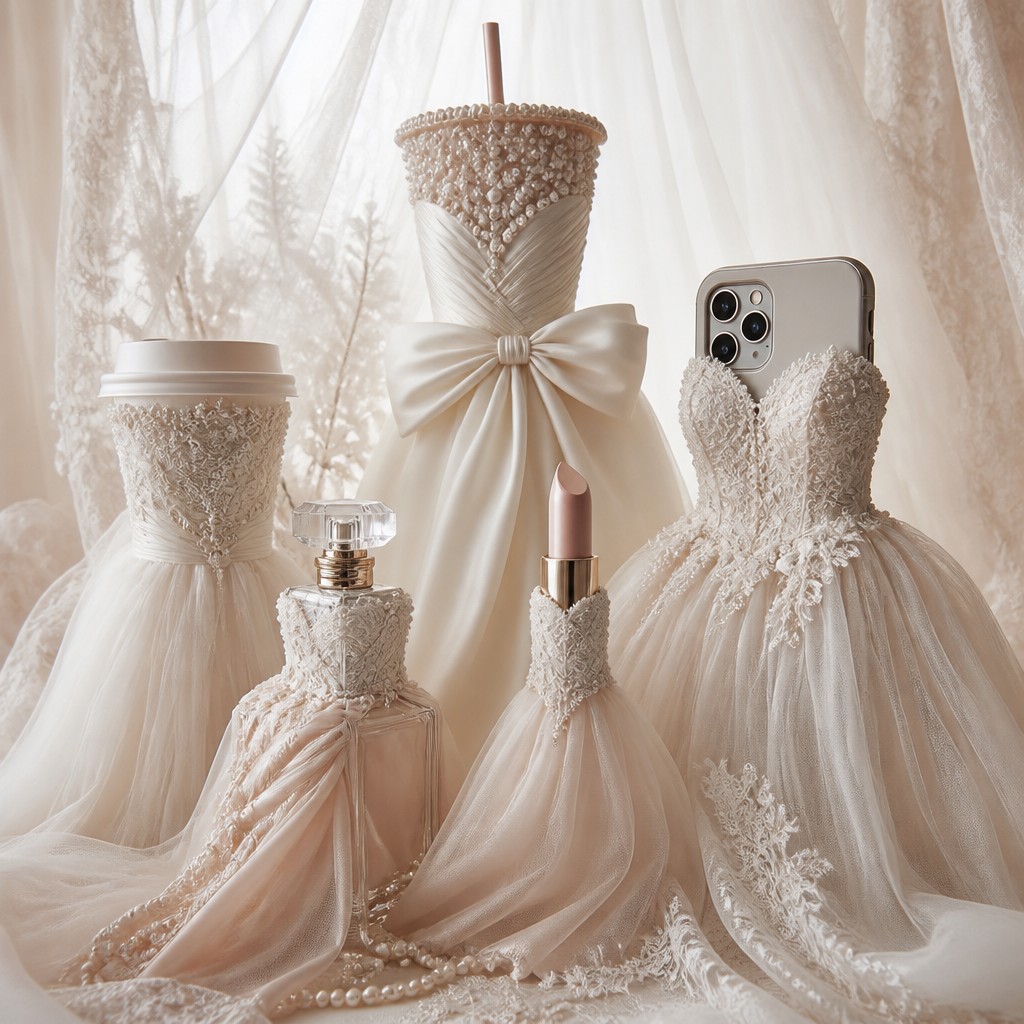
Veiled and ethereal styling
Veils, soft hair styling, and diffused makeup or lighting reinforce the romantic tone. The image often feels airy, intimate, and slightly dreamlike rather than theatrical.
Try It
Create Videos in Bridal Couture Fashion Design
Styles aren't just for stills — describe a scene or animate an image and get a short video rendered in Bridal Couture Fashion Design. Press play to see this pond come to life.
Make a VideoBridal Couture Fashion Design Prompt Ideas
Start from an idea — each one opens the generator with the style ready to go. See all 40 Bridal Couture Fashion Design prompts →
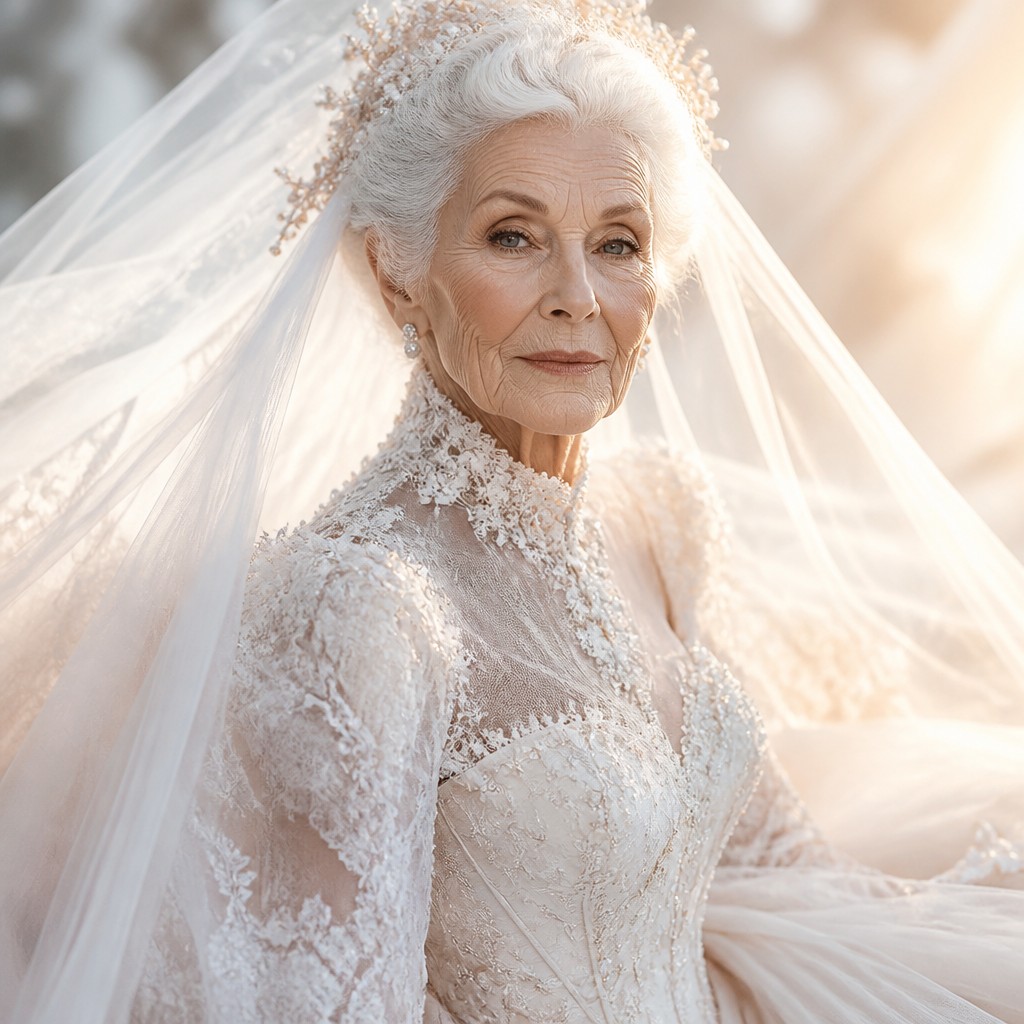
“close-up portrait of an elderly person with expressive weathered features”
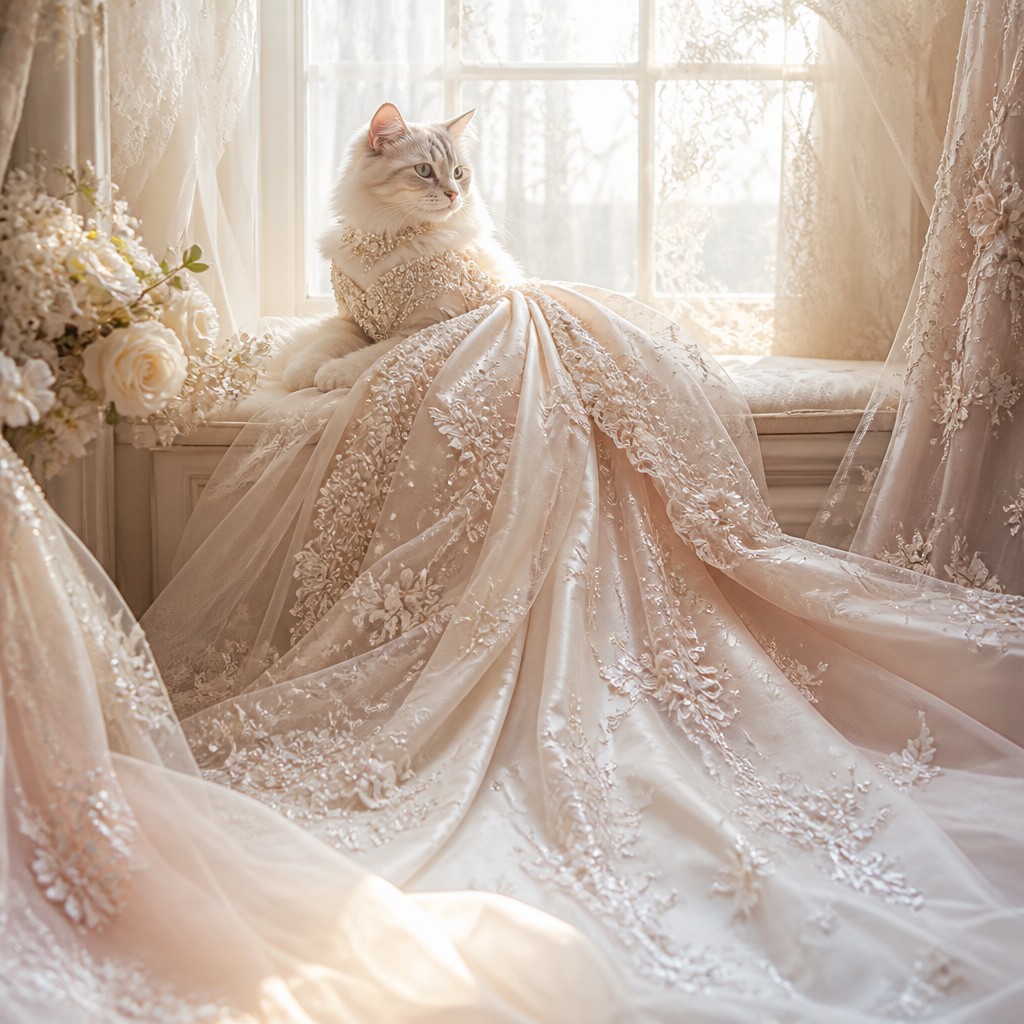
“a cat lounging in a sunlit window”
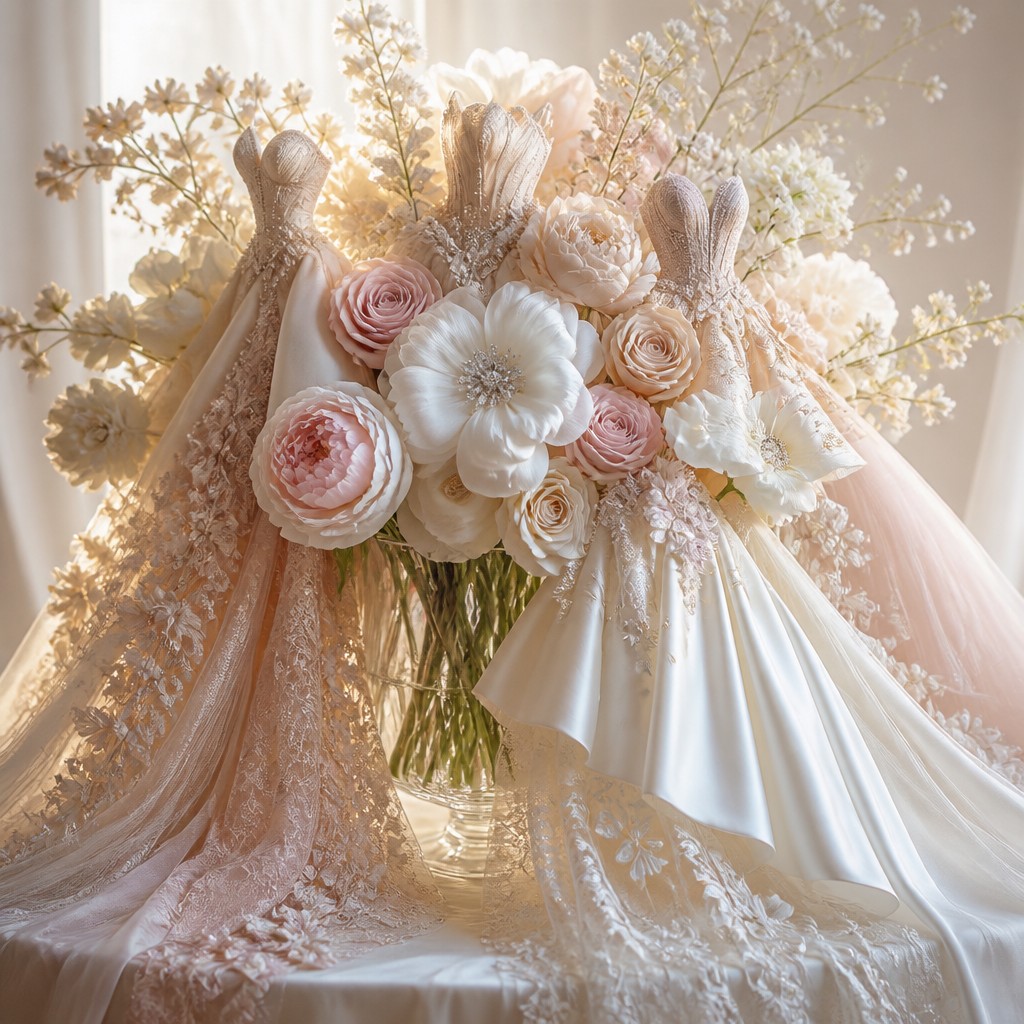
“bouquet of flowers in a glass vase”
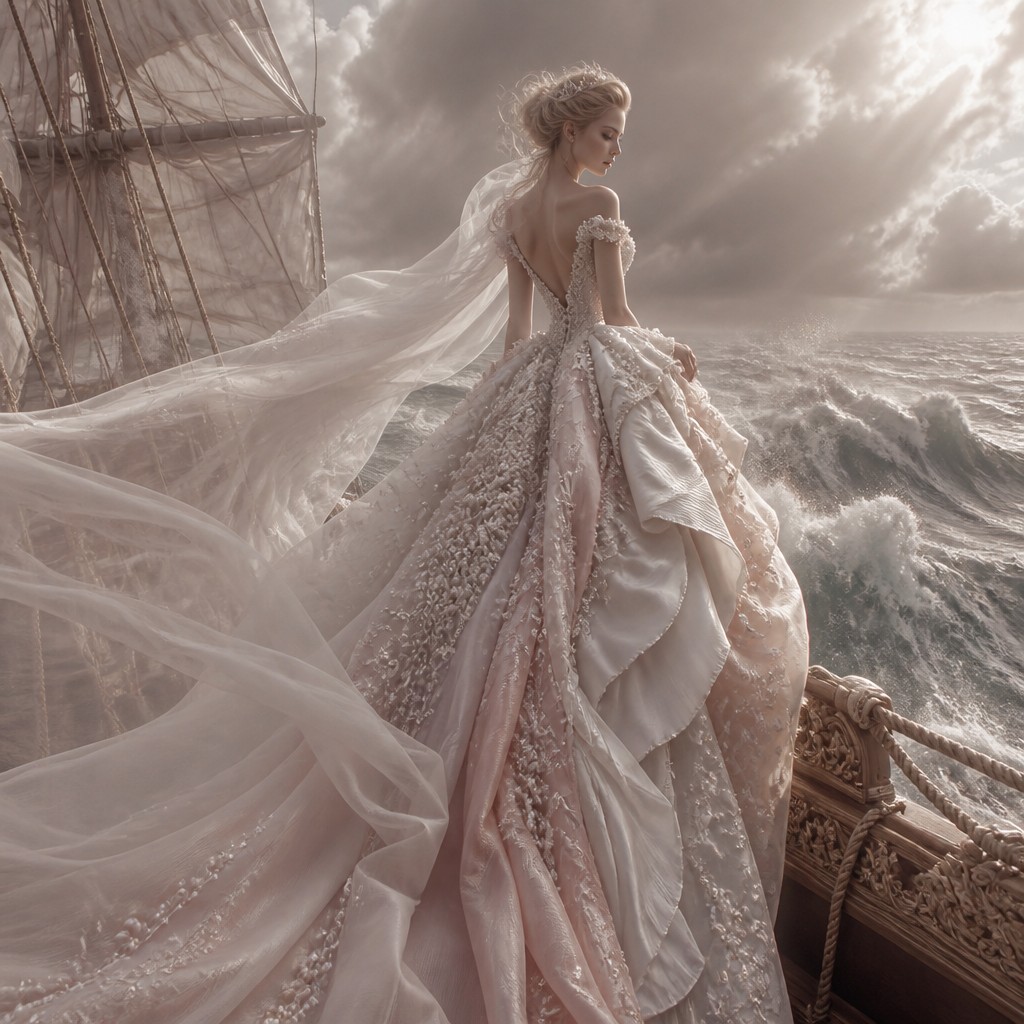
“sailing ship on a stormy sea”
How to Create Bridal Couture Fashion Design Art
Master the craft step by step — or skip straight to creating. Read the full guide →
- 1
Design the silhouette first
Begin with the dress form: decide whether the garment is a ballgown, mermaid, sheath, or column silhouette. In drawing or digital painting, block in the major volumes before adding lace, embroidery, or folds.
- 2
Build from couture fabrics
Use visual cues of silk mikado for crisp structure, tulle for volume, and lace for delicacy. Show how each textile behaves under light so the garment reads as expensive and physically plausible.
- 3
Balance structure with softness
Combine a fitted bodice with a flowing skirt, or a clean column line with a dramatic train. The style depends on tension between architecture and romance, not on ornament alone.
- 4
Use restrained lighting and color
Keep the palette pale and the lighting diffused, with soft highlights on satin and pearl details. In photography or rendering, backlighting and gentle haze help produce the luminous ceremonial effect.
- 5
Add targeted decoration
Place embroidery, beading, or lace where the eye naturally lands: neckline, waist, cuffs, hem, and veil border. Concentrated embellishment is more convincing than covering every surface.
- 6
Write prompts around garment construction
For text-to-image generation, specify the dress type, fabrics, silhouette, lighting, and setting. Phrases like 'sculpted bodice,' 'pearl embroidery,' 'ivory silk,' and 'diffused backlight' produce more reliable results than vague romance terms.
The Story
History & Origins of Bridal Couture Fashion Design
Bridal couture has no single origin point; it developed from European court dress, 19th-century white wedding customs, and the rise of haute couture in the late 19th and 20th centuries. Queen Victoria’s 1840 white wedding gown helped popularize white as a bridal color in Western fashion, while couture houses later refined wedding dressmaking into a specialized field of luxurious fabrication, handwork, and silhouette design.
Its aesthetic lineage draws from haute couture, Victorian and Edwardian bridal traditions, and modern red-carpet tailoring. Contemporary bridal couture continues to balance old and new: classical lace and veiling coexist with clean architectural lines, minimalist satin gowns, and sculptural construction techniques made possible by modern patternmaking and textile development.
Influences: Bridal couture draws on haute couture craftsmanship, Victorian and Edwardian bridal dress, and the long European tradition of ceremonial clothing. Its visual logic also overlaps with fashion photography and runway presentation, where designers such as Charles Frederick Worth, Coco Chanel, Christian Dior, and later bridal couturiers helped define the interplay of silhouette, luxury fabric, and refined decoration. In contemporary practice, it often sits between classic romance and modern minimalism.

Frequently Asked Questions
What defines bridal couture fashion design?
It is defined by formal wedding-gown silhouettes, luxurious fabrics, and meticulous construction. The look usually emphasizes ivory or white tones, lace, veiling, embroidery, and a sense of ceremonial elegance.
How is it different from general fashion illustration?
General fashion illustration can cover any garment category and style language, while bridal couture focuses specifically on wedding attire and its associated codes. The drawings usually highlight silhouette, fabric behavior, and decorative handwork rather than everyday wearability.
Is bridal couture always traditional and conservative?
No. While it often uses classic symbols like veils and trains, it can also be minimalist, sculptural, or highly modern. Contemporary bridal design may feature clean lines, unconventional textures, or fashion-forward tailoring while still feeling ceremonial.
What materials are most associated with this style?
Silk mikado, satin, tulle, organza, lace, and beaded mesh are among the most common. These materials support both structure and softness, which are central to the bridal couture look.
Where is this style commonly used?
It is used in wedding dress design, bridal editorials, couture runway presentations, engagement campaigns, and luxury portrait photography. It also appears in concept art for ceremonial characters or fantasy brides when a refined formal look is desired.
How can I make an image look more like bridal couture?
Focus on a clearly defined gown silhouette, pale luminous color, and couture-level detailing such as lace, beadwork, and a long train. Soft, diffused lighting and a composed pose will help the image feel ceremonial rather than simply white or ornate.
Create your first Bridal Couture Fashion Design artwork
Describe anything — or upload a photo — and see it in Bridal Couture Fashion Design in seconds.
Related Styles
Discover similar art styles