Pearl Jewelry Style
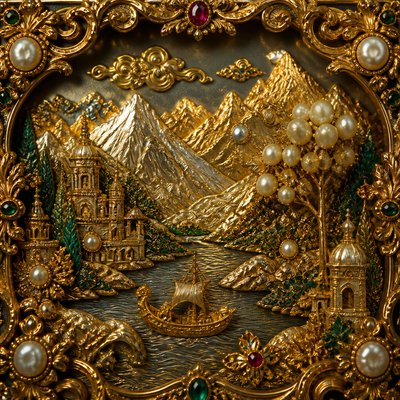
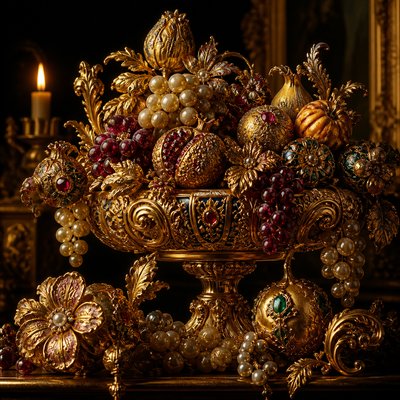
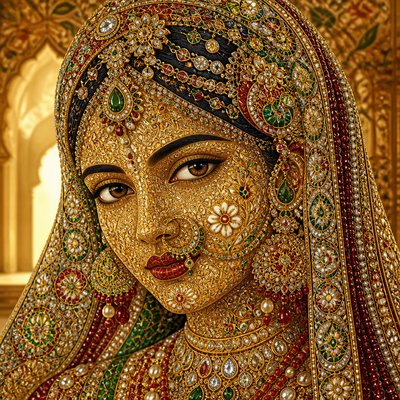
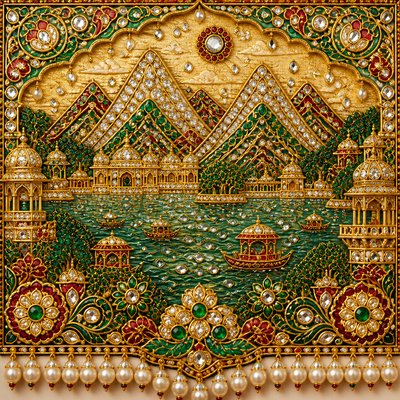
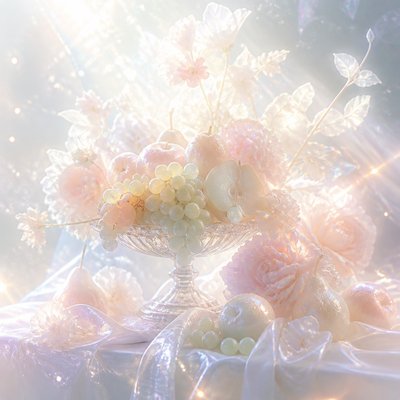
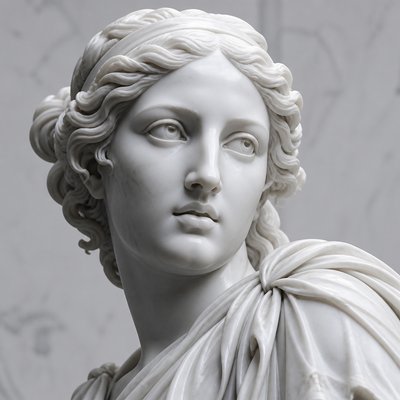
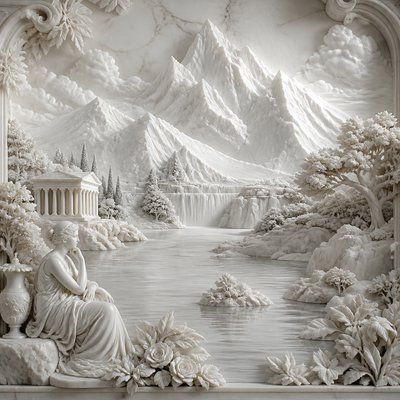
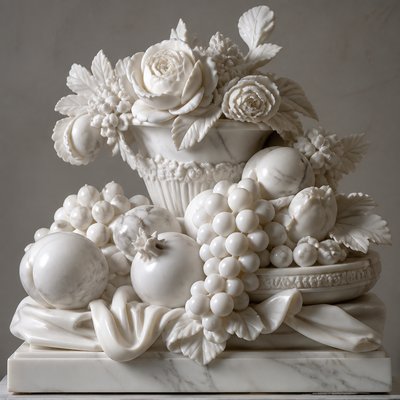
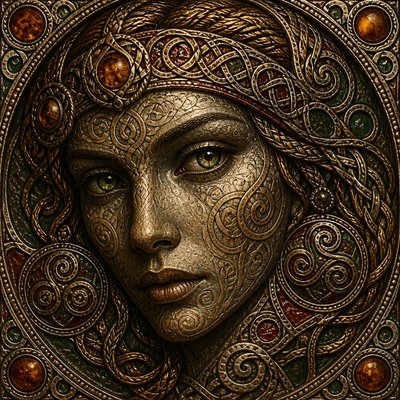
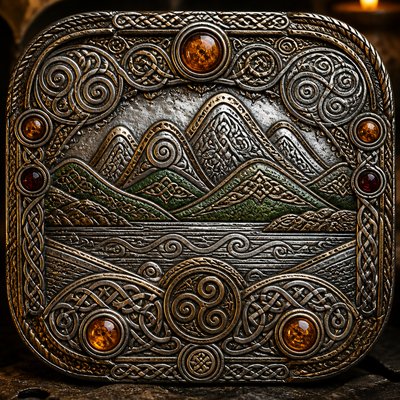
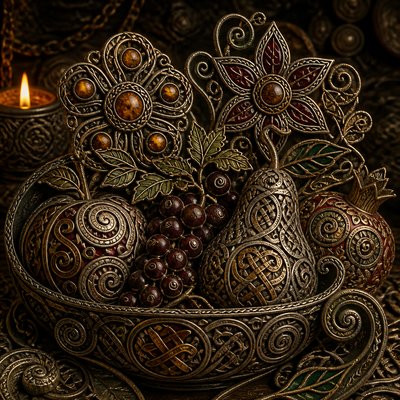
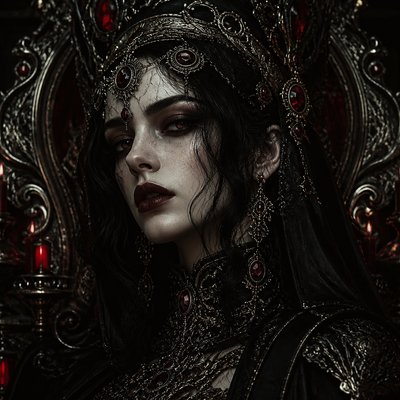
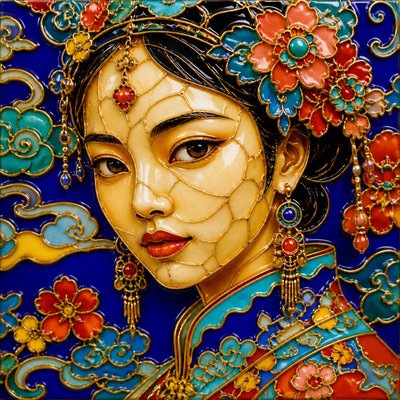
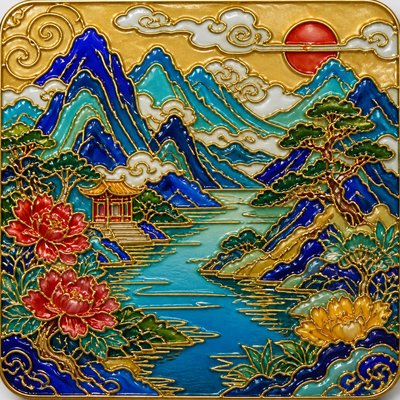
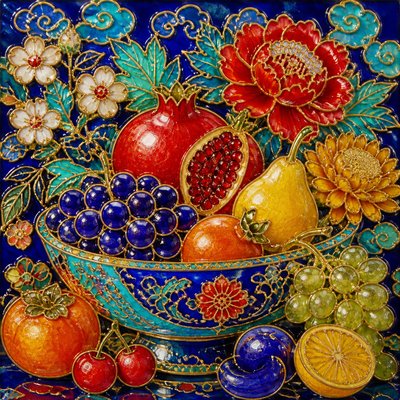
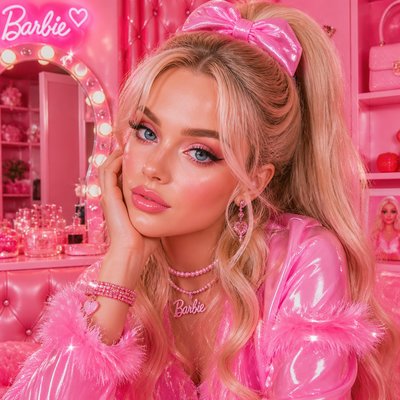
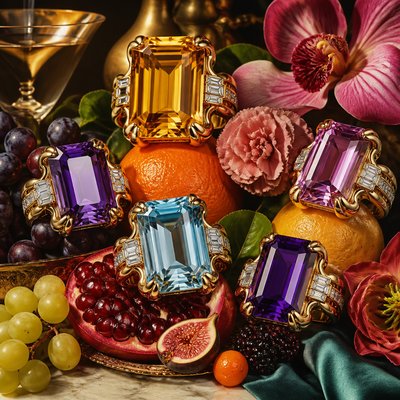
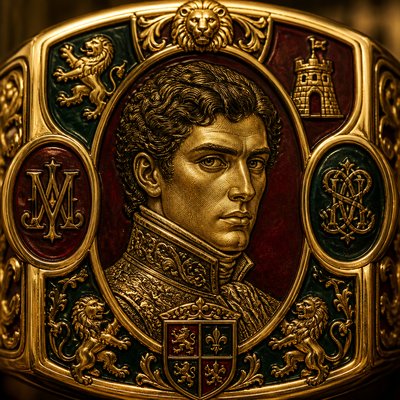
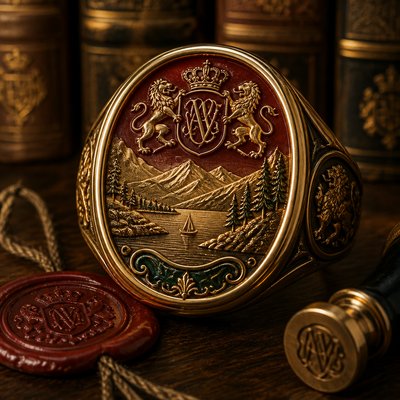
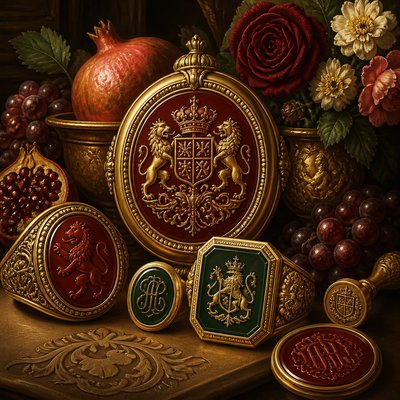
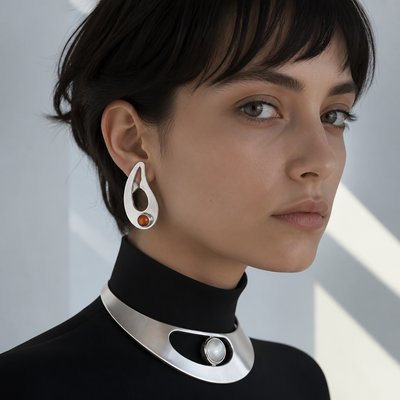
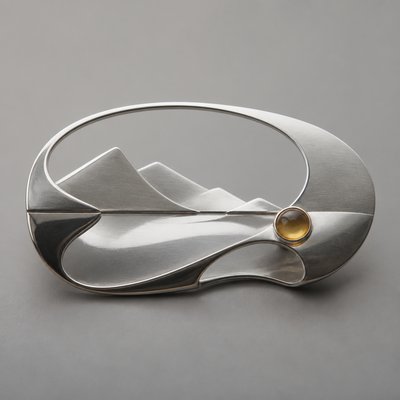
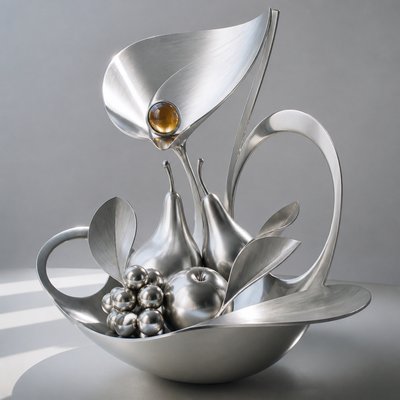
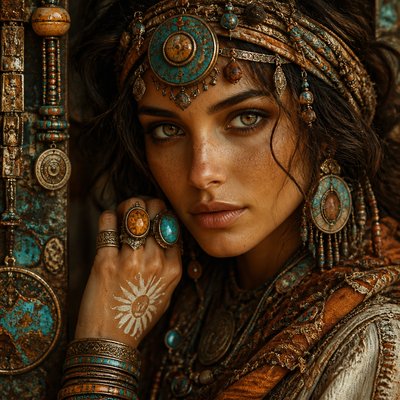
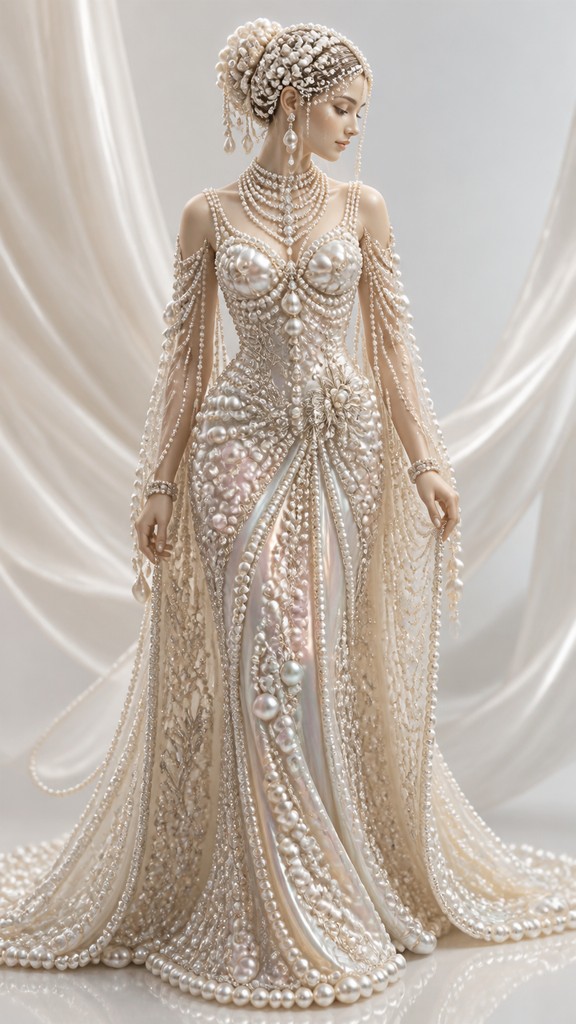
Pearl jewelry style: creamy nacre, pale precious metals, soft iridescence, and refined bridal elegance in luminous jewelry-inspired imagery.
Instantly rendered in Pearl Jewelry — or transform a photo
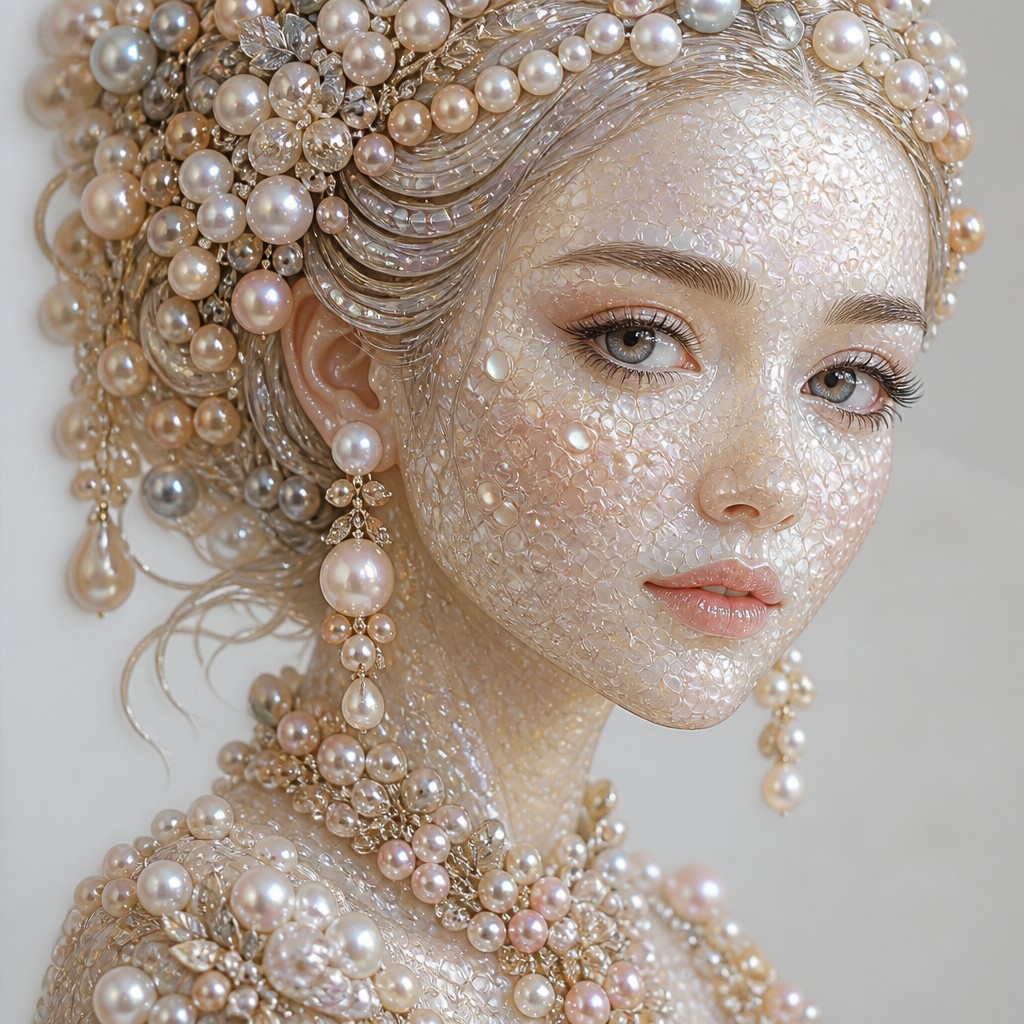
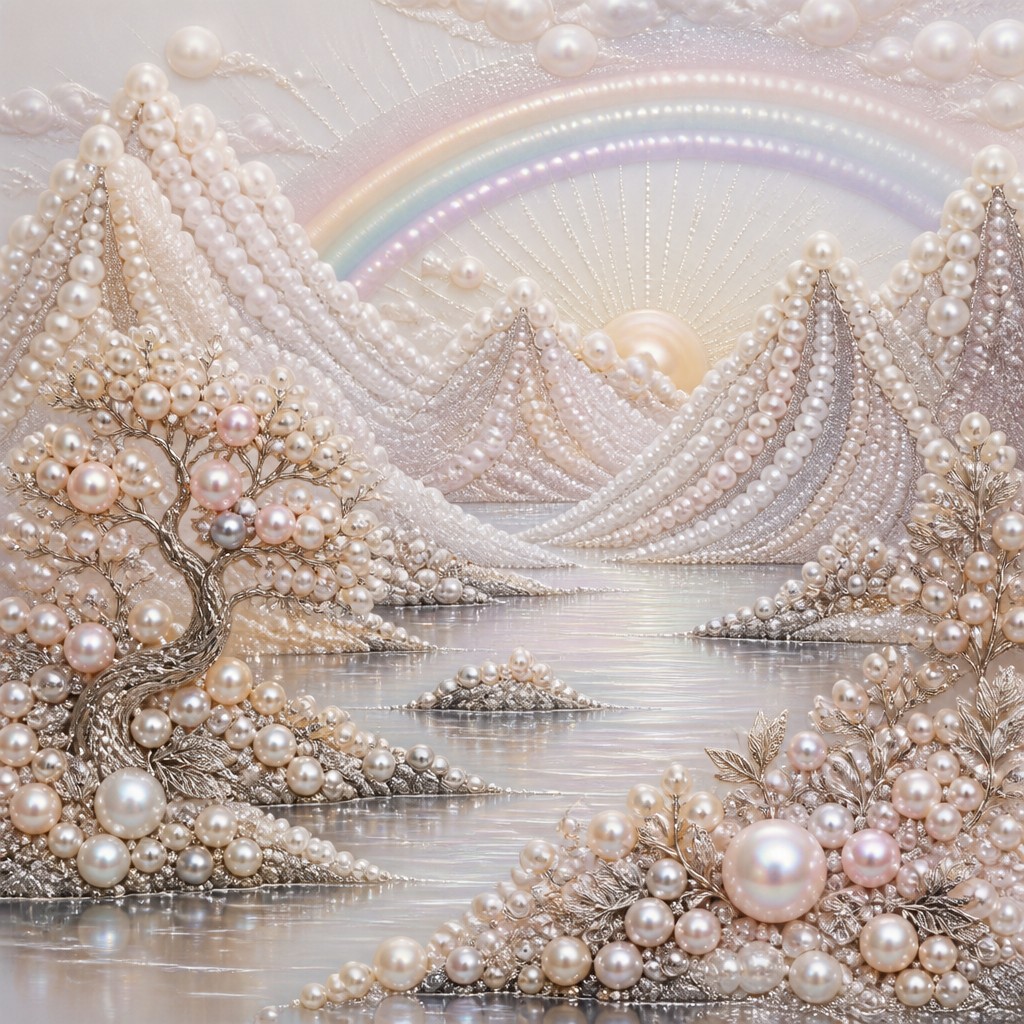
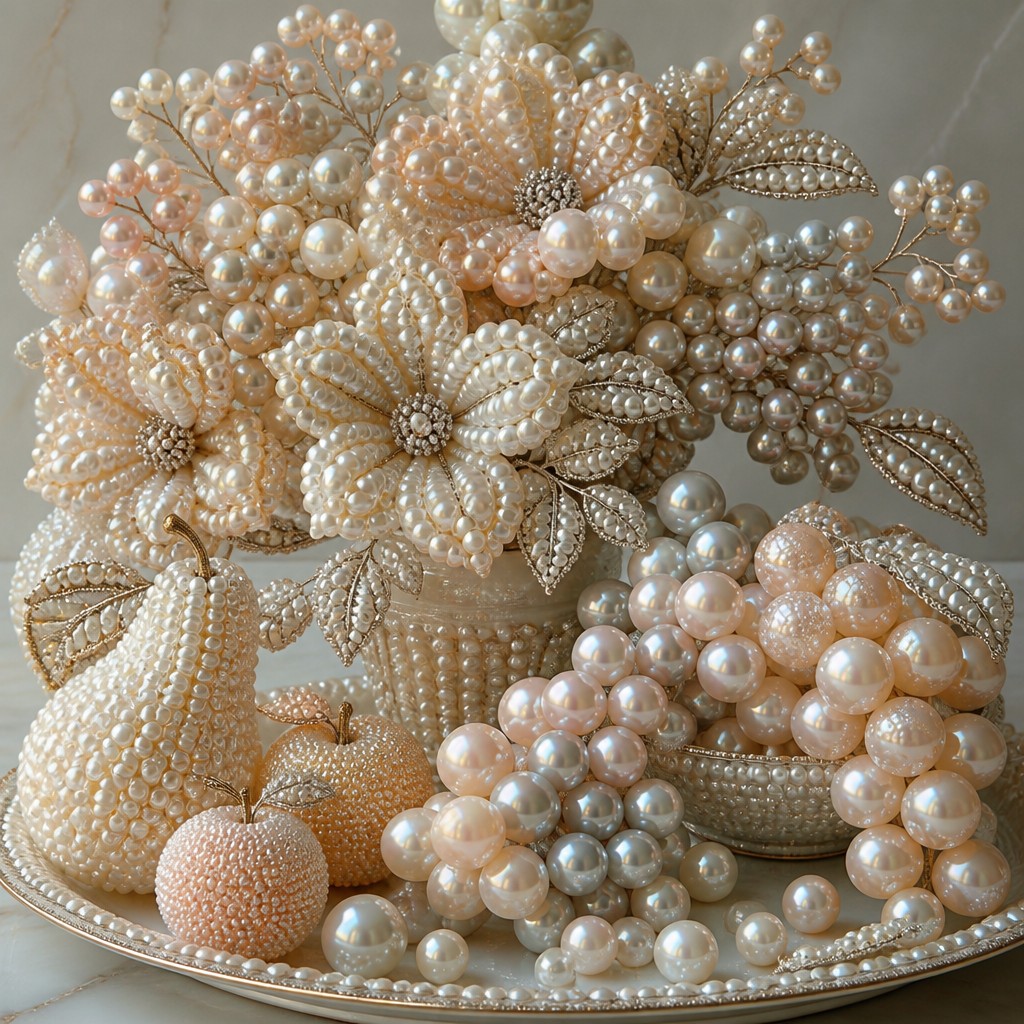
Pearl Jewelry Gallery
Tap any artwork to explore it
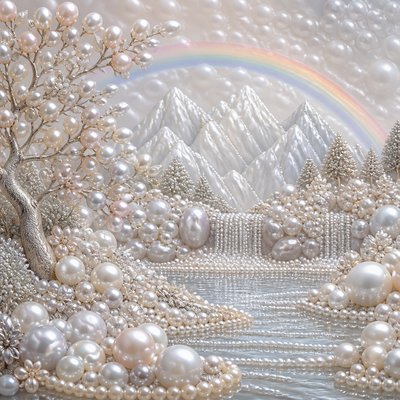
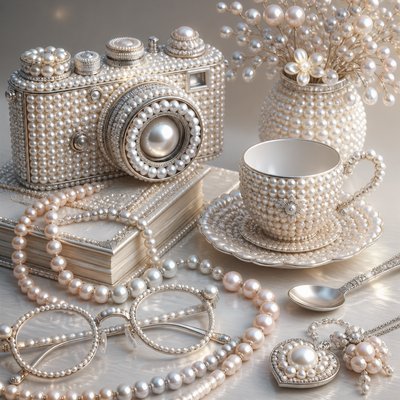
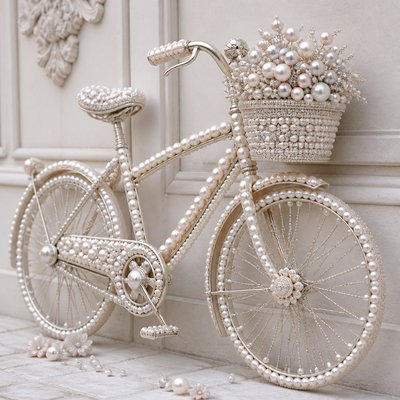
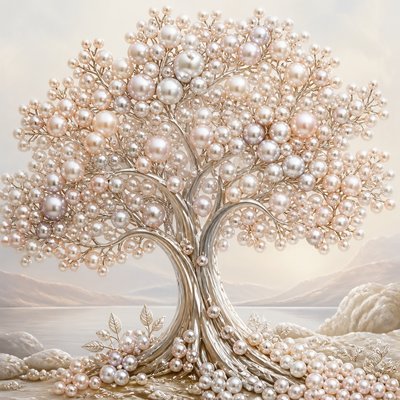
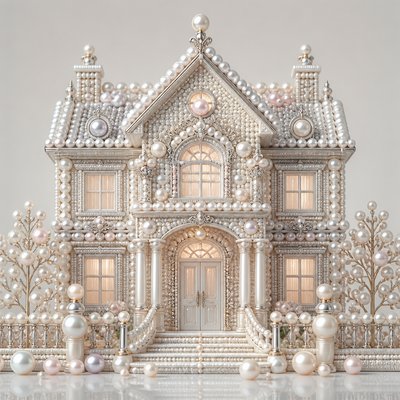
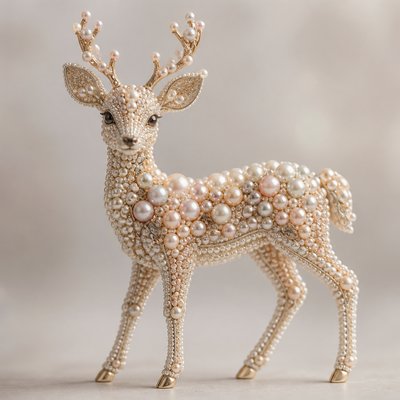
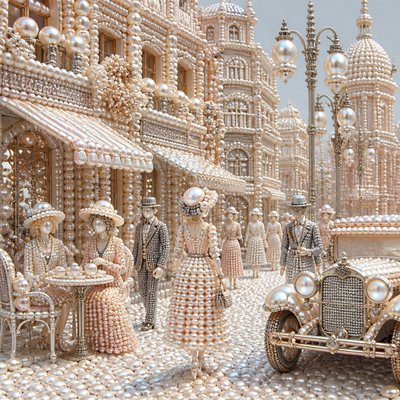
What is Pearl Jewelry Style?
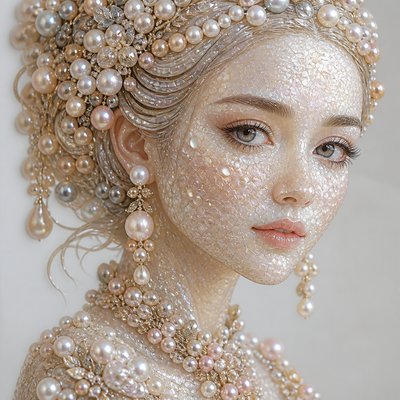
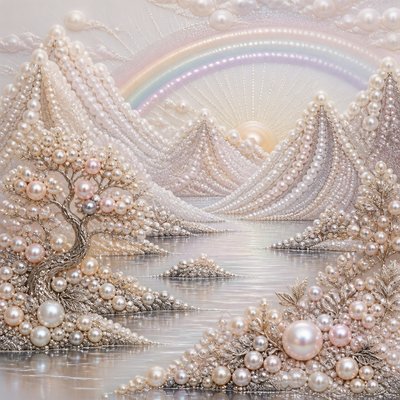
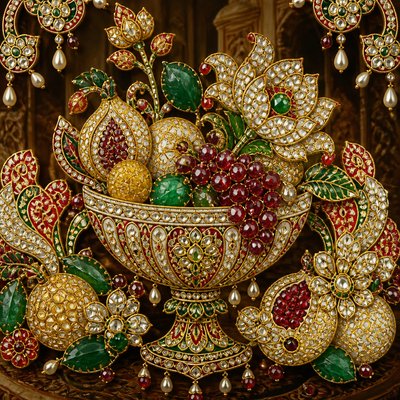
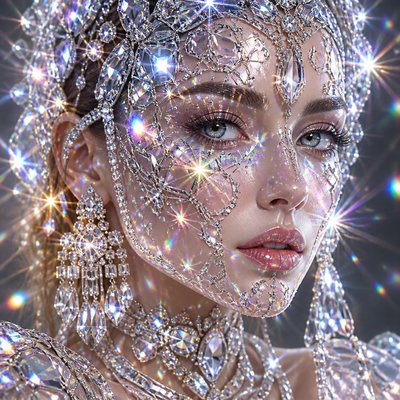
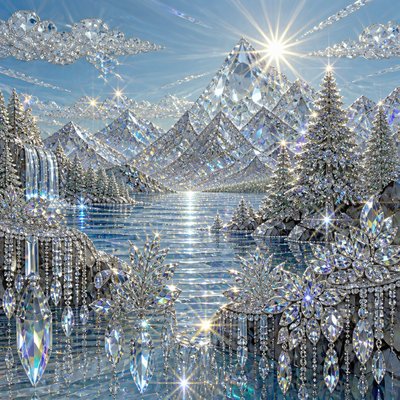
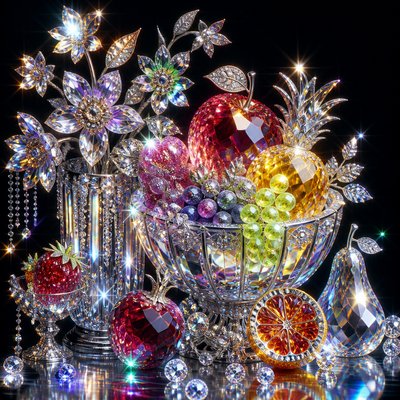
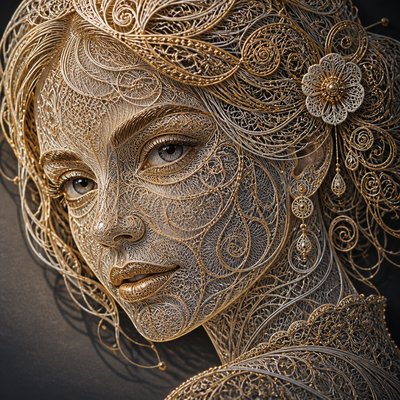
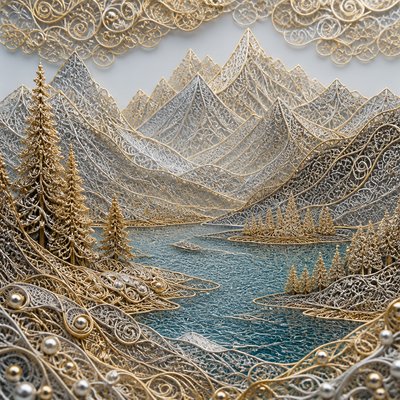
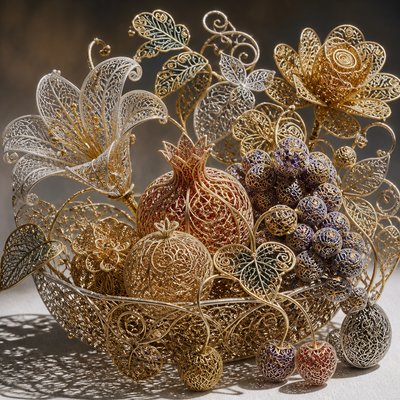
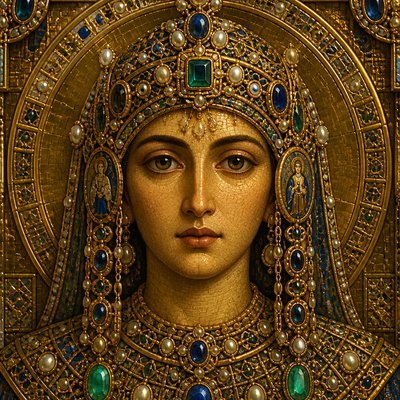
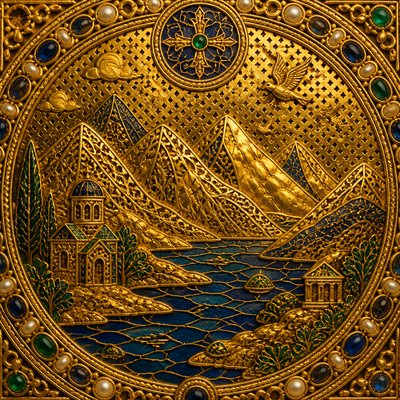
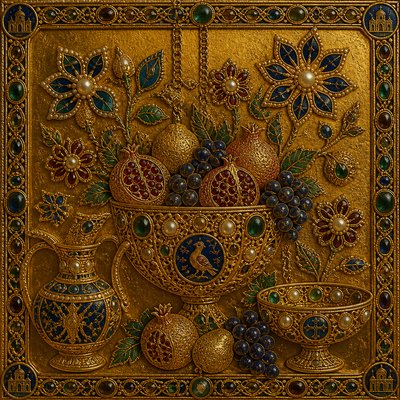
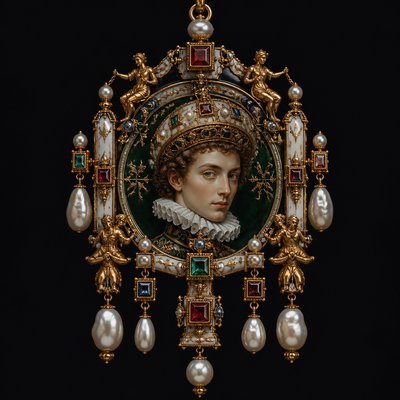
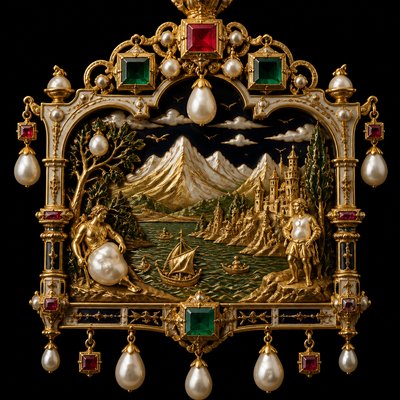
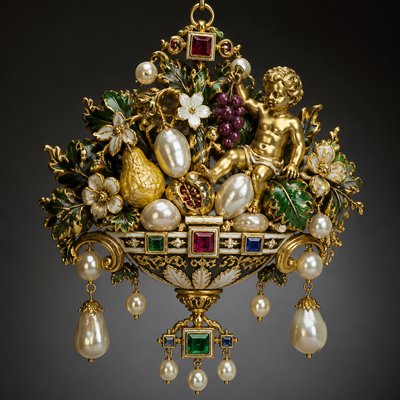
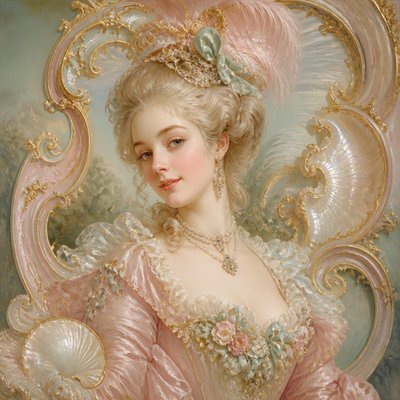
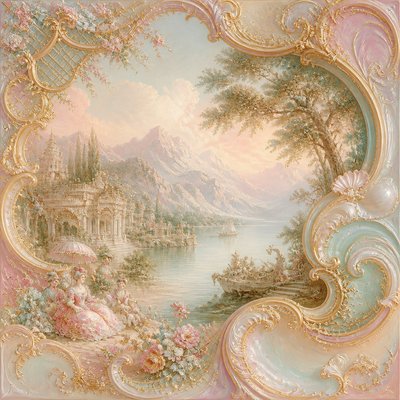
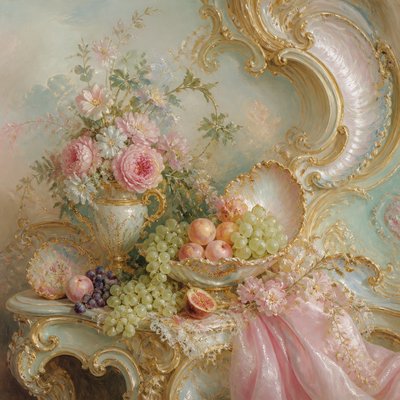
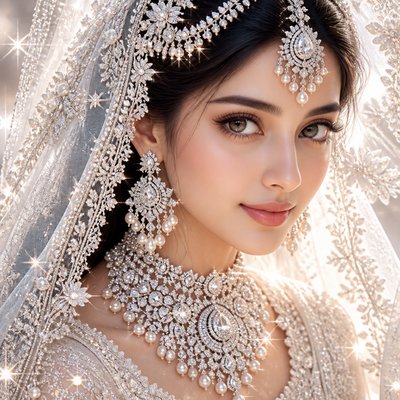
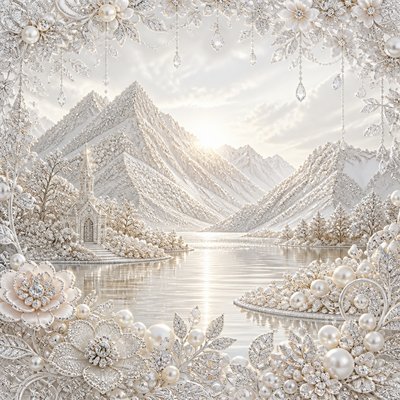
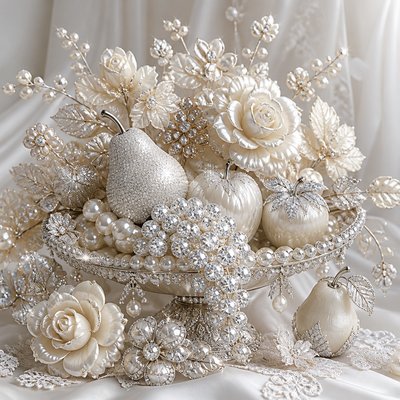
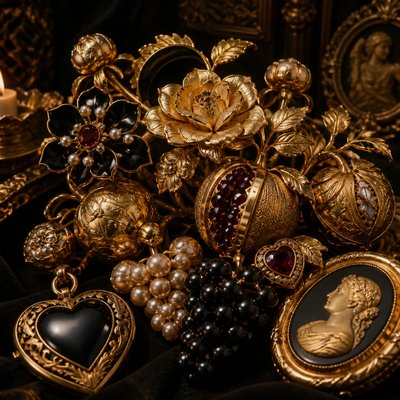
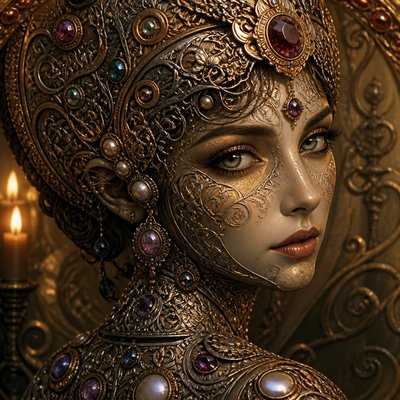
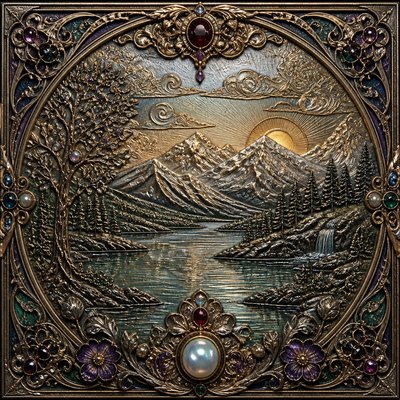
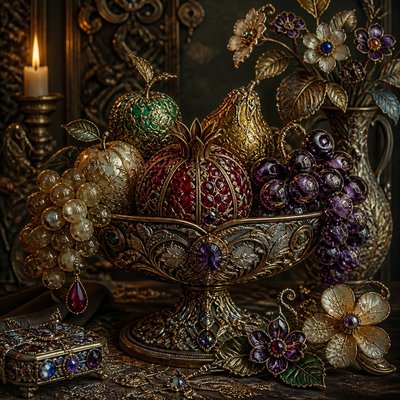
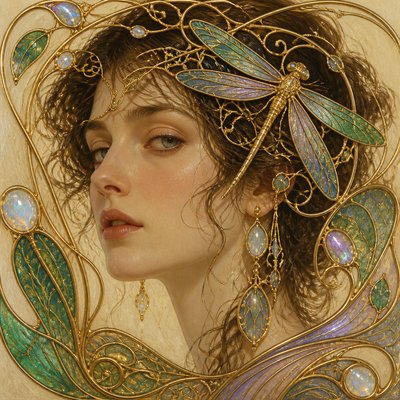
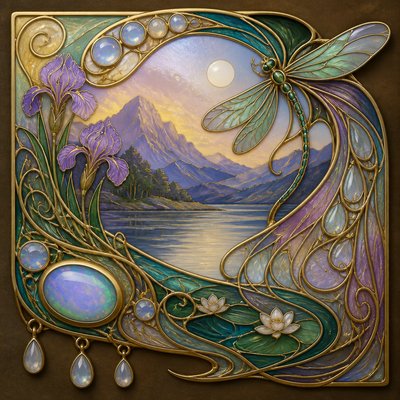
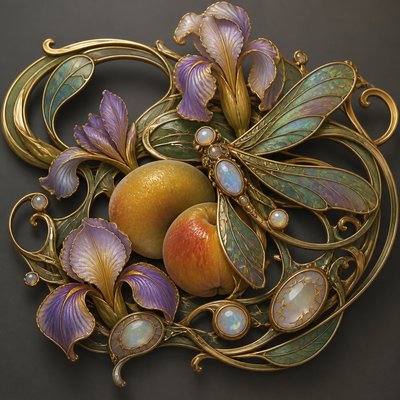
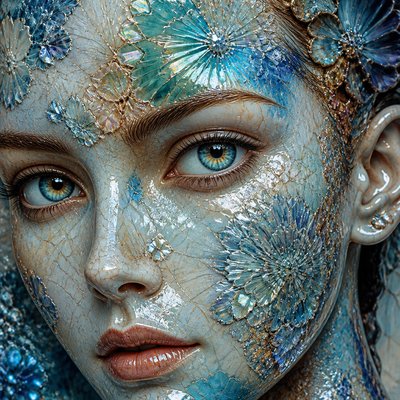
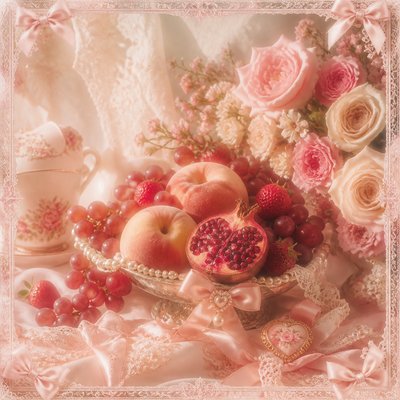
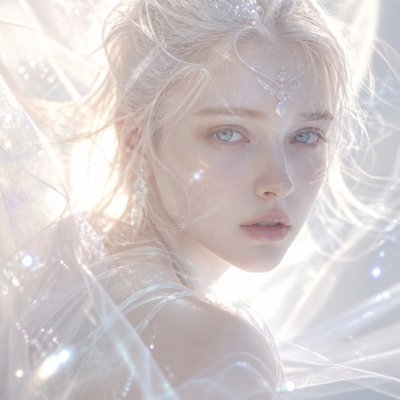
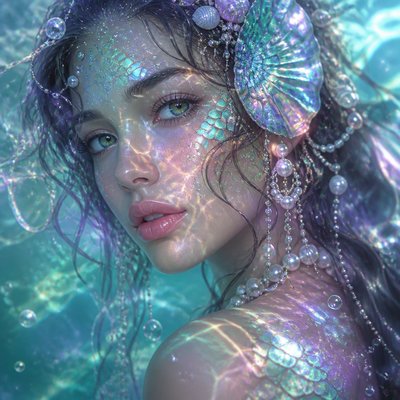
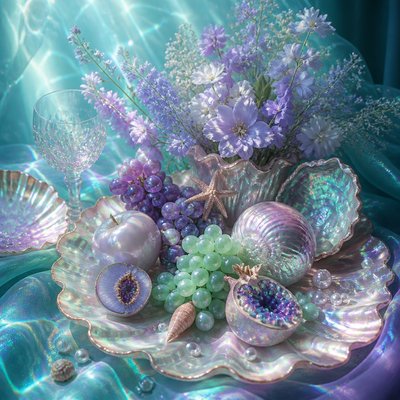
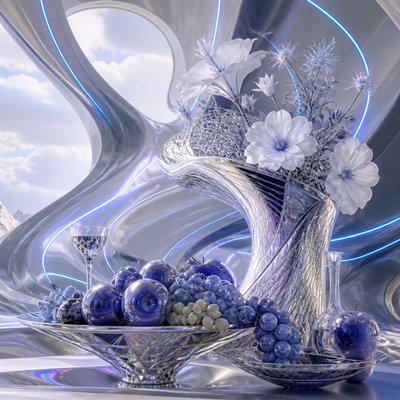
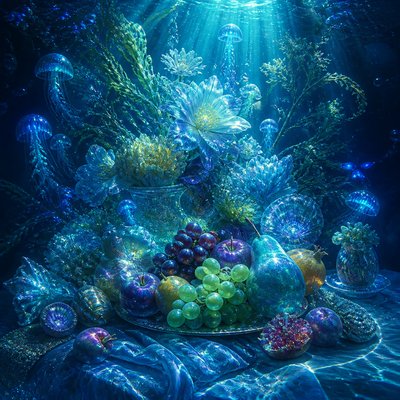
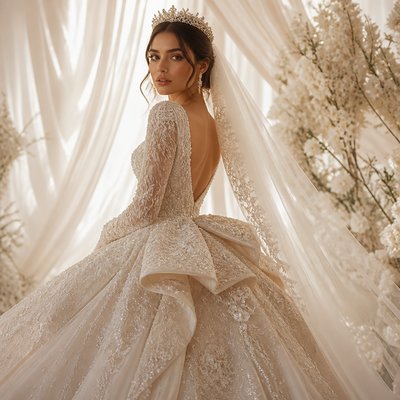
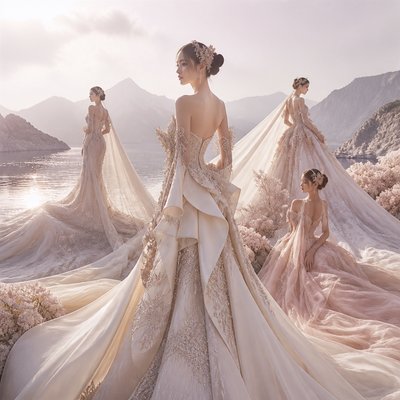
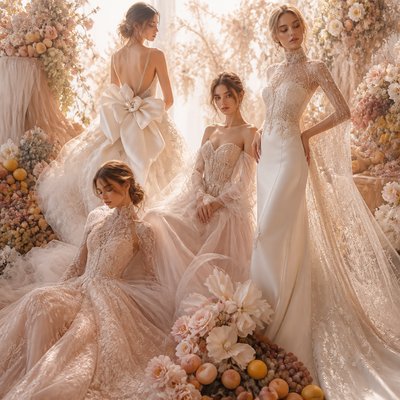
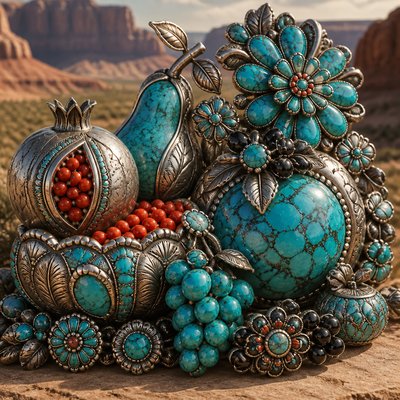
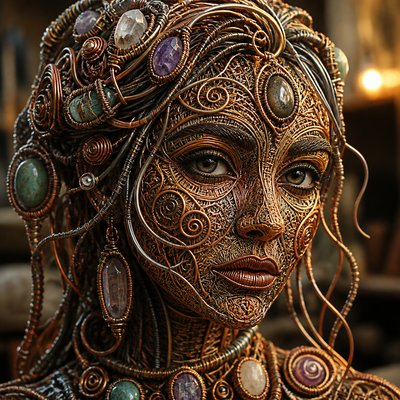
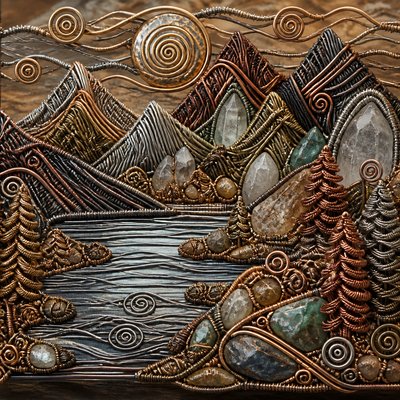
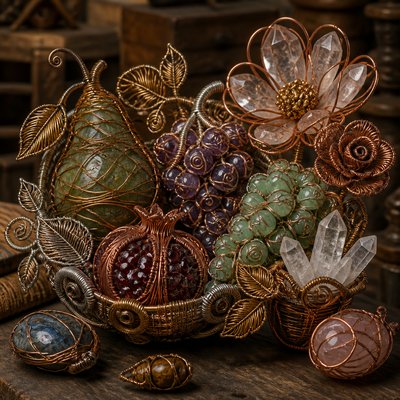
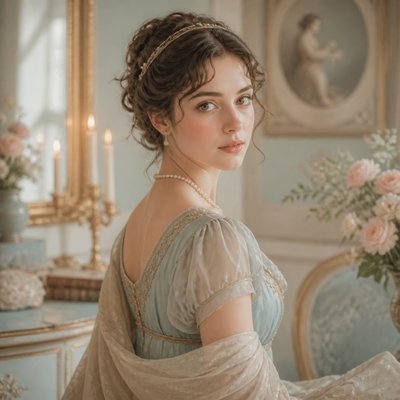
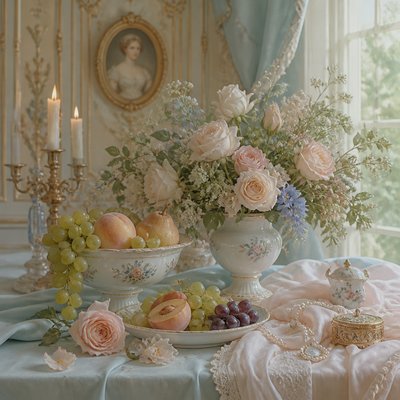
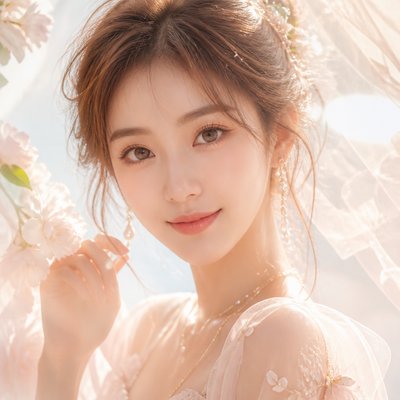
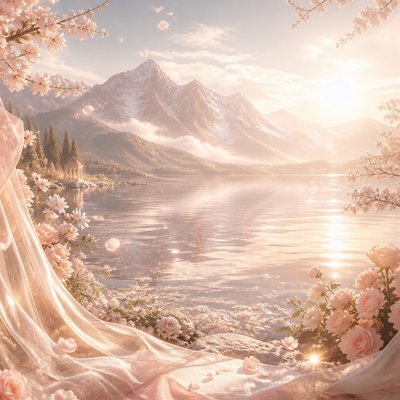
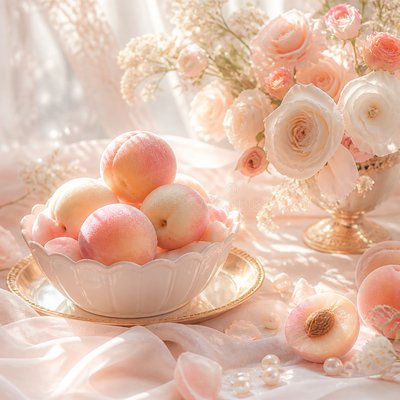
Pearl jewelry style is an ornamental visual language built from the look of pearls, nacre, and pale precious metals. Its forms are usually rounded, smooth, and highly polished, with creamy white, blush, silver-gray, and champagne tones that catch light in a soft, iridescent way. Rather than emphasizing sharp facets or high-contrast sparkle, it favors gentle luminosity, satin sheen, and a quiet sense of luxury.
The style reads as refined and serene because it borrows from the material qualities of fine pearl jewelry: graduated strands, clustered drops, cabochon-like volumes, and mounts in gold, platinum, or silver. In image form, these cues create an elegant, bridal, and often delicate mood. Even when applied to portraits, objects, or fantastical subjects, the look stays anchored in softness, roundness, and the subtle rainbow shimmer characteristic of nacre.
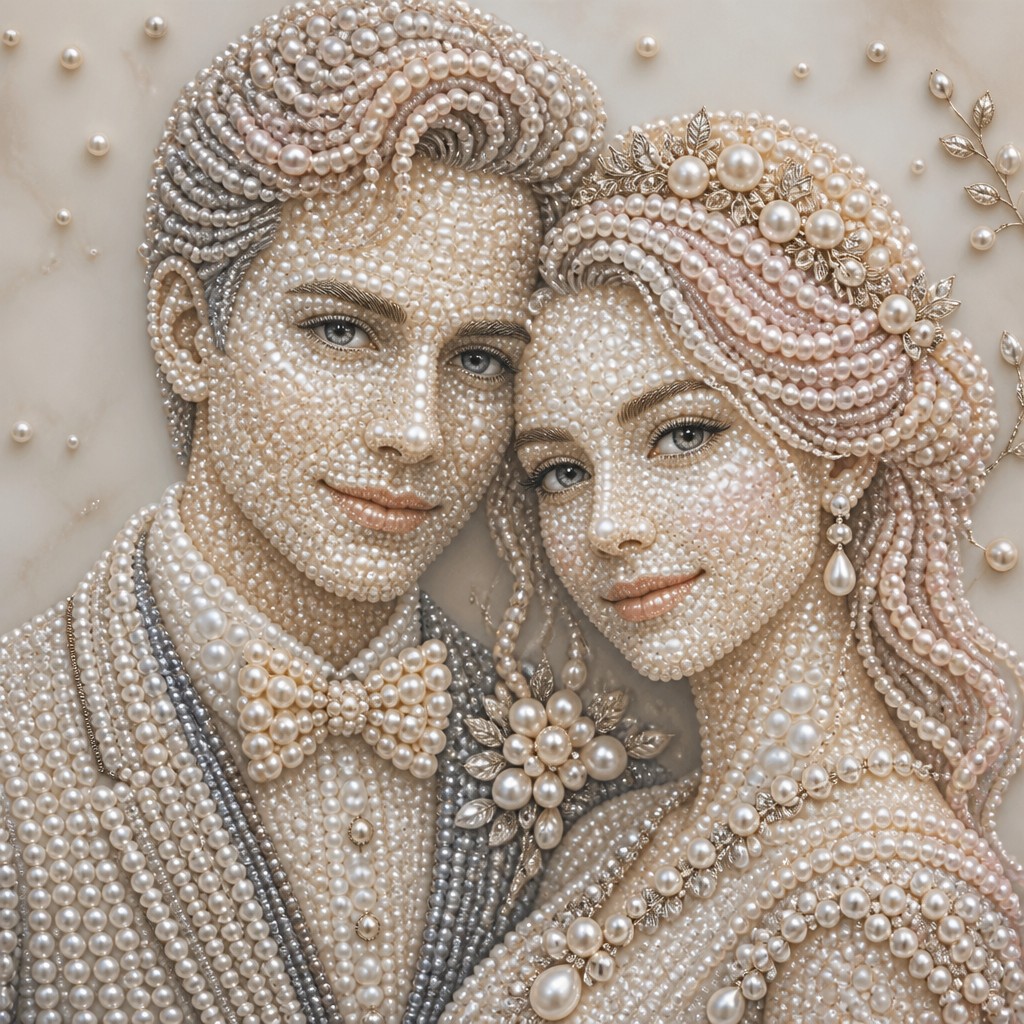
Try It On Your Photos
Upload any photo and convert it into Pearl Jewelry Style — drag the sliders to compare before and after.
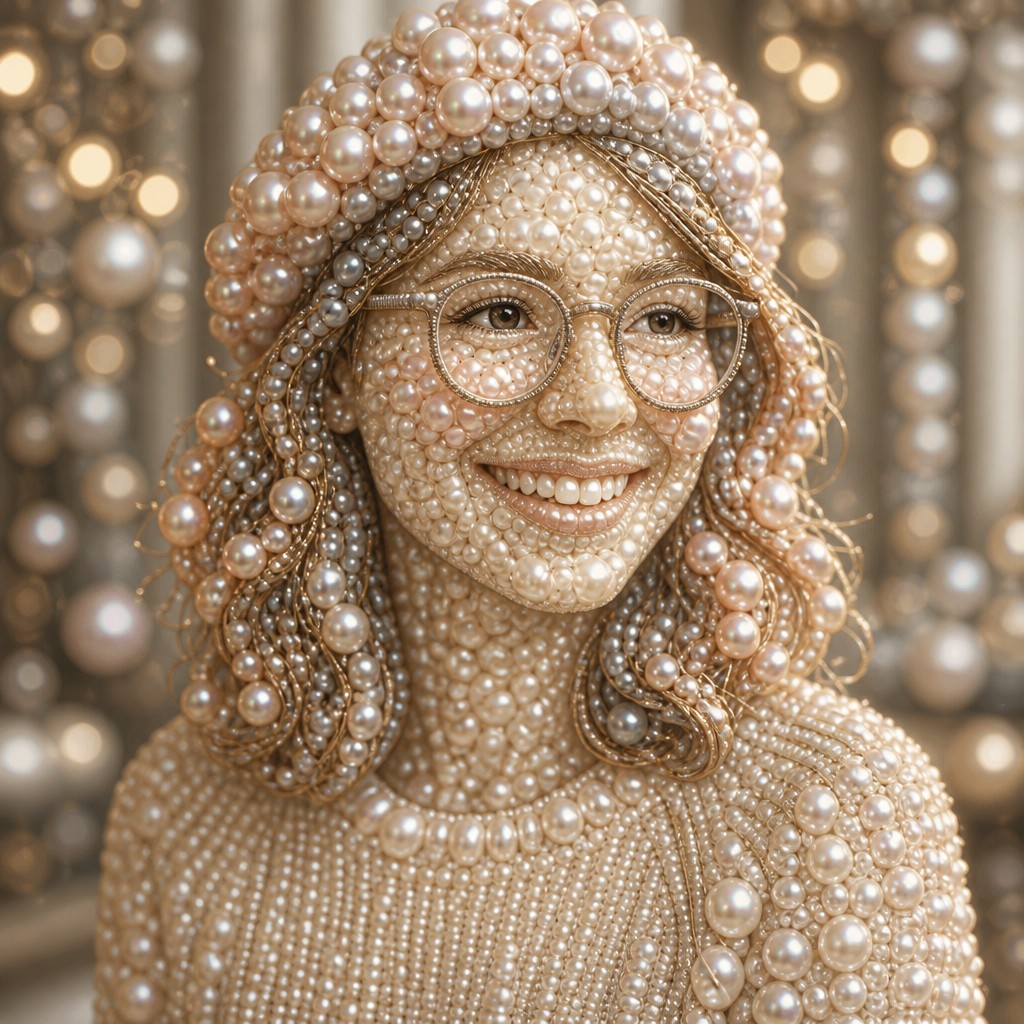

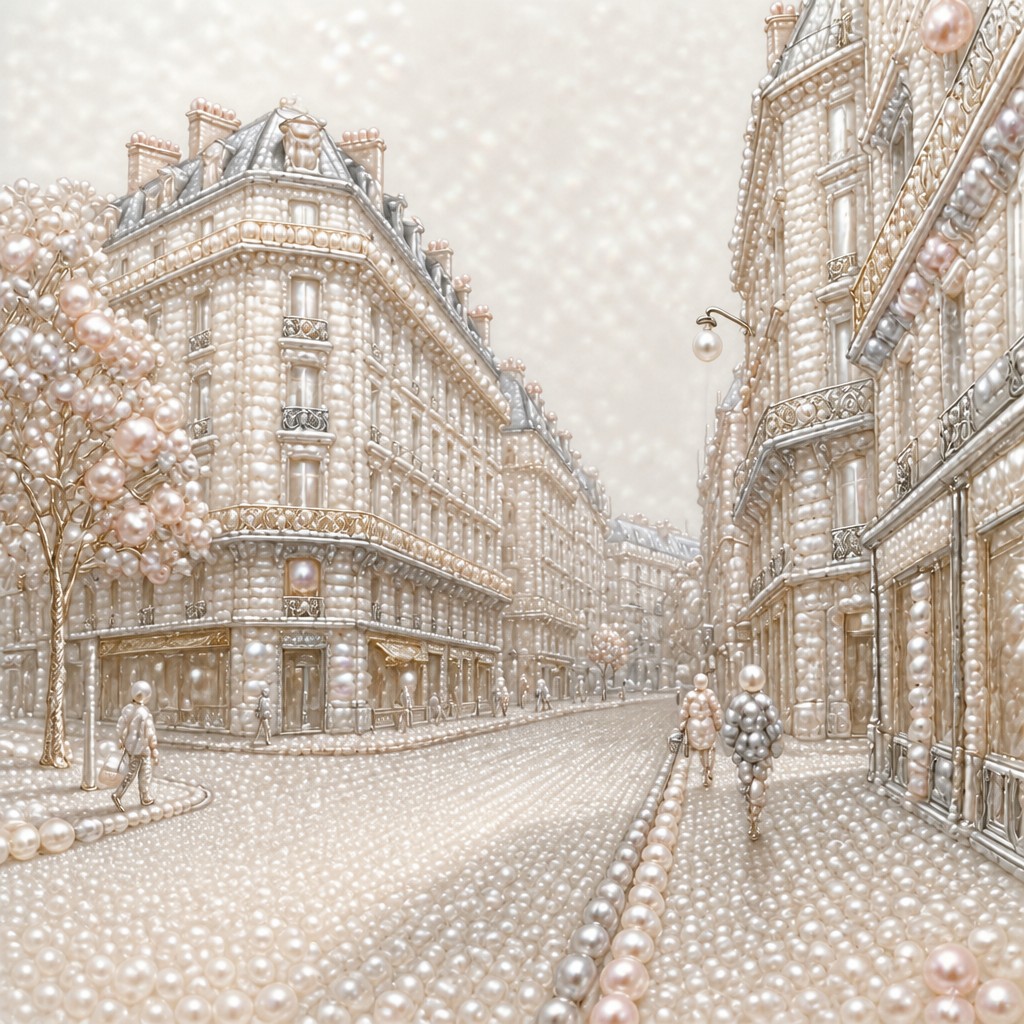

What Defines Pearl Jewelry Style
The signature details, up close
Lustrous pearly surfaces
The central visual feature is a nacre-like finish with a creamy glow. Surfaces appear smooth and rounded, with gentle reflections rather than hard specular highlights.
Pale, restrained palette
Colors usually stay within white, ivory, blush, champagne, silver, and pale gray. Accents are subtle and tonal, keeping the overall impression calm and refined.
Soft iridescence
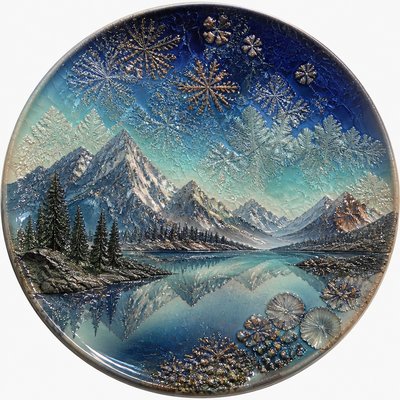
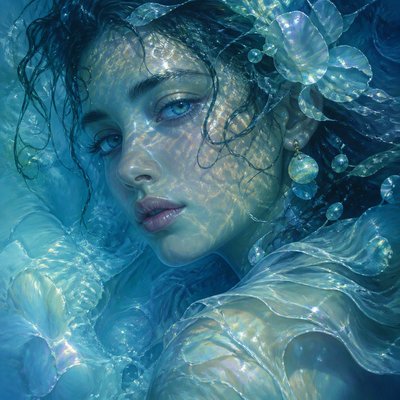
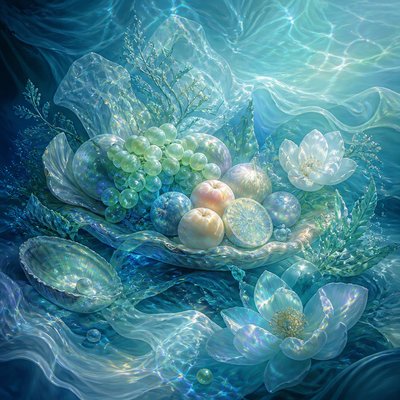
Highlights often show a faint rainbow sheen, echoing the optical effect of mother-of-pearl. The iridescence is delicate and never neon or overtly metallic.
Rounded, bead-like forms
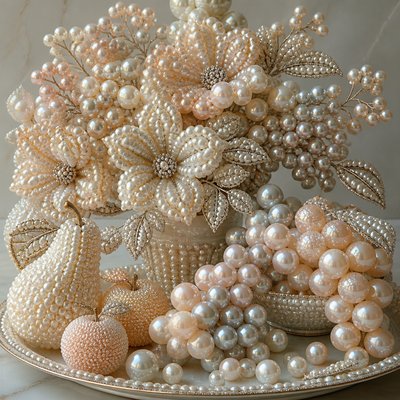
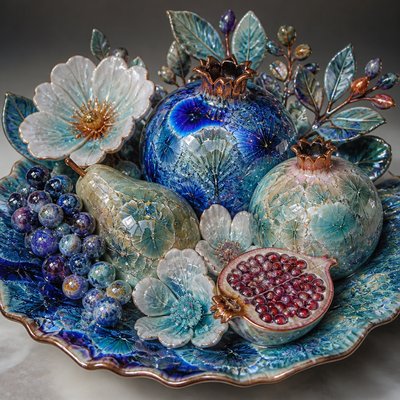
Pearls naturally suggest orbs, droplets, strands, and clustered arrangements. Even non-jewelry subjects are often stylized to feel beadlike, polished, and softly volumetric.
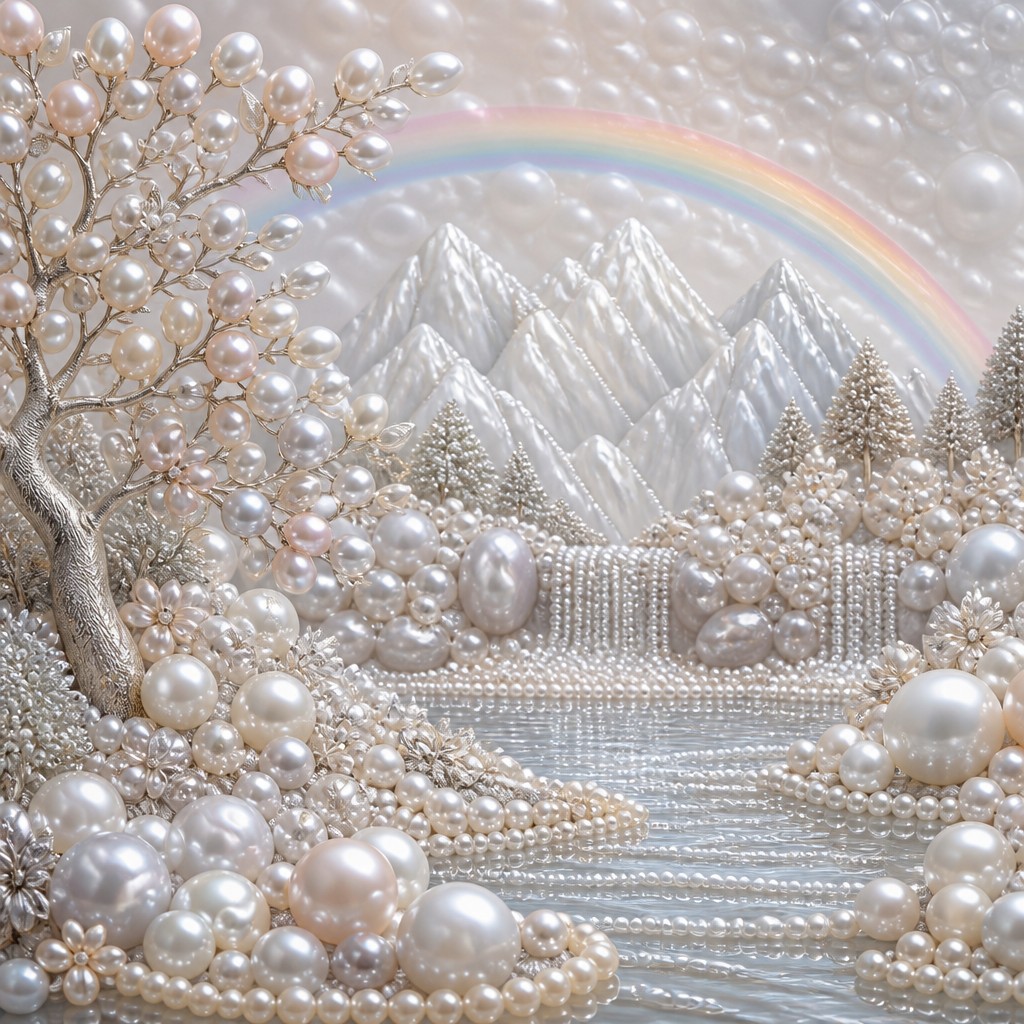
Precious-metal settings
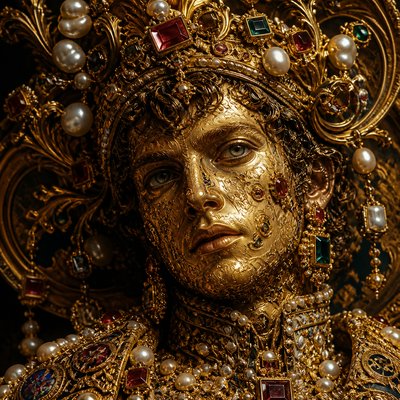
Mounts, clasps, and structural details are often rendered in satin gold, platinum, or silver. These metal elements provide contrast without breaking the style’s quiet elegance.
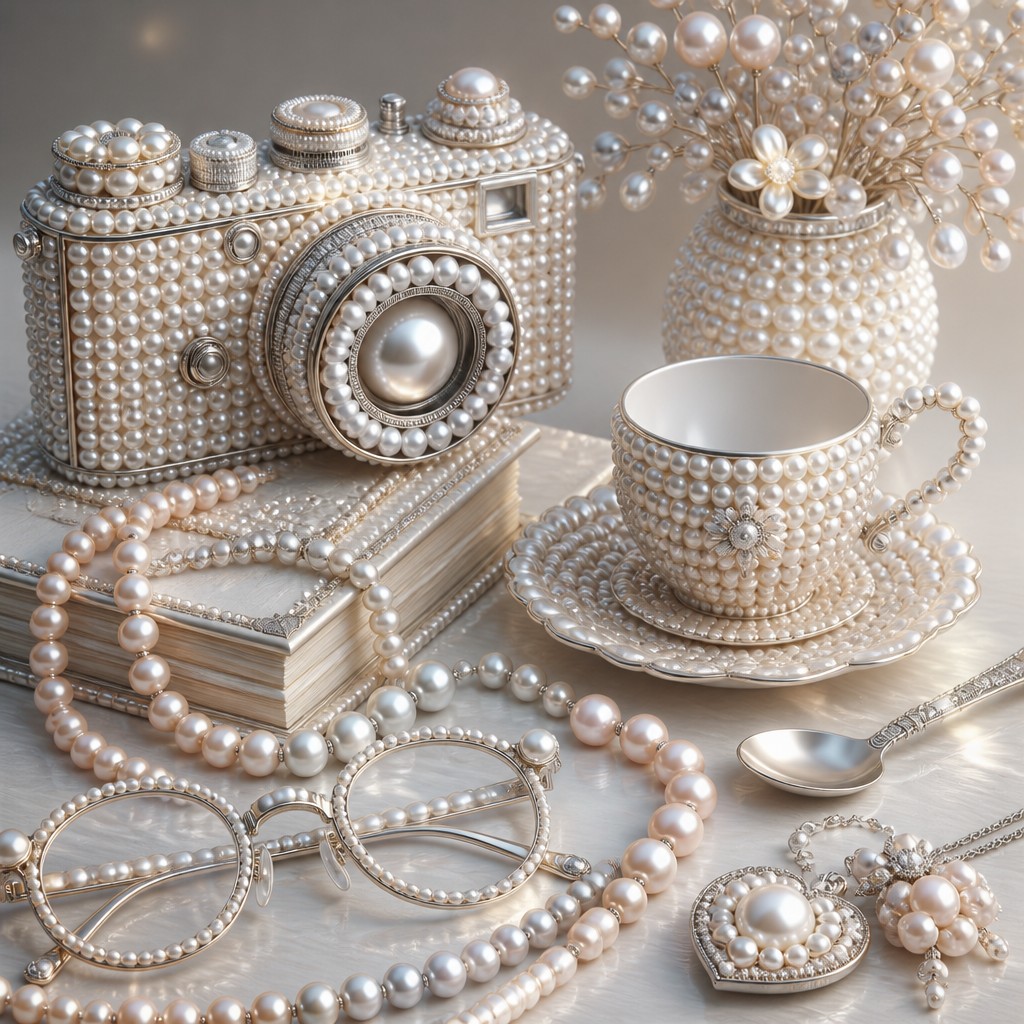
Bridal and ceremonial mood
The style often evokes weddings, heirloom jewelry, and formal adornment. This gives it an atmosphere of composure, tenderness, and understated luxury.
Try It
Create Videos in Pearl Jewelry Style
Styles aren't just for stills — describe a scene or animate an image and get a short video rendered in Pearl Jewelry. Press play to see this pond come to life.
Make a VideoPearl Jewelry Prompt Ideas
Start from an idea — each one opens the generator with the style ready to go. See all 40 Pearl Jewelry prompts →
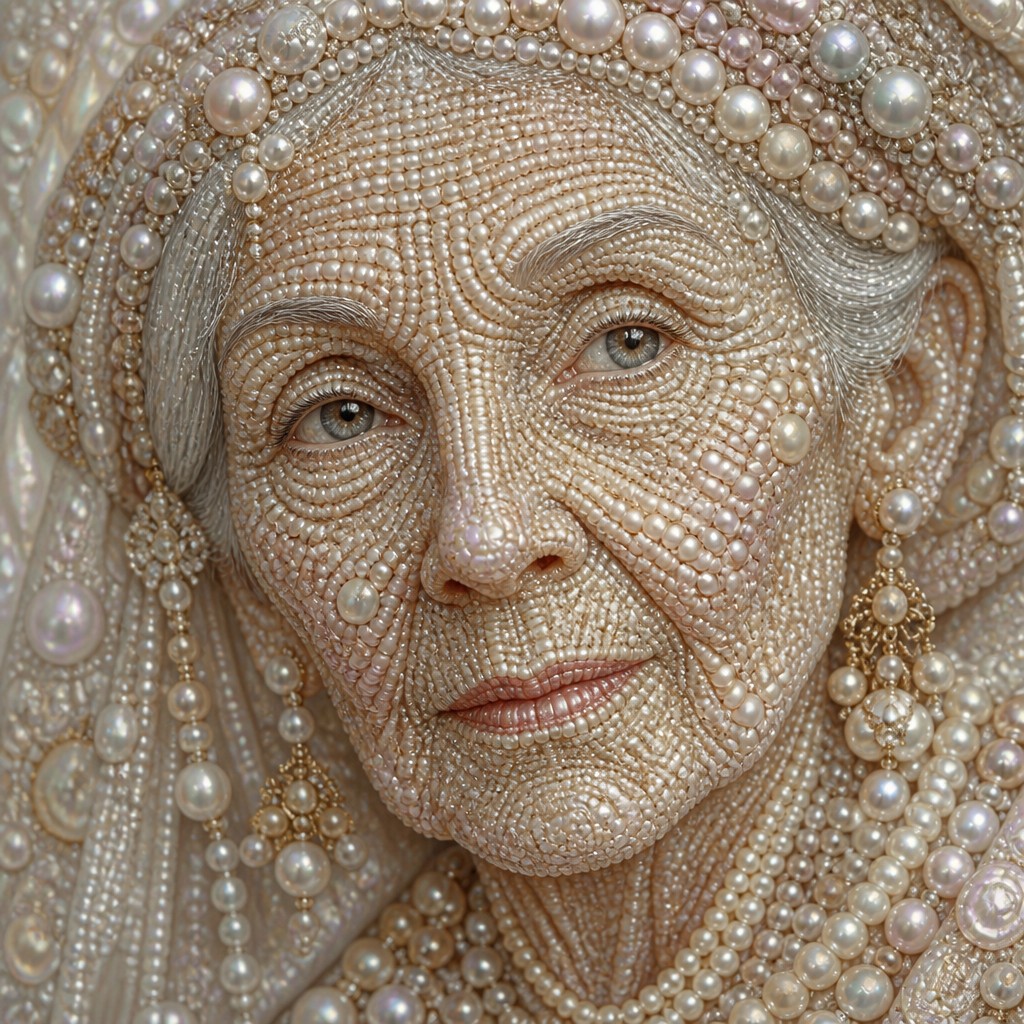
“close-up portrait of an elderly person with expressive weathered features”
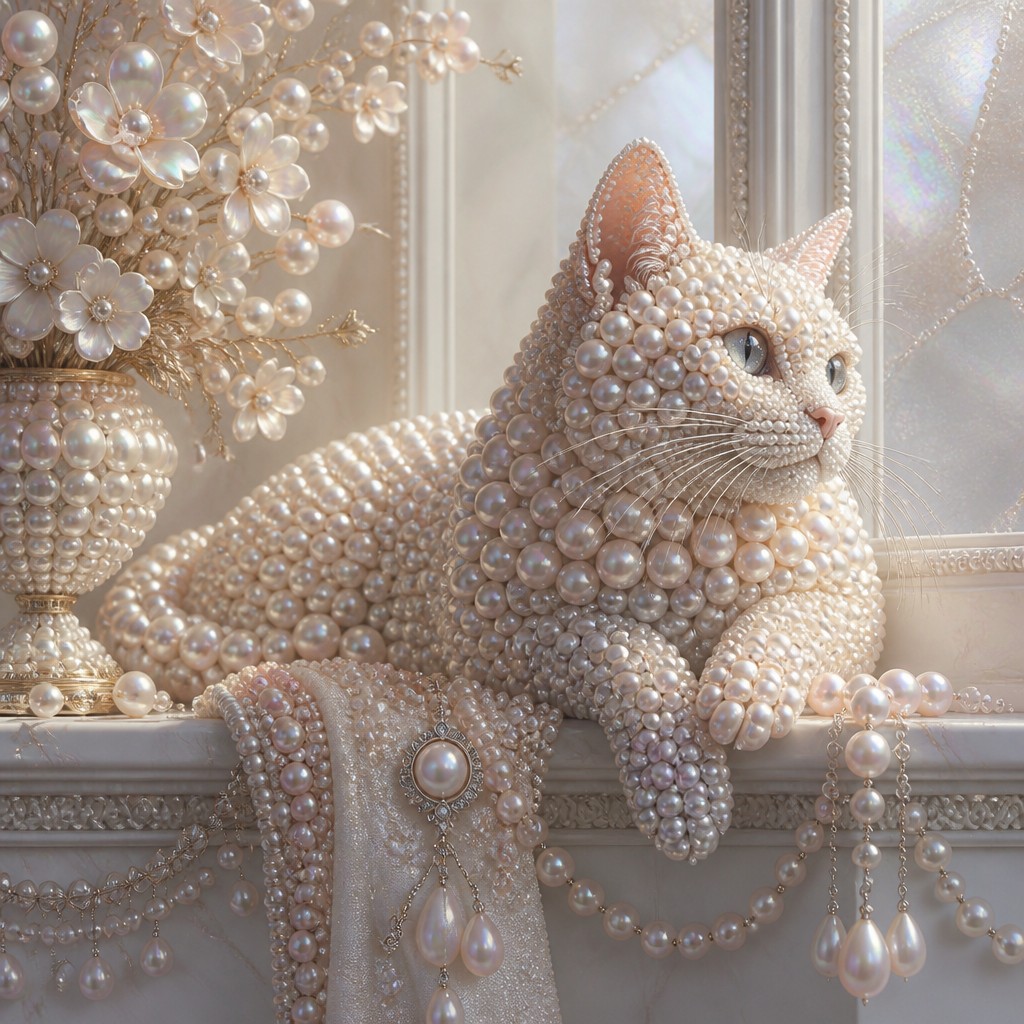
“a cat lounging in a sunlit window”
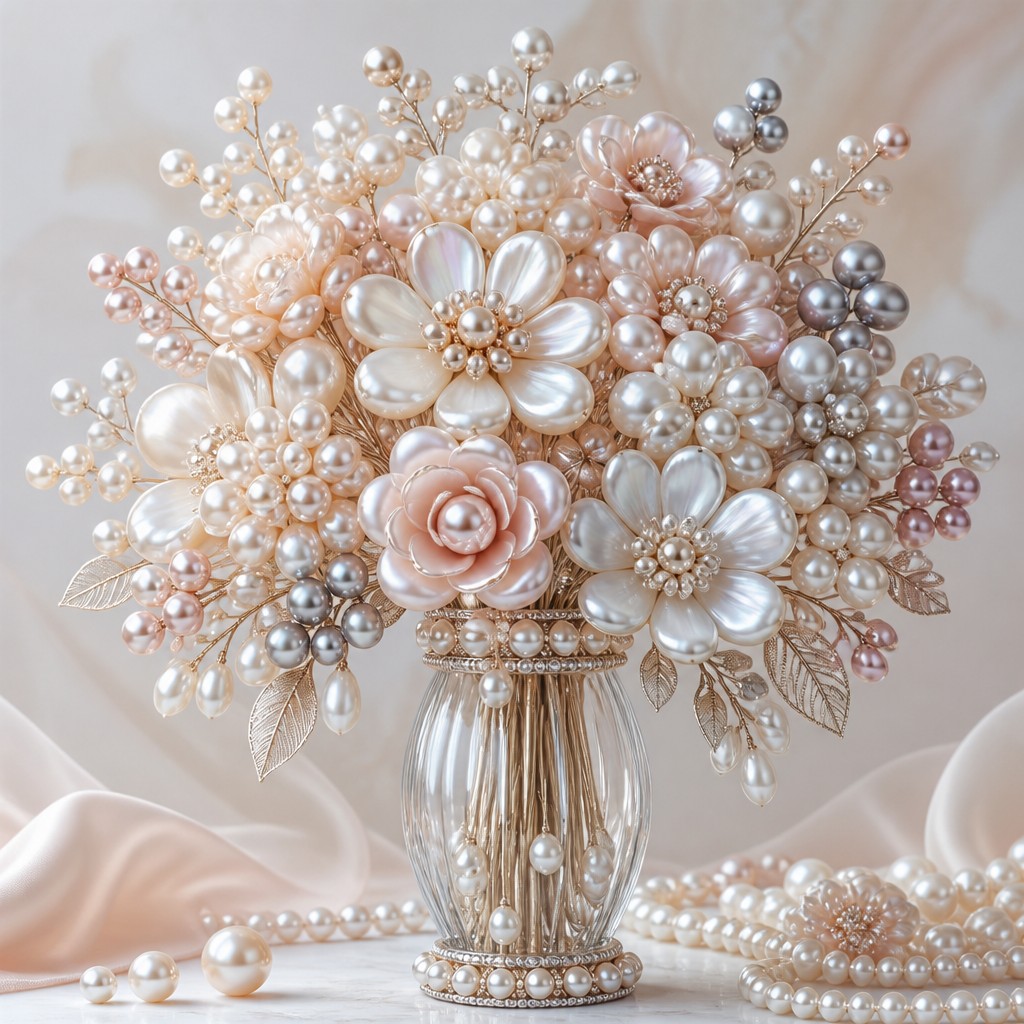
“bouquet of flowers in a glass vase”
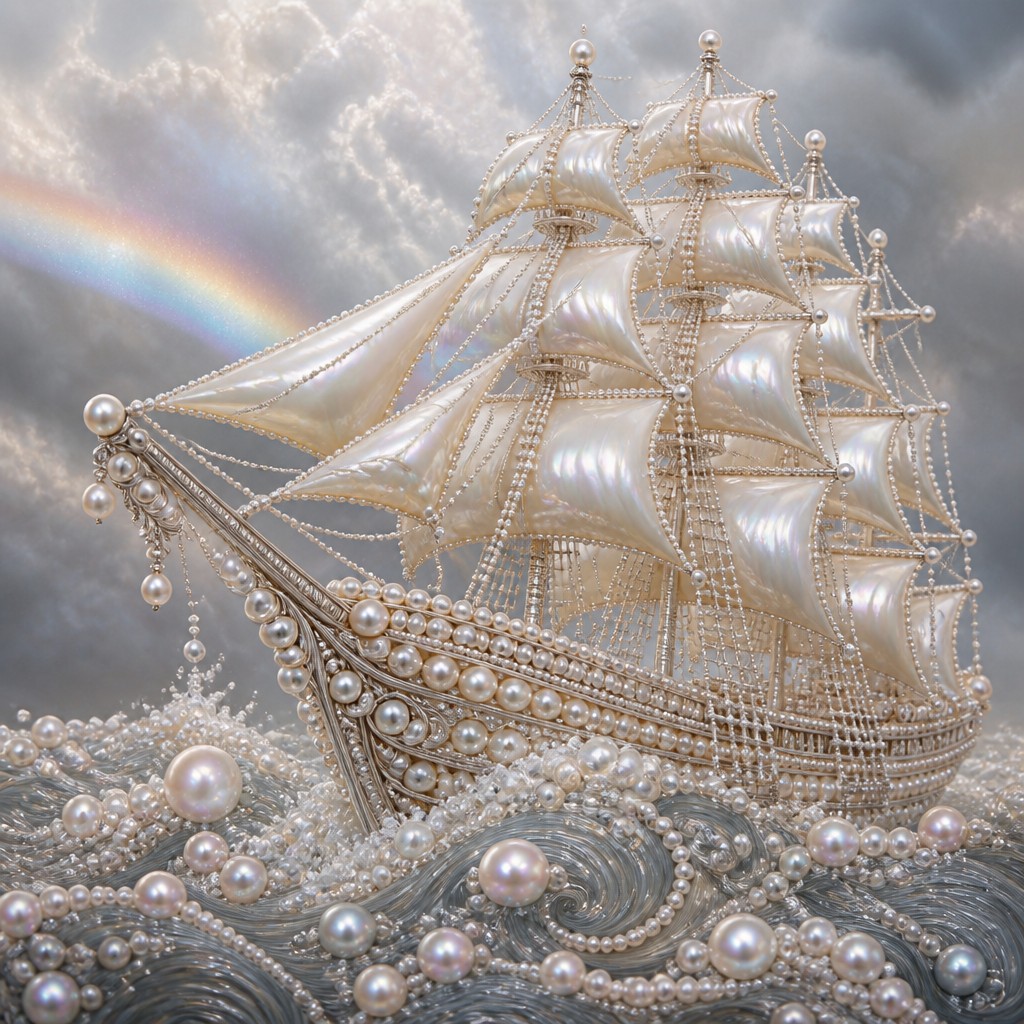
“sailing ship on a stormy sea”
How to Create Pearl Jewelry Art
Master the craft step by step — or skip straight to creating. Read the full guide →
- 1
Shape forms as polished spheres and droplets
Whether drawing by hand or digitally, begin with rounded masses and avoid angular edges. Build volume with smooth gradients so the object feels like pearl or nacre rather than plastic or chrome.
- 2
Use a narrow, luminous palette
Limit the colors to ivory, warm white, blush, pale gray, and muted silver. Add only small touches of gold or platinum so the composition remains soft and cohesive.
- 3
Render light as diffuse and rolling
Instead of sharp studio reflections, use broad, gentle highlights that travel across curved surfaces. A subtle rim light or soft bounce light helps create the pearlescent effect.
- 4
Introduce jewelry cues
Add strand patterns, clustered pearls, clasps, prongs, settings, or pendant-like arrangements to strengthen the association with fine jewelry. These details make the style read clearly even when applied to unexpected subjects.
- 5
For digital or AI prompts, specify material and finish
Use descriptors such as creamy nacre, blush pearls, satin-finish platinum, soft iridescence, and graduated strands. If you want a particular subject, describe it first and then request pearl-jewelry materials and lighting around it.
- 6
Keep contrast and texture controlled
Avoid rough surfaces, heavy grain, or harsh shadows, which break the effect. Fine detail should appear in the arrangement of pearls and mounts rather than in noisy surface texture.
The Story
History & Origins of Pearl Jewelry
Pearl jewelry style is not a historical art movement but a contemporary aesthetic derived from the long tradition of pearl adornment in jewelry design. Its visual language comes from cultured and natural pearls, Art Nouveau and Art Deco jewelry forms, ceremonial and bridal ornament, and the luxury presentation of gemstones in fine metal settings. The style also draws on broader visual traditions that associate pearls with purity, restraint, and prestige.
In modern image culture, the look has been reinforced by product photography, editorial fashion imagery, and decorative digital illustration, where pearlescent surfaces are used to signal softness and sophistication. In AI and digital art contexts, it has become a recognizable niche aesthetic because its materials are easy to describe and its visual cues are distinct: rounded luminous forms, muted iridescence, and pale metal accents.
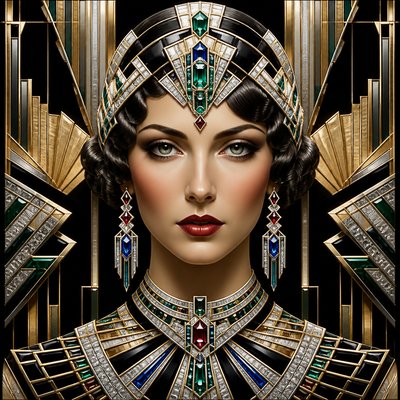
Influences: Pearl jewelry style draws from fine jewelry design traditions centered on pearls, nacre, and precious metal settings, as well as the decorative refinement of Art Nouveau and the geometry and luxury materialism of Art Deco. It also overlaps with bridal fashion imagery, heirloom ornament, and product photography, where polished surfaces and controlled highlights are used to express elegance. For historical reference, the broader decorative sensibility can be compared to the jewelry work associated with René Lalique in Art Nouveau and Cartier in the early 20th century, though the style itself is a modern material aesthetic rather than a single historical school.

Frequently Asked Questions
What defines pearl jewelry style?
It is defined by pearly, nacre-like surfaces, pale precious metals, and a soft iridescent glow. The forms are usually rounded and refined, with an emphasis on quiet elegance rather than brilliance or sharp sparkle.
How is this different from white gold or silver style?
White gold or silver style often emphasizes the metal itself, with cooler reflections and more structural shine. Pearl jewelry style is softer and more organic, with creamy highlights, beadlike forms, and a nacre finish that feels gentler and more luminous.
Is pearl jewelry style only for jewelry subjects?
No. It can be applied to portraits, animals, fantasy objects, packaging, and still life scenes. The key is to translate the subject into pearl-like materials, rounded forms, and pale metal accents.
What colors work best in this style?
Ivory, warm white, blush pink, champagne, silver-gray, and very pale gold are the most characteristic. Strong saturated colors usually weaken the effect unless they are used sparingly as tiny accents.
How do you make an image look pearlescent?
Use smooth gradients, soft diffuse lighting, and highlights with a faint rainbow tint. Surfaces should look rounded and polished, like nacre or a well-made pearl cabochon, rather than glossy plastic or mirror metal.
Where is this style commonly used?
It appears in bridal branding, luxury accessory design, editorial fashion, beauty imagery, decorative illustration, and elegant fantasy concepts. It is especially effective wherever a refined, gentle, and expensive-looking mood is desired.

Create your first Pearl Jewelry artwork
Describe anything — or upload a photo — and see it in Pearl Jewelry Style in seconds.
Related Styles
Discover similar art styles