Baroque Jewelry Style
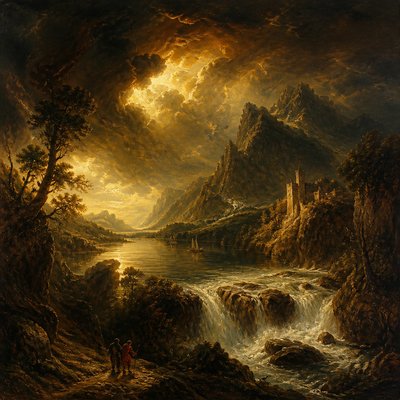
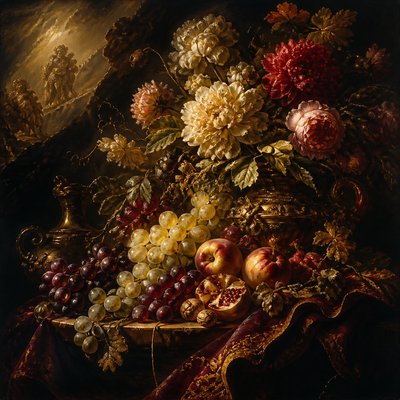
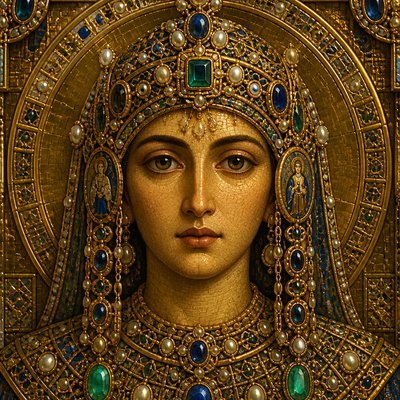
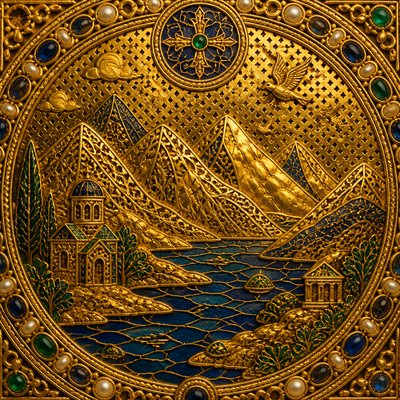
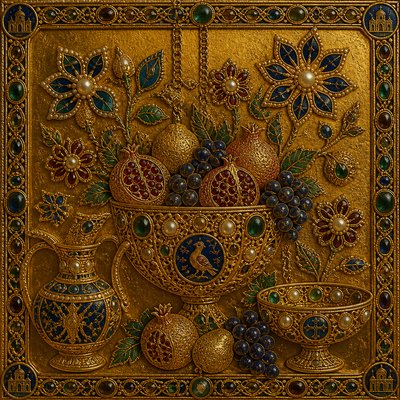
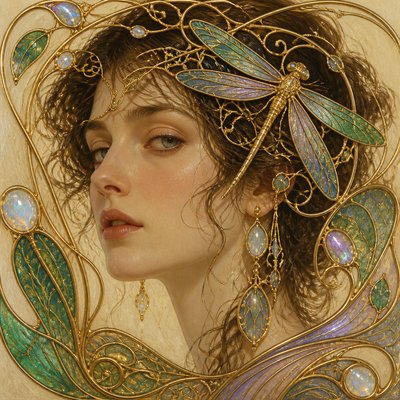
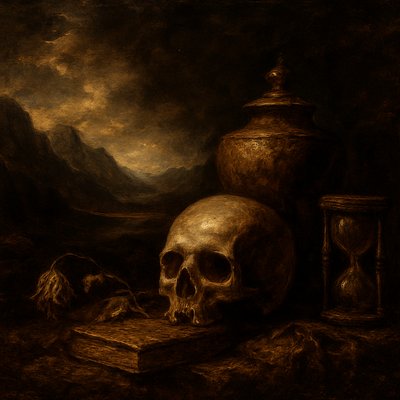
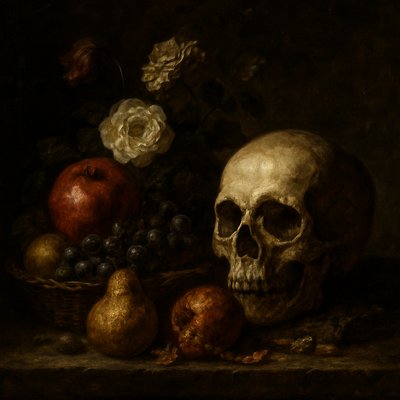
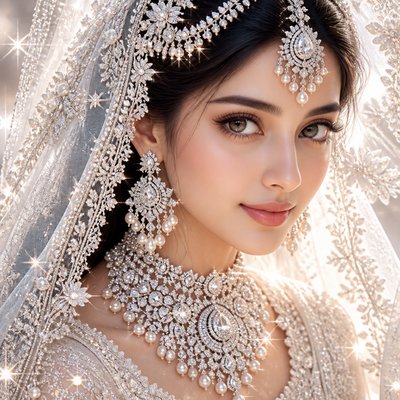
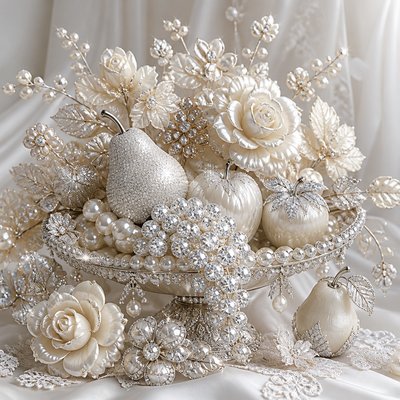
Extravagant 17th-century goldwork with baroque pearls, table-cut gems, and dramatic candlelit opulence.
Instantly rendered in Baroque Jewelry — or transform a photo
Baroque Jewelry Gallery
Tap any artwork to explore it
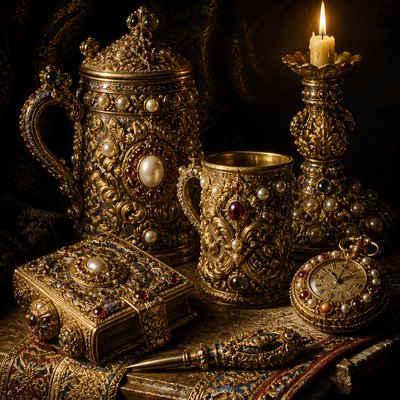
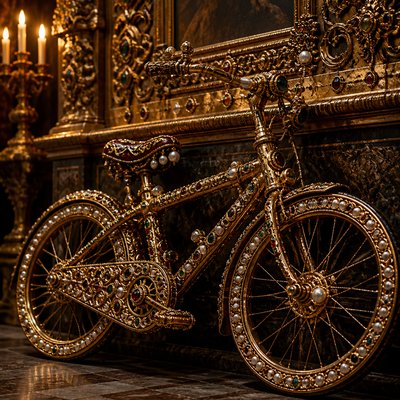
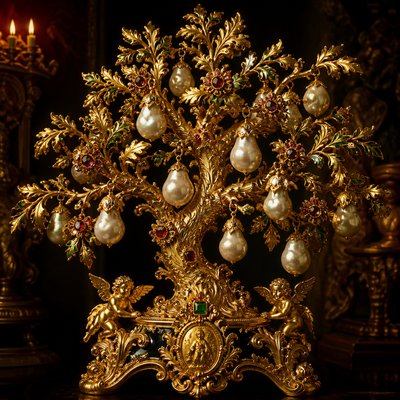
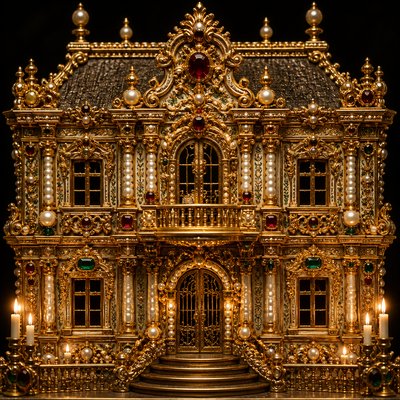
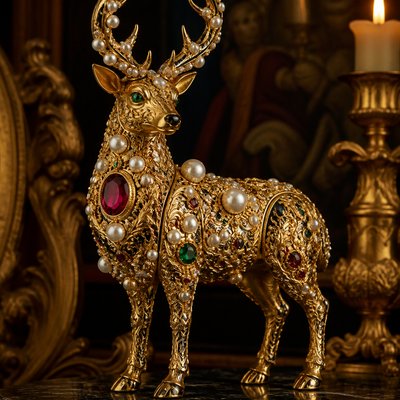
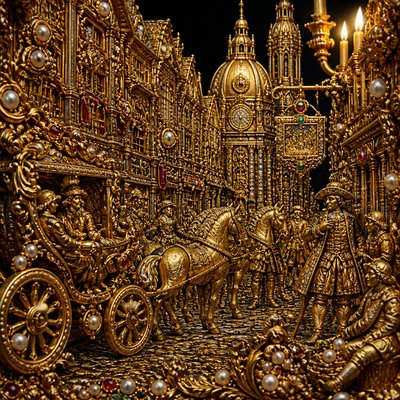
What is Baroque Jewelry Style?
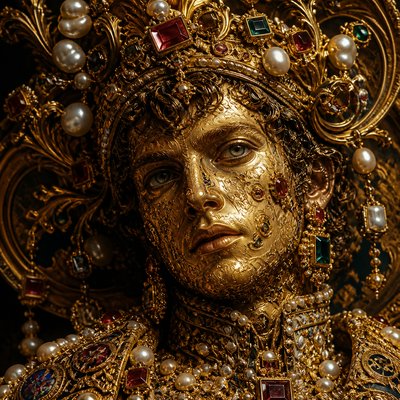
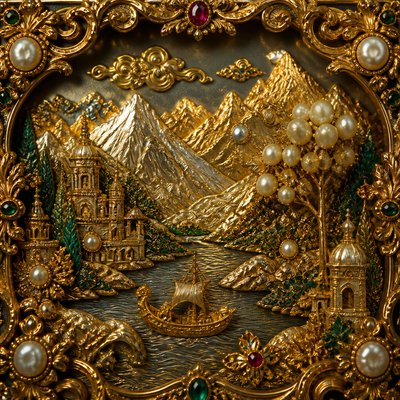
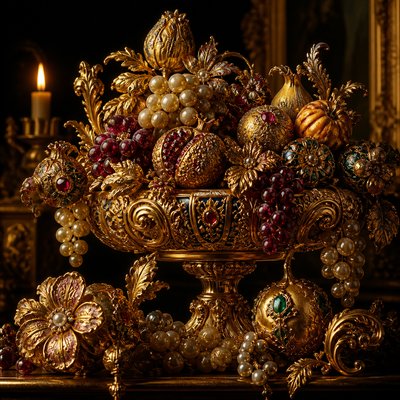
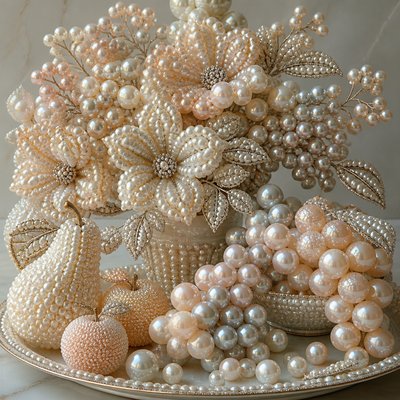
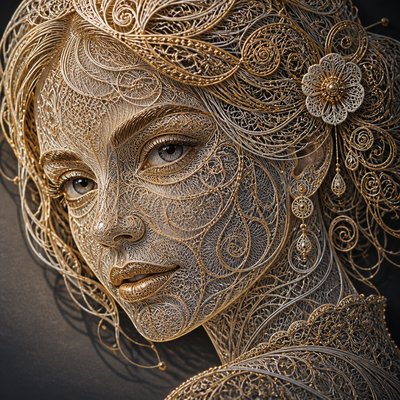
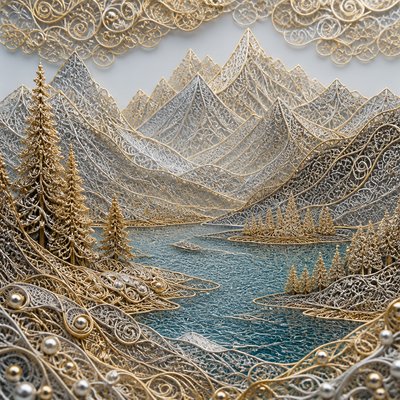
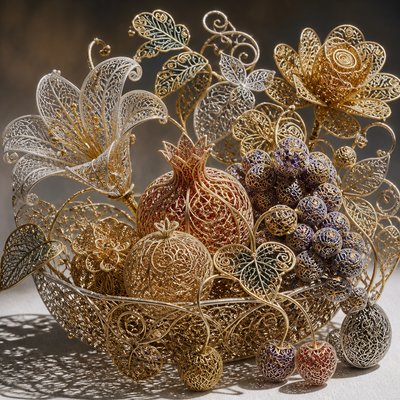
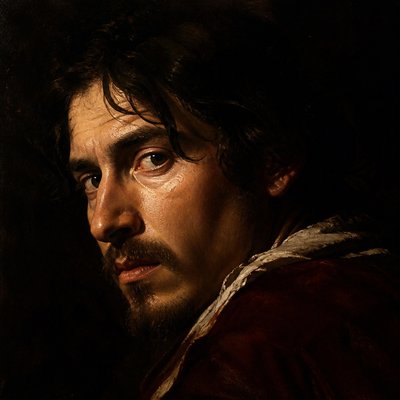
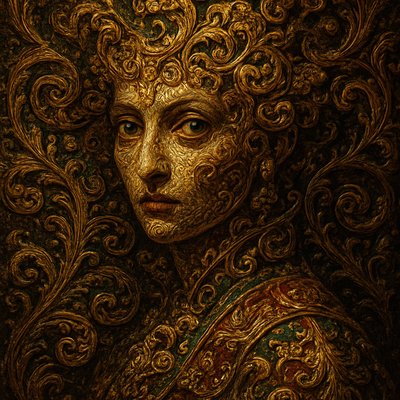
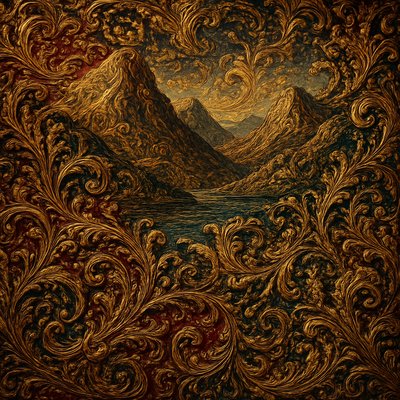
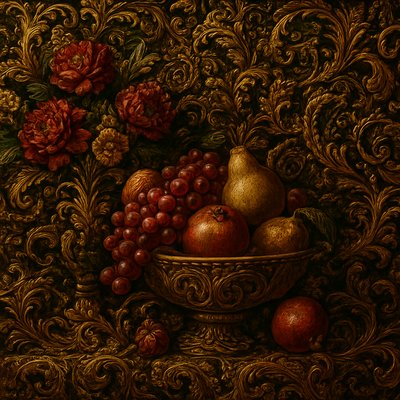
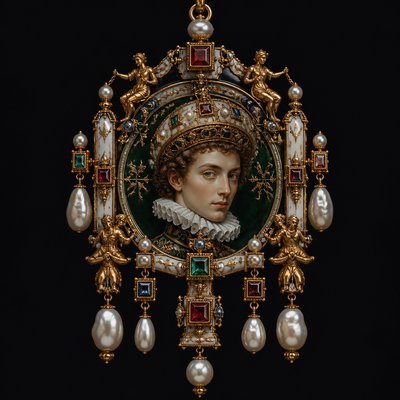
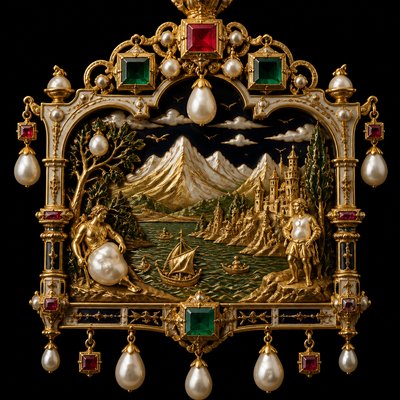
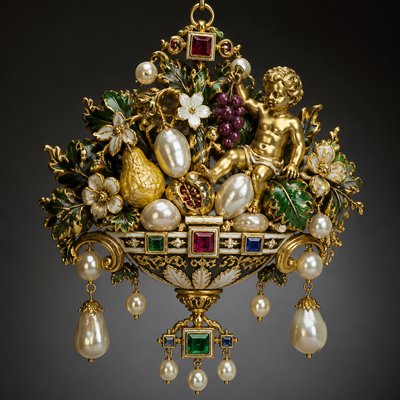
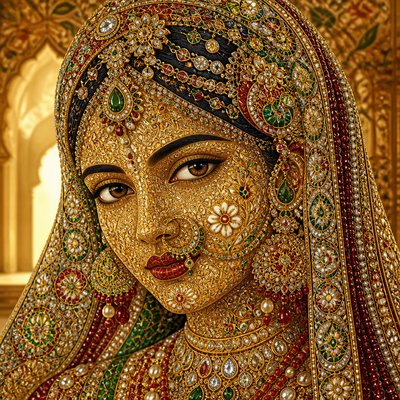
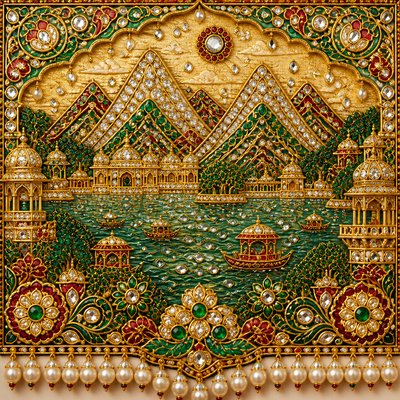
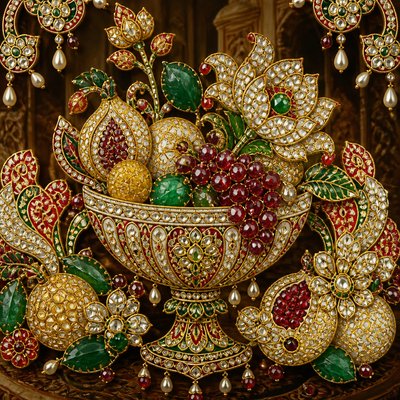
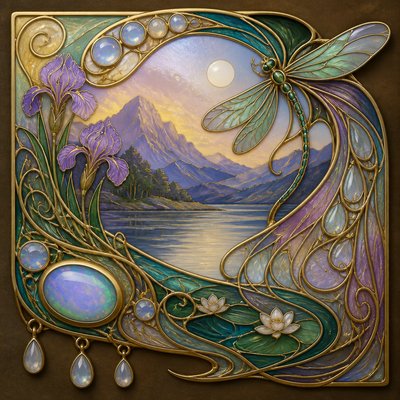
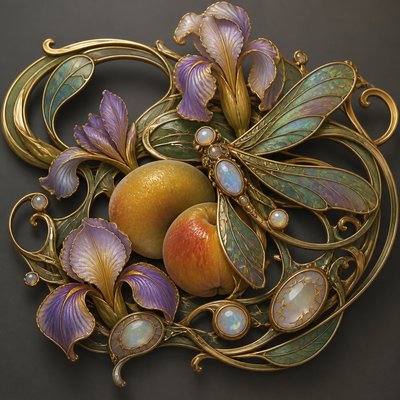
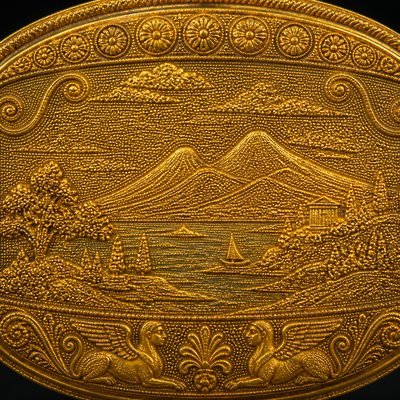
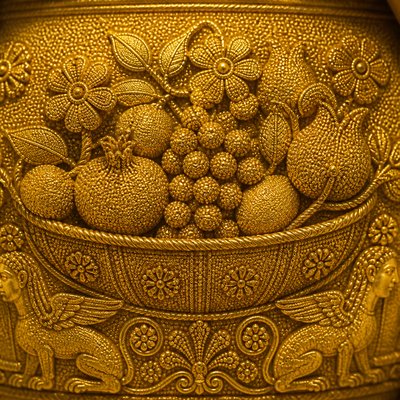
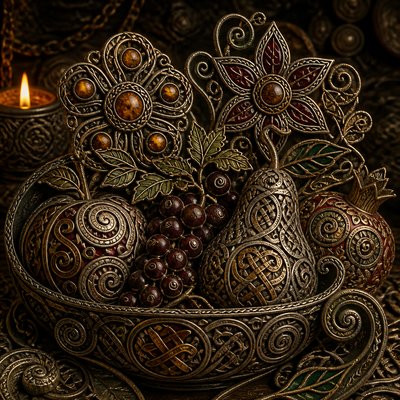
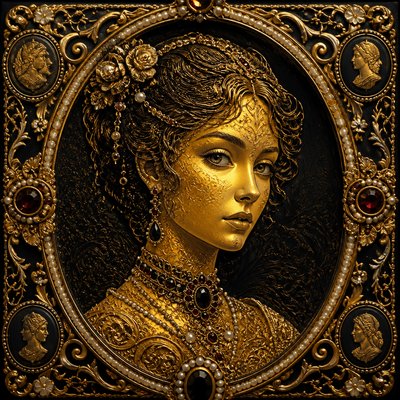
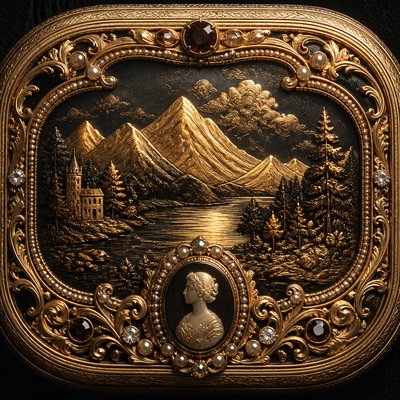
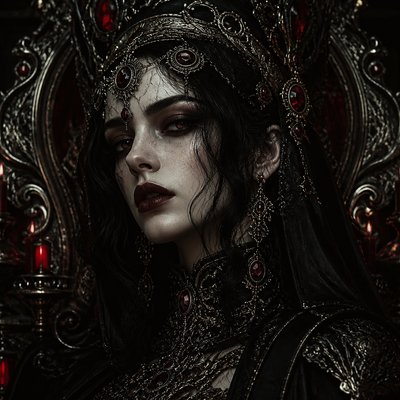
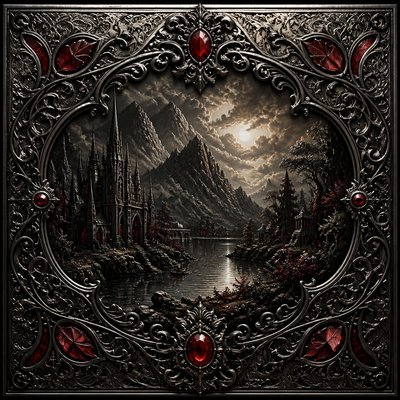
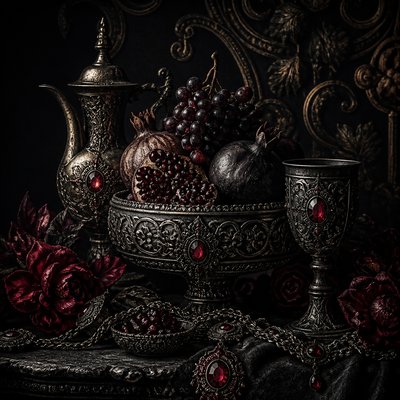
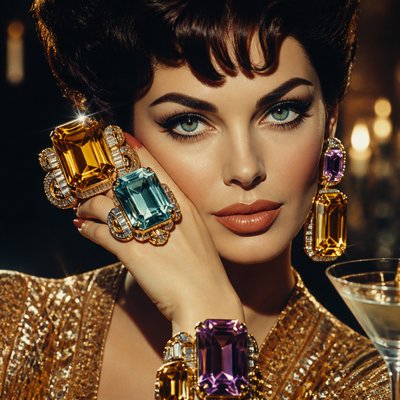
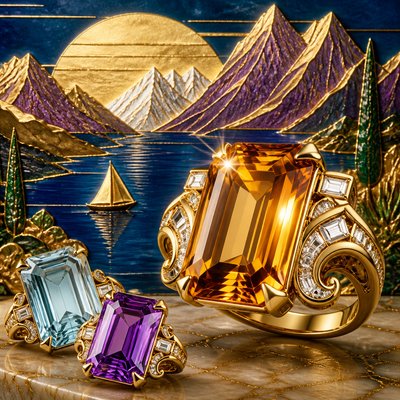
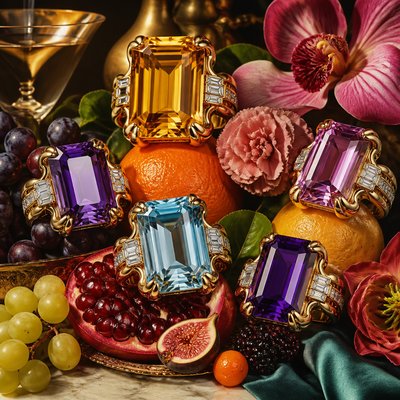
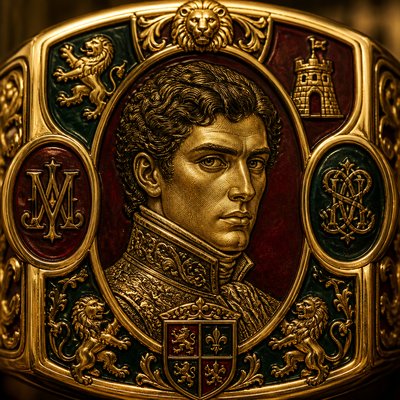
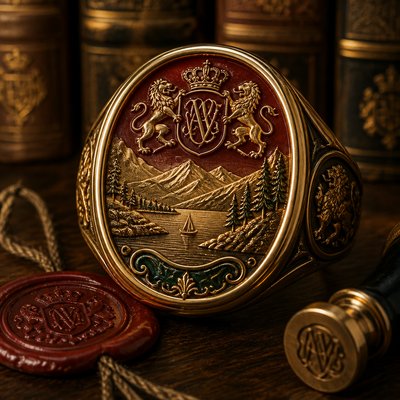
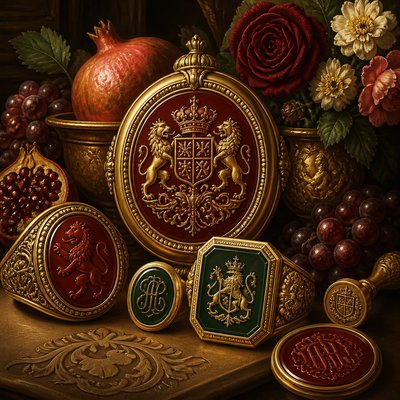
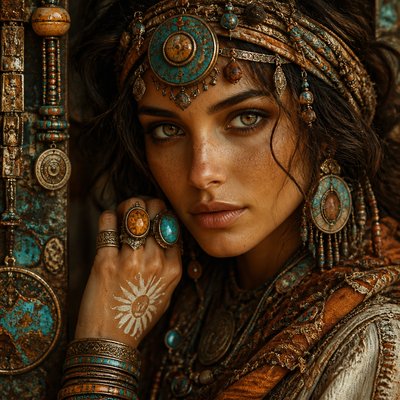
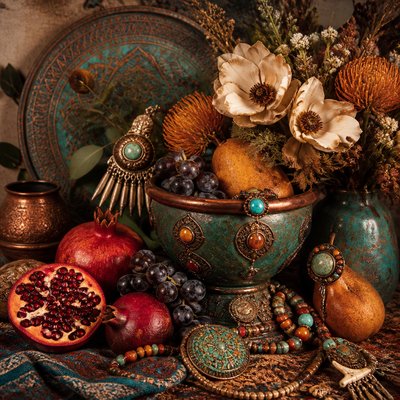
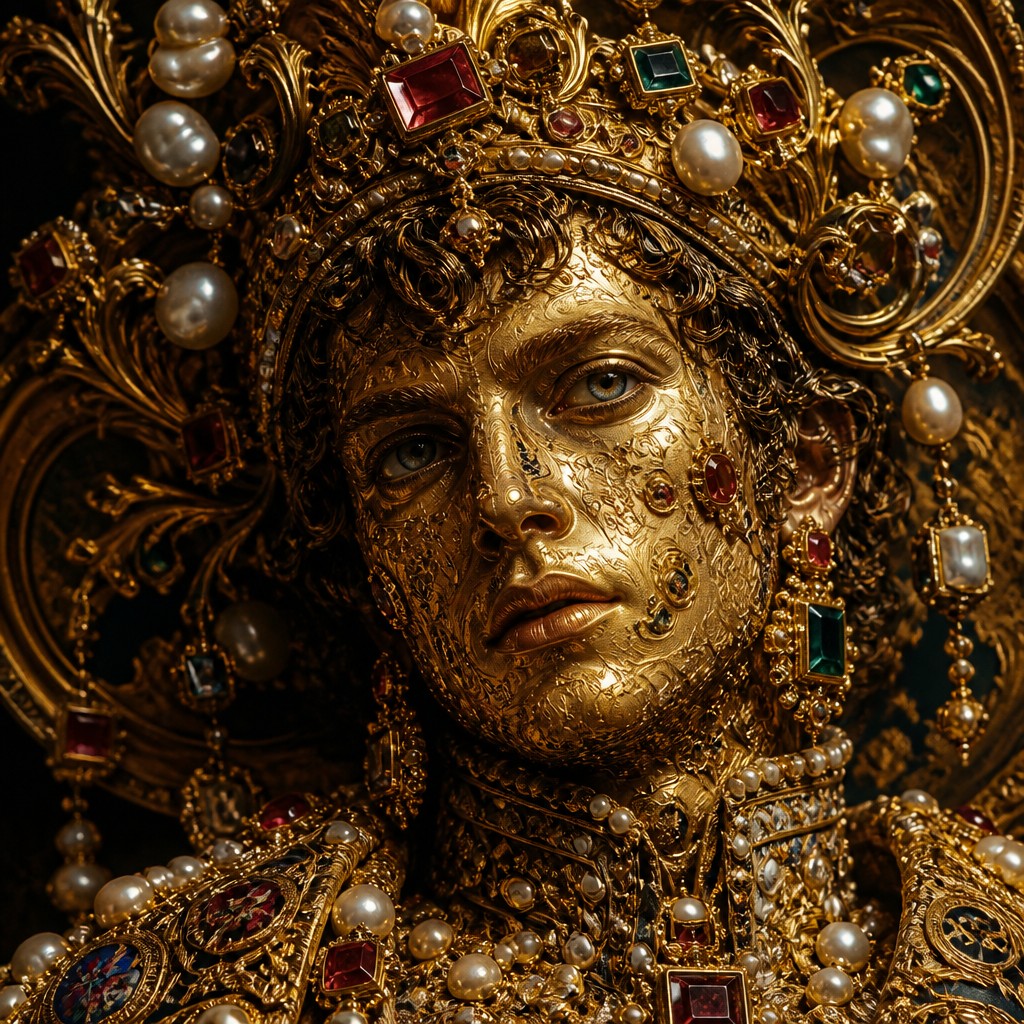
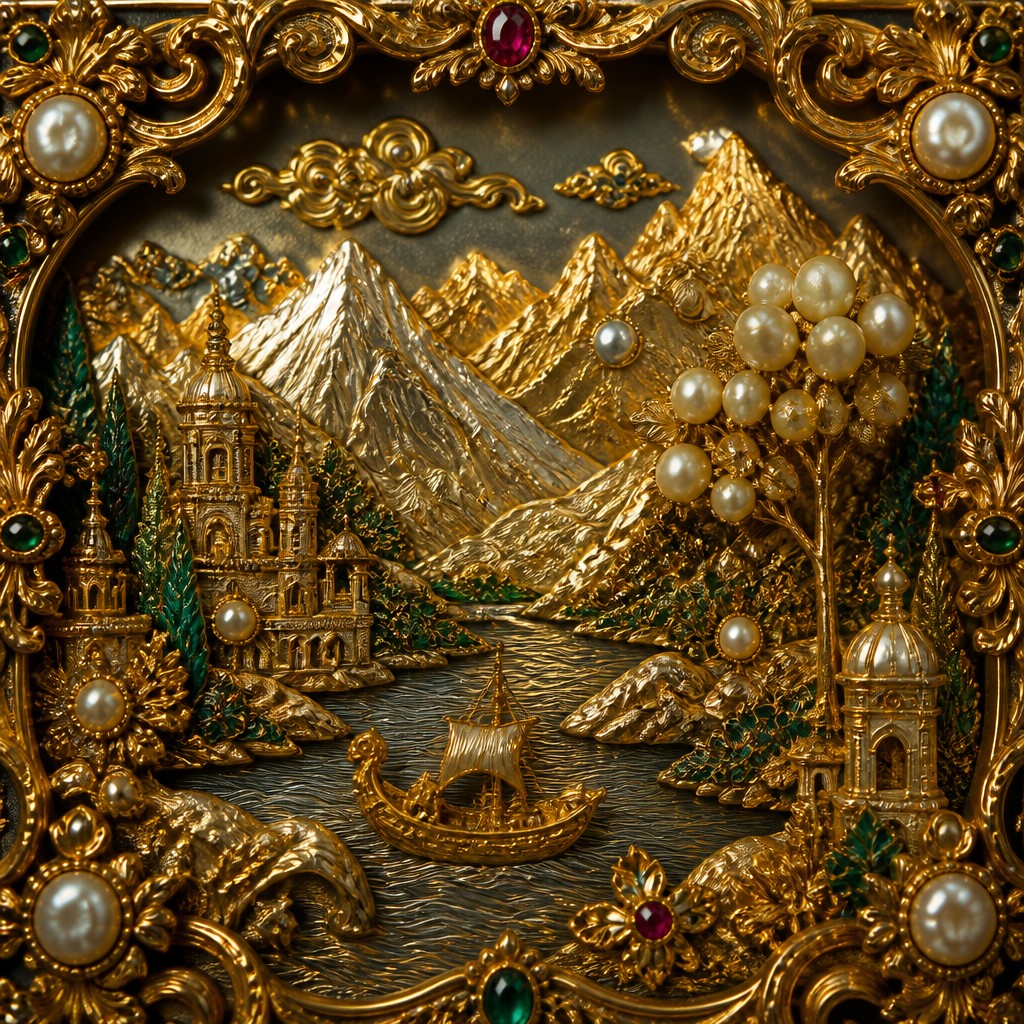
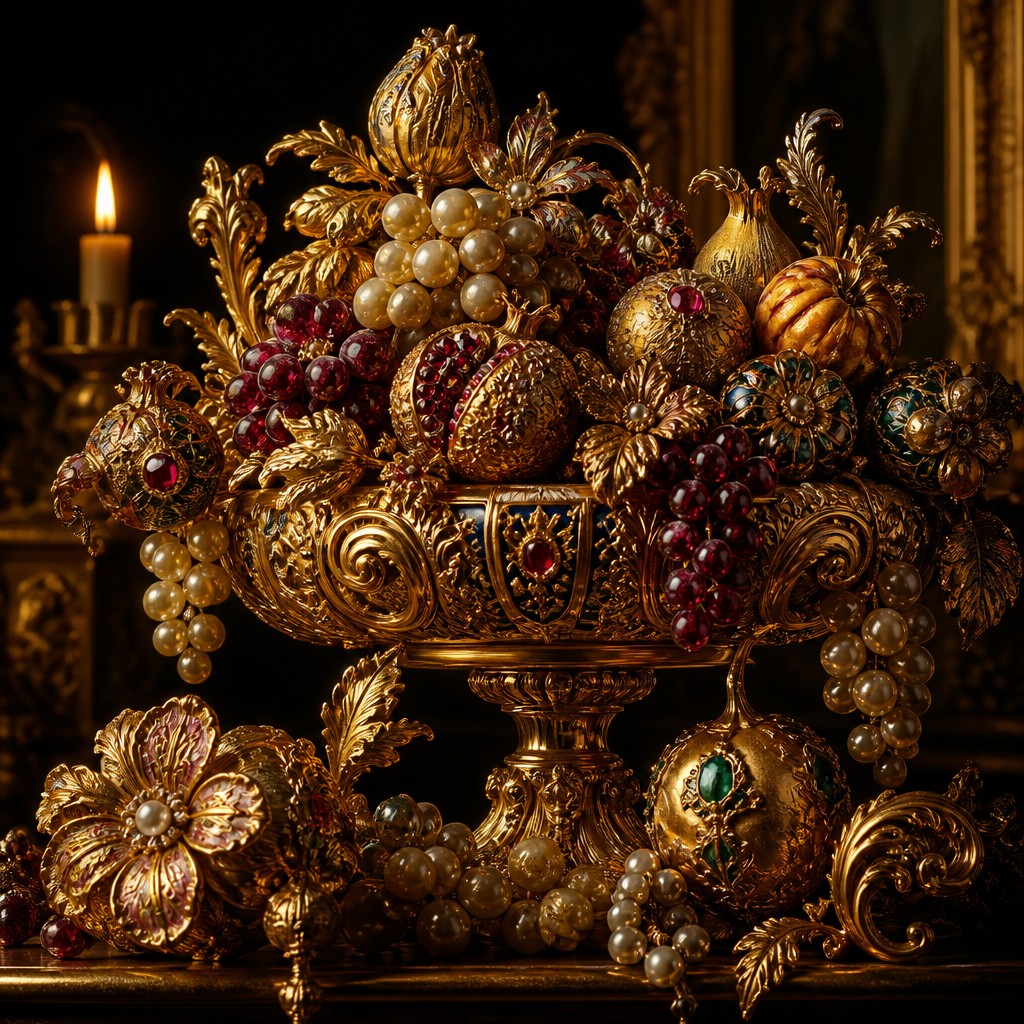
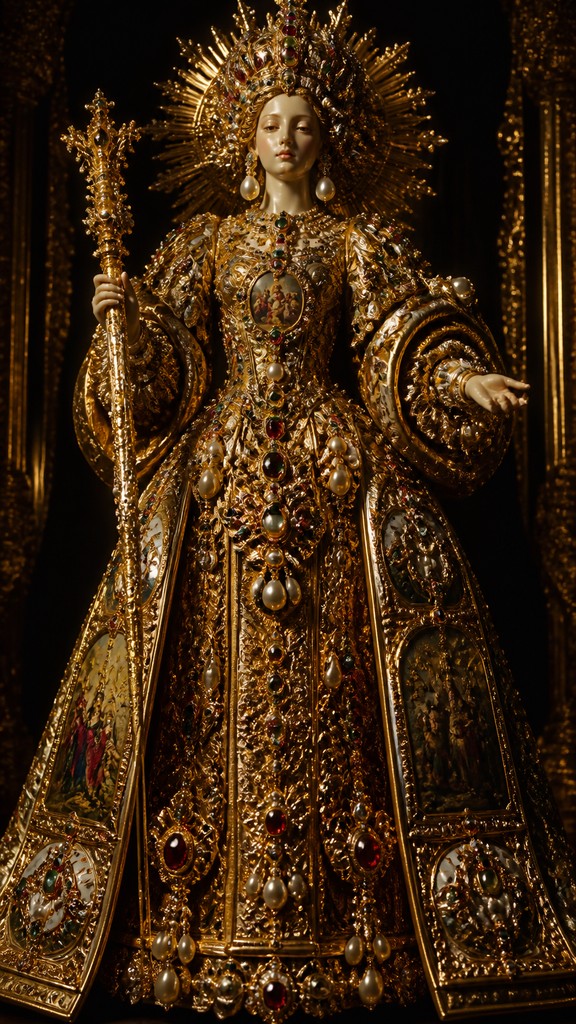
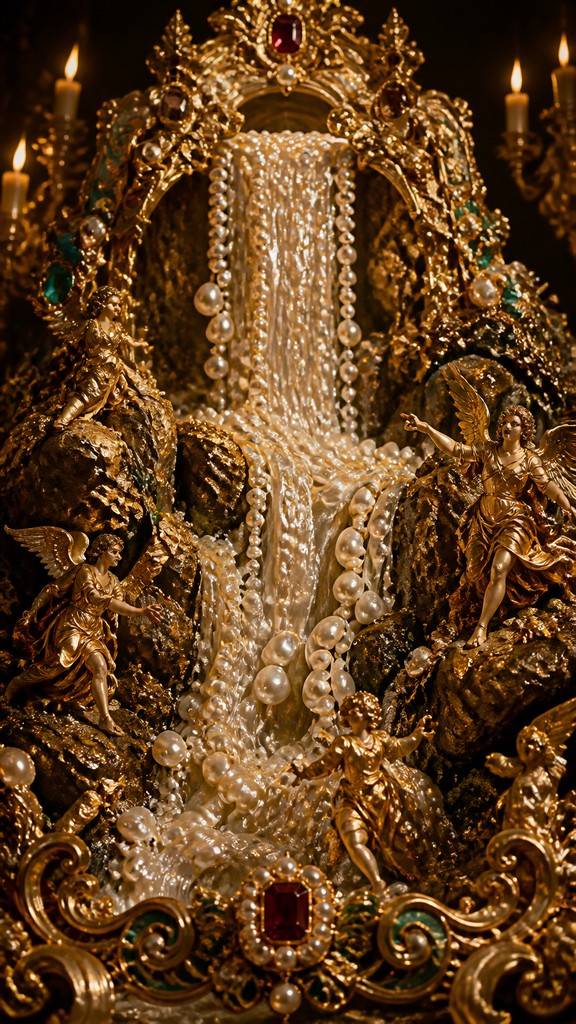
Baroque Jewelry Style evokes the sumptuous goldsmithing of 17th-century Europe: heavy yellow gold, irregular baroque pearls, table-cut gemstones, and ornament that seems to swell, curl, and overflow across the surface. It favors theatrical contrast, with bright metal highlights set against deep shadow, and a crowded decorative vocabulary of acanthus leaves, scrolls, repoussé relief, enamel accents, and closed-back settings that intensify the glow of stones.
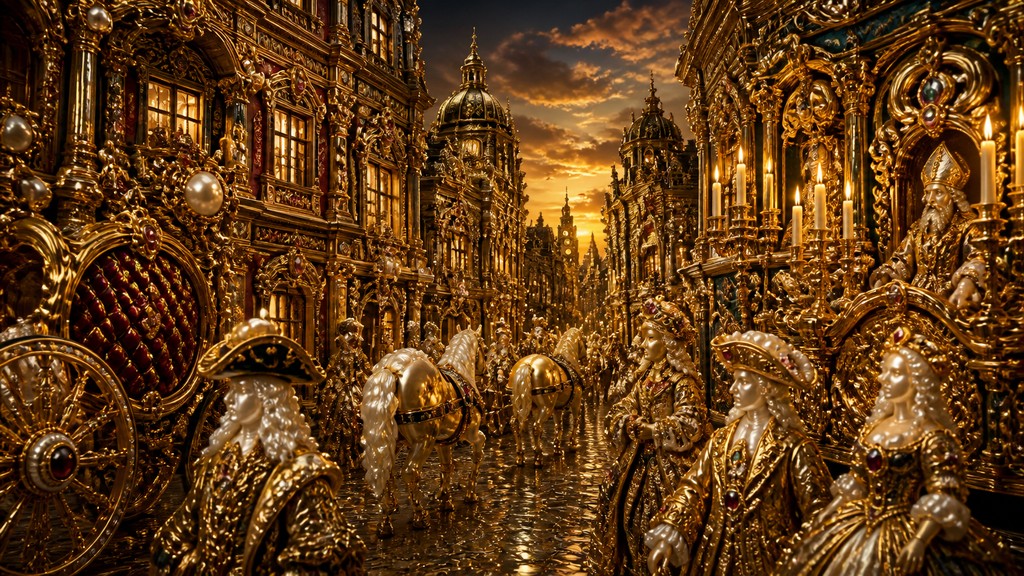
The style’s visual identity comes from historical courtly and ecclesiastical goldwork, where jewelry was designed to project status, piety, and power as much as beauty. Its forms are usually asymmetrical, lush, and sculptural rather than delicate or minimal. Even when translated into contemporary image-making, it reads as opulent, ceremonial, and deliberately excessive: a world of candlelight, precious materials, and ornament pushed toward its most dramatic expression.
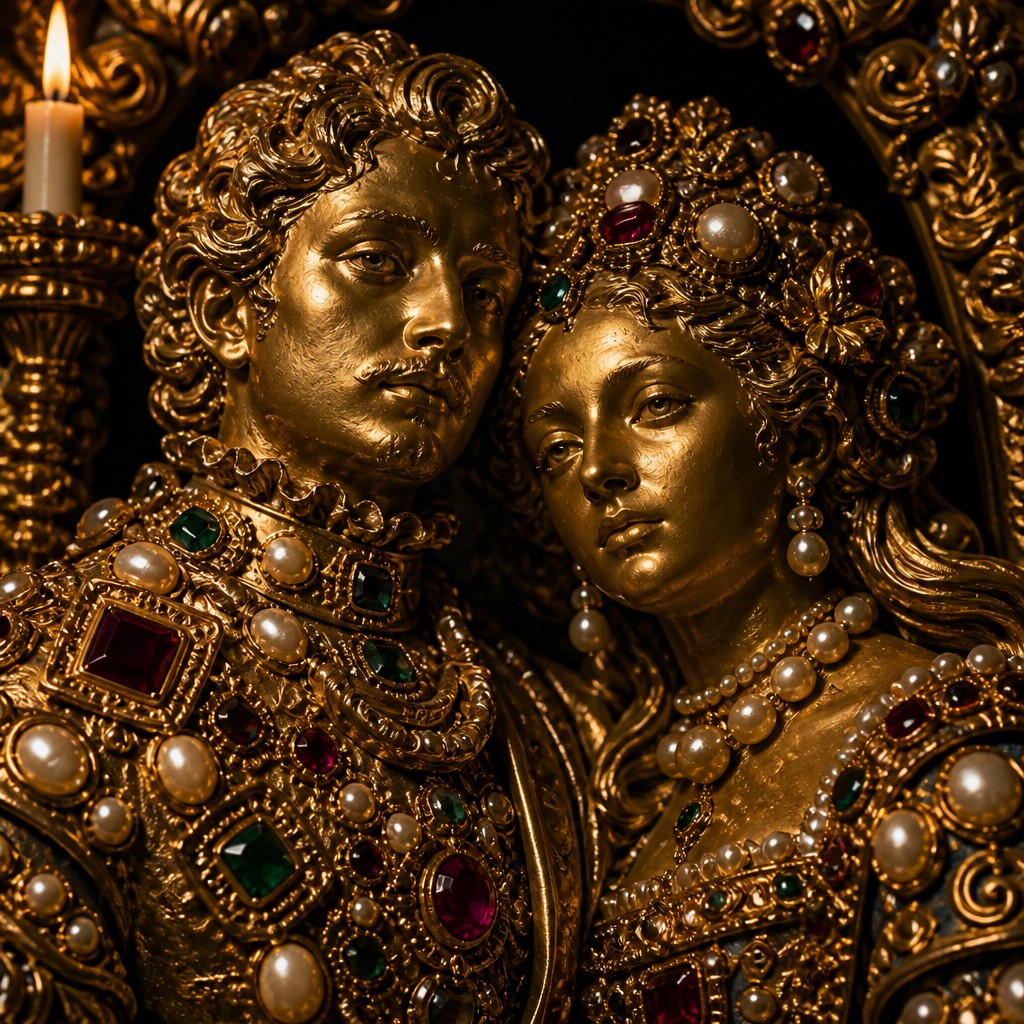
Try It On Your Photos
Upload any photo and convert it into Baroque Jewelry Style — drag the sliders to compare before and after.
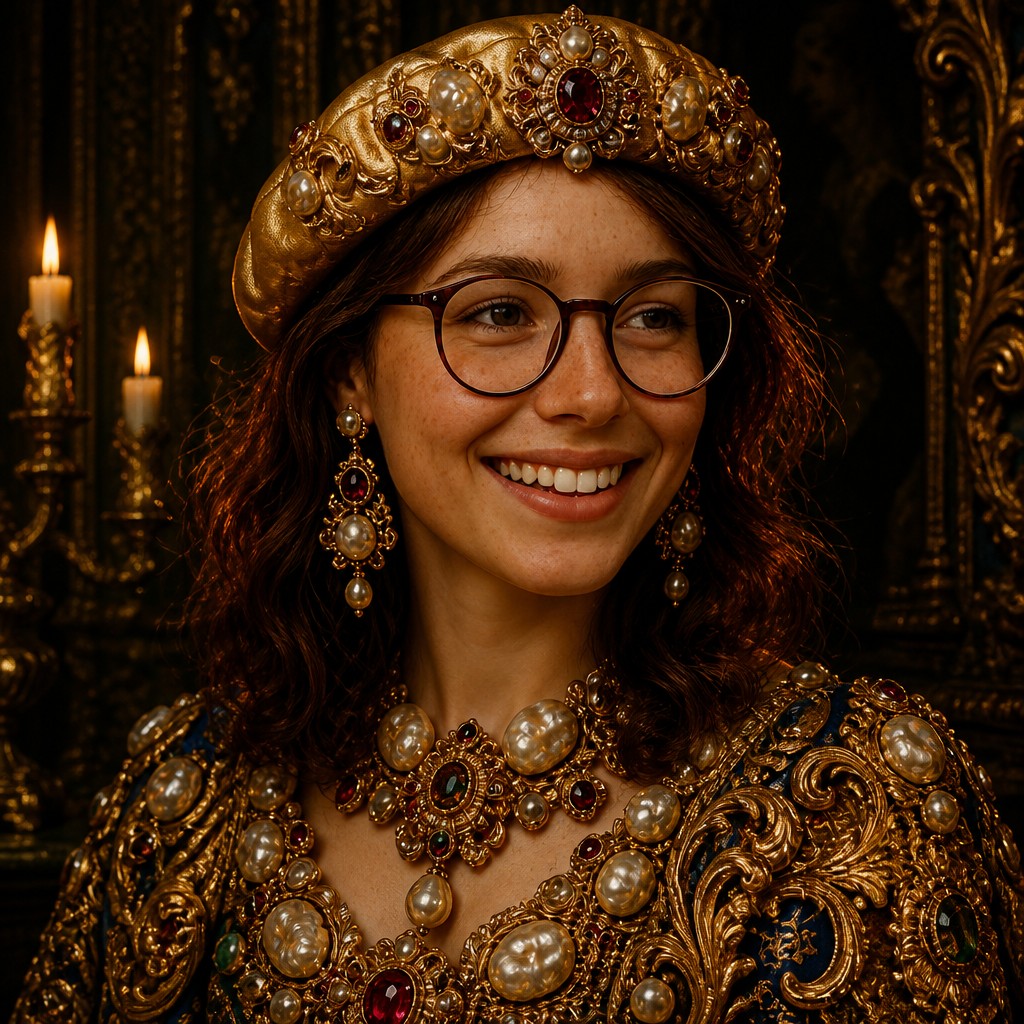

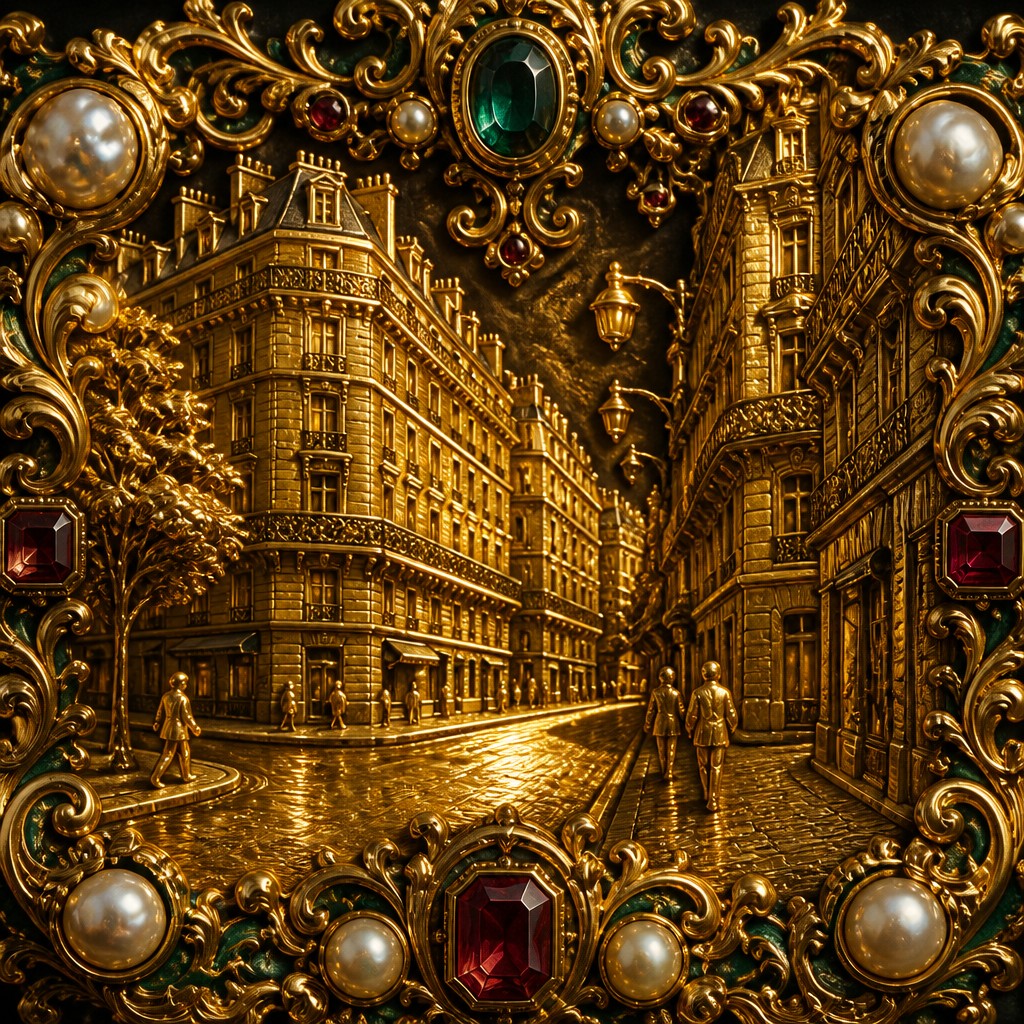

What Defines Baroque Jewelry Style
The signature details, up close
Heavy yellow gold construction
Forms are built from visibly substantial goldwork rather than airy filigree. The metal often reads as weighty, embossed, and richly worked, with a sense of mass and permanence.
Irregular baroque pearls
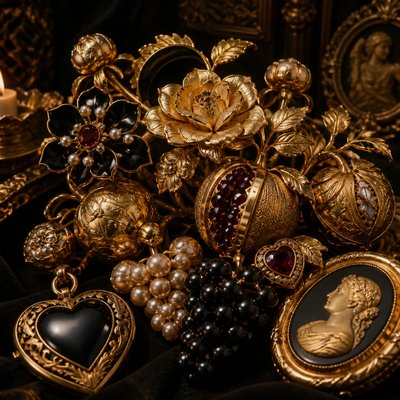
Pearls are typically asymmetrical and organic in outline, with a nacreous surface that catches light unevenly. Their irregularity is a feature, not a flaw, and it reinforces the style’s naturalistic opulence.
Table-cut and closed-back stones
Gemstones often appear as flat-topped table cuts or early faceting styles, set in enclosed mounts that intensify their color. Rubies, emeralds, and diamonds tend to glow rather than sparkle with modern brilliance.
Acanthus scrolls and volutes
Decorative metalwork frequently unfurls into curling leaves, spirals, and scrolling tendrils. These motifs create motion across the object and give it a theatrical, almost architectural presence.
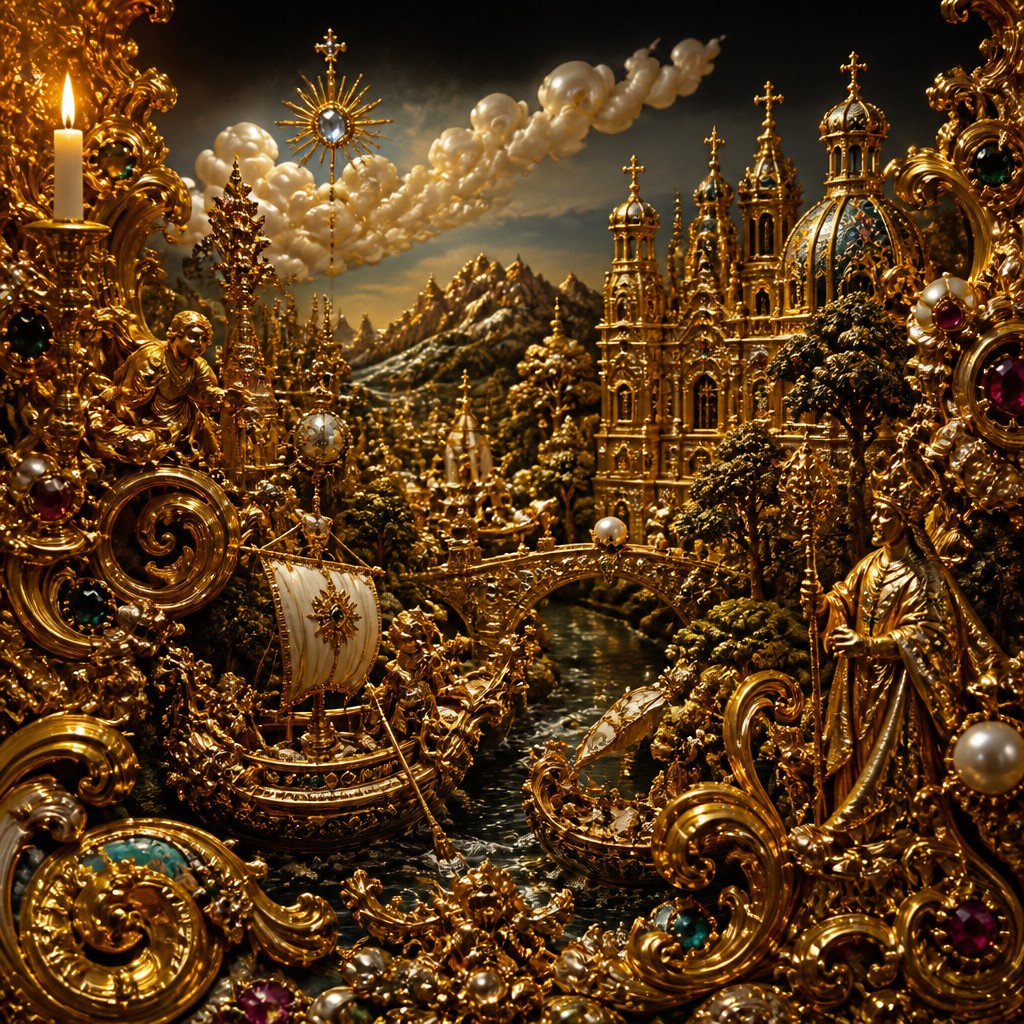
Chased and repoussé surfaces
Relief ornament is central, with hammered, chased, or raised patterns catching raking light. The surface is rarely smooth; it is animated by texture, depth, and hand-worked irregularity.
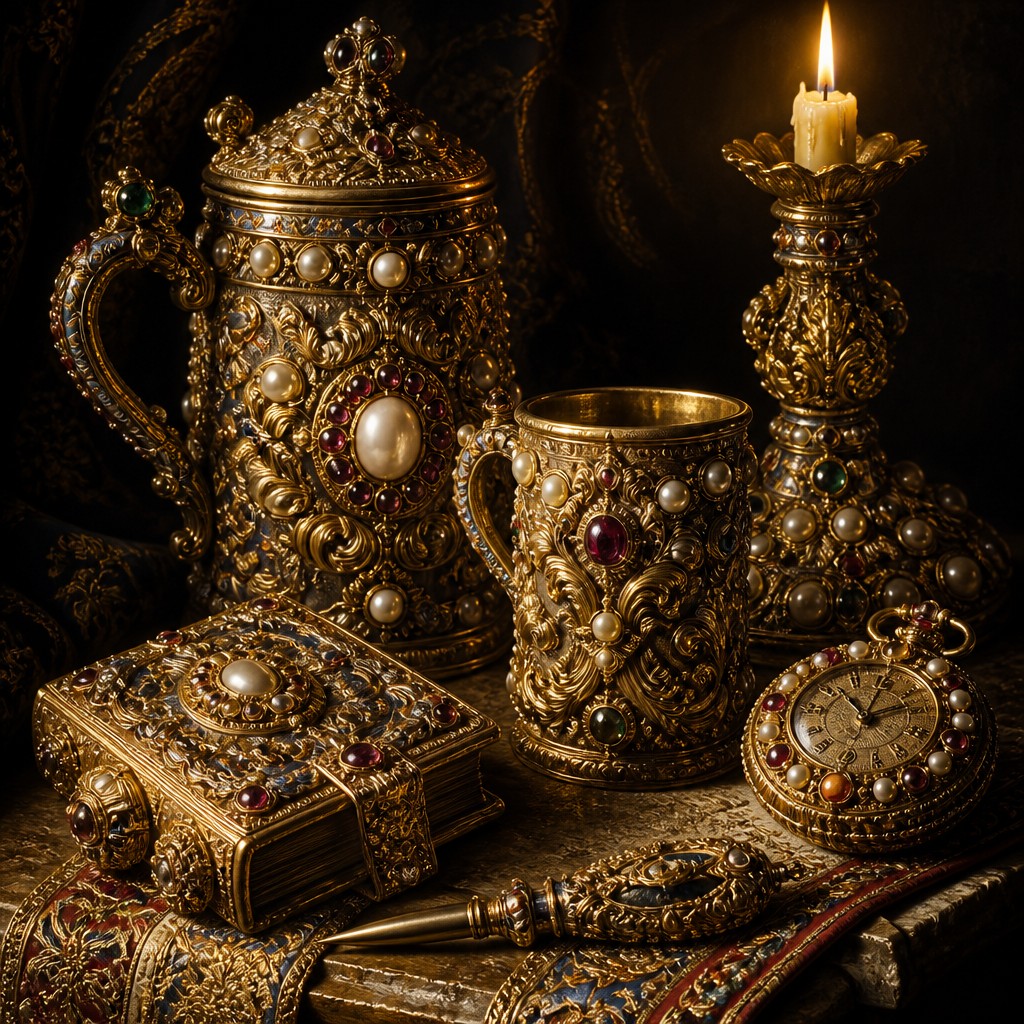
Enamel and jewel-like color accents
Small touches of enamel, darkening, or colored settings punctuate the gold and pearls. Color is used sparingly but intensively, heightening contrast and ceremonial richness.
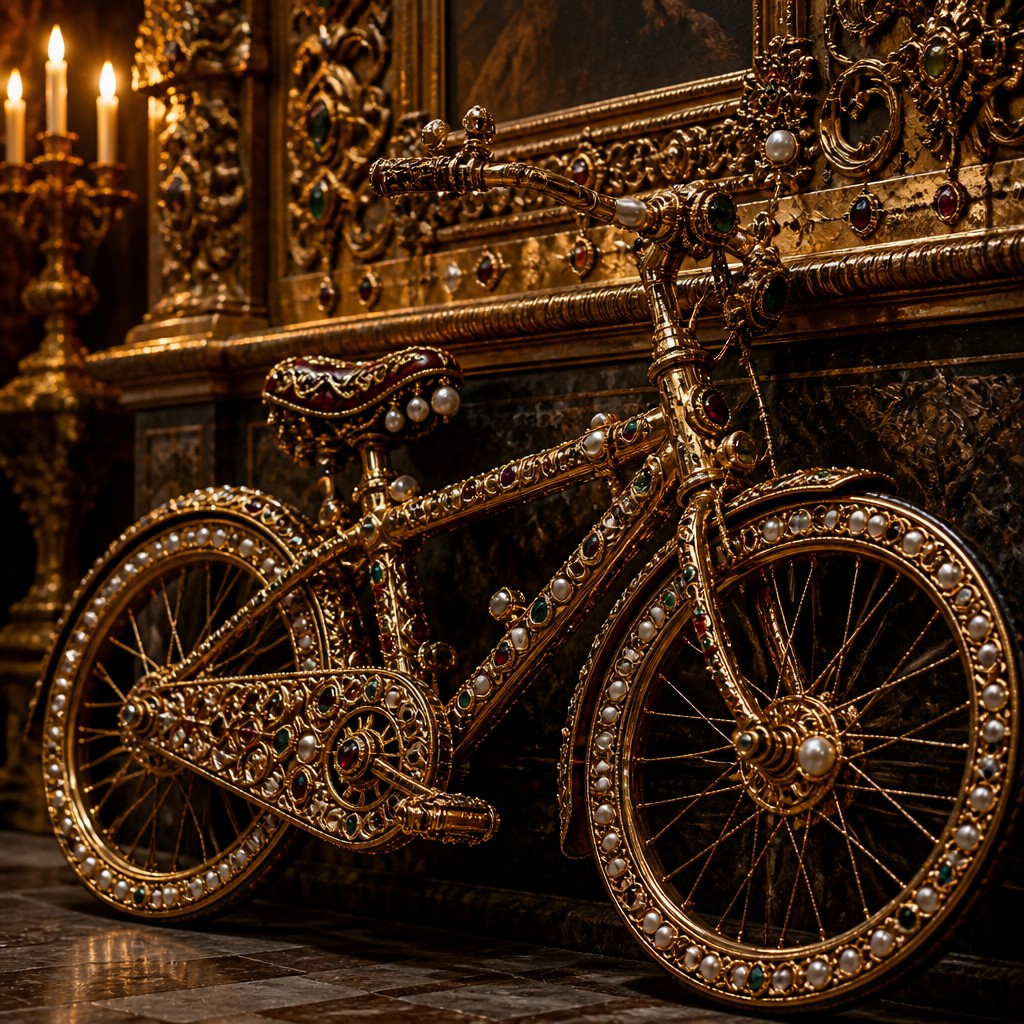
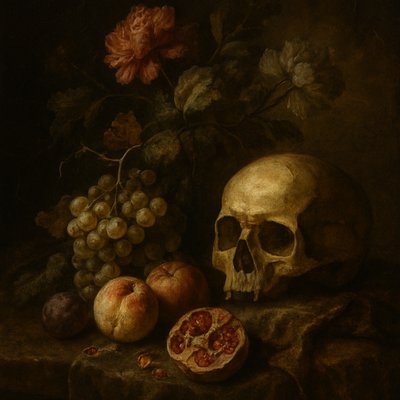
Dramatic chiaroscuro presentation
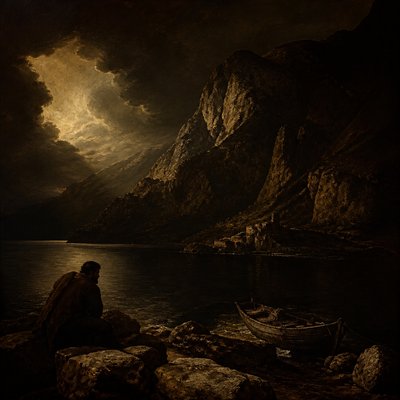
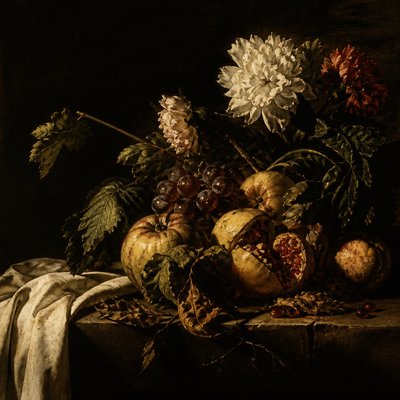
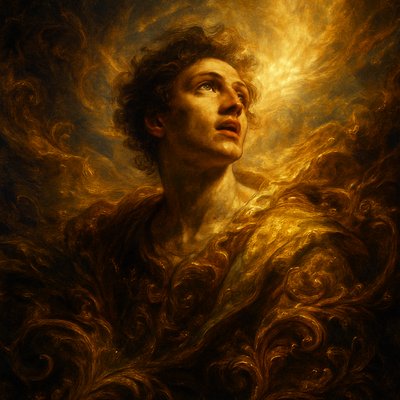
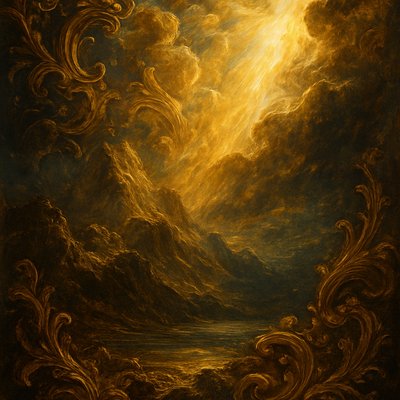
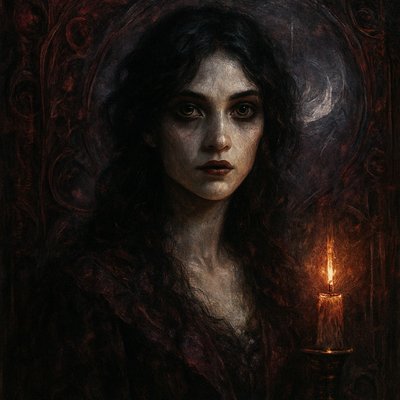
Objects are often shown as if lit by candlelight or directional studio light, with blazing highlights and surrounding shadow. This presentation emphasizes sculptural relief and makes the piece feel monumental.
Try It
Create Videos in Baroque Jewelry Style
Styles aren't just for stills — describe a scene or animate an image and get a short video rendered in Baroque Jewelry. Press play to see this pond come to life.
Make a VideoBaroque Jewelry Prompt Ideas
Start from an idea — each one opens the generator with the style ready to go. See all 40 Baroque Jewelry prompts →
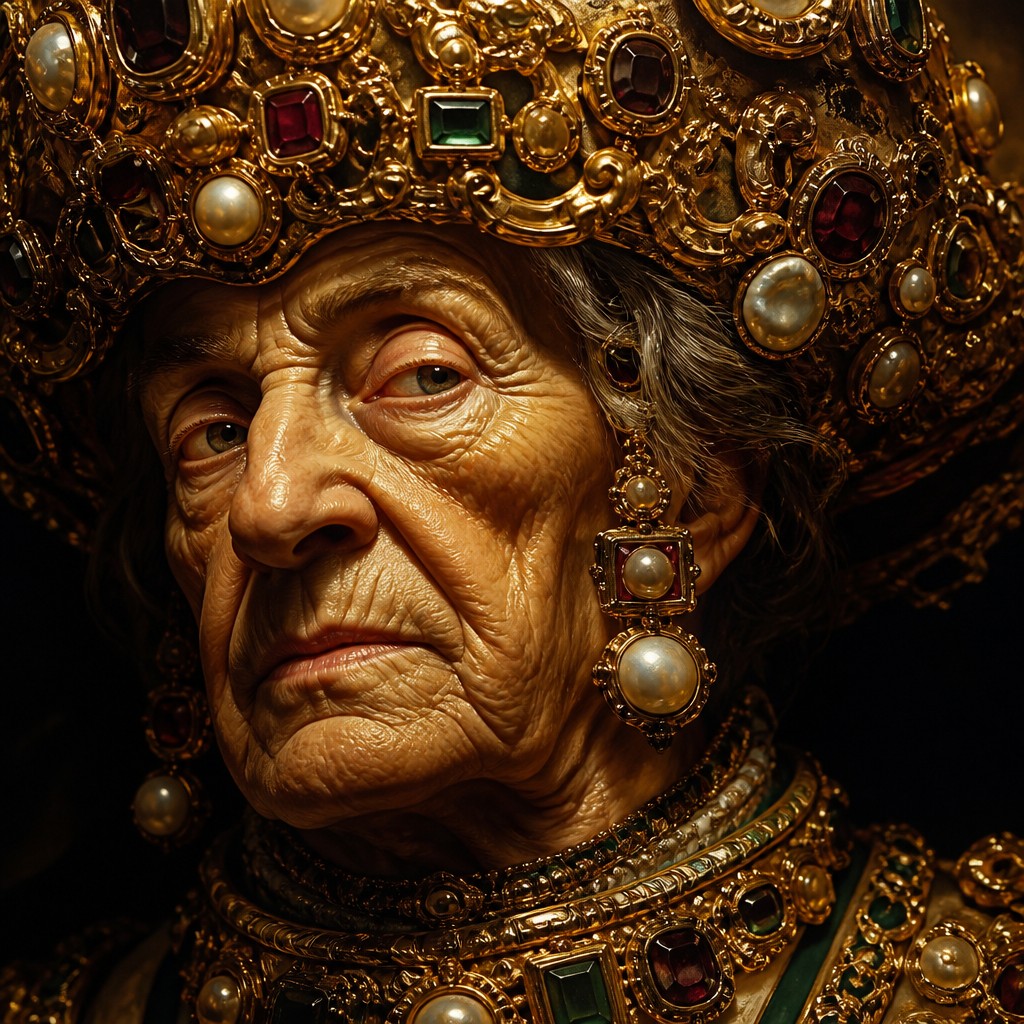
“close-up portrait of an elderly person with expressive weathered features”
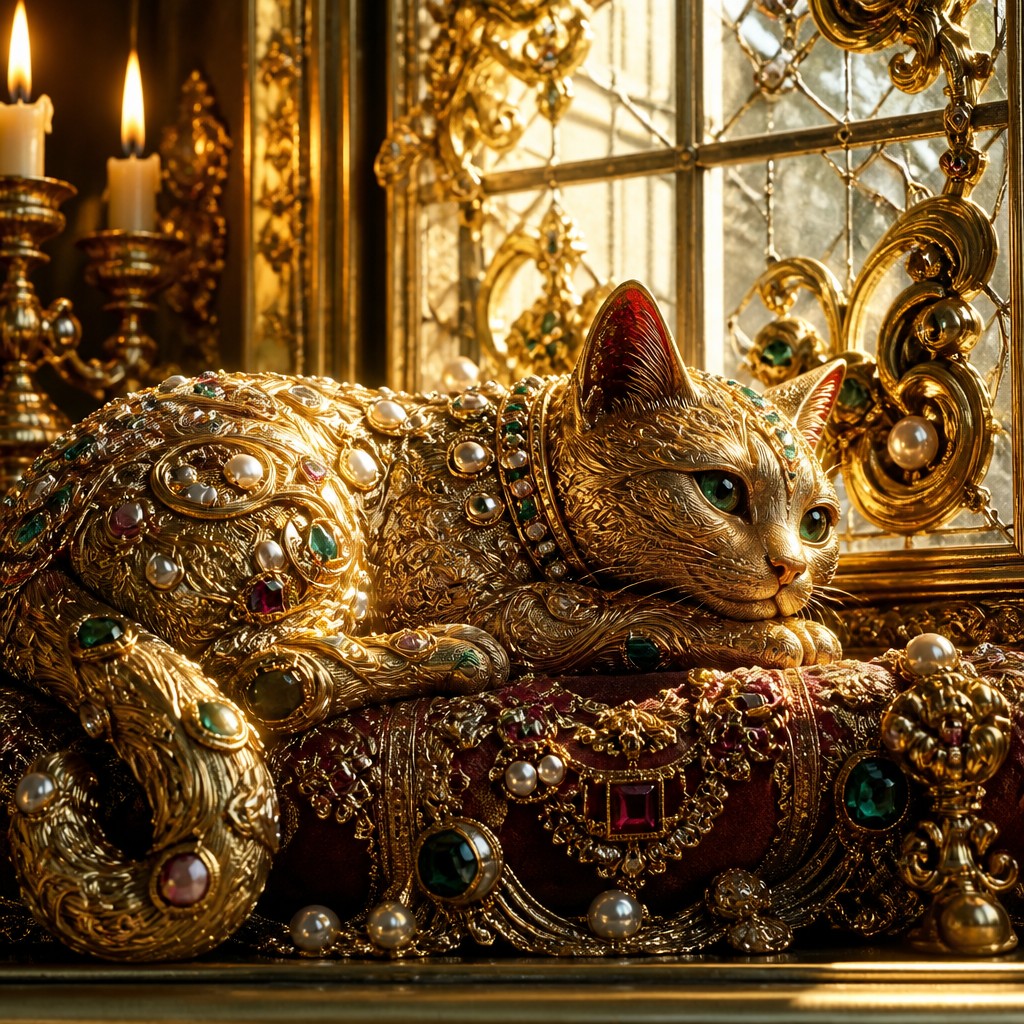
“a cat lounging in a sunlit window”
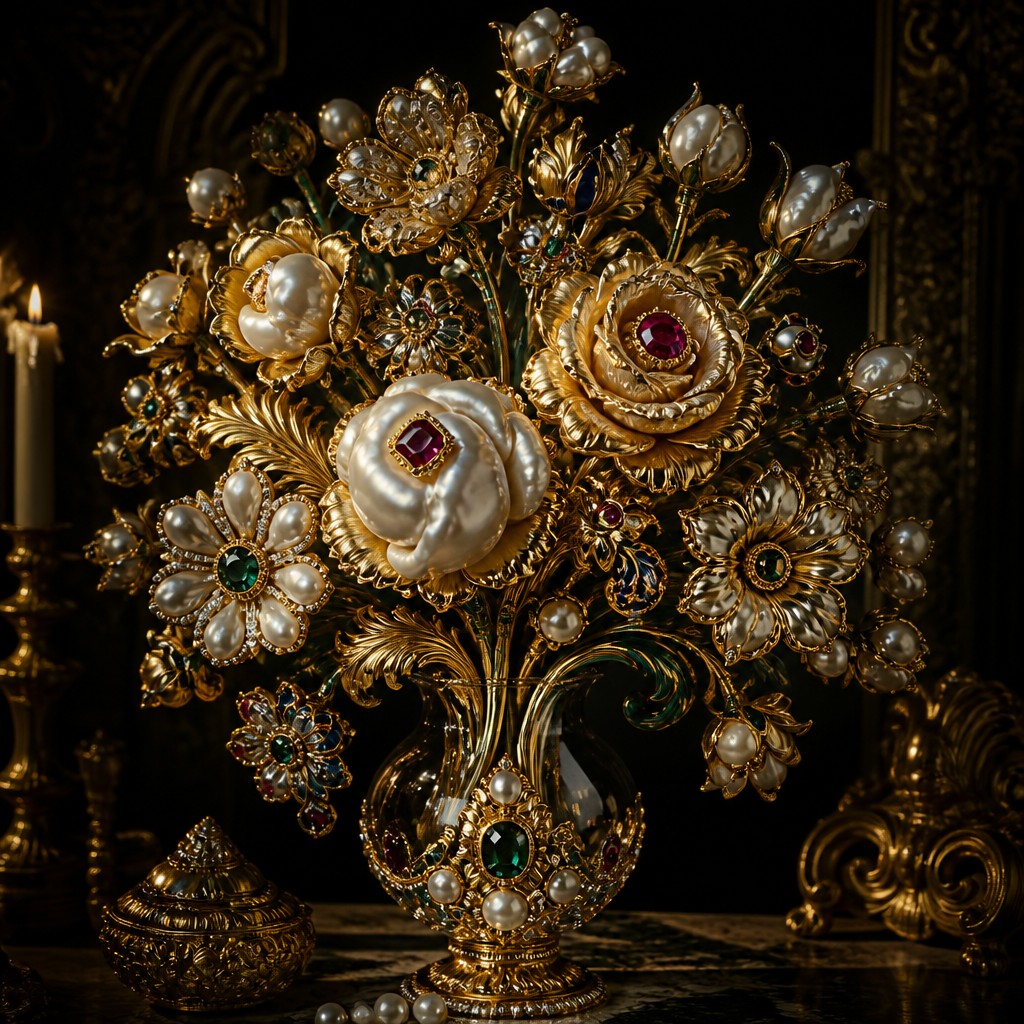
“bouquet of flowers in a glass vase”
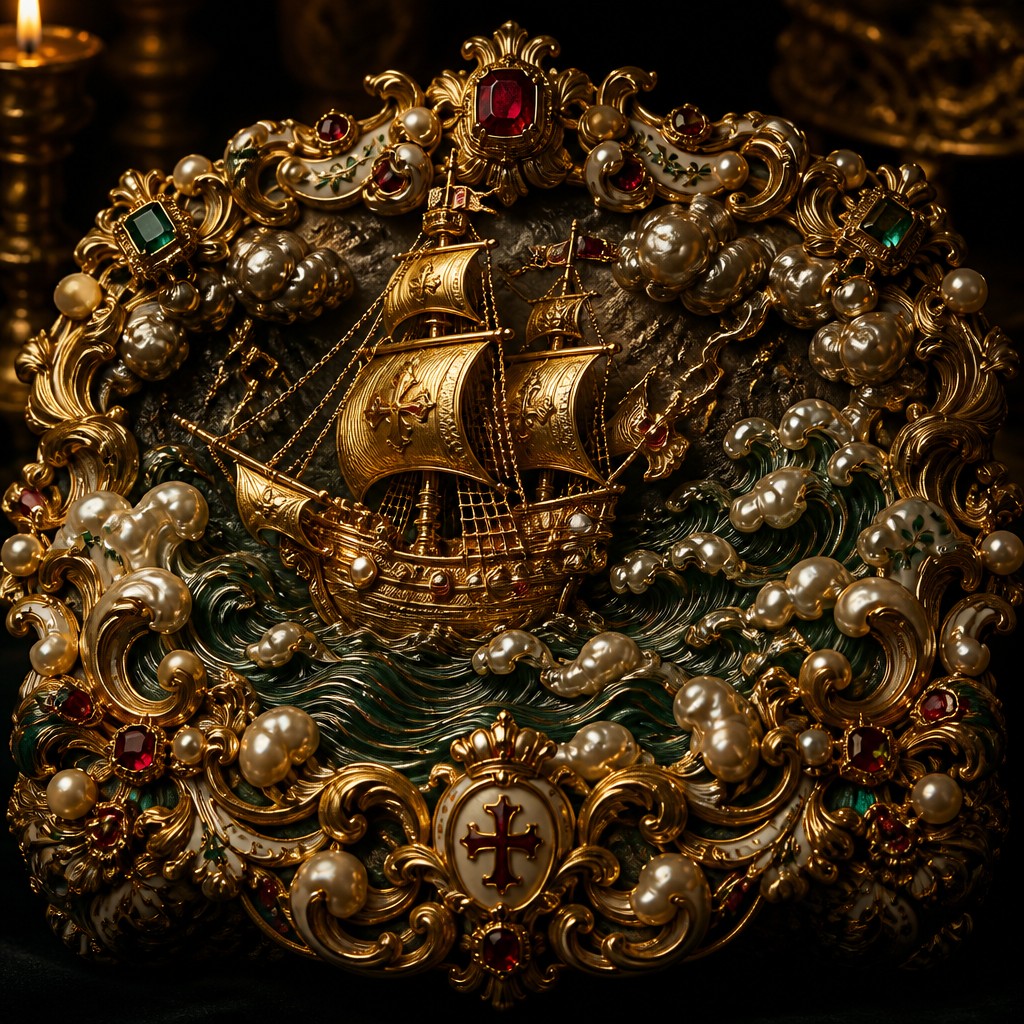
“sailing ship on a stormy sea”
How to Create Baroque Jewelry Art
Master the craft step by step — or skip straight to creating. Read the full guide →
- 1
Start with a monumental silhouette
Design the piece as a dense, sculptural object first, then layer ornament onto it. Favor asymmetry, swelling curves, and a strong central mass so the jewelry feels ceremonial rather than delicate.
- 2
Use historical goldsmithing cues
In traditional media, build texture with stippling, burnished highlights, and relief-like linework; in digital work, emphasize chased metal, hammered edges, and engraved detail. For authenticity, include closed settings, table-cut stones, and imperfect pearls.
- 3
Control the palette tightly
Keep the composition dominated by warm yellow gold, cream pearl, deep ruby red, and rich green, with very sparing secondary colors. Strong contrast between luminous highlights and dark shadow is essential to the look.
- 4
Make ornament feel structural
Let scrolls, leaves, and enamel motifs follow the architecture of the piece instead of floating decoratively on top. The best results make decoration feel integral to the object’s weight and construction.
- 5
Phrase prompts with material and lighting specificity
When generating images, name the exact materials, settings, and light behavior: heavy goldwork, irregular baroque pearls, table-cut rubies, closed-back settings, raking candlelight, deep shadow, and embroidered ecclesiastical grandeur. Subject matter can be anything, but the material language should remain precise.
The Story
History & Origins of Baroque Jewelry
Baroque jewelry developed within the broader Baroque culture of the 17th century, especially in Catholic courts and major European centers of goldsmithing such as Spain, Italy, France, and the Spanish Netherlands. It shared the Baroque taste for movement, grandeur, and emotional intensity seen in architecture, sculpture, and painting, while drawing on the goldsmith’s craft traditions of repoussé, chasing, enameling, and stone setting. Jewelry of this period often used irregular natural pearls, cabochons, and table-cut stones, partly because of the materials available and partly because their imperfect, luminous surfaces suited the period’s love of richness and variety.
As later fashions shifted toward lighter Rococo refinement and then neoclassical restraint, Baroque jewelry remained an important historical reference for luxury design. In modern visual culture, it survives as a lineage rather than a continuous school: contemporary designers, costume makers, illustrators, and digital artists borrow its asymmetry, heavy gilding, pearl irregularity, and ecclesiastical splendor to signal antiquity, wealth, ritual, or aristocratic drama.
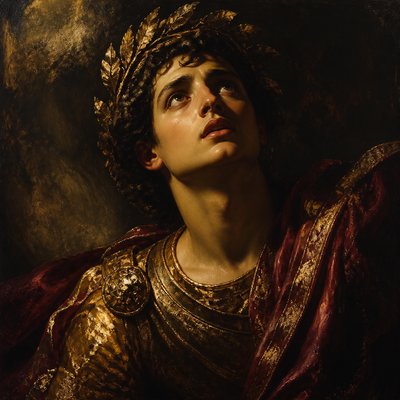
Influences: This style draws from the goldsmithing traditions of the European Baroque, including courtly and ecclesiastical metalwork from Spain, Italy, and the Low Countries, as well as the broader Baroque visual language of motion, drama, and abundant ornament. Its use of irregular pearls and sculptural metalwork also echoes the period’s fascination with natural curiosities and asymmetry. In art-historical terms it sits near the world of Baroque painting and sculpture associated with artists such as Peter Paul Rubens, Gian Lorenzo Bernini, and Diego Velázquez, though the jewelry tradition itself is an applied craft rather than a painting movement.
Frequently Asked Questions
What defines Baroque Jewelry Style?
It is defined by heavy goldwork, irregular baroque pearls, table-cut stones, and dramatic ornament built from scrolls, leaves, and chased relief. The overall effect is theatrical and ceremonial, with strong light-dark contrast and an emphasis on sculptural richness.
Is this the same as Baroque art?
It belongs to the Baroque era, but it is specifically the jewelry and goldsmithing expression of that broader cultural style. Baroque art spans architecture, sculpture, painting, music, and decorative arts; this style focuses on the applied craft of ornament and precious materials.
How is it different from Rococo jewelry?
Baroque jewelry is generally heavier, darker, and more monumental, with stronger contrasts and a stronger sense of mass. Rococo tends to be lighter, more playful, more asymmetrical in a daintier way, and often more pastel or airy in feeling.
What materials are most associated with it?
Yellow gold, irregular pearls, rubies, emeralds, and early diamond cuts are especially characteristic, along with enamel accents and closed-back settings. The finish is usually rich and tactile rather than sleek or highly polished in a modern sense.
Can I use this style for modern subjects?
Yes. The style works well when a modern object or portrait is translated into historical materials and lighting, such as a smartphone rendered as a gilded reliquary or a contemporary figure wearing pearl-laden court jewelry. The key is to preserve the Baroque sense of abundance and drama.
How do I make an image feel authentic?
Specify period cues like chased gold, repoussé, closed-back settings, and candlelit chiaroscuro rather than generic 'ornate' decoration. Irregular pearls and table-cut gems are especially helpful because they immediately signal the historical material culture behind the style.
Create your first Baroque Jewelry artwork
Describe anything — or upload a photo — and see it in Baroque Jewelry Style in seconds.
Related Styles
Discover similar art styles