Harajuku Fashion Style
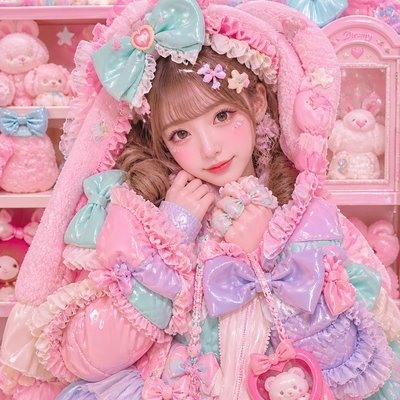
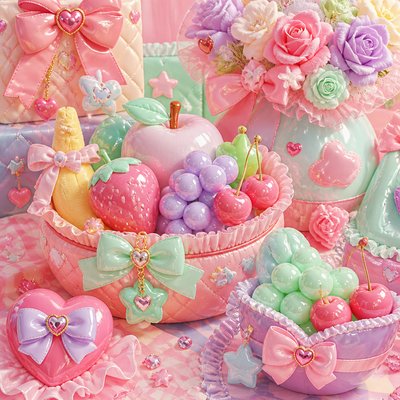
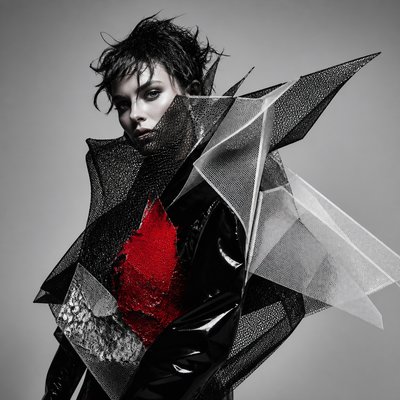
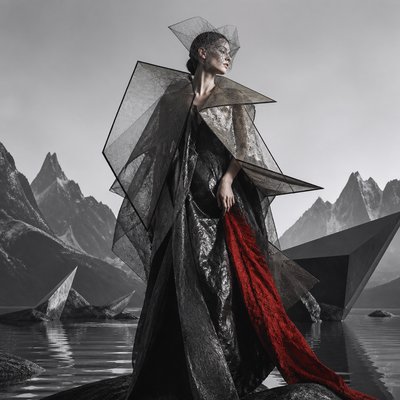
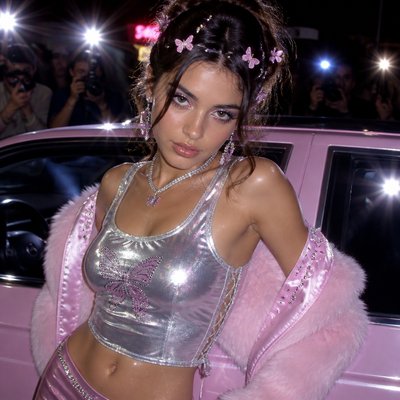
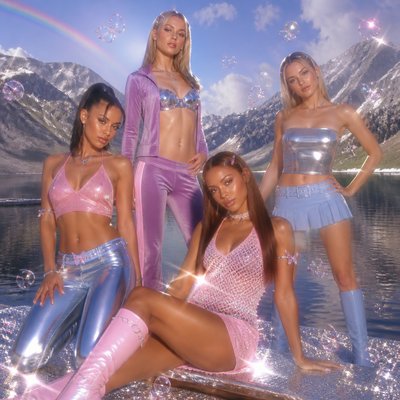
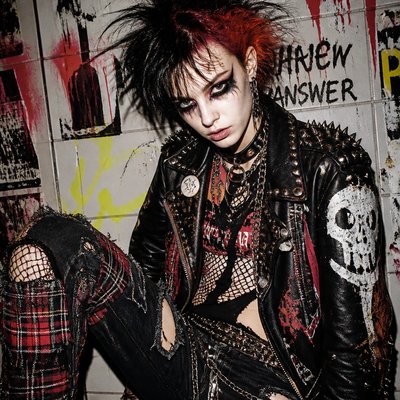
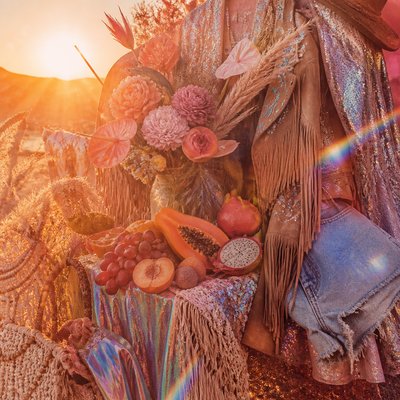
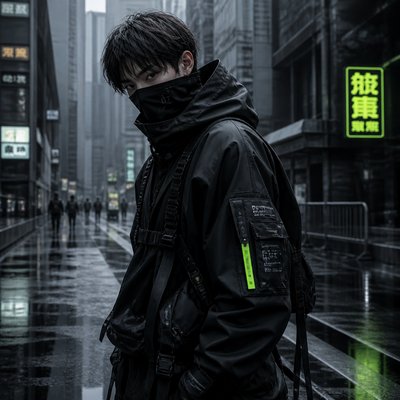
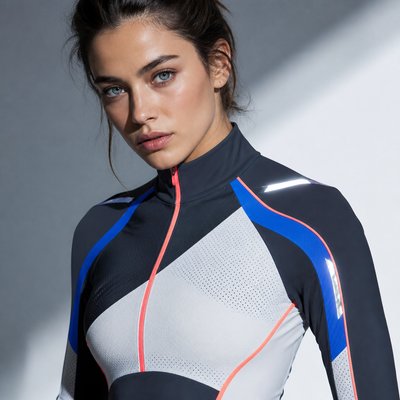
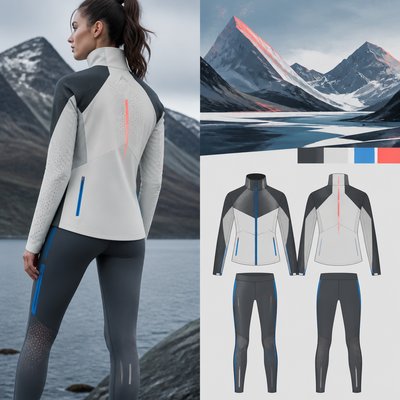
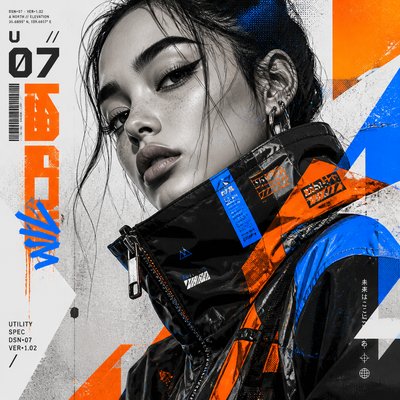
Harajuku fashion style blends neon layers, punk-frilly mixes, and maximalist Tokyo streetwear energy.
Instantly rendered in Harajuku Fashion — or transform a photo
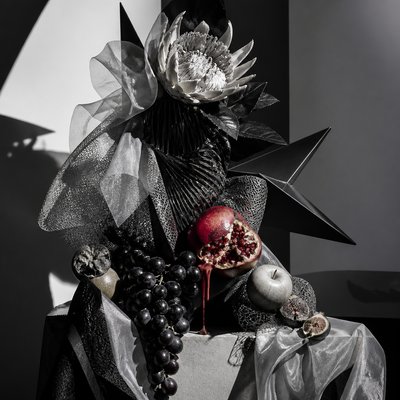
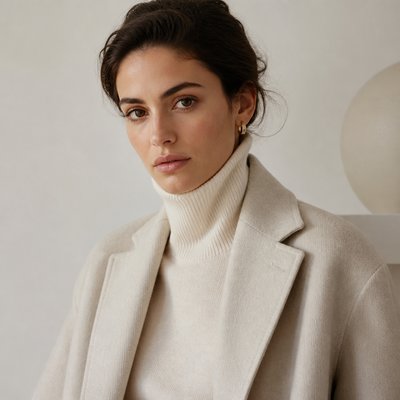
Harajuku Fashion Gallery
Tap any artwork to explore it
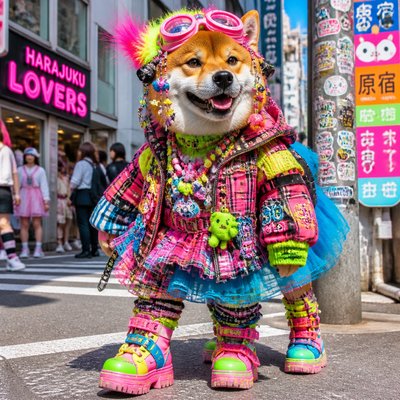
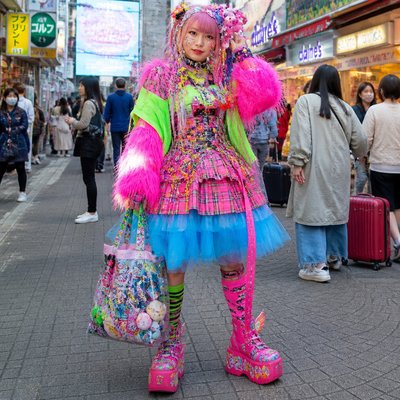
What is Harajuku Fashion Style?
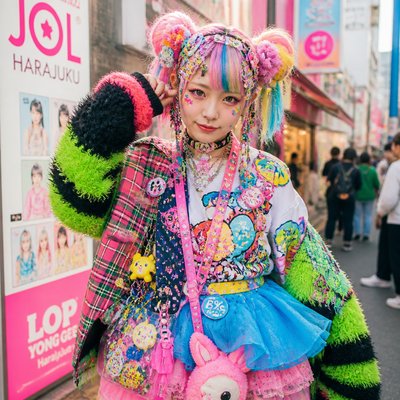
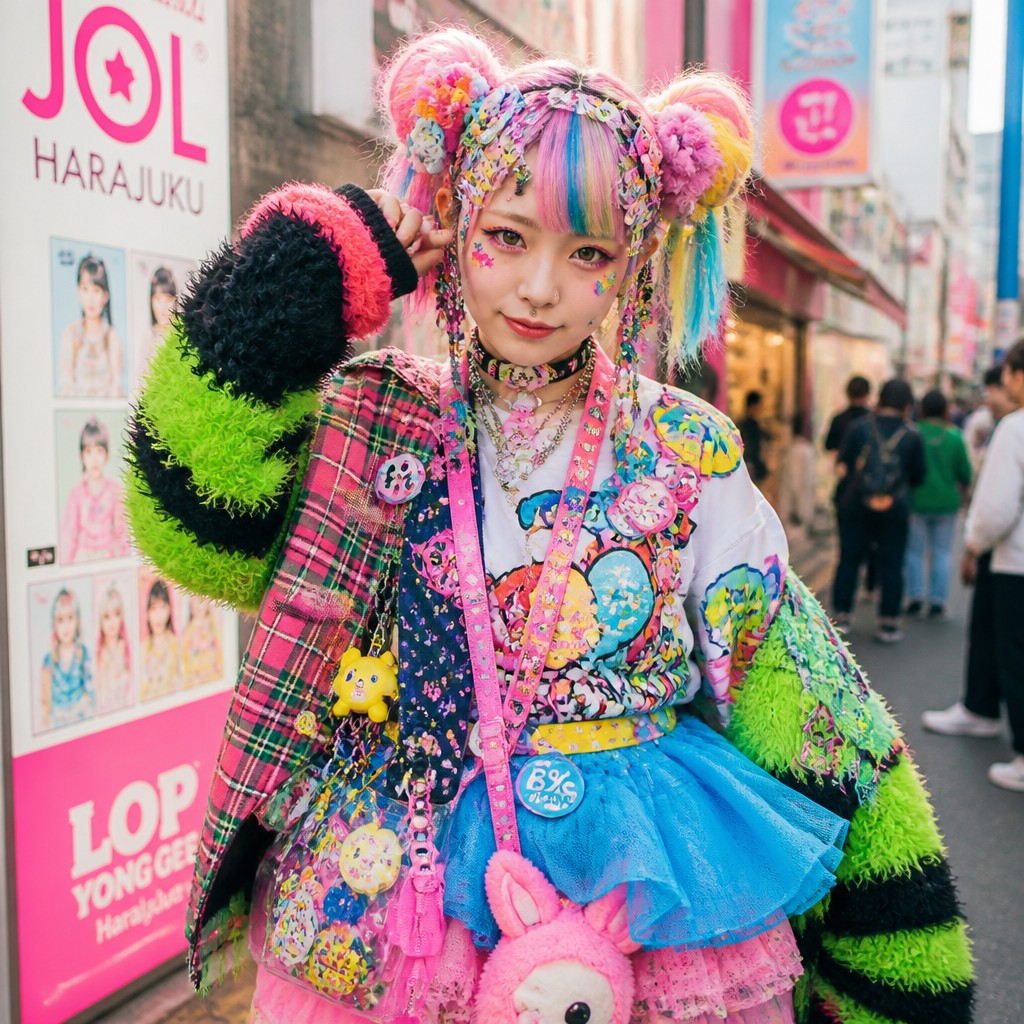
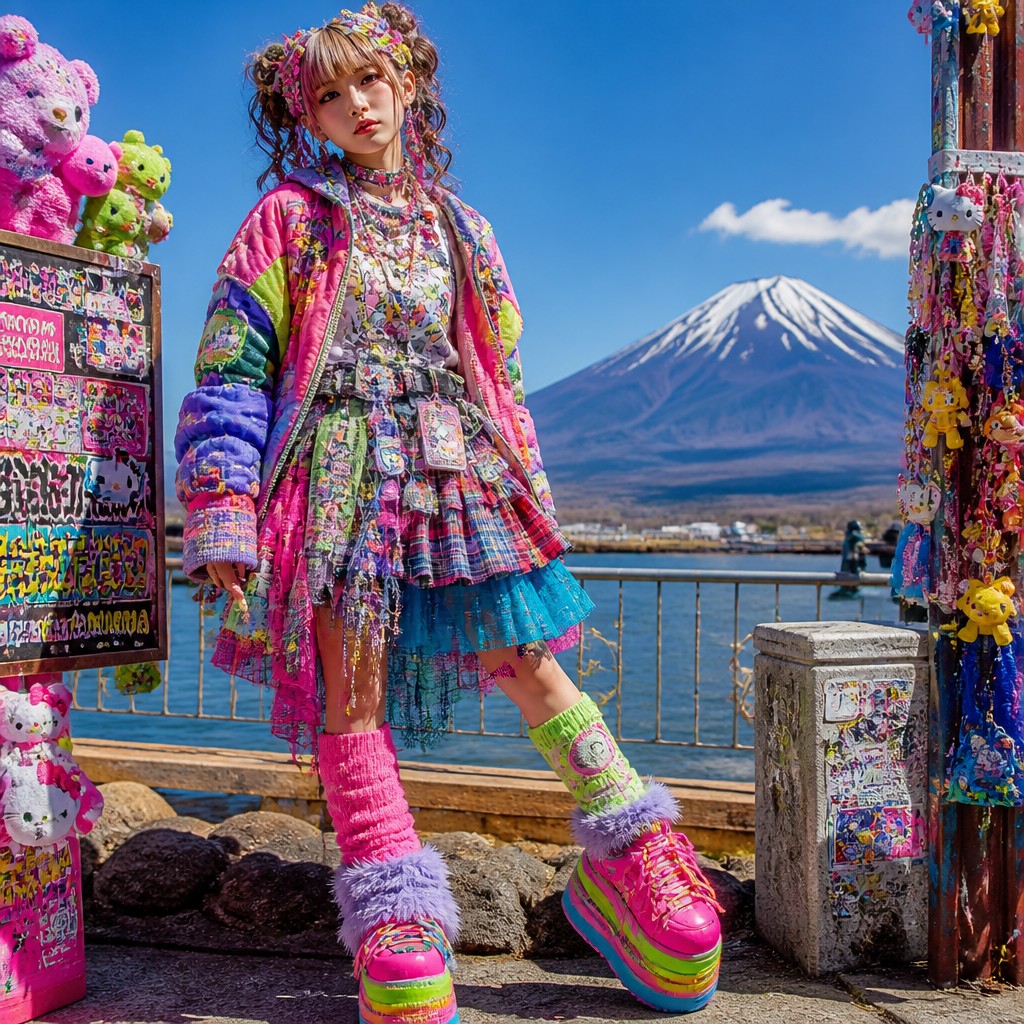
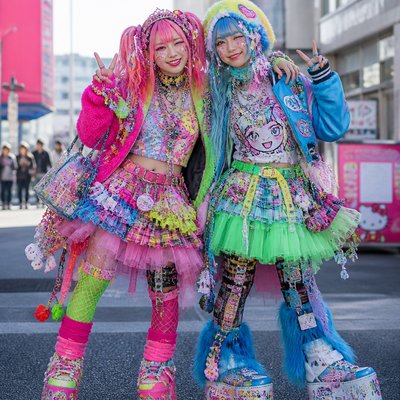
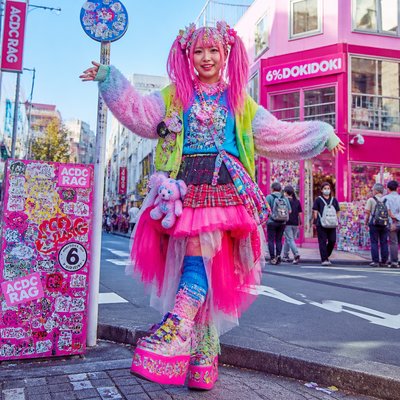
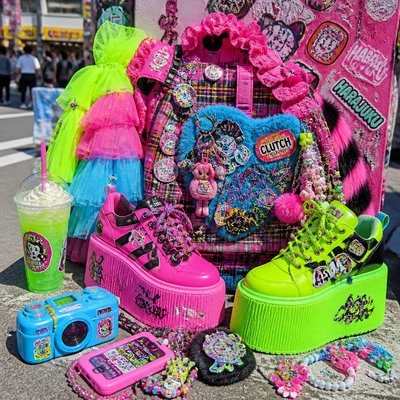
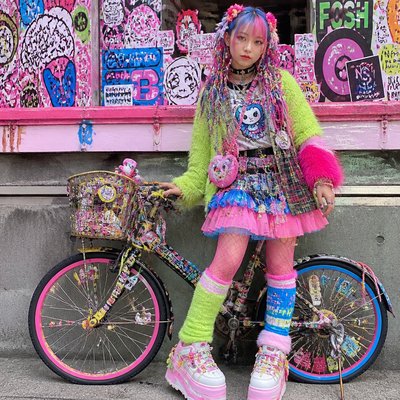
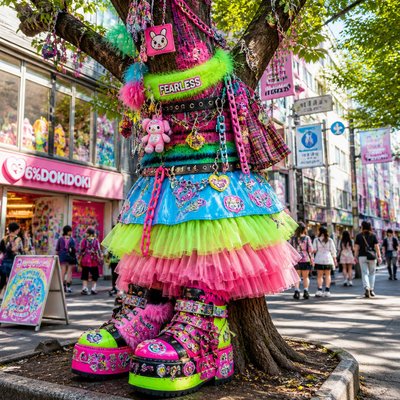
Harajuku fashion style is a street-fashion aesthetic associated with Tokyo’s Harajuku district and its long-running culture of experimental self-styling. It is defined by fearless mixing: frilly and sporty pieces worn together, punk details combined with sweet or playful motifs, and layered clothing built from tartan, tulle, vinyl, knitwear, and platform footwear. The result is not one fixed uniform but a visual language of deliberate excess, personal expression, and playful disregard for conventional coordination.
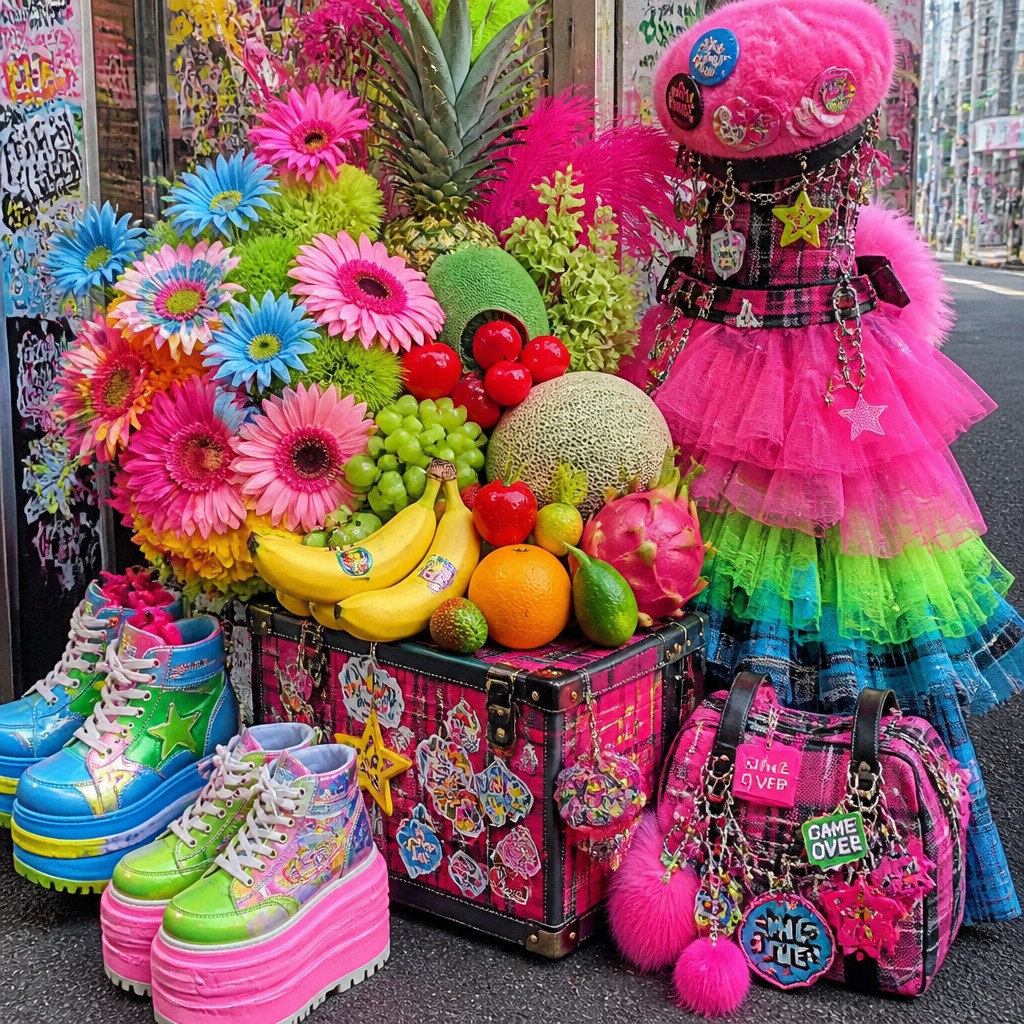
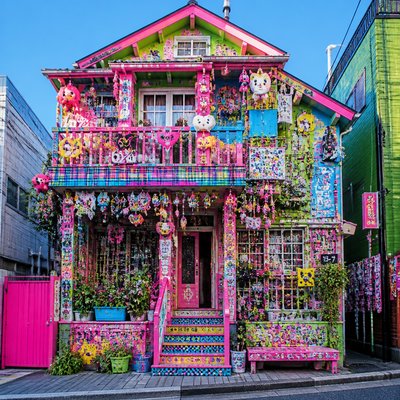
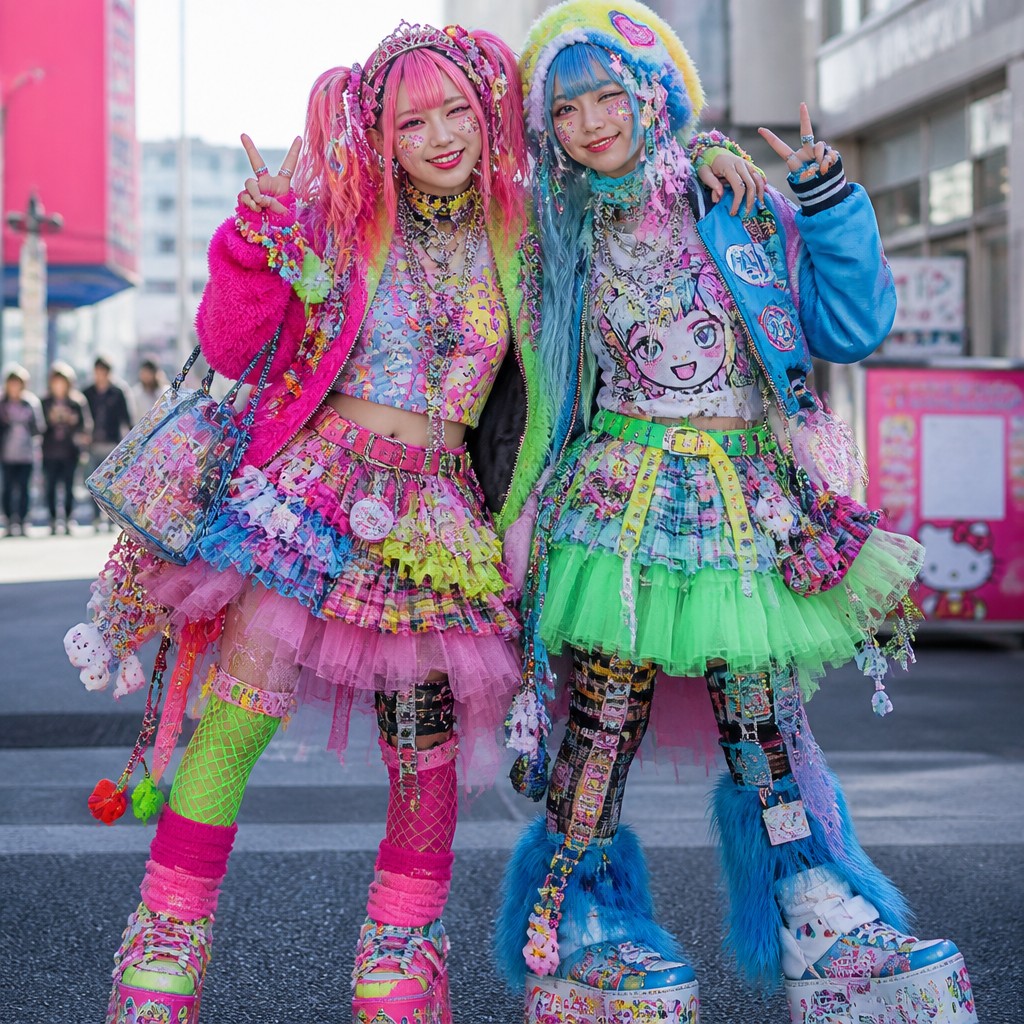
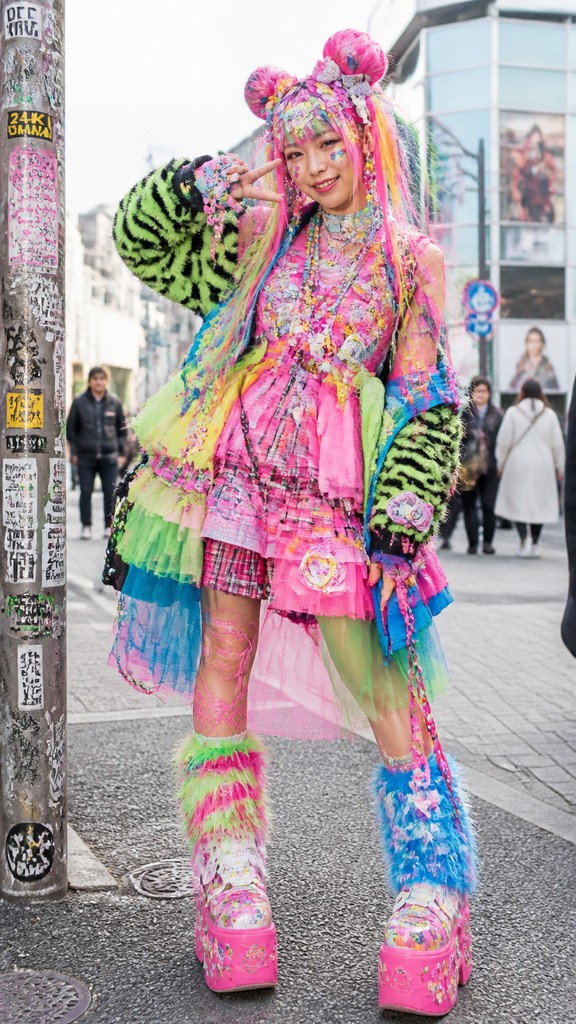
Its look is built around contrast and accumulation. Bright neon colors, candy-like multicolor palettes, sticker-and-charm embellishment, and oversized accessories create an energetic, attention-forward silhouette. The style often reads as joyful, rebellious, and highly individualized because it borrows from multiple youth and subculture wardrobes at once—streetwear, clubwear, kawaii aesthetics, punk, and DIY customization—then recombines them into a single, highly stylized outfit.
Try It On Your Photos
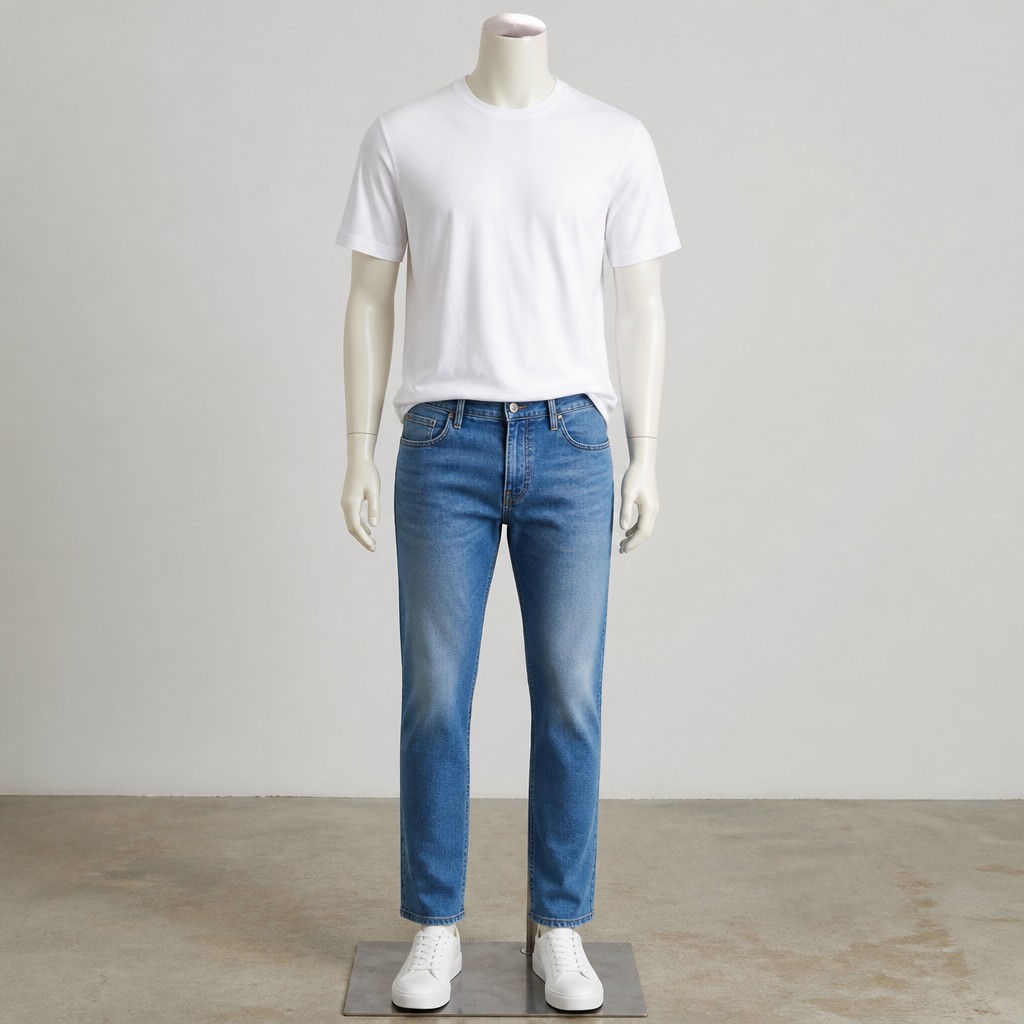
Upload any photo and convert it into Harajuku Fashion Style — drag the sliders to compare before and after.

What Defines Harajuku Fashion Style
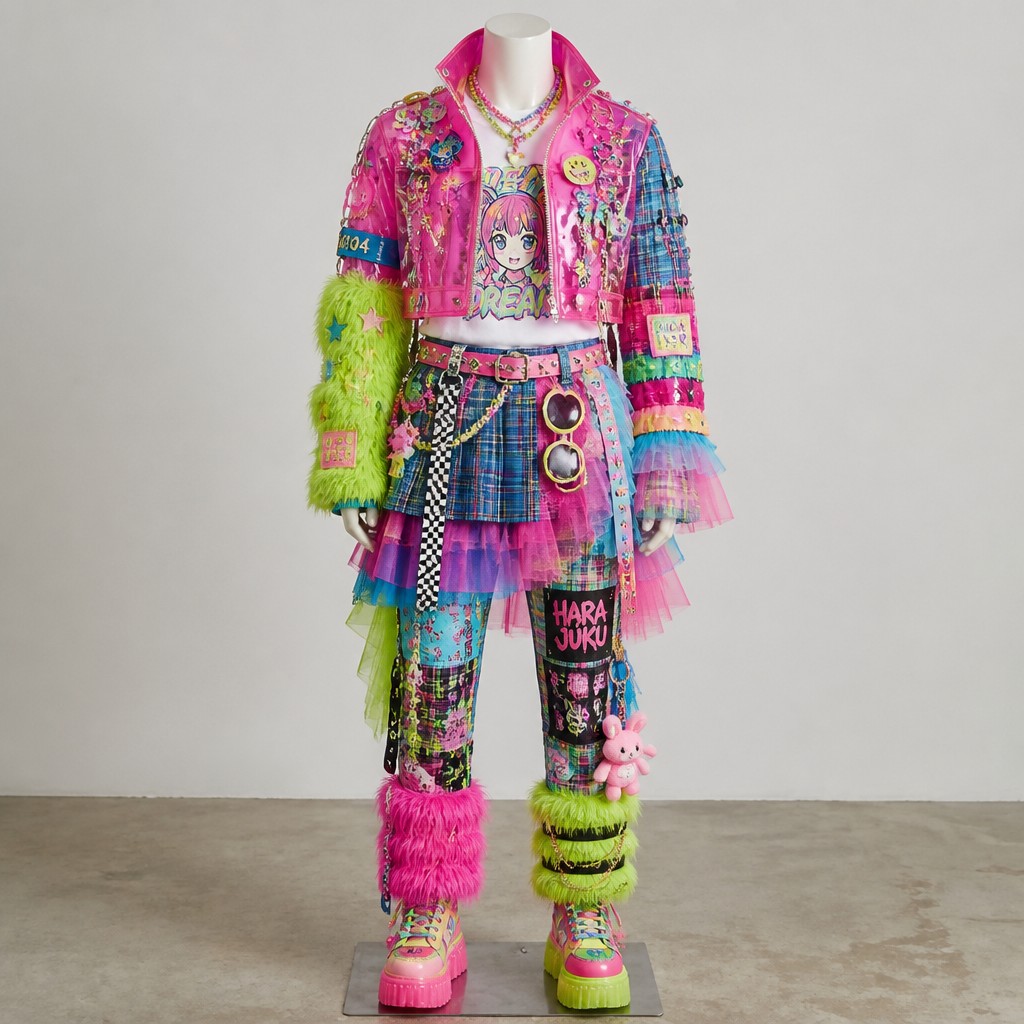
The signature details, up close
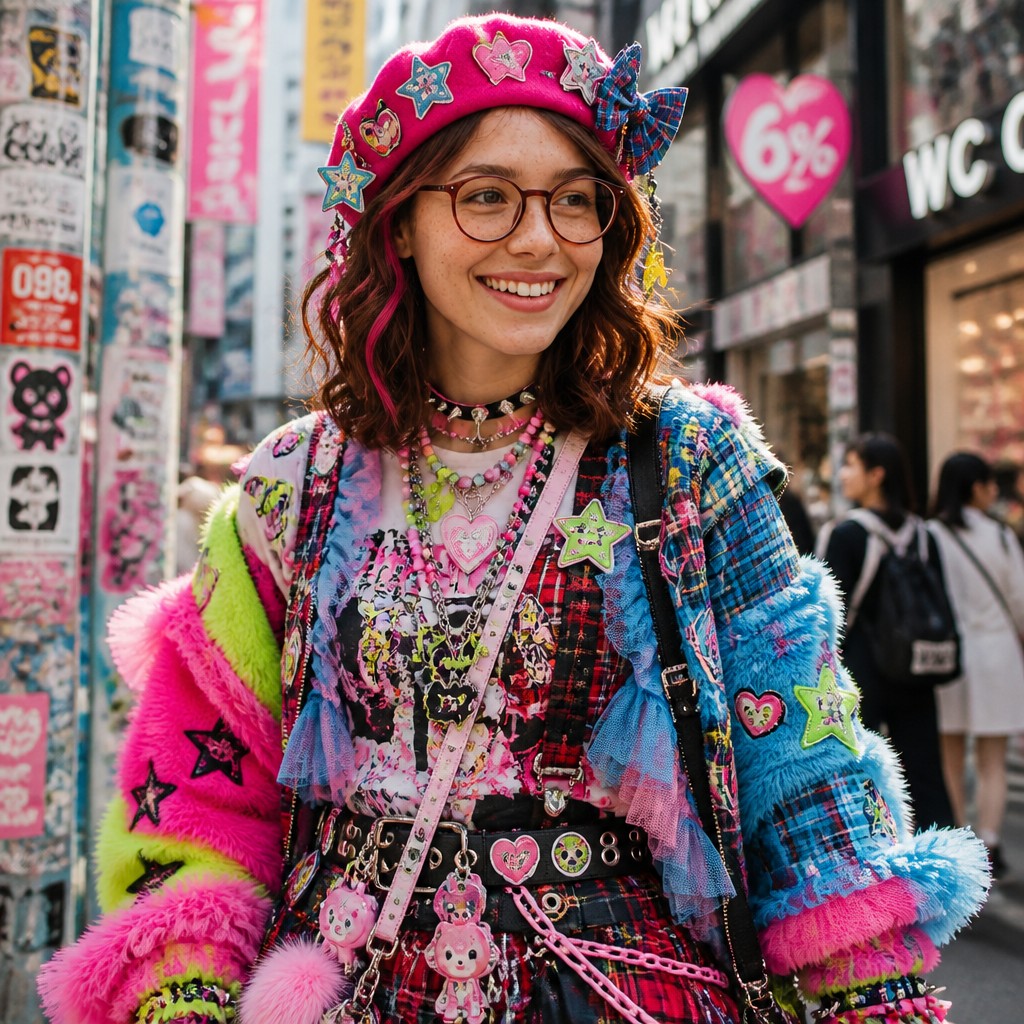
Layered, mixed-silhouette dressing
Outfits often combine frilly skirts, oversized tops, sporty pieces, jackets, and leggings in one ensemble. The point is intentional mismatch rather than matching sets.
High-contrast materials
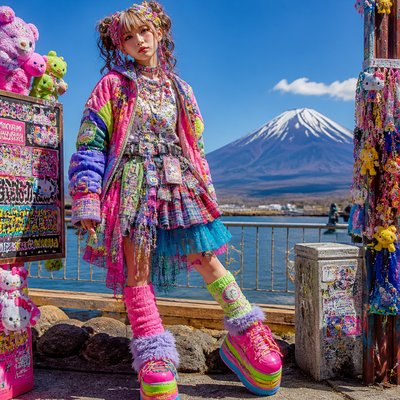
Tartan, tulle, vinyl, fuzzy knits, denim, mesh, and rubber platforms frequently appear together. Texture contrast is a major part of the style’s visual impact.
Neon and candy-bright color palettes
Hot pink, acid green, sky blue, and multicolor accents are common, often used with little regard for conventional color harmony. The palette tends to feel loud, playful, and synthetic.
Maximal accessories
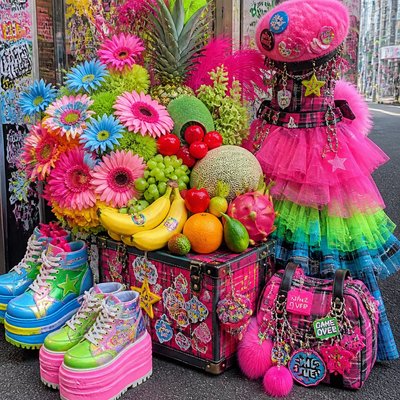
Pins, charms, stickers, bags, hair clips, bows, chains, and layered jewelry help build a dense, decorated surface. Accessories are not secondary; they are central to the look.
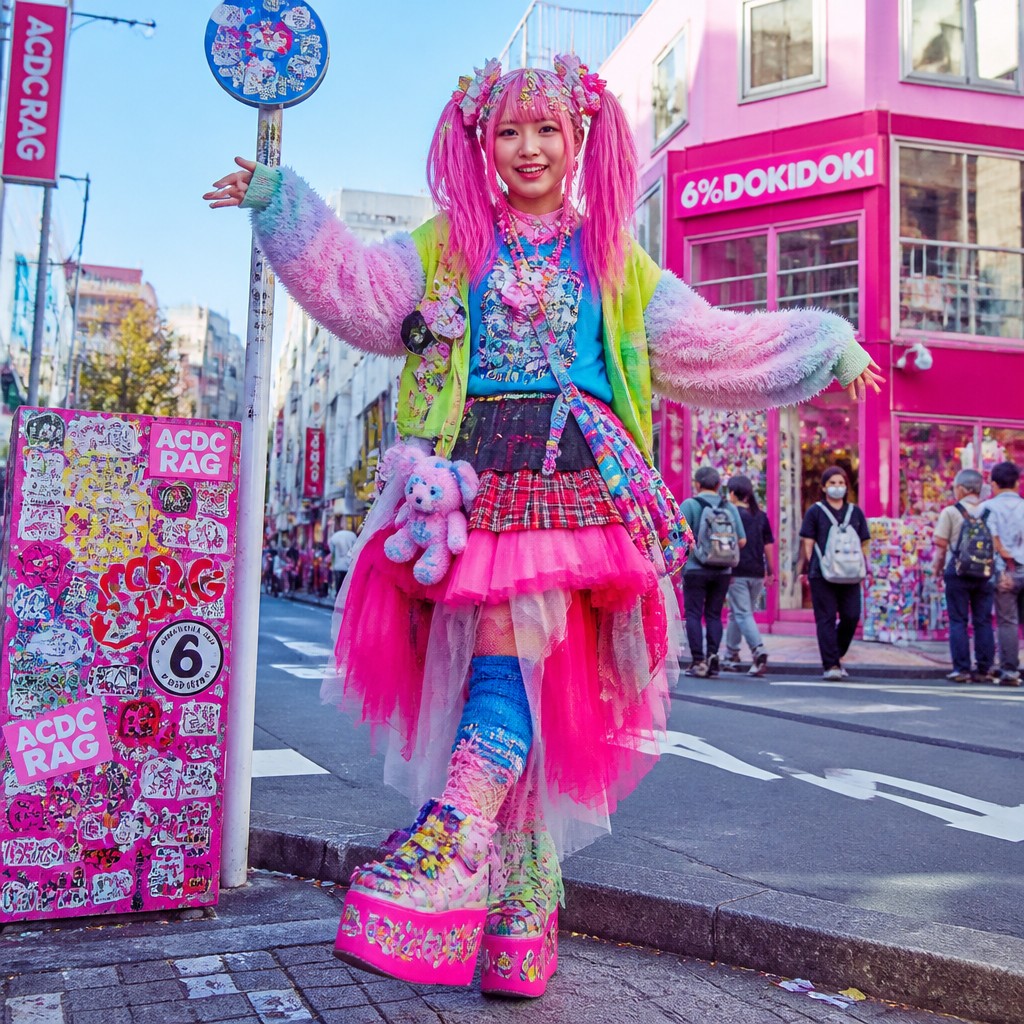
Platform-heavy footwear
Thick-soled shoes, boots, or sneakers help anchor the silhouette and exaggerate proportion. The footwear often reinforces the style’s theatrical street presence.
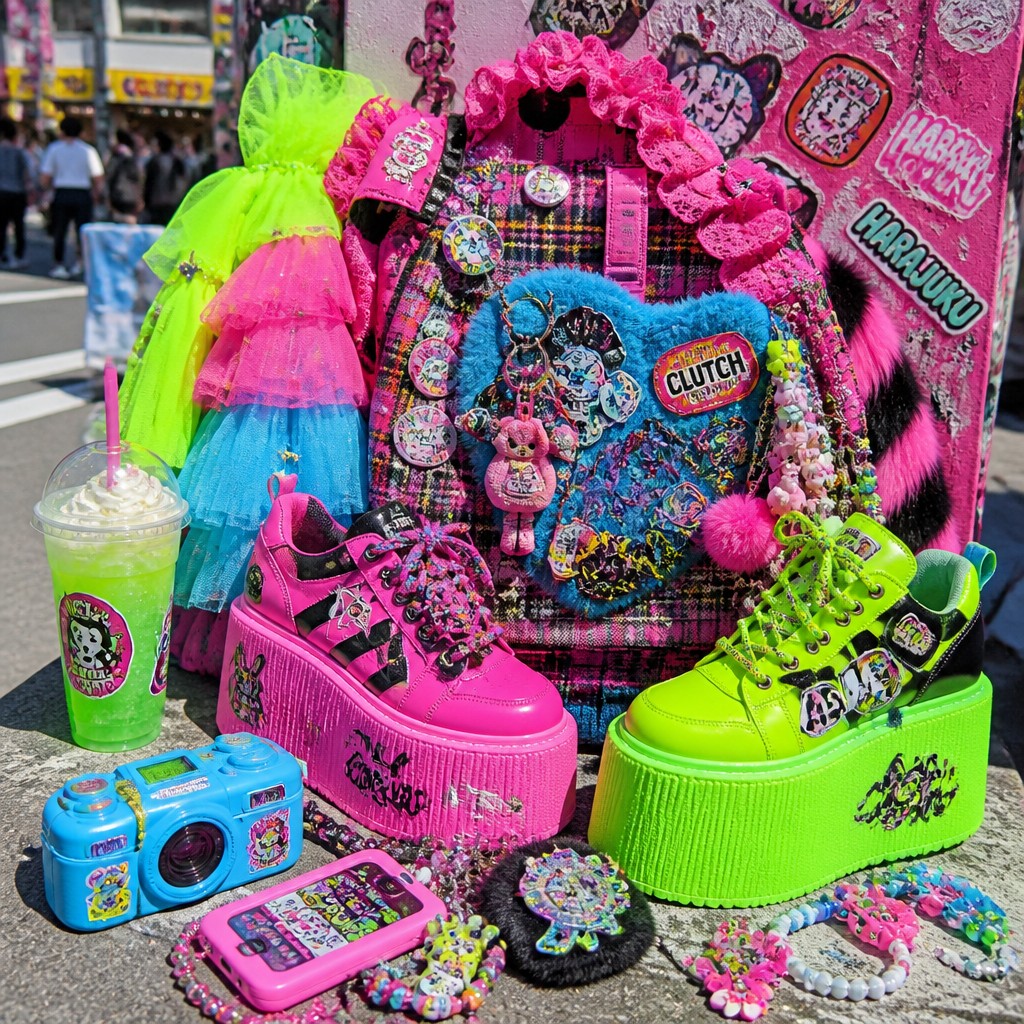
DIY customization and personal branding
Patches, hand-applied embellishment, altered garments, and customized bags or jackets are common. Individuality matters more than adherence to a fixed trend.
Try It
Create Videos in Harajuku Fashion Style
Styles aren't just for stills — describe a scene or animate an image and get a short video rendered in Harajuku Fashion. Press play to see this pond come to life.
Make a VideoHarajuku Fashion Prompt Ideas
Start from an idea — each one opens the generator with the style ready to go. See all 40 Harajuku Fashion prompts →
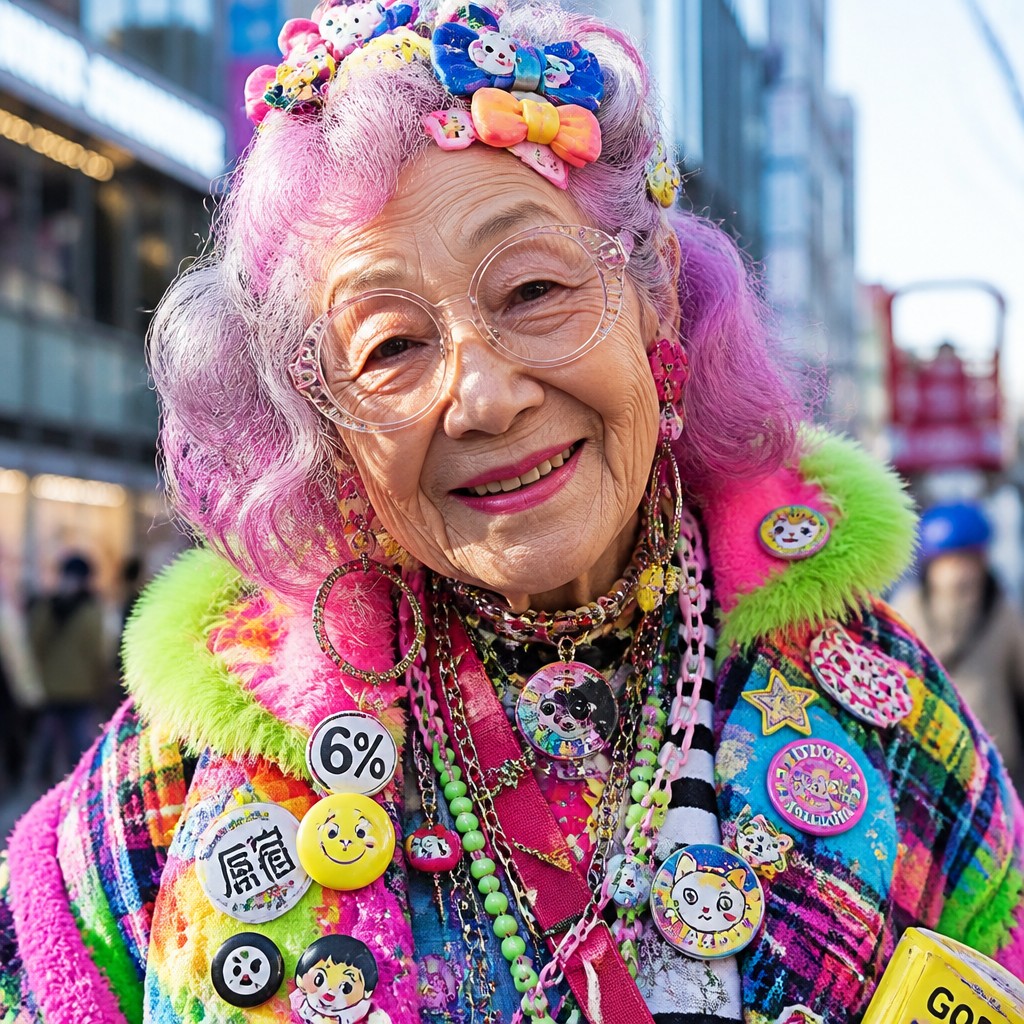
“close-up portrait of an elderly person with expressive weathered features”
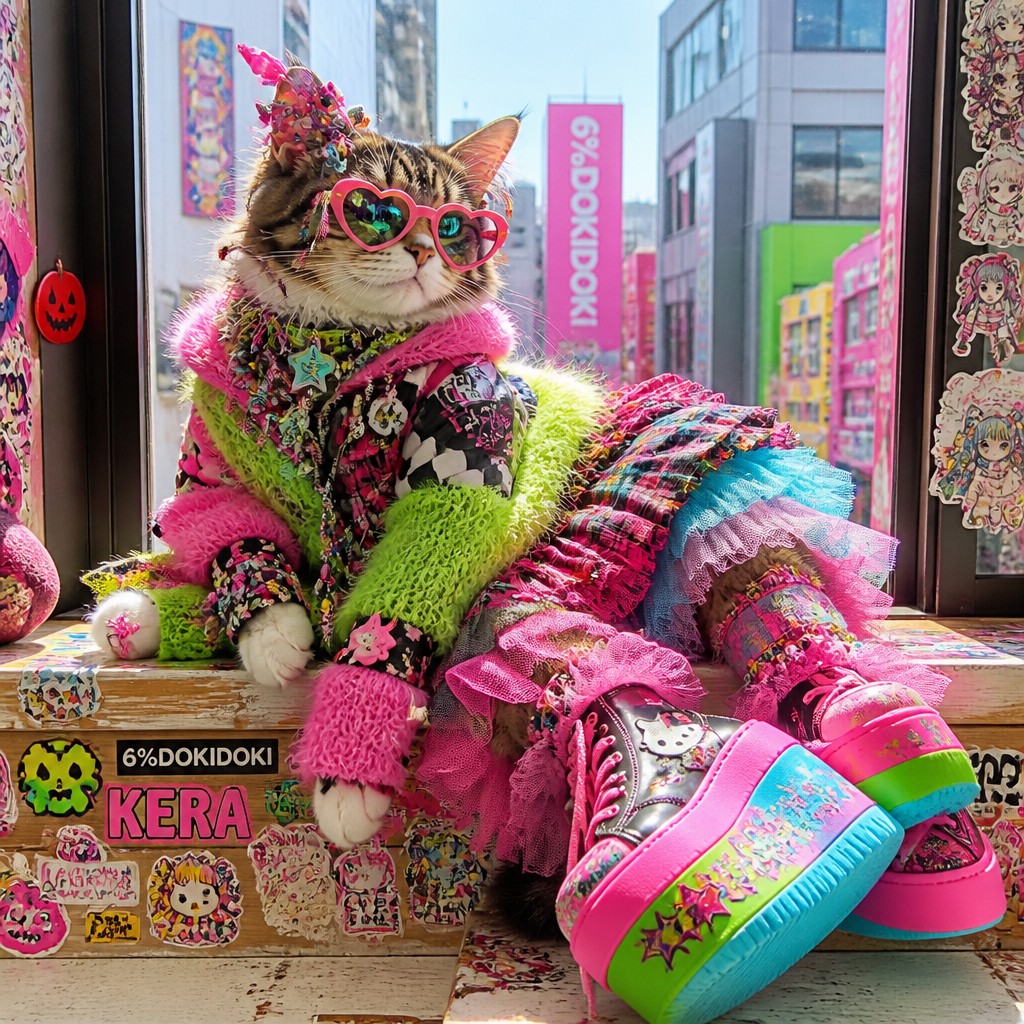
“a cat lounging in a sunlit window”
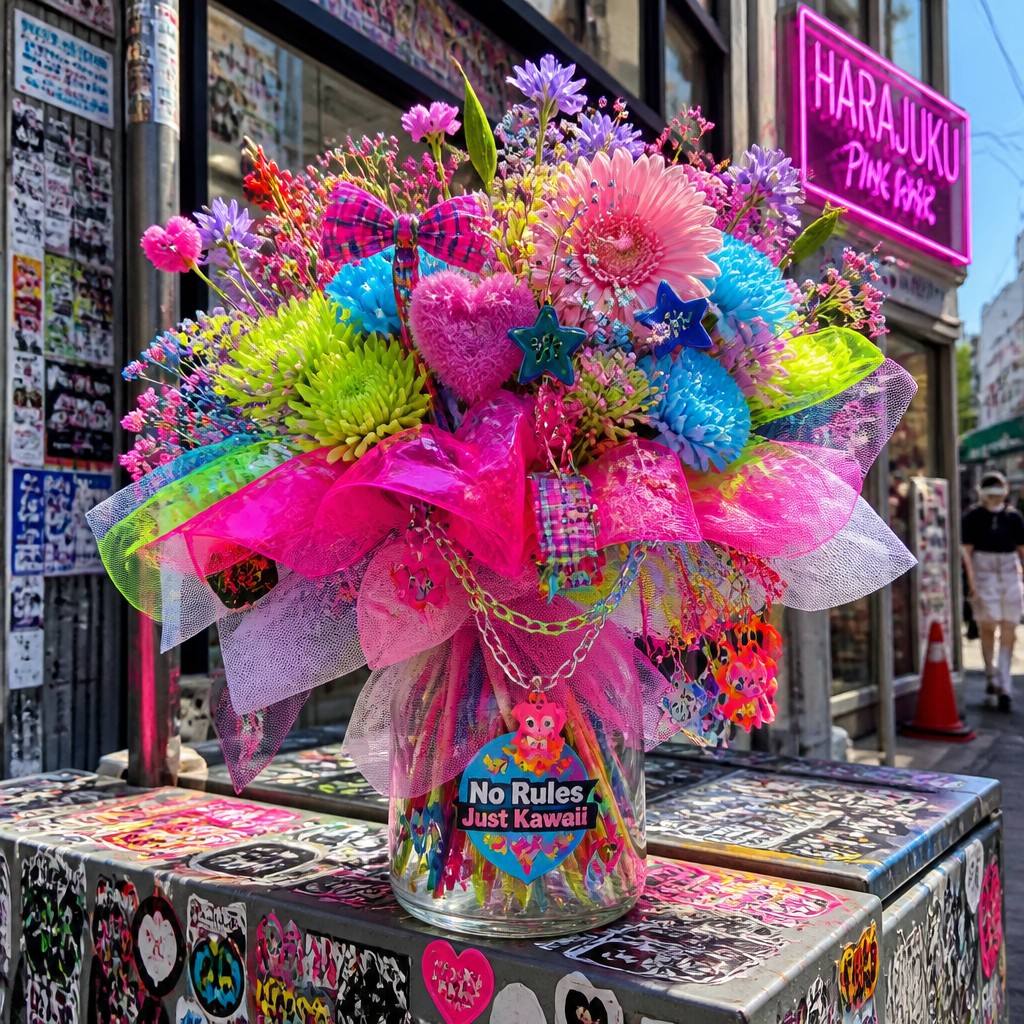
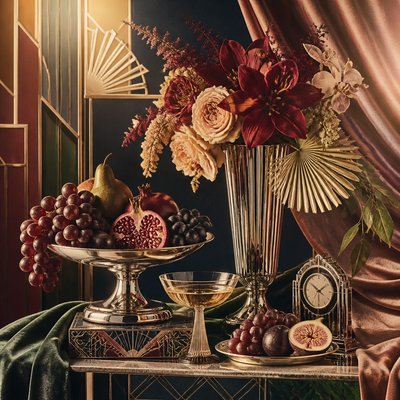
“bouquet of flowers in a glass vase”
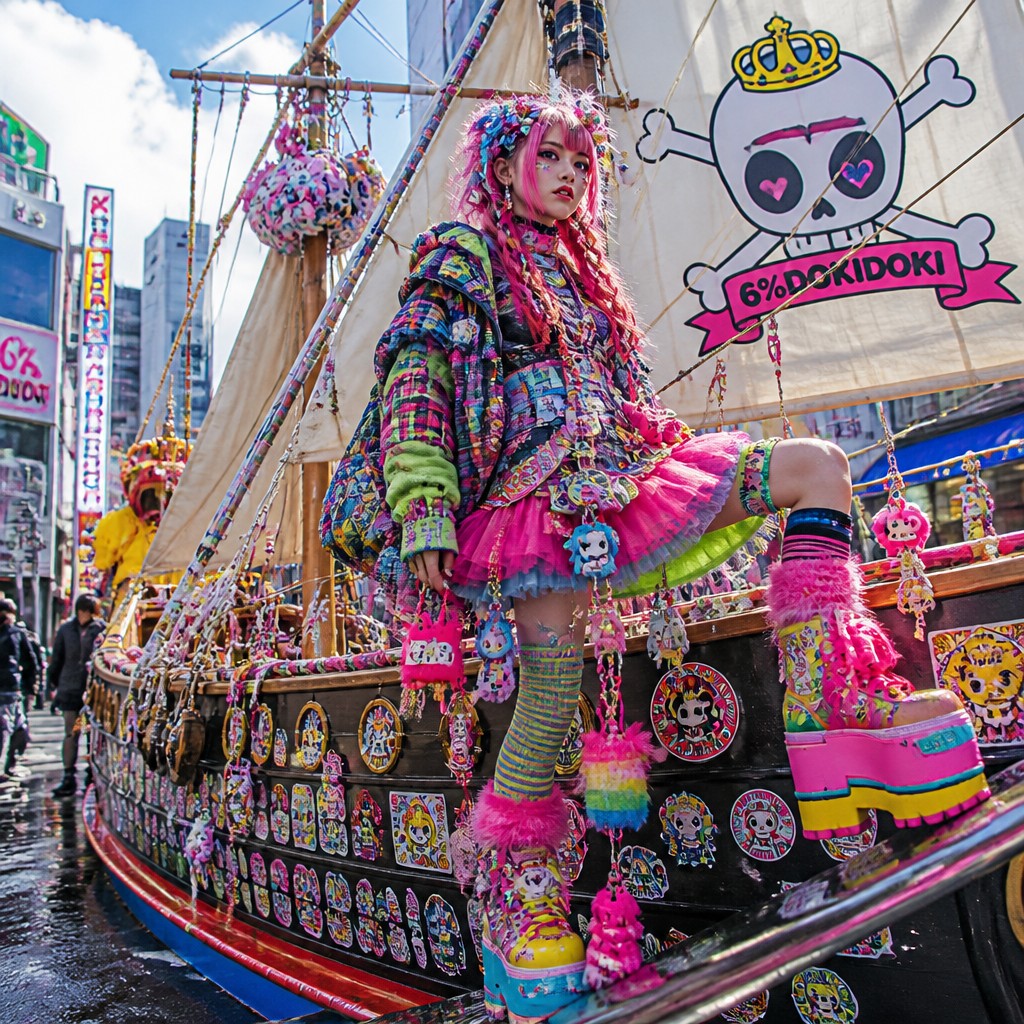
“sailing ship on a stormy sea”
How to Create Harajuku Fashion Art
Master the craft step by step — or skip straight to creating. Read the full guide →
- 1
Build the outfit from contrasting layers
Start with one frilly or cute element, then add a punk, sporty, or utilitarian layer on top or beneath it. In drawing or photo styling, make sure each layer remains visible so the collision of identities reads clearly.
- 2
Use a loud but controlled palette
Choose two or three dominant bright hues and support them with small accent colors. In digital work, push saturation without flattening texture; in physical styling, repeat color across accessories so the look feels intentional rather than random.
- 3
Increase texture variety
Combine matte, glossy, fuzzy, sheer, and structured surfaces in the same composition. When generating images, specify materials such as tulle, vinyl, tartan, knit, and platform rubber to capture the style’s tactile complexity.
- 4
Accentuate accessories and surface decoration
Add charms, stickers, pins, bows, patches, and layered jewelry until the outfit has a dense, personalized finish. In prompt-based generation, describe maximalist accessorizing and sticker-like details to prevent the image from reading as plain streetwear.
- 5
Compose for candid street-fashion energy
Use daylight, full-body framing, and a crisp street-snapshot feel rather than studio formality. The style works best when the viewer can see the silhouette, footwear, and layered details in one glance.
- 6
Keep the styling joyful and self-authored
The core of the style is not trend accuracy but expressive mixing. Whether you are painting, photographing, or generating an image, prioritize a sense of personal invention, confident imbalance, and playful excess.
The Story
History & Origins of Harajuku Fashion
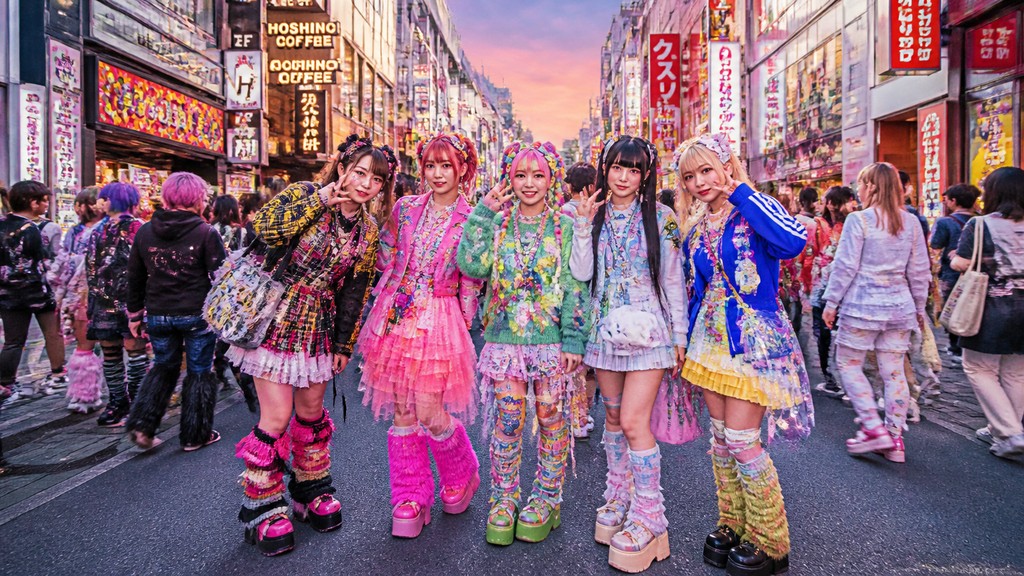
Harajuku fashion emerged from the street style culture around Harajuku in Tokyo, especially from the late 20th century onward, when the area became a visible meeting point for youth subcultures, boutique shopping, and fashion photography. Rather than developing as a single formal movement, it evolved through street-level experimentation, magazine coverage, and the exchange between local designers, thrift shopping, idol culture, club scenes, and handmade customization.
Its aesthetic lineage draws from several real traditions: Japanese kawaii culture, punk and New Wave dress, goth and visual-kei performance styling, and the broader international history of youth fashion subcultures. Over time, it became known less for one canonical silhouette than for its refusal of limits—an approach that values self-authored styling, mixed references, and a carefully unkempt abundance of color, texture, and accessories.
Influences: Harajuku fashion draws from Japanese kawaii culture, punk and New Wave fashion, goth and visual-kei styling, and global streetwear traditions, especially the practice of mixing thrifted, customized, and subcultural garments. It also shares a logic with DIY fashion, club styling, and accessory-heavy youth scenes, where personal identity is built through accumulation and contrast rather than through formal coordination. Because it is a living street style rather than a fixed historical school, its visual vocabulary changes constantly while remaining rooted in Tokyo’s culture of fashion experimentation.

Frequently Asked Questions
What defines Harajuku fashion style?
It is defined by layered outfits, vivid color, mixed textures, and deliberate contrast between cute, punk, sporty, and playful elements. The style favors personal expression over a fixed formula, so the look can vary widely while still feeling maximalist and street-inspired.
Is Harajuku fashion the same as kawaii fashion?
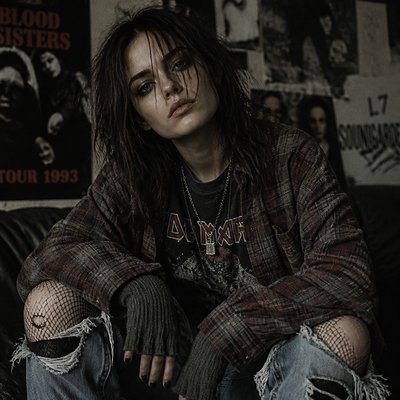
No. Kawaii fashion is only one influence within Harajuku style. Harajuku looks may include kawaii elements, but they also commonly borrow from punk, goth, streetwear, and DIY customization, making them broader and more eclectic.
How is Harajuku fashion different from cosplay?
Cosplay is usually based on dressing as a specific character, while Harajuku fashion is about personal style and visual experimentation. Harajuku outfits may be theatrical or costume-like, but they are generally worn as fashion rather than as direct character imitation.
What colors and materials are most associated with this style?
Bright neon pink, acid green, sky blue, and multicolor accents are common, along with tartan, tulle, vinyl, fuzzy knits, denim, and rubber-soled platforms. The style depends on material contrast as much as on color.
Can Harajuku fashion be created in photos or illustrations?
Yes. The style works well in both because it relies on visible layers, strong silhouette design, and detailed accessories. For images, emphasize the outfit from head to toe, keep textures distinct, and use crisp daylight or clear lighting so the styling reads clearly.
Where is Harajuku fashion usually seen?
It is most closely associated with street fashion culture in Tokyo, especially Harajuku and nearby fashion districts. It also appears in editorial photography, music styling, alternative youth culture, and online fashion communities worldwide.
Create your first Harajuku Fashion artwork
Describe anything — or upload a photo — and see it in Harajuku Fashion Style in seconds.
Related Styles
Discover similar art styles