Military-Inspired Fashion
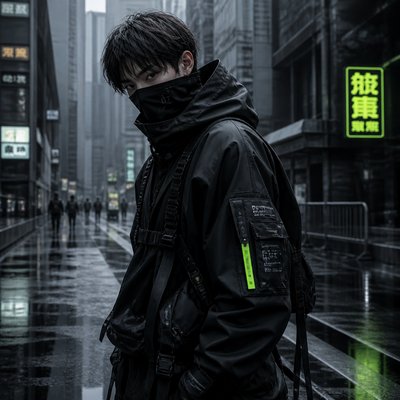
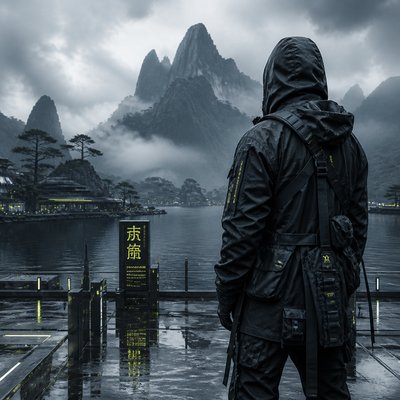
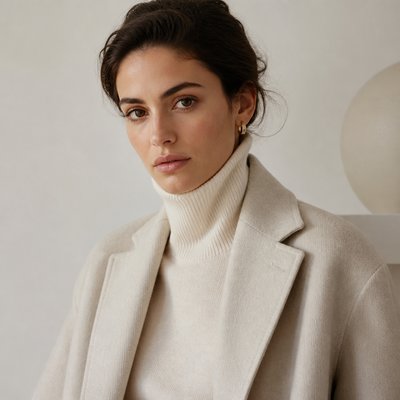
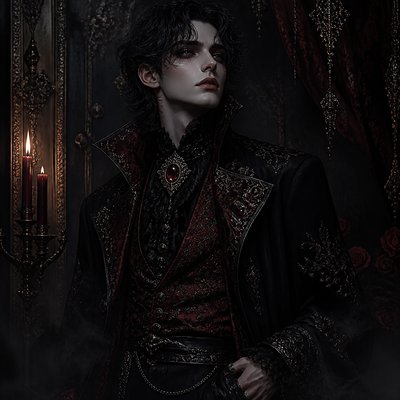
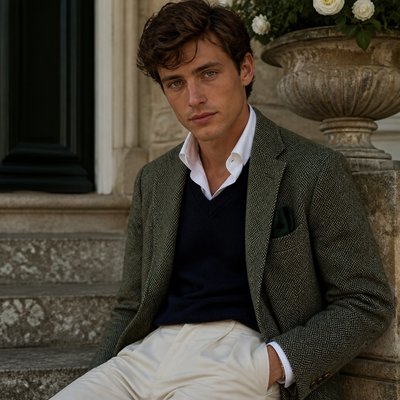
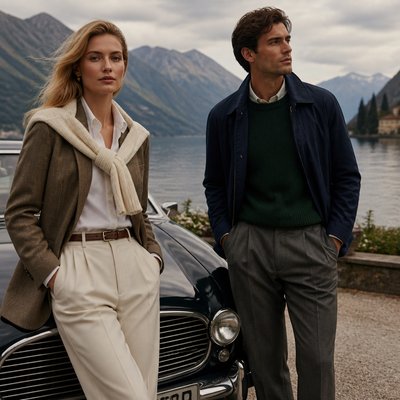
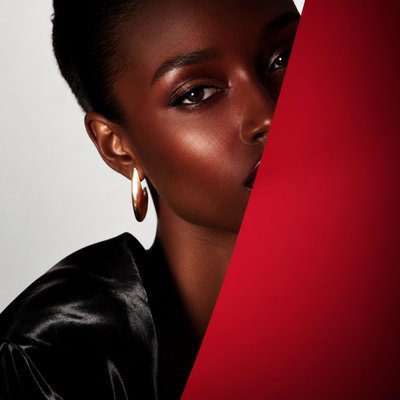
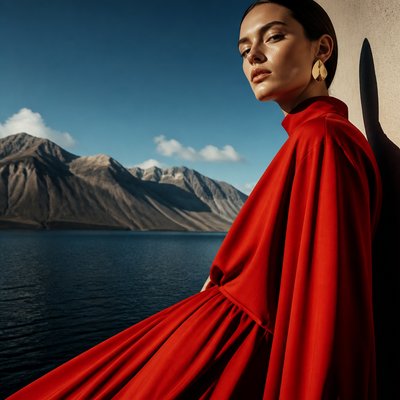
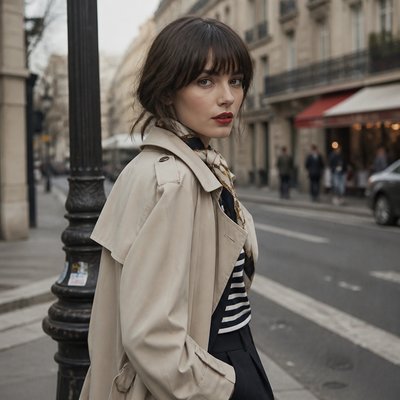
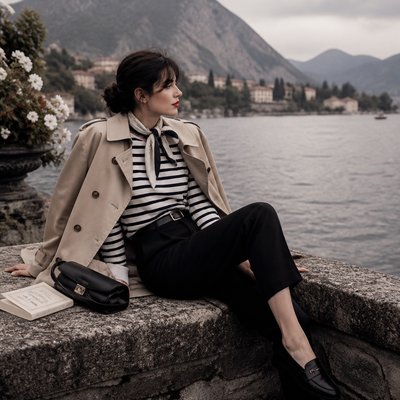
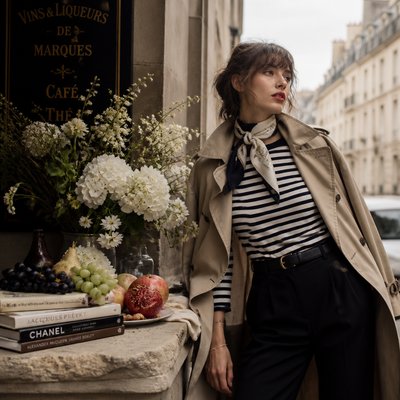
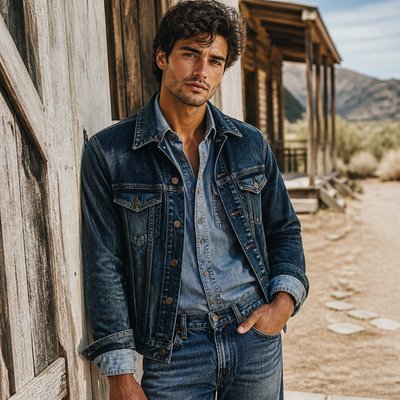
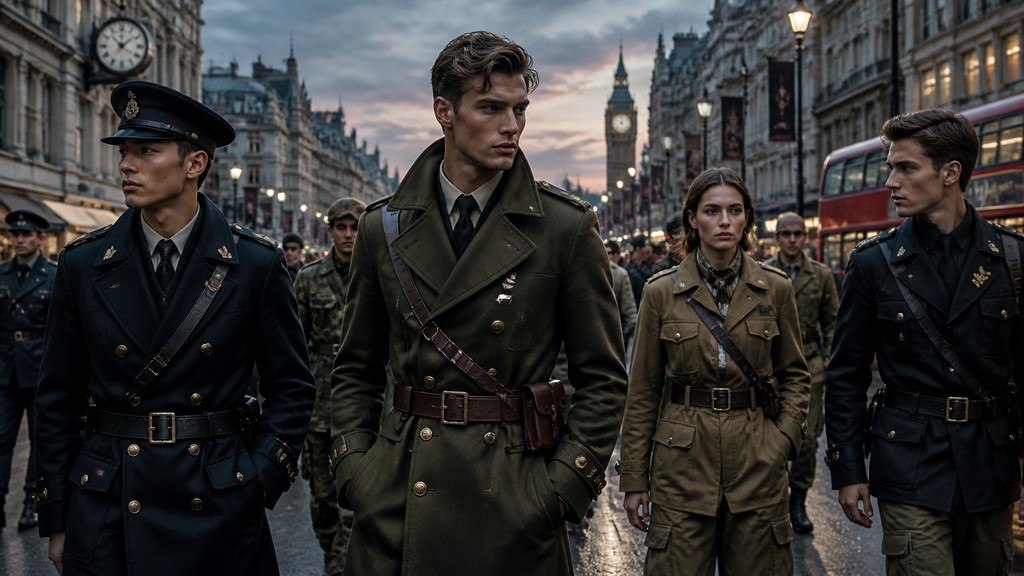
Structured tailoring, brass buttons, and olive drab tones define this regimented fashion aesthetic with military precision.
Instantly rendered in Military-Inspired Fashion — or transform a photo
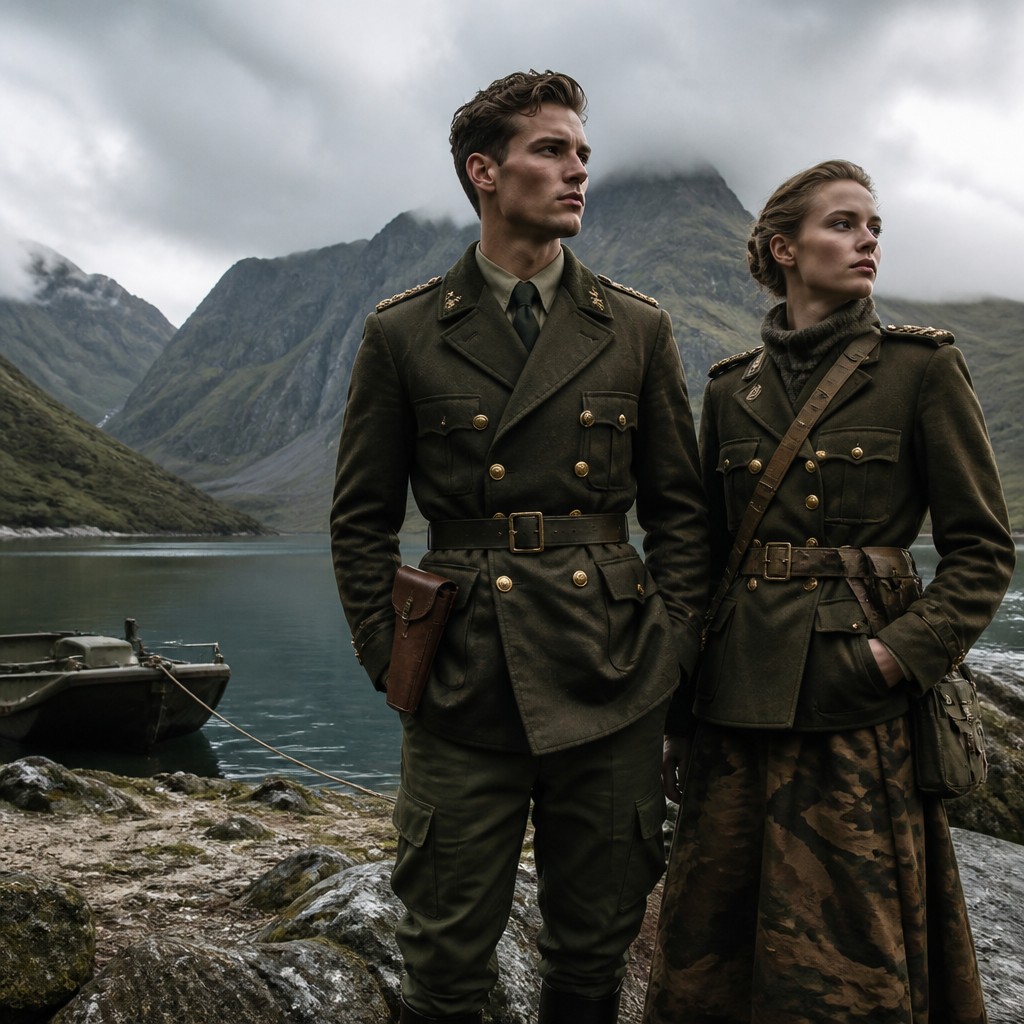
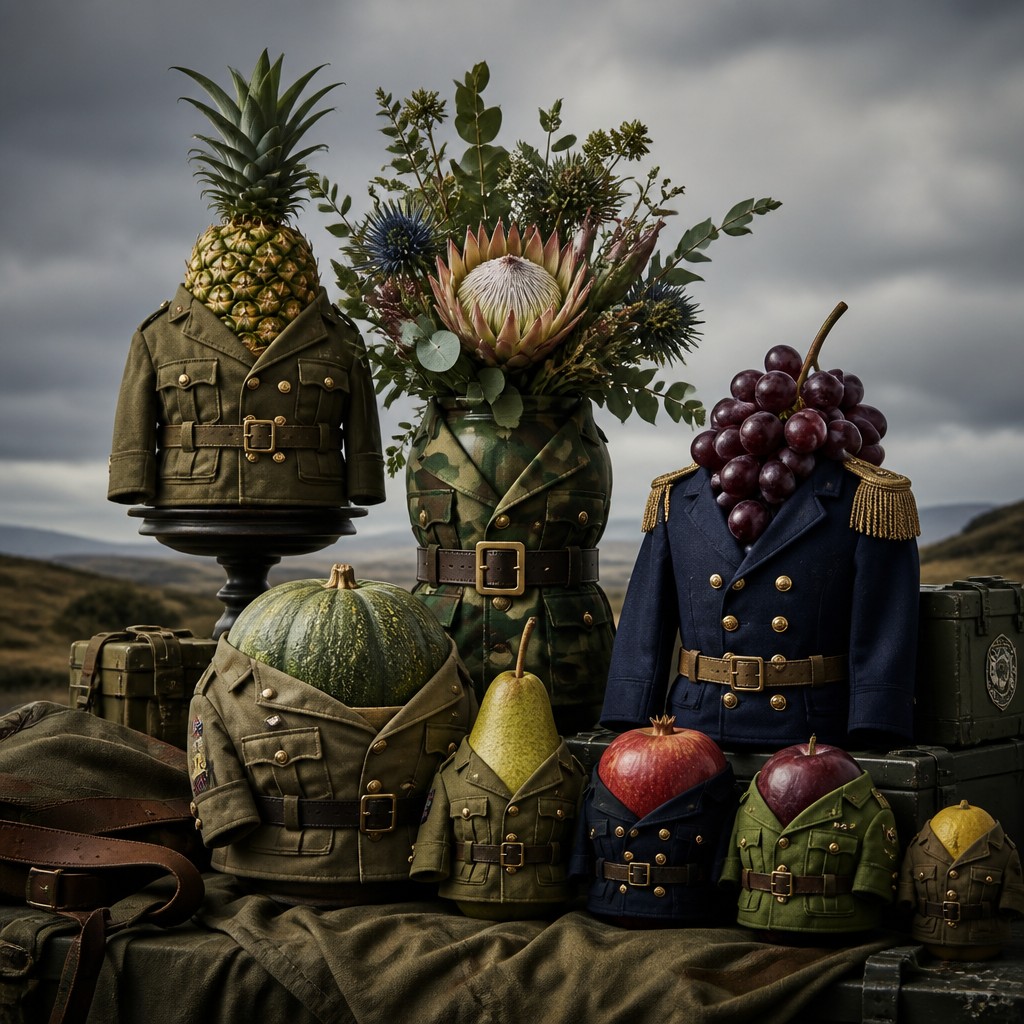
Military-Inspired Fashion Gallery
Tap any artwork to explore it
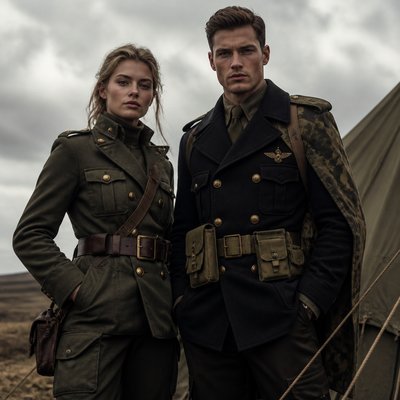
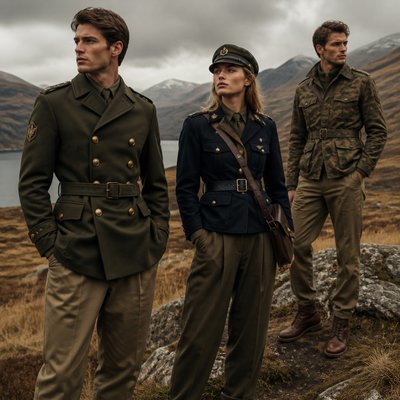
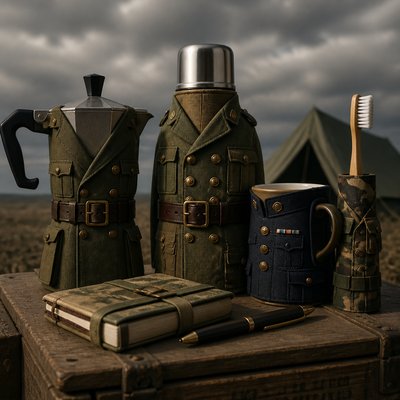
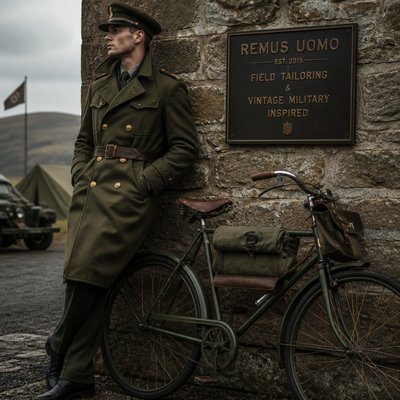
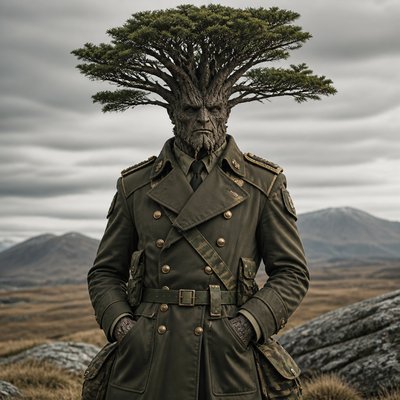
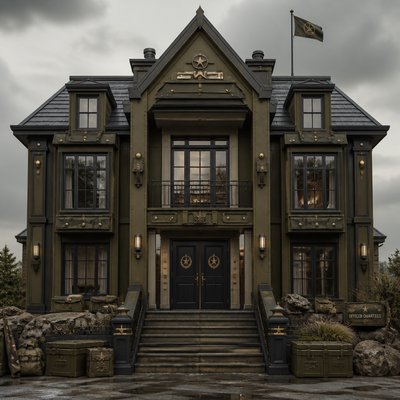
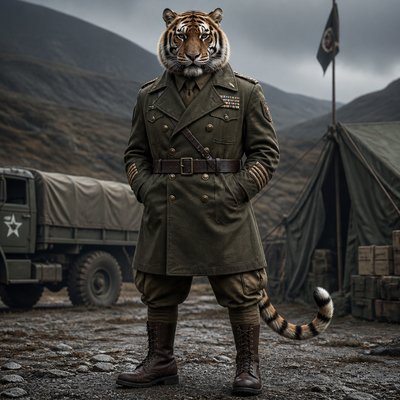
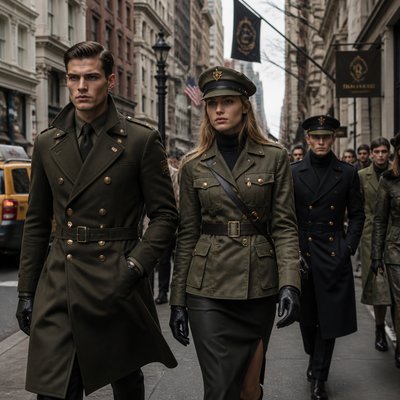
What is Military-Inspired Fashion?
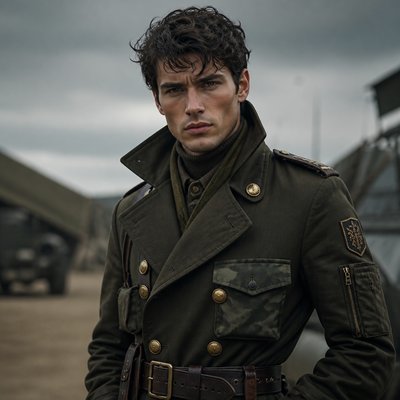
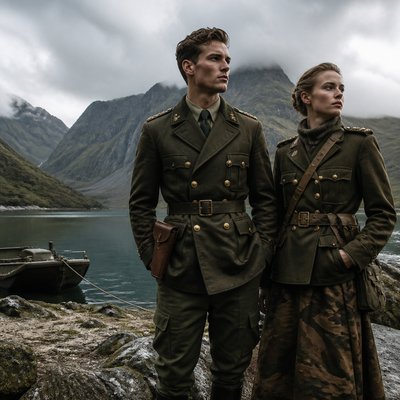
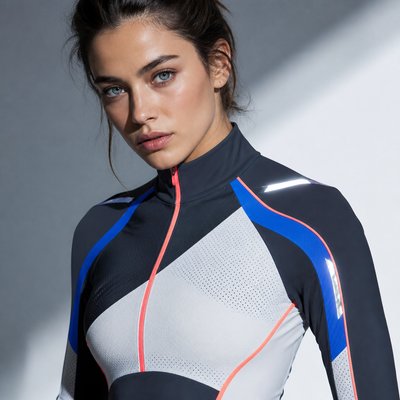
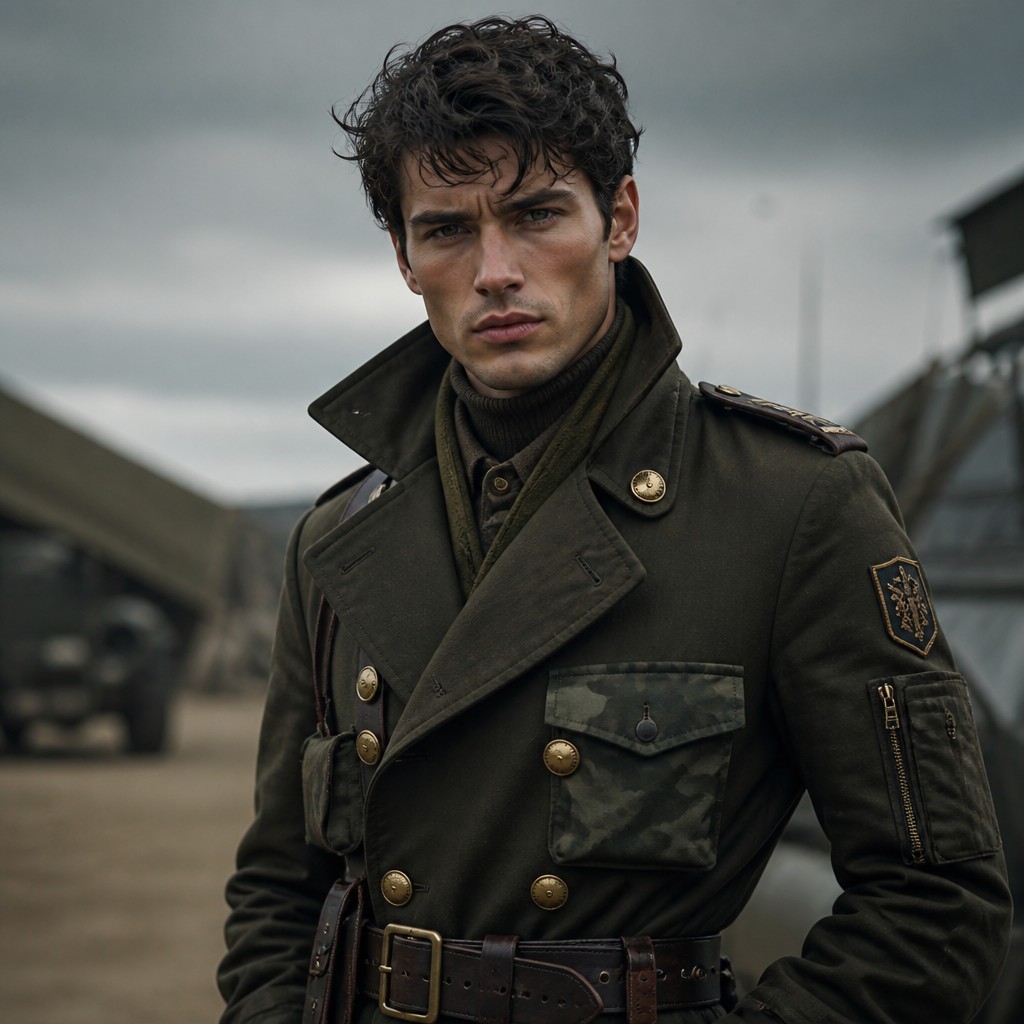
Military-inspired fashion translates the visual language of uniforms into civilian dress. Its core look is defined by strong shoulders, double-breasted fronts, epaulettes, utility pockets, brass hardware, and disciplined tailoring, often paired with heavy fabrics such as wool serge, canvas, drill cotton, and polished leather. The silhouette tends to be authoritative and controlled, with clean lines that emphasize structure over softness.
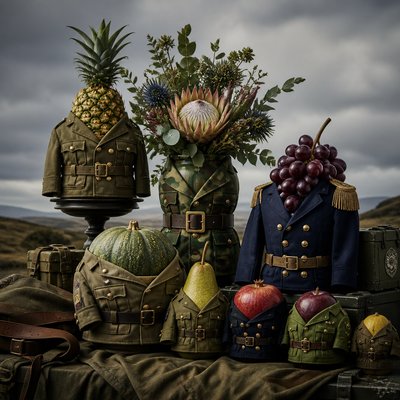
Color plays a major role in the style’s identity. Olive drab, khaki, navy, black, and camouflage-derived tones create an immediate association with field dress and service uniforms, while metal accents and reinforced seams add a functional, regimented feel. The result can read as strict, utilitarian, ceremonial, or fashion-forward depending on whether the references lean toward combat wear, parade uniforms, officer tailoring, or surplus-inspired civilian clothing.
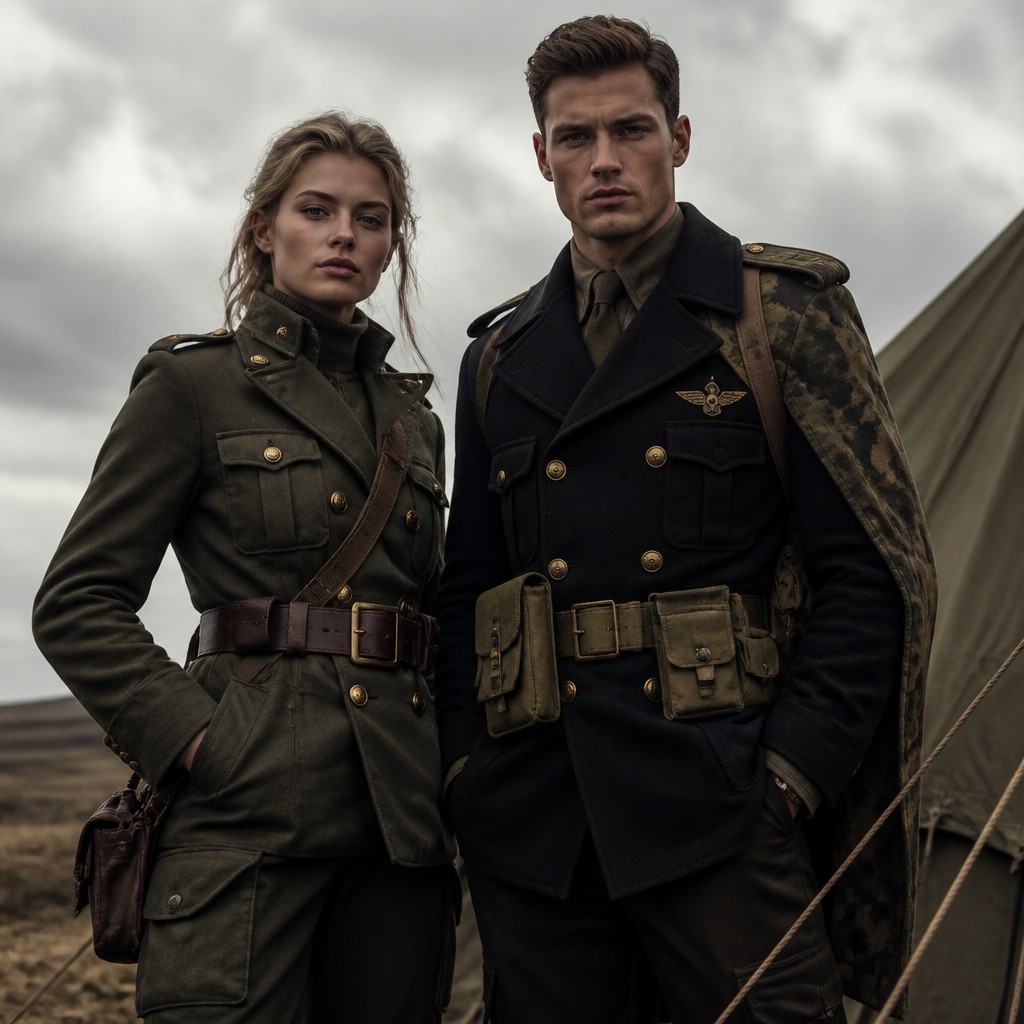
Try It On Your Photos
Upload any photo and convert it into Military-Inspired Fashion — drag the sliders to compare before and after.
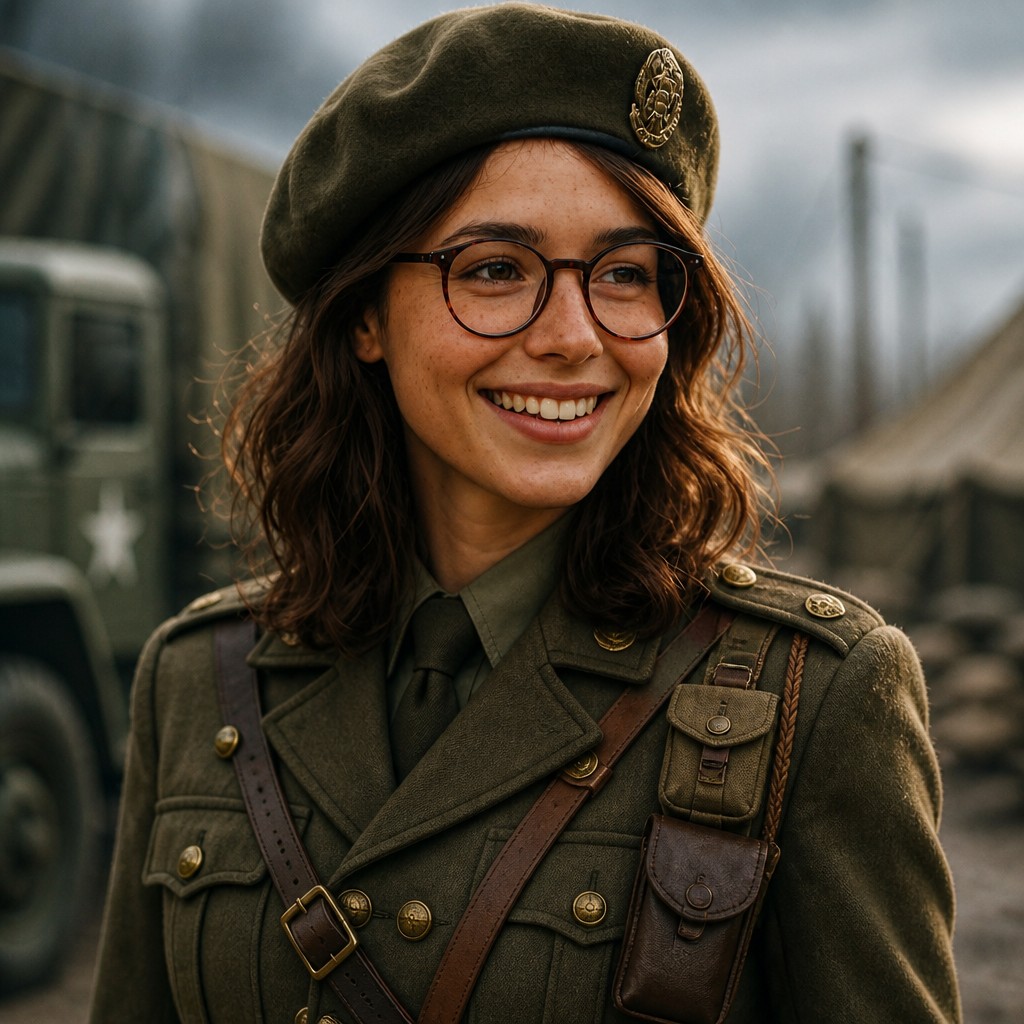

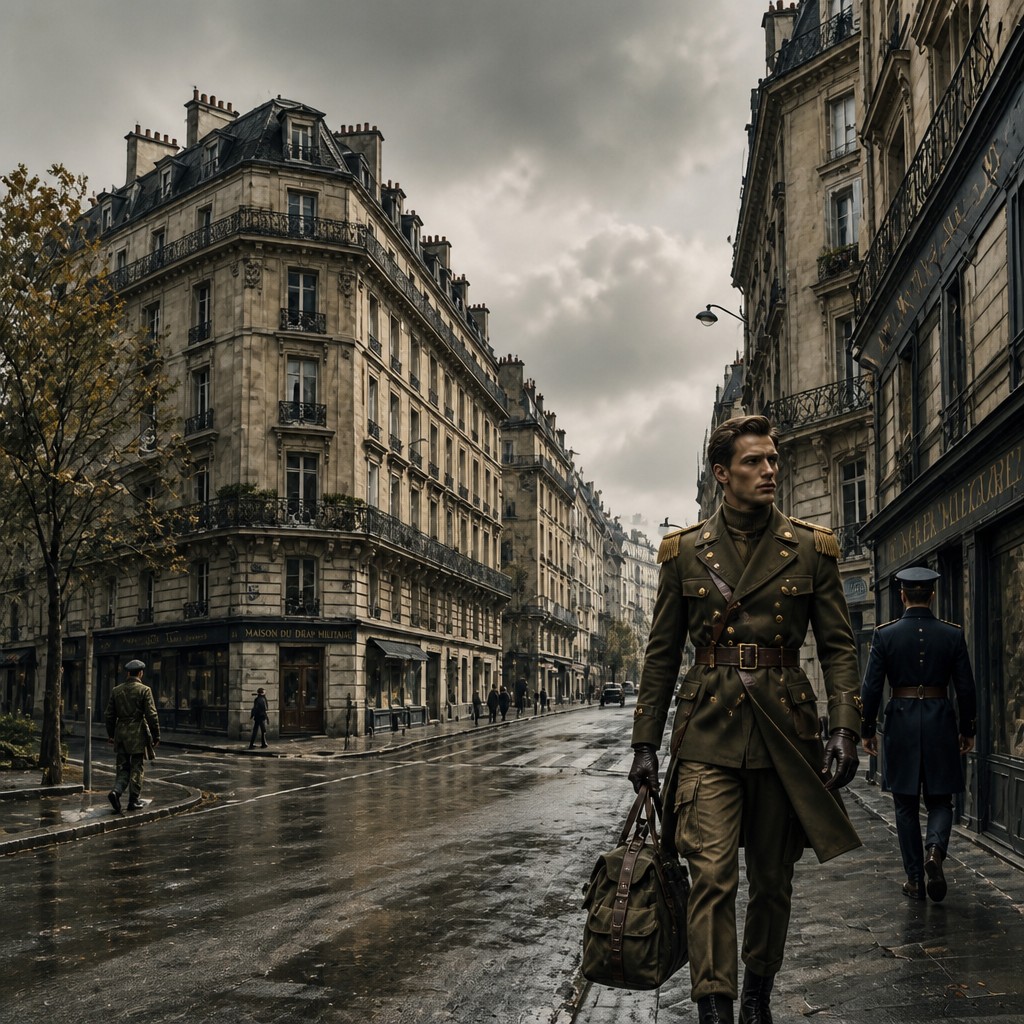

What Defines Military-Inspired Fashion
The signature details, up close
Structured silhouette
The most recognizable feature is a rigid, tailored shape with strong shoulders, fitted waists, and a controlled vertical line. Garments often feel architected rather than draped.
Uniform details
Epaulettes, stand collars, patch pockets, shoulder tabs, straps, and double-breasted closures signal direct military reference. These details create an impression of rank, function, and discipline.
Rugged materials
Heavy cotton, wool, canvas, leather, and serge are common because they suggest durability and service wear. Surfaces are usually matte or lightly textured rather than glossy.
Regimented color palette
Olive drab, khaki, navy, charcoal, black, and camouflage tones establish the style’s visual authority. Brass, gold, and muted silver accents add contrast without softening the look.
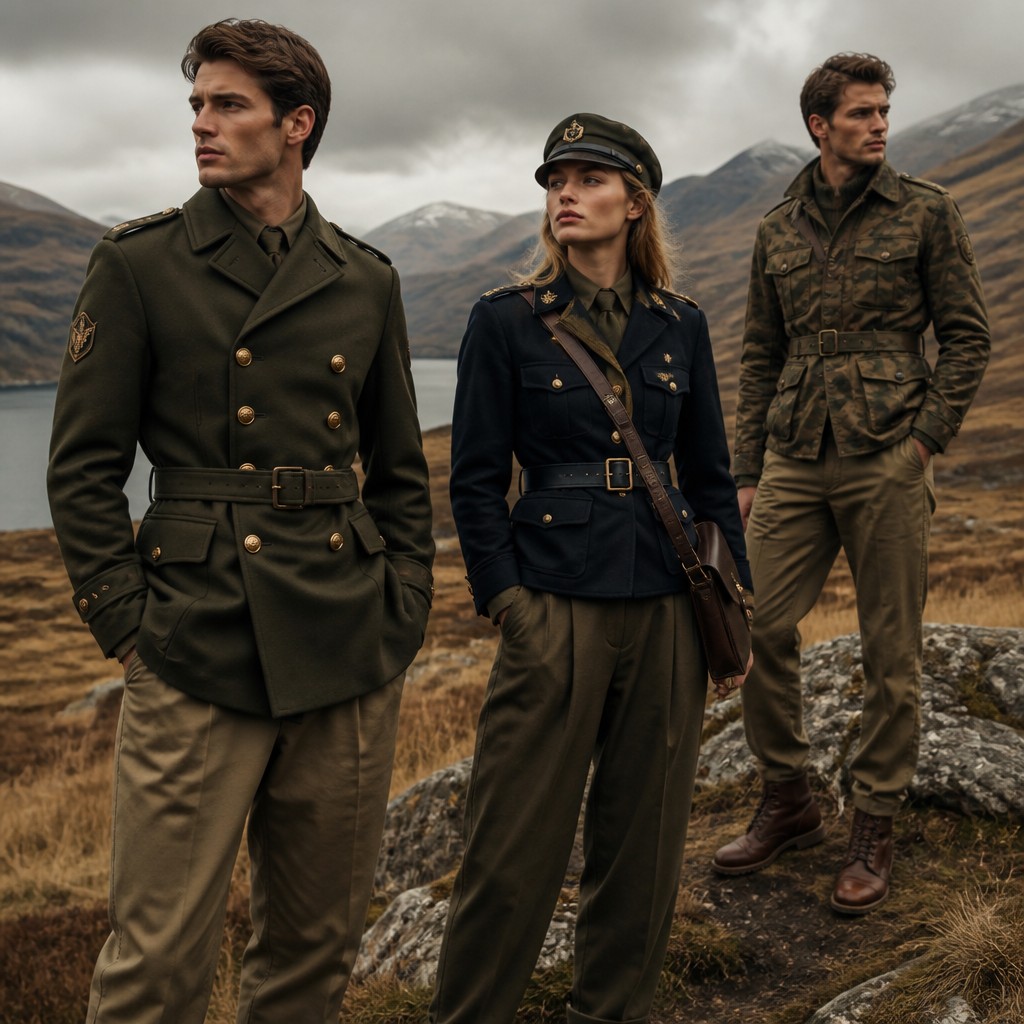
Functional ornament
Decorative elements usually double as practical hardware: buttons, belts, buckles, straps, and reinforced seams. Even when purely ornamental, they preserve a sense of utility.
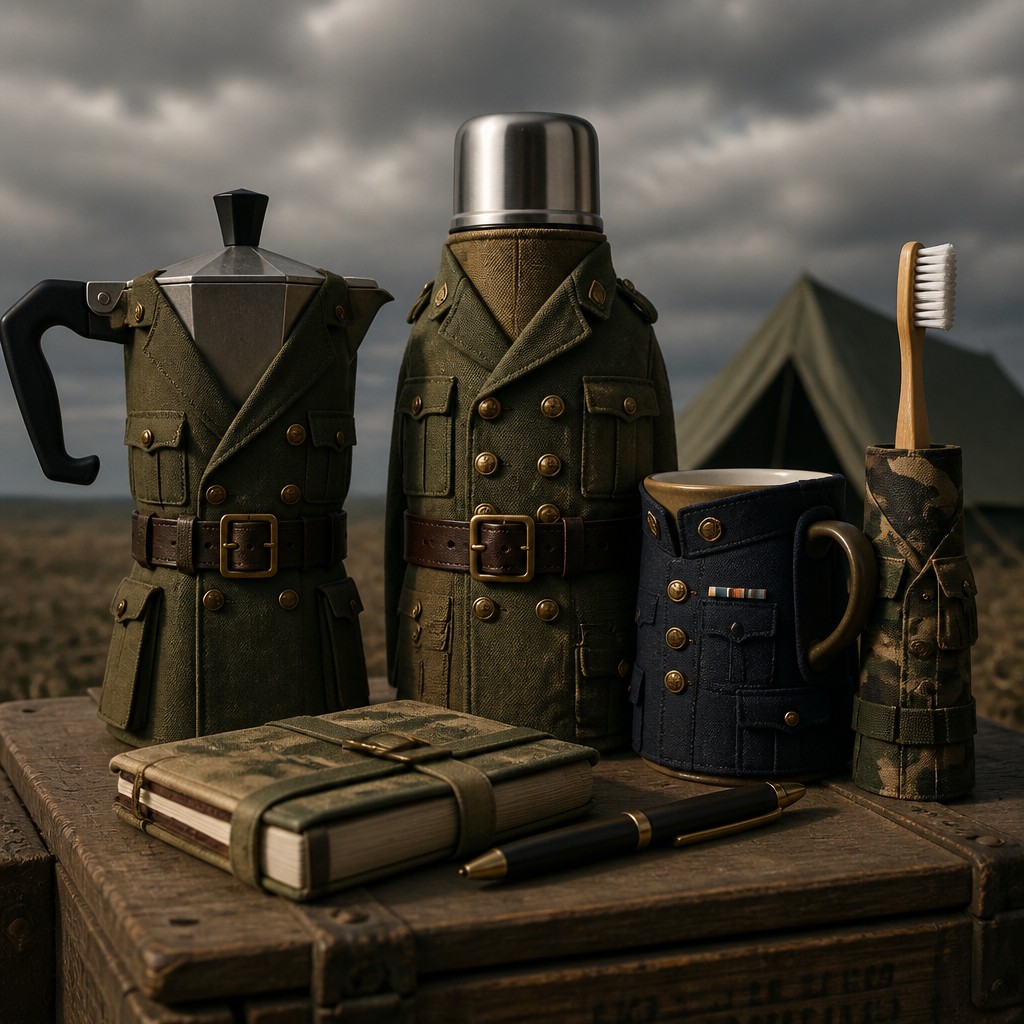
Commanding presence
The overall effect is poised and controlled, often evoking officers’ dress, field uniforms, or ceremonial attire. The style tends to project readiness, confidence, and hierarchy.
Try It
Create Videos in Military-Inspired Fashion
Styles aren't just for stills — describe a scene or animate an image and get a short video rendered in Military-Inspired Fashion. Press play to see this pond come to life.
Make a VideoMilitary-Inspired Fashion Prompt Ideas
Start from an idea — each one opens the generator with the style ready to go. See all 40 Military-Inspired Fashion prompts →
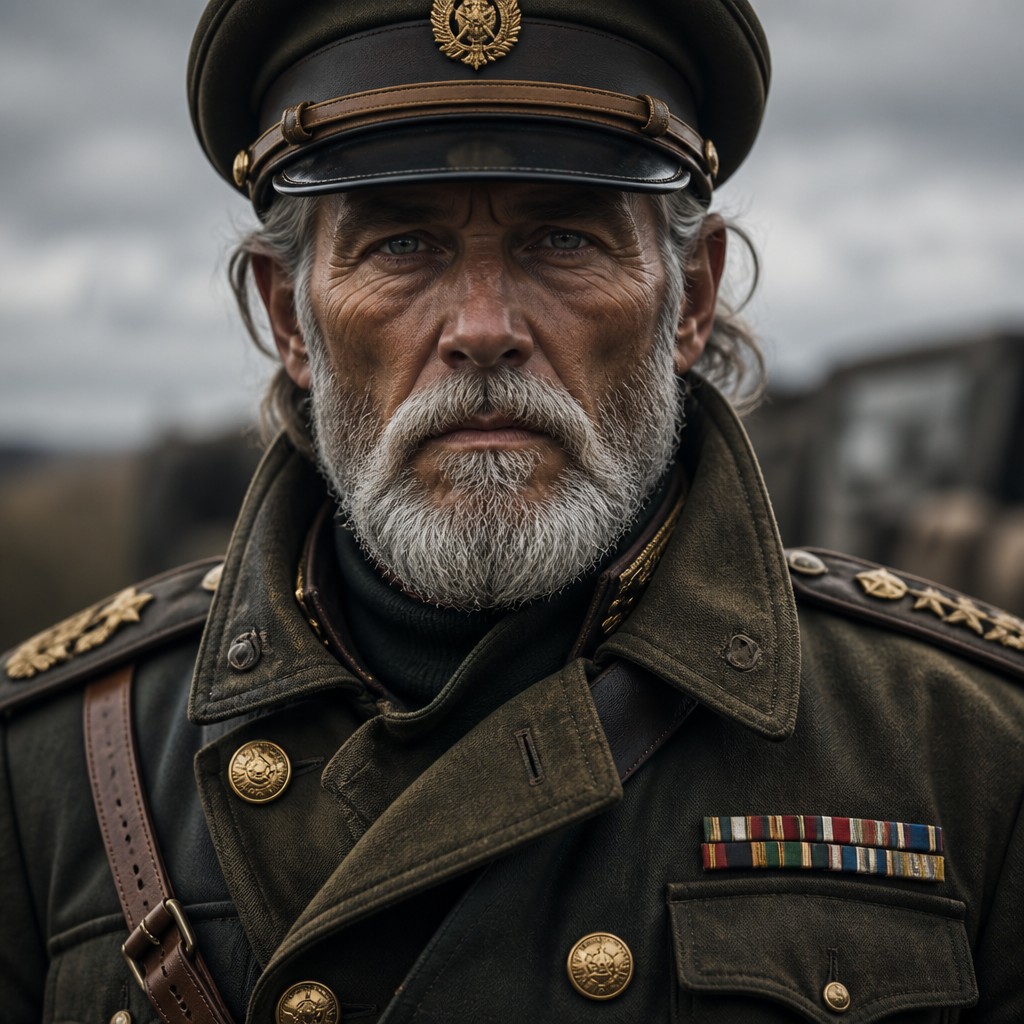
“close-up portrait of an elderly person with expressive weathered features”
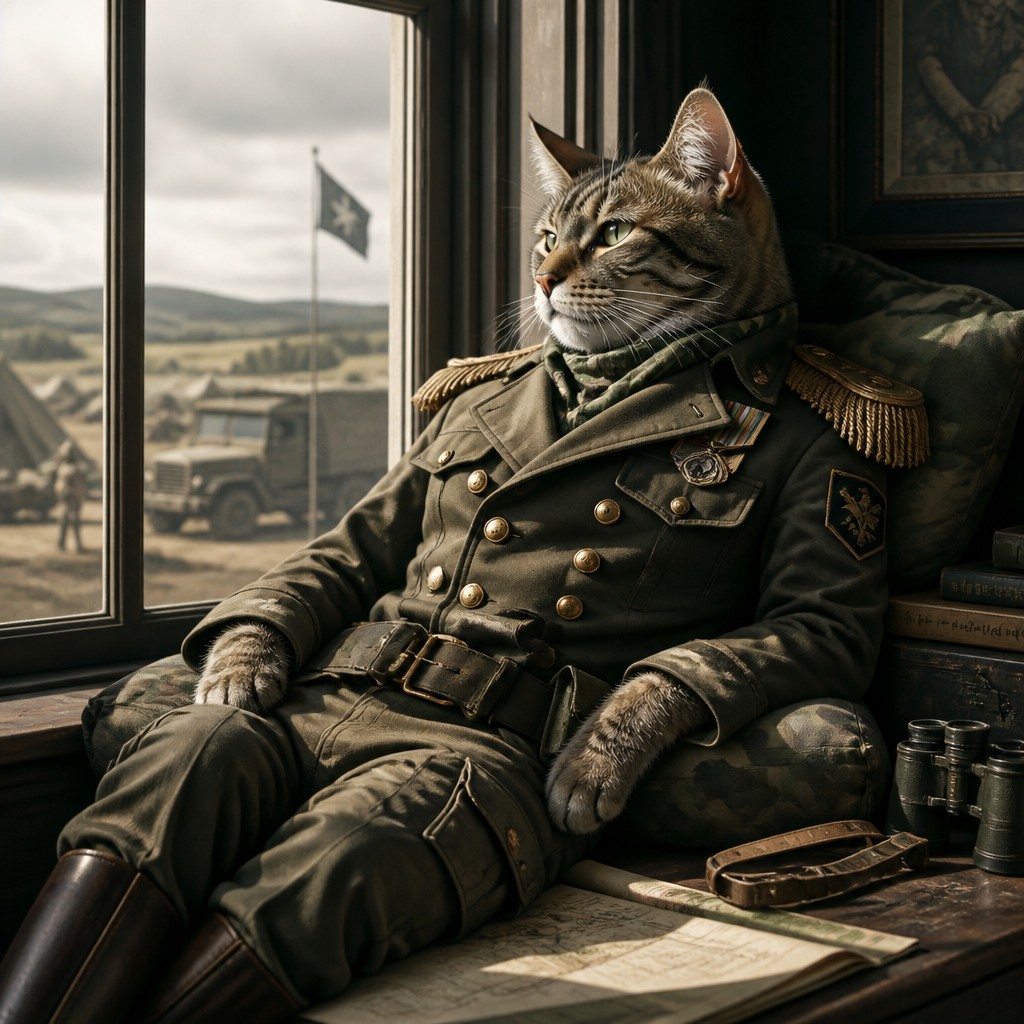
“a cat lounging in a sunlit window”
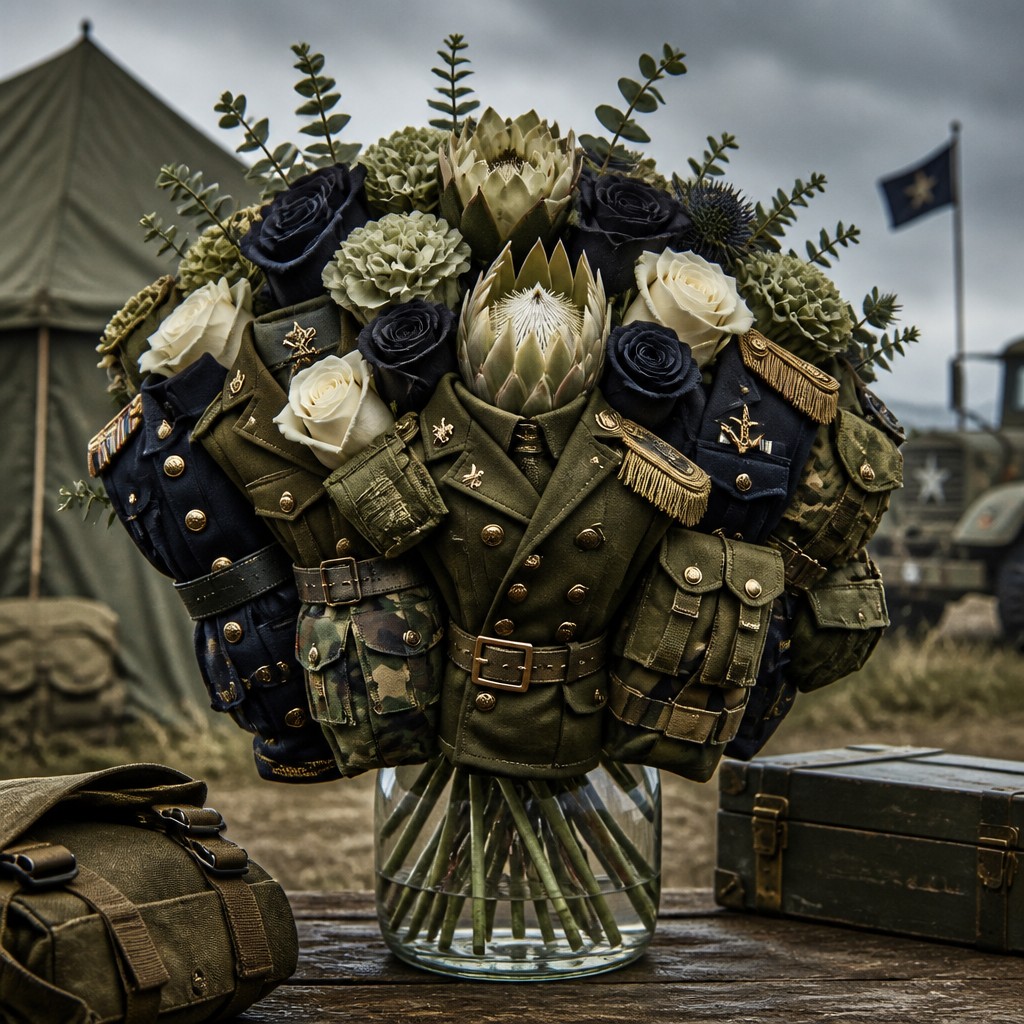
“bouquet of flowers in a glass vase”
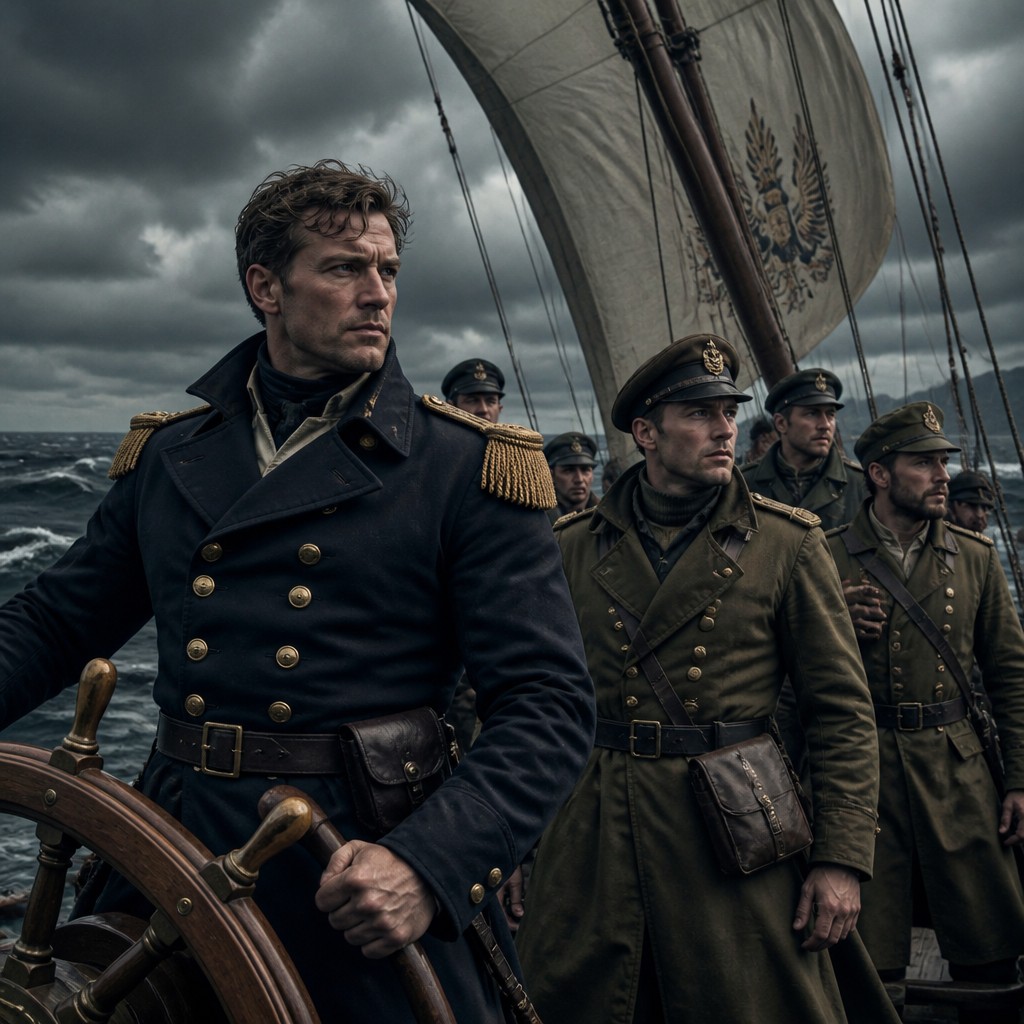
“sailing ship on a stormy sea”
How to Create Military-Inspired Fashion Art
Master the craft step by step — or skip straight to creating. Read the full guide →
- 1
Build the silhouette first
Start with a clear military structure: broad shoulders, a narrow waist, and a clean center line. In drawing or painting, block in the jacket or coat shape before adding pockets, seams, and insignia.
- 2
Use disciplined fabrics and edges
Render textiles as heavy and sturdy, with crisp lapels, firm folds, and minimal softness. In digital work, avoid overly flowing drapery unless you are intentionally mixing the style with fashion editorial styling.
- 3
Apply a restrained palette
Limit the image to olive, khaki, navy, black, cream, and brass. Small accents of red piping, medals, or gold trim can add hierarchy, but too many bright colors will weaken the uniform effect.
- 4
Emphasize hardware and construction
Buttons, zippers, belts, clasps, shoulder tabs, and stitching matter as much as the garment shape. When prompting or painting, specify brass buttons, epaulettes, utility pockets, and reinforced seams to anchor the look.
- 5
Balance realism with styling choices
For traditional illustration or photography, use overcast light, stern posture, and clean composition to reinforce the aesthetic. For prompt-based generation, pair the subject with terms such as tailored, regimented, field-ready, or officer-like to guide the wardrobe into the correct visual register.
- 6
Reference context carefully
If the image includes a person, setting, or prop, choose cues that support the uniform logic: parade grounds, barracks-like interiors, urban surplus fashion, or cinematic field light. Avoid cluttered environments that compete with the controlled geometry of the clothing.
The Story
History & Origins of Military-Inspired Fashion
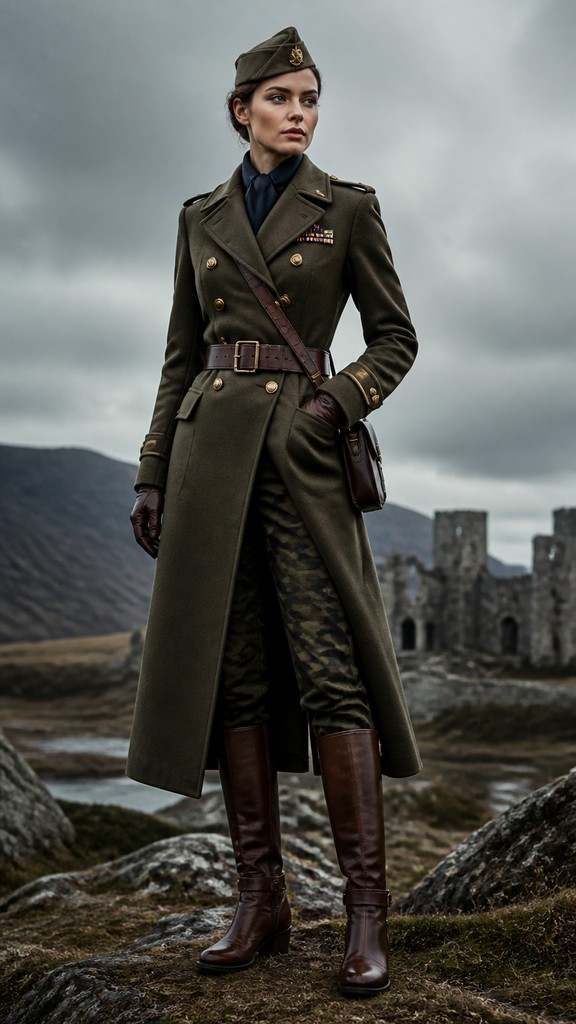
This aesthetic does not belong to a single historical art movement so much as it draws from a long lineage of military dress, uniform design, and postwar fashion adaptation. Its visual grammar comes from 19th- and 20th-century service uniforms, workwear, trench coats, officers’ jackets, and field gear, all of which were designed to signal rank, discipline, and practicality. In fashion, military details periodically re-enter civilian wardrobes through tailoring traditions, wartime surplus, and designers’ reinterpretations of uniforms as symbols of authority and order.
Its modern development is closely tied to 20th-century fashion history, especially the use of military references in outerwear, tailoring, and streetwear. Trench coats, peacoats, safari jackets, cargo pockets, brass buttons, and camouflage prints migrated from specific functional contexts into broader style systems. Contemporary military-inspired fashion often combines historical references with editorial styling, creating looks that preserve the rigor of uniform while adapting it to runway, portrait, costume, and street fashion contexts.
Influences: Military-inspired fashion draws from the visual traditions of service uniforms, workwear, and utilitarian dress, then filters them through modern tailoring and fashion design. Its closest historical relatives include the trench coat and officer’s coat, as well as the broader language of surplus clothing and functional outerwear. In fashion history, designers such as Yves Saint Laurent, Jean Paul Gaultier, and Alexander McQueen have all used military references at various points, though the style itself is broader than any single designer’s work and also connects to camouflage, safari dress, and menswear tailoring traditions.

Frequently Asked Questions
What defines military-inspired fashion?
It is defined by structured tailoring, uniform-like details, and a disciplined color palette. Strong shoulders, brass buttons, epaulettes, utility pockets, and heavy fabrics are especially characteristic. The look can range from strictly formal to streetwear-adapted, but it usually preserves a sense of order and authority.
Is this the same as camouflage style?
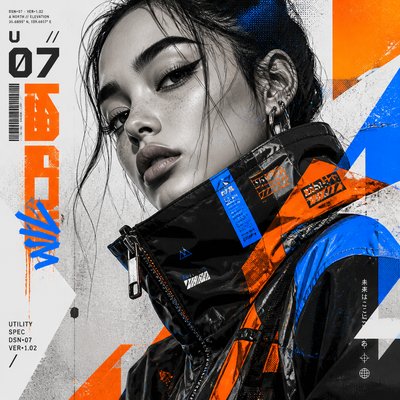
Not exactly. Camouflage is only one visual element that can appear within military-inspired fashion, while the broader style also includes officer tailoring, trench coats, field jackets, and ceremonial details. A look can be military-inspired without using camouflage at all.
How is military-inspired fashion different from workwear?
Workwear emphasizes labor, durability, and practical construction, while military-inspired fashion emphasizes hierarchy, uniformity, and command presence. The two overlap in materials and utility pockets, but military references usually feel more structured and formal. Workwear tends to look more relaxed and civilian.
What colors work best in this style?
Olive drab, khaki, navy, black, gray, and brass are the most reliable choices. These colors evoke service uniforms and field gear while keeping the image disciplined. Small accents of gold, red piping, or cream can add contrast without breaking the palette.
What kind of clothing fits this style best?
Tailored coats, double-breasted blazers, field jackets, trench coats, cargo-inspired trousers, and structured boots all fit well. Accessories such as belts, shoulder straps, and metal buttons help reinforce the uniform feel. The key is to maintain a fitted, authoritative silhouette rather than a loose casual one.
How can I create this style in a digital or AI-generated image?
Specify garment construction and surface detail clearly, such as strong shoulders, epaulettes, brass buttons, and heavy wool or canvas. Add lighting and setting cues like cool overcast field light or a crisp studio portrait to emphasize the disciplined mood. For best results, keep the palette restrained and avoid decorative clutter that would soften the uniform effect.
Create your first Military-Inspired Fashion artwork
Describe anything — or upload a photo — and see it in Military-Inspired Fashion in seconds.
Related Styles
Discover similar art styles