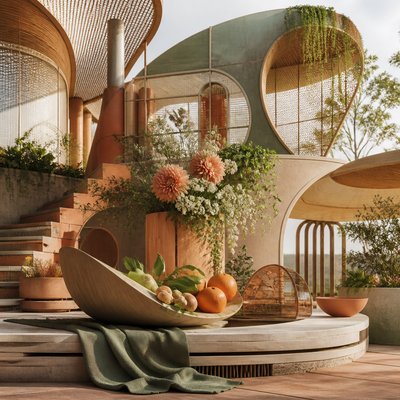
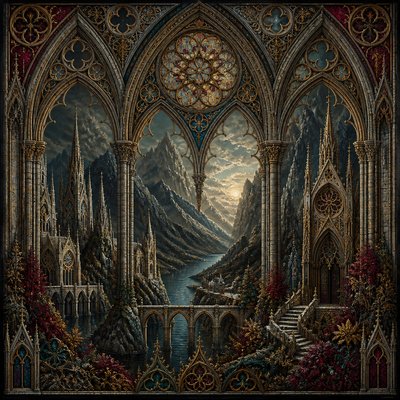
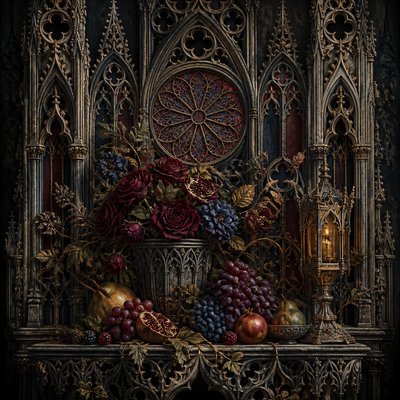
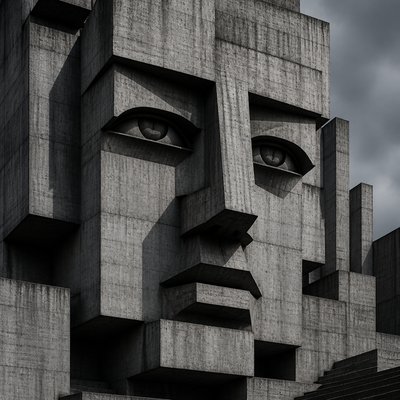
Byzantine Architecture
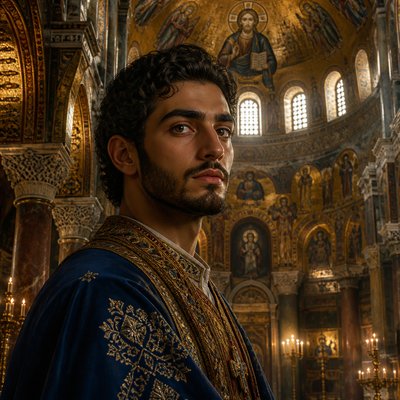
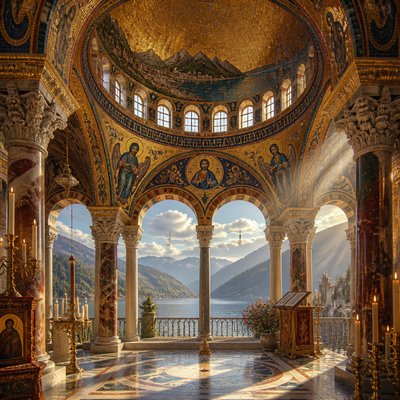
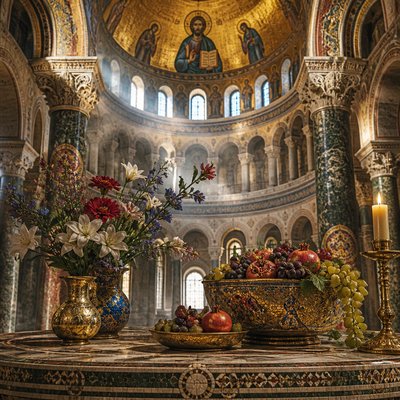
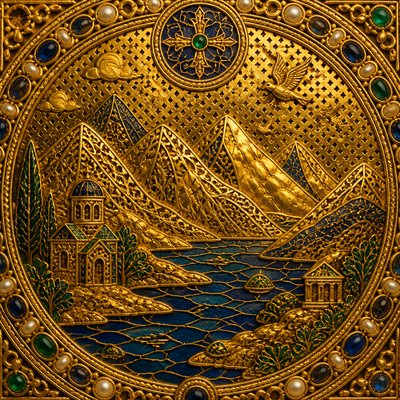
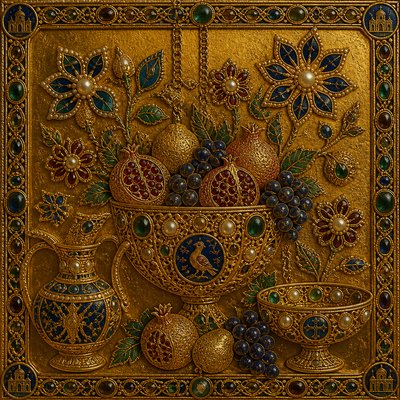
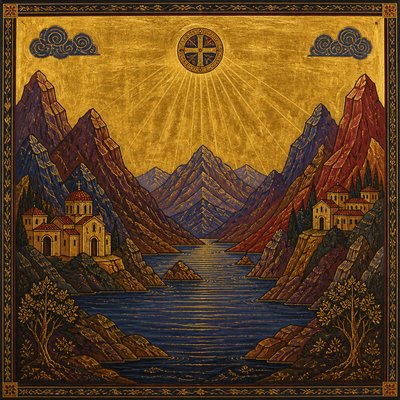
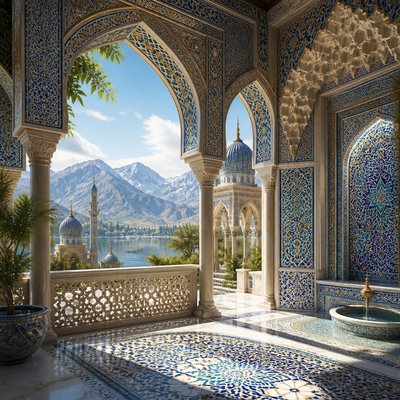
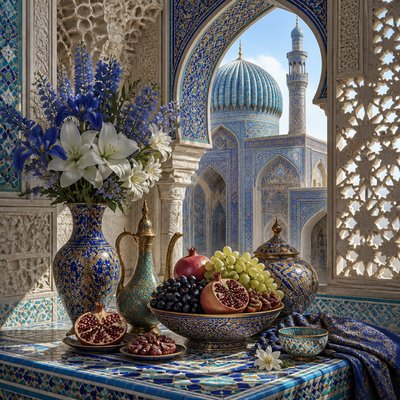
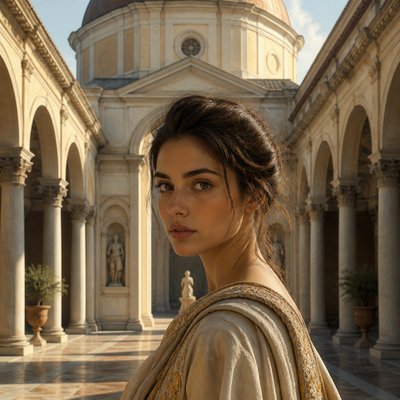
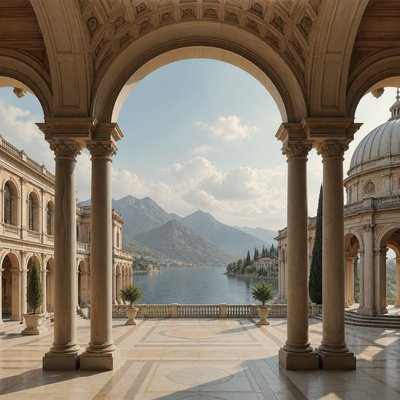
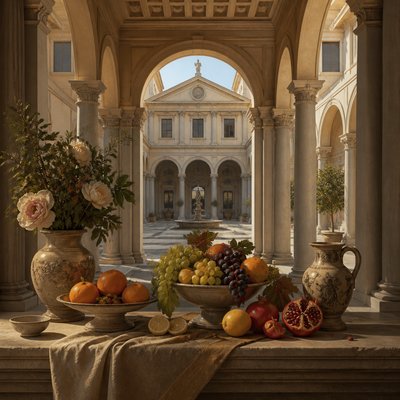
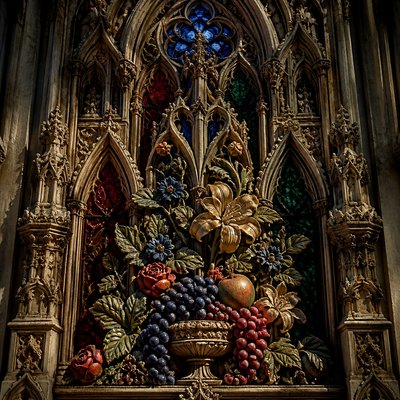
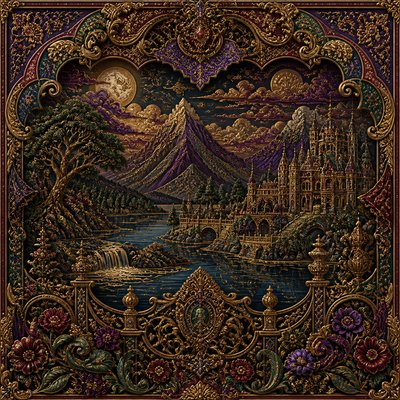
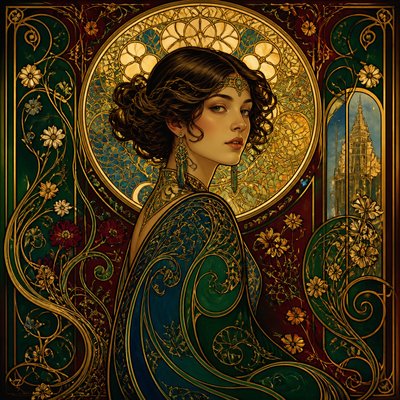
Byzantine architecture: gold mosaics, shallow domes, marble columns, and sacred ceremonial spaces shaped by empire and liturgy.
Instantly rendered in Byzantine Architecture — or transform a photo
Byzantine Architecture Gallery
Tap any artwork to explore it
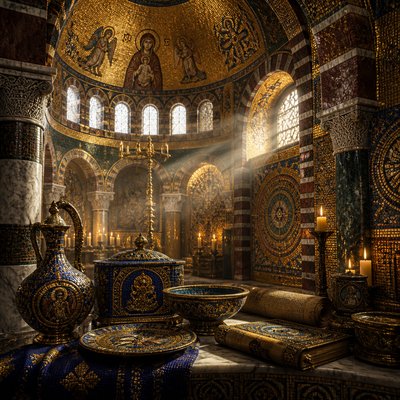
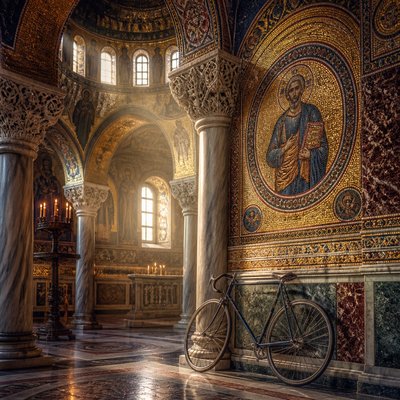
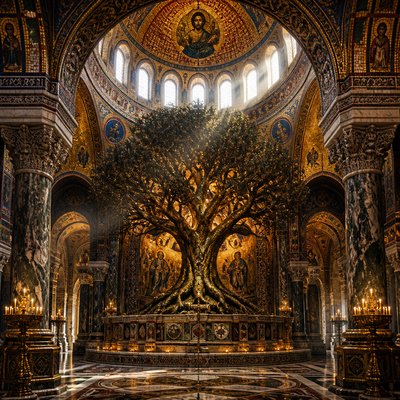
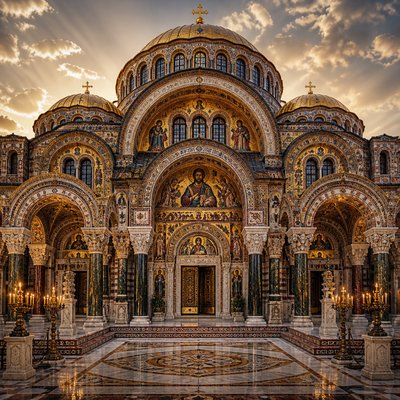
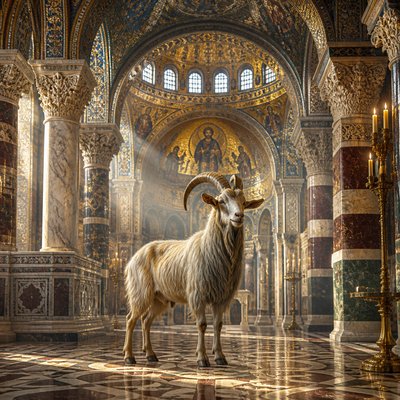
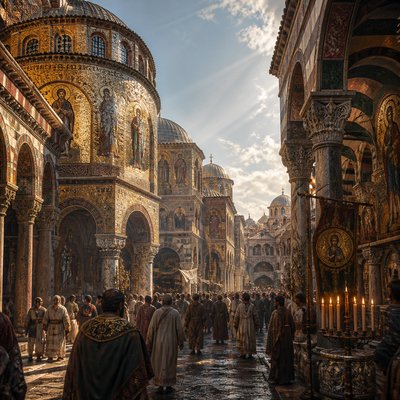
What is Byzantine Architecture?
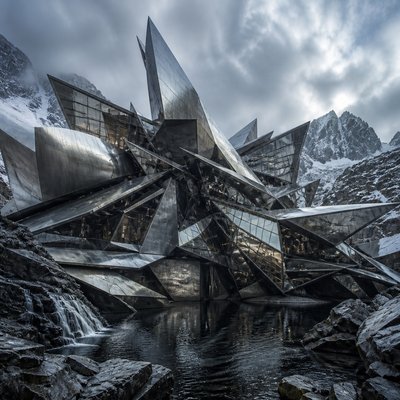
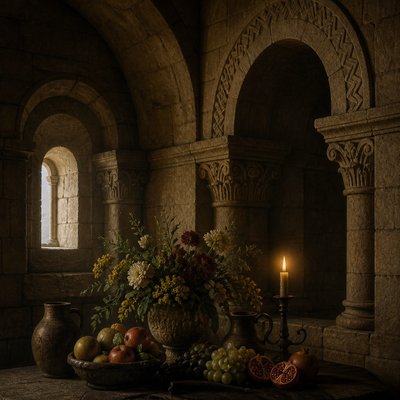
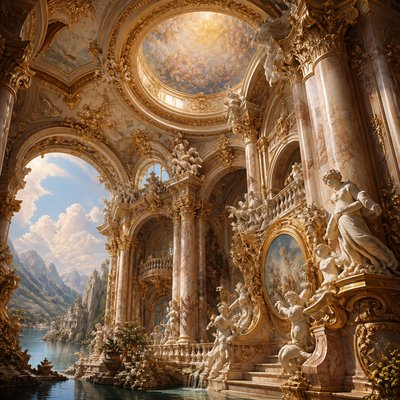
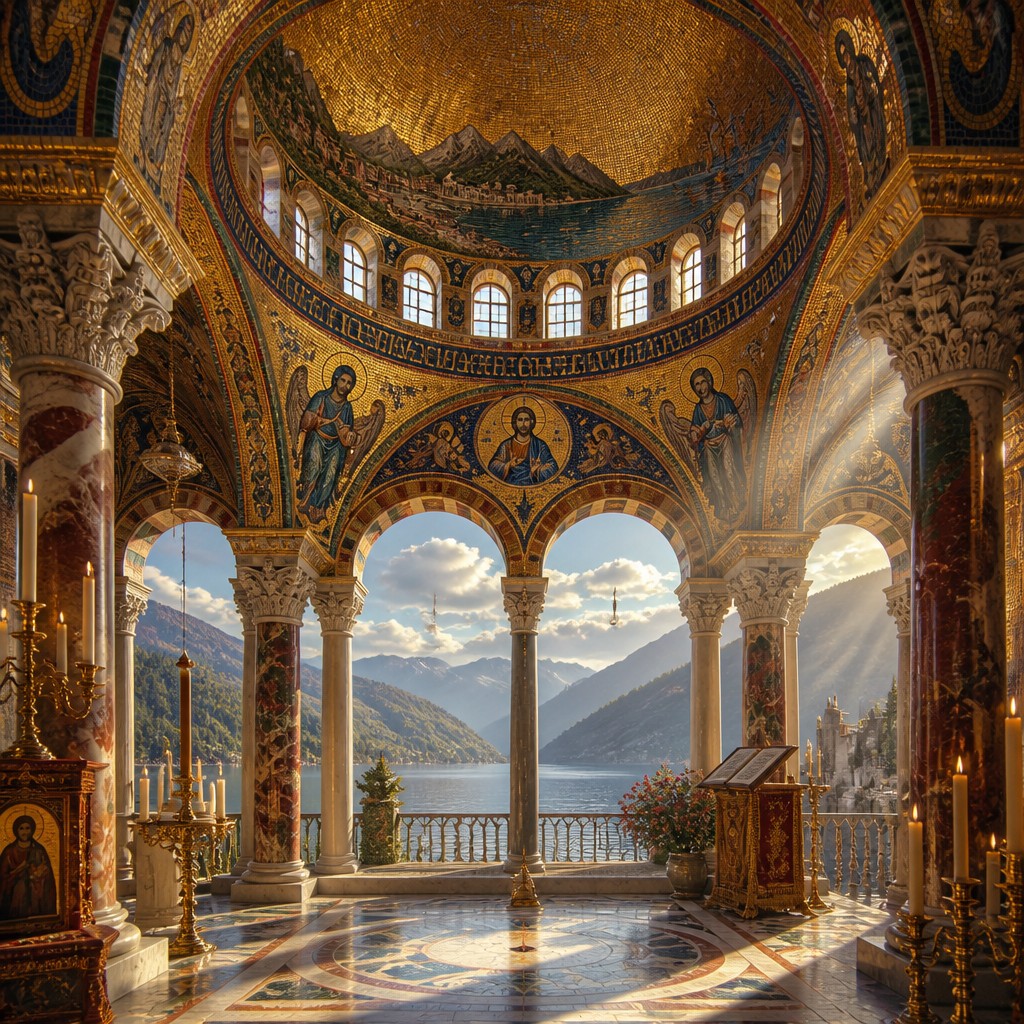
Byzantine architecture is the monumental sacred architecture of the Byzantine Empire, especially from the 4th through the 15th centuries, centered in Constantinople and across the eastern Mediterranean. It is best known for its domed churches, richly decorated interiors, and an architecture of luminous surfaces rather than sculptural mass. The style combines Roman engineering, Christian liturgical needs, and a courtly visual language of gold, marble, and patterned geometry.
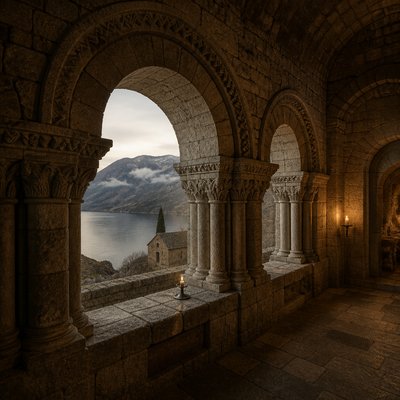
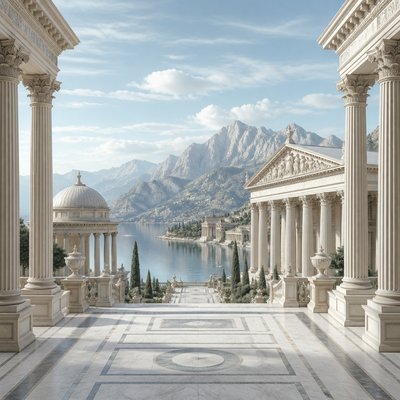
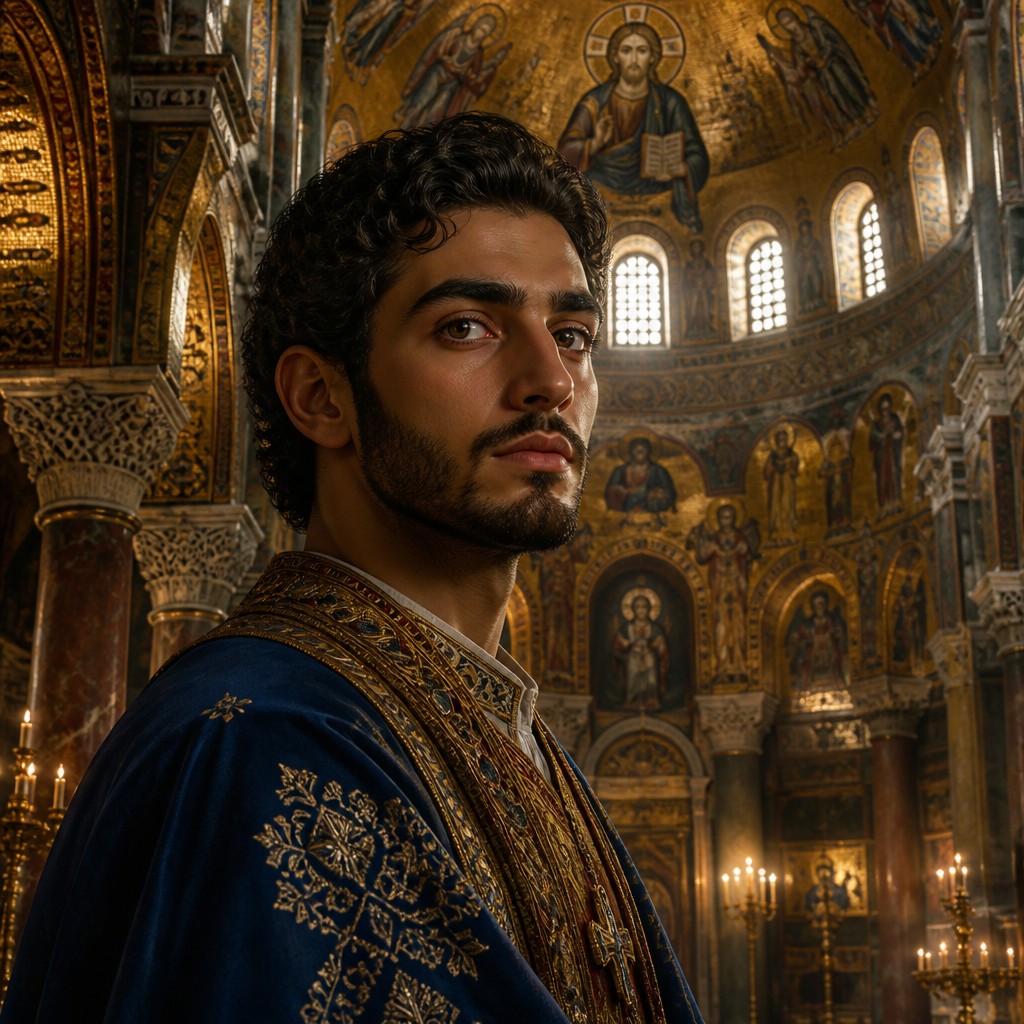
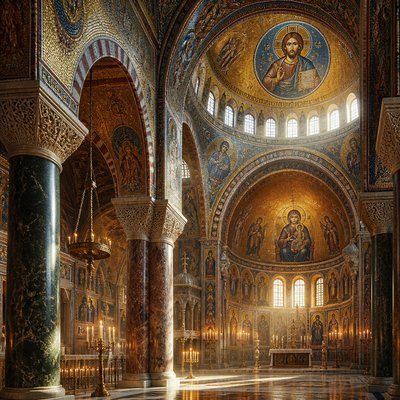
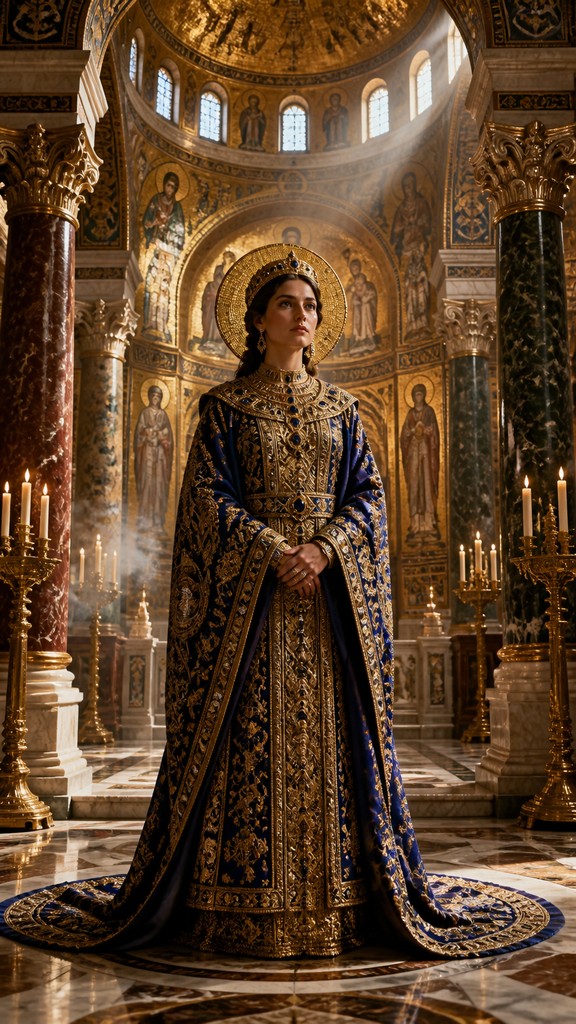
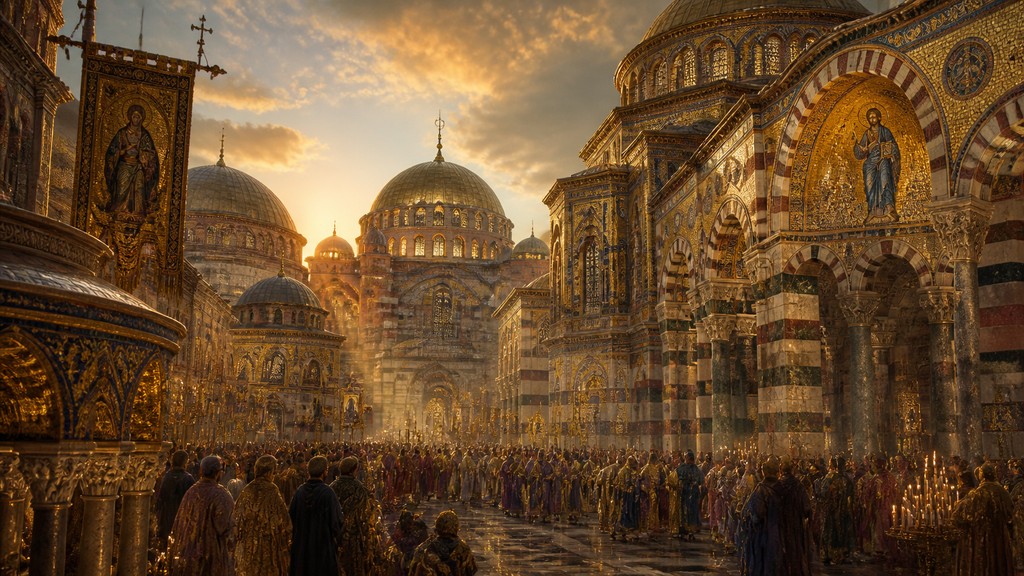
Its visual identity is defined by broad shallow domes, often set on pendentives or squinches, arched windows that break the dome into bands of light, and walls sheathed in mosaics or marble revetment. Instead of emphasizing exterior ornament, Byzantine buildings frequently concentrate splendor indoors, creating a hushed, ceremonial atmosphere in which candlelight, reflected gold, and layered stone materials make the space feel both solemn and radiant.
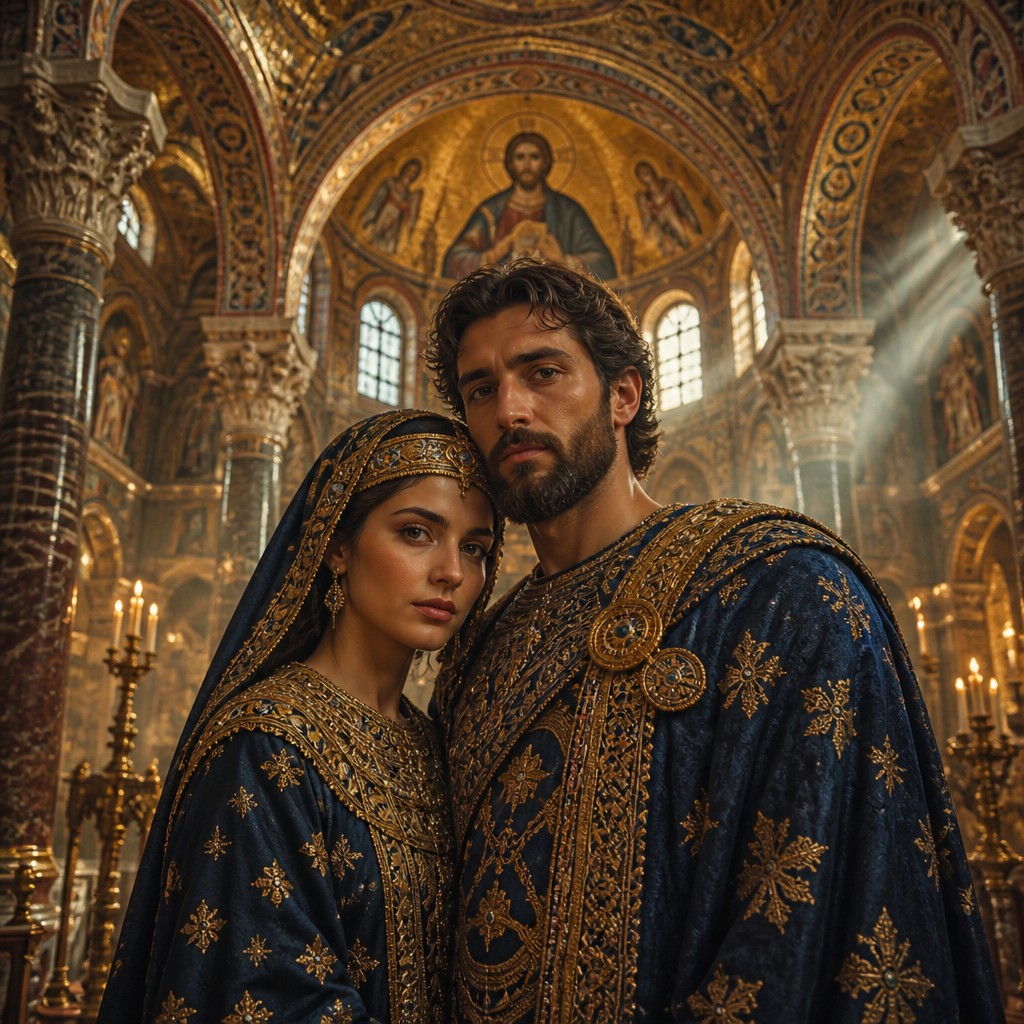
Try It On Your Photos
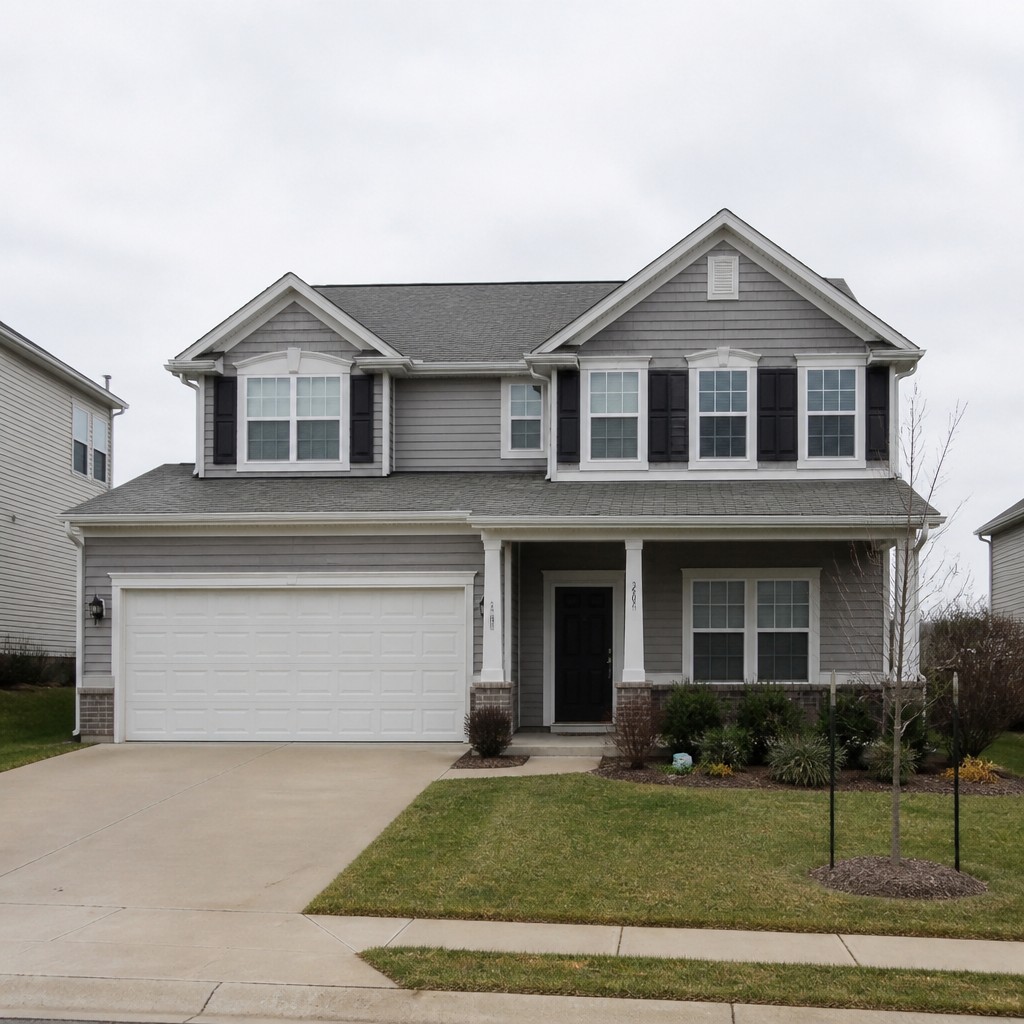
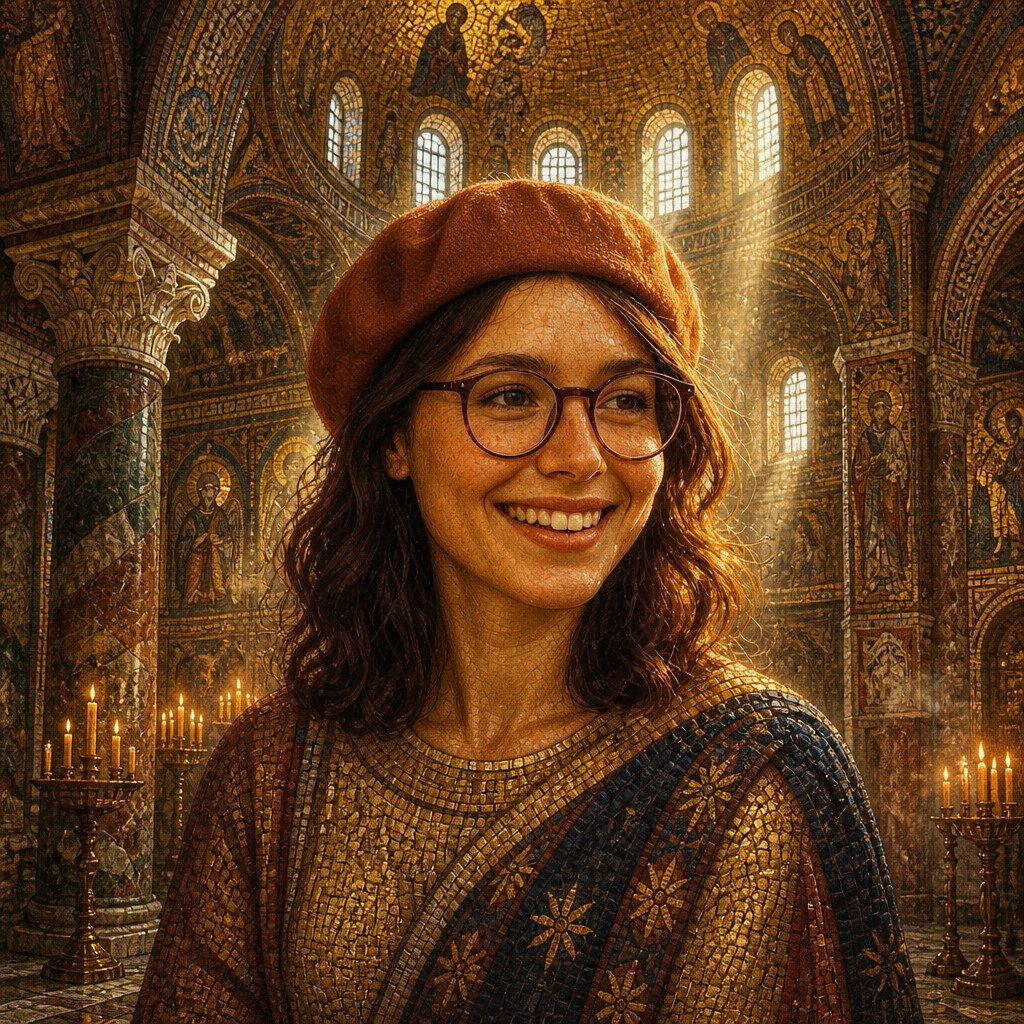
Upload any photo and convert it into Byzantine Architecture — drag the sliders to compare before and after.
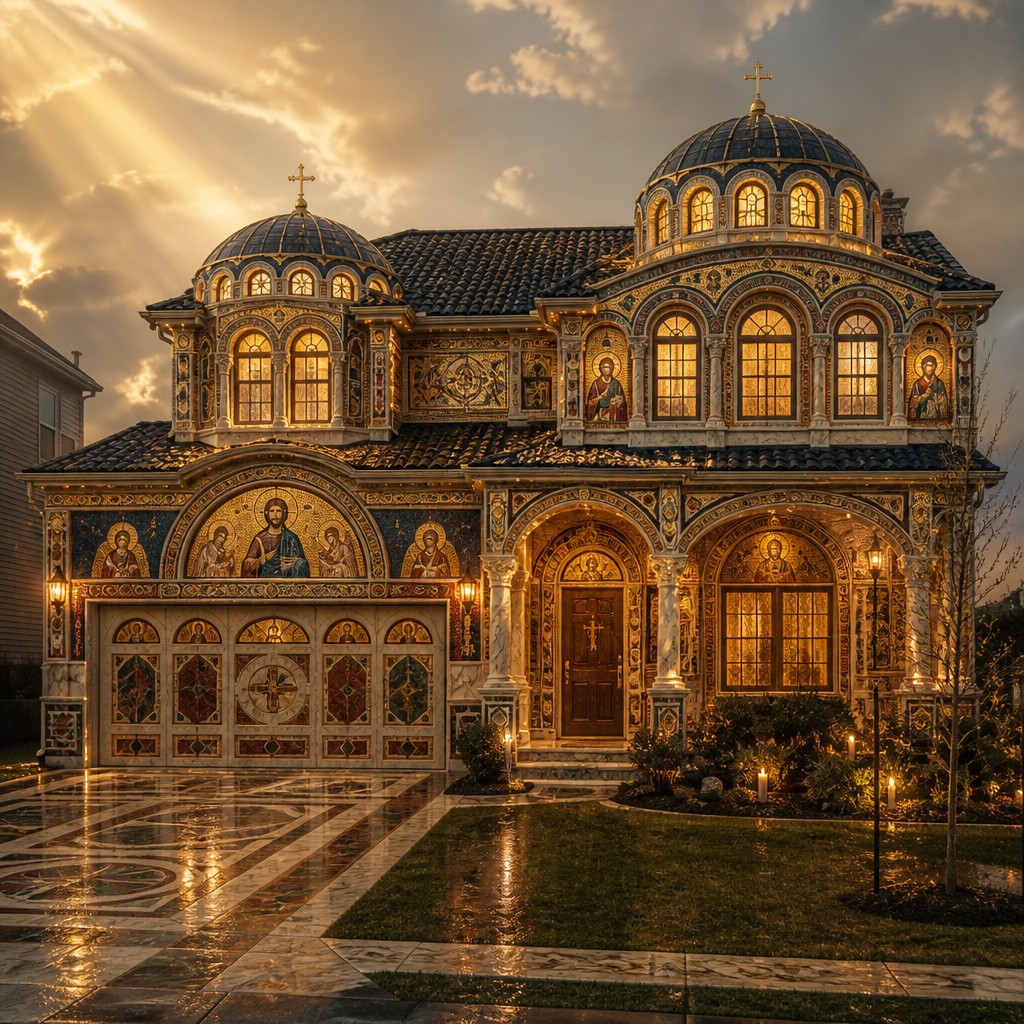

What Defines Byzantine Architecture
The signature details, up close
Domes and centralized space
Shallow domes are one of the style’s defining features, especially when they appear to float above a square or polygonal base. Pendentives, arches, and piers distribute the weight while producing a unified interior volume.
Gold-ground mosaics
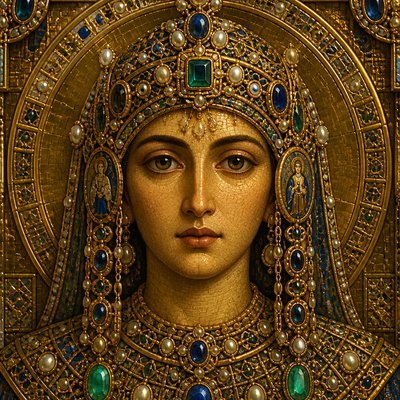
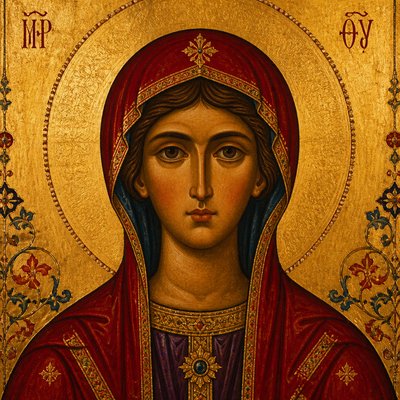
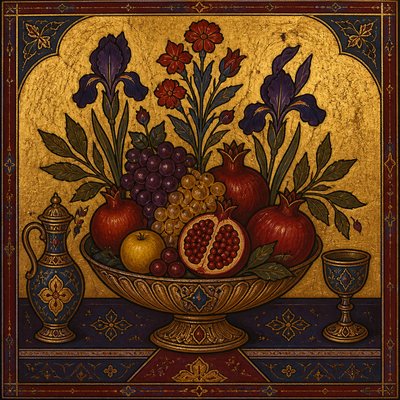
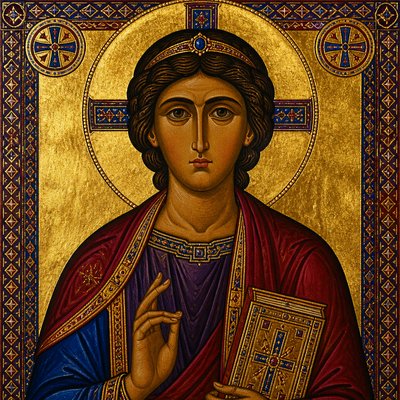
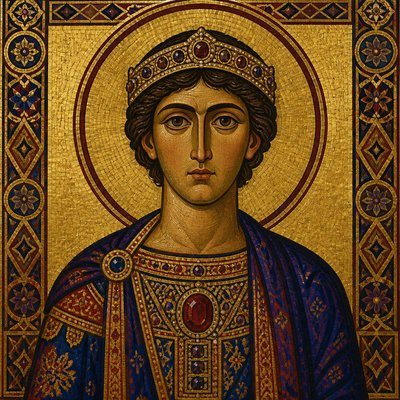
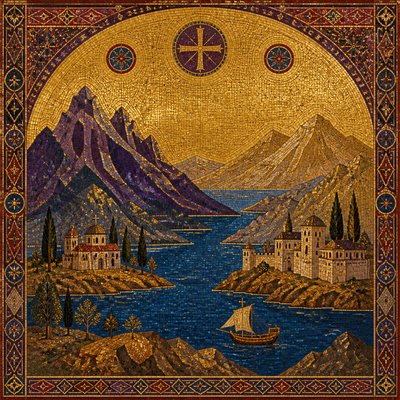
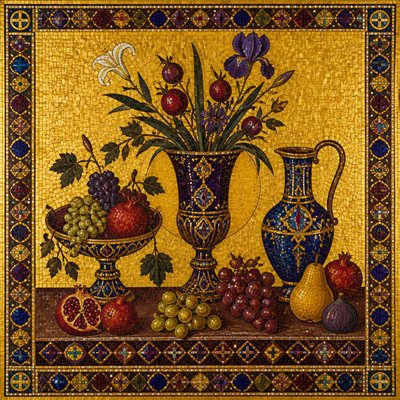
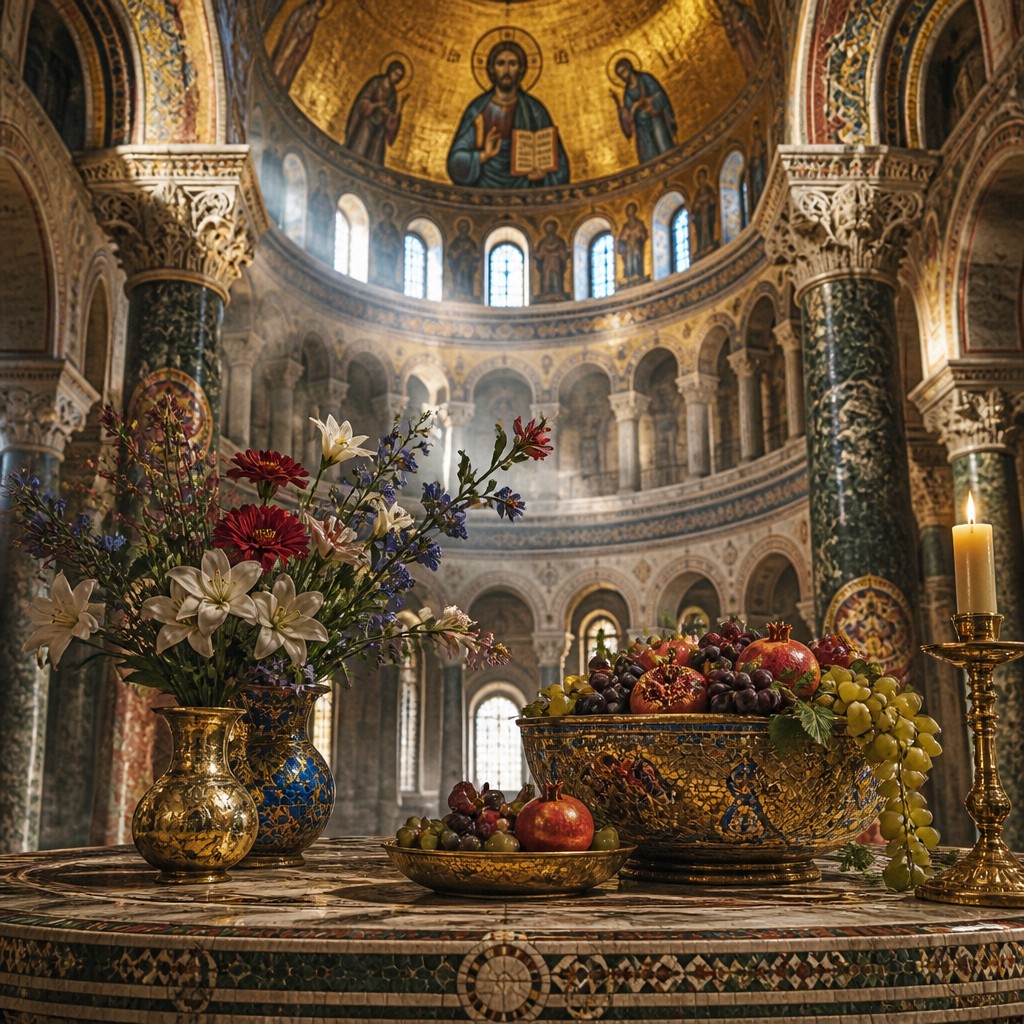
Mosaics made of tiny tesserae, often with gold backgrounds, cover curved walls and vaults to create a radiant, immaterial effect. Figures, saints, and ornamental patterns are presented with frontal clarity and symbolic presence.
Marble revetment and polychrome stone
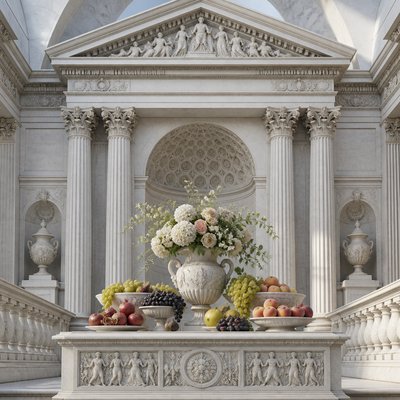
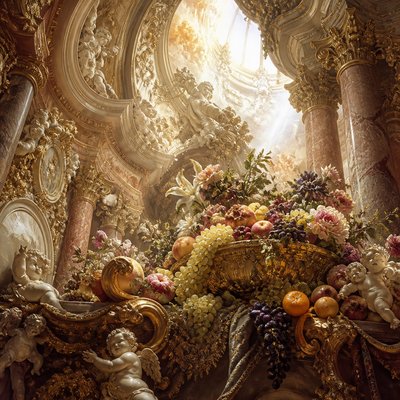
Walls and columns are often faced with marble slabs arranged for veining symmetry, or built in bands of red, green, cream, and other colors. This gives surfaces a luxurious, rhythmic quality even when structural forms are simple.
Arched windows and filtered light
Windows are typically placed around domes or in upper walls to admit controlled light. The result is a shimmering, atmospheric interior that animates mosaics and stone with subtle reflections.
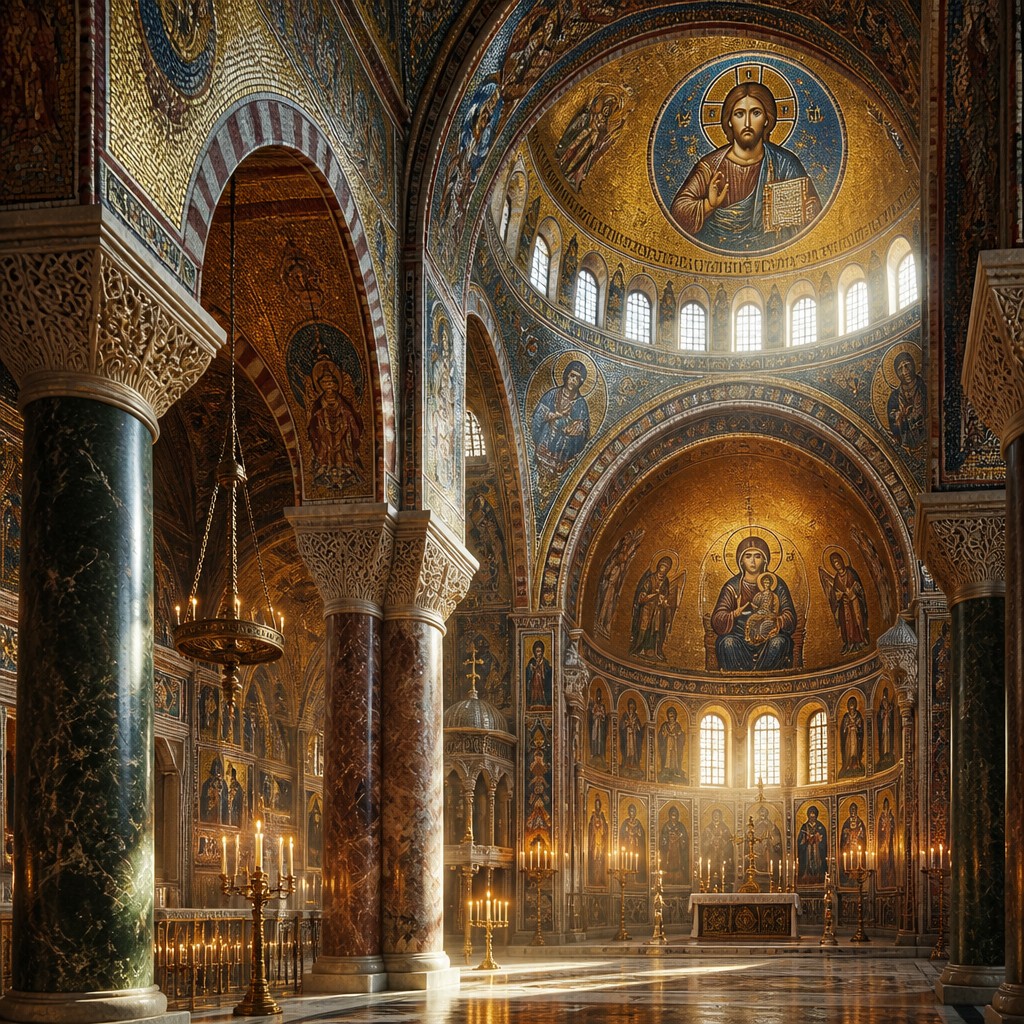
Basket capitals and classical adaptation
Columns and capitals often reinterpret classical forms into deeply carved, lace-like basket capitals. These elements preserve Roman heritage while becoming more decorative and abstract.
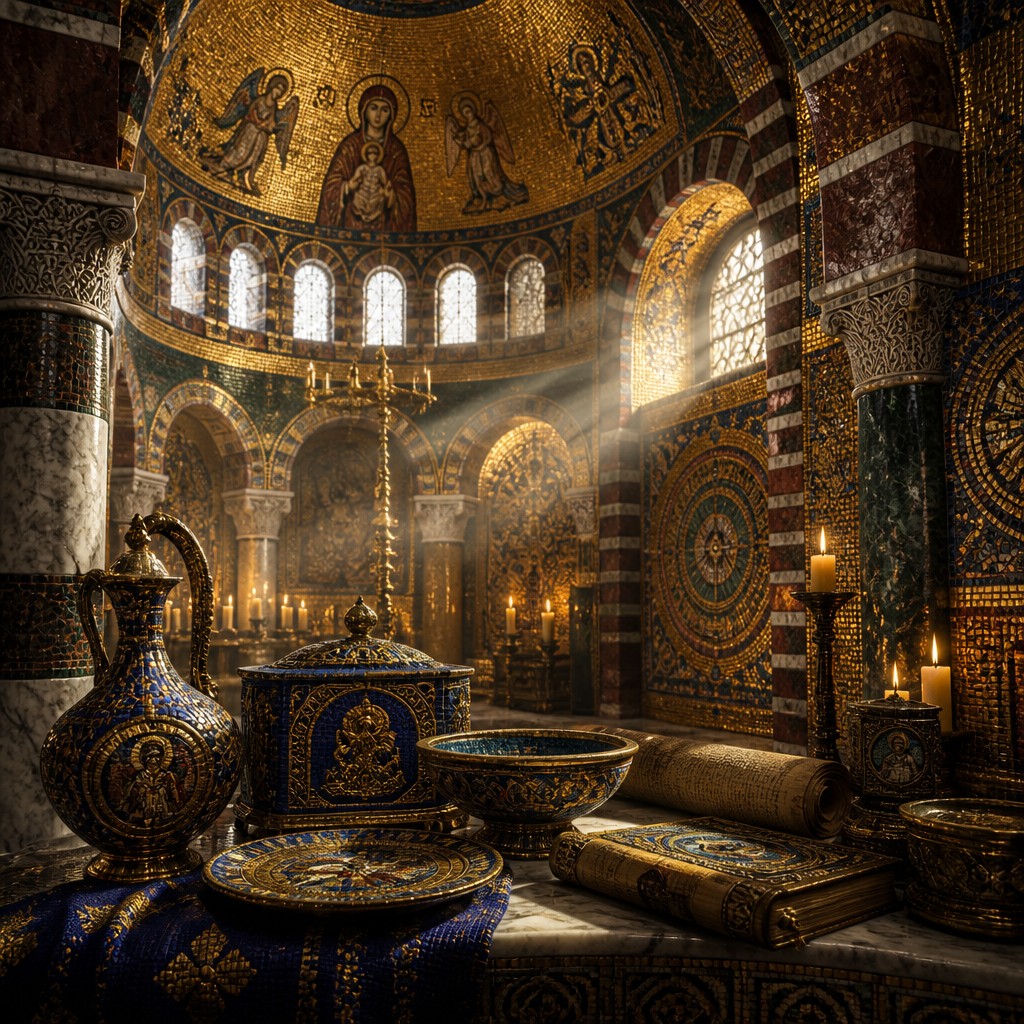
Sacred solemnity
The overall mood is ceremonial rather than domestic or monumental in a purely civic sense. Spaces are designed to support liturgy, processions, incense, and visual contemplation.
Try It
Create Videos in Byzantine Architecture
Styles aren't just for stills — describe a scene or animate an image and get a short video rendered in Byzantine Architecture. Press play to see this pond come to life.
Make a VideoByzantine Architecture Prompt Ideas
Start from an idea — each one opens the generator with the style ready to go. See all 40 Byzantine Architecture prompts →
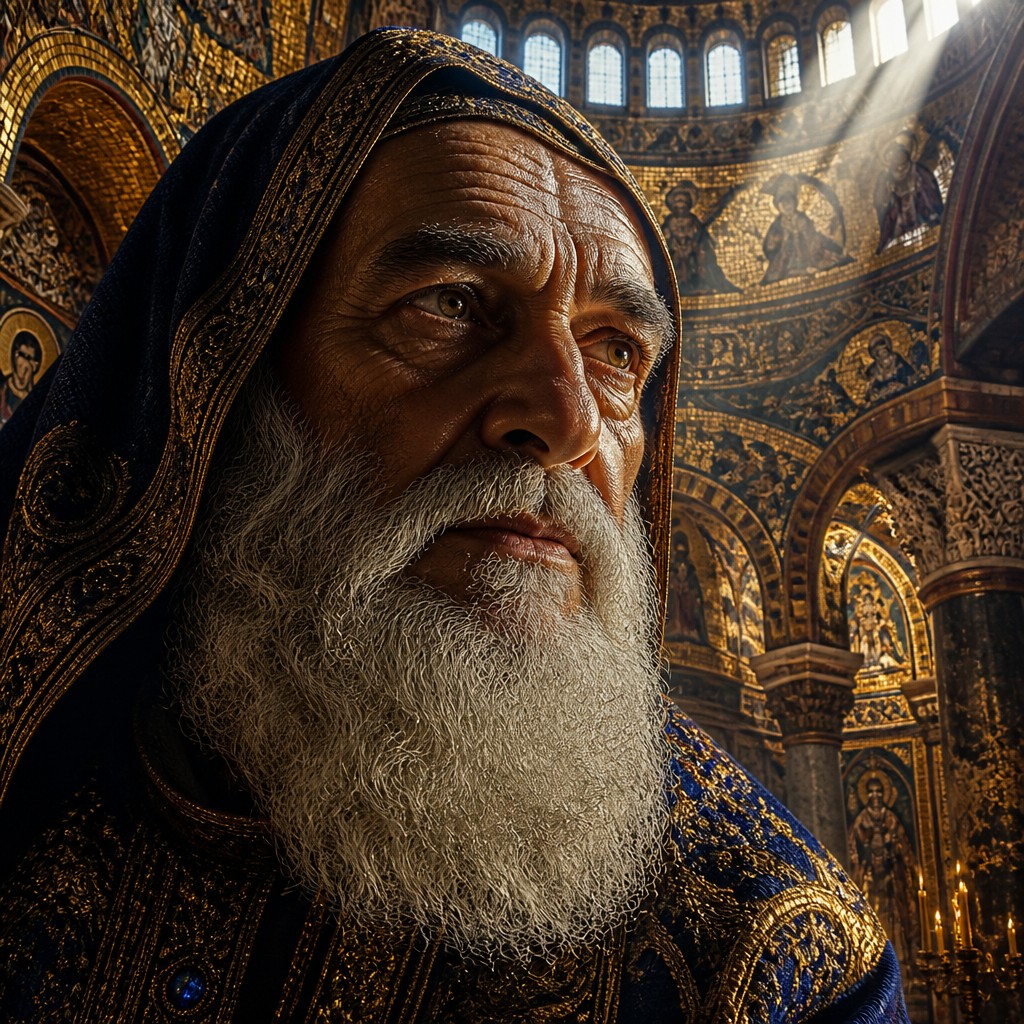
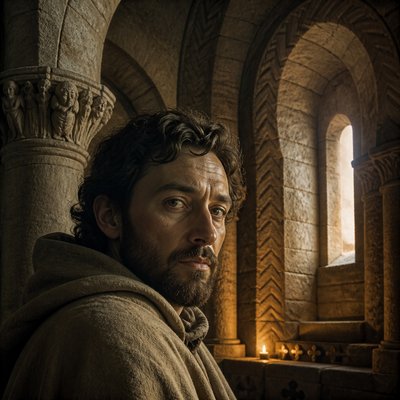
“close-up portrait of an elderly person with expressive weathered features”
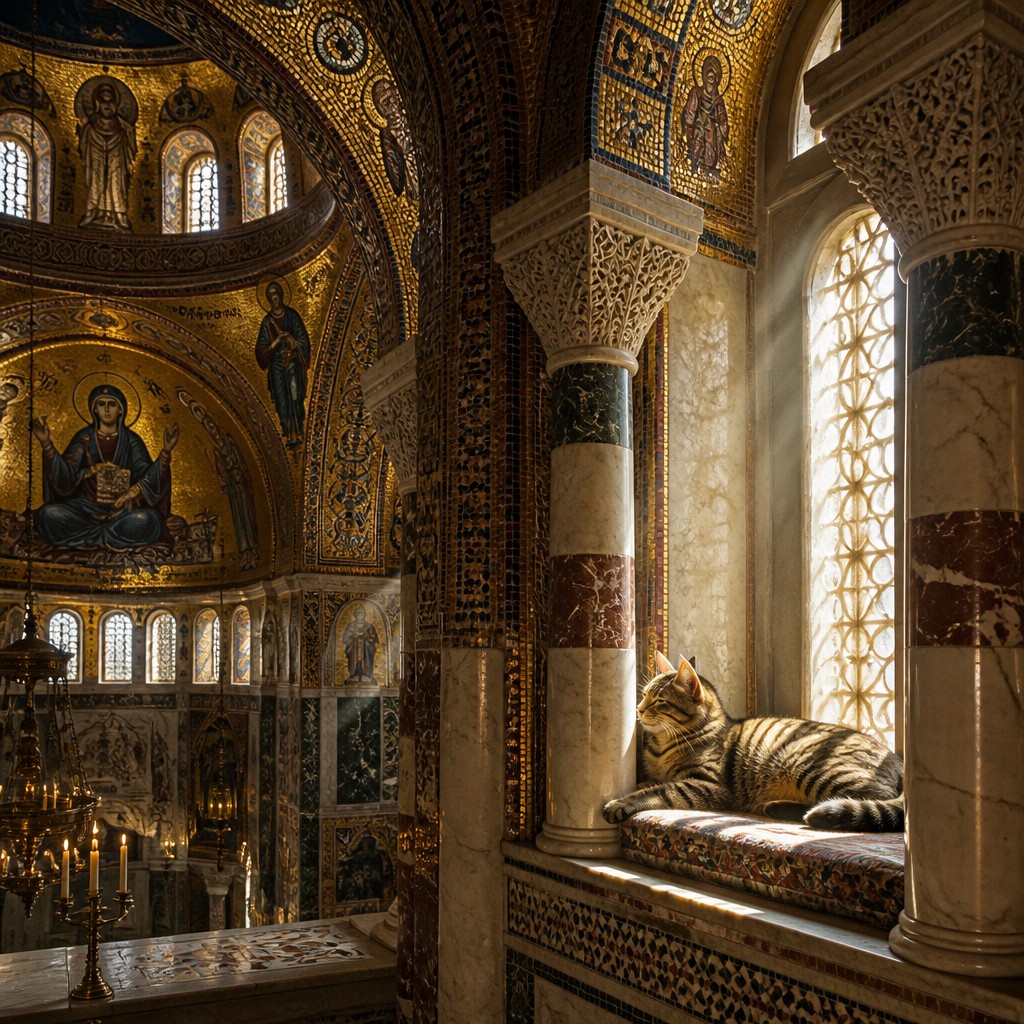
“a cat lounging in a sunlit window”
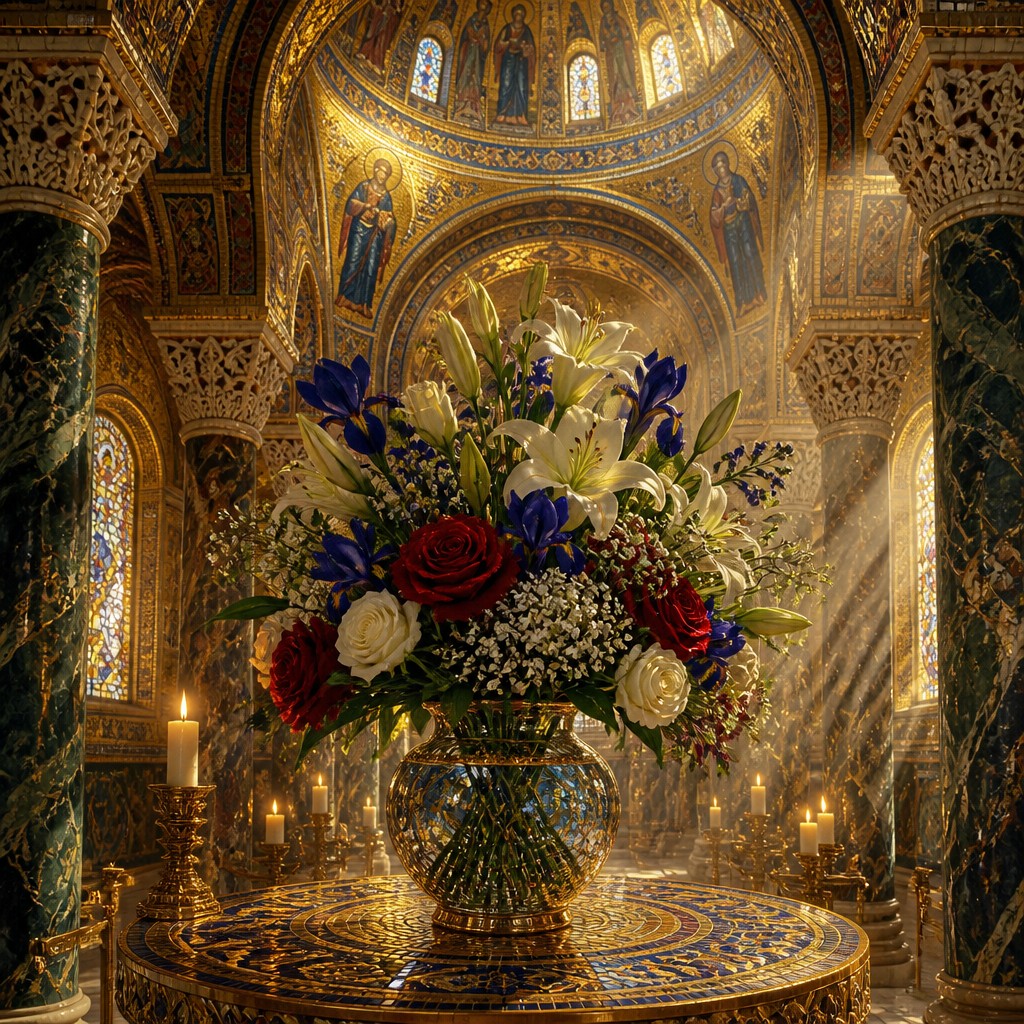
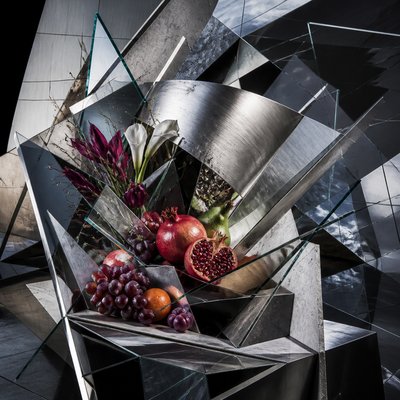
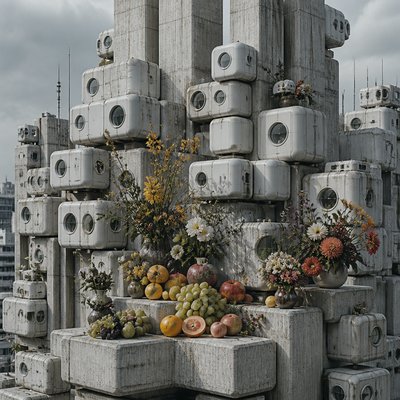
“bouquet of flowers in a glass vase”
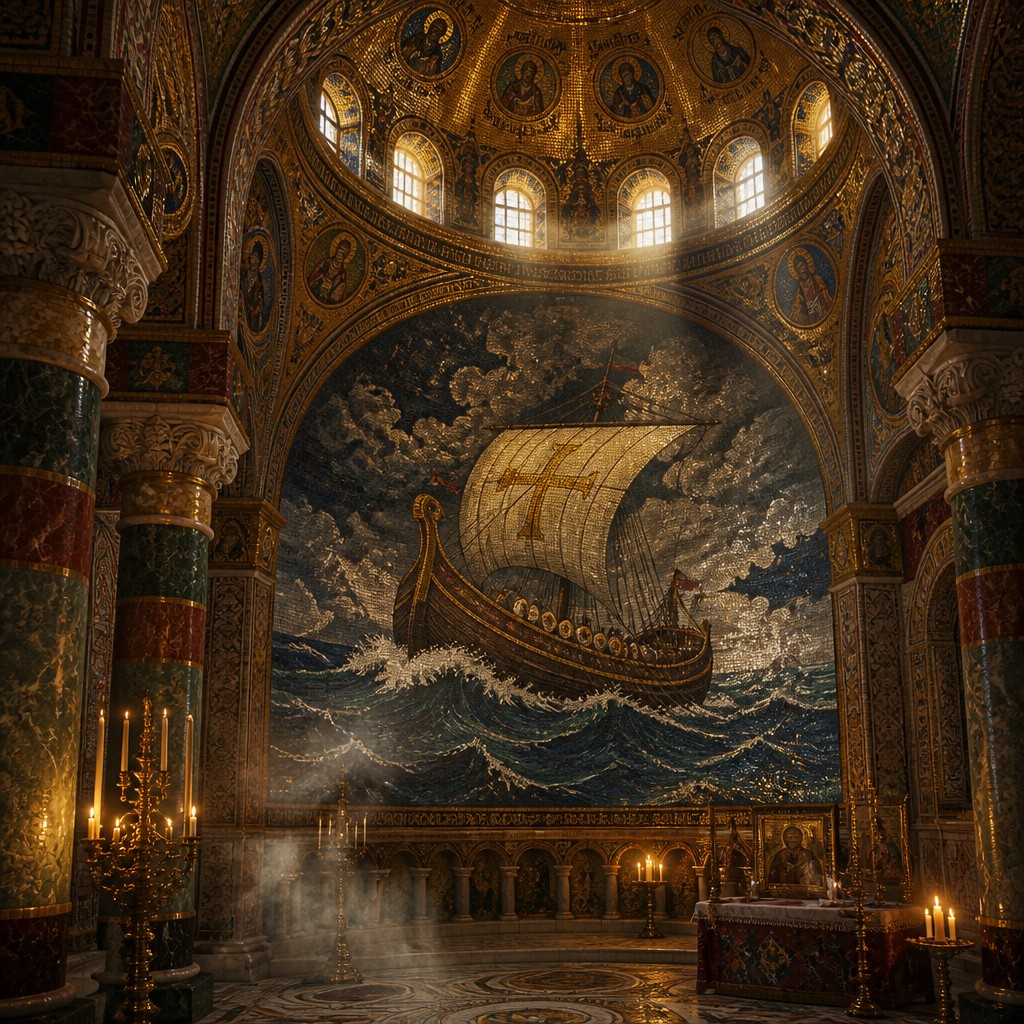
“sailing ship on a stormy sea”
How to Create Byzantine Architecture Art
Master the craft step by step — or skip straight to creating. Read the full guide →
- 1
Use a centralized plan and low dome forms
When drawing or modeling, start with a square, cross-in-square, or basilica-derived plan and establish a broad dome or half-dome as the focal volume. Keep the dome visually dominant but not tall and pointed; the effect should be expansive and hovering rather than Gothic.
- 2
Prioritize interior surfaces over exterior mass
Treat walls, vaults, and arches as surfaces for pattern, texture, and light. In painting or digital work, use gold leaf-like highlights, tessellated textures, and marble bands to make the interior feel richly finished.
- 3
Build a limited but saturated palette
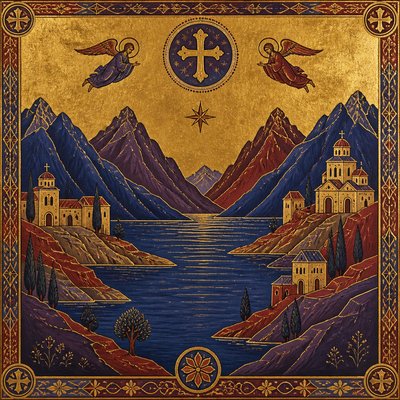
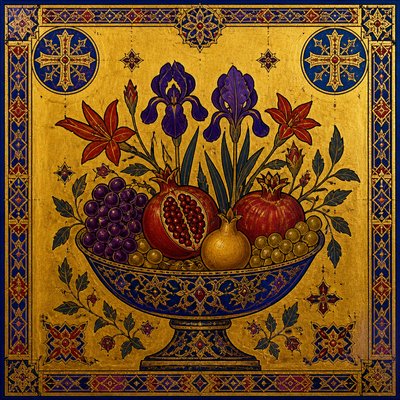
Combine gold with deep lapis blue, red, green, cream, and warm stone tones. Use restrained contrast for structure and strong reflective accents for mosaics and liturgical focal points.
- 4
Render light as reflective and hazy
The style depends on light glancing off tiny mosaic pieces and diffusing through incense or dust. In digital or photographic transformation, add soft sunbeams, candlelight, and a slight atmospheric haze to enhance the sacred mood.
- 5
Use icon-like frontal clarity in figures and ornament
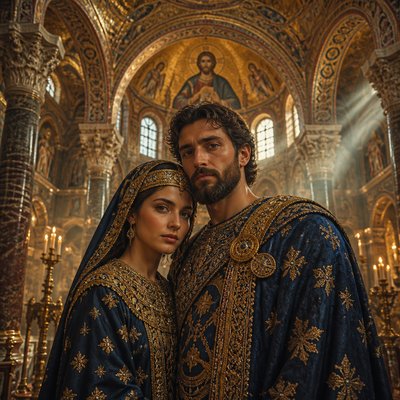
If people, saints, or emperors are included, present them frontally, hieratic, and symmetrical, with simplified depth. Decorative repetition, not naturalistic perspective, should organize the image.
- 6
Prompt with material specificity
For text-to-image generation, mention gold-ground mosaics, shallow domes, arched windows, marble columns, basket capitals, and incense-hazed candlelight. For image-to-image work, emphasize preserving the composition while converting surfaces into mosaic, stone, and gilded ornament.
The Story
History & Origins of Byzantine Architecture
Byzantine architecture developed from the late Roman world after Constantine founded Constantinople in 330 CE, then matured as a distinct imperial and Christian architectural tradition. Early monuments adapted Roman basilicas and centralized plans to new liturgical purposes, while major innovations in dome construction transformed church interiors into unified sacred environments. The Hagia Sophia in Constantinople, completed in 537 under the emperor Justinian I, became the most famous example of this synthesis of engineering and theology.
Over time, Byzantine architecture spread through the Balkans, Greece, Russia, Italy, the Caucasus, and the Levant, where local traditions modified its forms. Middle Byzantine and Late Byzantine churches often became smaller and more intimate than Justinianic imperial monuments, but they retained characteristic domes, brick and stone patterned exteriors, and glittering interior decoration. After the fall of Constantinople in 1453, Byzantine forms continued in Orthodox church architecture and influenced Russian, Balkan, and Ottoman sacred building traditions.
Influences: Byzantine architecture grows out of late Roman engineering, early Christian church building, and the ceremonial culture of the eastern imperial court. It is closely related to Byzantine mosaic art, Orthodox icon traditions, and the broader Romanesque and Islamic worlds that absorbed or echoed some of its structural and decorative ideas. For real historical comparison, key reference points include Hagia Sophia in Constantinople and later Orthodox monuments rather than named individual artists, since architectural authorship in this period is usually collective or court-directed.

Frequently Asked Questions
What defines Byzantine architecture?
It is defined by domes, arches, rich interior decoration, and a sacred atmosphere created through gold mosaics and marble surfaces. The style emphasizes luminous, symbolic interiors more than exterior ornament. Its form was shaped by Christian liturgy and imperial ceremony.
How is Byzantine architecture different from Romanesque architecture?
Both use masonry, arches, and church plans, but Byzantine architecture typically favors domes, shimmering mosaics, and a more centralized interior space. Romanesque churches in western Europe more often emphasize heavy walls, barrel vaults, and sculptural portals. Byzantine spaces also tend to feel more radiant and less sculpturally dense.
How is it different from Gothic architecture?
Gothic architecture seeks height, pointed arches, rib vaults, and large stained-glass windows. Byzantine architecture instead uses broad domes, rounded arches, and reflective interior surfaces such as mosaic and marble. The emotional effect is more enveloping and ceremonial than vertically aspirational.
What materials are most associated with the style?
Gold mosaics, marble revetment, stone, brick, and carved capitals are the most characteristic materials. Interiors often combine multiple colored stones and surfaces to create pattern and contrast. Light is considered part of the material experience because it animates the mosaics.
Can I use Byzantine architecture in modern design or fantasy art?
Yes, especially if you want a sacred, imperial, or ancient-civilizational mood. Modern interpretations usually borrow the domes, arches, gold mosaics, and marble patterning rather than copying a specific historical building. In fantasy art, the style is often used for temples, palaces, and cathedrals.
How do I make my image look authentically Byzantine?
Focus on interior richness: domes, mosaics, marble, and controlled light should dominate the composition. Avoid overly Gothic spires, heavy Renaissance perspective, or excessive exterior sculpture. A restrained, frontal, ceremonial presentation usually feels most authentic.
Create your first Byzantine Architecture artwork
Describe anything — or upload a photo — and see it in Byzantine Architecture in seconds.
Related Styles
Discover similar art styles