Metabolist Architecture
Megastructural retro-future architecture with capsule pods, concrete cores, and modular plug-in density.
Instantly rendered in Metabolist Architecture — or transform a photo


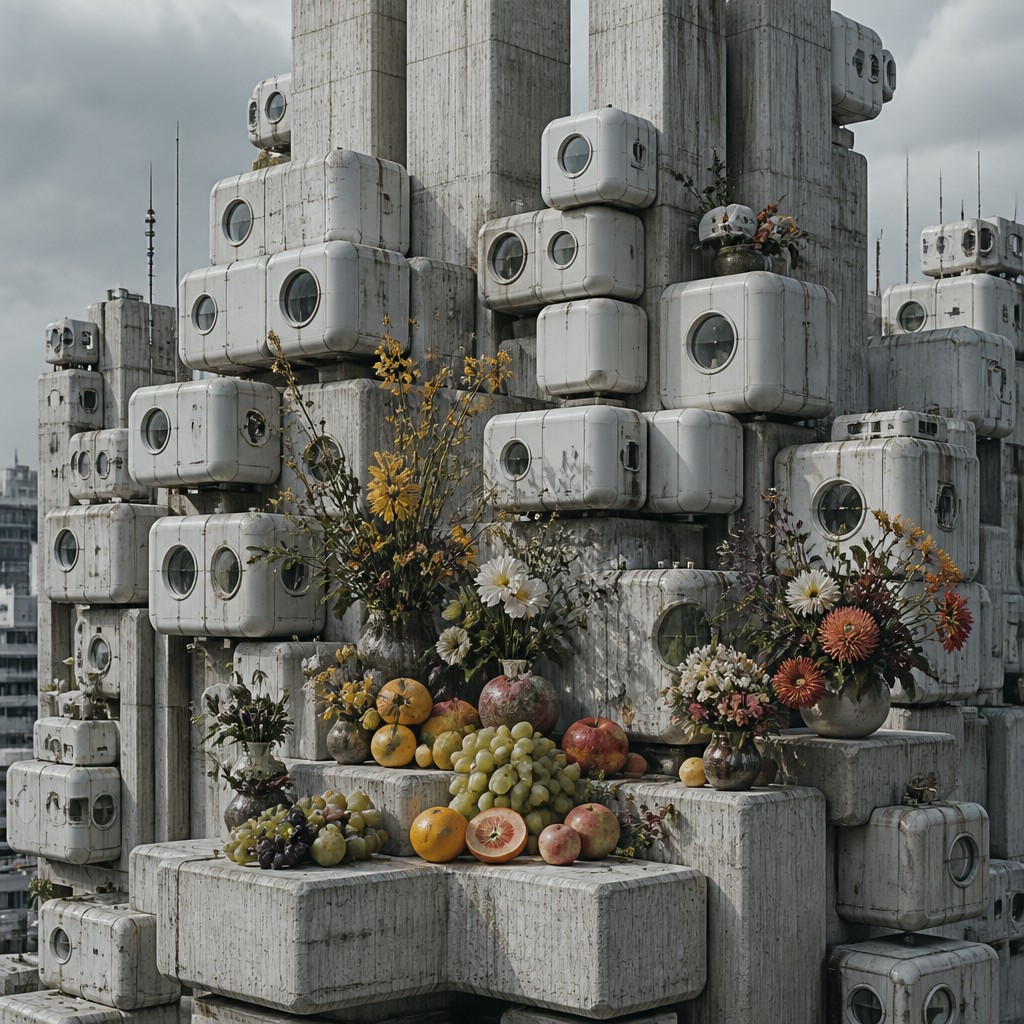
Metabolist Architecture Gallery
Tap any artwork to explore it






What is Metabolist Architecture?
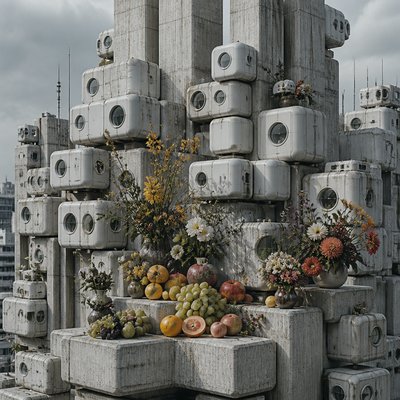
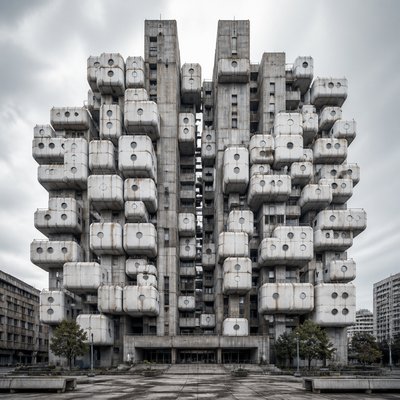
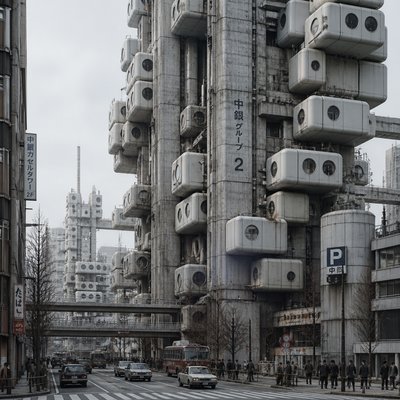
Metabolist Architecture is a visionary Japanese architectural style associated with the postwar period, centered on the idea that cities and buildings should grow, adapt, and be replaced over time like living organisms. Its signature image is the megastructure: a monumental concrete framework that supports interchangeable capsule units, pods, or prefabricated cells that can be added, removed, or renewed without dismantling the whole structure.
Visually, the style combines raw board-marked concrete, repetition, and modular geometry with an almost biological sense of expansion. It often looks simultaneously utopian and industrial: white or metallic capsule forms clip onto heavy service cores, round porthole windows punctuate the facades, and the overall composition suggests a future city built from plug-in parts. The effect is dense, ordered, and experimental, rooted in both architectural pragmatism and a speculative belief in perpetual urban change.

Try It On Your Photos
Upload any photo and convert it into Metabolist Architecture — drag the sliders to compare before and after.



What Defines Metabolist Architecture
The signature details, up close
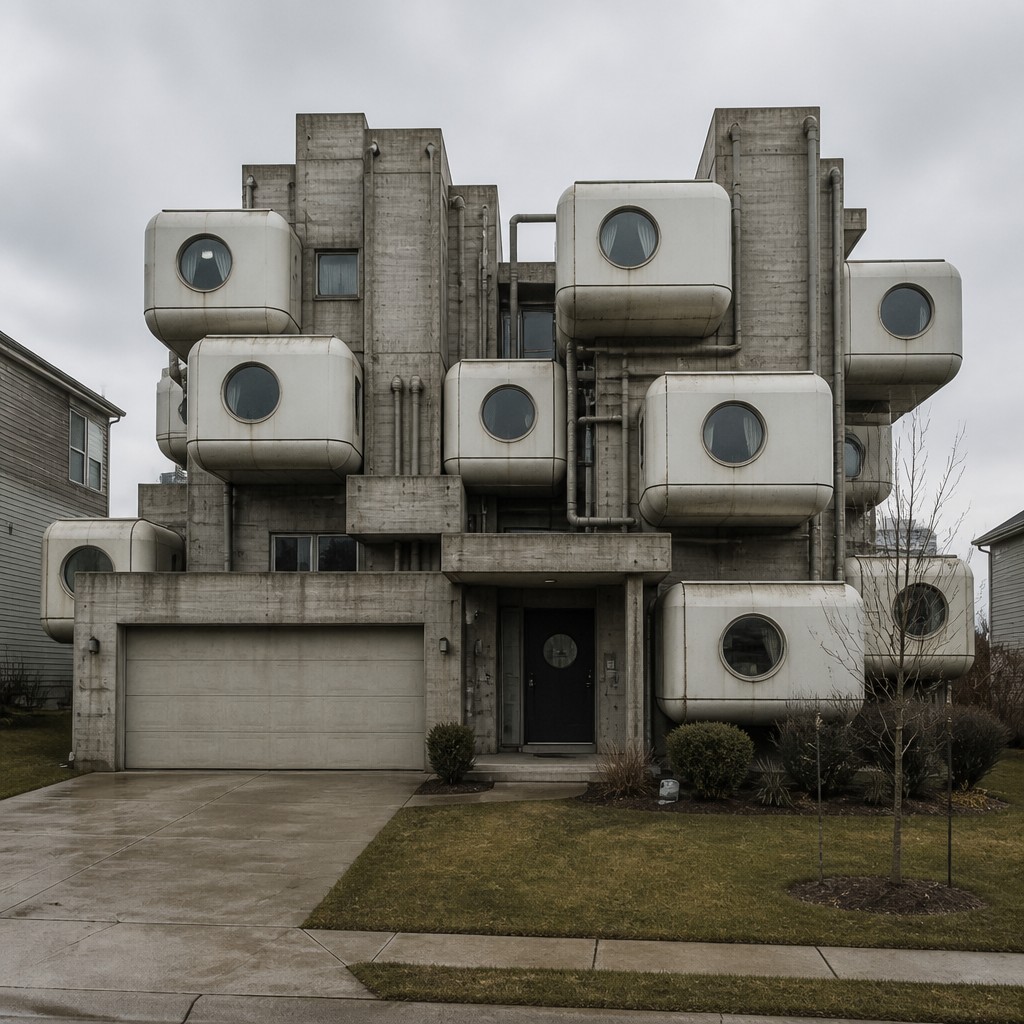
Megastructural concrete framework
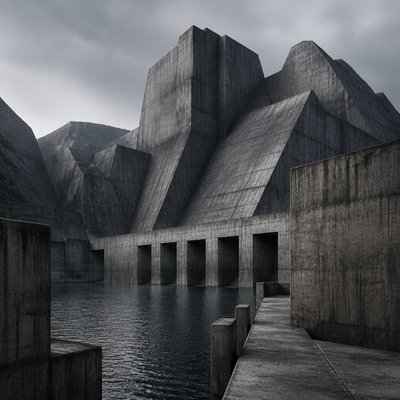
A large, load-bearing core or exoskeleton dominates the composition and reads as permanent infrastructure. The surface is often raw, grey, and board-marked, emphasizing mass and construction.
Plug-in capsule units
Small prefabricated pods attach to the main structure like cells in a larger organism. They are usually repeated in clusters and can be imagined as replaceable modules.
Round porthole windows
Circular openings are a recurring feature on capsules and service pods. They give the architecture a spacecraft-like, retro-futurist appearance.
Organized cellular repetition
Forms repeat in a rhythmic way, suggesting growth, accretion, and adaptability rather than static symmetry. The overall look is dense but legible, with a clear modular logic.

Industrial materials and finishes
Concrete, steel, aluminum, and smooth white cladding are typical. The contrast between rough structural elements and clean capsule shells is central to the style.
Utopian retro-future mood
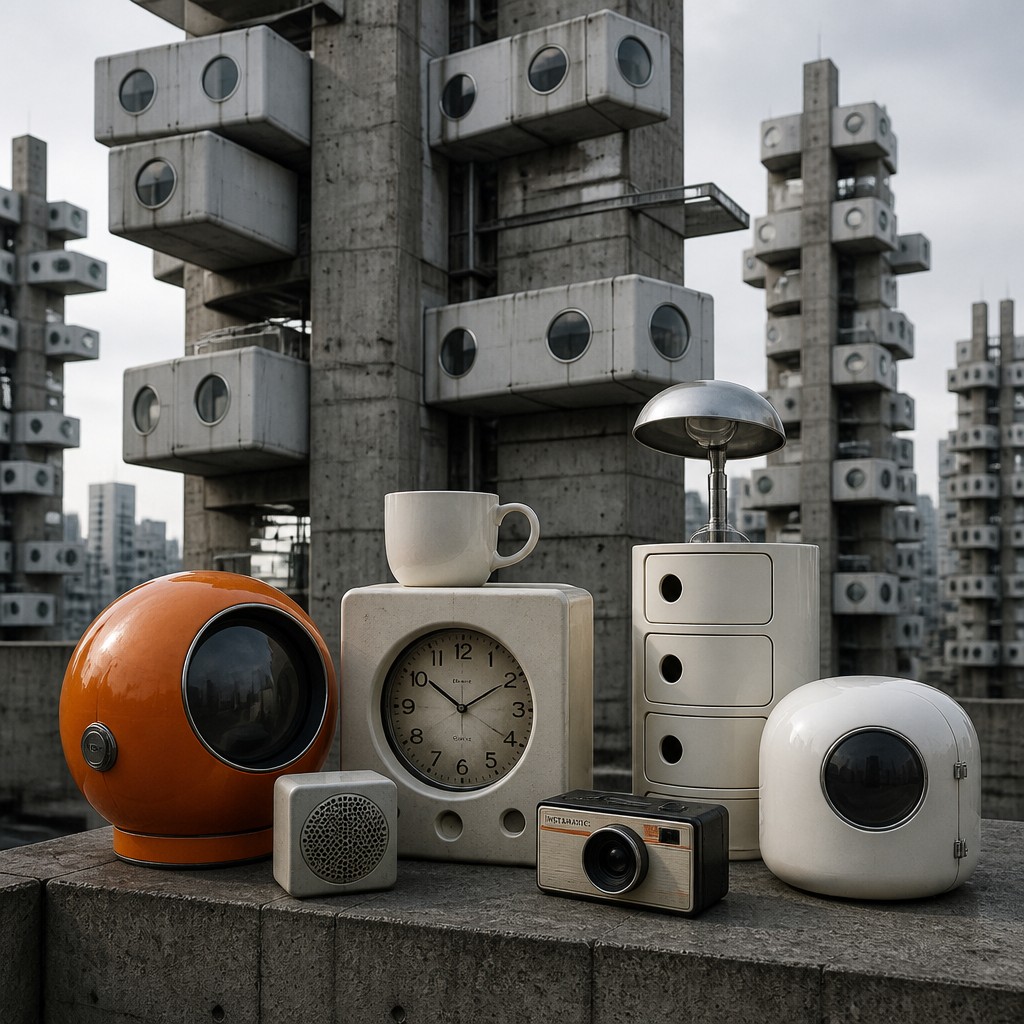
The visual tone often feels optimistic but weathered, as if a bold future has already become part of the urban fabric. Overcast light and worn surfaces reinforce the sense of lived-in speculation.
Try It
Create Videos in Metabolist Architecture
Styles aren't just for stills — describe a scene or animate an image and get a short video rendered in Metabolist Architecture. Press play to see this pond come to life.
Make a VideoMetabolist Architecture Prompt Ideas
Start from an idea — each one opens the generator with the style ready to go. See all 40 Metabolist Architecture prompts →

“close-up portrait of an elderly person with expressive weathered features”

“a cat lounging in a sunlit window”

“bouquet of flowers in a glass vase”

“sailing ship on a stormy sea”
How to Create Metabolist Architecture Art
Master the craft step by step — or skip straight to creating. Read the full guide →
- 1
Build around a central megastructure
Start with one dominant structural spine, tower, or concrete service core, then attach modules to it in a controlled grid or branching pattern. In traditional drawing, use strong perspective and repeated box-like forms; in digital work, block in the core first and layer capsules afterward.
- 2
Use repetition with variation
Keep the module shape consistent, but vary small details such as window placement, depth, or attachment points to make the structure feel engineered rather than copied. This creates the impression of a living system with interchangeable parts.
- 3
Contrast heavy structure with light capsules
Make the main support read as massive and permanent, while the pods should look lighter, smoother, and replaceable. A strong value contrast between rough grey concrete and clean white shells helps define the style instantly.
- 4
Emphasize industrial texture and scale
Show board-form lines, seams, bolts, joints, and weathering so the architecture feels built rather than decorative. Include people, vehicles, or neighboring buildings only if you want to clarify the colossal scale.
- 5
Compose for density and growth
Avoid isolated objects floating in space; this style works best when the building appears to expand beyond the frame. For prompt-based generation, specify modular capsules, concrete cores, porthole windows, and dense urban context.
The Story
History & Origins of Metabolist Architecture
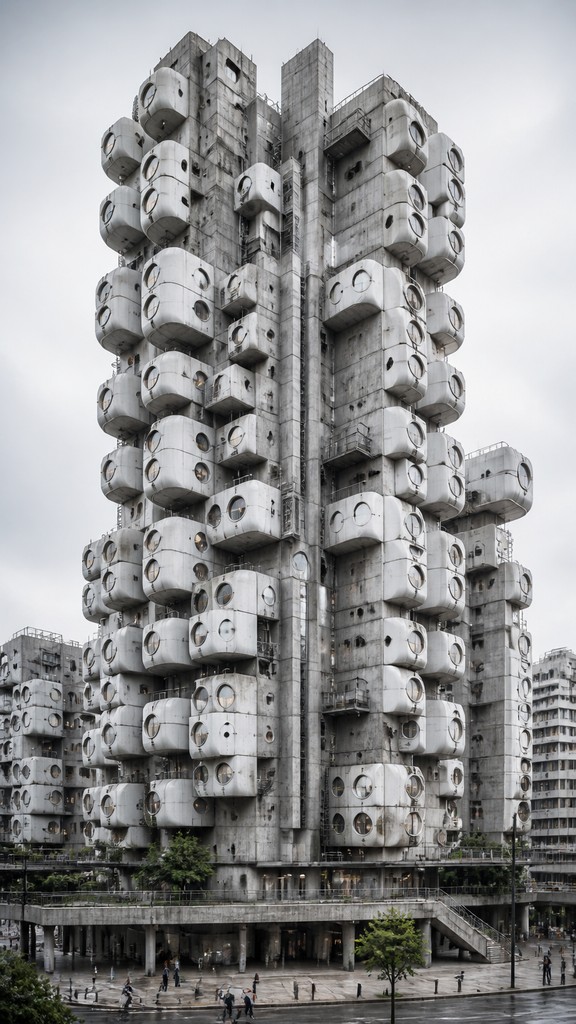
Metabolism emerged in Japan around 1960, when a group of architects and designers proposed that cities should be conceived as living systems capable of growth and renewal. The movement was formally introduced at the 1960 World Design Conference in Tokyo, with figures such as Kisho Kurokawa, Kiyonori Kikutake, Fumihiko Maki, and Masato Otaka among its key proponents. Although not all of their proposals were realized, built works such as Kisho Kurokawa’s Nakagin Capsule Tower became the style’s most recognizable expression.
Its aesthetic lineage draws from postwar modernism, high-tech and megastructural thinking, industrial prefabrication, and Japanese traditions of impermanence and cyclical renewal. The style also reflects the optimism of the space age and the pressure of rapid urbanization in Japan, which encouraged architects to imagine dense, adaptable cities rather than fixed monuments.
Influences: Metabolist Architecture is closely related to postwar modernism, Brutalism, and high-tech architecture, while also anticipating later interest in modular and adaptable building systems. Among the architects most associated with the movement, Kisho Kurokawa is especially important for the capsule concept, while Kiyonori Kikutake and Fumihiko Maki helped define its urban and theoretical ambitions. It also overlaps with mid-century space-age design and broader industrial prefabrication traditions, but its distinctive contribution is the idea of architecture as a living, replaceable system.

Frequently Asked Questions
What defines Metabolist Architecture?
Its core idea is that buildings and cities should function like living organisms, with permanent structural frameworks supporting replaceable modular units. Visually, this means concrete megastructures, capsule pods, and repeated cellular forms. The style is both theoretical and highly recognizable in silhouette.
Is this the same as Brutalism?
Not exactly. Brutalism also uses raw concrete and monumental massing, but Metabolist Architecture adds a modular, plug-in logic and a stronger sense of growth and adaptability. A Metabolist building can look brutalist in material, but it is usually more explicitly cellular and futuristic.
Where did Metabolist Architecture come from?
It developed in Japan around 1960, especially around the World Design Conference in Tokyo. The movement responded to postwar reconstruction, rapid urban growth, and the desire for flexible cities that could evolve over time. Its ideas were architectural, urbanistic, and social rather than purely decorative.
What materials are typical in this style?
Exposed concrete is the most important material, especially for the main structural core. Capsules are often imagined in white metal, aluminum, or smooth prefabricated panels, with round windows and visible joints. The contrast between rough structural mass and clean modular shells is a defining feature.
How can I make an image look Metabolist?
Focus on one large service core or megastructure and attach many small, repeating capsules to it. Include porthole windows, modular repetition, and an urban backdrop that suggests density and growth. Overcast lighting and weathered surfaces help the image feel believable and historically grounded.
Where is this style used today?
It appears in architectural concept art, science fiction environments, speculative urban design, and retro-futurist visual culture. Contemporary designers also reference it when exploring modular housing, adaptive reuse, and dense urban futures. Its imagery is especially common in worlds that need to feel engineered, optimistic, and slightly archival.

Create your first Metabolist Architecture artwork
Describe anything — or upload a photo — and see it in Metabolist Architecture in seconds.
Related Styles
Discover similar art styles