Ancient Egyptian Architecture
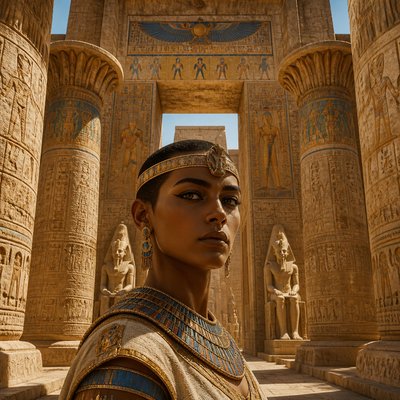
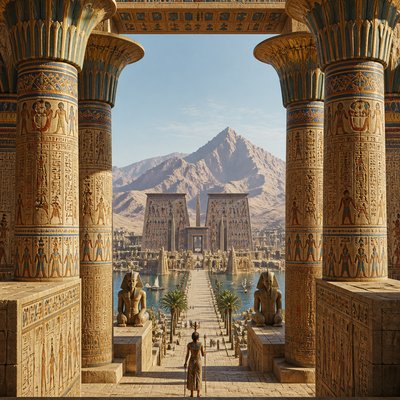
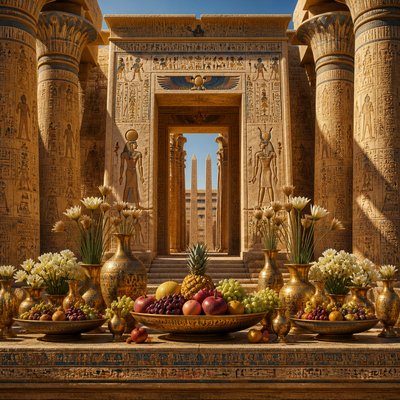
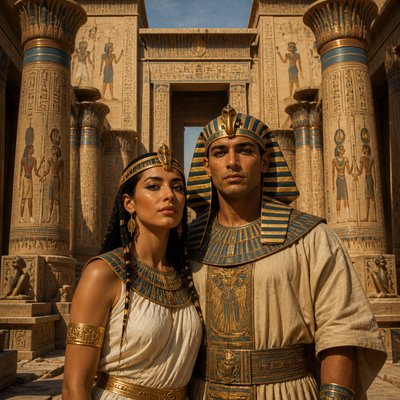
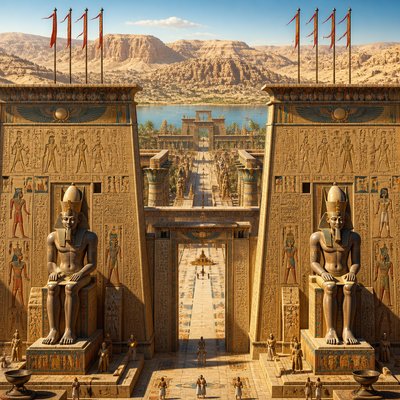
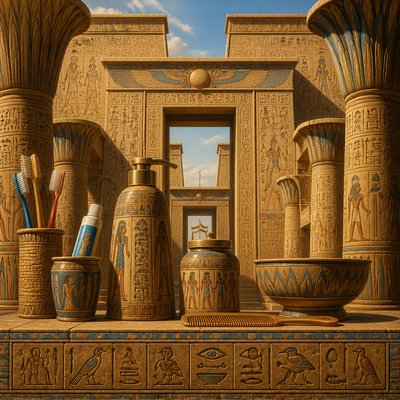
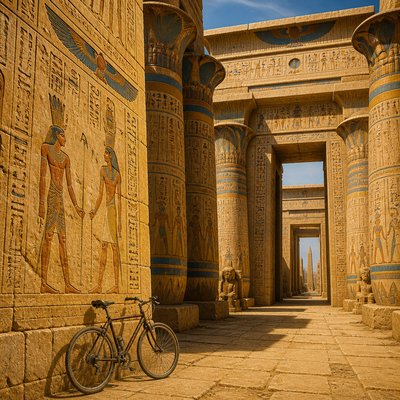
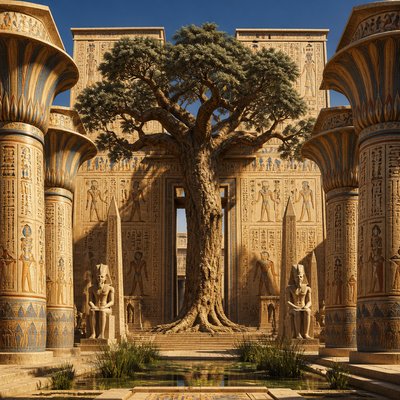
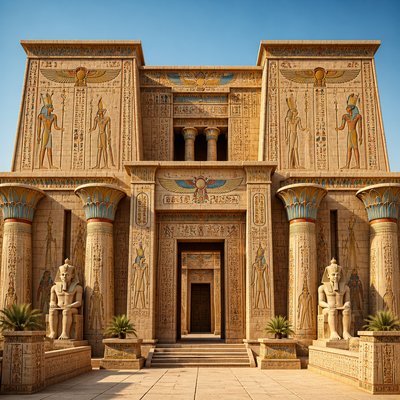
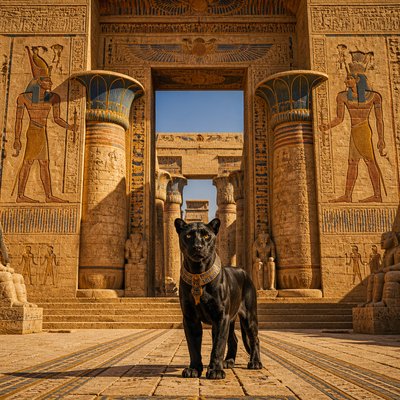
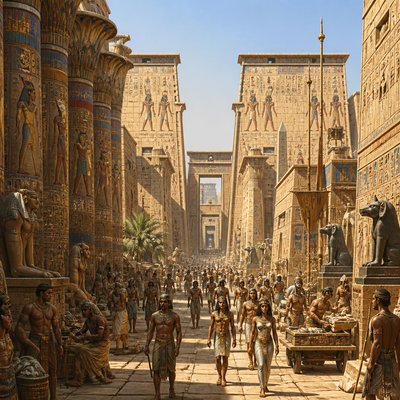
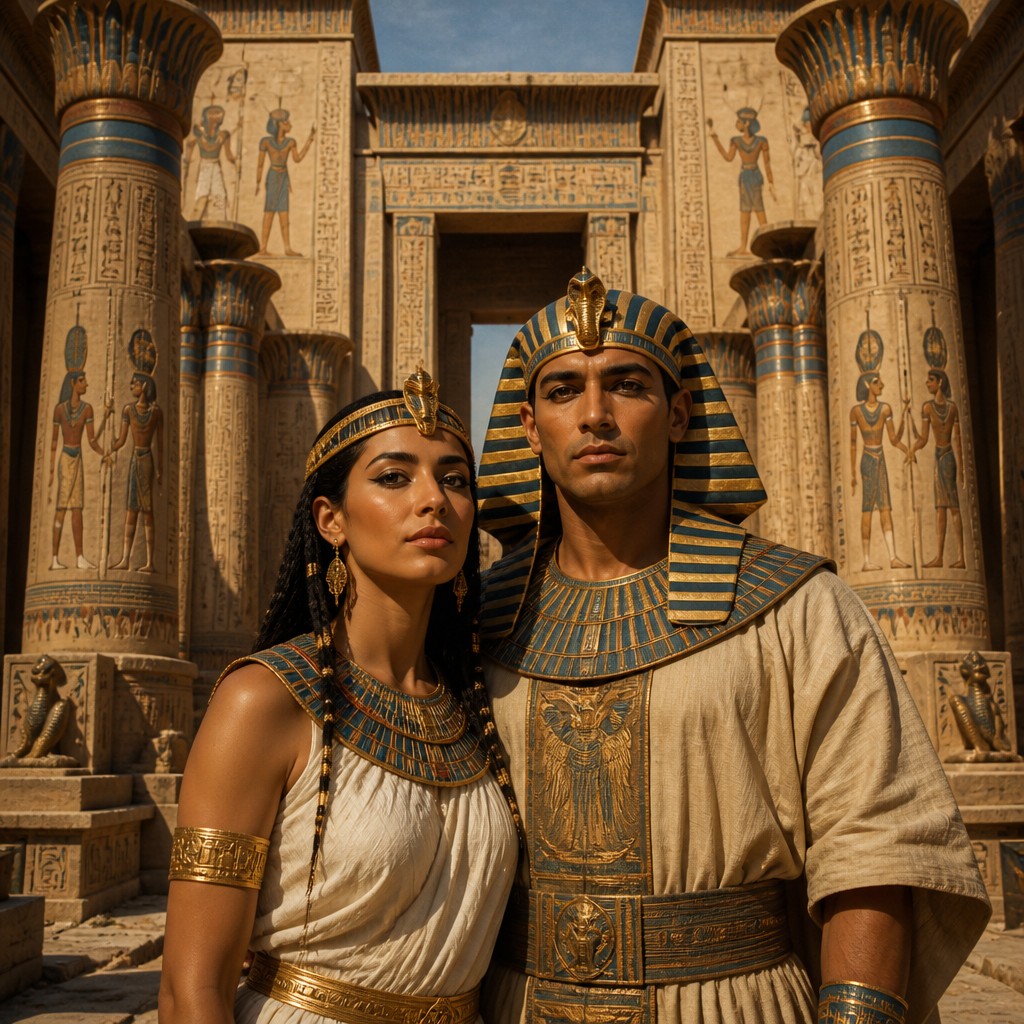
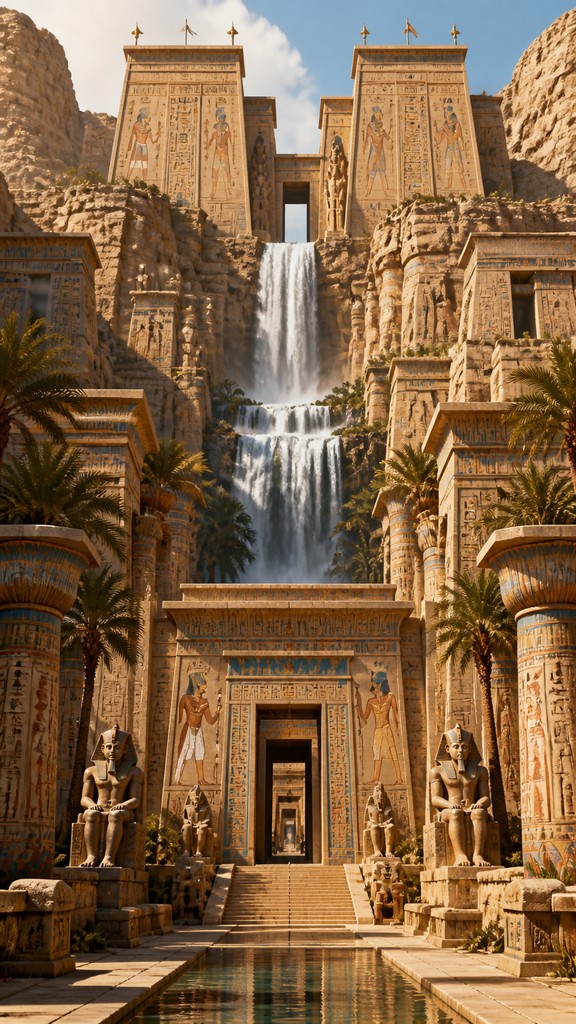
Colossal Egyptian stone architecture with pylons, lotus columns, hieroglyphs, and sunlit monumental symmetry.
Instantly rendered in Ancient Egyptian Architecture — or transform a photo
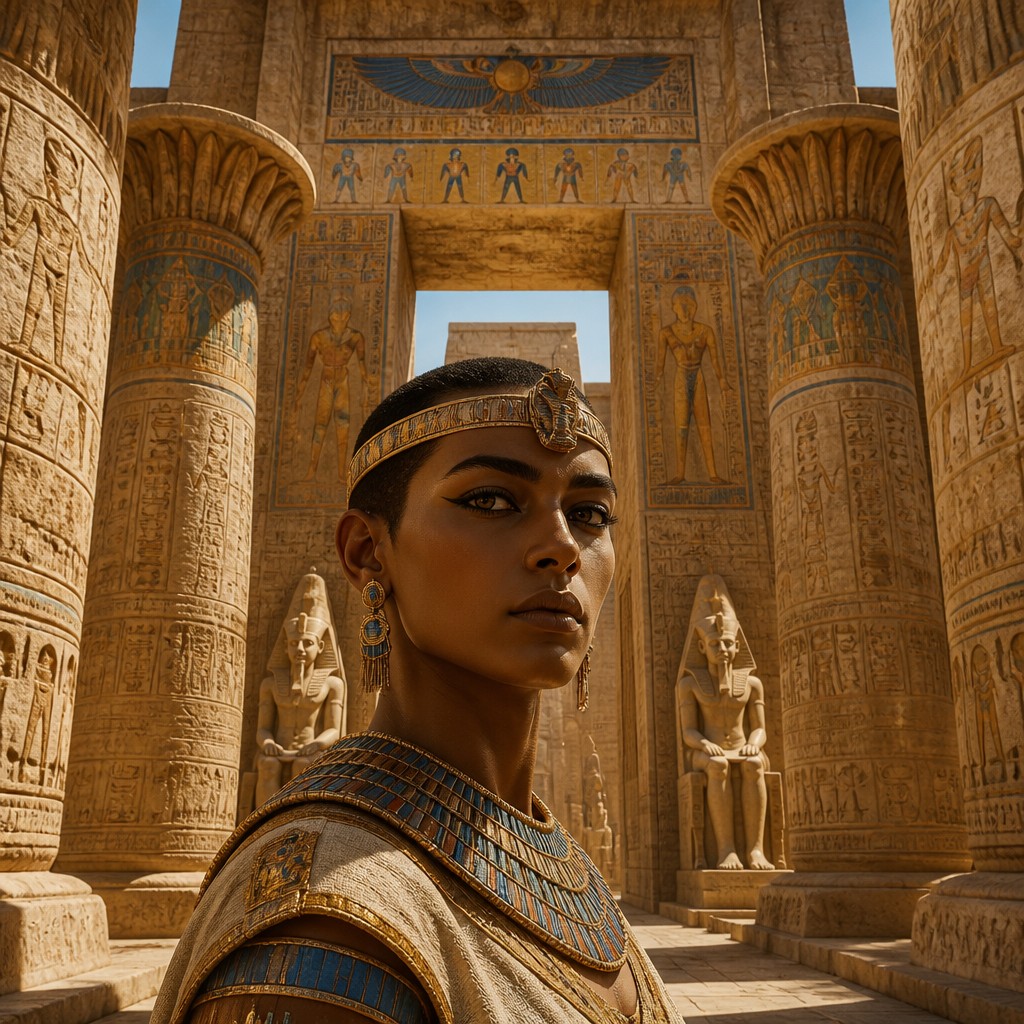
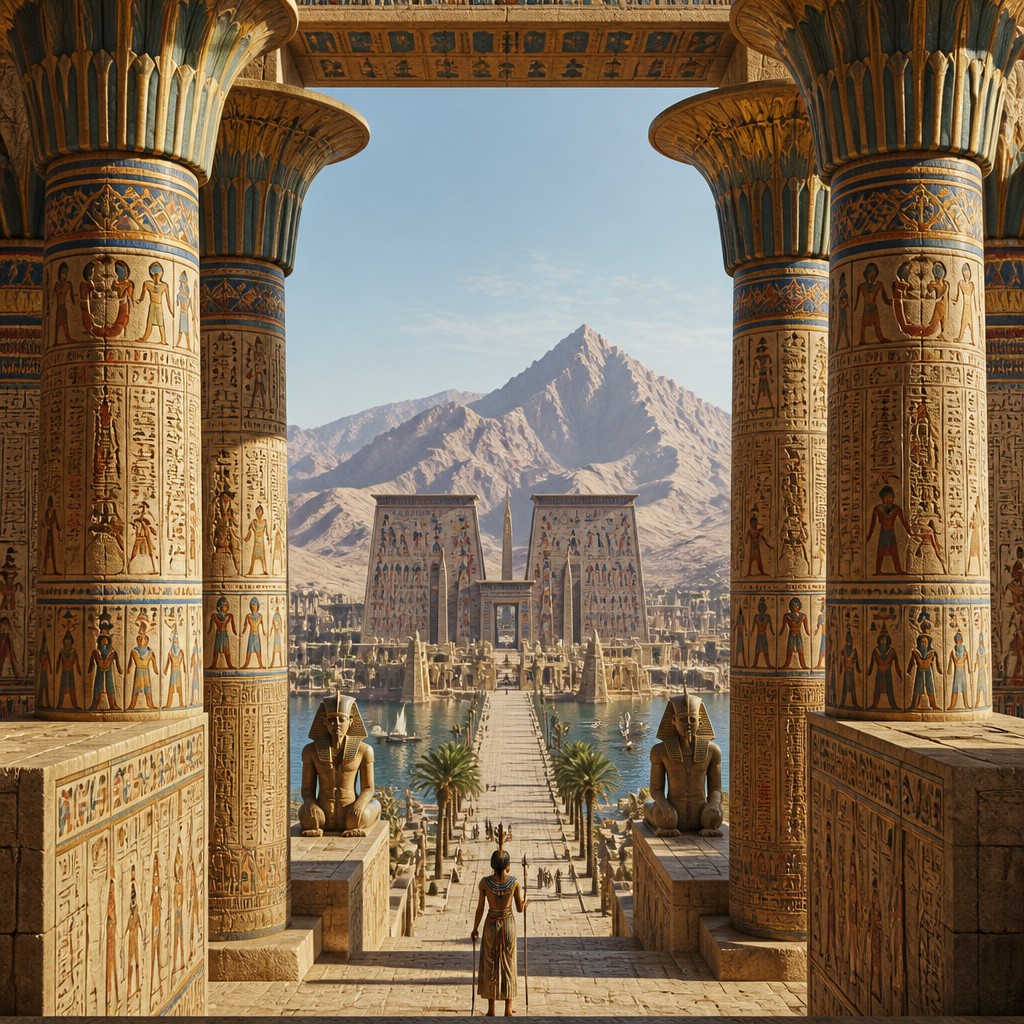
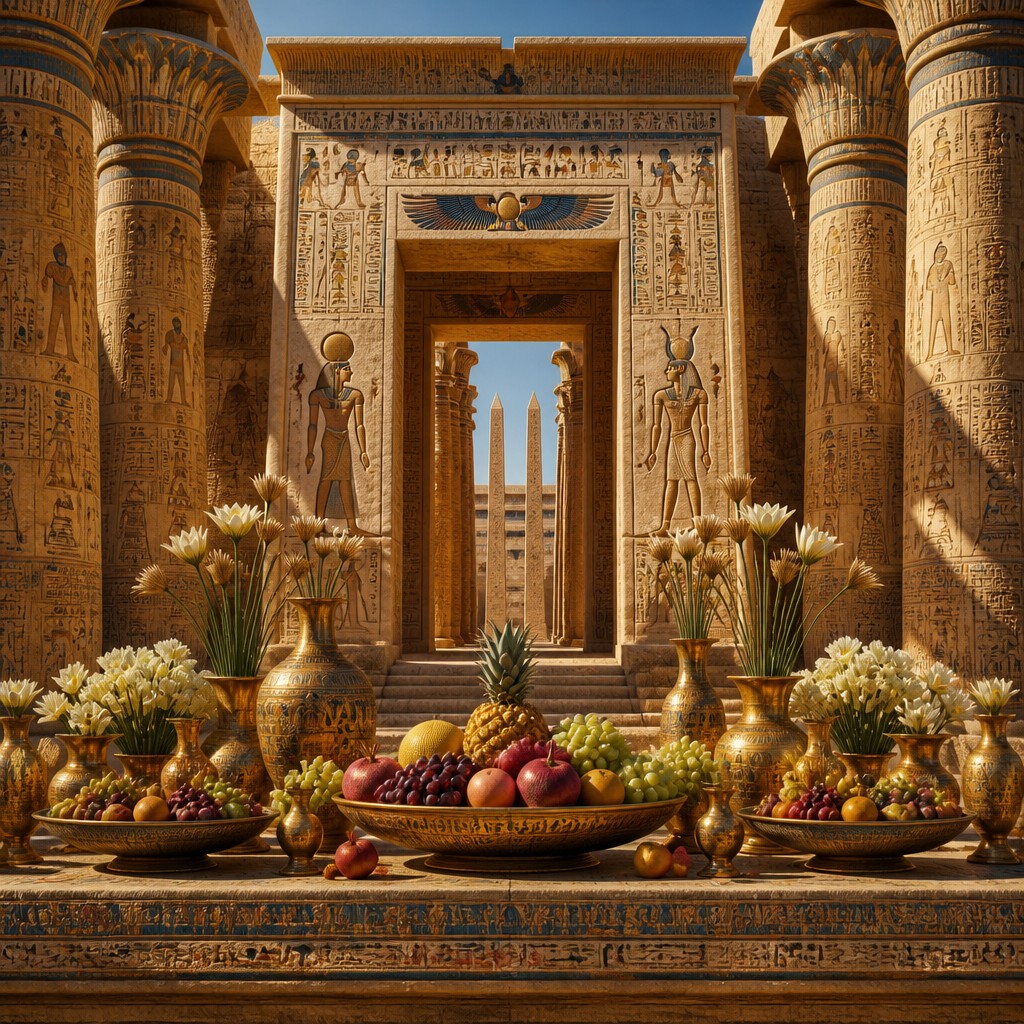
Ancient Egyptian Architecture Gallery
Tap any artwork to explore it
What is Ancient Egyptian Architecture?
Ancient Egyptian architecture is one of the world’s most recognisable monumental styles, defined by massive stone construction, strict axial symmetry, and a ceremonial sense of scale. Its visual identity comes from temples, tombs, pylons, obelisks, hypostyle halls, and column forms modeled on papyrus and lotus plants, all carved and painted to communicate divine order and royal authority.
In visual terms, the style is built from thick battered walls, deep shadow, crisp silhouettes, and surface decoration that combines relief carving with symbolic color. The look feels timeless because the architecture was designed to last, to frame ritual movement, and to present the pharaoh as the mediator between the human and divine worlds. Hard desert light intensifies the geometry and makes the stone feel both severe and sacred.
Try It On Your Photos
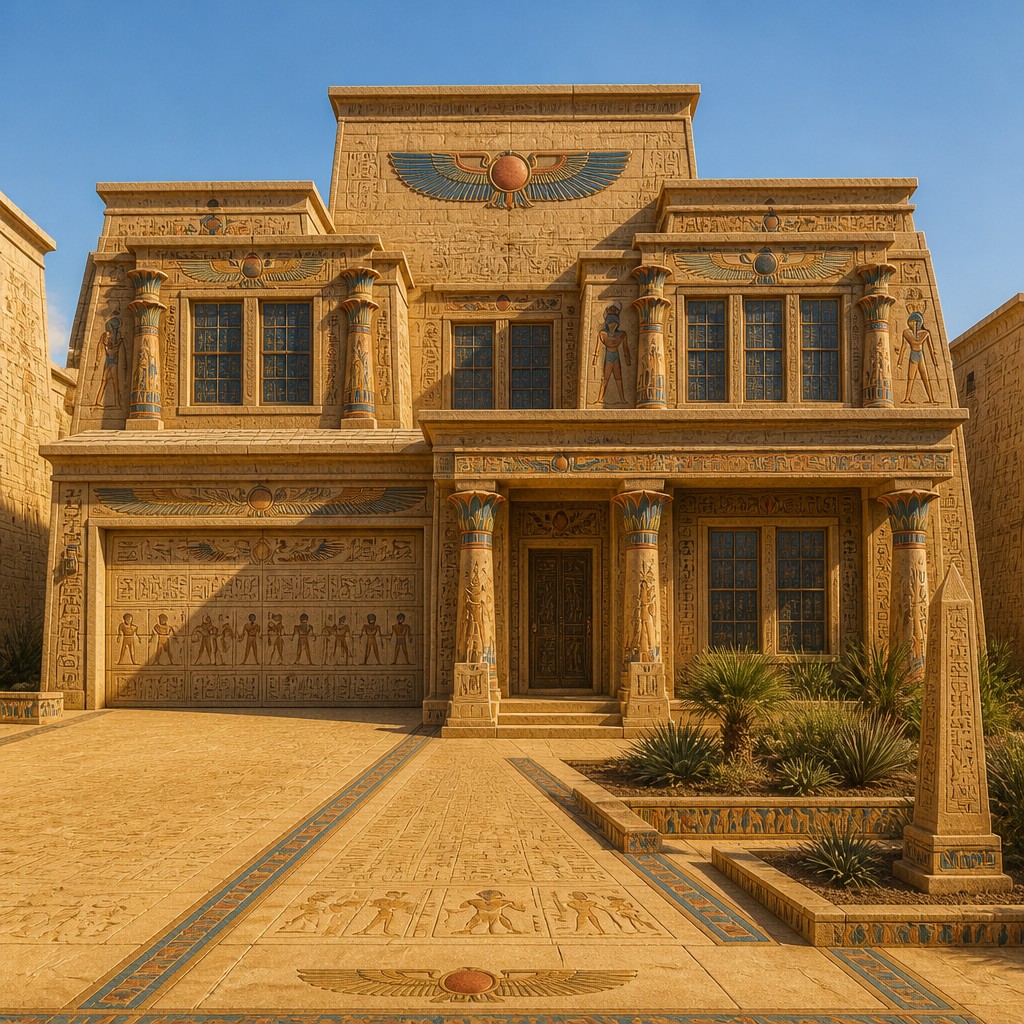
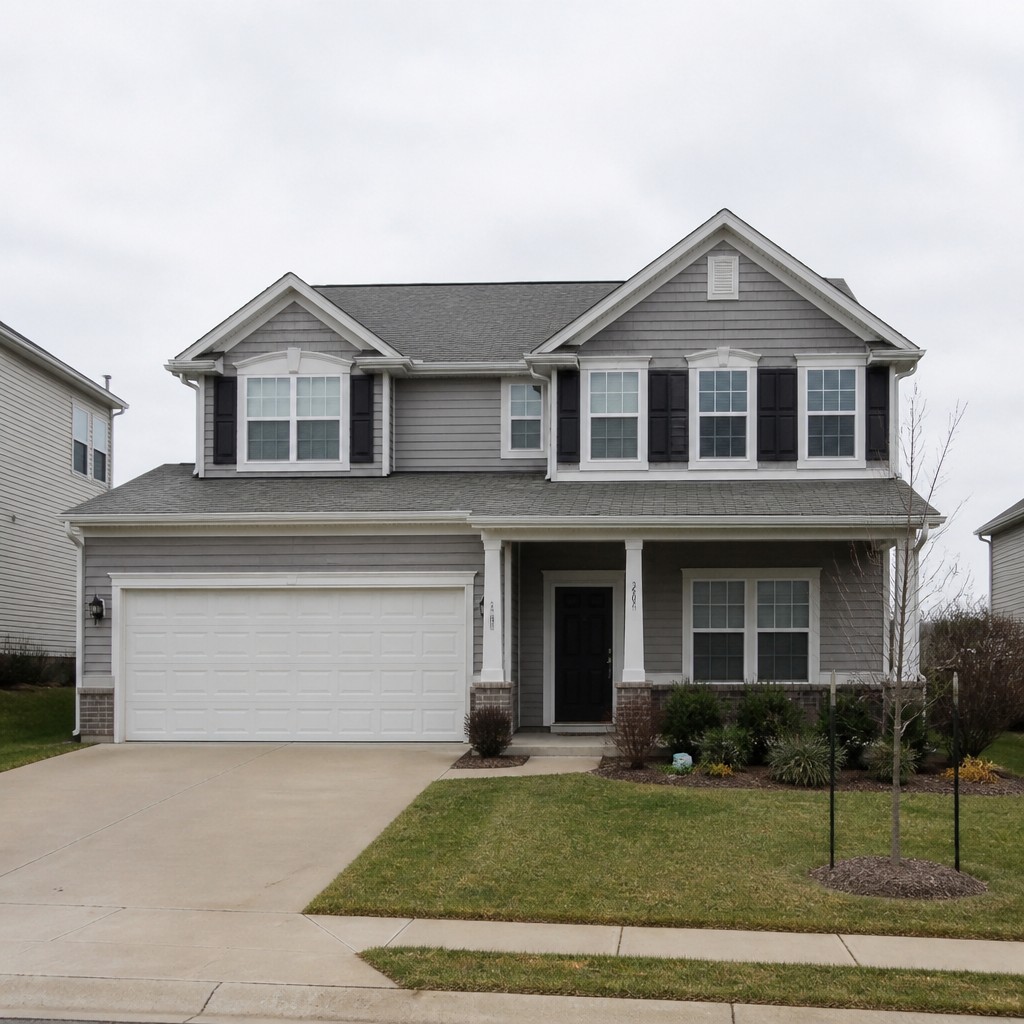
Upload any photo and convert it into Ancient Egyptian Architecture — drag the sliders to compare before and after.

What Defines Ancient Egyptian Architecture
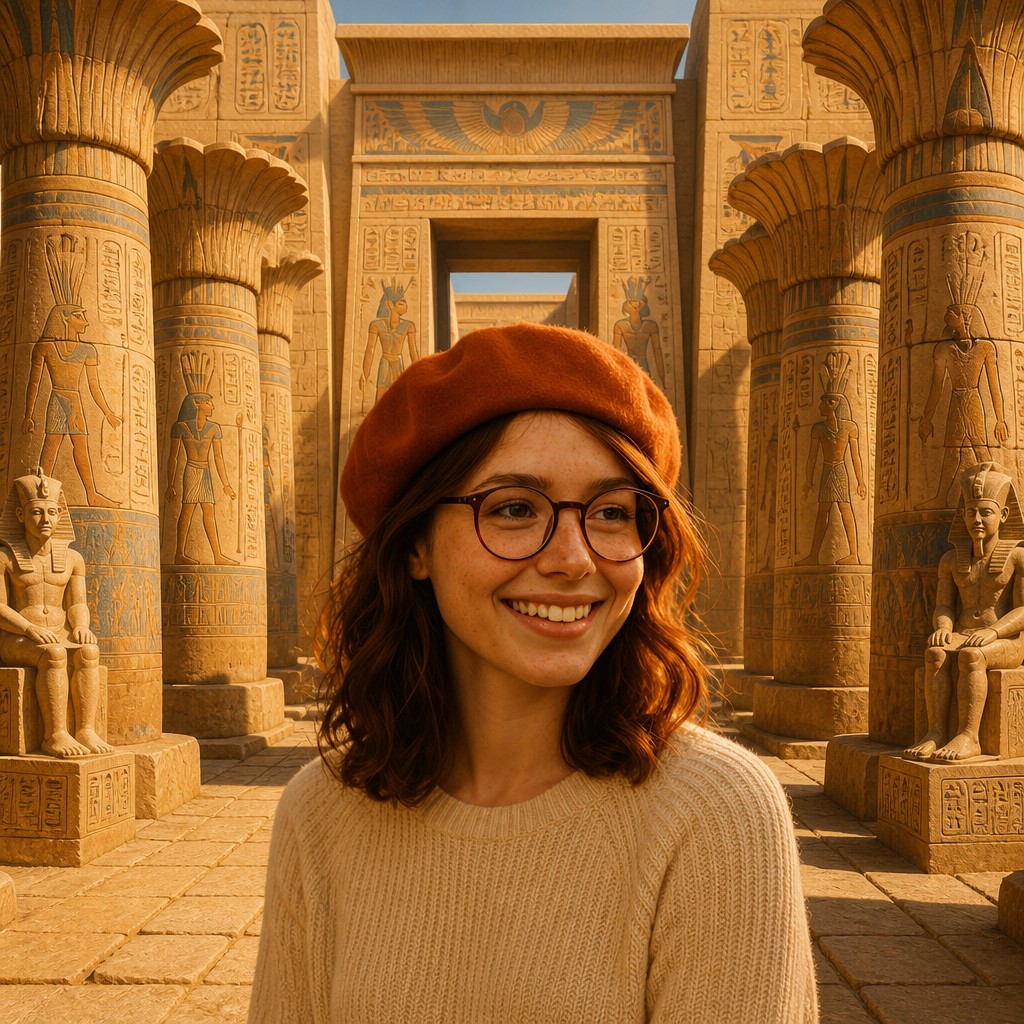
The signature details, up close
Monumental massing
Buildings are composed as heavy, enduring volumes with broad walls and minimal openings. The effect is one of permanence, weight, and controlled ceremonial presence.
Pylon gateways
Temple entrances are often flanked by massive tapered towers that create a strong silhouette. They frame processional routes and announce the sacred precinct with emphatic symmetry.
Lotus and papyrus columns
Columns often imitate Nile plants in their capitals and shafts, turning natural forms into structural symbols. These supports help create dense, forest-like interiors in hypostyle halls.
Hieroglyphic relief decoration
Walls are covered with carved inscriptions, figural scenes, and ritual imagery. Relief is usually shallow but crisp, designed to read clearly in raking sunlight.
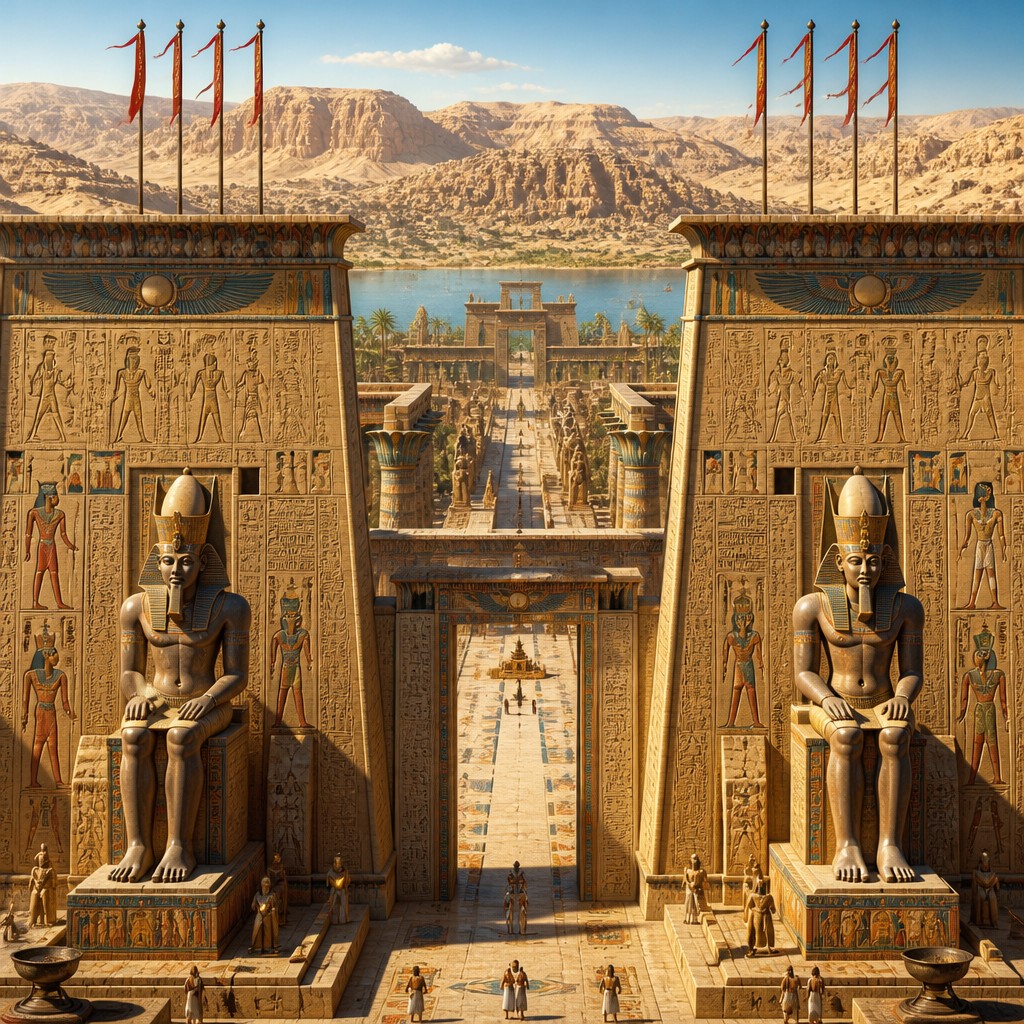
Warm stone palette
Sandstone, limestone, ochre, terracotta, lapis blue, and gold dominate the visual impression. Painted accents heighten the carved surfaces without overpowering the stone.
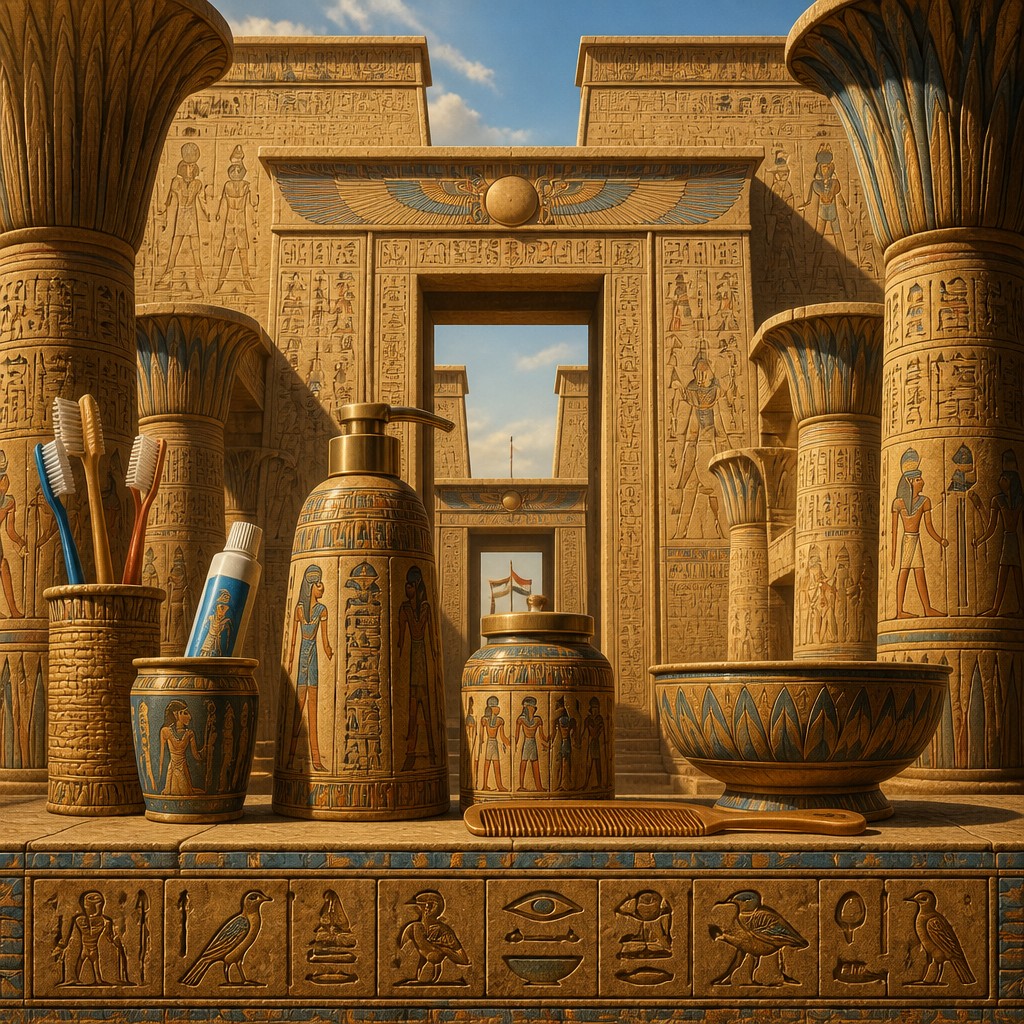
Axial symmetry and processional order
Plans are organized along a strong central axis, guiding movement from exterior courts into progressively more restricted spaces. This creates a sense of ritual unfolding and social hierarchy.
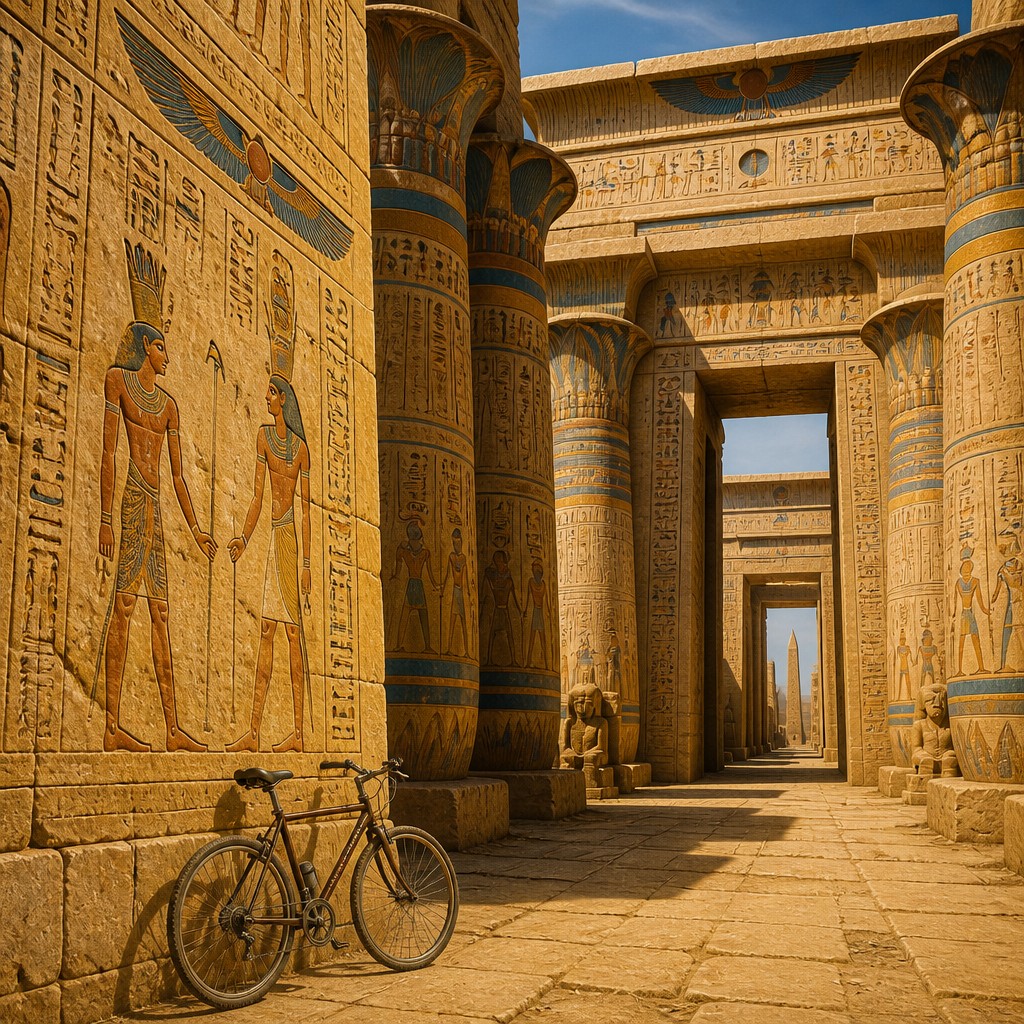
Desert-light contrast
Hard sunlight produces sharp edges and deep shadows, emphasizing geometry and texture. The architecture appears carved from the landscape rather than placed upon it.
Try It
Create Videos in Ancient Egyptian Architecture
Styles aren't just for stills — describe a scene or animate an image and get a short video rendered in Ancient Egyptian Architecture. Press play to see this pond come to life.
Make a VideoAncient Egyptian Architecture Prompt Ideas
Start from an idea — each one opens the generator with the style ready to go. See all 40 Ancient Egyptian Architecture prompts →
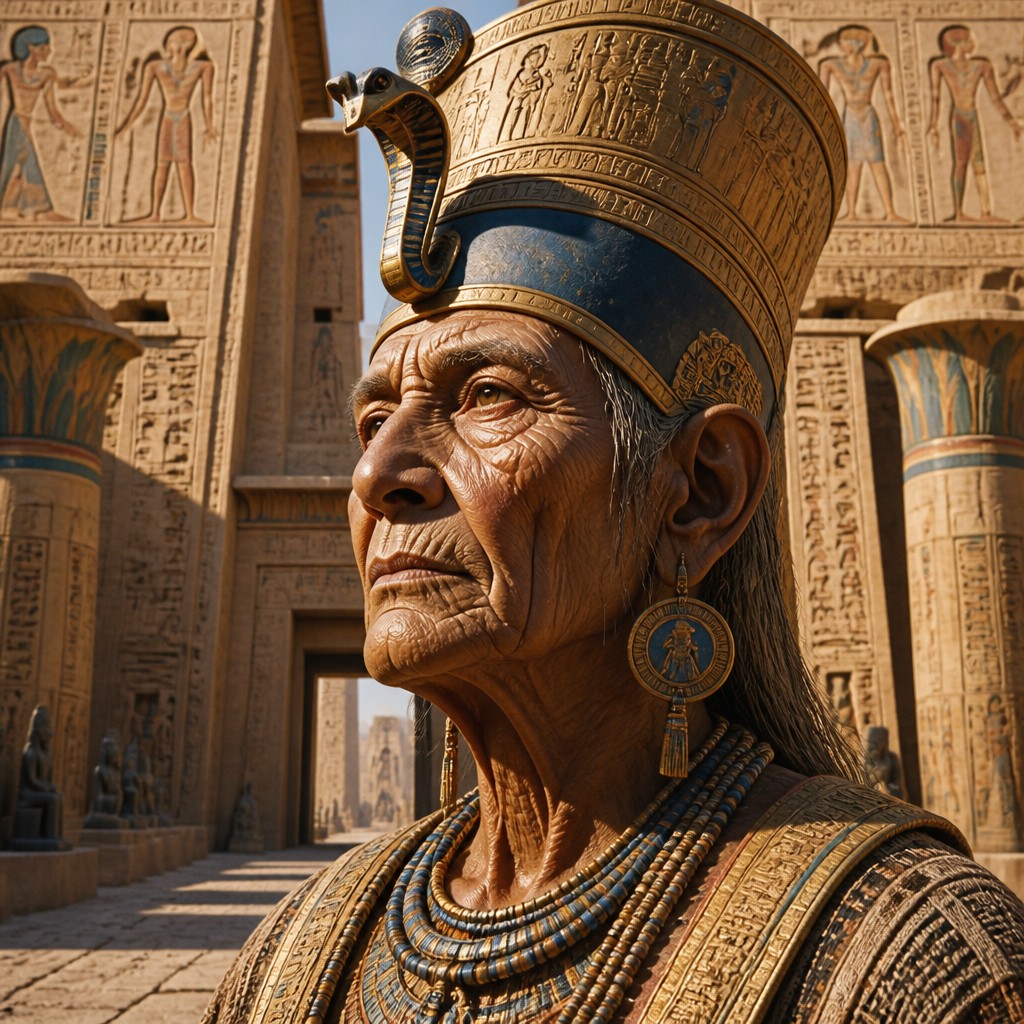
“close-up portrait of an elderly person with expressive weathered features”
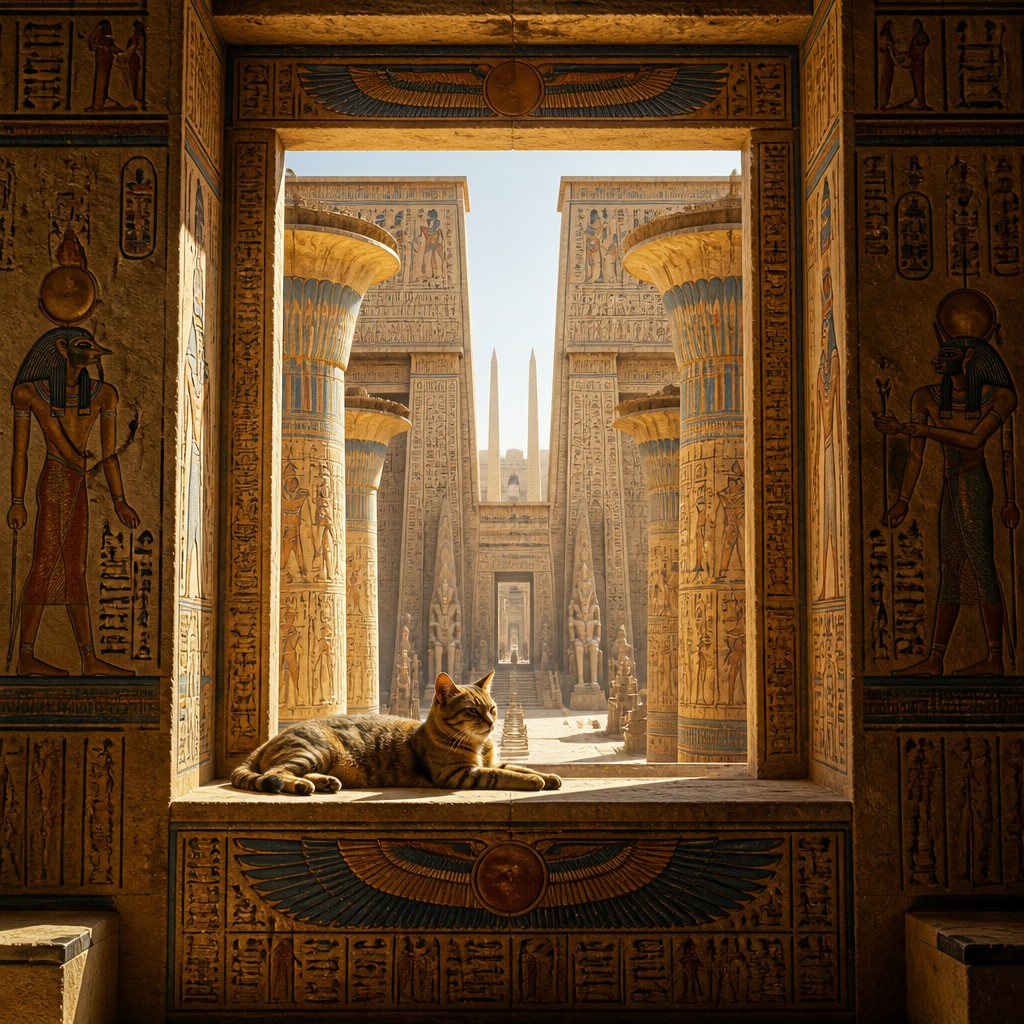
“a cat lounging in a sunlit window”
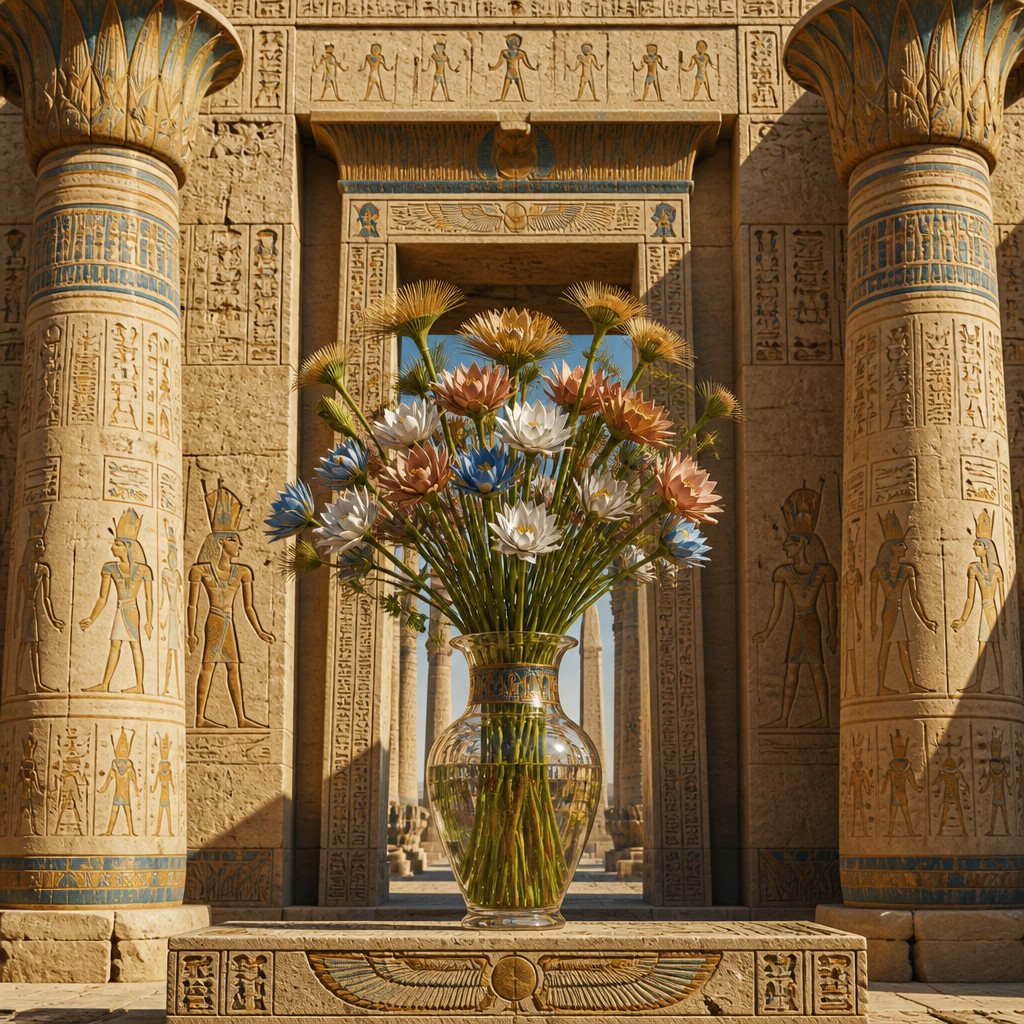
“bouquet of flowers in a glass vase”
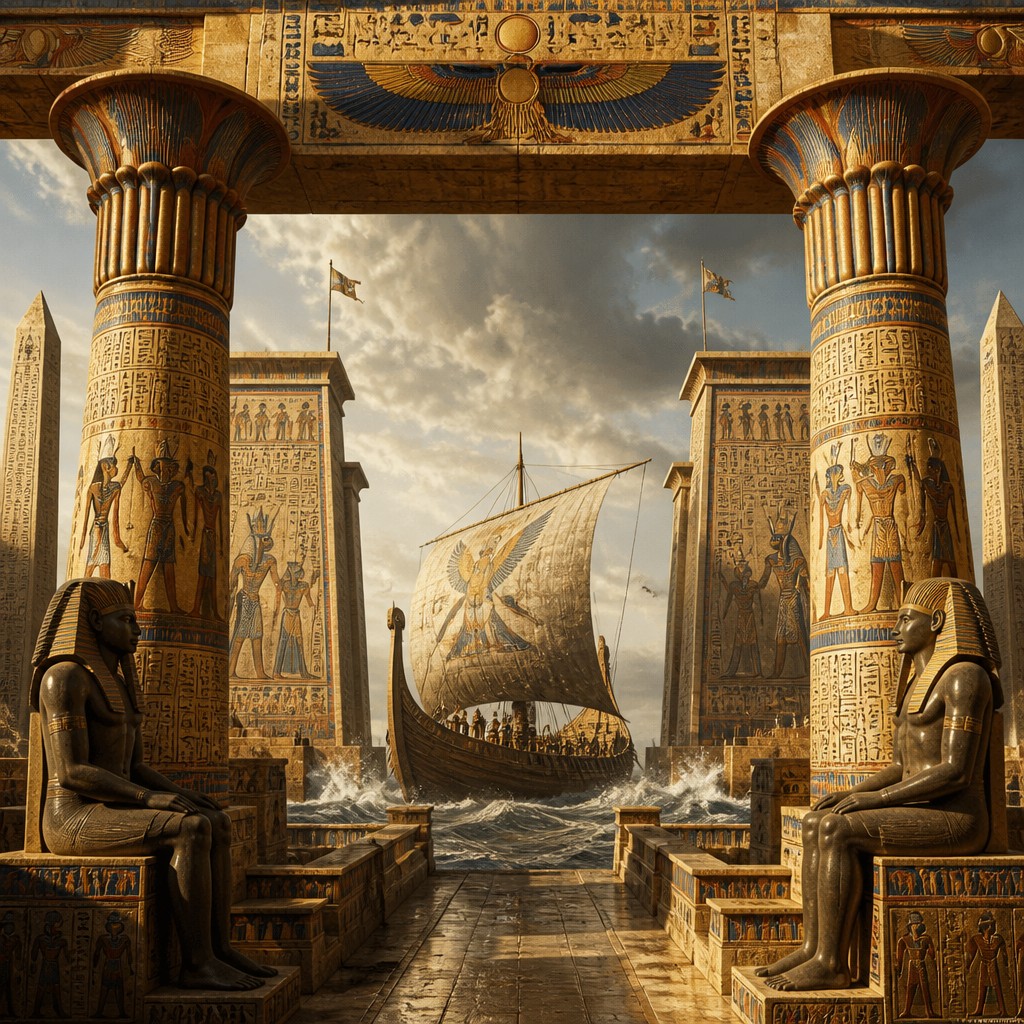
“sailing ship on a stormy sea”
How to Create Ancient Egyptian Architecture Art
Master the craft step by step — or skip straight to creating. Read the full guide →
- 1
Build with simple, massive forms
Start from large rectilinear volumes, tapered pylons, and evenly spaced columns before adding ornament. In a drawing or 3D scene, prioritize the silhouette and proportions first; the style depends more on structure than on surface detail.
- 2
Use symbolic ornament sparingly but precisely
Add hieroglyphic bands, relief panels, and painted friezes in ordered registers rather than random decoration. Keep the imagery aligned to architecture so the wall reads as part of a ritual system, not as standalone patterning.
- 3
Model the desert sun
Light should come from a high, hard source that casts strong shadows under cornices, capitals, and recesses. For painting or photo transformation, increase contrast and warm the highlights so the stone appears sun-baked.
- 4
Respect axial composition
Center the subject on a processional route, gateway, or sanctuary axis to capture the architecture’s ceremonial logic. Even when viewed obliquely, the design should feel carefully ordered and hieratic.
- 5
Use aged mineral textures
Surface detail should suggest carved sandstone, worn limestone, pigment remnants, and dust-softened edges. In digital work or prompt-based generation, specify shallow relief, sun-cracked texture, and muted natural wear rather than polished finishes.
- 6
When prompting, name the key forms
Include terms such as pylon gateway, lotus capitals, hieroglyphic relief, hypostyle hall, sandstone, and hard desert sunlight. The most convincing results come from combining architectural vocabulary with lighting, material, and symmetry cues.

The Story
History & Origins of Ancient Egyptian Architecture
Ancient Egyptian architecture developed over millennia, from early dynastic mastabas and Old Kingdom pyramids to the temple complexes of the Middle and New Kingdoms and later Ptolemaic sanctuaries. It was shaped by the Nile valley’s geology, access to sandstone and limestone, and a religious worldview in which architecture served funerary, cultic, and state functions. Monuments such as the temples at Karnak, Luxor, Edfu, and Abu Simbel show the mature language of pylons, courts, hypostyle halls, and decorated sanctuaries.
Rather than a short-lived art movement, it is a long architectural tradition that remained remarkably consistent because its forms were tied to religious practice and royal ideology. Its influence revived repeatedly in later Egyptomania, especially in the 18th, 19th, and 20th centuries, when designers borrowed its columns, obelisks, sphinxes, and hieroglyphic motifs for public buildings, memorials, theater sets, and decorative interiors.
Influences: This style belongs to the broader tradition of ancient Egyptian art and architecture, and it is closely related to temple relief carving, funerary architecture, and royal iconography from Pharaonic Egypt. Later revivals in Neoclassical and 19th-century Egyptomania borrowed its columns, obelisks, and symbolic forms, though often in simplified or eclectic ways. For real historical reference points, the major surviving monuments are the best guide: the temple complexes of Karnak, Luxor, Edfu, Abu Simbel, and the funerary architecture of the Old Kingdom.
Frequently Asked Questions
What defines Ancient Egyptian architecture visually?
It is defined by monumental scale, axial symmetry, heavy stone masses, and symbolic ornament such as hieroglyphs, pylons, and plant-based columns. The style emphasizes durability, ritual movement, and clear, legible geometry.
How is it different from Greek or Roman architecture?
Greek and Roman architecture usually emphasize proportion systems, open colonnades, and articulated orders, while Ancient Egyptian architecture favors massive enclosure, sloping walls, and processional gateways. Egyptian buildings feel more enclosed and ceremonial, with stronger emphasis on wall surface and symbolic imagery.
What colors are typical in this style?
Stone tones such as sandstone beige, limestone cream, and warm ochre are common, often accented with lapis blue, red-brown, black, green, and gold. Painted details usually appear as controlled bands, inscriptions, and carved scenes rather than broad decorative fields.
Can this style be used for modern buildings?
Yes, but usually as a revival or reference style rather than a direct continuation of ancient practice. Modern buildings may borrow pylons, obelisks, or lotus-capital columns to evoke permanence, ceremony, or monumentality.
How do I make a picture look authentically Egyptian rather than generic 'ancient'?
Use specific architectural elements: battered sandstone walls, massive pylon gates, lotus or papyrus capitals, and hieroglyphic reliefs. Avoid mixing in unrelated features from Mesopotamian, Greco-Roman, or fantasy ruins unless you want an intentionally hybrid look.
Where is this style most often used today?
It appears in museum architecture, memorials, film sets, theme-park environments, decorative interiors, and graphic design that wants a pharaonic or ceremonial mood. It is also common in educational illustrations and historical reconstructions.

Create your first Ancient Egyptian Architecture artwork
Describe anything — or upload a photo — and see it in Ancient Egyptian Architecture in seconds.
Related Styles
Discover similar art styles