Parametric Architecture
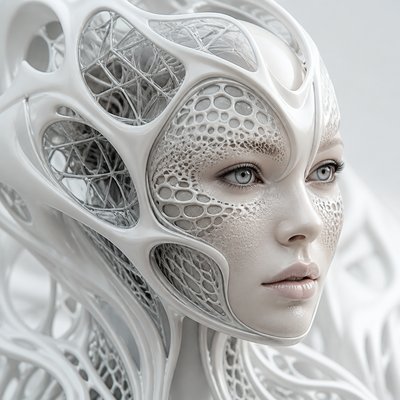
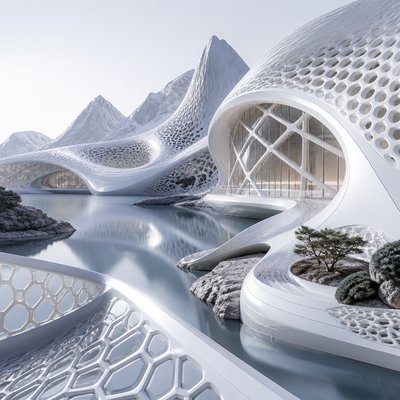
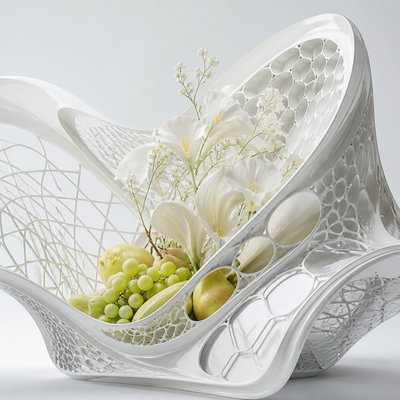
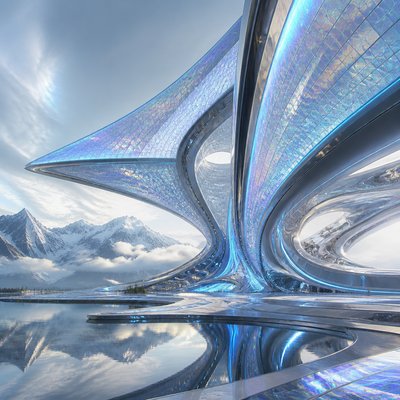
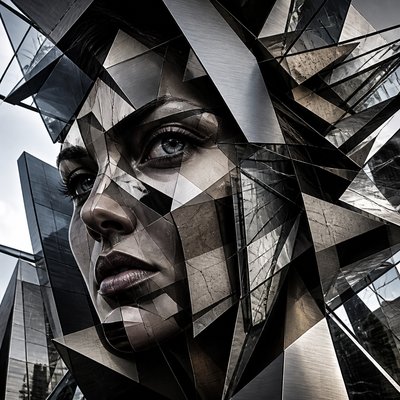
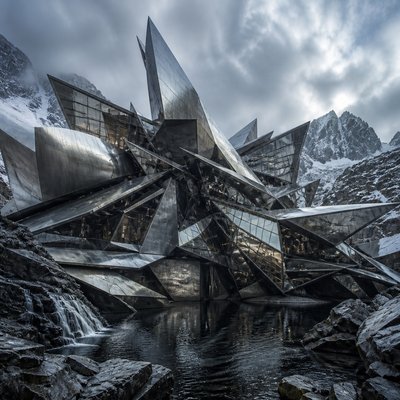
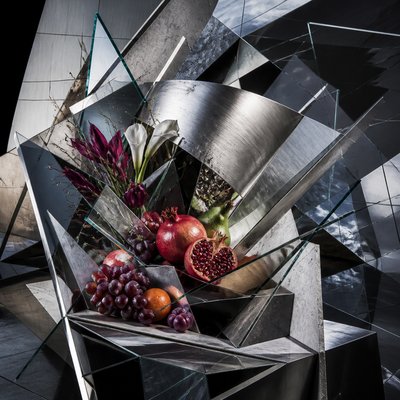
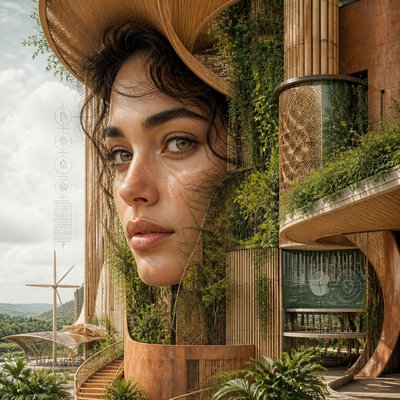
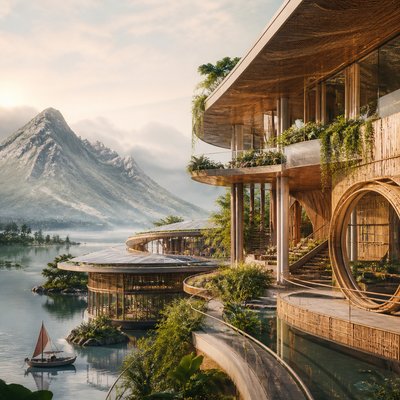
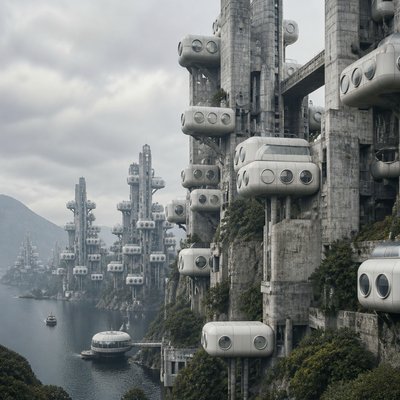
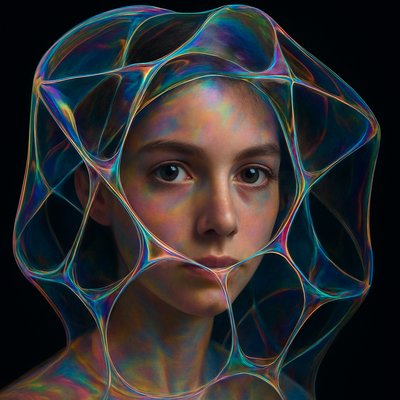
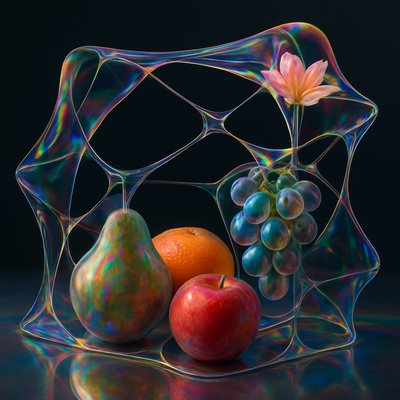
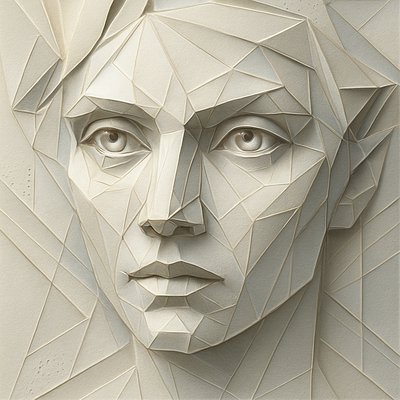
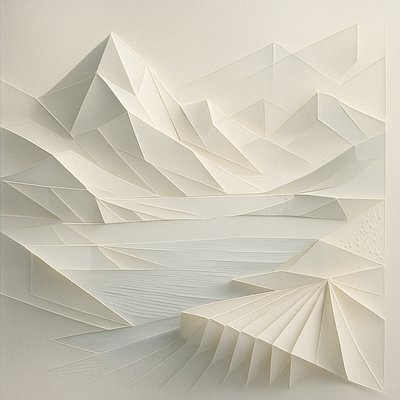
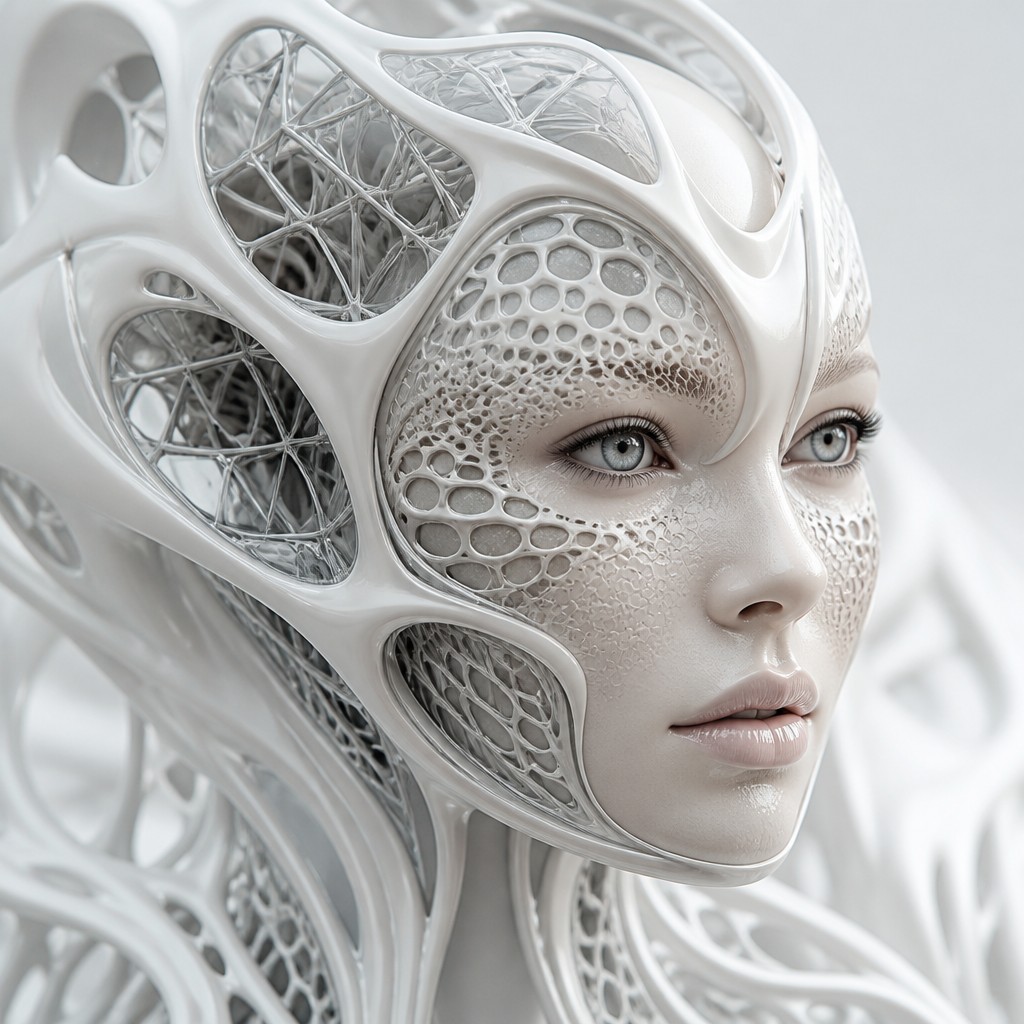
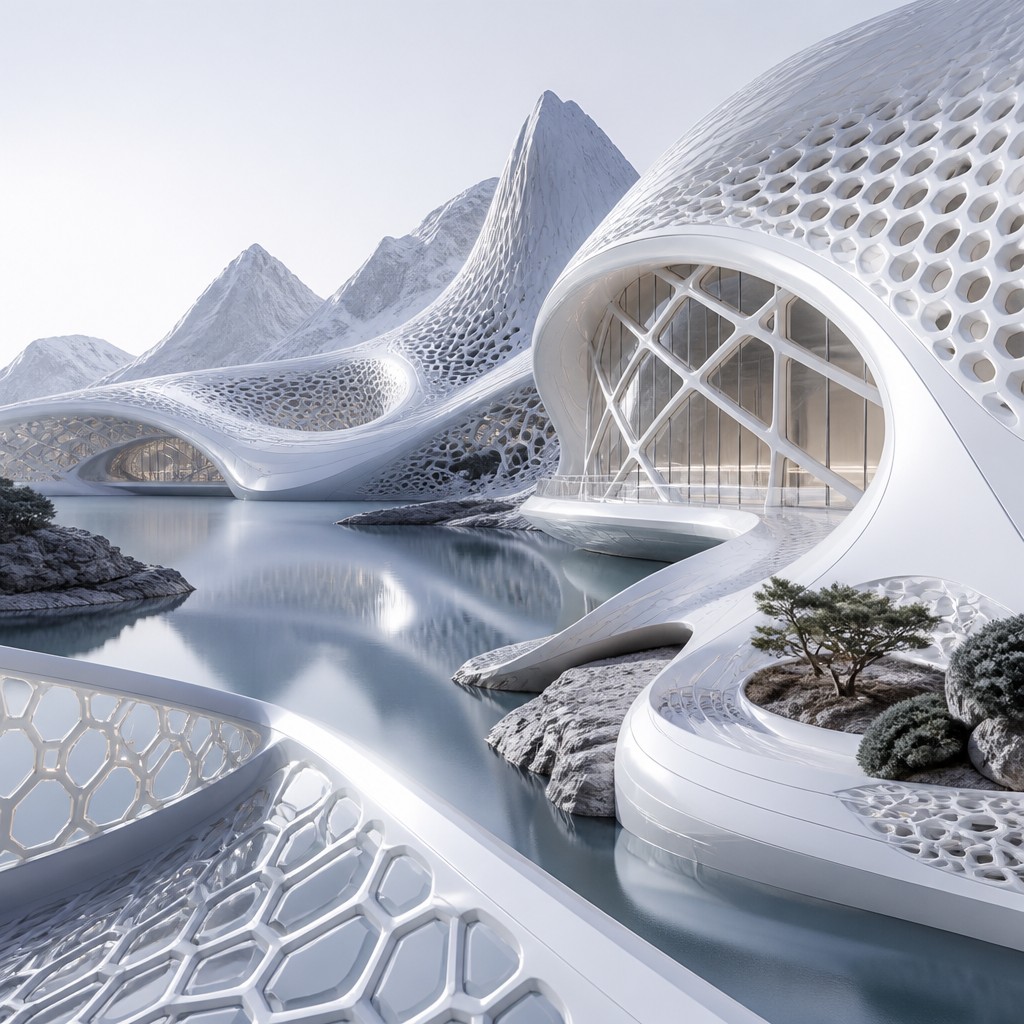
Liquid architectural forms with diagrids, smooth white shells, and flowing parametric curves—futuristic structure as frozen motion.
Instantly rendered in Parametric Architecture — or transform a photo
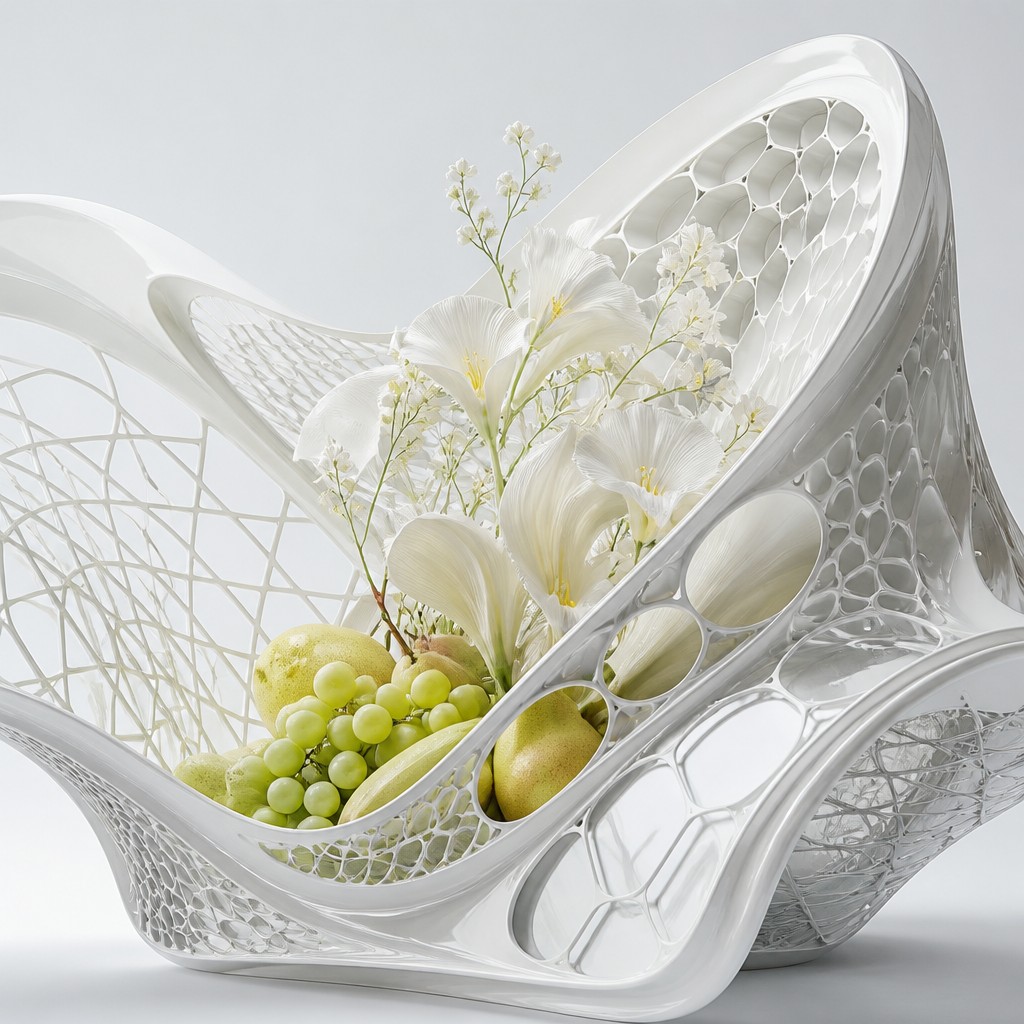
Parametric Architecture Gallery
Tap any artwork to explore it
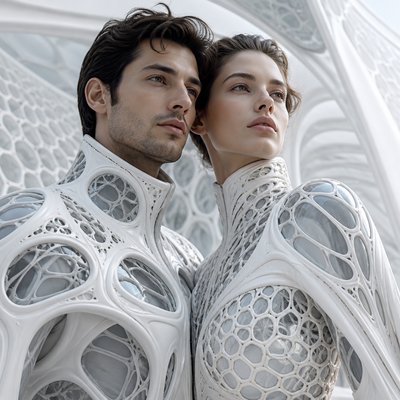
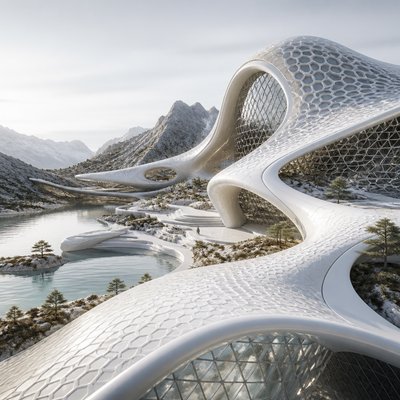
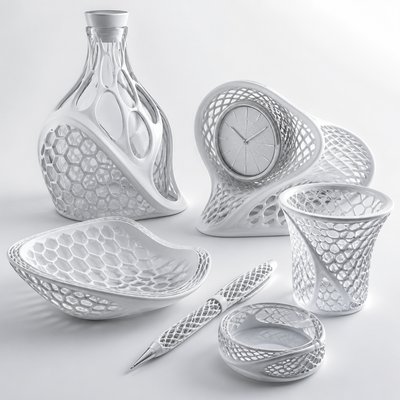
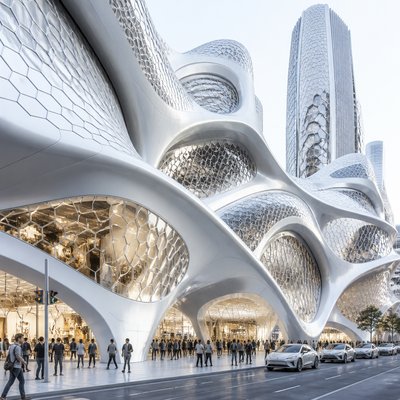
What is Parametric Architecture?
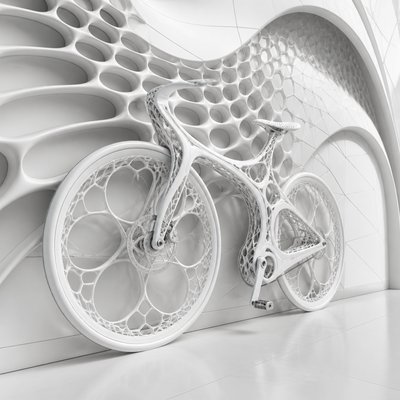
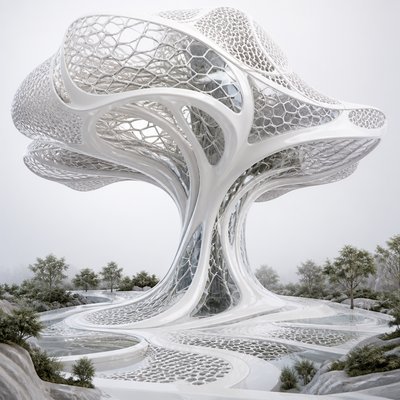
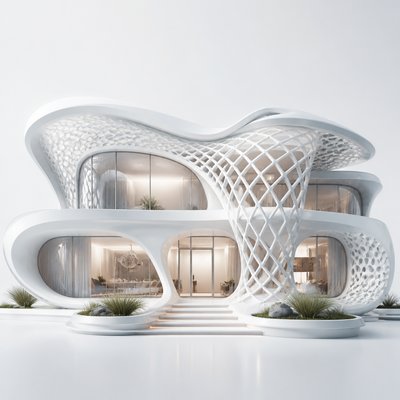
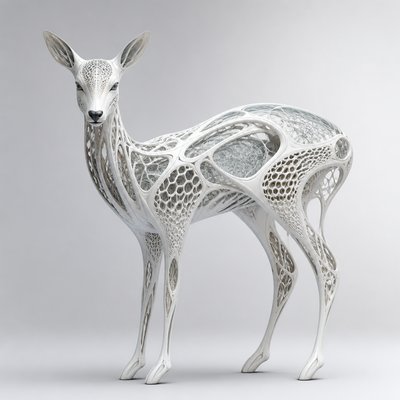
Parametric architecture is a contemporary architectural aesthetic defined by fluid, computationally generated forms, continuously curved surfaces, and lattice structures that appear to vary organically across a building’s skin. It favors smooth transitions over abrupt edges: shells bend, fold, and swell as if shaped by forces rather than assembled from discrete parts. The result is an appearance of precision without rigidity, where structure reads as a single coherent gesture.
Visually, the style is often associated with white composite materials, glass, and perforated or diagrid exoskeletons that morph in scale as they move across the surface. Honeycomb-like panels, branching support networks, and seamless joins create the sense of a building grown rather than built. The look emerges from computer-aided design and digital fabrication methods that allow geometry to be optimized, varied, and repeated across complex forms, producing a balance of technical logic and biomorphic softness.
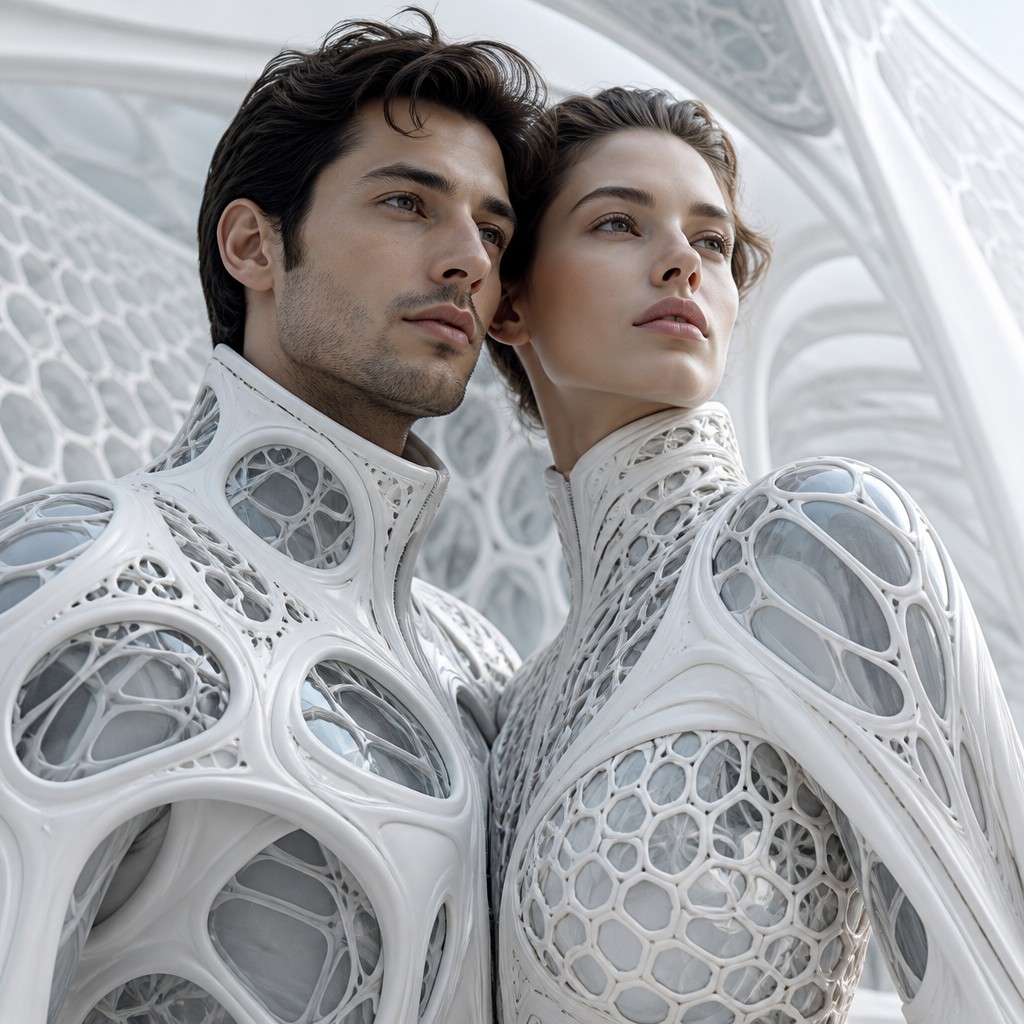
Try It On Your Photos
Upload any photo and convert it into Parametric Architecture — drag the sliders to compare before and after.
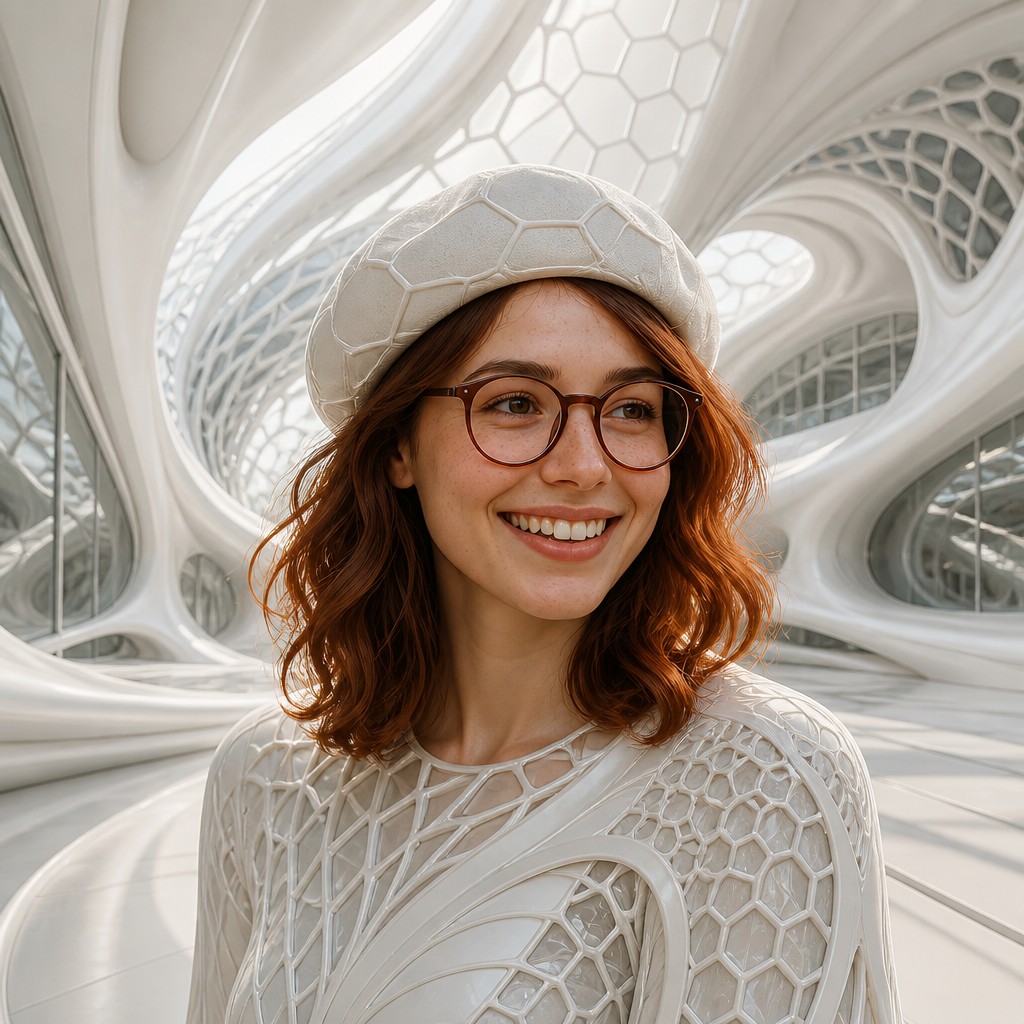

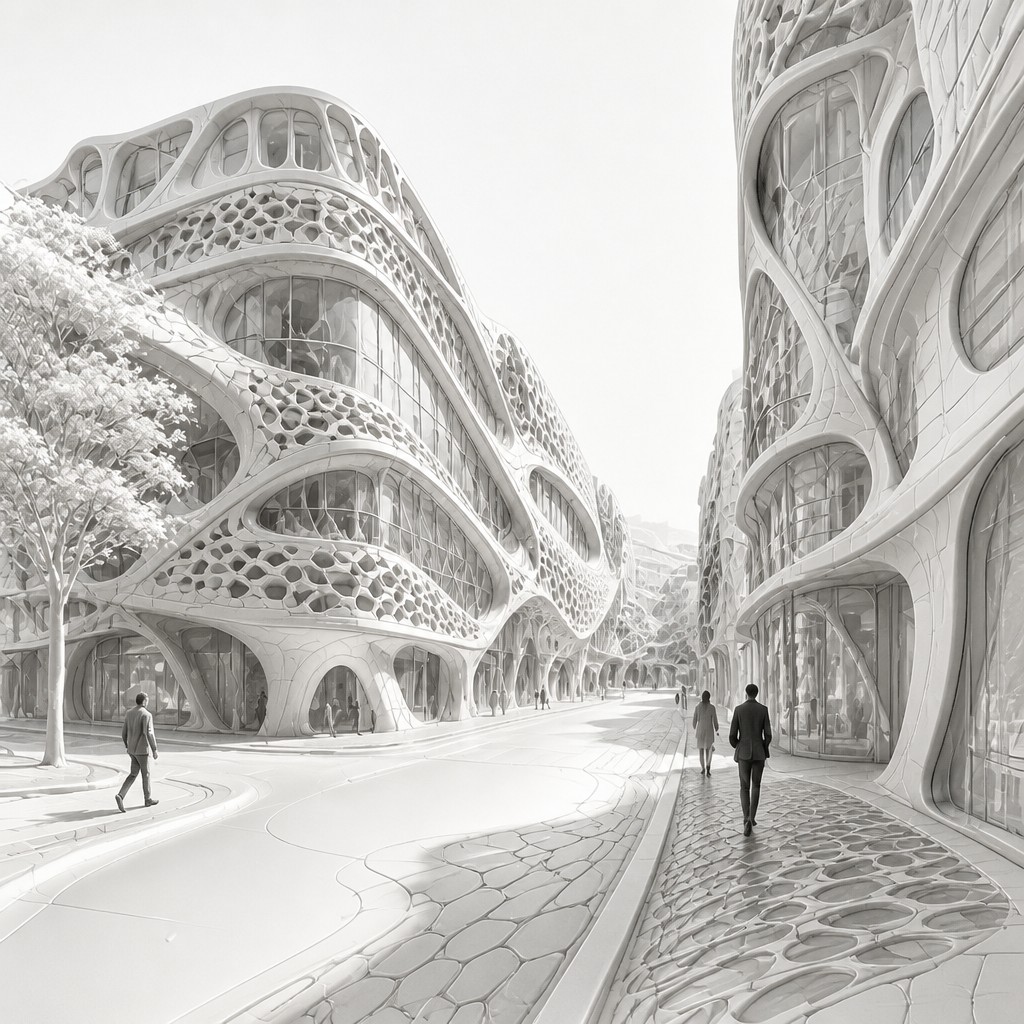

What Defines Parametric Architecture
The signature details, up close
Continuous Curvilinear Form
Buildings and objects are composed of uninterrupted flowing surfaces rather than boxy volumes. The geometry often suggests motion, compression, or fluid dynamics frozen into solid material.
Morphing Diagrid and Lattice Systems
Structural grids frequently change density and angle across the form, creating a sense of adaptive engineering. These patterns may resemble honeycomb cells, triangulated meshes, or branching exoskeletons.
Seamless White and Glass Surfaces
A restrained palette of white, pale gray, and transparent materials is common. Smooth composite skins and reflective glazing emphasize purity, precision, and lightness.
Cellular Modulation
Panels and perforations often vary in size, producing gradients that feel organic rather than repetitive. This modulation can evoke growth, scaling, or the distribution of force across a shell.
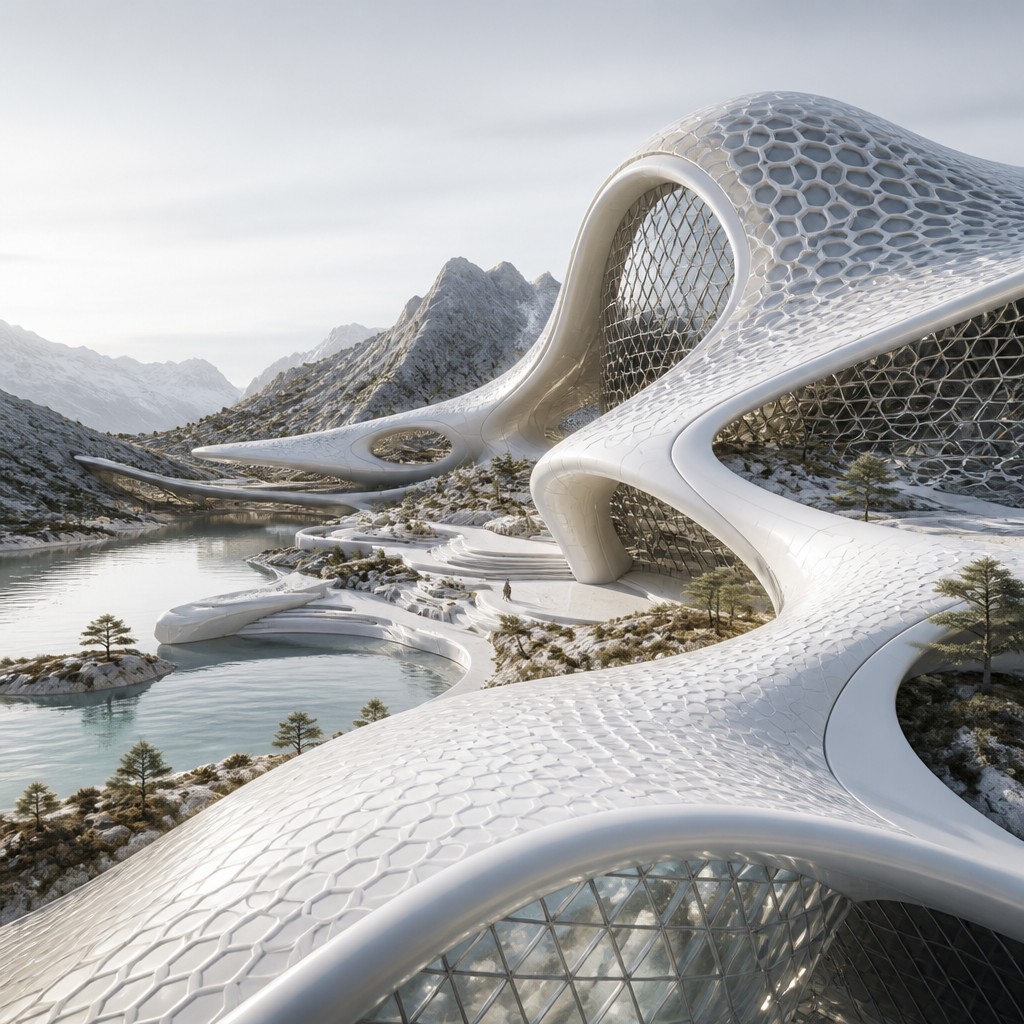
Biomorphic Futurism
Forms may recall shells, petals, waves, or living tissue without becoming literal imitation of nature. The style balances technological control with an almost biological softness.
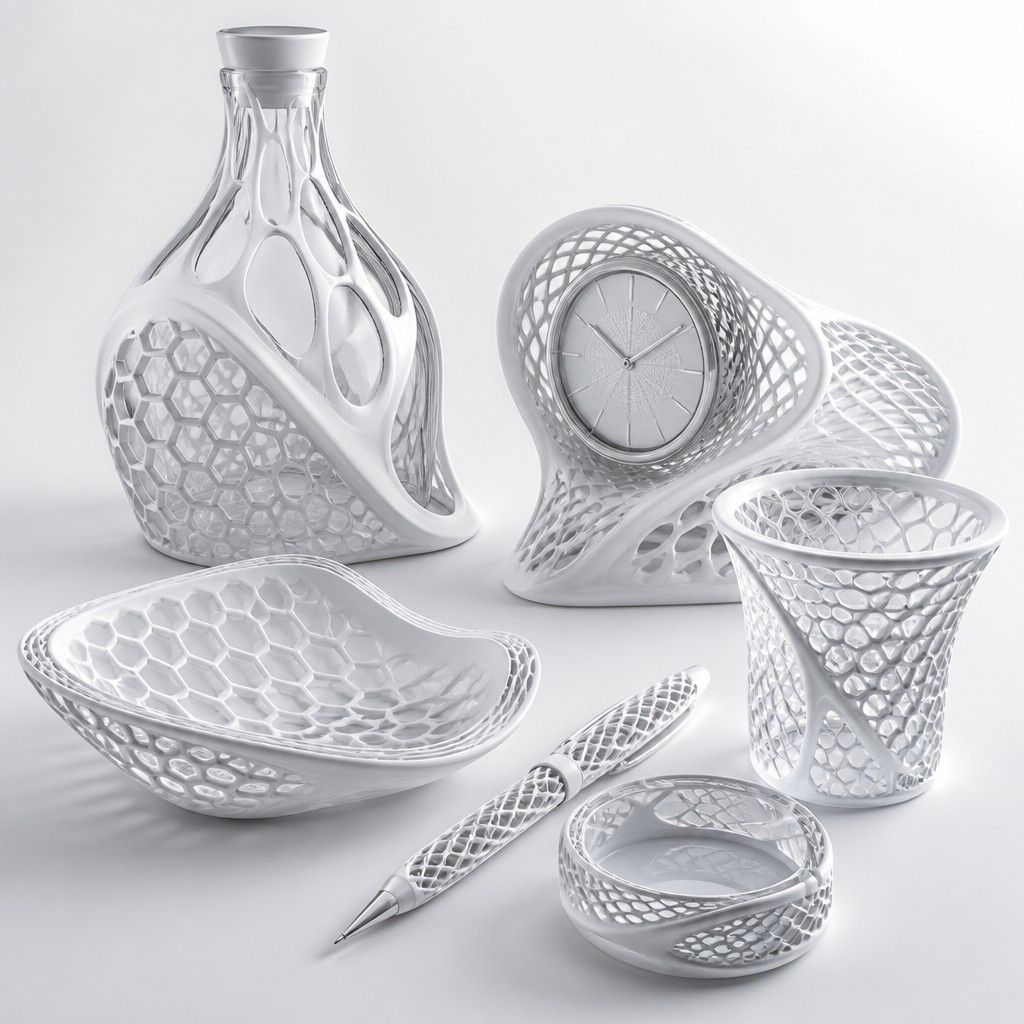
Optimized Structural Expression
The structure is often visible rather than concealed, making engineering part of the visual identity. Supports, ribs, and frames become decorative through their logic and repetition.
Try It
Create Videos in Parametric Architecture
Styles aren't just for stills — describe a scene or animate an image and get a short video rendered in Parametric Architecture. Press play to see this pond come to life.
Make a VideoParametric Architecture Prompt Ideas
Start from an idea — each one opens the generator with the style ready to go. See all 40 Parametric Architecture prompts →
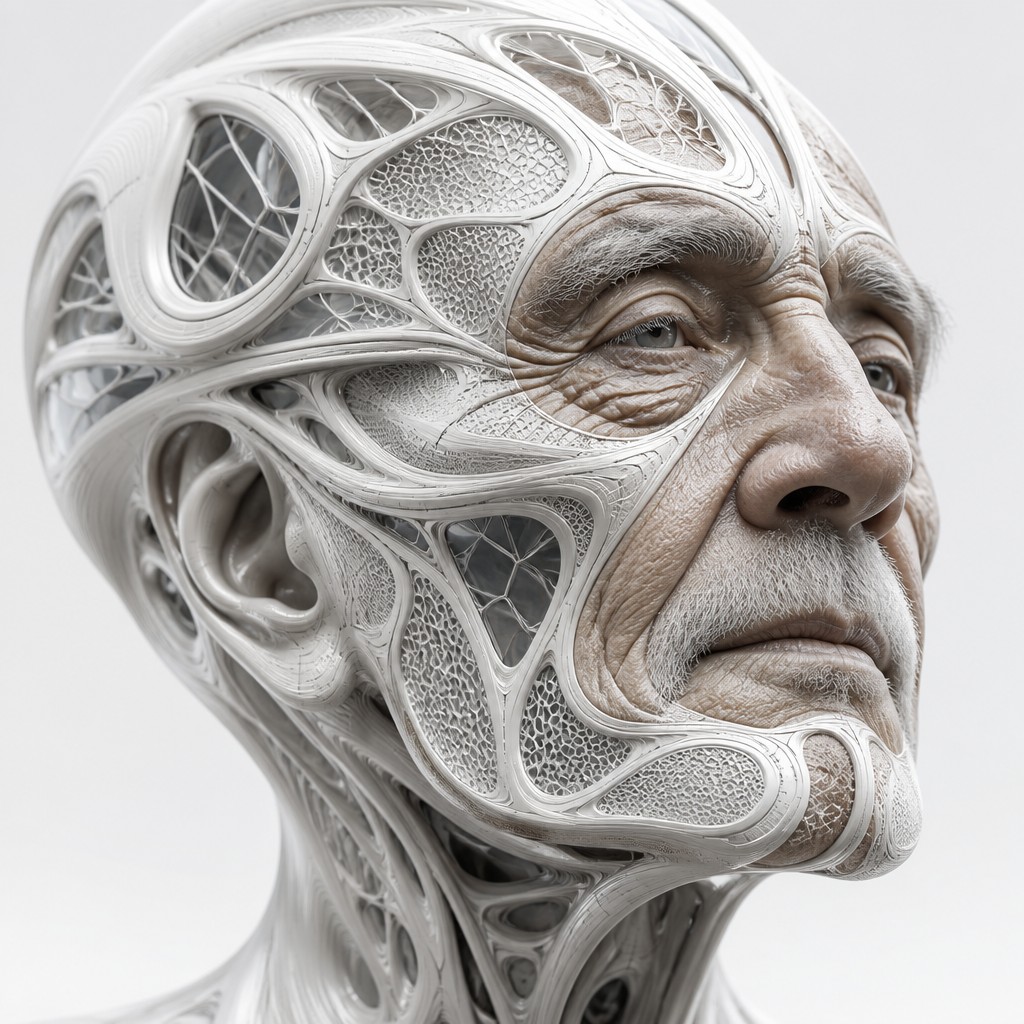
“close-up portrait of an elderly person with expressive weathered features”
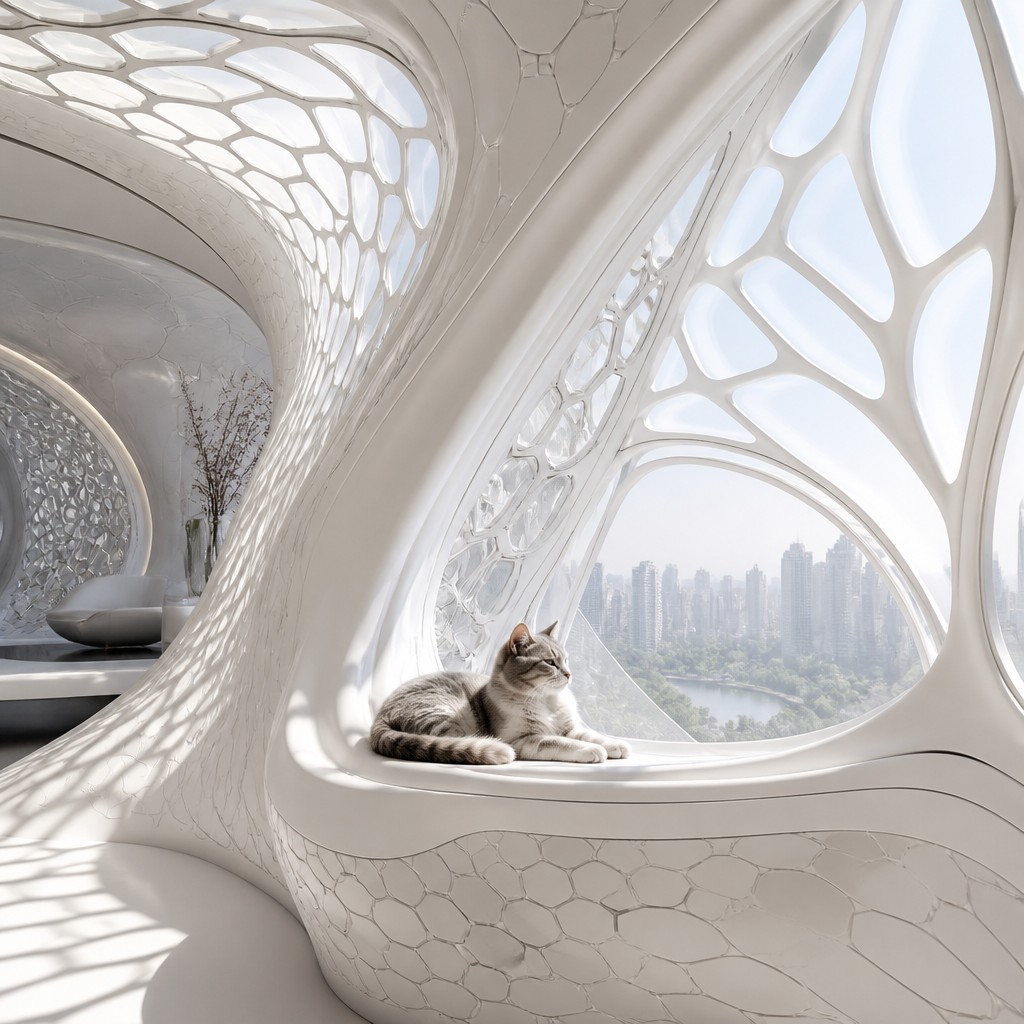
“a cat lounging in a sunlit window”
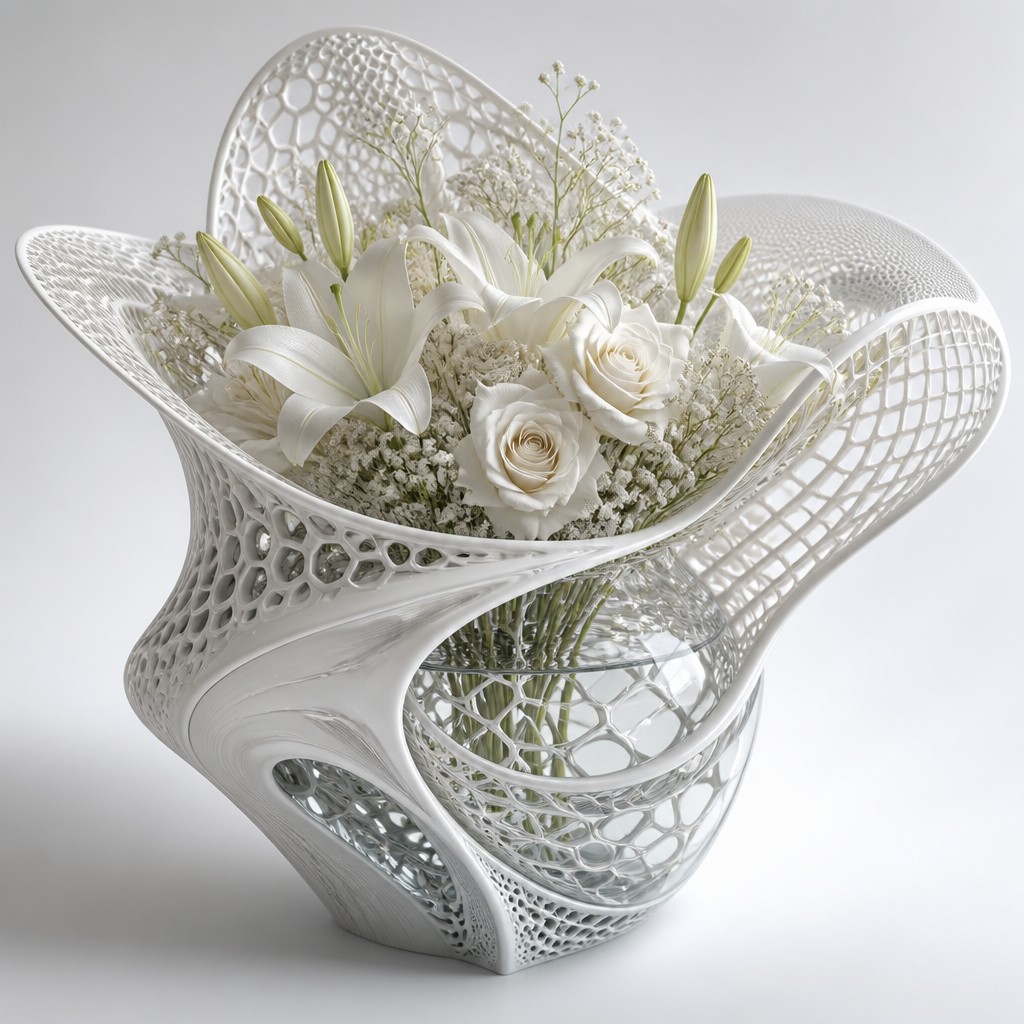
“bouquet of flowers in a glass vase”
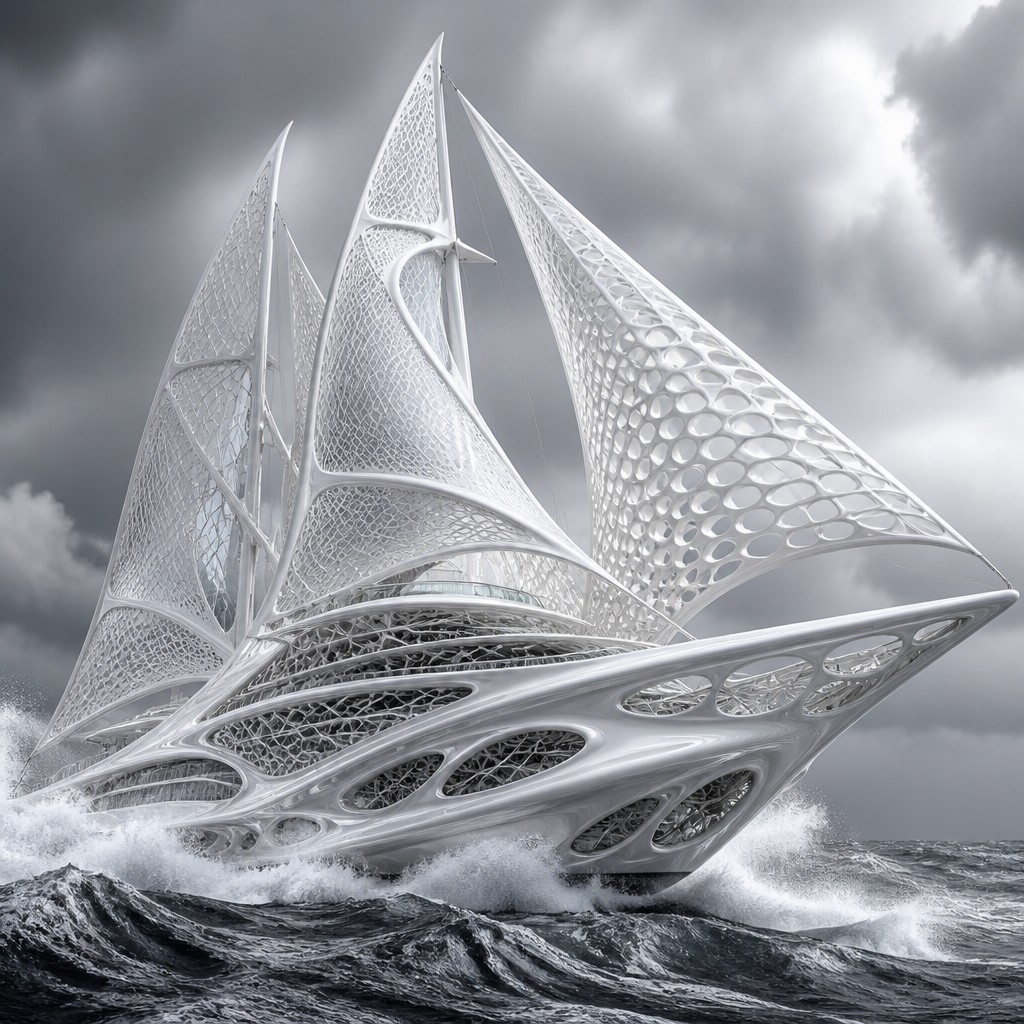
“sailing ship on a stormy sea”
How to Create Parametric Architecture Art
Master the craft step by step — or skip straight to creating. Read the full guide →
- 1
Start with a fluid massing concept
Begin by sketching a single sweeping volume instead of separate facades and roofs. Think in terms of continuous movement, then refine where the surface thickens, opens, or bends to accommodate structure and circulation.
- 2
Use parametric rules, not fixed ornament
Design lattices, panels, and ribs as systems that respond to curvature, stress, or light rather than as repeated decorative motifs. In digital workflows, use scripts or node-based tools to vary density, scale, and angle across the form.
- 3
Keep materials minimal and luminous
A limited palette of matte white surfaces, glass, and subtle metallic accents helps the geometry read clearly. Soft studio lighting or overcast daylight enhances the sculptural quality and smooth gradients.
- 4
Emphasize structural clarity
Show how the shell is supported, even if abstractly. Diagrids, ribs, and exoskeletons should look integrated into the form, as if the building’s skin and skeleton were designed together.
- 5
Balance smoothness with articulation
Avoid making every surface uniformly blank; introduce controlled perforation, panel seams, or cellular transitions to keep the form legible. The key is variation that appears calculated and continuous rather than busy.
- 6
For prompt-based generation, specify geometry and material behavior
Describe continuous doubly curved surfaces, morphing diagrids, seamless composite skins, and soft gradient shadows. Mention the subject first, then add the architectural language so the model applies the style without losing the intended structure.
The Story
History & Origins of Parametric Architecture
Parametric architecture emerged in the late 20th and early 21st centuries alongside advances in digital modeling, computational design, and fabrication technologies. Rather than following a single historical school, it developed from a convergence of late modernism, structural rationalism, and computer-assisted form-finding, especially in projects by architects who explored nonstandard geometry and algorithmic variation. Its lineage also includes the earlier architectural fascination with shells, grids, and expressive structure, but parametric methods made these ideas more adaptable, precise, and repeatable.
The style became especially visible in major cultural, transportation, and civic projects where complex surfaces could be engineered at building scale. It is associated with architects and offices such as Zaha Hadid Architects, Patrik Schumacher’s theoretical writing on parametricism, and the broader computational design field, though the term is often used more loosely in popular visual culture than in architectural theory. In image-making, the style has expanded beyond actual buildings into a recognizable futuristic visual language used to signal innovation, elegance, and technological sophistication.
Influences: Parametric architecture draws from modernism’s structural honesty, late-modern and high-tech architecture’s celebration of engineering, and biomorphic design traditions that translate natural growth into form. It is also closely related to computational design and digital fabrication, as well as the sculptural work of architects such as Zaha Hadid and the theoretical framework developed by Patrik Schumacher. In broader visual culture, it overlaps with science-fiction concept art, product design, and the aesthetics of smooth industrial futurism.

Frequently Asked Questions
What defines parametric architecture visually?
Its defining features are continuous curved surfaces, responsive geometry, and structural systems that appear to vary across the building. Instead of static repetition, the form feels calculated as a set of relationships: curves, grids, and panels adapt to one another. The result is a cohesive, fluid architectural object.
Is parametric architecture the same as futuristic architecture?
Not exactly. Futuristic architecture is a broad visual category, while parametric architecture refers to a more specific design approach based on computational rules and variable geometry. Many futuristic images borrow the look of parametric architecture, but they may not follow its structural logic.
What materials are associated with this style?
White composite cladding, glass, steel, and other smooth engineered materials are strongly associated with it. In rendered imagery, these surfaces are often shown with soft reflections and seamless joints. The material palette supports the style’s emphasis on continuity and precision.
Where is parametric architecture commonly used?
It is often used for museums, airports, pavilions, cultural centers, flagship retail buildings, and landmark civic projects. These building types benefit from expressive forms and large-span structural systems. In visual art and concept design, the style is also used for sci-fi cities, interiors, and speculative environments.
How do I make an image look more parametric?
Use flowing curves, morphing grids, and a restrained light-toned material palette. Describe the structure as optimized or computationally generated, and include details like diagrid shells, cellular panels, or continuous double-curved surfaces. Soft lighting and minimal surroundings help the geometry stand out.
What styles look similar to parametric architecture?
It can resemble deconstructivism, blob architecture, and high-tech architecture, but it is usually more orderly and system-driven than deconstructivism, and more structurally articulated than pure blob forms. Compared with high-tech architecture, it tends to replace exposed machinery and straight-line frameworks with flowing computational continuity.
Create your first Parametric Architecture artwork
Describe anything — or upload a photo — and see it in Parametric Architecture in seconds.
Related Styles
Discover similar art styles