Mid-Century Modern Architecture
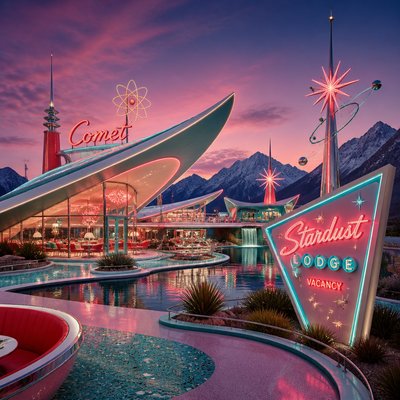
Low-slung glass houses, butterfly roofs, and warm wood tones define this breezy post-war architectural style.
Instantly rendered in Mid-Century Modern Architecture — or transform a photo
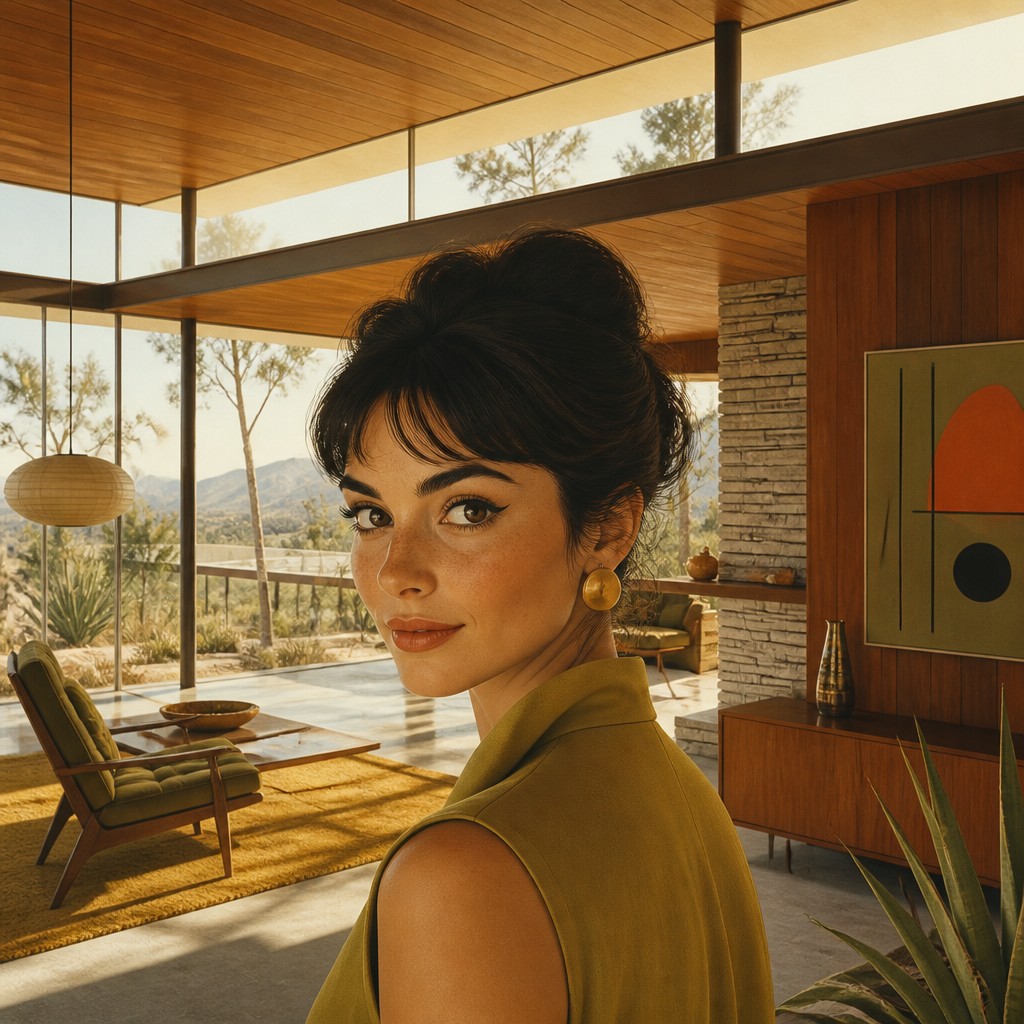
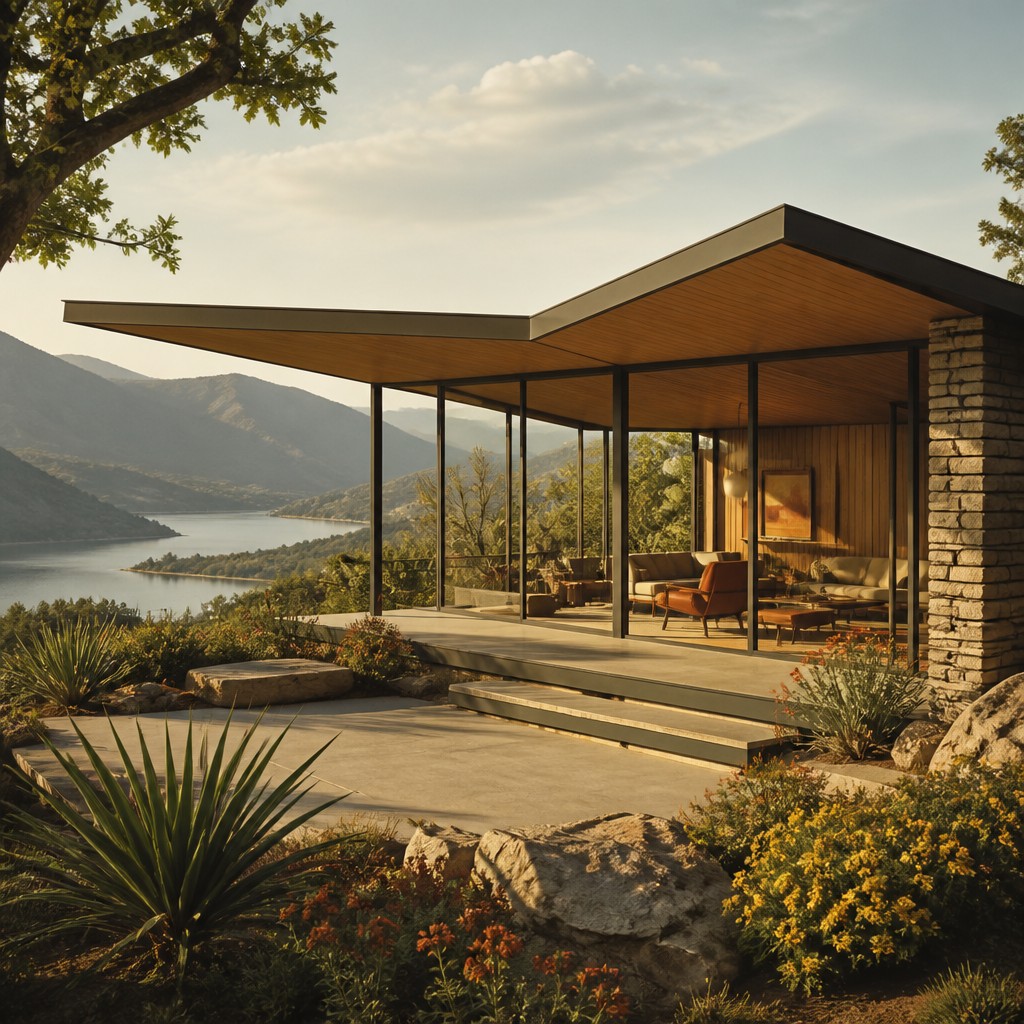
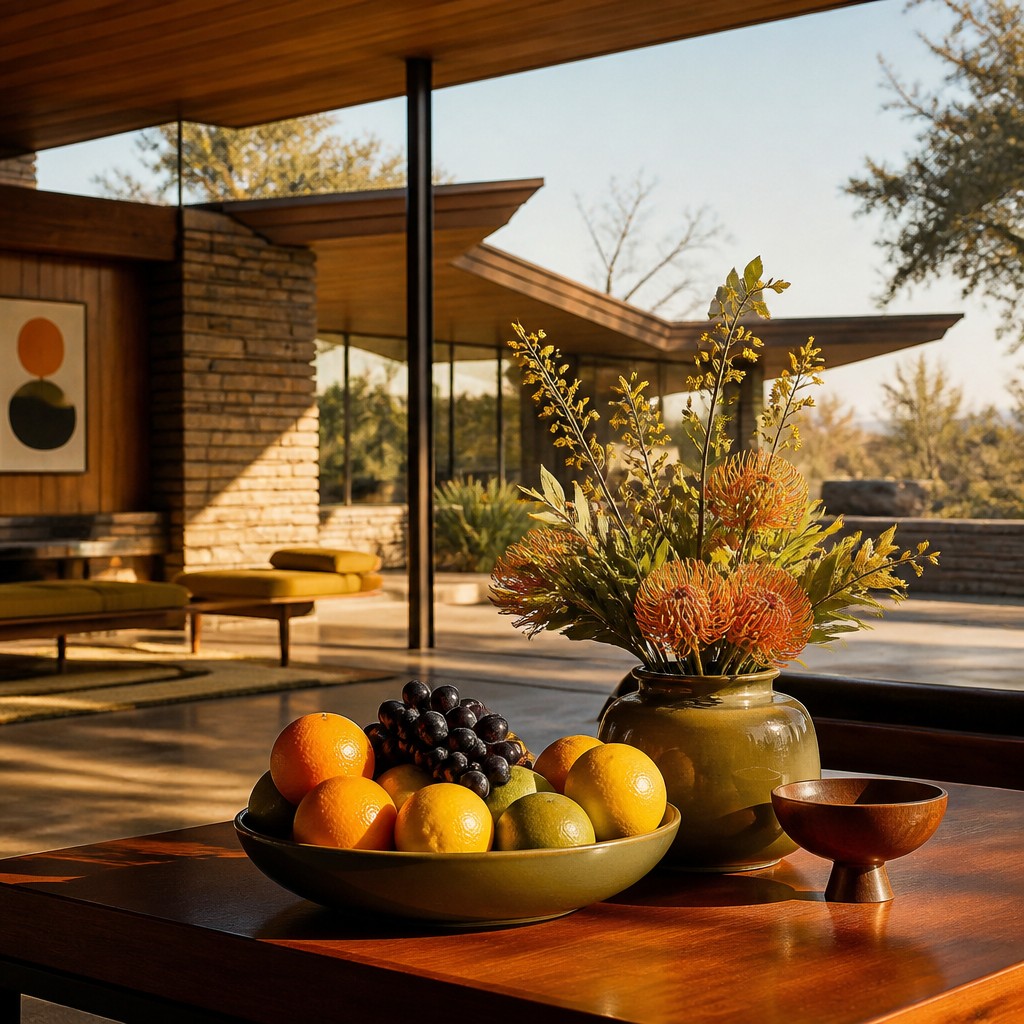
Mid-Century Modern Architecture Gallery
Tap any artwork to explore it
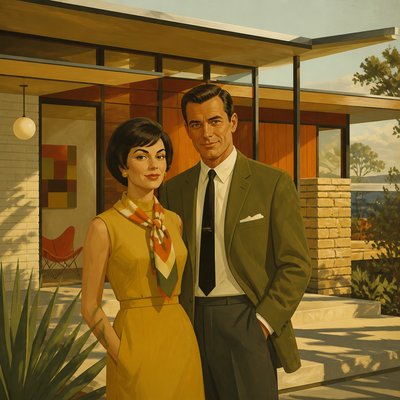
What is Mid-Century Modern Architecture?
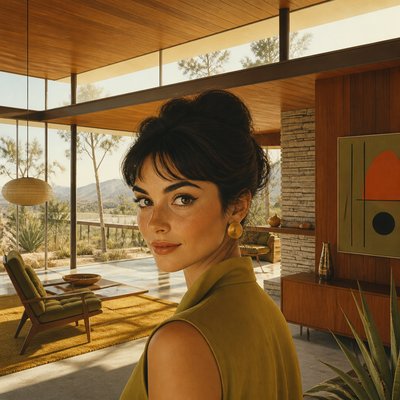
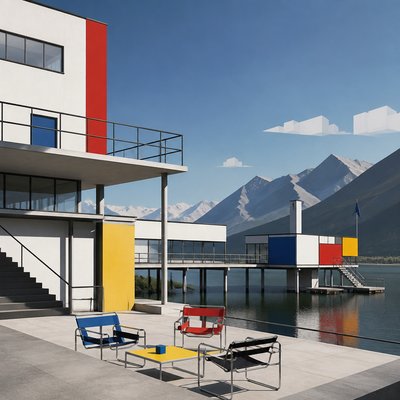
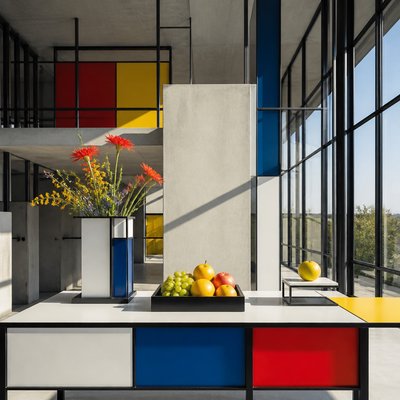
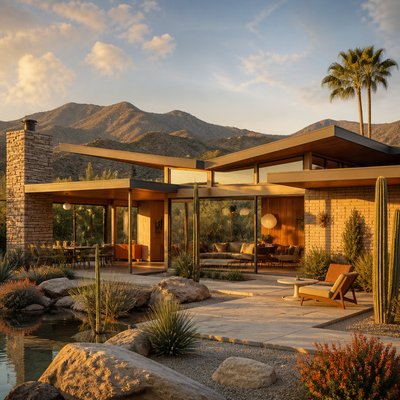
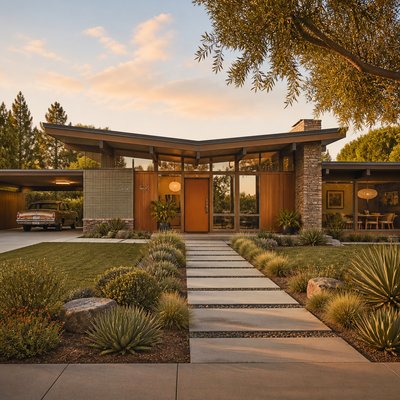
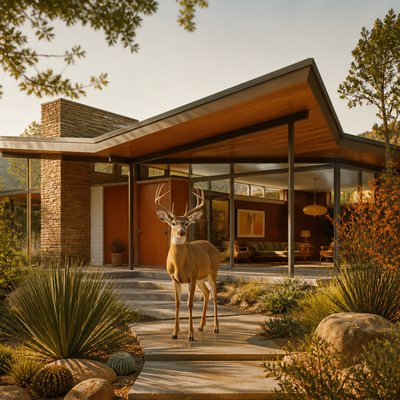
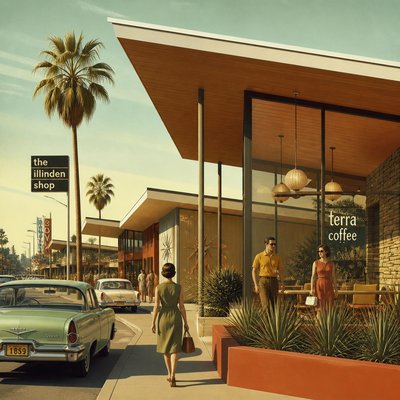
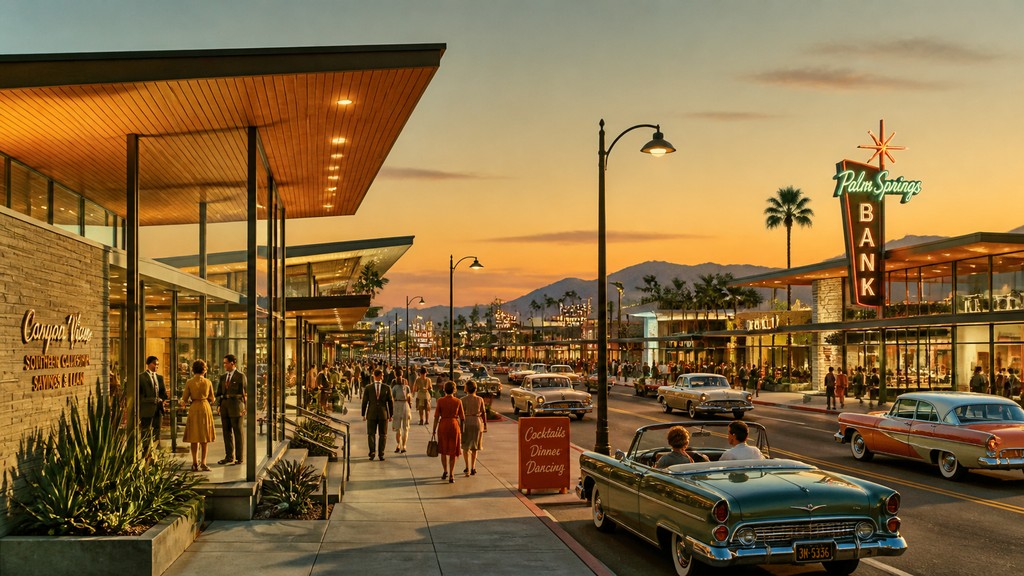
Mid-century modern architecture is a postwar design language that emerged in the United States and other parts of the world from roughly the 1940s through the 1960s. It is characterized by low, horizontal compositions, large expanses of glass, open plans, and a close relationship between building and landscape. The style is especially associated with California domestic architecture, where sun, climate, and suburban expansion encouraged indoor-outdoor living.
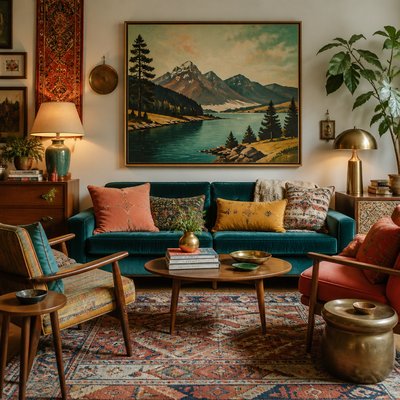
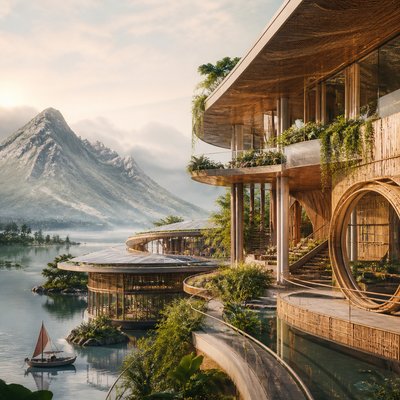
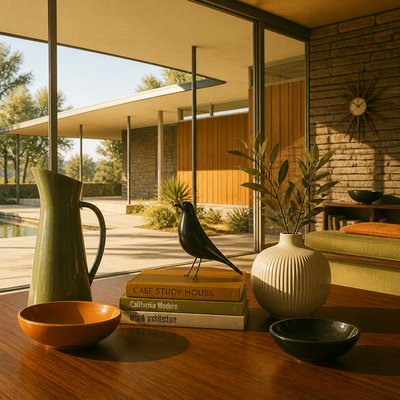
Its visual identity comes from a blend of modernist principles and warmer, more accessible materials. Flat or gently pitched butterfly roofs, slender structural supports, clerestory windows, exposed beams, and wood paneling create a look that feels both streamlined and livable. Rather than monumental or ornate, the style emphasizes ease, transparency, and optimistic modern life in the postwar period.
Try It On Your Photos
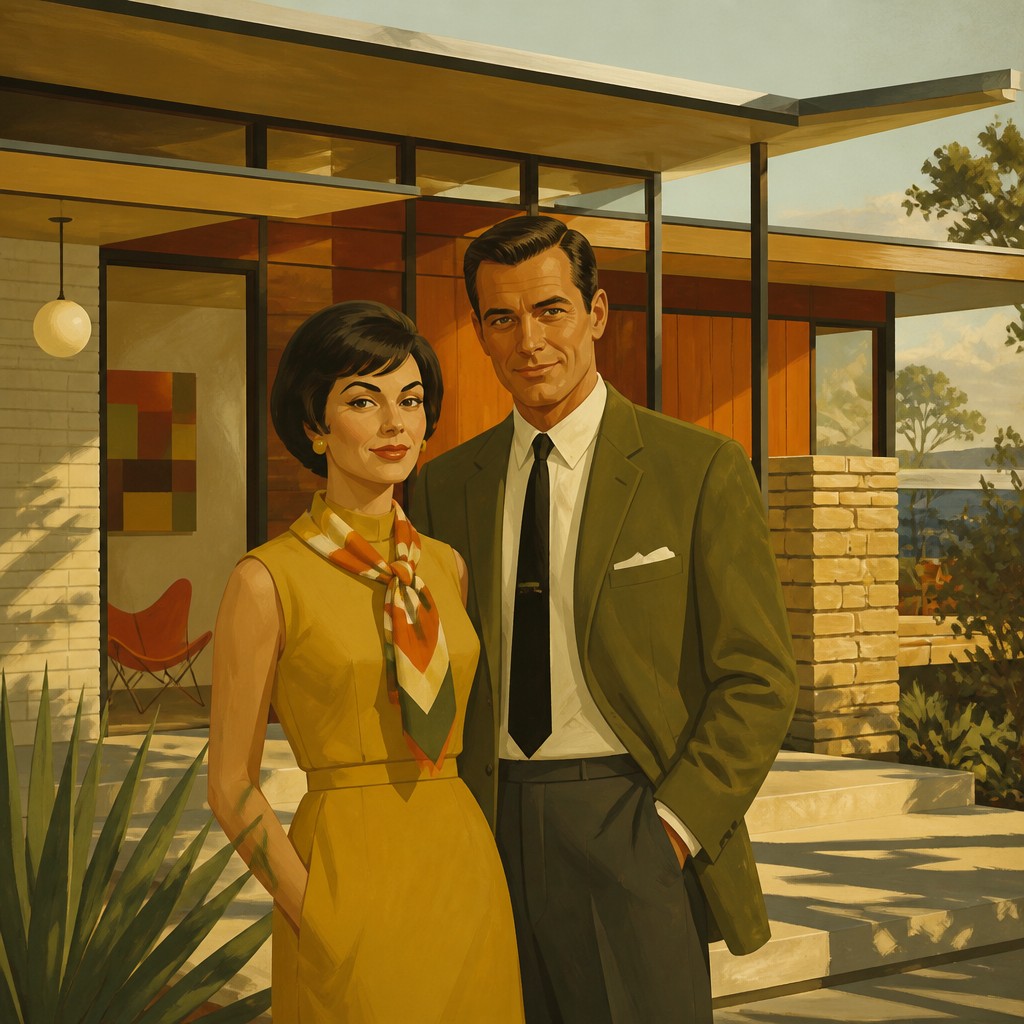
Upload any photo and convert it into Mid-Century Modern Architecture — drag the sliders to compare before and after.


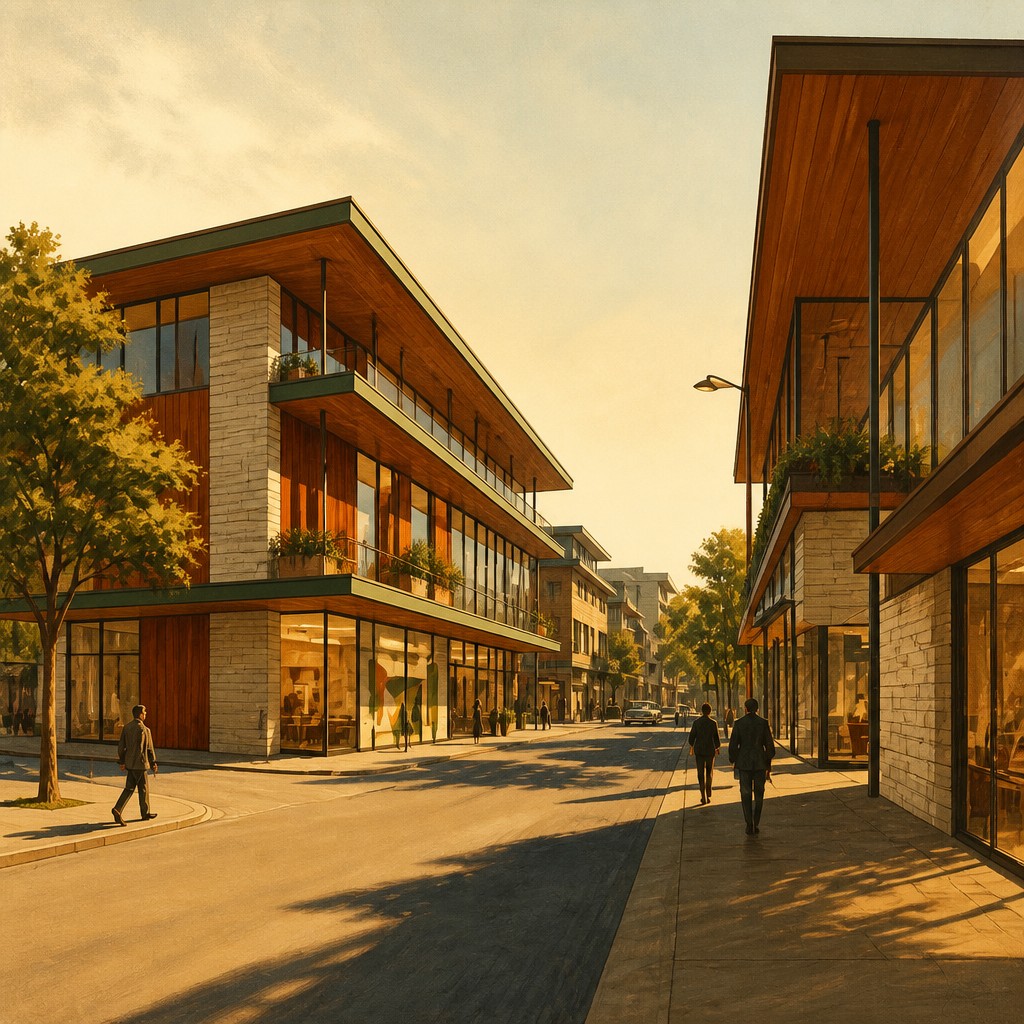

What Defines Mid-Century Modern Architecture
The signature details, up close
Horizontal massing
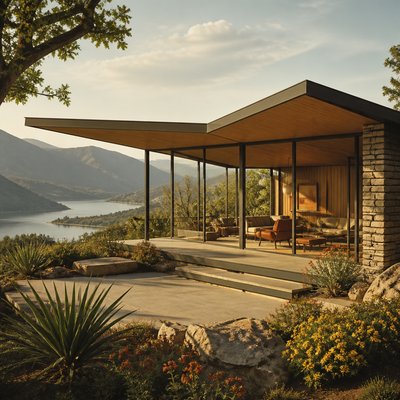
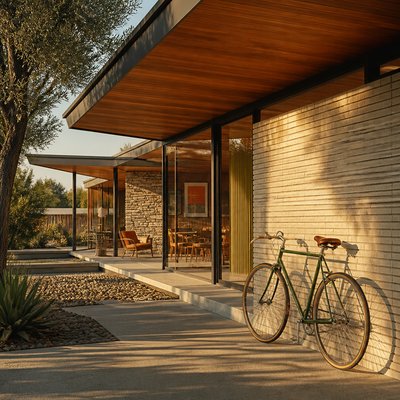
Buildings often sit low to the ground with long rooflines and stretched proportions. This emphasizes landscape, privacy, and a calm, grounded presence.
Glass walls and transparency
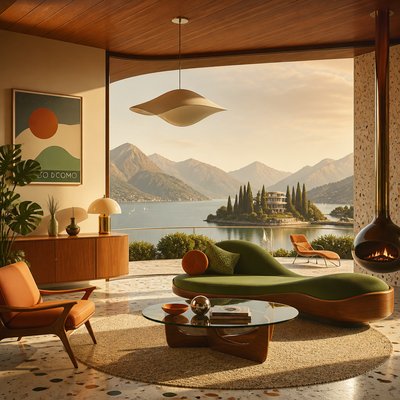
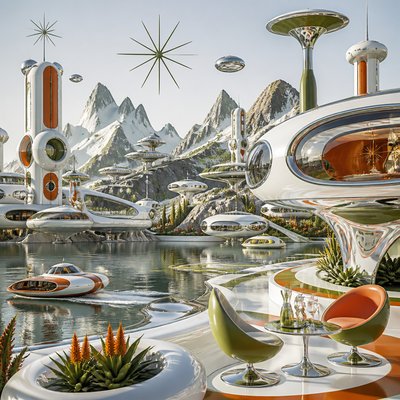
Floor-to-ceiling glazing, sliding doors, and large windows dissolve the boundary between interior and exterior. The result is a bright, airy feel with strong visual connections to gardens, patios, and pools.
Butterfly and flat roofs
Flat roofs and butterfly roofs are common, especially in residential examples. These forms create a sleek silhouette and often channel light or rain in ways that become part of the design.
Warm natural materials
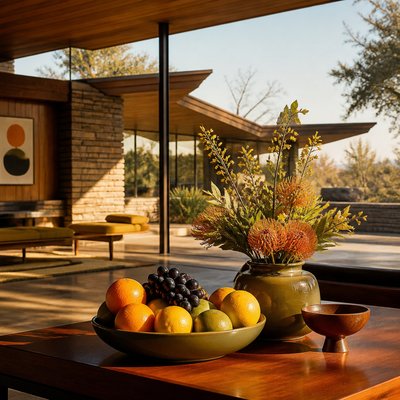
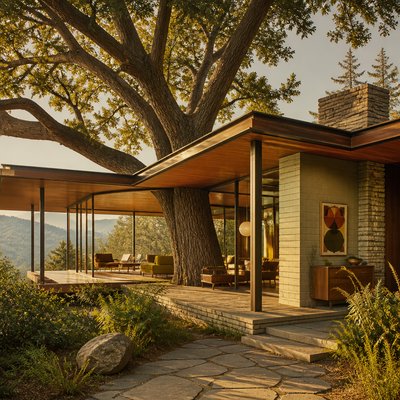
Teak, walnut, cedar, stone, brick, and terrazzo soften the modernist geometry. The material palette balances precision with domestic warmth.
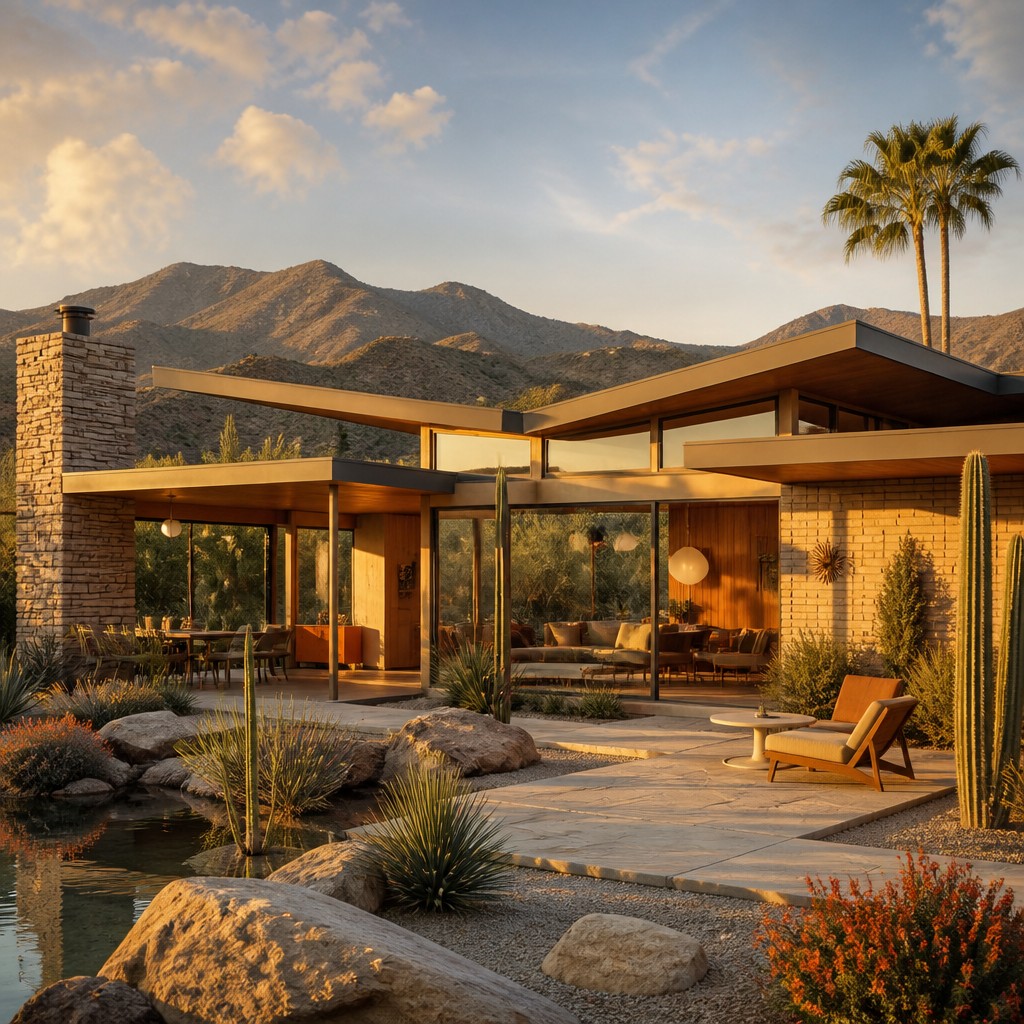
Slim structural expression
Thin steel posts, exposed beams, and cantilevered edges make the structure look light and efficient. Support elements are often visible rather than concealed.
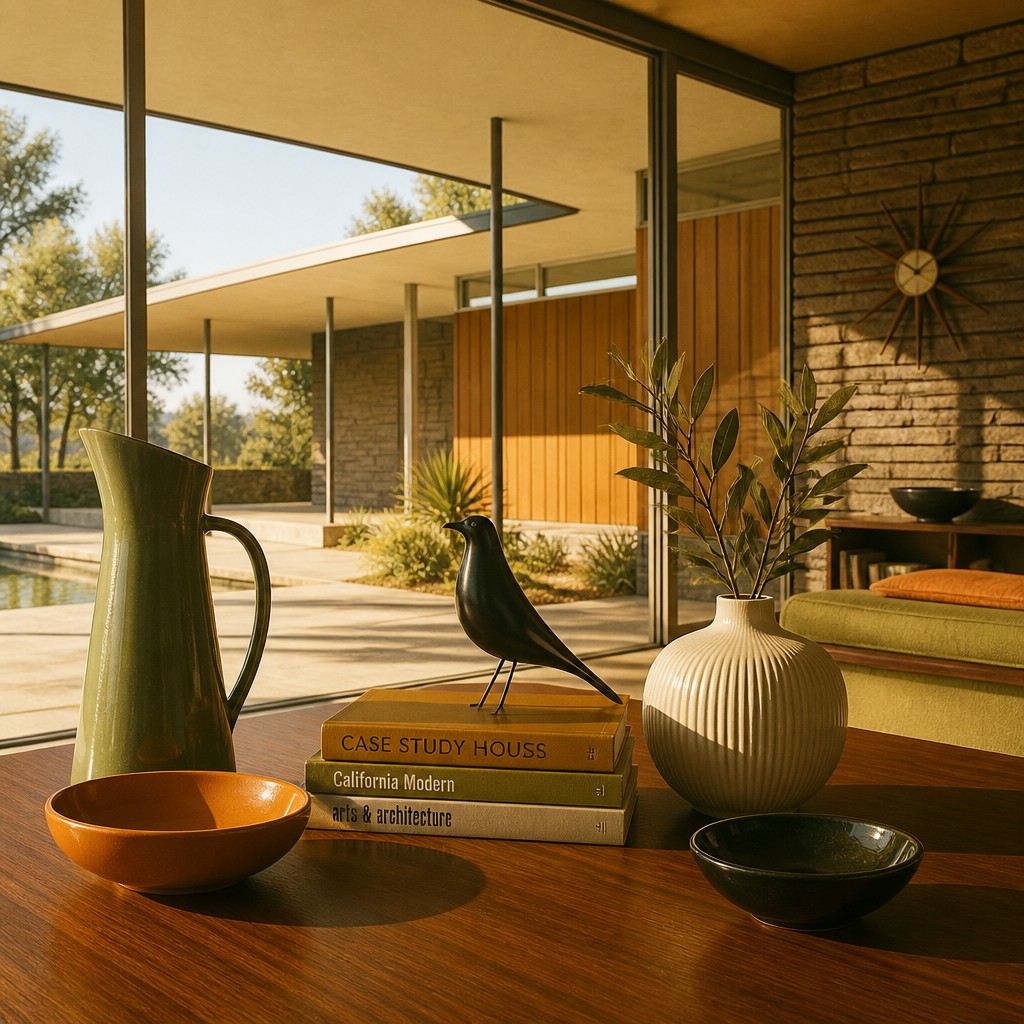
Indoor-outdoor continuity
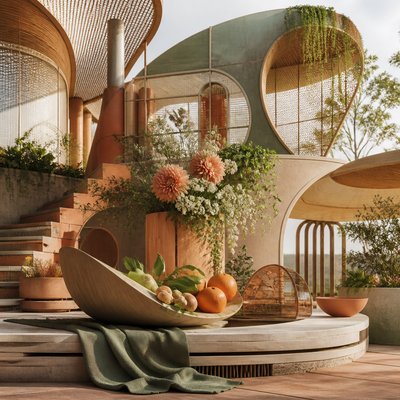
Terraces, atriums, courtyards, and breezeways extend living space into the landscape. Furnishings and finishes often echo the exterior setting to reinforce continuity.
Try It
Create Videos in Mid-Century Modern Architecture
Styles aren't just for stills — describe a scene or animate an image and get a short video rendered in Mid-Century Modern Architecture. Press play to see this pond come to life.
Make a VideoMid-Century Modern Architecture Prompt Ideas
Start from an idea — each one opens the generator with the style ready to go. See all 40 Mid-Century Modern Architecture prompts →
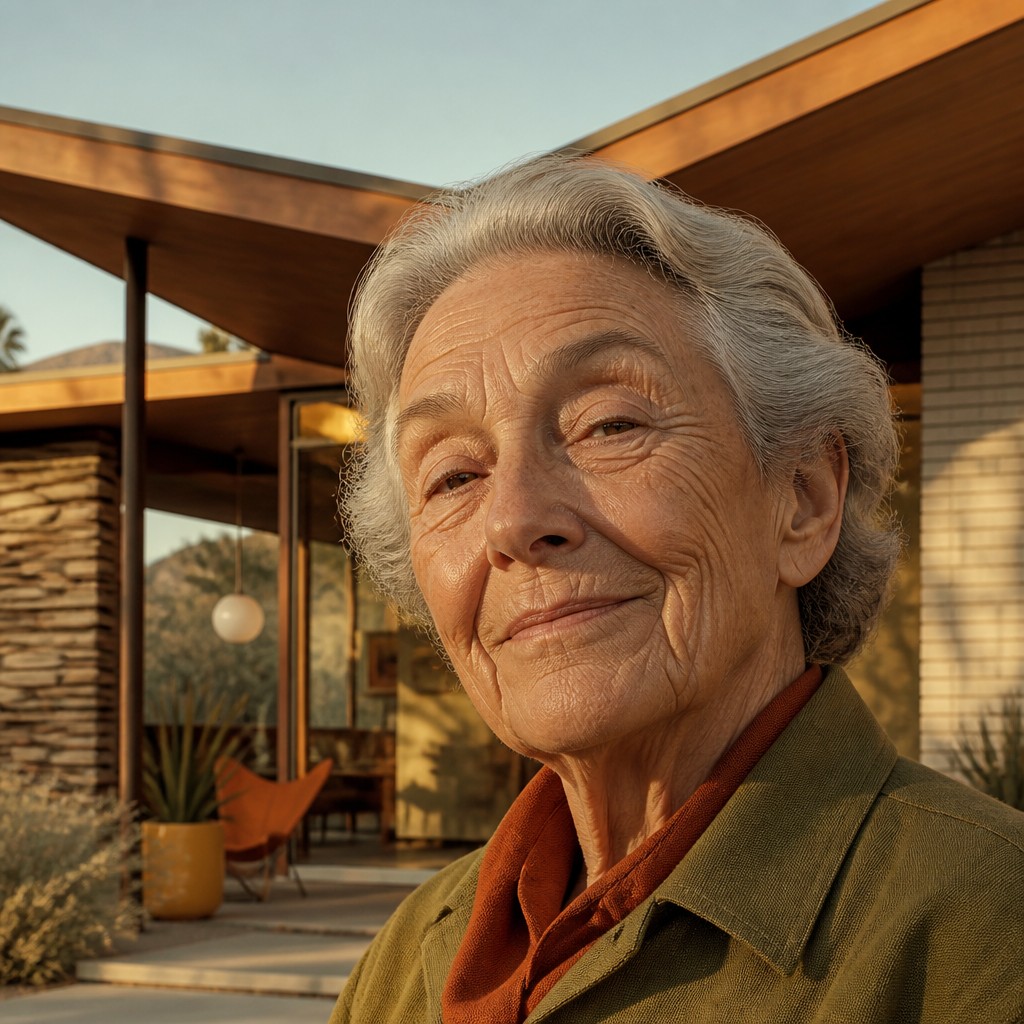
“close-up portrait of an elderly person with expressive weathered features”
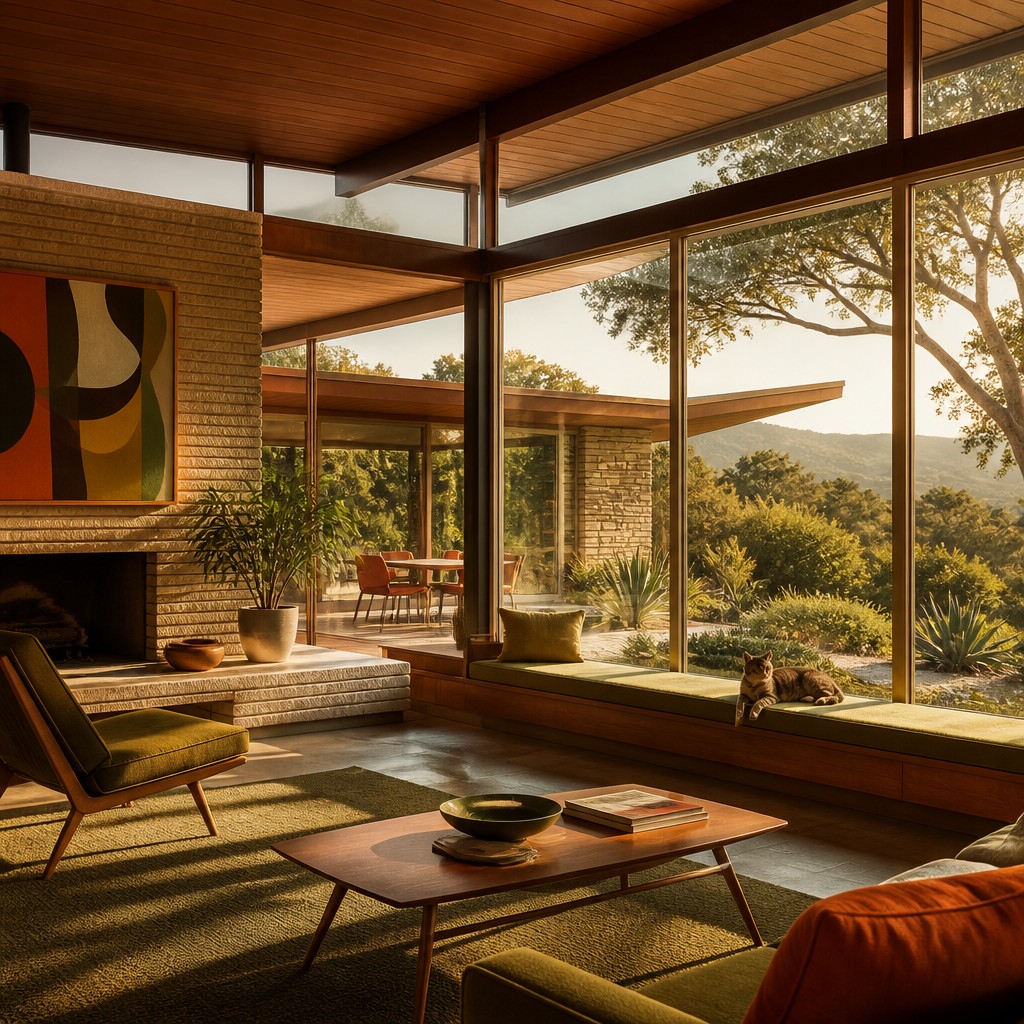
“a cat lounging in a sunlit window”
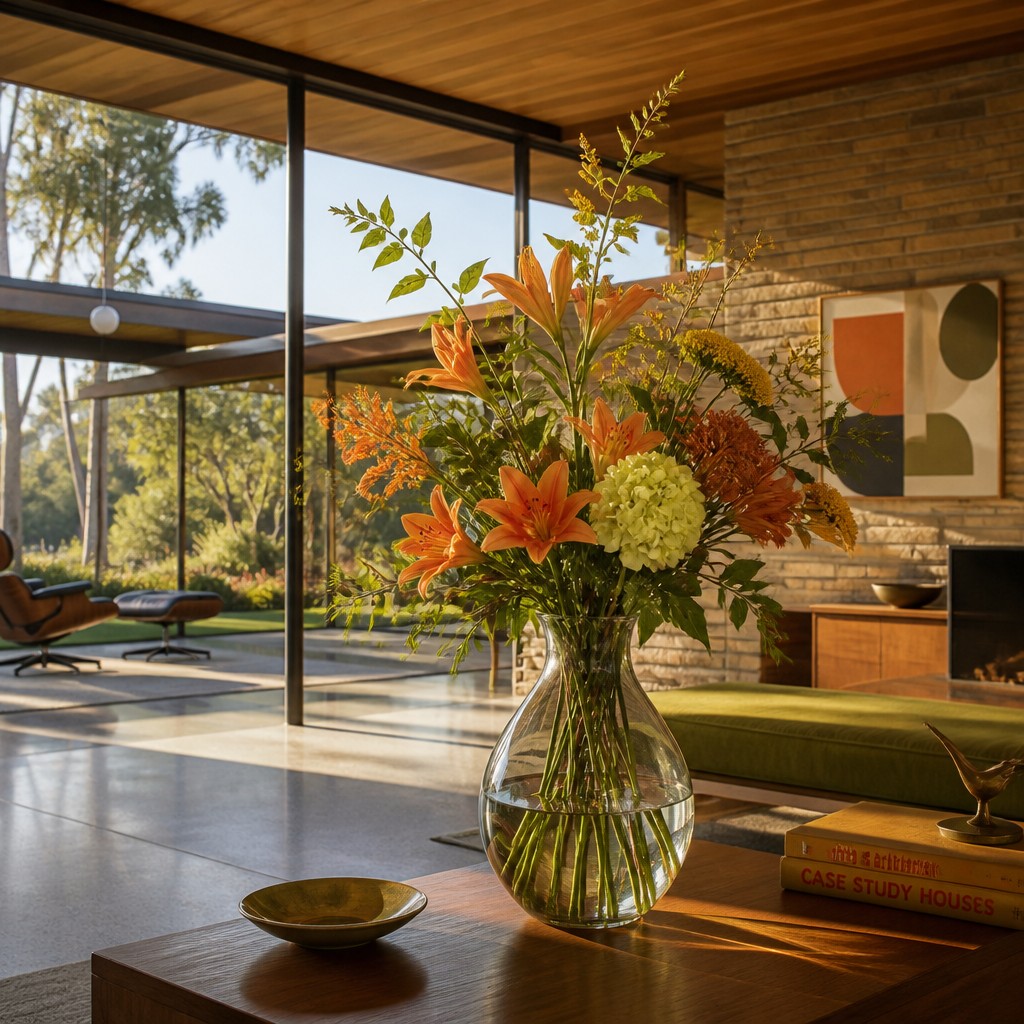
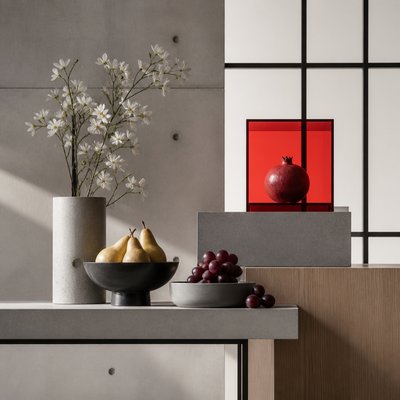
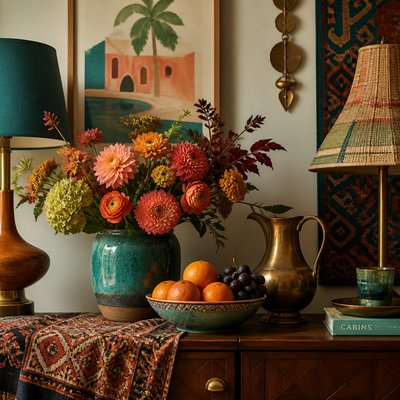
“bouquet of flowers in a glass vase”
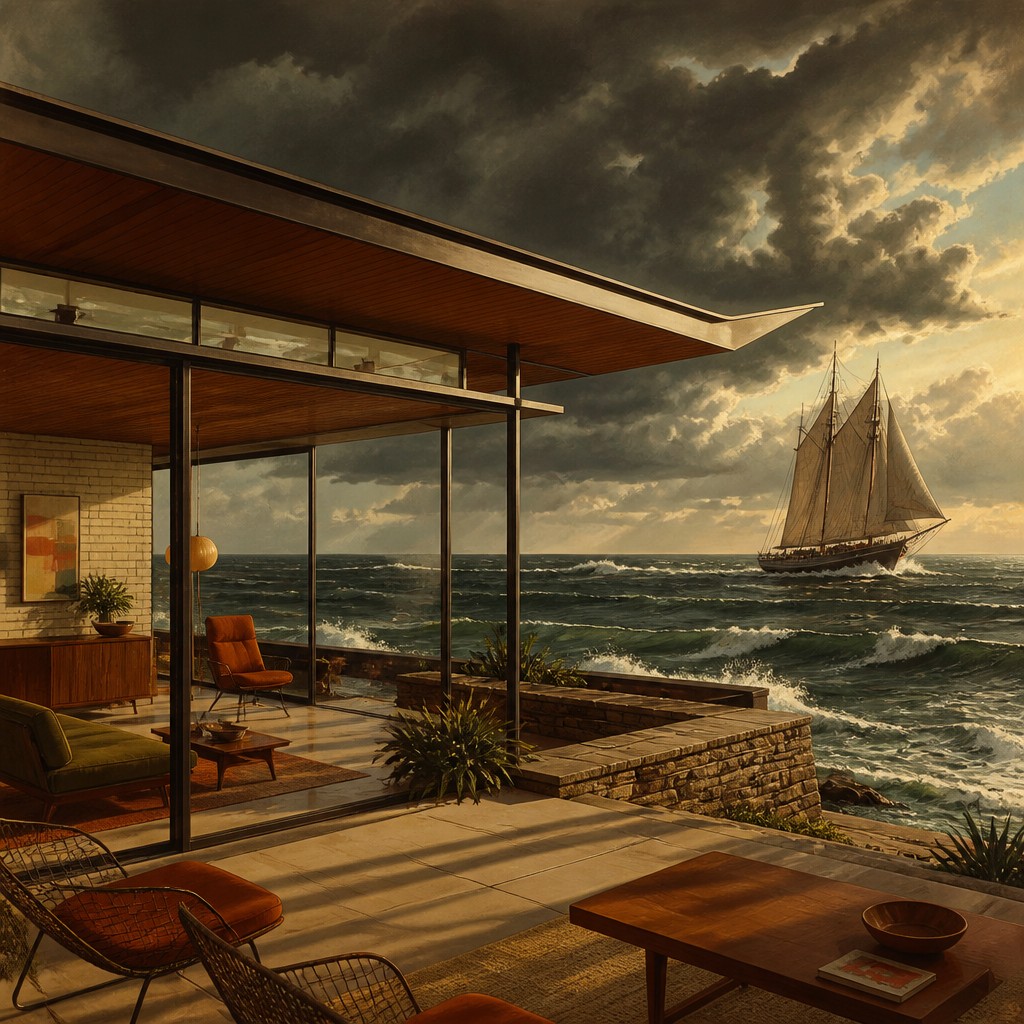
“sailing ship on a stormy sea”
How to Create Mid-Century Modern Architecture Art
Master the craft step by step — or skip straight to creating. Read the full guide →
- 1
Use low, layered geometry
Start with a broad horizontal composition and keep the building close to the ground. Reduce ornament and let roofline, glazing, and structural rhythm do most of the visual work.
- 2
Balance glass with texture
Pair large transparent surfaces with warm wood cladding, painted brick, or stacked stone. The contrast between reflective glass and tactile materials is central to the style.
- 3
Design for light and shadow
Include clerestory windows, overhangs, and strong late-afternoon sunlight to produce long shadows and depth. In illustrations or photos, this lighting helps define planes and emphasizes the breezy atmosphere.
- 4
Keep details slender and restrained
Use thin posts, narrow trim, simple railings, and minimal hardware. In digital or AI-generated work, prompt for clean lines, open plans, and restrained proportions rather than decorative complexity.
- 5
Choose an authentic period palette
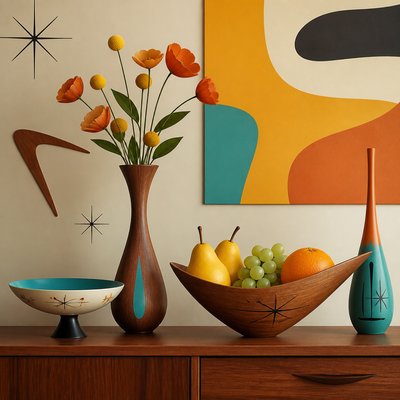
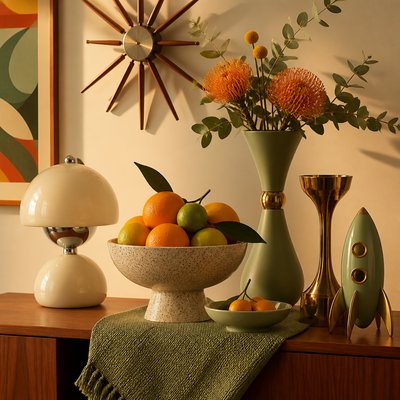
Lean into olive green, mustard, burnt orange, teak brown, walnut, muted stone, and off-white. These colors help a scene read as mid-century without depending on novelty props.
- 6
Prompt with setting as much as object
For generation, describe the subject plus its architectural context: garden, patio, pool, desert lot, hillside, or suburban street. The style depends heavily on environment, not just on façade features.

The Story
History & Origins of Mid-Century Modern Architecture
Mid-century modern architecture developed after World War II, drawing on earlier European modernism, American regionalism, and industrial advances in steel and glass construction. While the term is now used broadly, the style includes work by architects such as Richard Neutra, Rudolph Schindler, Eero Saarinen, Charles and Ray Eames in adjacent design fields, and later residential practitioners like Joseph Eichler’s developer-built homes. In the United States, the style became especially visible in suburban housing, commercial pavilions, schools, and office buildings during the 1950s and 1960s.
Its development was shaped by affordability, changing family life, and a desire for informal, light-filled spaces. The style adapted International Style ideals to warmer materials and more relaxed plans, producing architecture that felt technologically modern but not severe. By the late 1960s and 1970s, it was gradually overtaken by newer trends, yet it remained influential and saw major revival in preservation, interior design, and contemporary residential architecture.
Influences: Mid-century modern architecture grew out of International Style modernism, the Prairie School’s horizontal emphasis, and postwar American domestic design. It shares ideas with architects such as Ludwig Mies van der Rohe, Walter Gropius, Le Corbusier, Richard Neutra, and Rudolph Schindler, though it often softens their austerity with more natural materials and a stronger connection to climate. It also overlaps with the broader mid-century design world associated with Charles and Ray Eames, especially in furniture, interiors, and the integration of architecture with everyday life.
Frequently Asked Questions
What defines mid-century modern architecture?
Its core traits are low horizontal forms, large glass surfaces, simple rooflines, and a close relationship to the outdoors. The style often uses warm wood and stone to make modern design feel livable rather than severe. Open plans and abundant natural light are also central.
Is mid-century modern the same as modernist architecture?
Not exactly. Mid-century modern is a later, more specific branch of modernism, especially tied to postwar residential and commercial design. It keeps modernism’s simplicity and structural clarity but often adds warmth, color, and a relaxed domestic mood.
What is a butterfly roof?
A butterfly roof is an inverted V shape, with the roof planes sloping down toward the center. It became a signature feature in some mid-century homes because it creates a dramatic profile and can help admit light or collect rainwater. It is one of the easiest visual cues for the style.
Where is this style most commonly seen?
It is especially associated with California, the American Southwest, and postwar suburban developments, but examples appear across the United States and internationally. You’ll find it in single-family homes, civic buildings, offices, and resort architecture. It is also common in preserved neighborhoods and renovated interiors today.
How do I make a picture look mid-century modern?
Use low-slung geometry, lots of glass, slim supports, and warm materials like teak or walnut. Add period-appropriate colors and strong sunlight, especially from late afternoon. The setting should feel open, landscaped, and comfortably modern.
What makes it different from today’s minimalist architecture?
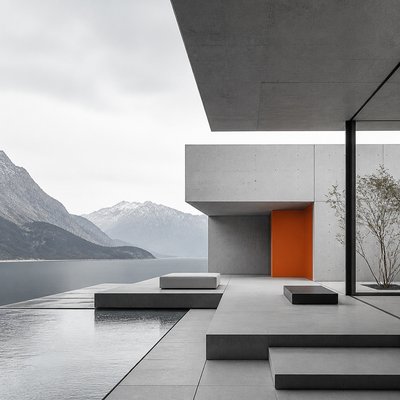
Contemporary minimalism often favors white surfaces, sharper abstraction, and a more neutral palette. Mid-century modern is usually warmer, more material-rich, and more tied to postwar optimism and indoor-outdoor living. It feels less ascetic and more domestic.
Create your first Mid-Century Modern Architecture artwork
Describe anything — or upload a photo — and see it in Mid-Century Modern Architecture in seconds.
Related Styles
Discover similar art styles