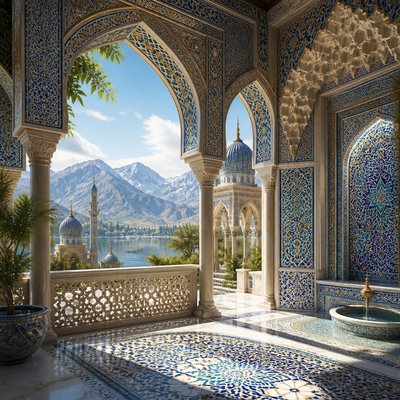
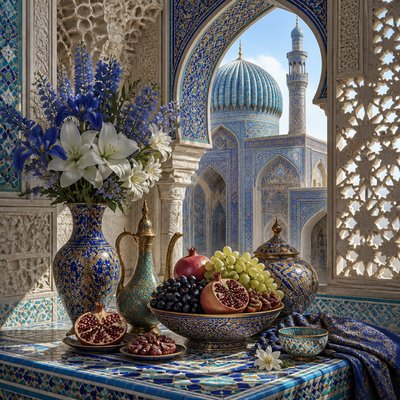
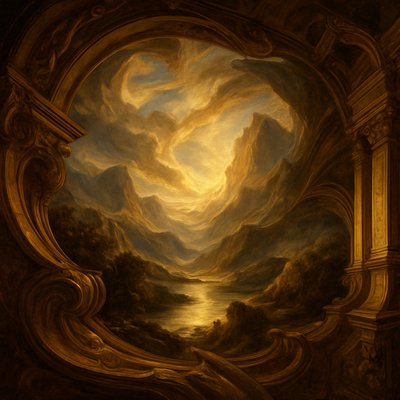
Neoclassical Architecture
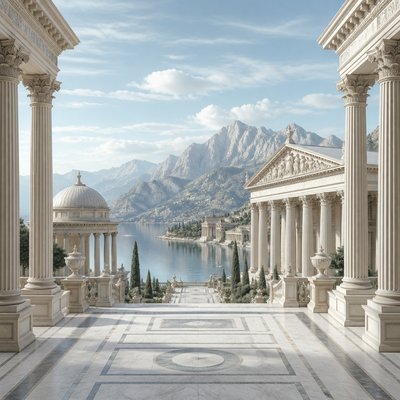
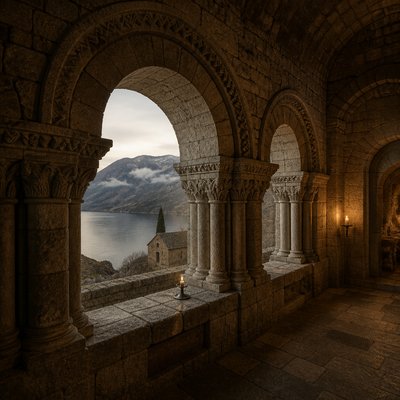
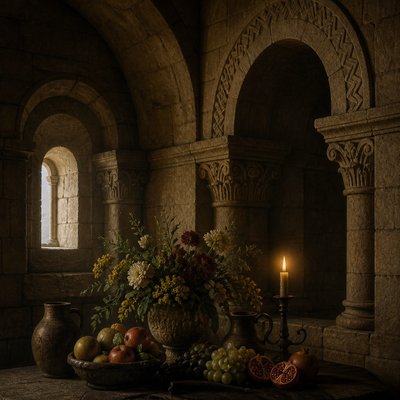
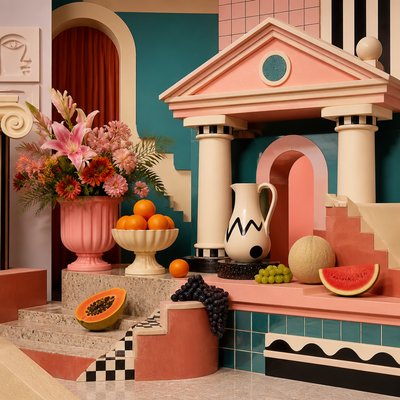
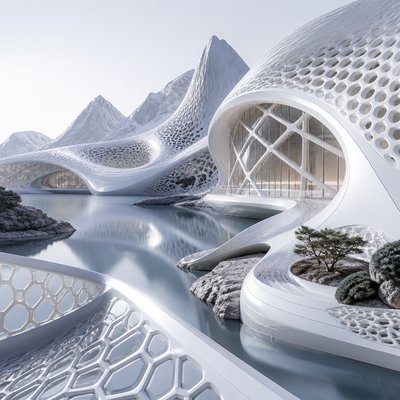
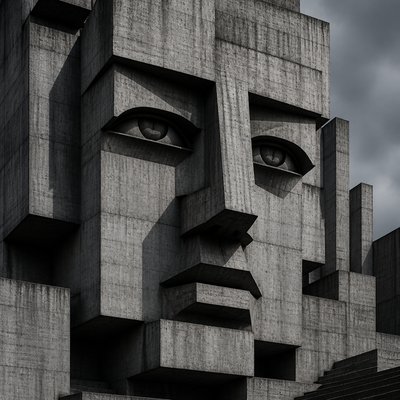
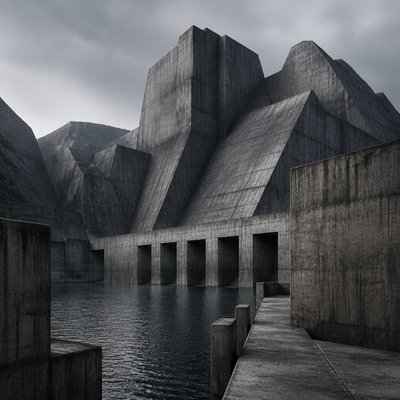
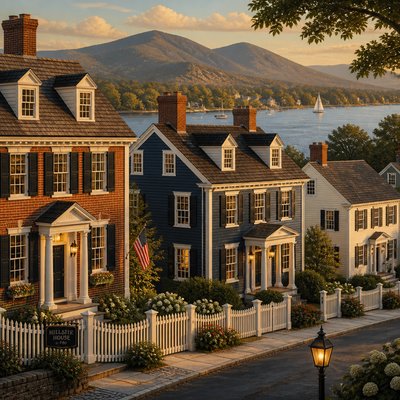
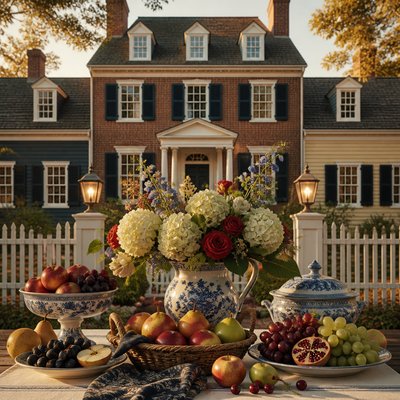
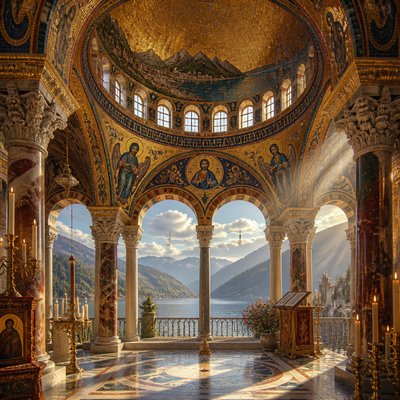
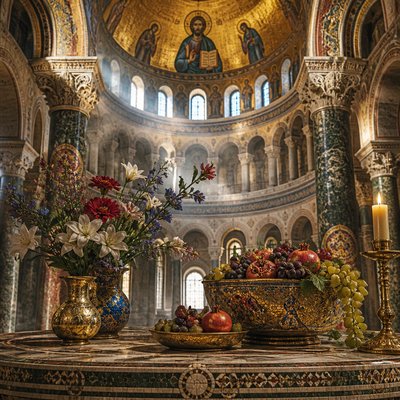
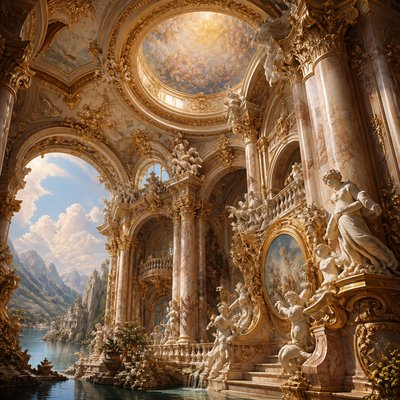
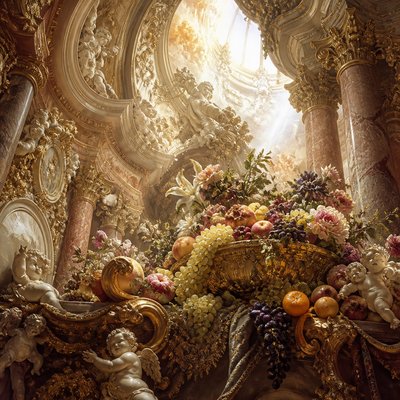
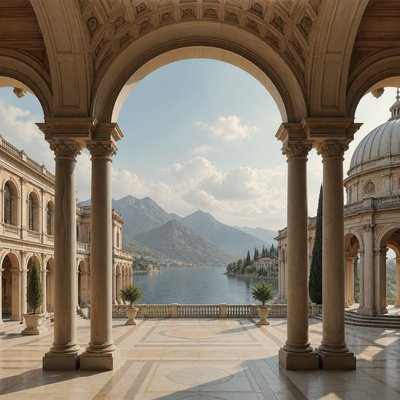
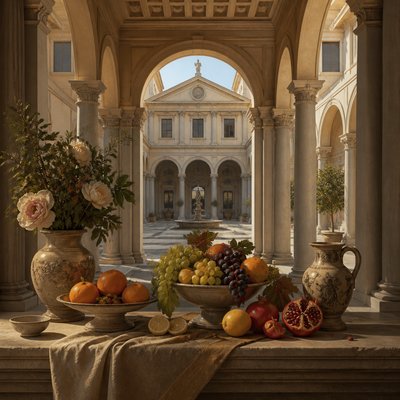
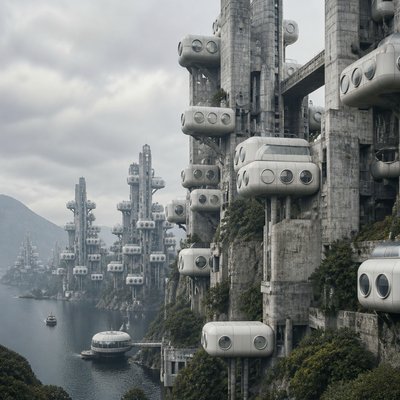
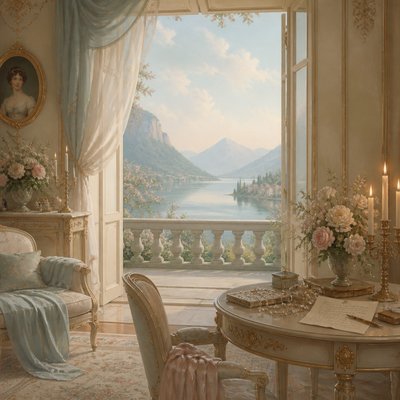
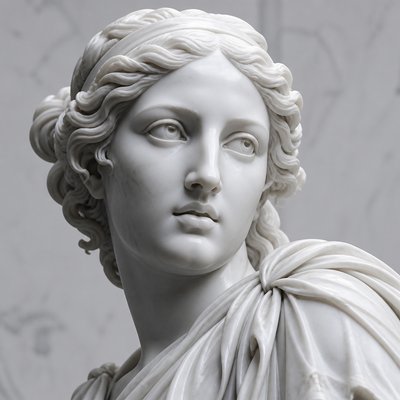
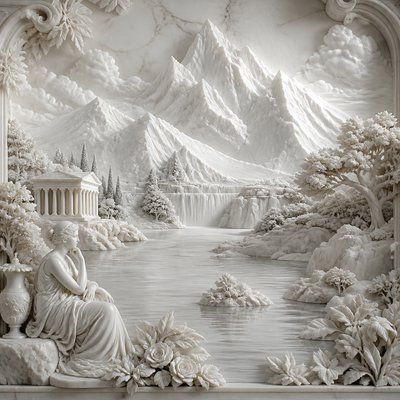
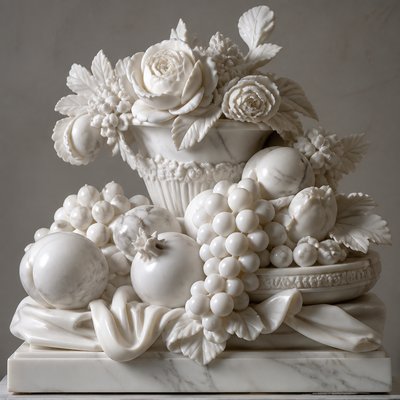
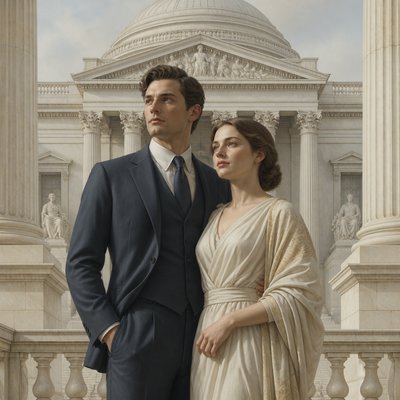
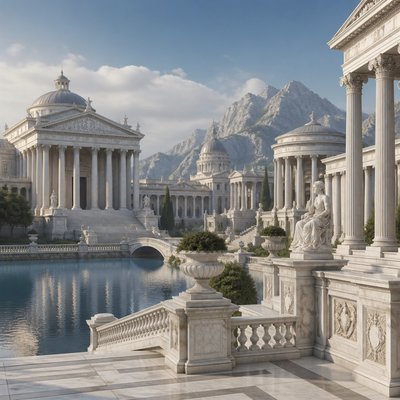
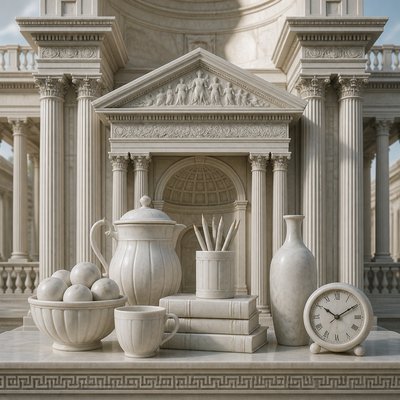
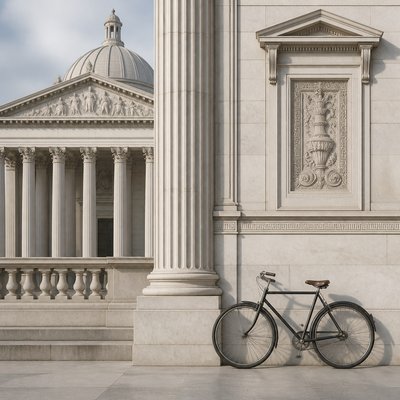
Neoclassical architecture: symmetrical facades, columns, pediments, marble surfaces, and calm civic grandeur in cool light.
Instantly rendered in Neoclassical Architecture — or transform a photo
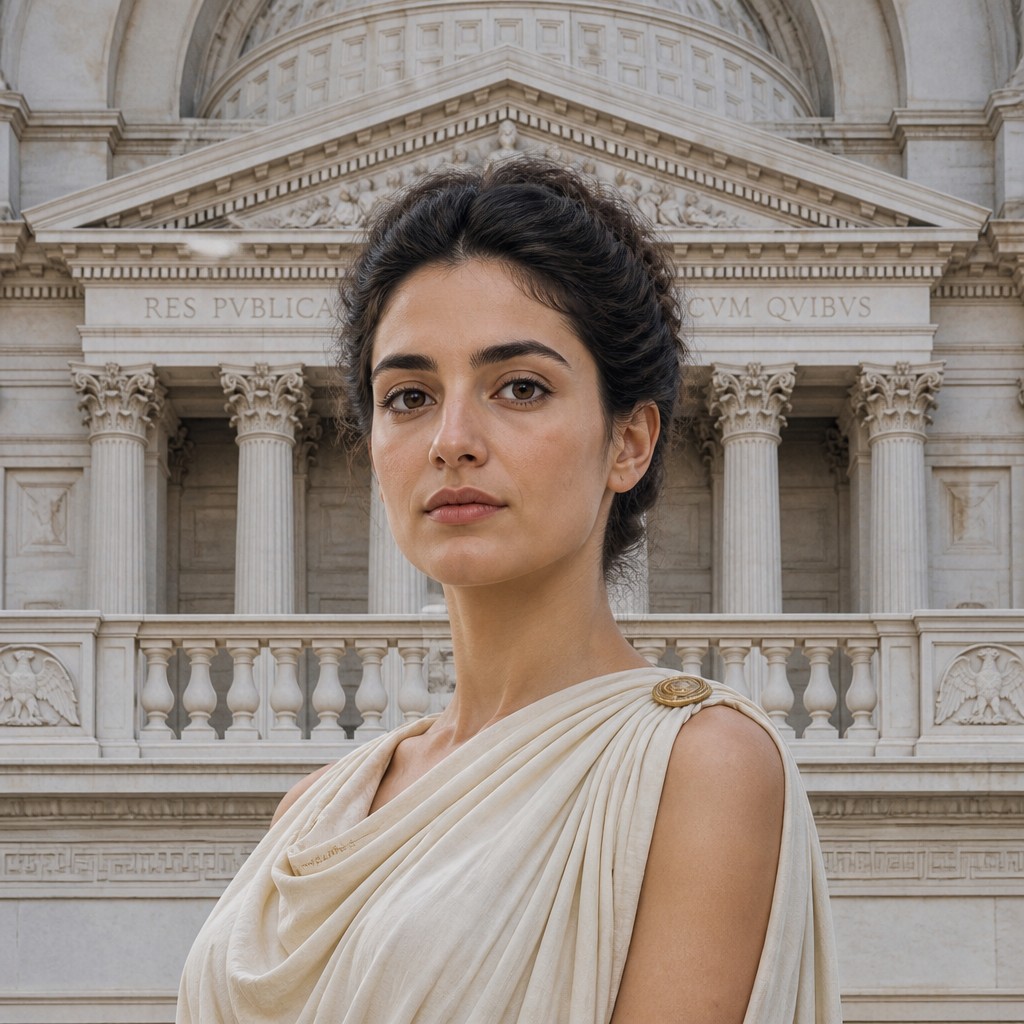
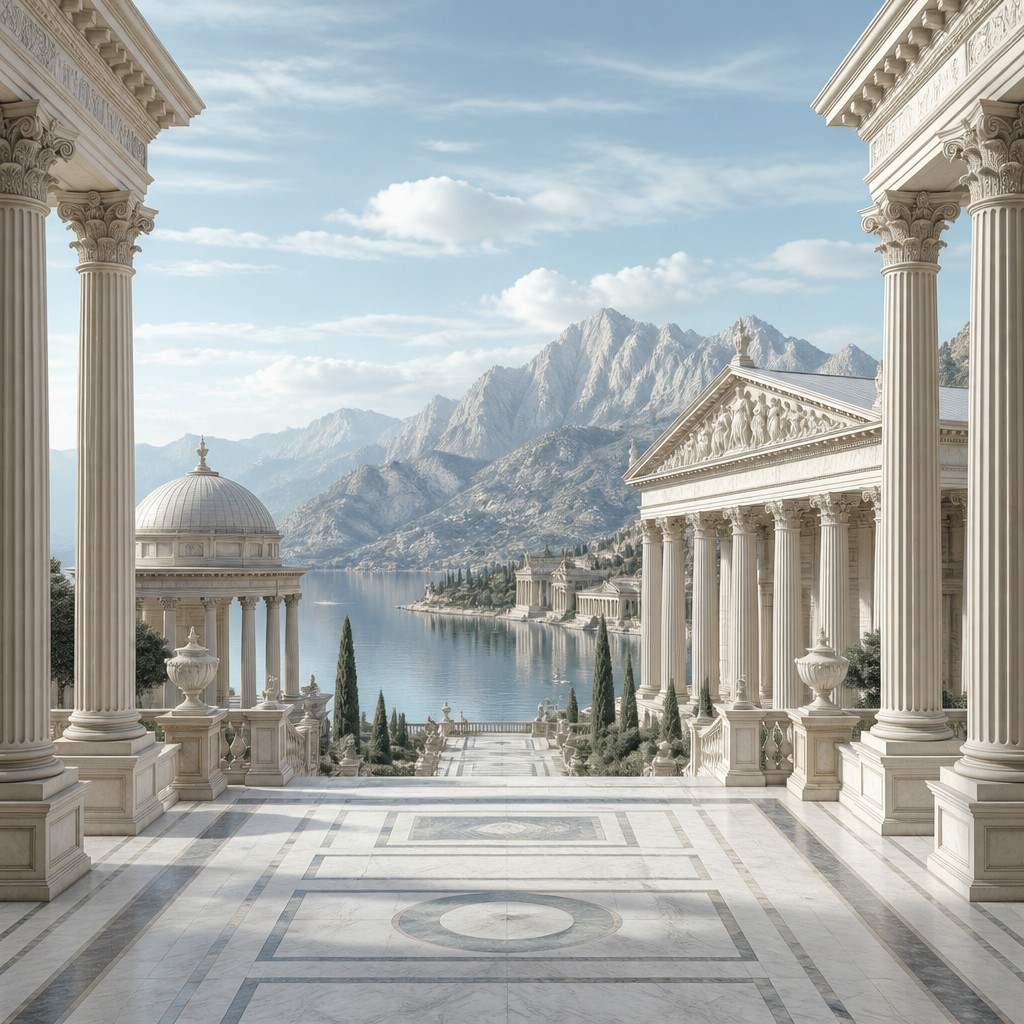
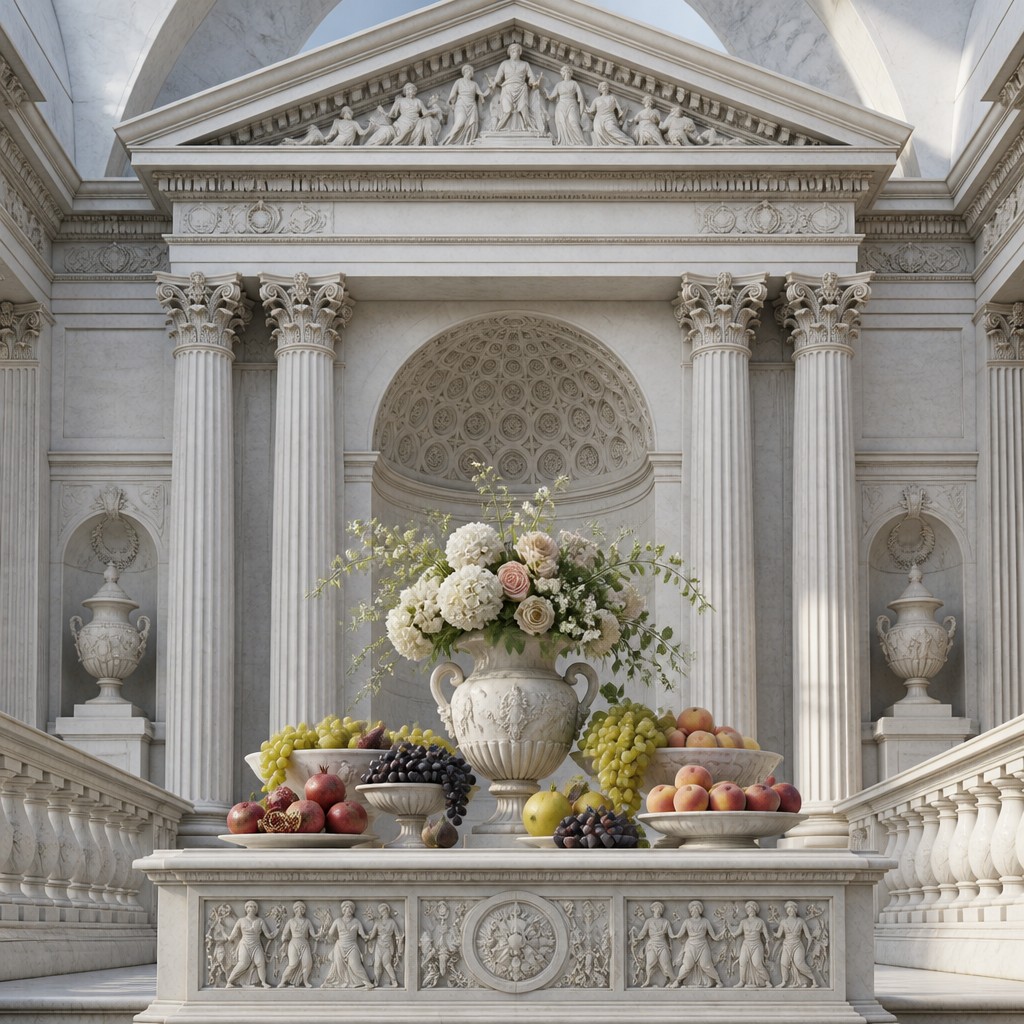
Neoclassical Architecture Gallery
Tap any artwork to explore it
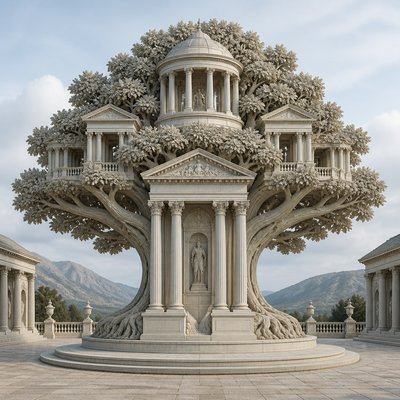
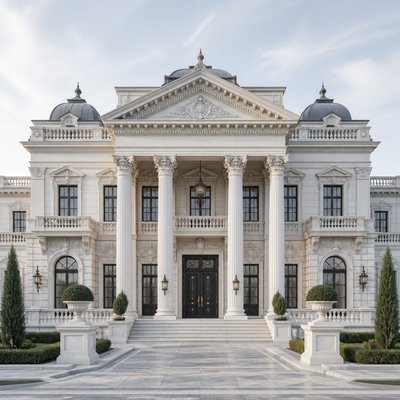

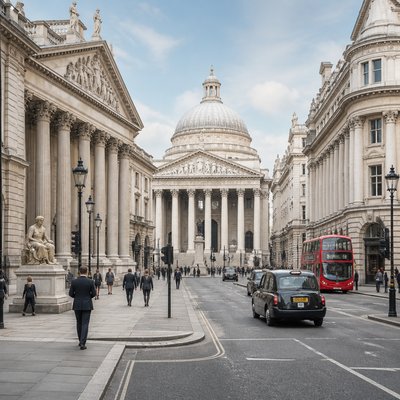
What is Neoclassical Architecture?
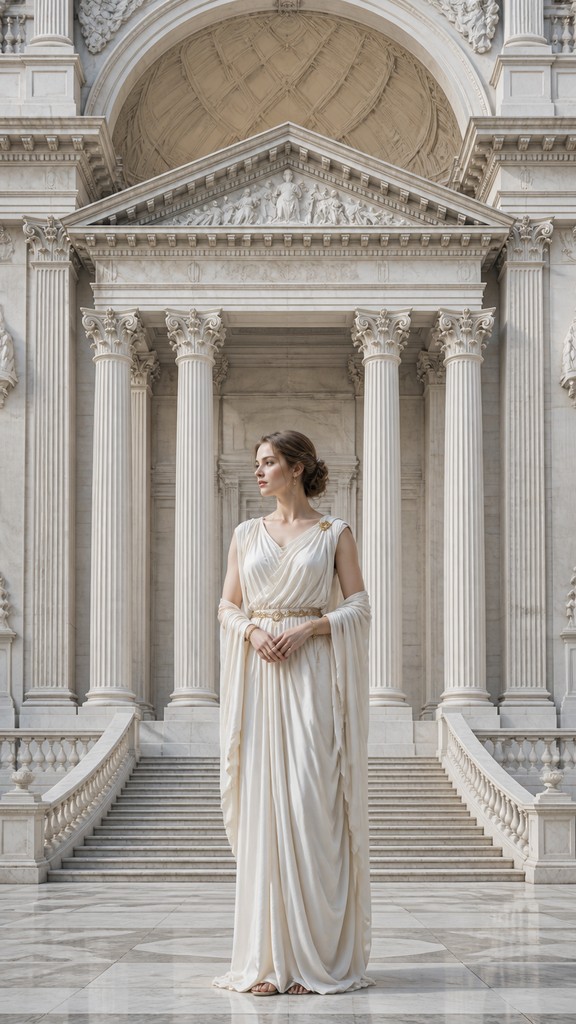
Neoclassical architecture is a revival and reinterpretation of ancient Greek and Roman building principles, defined by symmetry, clear geometry, and a disciplined use of classical orders. Its familiar elements include fluted columns, triangular pediments, domes, pilasters, entablatures, and long balanced facades rendered in stone, stucco, or marble. The style communicates permanence, order, and public authority through proportion rather than ornament for ornament’s sake.
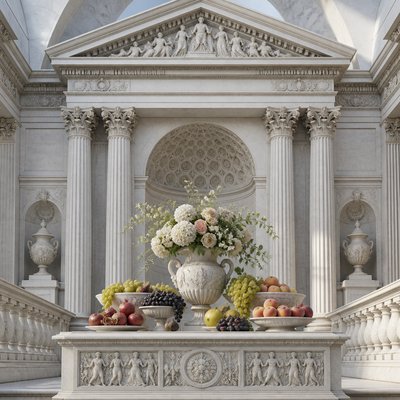
Visually, neoclassical buildings favor pale surfaces, measured spacing, and a calm, rational composition. Decorative detail is present but controlled: carved friezes, dentil cornices, balustrades, and relief sculpture are used to reinforce structure and hierarchy. The result is an architecture of civic grandeur, often lit by cool even daylight that emphasizes mass, line, and the quiet dignity of masonry.
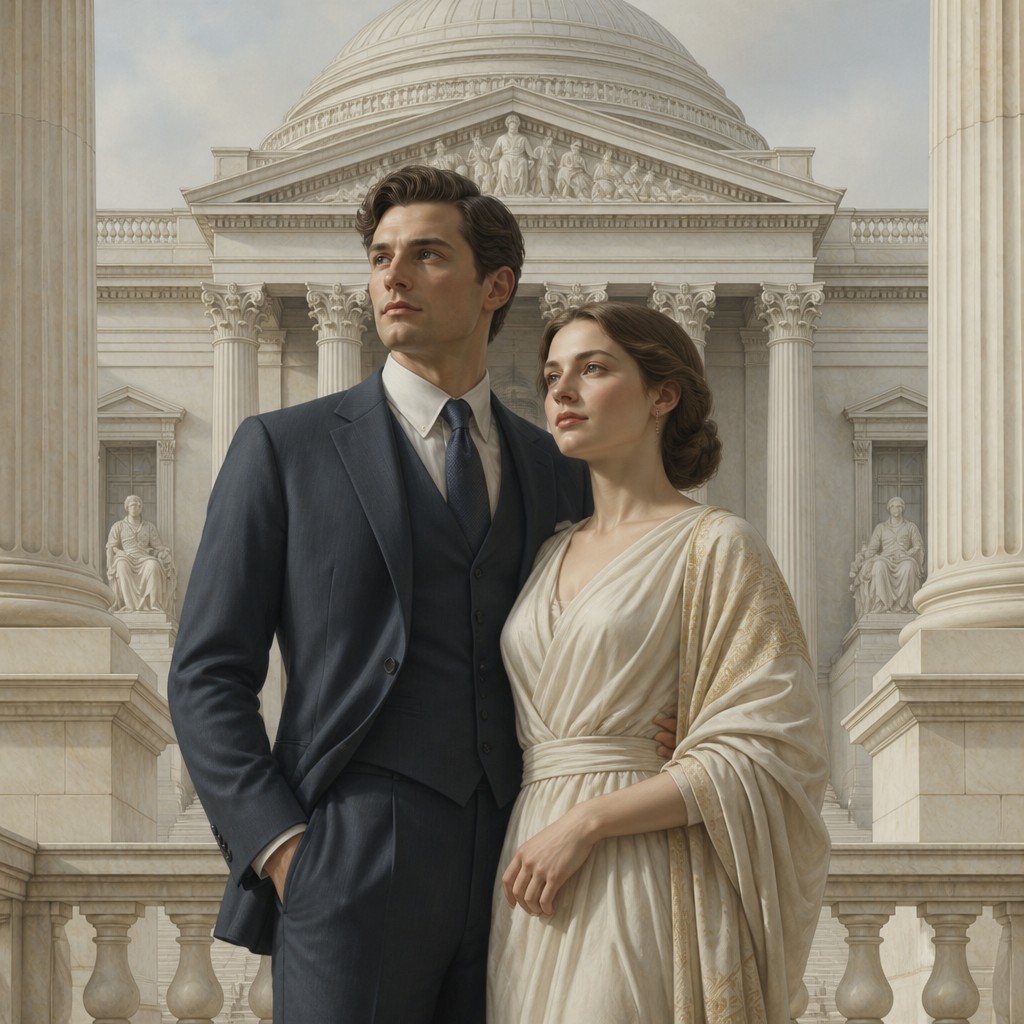
Try It On Your Photos
Upload any photo and convert it into Neoclassical Architecture — drag the sliders to compare before and after.


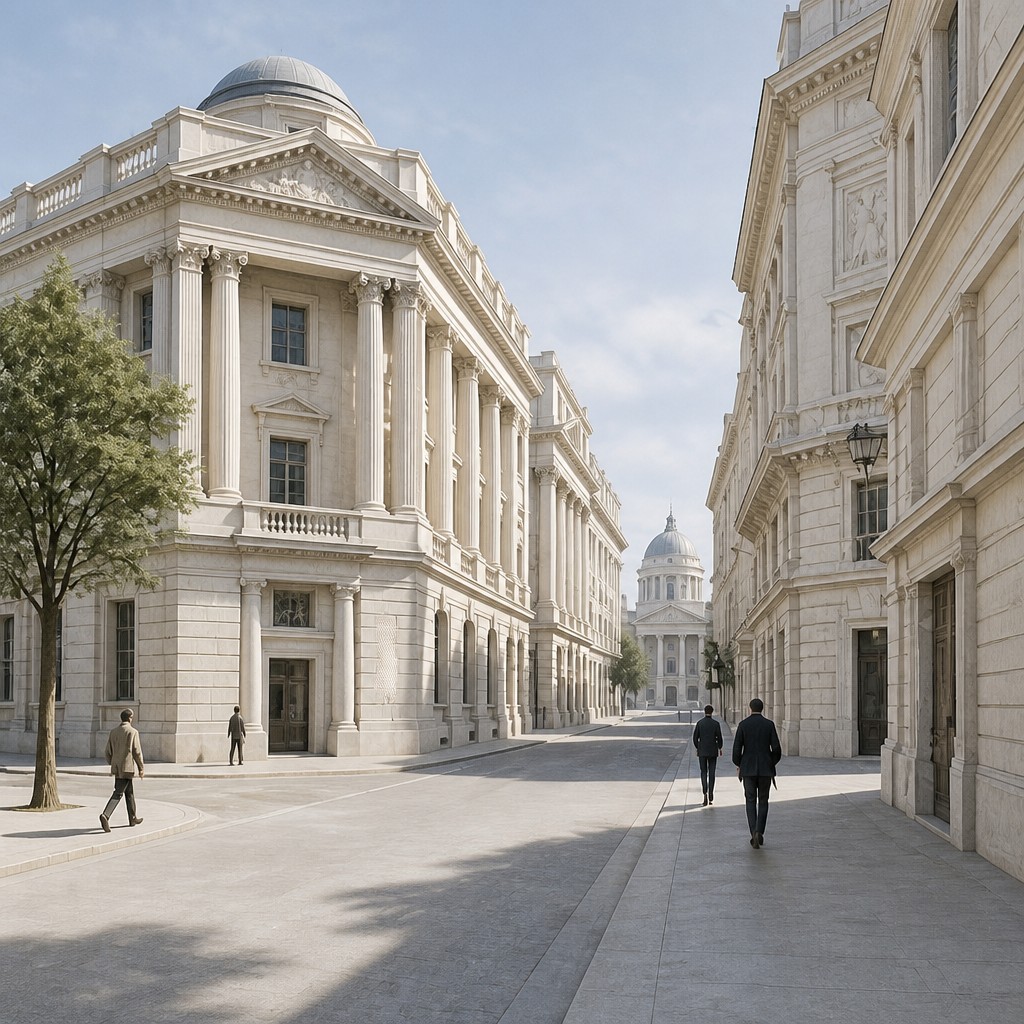

What Defines Neoclassical Architecture
The signature details, up close
Monumental symmetry
Facades are usually organized around a central axis with evenly spaced bays, creating a composed and balanced appearance. This symmetry gives the building a formal, ceremonial presence.
Classical orders
Columns and pilasters follow Greek and Roman precedents such as Doric, Ionic, or Corinthian forms. Their proportions and capitals help establish the building’s hierarchy and visual rhythm.
Pediments and entablatures
Triangular pediments, horizontal entablatures, and strong cornice lines emphasize the roofline and frame the composition. These features make the structure read as legible and orderly.
Pale masonry surfaces
White marble, limestone, pale stucco, or light-colored stone are common, producing a restrained and luminous palette. The surfaces often appear smooth or finely tooled, with material texture kept secondary to overall form.
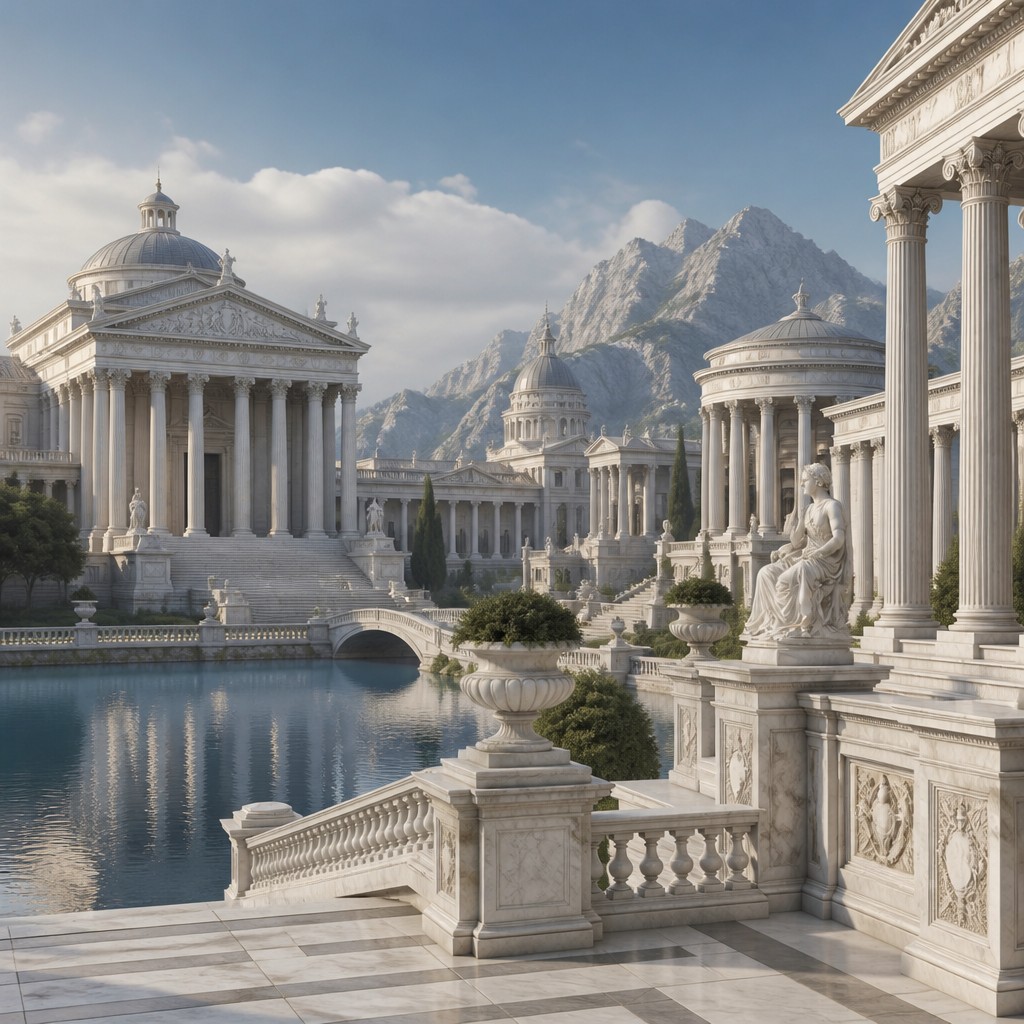
Controlled ornament
Decoration appears in friezes, medallions, dentil moldings, balustrades, and low relief sculpture rather than dense surface pattern. Ornament supports the architecture instead of overwhelming it.
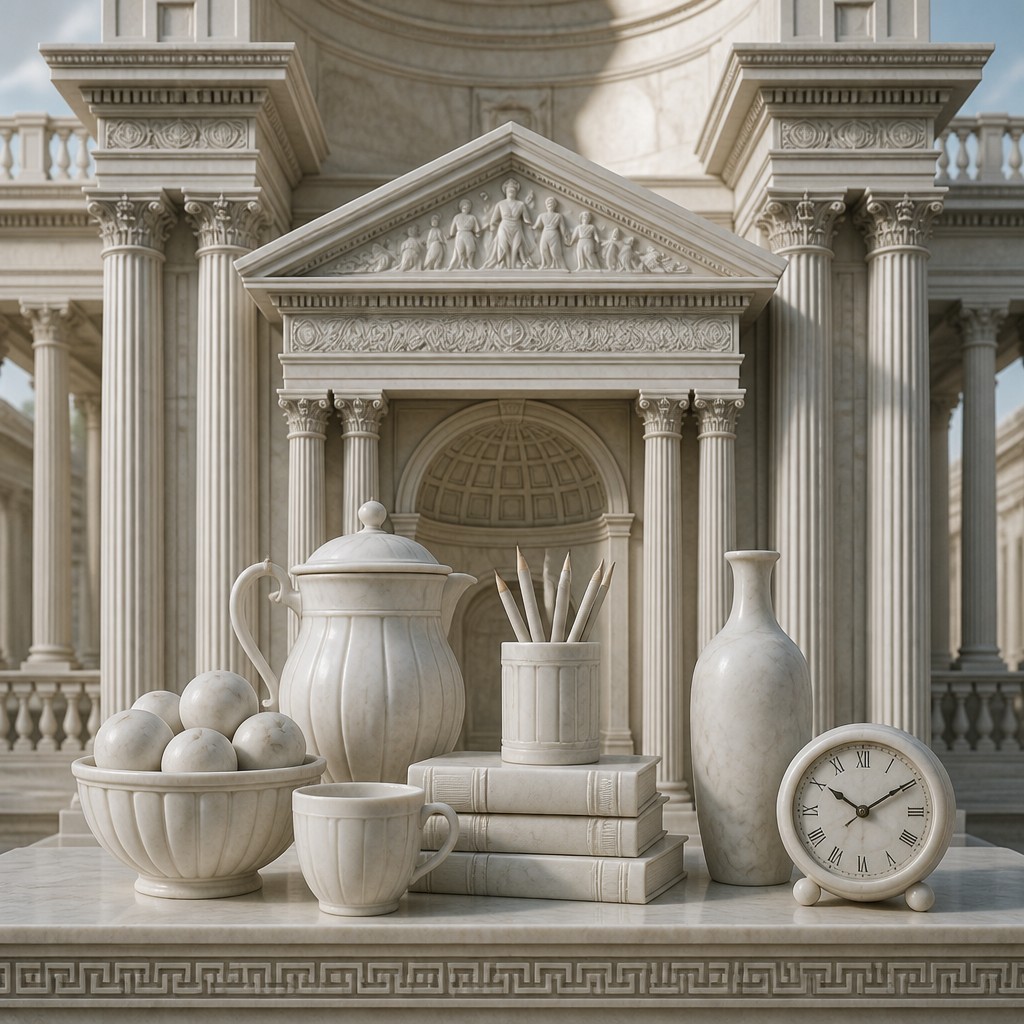
Civil and institutional tone
The style is closely associated with government, law, finance, memorials, and education. Its visual language is meant to project legitimacy, stability, and public purpose.
Try It
Create Videos in Neoclassical Architecture
Styles aren't just for stills — describe a scene or animate an image and get a short video rendered in Neoclassical Architecture. Press play to see this pond come to life.
Make a VideoNeoclassical Architecture Prompt Ideas
Start from an idea — each one opens the generator with the style ready to go. See all 40 Neoclassical Architecture prompts →

“close-up portrait of an elderly person with expressive weathered features”
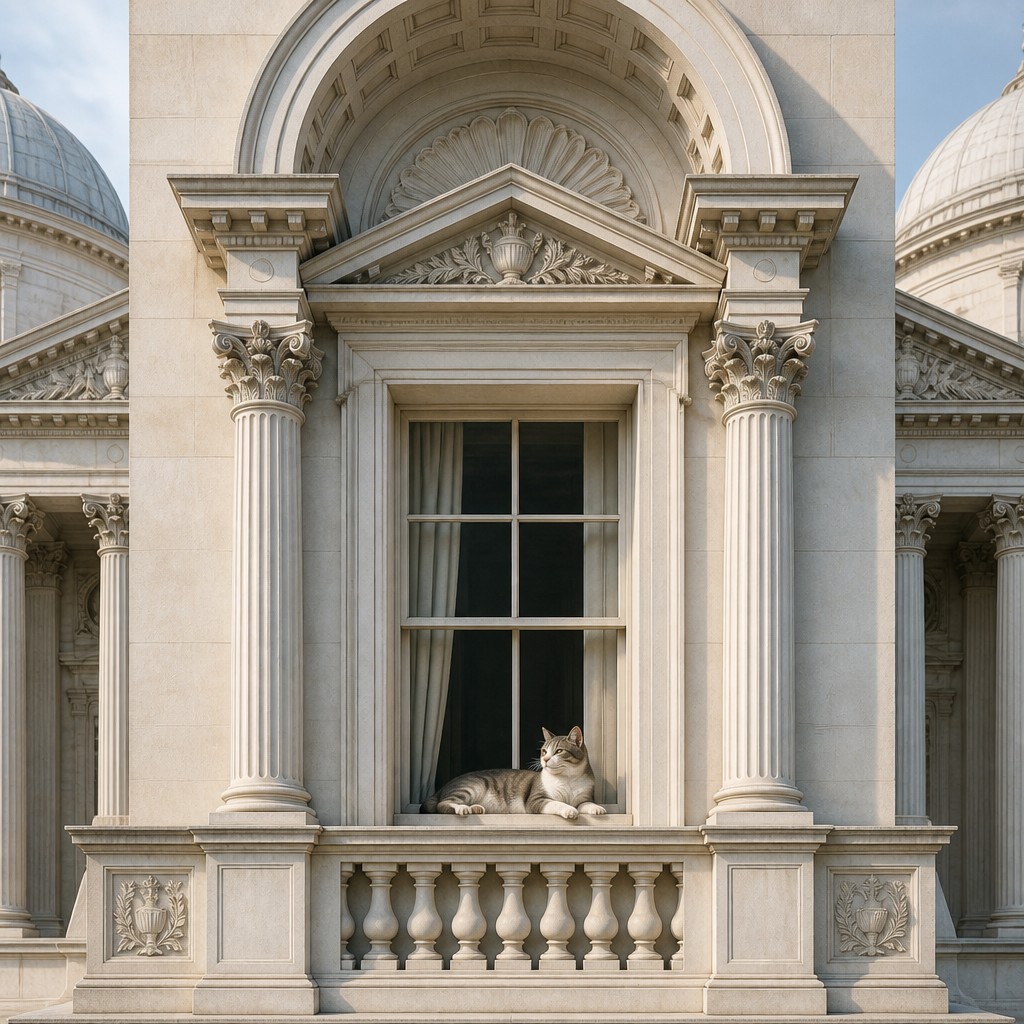
“a cat lounging in a sunlit window”
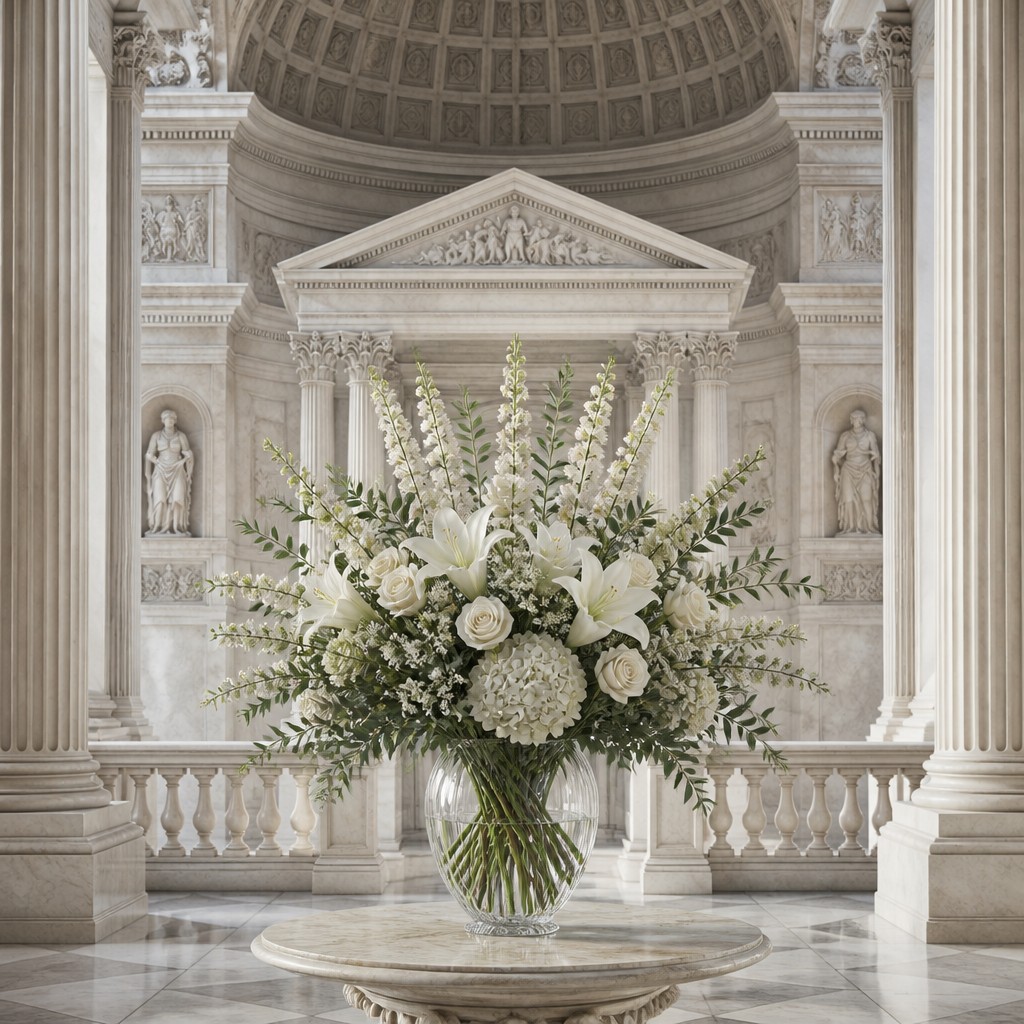
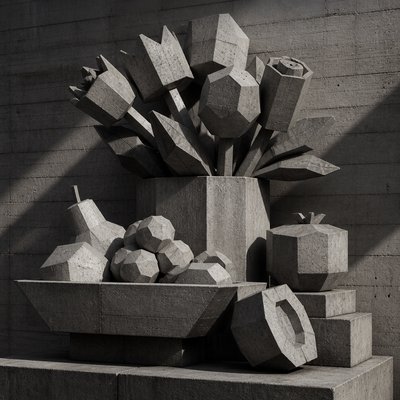
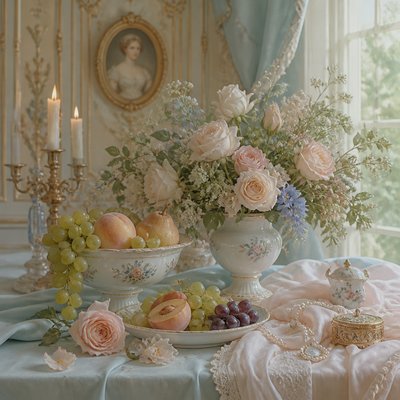
“bouquet of flowers in a glass vase”

“sailing ship on a stormy sea”
How to Create Neoclassical Architecture Art
Master the craft step by step — or skip straight to creating. Read the full guide →
- 1
Build the composition around a central axis
Start with a strictly symmetrical facade or interior elevation, then place columns, windows, doors, and pediments in balanced intervals. In drawing or 3D work, use a clear horizon line and consistent perspective so the architecture feels measured and orderly.
- 2
Use a restrained classical palette
Favor white marble, ivory, cream, pale beige, and soft grey, with shadows kept cool and subtle. Avoid saturated color unless you are depicting stained materials, interiors, or specific historical finishes.
- 3
Specify classical details precisely
Include fluted columns, entablatures, dentil cornices, stone balustrades, shallow domes, and carved friezes only where they make structural sense. Whether hand-rendering or generating digitally, these details should feel integrated rather than decorative add-ons.
- 4
Model light as even and architectural
Use daylight that rakes gently across stone to reveal relief, joints, and molding profiles without dramatic contrast. Soft overcast light or late-morning sun often works well because it clarifies form while preserving the calm tone.
- 5
Describe scale and context clearly in prompts
For image generation, name the building type, setting, and material so the model can place the style correctly: for example, a courthouse, museum, palace, memorial, or portico. Adding terms like 'monumental symmetry,' 'pale limestone,' and 'calm civic grandeur' helps preserve the architectural character.
The Story
History & Origins of Neoclassical Architecture
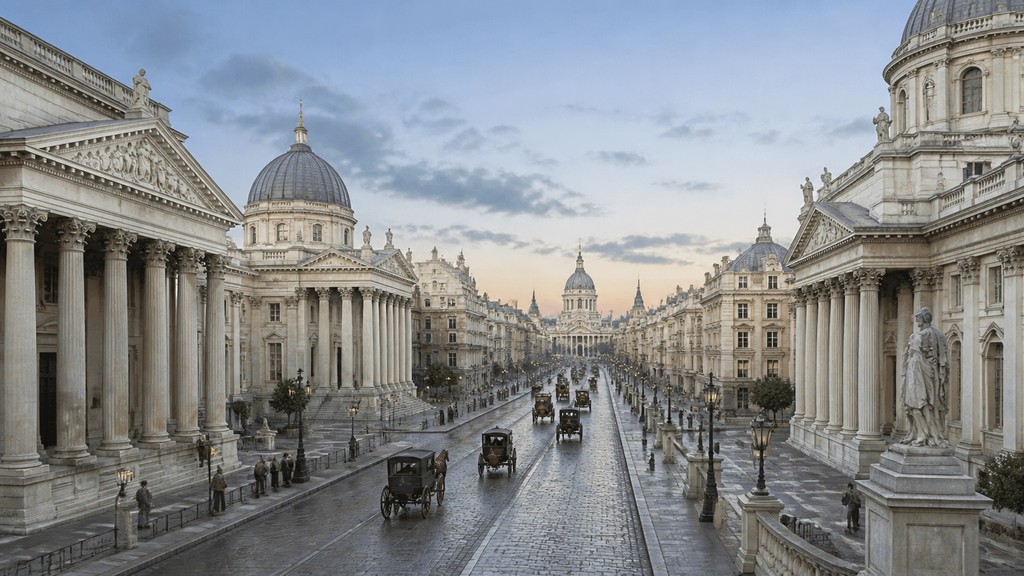
Neoclassical architecture emerged in the mid-18th century as a reaction against the theatrical excess of late Baroque and Rococo design. It drew on renewed archaeological interest in the ancient world, especially after excavations at Herculaneum and Pompeii and through the widespread study of Greek and Roman ruins. The movement spread across Europe and the Americas, becoming especially important in state buildings, museums, banks, courts, and monuments where ideals of order, reason, and civic virtue were desired.
The style developed in several regional forms, including the early archaeological classicism of Britain, the French neoclassical civic tradition, the Federal and Greek Revival styles in the United States, and later Beaux-Arts classicism, which expanded neoclassical grammar into grander urban ensembles. By the 19th century it remained a durable language for institutions and capital cities, and it continues to shape public architecture wherever classical symbolism is used to express stability and legitimacy.
Influences: Neoclassical architecture draws from ancient Greek and Roman architecture, especially temples, basilicas, triumphal monuments, and civic buildings, and it was revived through the archaeological culture of the 18th century. Its modern development is closely linked to the work of architects such as Robert Adam, Étienne-Louis Boullée, Claude-Nicolas Ledoux, Thomas Jefferson, and later Beaux-Arts designers who extended classical composition into monumental civic design.

Frequently Asked Questions
What defines neoclassical architecture?
Its defining traits are symmetry, classical orders, pediments, columns, and a restrained decorative scheme. The style aims for clarity, proportion, and civic dignity rather than picturesque irregularity or heavy ornament.
How is it different from Baroque architecture?
Baroque architecture tends to be more dynamic, theatrical, and sculptural, with curved forms and dramatic spatial effects. Neoclassical architecture is more restrained, linear, and rational, emphasizing balance and legibility.
How is it different from Greek Revival?
Greek Revival is a specific branch of neoclassicism that places stronger emphasis on Greek precedents, especially temple fronts and Doric forms. Neoclassical architecture is broader and can incorporate both Greek and Roman vocabulary, as well as later institutional adaptations.
Where is neoclassical architecture commonly used?
It is widely used for government buildings, courthouses, museums, banks, universities, memorials, and formal residences. These functions suit the style’s association with authority, permanence, and public culture.
How do I make a building look neoclassical in a drawing or render?
Focus on a balanced facade, strong central axis, and clearly defined classical elements such as columns, pediments, and cornices. Keep the palette pale and the ornament controlled, and use soft daylight to reveal stone texture and proportion.
Can neoclassical architecture work in modern design?
Yes, but it is usually adapted rather than copied exactly. Contemporary versions often simplify the classical vocabulary into clean symmetry, shallow relief, and stone-like materials while preserving the sense of order and monumentality.
Create your first Neoclassical Architecture artwork
Describe anything — or upload a photo — and see it in Neoclassical Architecture in seconds.
Related Styles
Discover similar art styles