Deconstructivist Architecture
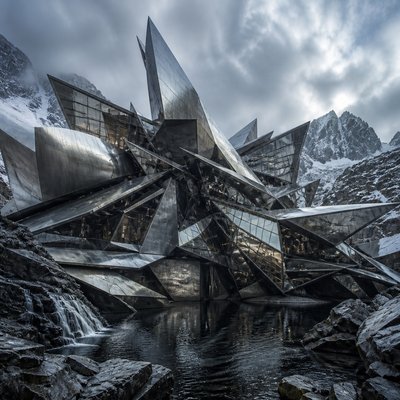
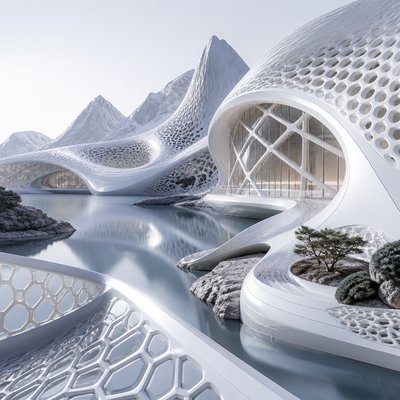
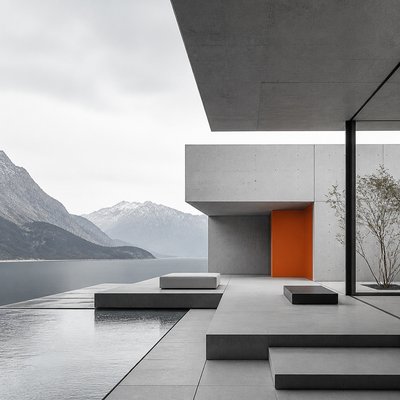
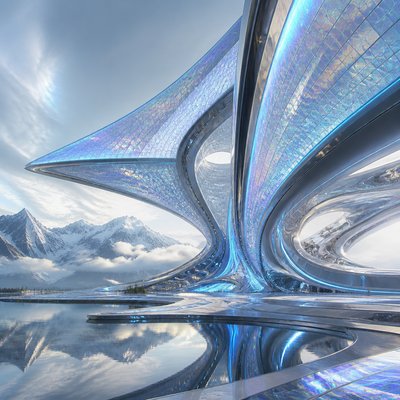
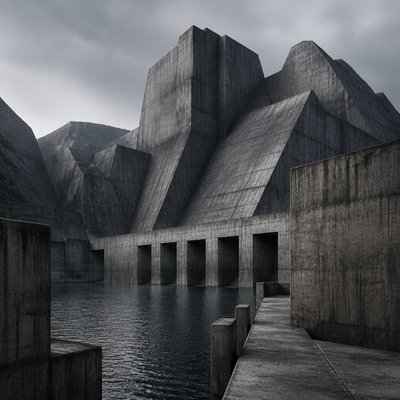
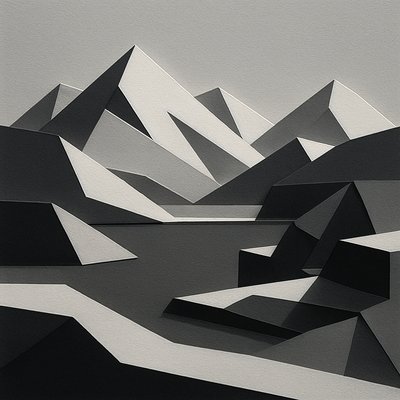
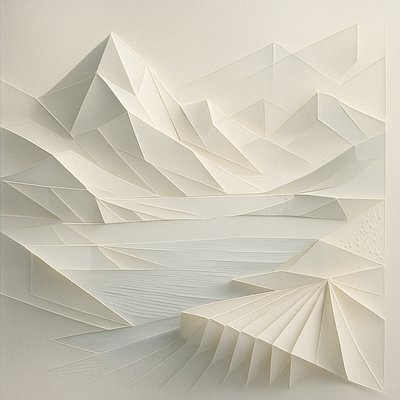
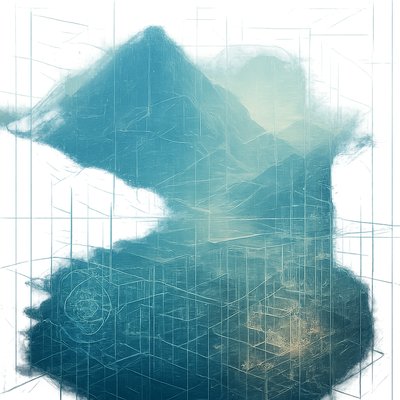
Fractured, angular architecture with colliding planes, skewed grids, and dramatic tension inspired by deconstructivist design.
Instantly rendered in Deconstructivist Architecture — or transform a photo

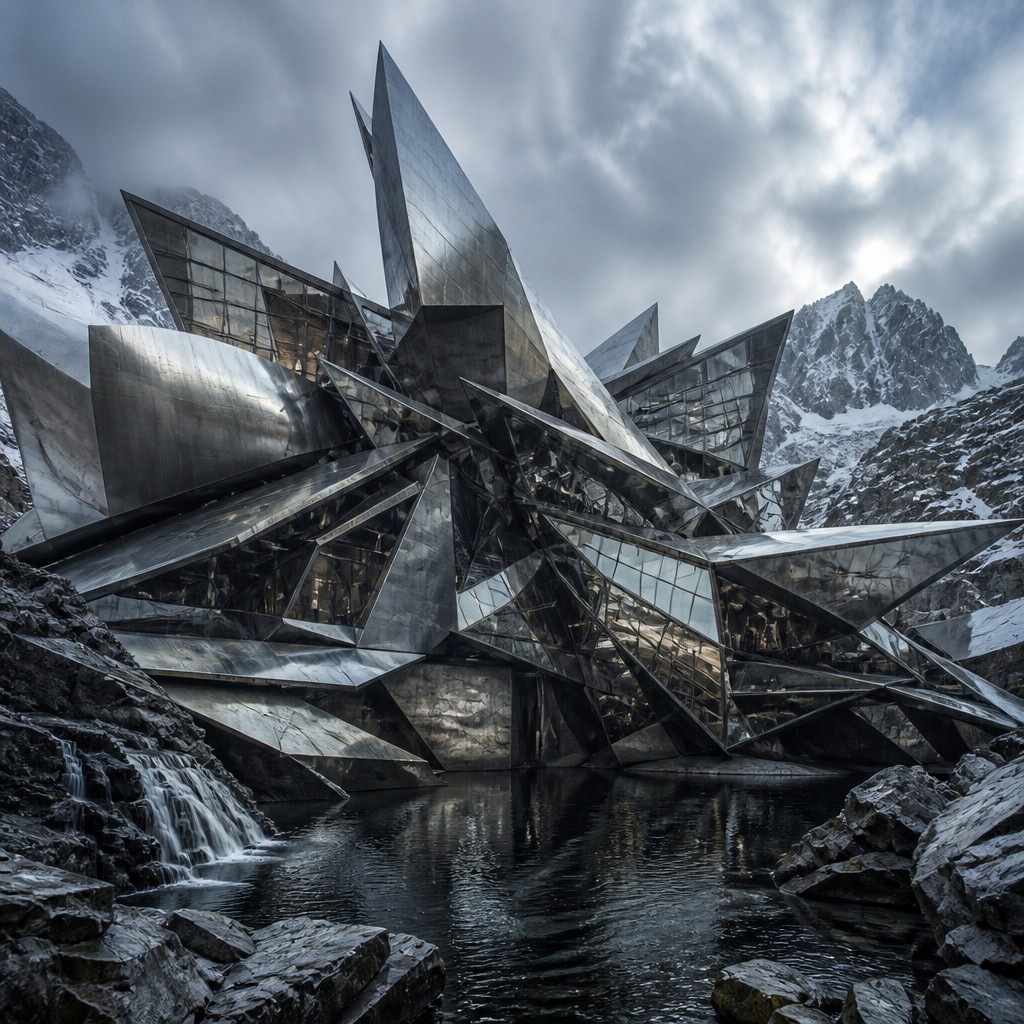

Deconstructivist Architecture Gallery
Tap any artwork to explore it

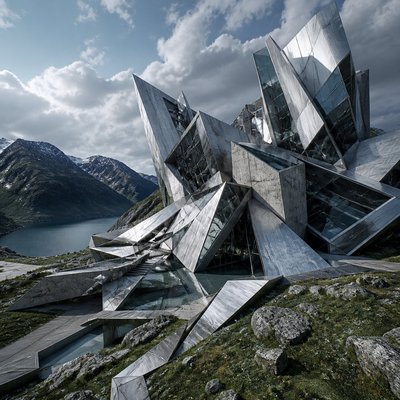
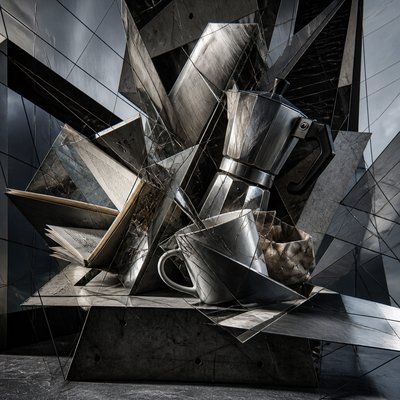

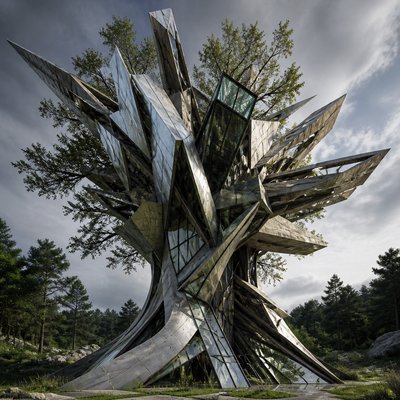
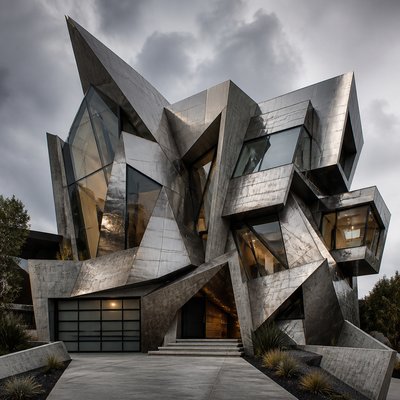
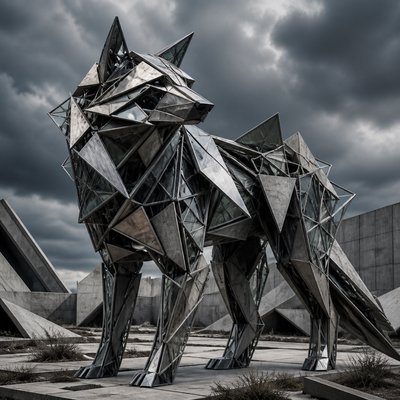
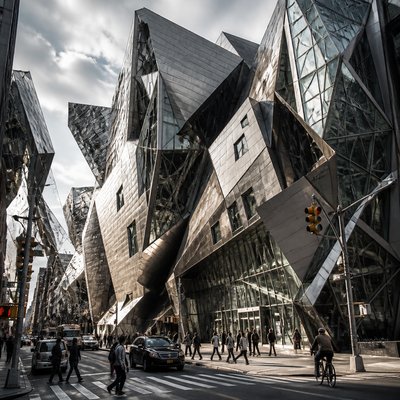
What is Deconstructivist Architecture?
Deconstructivist architecture is a late-20th-century architectural approach defined by fragmentation, collision, and visual instability. Buildings in this mode often seem to be broken into shards, bent off-axis, or assembled from intersecting volumes that resist symmetry and conventional order. The result is architecture that can feel as if it were caught mid-disruption: dynamic, unstable, and deliberately disorienting.
Its visual identity comes from the refusal of classical compositional balance and from the exposure of tension between structure, skin, and space. Titanium, glass, steel, and concrete are commonly used not for smooth continuity but for sharp contrast and angular overlap. The style’s power lies in making architecture appear active rather than settled, with forms that read as fragments of a larger logic rather than a unified box.

Try It On Your Photos
Upload any photo and convert it into Deconstructivist Architecture — drag the sliders to compare before and after.


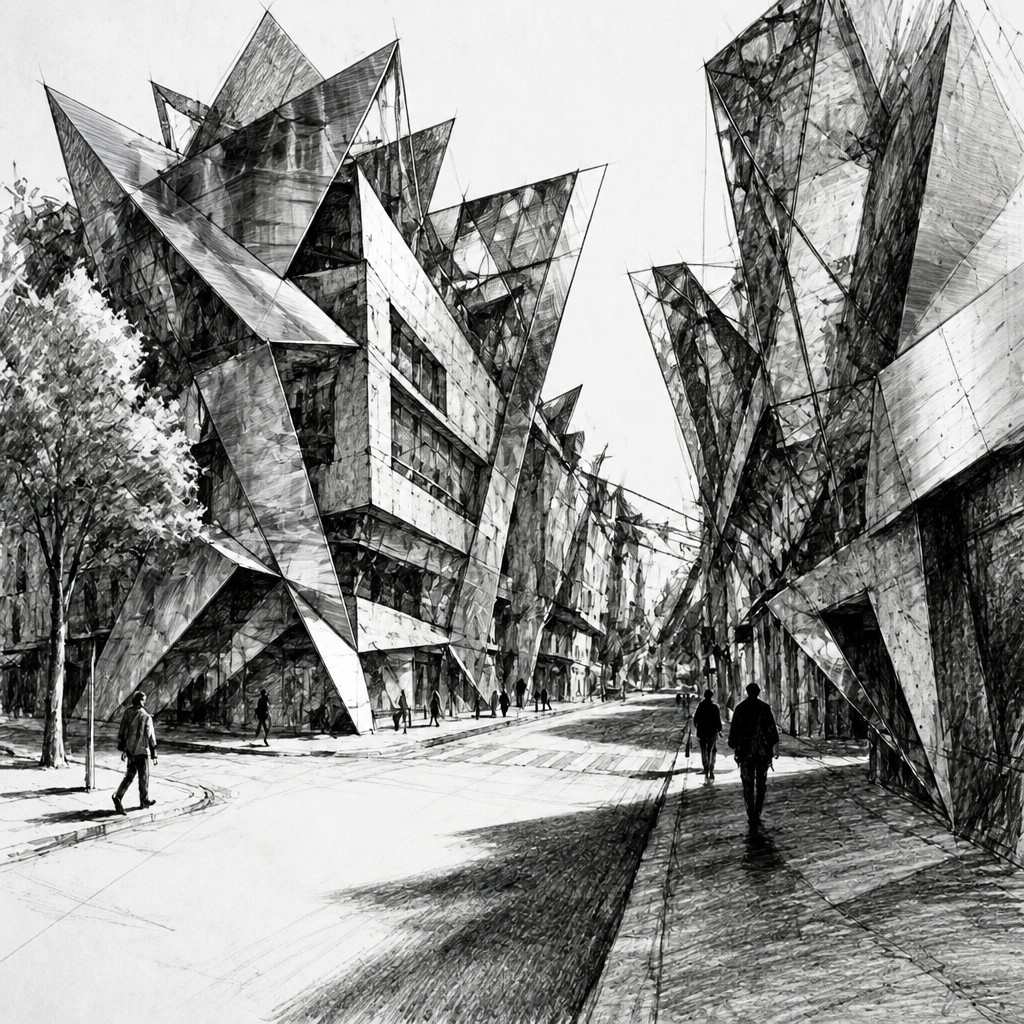

What Defines Deconstructivist Architecture
The signature details, up close
Fractured massing
Buildings are divided into separate volumes that appear split, rotated, or displaced from one another. This creates the sense of a whole that has been intentionally broken into parts.
Intersecting planes and shards
Sharp angular surfaces cut across the form, often at non-orthogonal angles. These planes produce a sensation of collision and unstable balance.
Skewed geometry
Instead of rectilinear order, the composition uses tilted lines, offsets, and non-parallel edges. The geometry often feels as though it has been bent or twisted under force.
Exposed structural tension
The design foregrounds structural pressure rather than hiding it. Beams, seams, and joints may be emphasized so the building reads as an active assembly of forces.
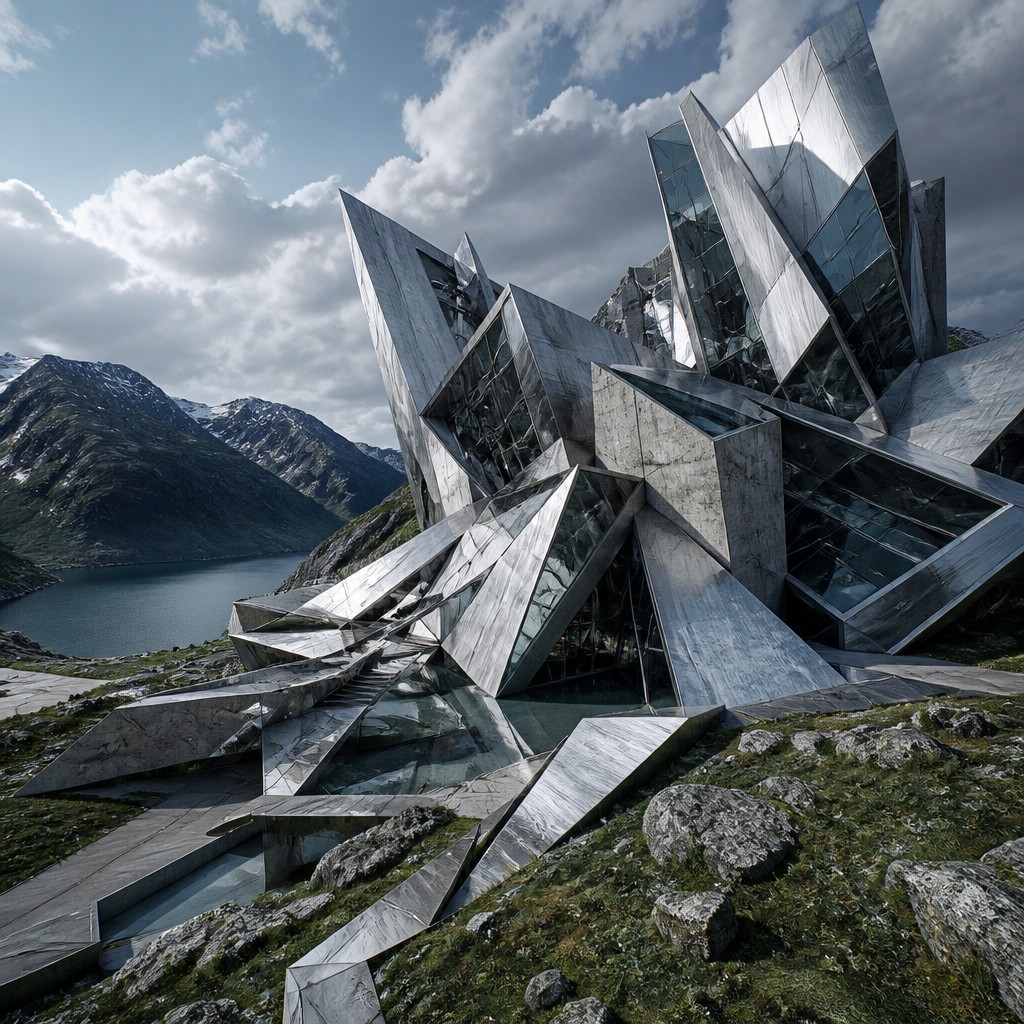
Industrial material contrast
Steel, titanium, glass, and concrete are common, especially when combined to heighten contrast between smooth, reflective, rough, and opaque surfaces. Material shifts reinforce the fragmented form.
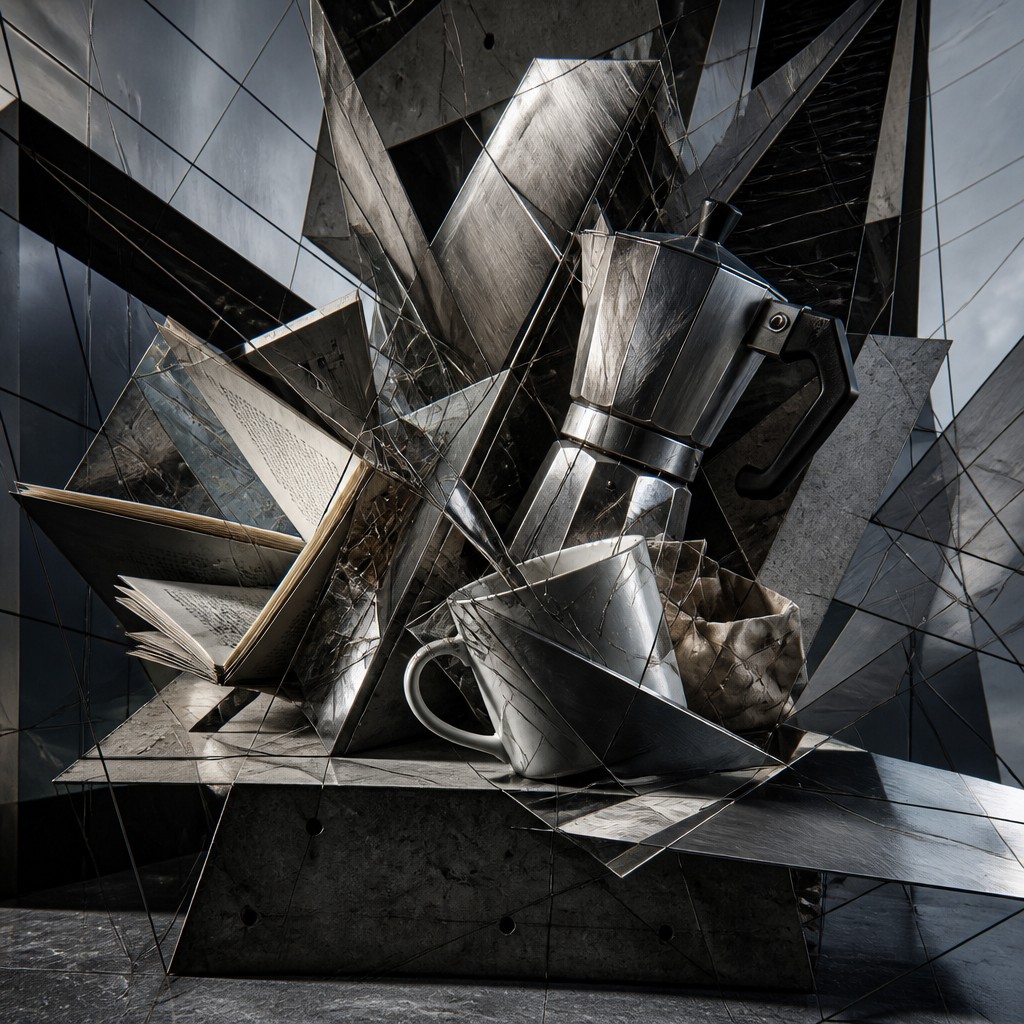
Dramatic shadow and reflection
Deep angular shadows and hard metallic glints intensify the sense of depth and disruption. Light often sharpens the geometry rather than softening it.
Try It
Create Videos in Deconstructivist Architecture
Styles aren't just for stills — describe a scene or animate an image and get a short video rendered in Deconstructivist Architecture. Press play to see this pond come to life.
Make a VideoDeconstructivist Architecture Prompt Ideas
Start from an idea — each one opens the generator with the style ready to go. See all 40 Deconstructivist Architecture prompts →

“close-up portrait of an elderly person with expressive weathered features”
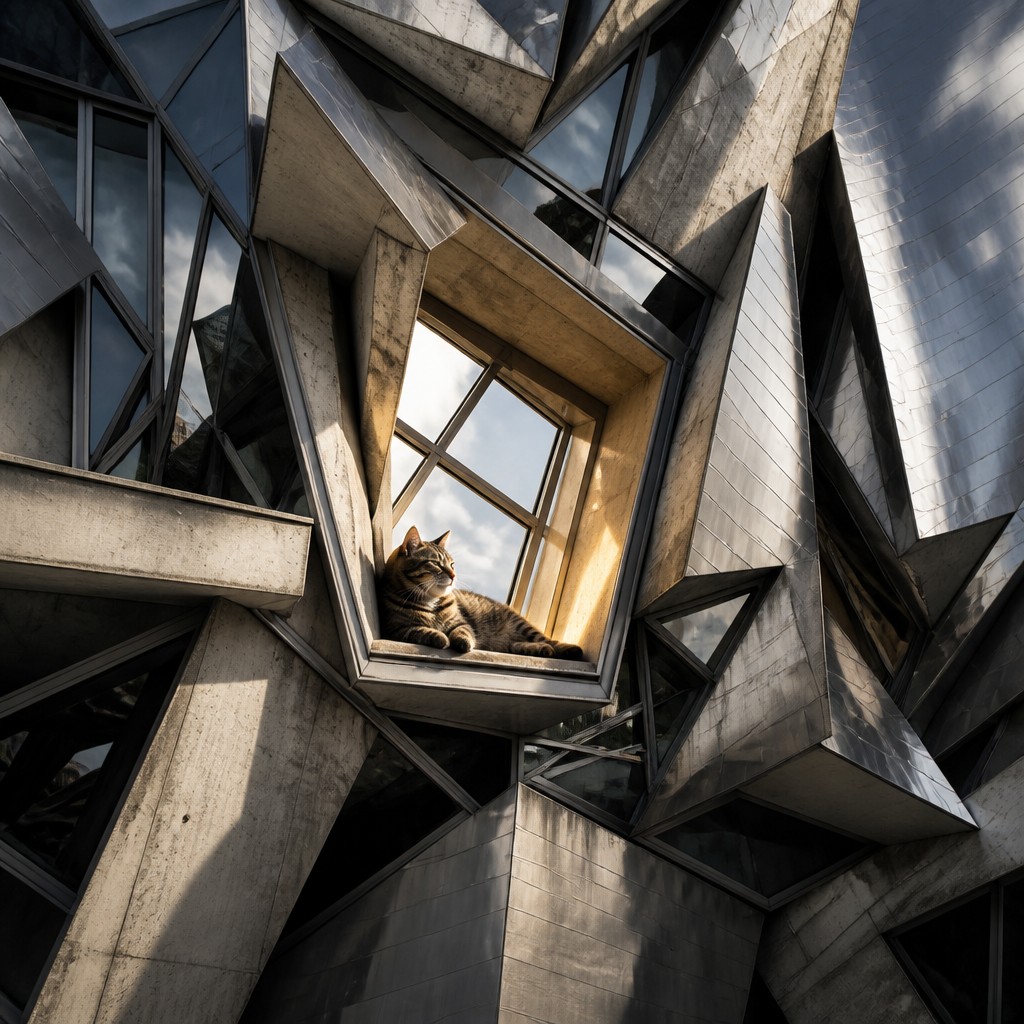
“a cat lounging in a sunlit window”

“bouquet of flowers in a glass vase”

“sailing ship on a stormy sea”
How to Create Deconstructivist Architecture Art
Master the craft step by step — or skip straight to creating. Read the full guide →
- 1
Build from broken volumes
Start with a simple building mass, then divide it into offset blocks, wedges, and planes that intersect at irregular angles. In 3D or digital drawing, avoid centered symmetry and let parts seem displaced from one another.
- 2
Use a cold, structural palette
Choose materials associated with contemporary construction—titanium, brushed steel, glass, raw concrete, and dark metal framing. Vary finishes so reflective surfaces clash with matte, heavy ones.
- 3
Emphasize diagonals and non-parallel lines
Compose with slanted axes, abrupt cuts, and skewed grids rather than orthogonal repetition. This helps the image feel unstable and energetic even when the object is static.
- 4
Shape light for hard edges
Use strong directional lighting to cast deep shadows along seams, folds, and overlaps. In rendering or photography, side light and high contrast help the fractured geometry read clearly.
- 5
Abstract the subject into collision and tension
If generating from a prompt, name the subject first, then add terms such as fractured volumes, tilted planes, angular shards, and disjointed grids. The style works best when the architecture remains recognizable while its form is aggressively destabilized.
- 6
Keep the composition legible
Even in highly experimental scenes, preserve a clear hierarchy of main mass, secondary fragments, and ground plane. Deconstructivist work succeeds when disorder feels designed rather than random.

The Story
History & Origins of Deconstructivist Architecture
Deconstructivist architecture emerged in the 1980s, with its strongest public visibility in the 1988 Museum of Modern Art exhibition "Deconstructivist Architecture" in New York. The movement was not a single unified school, but a loosely connected set of architects whose work shared an interest in fragmentation, instability, and the disruption of modernist regularity. It developed in dialogue with postmodern theory, especially the idea that form can be unsettled rather than resolved.
Among the architects most closely associated with the style are Frank Gehry, Peter Eisenman, Zaha Hadid, Daniel Libeskind, Rem Koolhaas, and Bernard Tschumi, though their practices are distinct and not all of their work is deconstructivist. The style draws on structural experiments in modernism, Russian Constructivism, and conceptual art, while pushing beyond them into buildings that emphasize fracture, collision, and asymmetry as aesthetic principles.
Influences: Deconstructivist architecture grew from modernist experimentation, Constructivist geometry, and late-20th-century poststructural thought, while also echoing the expressive fragmentation of Cubism in visual art. It differs from orthodox modernism by rejecting clean regularity, and it differs from postmodern architecture by favoring instability over historical quotation. Canonical figures associated with its development include Frank Gehry, Zaha Hadid, Daniel Libeskind, Peter Eisenman, Bernard Tschumi, and Rem Koolhaas, though each adapted the language differently.
Frequently Asked Questions
What defines deconstructivist architecture?
It is defined by fragmentation, asymmetry, and the collision of angled forms. Instead of a stable, centered composition, the building often appears broken, displaced, or in motion. The style creates visual tension by making structure feel unstable without necessarily making it structurally unsound.
Is deconstructivist architecture the same as modern architecture?
No. Modern architecture typically emphasizes clarity, order, and functional expression, often through clean geometry. Deconstructivist work intentionally disrupts those qualities by introducing skew, fragmentation, and non-orthogonal forms.
How is it different from postmodern architecture?
Postmodern architecture often uses historical references, ornament, or irony to respond to modernism. Deconstructivist architecture generally avoids quotation and instead focuses on breaking form apart, creating instability, and unsettling geometric expectations.
What materials are common in this style?
Steel, titanium, glass, and concrete are especially common because they support sharp edges and reflective surfaces. These materials also help emphasize seams, overlaps, and the contrast between heavy and light-looking elements.
Where is deconstructivist architecture used?
It is used in cultural buildings such as museums, galleries, performance spaces, and landmark civic projects, where expressive form is often desired. It also appears in conceptual visualization, speculative architecture, and science-fiction-inspired design.
How can I make an image in this style?
Focus on a clear subject, then describe fractured massing, intersecting planes, skewed geometry, and hard metallic materials. Whether drawing manually or working digitally, build the composition from angular fragments and use strong light and shadow to emphasize disruption.
Create your first Deconstructivist Architecture artwork
Describe anything — or upload a photo — and see it in Deconstructivist Architecture in seconds.
Related Styles
Discover similar art styles