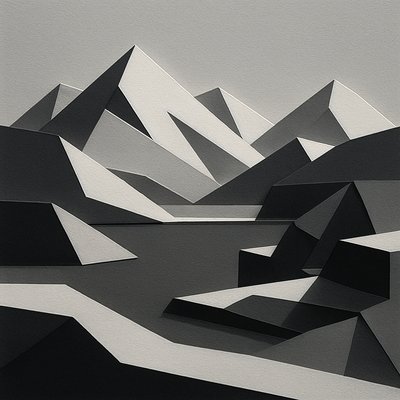
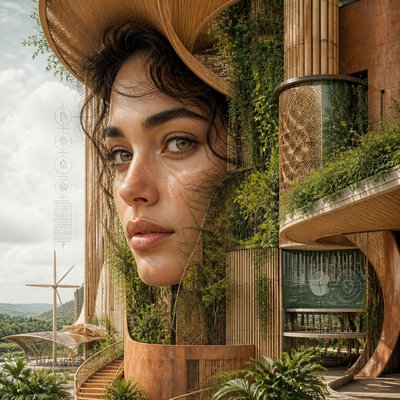
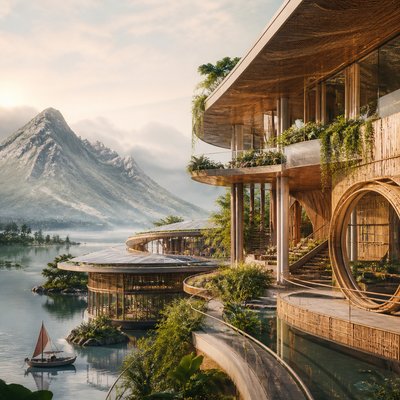
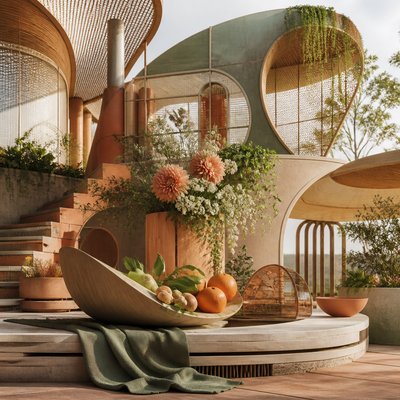
High-Tech Architecture
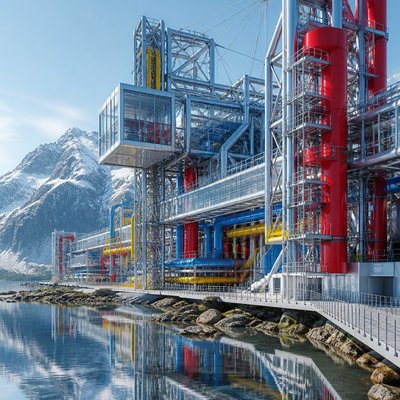
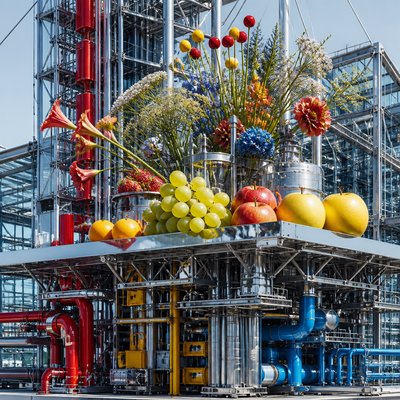
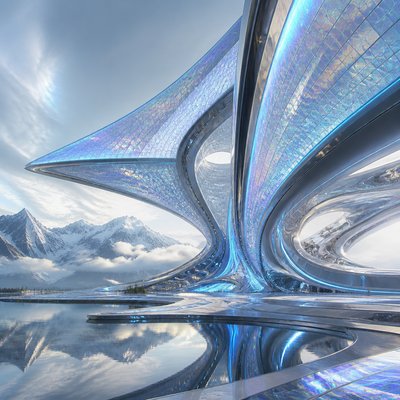
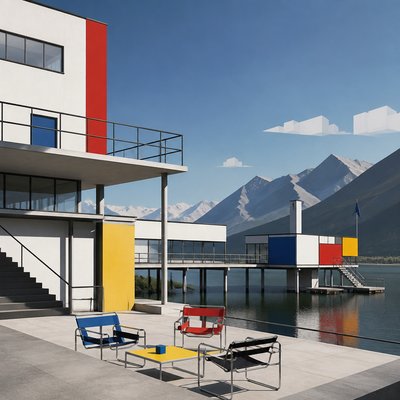
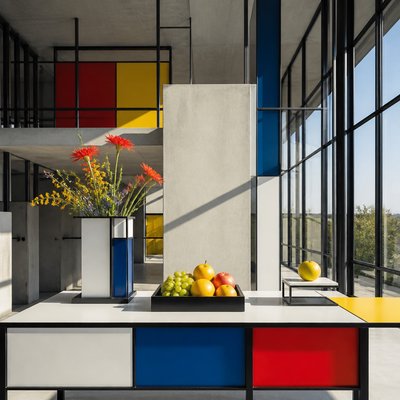
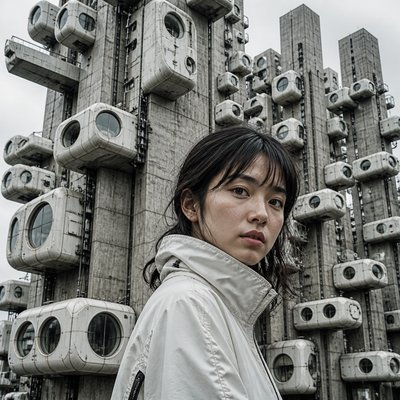
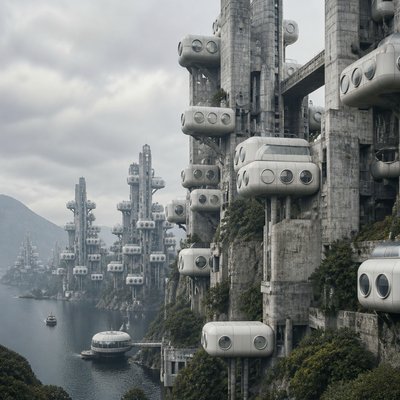
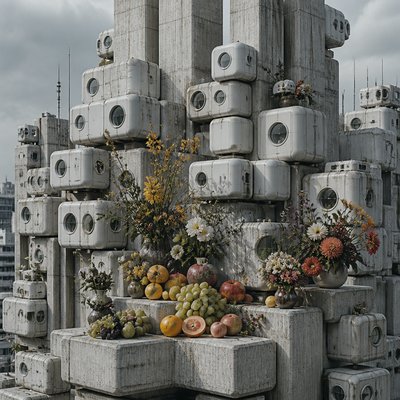
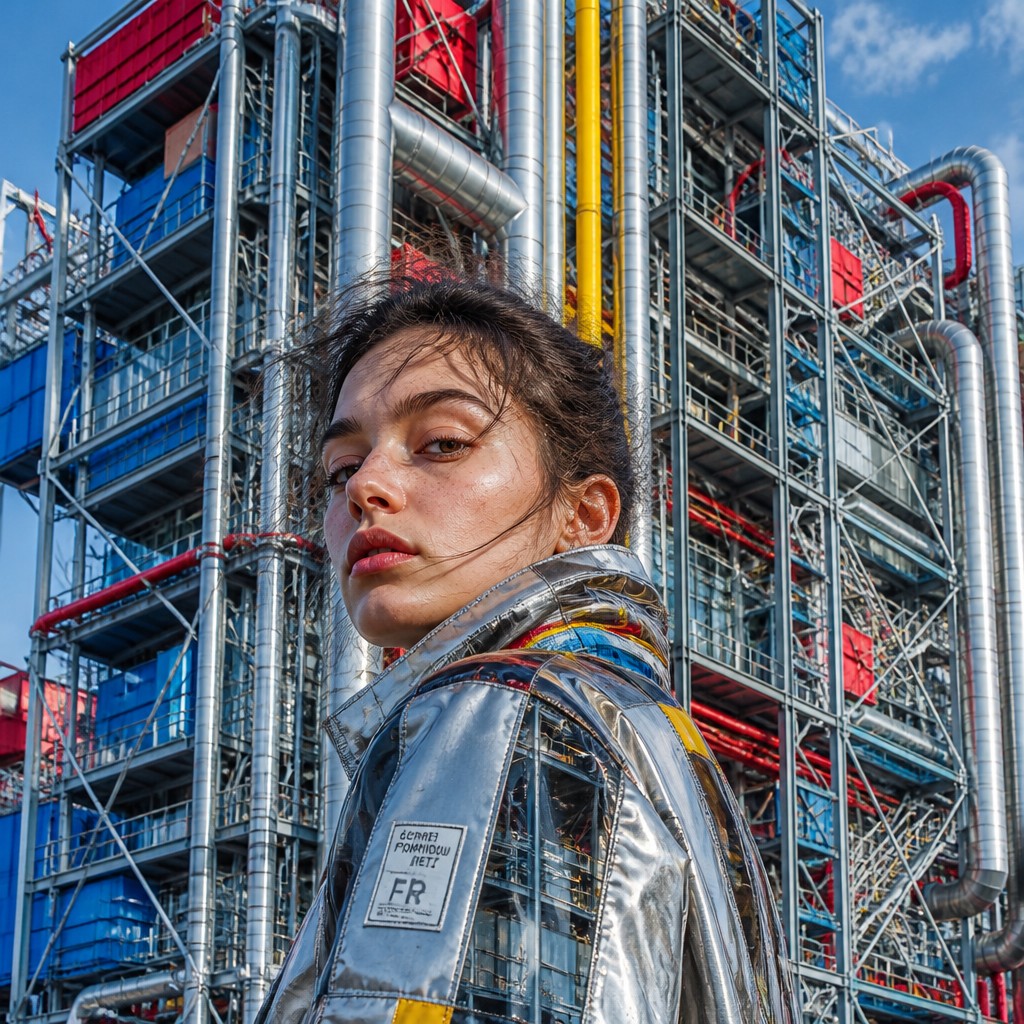
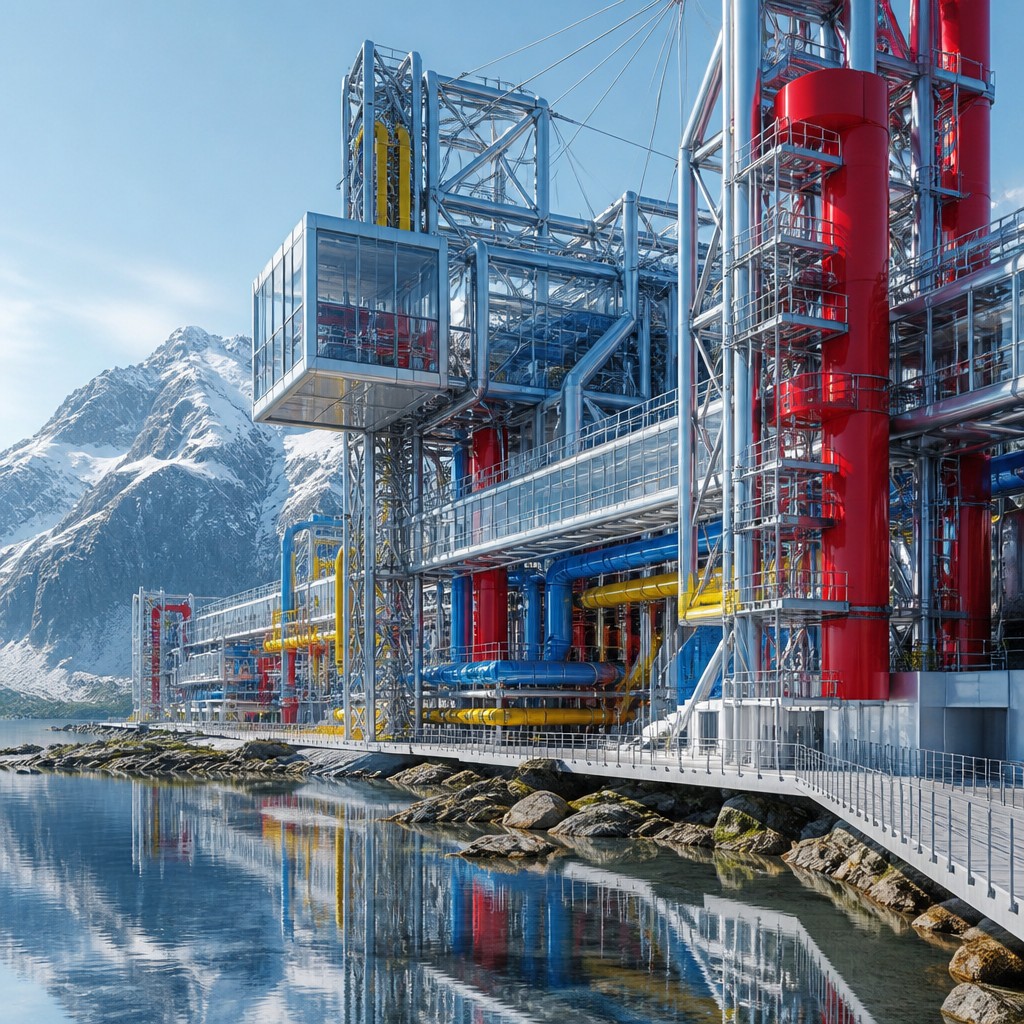
Exposed steel, glass curtain walls, and color-coded services define this inside-out architectural style of the high-tech era.
Instantly rendered in High-Tech Architecture — or transform a photo
High-Tech Architecture Gallery
Tap any artwork to explore it
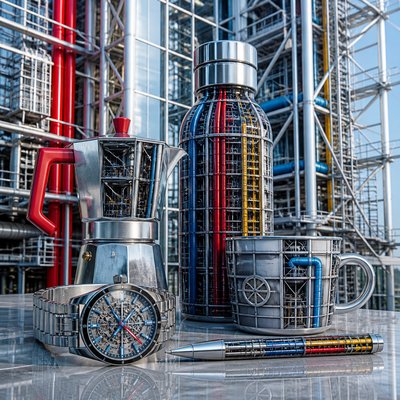
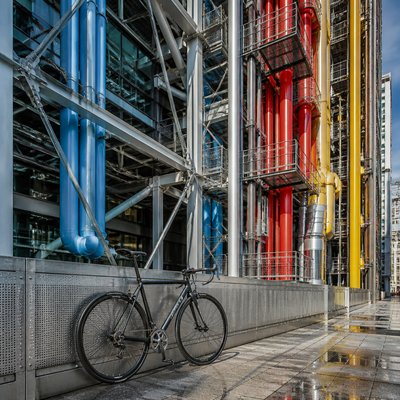
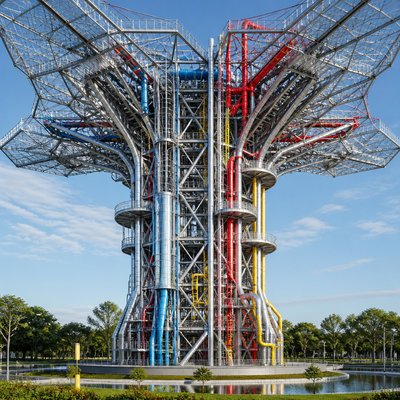
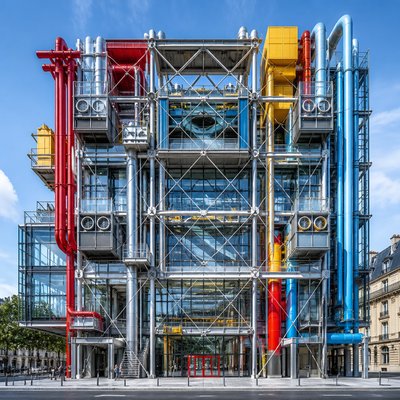
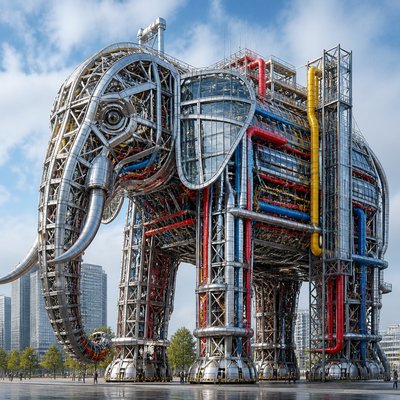
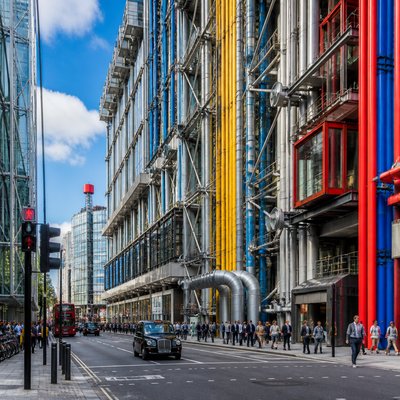
What is High-Tech Architecture?
High-tech architecture is a late-20th-century architectural style that turns engineering into an overt visual language. Instead of hiding structure, ventilation, circulation, and maintenance systems behind walls, it exposes them on the exterior or celebrates them as part of the composition. The result is an inside-out aesthetic of steel trusses, tension cables, glazed skins, and brightly color-coded ducts and pipes, all arranged with precision and clarity.
Its visual identity comes from the fusion of industrial technology with modernist ideas of honesty, function, and modular order. Buildings in this style often look lightweight, machine-like, and highly legible, with services and structure made visible as a kind of ornament. The style is associated with a futuristic optimism about technology, efficiency, and transparency, and it often produces spaces that feel both engineered and theatrical.
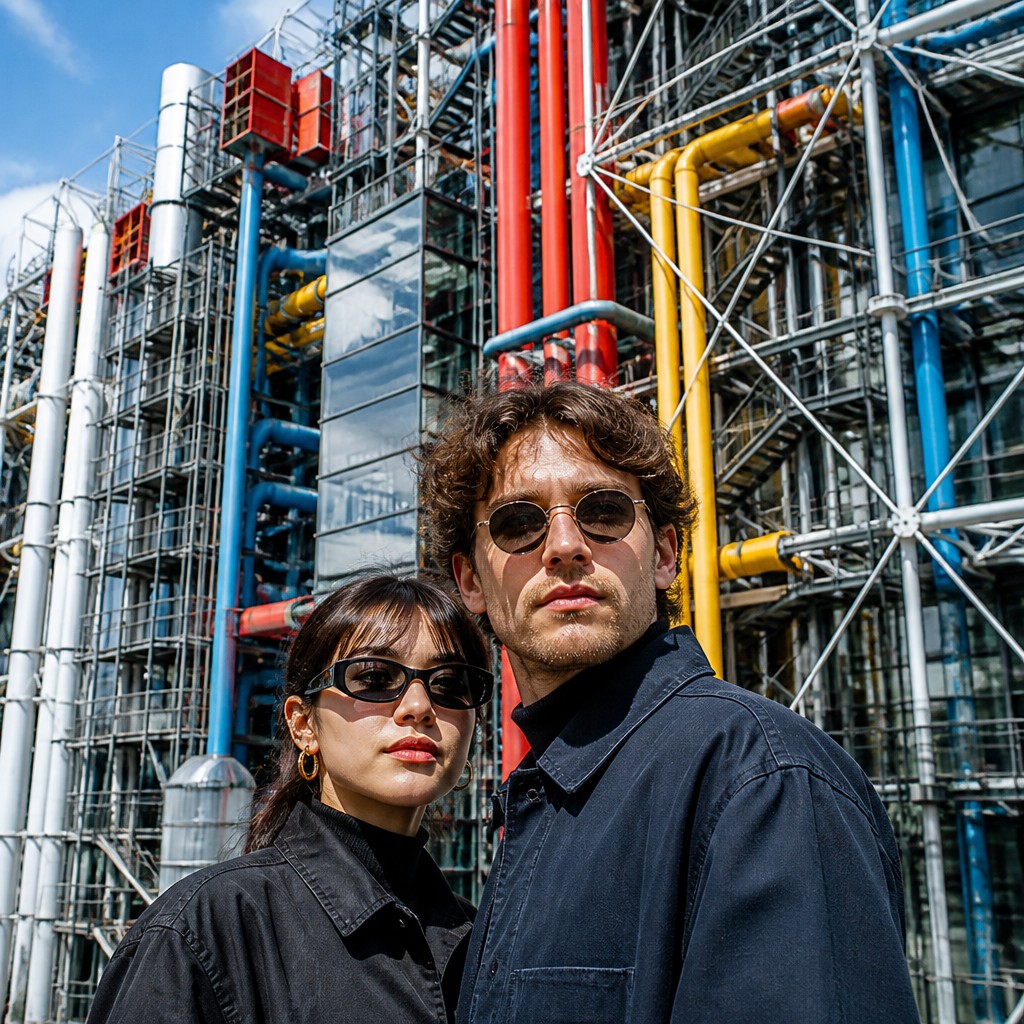
Try It On Your Photos
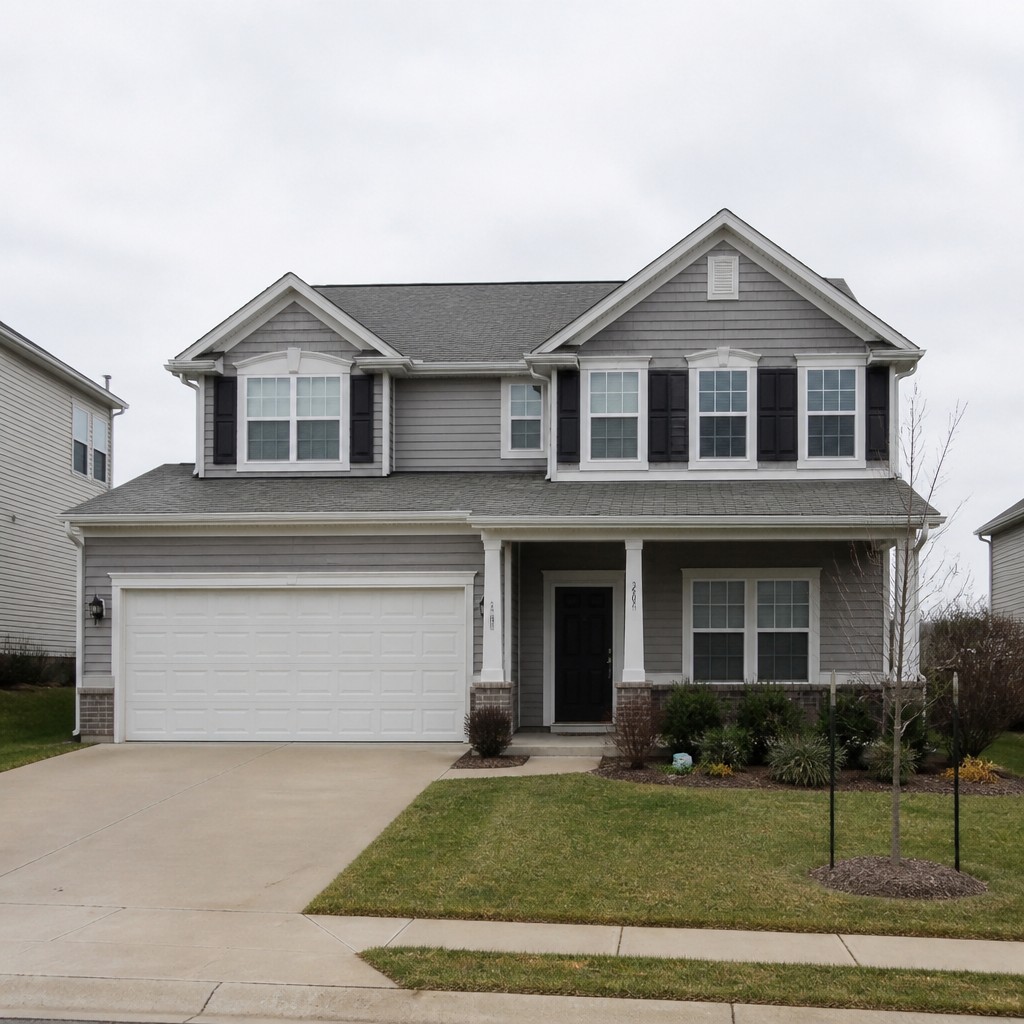
Upload any photo and convert it into High-Tech Architecture — drag the sliders to compare before and after.
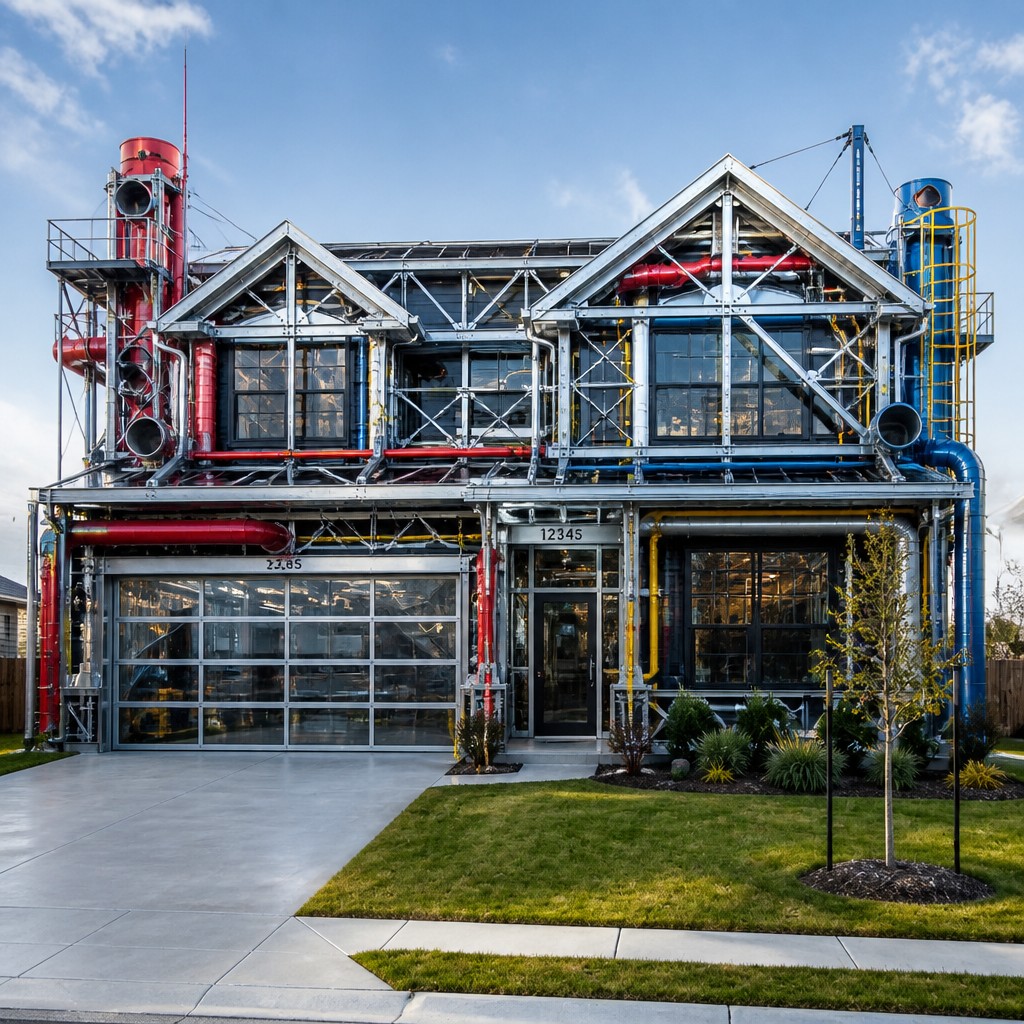


What Defines High-Tech Architecture
The signature details, up close
Exposed structure
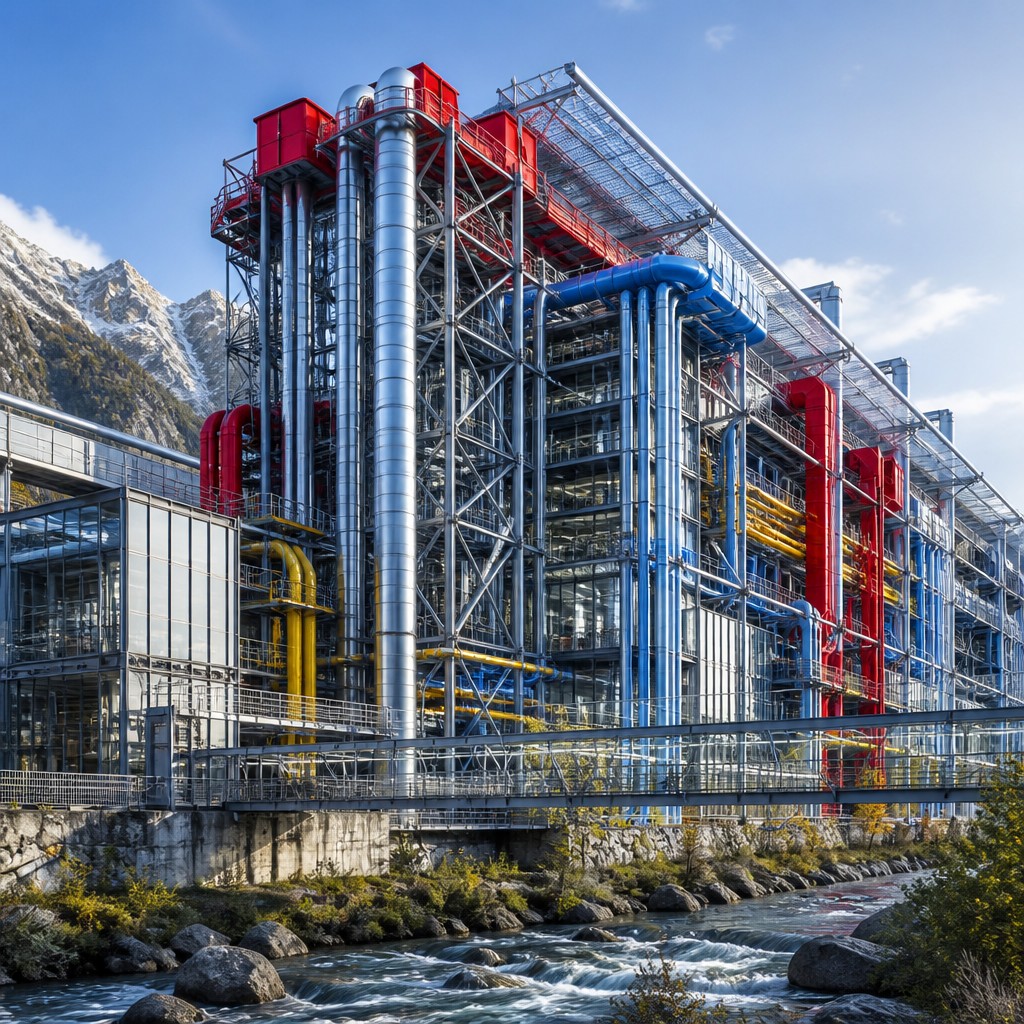
Steel trusses, braces, and frames are visible rather than concealed. The building reads like an assembled machine, with load-bearing elements emphasized as part of the design.
External services
Ducts, pipes, elevators, and service towers are often placed on the outside. This frees interior space and turns functional systems into a prominent visual feature.
Color-coded mechanics
Mechanical systems are frequently painted in bold primary colors or clear coding schemes. Red, blue, yellow, and silver help distinguish different functions and reinforce the industrial logic.
Glass and metal skin
Taut curtain walls, polished metal panels, and lightweight glazing create a crisp surface language. Transparency and reflection are used to suggest precision, lightness, and technical control.
Modular repetition
Components are usually arranged in standardized bays or repetitive units. This modularity makes the construction process visible and gives the building a rational, grid-based order.
Inside-out composition
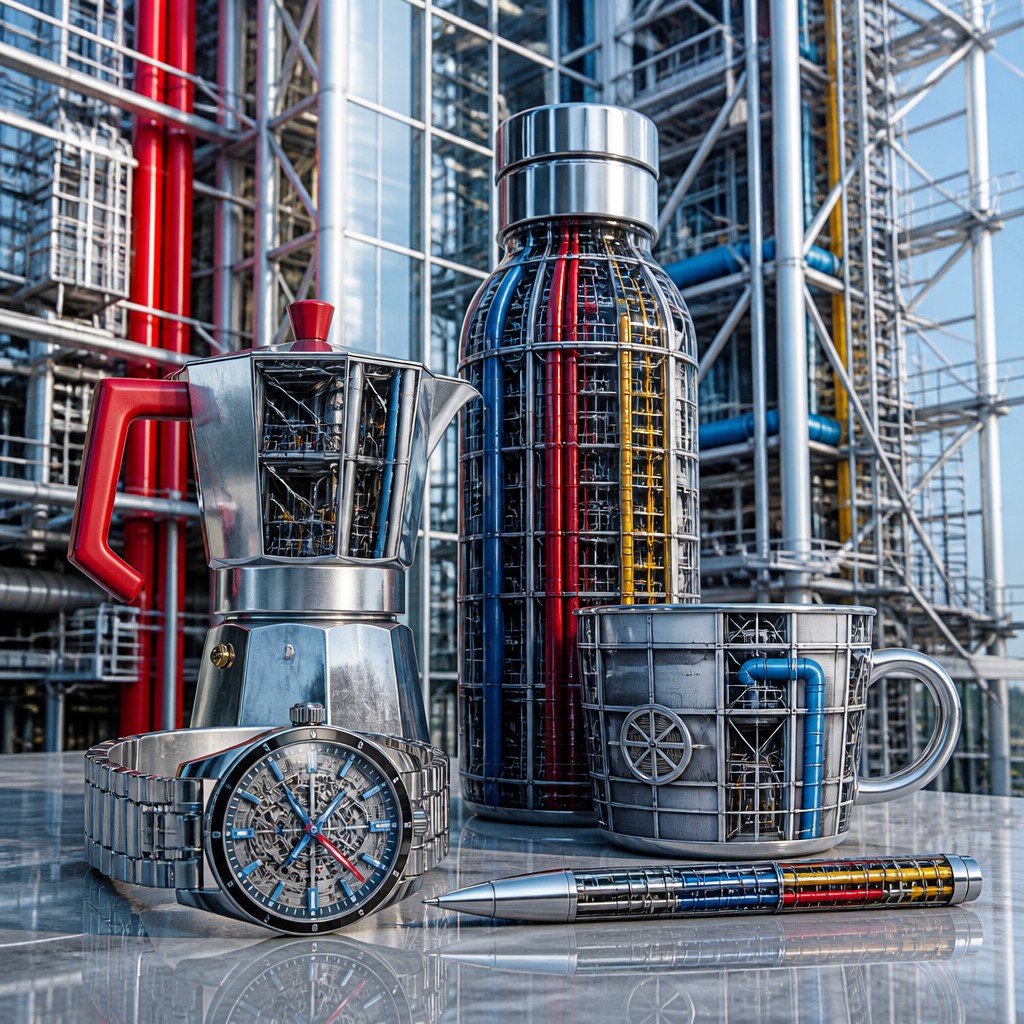
The building’s engineering is not hidden behind a neutral façade. Instead, the services and skeleton become the architecture’s ornament and identity.
Try It
Create Videos in High-Tech Architecture
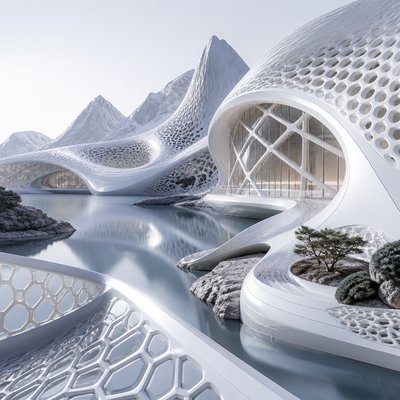
Styles aren't just for stills — describe a scene or animate an image and get a short video rendered in High-Tech Architecture. Press play to see this pond come to life.
Make a VideoHigh-Tech Architecture Prompt Ideas
Start from an idea — each one opens the generator with the style ready to go. See all 40 High-Tech Architecture prompts →
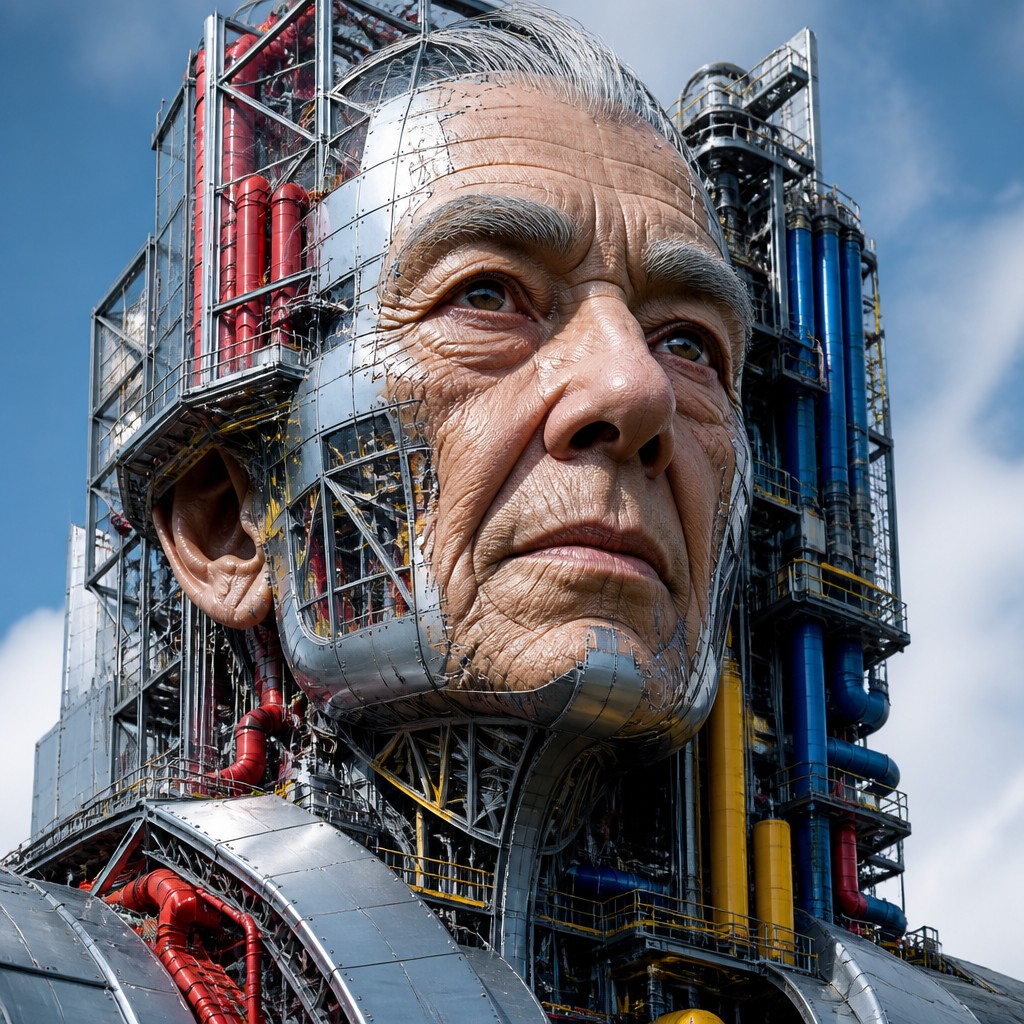
“close-up portrait of an elderly person with expressive weathered features”
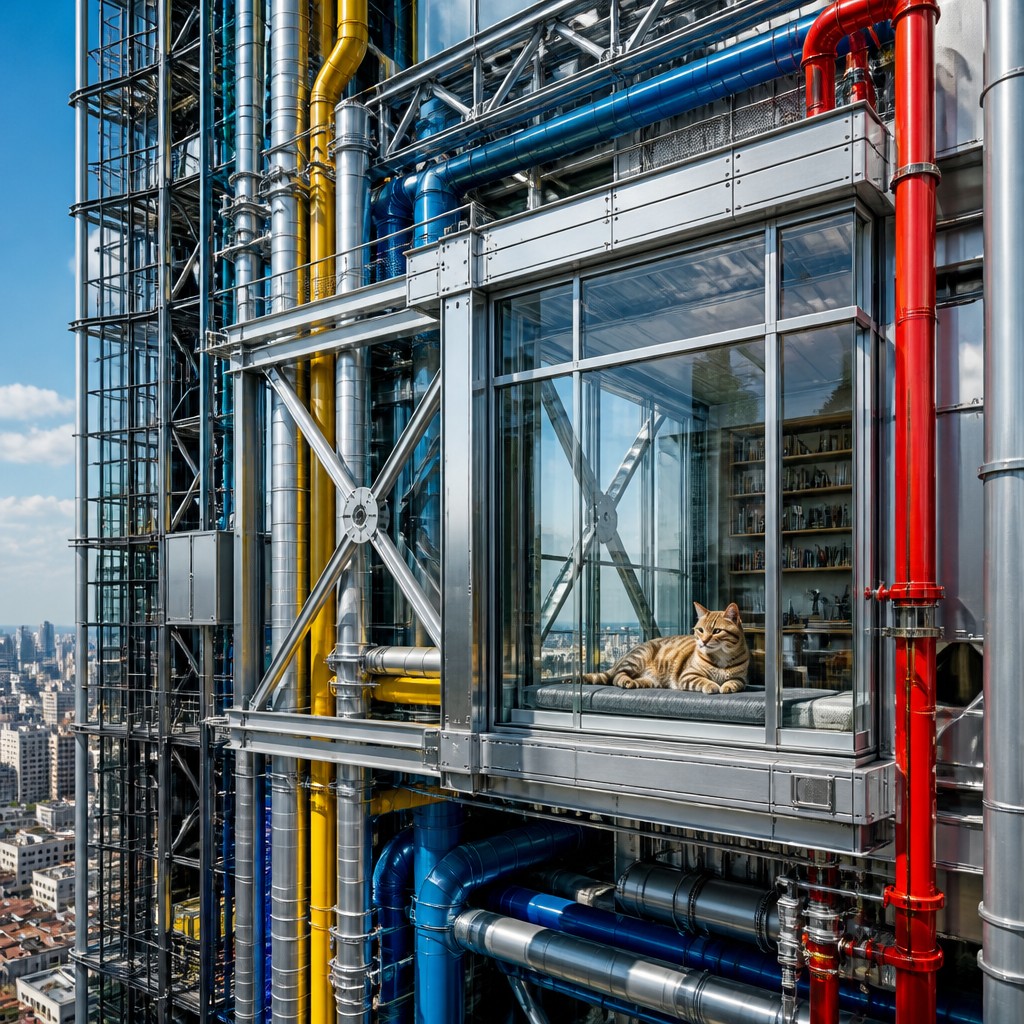
“a cat lounging in a sunlit window”
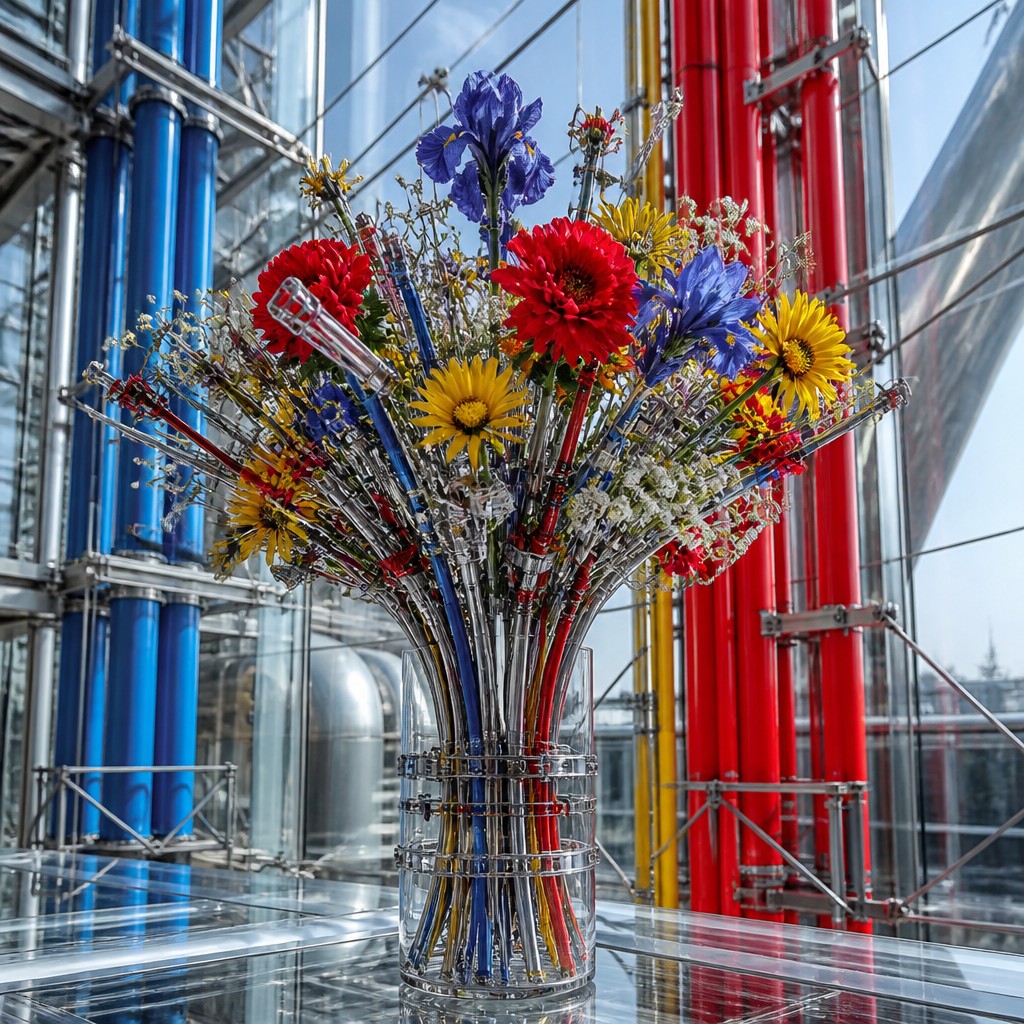
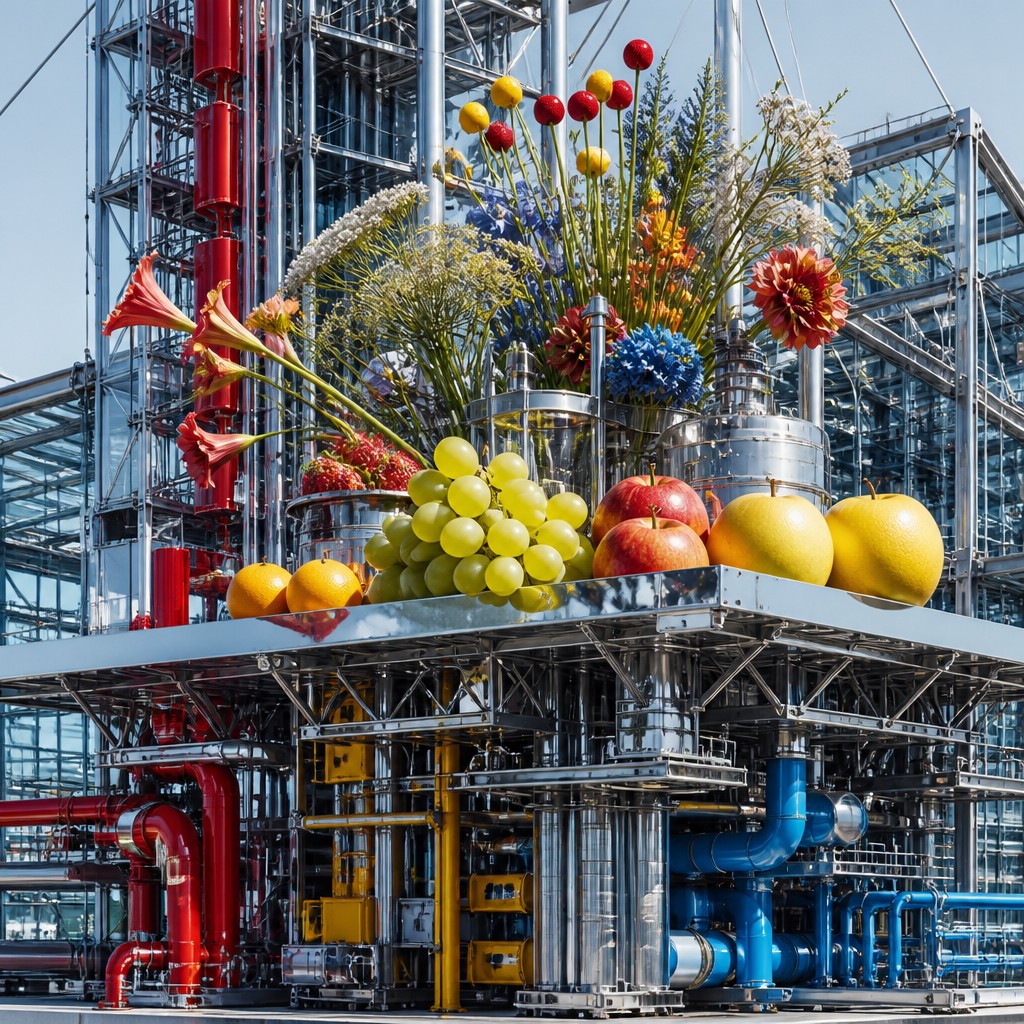
“bouquet of flowers in a glass vase”

“sailing ship on a stormy sea”
How to Create High-Tech Architecture Art
Master the craft step by step — or skip straight to creating. Read the full guide →
- 1
Prioritize structure as form
When drawing or designing, begin with the frame, truss system, and service routes before adding cladding. Make the building readable as an engineered assembly rather than a sealed mass.
- 2
Expose the building systems
Show ducts, pipes, catwalks, elevators, and maintenance access on the exterior or in transparent zones. If you are painting or rendering digitally, separate these elements clearly so they read as intentional architecture.
- 3
Use a controlled industrial palette
Combine silver, gray, and glassy neutrals with strong accent colors such as red, blue, and yellow for mechanical components. Limit surface variation so the color coding feels precise rather than decorative.
- 4
Emphasize crisp daylight and reflections
Render the scene in hard, clean daylight so metal edges, glazing, and joints catch sharp highlights. In photography or digital work, avoid soft atmospheric blur unless you want to contrast the style with a more dramatic setting.
- 5
Make the engineering legible in prompts
Describe the object or scene first, then add structural terms like exoskeleton, tensile cables, curtain wall, external ducts, service tower, and modular steel frame. The more specific the engineering language, the more convincing the result.
- 6
Balance utility with spectacle
High-tech architecture works best when the functional details feel both believable and visually choreographed. Whether hand-drawing or using digital tools, compose the systems with rhythmic clarity so the building looks operational, not simply mechanical.
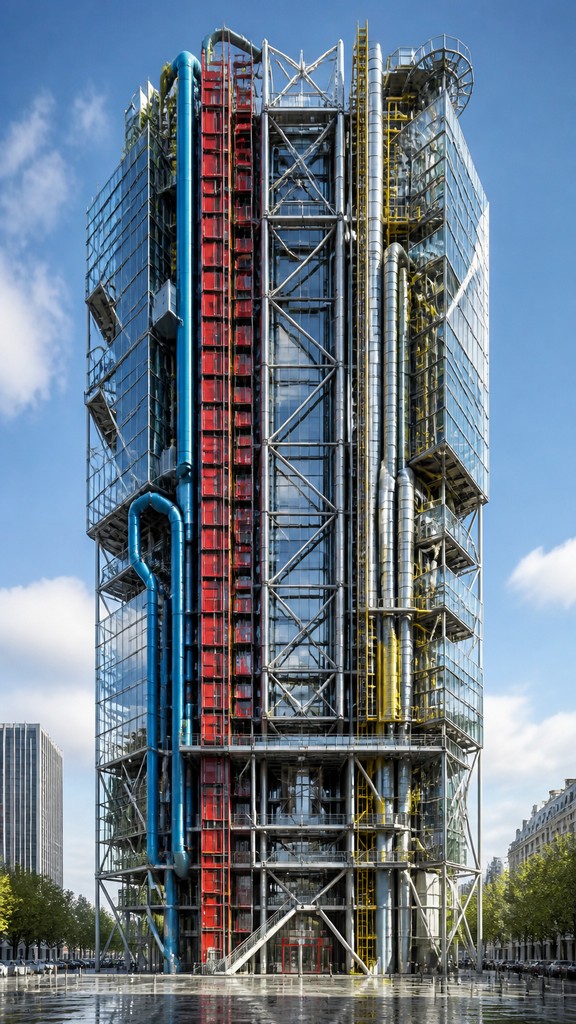
The Story
History & Origins of High-Tech Architecture
High-tech architecture emerged in the 1970s and 1980s, building on earlier modernist and structural-expressive traditions while reacting against the perceived blandness of late modernism. It was shaped by advances in steel fabrication, curtain-wall glazing, and building services, as well as by a broader cultural fascination with systems, machines, and technological progress. The style was particularly visible in Britain and Europe, where architects began to treat service cores, exoskeletons, and exposed mechanical systems as part of the formal design.
Its aesthetic lineage includes Modernism and Structural Expressionism, along with the machine aesthetic of the industrial age. Canonical high-tech architects include Richard Rogers, Norman Foster, Nicholas Grimshaw, and Renzo Piano, whose work helped define the style’s clarity, modularity, and celebration of engineered components. Over time, high-tech architecture influenced later sustainable and computational design approaches, even as its most iconic examples remained tied to the belief that technology itself could be made architectural and expressive.
Influences: High-tech architecture draws from Modernism’s emphasis on function and structural clarity, from Structural Expressionism’s visible engineering, and from the industrial imagery of factories, shipbuilding, and aerospace design. It also overlaps with later sustainable and computational architecture, which similarly foregrounds systems and performance, but its most direct historical references are the work of Richard Rogers, Norman Foster, Nicholas Grimshaw, and Renzo Piano, whose buildings established the style’s canonical look.

Frequently Asked Questions
What defines high-tech architecture?
High-tech architecture is defined by the visible expression of structure and building systems. Instead of hiding ducts, braces, and service cores, it makes them part of the façade and overall composition. The style typically combines steel, glass, and modular detailing with a crisp industrial finish.
How is it different from modern architecture?
Modern architecture often emphasizes simplicity, function, and minimal ornament, but it usually tries to conceal mechanical systems within the building envelope. High-tech architecture goes further by making those systems visible and aesthetically central. It feels more mechanical, more explicitly engineered, and often more transparent.
Is high-tech architecture the same as futuristic architecture?
Not exactly. High-tech architecture is a specific architectural style rooted in late-20th-century design and real engineering logic, while futuristic architecture is a broader visual category that can include many different looks. High-tech architecture may feel futuristic, but it is grounded in exposed structure and industrial services rather than generic sci-fi imagery.
What materials are typical in this style?
Steel, glass, aluminum, and other metal panel systems are typical, especially when they are used in a highly precise way. You often see curtain walls, trusses, cables, and modular prefabricated components. Brightly colored mechanical elements are also common as accents.
Where is high-tech architecture used?
It is common in airports, train stations, museums, office buildings, civic centers, and other large public or commercial structures. These building types suit the style because they benefit from flexible interiors, visible circulation, and expressive structural spans. The style is also used in conceptual digital art and architectural visualization.
How can I create a high-tech architecture image?
Start by identifying a building type and then specify exposed structure, glass curtain walls, and visible mechanical systems. In a prompt, include terms like steel trusses, external ducts, service towers, and polished metal panels, plus a lighting condition such as crisp daylight. In hand-drawn or digital illustration, keep the geometry clean and the engineering logically believable.
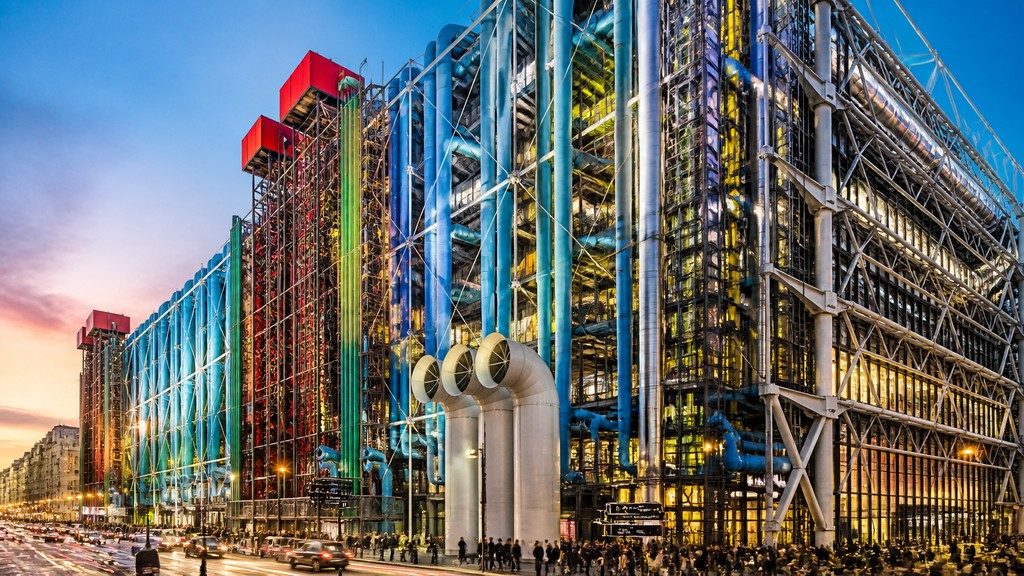
Create your first High-Tech Architecture artwork
Describe anything — or upload a photo — and see it in High-Tech Architecture in seconds.
Related Styles
Discover similar art styles