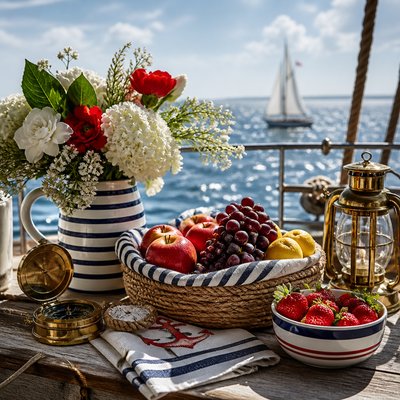
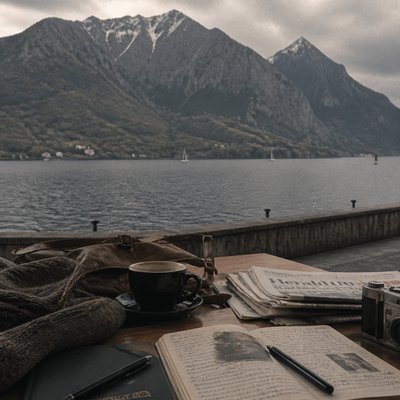
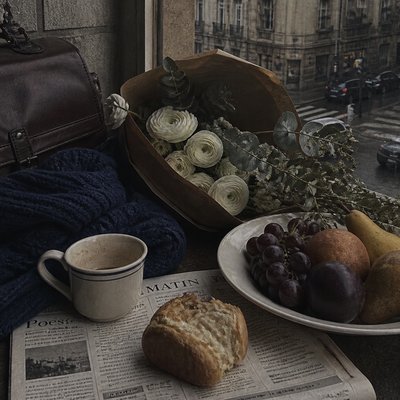
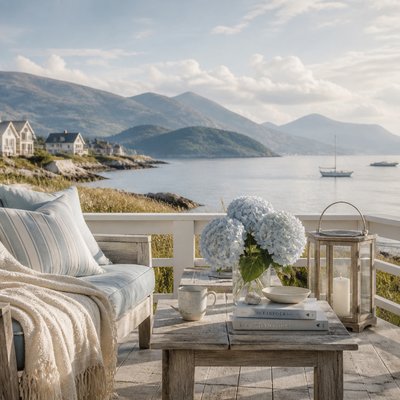
Rainy Day Aesthetic
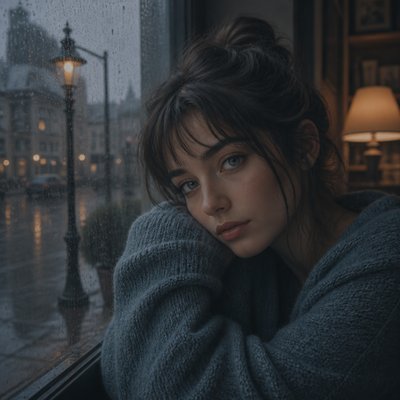
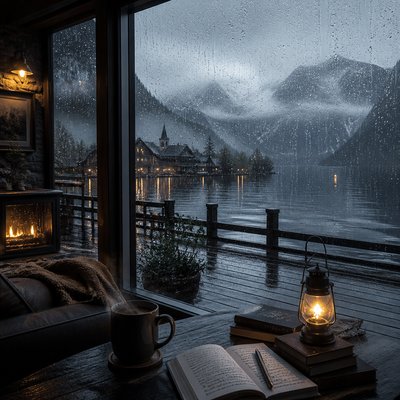
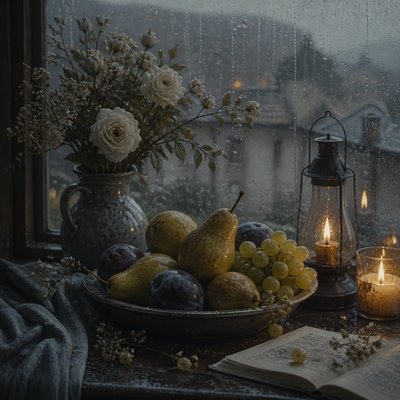
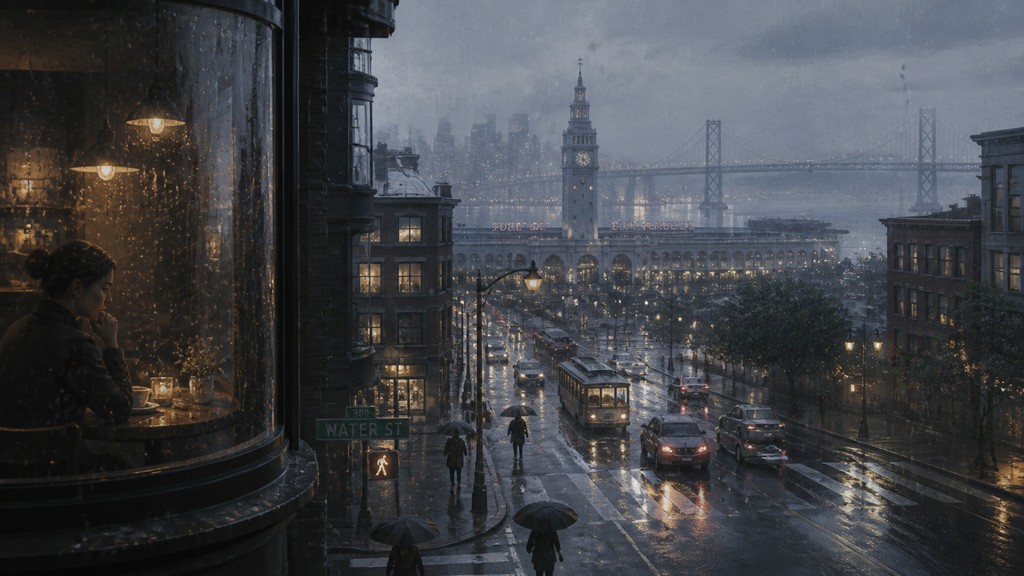
Soft gray rain, lamplit amber, and reflective calm in a contemplative aesthetic of drizzle, mist, and quiet interior warmth.
Instantly rendered in Rainy Day Aesthetic — or transform a photo
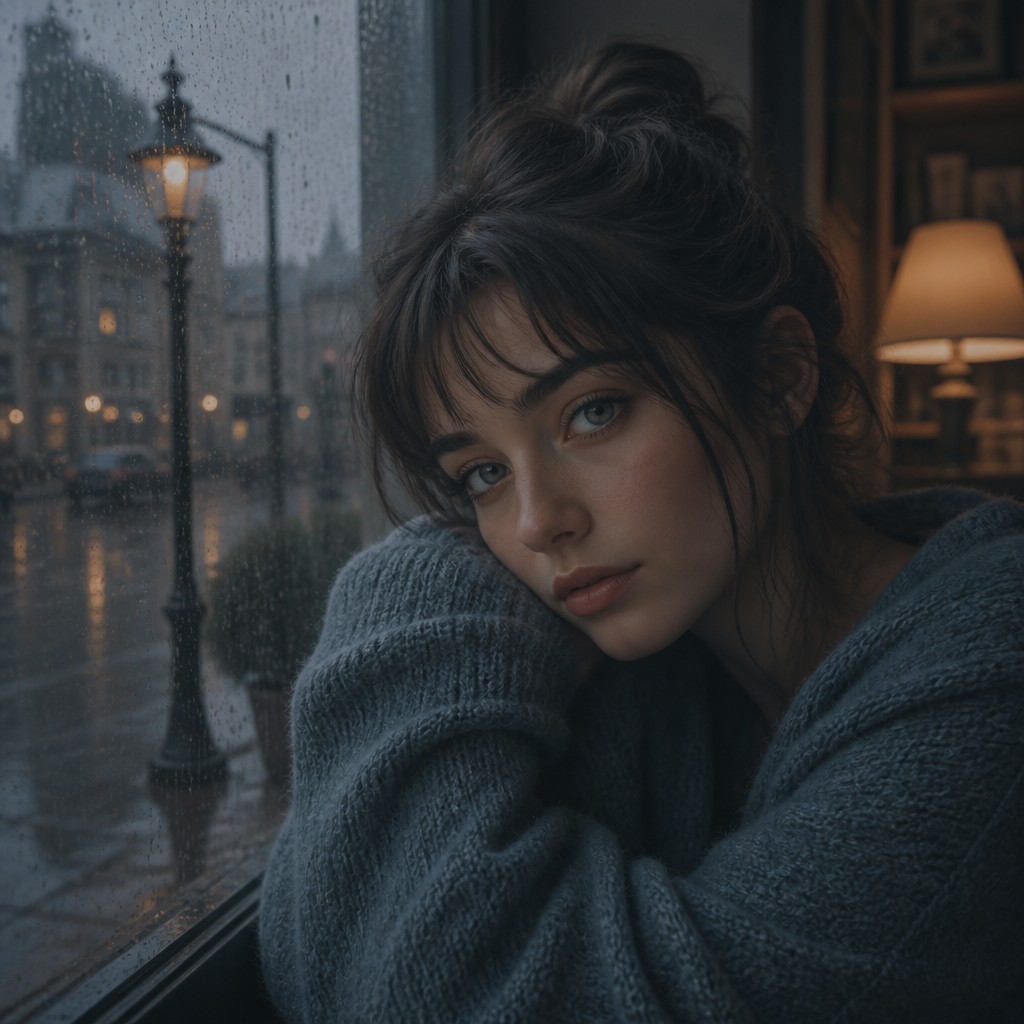
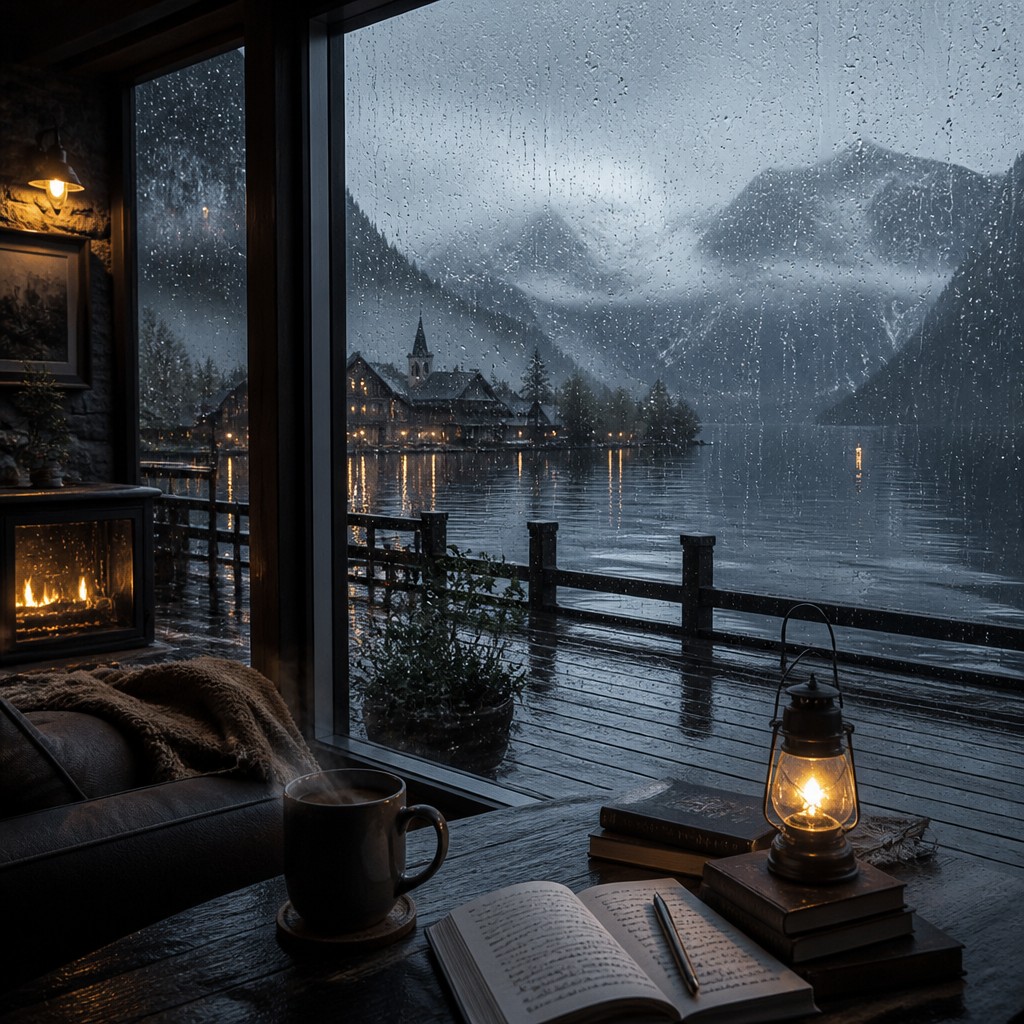
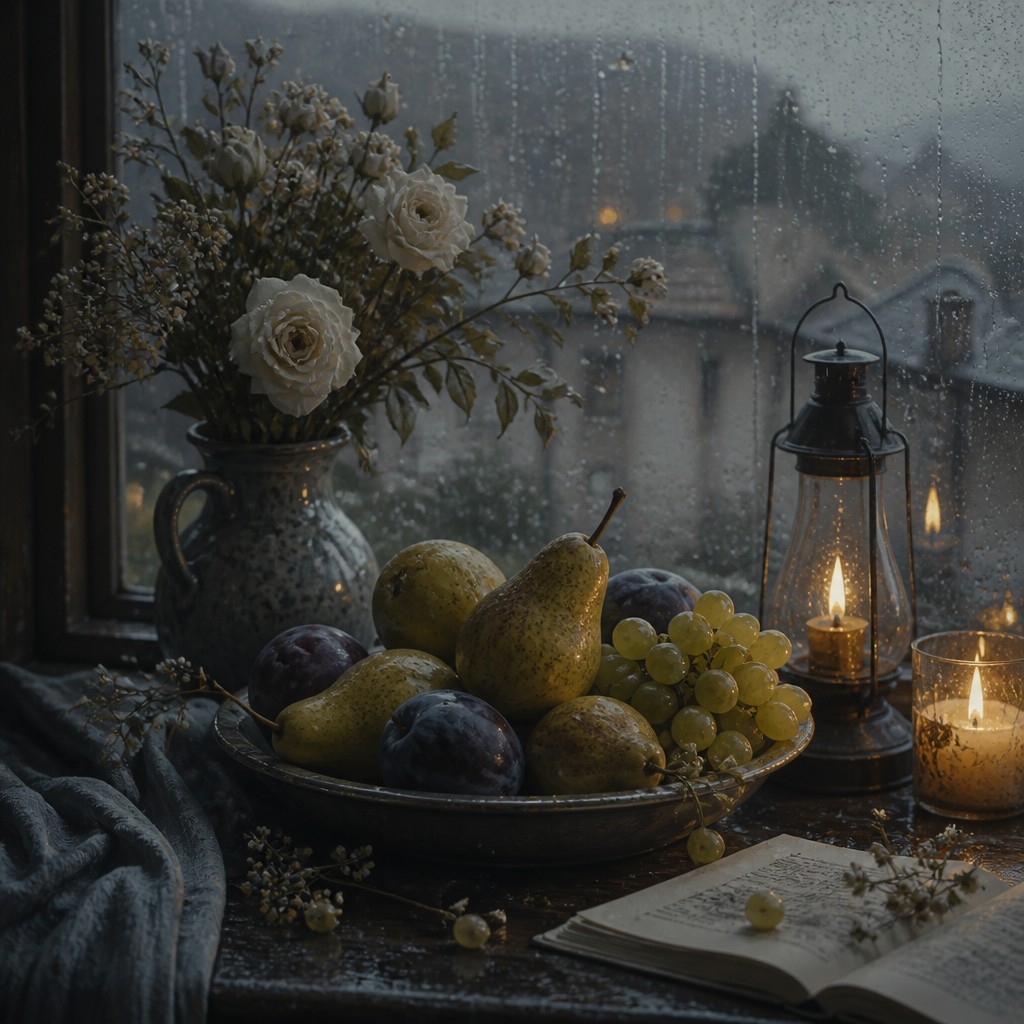
Rainy Day Aesthetic Gallery
Tap any artwork to explore it
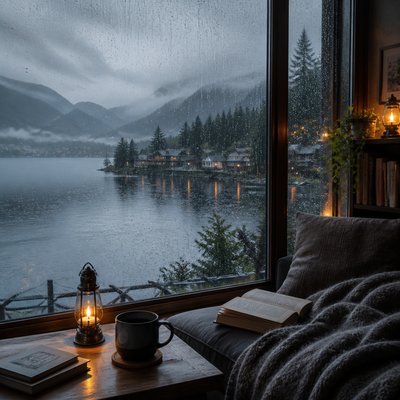
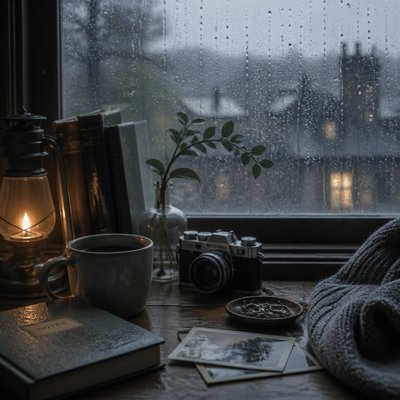
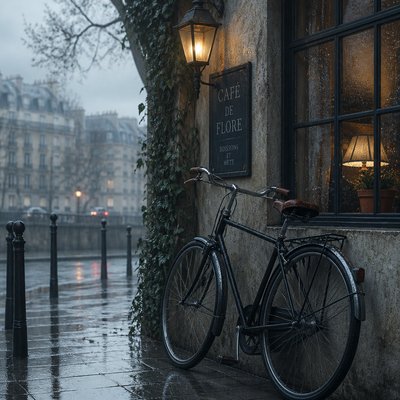
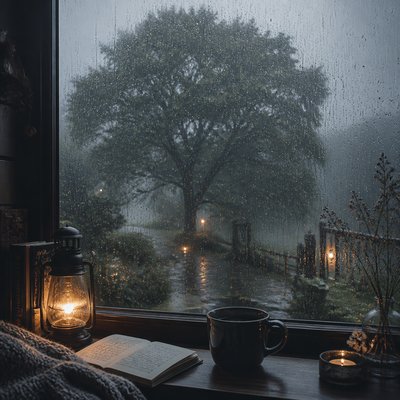
What is Rainy Day Aesthetic?
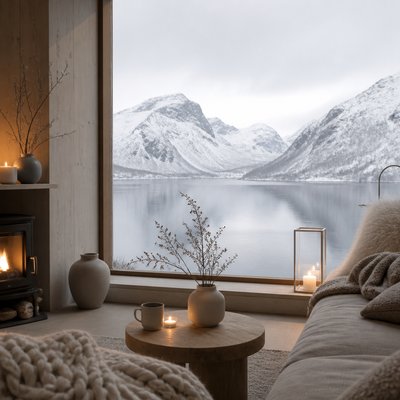
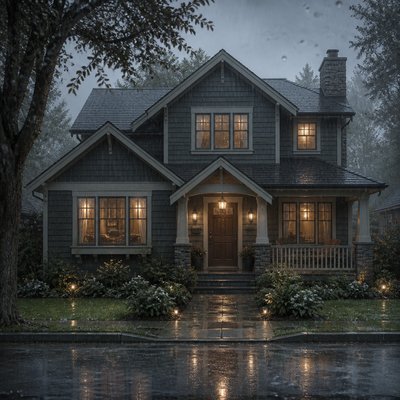
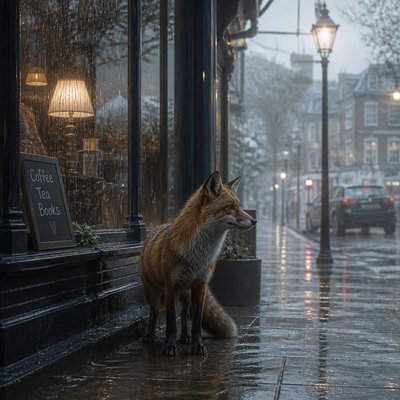
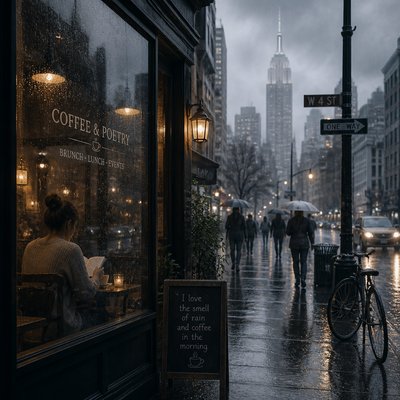
Rainy Day Aesthetic is a mood-led visual style built around overcast light, wet surfaces, and the hushed intimacy of being indoors while rain falls outside. Its core impression is neither dramatic storminess nor bright romance, but a softened, reflective atmosphere: slate-blue grays, silver haze, muted greens, and small pools of amber light from lamps, windows, or candles.
The style depends on contrast between cool exterior weather and warm interior refuge. Rain-streaked glass, softened edges, shallow reflections, mist, and droplet bokeh all contribute to a sense of quiet suspension. Whether applied to photographs, illustrations, or digital compositions, it evokes contemplation, comfort, and a slightly melancholy calm rather than narrative action.
Try It On Your Photos
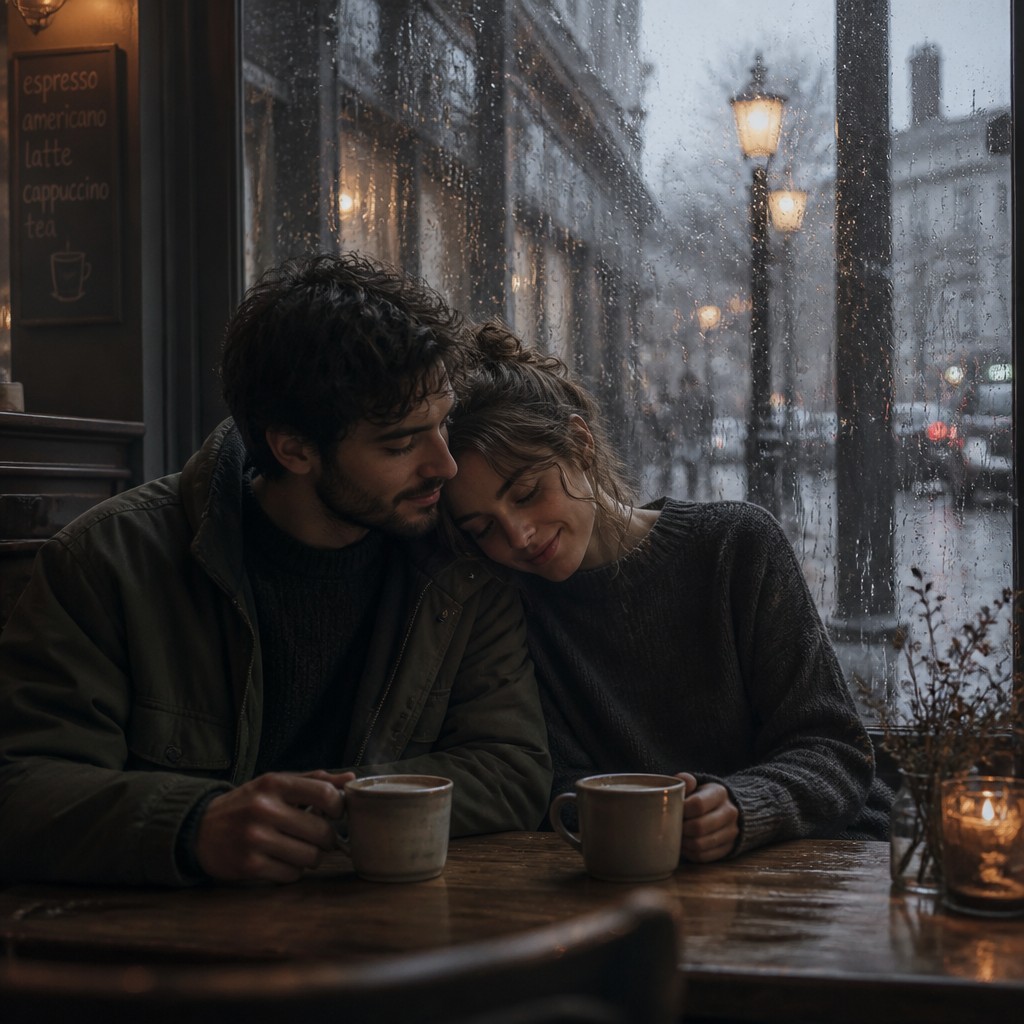
Upload any photo and convert it into Rainy Day Aesthetic — drag the sliders to compare before and after.



What Defines Rainy Day Aesthetic
The signature details, up close
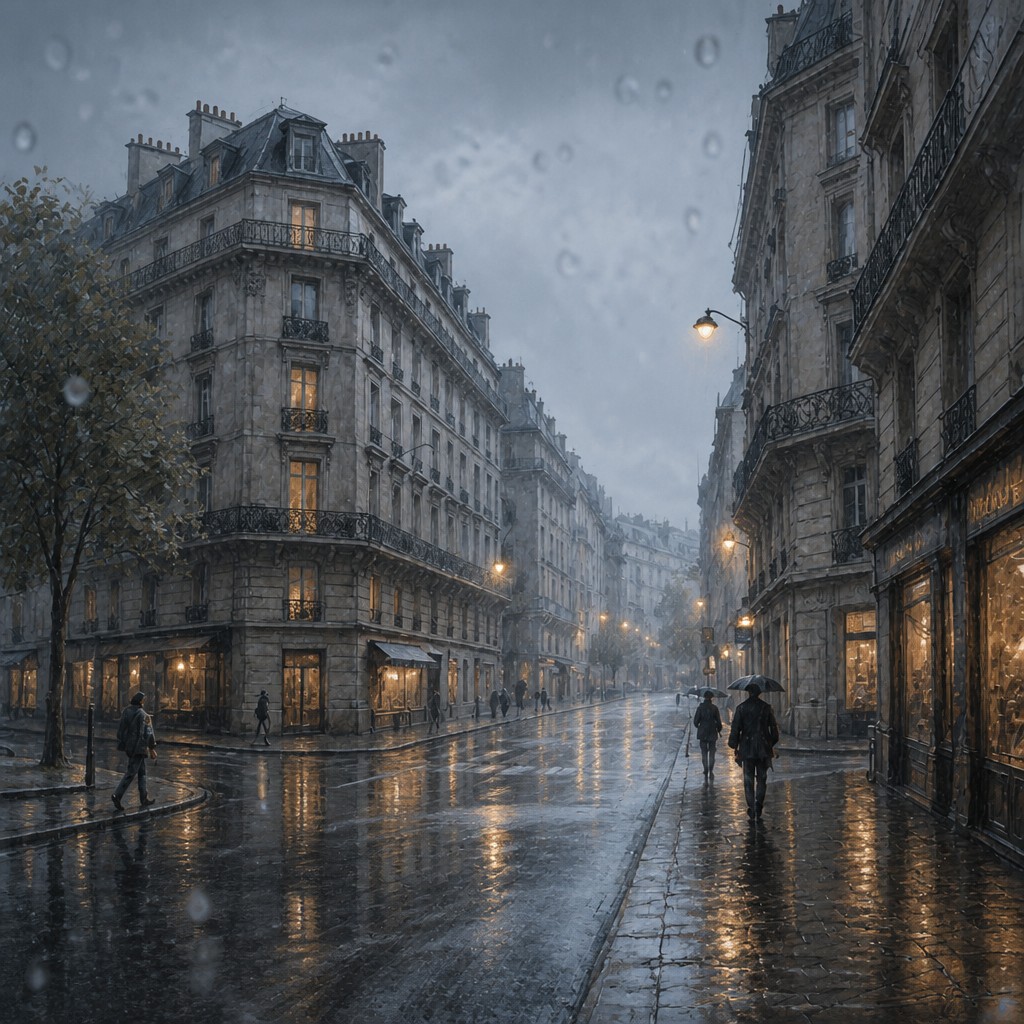
Overcast, diffused light
The lighting is soft and low-contrast, with daylight filtered through cloud cover or rain haze. Shadows are gentle, and edges tend to blur into the atmosphere.
Cool gray-blue palette
Slate blue, silver gray, mossy green, and desaturated neutrals dominate the image. Color is restrained so that small warm accents stand out more clearly.
Lamplit warmth
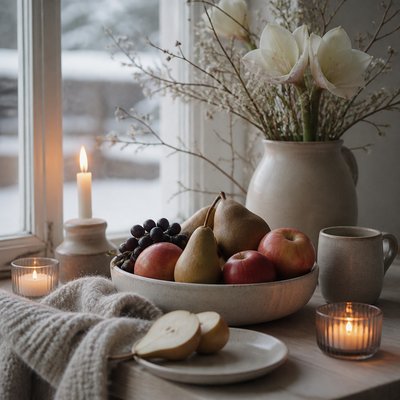
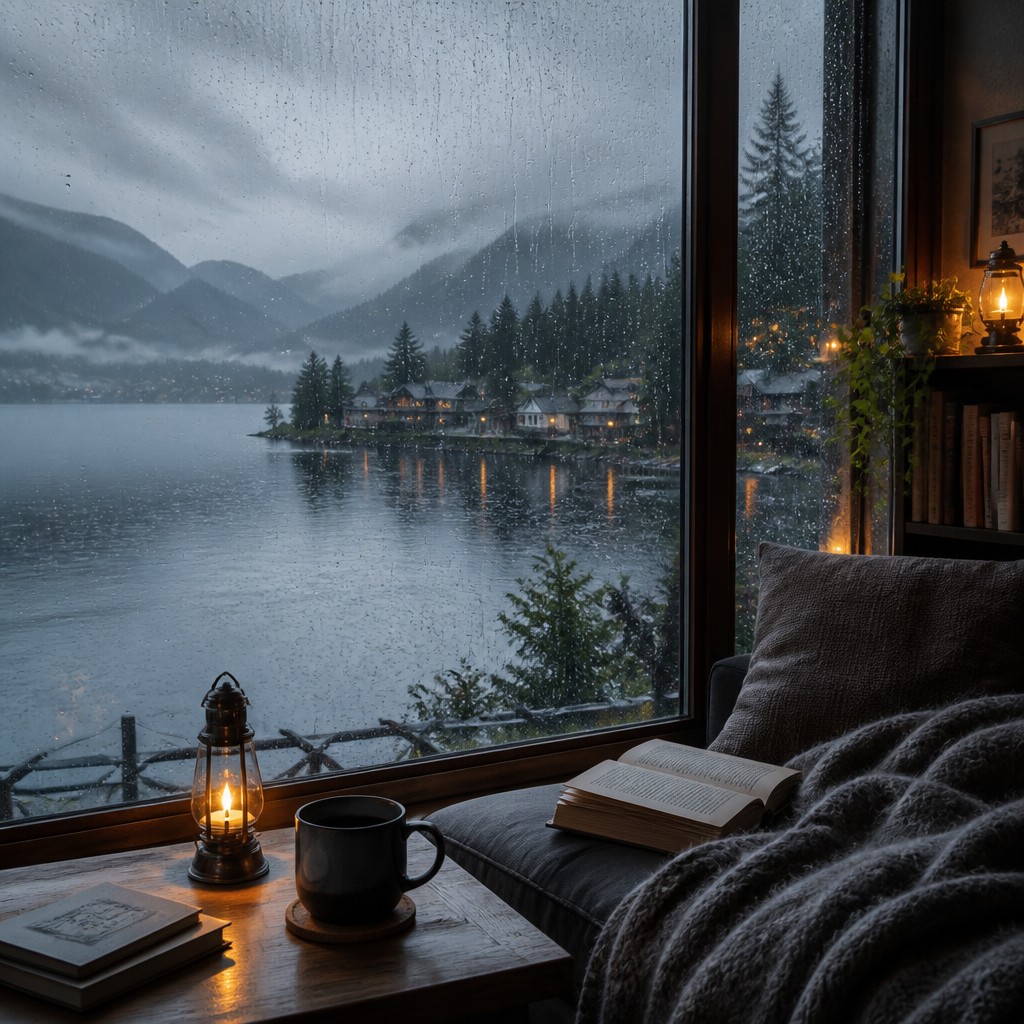
Amber lamps, candles, computer screens, or window light provide focal warmth against the cool exterior weather. This contrast is central to the style's emotional balance.
Wet surfaces and reflections
Glass, pavement, tables, and metal often appear slick or reflective. These surfaces create doubled highlights, softened glare, and a sense of damp air.
Rain marks and mist
Rain-streaked windows, fogged panes, and fine droplet bokeh are recurring details. They make the viewer feel separated from the outside world while still sensing it.
Quiet interior focus
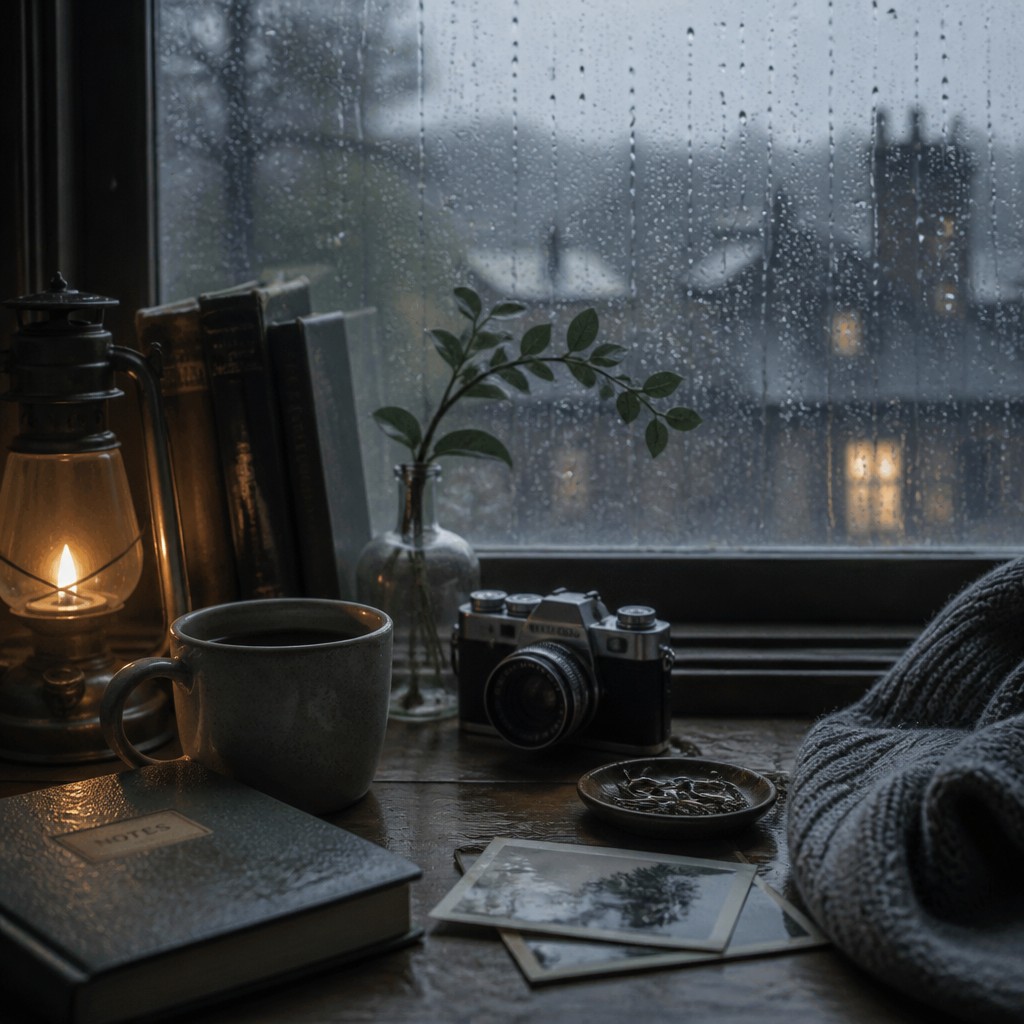
Books, tea, blankets, desks, and window seats are common because they reinforce inward-looking calm. The setting usually suggests pause, rest, or thoughtfulness.
Try It
Create Videos in Rainy Day Aesthetic
Styles aren't just for stills — describe a scene or animate an image and get a short video rendered in Rainy Day Aesthetic. Press play to see this pond come to life.
Make a VideoRainy Day Aesthetic Prompt Ideas
Start from an idea — each one opens the generator with the style ready to go. See all 40 Rainy Day Aesthetic prompts →
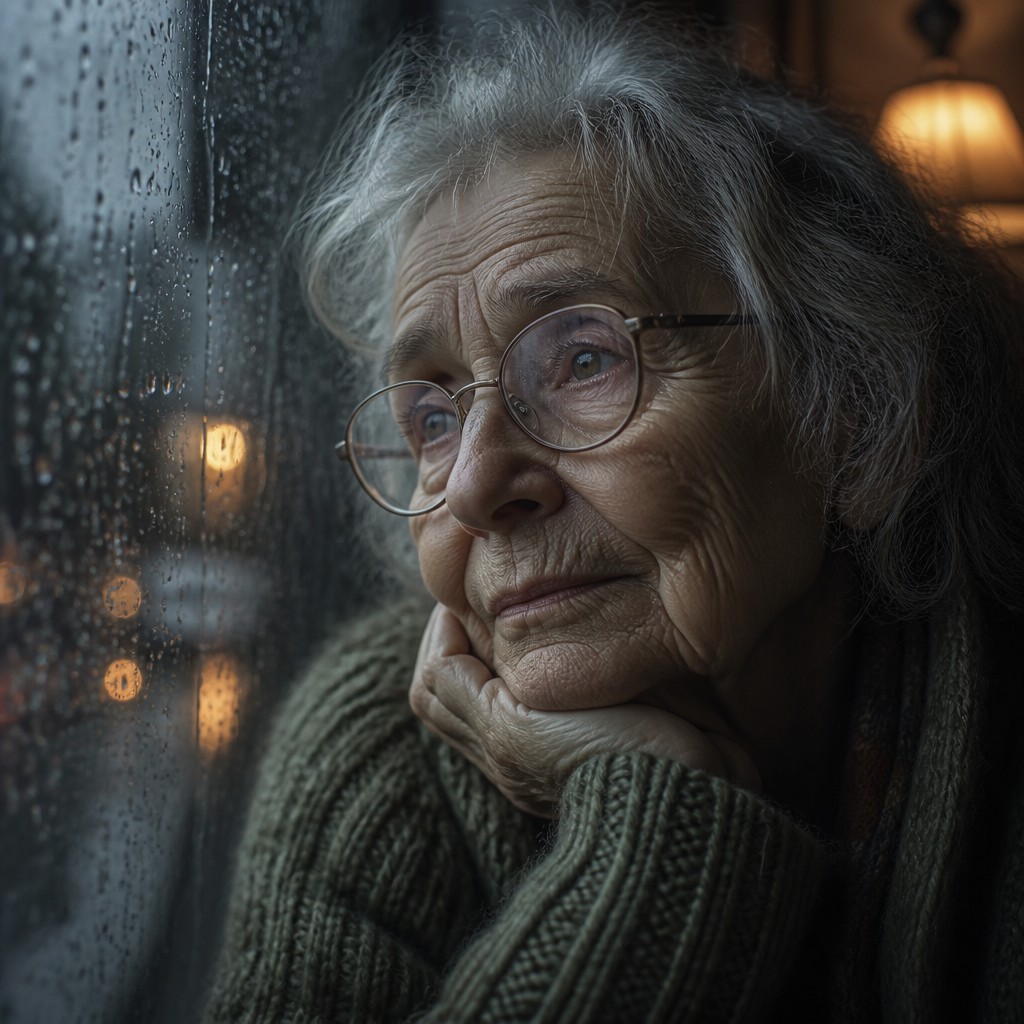
“close-up portrait of an elderly person with expressive weathered features”
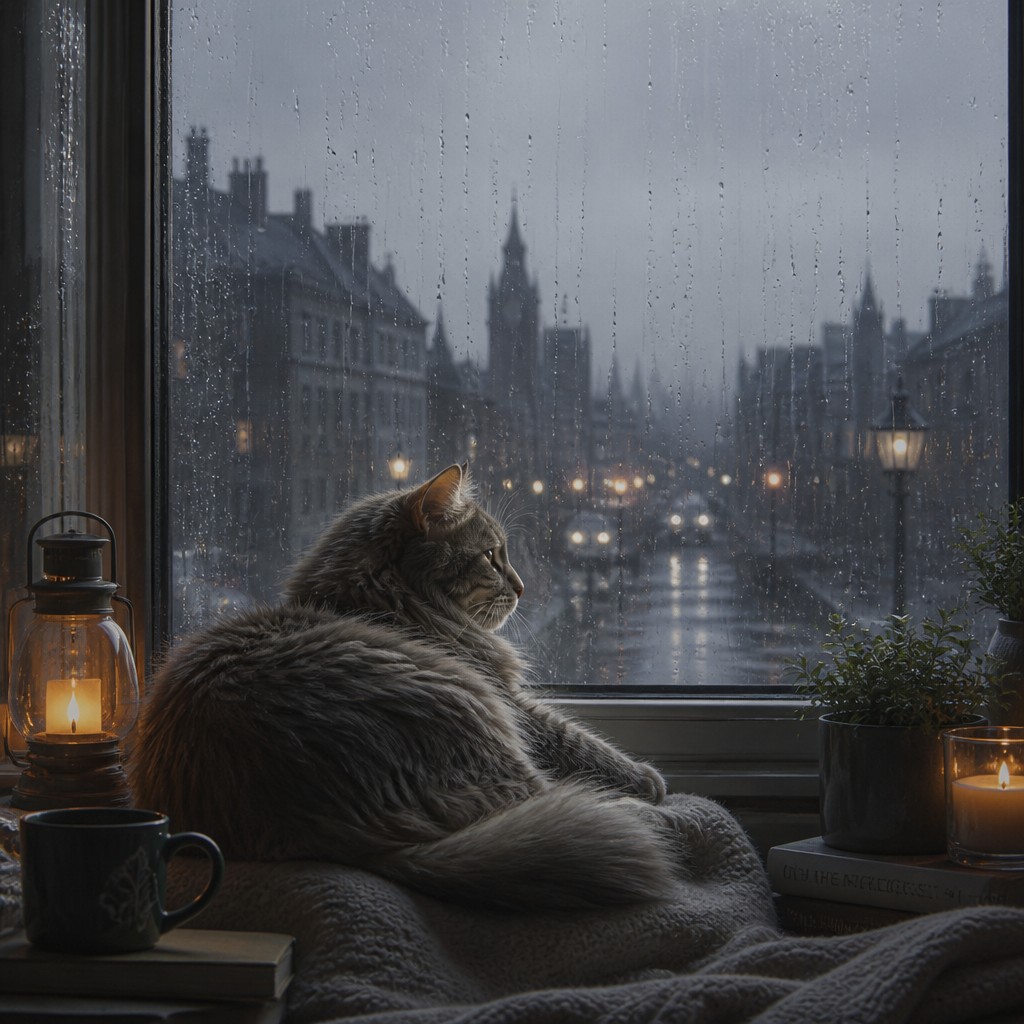
“a cat lounging in a sunlit window”
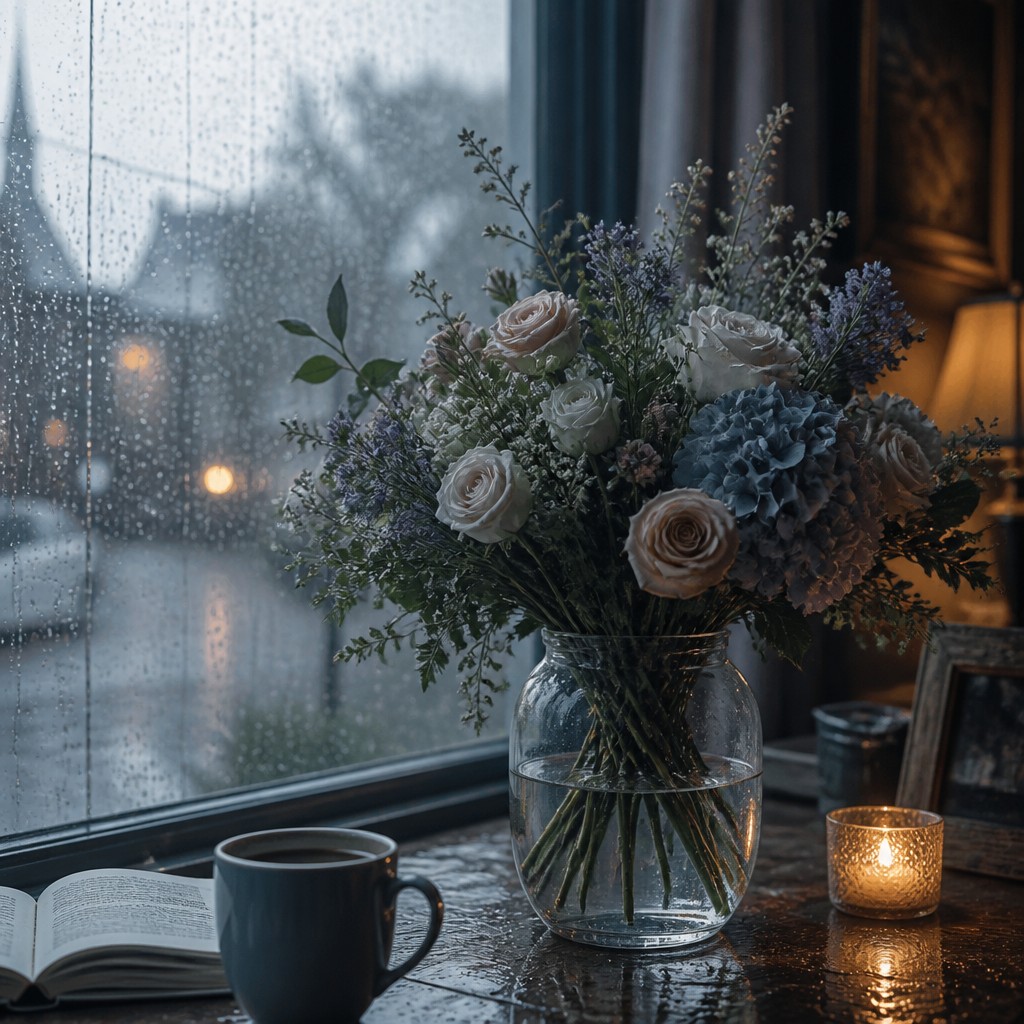
“bouquet of flowers in a glass vase”
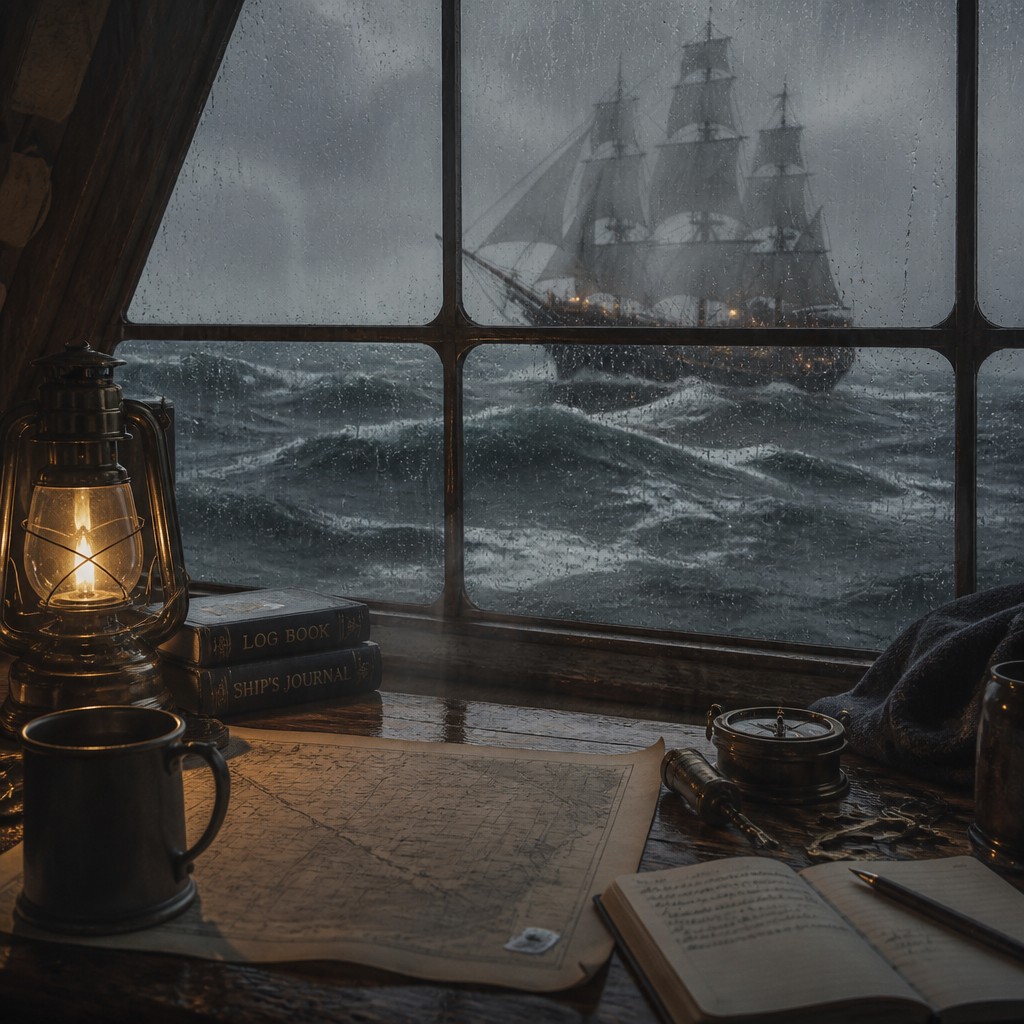
“sailing ship on a stormy sea”
How to Create Rainy Day Aesthetic Art
Master the craft step by step — or skip straight to creating. Read the full guide →
- 1
Build the scene around weather and shelter
Choose a composition with rain visible outside a window, on a street, or across a landscape, then place the main subject in a sheltered interior or covered space. The style works best when the viewer can feel the boundary between the cold, wet exterior and the warm, quiet interior.
- 2
Use a restrained value range
Keep contrast low to medium and avoid harsh blacks or pure whites. In painting or digital work, layer cool grays and blue-greens first, then add small amber highlights only where warmth should draw the eye.
- 3
Softly separate foreground and background
Use mist, glass distortion, shallow depth of field, or slightly blurred edges to suggest moisture in the air. In photography, shoot through a wet pane or near a window; in illustration, soften outlines and let forms dissolve into haze.
- 4
Let textures carry the mood
Emphasize bead-like raindrops, reflective pavement, damp fabric, and glistening surfaces. These details are more important than sharp action because they communicate the tactile experience of rain.
- 5
Write prompts with weather, light, and emotion
For text-to-image generation, combine a subject with specific atmospheric cues such as overcast light, rain-streaked glass, lamplit amber, muted green-gray tones, and contemplative calm. A strong prompt names the setting, lighting, palette, surface effects, and emotional tone.
The Story
History & Origins of Rainy Day Aesthetic
Rainy Day Aesthetic is not a single historical art movement with a fixed origin; it is a contemporary mood aesthetic assembled from several older visual traditions. Its language draws from atmospheric painting, observational photography, cinematic rain scenes, and design trends centered on hygge-like indoor warmth and quiet urban solitude. The emphasis on light diffused through weather recalls the tonal concerns of Impressionism and related atmospheric painting, while the reflective windows and urban dusk settings are common in modern photography and film.
As a named style, it emerged through internet visual culture, where recurring motifs such as rainy windows, tea cups, books, street reflections, and amber-lit rooms became shorthand for introspection and comfort. Its development has been shaped less by a formal school than by repeatable image conventions across social media, editorial illustration, mood boards, and ambient lifestyle imagery.
Influences: This aesthetic draws on atmospheric painting, especially the interest in weather and light associated with Impressionism and related tonal traditions, though it is not limited to those historical movements. Its emotional restraint also echoes Japanese ukiyo-e rain scenes, modern café and window photography, and cinematic uses of rain as a marker of introspection. For canonical historical reference points, artists such as Claude Monet, James McNeill Whistler, and Utagawa Hiroshige are relevant for their treatment of atmosphere, weather, and quiet observation.

Frequently Asked Questions
What defines the Rainy Day Aesthetic?
It is defined by soft overcast light, cool gray-blue colors, rain-streaked surfaces, and a warm interior glow that offsets the weather outside. The overall mood is contemplative, soothing, and slightly melancholic rather than dramatic.
Is this the same as moody or dark aesthetic art?
Not exactly. Moody or dark aesthetics often rely on strong shadow, high contrast, or ominous feeling, while this style stays gentle and damp in tone. It is more about quiet comfort and weathered reflection than tension.
What subjects work best in this style?
Indoors-outdoors scenes work especially well: windows, cafés, bedrooms, reading corners, buses, sidewalks, and rainy streets. Simple everyday subjects tend to suit the mood because the atmosphere carries the image.
How do I make a photo look like this?
Photograph on an overcast day or through rain-specked glass, then reduce saturation and contrast slightly. Add warmth with a lamp, candle, or indoor light source so the image feels sheltered and calm.
How is this style different from hygge?
Hygge emphasizes cozy domestic warmth more broadly, while this style specifically centers rain, haze, wet reflections, and the emotional contrast between stormy weather and indoor comfort. It is usually cooler, more reflective, and more visual than hygge as a lifestyle idea.
Where is this aesthetic commonly used?
It appears in editorial illustration, social media mood boards, book covers, wallpapers, café branding, and photographic portraits or still lifes. It is especially common in imagery meant to feel intimate, quiet, or restorative.
Create your first Rainy Day Aesthetic artwork
Describe anything — or upload a photo — and see it in Rainy Day Aesthetic in seconds.
Make Something with Rainy Day Aesthetic
Related Styles
Discover similar art styles