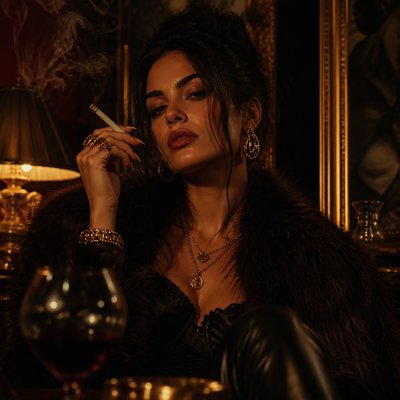
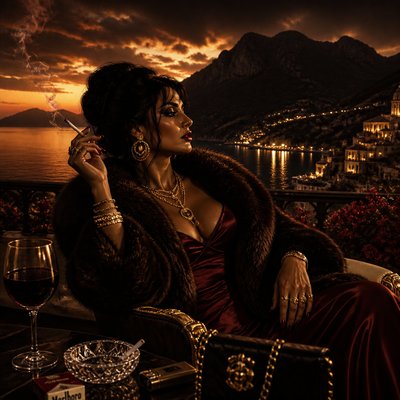
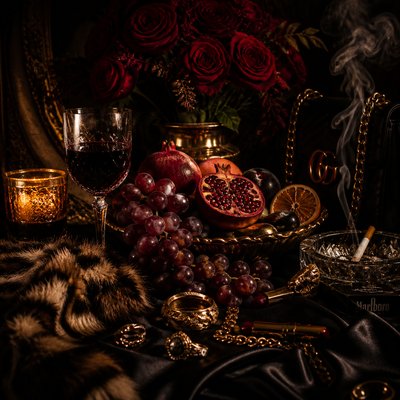
Old Money Aesthetic
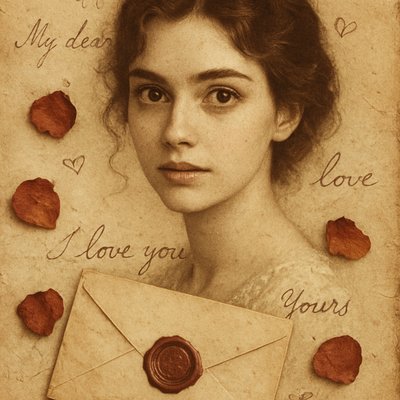
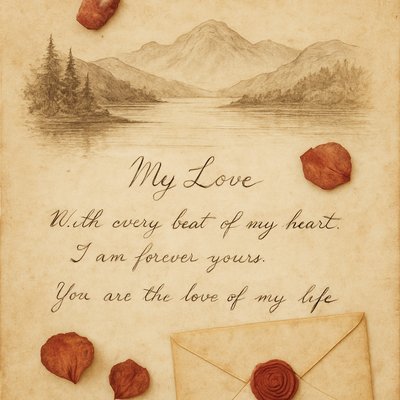
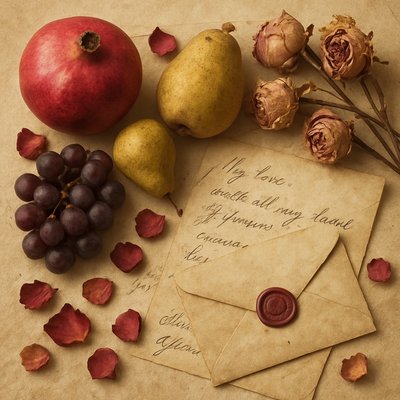
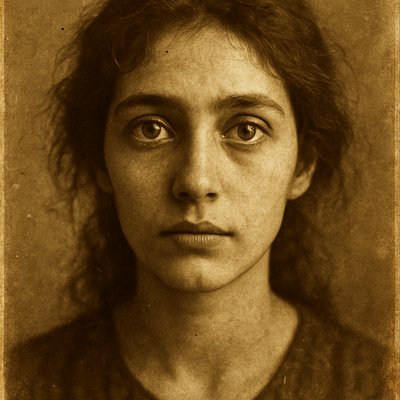
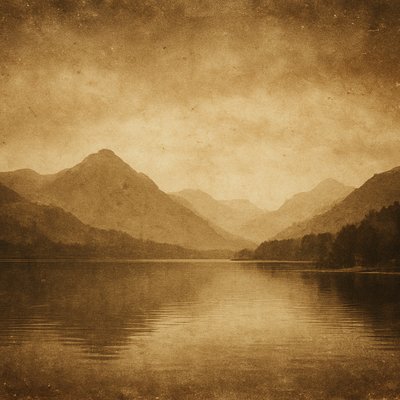
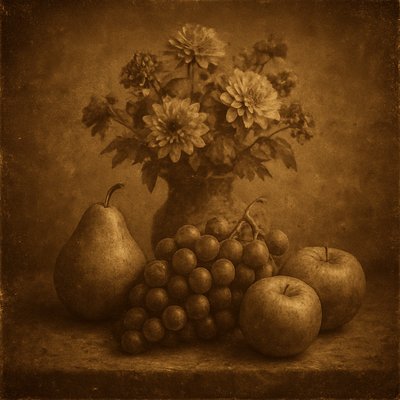
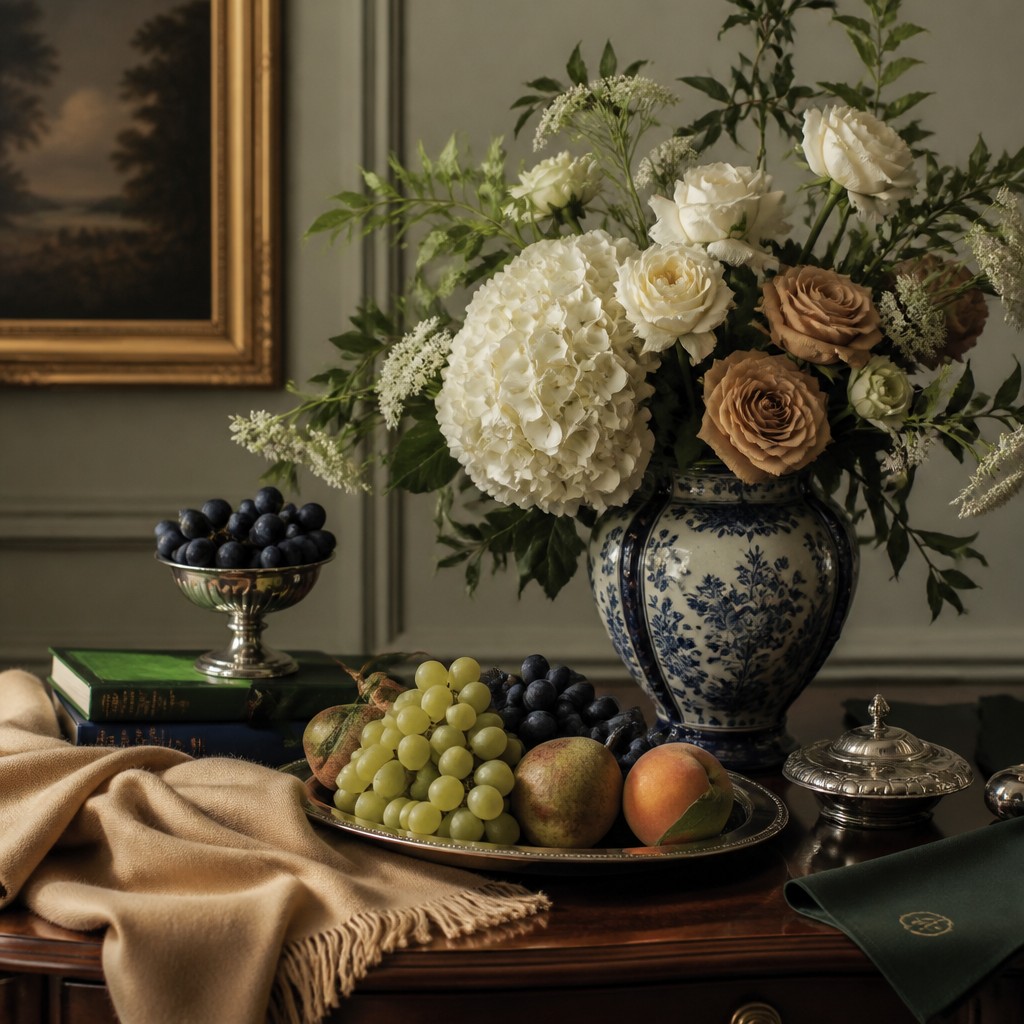
Quiet luxury in art: cashmere neutrals, heritage textures, and understated wealth with a polished, timeless palette.
Instantly rendered in Old Money Aesthetic — or transform a photo
Old Money Aesthetic Gallery
Tap any artwork to explore it
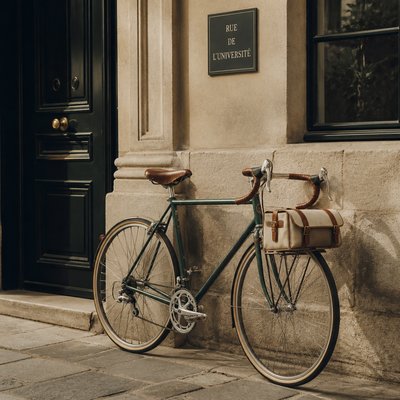
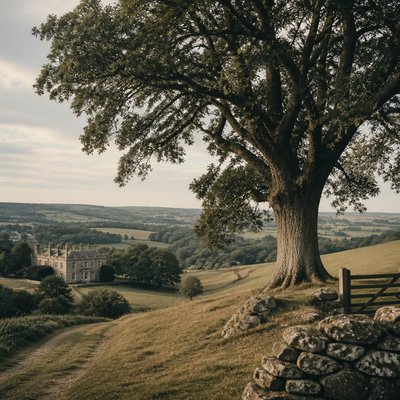
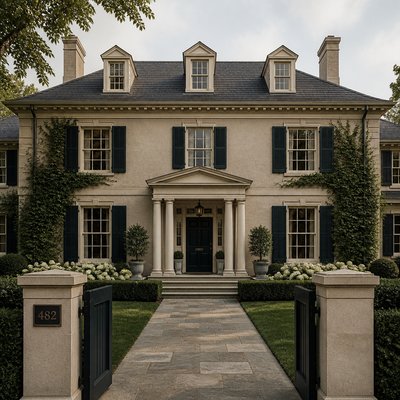
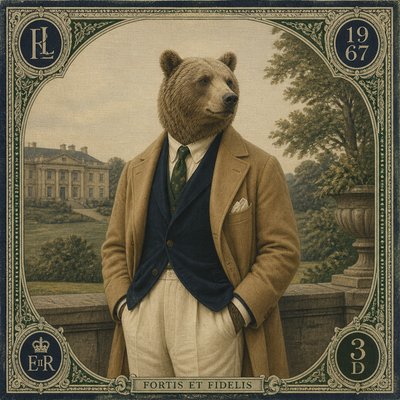
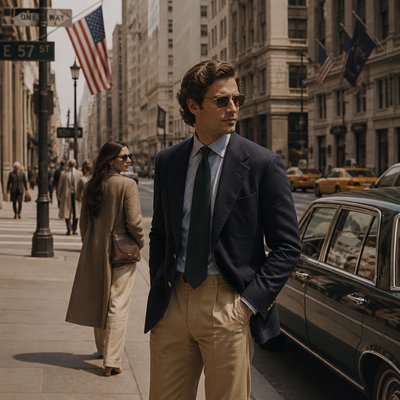
What is Old Money Aesthetic?
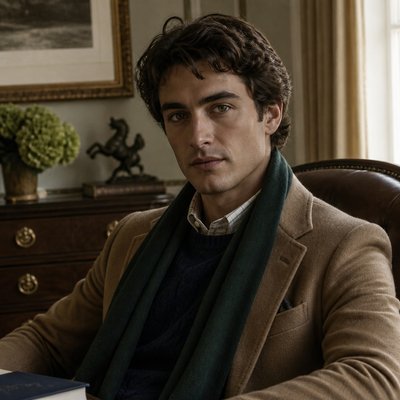
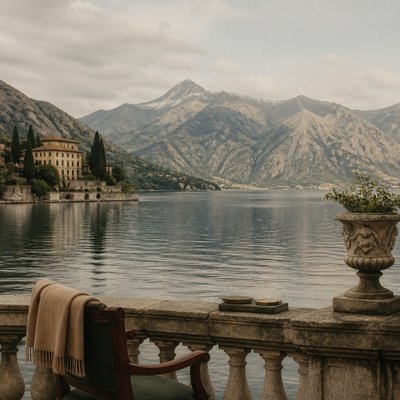
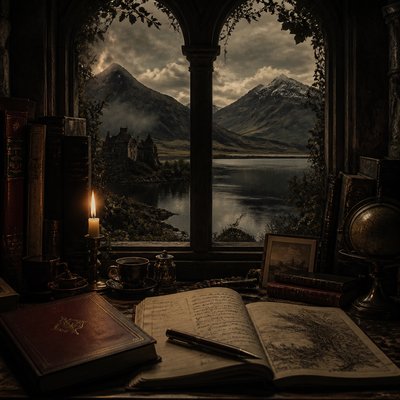
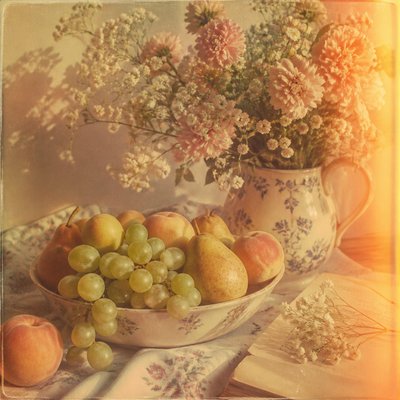
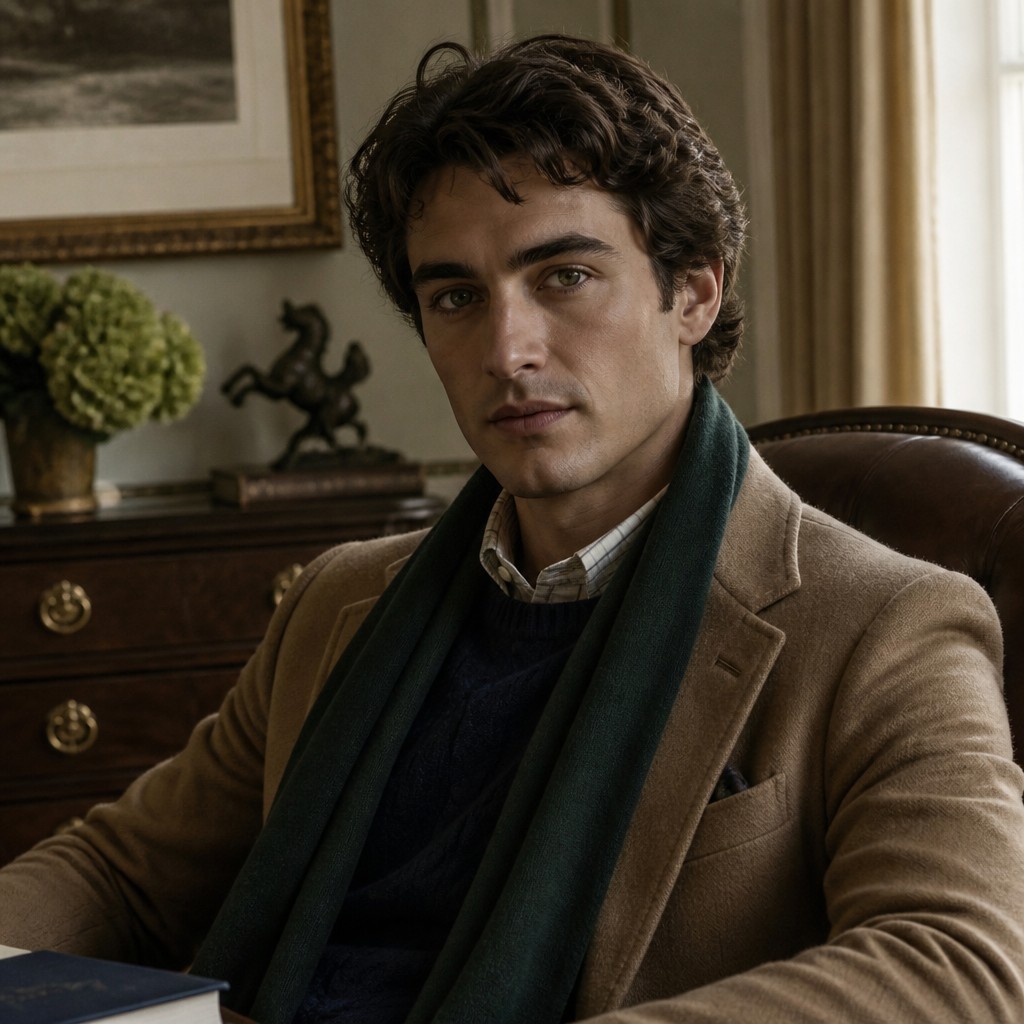
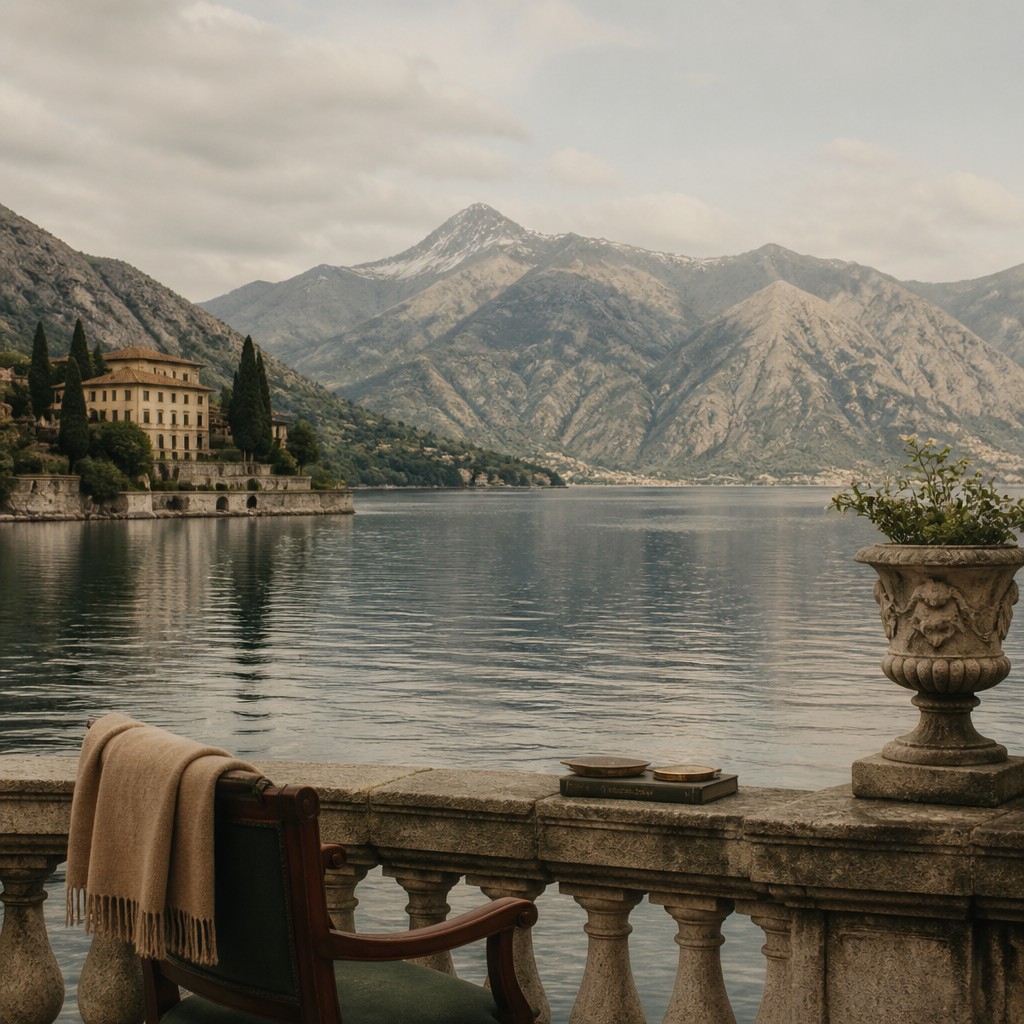
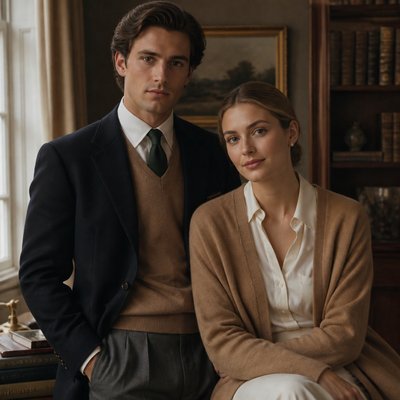
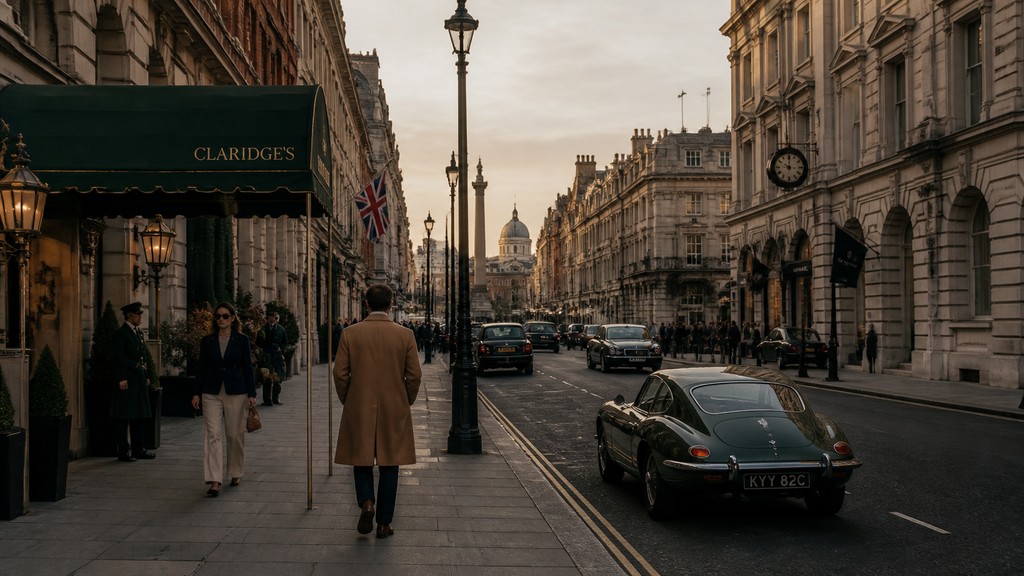
Old money aesthetic is a visual style built around restraint, heritage, and the suggestion of inherited refinement. It favors muted palettes such as camel, navy, ivory, and racing green; natural materials like cashmere, leather, mahogany, and linen; and compositions that feel composed rather than showy. The look is less about opulence in the obvious sense and more about the visual codes of long-established privilege: quality, permanence, and calm.
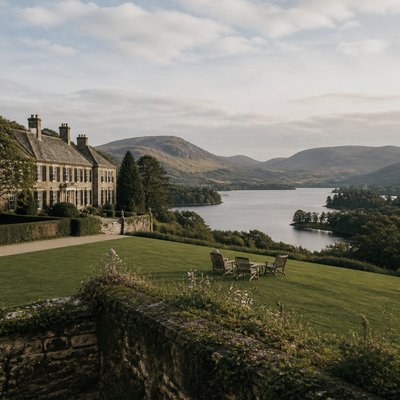
Its appeal comes from the way it translates social ideas into surface and form. Soft daylight, tailored silhouettes, well-worn interiors, classic architecture, and understated accessories all contribute to the impression of quiet wealth. The style often feels nostalgic because it borrows from elite country-house interiors, East Coast prep, Ivy League dressing, and editorial photography that emphasizes timelessness over trend.
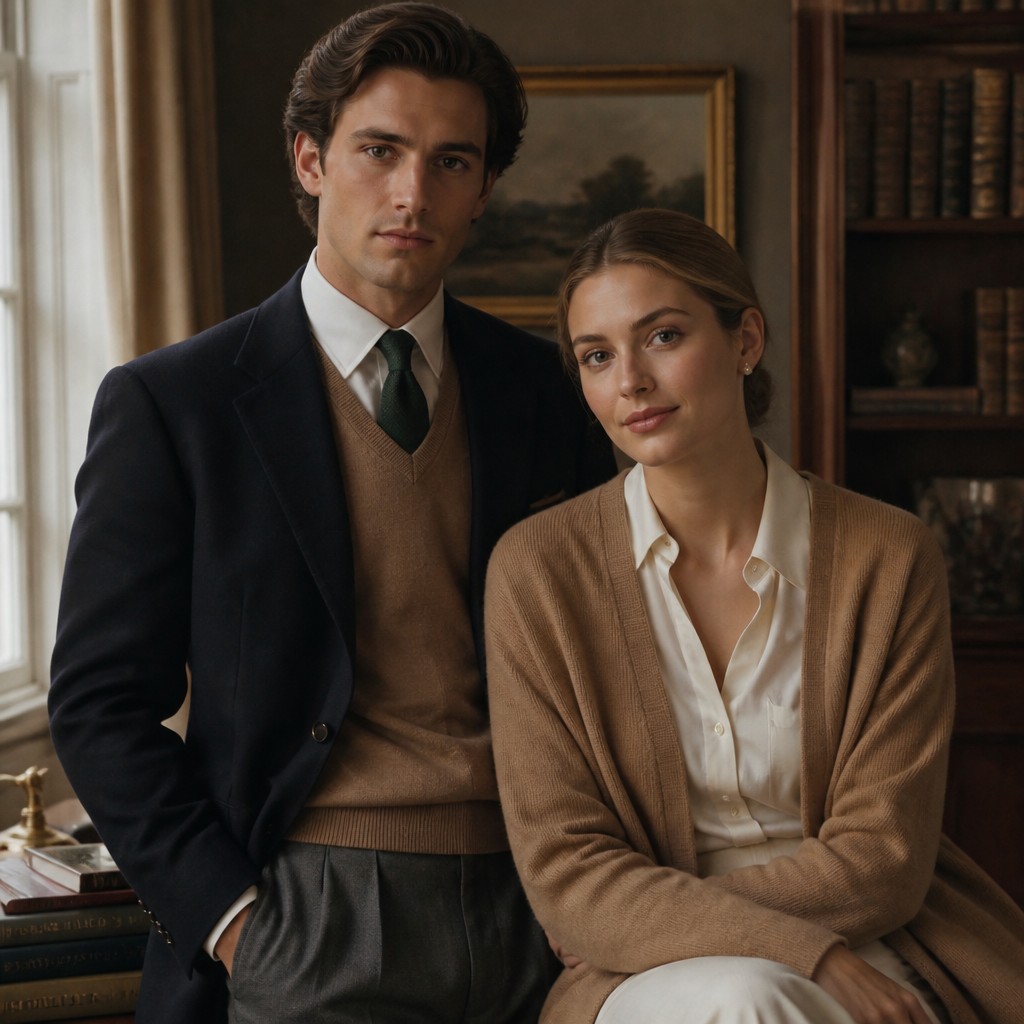
Try It On Your Photos
Upload any photo and convert it into Old Money Aesthetic — drag the sliders to compare before and after.
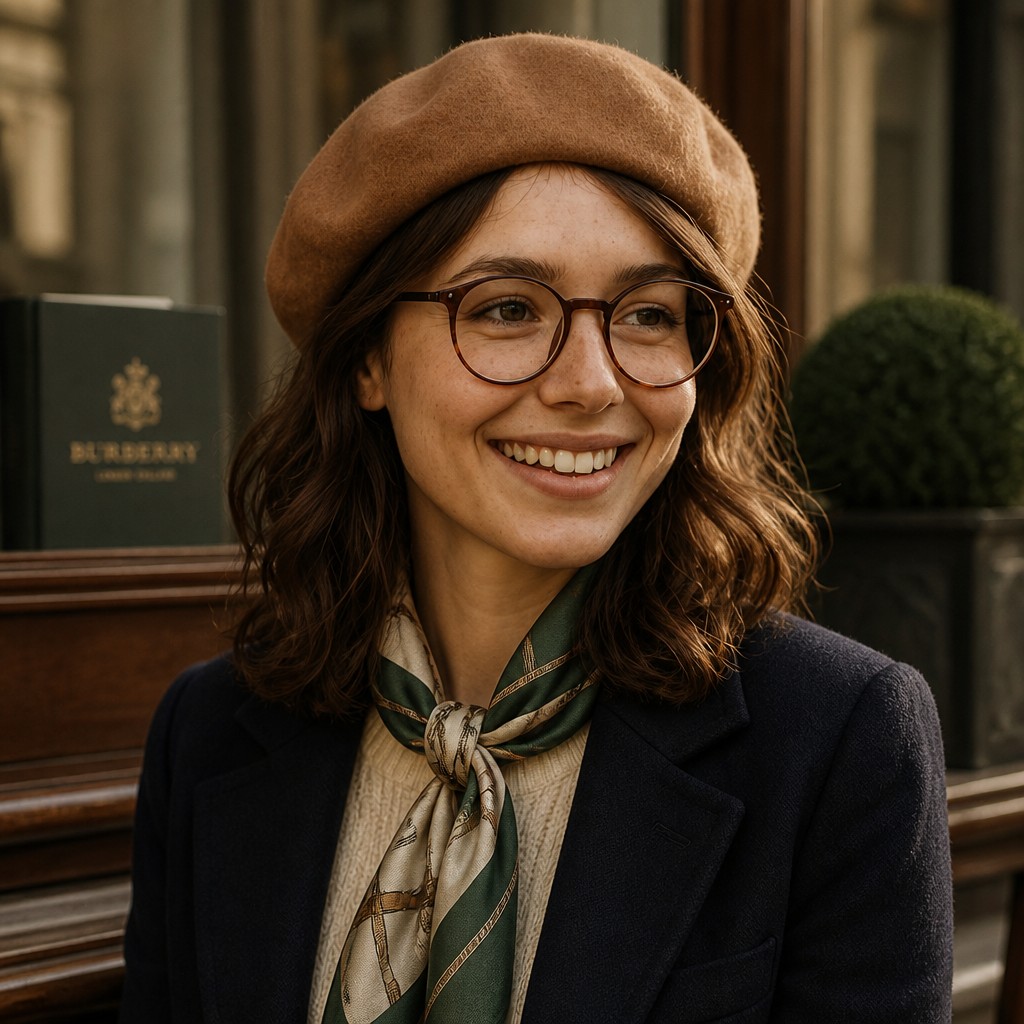

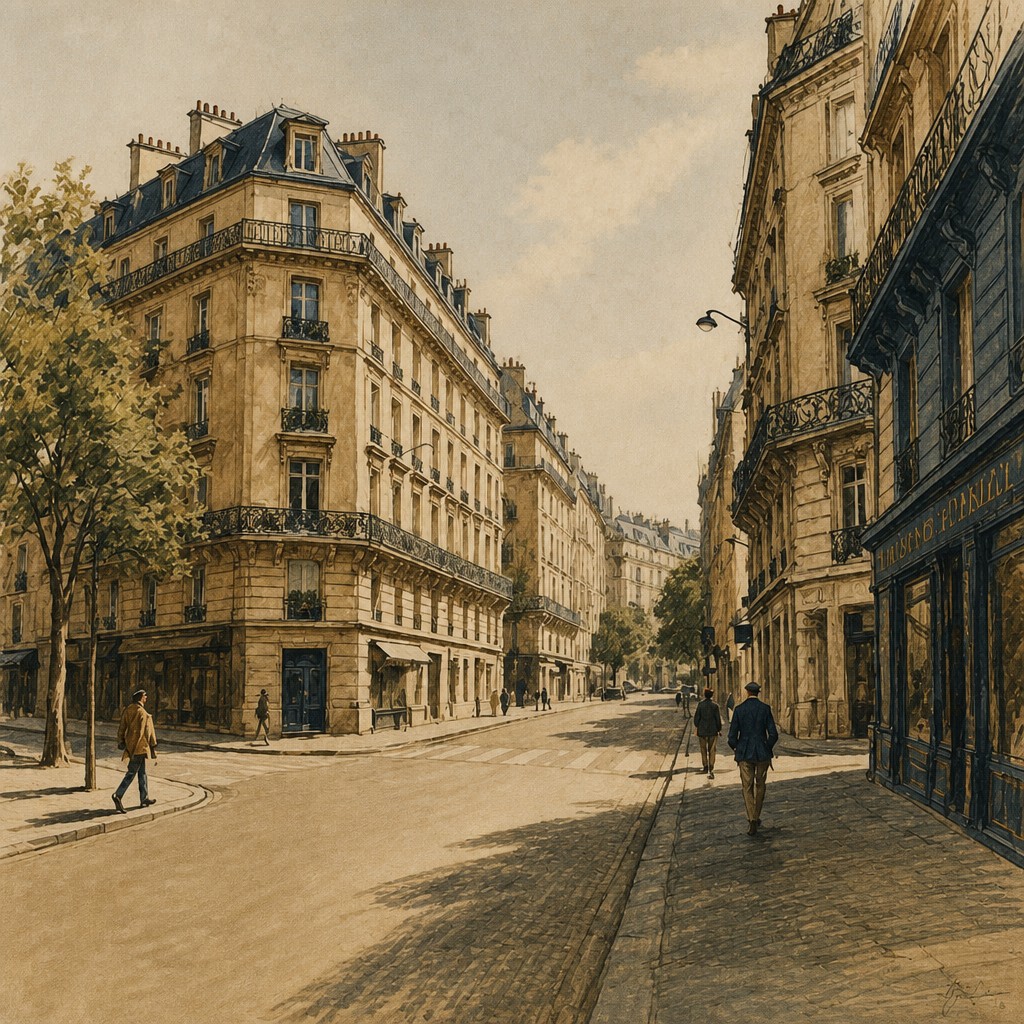

What Defines Old Money Aesthetic
The signature details, up close
Muted heritage palette
The color scheme centers on camel, ivory, navy, forest or racing green, brown, and soft gray. Bright saturation is usually avoided so the image feels settled, classic, and enduring.
Natural luxury materials
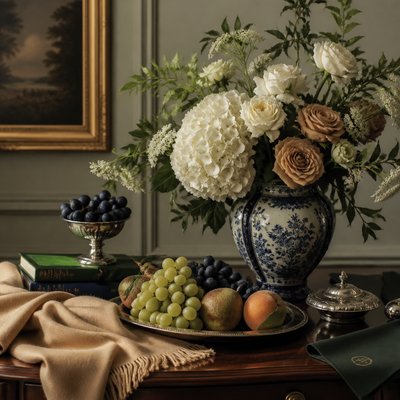
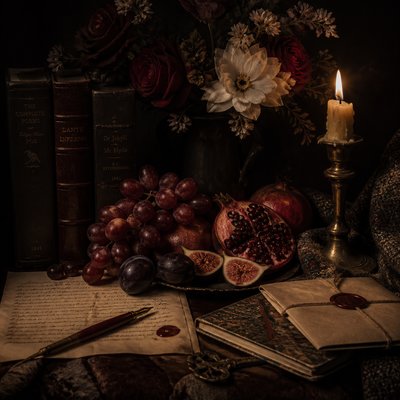
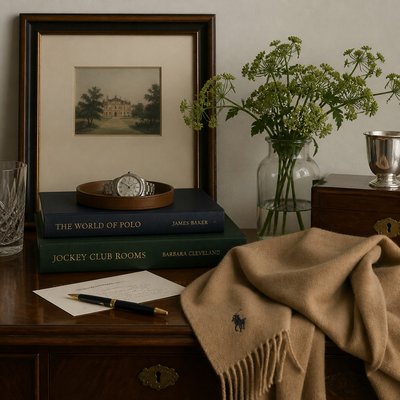
Textures such as cashmere, wool, linen, leather, mahogany, brass, and polished wood do much of the visual work. These materials suggest durability and inherited quality rather than novelty.
Quiet composition
Frames are usually balanced, uncluttered, and calm, with an emphasis on symmetry or gentle asymmetry. Objects are arranged as if they belong in a real, well-kept space.
Classic tailoring and silhouettes
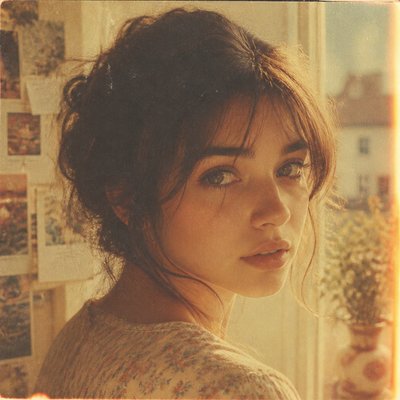
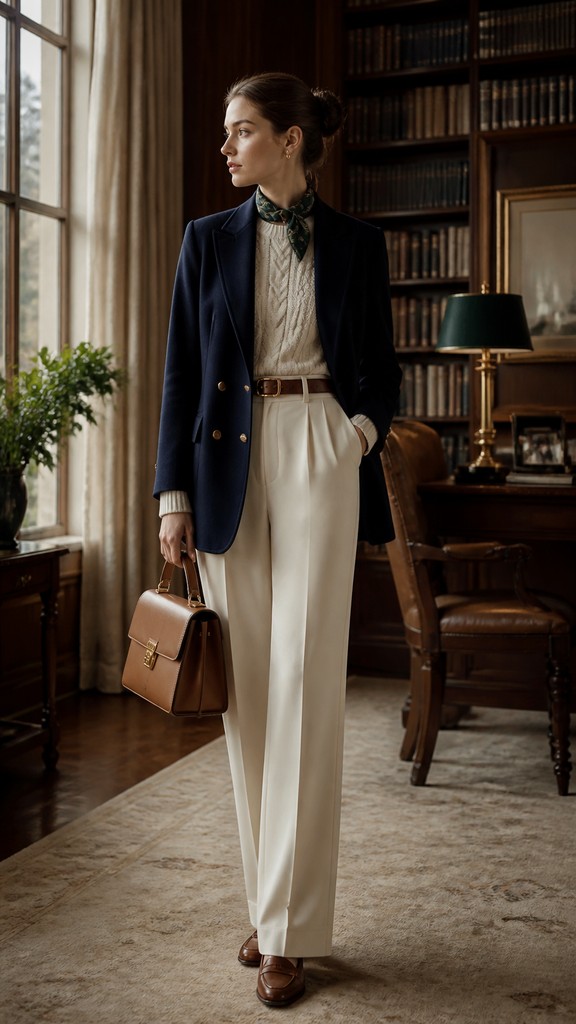
Clothing tends to be structured but not flashy: blazers, loafers, trench coats, pearl earrings, sweater vests, pleated skirts, and well-fitted trousers. The goal is polish without overt trend signals.
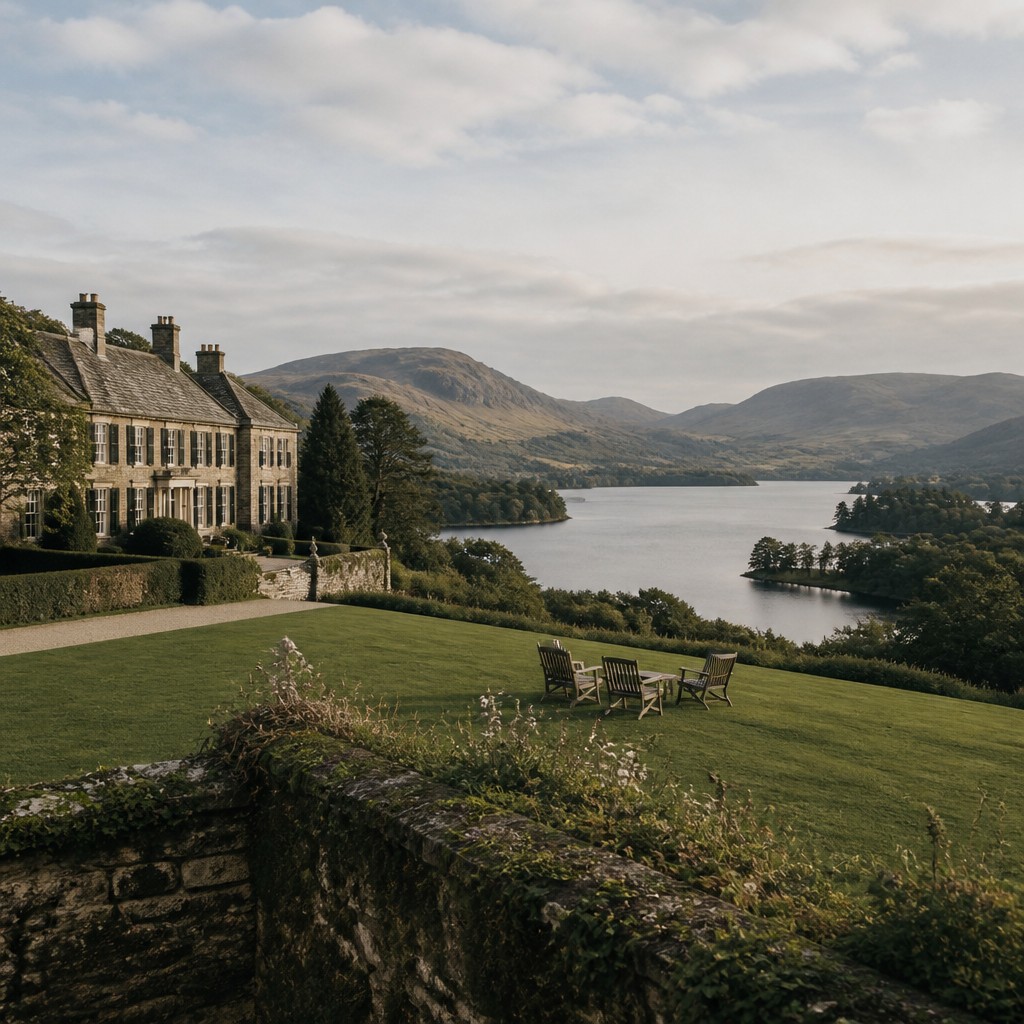
Heritage interiors
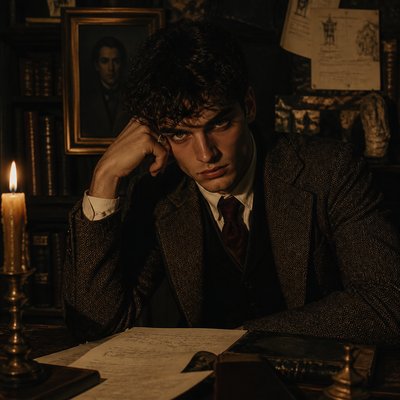
Rooms often include paneled walls, bookcases, framed art, tartan, leather club chairs, antique tables, and heavy drapery. The setting should feel established, collected, and slightly lived-in.
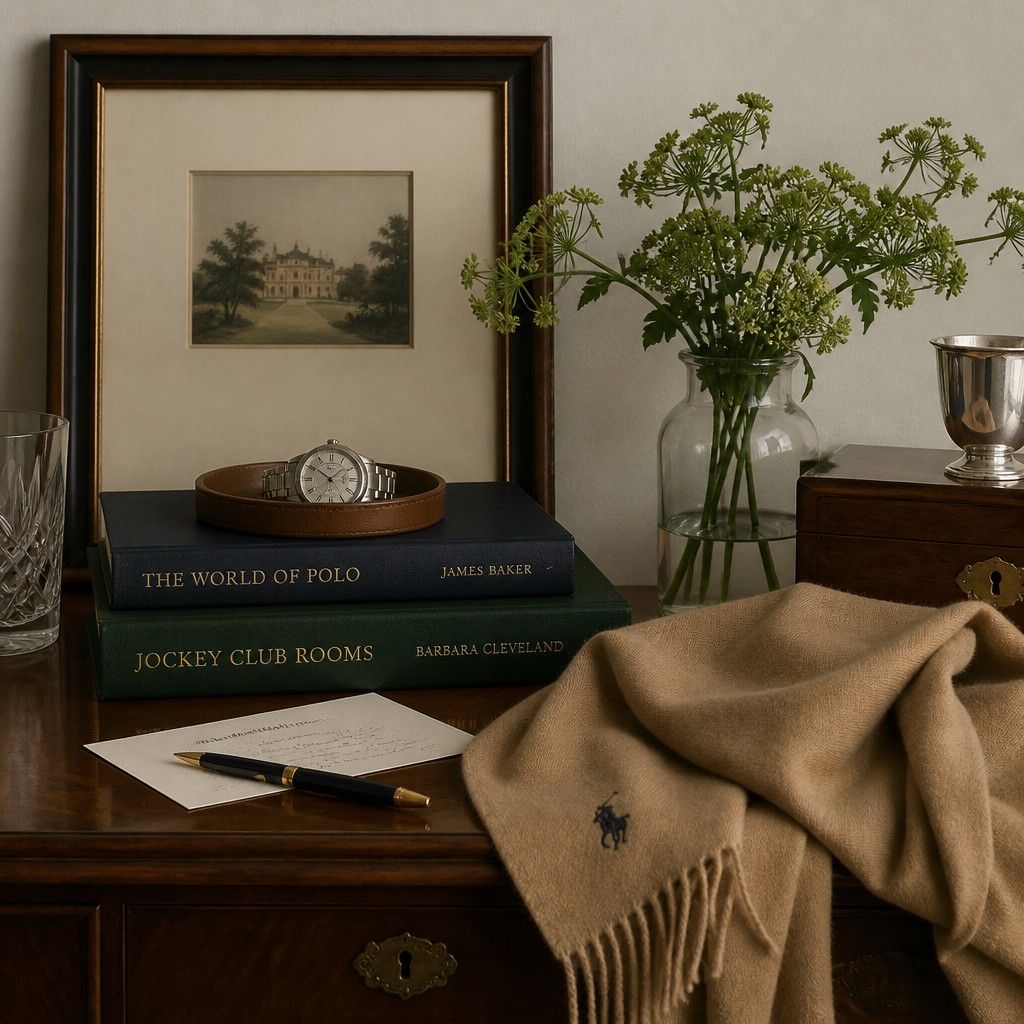
Soft, natural lighting
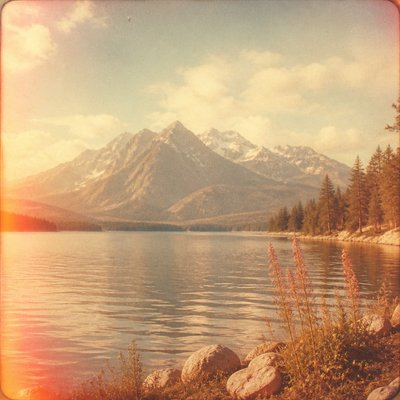
Daylight is often diffuse, as if entering through tall windows or overcast skies. Harsh contrast, neon, and dramatic color effects are typically minimized.
Try It
Create Videos in Old Money Aesthetic
Styles aren't just for stills — describe a scene or animate an image and get a short video rendered in Old Money Aesthetic. Press play to see this pond come to life.
Make a VideoOld Money Aesthetic Prompt Ideas
Start from an idea — each one opens the generator with the style ready to go. See all 40 Old Money Aesthetic prompts →
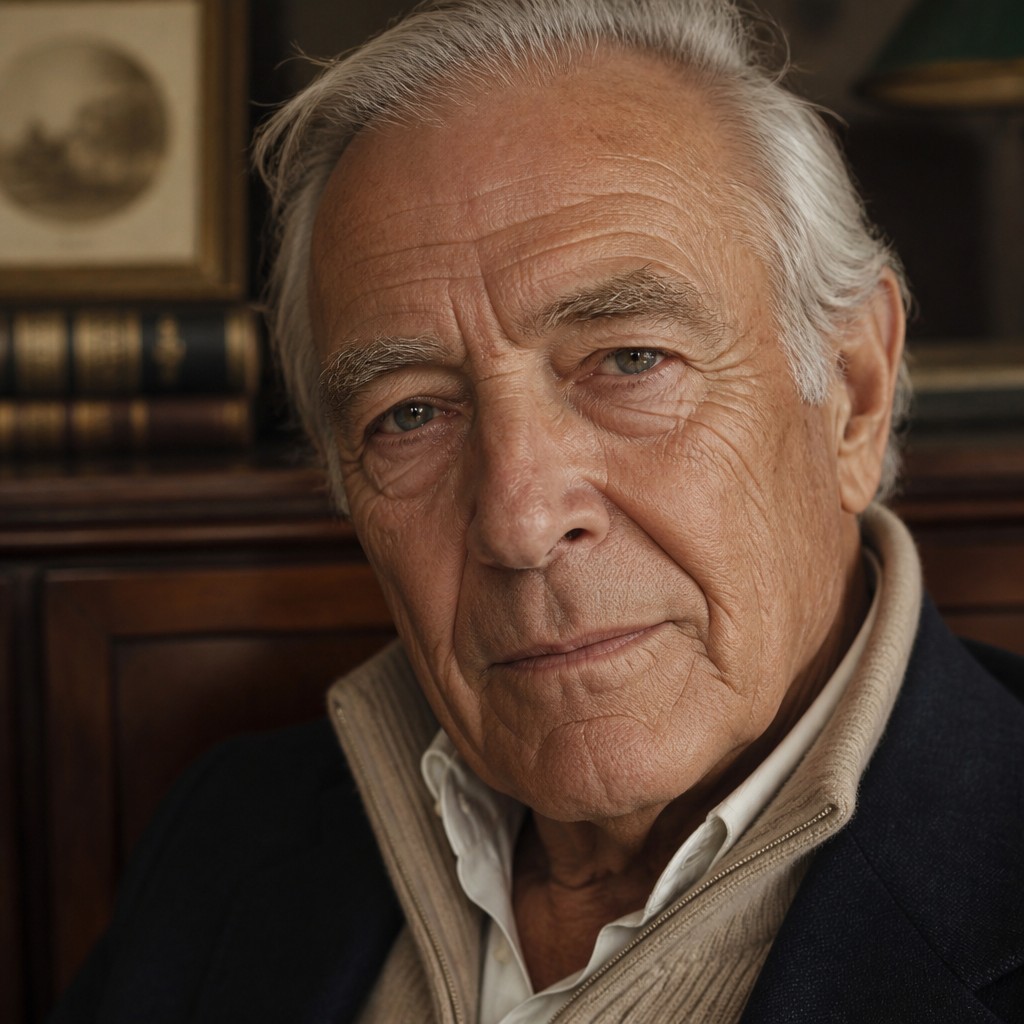
“close-up portrait of an elderly person with expressive weathered features”
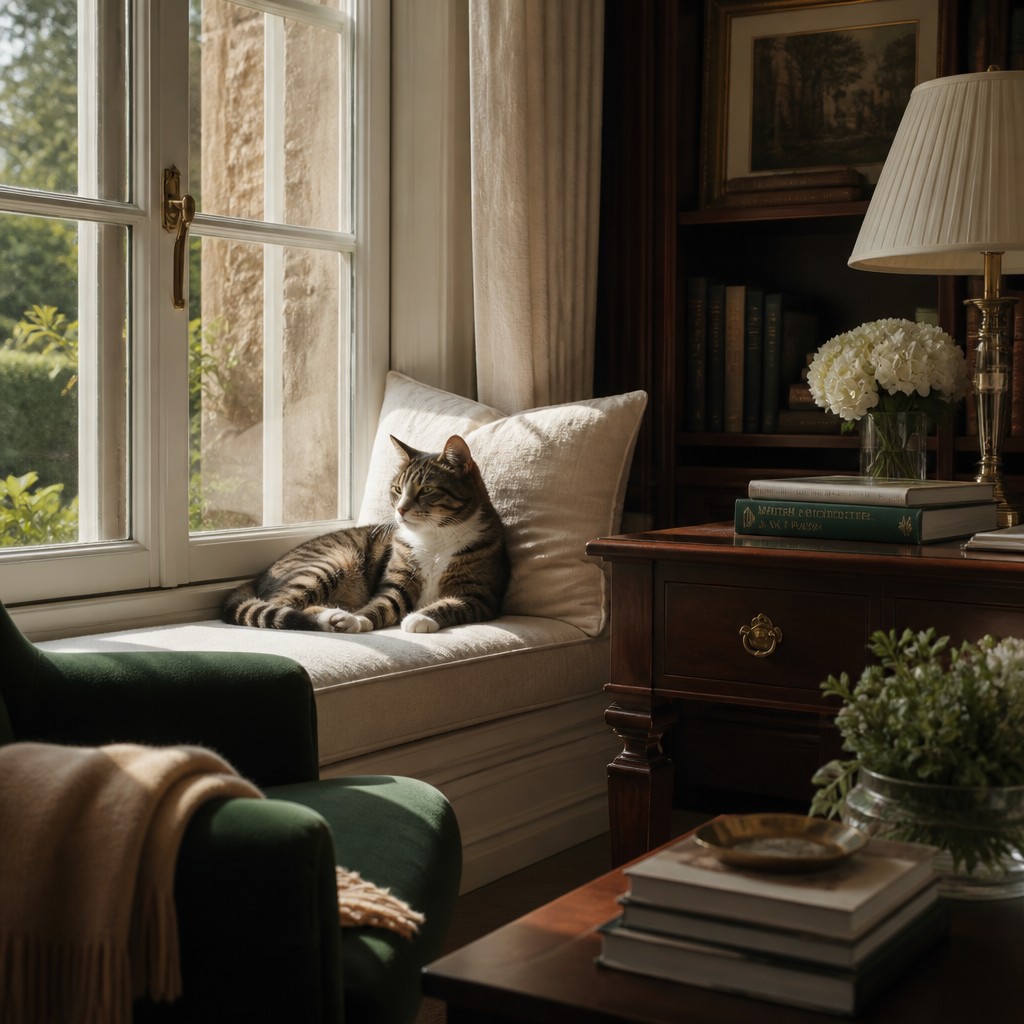
“a cat lounging in a sunlit window”
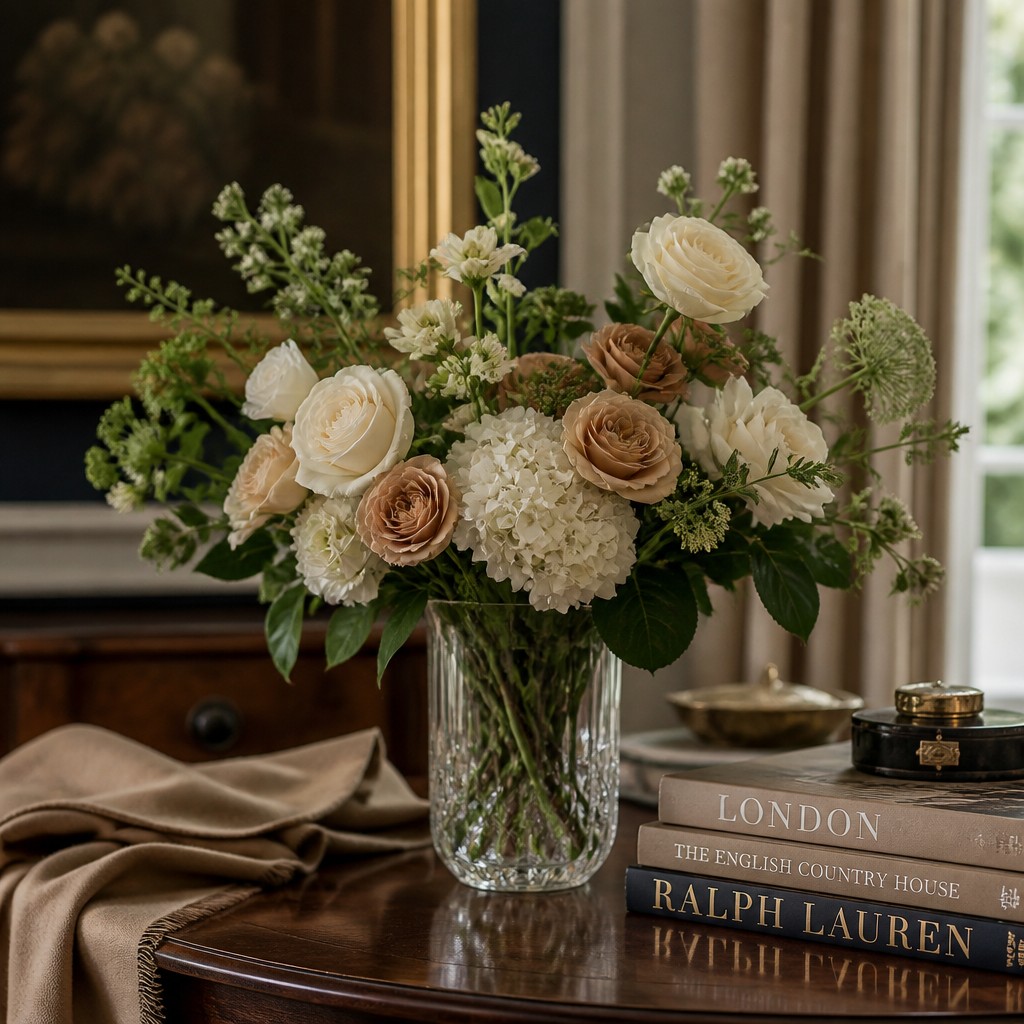
“bouquet of flowers in a glass vase”
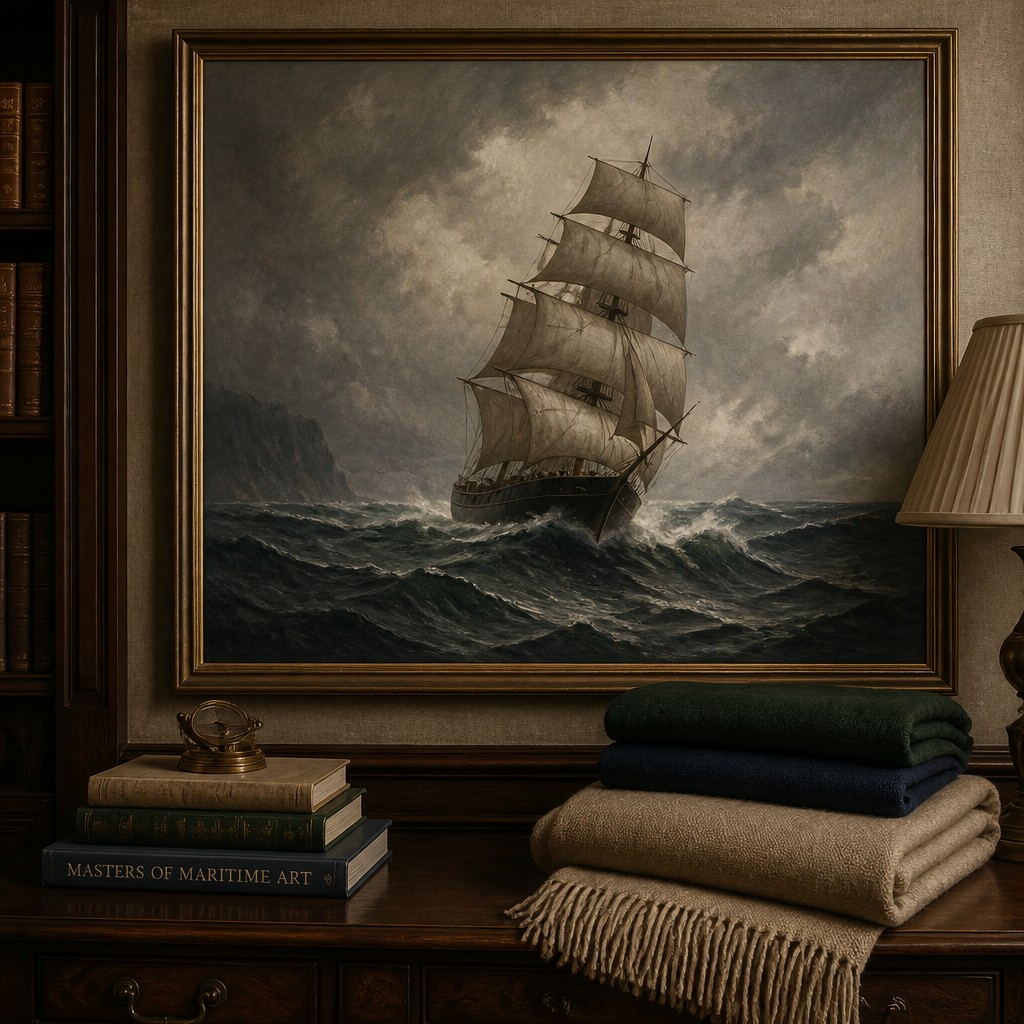
“sailing ship on a stormy sea”
How to Create Old Money Aesthetic Art
Master the craft step by step — or skip straight to creating. Read the full guide →
- 1
Build the palette first
Limit your colors to a restrained set of neutrals and deep heritage tones such as cream, camel, navy, olive, and brown. Whether painting digitally or on canvas, keeping saturation low helps the image read as elegant rather than decorative.
- 2
Prioritize materials and texture
Render fabric weave, wood grain, leather patina, and brushed metal with care, because texture carries much of the style's meaning. In photo-based work, choose settings and props with real tactile richness instead of glossy surfaces.
- 3
Use composed, editorial framing
Avoid crowded scenes and chaotic camera angles; instead, favor balanced composition, centered subjects, and clean negative space. A slightly formal pose or still-life arrangement often communicates the style more effectively than motion.
- 4
Reference classic wardrobe and interiors
Add signals such as trench coats, knitwear, loafers, pearl jewelry, framed books, antique furniture, and paneled walls. These details are subtle but recognizable markers of the aesthetic.
- 5
Keep effects understated in prompt-based generation
When writing prompts, specify quiet daylight, refined textures, muted heritage tones, and restrained elegant composition. If transforming photos, reduce harsh contrast, remove modern clutter, and emphasize timeless finishes.
The Story
History & Origins of Old Money Aesthetic
Old money aesthetic is not a historical art movement in the formal sense, but a contemporary visual shorthand that draws from several established traditions. Its lineage includes upper-class portraiture, country-house interiors, British and American aristocratic dress, preppy menswear, and editorial photography that frames luxury through understatement rather than spectacle. In visual culture, it developed as a reaction to louder, logo-driven forms of status display.
The style also overlaps with broader ideas of inherited taste and institutional elegance that appear in 20th-century fashion and lifestyle imagery, especially in magazines, film, and advertising. In recent years it has become a popular internet aesthetic, where its vocabulary of neutrals, heritage textures, and polished but lived-in spaces is used to signal discretion, stability, and old-world polish.
Influences: This aesthetic draws from British country-house tradition, American East Coast prep, Ivy League fashion, and editorial portraiture that favors understatement. It also echoes the visual language of aristocratic and bourgeois interiors seen in painting, photography, and cinema, where restraint, inherited objects, and controlled color signal social continuity. Rather than belonging to one historical movement, it is a modern synthesis of elite lifestyle codes.
Frequently Asked Questions
What defines the old money aesthetic?
It is defined by restraint: muted colors, classic tailoring, heritage materials, and spaces that imply long-term use rather than newness. The look avoids obvious branding and flashy contrasts in favor of calm, polished understatement.
Is this the same as preppy style?
They overlap, but they are not identical. Preppy style often feels youthful and collegiate, while old money aesthetic leans more toward inherited refinement, quieter luxury, and a more mature, polished presentation.
What colors work best in this style?
Camel, ivory, navy, forest green, brown, taupe, and soft gray are the most characteristic choices. Small amounts of burgundy or burgundy-red can work, but bright neon or highly saturated colors usually break the effect.
How do I make a photo look like this?
Use natural light, remove visual clutter, and emphasize classic wardrobe pieces or interior details. Edit toward softer contrast, lower saturation, and a warmer or neutral tone so the image feels composed and timeless.
What subjects suit this aesthetic best?
Portraits, interiors, still lifes, campus scenes, country houses, wardrobe details, and lifestyle imagery all work well. The style depends on context and texture, so objects and settings matter as much as the main subject.
What makes it different from minimalist luxury?
Minimalist luxury is often sleek, contemporary, and highly edited, while old money aesthetic usually feels warmer and more historical. It prefers inherited textures, classic forms, and a lived-in sense of continuity over severe modernity.
Create your first Old Money Aesthetic artwork
Describe anything — or upload a photo — and see it in Old Money Aesthetic in seconds.
Make Something with Old Money Aesthetic
Related Styles
Discover similar art styles