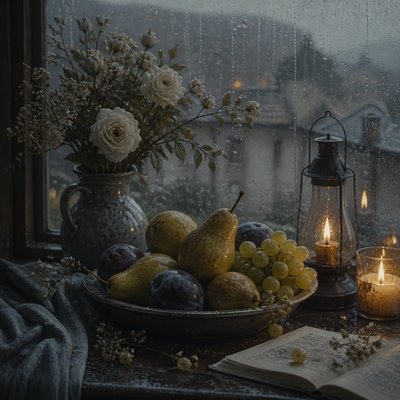
Indie Sleaze Aesthetic
Late-2000s underground nightlife look: flash photography, grain, glitter, grime, and chaotic candid energy.
Instantly rendered in Indie Sleaze Aesthetic — or transform a photo
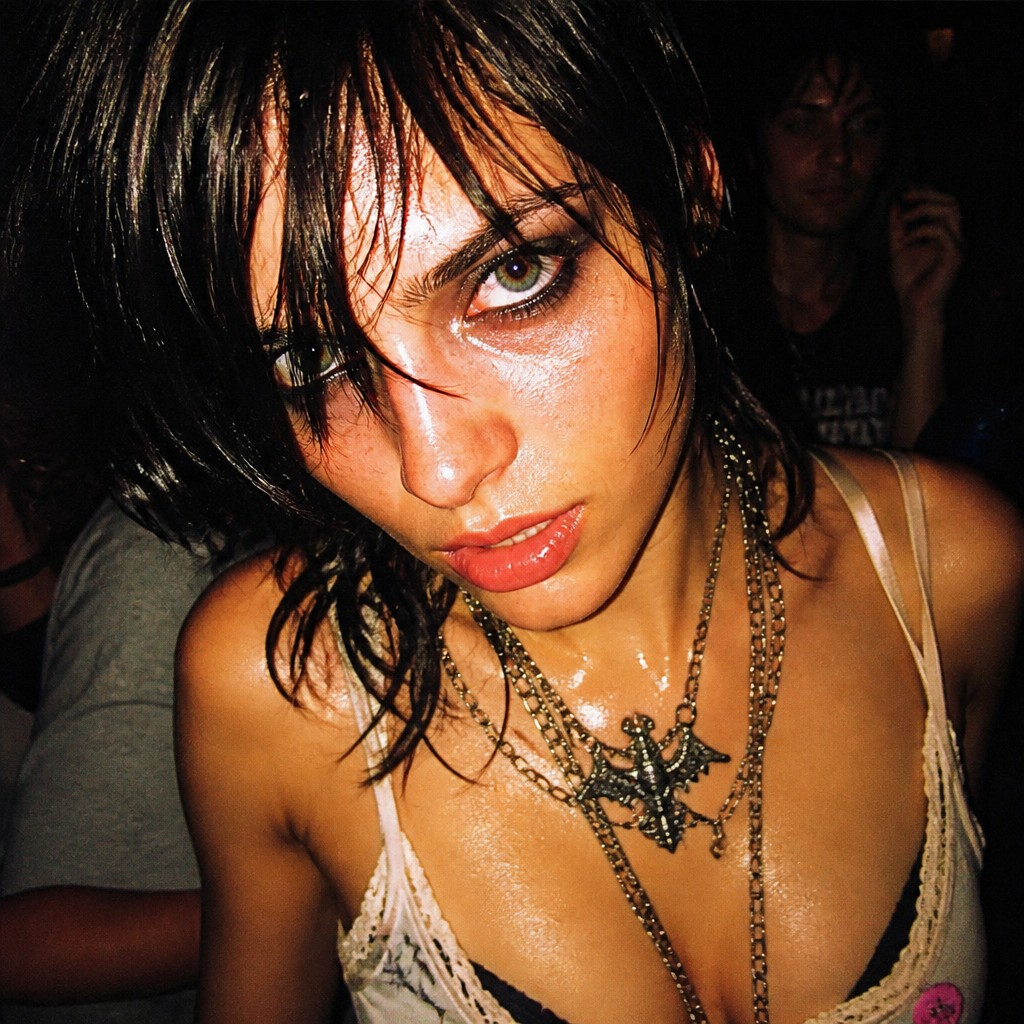
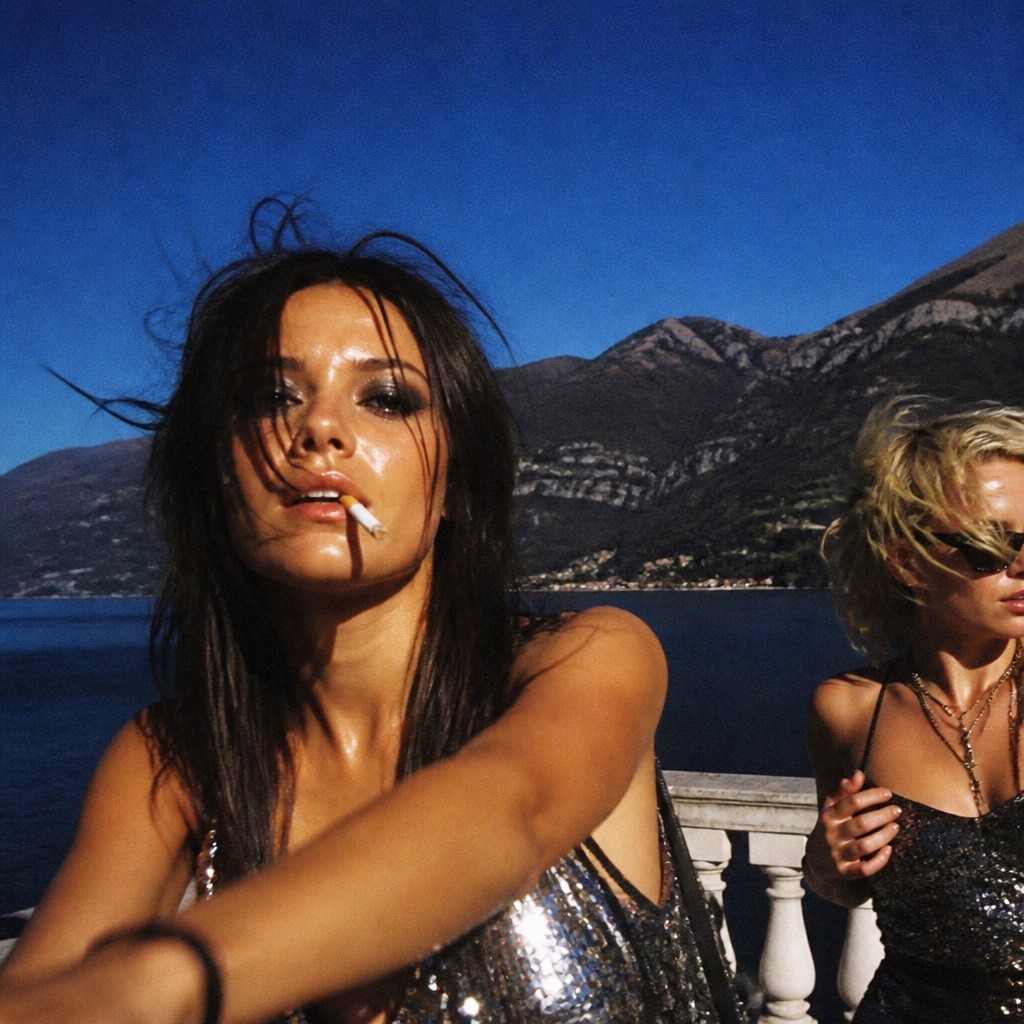
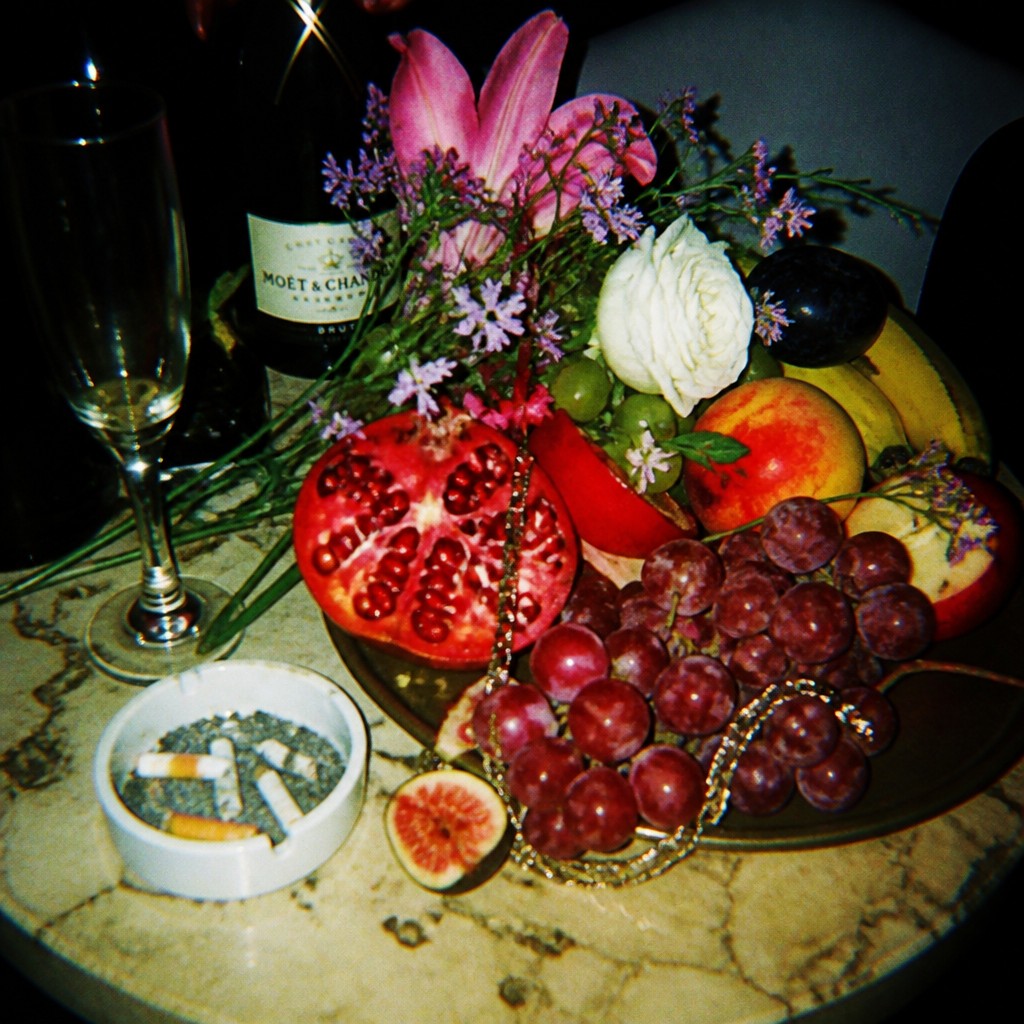
Indie Sleaze Aesthetic Gallery
Tap any artwork to explore it
What is Indie Sleaze Aesthetic?
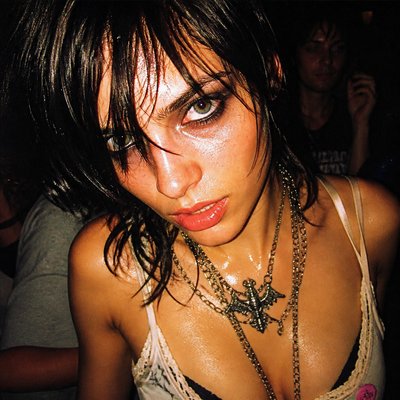
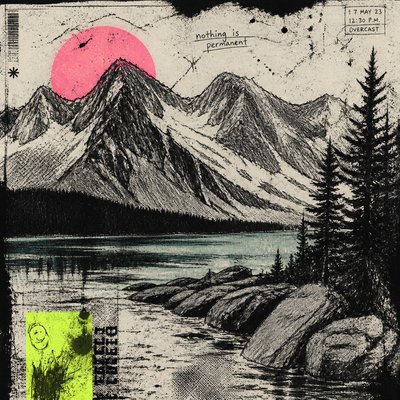
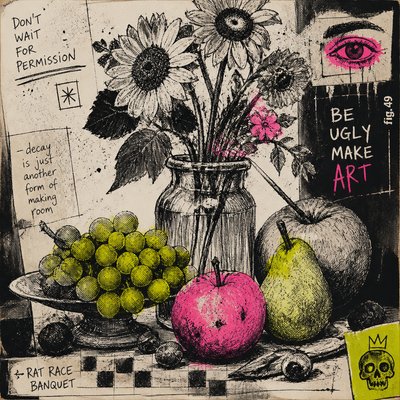
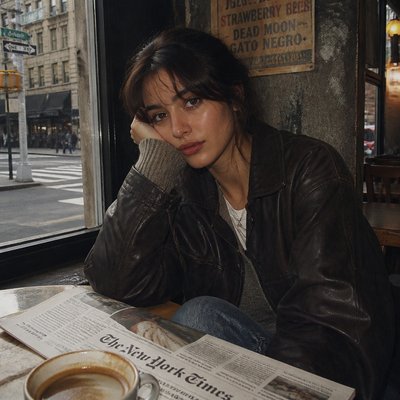
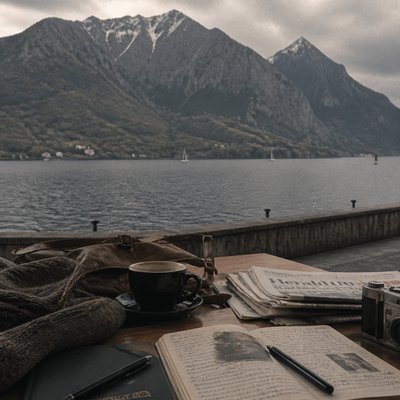
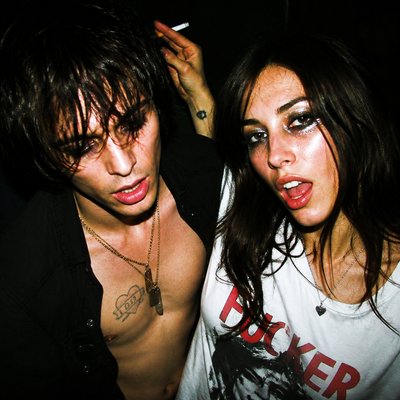
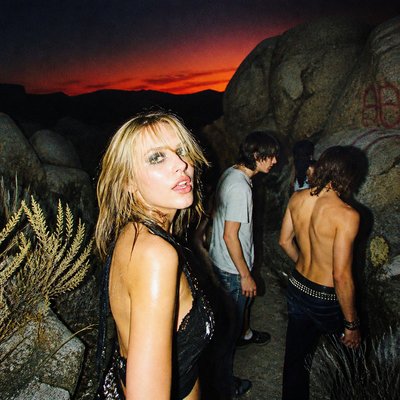
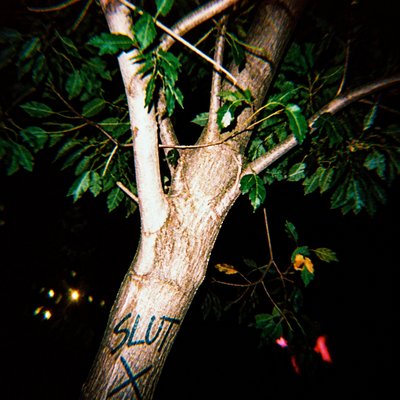
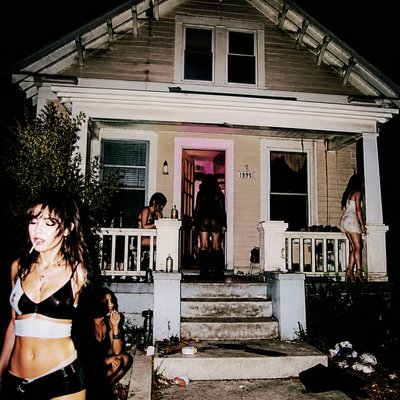
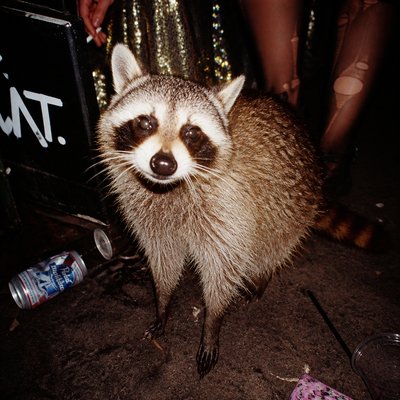
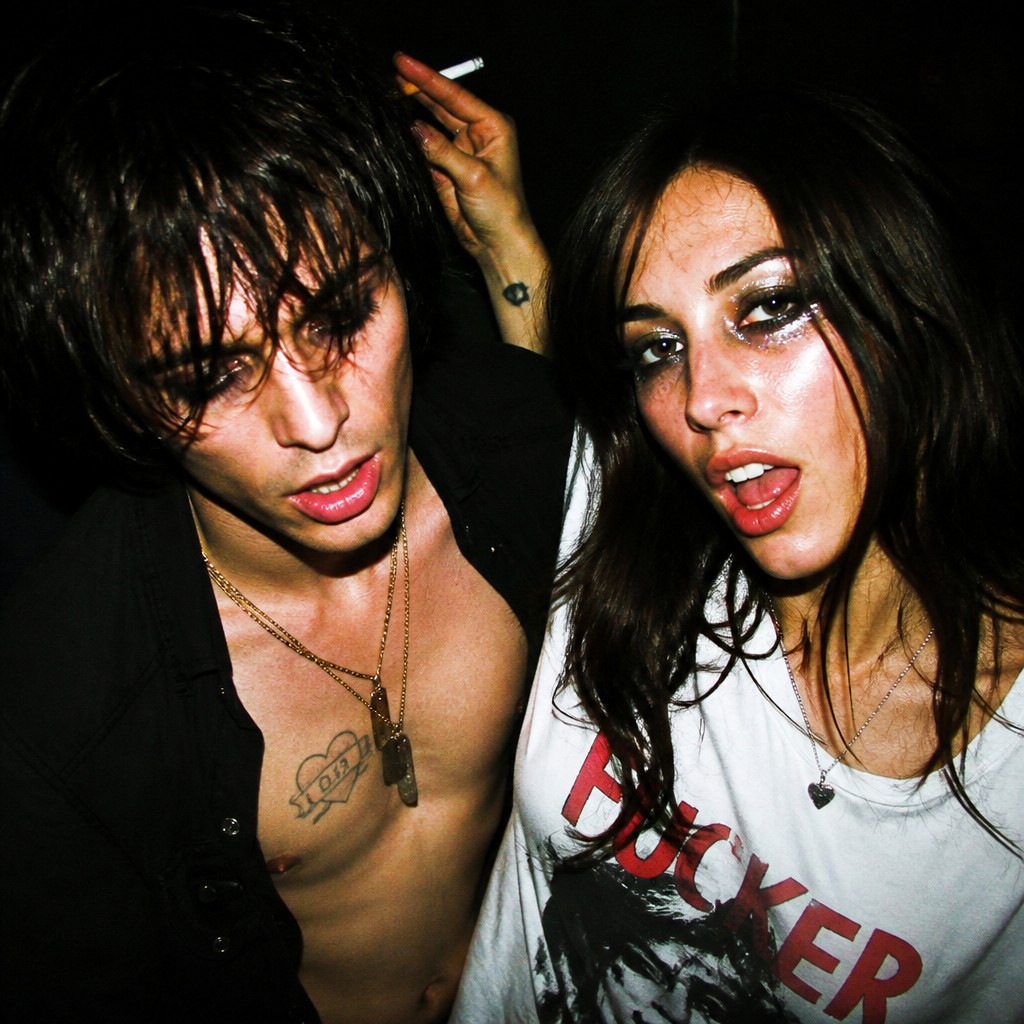
Indie sleaze aesthetic refers to a late-2000s visual mood built from direct-flash party photography, lo-fi digital snapshots, and the messy glamour of underground nightlife. It is characterized by harsh lighting, blown highlights, deep shadows, visible noise or grain, and a sense of unposed immediacy that makes every image feel stolen from the middle of a night out.
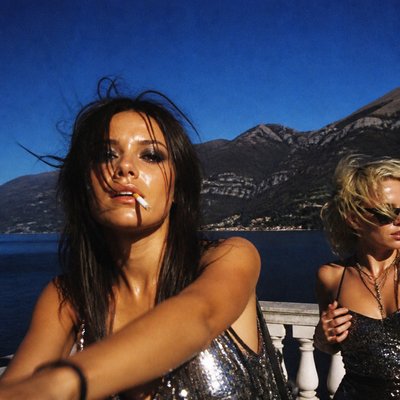
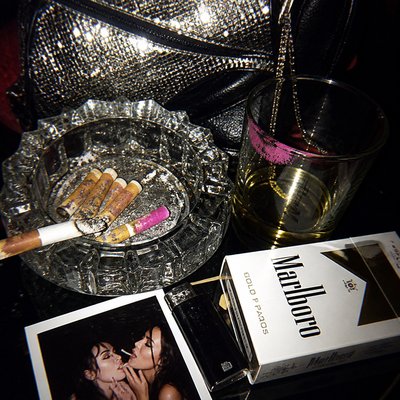
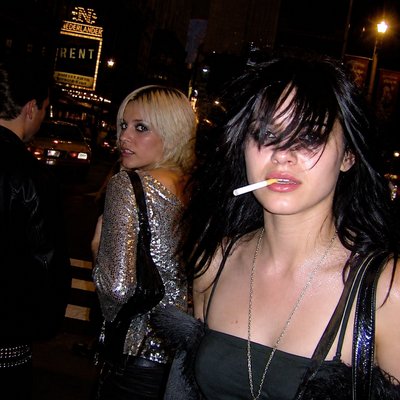
The style combines glamour and decay: glitter on skin, sweat sheen, smudged eyeliner, crumpled clothing, cigarette haze, cheap drinks, and chaotic composition. Its look comes from the aesthetic logic of disposable cameras, early digital point-and-shoots, and club photography, where imperfect exposure and candid framing became part of the image’s appeal rather than technical flaws.
Try It On Your Photos
Upload any photo and convert it into Indie Sleaze Aesthetic — drag the sliders to compare before and after.


What Defines Indie Sleaze Aesthetic
The signature details, up close
Direct flash and hard contrast
The defining lighting is frontal, often overexposed, with deep shadows behind faces and bodies. This creates a confrontational, snapshot-like look that flattens space while emphasizing texture and skin sheen.
Grain, noise, and disposable-camera texture
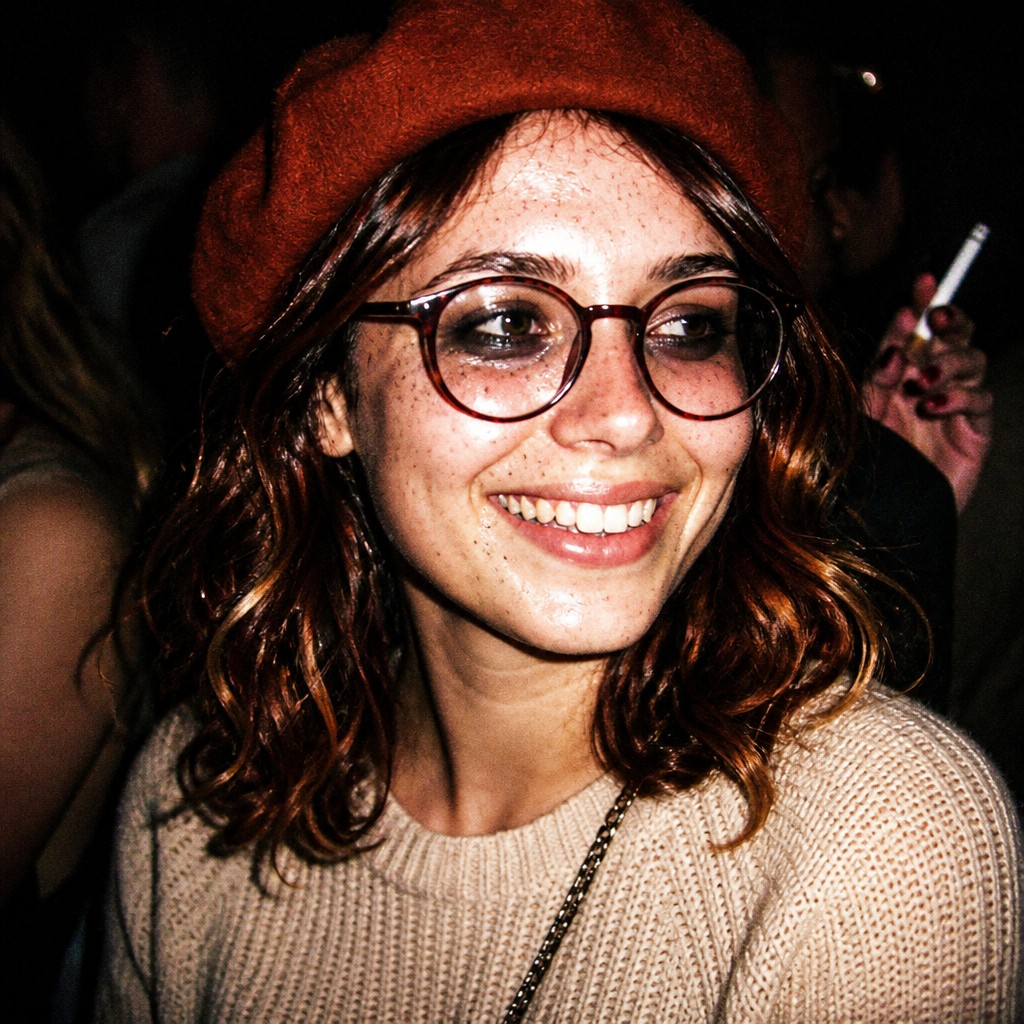
Images often imitate high ISO grain, low-resolution digital noise, or scanned film artifacts. The texture signals immediacy and imperfection, making the image feel casual and unedited.
Glitter, sweat, and smudged makeup
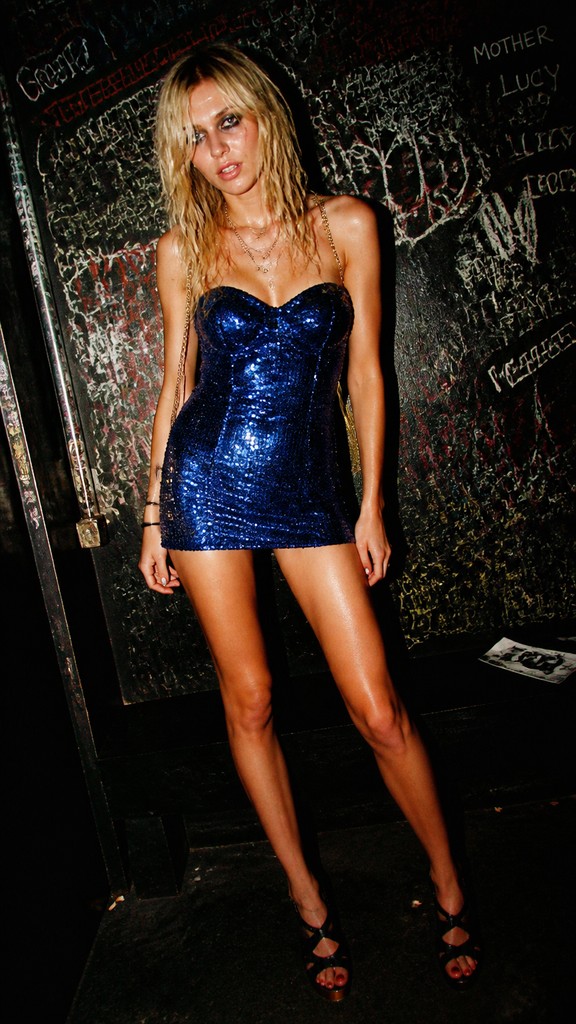
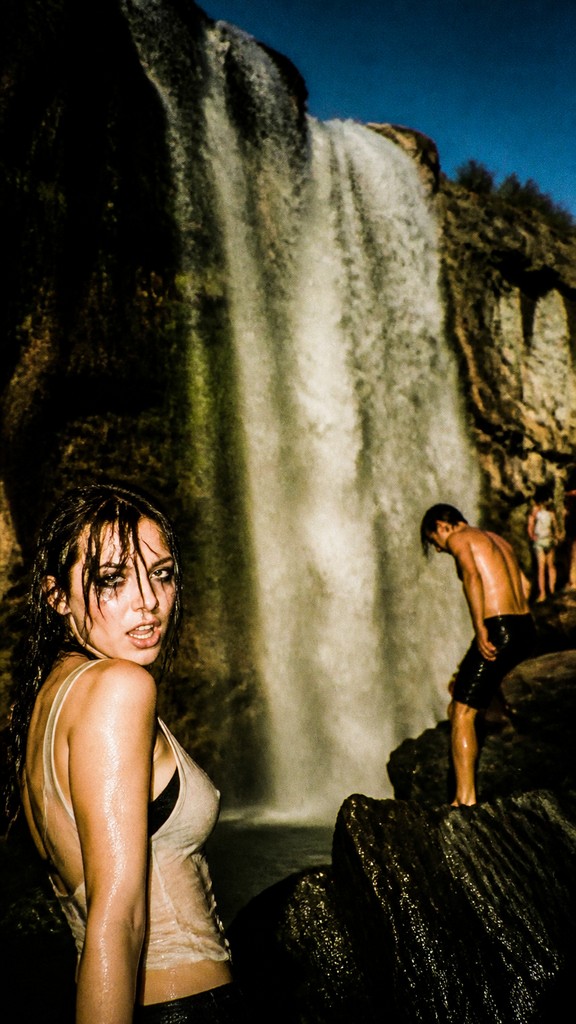
Skin often appears shiny, damp, or reflective, with makeup intentionally or accidentally smeared. Metallic accents, sequins, and glitter catch the flash and reinforce the nocturnal party atmosphere.
Candid, unstable framing
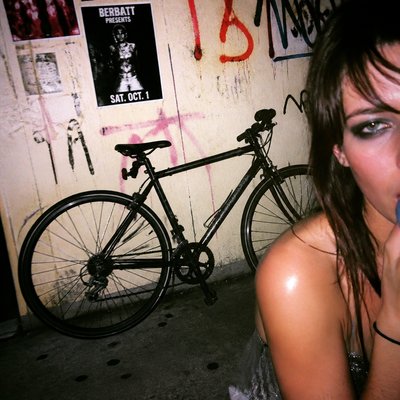
Subjects are cropped awkwardly, tilted slightly, or caught mid-motion. The composition feels accidental rather than posed, as if the image was taken quickly in a crowded room.
Hedonistic nightlife mood
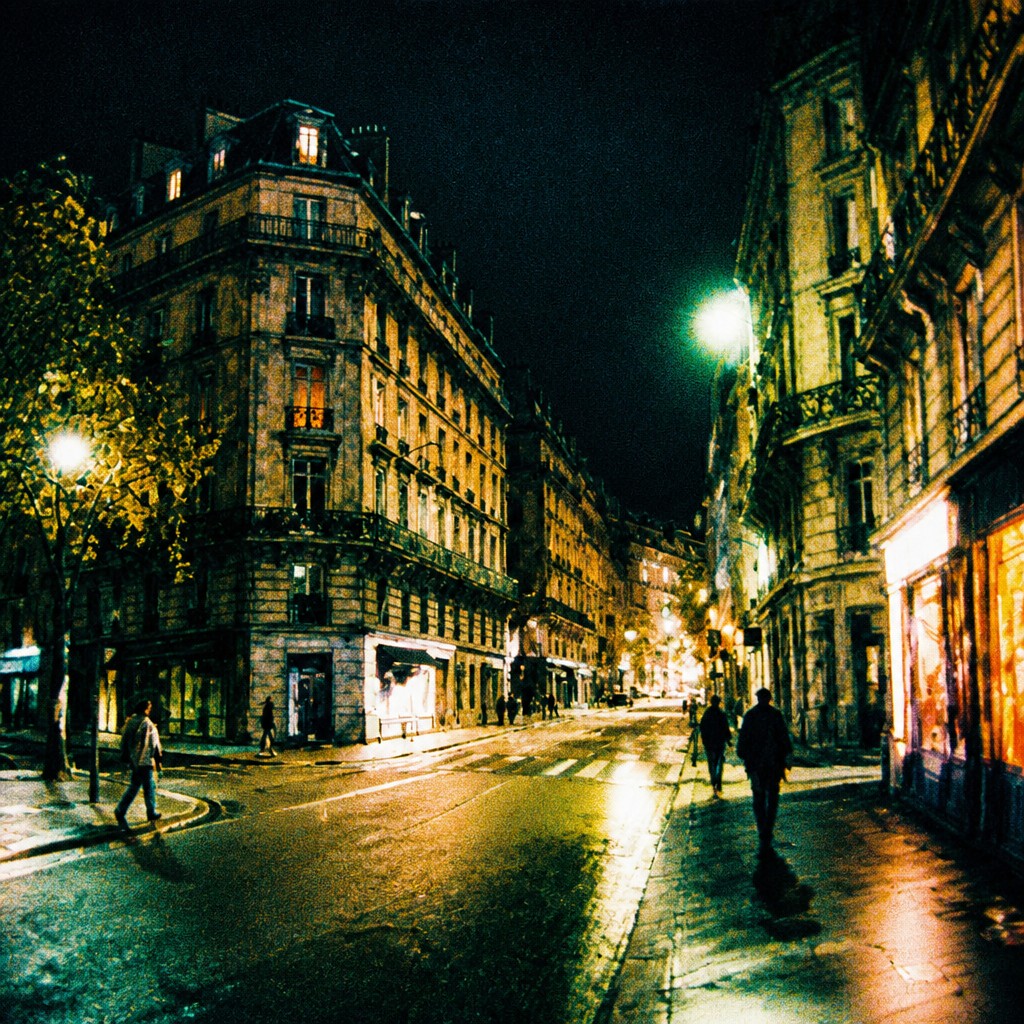
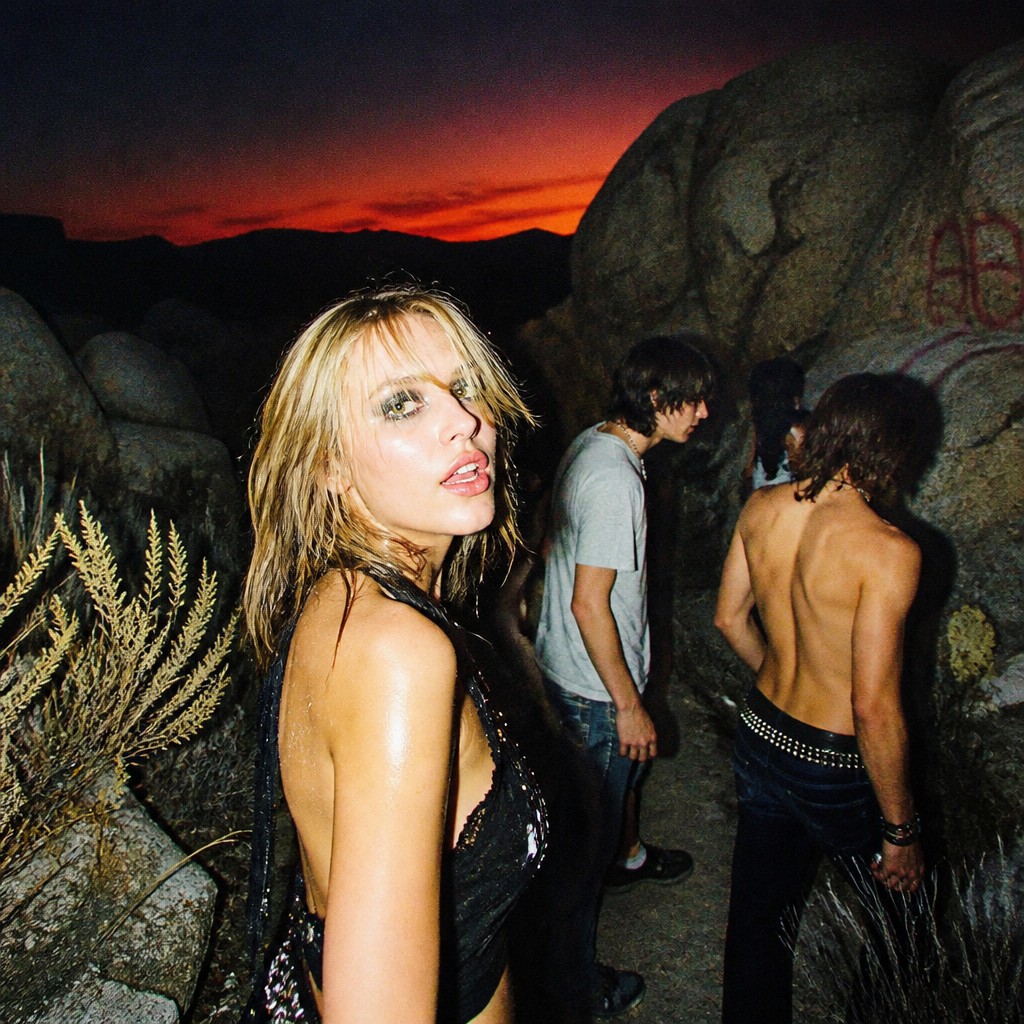
The style commonly depicts clubs, house parties, backstage scenes, after-hours streets, and bedroom aftermaths. The emotional register is restless, messy, flirtatious, and slightly abrasive.
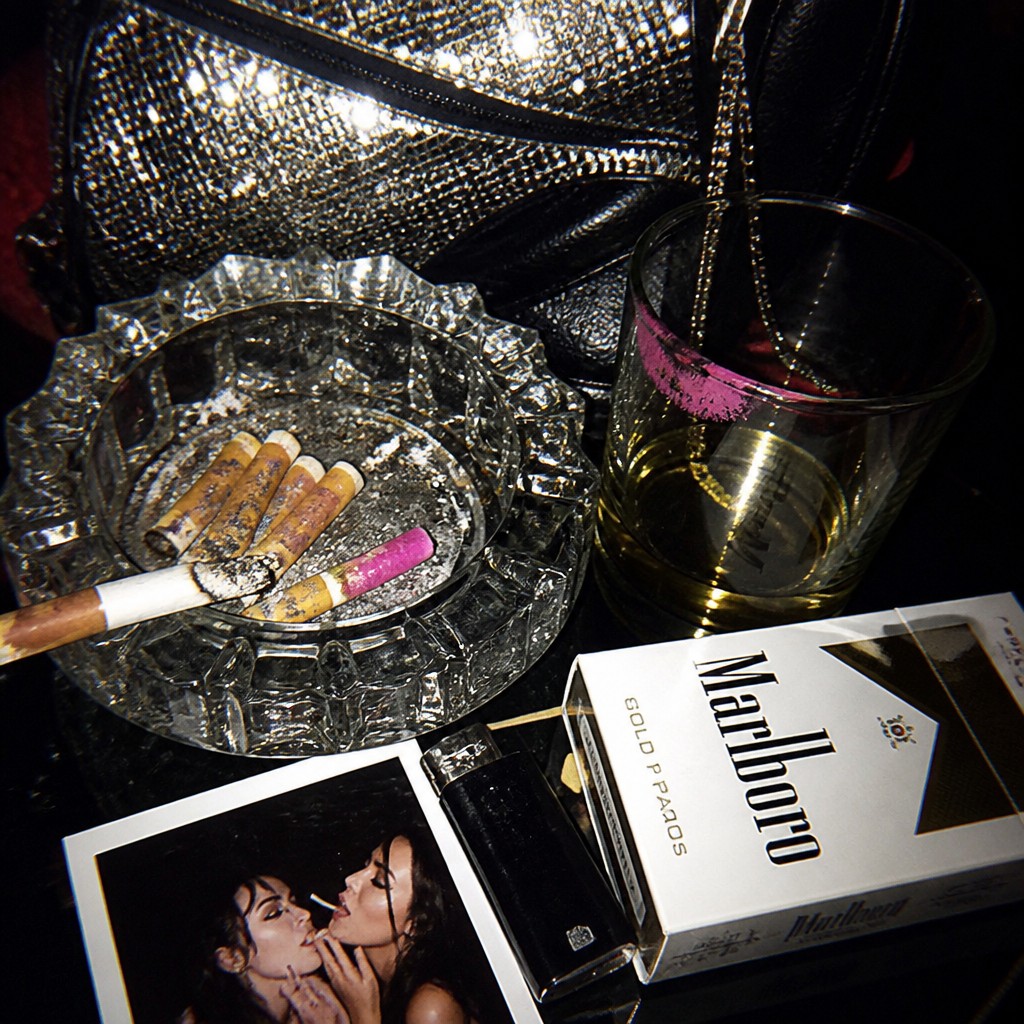
Oversaturated color and mixed light
Colors often skew warm, neon, or aggressively saturated, with harsh reds, sickly greens, or electric blues from club lighting. The combination of flash and ambient light produces a vivid but unbalanced palette.
Try It
Create Videos in Indie Sleaze Aesthetic
Styles aren't just for stills — describe a scene or animate an image and get a short video rendered in Indie Sleaze Aesthetic. Press play to see this pond come to life.
Make a VideoIndie Sleaze Aesthetic Prompt Ideas
Start from an idea — each one opens the generator with the style ready to go. See all 40 Indie Sleaze Aesthetic prompts →
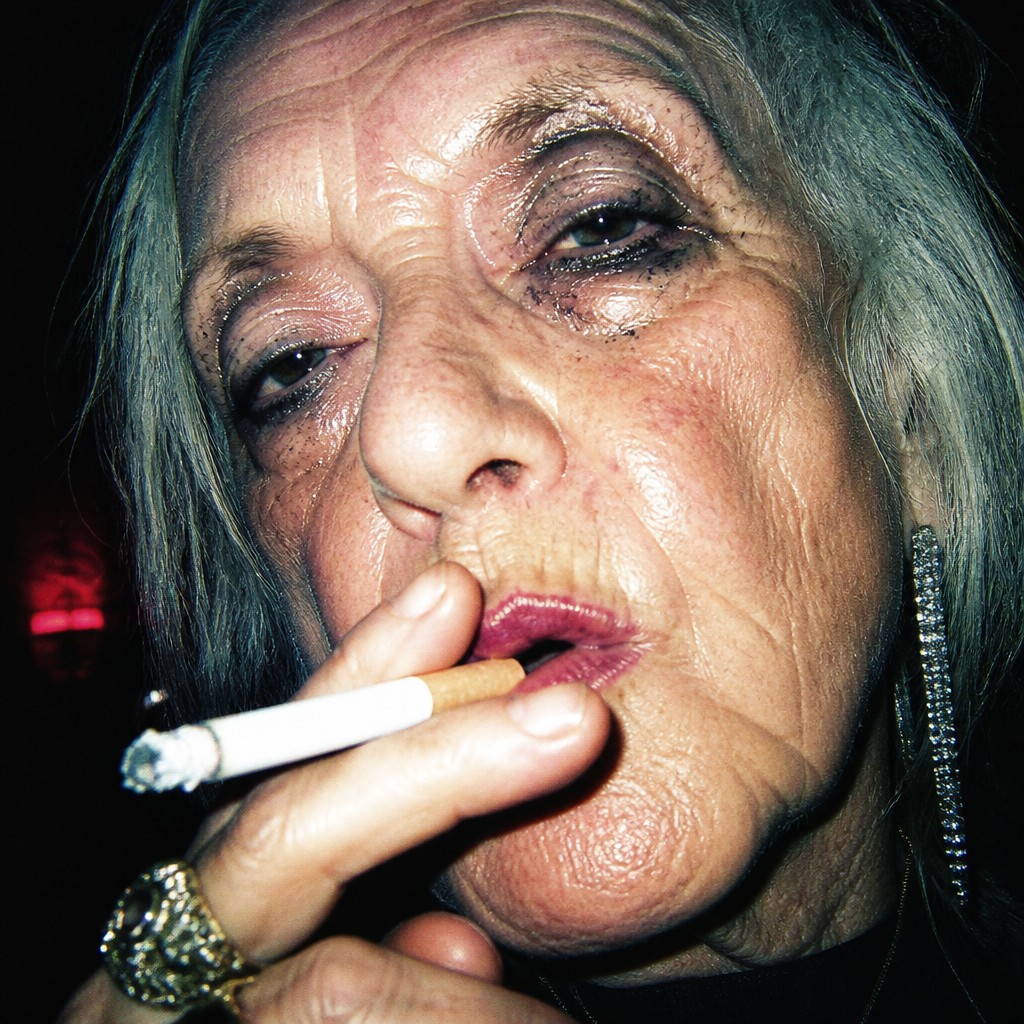
“close-up portrait of an elderly person with expressive weathered features”
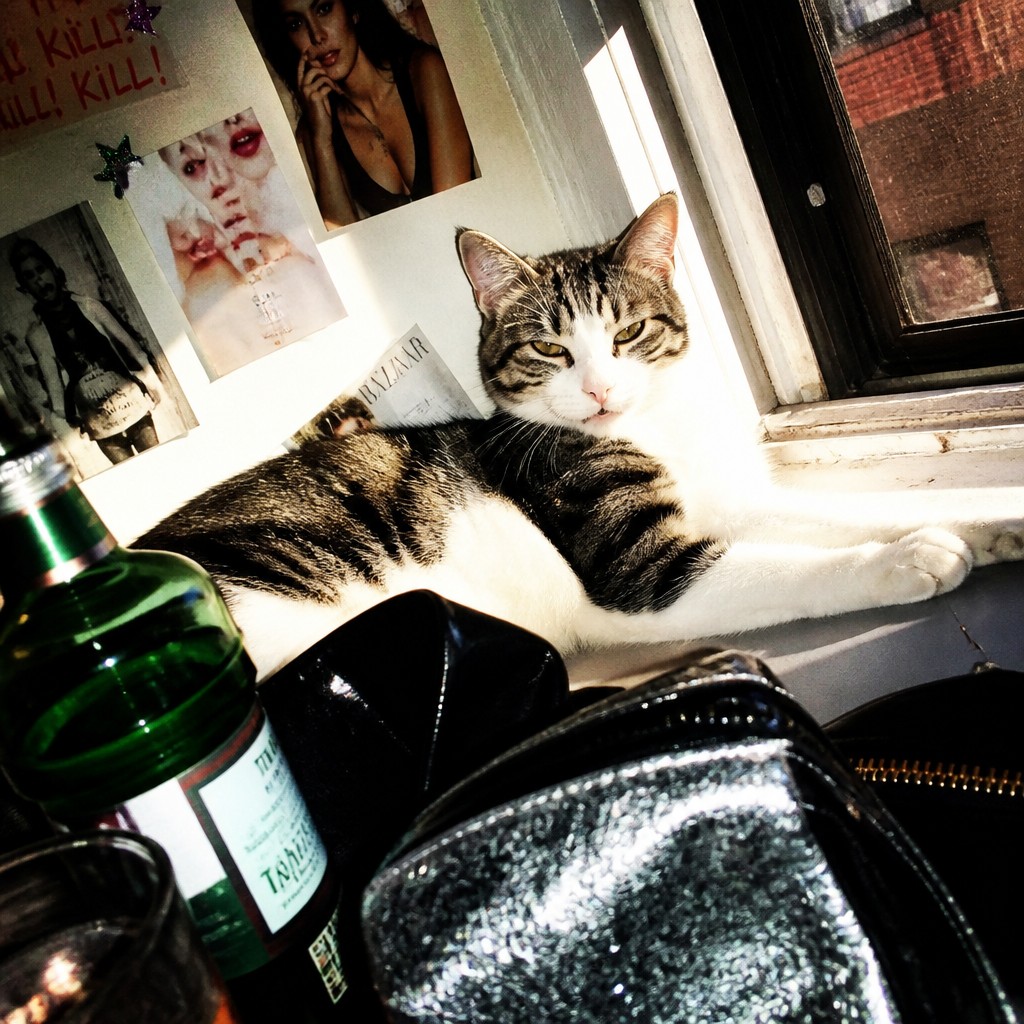
“a cat lounging in a sunlit window”
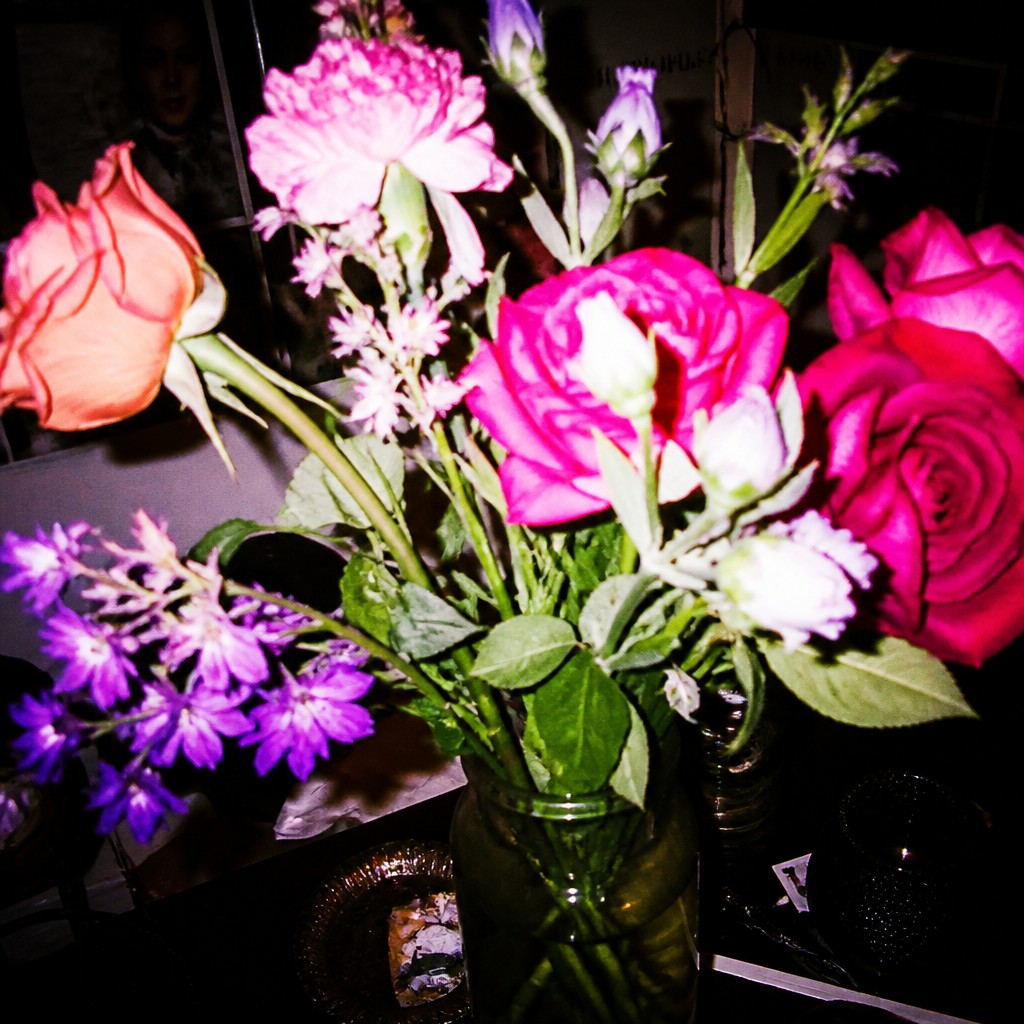
“bouquet of flowers in a glass vase”
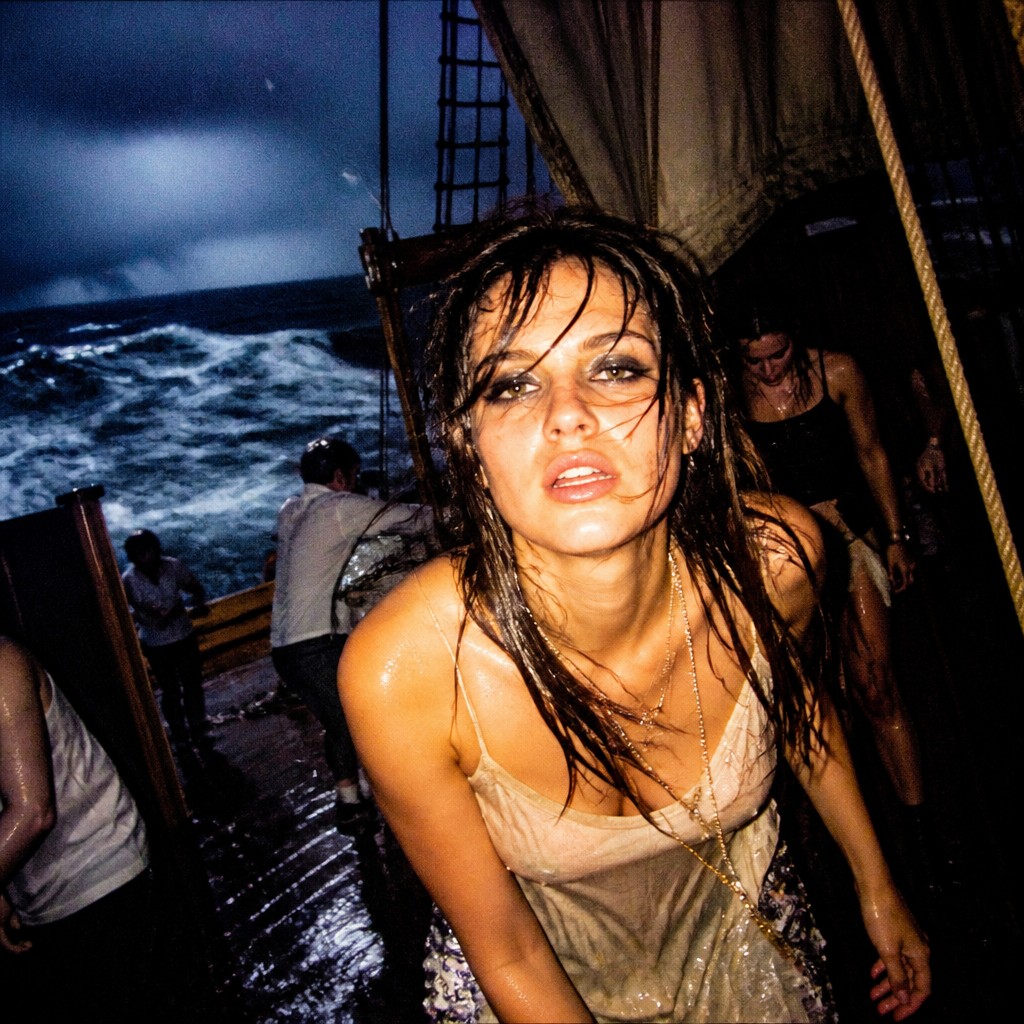
“sailing ship on a stormy sea”
How to Create Indie Sleaze Aesthetic Art
Master the craft step by step — or skip straight to creating. Read the full guide →
- 1
Use direct frontal flash
For photography or photo-like illustration, place the light source close to the camera axis so faces are lit flatly and backgrounds fall off into shadow. Let highlights clip a little; the overexposed flash look is central to the style.
- 2
Keep the image imperfect
Allow motion blur, focus errors, rough crops, and sensor noise instead of correcting them away. In digital editing, add grain, slight color cast, and blown whites; in prompt-based generation, ask for disposable-camera texture and candid snapshot framing.
- 3
Build nightlife details into the scene
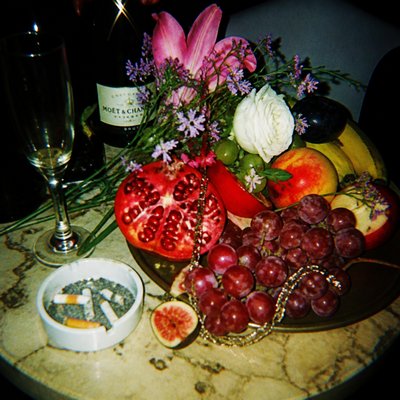
Include club clutter, glitter, cigarettes, mirrors, sticky floors, plastic cups, messy bedrooms, or street curbs after midnight. These props help anchor the image in the underground social world that defines the aesthetic.
- 4
Favor candid gestures over posed portraiture
Capture laughing, turning away, leaning in, dancing, or mid-conversation expressions. The style works best when people appear briefly caught rather than formally staged.
- 5
Push color and contrast carefully
Use bold but uneven color, especially warm skin against neon ambient light. In AI or prompt workflows, specify grainy oversaturated color, harsh shadows, and flash photography to avoid a polished fashion-editorial look.
- 6
Reference lo-fi capture methods when useful
If working traditionally, emulate point-and-shoot flash photography through scanning, reshooting prints, or using filters that mimic compact digital cameras. If generating digitally, anchor prompts with terms like club photo, party snapshot, and high-ISO flash to produce the right visual DNA.
The Story
History & Origins of Indie Sleaze Aesthetic
Indie sleaze emerged as a cultural and visual shorthand for downtown and club-adjacent scenes in the mid-to-late 2000s, especially in cities such as New York and London. It was shaped by nightlife photography, fashion editorials that borrowed from party snapshots, and the blog era’s appetite for raw, immediate images. The style did not arise as a formal art movement with a manifesto; rather, it developed as an atmosphere shared across music scenes, fashion images, and personal photography.
Its lineage draws from paparazzi flash, tabloid aesthetics, punk and post-punk anti-polish, 1990s club photography, and the snap-happy culture of early digital cameras and disposable cameras. In the 2020s, the look was revived as a nostalgic reference for a pre-social-media, pre-curation version of nightlife, when images were rougher, more accidental, and more visibly tied to the physical conditions of the moment.
Influences: This aesthetic draws from club and nightlife photography, tabloid flash imagery, punk and post-punk anti-polish, and the lo-fi visual culture of disposable cameras and early digital point-and-shoots. It also overlaps with fashion photography that embraced rawness over perfection, alongside the candid social-documentary work associated with street and party photography rather than with a single canonical art-historical school.
Frequently Asked Questions
What defines the indie sleaze aesthetic?
The core ingredients are direct flash, grainy texture, candid framing, and a hedonistic late-night mood. Visually, it mixes glamour and mess: glitter, sweat, smudged makeup, and crowd energy. The result should feel like a real party photo rather than a carefully posed fashion image.
Is indie sleaze a photography style or a broader aesthetic?
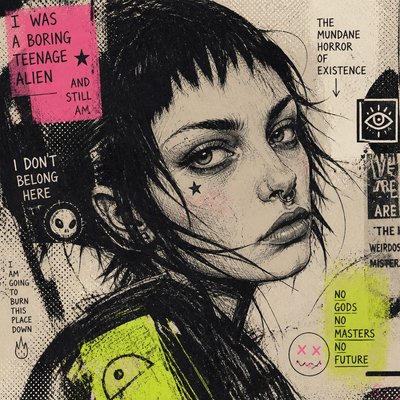
It is both. It began as a photographic look associated with nightlife and blog-era party documentation, but it expanded into fashion, graphic design, album art, and social media imagery. In all cases, the same visual cues apply: flash, noise, spontaneity, and urban nightlife atmosphere.
How is indie sleaze different from Y2K or 2000s fashion?
Y2K tends to emphasize early-2000s futurism, glossy surfaces, and pop-tech optimism. Indie sleaze is rougher and more nocturnal, with less polish and more visible chaos. It is closer to club photography and underground scenes than to clean pop-culture nostalgia.
What subjects work best in this style?
People at parties, bands backstage, club crowds, after-hours street scenes, messy bedrooms, and intimate friendship groups are all strong subjects. The style depends on social energy and a sense of being in the middle of a night out. Even still lifes should look like they were found in the aftermath of one.
How can I make a photo look more like indie sleaze?
Use flash, raise contrast, keep skin highlights bright, and add grain or noise. Don’t overcorrect the composition; odd crops and slight blur help sell the snapshot feel. Color should remain vivid but imperfect, with a slightly dirty or nicotine-stained tone rather than a clean studio finish.
Where is this aesthetic used today?
It appears in fashion campaigns, nightlife photography, music visuals, editorial design, and nostalgia-driven social content. Contemporary creators often borrow its texture to signal authenticity, excess, or a return to pre-curated party culture. It is also common in image generation prompts for club scenes and candid portraits.

Create your first Indie Sleaze Aesthetic artwork
Describe anything — or upload a photo — and see it in Indie Sleaze Aesthetic in seconds.
Make Something with Indie Sleaze Aesthetic
Related Styles
Discover similar art styles