Cyber Y2K Aesthetic
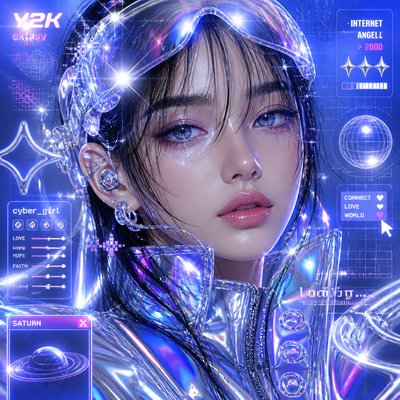
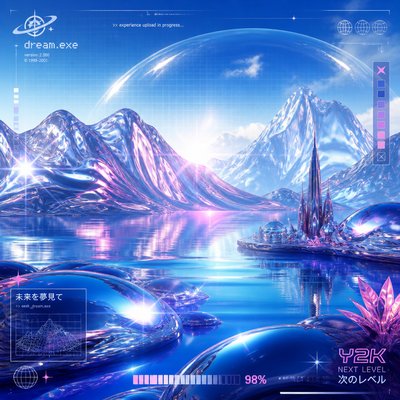
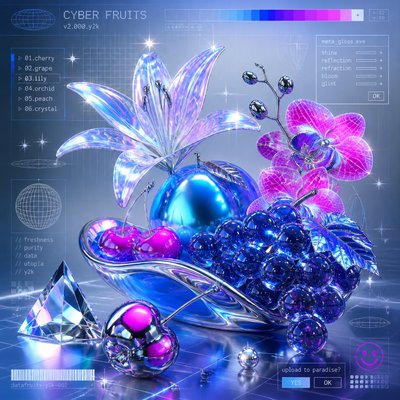
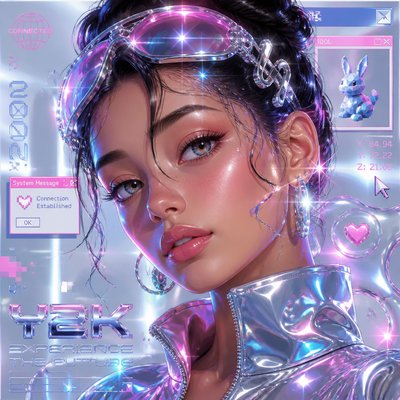
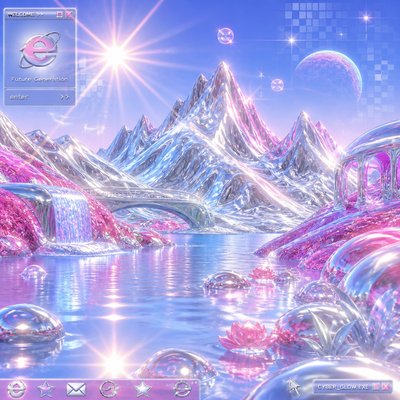
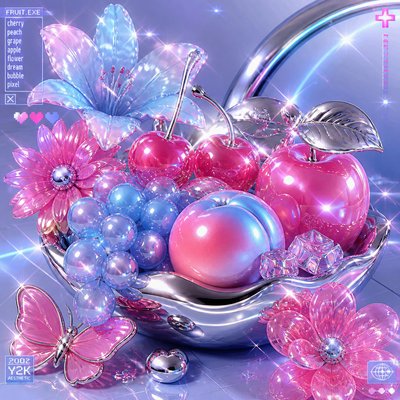
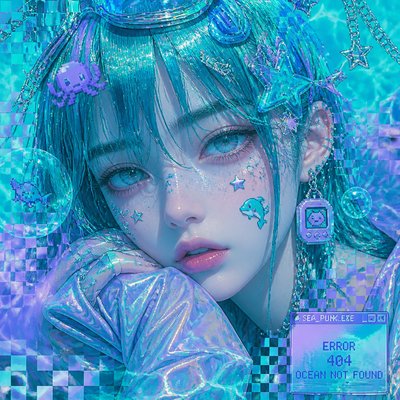
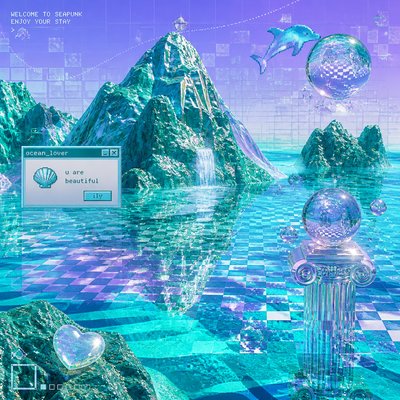
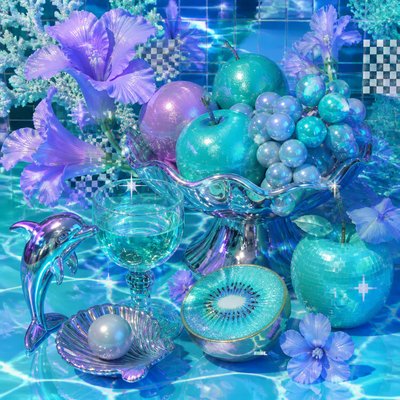
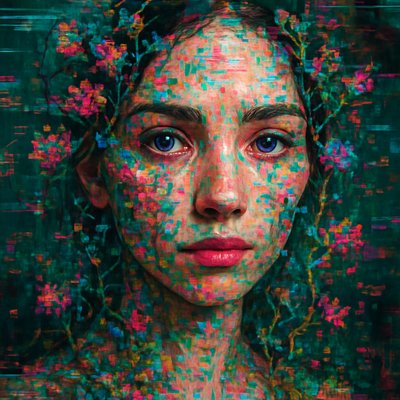
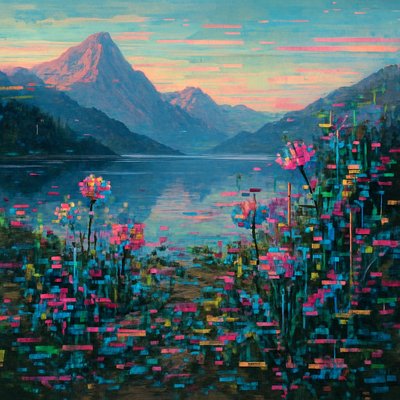
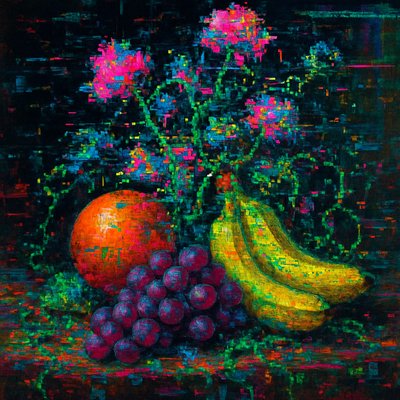
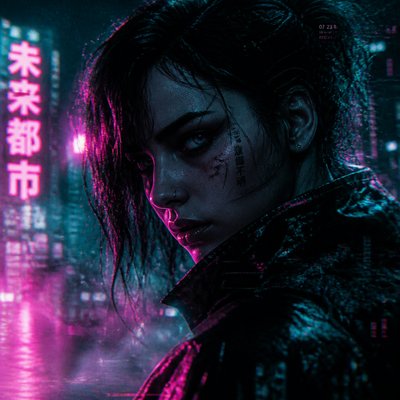
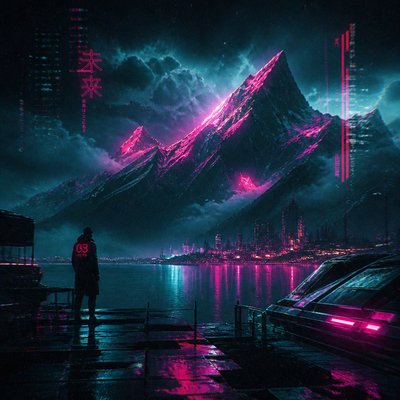
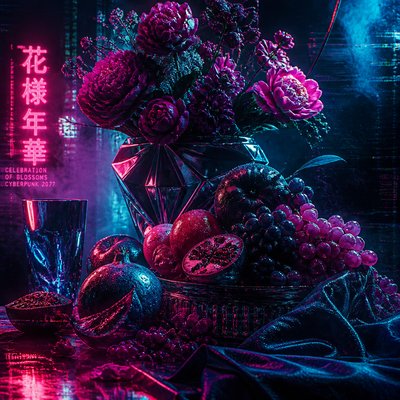
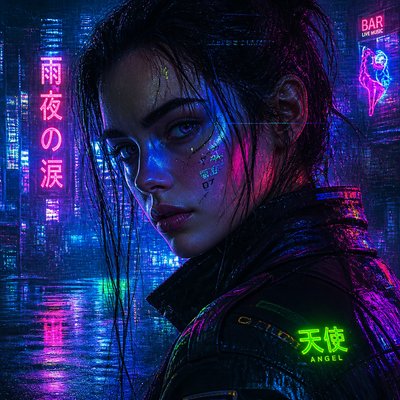
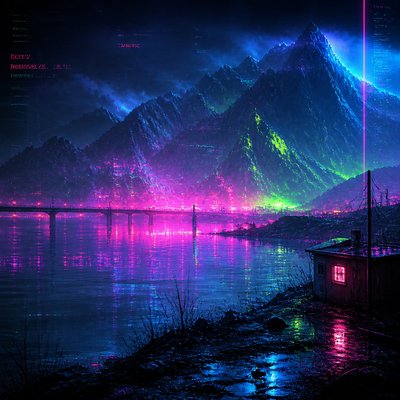
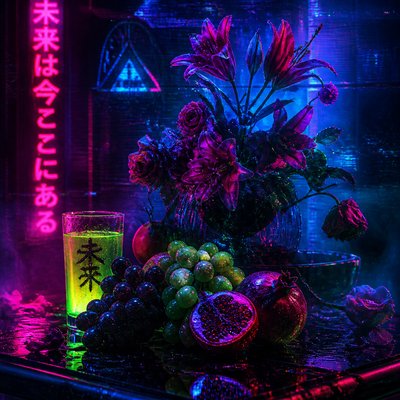
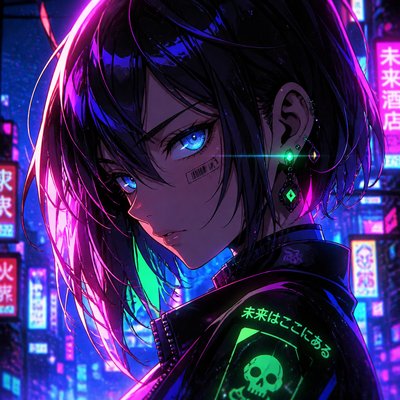
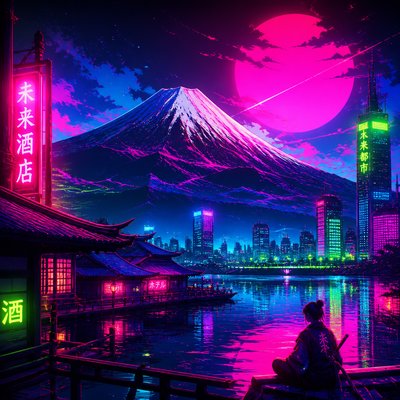
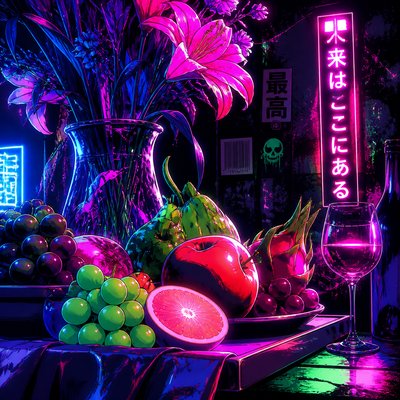
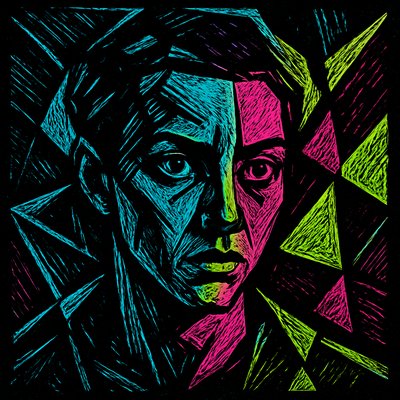
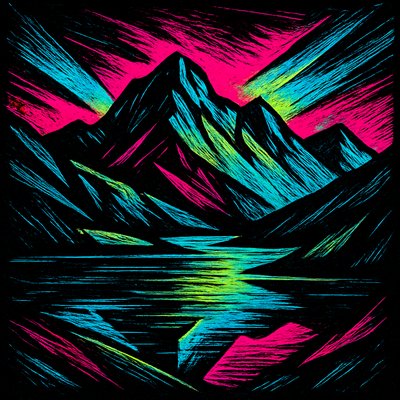
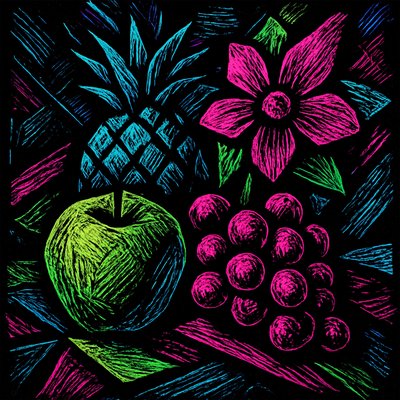
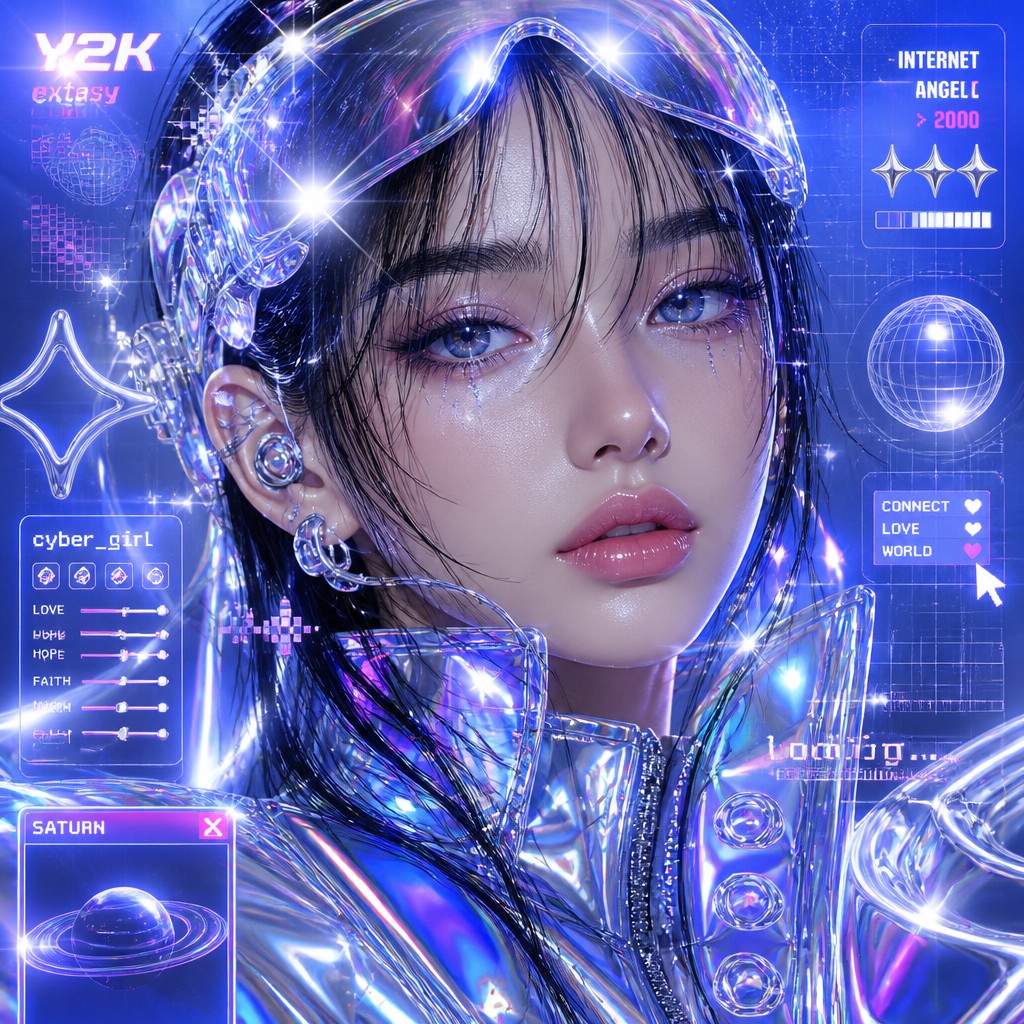
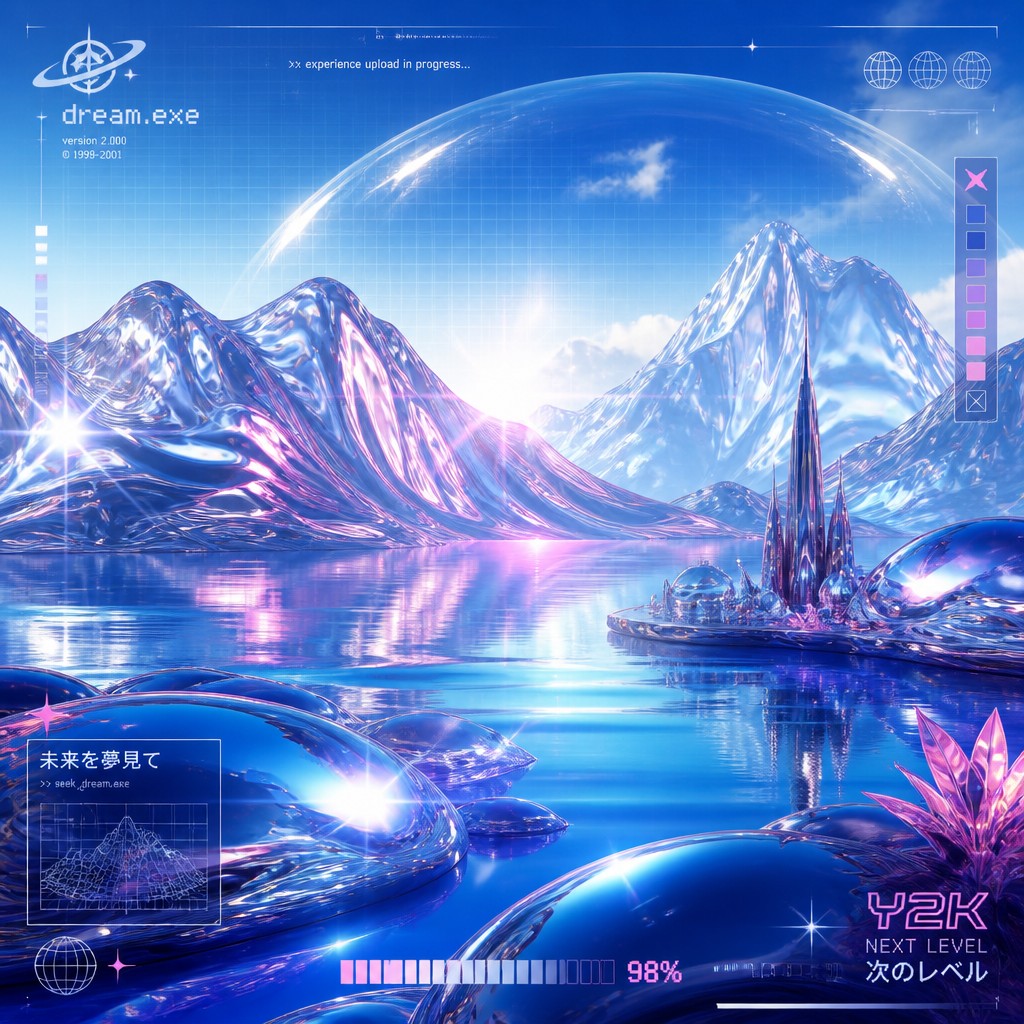
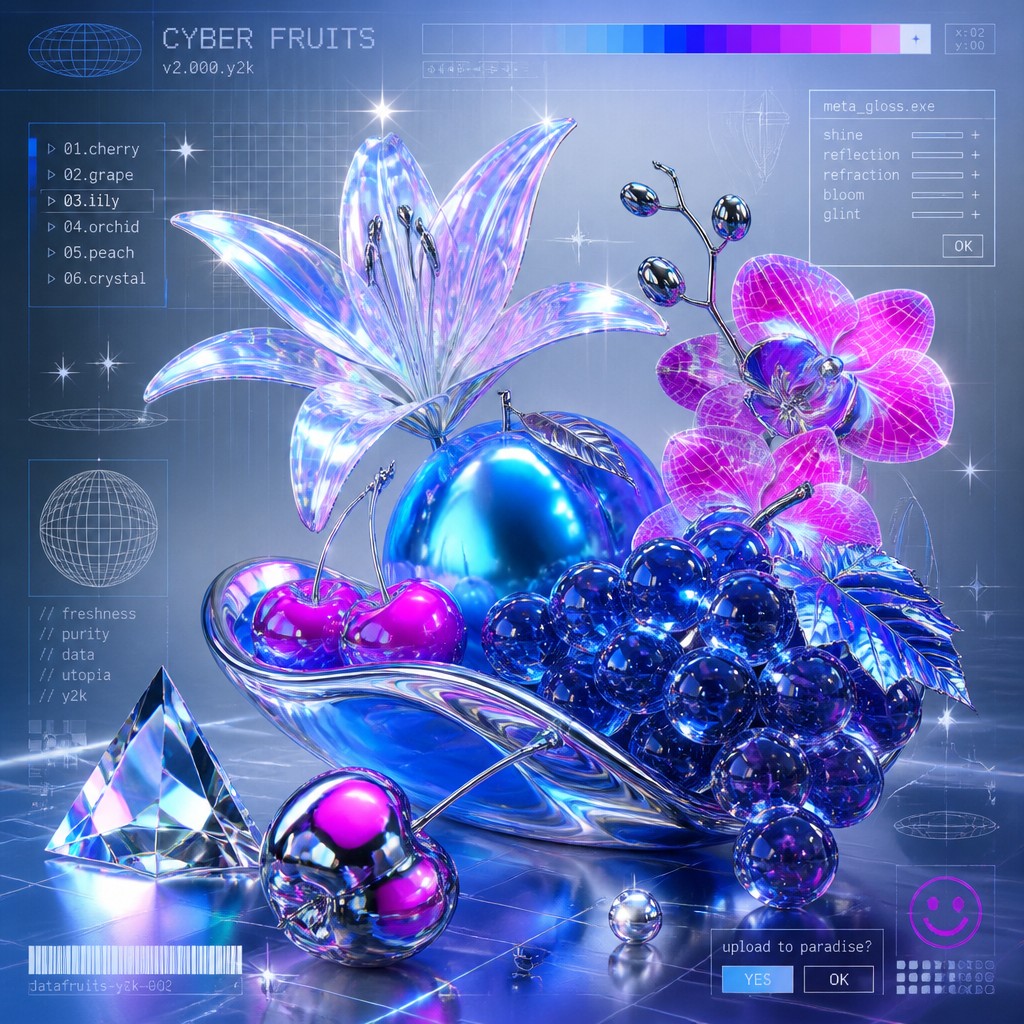
Liquid chrome, holographic gradients, and pixel glow define this millennium-era cyberspace aesthetic.
Instantly rendered in Cyber Y2K Aesthetic — or transform a photo
Cyber Y2K Aesthetic Gallery
Tap any artwork to explore it
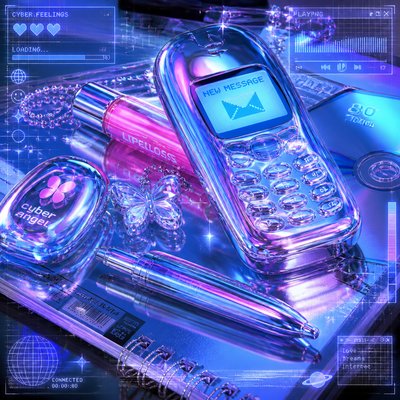
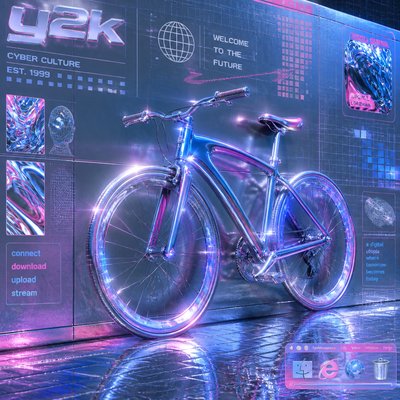
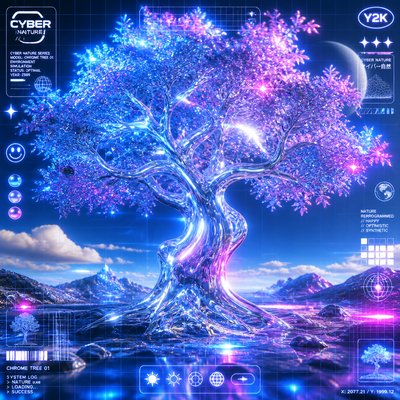
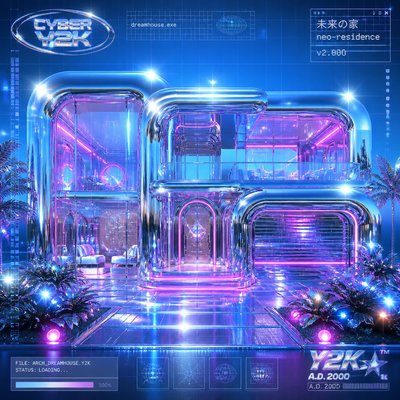
What is Cyber Y2K Aesthetic?
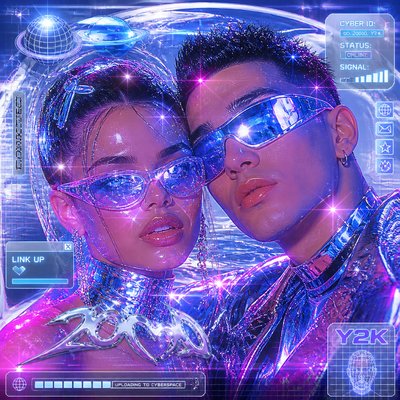
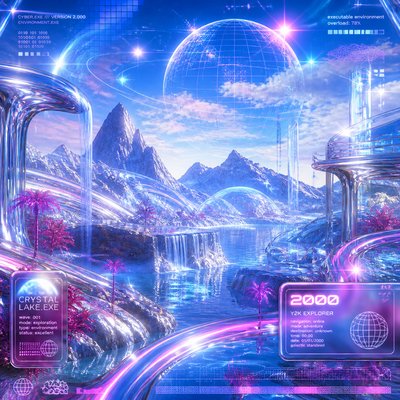
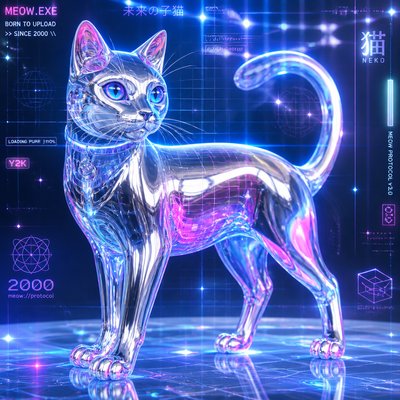
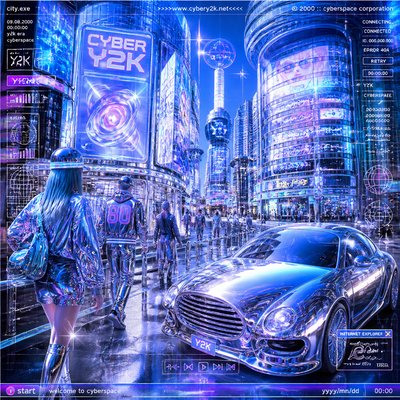
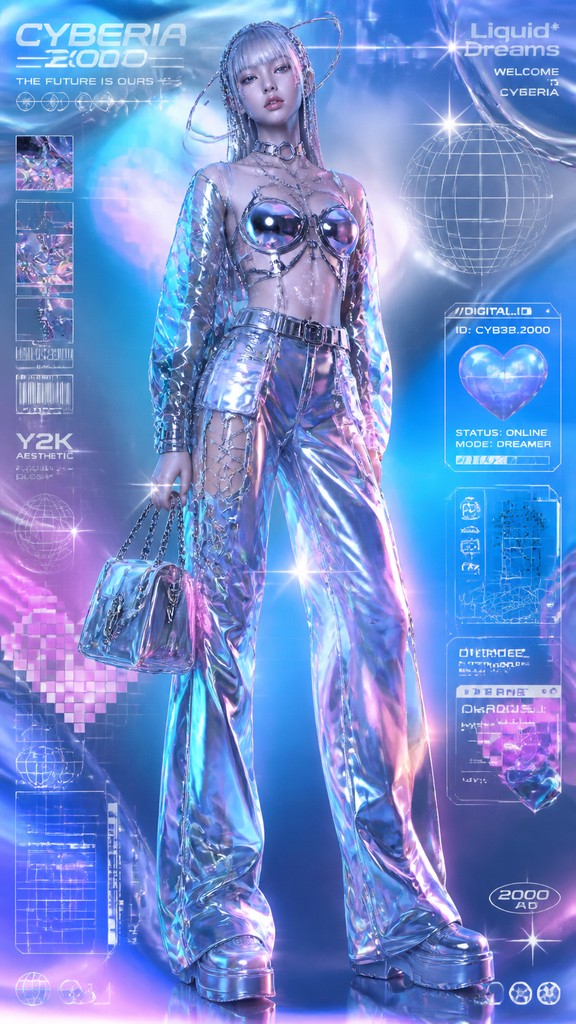
Cyber Y2K Aesthetic is a millennium-era visual style built from liquid chrome, holographic gradients, glossy plastic, and bright digital glow. It evokes the optimistic, high-shine imagination of late-1990s and early-2000s cyberspace, when the internet, consumer electronics, and futuristic pop graphics were often pictured as sleek, synthetic, and almost weightless.
Its look is defined by reflective surfaces, bubble-like forms, neon blue and magenta accents, lens flares, pixel grids, and interface-inspired overlays. The style feels engineered rather than organic: objects are often rendered as if made of polished metal, translucent acrylic, or virtual material, with cool lighting and a strong sense of digital sheen. This visual language comes from the overlap of web design, sci-fi illustration, club graphics, glossy product design, and the broader Y2K fascination with technology as a symbol of speed, glamour, and future life.
Try It On Your Photos
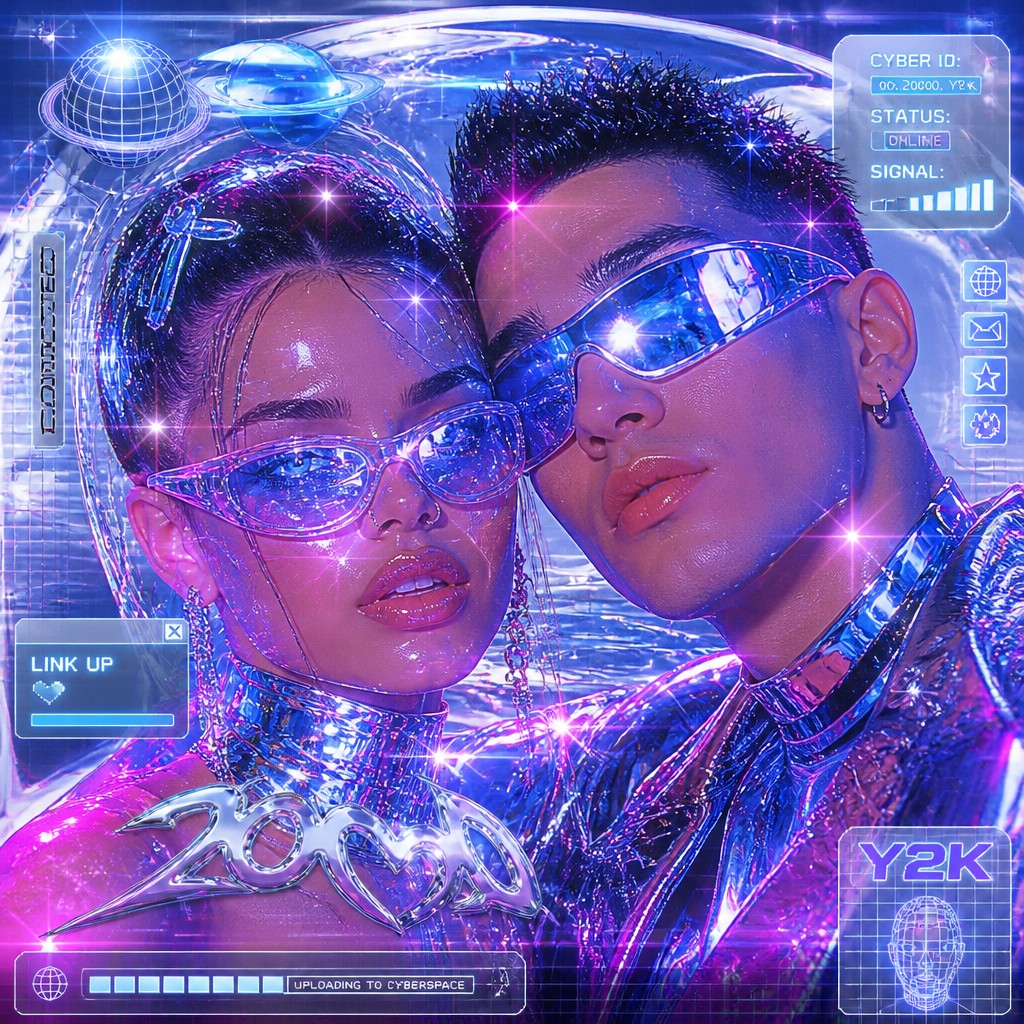
Upload any photo and convert it into Cyber Y2K Aesthetic — drag the sliders to compare before and after.

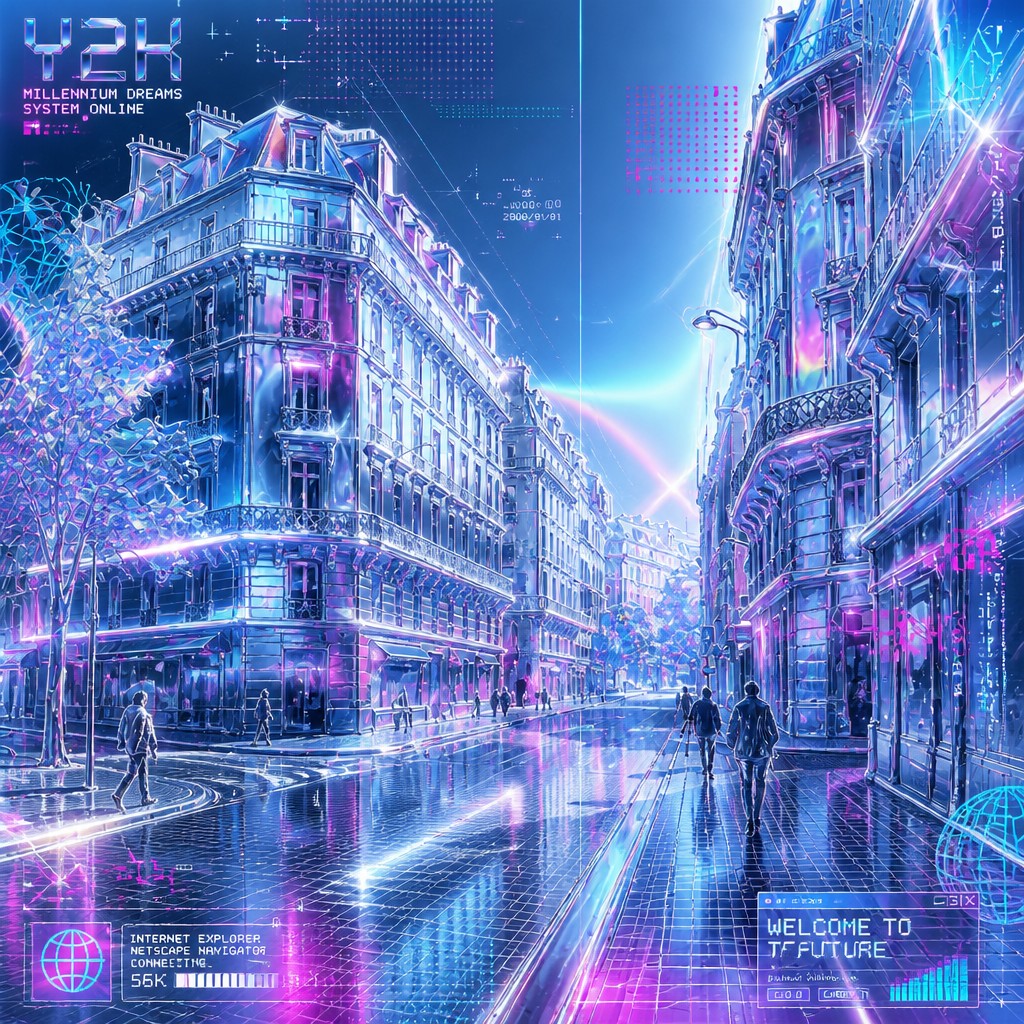

What Defines Cyber Y2K Aesthetic
The signature details, up close
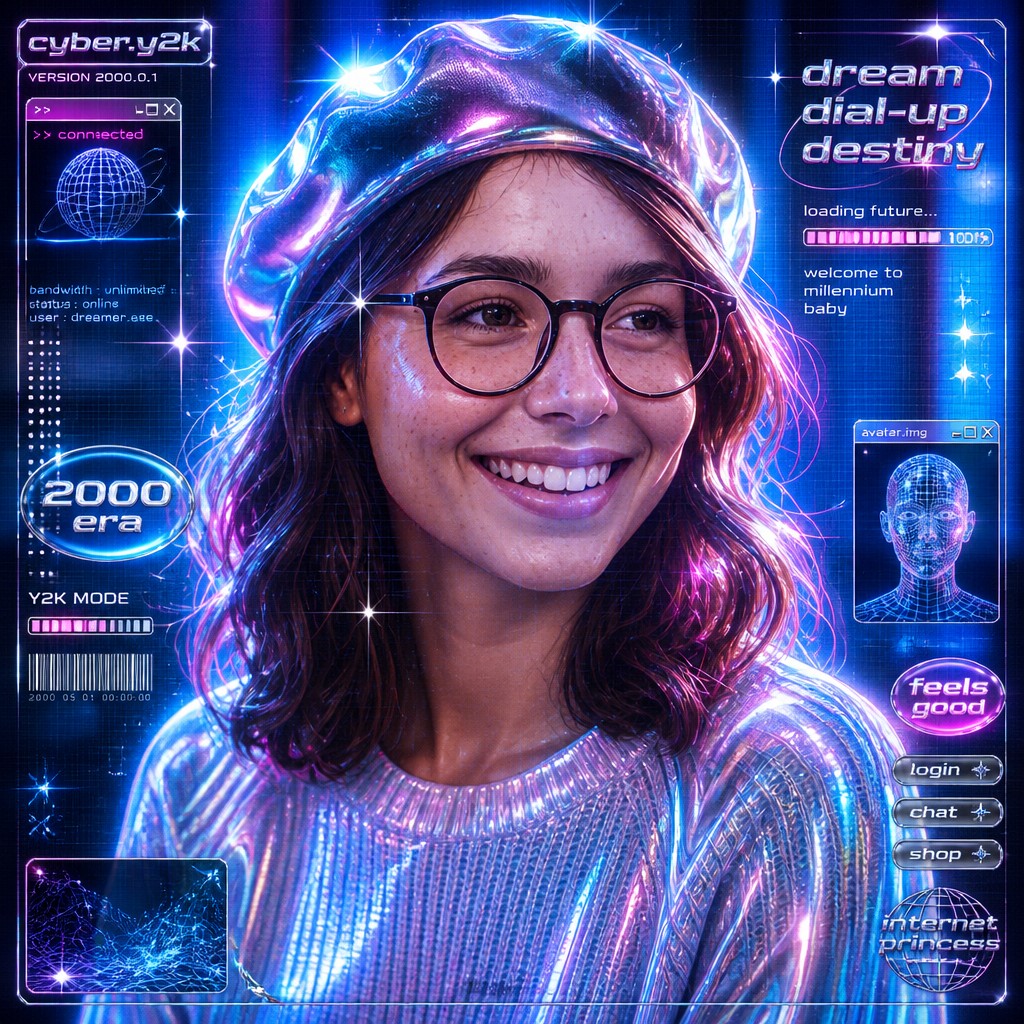
Liquid chrome surfaces
Metallic forms look fluid, mirror-like, and highly reflective, often with soft distortions that make them feel virtual or molded from polished mercury.
Holographic and iridescent color
Gradients shift between silver, cyan, violet, pink, and teal, creating a prismatic effect that suggests interference film, hologram material, or screen glow.
Glossy translucent plastics
Objects often resemble clear acrylic, gel, or coated plastic, with rounded edges and bright specular highlights that emphasize manufactured smoothness.
Pixel and interface overlays
Grid patterns, HUD lines, cursor motifs, and window-like graphics reference early digital interfaces and the visual language of desktop computing.
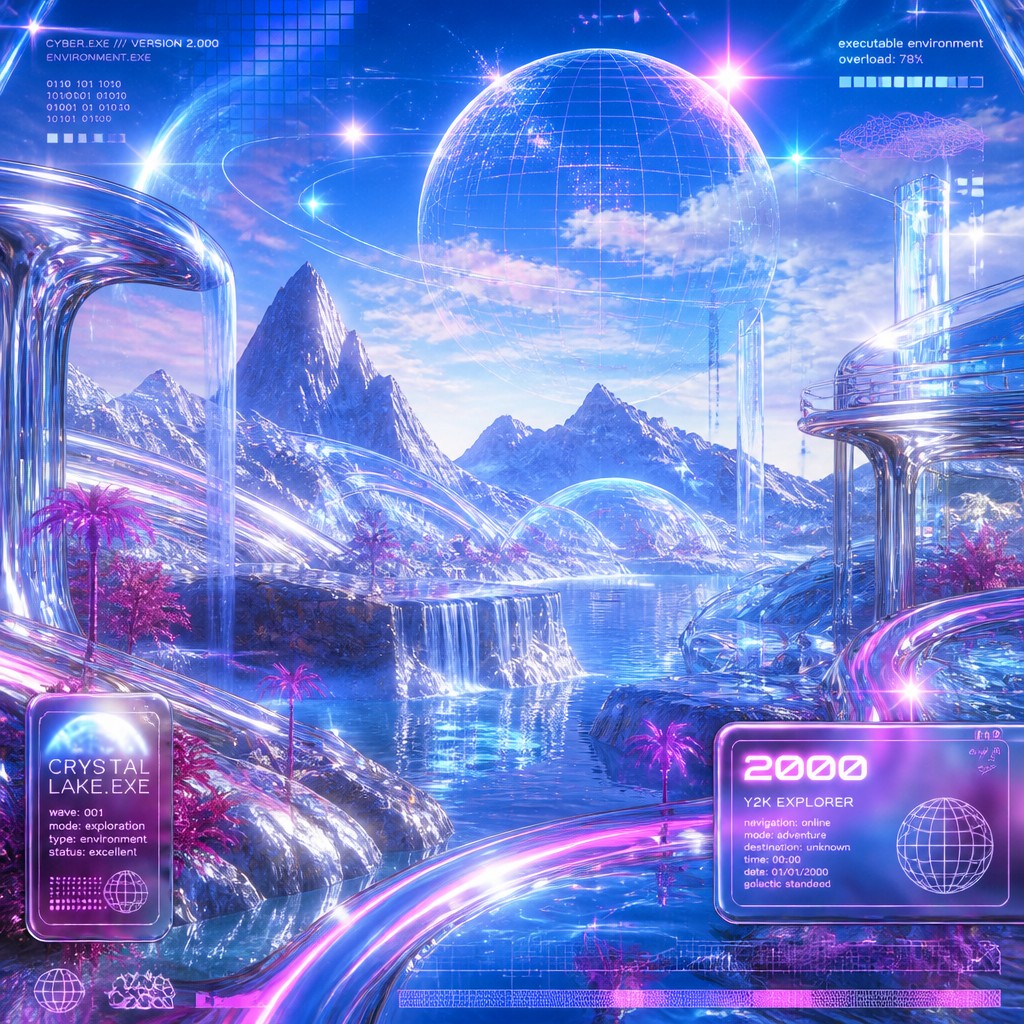
Electric accent palette
The core palette usually centers on icy blues, silver, and hot magenta, sometimes broken by black, violet, or acid green for extra contrast.
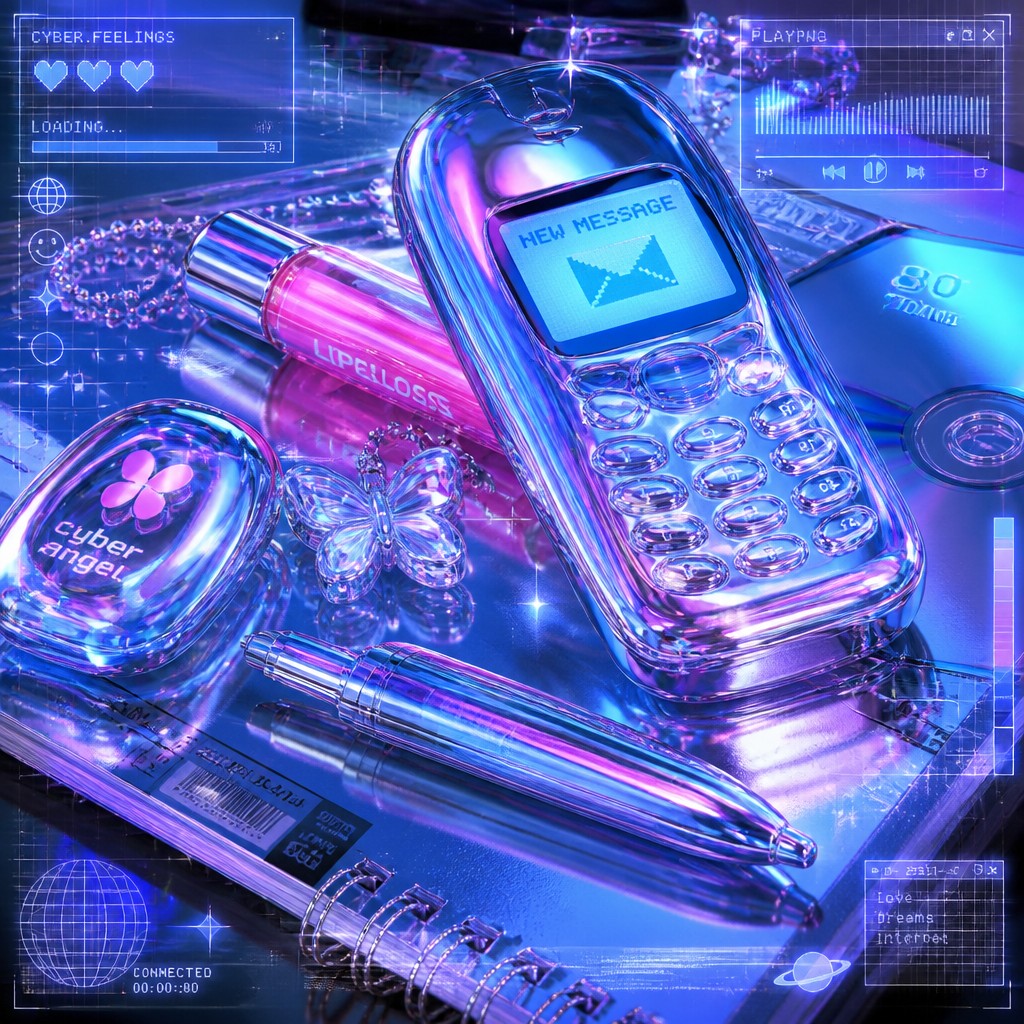
Synthetic lighting and lens flare
Lighting is cool, clean, and artificial, with starburst flares, sparkle glints, and bloom effects that make images feel digitally polished.
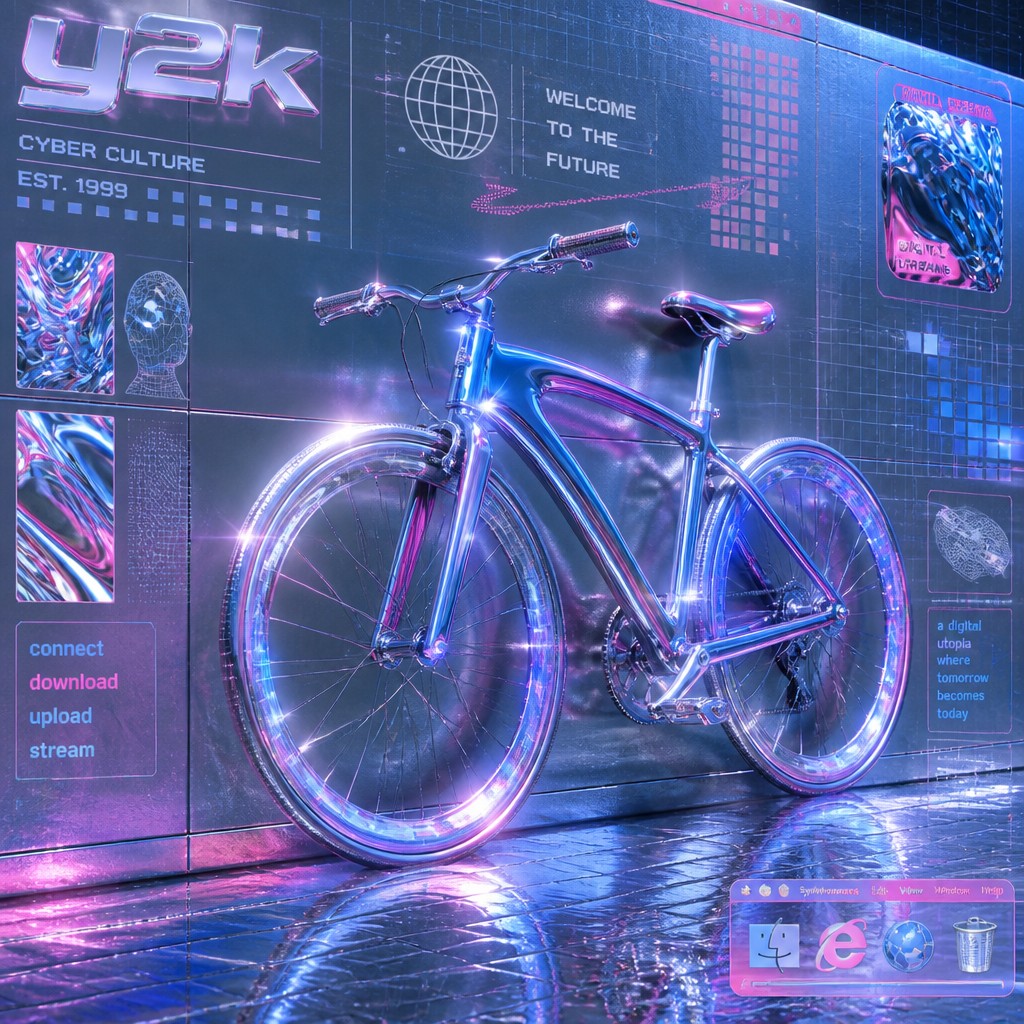
Bubble-curved futurism
Forms are sleek, rounded, and inflated-looking, echoing turn-of-the-century product design, sci-fi toys, and the softer side of millennial futurism.
Try It
Create Videos in Cyber Y2K Aesthetic
Styles aren't just for stills — describe a scene or animate an image and get a short video rendered in Cyber Y2K Aesthetic. Press play to see this pond come to life.
Make a VideoCyber Y2K Aesthetic Prompt Ideas
Start from an idea — each one opens the generator with the style ready to go. See all 40 Cyber Y2K Aesthetic prompts →
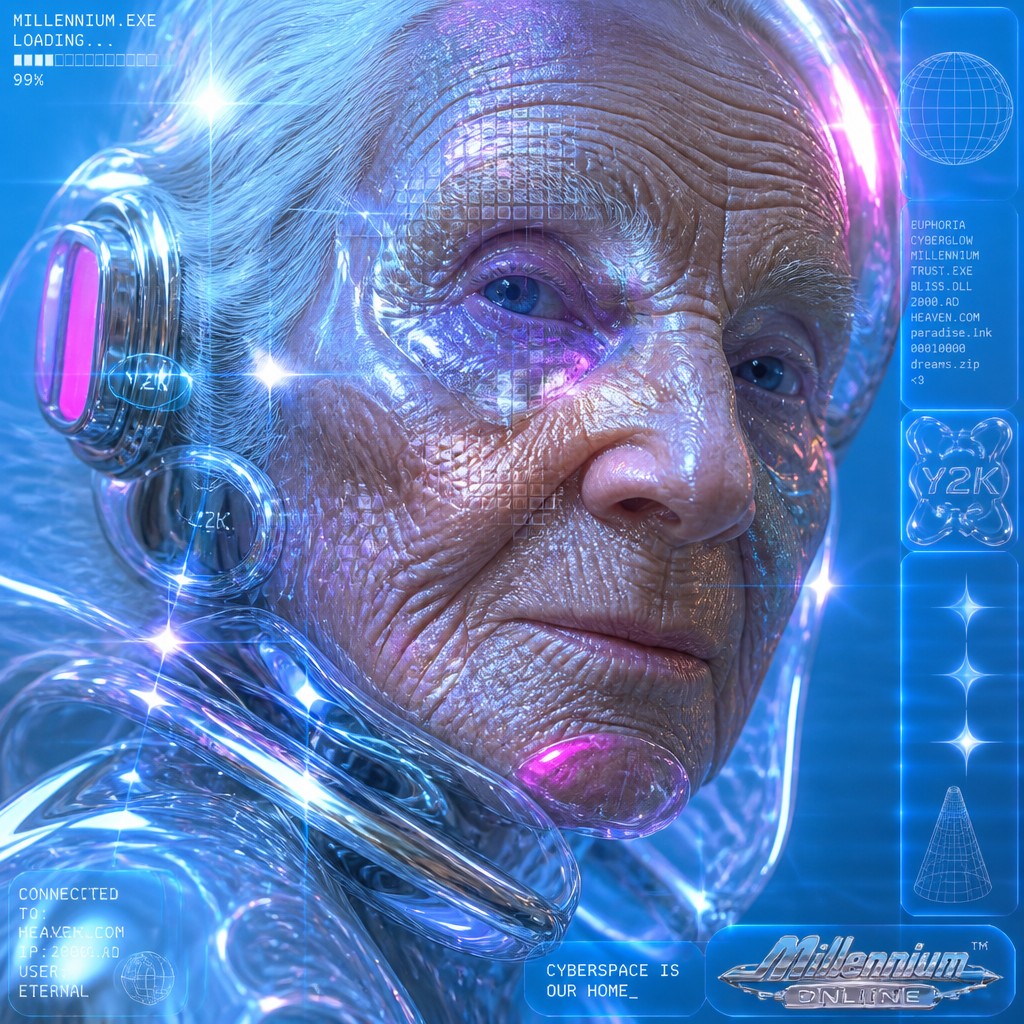
“close-up portrait of an elderly person with expressive weathered features”
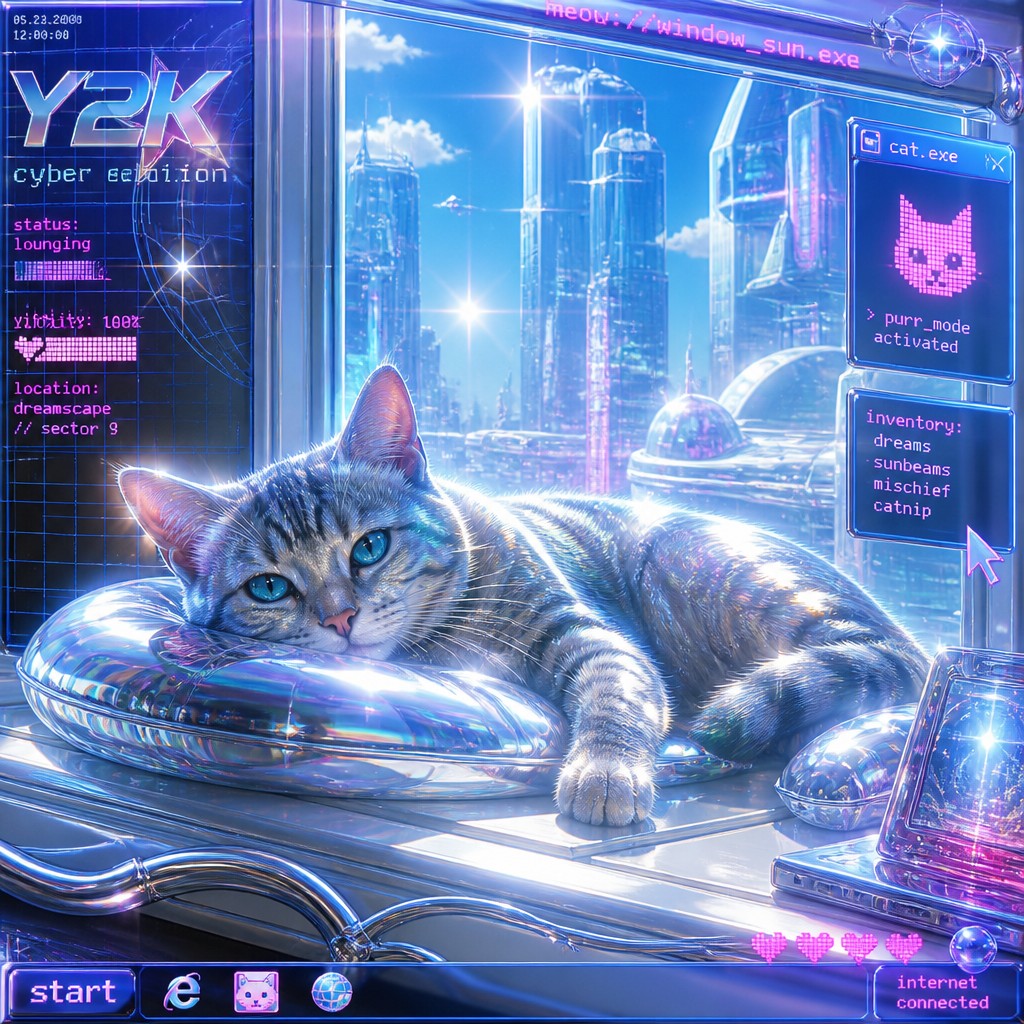
“a cat lounging in a sunlit window”
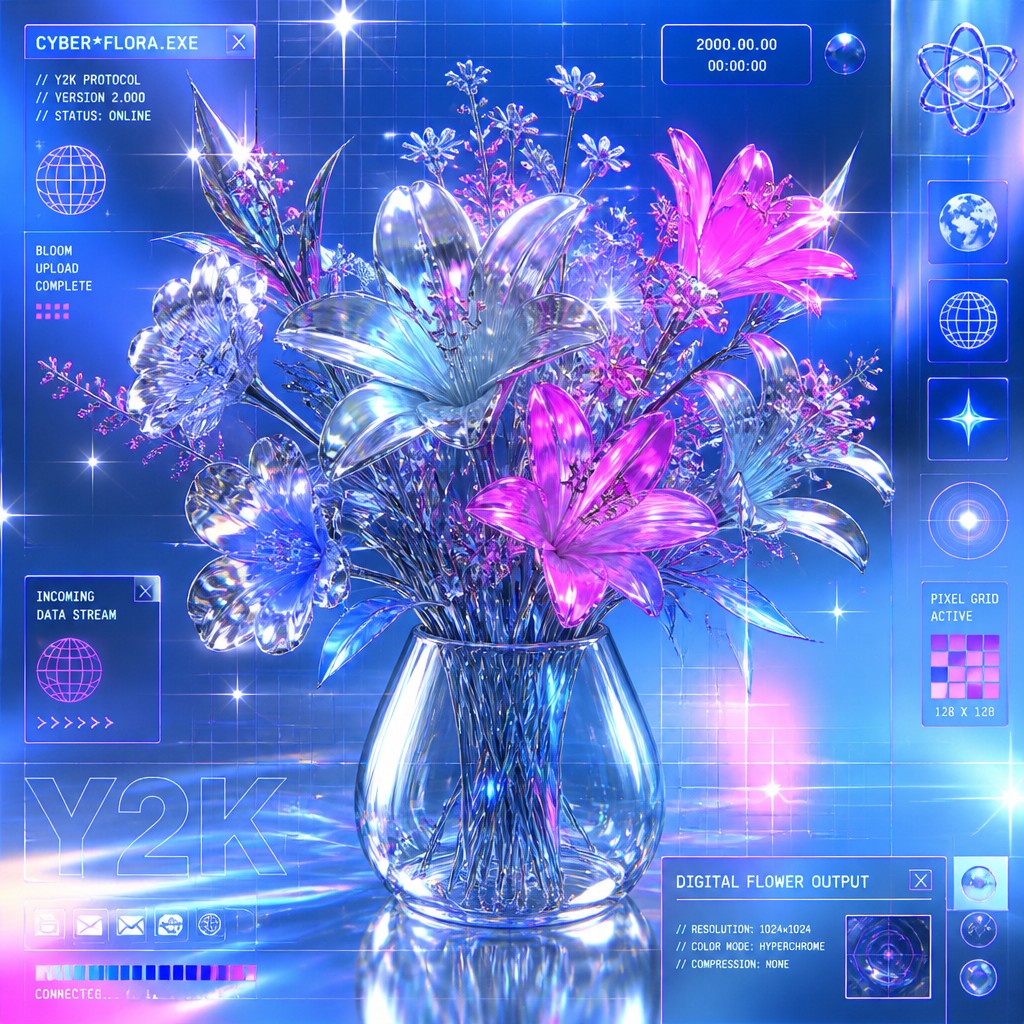
“bouquet of flowers in a glass vase”
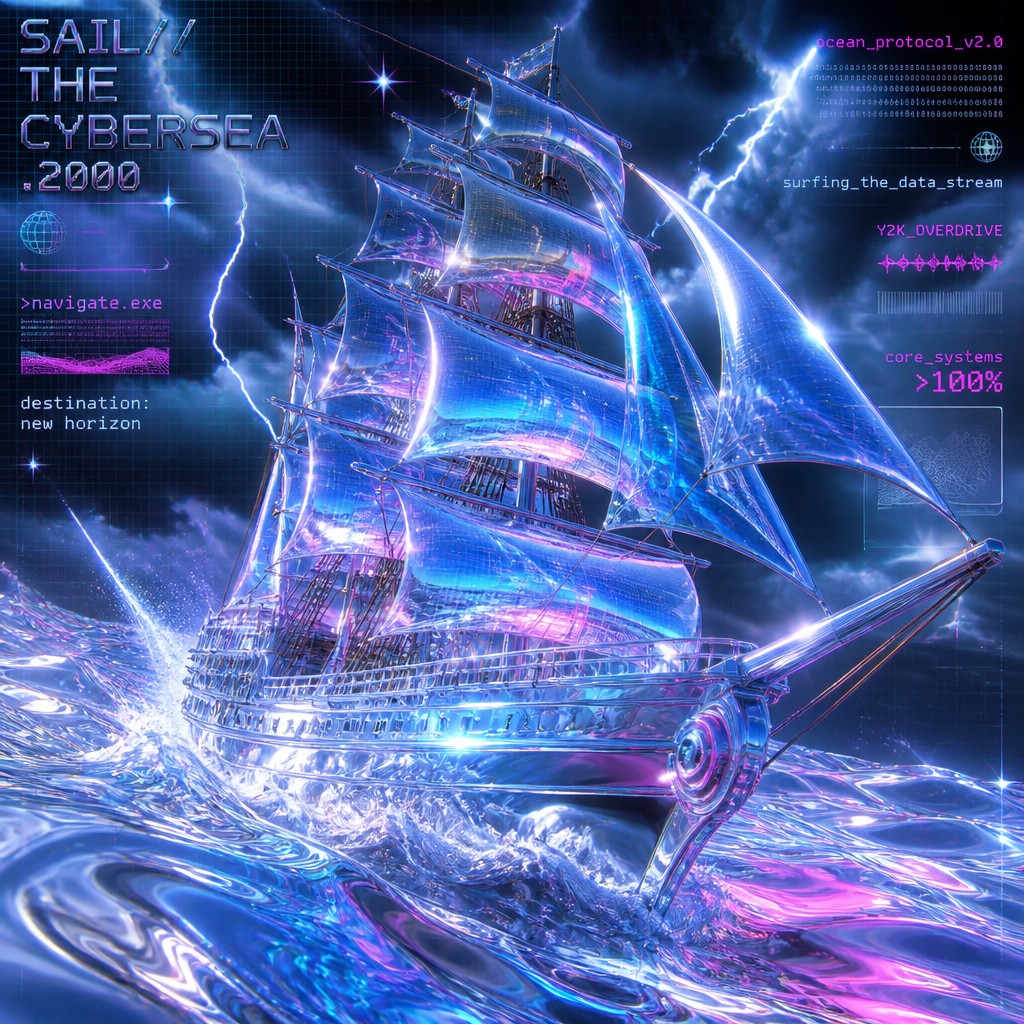
“sailing ship on a stormy sea”
How to Create Cyber Y2K Aesthetic Art
Master the craft step by step — or skip straight to creating. Read the full guide →
- 1
Build reflective, rounded forms
Start with simple curves, capsules, or orb-like shapes, then render them as chrome, glass, or translucent plastic. Strong highlights and soft shadow transitions are key to making the forms feel slick and synthetic.
- 2
Use a limited neon-metal palette
Anchor the piece in silver and cool blues, then add controlled accents of magenta, violet, or cyan. Keep saturation bright but organized so the image feels sleek rather than chaotic.
- 3
Add digital overlays and UI cues
Layer pixel grids, thin interface lines, icons, and wireframe details over the composition. These elements help shift the image from generic sci-fi into early-2000s cyberspace aesthetics.
- 4
Push gloss, bloom, and glints
Use sharp specular highlights, lens flare, sparkle points, and soft glow to simulate reflective surfaces and screen light. In traditional media, this can be suggested with high-contrast rendering and selective white accents; in digital work, use glow and bloom sparingly for clarity.
- 5
Frame the subject as futuristic but nostalgic
Choose subject matter associated with fashion, gadgets, avatars, vehicles, or virtual environments, then stylize it with bubble forms and chrome sheen. For prompt-based generation, specify materials, lighting, and overlays clearly, for example: 'chrome, holographic gradients, pixel-grid overlays, cool synthetic lighting.'
The Story
History & Origins of Cyber Y2K Aesthetic
Cyber Y2K Aesthetic is not a historical art movement in the strict sense, but a retrospective style derived from the visual culture of the late 1990s and early 2000s. It draws on the look of early web graphics, multimedia interfaces, techno-pop album art, CGI packaging, electronic music culture, and magazine-era futurism, when chrome, gradients, and lens flares were common signs of innovation.
Its lineage also overlaps with the broader Y2K revival, which reinterprets turn-of-the-millennium design through nostalgia for dial-up internet, translucent gadgets, wireframe 3D, and bubblegum futurism. In contemporary use, the style is often applied to fashion imagery, posters, album covers, concept art, and UI-inspired visuals that aim to capture a glossy, synthetic version of the future as imagined before the smartphone era fully arrived.
Influences: Cyber Y2K Aesthetic draws from late-1990s web design, early CGI graphics, tech advertising, club flyers, and turn-of-the-millennium product aesthetics, as well as broader sci-fi illustration traditions that favor sleek machines and virtual space. It also relates to the glossy futurism seen in pop imagery around the Y2K era, including the visual culture associated with electronic music, translucent electronics, and interface-heavy design, while sitting alongside the softer, more playful side of retro-futurism rather than the gritty look of cyberpunk.

Frequently Asked Questions
What defines Cyber Y2K Aesthetic?
It is defined by chrome, holographic gradients, glossy plastics, pixel overlays, and a bright synthetic glow. The style combines futuristic materials with the optimistic visual language of early digital culture.
How is it different from cyberpunk?
Cyberpunk is usually darker, grittier, and more industrial, with rain, decay, and high-contrast urban density. Cyber Y2K is cleaner, shinier, and more playful, emphasizing polish, translucency, and the fantasy of digital glamour.
How is it different from vaporwave?
Vaporwave often relies on pastel nostalgia, classical fragments, commercial irony, and a more detached mood. Cyber Y2K is more metallic and high-energy, with stronger chrome surfaces, interface graphics, and early-2000s tech optimism.
What subjects work best in this style?
Fashion portraits, gadgets, avatars, futuristic interiors, vehicles, and abstract 3D objects all work well. Anything that can plausibly be rendered as a shiny digital object will suit the style.
Can this style be used in photography or illustration?
Yes. In photography, it is often created through styling, reflective materials, colored lighting, and post-processing effects; in illustration and digital art, it is built through chrome rendering, gradients, and interface overlays. The style is flexible across media as long as the surface treatment remains glossy and synthetic.
What makes an image feel authentically Y2K rather than just futuristic?
The key is the specific design vocabulary of the late 1990s and early 2000s: translucent plastics, bubble typography, pixel grids, web-era UI elements, and bright metallic sheen. Without those cues, the image may read as generic sci-fi instead of millennium-era cyberspace.

Create your first Cyber Y2K Aesthetic artwork
Describe anything — or upload a photo — and see it in Cyber Y2K Aesthetic in seconds.
Make Something with Cyber Y2K Aesthetic
Related Styles
Discover similar art styles