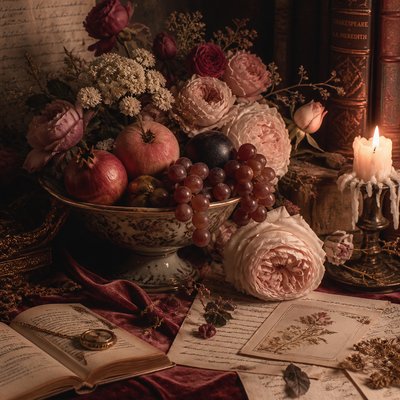
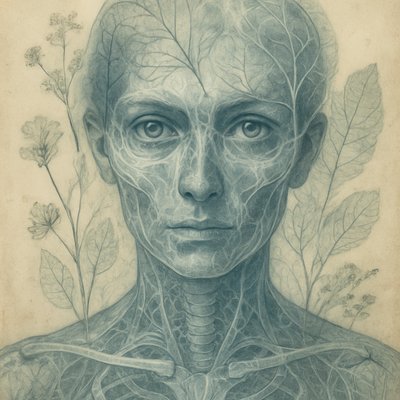
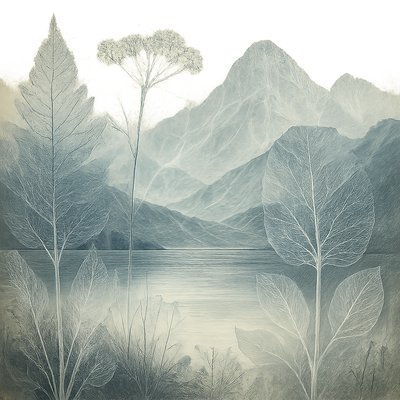
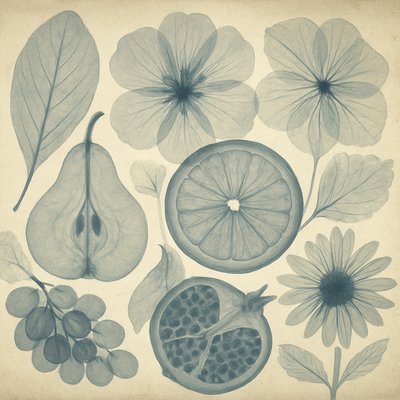
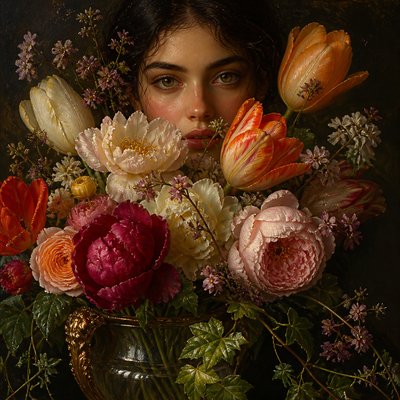
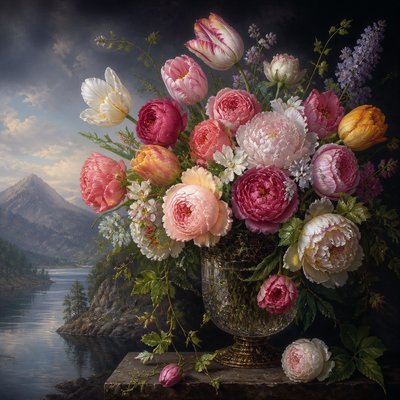
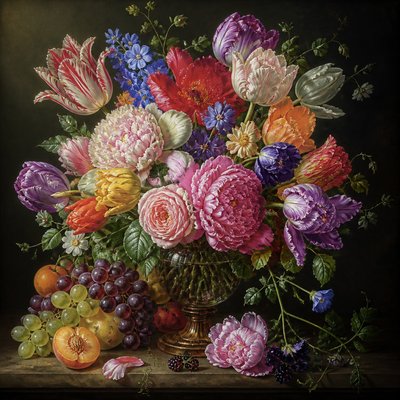
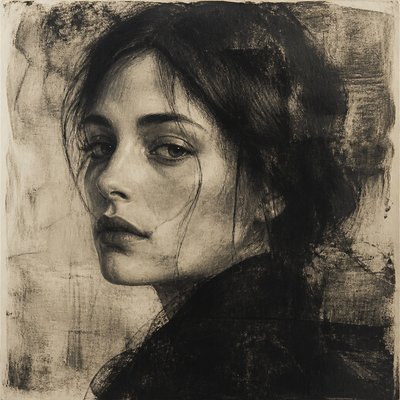
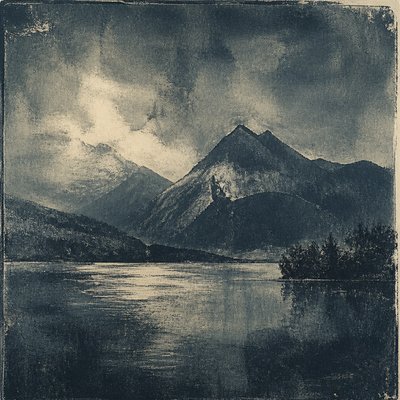
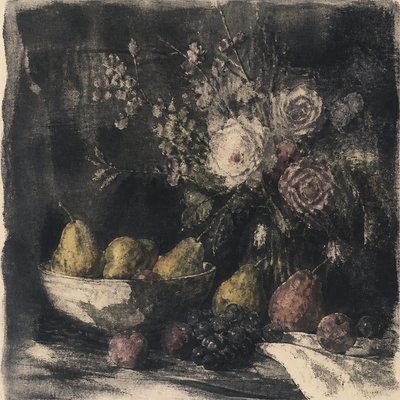
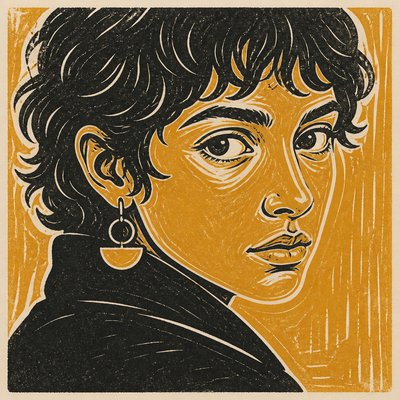
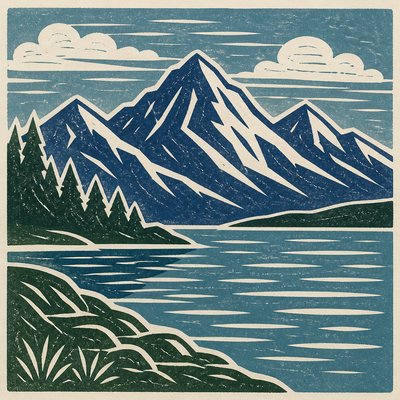
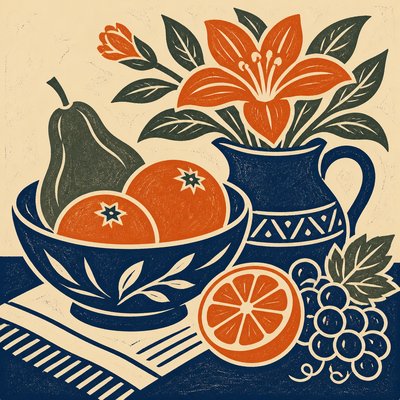
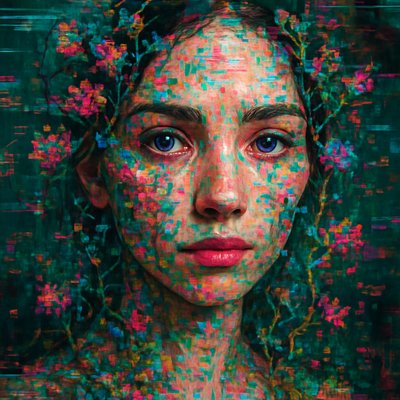
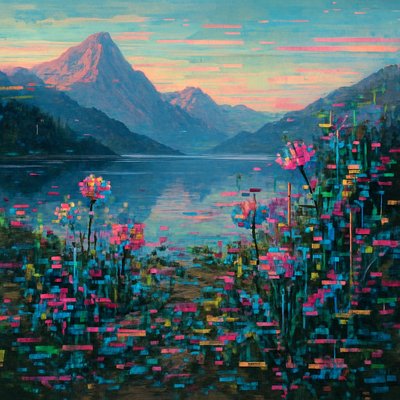
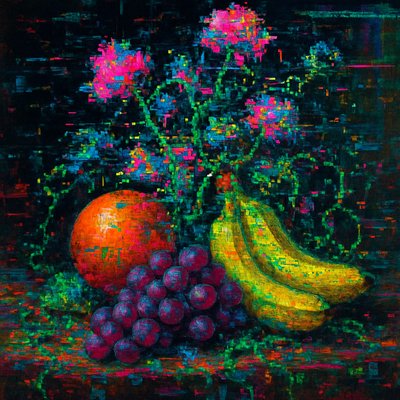
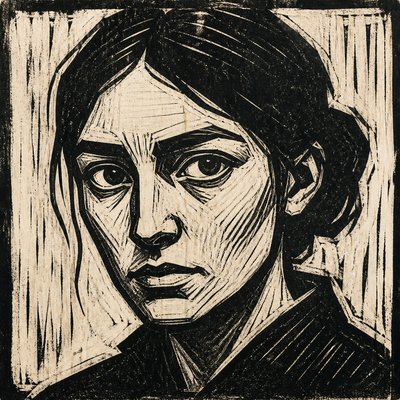
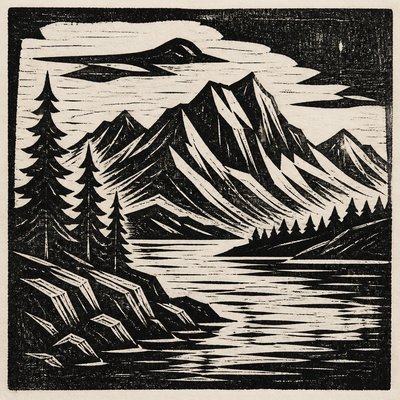
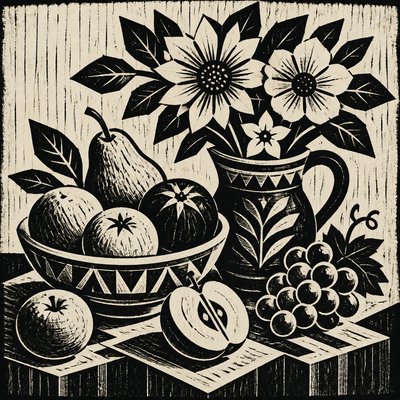
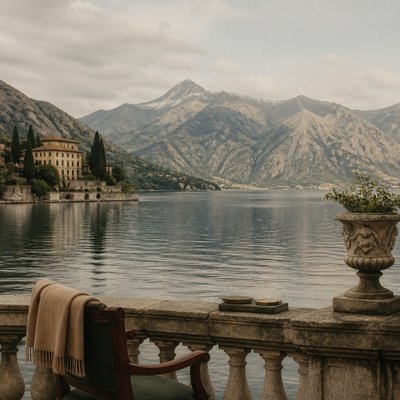
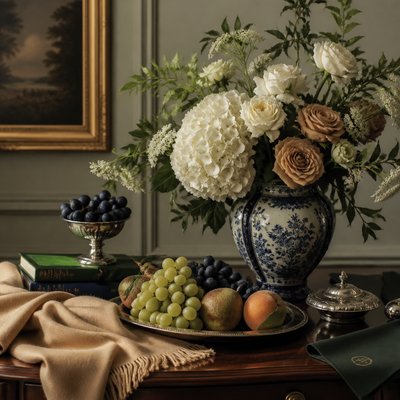
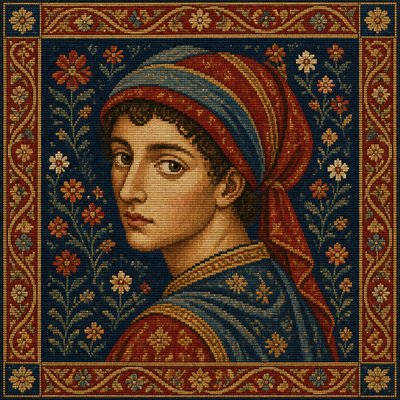
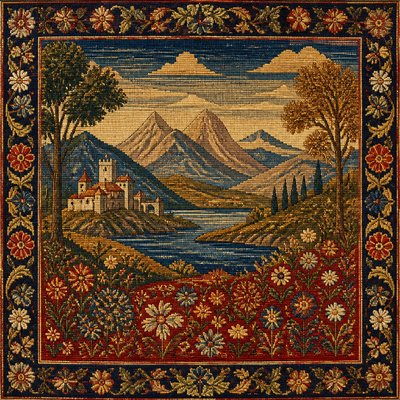
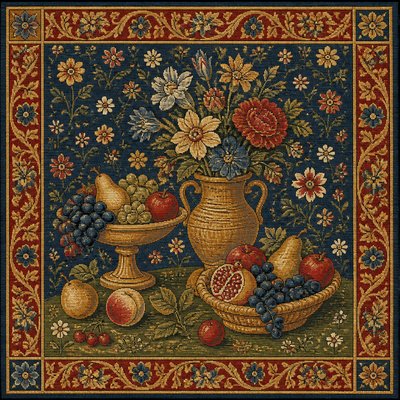
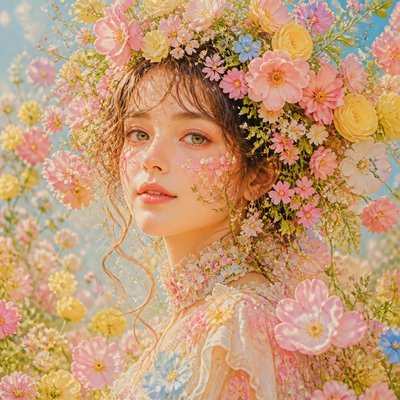
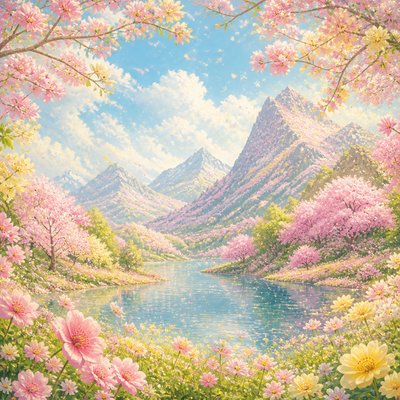
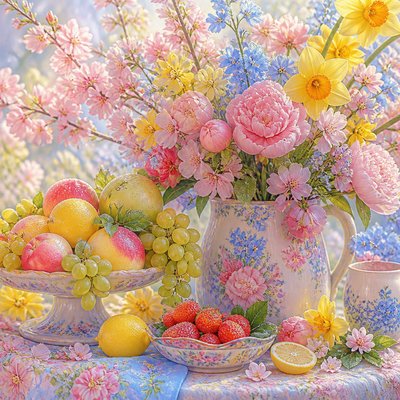
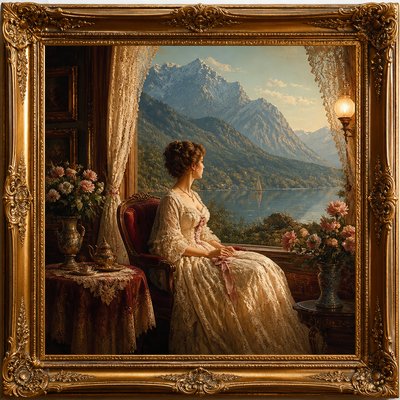
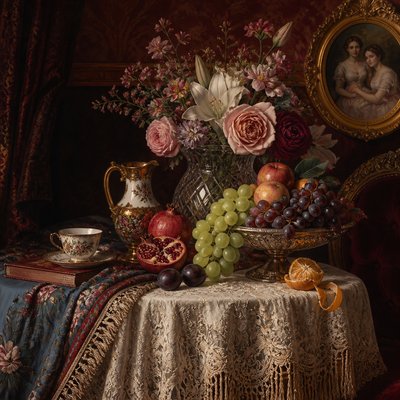
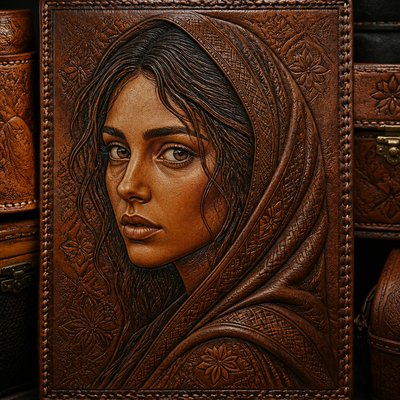
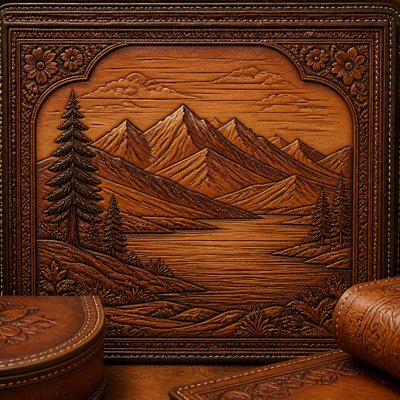
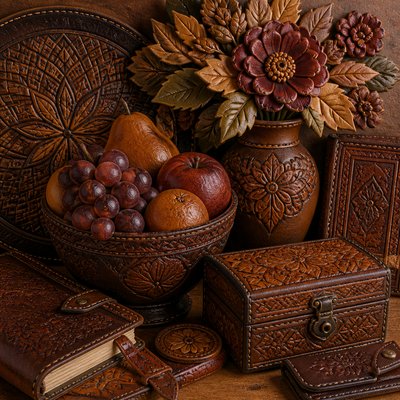
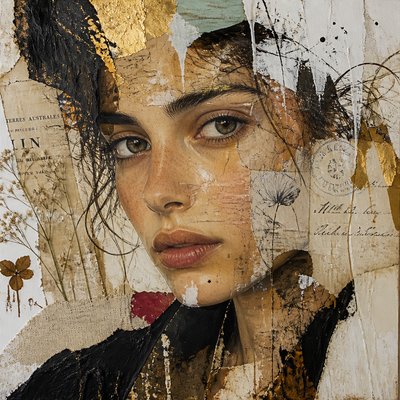
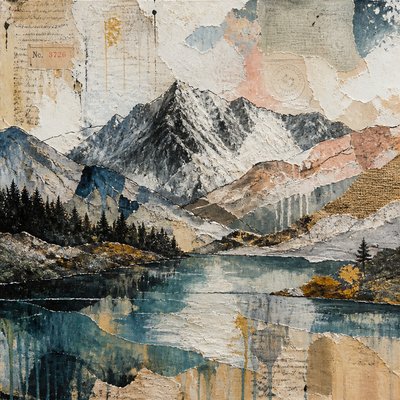
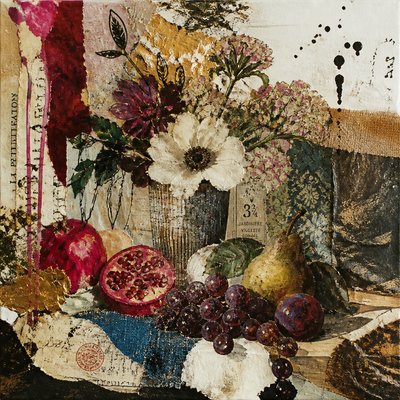
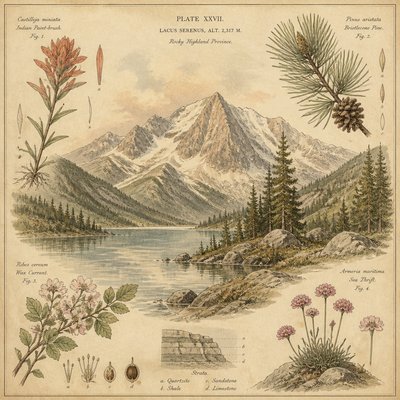
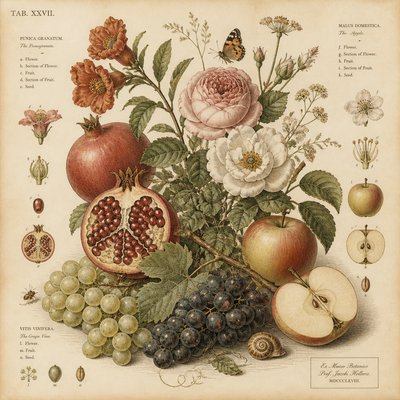
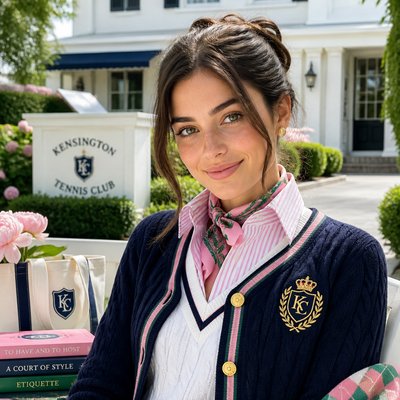
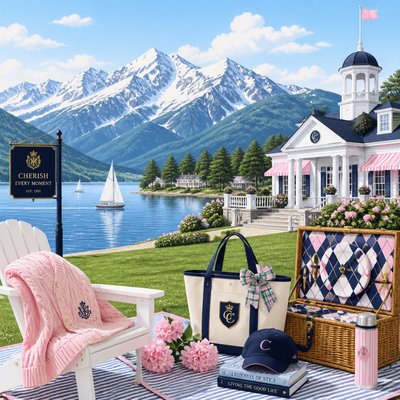
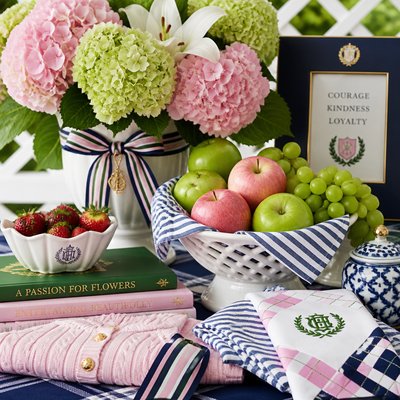
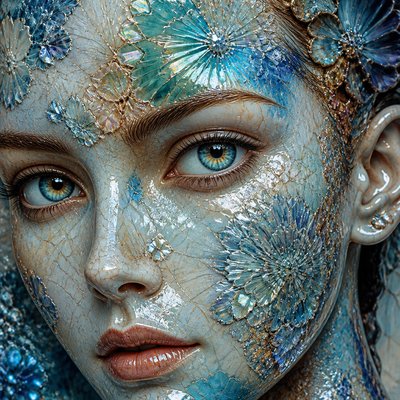
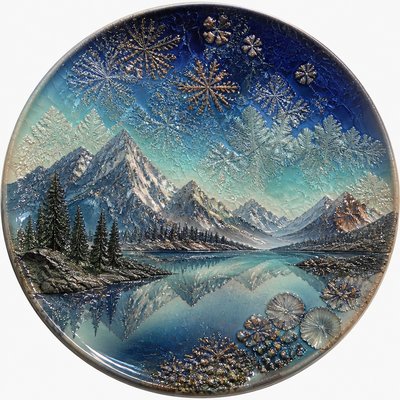
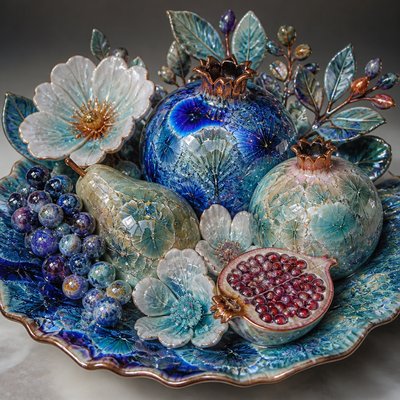
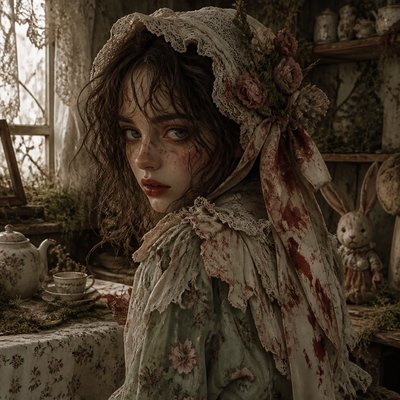
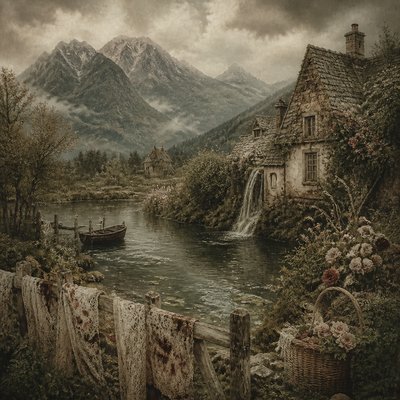
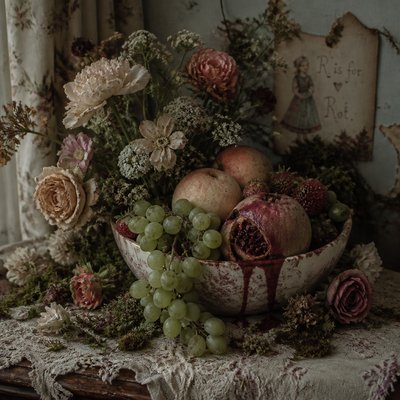
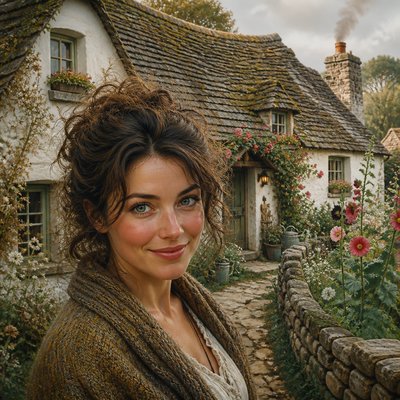
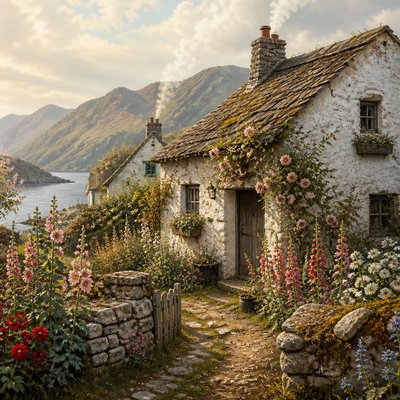
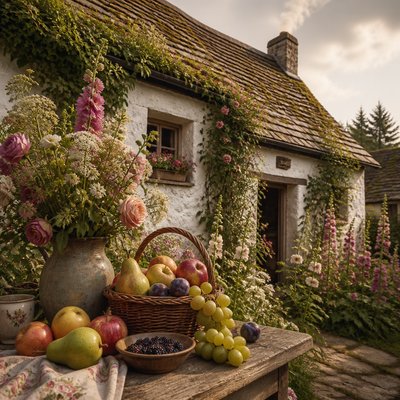
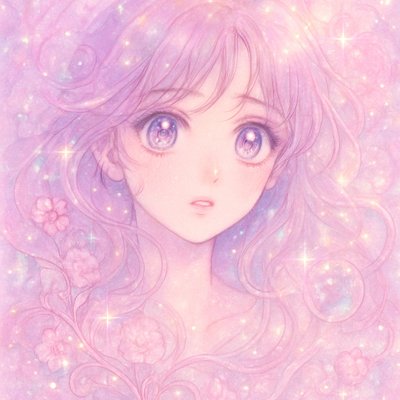
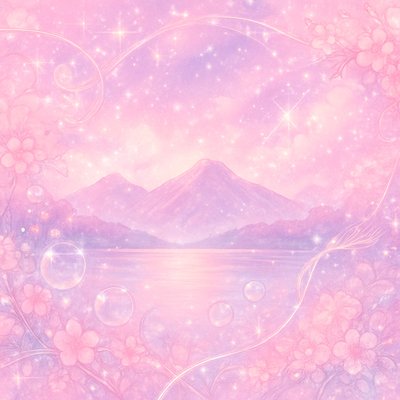
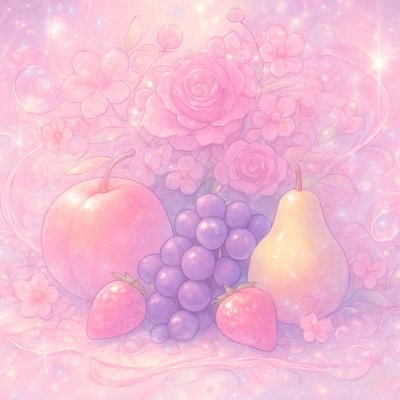
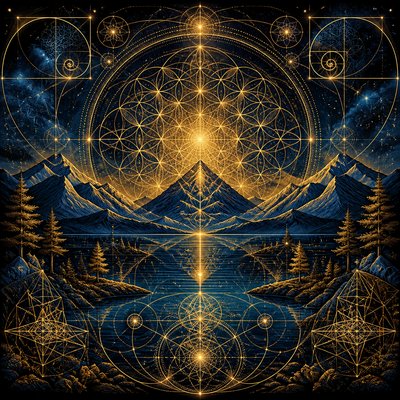
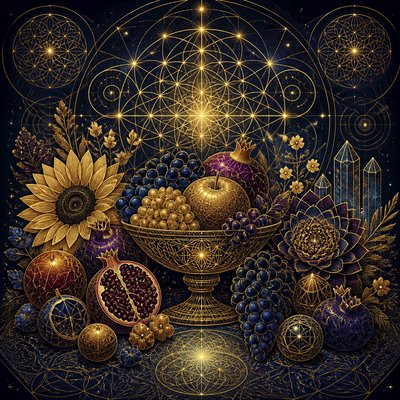
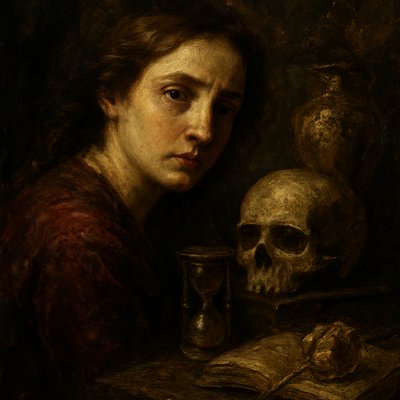
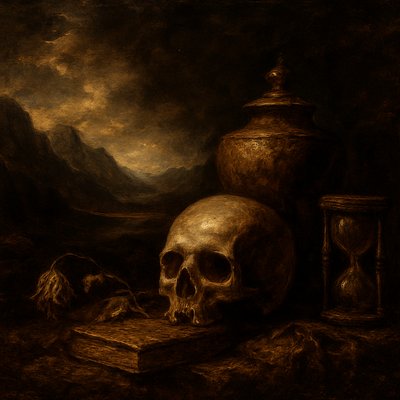
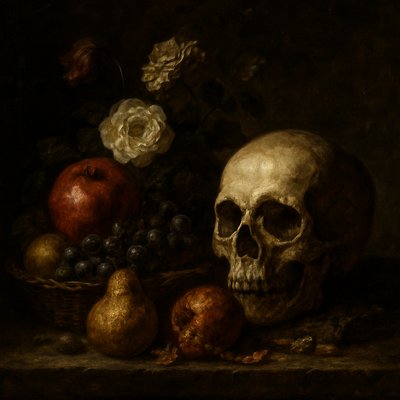
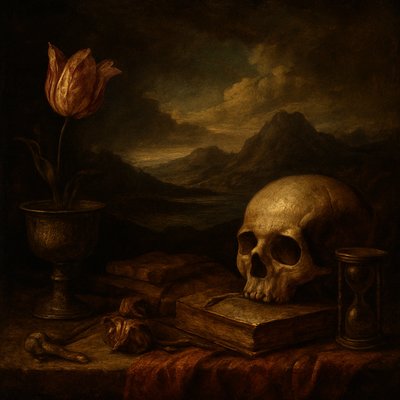
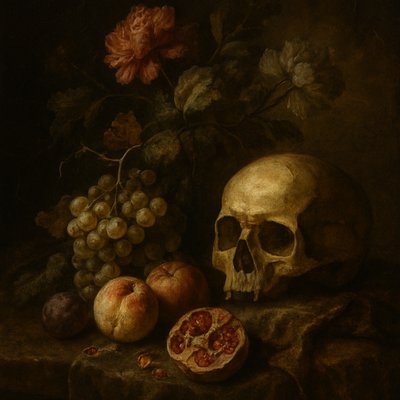
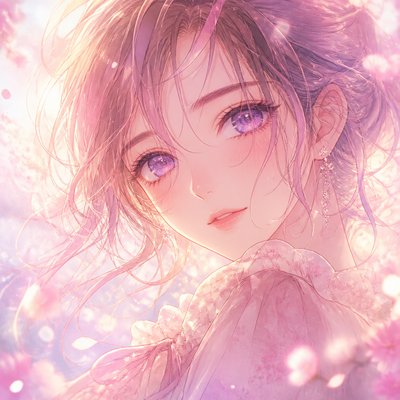
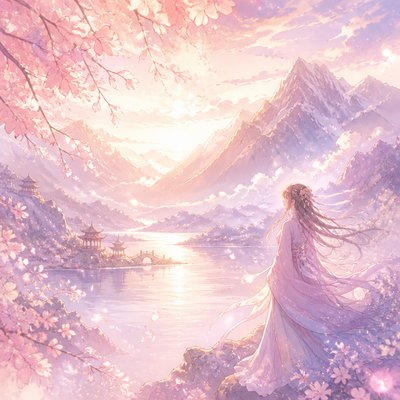
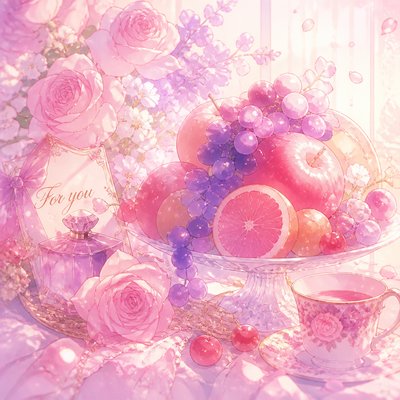
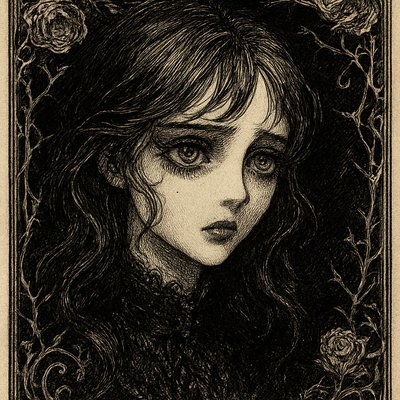
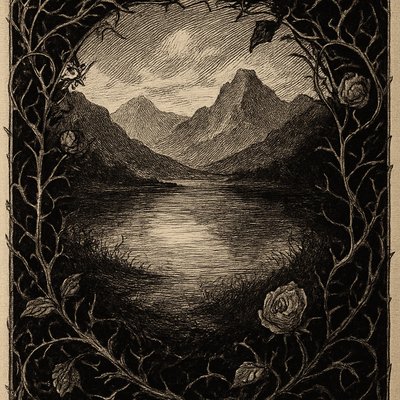
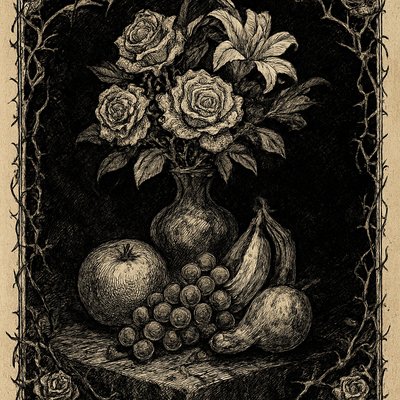
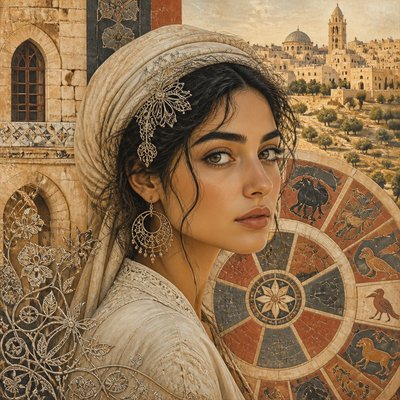
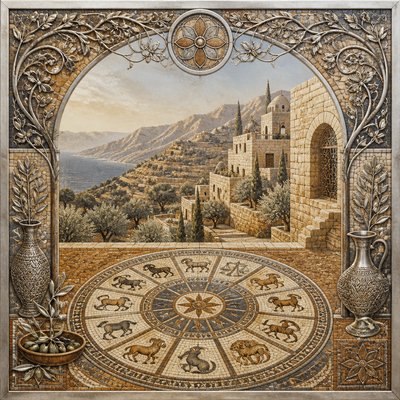
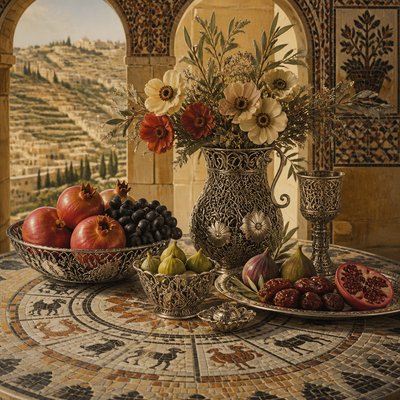
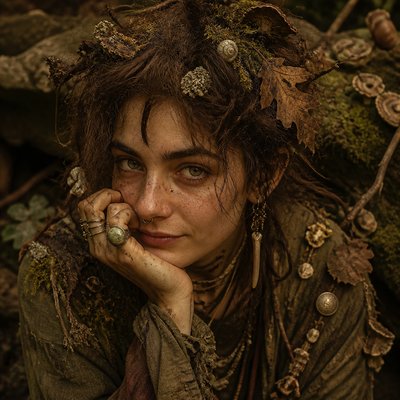
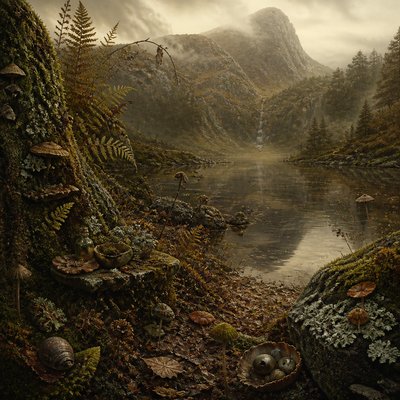
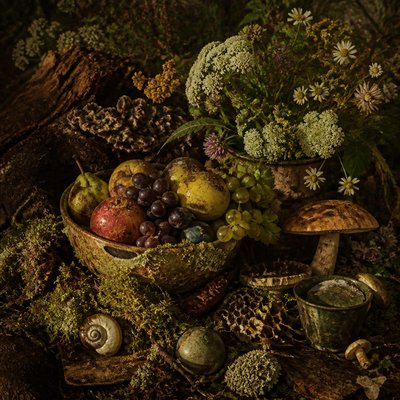
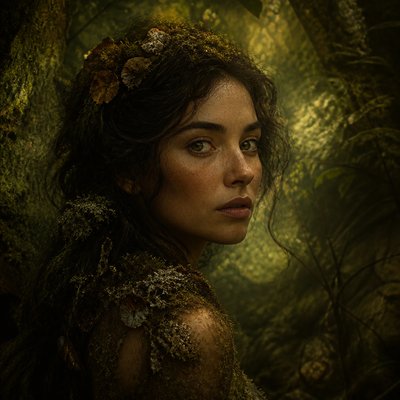
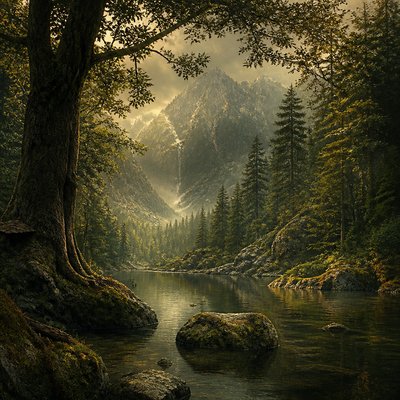
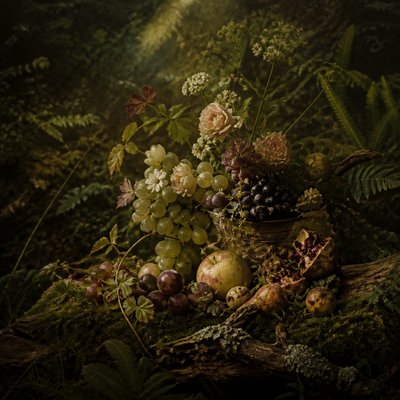
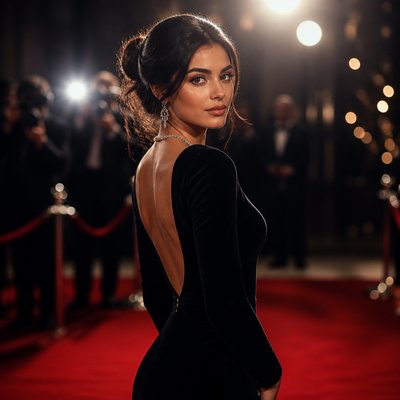
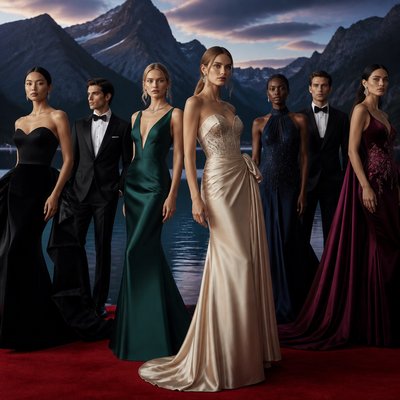
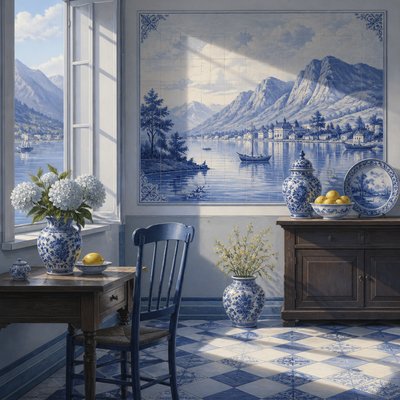
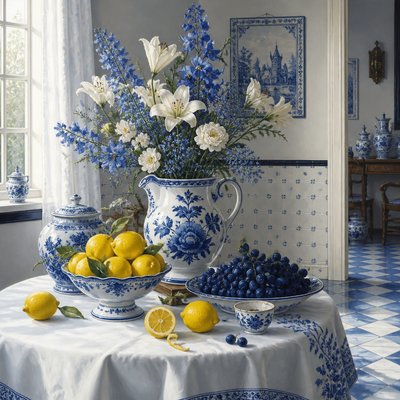
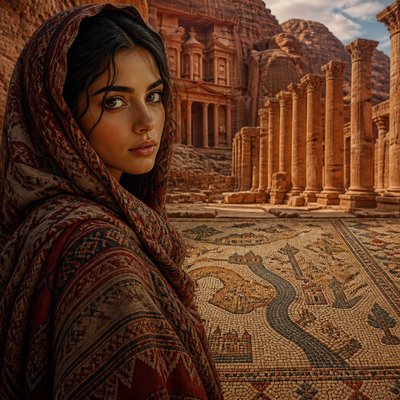
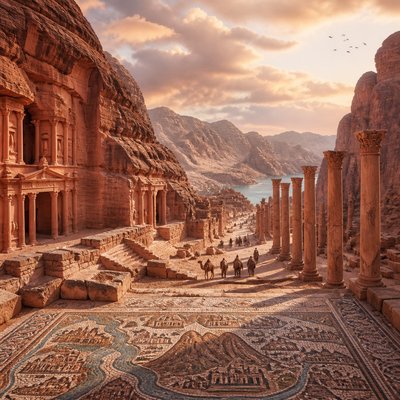
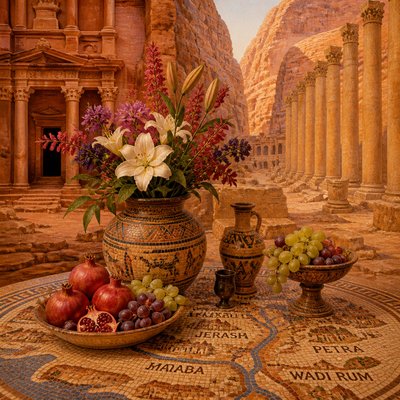
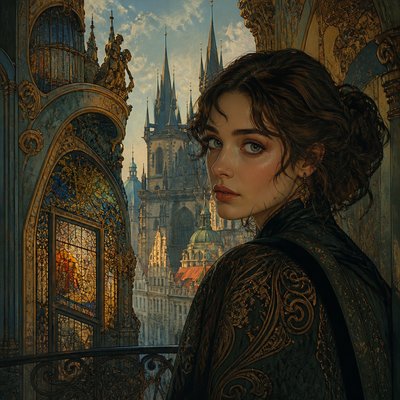
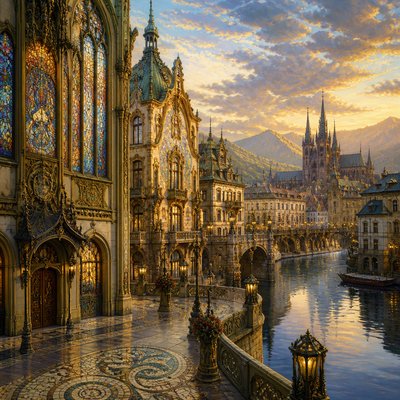
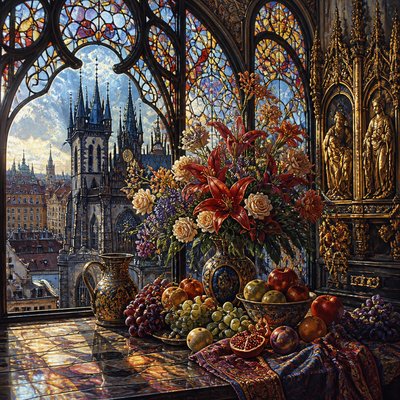
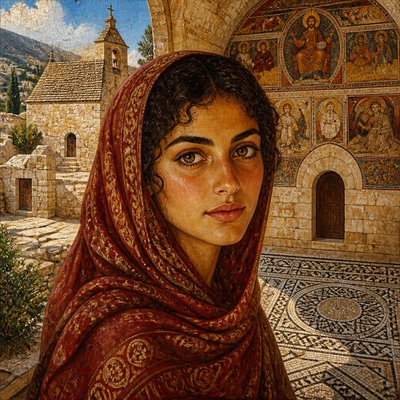
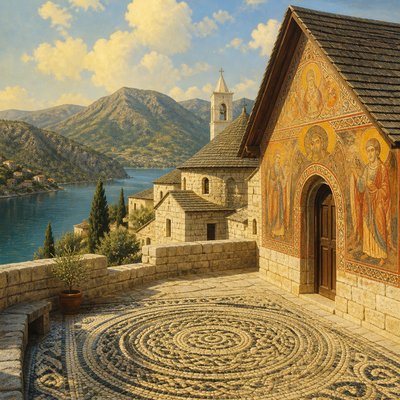
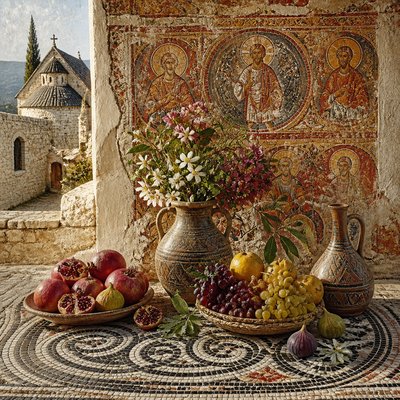
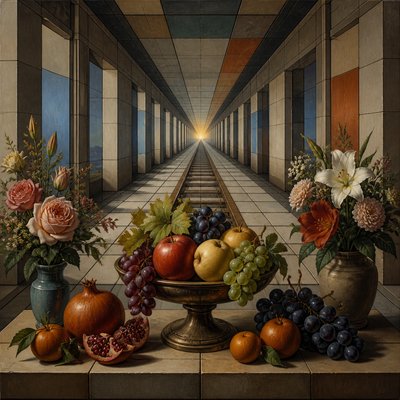
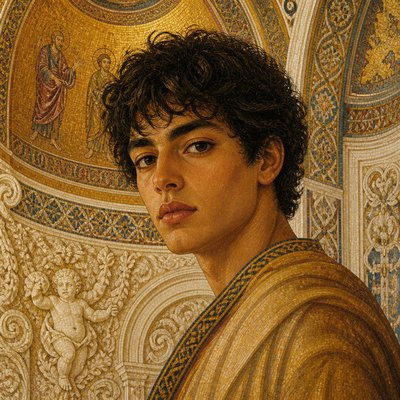
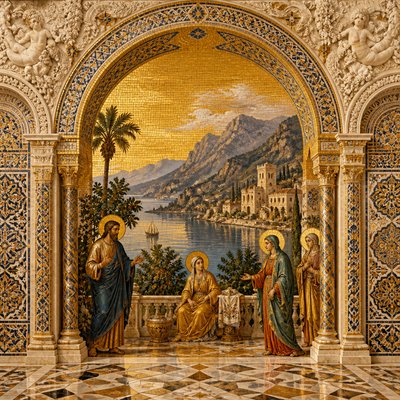
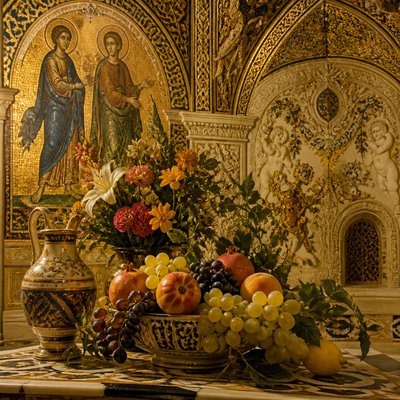
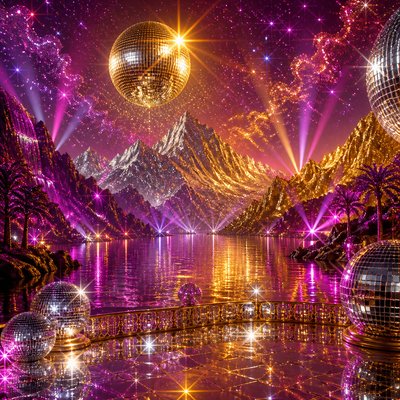
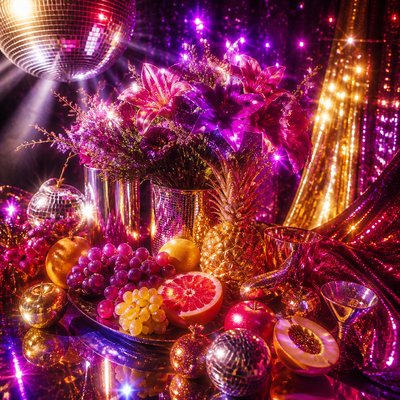
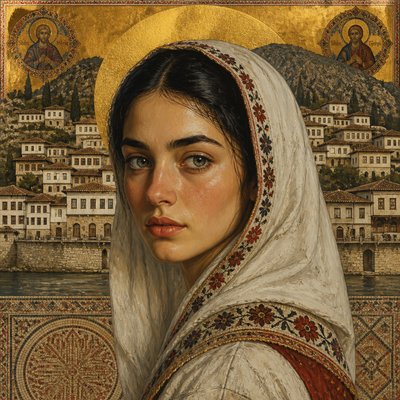
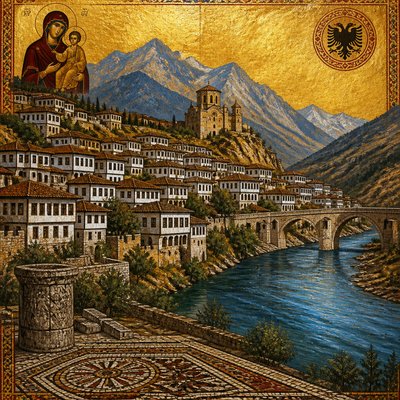
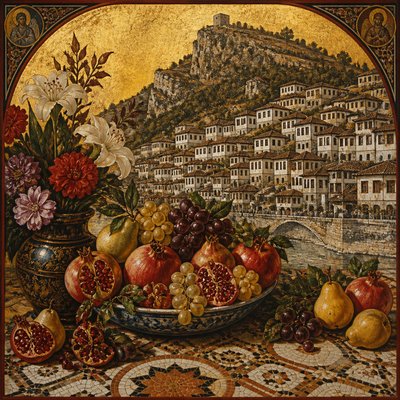
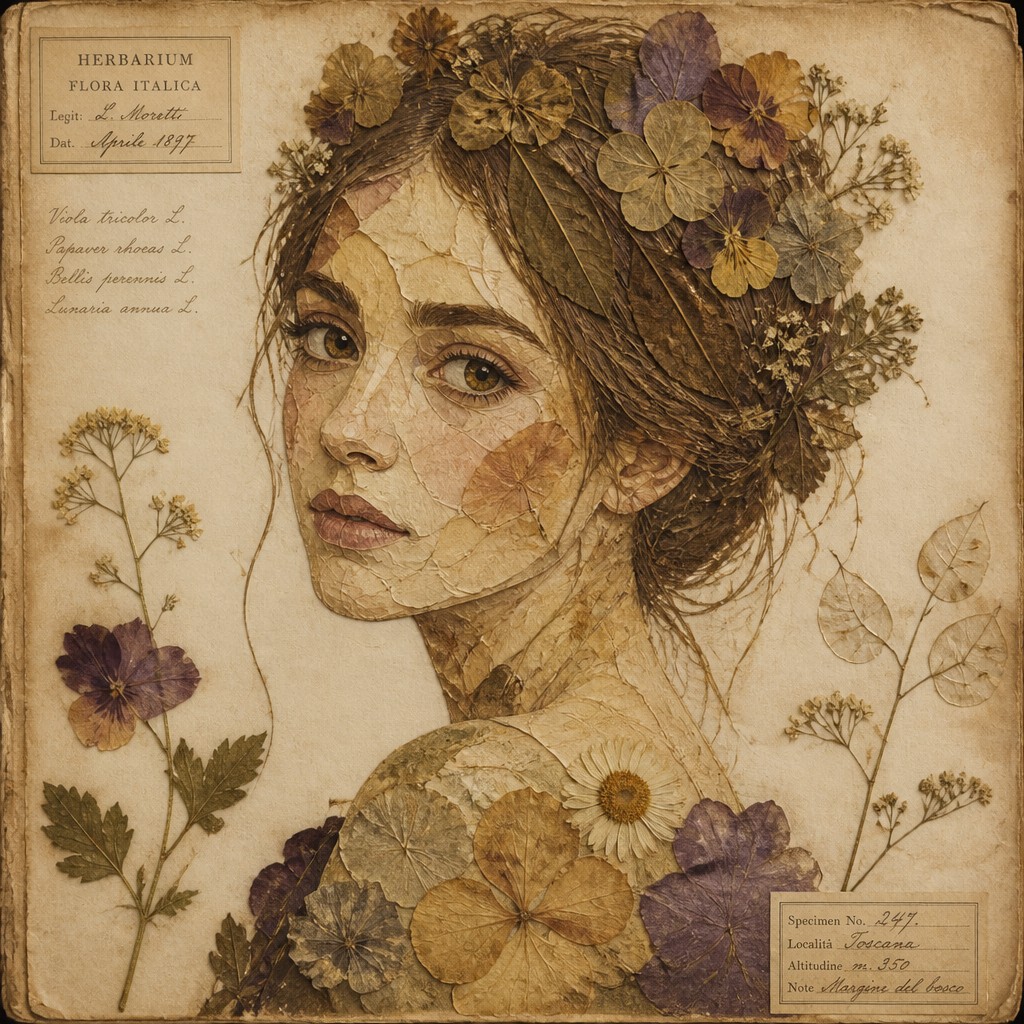
Pressed-flower art with translucent dried petals, muted botanicals, and antique herbarium textures in a nostalgic vintage collage look.
Instantly rendered in Pressed Flowers — or transform a photo
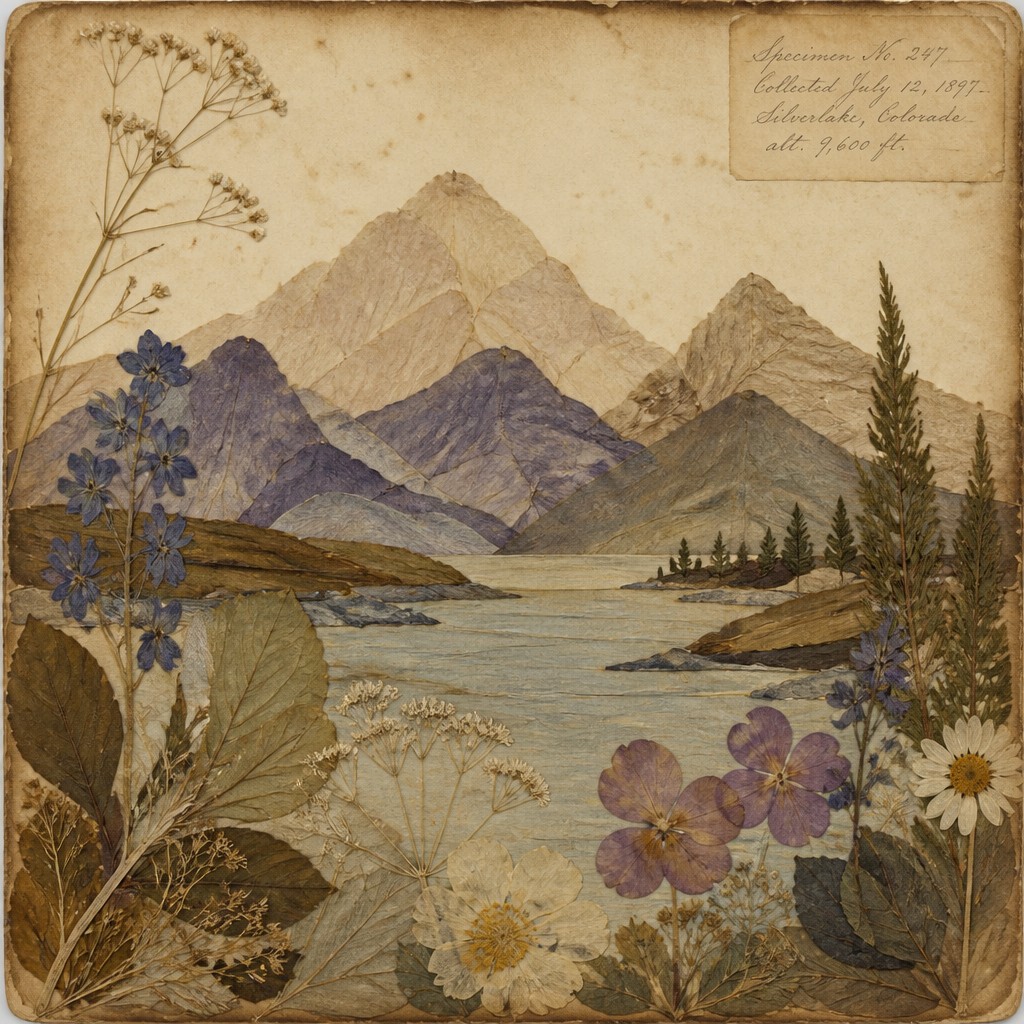
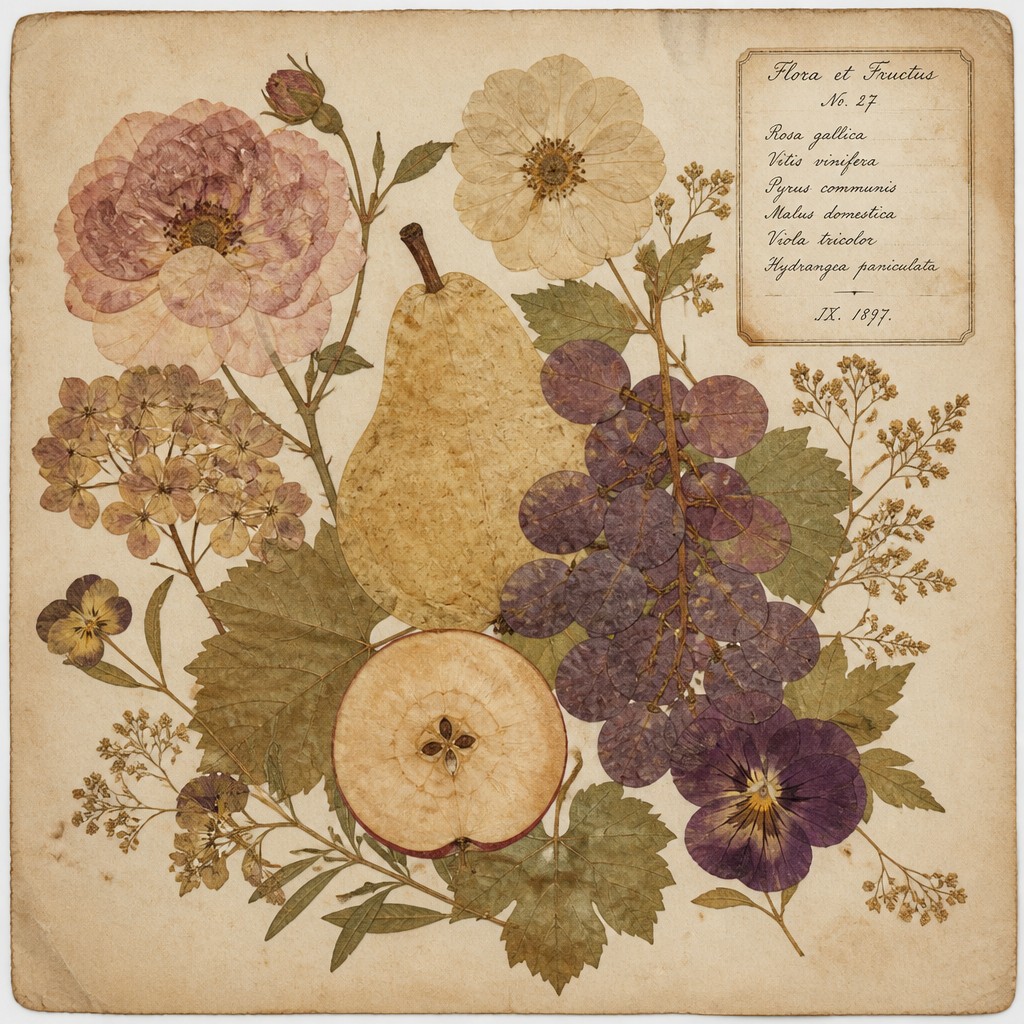
Pressed Flowers Gallery
Tap any artwork to explore it
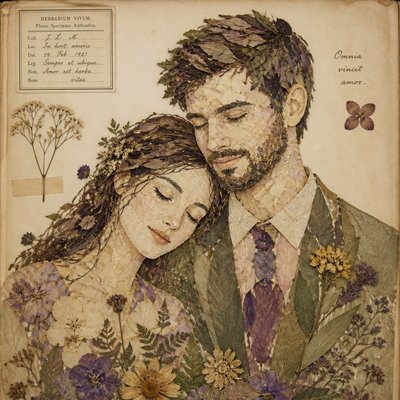
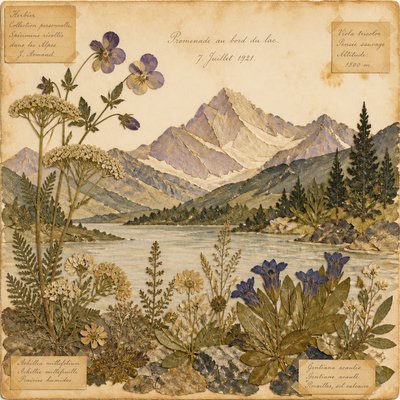
What is Pressed Flowers?
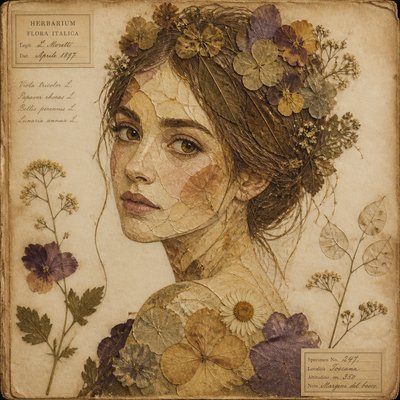
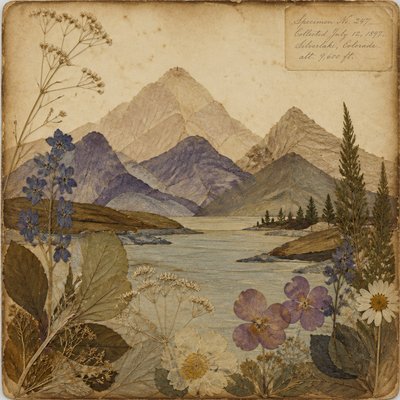
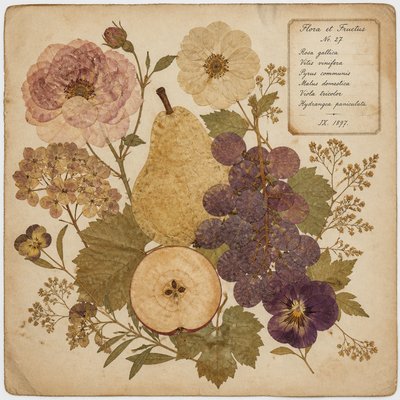
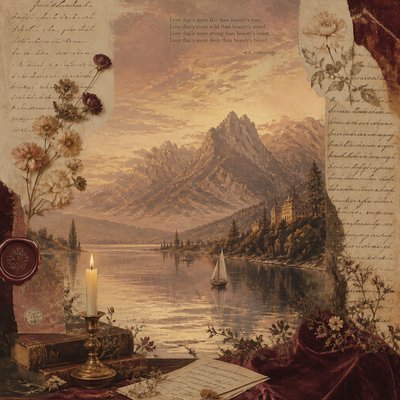
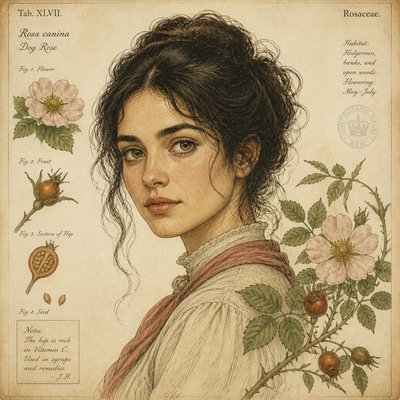
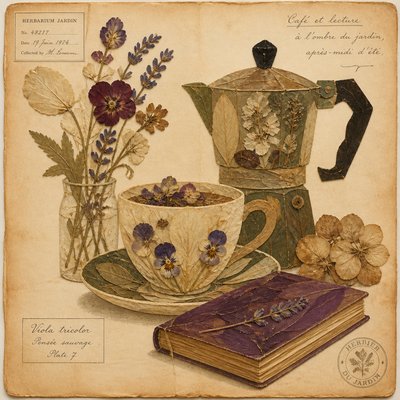
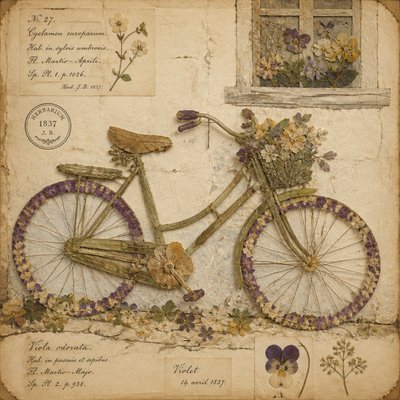
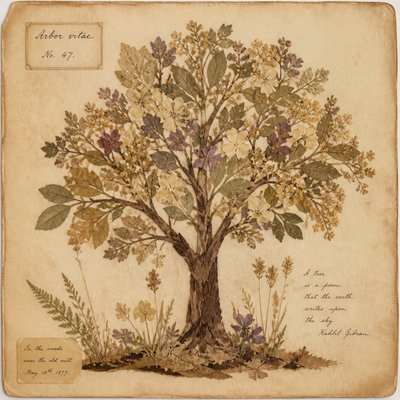
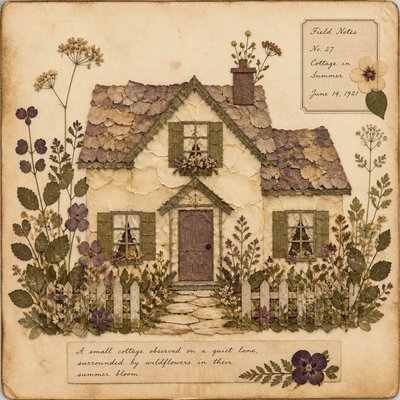
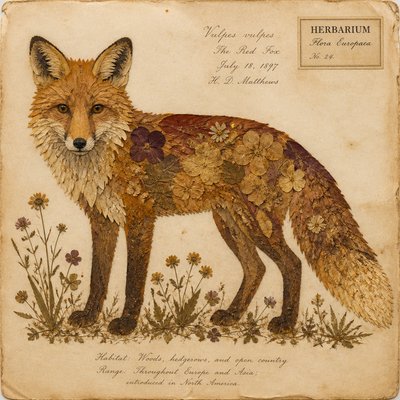
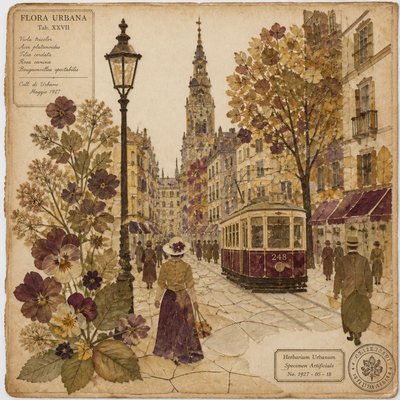
Pressed Flowers is a decorative botanical style built from the visual logic of herbarium specimens, scrapbook collage, and antique floral ephemera. Images in this style feel as though they were assembled from flattened petals, leaves, and stems laid onto aged paper, with soft browning at the edges, visible veining, and the delicate translucency of dried plant matter.
Its appeal comes from the tension between fragility and permanence. Because pressed plant material loses volume, saturation, and natural gloss as it dries, the image takes on a muted, nostalgic palette and a papery texture that reads as both natural and archival. The result is intimate and handmade: part botanical study, part sentimental keepsake, and part vintage illustration.
Try It On Your Photos
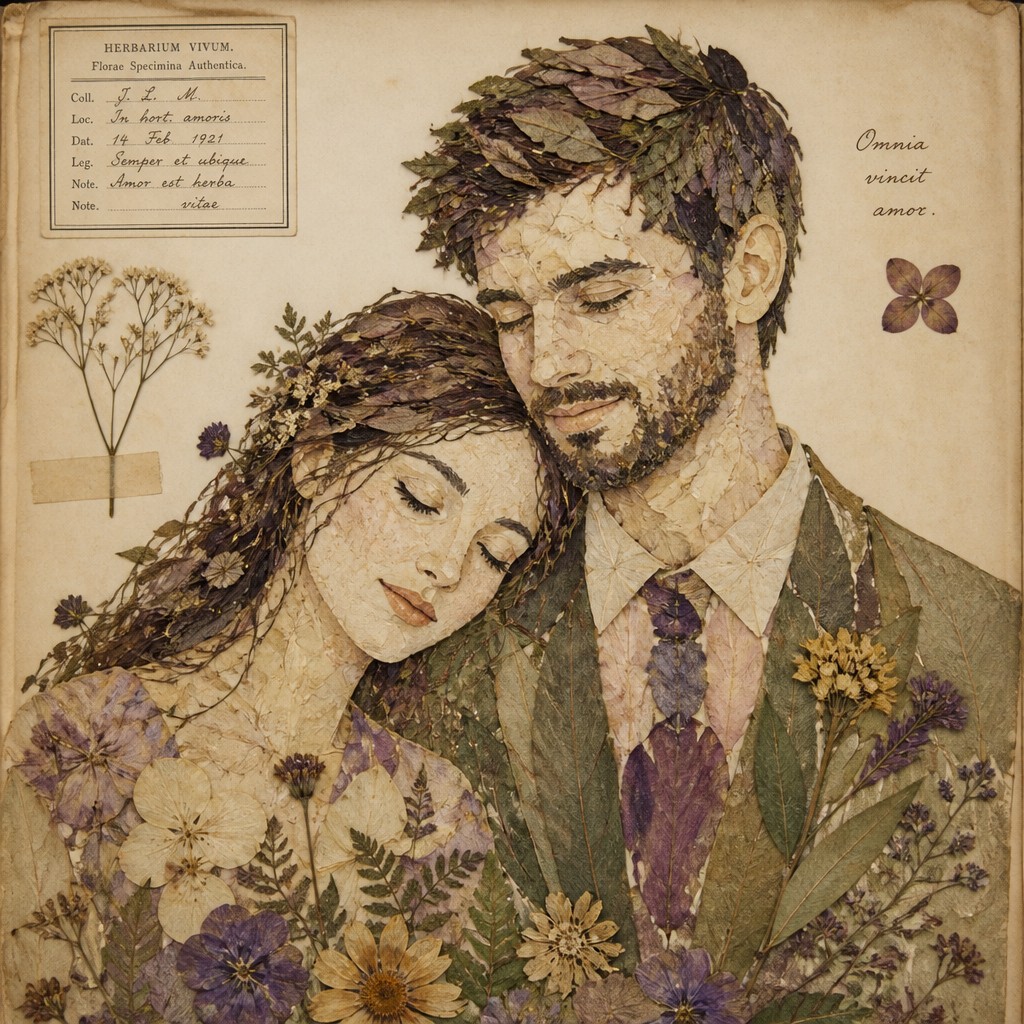
Upload any photo and convert it into Pressed Flowers — drag the sliders to compare before and after.

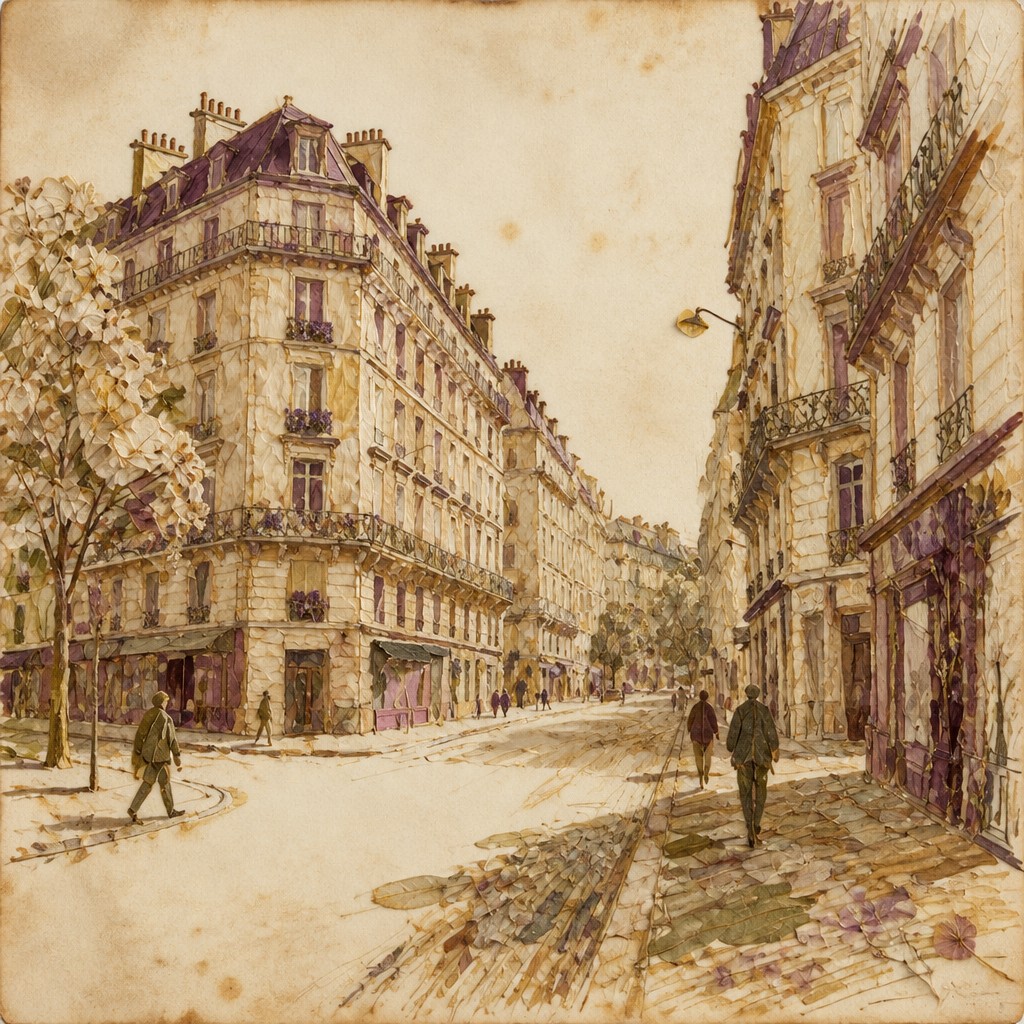

What Defines Pressed Flowers
The signature details, up close
Flattened botanical forms
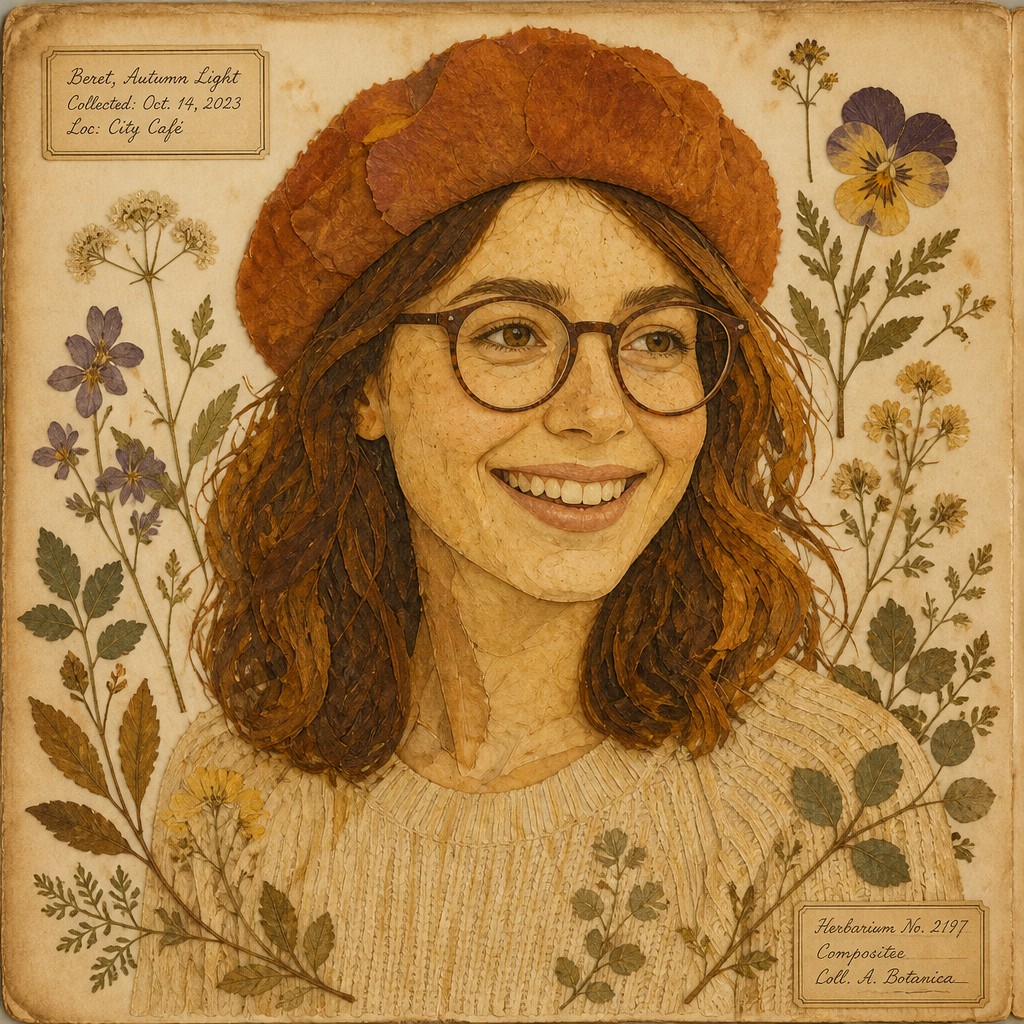
Petals, leaves, and stems appear compressed and pressed flat, losing their three-dimensional volume. This creates a fragile silhouette with crisp edges and a dry, tactile surface.
Translucent, papery materiality
The visual hallmark is the thin, light-permeable quality of dried plant tissue. Veins, fibers, and internal structure often show through, giving the image a delicate stained-paper effect.
Muted natural palette
Colors are softened by drying: blush becomes dusty rose, green turns sage or olive, and bright hues fade to beige, rust, and brown. The overall palette feels subdued and timeworn rather than vivid.
Aged paper support
Compositions are typically presented on cream, tan, or oxidized paper with visible grain, foxing, and slight discoloration. The background is not neutral; it behaves like an archival surface that reinforces the handcrafted look.
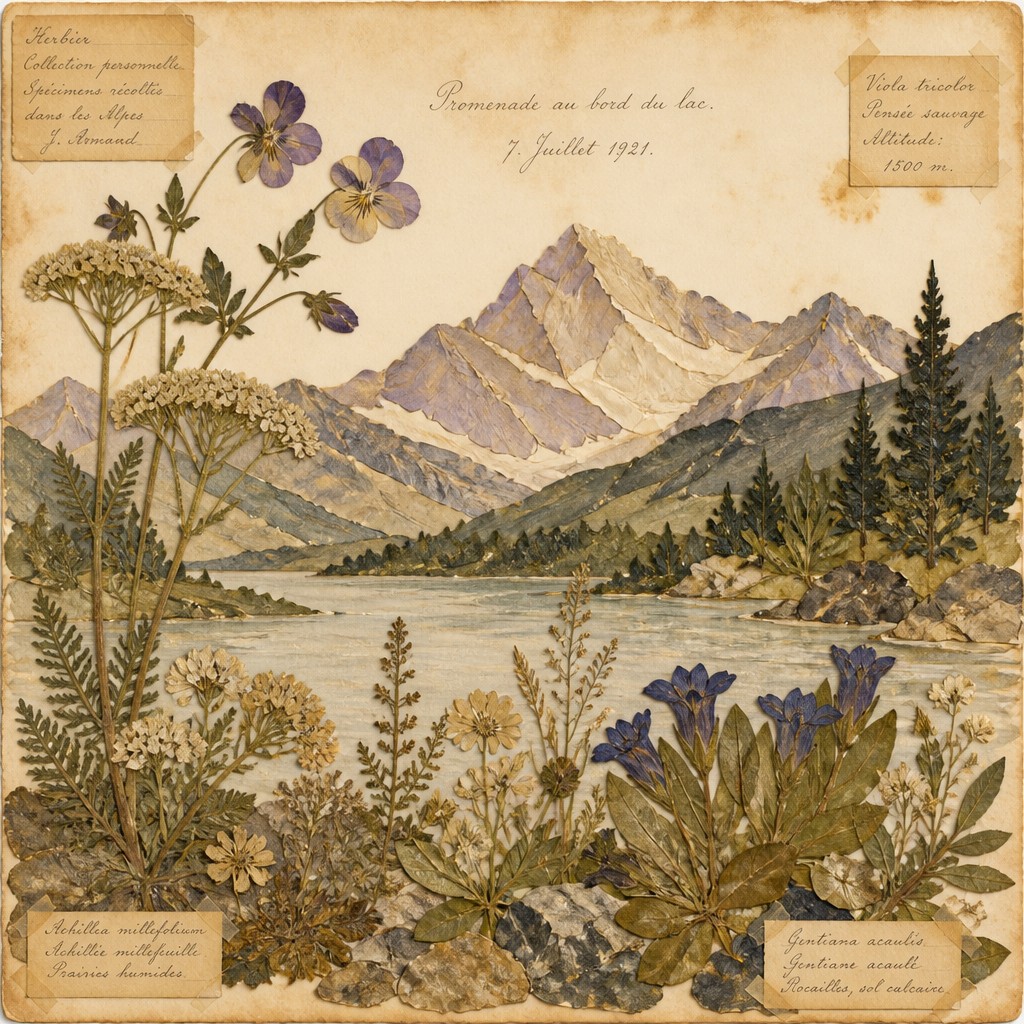
Delicate collage arrangement
Elements are often arranged with careful spacing and ornamental balance, as if mounted in a herbarium page or scrapbook. Negative space matters, allowing each pressed fragment to read as a specimen.
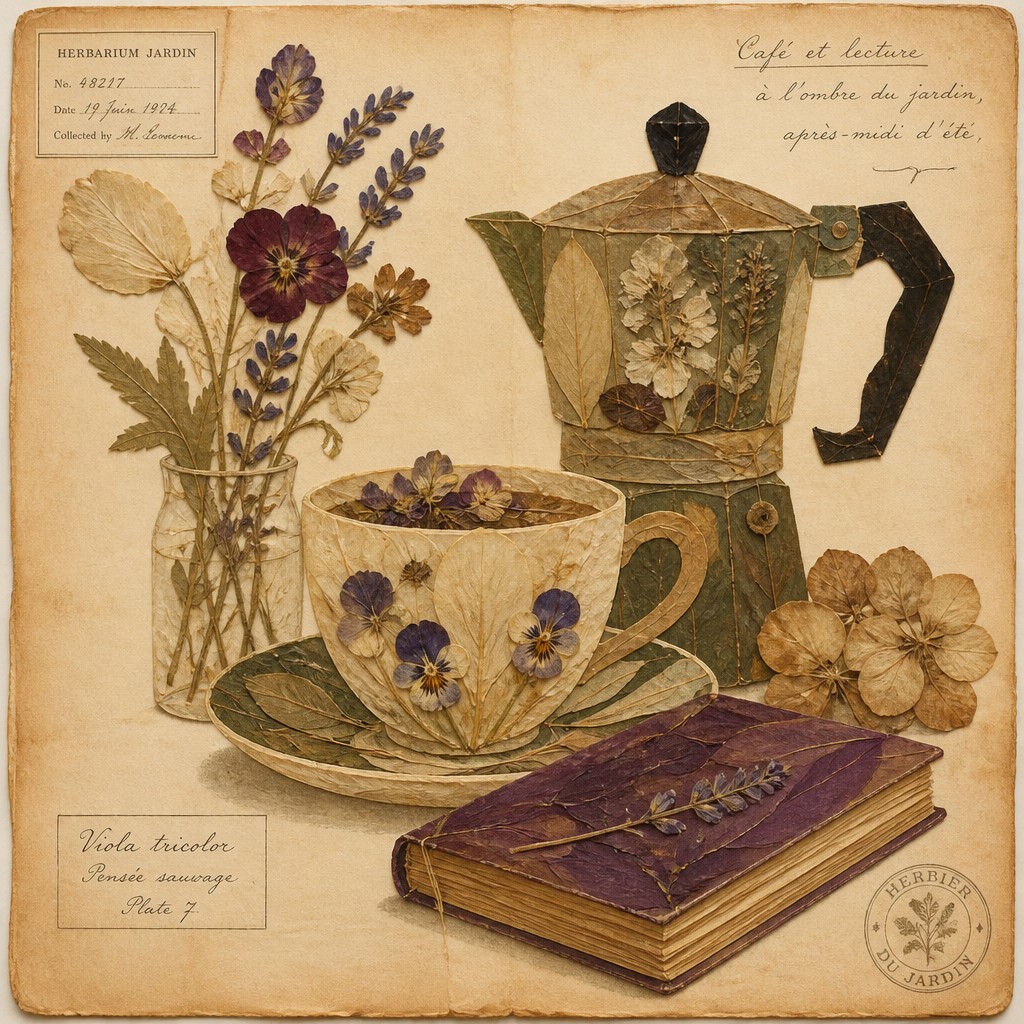
Nostalgic botanical mood
The style carries associations with memory, preservation, and gentle domestic craft. Even when used for modern subjects, it tends to produce a romantic, antique, and contemplative atmosphere.
Try It
Create Videos in Pressed Flowers
Styles aren't just for stills — describe a scene or animate an image and get a short video rendered in Pressed Flowers. Press play to see this pond come to life.
Make a VideoPressed Flowers Prompt Ideas
Start from an idea — each one opens the generator with the style ready to go. See all 40 Pressed Flowers prompts →
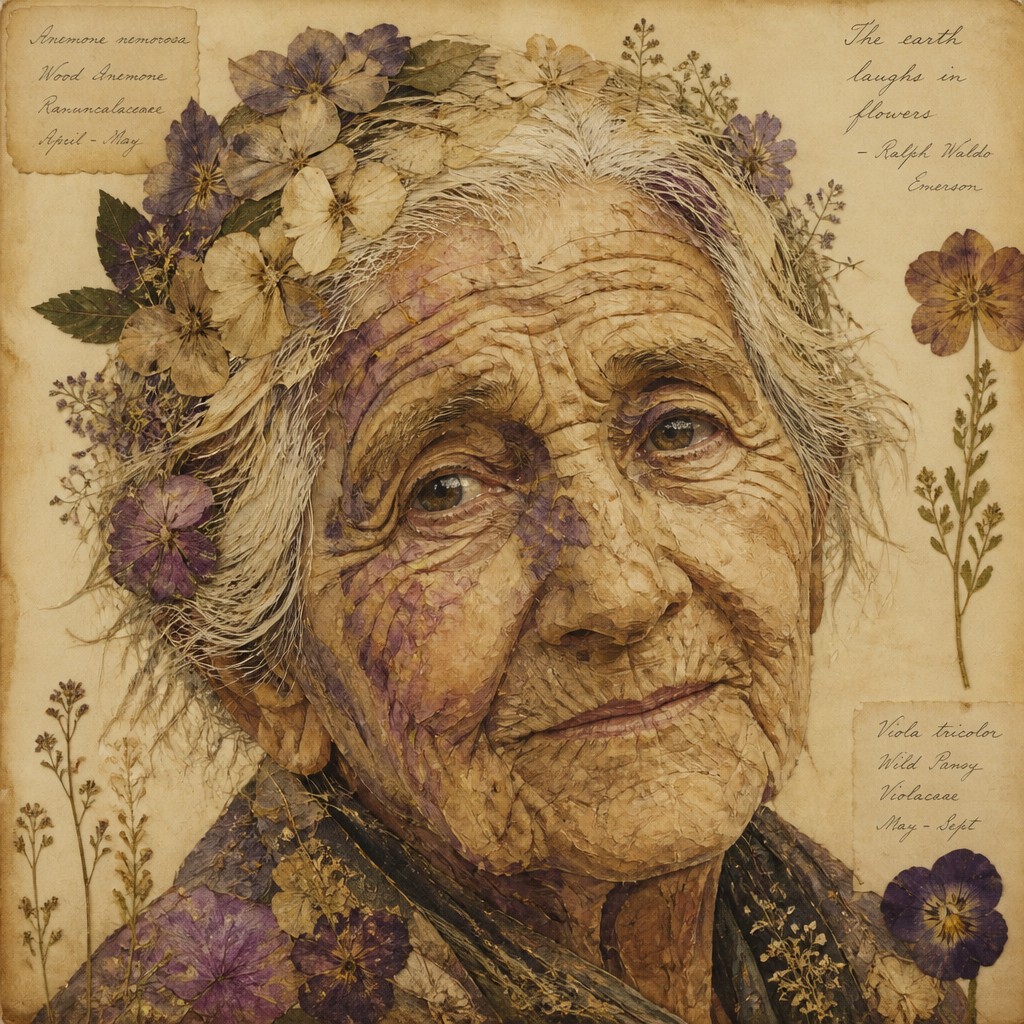
“close-up portrait of an elderly person with expressive weathered features”
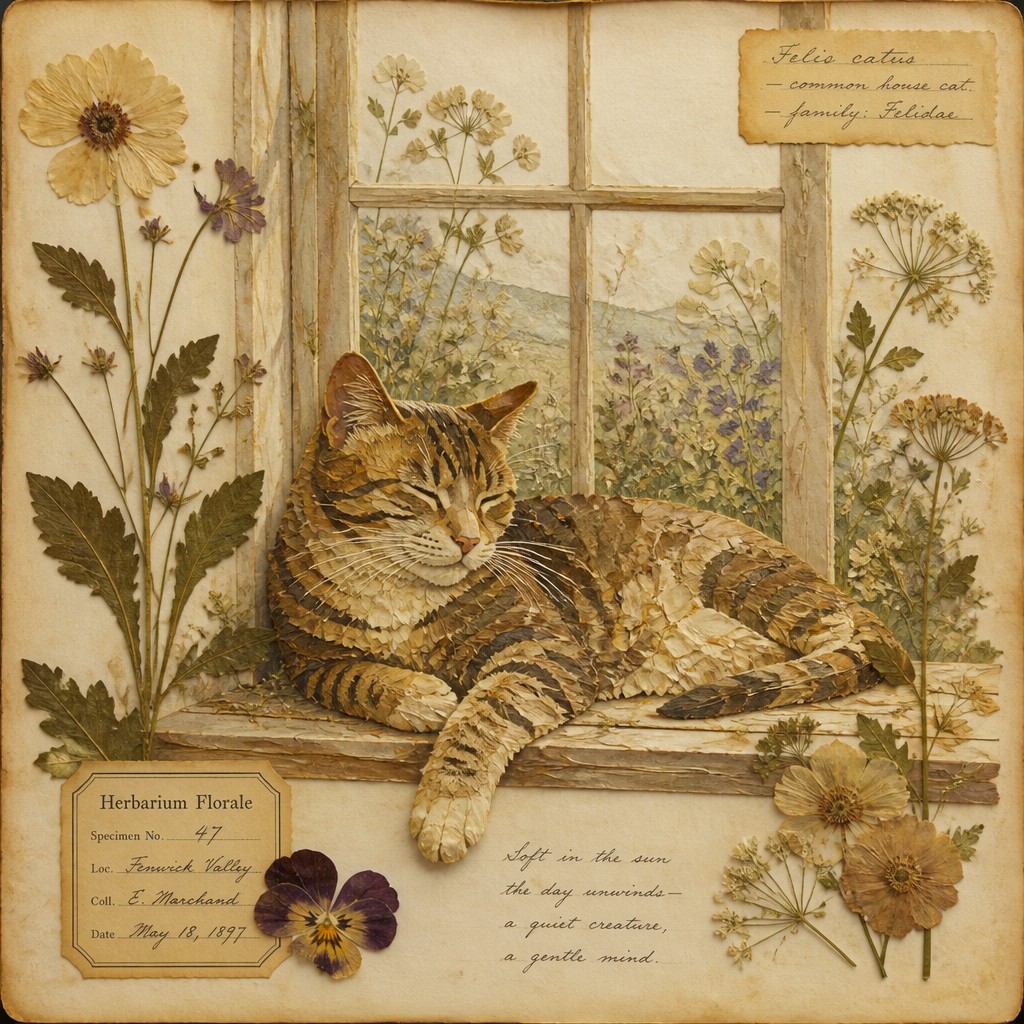
“a cat lounging in a sunlit window”
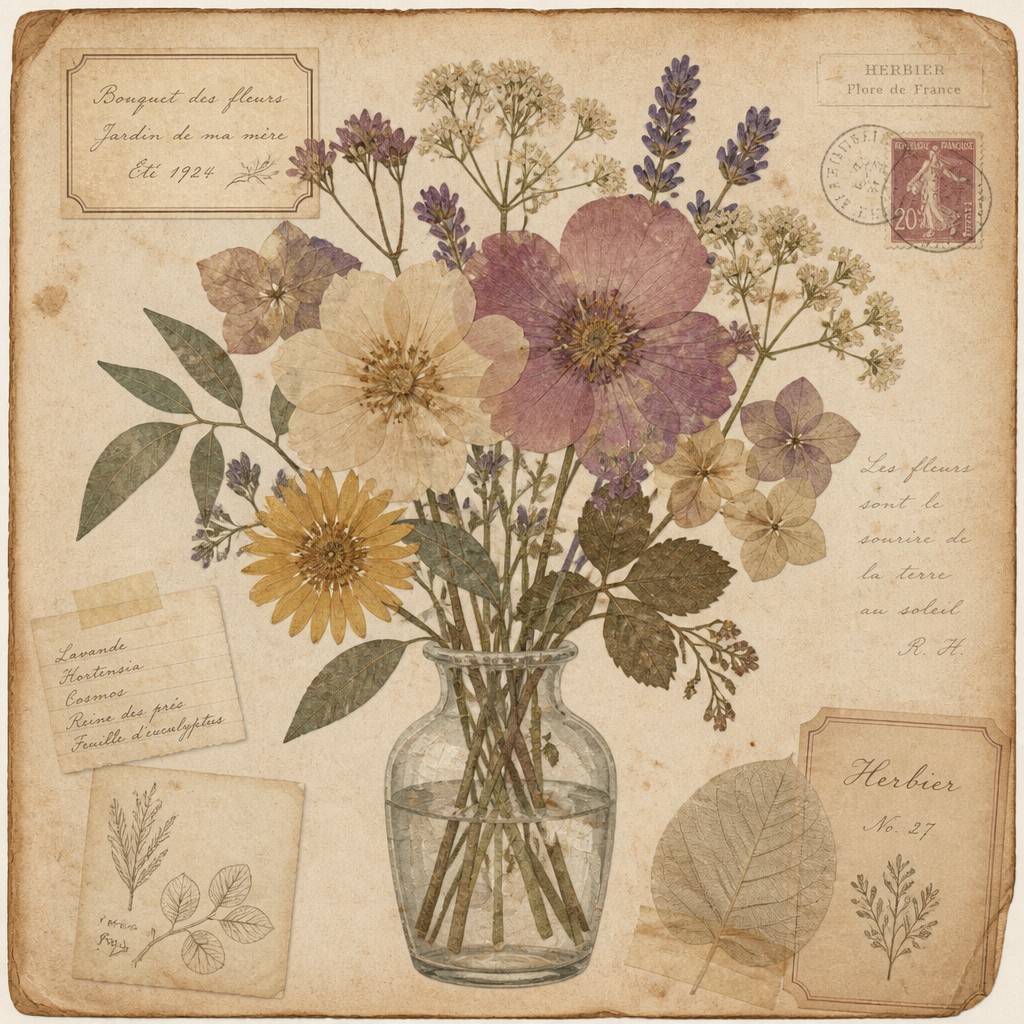
“bouquet of flowers in a glass vase”
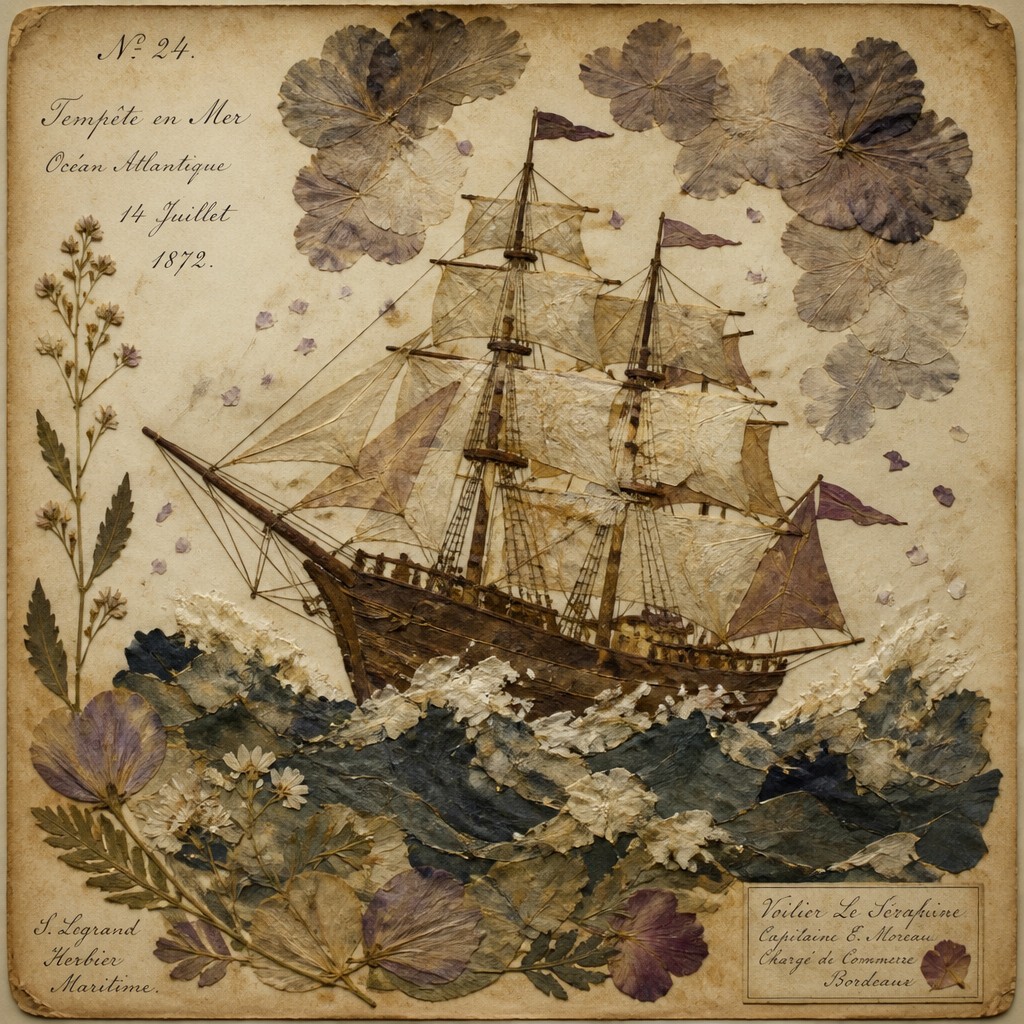
“sailing ship on a stormy sea”
How to Create Pressed Flowers Art
Master the craft step by step — or skip straight to creating. Read the full guide →
- 1
Press or flatten the botanical material
For a traditional approach, press real flowers and leaves between absorbent paper under weight until they dry flat and translucent. Choose specimens with clear veins and thin petals, since thick blossoms often collapse into dark, opaque shapes.
- 2
Build a restrained composition
Arrange the plant fragments with attention to silhouette and breathing room, as in a herbarium page. Avoid overcrowding; the style depends on readable forms and the quiet rhythm of negative space.
- 3
Use aged paper textures
Mount the composition on warm paper tones with grain, foxing, and slight staining. In digital work, add subtle paper texture beneath the petals so the image feels archival rather than clean or glossy.
- 4
Soften color and increase translucency
Reduce saturation and let the underlying texture show through the plant forms. In digital or AI-based generation, specify dried petals, faded tones, browned edges, and visible botanical veining to preserve the pressed look.
- 5
Emphasize specimen-like detail
Zoom in on edges, veins, and fibers so the viewer can read the material as botanical matter rather than painted imitation. The more the image reveals its dried structure, the more convincing the style becomes.
- 6
Prompt for collage, herbarium, and antique scrapbook cues
When generating images digitally, combine the subject with terms such as herbarium collage, pressed petals, aged paper page, vintage scrapbook, and subtle foxing. These cues anchor the result in the correct material tradition.

The Story
History & Origins of Pressed Flowers
Pressed-flower imagery belongs to a long tradition of botanical preservation and floral collage rather than to a single formal art movement. Its roots lie in herbariums, 19th-century flower pressing, and the 19th-century practice of collecting, classifying, and displaying plant specimens on paper. It also draws from scrapbook craft, greeting-card florals, and decorative paper ephemera, where dried plant materials were used for ornament and remembrance.
In contemporary visual culture, the style is often reinterpreted as a nostalgic collage aesthetic that mixes natural history with handmade craft. Digital artists may simulate the look by layering translucent floral forms over textured paper, while traditional makers press real flowers between sheets and mount them as compositions. The style’s modern popularity reflects renewed interest in slow craft, archival textures, and botanical imagery with a sentimental, handmade feel.
Influences: Pressed Flowers is closely related to herbarium specimen mounting, 19th-century floral craft, collage, and botanical illustration. It shares the archival sensibility of natural-history plates and the handmade intimacy of scrapbooking and ephemera design, while also echoing the paper-based delicacy found in cut-paper traditions and some contemporary mixed-media collage practices. In historical terms, it is less a singular movement than a convergence of botanical preservation, domestic craft, and decorative illustration.
Frequently Asked Questions
What defines the pressed flowers style?
It is defined by flattened botanical forms, muted dried colors, and the look of petals and leaves preserved on aged paper. The style should feel fragile, tactile, and archival, with visible veining and soft browning at the edges.
How is it different from regular floral illustration?
Regular floral illustration usually depicts flowers in full color and natural volume, often with painterly shading or realistic structure. Pressed flowers instead emphasizes drying, flattening, translucency, and the handmade feel of a mounted specimen or scrapbook collage.
Is this based on a real historical art movement?
Not exactly. It draws from real traditions such as herbariums, 19th-century flower pressing, botanical illustration, and scrapbook craft, but it is best understood as a contemporary aesthetic built from those sources rather than a formal historical movement.
What kinds of subjects work best in this style?
Flowers, leaves, insects, portraits, still lifes, and simple landscapes translate well because they can be built from layered organic shapes. Subjects with clear silhouettes and moderate detail are especially effective, since the style relies on readable pressed fragments.
How do I make it look authentic?
Use a warm, aged paper background, keep the palette subdued, and make sure the plant material reads as dried rather than painted. Authentic results usually include visible texture, slight discoloration, and a carefully arranged specimen-like composition.
Where is this style commonly used?
It appears in botanical-themed stationery, book covers, scrapbook art, wedding design, wall prints, and decorative illustration. It is also popular for sentimental or nostalgic imagery because it conveys preservation, memory, and quiet natural beauty.

Create your first Pressed Flowers artwork
Describe anything — or upload a photo — and see it in Pressed Flowers in seconds.
Make Something with Pressed Flowers
Related Styles
Discover similar art styles