Magical Girl Transformation Sequence
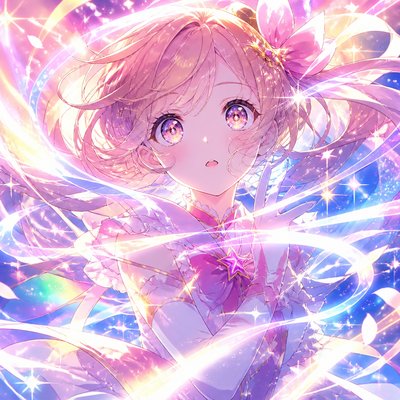
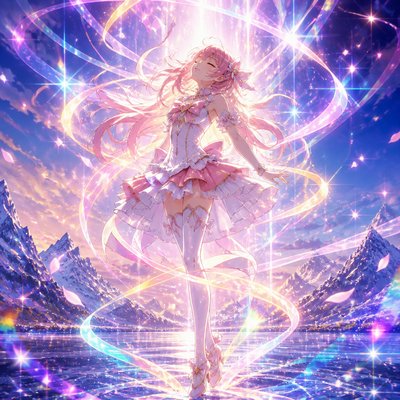
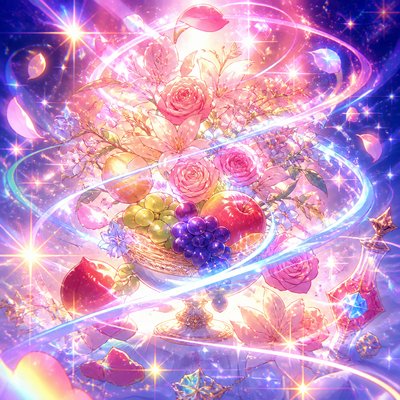
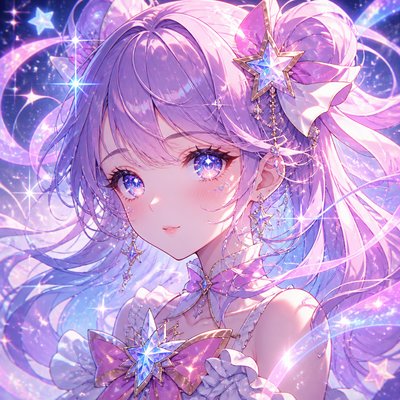
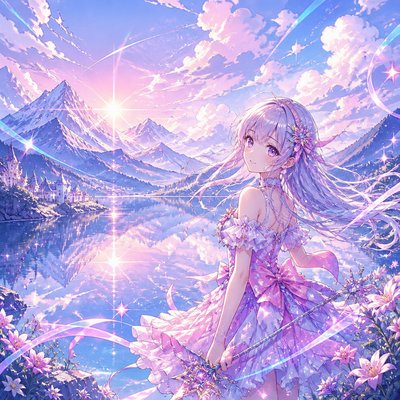
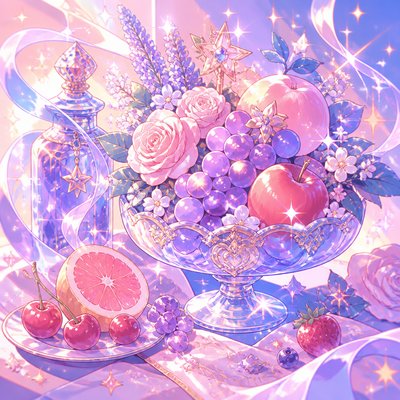
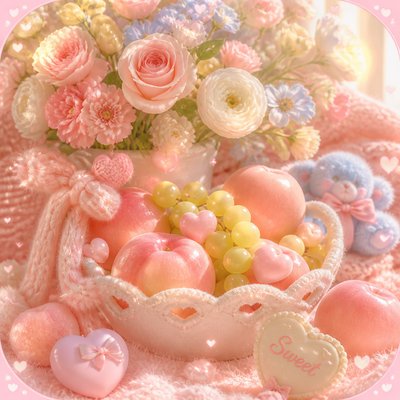
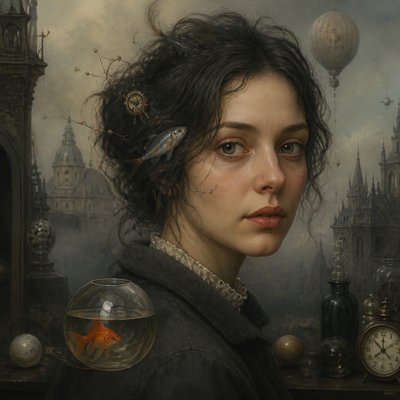
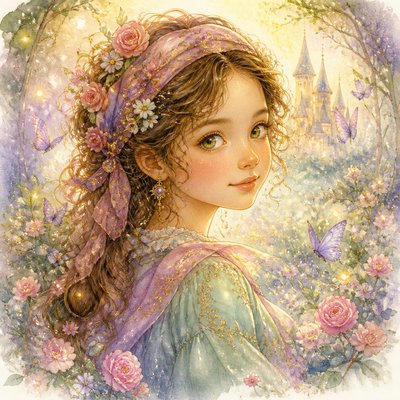
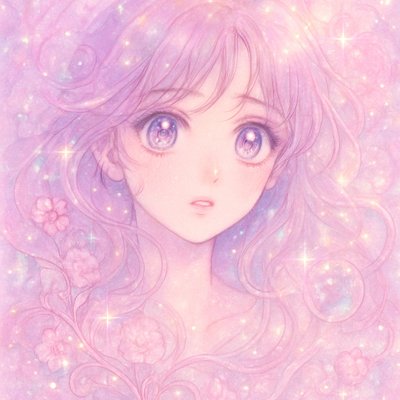
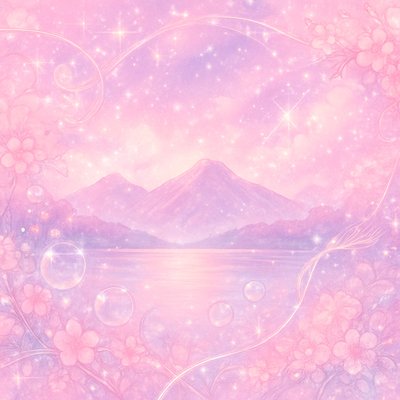
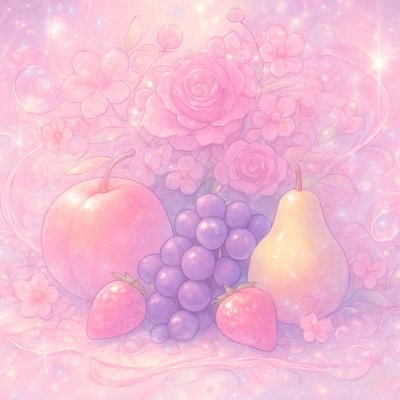
Anime-inspired mid-transformation imagery with ribbons of light, sparkling costume changes, pastel energy, and radiant magical effects.
Instantly rendered in Magical Girl Transformation Sequence — or transform a photo
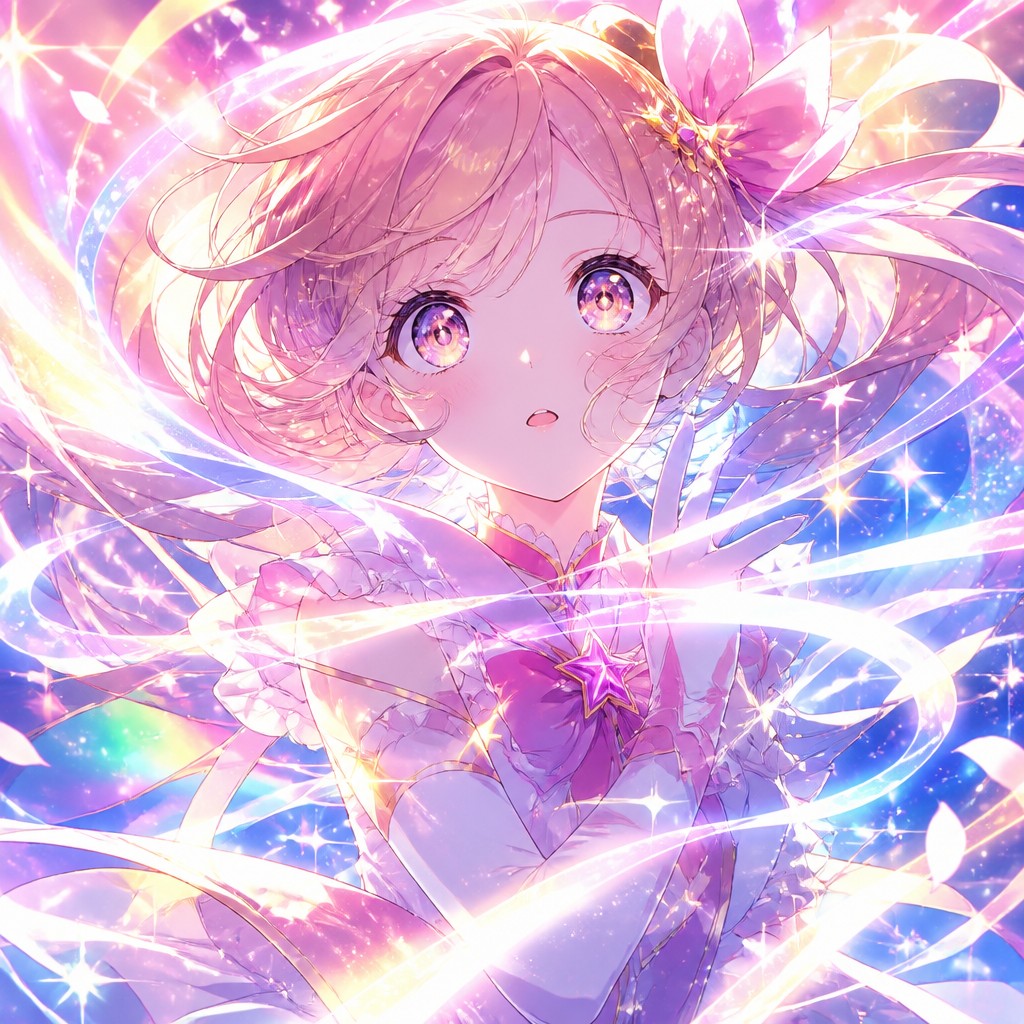
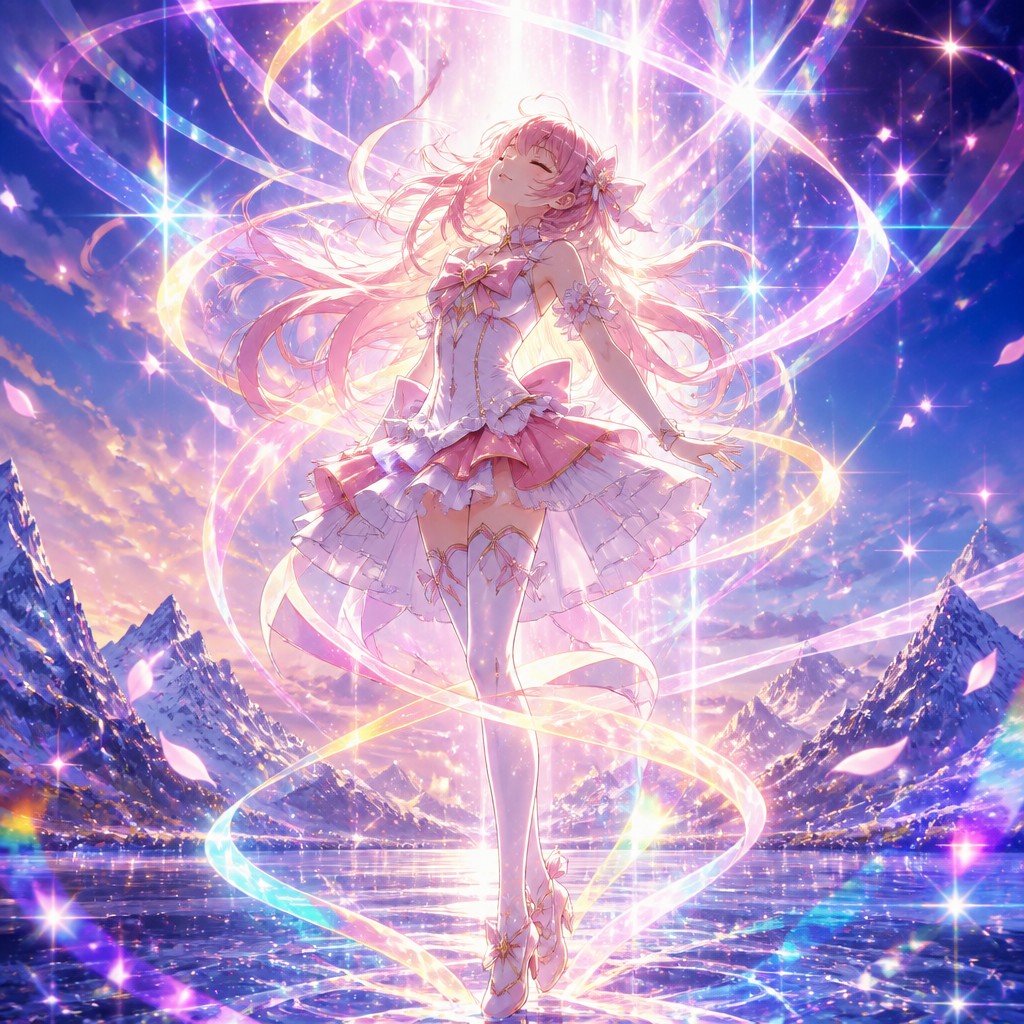
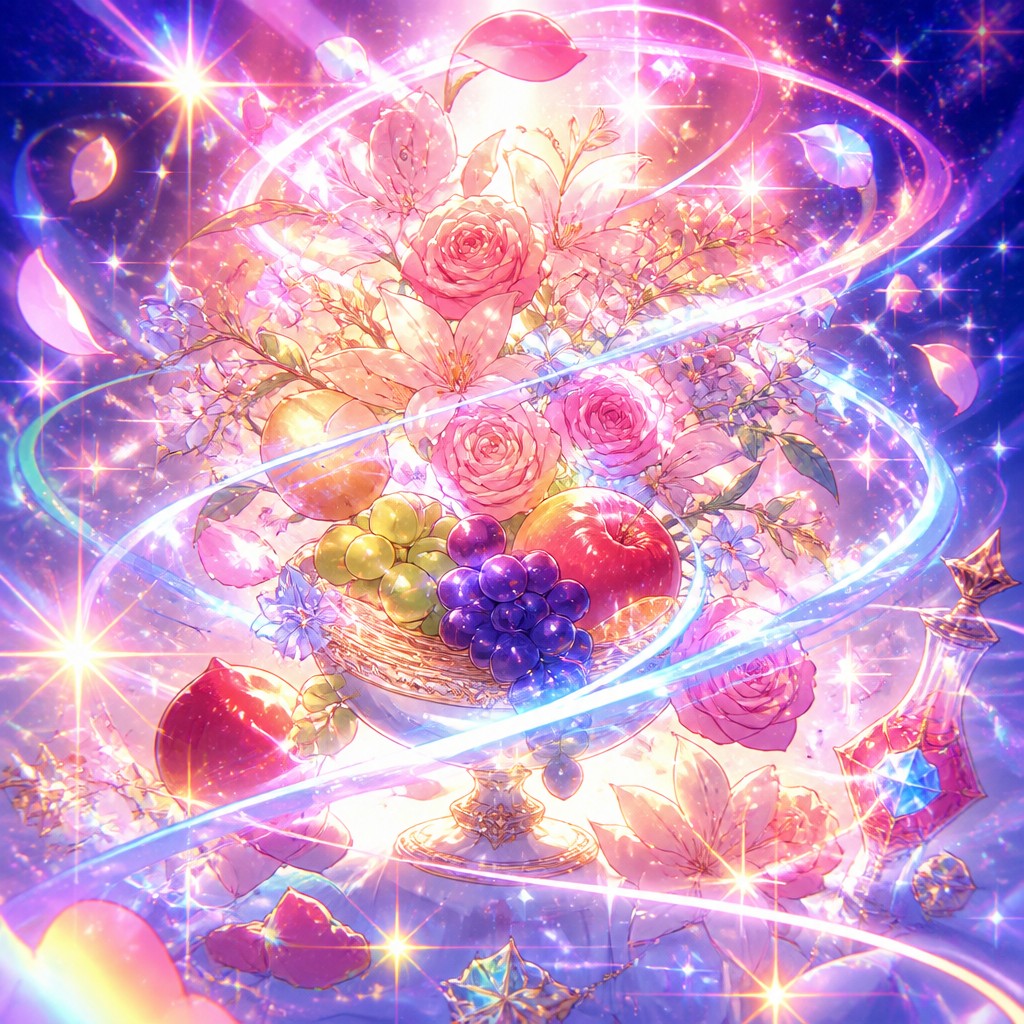
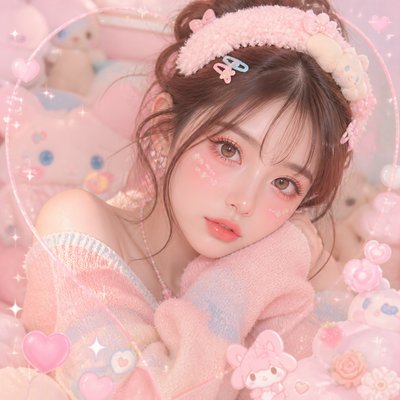
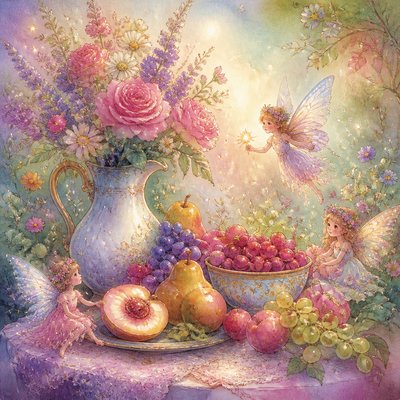
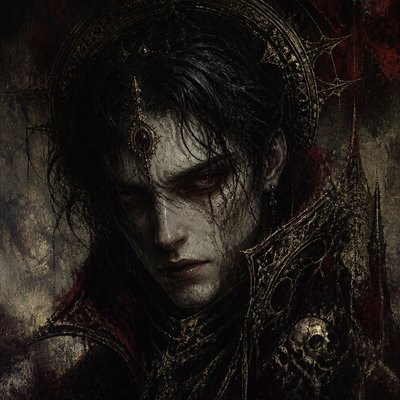
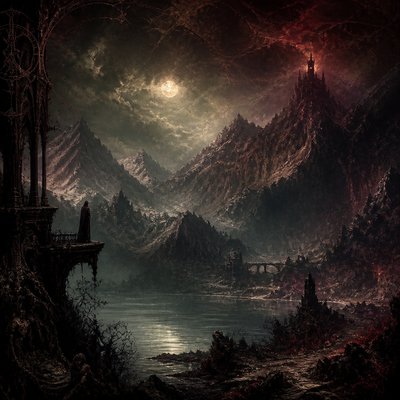
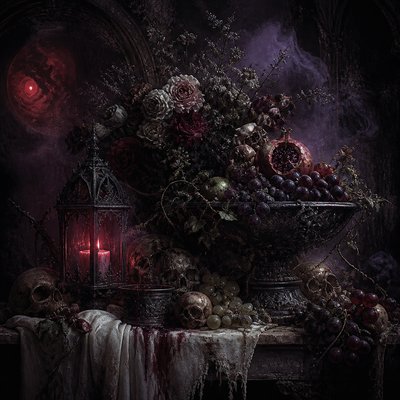
Magical Girl Transformation Sequence Gallery
Tap any artwork to explore it
What is Magical Girl Transformation Sequence?
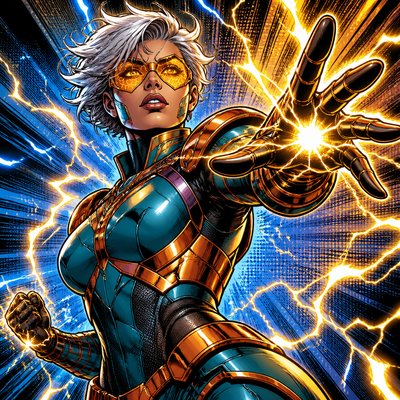
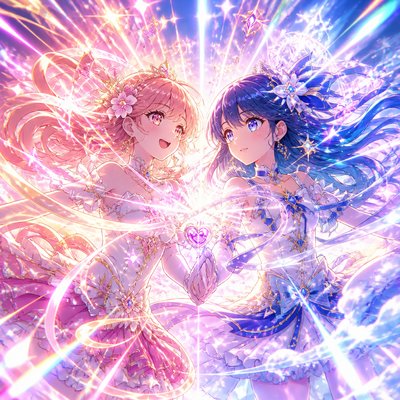
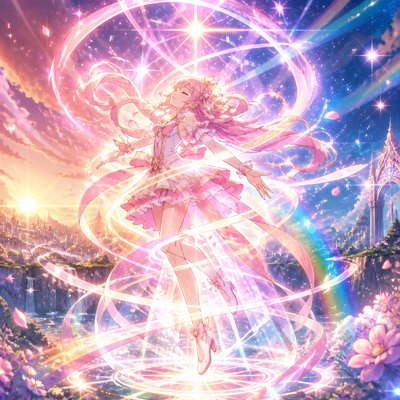
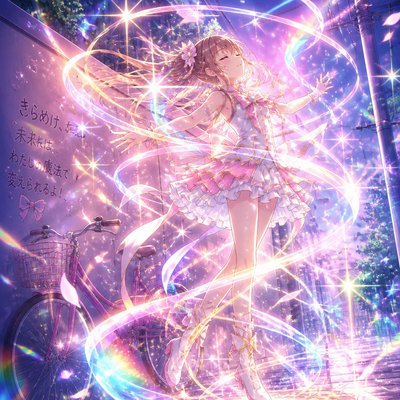
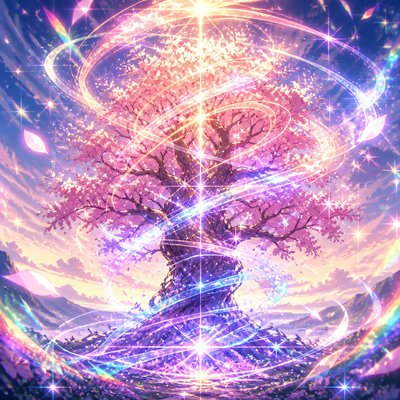
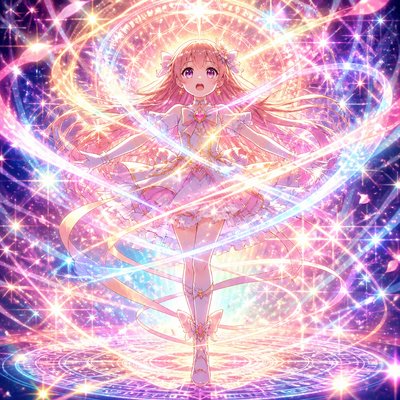
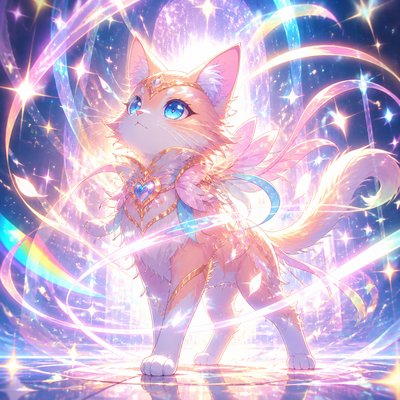
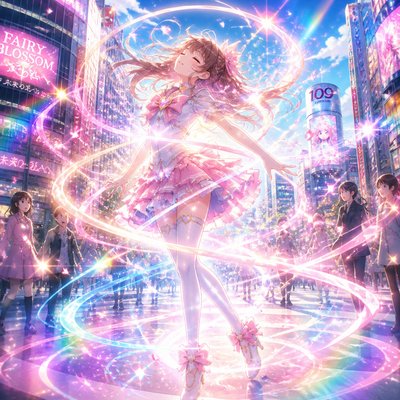
Magical Girl Transformation Sequence is an anime-derived visual style built around the instant a character changes from ordinary form into a magical identity. The image usually freezes a single dramatic moment: the body centered in frame, wrapped in spiraling ribbons of light, with costume pieces appearing in stages, glittering particles scattering outward, and the whole scene charged by a sense of rising power.
Its look is defined by clean anime linework or anime-like rendering combined with highly layered effects: pastel gradients, prismatic flares, starbursts, halos, and translucent energy veils. The result feels theatrical and ceremonial rather than merely action-oriented. The style works because it turns transformation into spectacle, making the change itself the subject of the image rather than the final costume alone.
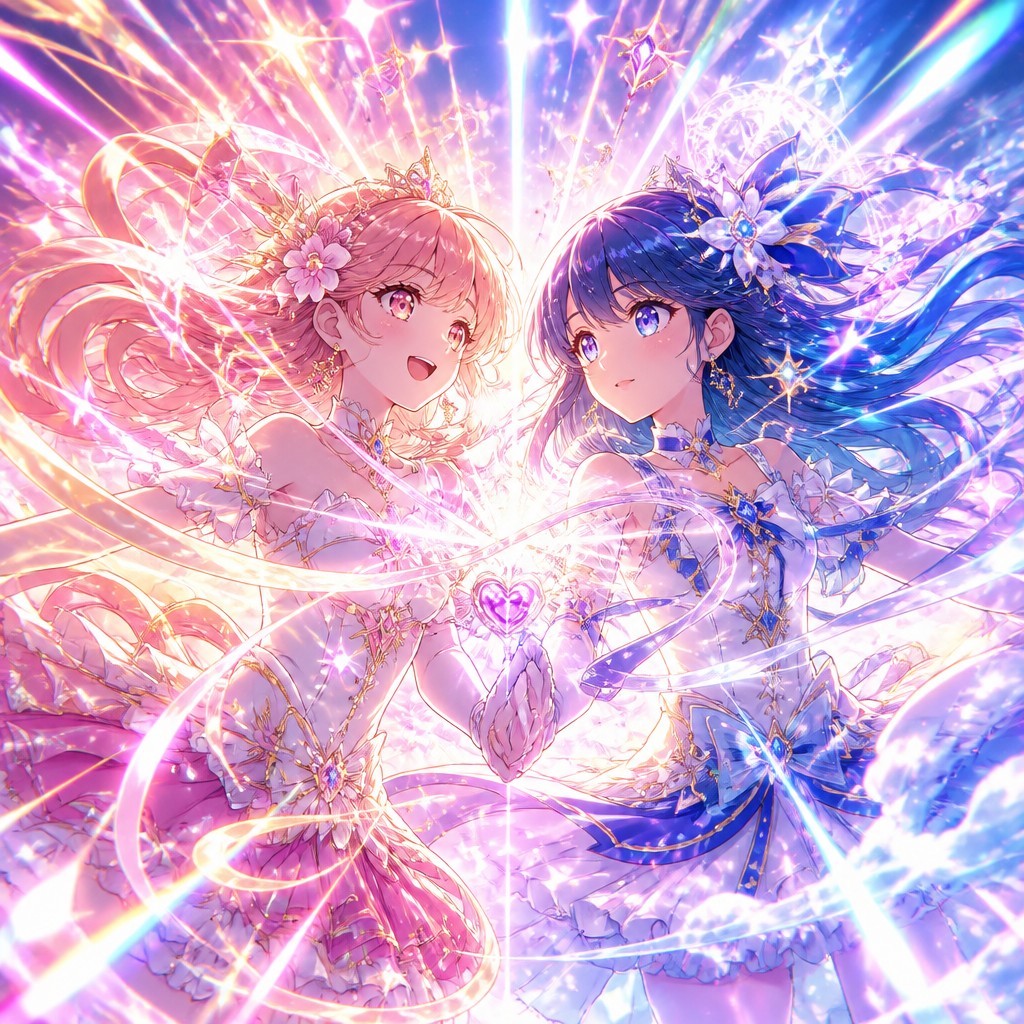
Try It On Your Photos
Upload any photo and convert it into Magical Girl Transformation Sequence — drag the sliders to compare before and after.
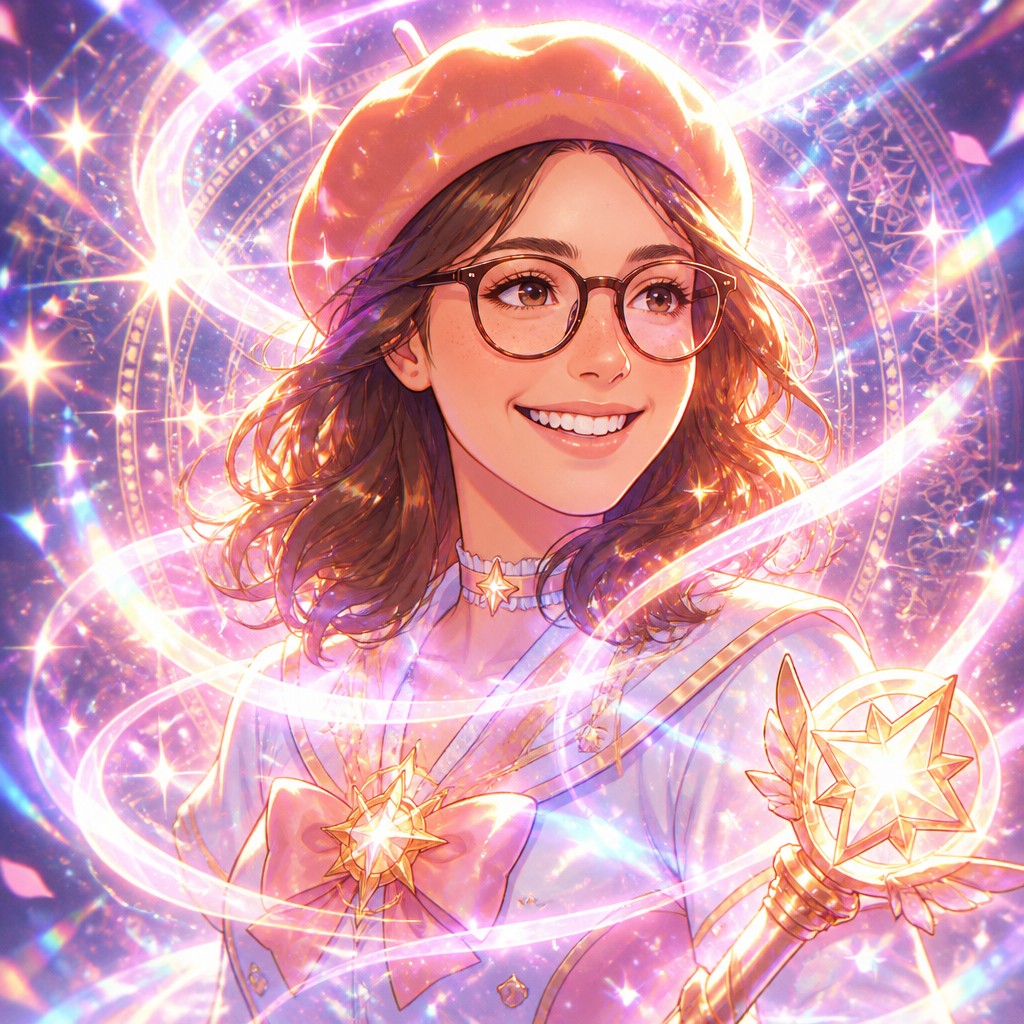

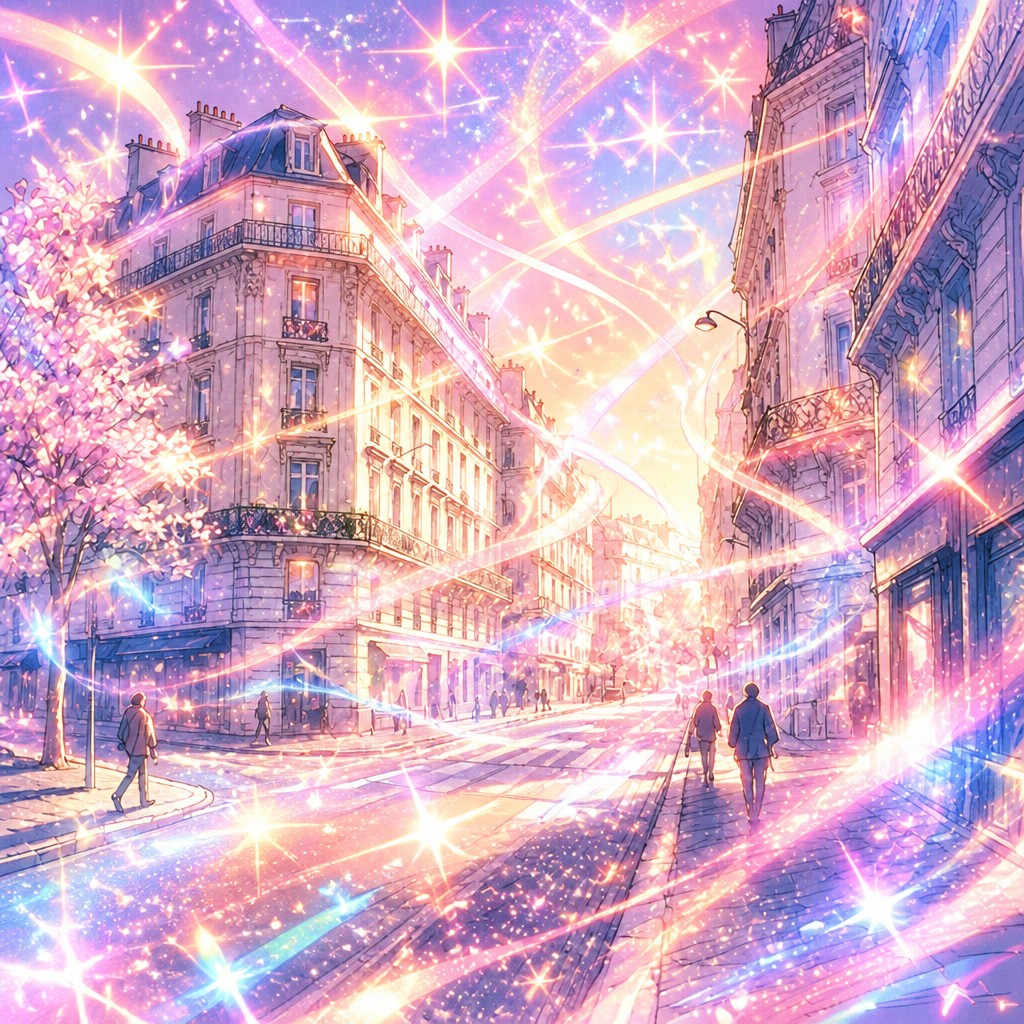

What Defines Magical Girl Transformation Sequence
The signature details, up close
Mid-transformation framing
The subject is shown at the exact moment of change, not before or after. Costumes, accessories, and body language often appear in suspended stages of assembly.
Ribbons and spirals of light
Flowing bands of luminous energy wrap around the figure, guiding the eye and implying motion. These forms often substitute for fabric or function as magical construction lines.
Sparkle-heavy atmosphere
Glitter particles, star shapes, and floating light motes fill the space around the character. The abundance of small highlights makes the image feel kinetic and celebratory.
Pastel-to-prismatic color design
Warm rose, peach, and gold tones often shift into celeste, violet, and rainbow highlights. The palette is bright but softened by glowing bloom and translucent overlays.
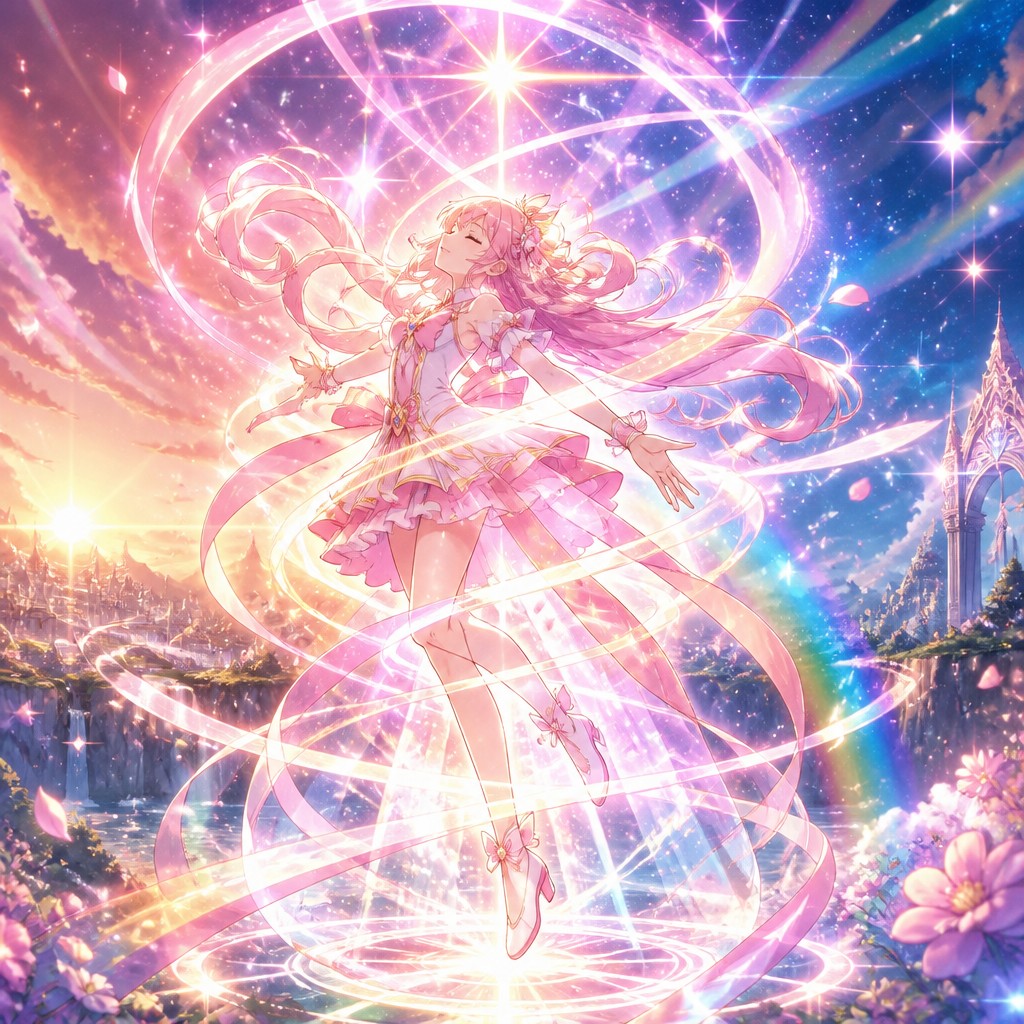
Costume crystallization
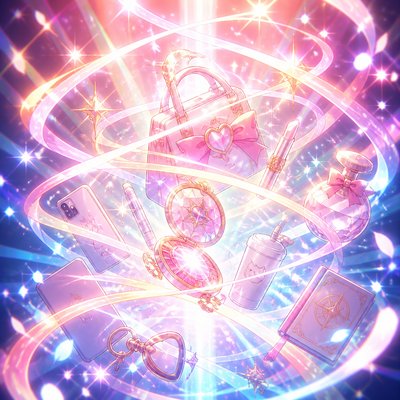
Uniform pieces, bows, gloves, jewelry, or armor-like accents seem to materialize from light. This incremental assembly gives the transformation a sense of magical engineering.
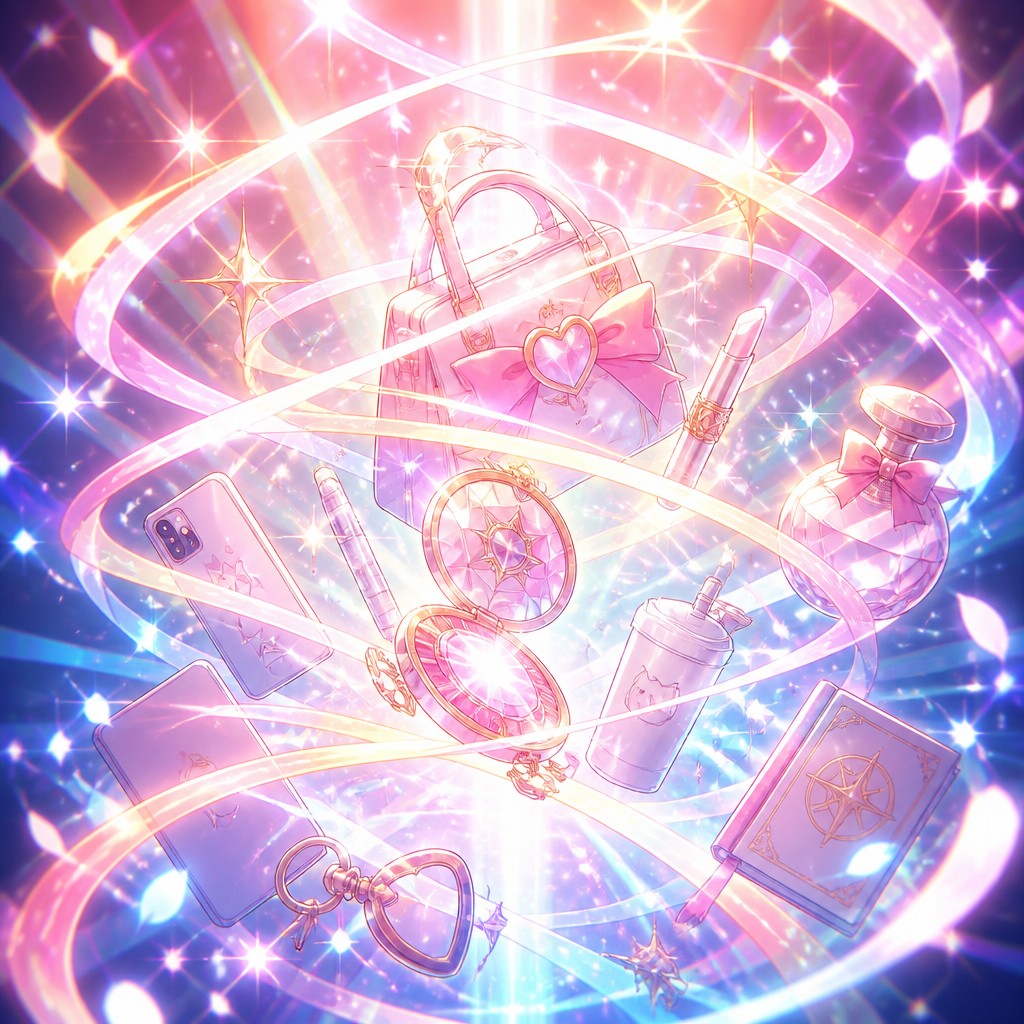
High-contrast glow effects
Strong halos, lens flares, and bloom create a radiant silhouette around the figure. The contrast between the character and the luminous field emphasizes the sense of revelation.
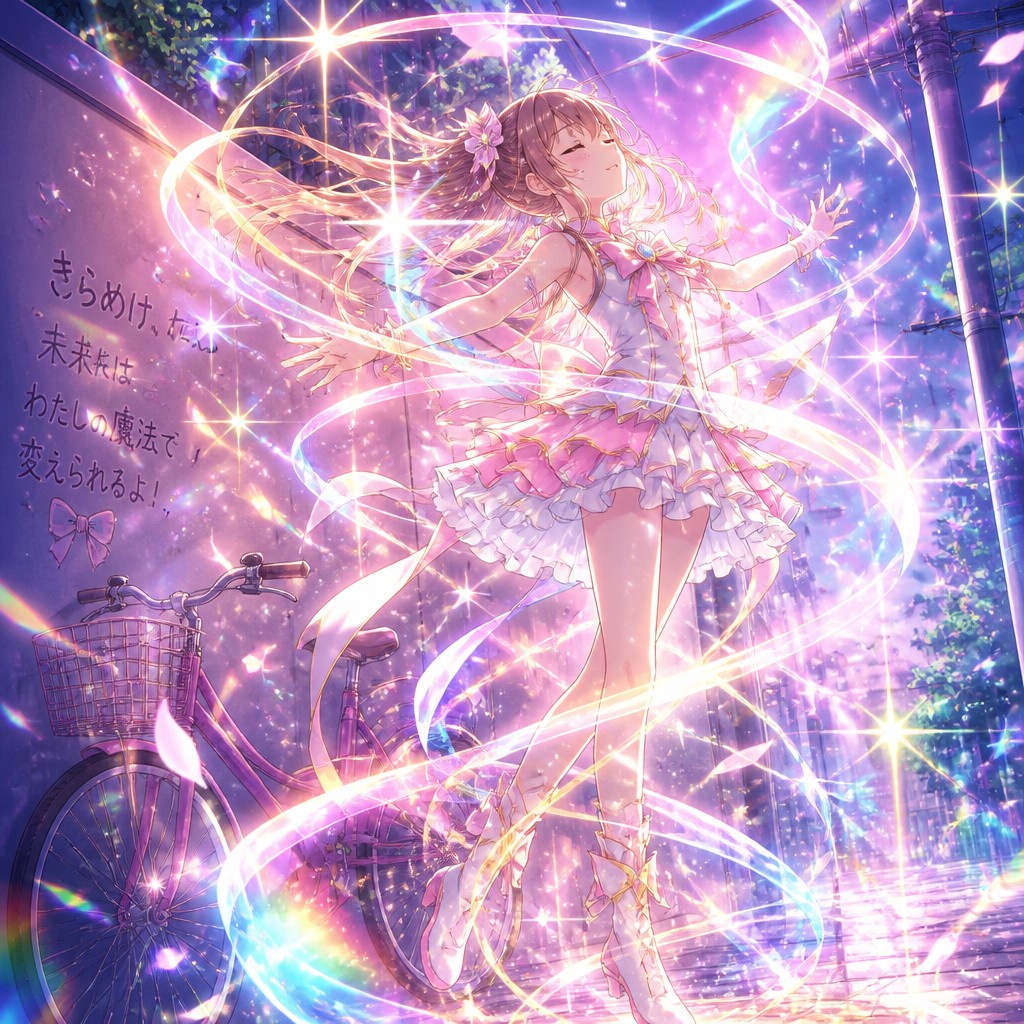
Anime-readable silhouette
Despite the effects, the body remains clear and emotionally expressive. The pose is typically elegant, centered, and easy to read at a glance, reflecting anime’s emphasis on iconic character design.
Try It
Create Videos in Magical Girl Transformation Sequence
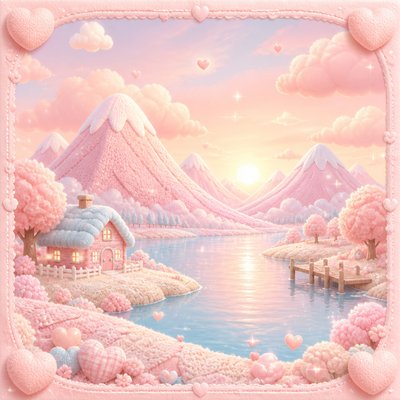
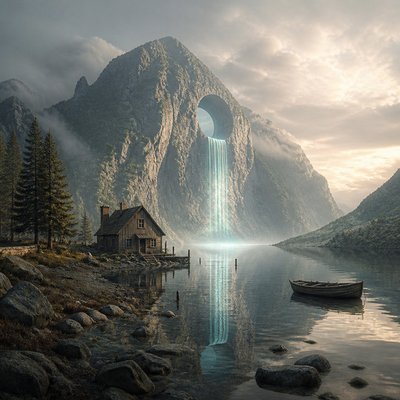
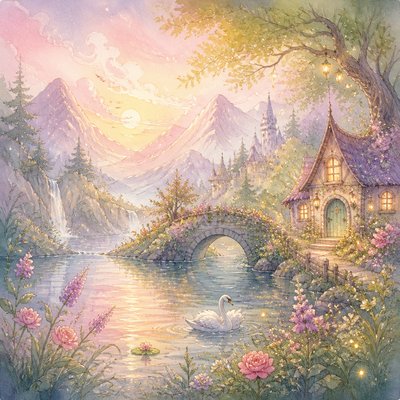
Styles aren't just for stills — describe a scene or animate an image and get a short video rendered in Magical Girl Transformation Sequence. Press play to see this pond come to life.
Make a VideoMagical Girl Transformation Sequence Prompt Ideas
Start from an idea — each one opens the generator with the style ready to go. See all 40 Magical Girl Transformation Sequence prompts →
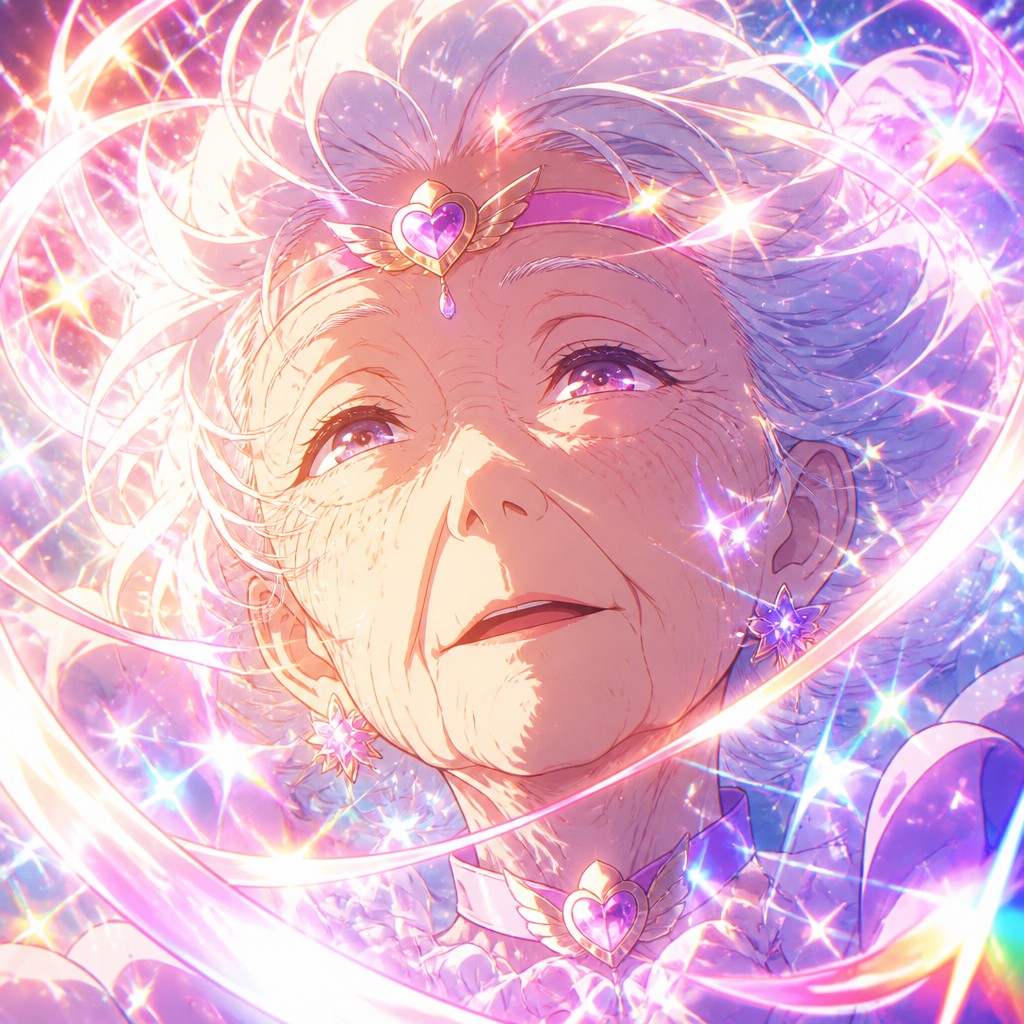
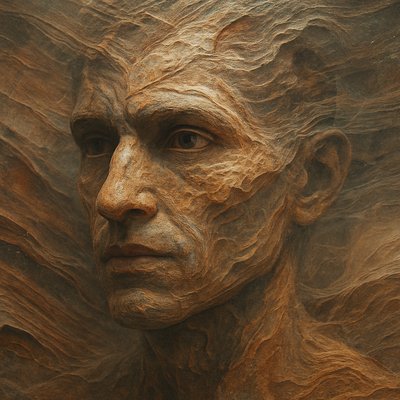
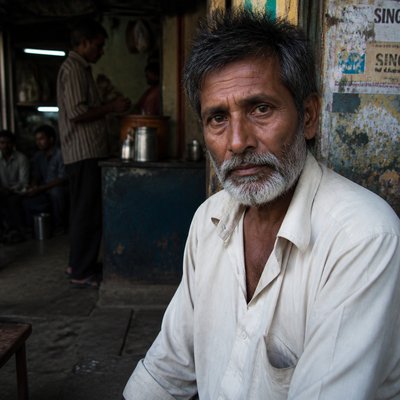
“close-up portrait of an elderly person with expressive weathered features”
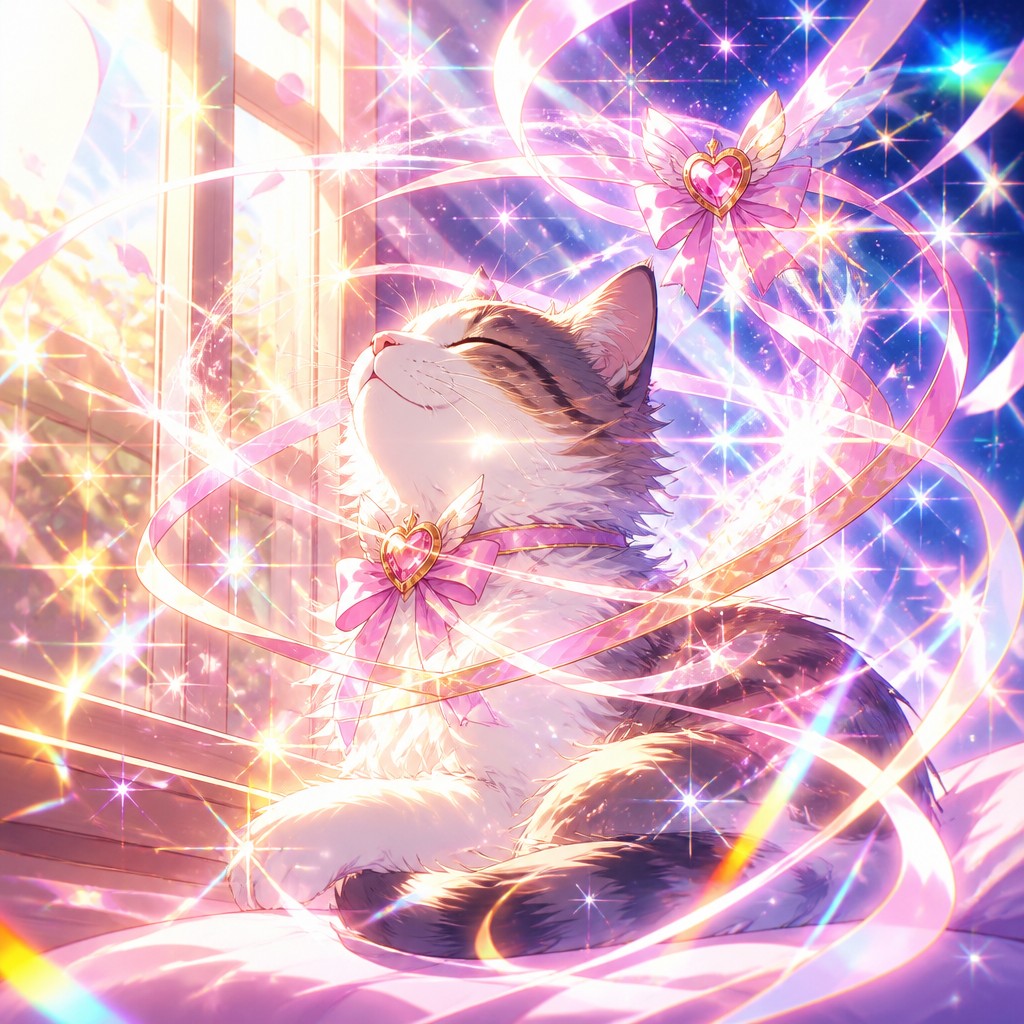
“a cat lounging in a sunlit window”
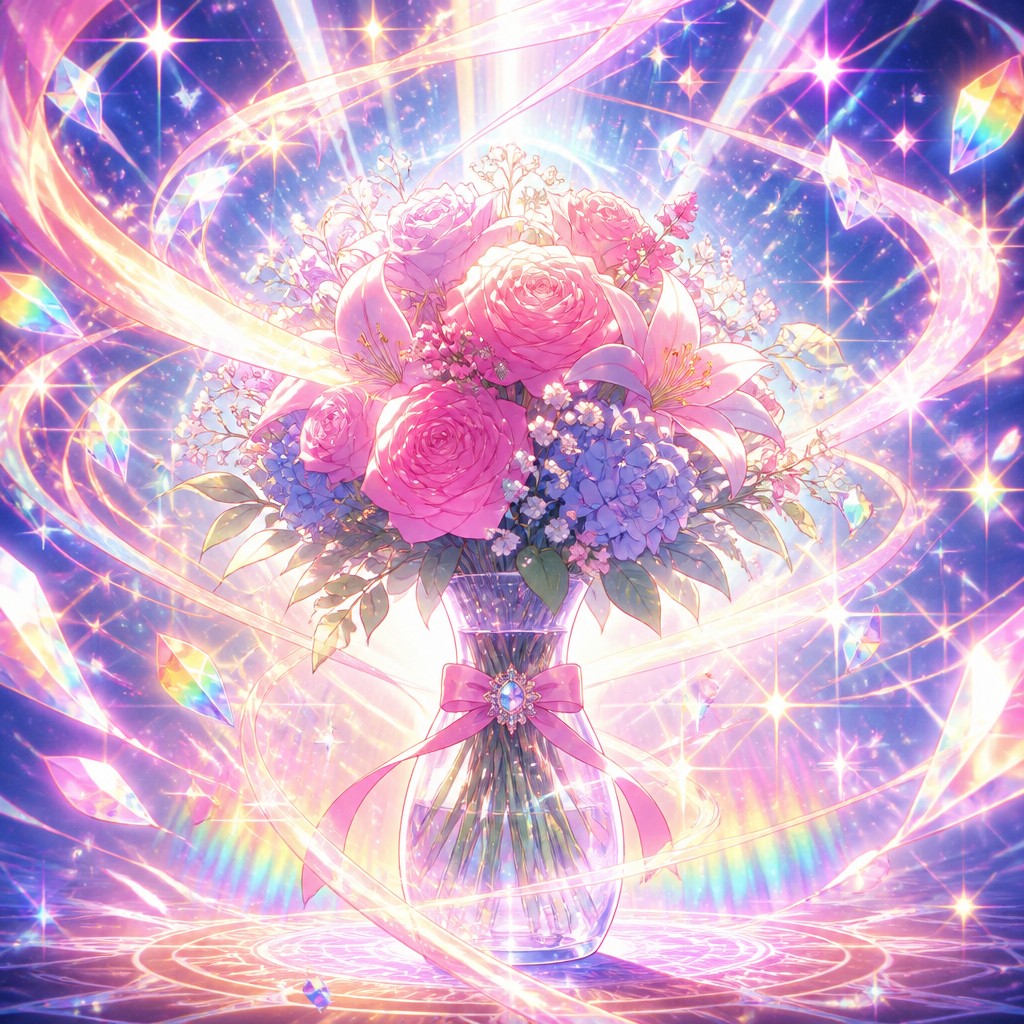
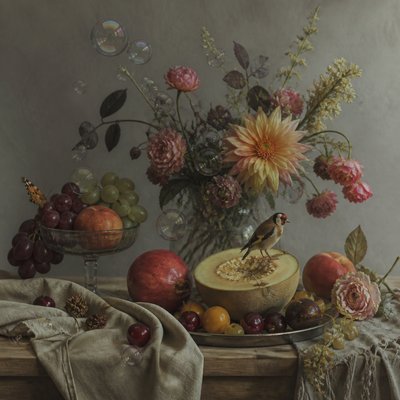
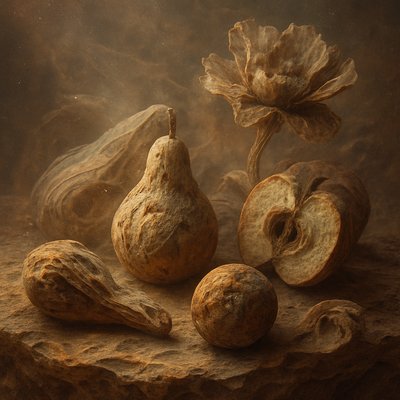
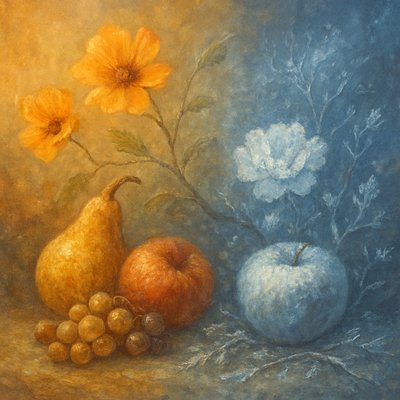
“bouquet of flowers in a glass vase”
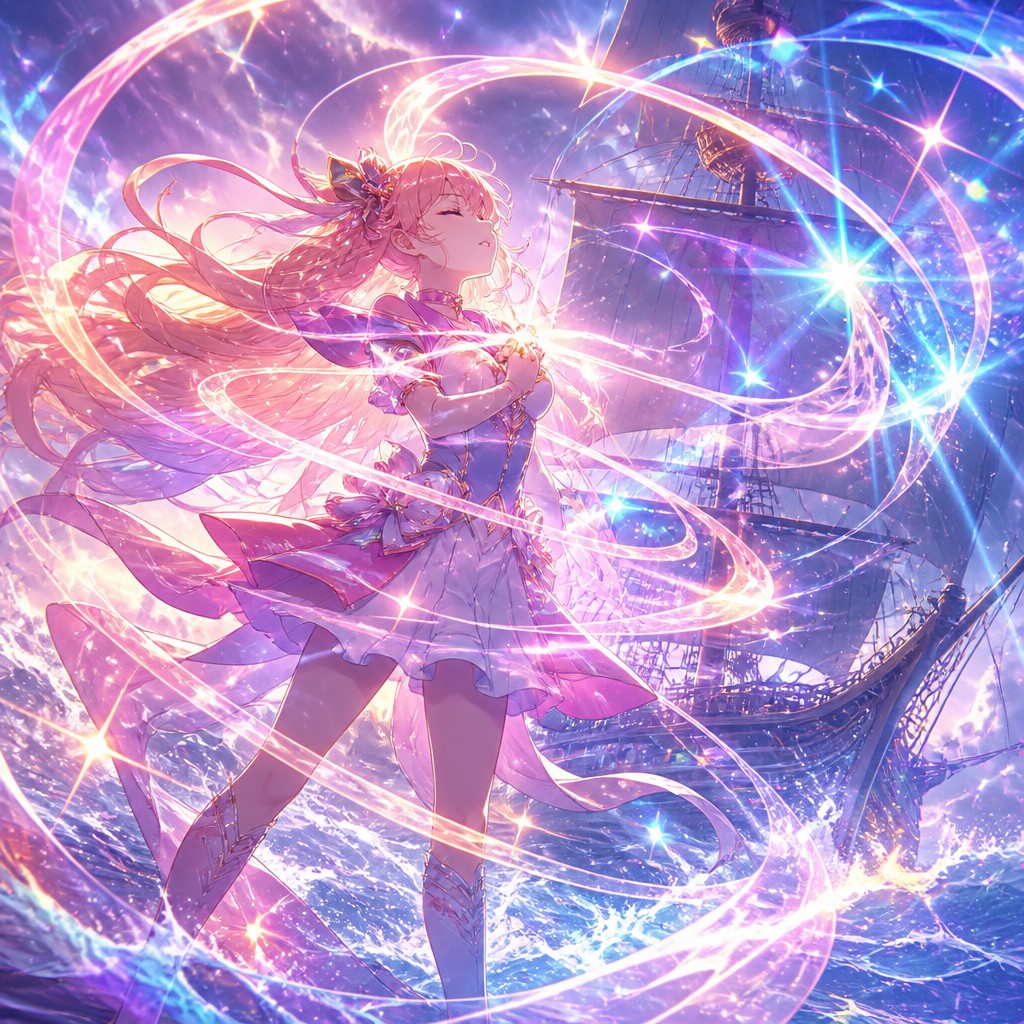
“sailing ship on a stormy sea”
How to Create Magical Girl Transformation Sequence Art
Master the craft step by step — or skip straight to creating. Read the full guide →
- 1
Stage the transformation as a single frozen moment
Choose the instant where the character is between identities: one costume piece half-formed, one hand raised, ribbons circling the body. For traditional drawing, sketch the pose first and then build effects around it so the silhouette stays readable.
- 2
Use luminous ribbons to organize movement
Treat energy trails like compositional lines that frame the face, torso, and limbs. In digital work, use layered soft brushes, glow modes, and controlled curves; in paint or marker work, rely on directional highlights and repeated arc shapes.
- 3
Build the palette from pastel gradients and jewel-like accents
Start with soft rose, lilac, aqua, and pearl tones, then punctuate them with sharper star-white highlights and occasional rainbow refractions. Avoid muddy shadows; instead, use cool tinted shadows and luminous edge lighting.
- 4
Layer costume elements as if they are assembling in sequence
Show bows, cuffs, boots, tiaras, and accessories emerging in ordered stages to communicate metamorphosis. A prompt for generation should specify that the subject is 'mid-transformation' with 'costume pieces crystallizing from light' rather than simply 'wearing a magical outfit.'
- 5
Keep the face and gesture expressive
The emotional core matters as much as the effects: determined, serene, ecstatic, or heroic expressions all work well. In image generation, specify expressive anime facial features, centered composition, and a clear character pose to prevent the effects from overwhelming the subject.
- 6
Balance clarity with spectacle
Too many effects can obscure the figure, so reserve the brightest bloom for the background and outer edges. If using a prompt, include terms like 'clean silhouette,' 'readable figure,' or 'layered translucent effects' to preserve form.

The Story
History & Origins of Magical Girl Transformation Sequence
This is an invented contemporary style category, but its visual lineage is rooted in Japanese magical girl anime, especially transformation scenes popularized from the late 20th century onward. Series such as Sailor Moon established many of the core conventions: an isolated character pose, unfolding costume elements, luminous ribbons, sparkling backgrounds, and a pause in narrative time that turns metamorphosis into a ritualized performance.
The style also draws from broader anime production design, tokusatsu transformation theatrics, shoujo manga ornament, and the language of concert visuals and idol performance graphics. In digital and fan art contexts, these elements have been amplified with stronger bloom, rainbow refraction, and layered particle effects, creating a polished hybrid of animation language and contemporary graphic rendering.
Influences: The style draws most directly from Japanese magical girl anime and shoujo visual language, with especially strong ties to the transformation aesthetics associated with Sailor Moon and related series. It also relates to tokusatsu transformation scenes, idol performance graphics, and anime special-effects design, while digitally enhanced versions borrow from contemporary glow effects, music-video lighting, and prismatic fantasy illustration. Canonical artists are not the defining reference here; the important lineage is the animated transformation sequence itself and its subsequent fan-art and digital-illustration reinterpretations.
Frequently Asked Questions
What defines this style visually?
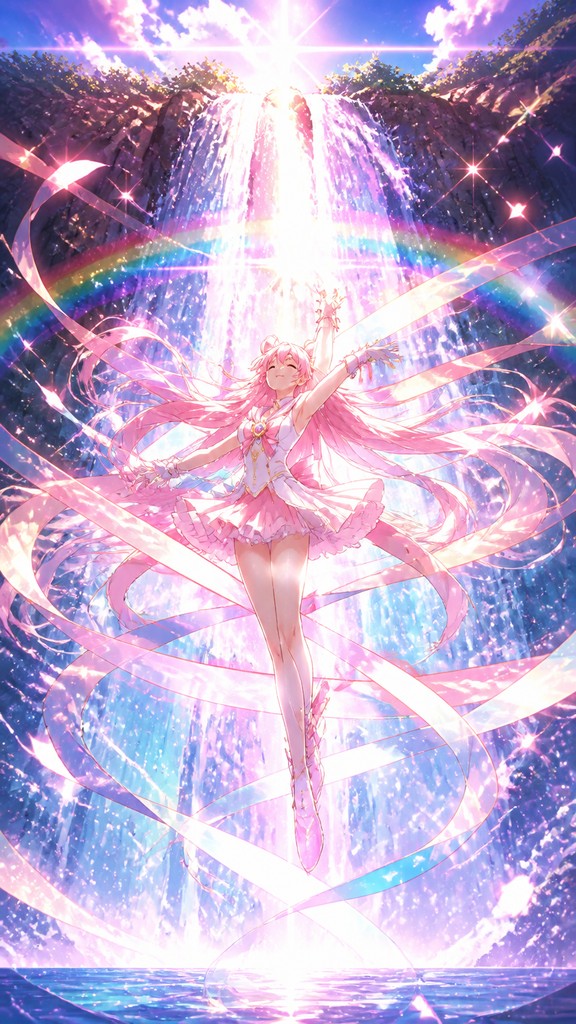
It is defined by the moment of metamorphosis: a character surrounded by luminous ribbons, sparkles, and energy blooms while costume elements appear piece by piece. The composition usually centers the figure and uses bright pastel or rainbow lighting to make the change feel ceremonial and dramatic.
How is it different from general anime art?
General anime art can depict any scene or mood, while this style specifically focuses on transformation imagery and the visual effects that accompany it. The emphasis is on motion, glow, and costume construction rather than everyday character portraiture or action scenes.
Is this the same as a magical girl character design?
Not exactly. Magical girl design refers to the finished character aesthetic, while this style captures the transformation event itself. A design may be whimsical or ornate without showing the ribbons, sparkles, and staged costume assembly that define the sequence.
What subjects work best in this style?
Human or humanoid characters work best because the style depends on readable anatomy, gesture, and costume change. It is especially effective for school-age heroines, idols, witches, celestial guardians, and fantasy warriors, but can be adapted to any character undergoing a symbolic transformation.
How can I make art in this style without animation?
Use a single still image that implies motion through curves, particles, and sequential costume details. In drawing or painting, layer light effects over a clear anime pose; in digital work, use glow, gradient overlays, and particle brushes to simulate the energy of a transformation frame.
Where is this style commonly used?
It appears in fan art, character posters, key art, game promotion, cosplay-inspired illustrations, and fantasy character reveals. It is also used in music visuals and editorial artwork when a dramatic reveal or identity shift needs to be emphasized.
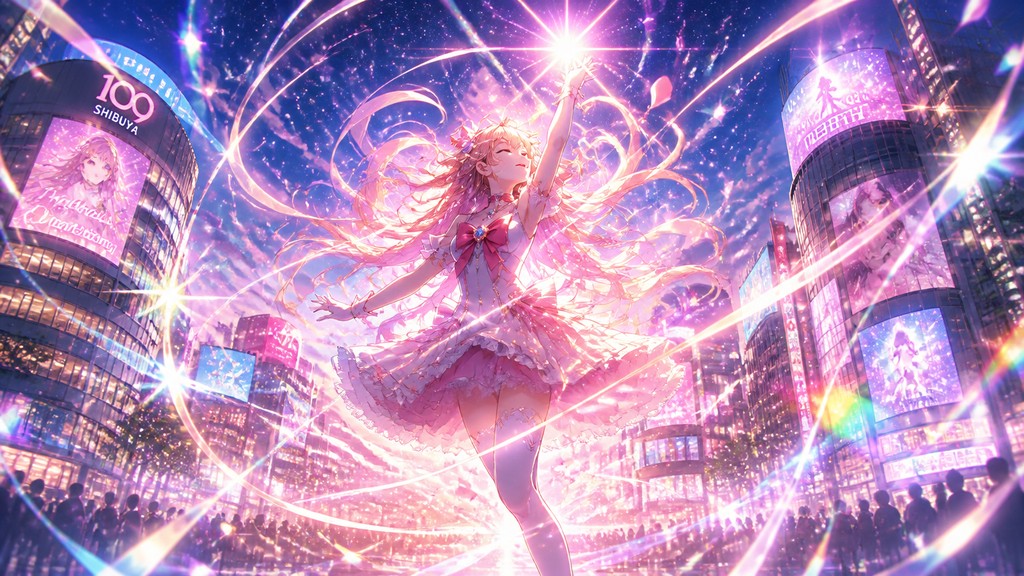
Create your first Magical Girl Transformation Sequence artwork
Describe anything — or upload a photo — and see it in Magical Girl Transformation Sequence in seconds.
Make Something with Magical Girl Transformation Sequence
Related Styles
Discover similar art styles