Floating Islands
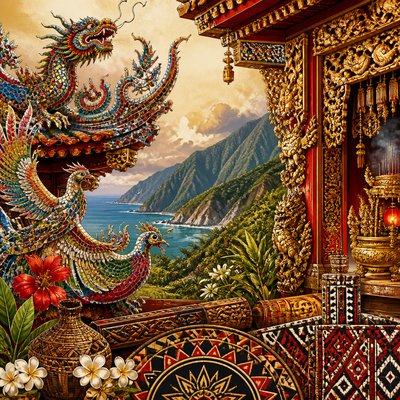
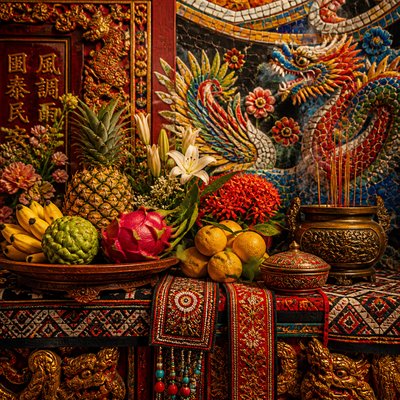
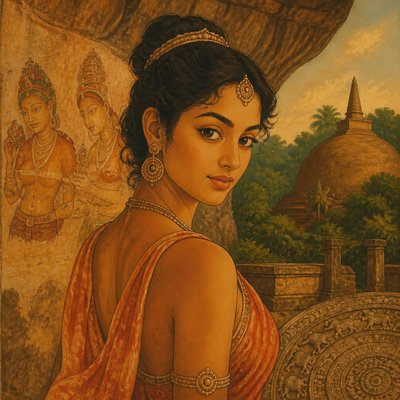
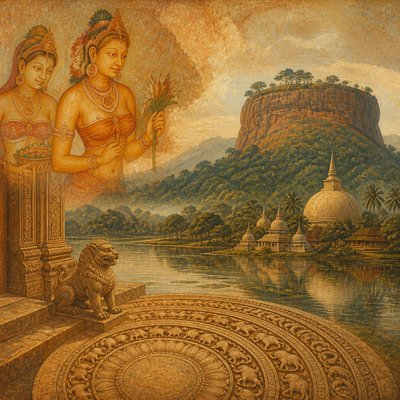
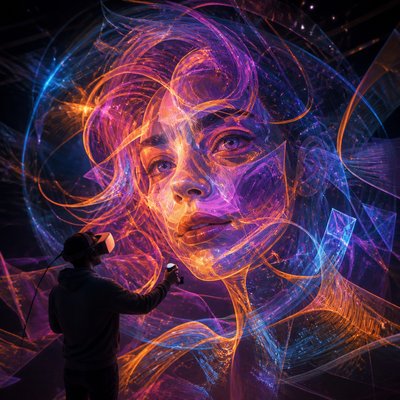
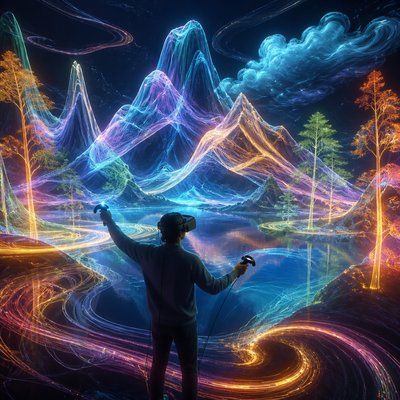
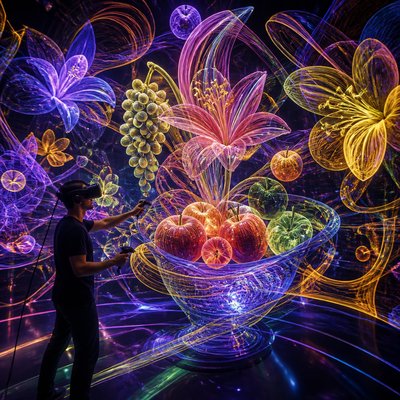
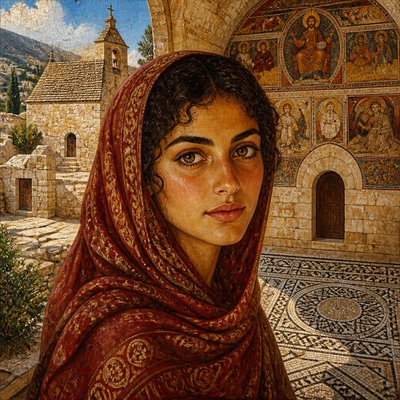
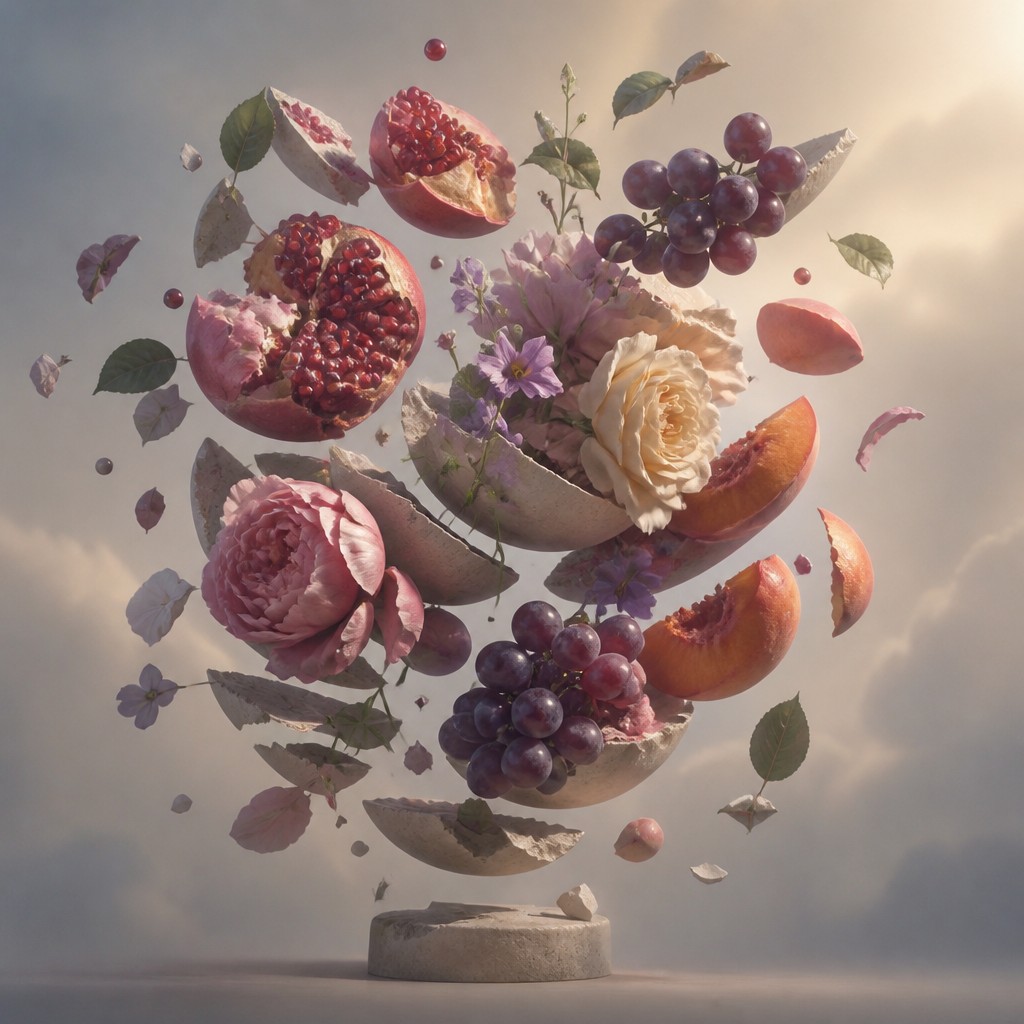
Dreamlike images of subjects breaking into levitating fragments, with soft haze, weightless space, and surreal anti-gravity effects.
Instantly rendered in Floating Islands — or transform a photo
Floating Islands Gallery
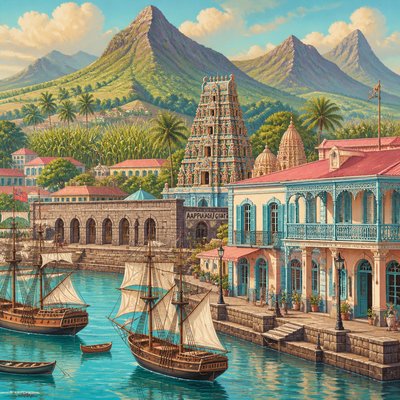
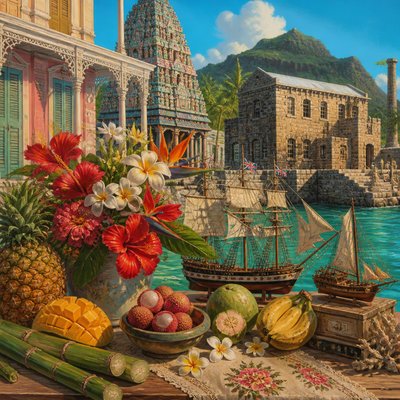
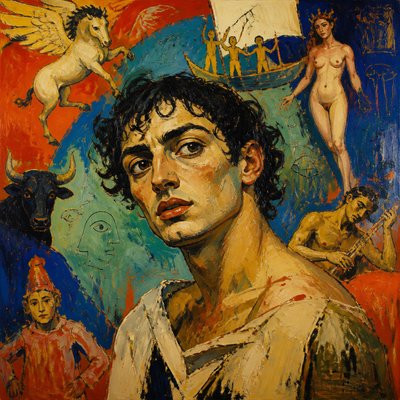
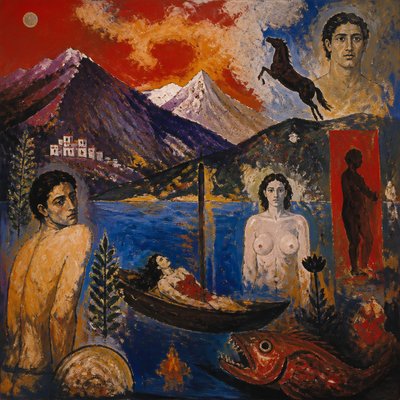
Tap any artwork to explore it
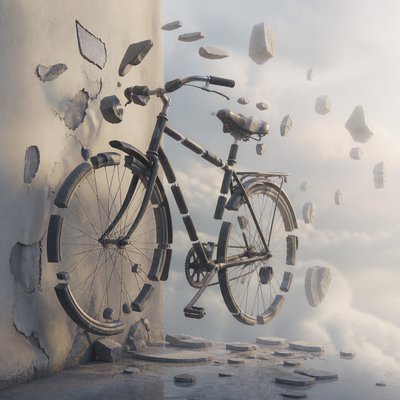
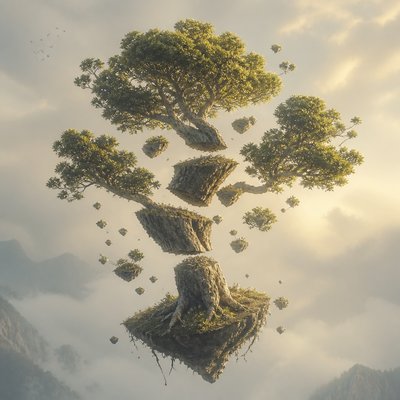
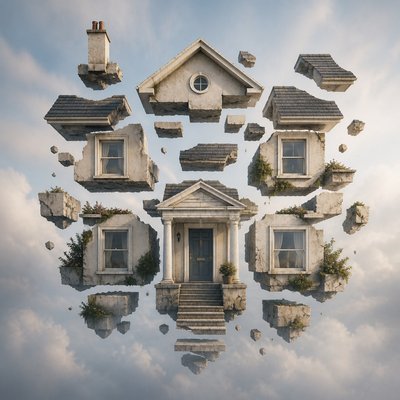
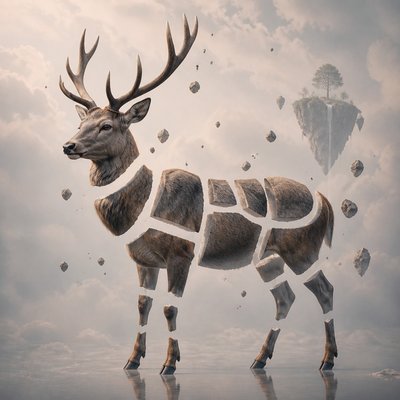
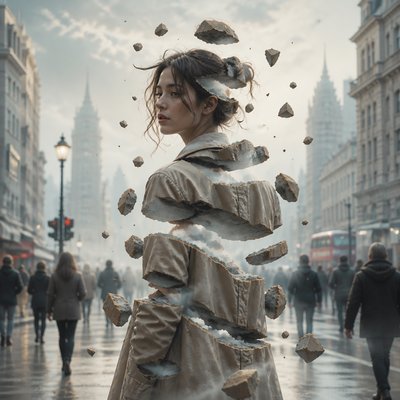
What is Floating Islands?
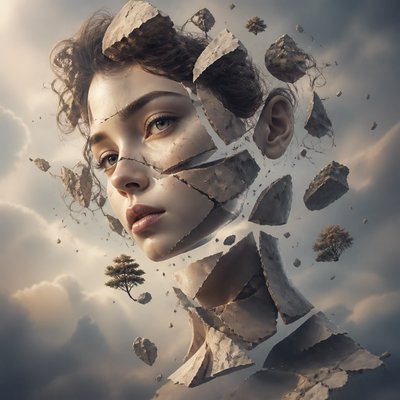
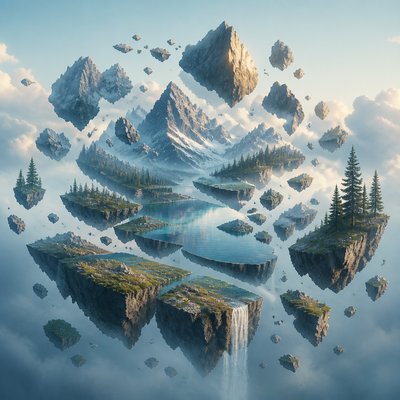
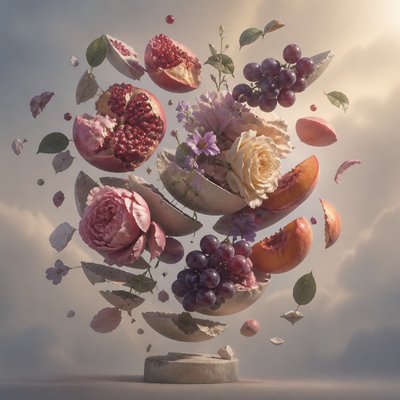
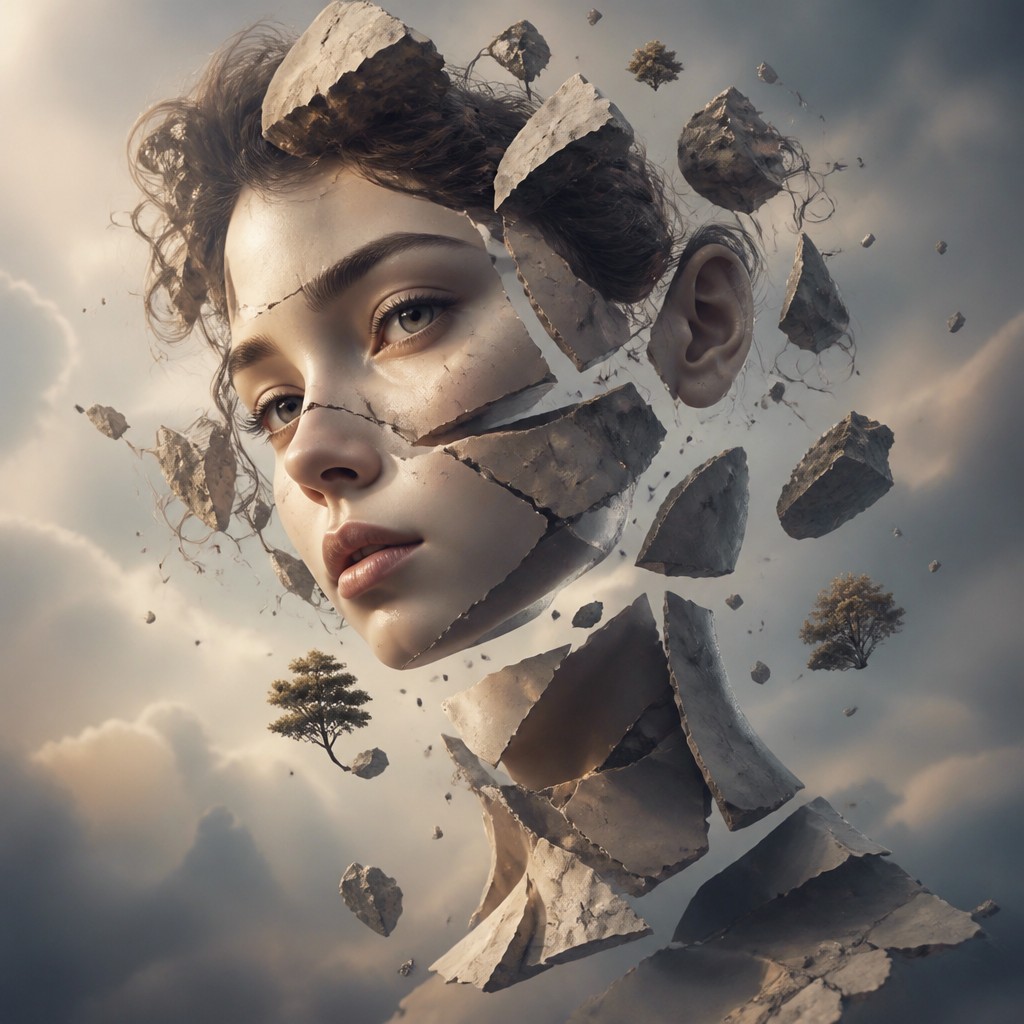
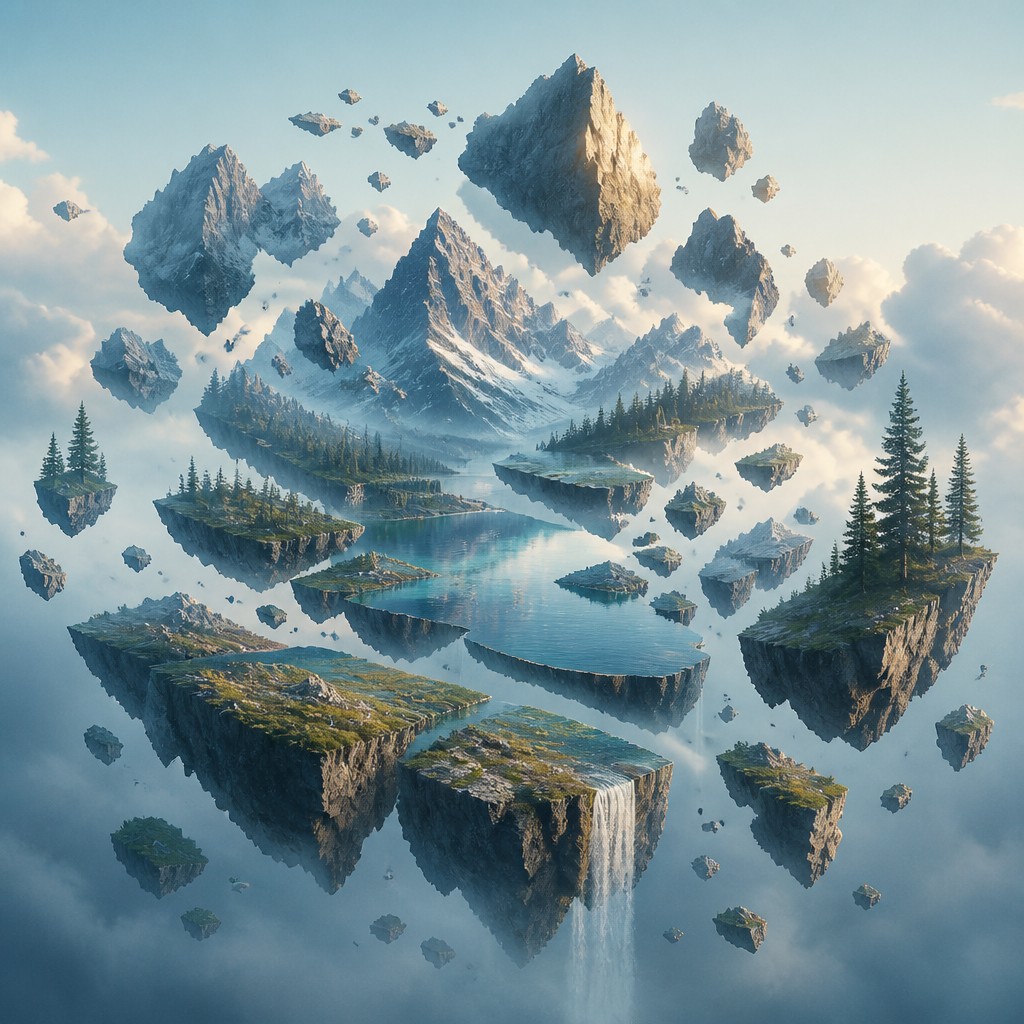
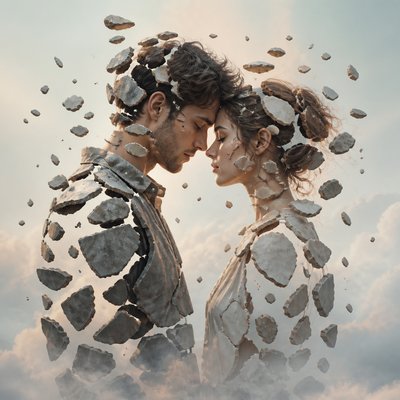
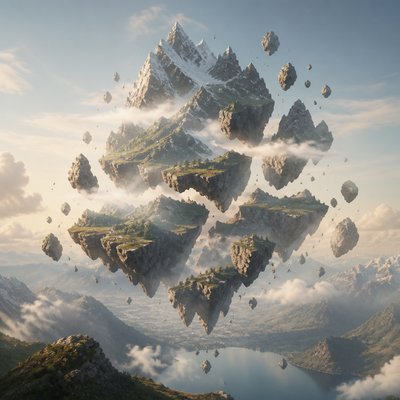
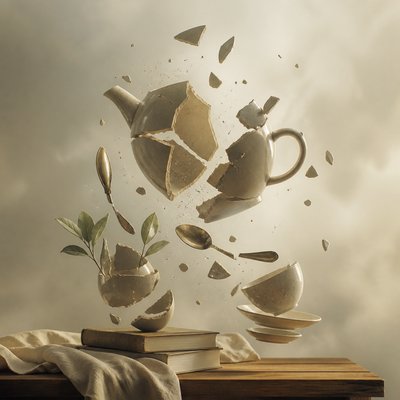
Floating Islands is a surreal visual style built around the sense that a subject is breaking apart into discrete, levitating fragments while remaining legible as a whole. Rather than full disintegration, the image preserves the silhouette of the person, object, or landscape through clean separations, gaps, and suspended pieces that appear to hover in calm, dreamlike space. The result is orderly fragmentation rather than chaos: the parts drift apart, but the composition stays balanced and readable.
The style’s visual identity depends on contrast between solidity and weightlessness. Hard edges, fissures, and chunked forms are paired with atmospheric haze, soft lighting, and delicate shadows that make the negative space feel active. The effect suggests impossible anti-gravity physics, memory breaking apart, or matter caught mid-transformation, which is why it often reads as meditative, uncanny, and poetic at once.
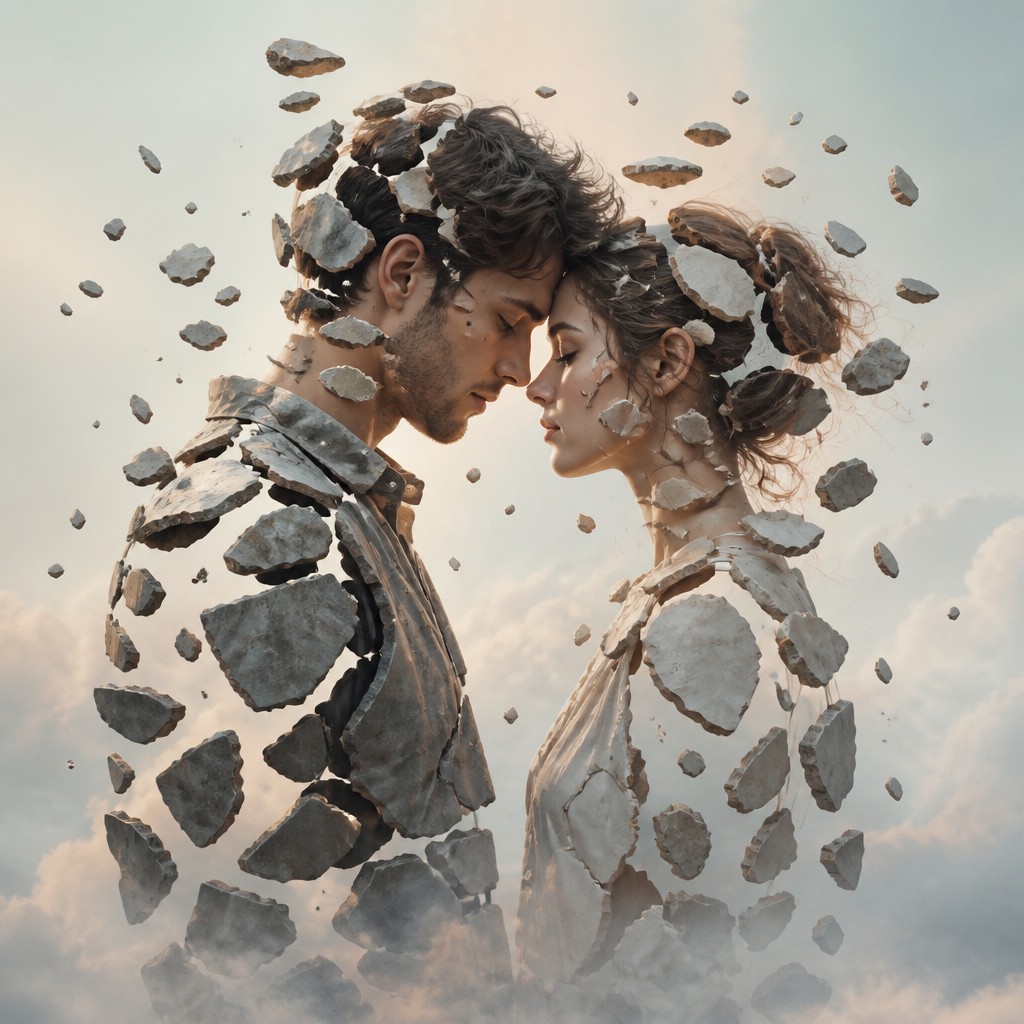
Try It On Your Photos
Upload any photo and convert it into Floating Islands — drag the sliders to compare before and after.
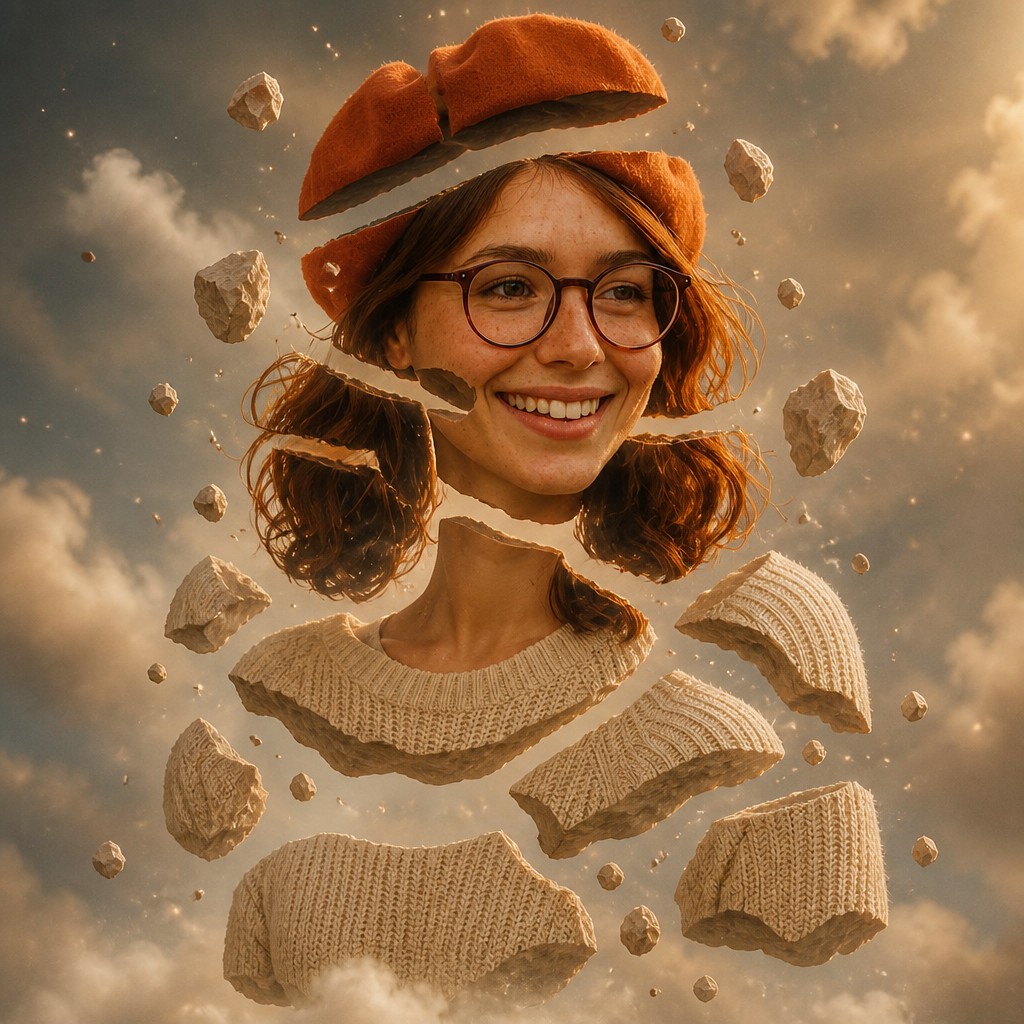

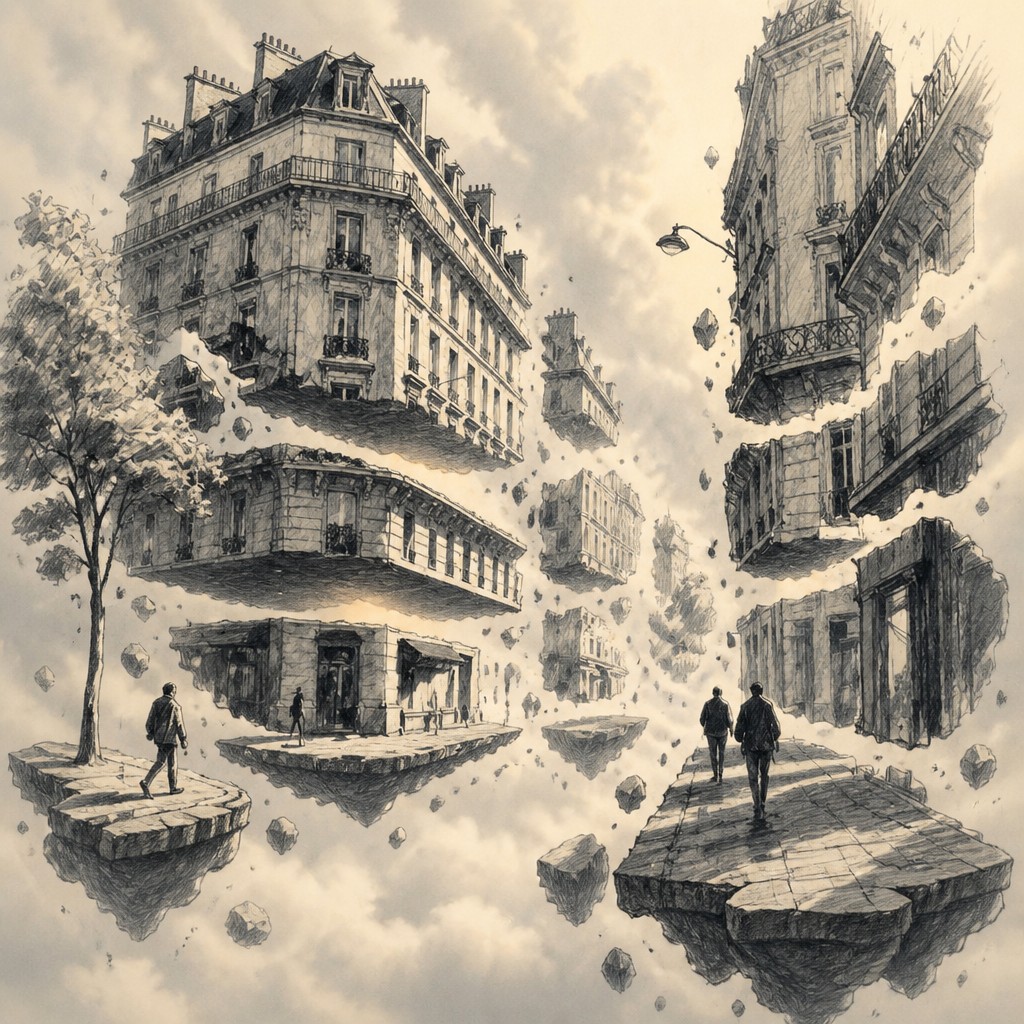

What Defines Floating Islands
The signature details, up close
Levitating fragmentation
The subject appears divided into floating pieces, often with a controlled spread that still preserves its original form. The fragments feel suspended rather than falling.
Readable overall silhouette
Even when broken apart, the figure or object remains recognizable at a glance. The composition depends on strong shape memory and clear structure.
Clean separations and fissures
The breaks are typically crisp, with visible seams or gaps between sections. This gives the image a precise, engineered quality instead of a chaotic one.
Atmospheric empty space
The voids between fragments are not blank; they are filled with haze, glow, or soft depth. Negative space becomes an active part of the image.
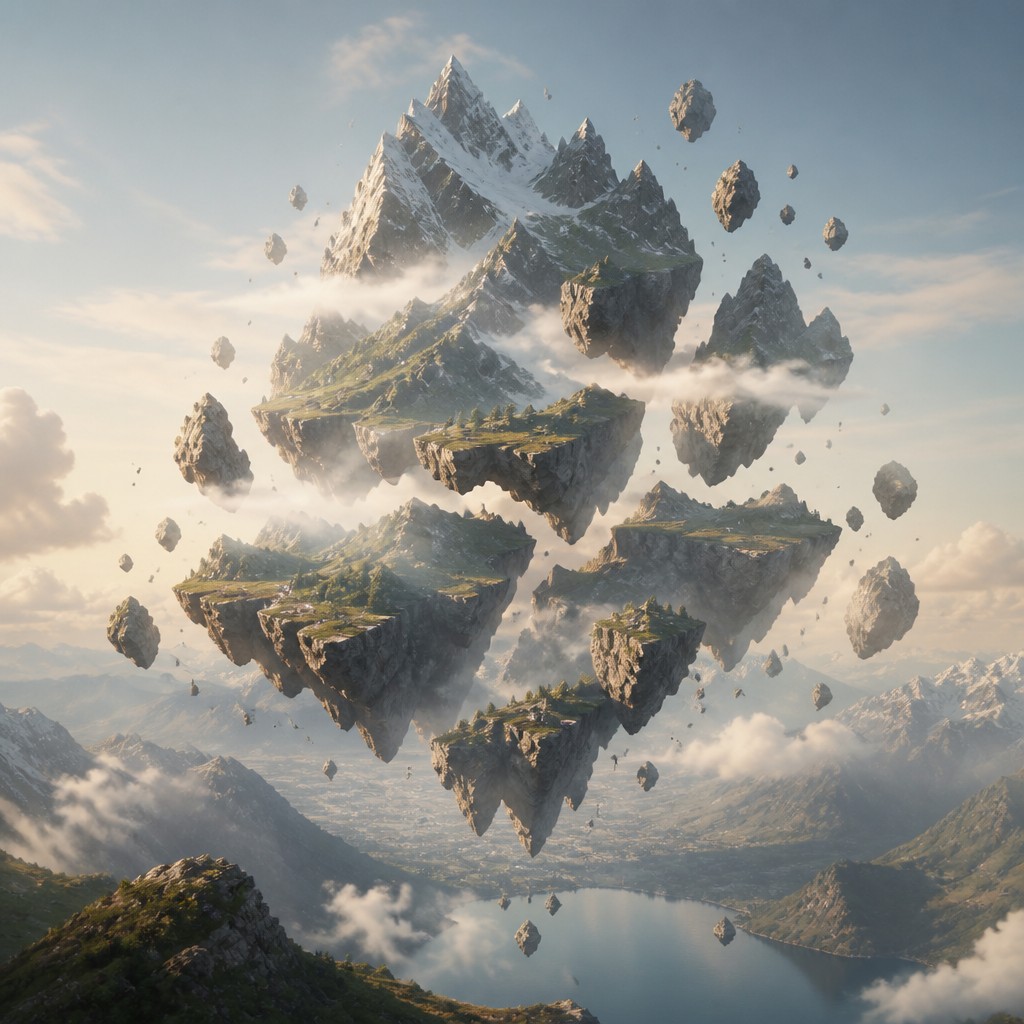
Soft, dreamlike lighting
Lighting is usually diffuse and serene, reducing harsh contrast while still defining edges. The mood tends to feel quiet, uncanny, and contemplative.
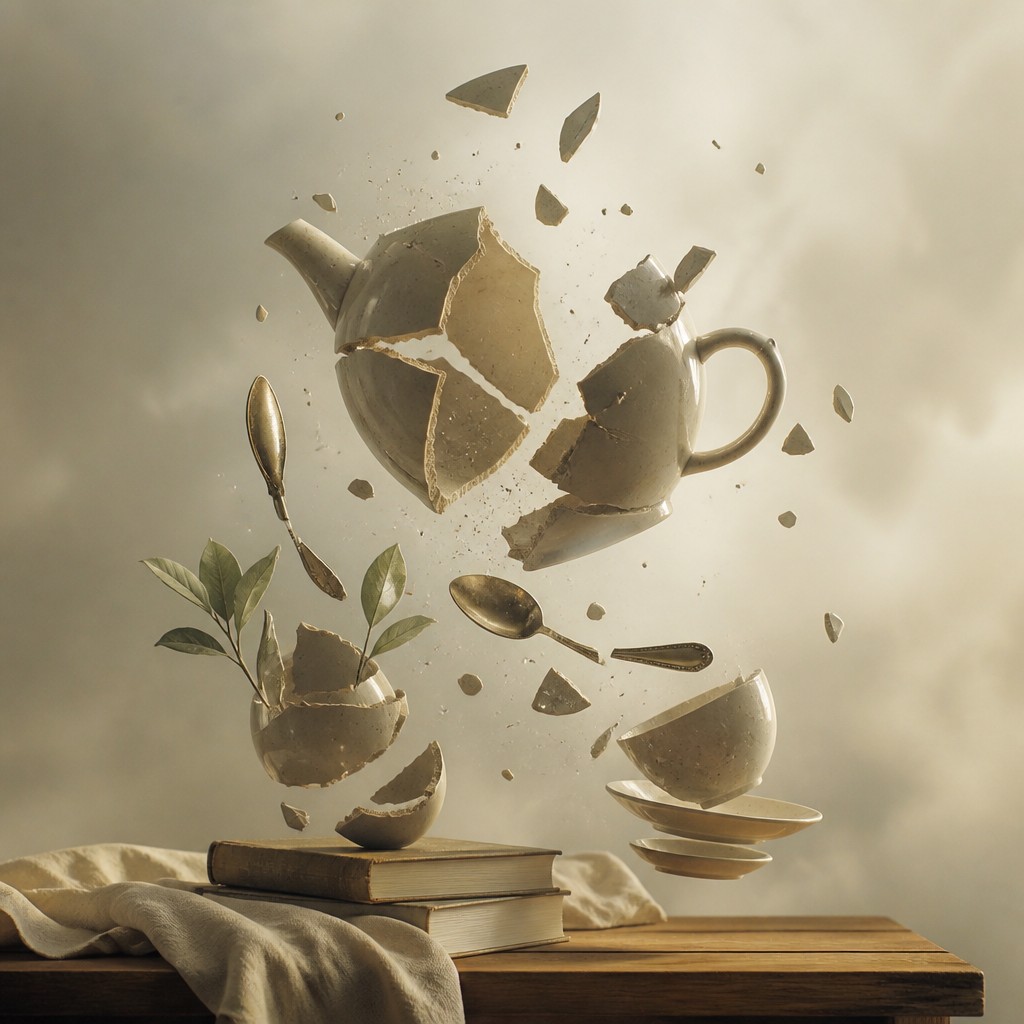
Delicate inter-piece shadows
Subtle shadows between fragments reinforce spatial depth and the illusion of weight. These shadows help the pieces feel physically separate yet coherently arranged.
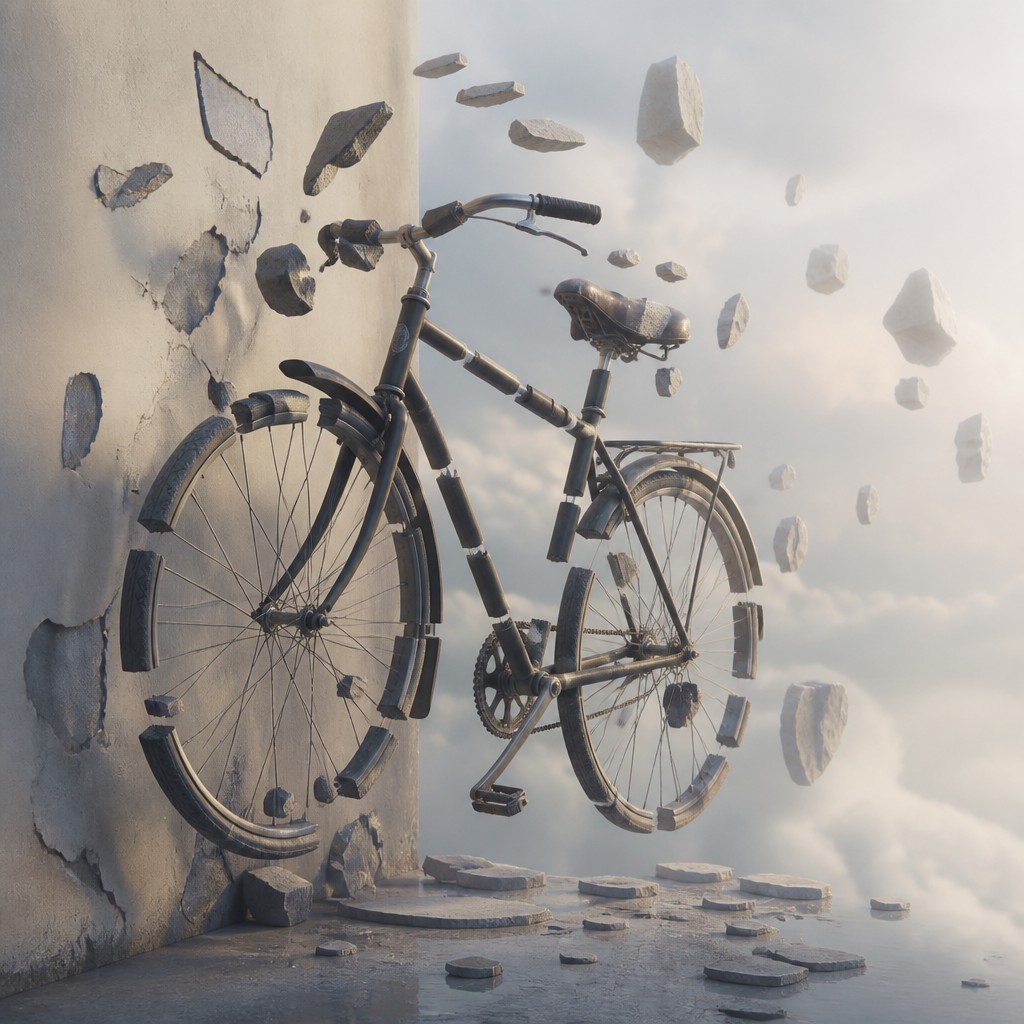
Impossible anti-gravity physics
Objects float with no visible support, often in a stable, slow-moving arrangement. The physics are intentionally implausible, but the image remains calm rather than chaotic.
Try It
Create Videos in Floating Islands
Styles aren't just for stills — describe a scene or animate an image and get a short video rendered in Floating Islands. Press play to see this pond come to life.
Make a VideoFloating Islands Prompt Ideas
Start from an idea — each one opens the generator with the style ready to go. See all 40 Floating Islands prompts →
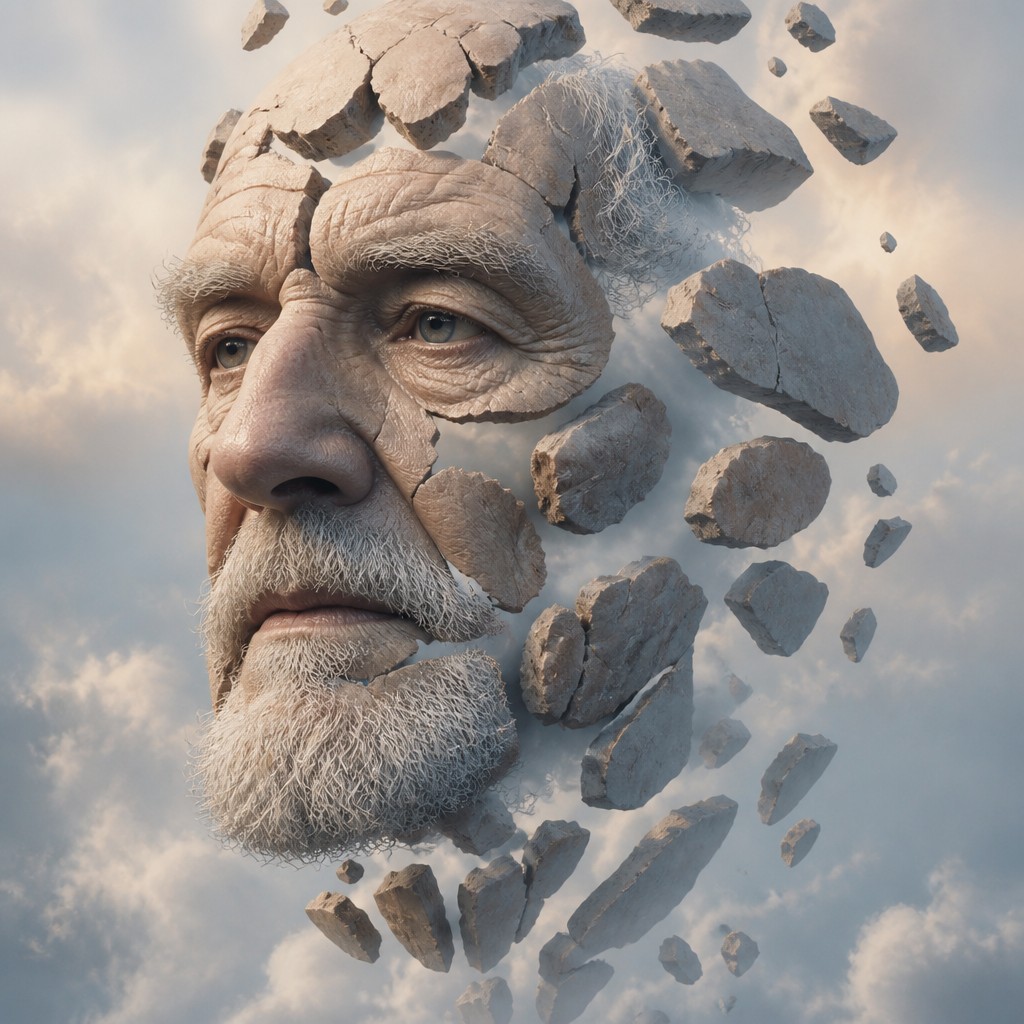
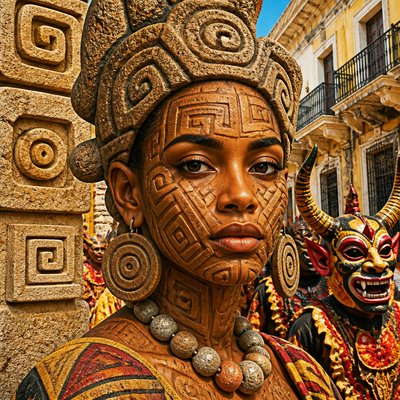
“close-up portrait of an elderly person with expressive weathered features”
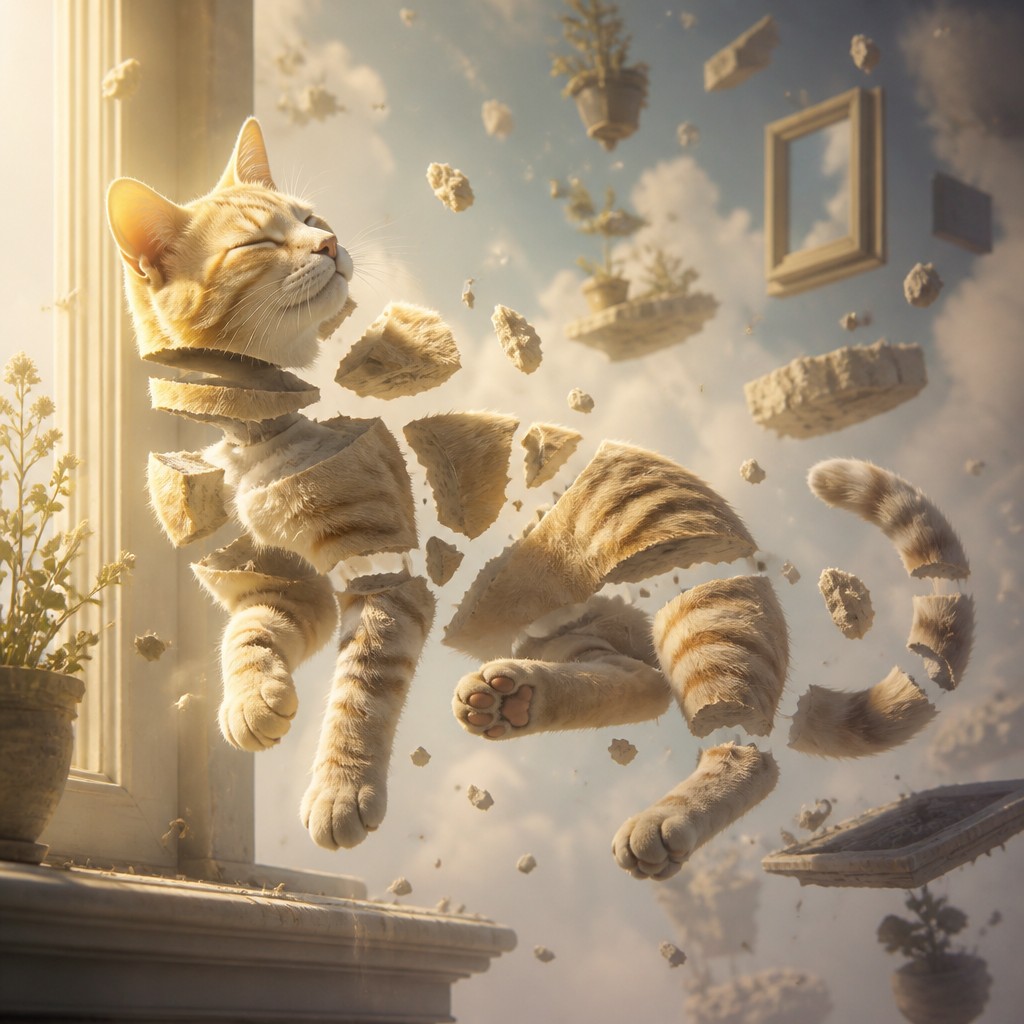
“a cat lounging in a sunlit window”
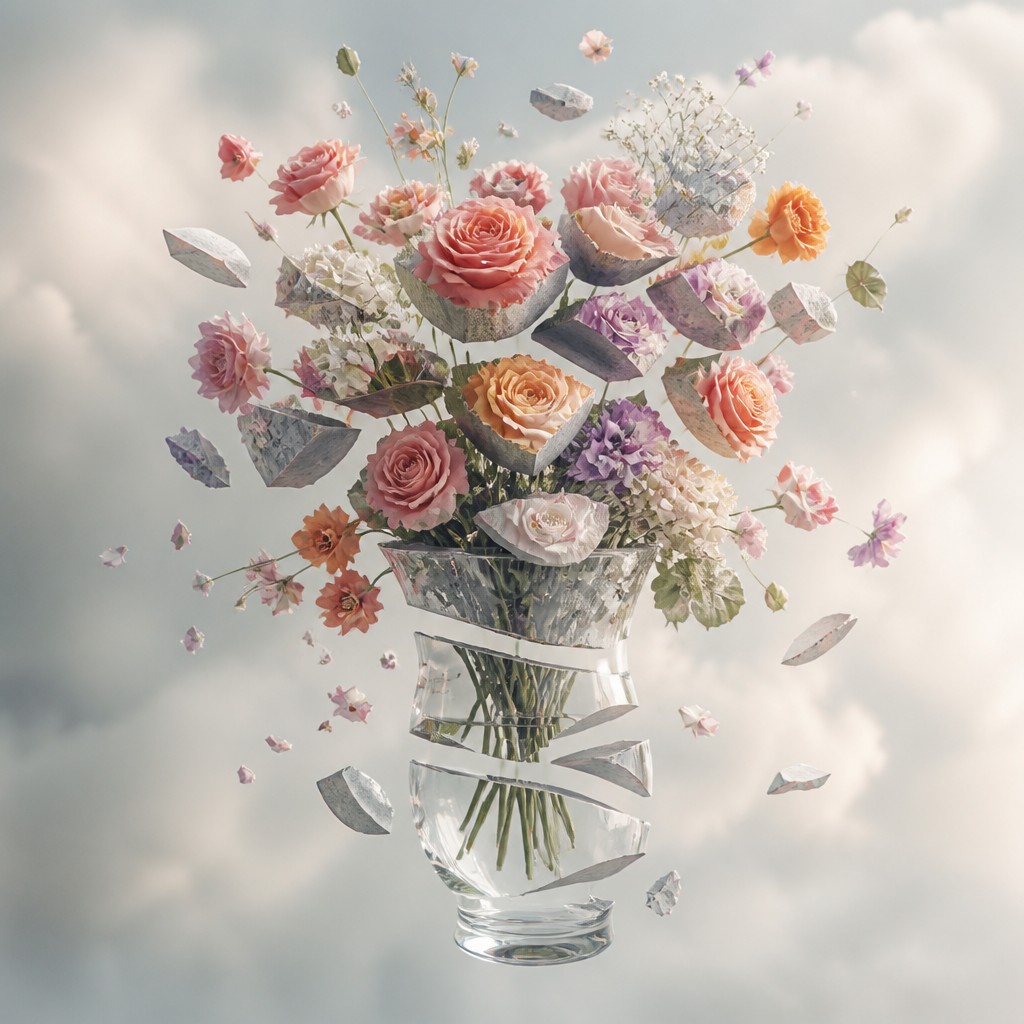
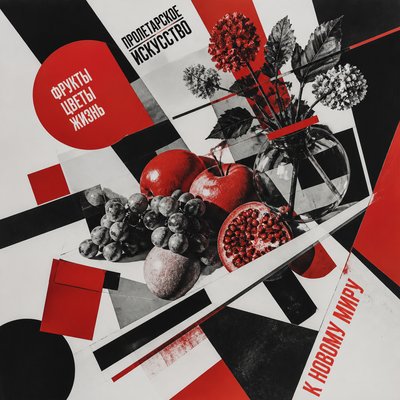
“bouquet of flowers in a glass vase”
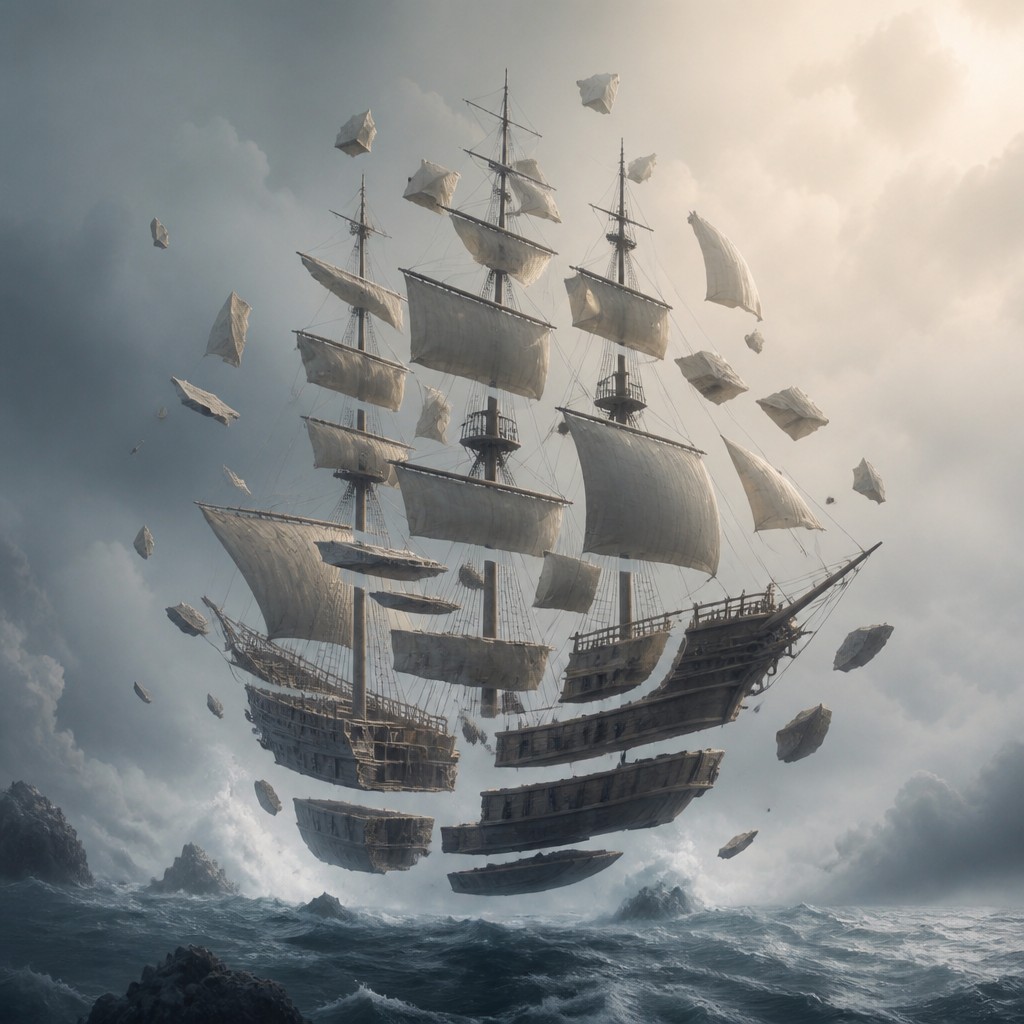
“sailing ship on a stormy sea”
How to Create Floating Islands Art
Master the craft step by step — or skip straight to creating. Read the full guide →
- 1
Plan the silhouette first
Whether working by hand or digitally, start with a strong underlying shape so the subject remains readable after fragmentation. If the silhouette is weak, the levitating pieces will feel random instead of intentional.
- 2
Break forms into controlled chunks
Divide the subject into medium and large fragments rather than tiny debris. In digital work, masking and layer separation help; in traditional work, collage, torn paper, or segmented drawing can create the same effect.
- 3
Keep spacing asymmetrical but balanced
Let the pieces drift at varying distances so the image feels dynamic, but maintain a clear visual center. Good compositions in this style often use a stable core with outward dispersion.
- 4
Use haze and soft edge transitions
Atmospheric blur, diffused backgrounds, or light glazing can make the voids feel luminous and spatial. Avoid overly sharp contrast everywhere, since the style relies on a calm, suspended mood.
- 5
Emphasize seams, shadows, and depth
Add thin shadow lines between fragments and subtle tonal shifts on the inner faces of each piece. In prompt-based generation, describe clean fissures, weightless chunks, delicate shadows, and dreamlike space to reinforce the effect.

The Story
History & Origins of Floating Islands
Floating Islands is not a historical movement in the strict sense, but an AI-native and digital surreal aesthetic that draws from several established traditions. Its lineage includes surrealism’s interest in impossible transformations, conceptual art’s use of fragmentation and absence, and digital compositing practices that isolate objects into layered pieces. The style also echoes collage, cut-paper montage, and 3D rendering techniques that separate forms into controllable sections.
Its visual logic is closely related to contemporary image synthesis and motion-design aesthetics, where subjects can be cleanly segmented, reassembled, and suspended in space. Similar effects appear in modern editorial illustration, sci-fi key art, and experimental poster design, especially where artists use fragmentation to suggest memory, identity, teleportation, or transformation. The style therefore belongs less to one historical school than to a current digital-surreal vocabulary built from older avant-garde ideas.
Influences: Floating Islands draws on surrealism, especially the unreal object transformations seen in major surrealist painters, though it is less focused on paradoxical symbolism than on spatial fragmentation. It also overlaps with collage and assemblage traditions, the cut-and-recombine logic of Cubism, and contemporary digital matte painting and 3D compositing. In practice, it is a hybrid visual language shaped by modern postproduction aesthetics rather than by a single historical school.

Frequently Asked Questions
What defines Floating Islands as an art style?
Its core feature is a subject breaking apart into levitating fragments while staying visually recognizable. The pieces are usually cleanly separated, suspended in soft atmospheric space, and arranged with a calm, dreamlike balance.
Is this the same as surrealism?
It is related to surrealism, but it is narrower and more specific. Surrealism is a broad historical movement concerned with dream logic and unconscious imagery, while Floating Islands focuses on a particular fragmentation-and-levitation effect.
How is this different from glitch art or vaporwave?
Glitch art usually implies signal failure, digital corruption, or distortion artifacts, while Floating Islands is cleaner and more sculptural. Vaporwave tends to use nostalgic retro digital aesthetics, whereas this style emphasizes serene anti-gravity fragmentation.
What kinds of subjects work best in this style?
Portraits, animals, architecture, and iconic objects all work well because they have strong silhouettes that can survive fragmentation. Subjects with simple, recognizable shapes tend to read best after being broken into floating parts.
How can I make Floating Islands art traditionally?
Use collage, torn-paper construction, layered watercolor, ink wash, or mixed media to separate forms into distinct sections. Preserve a clear outline and add soft transitions or shadowing so the fragments feel suspended rather than merely cut apart.
Where is this style commonly used?
It appears in conceptual posters, fantasy and science-fiction imagery, album artwork, editorial illustration, and experimental portraiture. Designers use it when they want to suggest transformation, memory, transcendence, or disassembly without losing subject recognition.
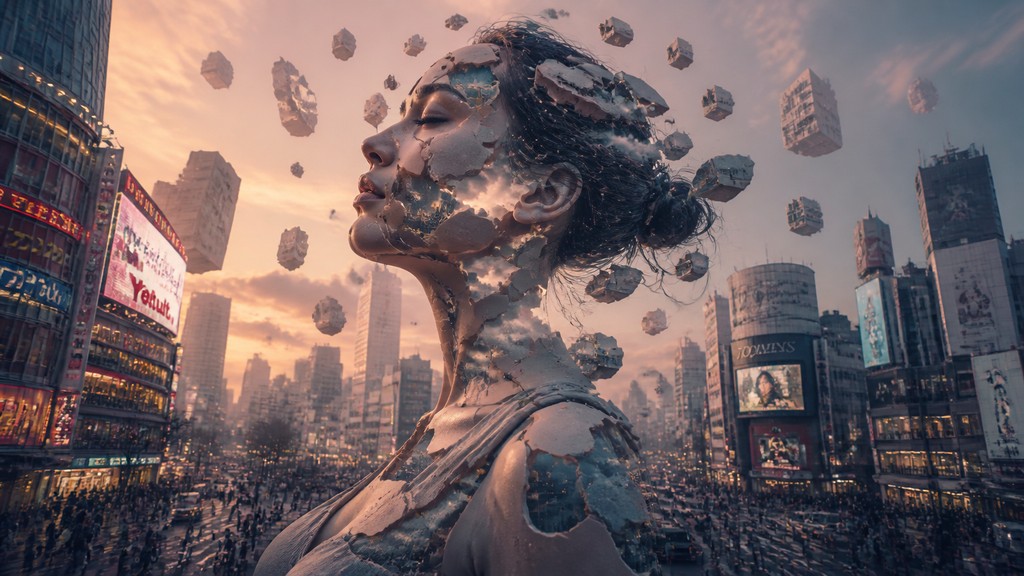
Create your first Floating Islands artwork
Describe anything — or upload a photo — and see it in Floating Islands in seconds.
Make Something with Floating Islands
Compare Floating Islands
Related Styles
Discover similar art styles