Acid Graphics
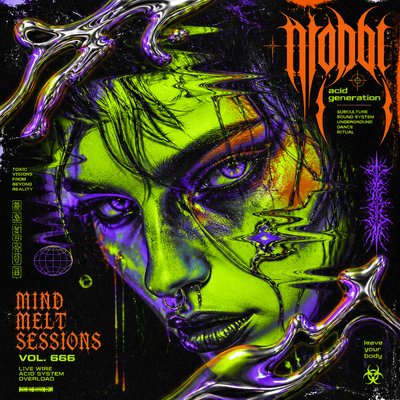
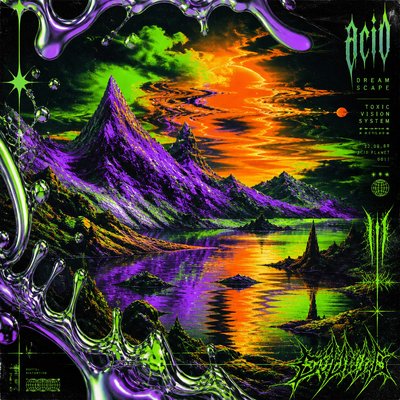
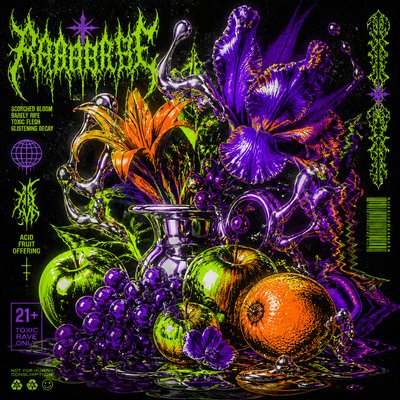
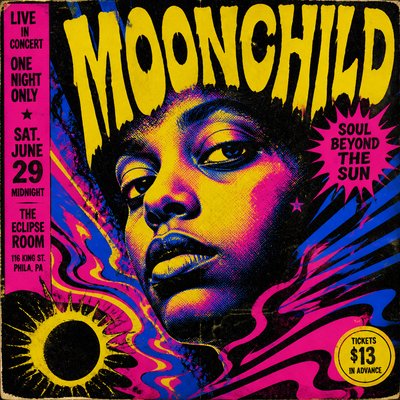
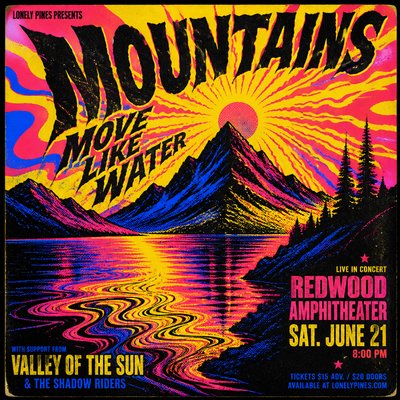
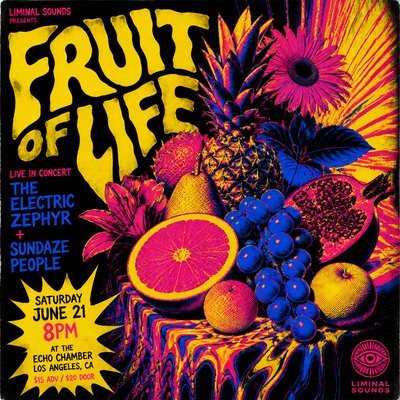
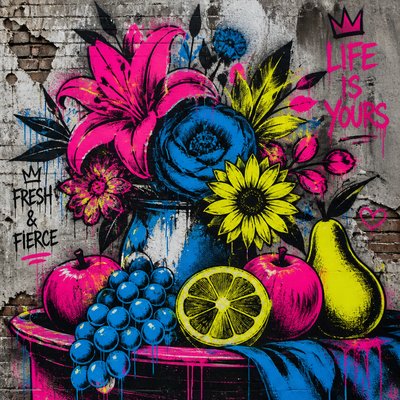
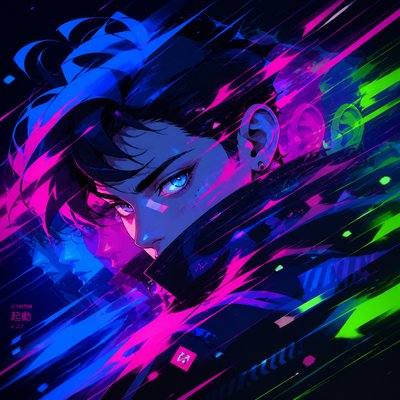
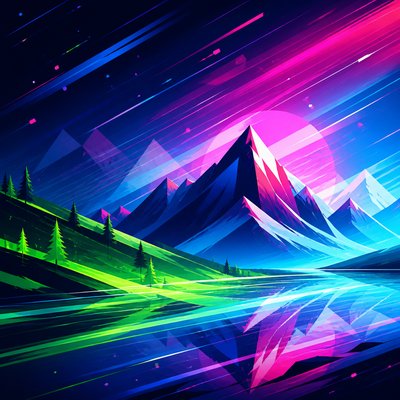
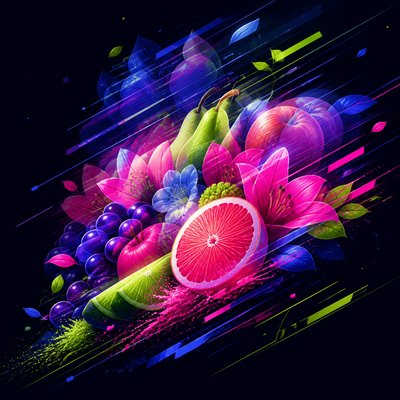
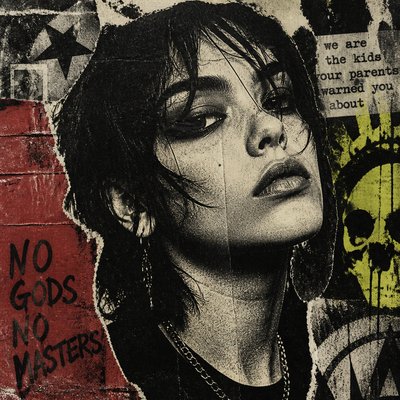
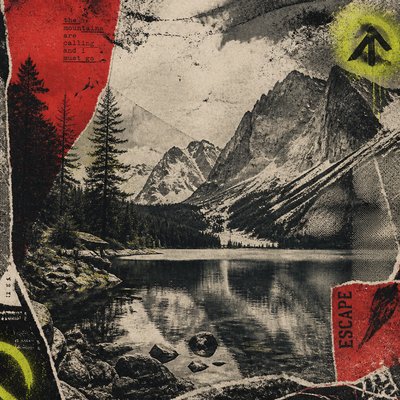
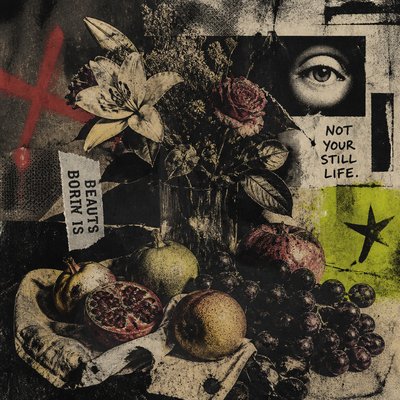
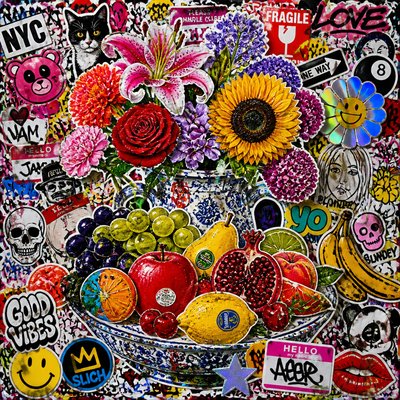
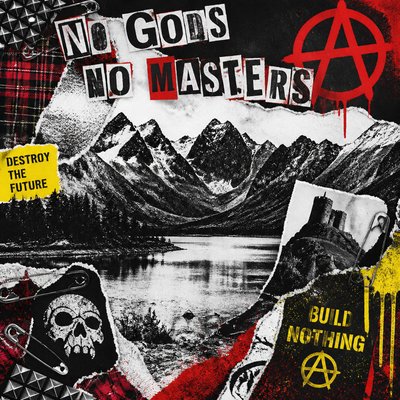
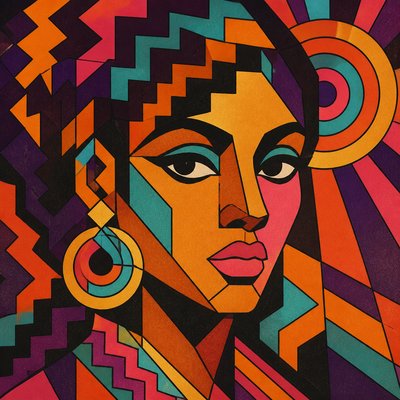
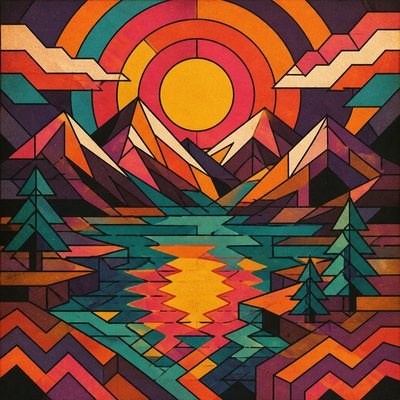
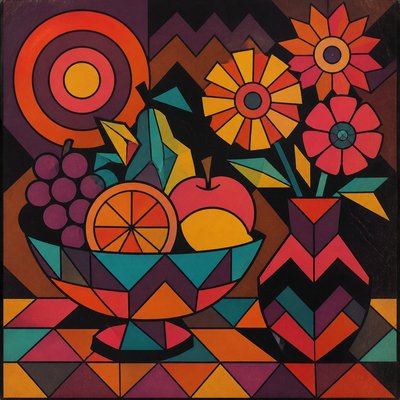
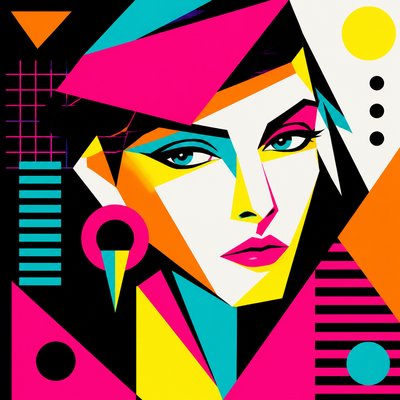
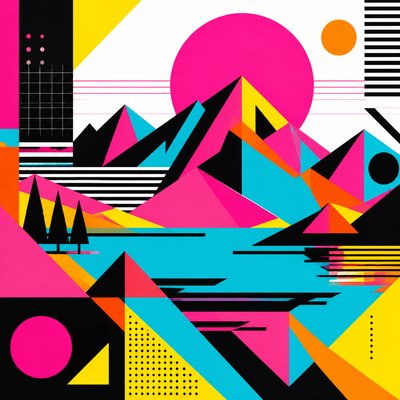
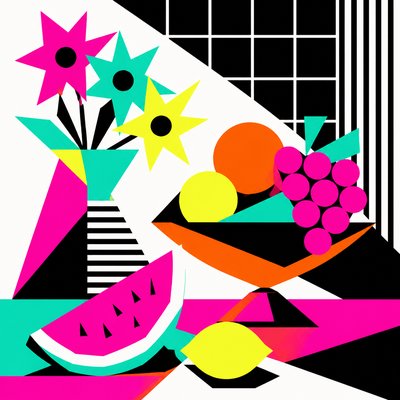
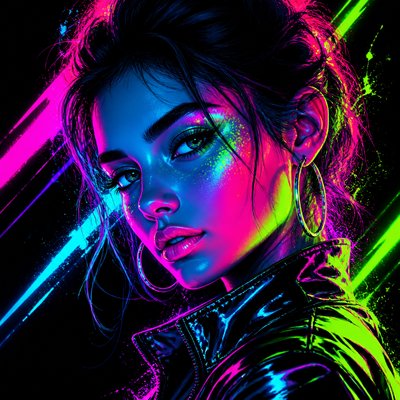
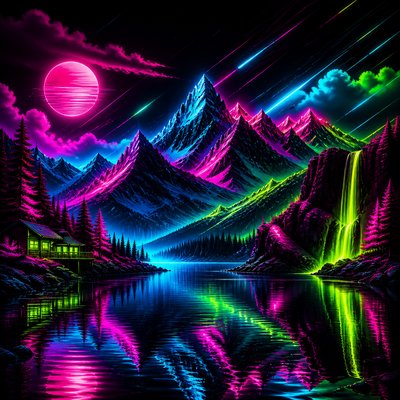
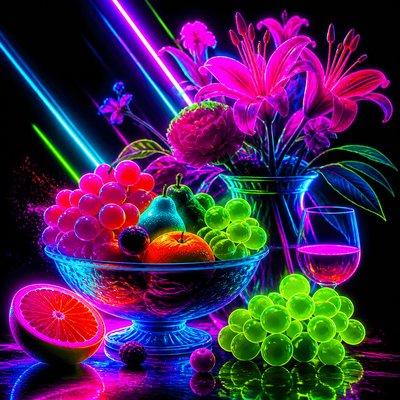
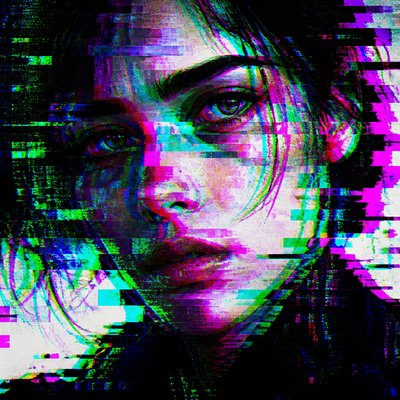
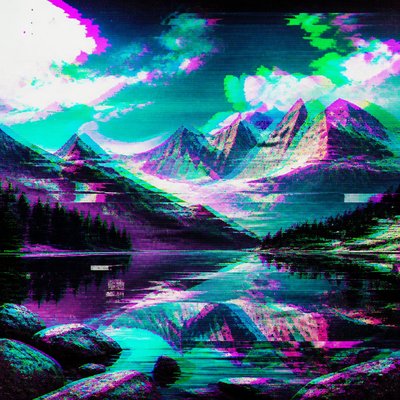
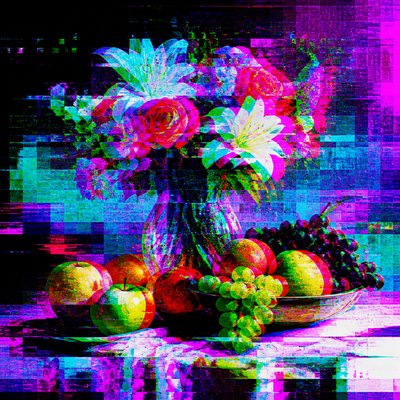
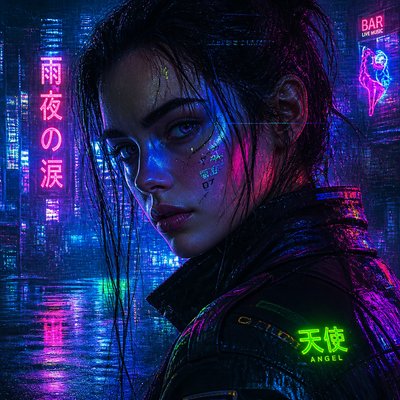
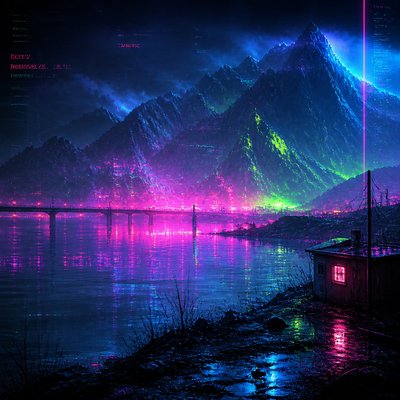
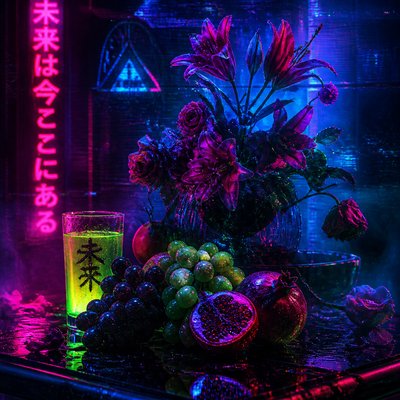
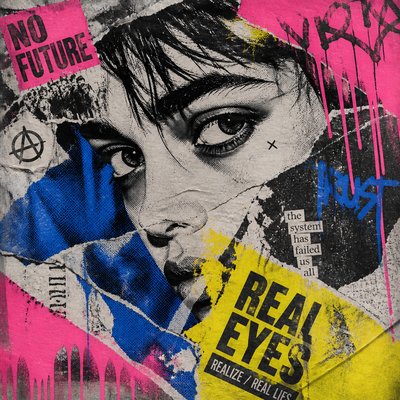
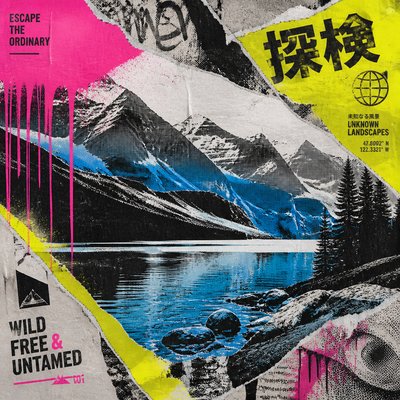
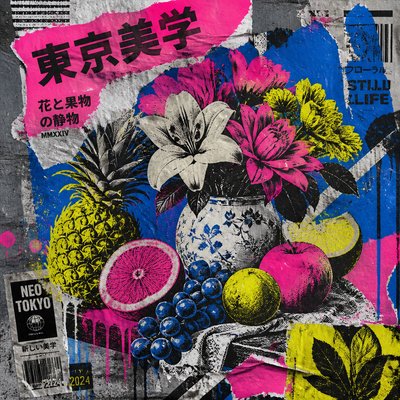
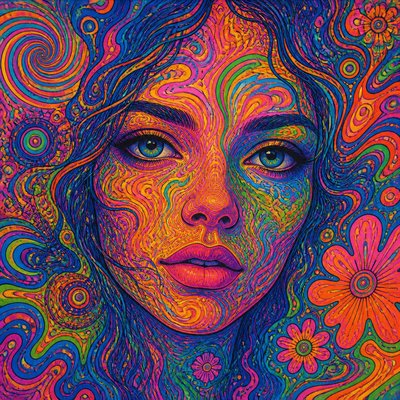
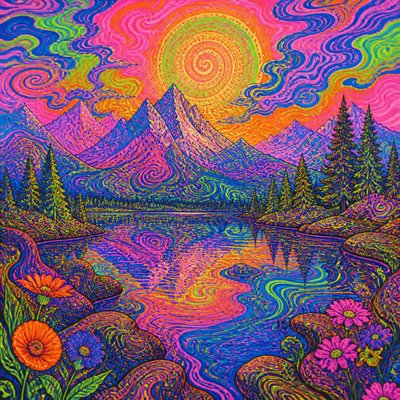
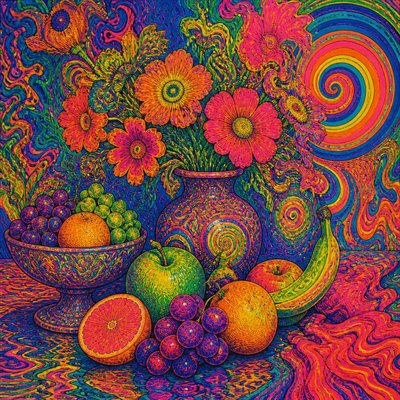
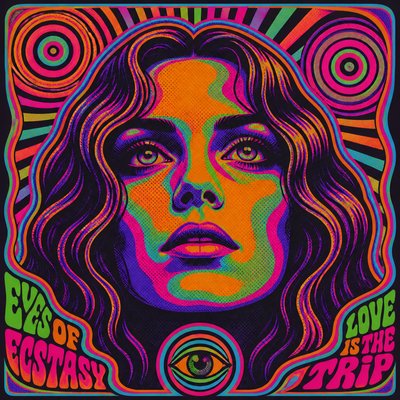
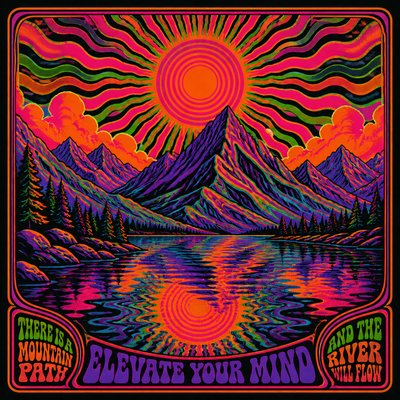
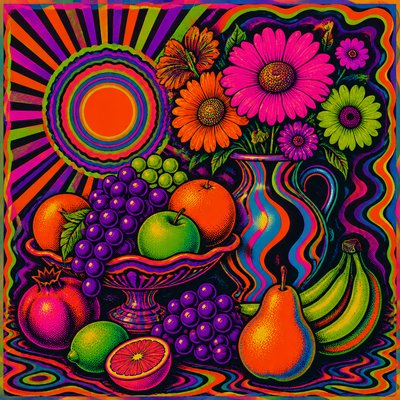
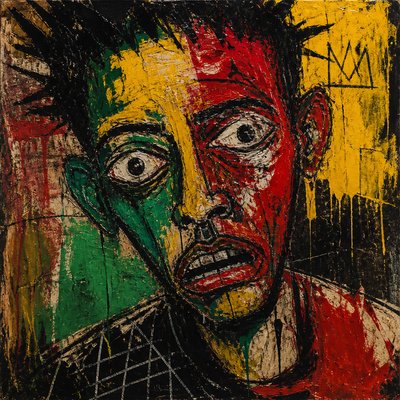
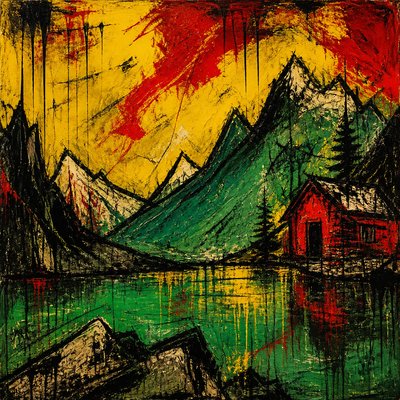
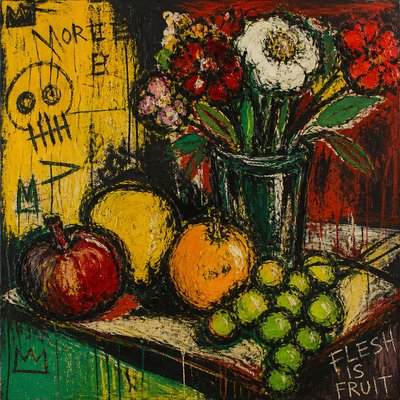
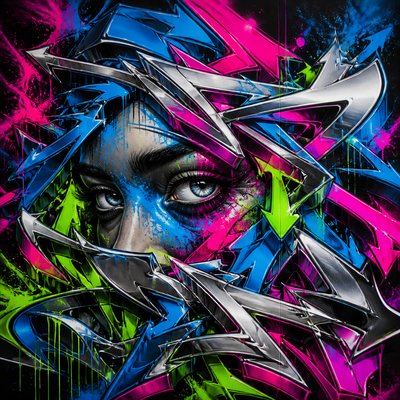
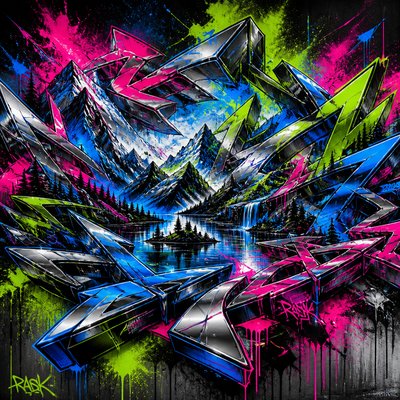
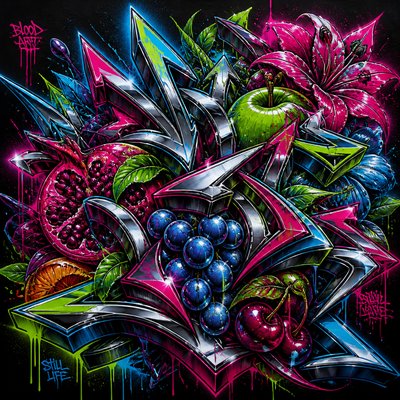
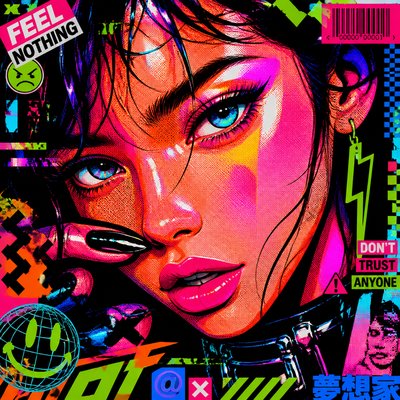
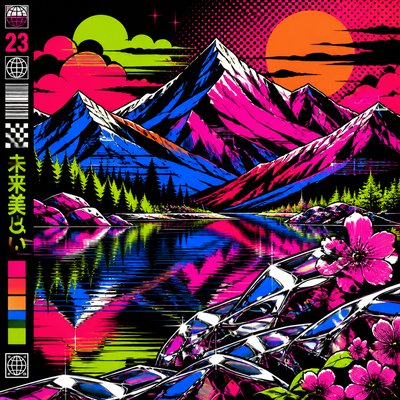
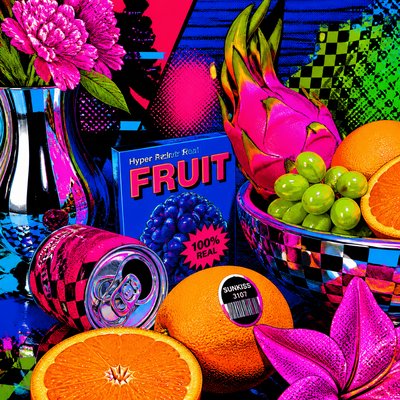
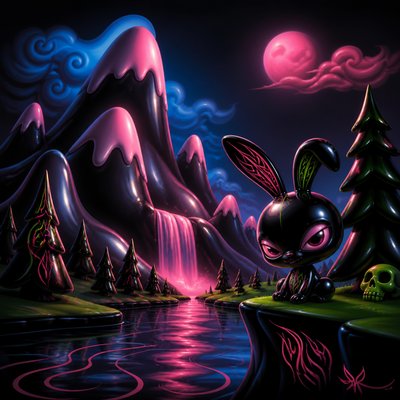
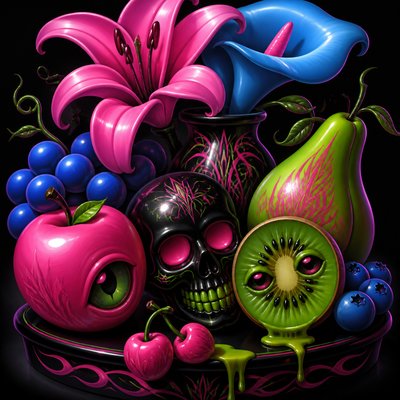
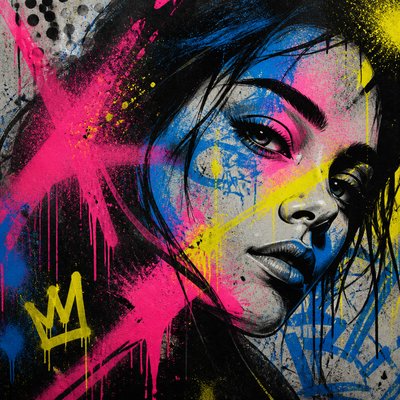
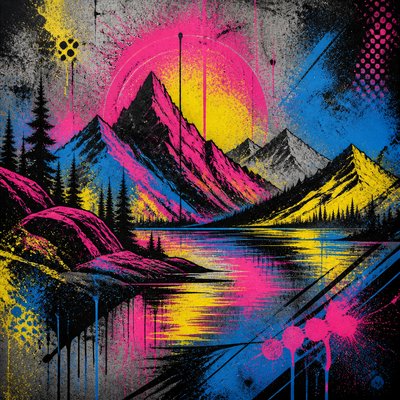
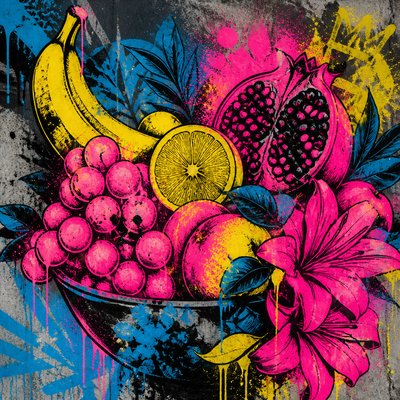
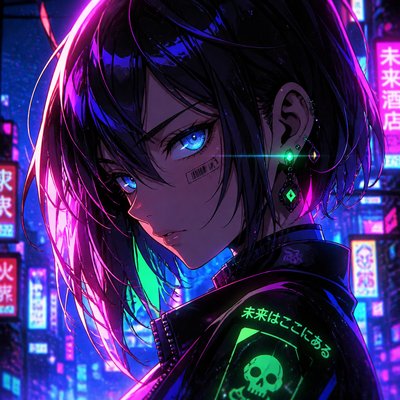
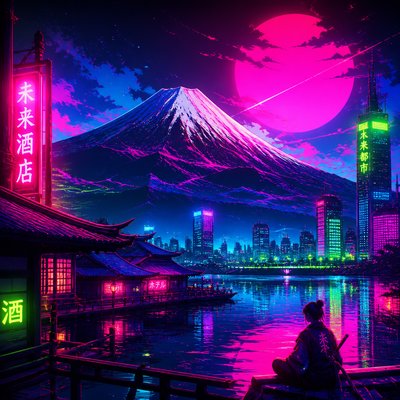
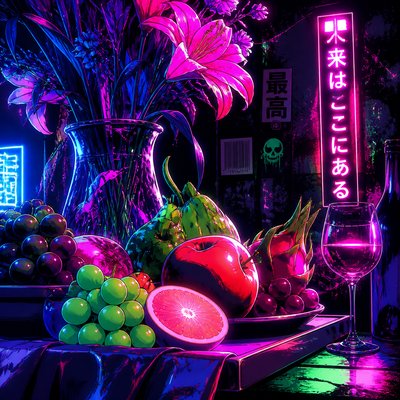
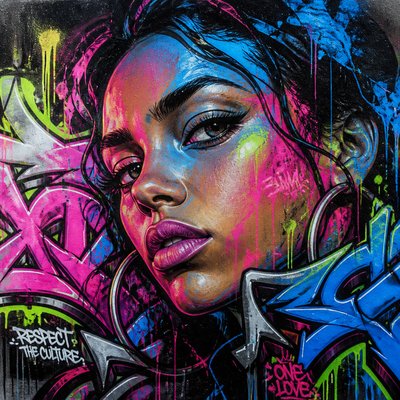
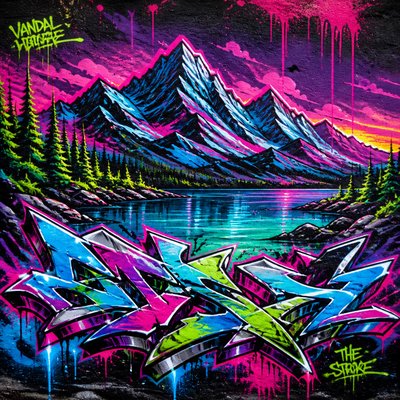
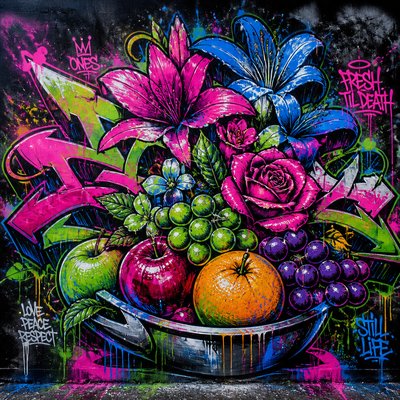
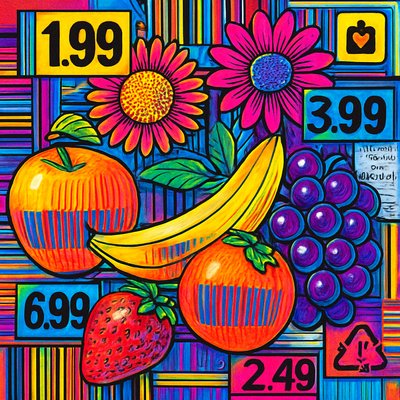
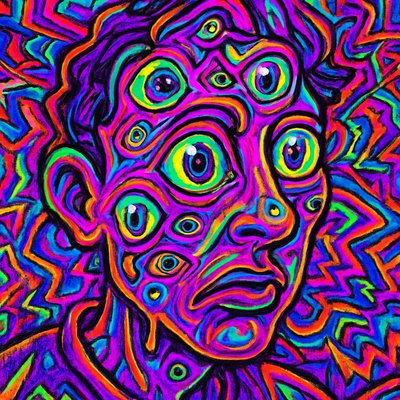
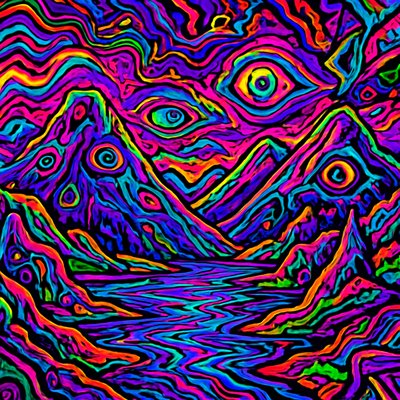
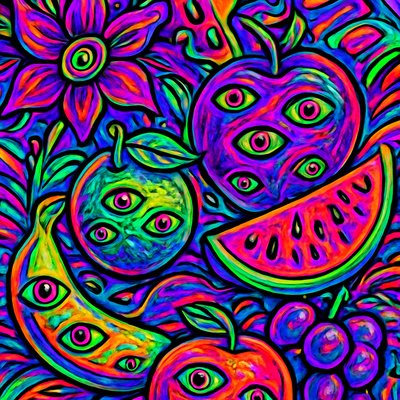
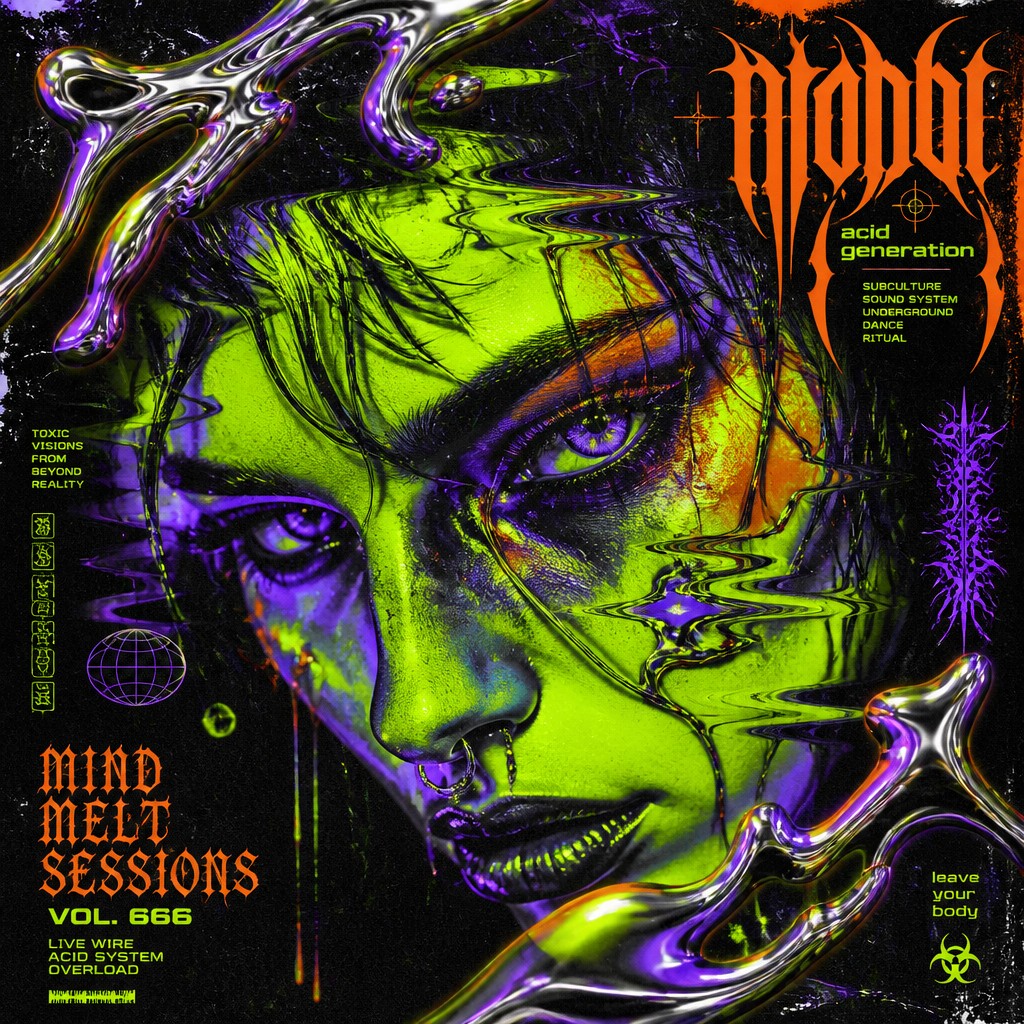
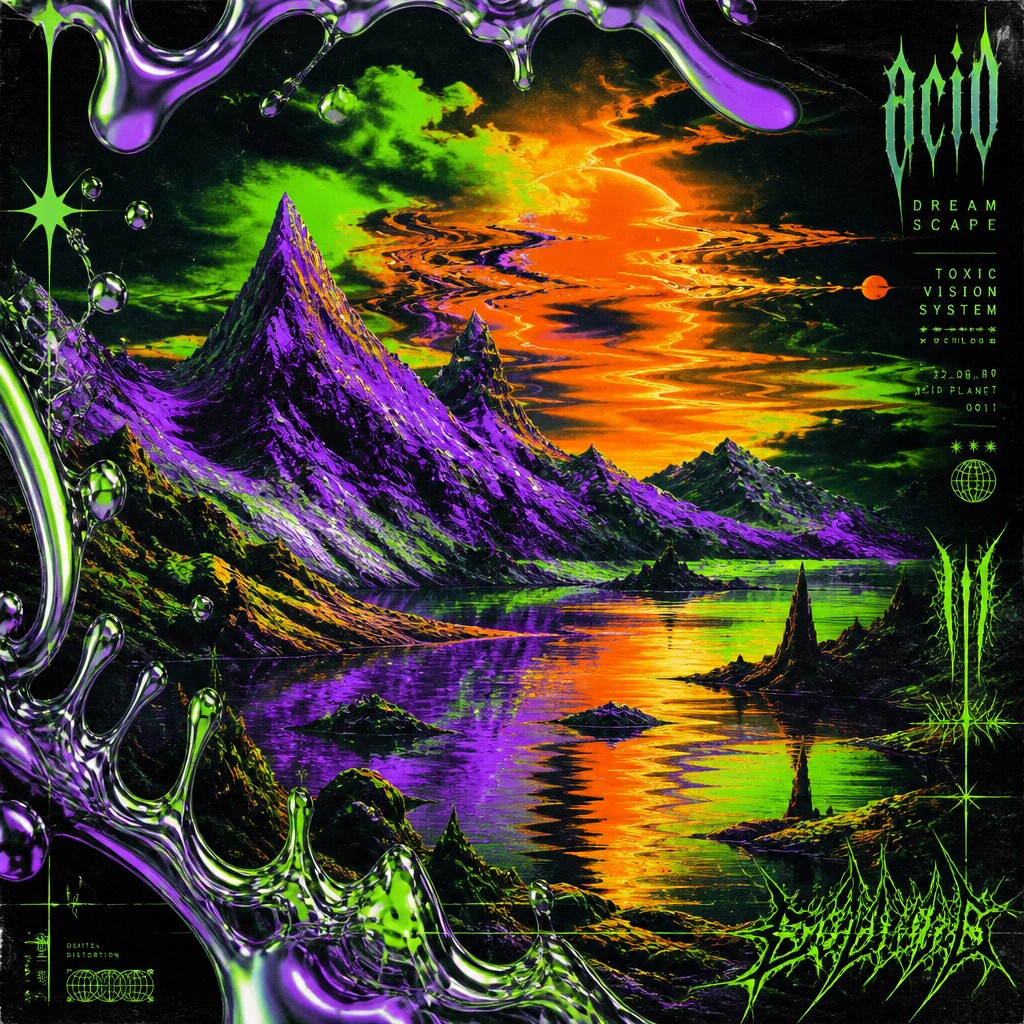
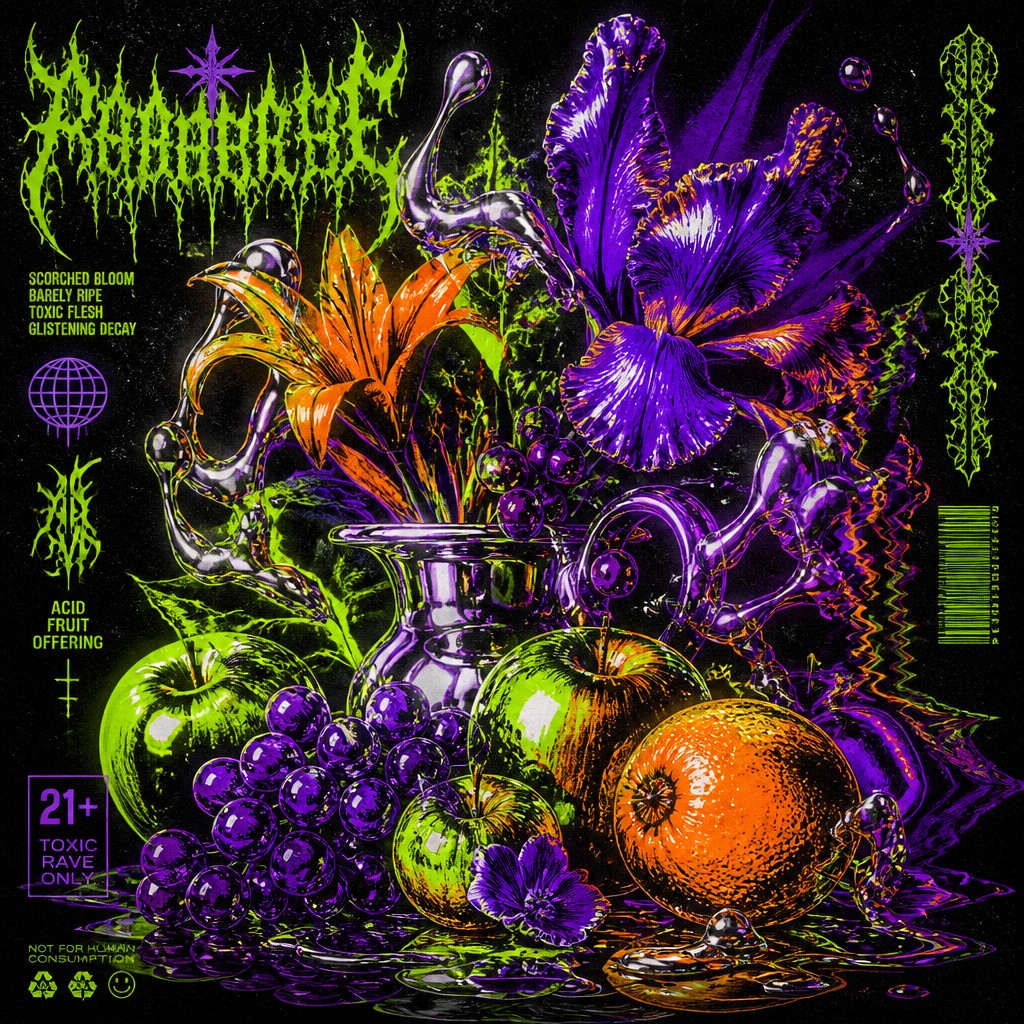
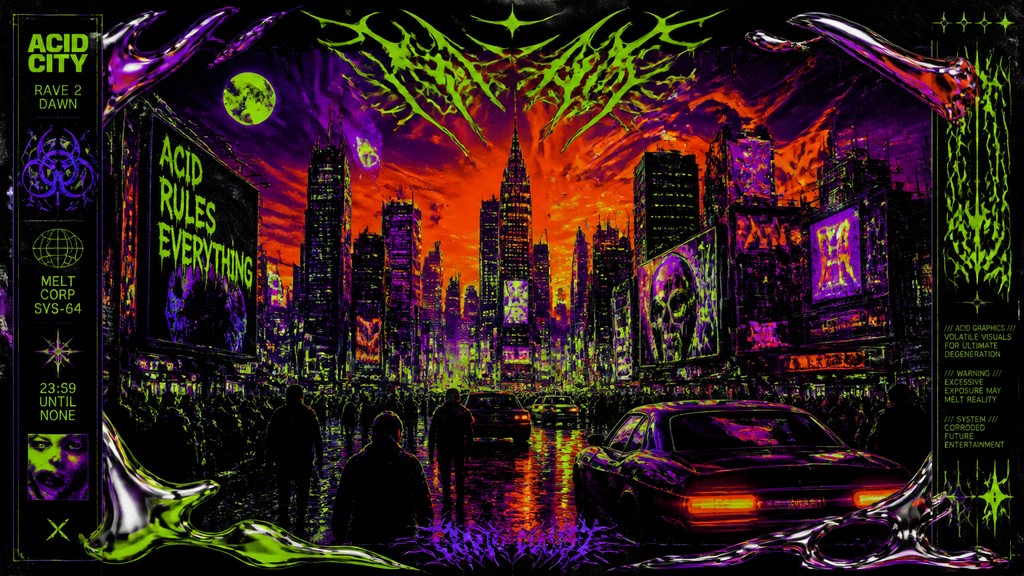
Toxic neon, liquid chrome and warped distortion define Acid Graphics, a gritty rave-flyer aesthetic of molten glow and harsh texture.
Instantly rendered in Acid Graphics — or transform a photo
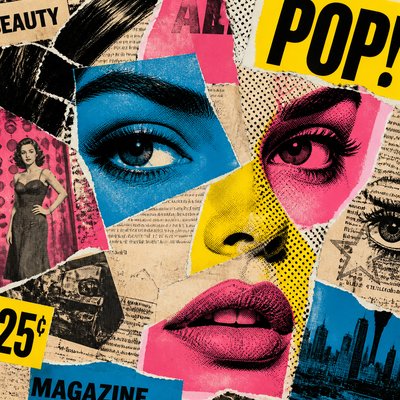
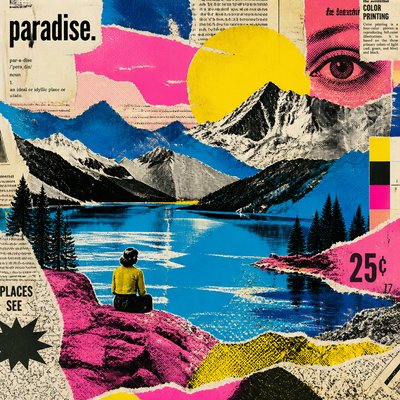
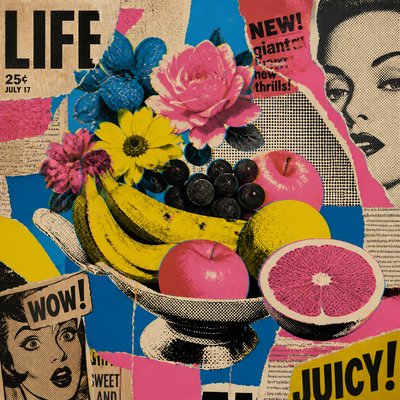
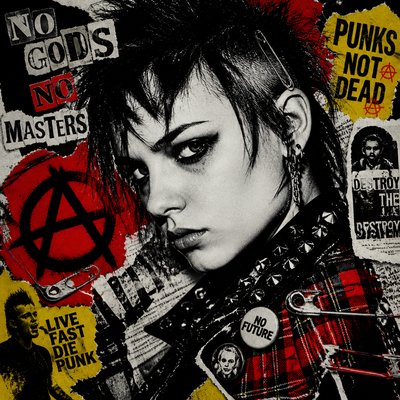
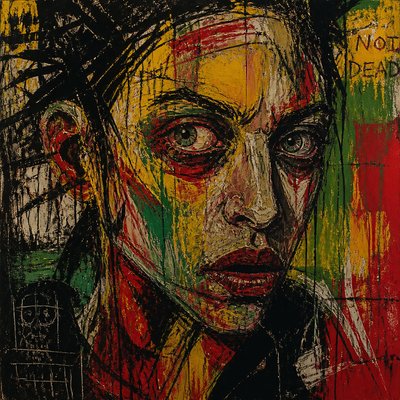
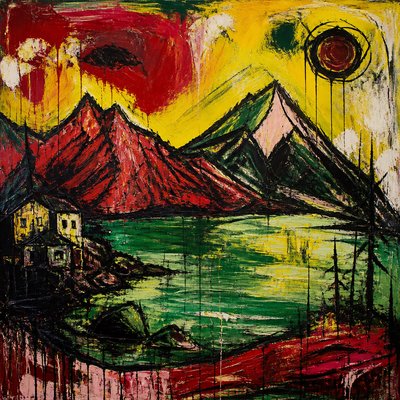
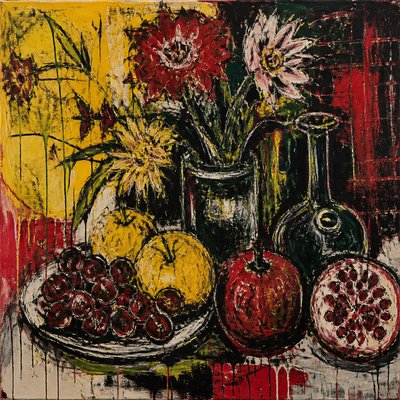
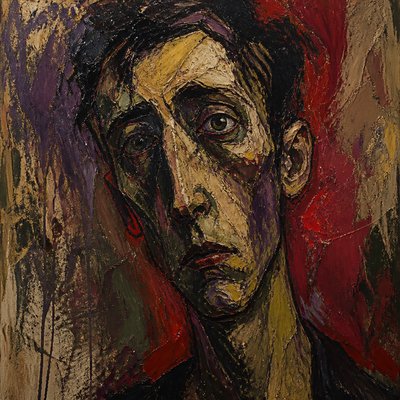
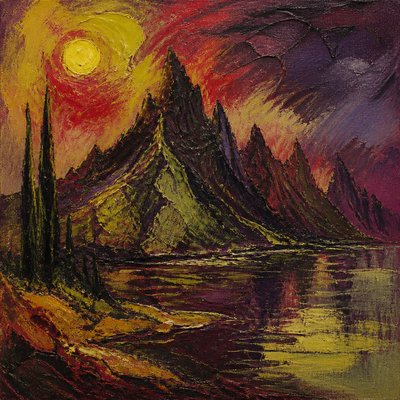
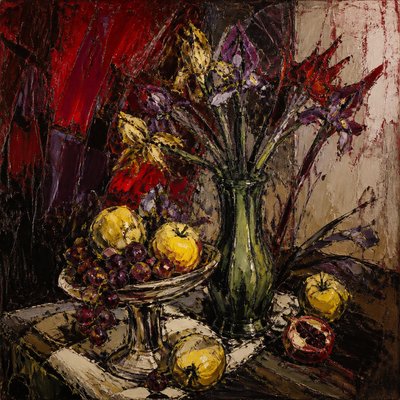
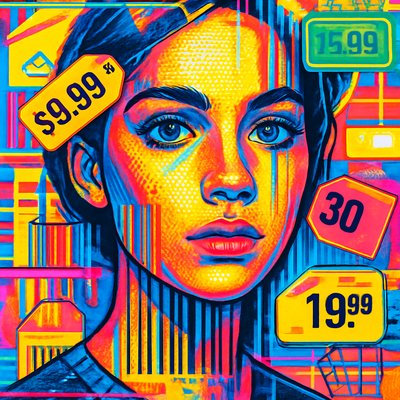
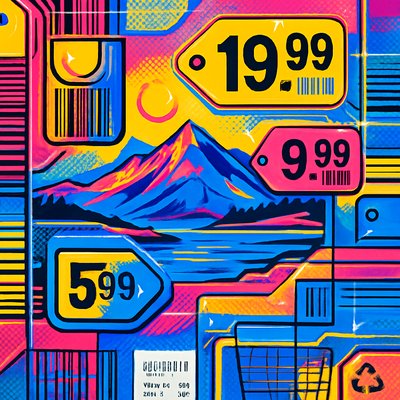
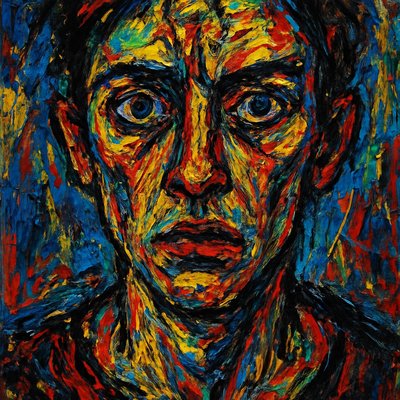
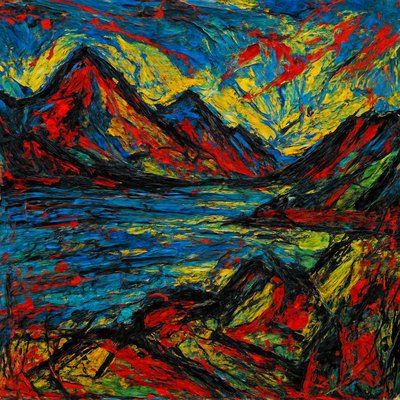
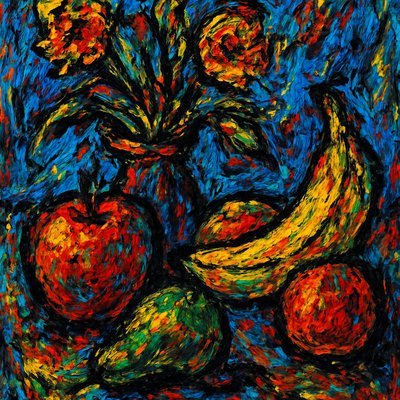
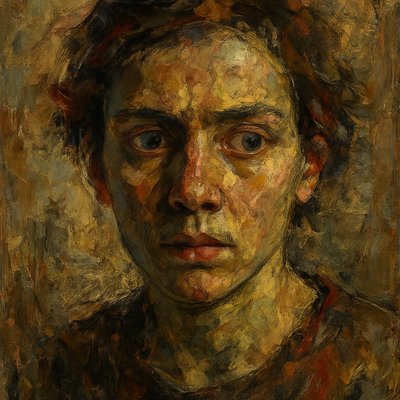
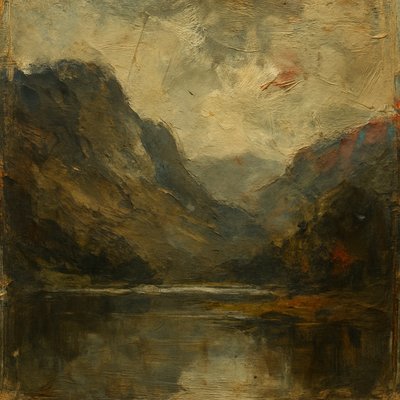
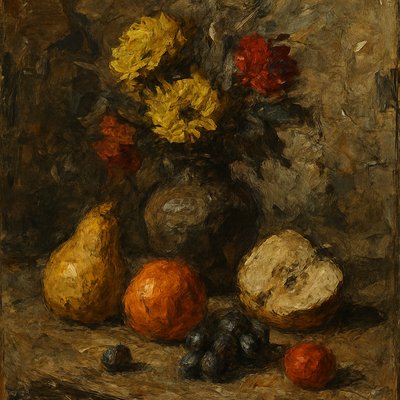
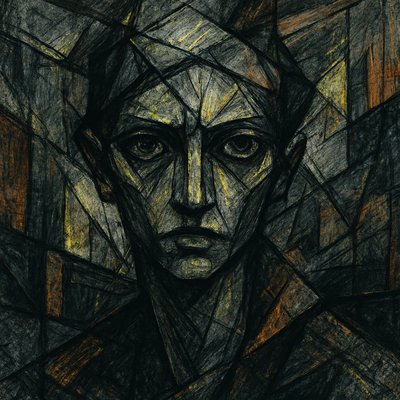
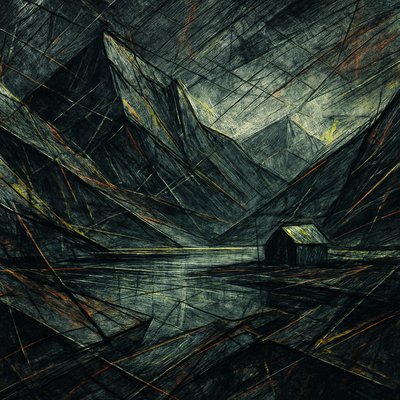
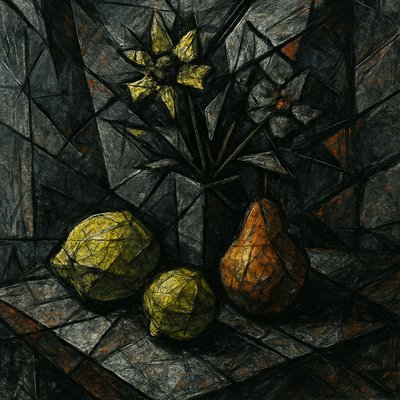
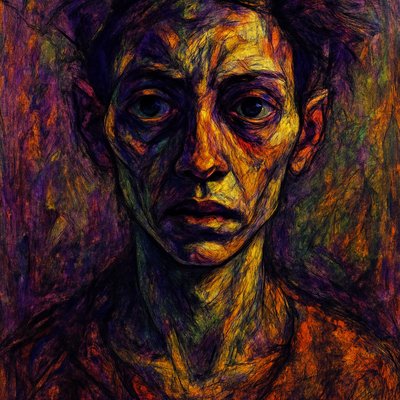
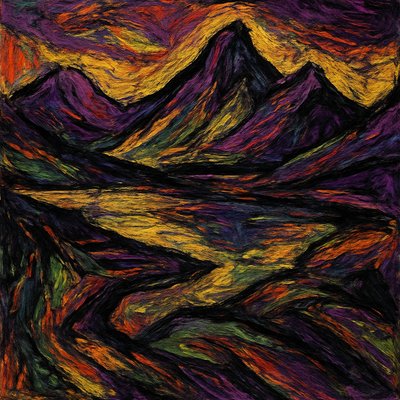
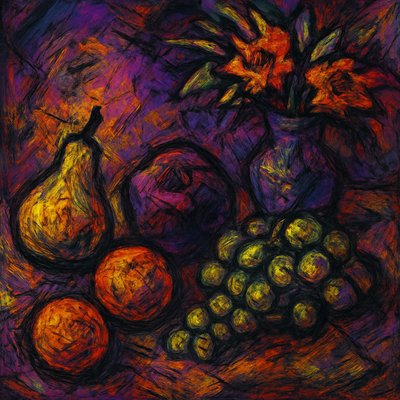
Acid Graphics Gallery
Tap any artwork to explore it
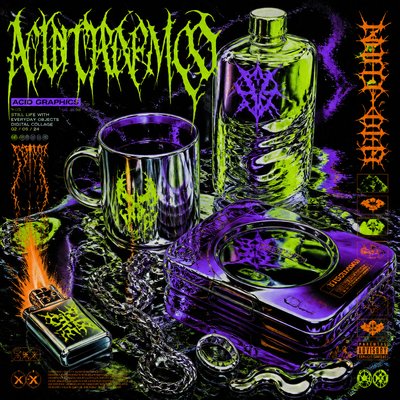
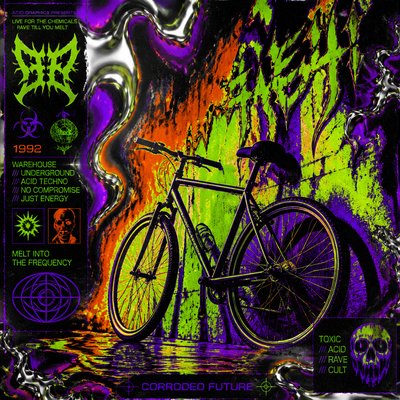
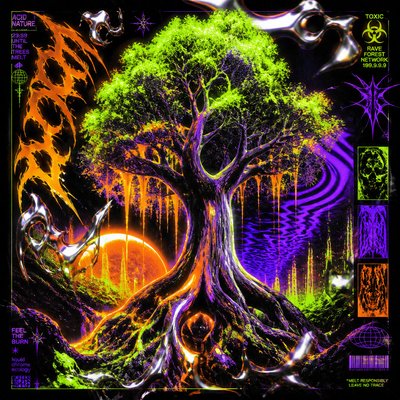
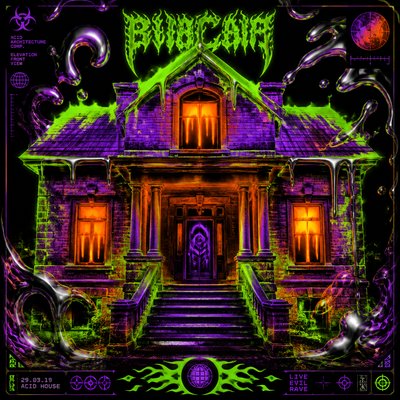
What is Acid Graphics?
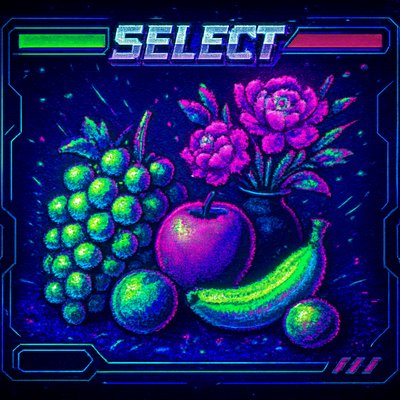
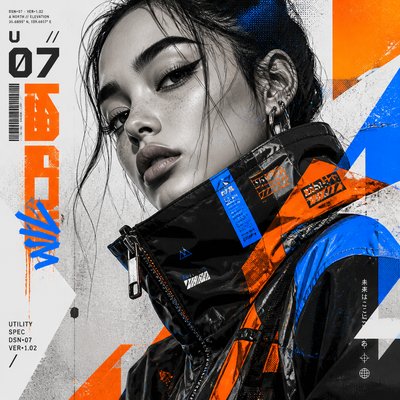
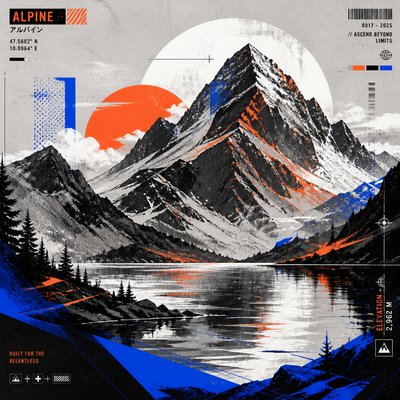
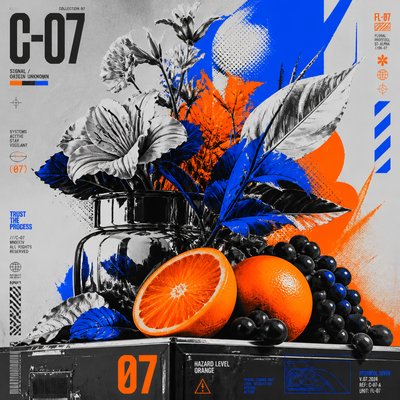
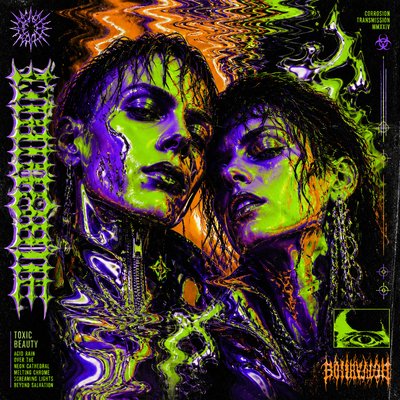
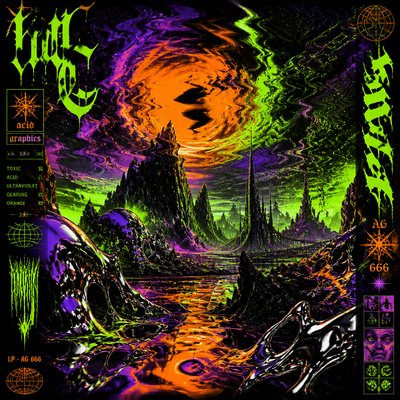
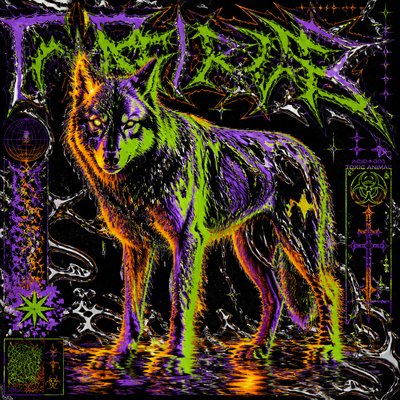
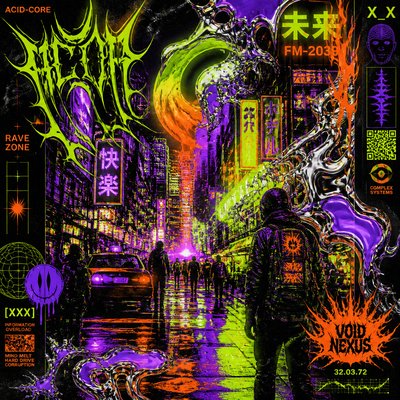
Acid Graphics is a high-energy visual style built from toxic neon color, metallic sheen, aggressive distortion, and dense graphic texture. It typically combines acid green, ultraviolet purple, searing orange, and black with chrome-like surfaces, rippling heat-haze effects, blown highlights, and abrasive scanned noise. The result feels synthetic, corrosive, and hallucinatory, as if rave poster design and sci-fi body chrome had been pushed through a damaged photocopier.
The style is most recognizable in poster-like compositions: bold central motifs, warped typography, luminous edges, and surfaces that seem melted, stretched, or chemically altered. It works because the visual language deliberately creates sensory overload. High-contrast color and reflective gradients suggest speed and intoxication, while texture, distortion, and glow add a grimy underground feel rather than a clean digital finish.
Try It On Your Photos
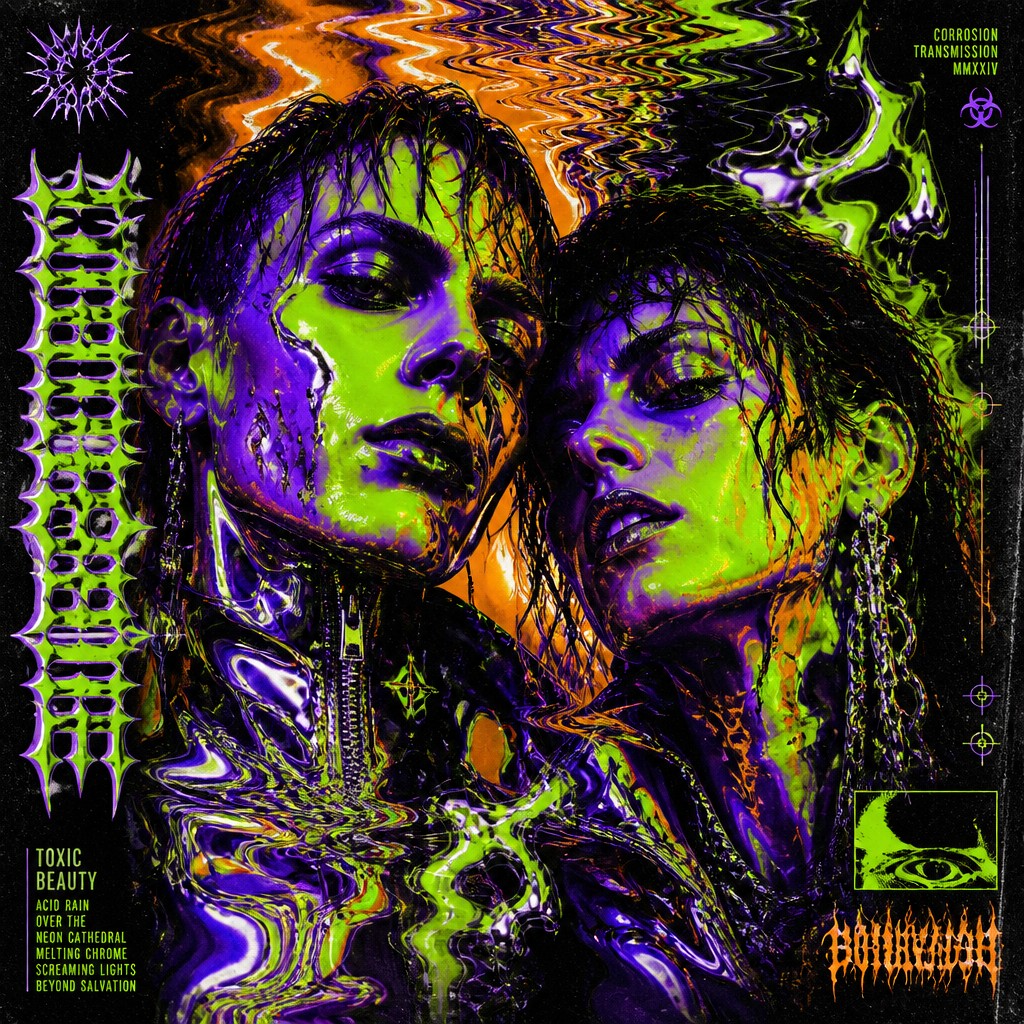
Upload any photo and convert it into Acid Graphics — drag the sliders to compare before and after.

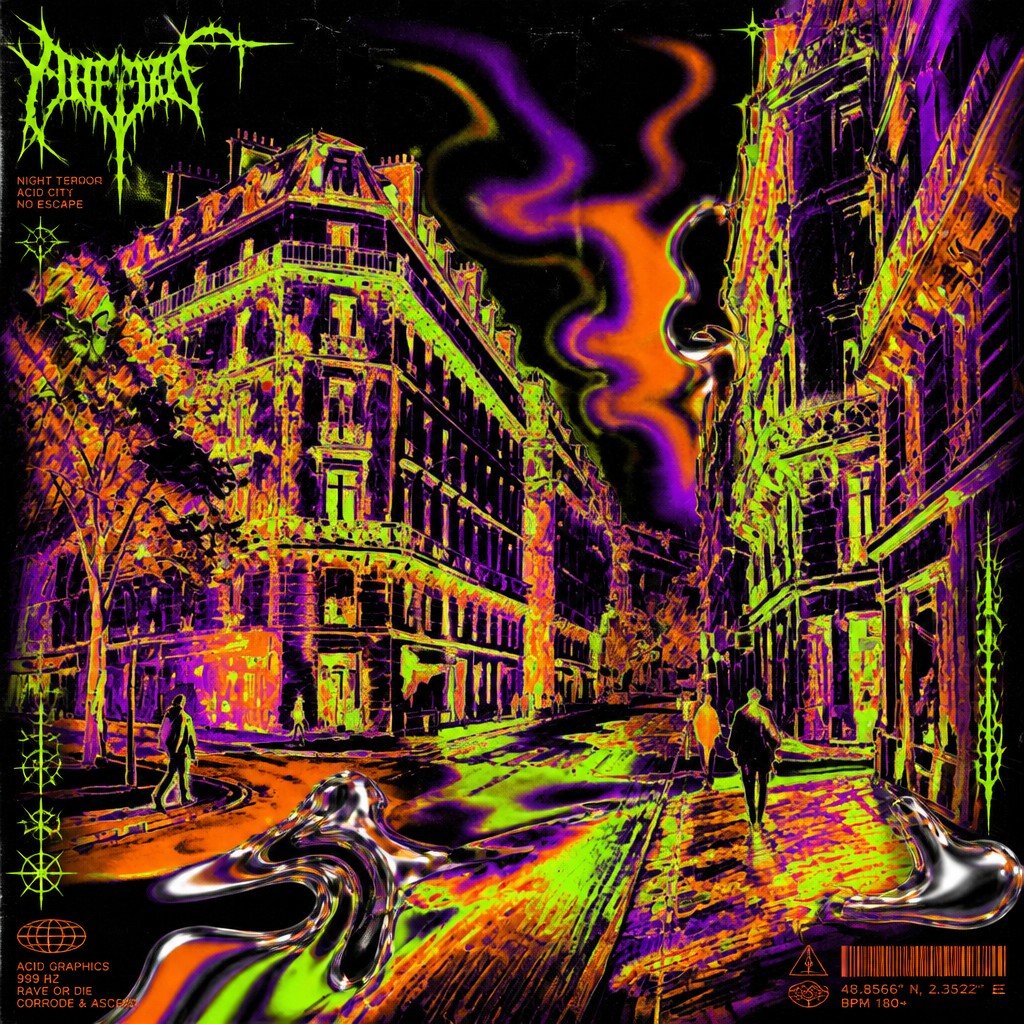

What Defines Acid Graphics
The signature details, up close
Toxic neon palette
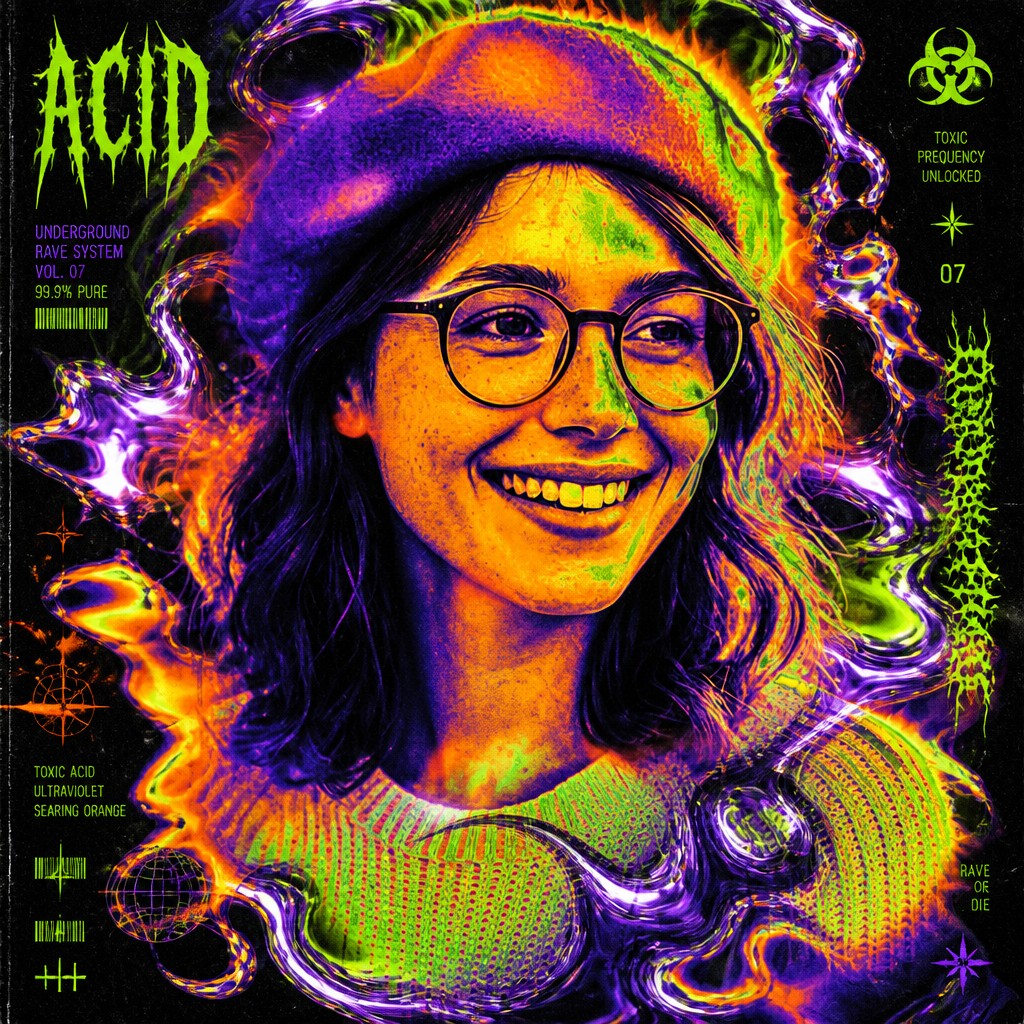
Acid green, ultraviolet purple, electric pink, and hot orange dominate the palette, usually set against black or very dark backgrounds. The colors are pushed to an unnatural intensity, producing a chemically charged glow.
Liquid chrome and molten gradients
Surfaces often look metallic, reflective, and semi-fluid, as if chrome has been melted or stretched. Gradients are used less for subtle shading than for a viscous, radioactive sheen.
Warped distortion
Forms are bent, elongated, rippled, or heat-distorted, giving the composition a destabilized, hallucinatory feel. This distortion is central to the style’s sense of movement and unease.
Harsh glow and blown highlights
Light tends to bloom aggressively around edges and reflective surfaces, creating halos and glare. Highlights are often overexposed to amplify the sense of synthetic brightness.
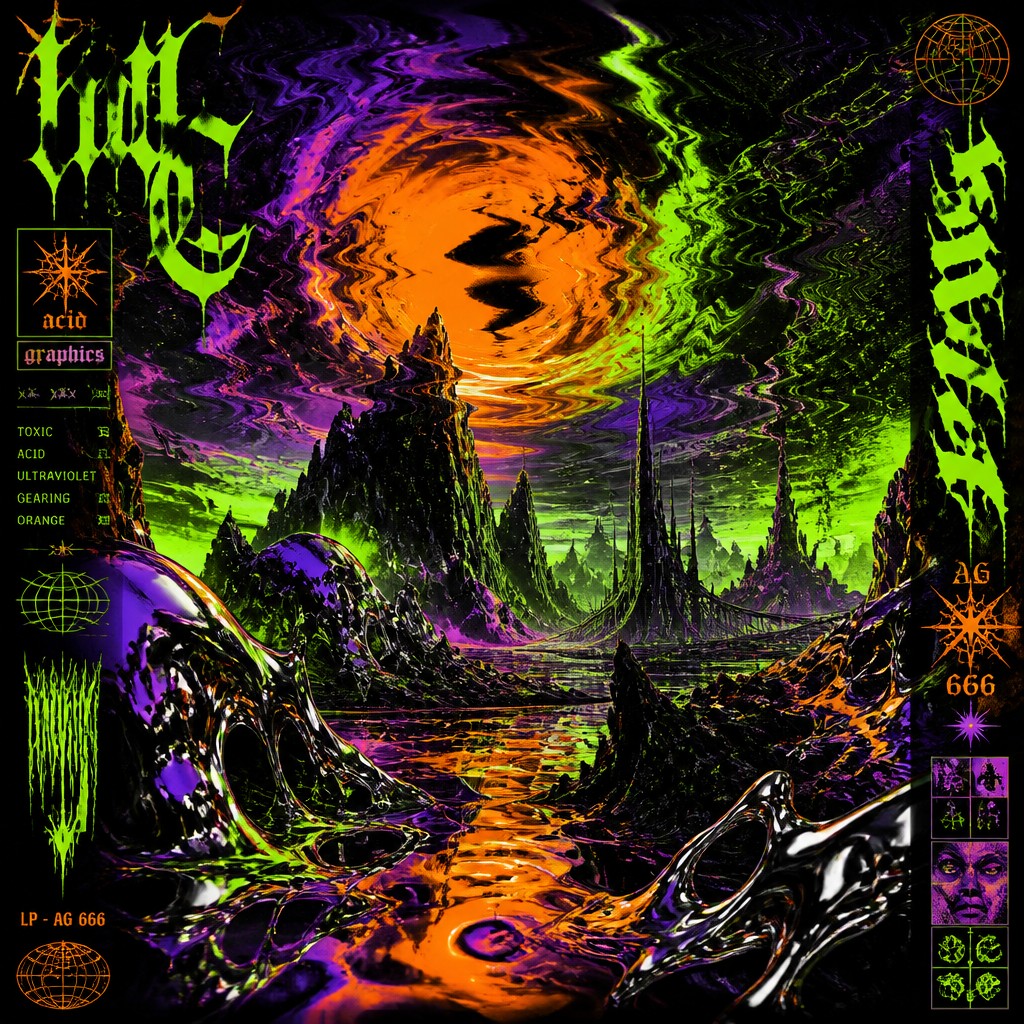
Gritty scanned texture
Noise, photocopy grain, scan lines, speckling, and rough print artifacts keep the image from feeling too polished. The surface often looks as if it has been pulled from club flyers, zines, or damaged digital files.
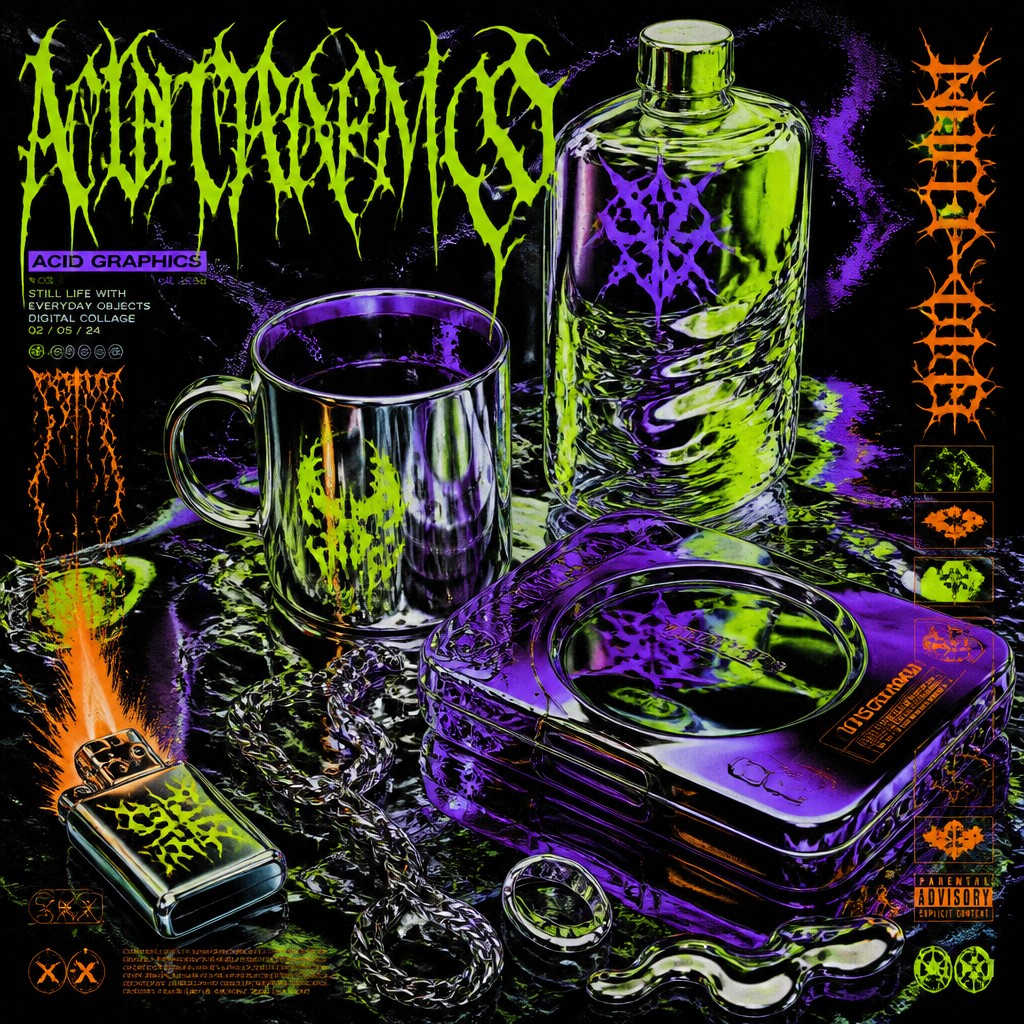
Gothic graphic accents
Sharp, angular shapes, spiked lettering, and ornamental fragments add a hard-edged, underground identity. These elements help the style feel both futuristic and post-industrial.
Try It
Create Videos in Acid Graphics
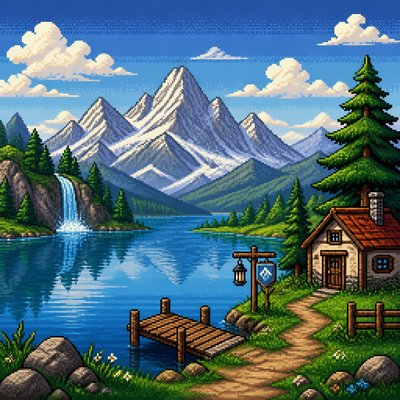
Styles aren't just for stills — describe a scene or animate an image and get a short video rendered in Acid Graphics. Press play to see this pond come to life.
Make a VideoAcid Graphics Prompt Ideas
Start from an idea — each one opens the generator with the style ready to go. See all 40 Acid Graphics prompts →
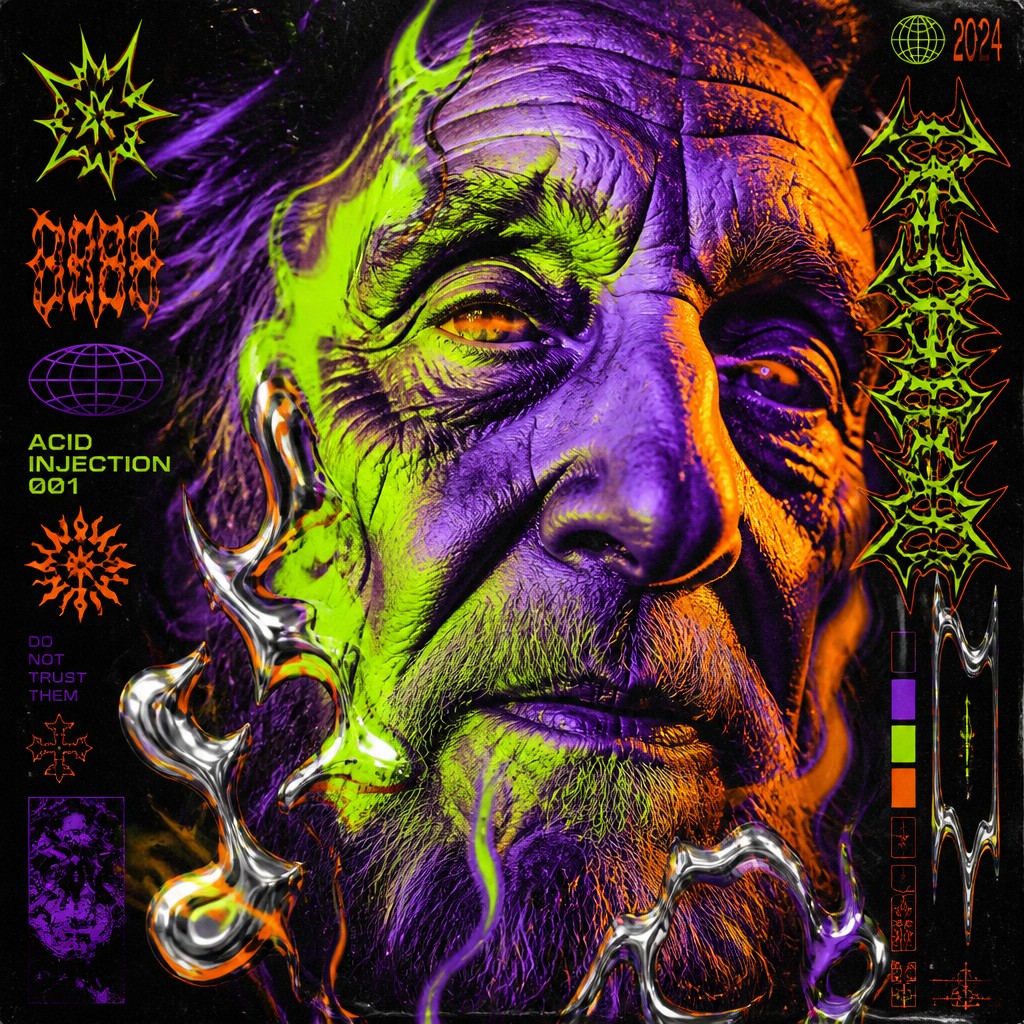
“close-up portrait of an elderly person with expressive weathered features”
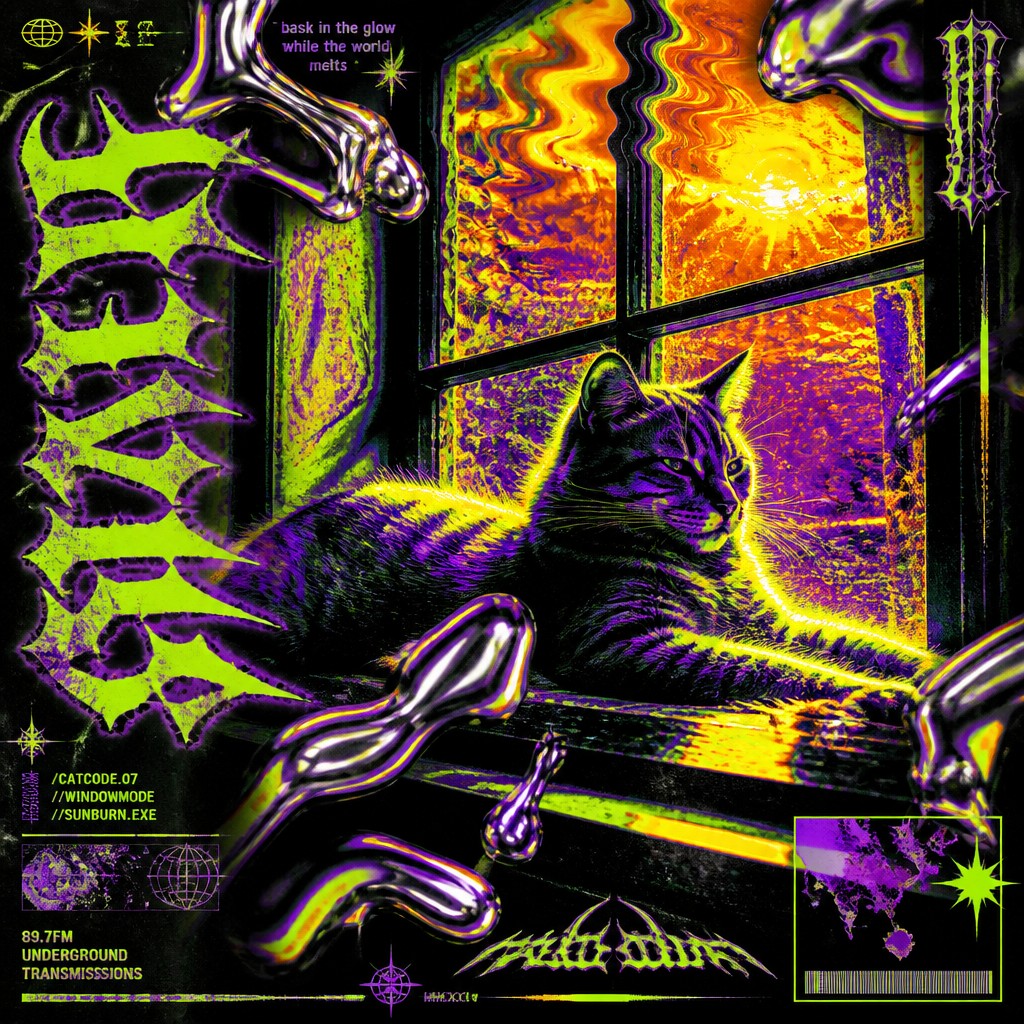
“a cat lounging in a sunlit window”
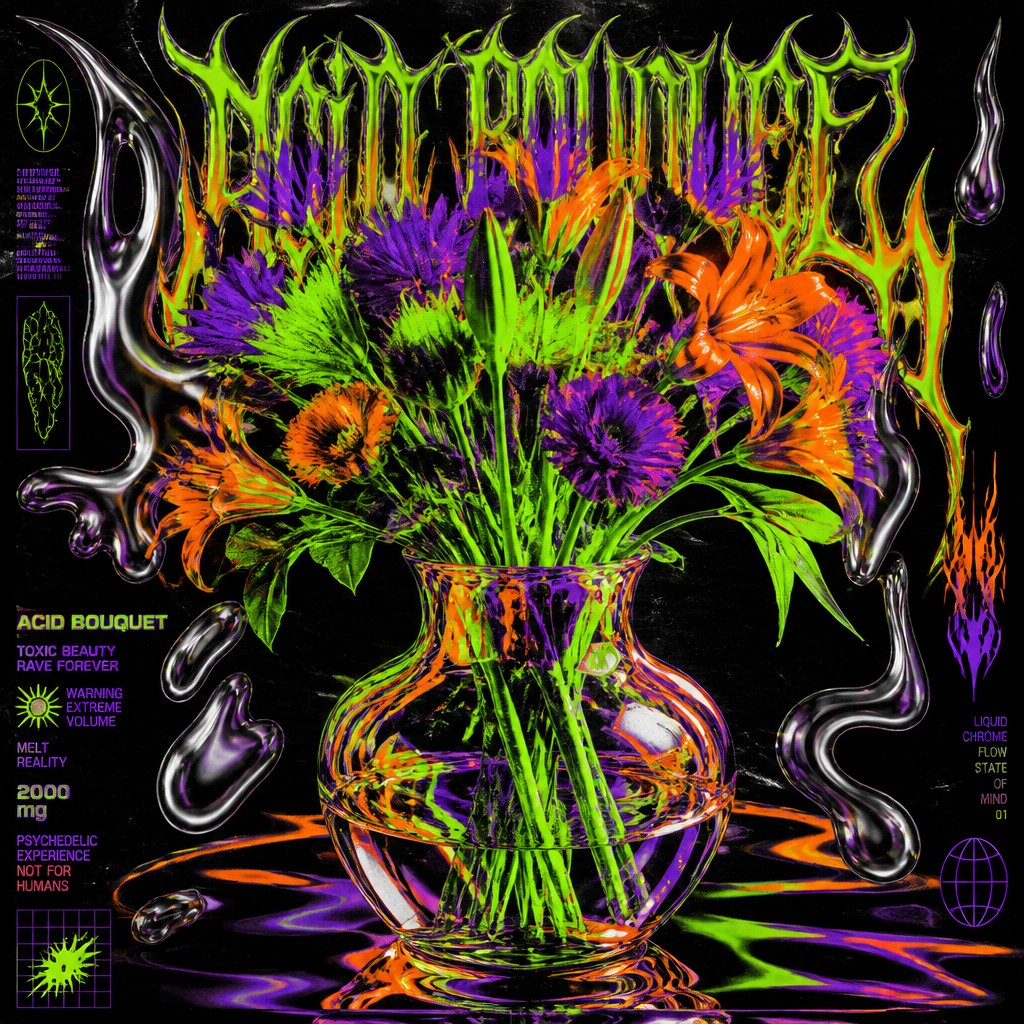
“bouquet of flowers in a glass vase”
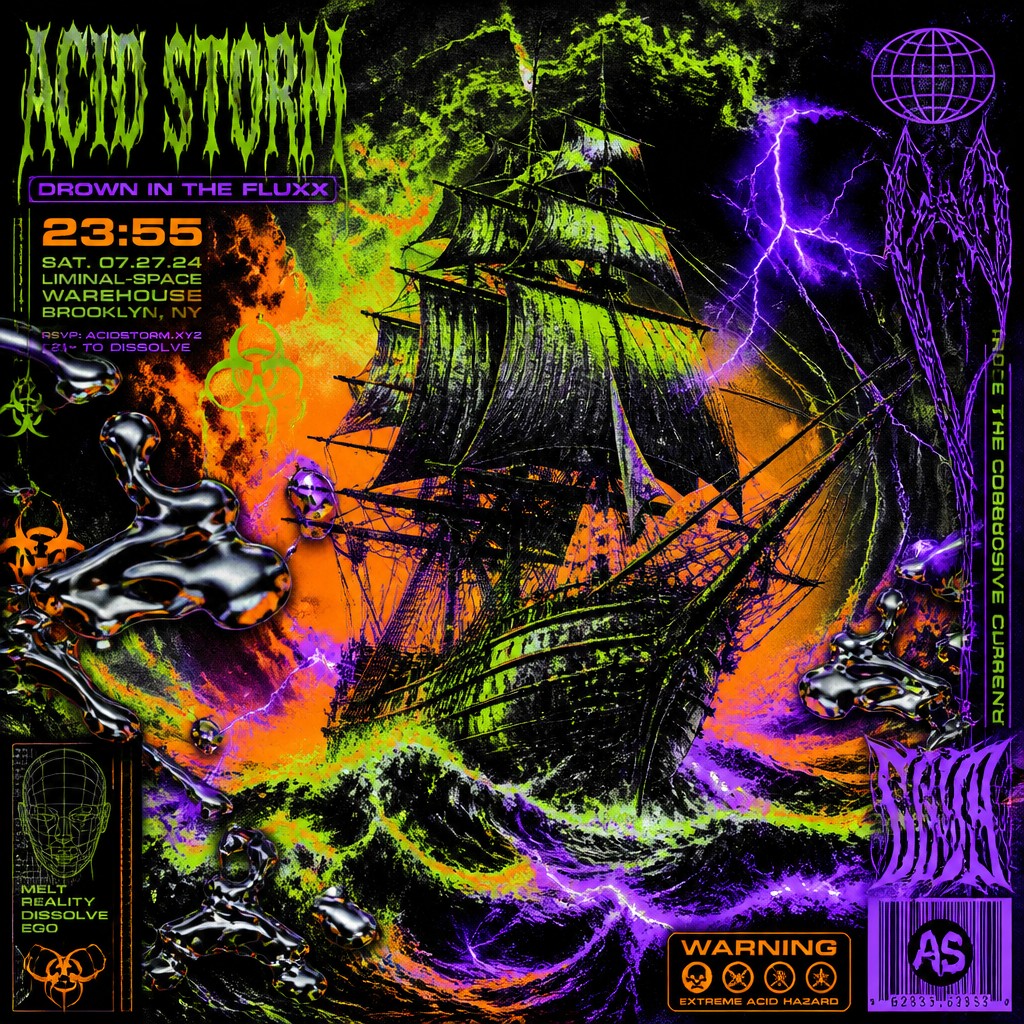
“sailing ship on a stormy sea”
How to Create Acid Graphics Art
Master the craft step by step — or skip straight to creating. Read the full guide →
- 1
Start with a dark high-contrast base
Build the composition on black or near-black so neon tones can flare against it. In traditional work, use dense ink washes or dark underpainting; in digital work, reserve large shadow fields and add color in concentrated bursts.
- 2
Use a restricted acid palette
Limit the image to a few extreme hues: toxic green, violet, orange, and occasional white highlights. Keeping the palette tight makes the glow and contrast feel more intentional and more graphic.
- 3
Introduce chrome and molten surfaces
Render key shapes with reflective gradients, wet-looking highlights, and smooth metallic transitions. For prompt-based generation, specify liquid chrome, molten metal, or reflective blobs to push the image toward the style’s signature materiality.
- 4
Distort the forms aggressively
Stretch, warp, ripple, or smear the main subject so it feels unstable under heat or vibration. In digital editing, use liquify, displacement, motion blur, or wave distortion; in prompts, ask for warped stretched distortion and heat-haze ripple effects.
- 5
Add texture as damage, not decoration
Layer scanned noise, print grain, and rough artifacts over the image to evoke flyers, photocopies, and worn club ephemera. The texture should make the image feel physically reproduced rather than cleanly rendered.
- 6
Compose like a rave flyer
Keep the image punchy, centered, and emblematic, with strong silhouettes and graphic accents that read fast. For generation prompts, pair the subject with words like underground flyer, harsh glow, and hallucinatory energy to reinforce the design language.

The Story
History & Origins of Acid Graphics
Acid Graphics is an invented contemporary aesthetic rather than a historical fine-art movement, but it draws from several real visual lineages. Its strongest roots are in late-1980s and 1990s rave flyer design, club graphics, acid house, techno promotion, and underground electronic music posters, where fluorescent color, photocopy grain, handwritten or gothic lettering, and aggressive compositing were common. It also inherits from 1980s airbrush illustration, cyberpunk imagery, and the reflective chrome excess of late-20th-century digital and commercial design.
The style’s look was shaped by the transition from analogue to digital production: scanned textures, early image manipulation, low-fi print reproduction, and experimental desktop publishing all contributed to its gritty, unstable surface. In contemporary use, Acid Graphics often appears in music artwork, event posters, fashion graphics, motion visuals, and internet-native illustration, where its mix of luminous excess and damaged texture signals underground energy, synthetic futurism, and controlled visual chaos.
Influences: Acid Graphics draws most directly from acid house and rave flyer culture, especially the photocopied poster aesthetics of late-1980s and 1990s club scenes. It also overlaps with cyberpunk illustration, 1980s airbrush art, glitch and scan-based digital textures, and the chrome futurism of commercial design; in a broader sense, its visual drama echoes the saturated excess of psychedelic poster art and the hard-edged geometry of gothic typography.
Frequently Asked Questions
What defines Acid Graphics?
It is defined by toxic neon color, liquid-metal surfaces, warped distortion, harsh glow, and gritty print-like texture. The style feels like rave-flyer design fused with sci-fi chrome and damaged digital reproduction.
Is Acid Graphics a historical art movement?
No, it is better understood as a contemporary invented aesthetic. Its identity comes from a blend of real influences such as rave posters, cyberpunk imagery, airbrush illustration, and scanned zine textures.
How is it different from cyberpunk art?
Cyberpunk usually emphasizes urban futurism, technology, and narrative world-building, often with darker or more cinematic scenes. Acid Graphics is more poster-like and graphic, with stronger emphasis on fluorescent color, chrome, distortion, and the sensory intensity of club culture.
How is it different from vaporwave or glitch art?
Vaporwave tends to use pastel nostalgia, retro consumer imagery, and a softer digital melancholy. Glitch art focuses on file corruption and technical error, while Acid Graphics uses distortion more expressively, along with neon palette, molten surfaces, and rave-poster aggression.
Where is Acid Graphics commonly used?
It is often used for music artwork, event flyers, nightlife branding, fashion graphics, posters, and experimental motion design. It also works well for album covers and social-media visuals that need a loud, underground, futuristic feel.
How can I make my image look more authentic in this style?
Use a dark background, limit the palette to neon acid tones, and add visible texture like scan noise or photocopy grain. Strong highlights, chrome reflections, and deliberate warping will make the image feel much closer to the style’s core identity.
Create your first Acid Graphics artwork
Describe anything — or upload a photo — and see it in Acid Graphics in seconds.
Related Styles
Discover similar art styles