New Media vs Post-Internet: What's the Difference?
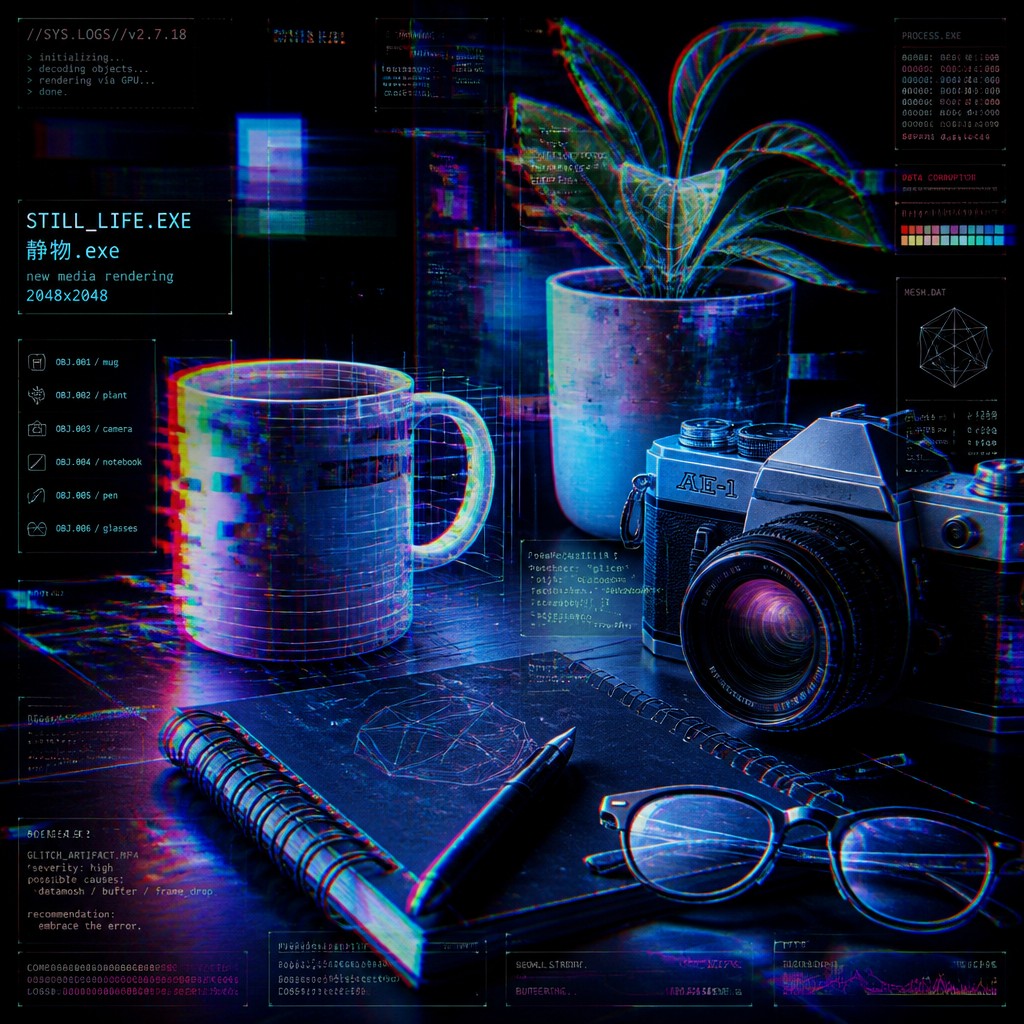
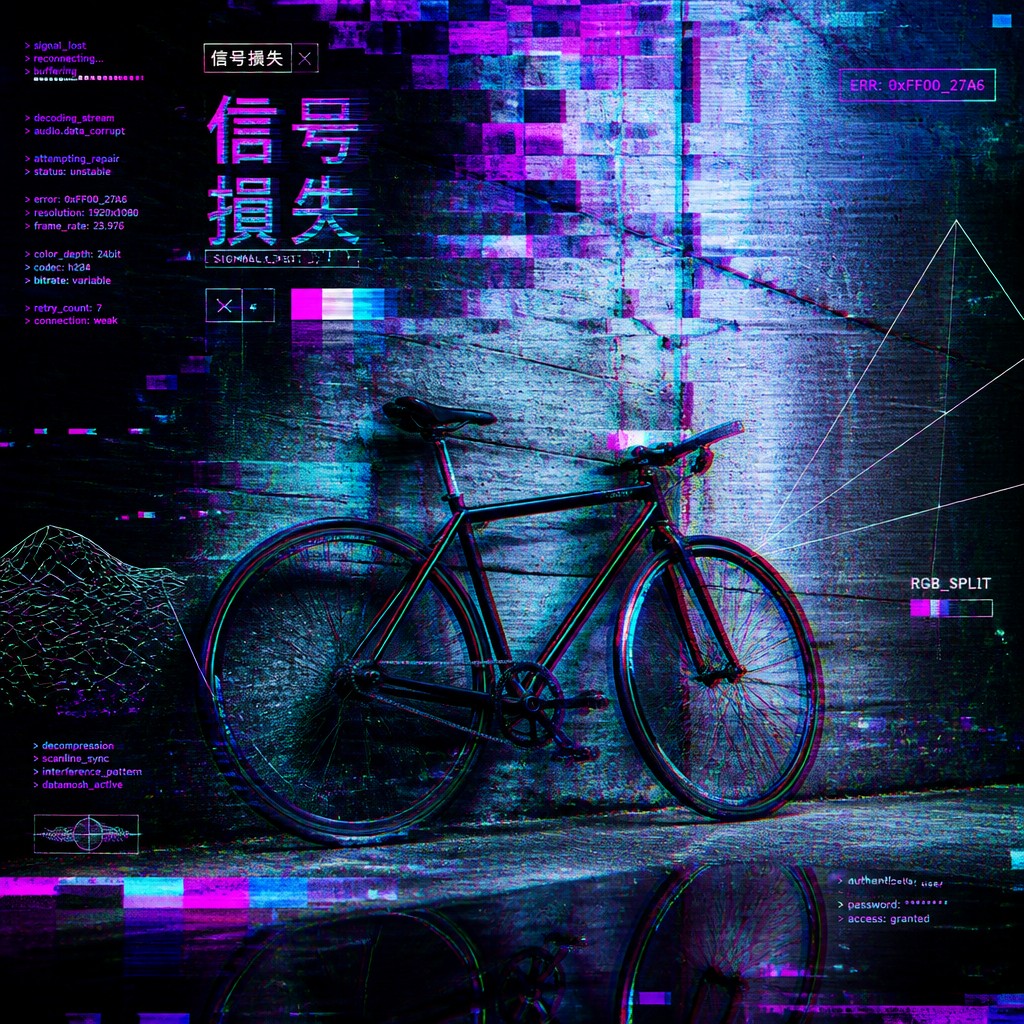
New Media Art Style is a broad category of art made with, about, or through digital technologies. It often includes code-based visuals, interfaces, interactive systems, networked media, glitches, neon palettes, and screen-like compositions shaped by internet culture and digital tools.
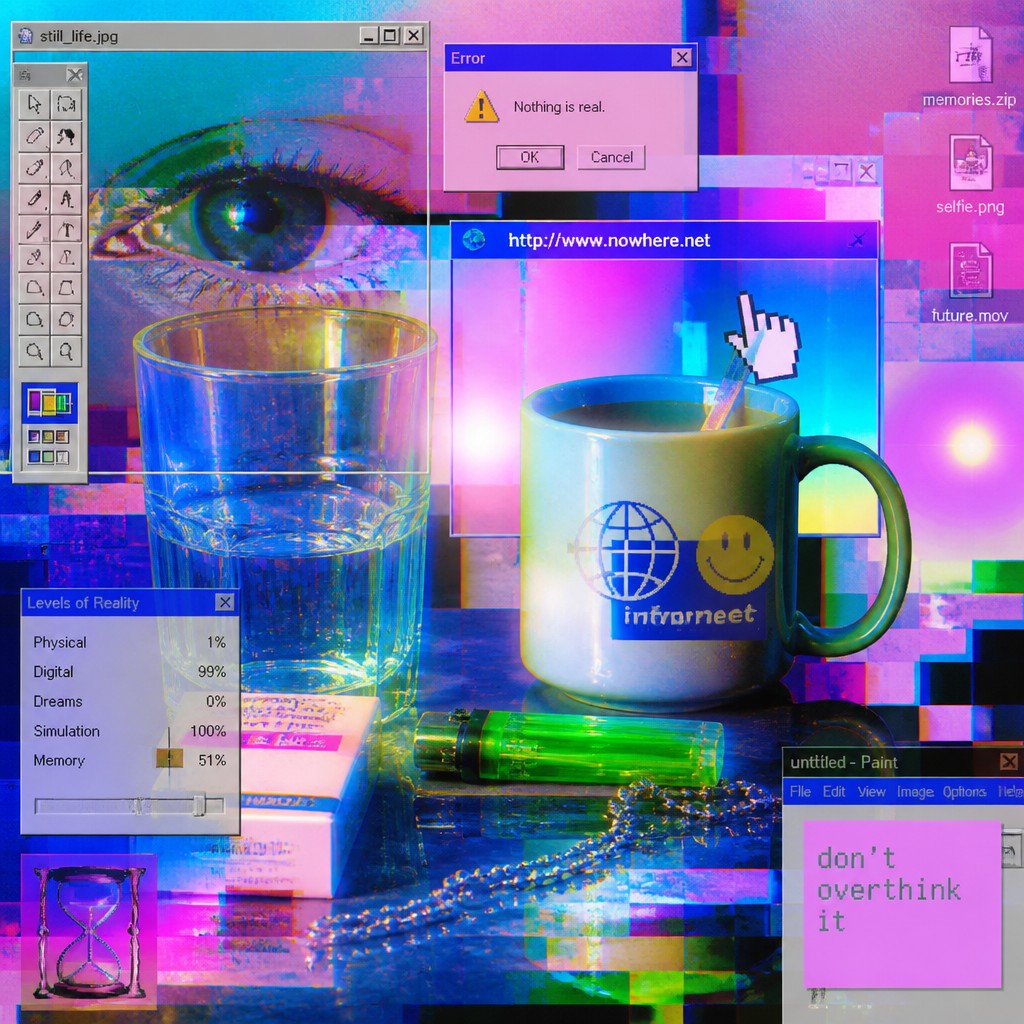
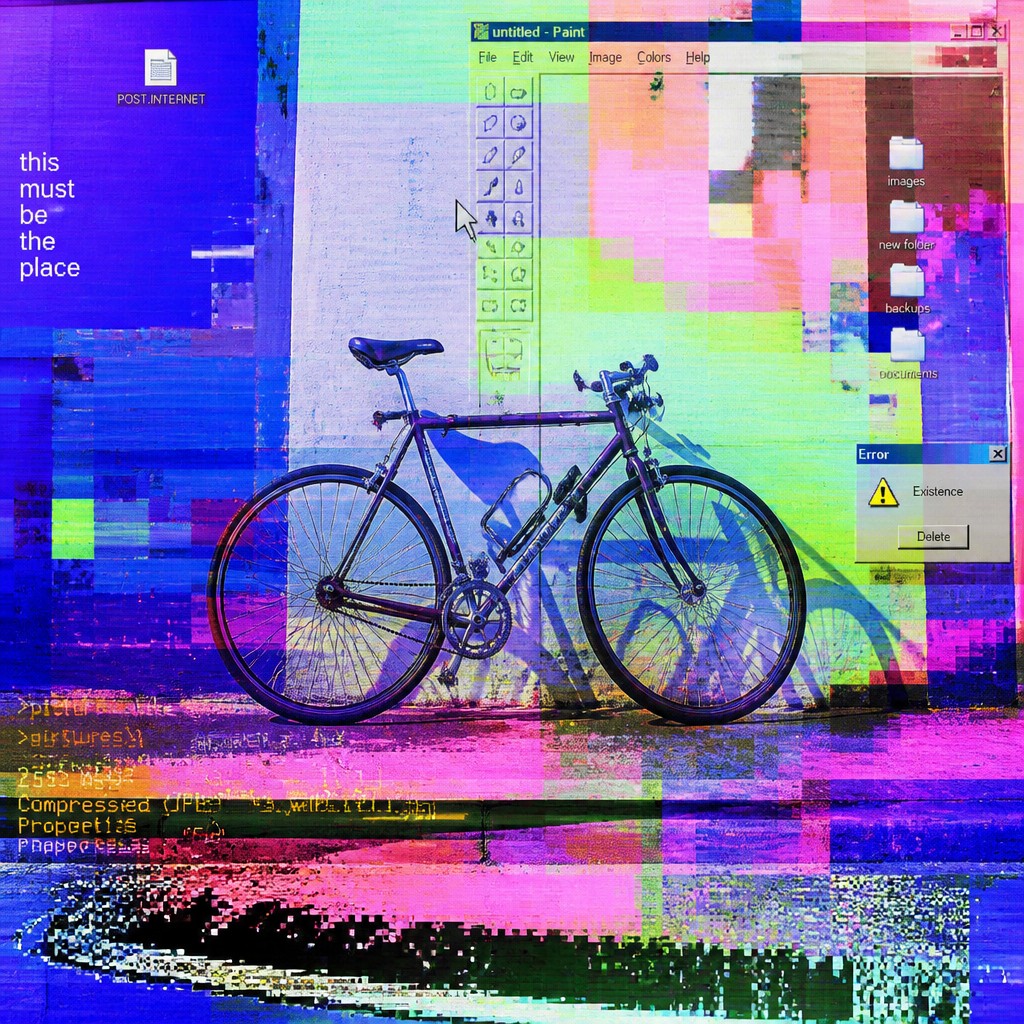
Post-Internet Art Style is a narrower, more concept-driven approach that reflects how the internet has changed images, attention, and reality itself. It often uses glitchy digital aesthetics, compressed textures, and layered screens to feel mediated, copied, and screen-native. People compare them because both use digital-looking visuals, but one focuses more on media technology and interaction while the other focuses more on internet-shaped perception and meaning.
Same Prompt, Both Styles
Each pair below was generated from the identical prompt — only the style changed.
“portrait of two people together”
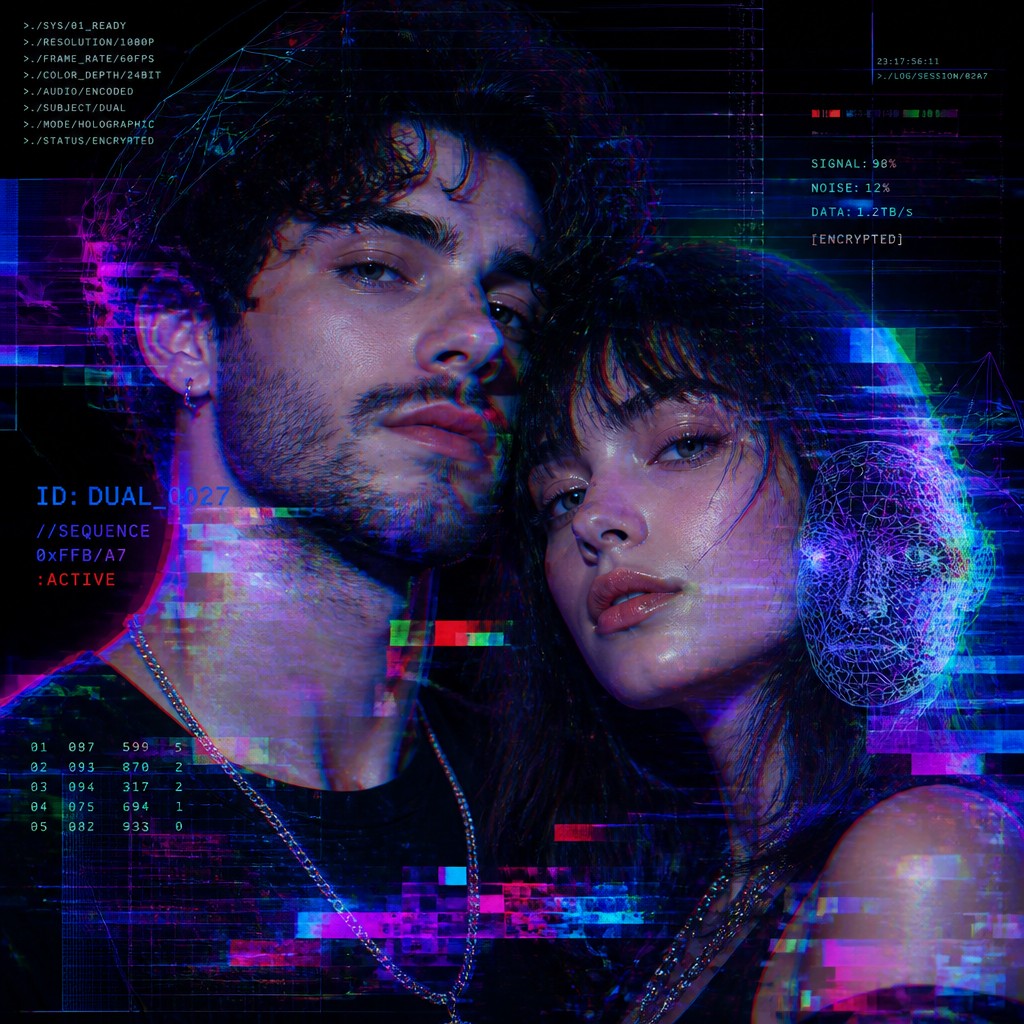
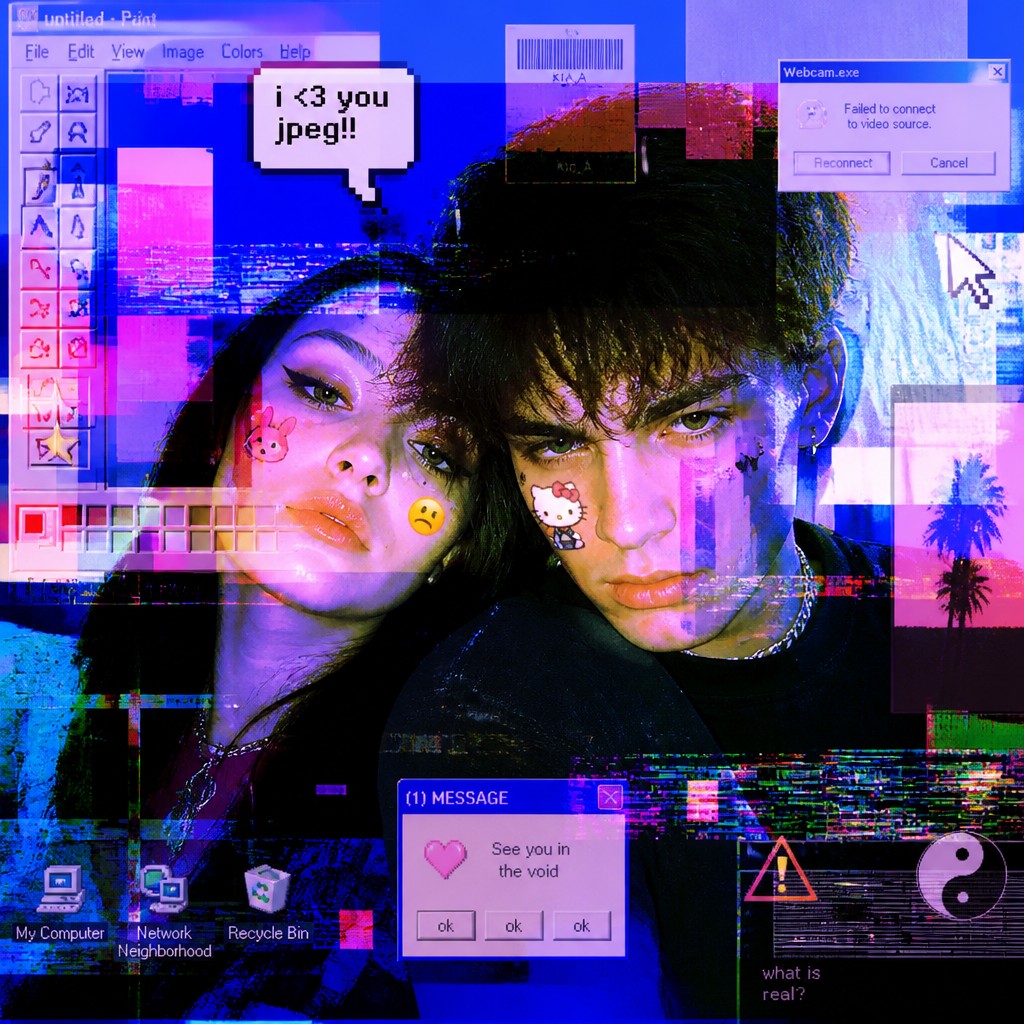
“wide landscape with natural scenery”
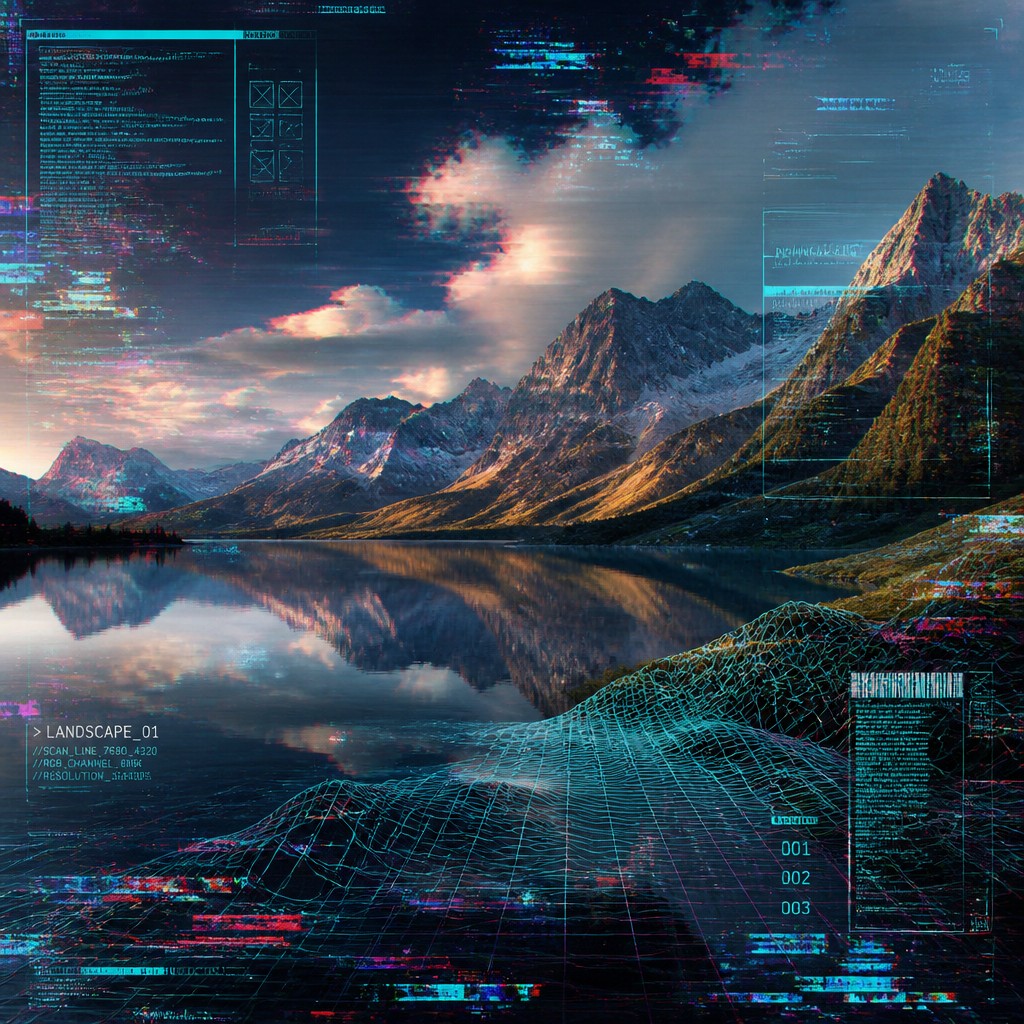
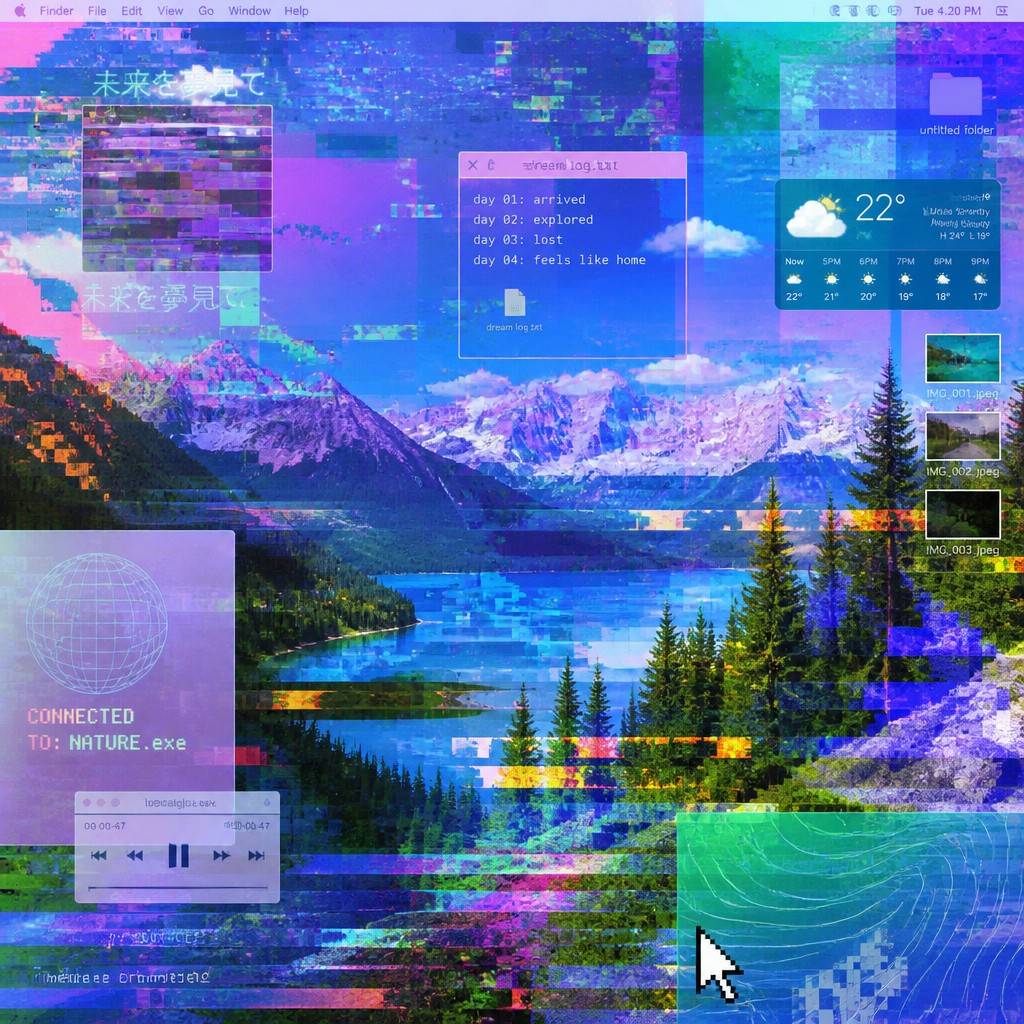
“still life with everyday objects”
“bicyle resting against a wall”
Key Differences
| New Media | Post-Internet | |
|---|---|---|
| Core focus | Centers on digital media, systems, and interactive technology. | Centers on how internet culture reshapes perception and reality. |
| Visual language | Uses interfaces, code-like motifs, neon, and screen aesthetics. | Uses compressed images, layered screenshots, and mediated surfaces. |
| Role of technology | Technology is often the medium, subject, or tool of the work. | Technology is often the cultural condition being examined. |
| Interactivity | Frequently interactive, responsive, or network-based. | Usually static, but visually suggests browsing and circulation. |
| Mood | Can feel experimental, futuristic, or system-oriented. | Can feel ironic, fragmented, and overloaded with media. |
| Composition | May emphasize interfaces, layouts, and navigable structures. | May emphasize collage, repetition, and stacked screen fragments. |
| Mood | futuristic, experimental, interactive, conceptual | hyperconnected, cool, detached, cerebral |
| Energy | intense | balanced |
| Detail level | detailed | detailed |
| Color | RGB neons, dark neutrals, digital glows | synthetic neutrals with neon accents |
| Texture | glitchy, pixelated, layered, scanlined | glossy, compressed, pixel-noisy surfaces |
| Origin | digital-native aesthetic | digital-native aesthetic |
| Best for | editorial visuals, album covers, tech branding, interactive installations, festival posters | album covers, editorial spreads, fashion campaigns, gallery prints, web visuals |
| Difficulty | advanced | advanced |
Which Should You Choose?
Pick New Media Art Style if you want the work to feel technologically active, interactive, or directly tied to digital systems, interfaces, or code. Pick Post-Internet Art Style if you want the piece to comment on internet culture, image saturation, and how digital life changes memory, authenticity, and attention. In short, A is more about media as a tool or environment, while B is more about the internet as a cultural condition.
Frequently Asked Questions
Are these styles the same thing?
No. They overlap visually, but New Media Art is a broader umbrella for art using digital technologies, while Post-Internet Art is more specific to internet-shaped culture and perception. A work can borrow from both without fully belonging to either.
Which style is more likely to include interactive elements?
New Media Art Style is more likely to include interactivity, sensors, screens, or code-driven behavior. Post-Internet Art Style usually keeps the interaction implied rather than functional.
Why do both styles use glitches and screen-like imagery?
Glitches, compression, and layered screens are useful signals of digital mediation. New Media Art uses them to explore technology and systems, while Post-Internet Art uses them to show how online life shapes images and meaning.
Can a work fit both styles at once?
Yes. A networked installation with code, interfaces, and glitch aesthetics could belong to New Media Art and still reflect Post-Internet concerns. The deciding factor is whether the emphasis is on the technology itself or on internet culture's effects.