Glitch vs Glitch Digital: What's the Difference?
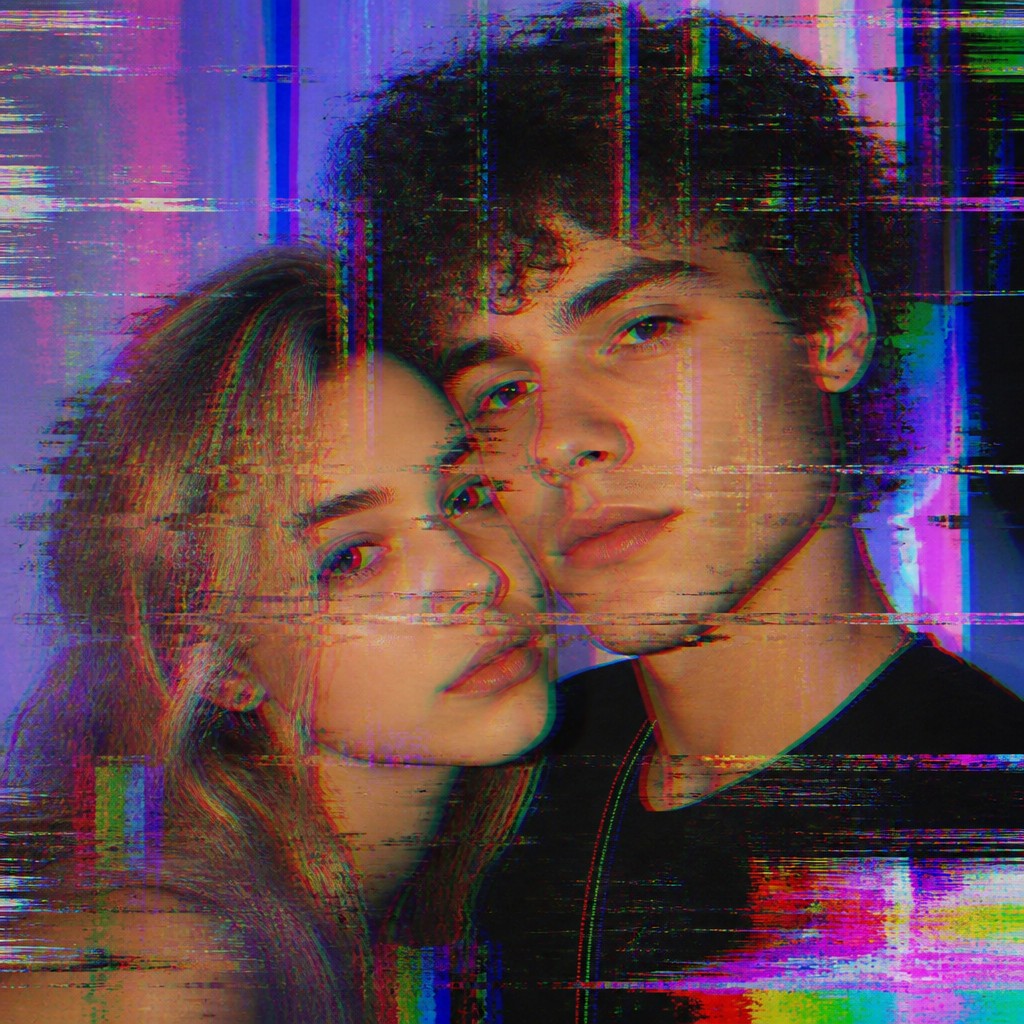
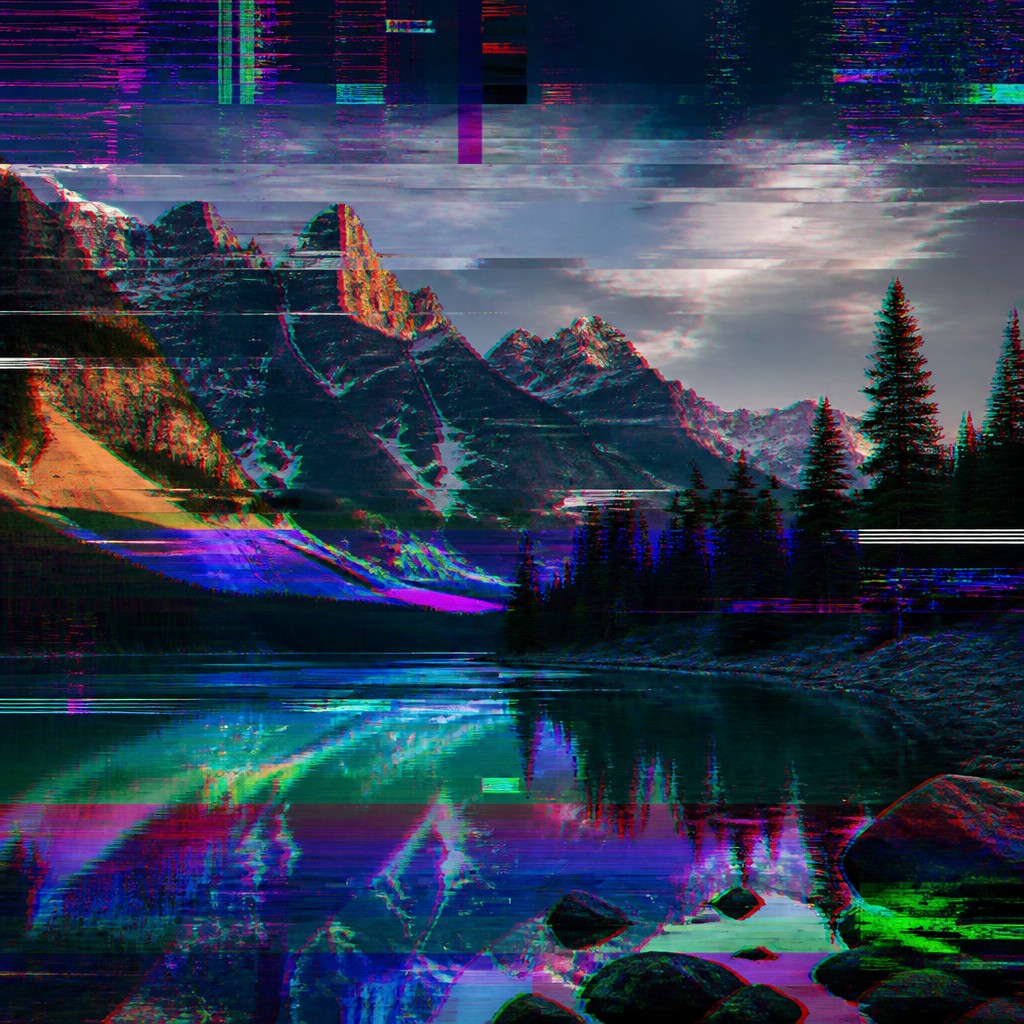
Glitch Art Style turns technological failure into an aesthetic, using digital errors, scan lines, pixel corruption, and datamoshing to create imagery that feels intentionally broken yet still visually legible. It often emphasizes the look of malfunction itself, making disruption part of the composition rather than something to hide.
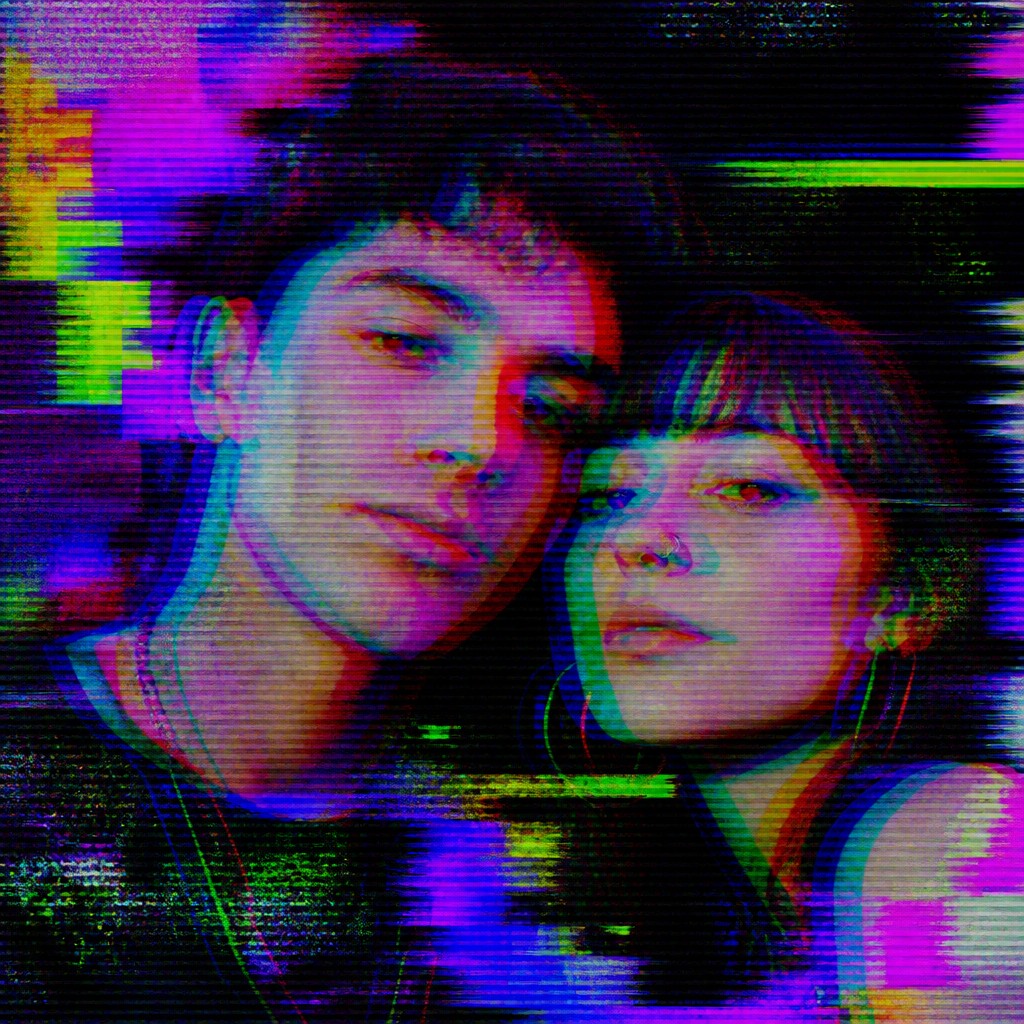
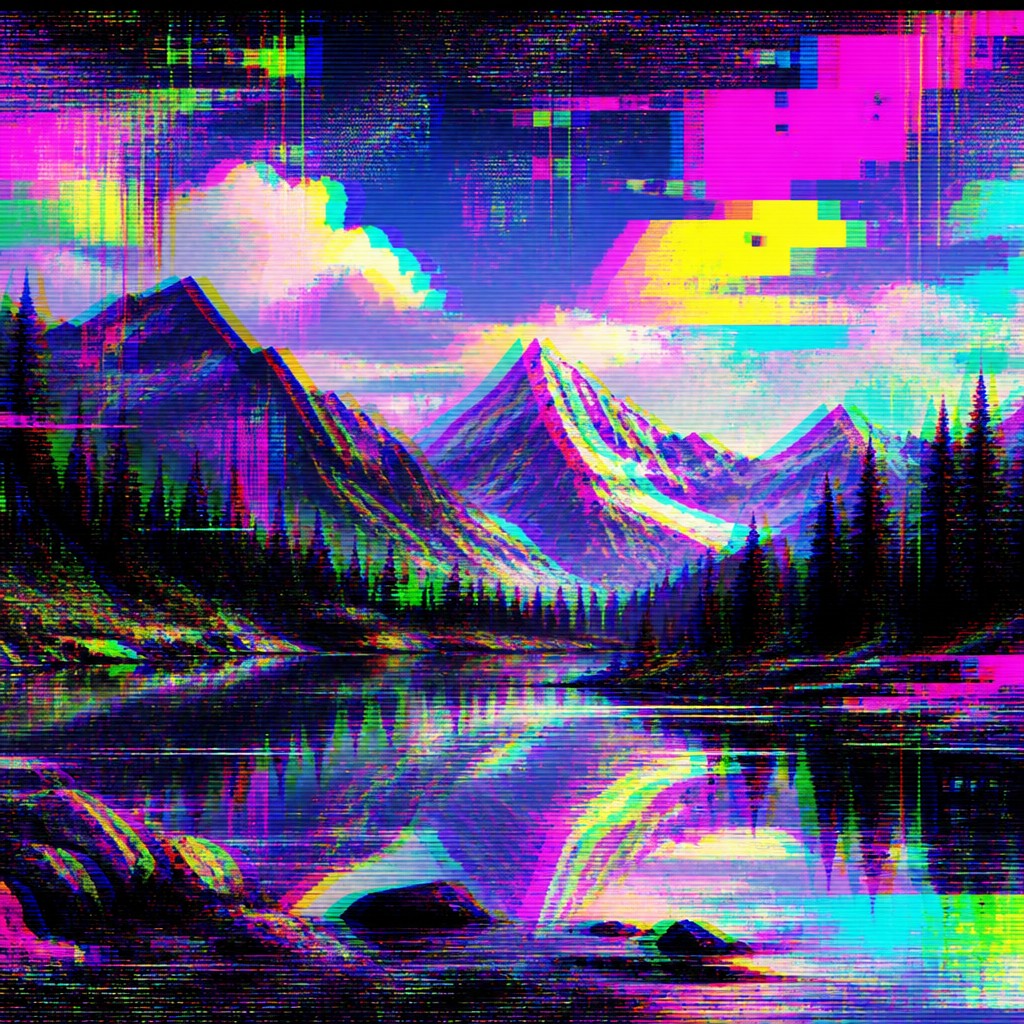
Glitch Digital Art Style is closely related, but it leans more directly on corruption, pixel sorting, and scan-line noise to produce a recognizably damaged digital surface. People compare the two because both borrow from broken technology and visual error, but they differ in emphasis: one highlights glitch as an expressive art language, while the other often reads as a more specific digital-error aesthetic.
Same Prompt, Both Styles
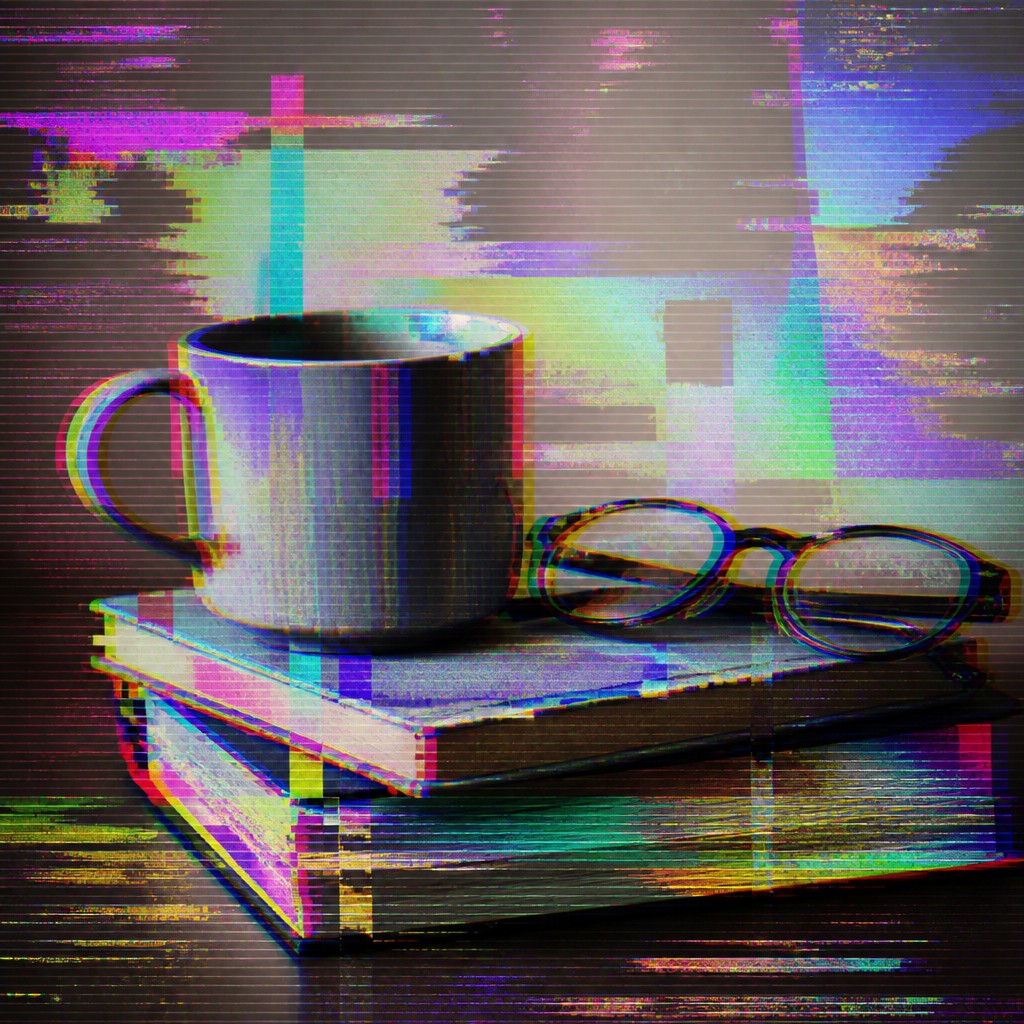
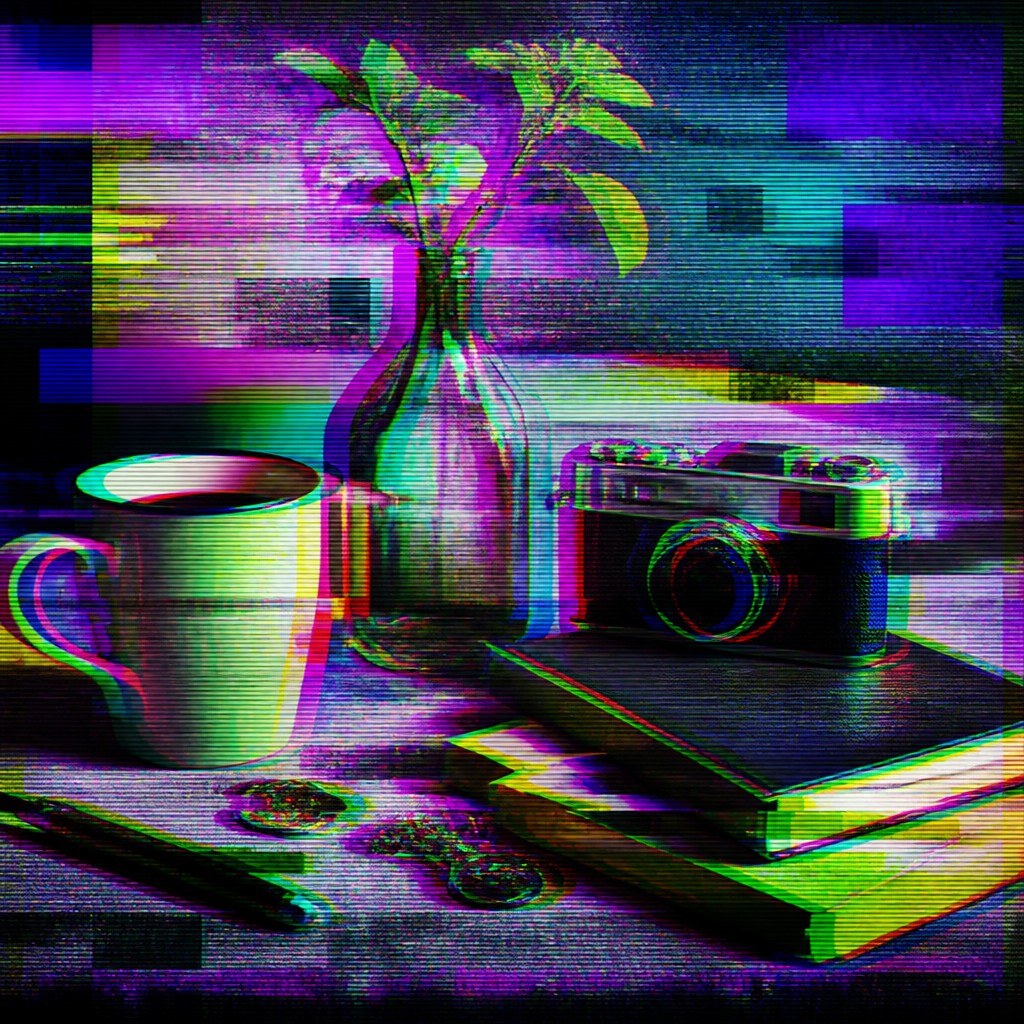
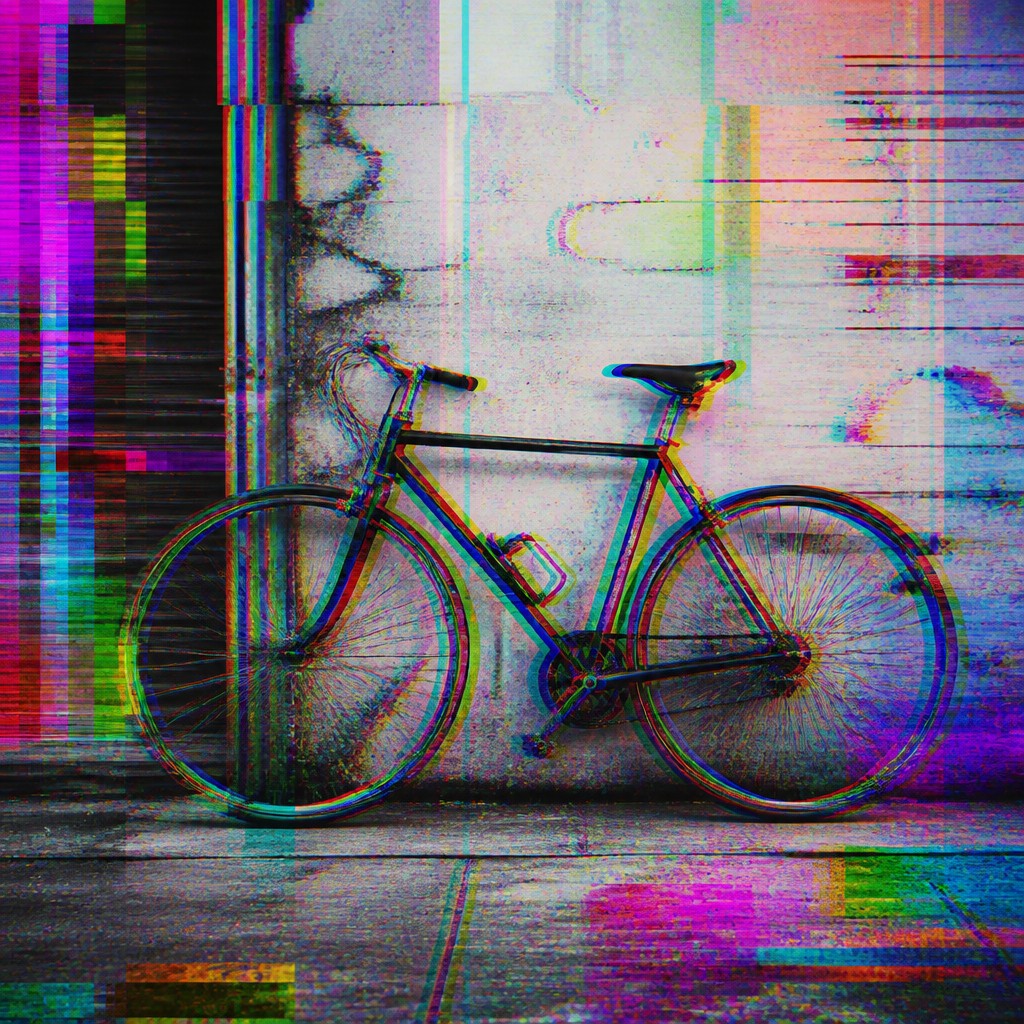
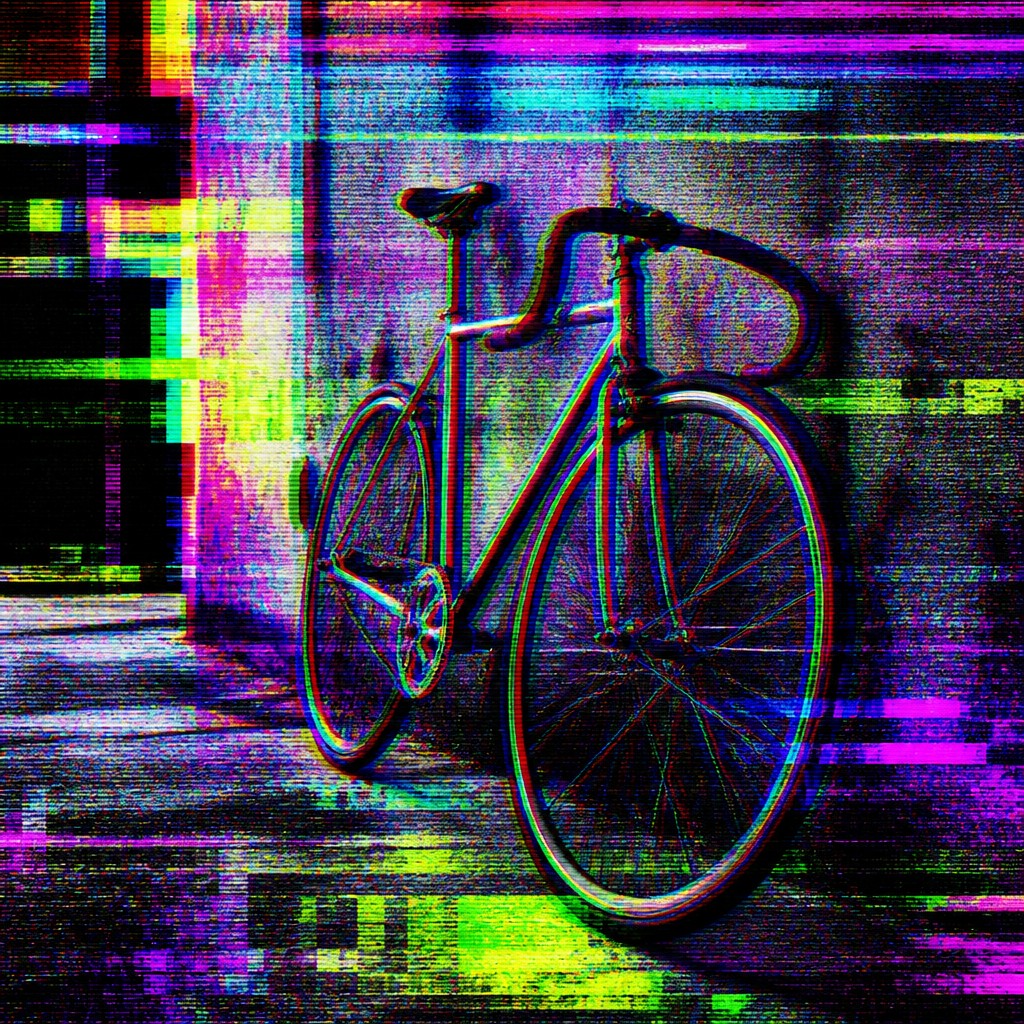
Each pair below was generated from the identical prompt — only the style changed.
“portrait of two people together”
“wide landscape with natural scenery”
“still life with everyday objects”
“bicyle resting against a wall”
Key Differences
| Glitch | Glitch Digital | |
|---|---|---|
| Core emphasis | Treats technological failure as a deliberate visual language. | Focuses on corruption effects that make imagery look digitally damaged. |
| Common effects | Uses scan lines, pixel corruption, and datamoshing. | Uses corruption, pixel sorting, and scan-line noise. |
| Visual feel | Often feels experimental, unstable, and media-aware. | Often feels more obviously broken and distorted. |
| Structure | Can preserve more readable shapes within the disruption. | May fragment image structure more aggressively. |
| Technique focus | Frequently explores motion-based digital failures. | Often highlights static corruption and reordered pixels. |
| Overall impression | Reads as art made from malfunction. | Reads as digital content visibly corrupted. |
| Mood | chaotic, disrupted, futuristic, edgy, unstable | disrupted, electronic, unstable, futuristic |
| Energy | intense | intense |
| Detail level | detailed | detailed |
| Color | high-contrast neon with corrupted digital tones | high-contrast neon, dark digital tones |
| Texture | fragmented, pixel-broken, scanline-distorted | pixelated, noisy, fractured, compressed |
| Origin | late-20th-century digital-native aesthetic | digital-native aesthetic |
| Best for | album covers, posters, experimental branding, motion graphics, tech visuals, game interfaces | album covers, posters, game visuals, motion graphics, tech branding |
| Difficulty | advanced | advanced |
Which Should You Choose?
Choose Glitch Art Style if you want the work to feel conceptually art-driven, with error used as a creative language that can still support form and movement. Choose Glitch Digital Art Style if you want a more direct broken-screen look, with corruption and pixel effects taking center stage. In practice, A is better for expressive, experimental compositions, while B is better for clearly damaged digital visuals.
Frequently Asked Questions
Are these two styles the same thing?
They overlap heavily, but they are not always used the same way. Both use digital error aesthetics, yet Glitch Art Style is usually broader and more concept-driven, while Glitch Digital Art Style sounds more specific to digital corruption effects.
Which style is more readable?
Glitch Art Style is often more readable because it may preserve recognizable forms inside the distortion. Glitch Digital Art Style can be more fragmented, depending on how strongly the corruption is applied.
Do both styles need actual computer errors?
No. The look can be created intentionally through digital tools, even when no real malfunction occurs. The key is that the image imitates or uses the visual language of error.
Which style feels more technical?
Glitch Digital Art Style often feels more technical because it foregrounds specific effects like pixel sorting and scan-line noise. Glitch Art Style can feel broader and more artistic, with technology used as part of the concept rather than the sole focus.