Digital vs Digital Painting: What's the Difference?
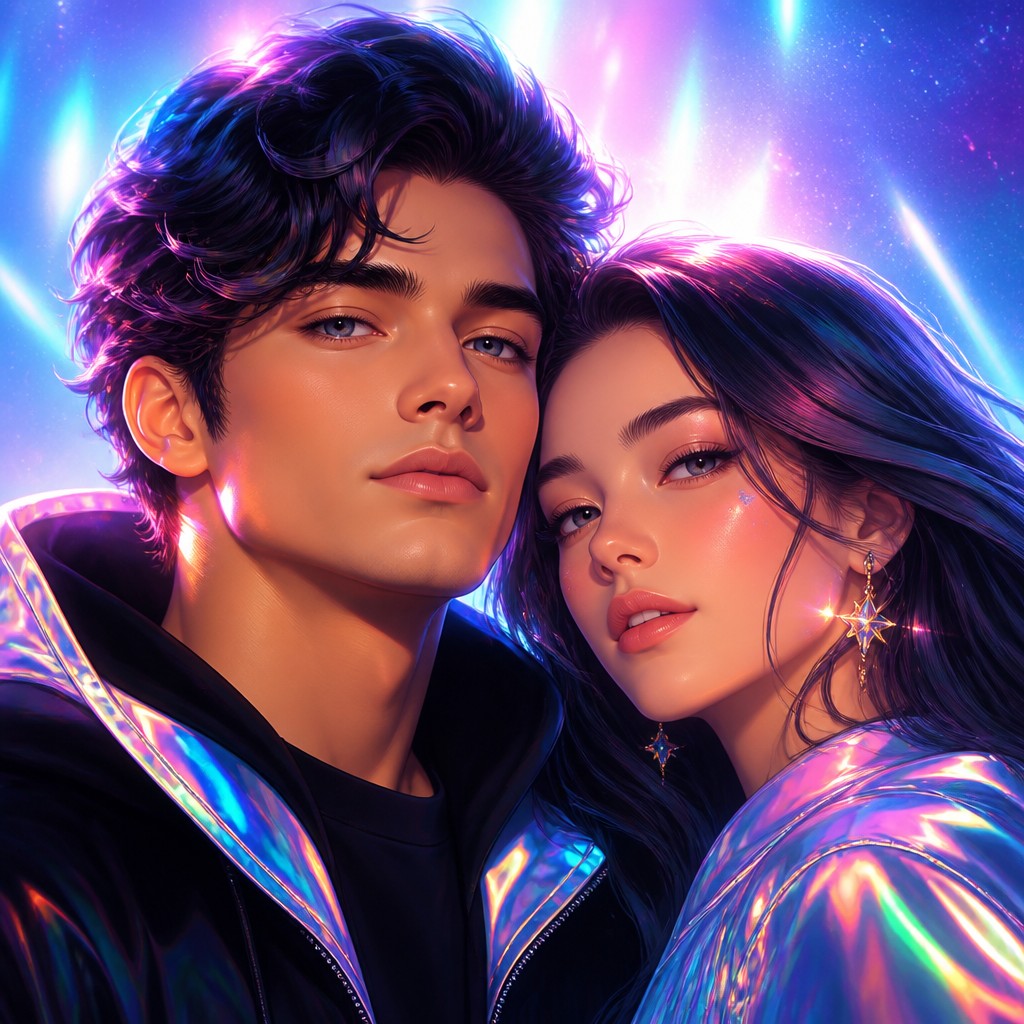
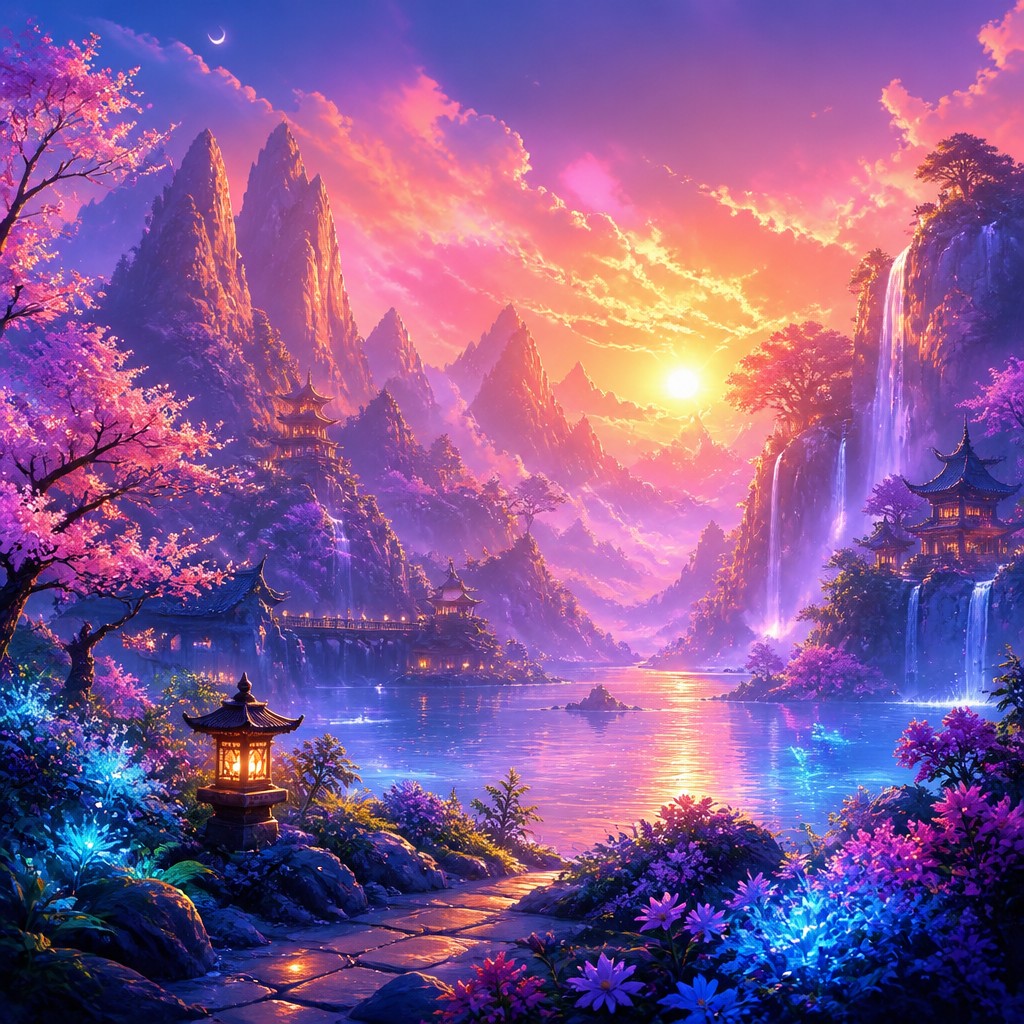
Digital Art Style uses polished computer-generated imagery, smooth gradients, luminous color, crisp edges, and a sleek, highly finished look. It often feels clean, precise, and modern, with surfaces that can look hyper-real, stylized, or graphic depending on the subject.
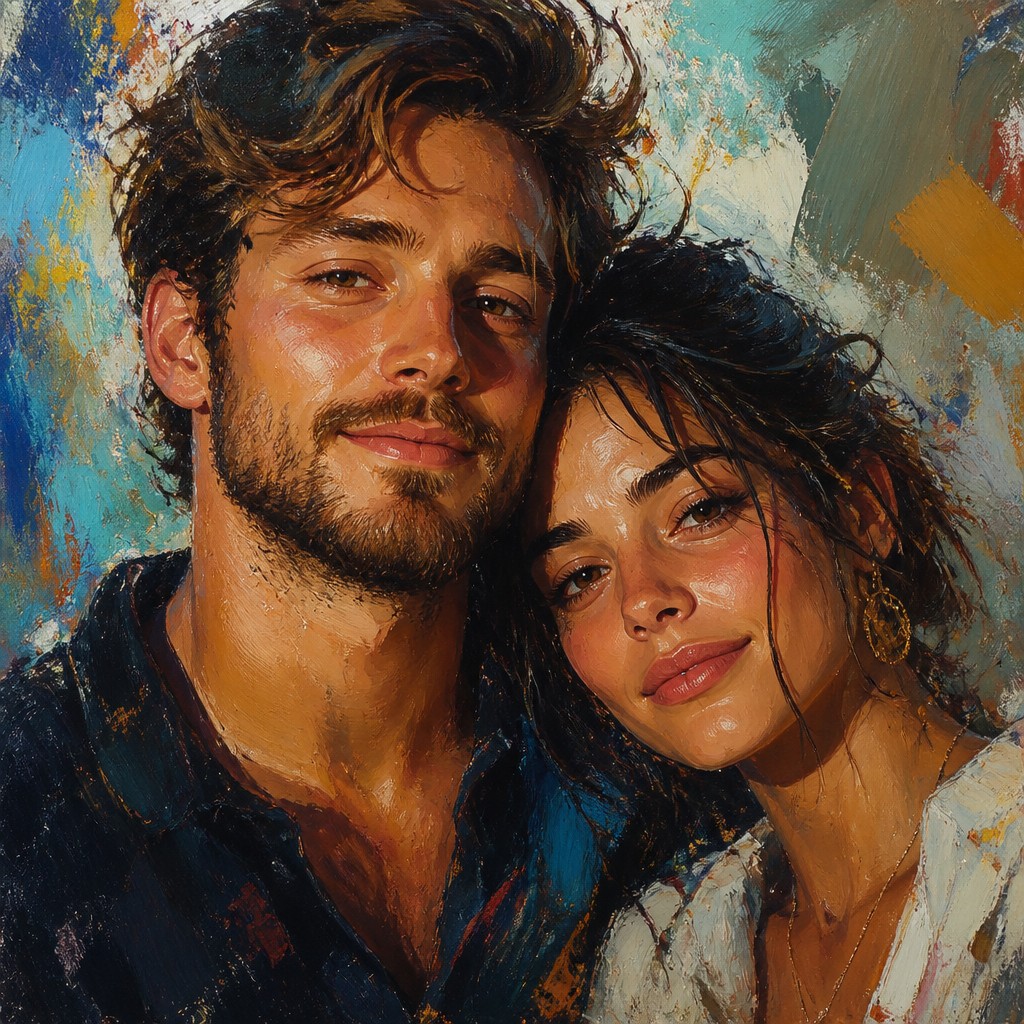
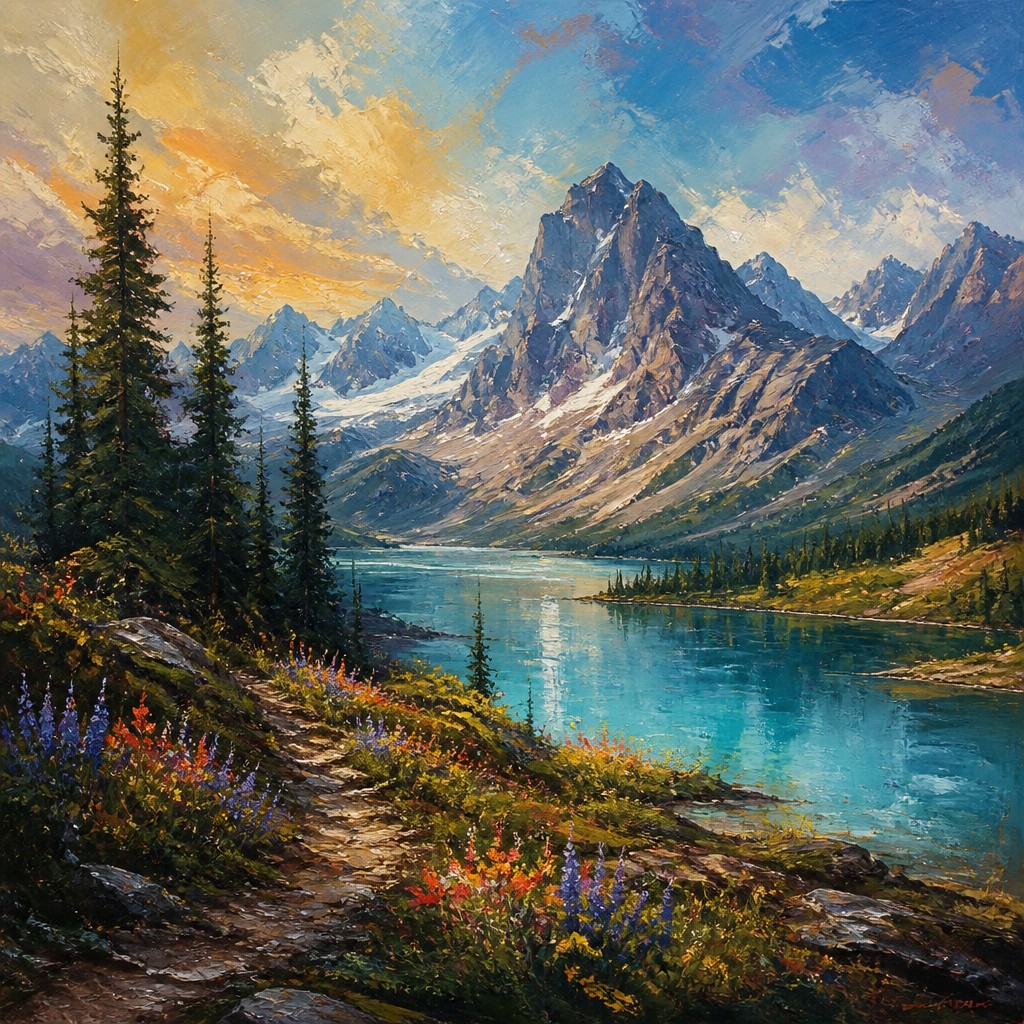
Digital Painting Art Style uses painterly digital techniques with visible brushwork, layered color, atmospheric blends, and textures that echo traditional media. People compare the two because both are made digitally, but one emphasizes precision and polish while the other emphasizes hand-crafted expression and painterly depth.
Same Prompt, Both Styles
Each pair below was generated from the identical prompt — only the style changed.
“portrait of two people together”
“wide landscape with natural scenery”
“still life with everyday objects”
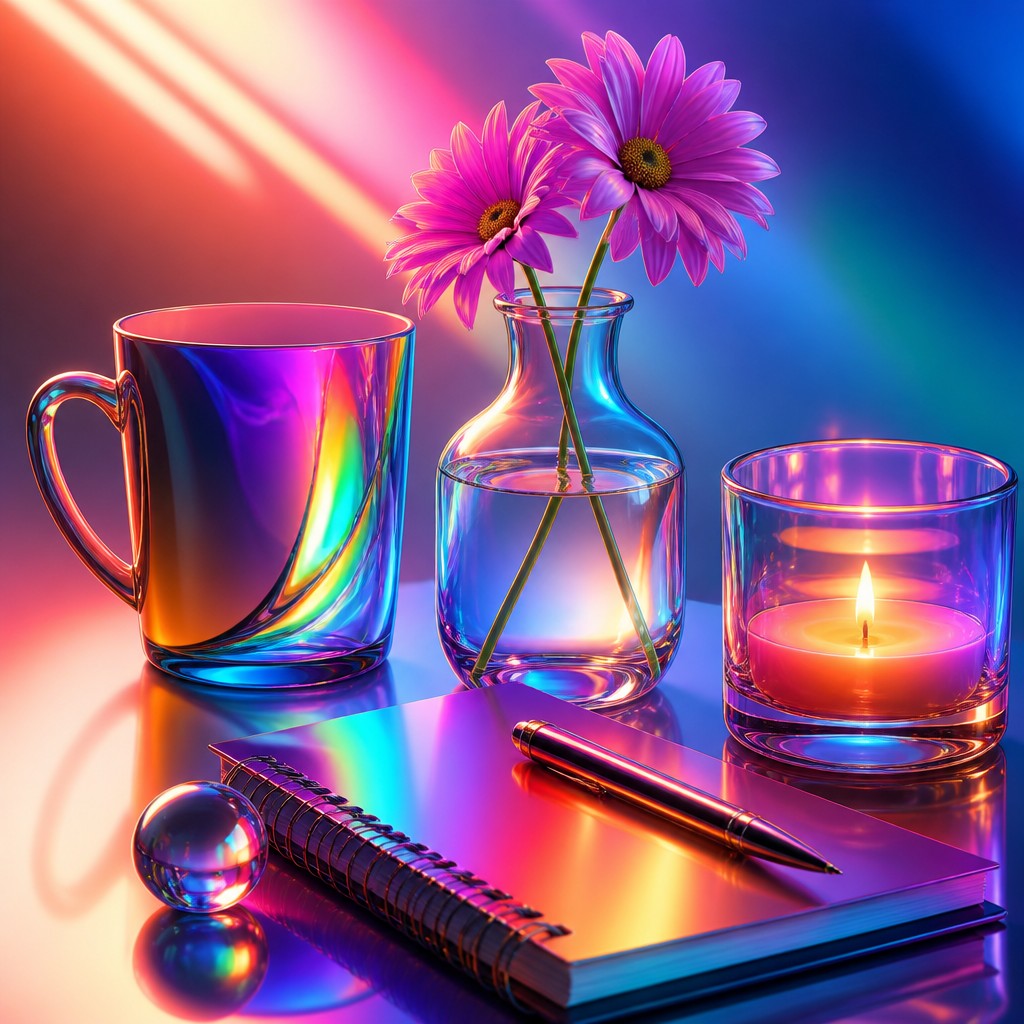
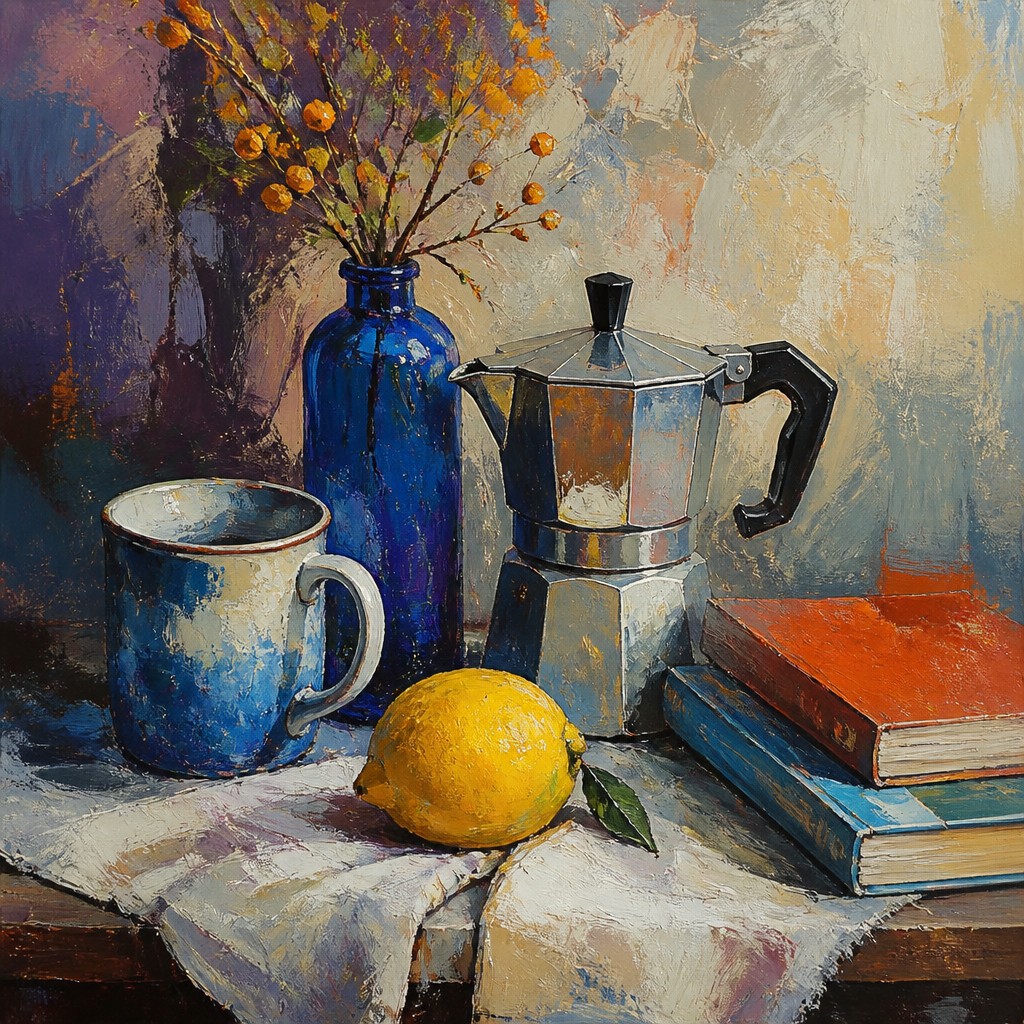
“bicyle resting against a wall”
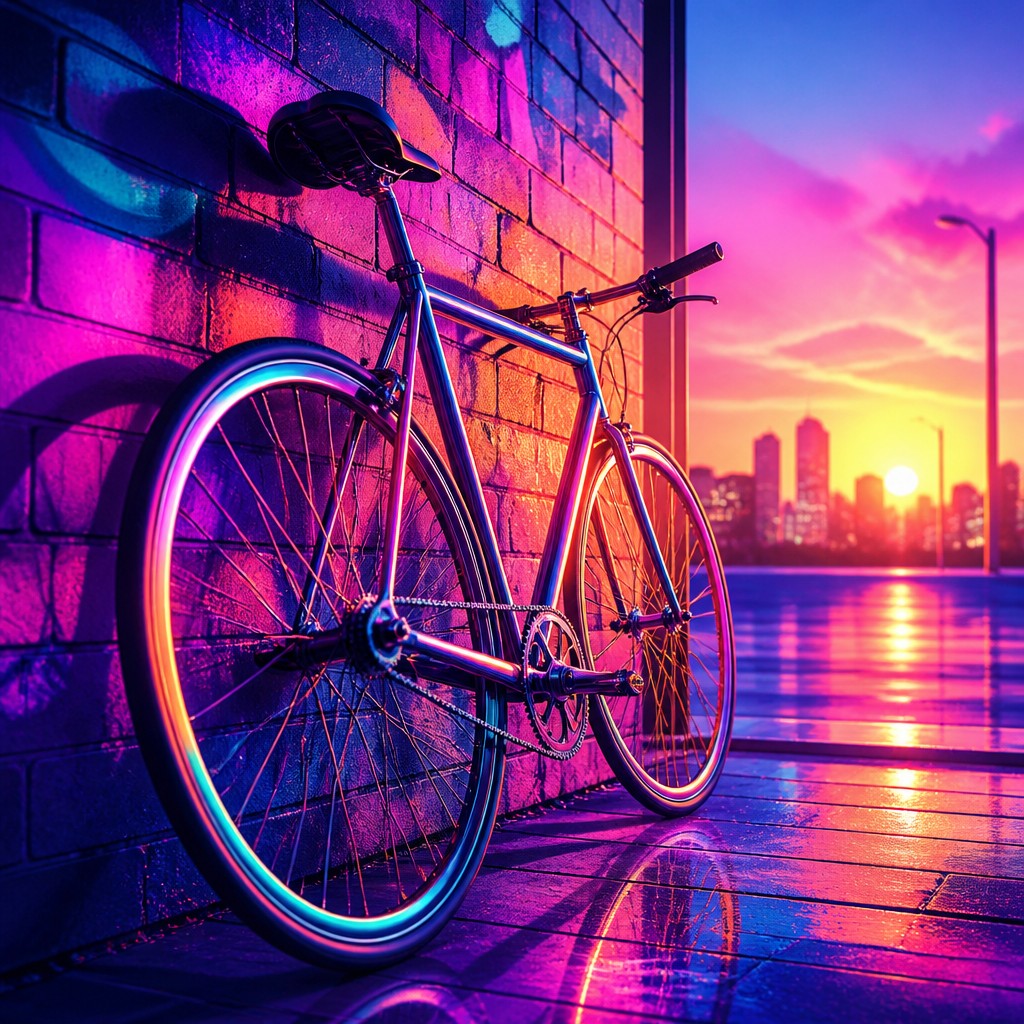
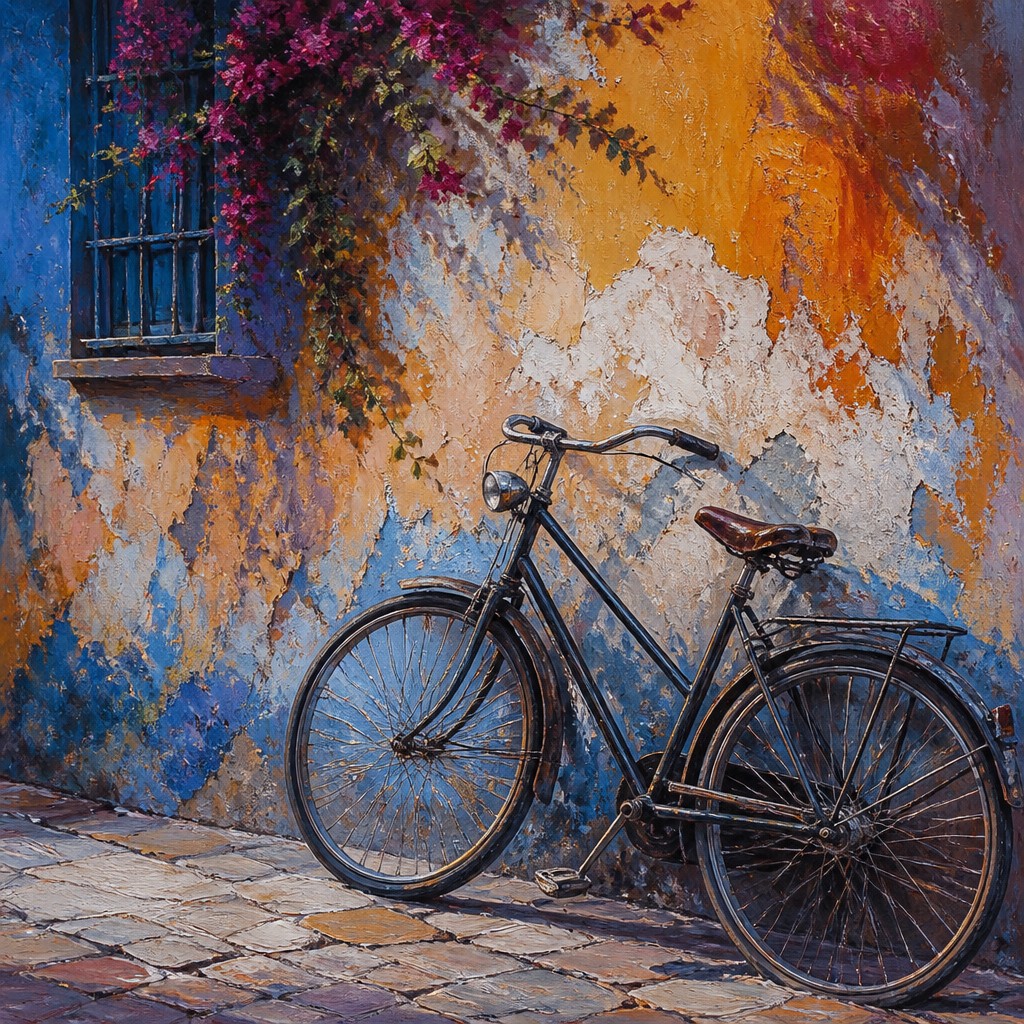
Key Differences
| Digital | Digital Painting | |
|---|---|---|
| Line & form | Clean, sharp contours with precise shapes. | Softer edges and brush-shaped forms. |
| Surface texture | Smooth, often uniform surfaces with little visible texture. | Visible strokes, texture, and layered paint-like buildup. |
| Color handling | Bright, luminous, and tightly controlled color transitions. | Blended, nuanced colors with more atmospheric variation. |
| Lighting | Crisp highlights and clear, polished light effects. | Diffuse light that can feel softer and more naturalistic. |
| Overall mood | Sleek, modern, and highly finished. | Expressive, organic, and more handcrafted. |
| Visual detail | Detail is often explicit and sharply resolved. | Detail may be suggested through strokes and tonal blocks. |
| Mood | clean, luminous, controlled, modern | expressive, painterly, versatile, organic |
| Energy | balanced | balanced |
| Detail level | detailed | detailed |
| Color | limitless, vivid, highly saturated, flexible | naturalistic to vibrant, broadly varied |
| Texture | smooth, crisp, non-grainy | visible brushwork, blended digital paint |
| Origin | digital-native aesthetic | digital-native aesthetic |
| Best for | posters, album covers, concept art, game art, UI illustrations, advertising visuals | concept art, book covers, character art, environment scenes, editorial illustration, posters |
| Difficulty | moderate | moderate |
Which Should You Choose?
Pick Digital Art Style when you want a sleek, precise, high-clarity image with a clean modern finish, such as for UI art, product visuals, sci-fi scenes, or graphic illustrations. Pick Digital Painting Art Style when you want emotion, texture, and a more traditional art feel, such as for portraits, fantasy scenes, concept art, or atmospheric storytelling. If you want the image to feel polished and exact, choose A; if you want it to feel expressive and painterly, choose B.
Frequently Asked Questions
Are both styles made with digital tools?
Yes. Both are created digitally, but they prioritize different looks. One aims for a polished, computer-finished appearance, while the other mimics the feel of brush-painted artwork.
Which style is more realistic?
Either can be realistic, but they achieve realism differently. Digital Art Style tends to look cleaner and more precise, while Digital Painting Art Style often feels more naturalistic and atmospheric.
Which style works better for characters?
Digital Painting Art Style is often preferred for characters when emotion, texture, and personality are important. Digital Art Style can work well when you want a crisp, stylized, or highly polished character design.
Can these styles be mixed?
Yes, many artworks combine both approaches. An image may use digital painting for the main forms and digital art polish for sharp edges, effects, or finishing.