World War 2 Art

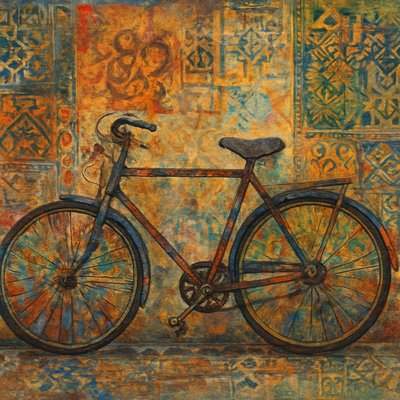
bicyle resting against a wall
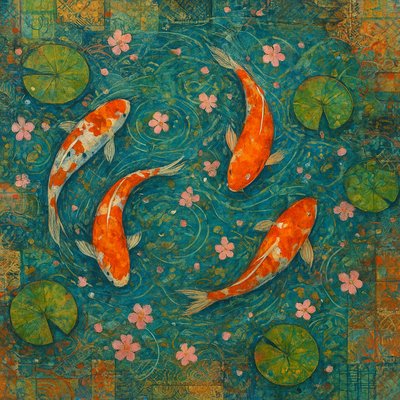
A koi pond seen from above, orange and white koi fish swimming among lily pads, clear water with subtle ripples, fallen cherry blossom petals floating on the surface, dappled sunlight
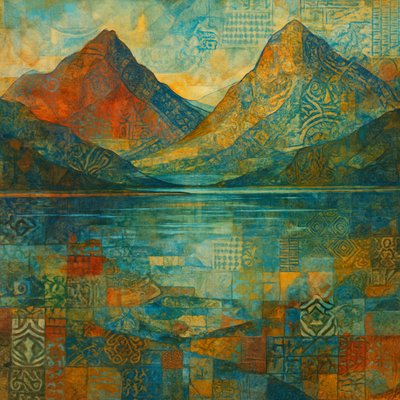
serene landscape with mountains and water
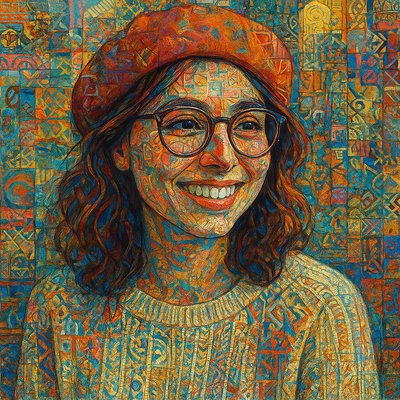
Portrait
wide landscape with natural scenery
Still Life
bicyle resting against a wall
A mystical fantasy angel with a lion head standing at God's throne in heaven, with suspense and serenity. Vibrant colors that immediately catch the eye, and soft lighting envelops the scene, enhancing its ethereal beauty. The angel strikes a graceful pose, signifying freedom and power. Dreamlike quality, a world of imagination and enchantment
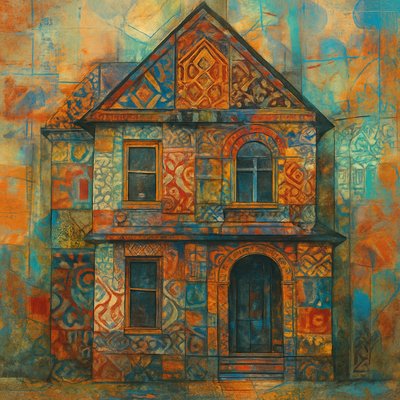
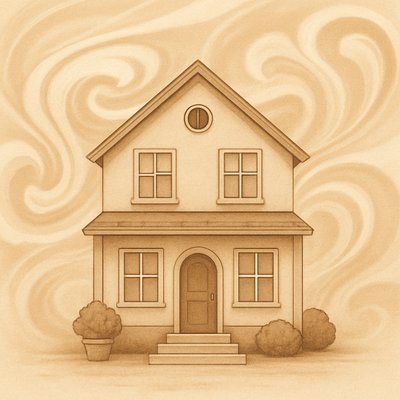
house with front view
portrait of a person with expressive eyes
still life with everyday objects
animal standing in natural pose
Landscape
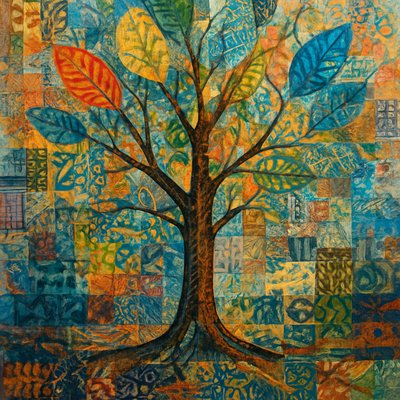
a tree in nature
A koi pond seen from above, orange and white koi fish swimming among lily pads, clear water with subtle ripples, fallen cherry blossom petals floating on the surface, dappled sunlight
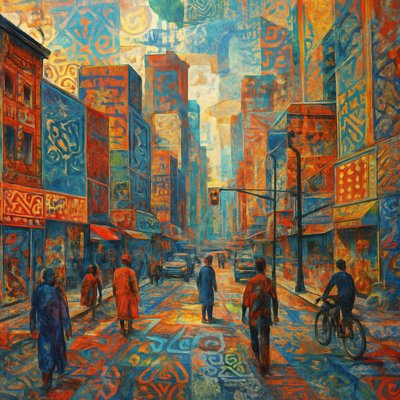
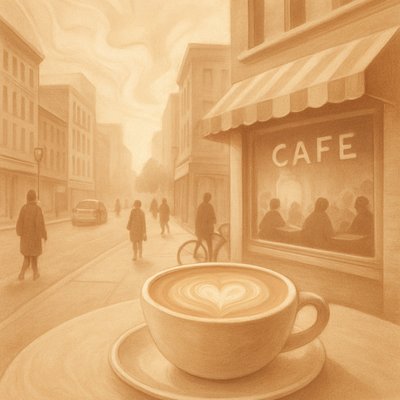
urban street with city activity
Portrait
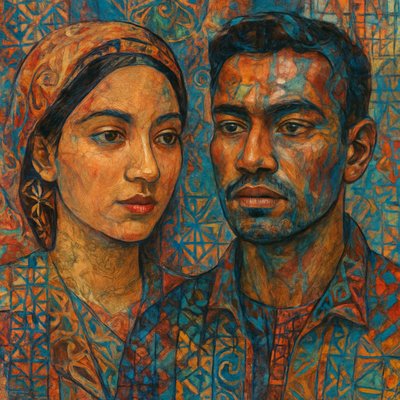
portrait of two people together
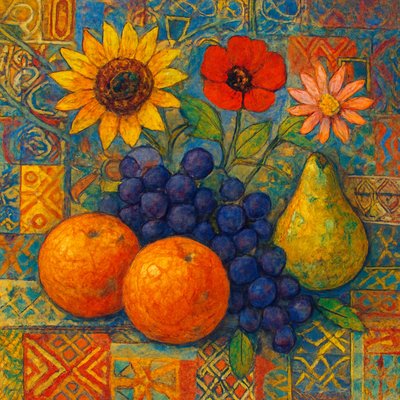
still life arrangement of fruits and flowers
Universe in a grain of sand
Digital Art Style, Romanticism Art Style, a tender and intimate painting inspired by Psalm 31:20, emphasizing the security of a divine dwelling place. The scene focuses on a monogamous pair of Red-lored Amazon parrots with their vibrant green plumage, distinct red and yellow markings, rendered with luminous digital detail. They are positioned at the dark, secluded entrance of a natural tree cavity, their posture conveying mutual protection and absolute contentment within their refuge. The surrounding forest is lush, with sunlight subtly illuminating the exterior, while the area immediately around the cavity entrance is bathed in a soft, ethereal glow, representing the shelter of God's presence and symbolizing the divine security of their dwelling. The overall atmosphere is one of profound safety, peace, and intimate privacy, as if they are hidden away from the world. Focus on the detailed expressions of peace on the parrots' faces, the tender intimacy of their pair bond, and the dramatic contrast between the bright forest and the secure, glowing darkness of their hidden dwelling.
A magical, high-fantasy illustration capturing the final scene of Reepicheep's journey from C.S. Lewis's The Voyage of the Dawn Treader. A very small, simple, wooden coracle (boat) is drifting alone across the vast, calm, crystalline waters of the Silver Sea, which is covered in a dense carpet of large, creamy-white and luminous purple sea flowers (lilies or star-shaped blossoms).

The noble Mouse, Reepicheep, stands bravely in the little boat. He is wearing his formal armor and sword, and his tiny sail is lowered. He is looking ahead with an expression of hope and determination toward the far, shimmering horizon where the sky and sea meet the edge of the world, represented by a column or curtain of bright, clear light. The lighting is ethereal and soft, emphasizing the profound stillness and peacefulness of the scene. The overall style should be reminiscent of classic book illustrations, rich in detail, color, and wonder. Golden light of Aethel-red, epic atmosphere, fantasy illustration."
A detailed, ancient-style map of the land of Canaan, with distinct, labeled territories for the Hivites, Arkite, and Sinite people groups. Each territory should have subtle visual cues reflecting their possible historical characteristics or natural environments. For example, the Hivite territory could show some hilly or forested areas, the Arkite territory might feature a coastal city, and the Sinite territory could suggest a more inland or mountainous region. The map should have a weathered, parchment-like texture, with an elegant, old-world font for the labels. In one corner, a small, illuminated manuscript-style illustration could depict three distinct figures, each subtly representing one of the groups, perhaps dressed in period-appropriate attire and engaging in an activity typical of their region. The overall aesthetic should evoke historical scholarship and cartography."
A thrilling and vibrant scene from the board game Candy Land, capturing the excitement of sliding down its biggest, most iconic slide. The slide itself is massive, curving, and made entirely of a glistening, colorful candy material, like a giant, rainbow-striped candy cane or smooth, translucent hard candy. A cheerful, diverse group of children (or classic Candy Land characters like Princess Lolly or Mr. Mint) are depicted in mid-descent, laughing and filled with joy, their hands in the air.

Below and around the slide, the fantastical landscape of Candy Land stretches out: rolling hills of frosting, lollipop trees, rivers of chocolate, gingerbread houses, and giant gumdrops. The colors are incredibly vivid and saturated, creating a truly fantastical and edible world. The perspective is dynamic, looking down the slide with the characters, enhancing the sense of speed and fun. The lighting is bright and cheerful, emphasizing the candy's sparkle and the overall joyful atmosphere.
A breathtaking and surreal scene of vibrant Aspen trees in full autumn splendor, encased within a massive, crystal-clear, life-size glass bubble, reminiscent of a hyperrealistic snow globe. The glass bubble is perfectly spherical and transparent, allowing an unobstructed view into its contained world.

Inside the bubble, a fierce autumn wind is whipping through the Aspen trees, which are ablaze with brilliant golden, yellow, and orange leaves. Countless individual leaves are detached from the branches and are swirling dynamically in a vibrant vortex around the tree trunks, creating a beautiful, chaotic dance. Some leaves cling to the ground, while others are caught in mid-air, a riot of color against the pale, smooth bark of the Aspens. The ground inside the bubble is covered in a thick carpet of fallen, colorful leaves.

The exterior of the glass bubble reflects and subtly distorts a serene, autumnal mountain landscape or clear blue sky, emphasizing its pristine, contained nature. The lighting is bright and ethereal, perfectly illuminating the vibrant leaf colors and the transparency of the glass, highlighting the dynamic movement within. The overall mood is one of encapsulated beauty, powerful natural forces held in exquisite suspension, and serene wonder."
A breathtaking and surreal scene of vibrant Aspen trees in full autumn splendor, encased within a massive, crystal-clear, life-size glass bubble, reminiscent of a hyperrealistic snow globe. The glass bubble is perfectly spherical and transparent, allowing an unobstructed view into its contained world.

Inside the bubble, a fierce autumn wind is whipping through the Aspen trees, which are ablaze with brilliant golden, yellow, and orange leaves. Countless individual leaves are detached from the branches and are swirling dynamically in a vibrant vortex around the tree trunks, creating a beautiful, chaotic dance. Some leaves cling to the ground, while others are caught in mid-air, a riot of color against the pale, smooth bark of the Aspens. The ground inside the bubble is covered in a thick carpet of fallen, colorful leaves.

The exterior of the glass bubble reflects and subtly distorts a serene, autumnal mountain landscape or clear blue sky, emphasizing its pristine, contained nature. The lighting is bright and ethereal, perfectly illuminating the vibrant leaf colors and the transparency of the glass, highlighting the dynamic movement within. The overall mood is one of encapsulated beauty, powerful natural forces held in exquisite suspension, and serene wonder."
A breathtaking and surreal scene of vibrant Aspen trees in full autumn splendor, encased within a massive, crystal-clear, life-size glass bubble, reminiscent of a hyperrealistic snow globe. The glass bubble is perfectly spherical and transparent, allowing an unobstructed view into its contained world.

Inside the bubble, a fierce autumn wind is whipping through the Aspen trees, which are ablaze with brilliant golden, yellow, and orange leaves. Countless individual leaves are detached from the branches and are swirling dynamically in a vibrant vortex around the tree trunks, creating a beautiful, chaotic dance. Some leaves cling to the ground, while others are caught in mid-air, a riot of color against the pale, smooth bark of the Aspens. The ground inside the bubble is covered in a thick carpet of fallen, colorful leaves.

The exterior of the glass bubble reflects and subtly distorts a serene, autumnal mountain landscape or clear blue sky, emphasizing its pristine, contained nature. The lighting is bright and ethereal, perfectly illuminating the vibrant leaf colors and the transparency of the glass, highlighting the dynamic movement within. The overall mood is one of encapsulated beauty, powerful natural forces held in exquisite suspension, and serene wonder."
"A historically accurate depiction of a Ghost Dance, focusing on the late 19th-century context, specifically around 1890-1891. The scene shows Lakota (Sioux) or Northern Paiute people (specify one or include elements of both, but avoid anachronisms) participating in the ceremony.

Setting: A vast, open prairie or high desert landscape, under an expansive sky. The time of day could be dusk or night, with a prominent moon or stars, or a bright, clear day. Avoid overtly spiritual or ethereal elements like floating spirits unless explicitly requested for a later, more symbolic iteration. The focus should be on the earthly ceremony.

Participants: A circle of men, women, and children, hand-in-hand, moving in a slow, rhythmic shuffle or circular motion. Their faces show a mixture of devotion, hope, and determination. Some may have expressions of trance or deep concentration.

Attire:

    Ghost Dance Shirts/Dresses: Emphasize the unique Ghost Dance shirts and dresses, which were typically made of muslin or canvas. These garments should feature painted designs such as stars, crescents, birds (especially eagles or crows), buffalo, human figures, or crosses. The designs should appear hand-painted, not mass-produced.

    Hair and Adornments: Participants should have braided hair or wear it long. Some may wear feathers (e.g., eagle or hawk feathers) in their hair. Minimal traditional adornments, as the focus was often on the Ghost Dance shirt itself. Avoid overly elaborate or Hollywood-esque depictions of war bonnets unless relevant to a specific individual and context.

    Footwear: Moccasins or bare feet.

Action/Atmosphere:

    The dancers are moving in a counter-clockwise circle, with a central figure or a small group often leading.

    The overall mood is one of earnest prayer and communal spiritual effort. The dance should convey a sense of hope for renewal and the return of the old ways, rather than aggression or despair.

    There might be a central pole or small fire as a focal point, around which the dance takes place.

    Avoid any signs of direct conflict or violence; the Ghost Dance itself was a non-violent spiritual movement.

Specific Considerations for Accuracy:

    Wovoka's Influence: The teachings of Wovoka (the Northern Paiute prophet) emphasized peace, hard work, and the return of the buffalo and deceased ancestors. The scene should subtly reflect this hopeful, redemptive spirit.

    Regional Variations: If focusing on Lakota, consider their specific interpretations, which sometimes included more imagery related to their warrior traditions on the shirts, but still within the peaceful framework of the dance.

    Respectful Portrayal: Ensure the depiction is respectful and avoids any stereotypical or caricatured representations of Indigenous people. Focus on their human dignity and spiritual sincerity.
New York City
A person's cherished memories
A street scene in rain
And a river went out of Eden to water the garden; and from thence it was parted, and became into four heads. 
(Genesis 2:10 KJV)
And a river went out of Eden to water the garden; and from thence it was parted, and became into four heads. 
(Genesis 2:10 KJV)
But there went up a mist from the earth, and watered the whole face of the ground. 
(Genesis 2:6 KJV)

And the LORD God planted a garden eastward in Eden; and there he put the man whom he had formed. 
(Genesis 2:8 KJV)

The name of the first is Pison: that is it which compasseth the whole land of Havilah, where there is gold; 
(Genesis 2:11 KJV)
And the name of the second river is Gihon: the same is it that compasseth the whole land of Ethiopia. 
(Genesis 2:13 KJV)
And a river went out of Eden to water the garden; and from thence it was parted, and became into four heads. 
(Genesis 2:10 KJV)

And the gold of that land is good: there is bdellium and the onyx stone. 
(Genesis 2:12 KJV)
And a river went out of Eden to water the garden; and from thence it was parted, and became into four heads. 
(Genesis 2:10 KJV)
And a river went out of Eden to water the garden; and from thence it was parted, and became into four heads. 
(Genesis 2:10 KJV)


And the name of the third river is Hiddekel: that is it which goeth toward the east of Assyria. And the fourth river is Euphrates. 
(Genesis 2:14 KJV)