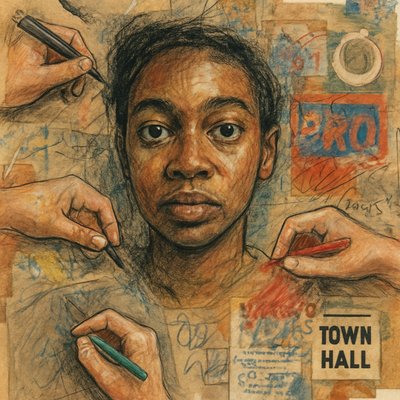
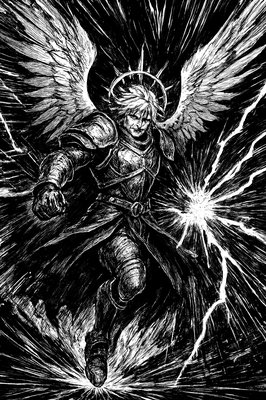
Provocative Imagery Challenging Contemporary Art World Norms In The Art Style Of Stuckism V 6.1 Art

Plein Air Landscape Art Style Style Transfer Example
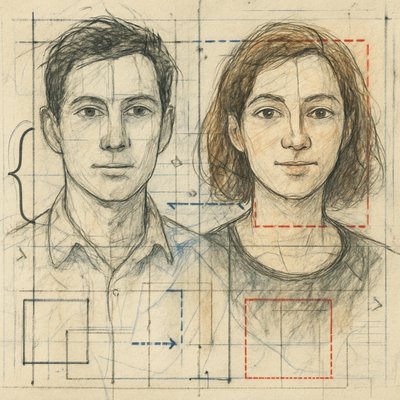
portrait of two people together
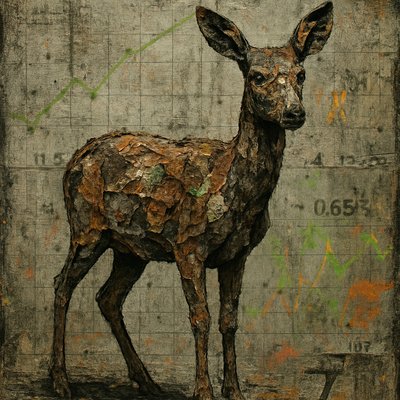
animal standing in natural pose
portrait of two people together
Unstressed vowels weakened to schwa.
The final -e in words like name became silent.
Endings like -ed and -es lost their full vowel sound, making English more rhythmically stress-timed.
6. The wh sound stayed distinct longer.
Which and witch sounded different—which started with a breathy hw. Today the pronunciation is similar but the difference remains in some dialects. create a picture withoud words
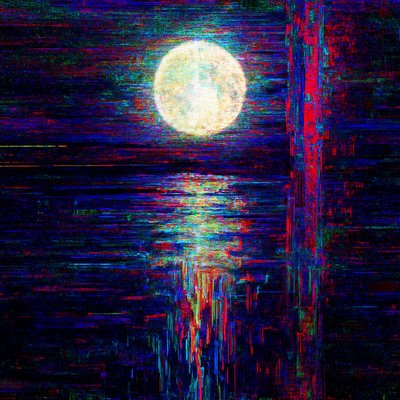
Start with a completely ordinary, even boring photograph of a full moon reflecting over a still lake.
Corrupt it until it no longer resembles its original subject at all, but still somehow feels like it’s haunted by what it used to be. Push the file through at least four different deliberate stages of destruction (e.g. heavy JPEG decay → databend in Audacity → pixel sorting by luminance → extreme RGB channel displacement and offset). Let compression artifacts bloom into impossible colors. Allow entire sections to liquefy and drip downward. Make the metadata scream. The final image should feel like a memory that’s been compressed, encrypted, lost, recovered, and compressed again for twenty years.
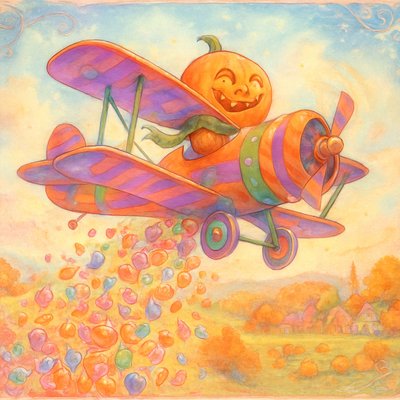
A fantastically cheerful and dynamic scene featuring the happy pumpkin-head figure (with the swirled, smiling carved face and internal glow) as the pilot of a classic, brightly colored biplane. The biplane itself is whimsically designed, perhaps with candy-themed accents or painted in vibrant, cheerful colors like orange, purple, and green.

The biplane is soaring through a clear, azure autumn sky, actively 'crop-dusting' a massive, exuberant stream of colorful Halloween candy from its underside. The candy (an abundant mix of wrapped chocolates, lollipops, candy corn, and various sweets) cascades downwards in a wide, joyous plume, spreading across the landscape below.

The landscape beneath the biplane is an idyllic, festive autumnal scene: rolling hills covered in vibrant fall foliage (golden, red, orange trees), a charming pumpkin patch, or a quaint, candy-colored village. The perspective is dynamic, capturing the plane in motion with the candy streaming behind it. The lighting is bright and sunny, emphasizing the vivid colors of the plane, the candy, and the autumn scenery. The overall mood is one of pure, unadulterated joy, playful magic, and festive exuberance, like a sugary parade from the sky." whimsical illustration, cartoon animation style, vibrant, dynamic motion, expressive character, detailed candy and plane design, festive atmosphere
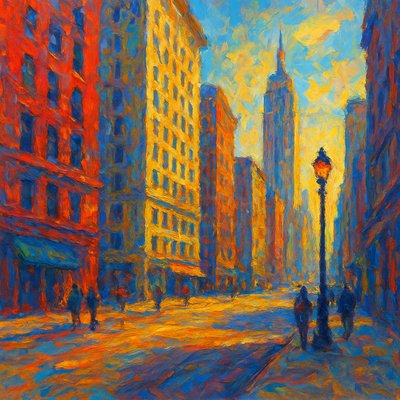
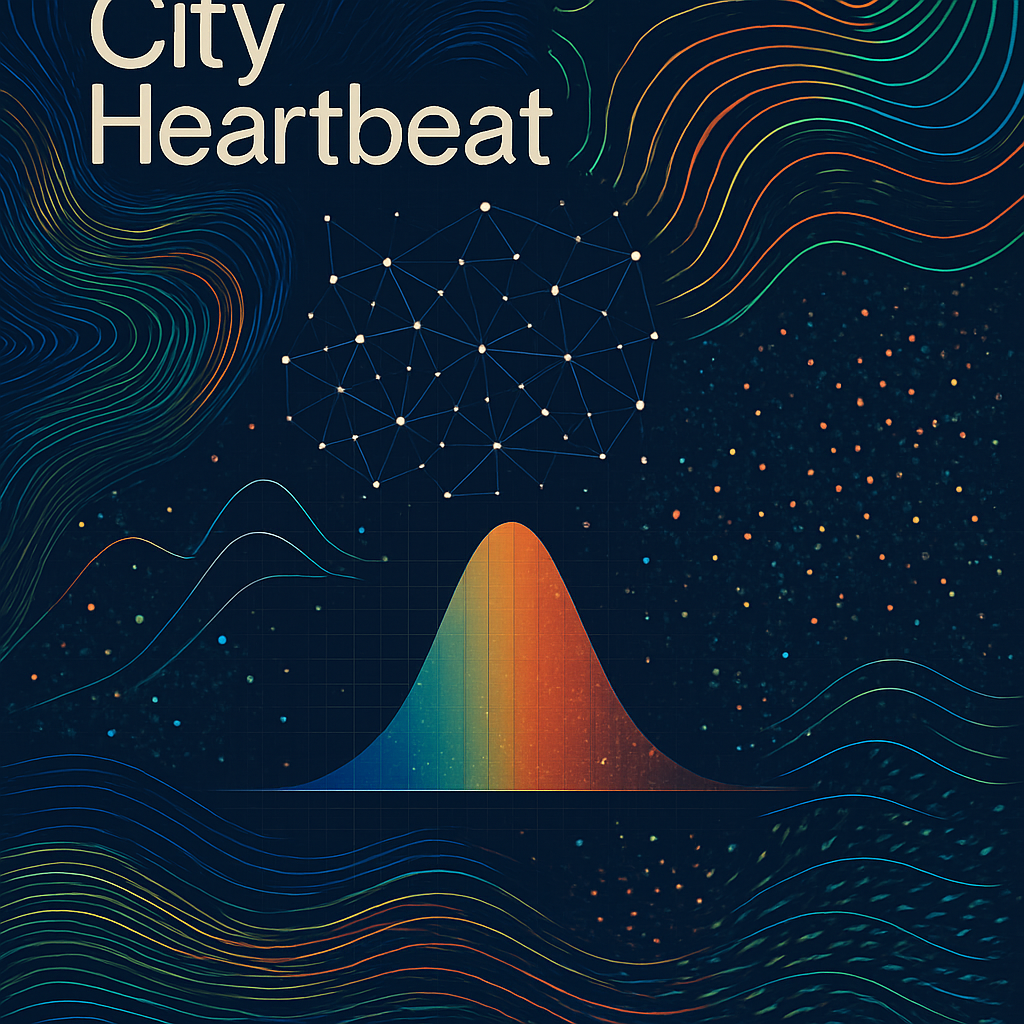
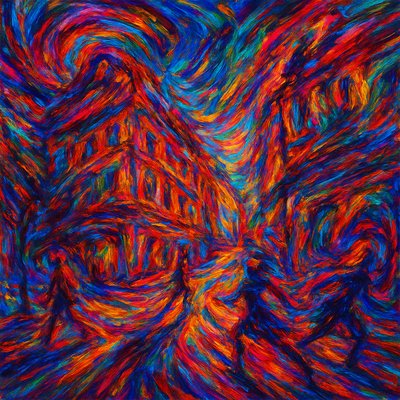
City heartbeat
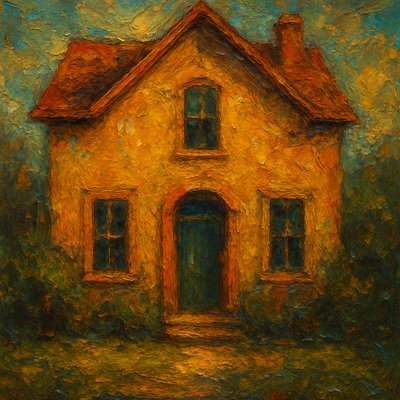
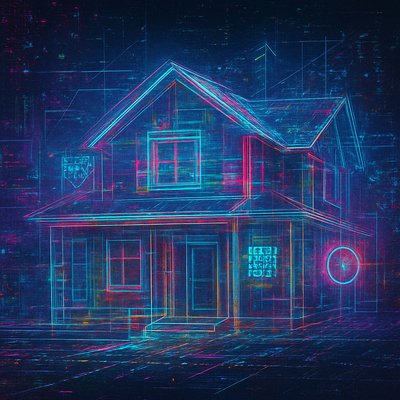
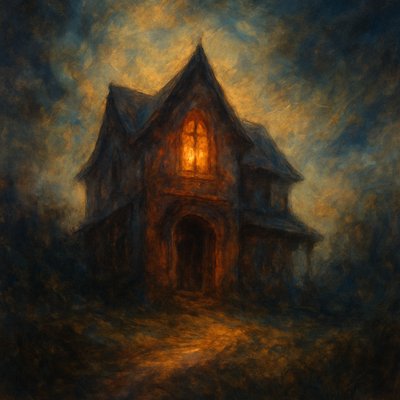
house with front view
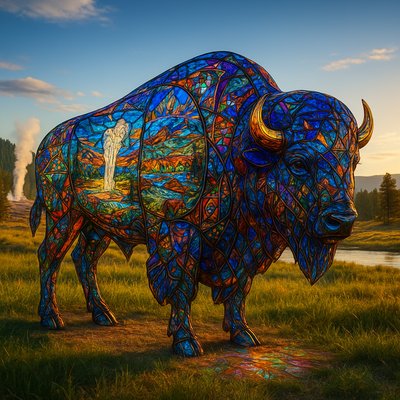
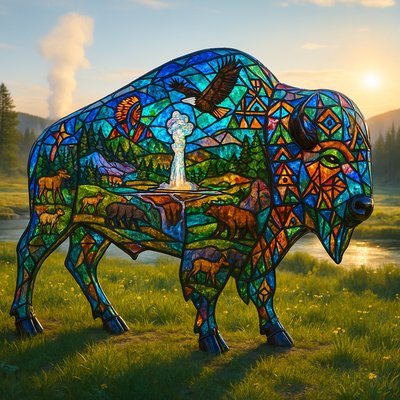
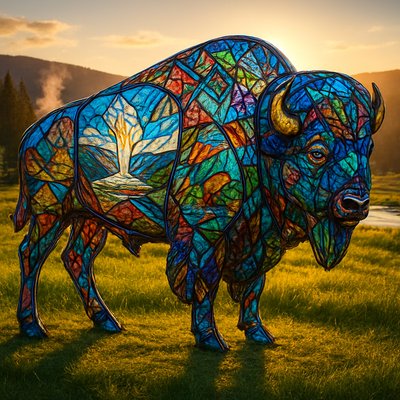
    A breathtaking, full-size artistic standing buffalo, rendered entirely in the style of intricate, luminous glass art, reminiscent of the painted buffalo installations. The buffalo's majestic form is composed of countless individual pieces of vibrant, multifaceted stained glass or fused glass, meticulously cut, arranged, and joined.

    The entire surface of this glass buffalo is adorned with various miniature, finely detailed scenes and patterns etched, painted, or embedded within the glass itself, or created by the unique coloration and texture of the glass pieces. These scenes depict:

        Iconic Yellowstone landscapes: Old Faithful erupting in miniature, the Grand Canyon of the Yellowstone, geothermal pools.

        Local wildlife: Elk, bears, wolves, eagles (all rendered in the glass medium).

        Native American art motifs: Geometric patterns, symbols, and figures (also within the glass).

    The buffalo's interior is subtly illuminated, causing the entire sculpture to glow from within, acting as a beacon of art and nature. Light catches every facet of the glass, creating a dazzling play of refracted colors that project intricate patterns onto the surrounding natural environment.

    The setting is the glory of Yellowstone National Park, specifically an expansive, iconic vista. Perhaps in a verdant meadow with distant geysers steaming, or near a crystal-clear river. The morning sun, bright and golden, backlights the buffalo, intensifying its inner glow and creating a dramatic contrast with the rugged, natural beauty of the park. The atmosphere is one of awe, harmony between art and nature, and a profound celebration of the spirit of the American West. The artistic style is hyper-realistic, emphasizing the detailed texture, transparency, and brilliant light play inherent in glass art, seamlessly integrated into a vibrant, natural landscape.
Body art using the artist's body as a canvas in the art style of Performance Art --v 6.1
Analog glitch art using manipulated VHS tapes in the art style of Glitch Art --v 6.1
Body art using the artist's body as a canvas in the art style of Performance Art --v 6.1
Analog glitch art using manipulated VHS tapes in the art style of Glitch Art --v 6.1
Dance Frenzy Expressionism Art Style Style Transfer Example
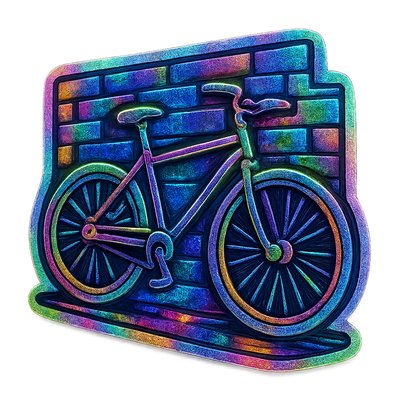
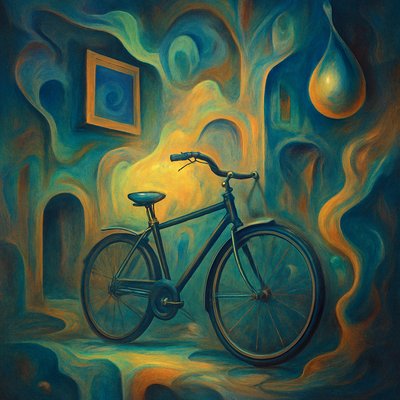
bicyle resting against a wall
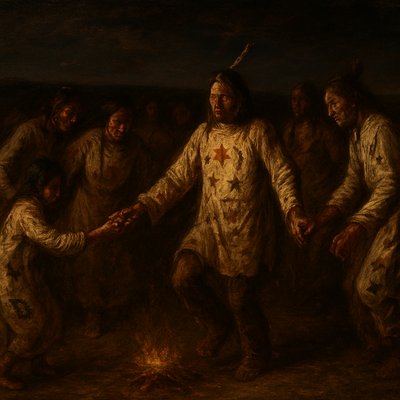
"A historically accurate depiction of a Ghost Dance, focusing on the late 19th-century context, specifically around 1890-1891. The scene shows Lakota (Sioux) or Northern Paiute people (specify one or include elements of both, but avoid anachronisms) participating in the ceremony.

Setting: A vast, open prairie or high desert landscape, under an expansive sky. The time of day could be dusk or night, with a prominent moon or stars, or a bright, clear day. Avoid overtly spiritual or ethereal elements like floating spirits unless explicitly requested for a later, more symbolic iteration. The focus should be on the earthly ceremony.

Participants: A circle of men, women, and children, hand-in-hand, moving in a slow, rhythmic shuffle or circular motion. Their faces show a mixture of devotion, hope, and determination. Some may have expressions of trance or deep concentration.

Attire:

    Ghost Dance Shirts/Dresses: Emphasize the unique Ghost Dance shirts and dresses, which were typically made of muslin or canvas. These garments should feature painted designs such as stars, crescents, birds (especially eagles or crows), buffalo, human figures, or crosses. The designs should appear hand-painted, not mass-produced.

    Hair and Adornments: Participants should have braided hair or wear it long. Some may wear feathers (e.g., eagle or hawk feathers) in their hair. Minimal traditional adornments, as the focus was often on the Ghost Dance shirt itself. Avoid overly elaborate or Hollywood-esque depictions of war bonnets unless relevant to a specific individual and context.

    Footwear: Moccasins or bare feet.

Action/Atmosphere:

    The dancers are moving in a counter-clockwise circle, with a central figure or a small group often leading.

    The overall mood is one of earnest prayer and communal spiritual effort. The dance should convey a sense of hope for renewal and the return of the old ways, rather than aggression or despair.

    There might be a central pole or small fire as a focal point, around which the dance takes place.

    Avoid any signs of direct conflict or violence; the Ghost Dance itself was a non-violent spiritual movement.

Specific Considerations for Accuracy:

    Wovoka's Influence: The teachings of Wovoka (the Northern Paiute prophet) emphasized peace, hard work, and the return of the buffalo and deceased ancestors. The scene should subtly reflect this hopeful, redemptive spirit.

    Regional Variations: If focusing on Lakota, consider their specific interpretations, which sometimes included more imagery related to their warrior traditions on the shirts, but still within the peaceful framework of the dance.

    Respectful Portrayal: Ensure the depiction is respectful and avoids any stereotypical or caricatured representations of Indigenous people. Focus on their human dignity and spiritual sincerity.
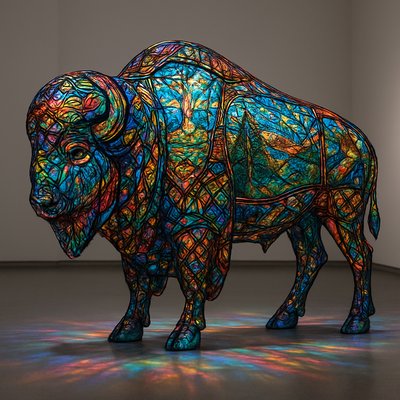
    A breathtaking, full-size artistic sculpture of a standing buffalo, rendered entirely in the style of intricate, luminous glass art, reminiscent of the painted buffalo installations found in West Yellowstone art shows. The buffalo's form is composed of countless individual pieces of vibrant, multifaceted stained glass or fused glass, meticulously cut, arranged, and joined, creating a cohesive and majestic shape.

    Instead of traditional paint, the entire surface of this glass buffalo is adorned with various miniature, finely detailed scenes and patterns etched, painted, or embedded within the glass itself, or created by the unique coloration and texture of the glass pieces. These scenes could depict:

        Western landscapes: Yellowstone's geysers, mountain ranges, pine forests, rivers.

        Wildlife: Elk, bears, wolves, eagles (in glass).

        Native American art motifs: Geometric patterns, symbols, and figures (also rendered in glass).

        Historical moments: Subtle nods to early explorers or iconic figures (stylized in glass).

    The buffalo's interior is subtly illuminated, causing the entire sculpture to glow from within. Light catches every facet of the glass, creating a dazzling play of refracted colors and intricate shadows on the ground around it. The background is a clean, modern art gallery setting with soft, focused lighting, allowing the buffalo to be the sole, radiant centerpiece. The atmosphere is one of awe, wonder, and appreciation for artistic craftsmanship and the spirit of the American West, reimagined through a unique, luminous medium. The artistic style is hyper-realistic, emphasizing the detailed texture, transparency, and brilliant light play inherent in glass art."

animal standing in natural pose
bicyle resting against a wall
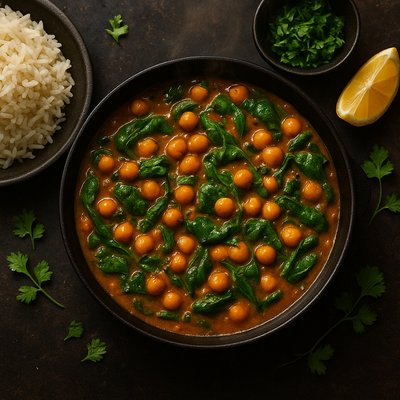
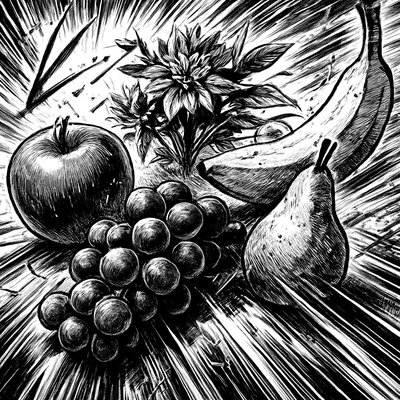
Food Photography Still Life Art Style Style Transfer Example
house with front view
a tree in nature
house with front view
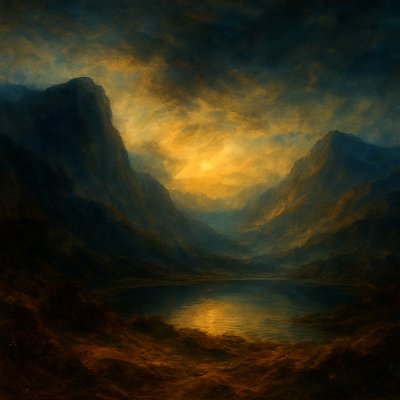
serene landscape with mountains and water
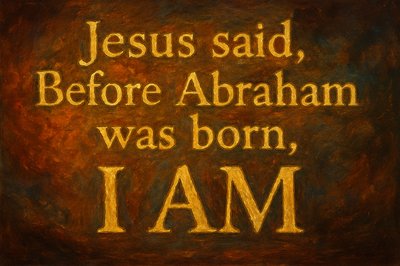
Fancy text:  Jesus said, Before Abraham was born, I AM
    A breathtaking, full-size artistic standing buffalo, rendered entirely in the style of intricate, luminous glass art, reminiscent of the painted buffalo installations. The buffalo's majestic form is composed of countless individual pieces of vibrant, multifaceted stained glass or fused glass, meticulously cut, arranged, and joined.

    The entire surface of this glass buffalo is adorned with various miniature, finely detailed scenes and patterns etched, painted, or embedded within the glass itself, or created by the unique coloration and texture of the glass pieces. These scenes depict:

        Iconic Yellowstone landscapes: Old Faithful erupting in miniature, the Grand Canyon of the Yellowstone, geothermal pools.

        Local wildlife: Elk, bears, wolves, eagles (all rendered in the glass medium).

        Native American art motifs: Geometric patterns, symbols, and figures (also within the glass).

    The buffalo's interior is subtly illuminated, causing the entire sculpture to glow from within, acting as a beacon of art and nature. Light catches every facet of the glass, creating a dazzling play of refracted colors that project intricate patterns onto the surrounding natural environment.

    The setting is the glory of Yellowstone National Park, specifically an expansive, iconic vista. Perhaps in a verdant meadow with distant geysers steaming, or near a crystal-clear river. The morning sun, bright and golden, backlights the buffalo, intensifying its inner glow and creating a dramatic contrast with the rugged, natural beauty of the park. The atmosphere is one of awe, harmony between art and nature, and a profound celebration of the spirit of the American West. The artistic style is hyper-realistic, emphasizing the detailed texture, transparency, and brilliant light play inherent in glass art, seamlessly integrated into a vibrant, natural landscape.
    A breathtaking, full-size artistic standing buffalo, rendered entirely in the style of intricate, luminous glass art, reminiscent of the painted buffalo installations. The buffalo's majestic form is composed of countless individual pieces of vibrant, multifaceted stained glass or fused glass, meticulously cut, arranged, and joined.

    The entire surface of this glass buffalo is adorned with various miniature, finely detailed scenes and patterns etched, painted, or embedded within the glass itself, or created by the unique coloration and texture of the glass pieces. These scenes depict:

        Iconic Yellowstone landscapes: Old Faithful erupting in miniature, the Grand Canyon of the Yellowstone, geothermal pools.

        Local wildlife: Elk, bears, wolves, eagles (all rendered in the glass medium).

        Native American art motifs: Geometric patterns, symbols, and figures (also within the glass).

    The buffalo's interior is subtly illuminated, causing the entire sculpture to glow from within, acting as a beacon of art and nature. Light catches every facet of the glass, creating a dazzling play of refracted colors that project intricate patterns onto the surrounding natural environment.

    The setting is the glory of Yellowstone National Park, specifically an expansive, iconic vista. Perhaps in a verdant meadow with distant geysers steaming, or near a crystal-clear river. The morning sun, bright and golden, backlights the buffalo, intensifying its inner glow and creating a dramatic contrast with the rugged, natural beauty of the park. The atmosphere is one of awe, harmony between art and nature, and a profound celebration of the spirit of the American West. The artistic style is hyper-realistic, emphasizing the detailed texture, transparency, and brilliant light play inherent in glass art, seamlessly integrated into a vibrant, natural landscape.
portrait of two people together
serene landscape with mountains and water
portrait of a person with expressive eyes
still life arrangement of fruits and flowers
New York City
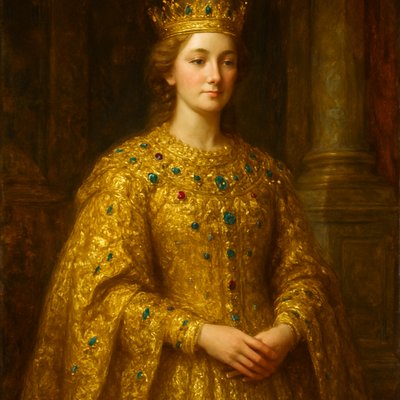
My sincerest apologies that the Queen appeared angry! That's completely contrary to the "serene and noble expression" we aimed for and the dignity implied by Psalm 45. We need to explicitly reinforce a gentler, more gracious demeanor.

You're also right to focus on the gold's shine. We can definitely enhance that.

To address both issues—the expression and the gold's luminosity—we'll make two key adjustments:

    Refine Expression: Use stronger words for a gentle, majestic, and perhaps beatific expression.

    Enhance Gold's Shine: Introduce Baroque Art Style as a secondary influence. Baroque is famous for its dramatic light, intense gleam on metals and jewels, and dynamic richness, which will make the gold truly radiant. It pairs beautifully with Oil Painting for opulence.

Revised Prompt for "Queen in Gold of Ophir - Gentle Expression & Shining Gold"

    Oil Painting Art Style, Baroque Art Style, a breathtakingly majestic and regal portrait of "The Queen in Gold of Ophir," inspired by Psalm 45. The Queen stands with impeccable grace and royal dignity, her posture radiating quiet power. Her expression is serene, gentle, and profoundly gracious, with a subtle, knowing smile, reflecting noble peace. She is adorned in an exquisitely elaborate gown woven entirely from the finest, purest gold of Ophir, which shimmers and gleams with unparalleled brilliance, catching every ray of light. Her attire is intricately embellished with countless precious jewels—sapphires, rubies, and emeralds—each sparkling intensely with Baroque dynamism. A delicate yet regal golden crown, also ablaze with light, rests upon her head. The setting is a grand, opulent royal palace chamber, with rich tapestries and polished marble, bathed in dramatic, warm, golden ambient light that creates striking highlights and deep, luxurious shadows, making her and her lavish garments glow. Focus on the unparalleled brilliance, texture, and radiant shine of her golden gown, the intense sparkle of her jewels, her majestic yet gentle presence, and the luxurious, sacred atmosphere befitting a queen in God's presence.
still life with everyday objects
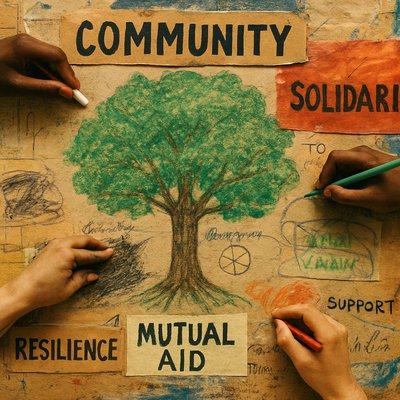
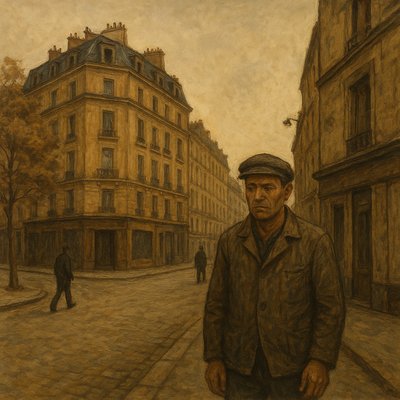
Social Realist Figurative Art Style Style Transfer Example
a black and white drawing of an angel
urban street with city activity