Created by
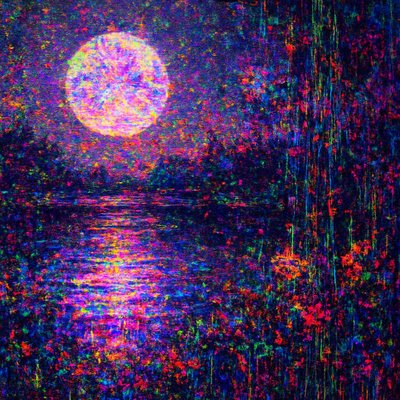
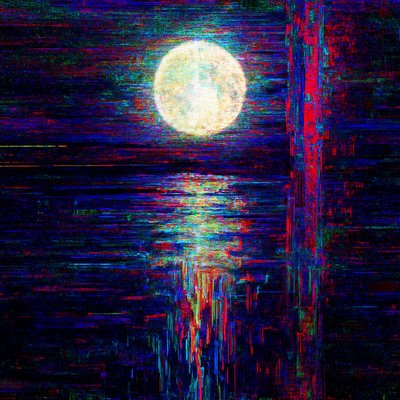
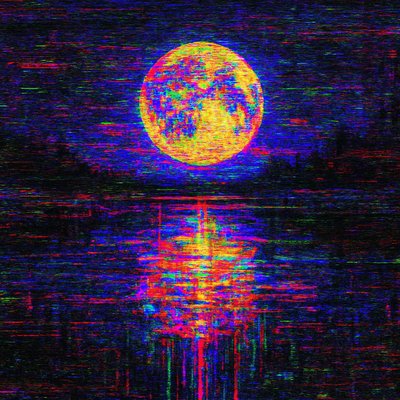
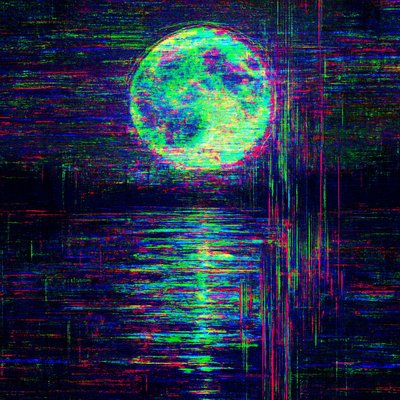
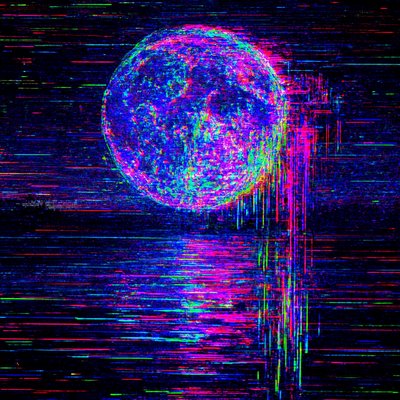
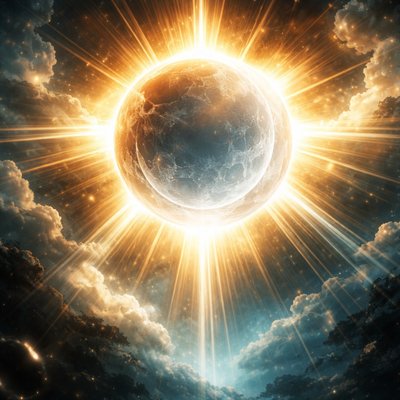
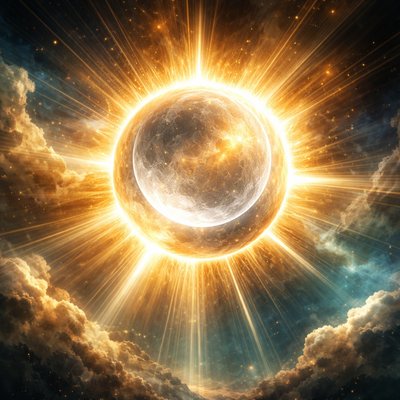
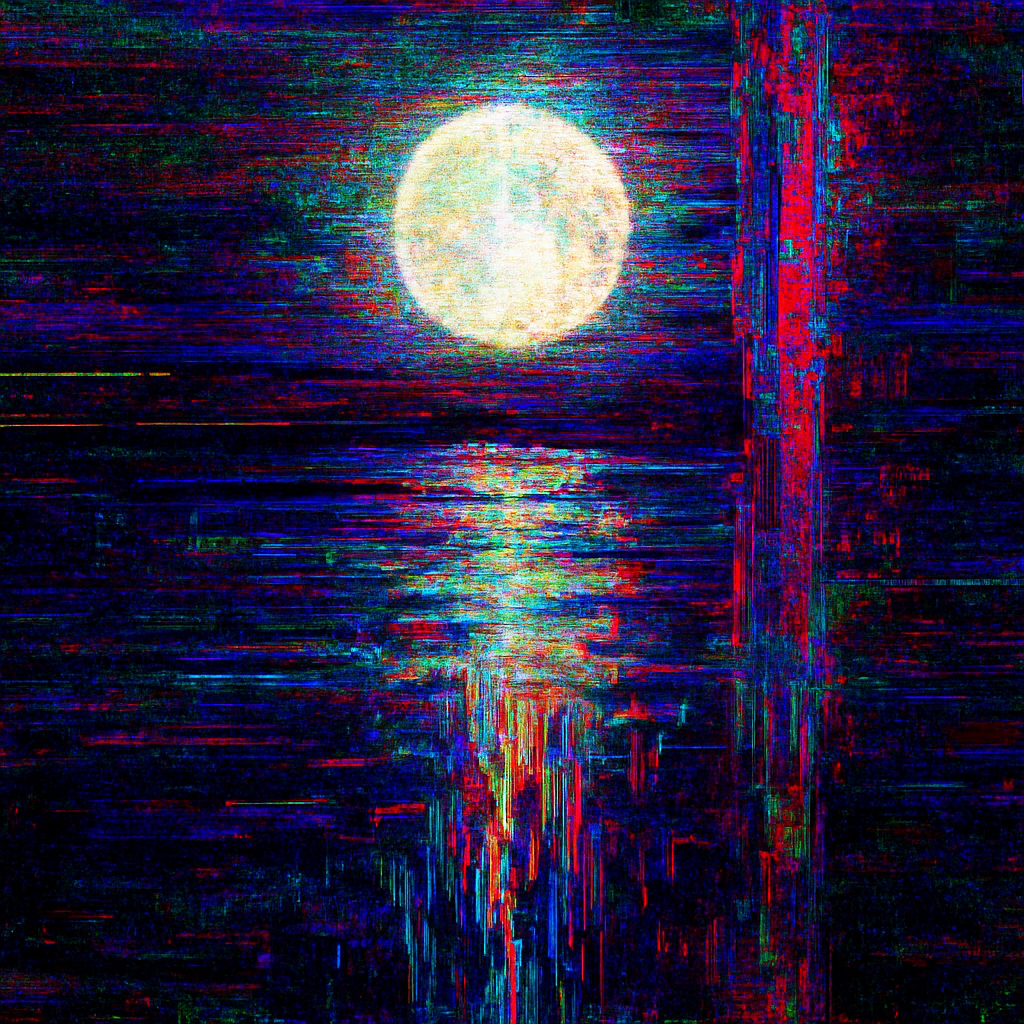
Start with a completely ordinary, even boring photograph of a full moon reflecting over a still lake. Corrupt it until it no longer resembles its original subject at all, but still somehow feels like it’s haunted by what it used to be. Push the file through at least four different deliberate stages of destruction (e.g. heavy JPEG decay → databend in Audacity → pixel sorting by luminance → extreme RGB channel displacement and offset). Let compression artifacts bloom into impossible colors. Allow entire sections to liquefy and drip downward. Make the metadata scream. The final image should feel like a memory that’s been compressed, encrypted, lost, recovered, and compressed again for twenty years.
Style Used
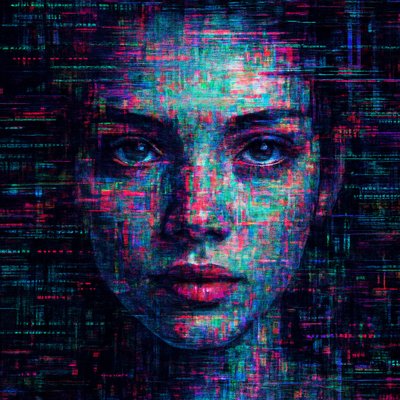
Digital Glitch Abstract Art Styleby @stylecreator
This digital glitch abstract art style embraces technological errors as artistic expression. Using databending, pixel sorting, and compression artifacts, it transforms digital imperfections into contemporary abstract compositions.
See More